Skip to content
  • Home
  • Subscribe / donate
  • Events calendar
  • Business Directory
  • FAQ
  • News
    • Local
    • National
    • Israel
    • World
    • עניין בחדשות
      A roundup of news in Canada and further afield, in Hebrew.
  • Opinion
    • From the JI
    • Op-Ed
  • Arts & Culture
    • Performing Arts
    • Music
    • Books
    • Visual Arts
    • TV & Film
  • Life
    • Celebrating the Holidays
    • Travel
    • The Daily Snooze
      Cartoons by Jacob Samuel
    • Mystery Photo
      Help the JI and JMABC fill in the gaps in our archives.
  • Community Links
    • Organizations, Etc.
    • Other News Sources & Blogs
  • JI Chai Celebration
  • JI@88! video

Recent Posts

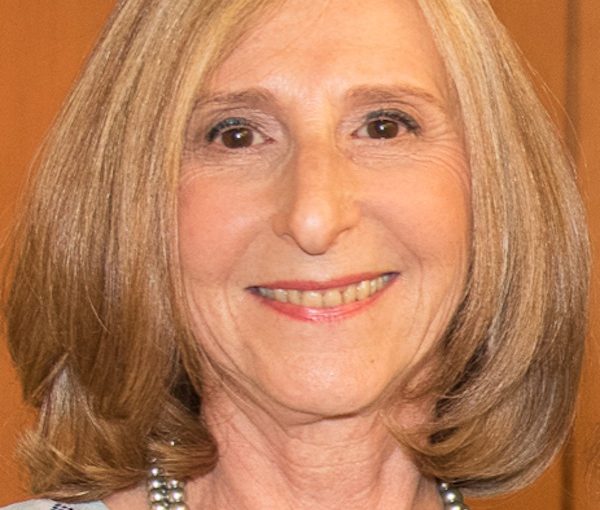
  • SFU honours Gloria Gutman
  • Lifting people’s spirits
  • Wedding a ray of light
  • Indigeneity and Zionism
  • Rule of law broken: councilor
  • Football and its roles
  • The burden of defence
  • Fish Café returns after fire
  • All right in what goes wrong
  • Nuns & mermaids at TUTS
  • Camp offers holiday retreat
  • Students and mentors inspire
  • Once-in-a-lifetime trip
  • 100 dancers, one heart
  • Money for the sciences
  • What “Jewish food” means
  • Have a cookie, schnitzel too
  • Federation now across BC
  • Israel fighting for its existence
  • Deal strengthens Iran
  • Patriotic belonging diminishes
  • A campaign to engage
  • Upstanders’ first live event
  • Responding to Carney
  • Having your own home
  • Music a family tradition
  • Musical to warm heart
  • Community milestones … June 2026
  • Sharing her passion for Israel
  • Or Shalom reopens its doors
  • JFS from past to future
  • Need holistic approach
  • Sharing stories, advice
  • Journalist shares fears
  • Skills to live together
  • Road to independence

Archives

Follow @JewishIndie
image - CJN box ad Rockowers 2026

Tag: coronavirus

חופשות מקומיות

חופשות מקומיות

הביקור בטופינו התפרש על פני לילה אחד

בפעמיים האחרונות כתבתי ארוכות על הטיול הטוב שעשיתי לוויקטוריה הבירה של מחוז בריטיש קולומביה. זאת בעידן הקוביד כאשר אי אפשר לטוס יותר לאירופה שאני אוהב אלה “רק” לטייל במחוז היפה שלנו.

לאחרונה הספקתי לבקר בשני מקומות בבריטיש קולומביה לראשונה מאז עברתי לקנדה לפני למעלה משש עשרה שנה. הראשון שלא היה מעניין במיוחד – היה לעיירה טופינו בקצה הרחוק (המערבי) של האי ונקובר והשני שהיה מאוד מעניין – היה העיר קולונה בעמק אוקנגן.

לטופינו טסתי במטוס הים שנוחת במים כך שפגשתי מעט נוסעים בטרמינלים הקטנים של ונקובר ושל טופינו. הטיסה לטופינו נמשכה שישים וחמש דקות ובמטוס הקטן מלבד הטייס היו עוד שתי נוסעות. הנוף מהמטוס שטס בגובה נמוך מרשים ביותר. תחילה רואים את פארק סנטלי ולאחר מכן את מי האוקיאנוס השקט השקטים בדרך לאי ונקובר. גם חציית האי מהצד המזרחי למערבי כדי להגיע לטופינו יפה ביותר.

photo - Tofino - Totem poleטופינו היא עיירה קטנה שמונה בסך הכול כאלפיים תושבים. מרבית התיירים באים אליה כדי לגלוש בגלים הגבוהים של האוקיאנוס או לעשות ספורט אתגרי אחר. וכן לטייל ביערות הגשם ובסביבה.

בגלל מגפת הקוביד האיים של האינדיאנים שסמוכים לטופינו היו סגורים למטיילים ולכן נאצלתי להסתפק בטופינו הקטנה בלבד. בתור תייר שמחפש תרבות לא מצאתי הרבה לעצמי בטופינו. לאחר הנחיתה הלכתי ברגל בערך כרבע שעה למלון מאק הממוקם ברחוב הראשון בסמוך למים. המלון היה נחמד ונקי אך בגלל המגפה הקפטריה שלו הייתה סגורה ולכן אכלתי במסעדות בחוץ.

הביקור בטופינו התפרש על פני לילה אחד בלבד וטוב שכך מבחינתי כי לא מצאתי עניין בעיירה הקטנה והנידחת הזו. ירדתי לחוף הים הפראי וטיילתי להנאתי. לאחר מכן הסתובבתי במרכז העיירה הקטן ומצאתי קפה נחמד לאחר הצהריים. בחיפושי הנואשים אחר תרבות מצאתי את הגלריה של רועי הנרי ויקרס. מדובר באמן אינדיאני (בן שבעים וחמש כיום) שזכה להכרה ברחבי העולם ואף קיבל פרסים רבים. רכשתי ספר שמכיל את היצירות שלו אותו הבאתי כמתנה לבת זוגתי בוונקובר. לאחר הביקור בגלריה המעניינת חיפשתי מקום לארוחת ערב. מתברר שבערב בטופינו ישנן ארבע מסעדות פתוחות וחוץ מזה כל העיירה סגורה. לאחר הארוחה הסתובבתי קצת באזור ומצאתי שתושבי העיירה הולכים לישון מוקדם מאוד. אחרי שמונה בערב הכול חשוך וסגור.

למחרת בשעות הצהריים המוקדמות הייתי אמור לטוס בחזרה לוונקובר במטוס הימי אך בגלל הערפל הכבד הטיסה בוטלה לצערי. כיוון שבקו טופינו ונקובר יש רק טיסה יומית אחת של המטוס הימי הבנתי שלא אוכל באותו יום לעשות את הדרך חזרה עמו כאמור בגלל הערפל. בנוסף הייתה טיסה אחת בלבד של מטוס רגיל (מופעל על ידי חברת פיסיפיק קוסטל) אך היא כבר יצאה לכיוון ונקובר. לכן לא הייתה לי בררה אלה לחפש אוטובוס הביתה.

למזלי ברגע האחרון מצאתי אוטובוס בקו טופינו אל העיר נאיימו שבמזרח האי ונקובר. היה זה אוטובוס קטן והנסיעה נמשכה כארבע עשות תמימות. באמצע נאלצנו לעצור לחצי שעה כיוון שתיקנו את הכביש בין טופינו לננאיימו. לאחר מכן עצרנו למספר דקות לשתייה ושירותים בפורט אלברני ומשם הגענו במהירות יחסית לננאיימו. המעבורת עדיין לא עזבה את המעגן בנניאמו, כך שיכולתי לעלות עליה ולשוט בנוחות לעבר ווסט ונקובר. משם מצאתי אוטובוס מהיר לדאון טאון ונקובר והגעתי סוף סוף הביתה. אם כן הדרך חזרה נמשכה שעות מרובות עד שהגענו לוונקובר.

Format ImagePosted on May 5, 2021May 5, 2021Author Roni RachmaniCategories עניין בחדשותTags British Columbia, corona test, coronavirus, COVID-19, gallery, Roy Henry Vickers, Tofino, travel, בדיקה לקורונה, בריטיש קולומביה, גלריה, טופינו, לנסוע, קורונה, רועי הנרי ויקרס

Model of resilience

As we have reveled in the summer-like weather of this extraordinary spring, we face, on the one hand, a looming overload of our health system as COVID variants lead to an especially worrisome wave, while, on the other hand, we enjoy a sense of huge optimism every time we see another friend’s vaccination selfie. There is a race between the spread of the virus and the distribution of the vaccine.

There will be time to reflect on the responses of governments around the world, but, for now, we thank again the medical professionals and other frontline workers, which in the circumstances includes retail and restaurant workers and anyone whose position puts them in front of the public so that the rest of us can live with comparative ease.

We are now in the second round of annual events held virtually. We have celebrated Passover with online seders two years in a row and likewise have marked simchas and solemn occasions through our devices. This is becoming something close to routine.

The past couple of weeks have been especially packed with virtual community events. It is remarkable how meaningful and moving ceremonies like Yom Hashoah (Holocaust Remembrance Day) and Yom Hazikaron (Israel’s Memorial Day) can be even when mediated through technology. Joyous occasions like Yom Ha’atzmaut (Israel’s Independence Day) were different but delightful.

On Sunday, Jewish Family Services held a virtual grand opening and tour of their new food hub, dubbed the Kitchen, a centre for sustainable food, education and community-building around this most central of human necessities. (See story next issue.)

What was inspiring about the JFS event, in addition to the project itself, is the resolve and optimism demonstrated by the very act of launching the facility in the midst of a pandemic. It is a bit of wonderful audacity, or chutzpah, to start a new initiative like the Kitchen and to see it through to a physical opening, despite the challenges thrown at the organization by COVID.

Of course, there are countless similar examples, in our community and others, of people doggedly pursuing great causes in the face of the crisis we are in. There is the small miracle that this pandemic hit us at a time when we have the technology to see and talk to people worldwide in real time. But the technology is only as good as the people operating it. On a dime, schools, synagogues, arts and cultural institutions, education and advocacy agencies, as well as families, adapted as best they could under sometimes nearly impossible circumstances. The quality of so many of these efforts has been remarkable.

What makes things like the Kitchen so significant is that it was not an existing program that went virtual, but a fresh concept in community well-being that was envisioned and created. Sunday’s Chanukat Habayit was the culmination of that foundational work and the beginning of what should be decades of programs and services.

If there were a model of behaviour to inspire clients of Jewish Family Services, and all of us, that demonstration of resilience and determination in times of difficulty is an ideal one.

Posted on April 23, 2021April 22, 2021Author The Editorial BoardCategories From the JITags coronavirus, COVID-19, food security, Jewish Family Services, JFS, Yom Ha'atzmaut, Yom Hashoah, Yom Hazikaron

Counting the Omer at home

For university students or professors, like my husband, the end of term is coming. Some universities call this winter term, others say spring term. Even though I haven’t been in school for a long while, I still remember the feeling at the end. Many of my classmates were elated after they sat their last exam. They’d yell loudly after they left the exam hall, or go drinking or do something celebratory and crazy. I often had an entirely different experience.

Most of my coursework, in the humanities and social sciences, required writing papers instead. During the study week and the exam period that followed, I’d line up the due dates, create a calendar and plow through. Each paper would require its set of books, carefully piled up, with scraps of paper as bookmarks or long lists of online references. I’d check the professor’s requirements – five pages? 12? 20? – and sometimes crank out a paper every day or two.

In that era, the professors liked hard copies, so I’d print out my work, staple it, and trudge across campus, leaving it in a professor’s mailbox. Then, I’d walk home and, sometimes, I’d take a break from writing. Other times, I’d just start the next paper. When the last research paper was written and submitted, that was it. No fanfare. No yelling or parties or even shared experience with classmates. In some cases, by the time I finished writing, the dormitories would be emptying out. I’d feel hollow and exhausted, but, even while I was alone, I was triumphant. It was all finished. I could go home.

Real life isn’t a lot like the end of a semester. True, holidays end (buh-bye, Passover!! See ya next year!) and big work projects get turned in, but, many times, there’s no big completion marker, no hurrah. It’s a lot more like turning in those term papers. It’s a lot less like the group partying after exams.

Our triumphs and mile markers during the pandemic have been quieter, overall, for me – a lot like that feeling of turning in my research papers by myself. I cheer every time someone shows off their COVID vaccination information on social media. I’m in awe of what many have accomplished during this independent time in terms of learning new skills (sourdough, pottery, whatever) or in their career trajectory; again, mostly seen via social media. It’s sometimes hard to “see” oneself the same way, though, particularly when vaccinations are going so slowly.

Whlie I know, objectively, that many of us are accomplishing a ton, it’s also equally valid to do a reasonable job just staying afloat during such a crisis. Getting meals on the table, kids educated and – not to be forgotten – working are big accomplishments right now. As some are struggling with mental health, food or housing insecurity, it can be important to recognize how many of us are doing OK, and could potentially help someone else.

The Jewish calendar has really steered our household during this stay-home period. For instance, right now, we’re counting the Omer at home, for the first time ever. My kids did it in preschool, and I’ve been vaguely aware of it some years, but I certainly wasn’t raised with doing this at home.

What’s the Omer? It’s the verbal counting of the days between Passover and Shavuot. While we no longer bring a grain offering to the Temple in Jerusalem on Shavuot, we still measure this stretch between the holidays. The kabbalistic mystics added a level of meditative imagery, too, a way of preparing ourselves to mark the gift of the Torah to the Jewish people on Shavuot.

One of my twins is keen to cross days off the calendar. He and I are counting the Omer together. To remember, I’ve been writing the right number on a chalkboard and he and I turn to each other at some point and announce, “It’s the Xth day of the Omer!” Then we say, for instance, “NINE, NINE, NINE!” and laugh. But, in all seriousness, for us, it has become a way of keeping track of time. It’s an accomplishment, if not a divine mystical meditation.

I’m very much looking forward to being vaccinated – and I’m hoping to say the Shehecheyanu blessing (being grateful for having reached this moment and season). I can’t wait to feel, with the vaccination, that I’ve done all I can to cherish life, according to Jewish tradition, and be healthy for my family.

On the Jewish calendar, we’re looking forward to having a family barbeque on Lag b’Omer. Both 9-year-olds here are excited about their hot dogs and maybe getting to eat them outside.

It still feels like an absolutely uphill trudge in the snow, though. This is literal – we’re also in the midst of a big April snowstorm in Winnipeg. The plows are working outside my home as I write this. However, using this ancient system to count the days, or the Omer, both connects us to our past and helps us make incremental gains towards whatever is to come in our hopefully brighter, post-pandemic future.

Every year, we receive the Torah on Shavuot, and it’s something to celebrate, a milestone. Each moment, no matter how mundane, is something for which to feel grateful.

Many say that, when the pandemic is over, there will be a roaring ’20s feel, that people will party wildly in the streets. I suspect it’s going to be a lot more like the trickling sensation of writing and turning in one paper at a time, until I’d met all my undergraduate course load deadlines. Even so, I’m counting the days until I can feel relieved at the end, and celebrate with family, at home. Since no one knows when that end will be scheduled on any calendar, I’ll just keep counting the Omer, instead.

Joanne Seiff has written regularly for CBC Manitoba and various Jewish publications. She is the author of three books, including From the Outside In: Jewish Post Columns 2015-2016, a collection of essays available for digital download or as a paperback from Amazon. Check her out on Instagram @yrnspinner or at joanneseiff.blogspot.com.

Posted on April 23, 2021April 22, 2021Author Joanne SeiffCategories Op-EdTags coronavirus, COVID-19, Jewish calendar, Jewish life, Lag b'Omer, lifestyle
COVID’s impacts on mental health

COVID’s impacts on mental health

(image from bastamanography)

Purim 2020, which took place in early March, brought with it added significance. For some, it represented the last time they gathered in a Jewish setting in person, outside the home. For others, it was the first “live” service to be canceled as a result of SARS-CoV-2. In the days that ensued, lives changed as the perils of the coronavirus became apparent. School, work and religious services all moved online; personal contact with friends and family became exceedingly limited; travel, for most people, ceased.

Among the societal issues compounded by the pandemic have been increased isolation, drug dependence, and food and job insecurity. Underlying these problems has been COVID-19’s effect on mental health, including within the local Jewish community. As a result, numerous groups have stepped up their efforts to help the most vulnerable, and all those who have been impacted by the pandemic. During the past weeks, as the first anniversary of COVID-19 came and went, the Jewish Independent spoke with several people at the forefront of handling the Greater Vancouver Jewish community’s response.

At Jewish Family Services (jfsvancouver.ca), efforts to tackle mental health issues have widened, as more people have been seeking the agency’s support. Early on, JFS opened a crisis line that runs seven days a week, from 9 a.m. to 9 p.m. (604-588-5719 or [email protected], with the promise to respond within 24 hours).

“People are struggling, without a concrete end to the restrictions, and so demand for emotional support and learning different coping skills has surged. Our crisis line is always there for people who need immediate help and, for many community members, this is the easy way to connect with a counselor. If someone wants to remain anonymous, that is absolutely an option, we do not require a caller to identify themselves,” JFS chief executive officer Tanja Demajo told the Independent.

From its launch at the start of the pandemic to August 2020, the JFS Community Crisis Line received 955 calls, serving 494 individuals. Case workers spent 2,052 hours on the line. Additionally, 166 individuals accessed free programs offered by the JFS mental health and wellness team via telehealth and video conference – a 40% increase compared to pre-COVID times.

“Many are struggling with the added role of being a caregiver in the pandemic context, as well as dealing with their own emotions, so our workshops and support groups provide a community where people are able to vent, talk and support one another. We also connect people with friendly callers. These services have been a lifeline for many of our clients,” Demajo said.

A report released by the JFS client advisory committee last summer highlighted many ongoing concerns. One alarming quote from a client cited in the report reads, “COVID-19 has been depressing and frightening for me. My anxiety has been through the roof and I’ve had an increased number of panic attacks and migraines. My chronic health conditions have increased in severity and I have new ones. My nightmares and terrors have also increased.”

Prior to the pandemic, some JFS clients were already battling with mental health issues, often severe, which have been aggravated by the need to now cope with unaccustomed fears and anxieties. Some people, according to JFS, have refused to go outside, whether it be to the grocery store or outside for a walk. This problem is often felt by seniors, who, like everyone, need exercise and who confront serious health conditions such as heart disease, diabetes and high blood pressure.

Many housebound JFS clients depended on family and friends visiting for social and emotional connection before COVID hit and have been feeling deeply alone since the pandemic began. Irritability and anger are rising. Senior clients who were used to spending significant time with their grandchildren are missing them desperately. “I miss hugging my grandchildren,” is a common refrain.

Since mid-May of last year, there have been weekly depression and anxiety support group meetings with JFS’s mental health outreach therapist, Kevin Campbell. Run on Zoom, the 90-minute sessions teach coping skills and allow a safe place to talk and share. The group focuses on cognitive behavioural therapy and mindfulness techniques. JFS also has an active seniors caregivers support group led by Lily Shalev.

Not all COVID-19 developments in connection to mental health are grim, JFS notes. Due to technological developments, some of those experiencing isolation are able to access telehealth, work from home, get home deliveries and view a variety of educational and cultural offerings online, including many synagogue activities.

Jewish Addiction Community Services Vancouver (jacsvancouver.com), an organization that helps community members navigate the troubles of various substance abuse issues, has held one-on-one meetings on Zoom ever since COVID started.

“Clients seem to like this kind of individual counseling better, as it allows for greater intimacy, even though it is on Zoom,” said Shelley Karrel, manager of counseling and community education at JACS. “What people liked most about the group meeting was the getting together physically.”

To help those who would prefer to meet in person, Karrel has arranged for one-on-one socially distant coffee meetings. “What JACS has done is to make ourselves more available to someone when they want to talk, and to be able to schedule a meeting fairly quickly. As a registered clinical counselor, I am able to offer clients tools and exercises for managing their symptoms and for exploring the root causes when the issues of anxiety and depression are evident. Some of my clients are finding AA meetings helpful online. And, like with our clients, some are not using that medium for the same reason – it’s not personal enough.”

For ongoing support, JACS has a monthly email that lists many resources for people, if they want to reach out for specific help. JACS is also beginning a new program, Sustaining Recovery, that offers additional support in the form of a structured plan to help someone develop goals and be able to keep track of their progress. This plan, JACS finds, is very useful in creating accountability and support.

Inclusion services at the Jewish Community Centre of Greater Vancouver (jccgv.com/inclusion) continues to provide a number of targeted social and recreational programs intended to engage, educate and provide meaningful lifelong learning opportunities, as well as engage individuals with diverse needs. The programs are rooted in Jewish values and the principles of social connection, community building and belonging.

“Social isolation is a prevalent issue for individuals with diverse abilities [and] this reality was exacerbated by the COVID-19 shutdown,” explained Leamore Cohen, coordinator of inclusion services. “These communities have been particularly impacted by the loneliness, uncertainty and economic hardships caused by the global pandemic, leaving these individuals at higher risk for numerous health challenges. The work we do in the inclusion services department creates the needed awareness of the individuals we support. But, now more than ever, community members are looking to us for routine and engagement at a time when they are most vulnerable.”

As people have settled into life with COVID-19, “these individuals continue to be shut in and vulnerable to mental health challenges,” she added. “In response, we offer a hybrid of virtual and in-person programming throughout the week that is both accessible and safe. In-person programs adhere to best COVID practices, and our virtual offerings allow for those who are unable to attend in person to access programming and community virtually.”

The Bagel Social Club, for example, met weekly in pre-COVID times as a means to increase avenues for integration, self-reliance and wellness. The program has shifted to weekly social clubs over Zoom and a weekly Relax and Just Breathe class, which includes gentle stretching, breathing exercises and visualizations.

As the lockdown took effect last year, Jewish Federation of Greater Vancouver (jewishvancouver.com) began convening multiple stakeholder groups to determine the pandemic’s impact on many aspects of Jewish communal life. A common thread during these discussions involved concerns about the impacts of increased social isolation on seniors, families and youth. Federation also hosted several webinars on mental health for community members, related to the impacts of COVID-19.

“Through this work, we were able to identify a number of key initiatives that we could support both financially and organizationally,” said Shelley Rivkin, vice-president of global and local engagement at Federation. “These include over $170,000 in emergency funds to Jewish Family Services, part of which was used to support the emergency care line; funds for Jewish Seniors Alliance to expand their peer support program; and the organization of several webinars with community psychologists directed toward young adults, families and teens.

“The Jewish Community Foundation, Federation’s endowment program, has also supported a number of projects to enable community agencies to undertake mental health initiatives,” she added. “Support for mental health issues for both agency employees and leaders was also identified as a priority for the community recovery task force when they launched their first grant round. It will continue to be highlighted as we move into the next grant round.”

Last December, youth workers voiced concern about the mental well-being of youth and young adults. Consequently, Federation hosted a roundtable with key leaders to ascertain how community members in this age range are faring, especially when faced with so many disappointments and cancellations over the past year. Based on these conversations and others, Federation will be collaborating with these agencies to develop a community mental health strategy for children and youth.

Sam Margolis has written for the Globe and Mail, the National Post, UPI and MSNBC.

Format ImagePosted on April 23, 2021April 22, 2021Author Sam MargolisCategories LocalTags addiction, coronavirus, COVID-19, inclusion, JACS Vancouver, JCC, Jewish Community Foundation, Jewish Family Services, Jewish Federation, JFS, Leamore Cohen, mental health, Shelley Karrel, Shelley Rivkin, Tanja Demajo, youth
‘ימים טובים חלק ב

‘ימים טובים חלק ב

במשך שנים נעשו עבודות נרחבות של שימור וטיפול בציינה טאון של וקיטוריה, וכנראה לעיריית ויקטוריה, לקהילה הסינית ולשאר התושבים זה חשוב מאוד.
(רוני רחמני)

כפי שציינתי ברשימה הקודמת לאחר שעברתי בדיקת קורונה שתוצאותיה היו שליליות, החלטתי לצאת סוף סוף לחופשה קצרה בעיר ויקטוריה – בירת מחוז בריטיש קולומביה.

לאחר הביקור בגלריית באטמן המעניינת יצאתי ביום שישי לסיור מודרך בסירה באזור נמל ויקטוריה. הסיור בסירה הקטנה (מאותו דגם של הסירות השטות בוונקובר – מהאי גרנוויל ואליו), כרוך בתשלום של שלושים ושניים דולר. לא זול כיוון שמדובר בסיור בן ארבעים וחמש דקות בלבד אך שווה כל דקה. המדריך המנוסה שהשיט את הסירה הסביר לעומק את ההיסטוריה של ויקטוריה, האינדיאנים שכרגיל היו המתיישבים הראשונים כאן, הבריטים, האמריקנים וכמובן הקנדים. מתברר שחברת הרכבות היא שבנתה את מלון אמפרס המפואר, שמנוהל כיום על ידי רשת פיירמונט היוקרתית. המלון נבנה על קרקע בוצית שיובשה וכך גם נוקה כל האזור שהיה מלא בפסולת רעילה ממפעלים תעשייתיים שונים. עוד מתברר שלאחרונה משפחת בוסה האיטלקית רכשה את מלון אמפרס במחיר זול במיוחד שעומד על כארבעים וחמישה מיליון דולר. לא ברור למדריך ולנו כיצד הם שילמו כל כך מעט על מבנה מפואר וגדול. מכל מקום בשלב זה רשת פיירמונט עדיין מנהלת את המלון ולא ידוע מה יקרה לאחר שיסתיים החוזה עמה. אגב משפחת בוסה מחזיקה גם בחברת בנייה שבונה ללא הפסק בוונקובר ובסביבה. המדריך הסביר כיצד אוניות ענק של קווי שייט שמפעילים קרוזים מפוארים, עוגנות בנמל וקיטוריה, לאחר שהגיעו מארה”ב והן בדרכן לאלסקה. בוונקובר קשה לאוניות הענקיות לעבור מתחת לגשר ליונס גייט בדרכן לעגינה בקנדה פלייס שבנמל ונקובר. לעומת זאת בנמל של ויקטוריה אין לאוניות שום מגבלות בגלל גודלן. לקראת סיום הסיור ראינו בתים צפים בהם גרים תושבים מקומיים וכן אזור תעשייתי באו עוגנות אוניות משא, שמובילות גרוטאות של מתכת למפעל סיאטל.

את הערב סיימתי בארוחה טובה במסעדת קקטוס שבעיר ובעידן הקוביד ישבנו בחוץ. כהרגלי אכלתי סלט בריא בתוספת נתחי עוף רזים. כוס יין אדום משובח תוצרת ארגנטינה הנעים את הזמן.

photo - Detail on building in Victoria's Chinatown
(רוני רחמני)

ביום שבת ארגנתי לעצמי שני סיורים מודרכים רגליים: הראשון – בציינה טאון המעניינת של ויקטוריה. בניגוד לוונקובר ציינה טאון בוויקטוריה נקייה להפליא (כמו זו של מונטריאול בקוויבק). הסיור היה מרתק ושמענו הסברים על הציינה טאון הראשונה בקנדה. הסינים הגיעו תחילה בעידן הבהלה לזהב. לאחר מכן פתחו מפעלים למכירת סם האופיום כאשר בשעתו זה היה חוקי. לאחר שהממשלה הקנדית קבעה שהתעסקות באופיום אינה חוקית עוד, הציינה טאון של ויקטוריה החלה לגסוס ואז התפתחה דווקא הציינה טאון של ונקובר. במשך שנים נעשו עבודות נרחבות של שימור וטיפול בציינה טאון של וקיטוריה, וכנראה לעיריית ויקטוריה, לקהילה הסינית ולשאר התושבים זה חשוב מאוד. לעומת זאת בוונקובר נראה שלאף אחד לא אכפת שציינה טאון המקומית גוססת, מלוכלכת, בתים נוטים להתפורר והומלסים רבים הפכו את הרחובות באזור לביתם הפרטי. פשוט מביש.

את הביקור המוצלח בוויקטוריה חתמתי בסיור מורדך נוסף והפעם בנושא ההיסטוריה העשירה של העיר. המדריך סיפר לנו על המלחמות המקומיות, השליטה הבריטית, ההתנגדות ולבסוף ההסכמה להצטרף לקנדה תוך הבטחה להקמת רשת פסי רכבת. שמענו בהפתעה כי לוויקטוריה היה גם צד אפל וחשוך בעיקר באותם ימים של תקופת הבהלה לזהב. רבים מהעובדים שנשכרו לביצוע המלאכה בזבזו את כספם על שתיית אלכוהול מרובה בעיר. אחרים מצאו להם נערות ליווי וחגגו עימן עד השעות המאוחרות של הלילה.

Format ImagePosted on April 22, 2021April 22, 2021Author Roni RachmaniCategories עניין בחדשותTags Chinatown, corona test, coronavirus, COVID-19, history, travel, Victoria, בדיקה לקורונה, היסטוריה, וויקטוריה, לנסוע, ציינה טאון, קורונה
ימים טובים

ימים טובים

בדיקה שלילית לקורונה ונסיעה לוויקטוריה
(רוני רחמני)

בימים אלה של המגפה שלא מרפה מחיינו החלטתי שהגיע הזמן לעשות בדיקה לגלות באם חליתי בקורונה. הבדיקה נעשית במהירות לאחר תהליך רישום קצר במבנה של מערכת הבריאות המקומית, שאגב נמצא במרחק של פחות מעשר דקות הליכה מביתי בדאון טאון ונקובר.

הרגשתי כמעט בוודאות שהתוצאות הבדיקה יהיו שליליות ולא טעיתי. האחות הכניסה מקלון מצופה בצמר גפן עמוק לנחיר השמאלי של האף שלי וההרגשה הייתה מאוד לא נעימה. היא ספרה עשר שניות והוציאה את מקלון הבדיקה לרווחתי. לאחר מכן עזבתי את המקום במהירות והמתנתי בדריכות לצואות הרשמיות. כעבור בערך כעשרים וארבע שעות קיבלתי הודעת אס-אם-אס ממערכת הבריאות כי תוצאת בדיקת הקורונה שעשיתי היא שלילית. לאחר מכן בנוסף קיבלתי שיחת טלפון מעובדת מערכת הבריאות שאשררה את הודעת האס-אם-סם ואמרה לי שוב שתוצאות של הבדיקה שליליות.

שמחתי מאוד לדעת שלמרות שלמעלה משנה של מגפה, הצלחתי לשמור על עצמי ולהימנע מלהיבדק בחיידק הנורא הזה. יש לזכור שנושא הקורונה הוא מאוד רגיש עבורי, בעיקר כיוון שאבי נדבק בחיידק ולאחר כשבועיים נפטר ממנו. אבי בן התשעים ואחת היה חולה ונחלש מאוד בחודשים האחרונים. בסוף חודש ינואר השנה הוא אושפז בבית החולים איכילוב שבתל אביב שלא רחוק מבית הורי. בבית החולים הוא נדבק בקורונה ולאחר כשבועיים נפטר מסיבוכים קשים. הרגשתי מקרוב את הנזקים האיומים שמגפת הקורונה עושה לנו, לחיינו, לקרובים כמו גם לרחוקים. אני לצערי לא יכולתי לעזוב את ונקובר ולהגיע להלווייתו שהתקיימה בבית הקברות האזרחי של קיבוץ מעלי החמישה שליד ירושלים, בגלל שקשה היה מאוד לטוס מכאן בעת הזו. לפחות שתיים-שלוש עצירות בדרך ואני הייתי צריך אז בנוסף לקבל אישור מיוחד ממשלת ישראל להגיע להלוויה. לאחר מכן היה עלי להיכנס לסגר באיזה שהיא מלונית בישראל למשך כשבועיים ימים. ובחזרה לקנדה הייתי צריך לעבור הליך סיוטי דומה. החלטנו לכן במשפחתי שלא אטוס. זו הייתה החלטה קשה אך מתבקשת בימים אלה.

לאחר שכאמור בדיקת הקורונה שלי הייתה שלילית הדפסתי את התוצאות במקרה ומישהו יזדקק לראות את המסמך מקרוב. מבחינתי קיבלתי אור ירוק לצאת לחופשה קלה במחוז שלי בריטיש קולומביה, לאחר חודשים ארוכים של שהייה בבית. מצאתי דיל טוב וזול לעיר הבירה של המחוז ויקטוריה, וטסתי לשם לשלושה לילות בסך הכול. לקחתי מלון בדאון טאון ויקטוריה במיקום מצוין וגם לא היה יקר מדי. הגעתי ביום חמישי אחר הצהריים ועזבתי בחזרה לוונקובר בראשון בבוקר. הטיסות אגב בוצעו במטוסי הים הנוחתים במים, כך שפגשתי מעט נוסעים בטרמינלים הקטנים בוונקובר ובוויקטוריה, וגם בטיסות עצמן.

photo - I visited the Bateman Gallery near the County House
ביקרתי בגלריית באטמן הקרובה לבית הפרלמנט של המחוז

בוויקטוריה סידרתי לעצמי סדר יום עמוס בכל שלושת ימי השהות שלי בעיר היפה והשקטה הזו. עם הנחיתה ביום חמישי אחר הצהריים, הלכתי ברגל מהמלון לגלריה לאמנות שבעיר. התרשמתי מעבודות סיניות ויפניות במיוחד. בערב אכלתי במסעדה המקומית הצופה אל המים.

בשישי בבוקר יצאתי לבקר במוזיאון הימי הקרוב לית המלון. לא התרשמתי יותר מיד ממה שראיתי ולאחר מספר דקות עברתי לגן החיות לחרקים שדווקא מאוד עניין אותי. לראשונה ראיתי מול עיני עשרות חרקים ממינים שונים בתוך בתי זכוכית גדולים. חלקם נחים בעצלות והחלק האחר לא מפסיק לנוע. ההסברים מהמדריך המקומי היו מאלפים.

לאחר מכן ביקרתי בגלריית באטמן הקרובה לבית הפרלמנט של המחוז. הוצגו שם תערוכות של צילומים וציורים של נופים ובעלי חיים. היה מאוד מעניין ומרשים לצפות בהן.

ההמשך יבוא.

Format ImagePosted on April 14, 2021April 22, 2021Author Roni RachmaniCategories עניין בחדשותTags corona test, coronavirus, COVID-19, death, mourn, travel, Victoria, בדיקה לקורונה, וויקטוריה, להתאבל, לנסוע, מוות, קורונה
Shalhevet annual gala

Shalhevet annual gala

Shalhevet Girls High School will honour Shelley Rivkin at its gala on April 11. (photo from Shalhevet)

On April 11, at its annual gala, Shalhevet Girls High School will honour Shelley Rivkin as a Guardian of the Flame.

“Every year, we honour a Jewish woman who is passionate and dedicated to the Jewish community,” Vivian Claman, president of the Shalhevet board, told the Independent. “Shelley personifies the kind of woman we inspire our students to become – independent thinkers and leaders in their communities. Shelley not only works hard for the Jewish community but for the Vancouver community, as well.

Rivkin is the third woman to be so honoured by Shalhevet. Anita Silber was the first, in 2019, and Sarah Berger was recognized last year.

Rivkin is vice-president of planning, allocations and community affairs for the Jewish Federation of Greater Vancouver. She is an adjunct professor of social work at the University of British Columbia and at Langara College, and she is a member of British Columbia’s Multicultural Advisory Committee.

“My parents were a significant influence,” said Rivkin about her choice of career and her participation in community. “My mother was a social activist and early feminist who introduced me to many of the ideas that contributed to my decision to go into social work, while my father was deeply connected to Jewish values and traditions. Both believed in the value of volunteer work and had me volunteering for a variety of causes from an early age.

“My Jewish education at Schara Tzedeck and involvement in both NCSY and BBYO also provided me with a deeper understanding of Judaism and Jewish life that I have carried with me throughout my career.

“There have also been some amazing women who have inspired me along the way,” she noted. “The late Rosemary Brown, who I had the privilege of meeting when I was in university, really opened my eyes to the barriers and obstacles that many women were facing and continue to face in our society.”

Rivkin’s specific areas of responsibility at Jewish Federation include community planning, local grants distribution, Jewish education, partner agency relations and community security. While she was hired in 2007, she had volunteered with the organization for a couple of years before that.

“In 2005, I was asked to chair the poverty coalition,” she explained. “This connection brought me closer to the work of Jewish Federation and, as I took on more volunteer responsibilities, I became more intrigued by the work that Federation did on a daily basis. In 2007, Federation went through a restructuring process to move toward a closer alignment between central planning and financial resource development. A new senior position was created, and [then-Federation head] Mark Gurvis asked me to apply. This was an opportunity to connect my Jewish values to my day-to-day work.

“The most rewarding aspects of the job are when you can move from project inception to project completion,” she said. “The most recent example was the establishment of the Food Security Task Force in 2017. I was responsible for staffing the task force. The task force released their report in late 2018. The report had an important impact in raising awareness about the depth of food insecurity in our community. Through the hard work of Jewish Family Services and many generous donors, we have seen the implementation of one of the key recommendations of that report, the establishment of an integrated food hub. This has been very rewarding.”

Rivkin feels strongly about the benefits of a Jewish education.

“I am setting up an endowment with the Jewish Community Foundation that I hope that Shalhevet supporters will contribute to,” she said. “Over time, the interest earned on the capital can enable Shalhevet to support special projects that are not covered through their general operations.

“I am setting this up because I believe strongly that young Jewish women should have full access to quality general studies and Judaics education. As an Orthodox woman myself, I am committed to ensuring that young Orthodox women living in Vancouver have the best educational opportunities available.”

Currently, Shalhevet has 14 students enrolled for the 2020-2021 school year, and they anticipate around the same number of students for the next year, Meira Federgrun, head of school, told the Independent. “What we lack in student numbers, we definitely make up in enthusiasm and involvement,” she said.

About how the school has been coping with COVID-19, Federgrun shared, “As with all schools in B.C., Shalhevet had to craft a safe return-to-school document that was approved by the Ministry of Education before the start of the school year last September; we have been doing full-time, in-person learning since then. We have sanitizing products available throughout the school and high-touch surfaces, as well as equipment, are sanitized several times a day. Our staff and students wear masks in all areas of the school, including the main room and classrooms, and remove them to eat or drink.

“Because Shalhevet is a small school,” she said, “our entire staff and student body is considered one cohort, so we are fortunate in that we don’t have to worry about a lot of the restrictions and traffic flow that larger schools with multiple cohorts have. As a result, we’ve been able to provide our students with as ‘normal’ a daily school experience as possible.”

The annual gala is the only way the school raises money. “It’s our once-a-year fundraiser,” said Claman. “It’s also a way to bring awareness of Shalhevet’s great contribution to the community and its importance in maintaining a thriving Orthodox community.”

Part of the virtual celebration will be a piece performed by the Israel Philharmonic Orchestra, which was organized by Danielle Ames Spivak, chief executive officer of the Friends of the Israel Philharmonic Orchestra.

It will include “an introduction from [Irit Rub] the director of KeyNote, the musical education department of Israel Philharmonic, talking about the relevance of education and music,” said Claman. “Every year, we offer some form of entertainment, like comedians, a magician, etc., but we had to find something that would be conducive to online entertainment.”

Also part of this year’s gala, said Claman, “For the first time ever, we will be showing a video taking an inside look at Shalhevet.”

For her part, Rivkin said, “I am so grateful to the Shalhevet community to be honoured this way. It has been so uplifting for me to know about this honour, especially following such a challenging year.”

Format ImagePosted on April 2, 2021March 31, 2021Author Cynthia RamsayCategories LocalTags coronavirus, COVID-19, education, fundraiser, gala, Guardian of the Flame, Jewish Federation, Meira Federgrun, Orthodox, philanthropy, Shalhevet, Shelley Rivkin, Vivian Claman, volunteerism
Dance-opera closer to final

Dance-opera closer to final

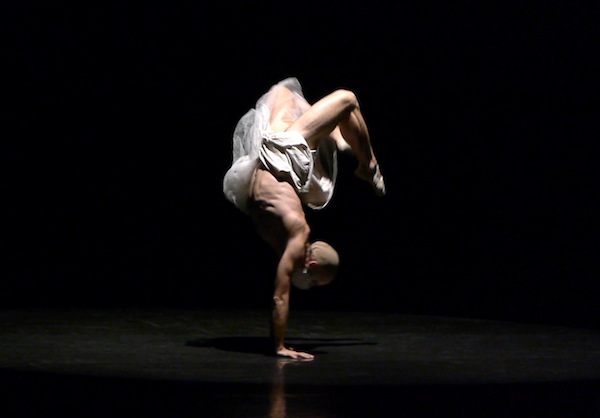
Ted Littlemore is one of seven dancers in the latest iteration of Idan Cohen’s Orfeo ed Euridice, which will be available online April 6-13. (photo by Flick Harrison)

The first article the Jewish Independent published about choreographer and opera director Idan Cohen was about his reimagining of Christoph Willibald Gluck’s opera Orfeo ed Euridice. Much progress has been made in the few years since, and excerpts from the contemporary dance work will be streaming on demand April 6-13.

Cohen was a relatively recent arrival from Israel back in 2018. As artistic director of Ne. Sans Opera and Dance, which he established here in 2017, he has become a prominent part of the Vancouver arts scene. He is currently artist-in-residence at the Dance Centre, which describes Cohen’s approach to this 18th-century opera as one that interprets

“Orpheus not as a god, but as an artist – a human who looks at the complex and sometimes violent history of Western, classical opera and dance with eyes wide open, the dancing body serving as a living example of human strength and fragility.”

In the myth, poet and musician Orfeo mourns the death of his wife, Euridice, and tries to get her back from the Underworld. It is an effort fraught with challenges, not unlike creating a new artistic work.

“Staging an opera is a monumental task, and it is really exciting to have an audience who has been following this production from its inception,” Cohen told the Independent. “Alongside the Dance Centre’s residency, we were given a grant from the Canada Council for the Arts, through the Piercey family – the Sheila Kathleen Piercey Fund – which enabled us to continue and present this final phase of the research, leading to the full production in 2022.

“For the past few months,” he said, “I have been rehearsing with Leslie Dala as the music director and with seven incredible dancers and five opera singers. We are presenting almost 40 minutes of a piano reduction of the score, played live by Leslie, and the singers, as a dance-opera. So you’ll get to see and listen to a live opera that is also a dance performance.”

In 2019, Ne. Sans presented Trionfi Amore, as a part of the research for Orfeo ed Euridice. That production featured Ted Littlemore, Kate Franklin and Jeremy O’Neill. For this April’s production, they are joined by dancers Hana Rutka, Rachel Meyer, Aiden Cass and Stephanie Cyr.

“The wonderful counter-tenor Shane Hanson is singing Orfeo and the chorus singers are Heather Pawsey, Tyler Simpson, Heather Molloy and William Grossman,” said Cohen. Costume designer and stylist is Evan Clayton, while Littlemore pulls double duty – not only performing, but in charge of the makeup and masks.

The number of people involved now brings its own challenges, given the continuing pandemic.

“The Dance Centre’s residency enabled us to rehearse in large spaces that allowed for our relatively big group to remain socially distanced at all times,” said Cohen. “Following COVID-19 protocols meant that we needed to be wearing masks and that the performers could not touch. I tried to look at these not as obstacles but as creative opportunities and I am very proud of what we’ve managed to achieve.”

Ever the one to look on the bright side of things, Cohen added, “It was wonderful to gather musicians and dancers and create. There’s nothing quite like it, and I hope that the result will be as pleasurable to our audience as it was to us.”

The April streaming, which will have been pre-recorded, includes a discussion with Cohen. Tickets are on a sliding scale, and can be purchased from thedancecentre.ca/event/idan-cohen.

Format ImagePosted on April 2, 2021March 31, 2021Author Cynthia RamsayCategories Performing ArtsTags coronavirus, COVID-19, dance, Dance Centre, Idan Cohen, Ne. Sans, opera, Orfeo ed Euridice

Can we learn from COVID?

Spring and the holiday of Passover are all about renewal and hope. This year, as our elders begin receiving the coronavirus vaccines and our economy appears to be recovering from the most critical disruption in living memory, things seem promising. We anticipate fleeing our bondage of social isolation and being transported to a land, if not of milk and honey, at least to a place of mixing and hugging.

We have (hopefully) learned a great deal. There have been many opportunities to benefit from the disruption in our lives. At the individual level, we may have learned new skills or crafts – like cross stitch or baking sourdough! – or used the time to study new fields or languages. On the collective level, we have learned that the entire world, regardless of governance, religion, language and every other difference, could mobilize (albeit not equally well) to respond to a crisis.

We also learned that, when necessary, many governments and societies could rise to the occasion (again, with different levels of competence) to save lives. Billions of dollars were “found” to save potentially devastated economies and support businesses and households. Scientists and medical professionals cooperated across boundaries to search for vaccines and to care for the ill. Ordinary people – not just first responders and others in the direct line of care but grocery clerks and those who provide services previously taken for granted – became heroes of the moment.

As the months dragged on, divisions emerged. People and their governments sometimes differed on the best responses, or any response at all. A cohort emerged questioning everything, from the best ways to stop the spread of the virus to the very existence of the virus that has infected more than 100 million and killed more than 2.5 million.

As we hopefully approach the beginning of the end of this extraordinary era, let us remember its beginning – not the fear of the unknown that engulfed us, but the unity the world seemed to exhibit in coming together to confront a danger that knows no borders.

Imagine the challenges we might be able to face and resolve if we could mobilize the world the way we did in those earliest moments of the pandemic. Can we come together to finally confront the climate emergency, which could be every bit as fatal as an unchecked virus if not addressed? Can we unite to overcome racial divisions and inequality? Can we even marginally close the chasm between richest and poorest in Canada and across the planet?

The incredible hurdle that was thrown across our civilization’s path a year ago showed our capacity for coming together when the stakes were high enough.

There are a lot of areas where the stakes are high. Can we take the lessons we’ve learned over the past 12 months and apply them there?

Posted on March 19, 2021March 18, 2021Author The Editorial BoardCategories From the JITags anti-racism, climate crisis, coronavirus, COVID-19, equality, inclusion, Judaism, lifestyle, Passover, racism

Change can be a good thing

One of my twins is always looking for something new to learn online. For awhile, he was fascinated by a Massachusetts service dog project, where Great Danes are trained to provide support to those with balance and mobility impediments. He found this amazing service dog program through the website explore.org. It has live cams of animals all over the world. While we’re not traveling anywhere, my kid is bird watching, seeing service dogs, polar bears, and more. When we least expect it, he rushes up with his iPad and demands that I admire a nesting owl, or that his biologist dad identify an animal he’s never seen before.

This kind of intellectual curiosity is something I’m excited to see. Open-ended questioning about the world and how it works is a special kind of Jewish exploration. This intensity and enthusiasm is how we delve into studying Torah and Talmud, or how we engage with the world in general.

Passover is an obvious time to think about questions and how we approach and answer them. Our families have been telling the Exodus and “Once we were slaves and now we are free” story for thousands of years! Still, our questioning can’t just stick to the Four Questions and be done. Sometimes, even with good intentions, we get hung up on the rote narrative of the seder. We know we have to get through it. We start at the beginning and head to the end. It’s a yearly ritual routine, punctuated by matzah, lots of other foods, wine, and, in normal times, family and guests.

When we were first married, I once attended a smaller seder with some of my husband’s family. I was excited and nervous to engage over the Haggadah’s ideas – but it didn’t turn out as I expected. The family was committed to getting through the ritual traditionally and to the food part. They looked uncomfortable when I tried to talk about ideas or ask questions. In retrospect, I realized I knocked them off their game. There was a seder routine – and I wasn’t following theirs.

My other twin is also learning. He’s not into the animal live cams. Instead, he comes up with questions about school projects. He brainstorms and makes suggestions, even when they’re not welcome. The remote learning teacher suggested he limit his research on one social studies project to their “class time” online rather than do more research later.

Of course, the minute he logs off, I help him look up his questions and learn – whenever he wants. His teacher maybe wants to slow down the group learning, or avoid making more social studies lesson plans, but feeding intense curiosity with knowledge helps enthusiastic learners blossom. In my experience, putting somebody off when they want to learn more feels negative and does the opposite.

For many people, the pandemic has knocked them off their game. Losing regular routines may have felt negative. As people anticipate getting vaccinated, they talk more about which things they miss the most and long to do when things return to “normal.” For another view, I recently read a CBC news article that quoted David Eagleman, a neuroscientist.

Eagleman suggested that, in fact, the pandemic might be good for people’s brains, because the huge lifestyle changes we’ve experienced have forced us off our “path of least resistance.” We’ve been forced to be more flexible and innovate. This can be positive for our brain health. In some cases, forcing our brains to adapt may result in positive growth and changes in our work or home lives.

In a Jewish context though, when we consider our ritual routines, we must balance the comfort of what’s familiar with the opportunity to learn. Questioning and continuing to grow intellectually are valuable, particularly during Passover.

In the talmudic tractate of Pesachim, on page 105a, there’s a discussion about when to say certain blessings such as the Kiddush. Should we interrupt a meal in the middle to do Kiddush? Rav Hamnuna the Elder says, “You don’t need to do this, because Shabbat establishes itself.” In other words, our holidays, like Shabbat or Pesach, will happen whether we are ready or not. We must automatically rise to the obligations associated with them. So, yes, we do a lot of things by rote and habit.

Even so, the next page, Pesachim 106, teaches that there are times where leaders must do things extemporaneously, or work to learn more to figure out what to do. A good leader both continues with the routines and remains able to ask questions, be flexible and learn.

It’s too early for me to conclude whether our freeform research online this year has helped my twins become lifelong learners. (I hope so!) I don’t know if observing animals via live cam will result in a career like field biologist or even a hobby like bird-watching. Whatever they choose, creating a routine-based learning environment that encourages and cultivates questioning, improvisational thinking and flexibility may go a long way towards helping them succeed later on.

It’s true, as Rav Hamnuna the Elder explains, that holidays happen whether or not we’re ready for them. As Rabbi Sari Laufer explains on My Jewish Learning’s explanation of Pesachim 105, “Kiddush doesn’t make Shabbat begin, we make Kiddush because Shabbat has begun.” Yet, once our holidays begin, it’s our obligation to engage with them, to learn and to question.

“Due to the pandemic” is a phrase we’ve heard too often, usually in relation to cancelations or programs offered exclusively online. Perhaps we might add a positive “due to the pandemic” twist. We’re forced to be more flexible thinkers in our ritual routines, too. We can question why we always did them this way. In the end, we might be all the better for that brain jostling and chance for intellectual inquiry.

My family and I wish you a wonderful, thoughtful, questioning Passover, full of joy this year, however different it may be from your usual routines. Chag sameach.

Joanne Seiff has written regularly for CBC Manitoba and various Jewish publications. She is the author of three books, including From the Outside In: Jewish Post Columns 2015-2016, a collection of essays available for digital download or as a paperback from Amazon. Check her out on Instagram @yrnspinner or at joanneseiff.blogspot.com.

Posted on March 19, 2021March 18, 2021Author Joanne SeiffCategories Op-EdTags coronavirus, COVID-19, education, family, Judaism, learning, lifestyle, parenting, Passover, seder

Posts pagination

Previous page Page 1 Page 2 Page 3 Page 4 … Page 16 Next page
Proudly powered by WordPress