ראש ממשלת קנדה מארק קרני, הבין מהר מאוד עם מי יש לו עסק והכוונה לנשיא ארצות הברית דונלד טראמפ. קרני קלט מהר שטראמפ הוא נוכל סדרתי ומנהיג שאי אפשר לסמוך עליו. עד עידן טראמפ ארה”ב וקנדה נחשבו לבעלות הברית הקרובות ביותר בעולם במשך עשרות שנים. הגבול המשותף ביניהן שהוא הגבול היבשתי הארוך ביותר בעולם, רק הוסיף לקרבה בין שתי המדינות שנחשבו לאחיות
קנדה נחשבה לשותפה טבעית של ארה”ב בכל נושא ונושא, מהכלכלי ועד הצבאי ומה שביניהם. אך מעת הגעתו של טראמפ הנוכל לבית הלבן הכל השתנה. פתאום קנדה מצאה עצמה במשבר עמוק עם ארה”ב והבינה שהעולם השתנה. קרני ביטא זאת בראיונות לתקשורת כשכאמר שאנו נמצאים כיום במציאות שונה לעומת העבר
טראמפ כהרגלו התחיל לאיים על קנדה לשדבריו עושקת את ארה”ב, למרות שביוזמתו נחתם הסכם מסחרי חדש עם קנדה ומקסיקו בקדנציה הראשונה שלו. אז מה עם טראמפ לא עומד בהסכמים ובמילותיו? הרי הוא גם ביטל את ההסכם הגרעין בין ארה”ב לאיראן שכלל גם את שאר המעצמות ומדינות אירופה. מרבית מומחי הביטחון בישראל ובארה”ב טענו שמדובר היה בהסכם טוב, אך טראמפ שמע בעצת ראש ממשלת ישראל בנימין נתניהו, וביטל את ההסכם. את התוצאות של המעשה החמור הזה אנו רואים עתה במזרח התיכון שנמצא במלחמה אזורית הרסנית
טראמפ לא רק שאיים על קנדה במכסים גבוהים (שבינתיים הוכרזו כלא חוקיים על ידי בית המשפט העליון של ארה”ב), אלה גם החליט שקנדה היא המדינה החמישים ואחת של ארה”ב. וכדי להמשיך ולעלוב בקנדה הוא כינה את קרני מושל קנדה, במקום ראש ממשלת קנדה
כאמור קרני קלט עם מי יש לו עסק. ואחד שמבין בכלכלה בניגוד לטראמפ הנוכל, לאחר ששימש נגיד הבנק המרכזי של קנדה ושל בריטניה, הוא חיפש אלטרנטיבות כלכליות לארה”ב. קרני הבין שקנדה לא תוכל לסמוך עוד על שכנתה מדרום – לפחות בעידן טראמפ – והוא חיפש אטרנטיבות. בשלב ראשון נחתם הסכם סחר חדש עם סין שכולל מכירת רכבים חשמליים לקנדה. ההתקרבות בין קנדה לסין היא באחריות טראמפ חסר האחריות. קרני לא עצר ובשבועות האחרונים חתם על הסכמי סחר עם עוד שלוש מדינות גדולות וחזקות: הודו, יפן ואוסטרליה
קרני גם מתקרב מאוד למדינות אירופה כולל האיחוד האירופי ובריטניה ולכל אלה יש מחנה משותף אחד. לנהל עסקים ביחד ולהימנע כל ככל האפשר לעבוד עם טראמפ, שכידוע אי אפשר ואסור לסמוך עליו
קרני גם מנסה לארגן מחדש את העיניינים בתוך קנדה בכל הרמות. מצד אחד הממשלה הפדרלית תחת הנהגתו מתקרבת יותר ויותר לממשלות של המחוזות השונים בקנדה. ומצד שני היא עוזרת למחוזות לשנות חוקים ותקנות שונות שיאפשרו להגביר את המסחר בתוך קנדה, ולהוריד חסמים שונים ומשונים
זה לא פשוט להפסיק להיות תלוי בארה”ב הגדולה והחזקה אך כשאין ברירה בעידן טראמפ הנוכל, חייבים להיות עצמאיים. תהליך כואב ונחוץ זה להערכתי יימשך לפחות כעשור ובסיכומו קנדה תהיה מדינה חזקה ועצמאית יותר, ותמשיך להסתכל לכיוון אירופה והמערב במקום לדרומה
גם לאזרחי קנדה יש מה להגיד על מדיניותו החולנית של טראמפ והם נוקטים מעשה: מספר התיירים הקנדיים שמבקר את ארה”ב הולך ופוחת משמעותית מאז שטראמפ נכנס לבית הלבן. מספר התיירים הקנדיים שמגיעים לארה”ב כבר פחת בארבעים אחוז לעומת אשתקד. השינוי המשמעותי הזה גורם לכלכת ארה”ב נזק משמעותי ביותר שנאמד בכמה מיליארדי דולרים
ראש ממשלת ישראל בנימין נתניהו, לא בוחל בשום דרך להאשים אחרים במה שקרה ברצועת עזה. הוא לעולם לא יקח אחריות על מחדליו הרבים. הפעם נתניהו שובר שיאים חדשים כאשר הוא מאשים ישירות את נשיא ארה”ב הקודם ג’ו ביידן, באחריות להרג של חיילים בעזה. זאת, כיוון שביידן סירב להעביר לישראל את כל התחמושת שהיא הייתה זקוקה לו. מדובר בעוד שקר מבית נתניהו וחבל שהוא לא משלם מחיר על כך
נתניהו אמר במסיבת עיתונאים כי “בשלב מסוים לא הייתה לנו מספיק תחמושת וגיבורים נפלו. חלק מאובדן התחמושת היה כתוצאה מאמברגו. ואני גמרתי אומר שלא נגיע למצב הזה יותר”. נתניהו הדגיש כי “המצב הזה השתנה מבלי היכר עם כניסת הנשיא הנוכחי דונלד טראמפ”. נתניהו הטיל אפוא את האחריות למותם של חיילים על אמברגו הנשק על ביידן. הדברים הכעיסו ובצדק את בכירי הממשל הקודם, שלא האמינו למשמע אוזניהם והאשימו את נתניהו בכך ששיקר והתגלה ככפוי טובה. תומכיו הרבים של נתניהו בישראל ובארה”ב מאמינים לשקריו ולא לאמת. זאת, בדיוק כמו תומכי טראמפ בארה”ב וישראל. גם הם מאמינים לשקריו ולא לאמת. לא פלא הוא שטראמפ ונתניהו מסתדרים מצויין כי הרי מצא מין את מינו. מדובר שני נוכלים שבמדינות מתוקנות כבר מזמן היו יושבים בכלא
לגבי ממשל ביידן לאור השבעה באוקטובר: התמיכתה שלו ביידן בישראל הייתה איתנה כסלע, וזה נעשה במחיר פוליטי עצום בארה”ב. עמוס הוכשטיין הישראלי, לשעבר שליחו של ביידן, אמר: “הרשו לי להבהיר, לאחר תמיכה צבאית של יותר מ-20 מיליארד דולר, הגדולה ביותר בהיסטוריה של ישראל, שתי נושאות מטוסים מיהרו לאזור, מנעו מלחמה אזורית נרחבת, הביסו את מתקפת הטילים והרחפנים האיראנית פעמיים, הגנו על ישראל ברגעים הפגיעים ביותר, לאחר שהצילו אינספור חיים של ישראלים – התגובה המקובלת היחידה לנשיא ביידן ולעם האמריקני – היא תודה”
עובדתית, ממשל ביידן עצר רק משלוח אחד של פצצות במשקל טון אחד. וכן האמריקנים עיכבו גם טרקטורים כבדים שהיו נחוצים להריסת מבנים ממולכדים. נתניהו טוען כי בגלל מחסור בהם נשלחו חיילים לטהר מבנים וחלקם נהרגו. מצד שני יש לא מעט מומחים צבאיים שטוענים כי צה”ל לא התארגן נכונה למלחמת הגרילה מול החמאס ושילם מחיר כבד שכלל חללים רבים
נתניהו שלא כמפתיע שכח גם את הסיוע החיוני שהגיע מצד ביידן, שהזהיר את איראן וחיזבאללה מניצול המצב וקרא להם בתחילת המלחמה אל תעשו
אם כן מדוע נתניהו בחר להתקיף את ביידן בעת הזו? יש לכך שתי תשובות. הראשונה לרצות את טראמפ שכרגיל מעריך מעריצים שתומכים בו כל הזמן. וכן ניסיון להסיט את תשומת הלב הציבורית מדברים בעייתיים במיוחד שנתניהו אמר בראיון לעיתון זר לפני מספר שבועות. נתניהו הסביר בריאיון כי ישראל בחרה של לבצע הפצצות שטיח נרחבות בעזה וכי ההחלטה הזו, שהייתה שלו באופן אישי, הובילה לאובדן חיי חיילים רבים יותר בקרבות קרקעיים. “איבדנו חיילים רבים בגלל זה”, אמר נתניהו במפורש. ואת זה חוגי הימין הקיצוני בישראל לא רצו לשמוע, שכביכול ישראל פעלה באיפוק יחסי מול ביקורת בינלאומית גוברת. משפט הזה נשמע כמו הודאה בכישלון: החלטותיו האישיות של נתניהו סיכנו חיי חיילים ישראלים
ביידן, שמיד אחרי השבעה באוקטובר שלח נושאות מטוסים, להרתיע את איראן והעניק תמיכה דחופה לישראל ברגעיה הקשים ביותר, הפך פתאום למטרה קלה. ההתקפה עבדה: בתוך יממה הכותרות בישראל עברו להתמקד בבגידתו במקום בראיון שהביך את נתניהו
נשיא ארה”ב דונלד טראמפ, מכהן בתפקידו כבר שנה מלאה וקשה לאמוד את מידת הנזק שהוא גורם כל יום. למרות זאת ישראלים רבים ממשיכים לתמוך בו ללא עוררין וכנראה שהם עדיין לא מבינים במי מדובר. תופעה זו מזכירה את התמיכה בראש הממשלה של ישראל בנימין נתניהו. כבר מזמן הוכח שהתמיכה במנהיגים פוליטיים מושחתים כמו טראמפ ונתניהו, נובעת ממניעים פסיכולוגיים ולא הגיוניים. זה מזכיר כמו אמונה בדת, או חברות בקאלט
טראמפ הוא נוכל סדרתי במשך למעלה מחמישים שנות חייו כאיש עסקים בניו יורק. וכן בבית הלבן. בקדנציה הראשונה שלו הוא נמצא משקר למעלה משלושים אלף פעם. במדינה מתוקנת נוכל מדופלם שכמוהו לא היה נבחר לקדנציה שנייה. לצערנו ארה”ב כיום היא כבר מדינה לא מתוקנת כפי שבמערב מרגישים זאת. בישראל לא רואים זאת באותו אופן וכאמור התמיכה בטראמפ היא גדולה
בדומה לנתניהו שהשתלט על ישראל והוא עושה בה כרצונו טראמפ השתלט על ארה”ב וגורם נזק לה נזק אדיר מדי יום. ההשלכות החמורות של מעשיו משפיעות לרעה על כל המערב ובעיקר על קנדה השכנה מצפון
טראמפ הוא נרקסיסט מטורף שחושב רק על עצמו וחבריו העשירים. רבים מבוחריו בטיפשותם חשבו שהוא ידאג לכלכלת ארה”ב ומצבם הכספי ישתפר. במציאות זה בדיוק הפוך: הכלכלה בארה”ב לא טובה, האבטלה גדלה והמחירים ממשיכים לעלות. טראמפ כמו טראמפ מאשים את נשיא ארה”ב לפניו ג’ו ביידן, במצב הכלכלה. לדעתי הוא צריך להאשים גם את הנשיאים הדמוקרטיים הקודמים ביל קלינטון וברק אובמה. טראמפ לעולם לא יקח אחריות על מעשיו החמורים ומחדליו. מבחינתו הוא גאון והוא עושה עבודה מעולה לטובת ארה”ב ותושביה. וזה ידוע שטראמפ מנותק מהמציאות והוא אינו מנסה אפילו להבינה
מומלץ לשמוע את האחיינית שלו מארי טראמפ (פסיכולוגית במקצועה) כיצד היא מנתחת את הדוד החולה שלה. טראמפ משחרר עבריינים מהכלא, והוא מינה לא מוכשרים בעליל לתפקידים הבכירים בממשל, כי אלה רק נאמנים לו. ממש בדיוק כמו נתניהו. טראמפ מתלהב בעולם רק ממנהיגים דיקטטורים כמו נשיא רוסיה ולדימיר פוטין, נשיא צפון קוריאה קים ג’ונג-און, יורש העצר של ערב הסעודית מוחמד בן סלמאן אאל סעוד, נשיא טורקיה רג’פ טאיפ ארדואן וכו’. מי שלא מבין זאת לא מבין מה זו דמוקרטיה או שלא אכפת לו מדמוקרטיה. אוי למדינות המאפשרות למנהיגים אסוניים כו טראמפ ונתניהו לשלוט. זו בושה וחרפה לתושבי מדינות אלה
הנזק שטראמפ ונתניהו גורמים למדינותיהם הוא כה גדול ועמוק כך שיקח שנים רבות לתקנו אם בכלל, לאחר שהם יעלמו מהמפה. שני מנהיגים אלה מושחתים ברמות גבוהות מאוד, ובתגובה חולנית דומה, הם מאשימים את חוקריהם וראשי אכיפת החוק בשחיתות. מעניין עד כמה ימשך “המשחק” הזה כאשר המושחתים טראמפ ונתניהו טוענים כל העת כי הם חפים מפשע ומתנגדיהם מחפשים להפילם
הגיע הזמן שהמפלגה הדמוקרטית תצא מההלם בה היא שרויה מאז ההפסד בבחירות לטראמפ, ותתחיל לתפקד ולעורר את מיליוני האמריקנים לצאת לרחובות ולהפגין נגד המנהיג המושחת ביותר בתולדות ארה”ב. לא יתכן שבארה”ב יקבלו את מעשיו החמורים של טראמפ “כנורמה” שאפשר לחיות עימה. במדינה מערבית זה לא הגיוני
במקביל הגיע הזמן שבישראל מפלגות האופוזיציה יתאחדו ביחד עם המפלגות הערביות כדי לנסות לנצח את נתניהו בבחירות שיערכו בעוד כתשעה חודשים. זה לא הגיוני שגם בישראל יקבלו את המנהיג הנוכל ביותר בתולדות המדינה כדבר שאפשר לחיות עמו
בחודש פברואר ימלאו עשרים ואחת שנים לחיי בוונקובר. במקביל, המרחק שלי מישראל רק הולך וגדל
הזמן אץ לו רץ לו והשנים בהן אני נמצא כאן בוונקובר עברו כל כך מהר. אני זוכר את ההתחלה הקשה כאשר לא הייתה לי עבודה במשך שבעת החודשים הראשונים. באותה עת התחלתי ללכת ברחבי העיר ולהכיר מקרוב את הבית החדש שלי. בוונקובר ויתרתי על נהיגה כיוון שאני גר באזור הדאון טאון ואפשר להסתדר טוב ללא רכב
בהתחלה עבדתי בעבודה מזדמנת אצל חבר ולאחר מכן עבדתי בחברת גביה גדולה בתפקיד מחפש מידע לאור הרקע שלי בעיתונות. אחרי כשבע שנים ויותר עברתי לחברה פיננסית המספקת הלוואות ללקוחות שלא יכולים לקבל הלוואות מהבנק. עד היום אני עובד באותה חברה – למעלה מאחת עשרה שנים וחצי, ומשמש מבקר החברה בדרגת מנהל
בתחילת חיי כאן בוודאי שהרגשתי זר בוונקובר אך לשמחתי מהר מאוד מצאתי את מקומי, בתחום המקצועי והחברתי ובכלל. השתלבתי לא רע בחיי העיר, הכרתי מקומיים ולא רק ישראלים ולא חיפשתי להתחבר אל חיי הקהילה היהודית כאן. אני לא דתי ואינני שומר מסורת ואינני אף מרגיש את הצורך להדגיש את יהדותי או היותי ישראלי לשעבר. כל אלה עזרו לי בהשתלבות בחיים המקומיים. מרבית שנותי בוונקובר לא הרגשתי זר והחיים בקנדה בכלל הרבה יותר מתאימים לי מאשר בישראל
למען האמת התחלתי להרגיש כשגרתי בארץ כיוון שראיתי שהמדינה צועדת לכיוונים שאינם מתאימים לי ולהשקפת חיי. זה מאוד עצוב להרגיש כך במדינה בה נולדת כאשר את מרבית חייך עשיתה בה. ישראל הייתה מקום נפלא הצעירותי והחל משנות השמונים המאוחרות התחלתי להרגיש בשינוי לרעה. בסוף אלף תשע מאות שמונים ושמונה עברתי לתל אביב ובשנים הראשונות הרגשתי טוב ומחובר יותר. אך לאחר מספר שנים הרגשתי שוב שאני הופך יותר ויותר לזר ולא מסוגל להתחבר לתפיסת העולם הישראלית הבסיסית, להתנהגות של הישראלי הממוצע, לתזוזה ימינה ואל הדת ועוד. הנסיעות הרבות שלי לחוץ לארץ ובעיקר לאירופה רק החריפו את הפער ביני לבין ישראל
למרות שהייתה לי עבודה מעולה בתחום המדיה הבנתי שעלי לעזוב ולחפש עתיד טוב יותר מחוץ לישראל. לצערי רק בראשית אלפיים וחמש עזבתי את ישראל למרות שכבר שנים רבות קודם לכן רציתי לעשות זאת. המעבר רק היטיב עם חיי והפכתי להיות יותר מאושר ושלו. כואב לי מאוד על מה שקורה בישראל והמציאות הרבה יותר גרועה ממה שחזיתי. הקשר היחידי שלי עם ישראל נובע מהעובדה שיש לי משפחה וחברים שם. חלקם מיואשים והחלק האחר מתעלם מהמציאות הקשה ומנהל את חייו כאילו הכל בסדר. אני מבין את כולם ומאחל למציאות טובה יותר בישראל, אם כי אינני חושב שזה מה שהולך לקרות
באופן אישי היום אני מודאג מאוד ממה שקורה מעבר לגבול מדרום לאור השליט המטורף שמנהל את ארצות הברית, דונלד טראמפ. הוא גורם נזק גדול למדינתו, לקנדה ולמערב כולו. טראמפ מעולם לא חשב על תוצאות מעשיו והתנהגותו החמורה, גם בעת היה איש עסקים וכמובן מאז נכנס לבית לבן. קנדה התרגלה להיות תלויה בארה”ב ולסמוך עליה, עת שתי המדינות האלה היו קרובות מאוד בכל. כיום המציאות שונה לחלוטין בעידן טראמפ, והקנדים מתחילים להבין שקנדה צריכה להיות עצמאית ולהעמיק את הקשרים עם אירופה. במקביל יש להזיז את החסמים בין הפרובינציות ולאפשר חופש מסחר מקסימלי ביניהן
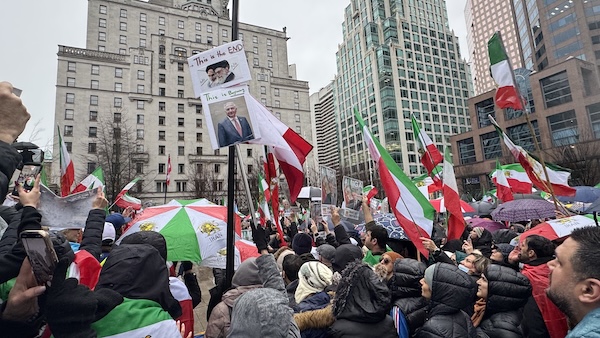
A huge demonstration filled the blocks around the Vancouver Art Gallery last weekend, part of a weekly presence of Persian and other Vancouverites calling for regime change and democracy for Iran. (photo by Richard K. Lowy)
As the street protests in Iran grow – and the death toll caused by the regime’s police and military crackdown increases – so do solidarity rallies worldwide.
A huge demonstration consumed the blocks around the Vancouver Art Gallery last weekend, part of a weekly presence of Persian and other Vancouverites calling for regime change and democracy for Iran.
The global movement against the Islamic regime has coalesced around Reza Pahlavi, son of the late shah who was deposed in the 1979 revolution. Posters of the crown prince fluttered among hundreds of pre-revolutionary Iranian flags amid chants of “javid shah,” long live the shah.
“I am Stephen and I am Jewish,” said one of the speakers at the rally a week earlier, on Jan. 10, who preferred not to use his surname.
“I have attended almost all the Iranian rallies in recent years for one reason and one reason only: to tell the Iranian people loudly and clearly you are not alone,” he said. ”Anyone who knows what the Iranian people have suffered over the past 47 years can empathize, especially now.”
He emphasized the ancient and contemporary relationship between Jewish and Persian peoples.
“When Israel was attacked on Oct. 7, 2023, the Iranian people came out in bad weather, in the rain and the cold and the snow, to march side by side with Jews all over the world. Why? Because they understand our pain, because it is their pain,” he said. “It is the collective pain of peoples who want what everyone wants: to live in peace and unmolested by those who want to control the world, who tell you what to think, what to wear, what to do, what to believe in.
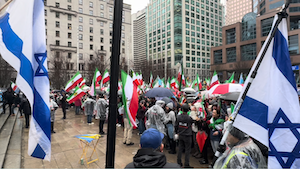
Several people at the rally carried an Israeli flag. (photo by Richard K. Lowy)
“Persia was the first empire in the world, under Cyrus the Great, that brought people together and did not, did not oppress them,” he continued. “This is part of the Iranian historical identity. You can have all the Islamic revolutions you want. You will never erase this historical identity, with its great, great culture.”
He commended Iranian Canadians for their contributions to Canada and their devotion to democracy in their homeland.
“You here are Iranians who know what I talk about because you have been living in freedom in Canada and look how you’ve flourished. When people speak of Canadian Iranians, they do so with respect for a people that knows how to work hard and how to contribute to society, to give back, to become productive citizens of a free and open society,” he said. “Is that so much to ask for your brothers and sisters, mothers and fathers, sons and daughters in Iran?And it is a blessing that, when Iran is finally free, many of you will return to Iran to help rebuild.”
He called Pahlavi “a man who understands the world.”
“He knows the Iranian people inside Iran and outside Iran. Anyone who questions his commitment to his people can read about how he has worked tirelessly throughout his life to pursue a free Iran and return independence to Iranian people.”
Hundreds are dying in the name of freedom, Stephen said.
“The crackdown is brutal,” he said. “Many of us have seen the image of the older white-haired Iranian woman on the streets of Iran, bleeding from the mouth, her fist raised in defiance: ‘I am not afraid. I am not afraid. I have been dead for 47 years.’”
He commended US President Donald Trump and Israeli Prime Minister Binyamin Netanyahu for forcefully supporting the Iranian protests, and called for the leaders of Canada and other Western countries to express their support as forcefully.
David Zacks was one of several people at the rally carrying an Israeli flag. The response, he said, was“a hundred percent positive.” People were asking to take photos with him and thanking him for his presence.
“Iranians and Jews have been great friends for thousands of years,” said Zacks. “Everybody I talk to says, once the regime falls, they’ll be great friends again.”
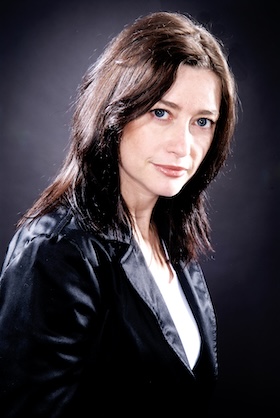
One of the JCC Jewish Book Festival pre-festival events holds special meaning for the Jewish Independent. Photographer Dina Goldstein, whose artistry has focused on large-scale narrative tableaux the last many years, began her career with the JI’s predecessor, the Jewish Western Bulletin. She has compiled thousands of images from her work over the last three decades – as a photojournalist, editorial photographer, traveler and artist – for the recently published 400-page hard-cover The XXX Archive, which she will share with the community on Feb. 12, 7 p.m.
“I spent the pandemic going through containers of binders filled with negatives. Many of the images I remember snapping, but others that I found surprised me,” Goldstein told the Independent. “Editing the lot after 30 years of shooting was overwhelming at first. The process of archiving is slow and fastidious, often challenging my expeditious nature. I leaned in, not knowing how long or how many images I would be working with. Within two years, I scanned, photographed, numbered, printed and added over 3,000 images to a boxed and digital archive. The result left me relieved that my life’s work was now organized in a way that was documented and accessible.”
The word “herculean” is used in The Archive XXX to describe the task of creating the archive. Goldstein worked by year of creation, grouping the images by decades.
“I started with the early ’90s, when I first started my career and shot with black-and-white film,” she said. “Many of those images I had photographed for the Jewish Western Bulletin, my first job as an editorial shooter. I had special opportunities to meet and photograph many great people, like Elie Wiesel, Seth Rogen, Liz Taylor, Ruth Westheimer, Mordecai Richler, Jackie Mason, Bill Clinton.
“In the 2000s, I was working as a commercial and editorial photographer. I photographed mostly in colour and did some experimentation with processes. This is when I began crafting series of photographs. I spent two years at Hastings Racetrack and created Trackrecord. I expanded on my staged portraits with DAVID.
“By 2006, digital photography was introduced as consumer cameras. Art directors were passing along assignments to less-qualified shooters and/or having the writer also take the pictures. I felt that I needed to pivot,” Goldstein said, adding that, by then, she was also a new mother and things in general were shifting.
“In 2007,” she said, “I began to focus on a new series inspired by my toddler daughter, who suddenly became obsessed with Disney princesses. This was a new way of creating narrative within my imagery. The series was a critical success, giving me the confidence to continue with this methodology.”
Although Goldstein mentions the making of her tableaux projects in The Archive XXX, she decided not to include the staged works within the compilation. “This is also because I continued enthusiastically photographing street, documentary and portraiture,” she said.
Over the 2010s, Goldstein was invited to show her work internationally at galleries, photo festivals and museums, and traveled extensively – to Europe, India, China, Korea, Taiwan, New Zealand and Australia. “So many of The Archive images come from my travels around the world,” she said.
The Archive XXX ends at the start of the pandemic, in the early 2020s. Of course, she has continued to create. Last fall, she presented a new staged photography series: Mistresspieces. Each of the 10 works features a famous female portrait from history placed in a modern-day challenge. For example, the goddess of Sandro Botticelli’s “The Birth of Venus” floats alongside a beach piled with the life jackets of those who have fled to European shores and Salvador Dalí’s “Galatea at the Moment of Creation” has Galatea surrounded by Amazon packages and melting icebergs in Goldstein’s reimagining.
Mistresspieces is Goldstein’s eighth tableaux series, including Fallen Princesses.
“The idea for Fallen Princesses came to me intuitively, when I realized the way that Disney was influencing my daughter,” she explained. “I decided to select well-known female fairytale characters and parachute them into modernity. I gave them all relatable challenges that play out within a familiar location. The methodology, production-based, was novel, as I no longer just depended on myself and my camera. This format is more collaborative and filmic, with lighting as an intricate skill. Thankfully, the project was successful online, in the media and in education. So, I discovered that I could still create critical work, with specific messaging amplifying my voice in the form of visual social commentary…. Now, in light of AI and the quick accessibility of image-making, I am looking to the future, making some tough decisions.”
Goldstein recognized the power of images at a young age.
“As a child, I would go through my grandmother’s photographs for hours at a time,” she said. “The postcard-like black-and-white photos of her, as a young woman in Romania, were not only beautiful but a window into her life. I would stare at an image and take it all in, her outfit, her shoes, the people she was with, the buildings behind her. Within these images, I discovered people and places throughout the decades of her life. As an adult, I have kept my camera beside me, just in case, it was a compulsion of sorts. I wanted to make pictures that would tell the story of my life as well. Perhaps not as the subject, but as the narrator. Today, mostly everyone suffers from the same need, with the readiness and ease of using a smartphone camera to document or to create an image.”
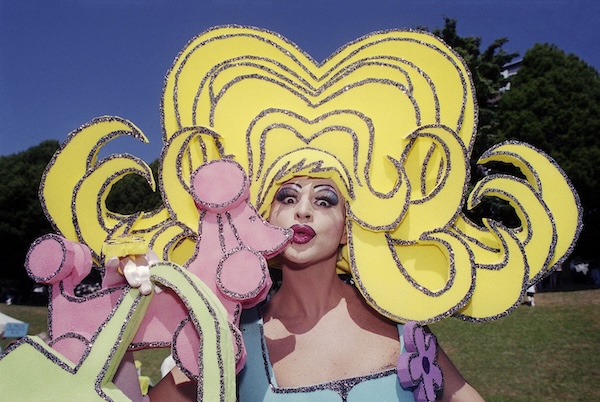
In The Archive XXX, there are photographs of such a diverse range of people, from presidents to Pride paraders, the famous and the often-overlooked. That Goldstein is comfortable around people, no matter who they are, is partly because of her father.
“My father was a very charismatic figure,” she said. “He was a product of the Second World War, uneducated but street smart. He was able to connect with people, all sorts of people. I understood that there is always something that you may have in common with another person. That’s a good starting point.”
Travel has also contributed to Goldstein’s ease around almost everyone in almost every situation.
“Traveling as a young person allowed me to open up to others, and trust that most folks are good people,” she explained. “My positive experiences as a young photographer were foundational for what the next three decades would bring, working with various diverse personalities. Becoming a mother made me more cautious with my assignments and travel. I certainly didn’t take as many chances or put myself in danger while my girls were little. I remember traveling in India and Colombia, both places I had to be extra aware.
“In general, I find that society is complex and divided. This became super-evident during the pandemic, and recently after Oct. 7, 2023. I was able to photograph the anti-vaxxer gang, where bizarre people came out of the woodwork. The Free Palestine bunch includes some of these types, and also an element of proud antisemites. When they first rallied, in big crowds, holding up signs ‘From the River to the Sea’ down Commercial Drive, I photographed it, slightly shocked, slightly sickened. I decided then that I could not personally or professionally continue to be there as a witness to this open hatred.”
A lot changed for Goldstein after Oct. 7, she said. “Losing friends that were once close, making new friends (mostly Jewish), actively fighting against anti-Jewish/Israel sentiment in my East Van neighbourhood and within the Vancouver arts community. This leads to the next chapter of my career, where I will focus more on my Jewish/Israeli identity and Ashkenazi Jewish heritage.”
Goldstein has written a TV series called Grimm Lane, which is based on Fallen Princesses. She is creating a new book with her narrative series Storyography and is also working on the TV series The Tribe, which is based on three Jewish families living in Toronto.
הנפת דגלים פלסטינים היא חלק מהלחץ להכיר במדינה פלסטינית. בעקבות המלחמה הארוכה מדי והרג חפים מפשע שלא לצורך ישראל הפכה לאחת המדינות השנואות בעולם. ולפיכך, ישראלים ויהודים בעולם משלמים את המחיר הכבד ומסתכנים בחייהם. מה שאני עושה בוונקובר לא מסכן את הישראלים בארץ אך מדוע מה שממשלת ישראל עשתה צריך לסכן אותי
נשיא ארה”ב דונלד טראמפ הגיע להבנות עם חמאס שהביאו להפסקת אש – ולא להסכם שלום כפי שהוא טוען. אותו הסכם הושג כבר לפני שנה אך ג’ו ביידן היה חלש מדי לאלץ את נתניהו לקבלו. לעומתו, טראמפ לא השאיר לנתניהו שום אופציה. אגב, אנשי טראמפ נפגשו עם נציגים של החמאס ותארו לעצמכם מה היה קורה עם נשיא דמוקרטי היה מאפשר זאת?
ראש הממשלה בנימין נתניהו המשיך במלחמה הארוכה והמיותרת הזו בעזה במשך שנתיים רק כדי שיוכל לשרוד פוליטית. לאור זאת, חיילים רבים נהרגו שלא לצורך וגם חטופים נהרגו ואו השתחררו מאוחר מדי. בצד הפלסטיני נהרגו רבים מדי שלא לצורך. זה ימשיך להזיק גם לישראל בעתיד כיוון שהיא נמצאת עם רצועת עזה בשכנות
עוד מספר מילים על טראמפ הנוכל. הוא נפגש לאחרונה עם שני דיקטטורים: ראשי המדינות של סוריה וערב הסעודית. הוא ביטל את הסנקציות על סוריה ומאפשר מכירת אף-35 לסעודיה שזה מאוד מסכן את ישראל. טראמפ בטיפשותו גם מעריץ את המנהיגים האלה, כי כהרגלו הוא מעריץ דיקטטורים. בואו נבחן את הצביעות של המצביעים הרפובליקנים והבוחרים היהודים של טראמפ: אם קמלה האריס הייתה נבחרת לנשיאה ומעיזה להיפגש עם מנהיגי סוריה וסעודיה, ומאשרת למכור לסעודיה את האף-35, הייתה כמה צעקה גדולה מקרב הרפובליקנים שהיו טוענים שזה לא מתאים לערכי ארה”ב ומסכן מאוד את ישראל. אך כרגיל לטראמפ מותר לעשות מה שהוא רוצה כאשר אין לו מושג על משמעות מעשיו וגם ממש לא אכפת לו מכך
טראמפ גם ביודעין או שלא ביודעין עוזר לקדם את נושא המדינה הפלסטינית. והיכן הרפובליקנים והיהודים שבחרו בו
ארה”ב וקנדה היו המדינות הקרובות ביותר שנים על שנים עד שהגיע טראמפ המטורף והפך אותן כמעט לאוייבות. הוא גם מעז לטעון שקנדה היא המדינה ה-51 של ארה”ב. במעשיו טראמפ בסך הכל מחליש את המערב ועוזר לרוסיה וסין. מנהיגי שתי מדינות אלה ודיקטטורים אחרים בעולם בוודאי מחייכים שהם רואים מה טראמפ עושה. כיצד הוא הורס את הדמוקרטיה בארה”ב מדי יום. האמריקאים עוד ישלמו מחיר כבד על בחירתם בטראמפ
בוחרי הימין בישראל שרואים בנתניהו נביא חדש שמחו מאוד על בחירותו של טראמפ לנשיאות ארה”ב בפעם השניה, כאשר הריס הפסידה. אני לא בטוח היום שכול תומכי טראמפ בישראל שמחים על מה שהוא עושה, כאשר הוא אונס את נתניהו פעם אחר פעם לקבל את עמדותיו. זה כולל את מכתב ההתנצלות לקטאר, הסכם הפסקת האש עם החאמס ואי לוחמה בלבנון
טראמפ גם לא מתבייש להתערב בפוליטיקה ומערכות המשפט של מדינות אחרות ובמקרה של ישראל, הוא טוען שיש להעניק חנינה לנתניהו על ידי נשיא המדינה יצחק הרצוג. נתניהו מצידו פועל בכל דרך לבטל את המשפטים נגדו, טראמפ הוא עזרה מצויינת. לא מפתיע ששני מנהיגים נוכלים אלה, דואגים אחד לשני ומעריצים אחד את השני. נתניהו מצידו טוען שטראמפ הוא הנשיא האמריקאי התומך הגדול ביותר של ישראל, ושמגיע לו פרס נובל לשלום. צפויות עוד התפתחויות נוספות לאור היחסים בין השניים
We were intrigued to receive notice of the 2026 PuSh International Performing Arts Festival, which takes place in January and February. The festival has been running for more than two decades and bills itself as “a creative hub for dialogue.”
“The 2026 PuSh festival is an invitation to the culturally fearless – to those ready to step into fresh futurities and the uncharted possibilities of live performance,” said artistic director Gabrielle Martin in the media release that landed in our inbox recently.
Curious words for a festival that last year demonstrated cowardice that redefines the term.
The controversy centred on a play titled The Runner – a one-person offering by non-Jewish playwright Christopher Morris. The story is set in Israel and has as its focus an ultra-Orthodox Jewish ZAKA volunteer who faces an ethical decision: when encountering a wounded Palestinian woman, he opts to save her rather than pursue an Israeli soldier’s body.
The play had garnered acclaim, having won multiple awards in Canada, and was to be featured at the 2024 PuSh festival. The Belfry Theatre in Victoria had already canceled its planned 2024 run of the show after the theatre was vandalized and a public dialogue was overtaken by protesters.
The scheduled PuSh production was also targeted. Some critics complained that the play centred Jewish experience while marginalizing Palestinian voices and trauma, presumably because depicting an Israeli as a complex moral character was beyond the pale.
One Palestinian artist participating in the festival said he would withdraw his work if The Runner remained in the lineup. Organizers caved, couching their gutlessness in self-adulatory language of prioritizing artists whose perspectives were “underrepresented” given current events.
If the festival was indeed committed to “fearless” exploration, The Runner was an ideal vehicle for that sort of examination. Instead, organizers brought shame upon the arts sector, betraying the very values PuSh specifically and the arts in general are expected to advance.
Keeping up with incidents of hypocrisy these days is a game of Whack-a-Mole, but we cannot overlook the vote by the BC Green Party to adopt a so-called “Anti-Genocide Motion” at their provincial convention. The motion declares that the party will “oppose genocide, apartheid, systemic discrimination and colonial violence – at home and around the world.”
In supporting the motion, the party’s new leader, Emily Lowan, stated that the Greens consider the recent war in Gaza to constitute “genocide” and “colonial violence.”
The motion and the leader’s full-throated support for it is especially disappointing because, under previous leaders, the BC Greens had resisted the spiral of their federal party into this sort of hyperbolic and ahistoric anti-Zionism.
We could go on. There is literally not the space in this column or in these pages to delineate the myriad causes for Jewish disenchantment these days. This, though, is not justification for despair. History has presented Jews with challenges in the past, put mildly.
If these developments and their hypocrisy raise your heart rate, consider using that energy as fuel to build something better. The world is troubled right now, for Jews and for others, too, but it is a Jewish tradition – especially at this moment in the calendar – to light a candle rather than to curse the darkness.
If you are expending energy complaining to your friends about these events, consider more active ways to effect positive changes. For example, you can contact the Green Party and tell them you are affronted by their adoption of a resolution that debases the term “genocide,” misrepresents events globally and foments intercultural division at home. Contact the PuSH festival and their sponsors to tell them you haven’t forgotten their illiberal folding to coercion. Support arts institutions that continue to host and produce Israeli and Jewish art and artists, and our own community arts and culture organizations, which have faced additional challenges over the last two-plus years. Whenever you are angered or disappointed, remember that action is the antidote to helplessness and hopelessness. Just one candle can illuminate the darkness and bring hope and inspire change.
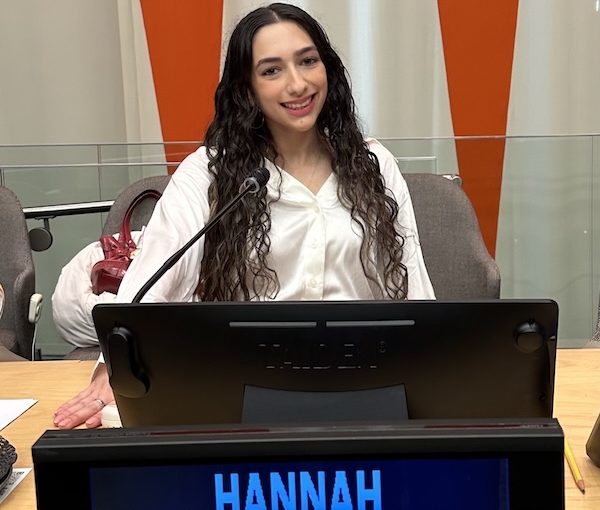
Hannah Presman Chikiar spoke and moderated at the United Nations headquarters in New York City, on Oct. 10, as part of Girls Speak Out 2025, held in celebration of the International Day of the Girl. (photo from Hannah Presman Chikiar)
At the start of this year, I was doing what any average 15-year-old would be doing: studying, playing sports, hanging out with friends, counting down the days until summer and, yes, waiting to turn 16 to get my driver’s licence! I never imagined I would be speaking and moderating at the United Nations headquarters in New York City, in front of hundreds of global leaders, delegates and young people. On Oct. 10, 2025, I had the honour of doing exactly that at Girls Speak Out 2025, held in celebration of the International Day of the Girl.
I happened to be seated beside Annalena Baerbock, the president of the UN General Assembly. The room filled with hundreds of people, while many others joined online. Girls Speak Out 2025 was not only a celebration; it was a policy platform where commitments were made, with the expectation that they will be fulfilled. The event highlighted real stories and actionable solutions, emphasizing that girls’ rights must be recognized, supported and acted upon without delay. The energy in the room, the stories shared and the voices of girls from around the world showed everyone the power of youth advocacy and the importance of taking action rather than waiting for permission.
My connection to Judaism has always guided me, particularly the principle of tikkun olam (repairing the world), which inspires me to act for justice and equality wherever I can. It was this commitment to advocacy and making a positive impact that aligned with the mission of the Vancouver section of the National Council of Jewish Women of Canada (NCJWC), which nominated me for this amazing opportunity with the UN.
From June through October, I worked with nine other girls: they were from Liberia, Bolivia, Ghana, the United Kingdom and the United States. I woke up every Saturday at 4:30 a.m. Vancouver time to meet with them and plan, with the support of the Working Group on Girls, a fully girl-led UN event shaped around our theme: “We Are Here: Bold, Diverse and Unstoppable – Demanding Action for Girls’ Rights.” Together, we co-designed two panels: “Girls on the Frontline of Crisis: Protection, Peace & Power” and “From Margins to Power: Girls Defying Discrimination and Reclaiming Identity.” Collaborating with this diverse team of girls was inspiring and gave me the chance to learn from experiences vastly different from my own.
On the day of the event, I had the privilege of being one of the four moderators leading the discussions and sharing information about what girls around the world are facing. As I proudly wore my Magen David necklace, I spoke about how, in many crisis settings, child marriage rates are nearly double the global average and millions of girls face heightened risks of sexual violence with little or no support. Globally, 12 million girls are married every year, more girls than boys remain out of school in parts of sub-Saharan Africa, and anemia rates continue to worsen in several countries. Nearly one in four girls – about 150 million girls – live in countries where they do not have equal inheritance rights, and girls in fragile or conflict-affected regions are 90% more likely to be out of secondary school than those in stable environments.
These realities underscored the urgency of the issues, and we opened the floor for a recommitment discussion, inviting member-states and UN agencies to share their reaffirmations on advancing the rights of girls.
Over the past few years, I’ve been deeply involved in leadership and advocacy programs that shaped my understanding of social responsibility and community engagement. Last year, I completed the StandWithUs Teen Leadership Council and the Canadian Jewish Political Affairs Committee (CJPAC) Generation program. This year, I am a part of the StandWithUs Kenneth Leventhal Internship, and I am continuing my involvement with CJPAC. I also serve on the Multi-Faith Summit Council of British Columbia committee. These experiences have taught me, and continue to teach me, how to work with people from different backgrounds, speak up for causes I care about, and translate values into action.
I have been invited to participate in the 70th session of the Commission on the Status of Women (CSW70) Girls’ Statement Writing Group, which will take place at UN headquarters in New York in March 2026. In this program, girl delegates from around the world collaborate to write and refine the annual Girls’ Statement, share perspectives on justice andempowerment, and learn more about advocacy and policy writing.
Reflecting on my recent journey, I am deeply thankful for the support that made it possible, notably the help and encouragement of NCJWC Vancouver and its chair, Jordana Corenblum, the International Council of Jewish Women, and my family. Their encouragement gave me the strength and confidence to fully engage in this work and to represent the Jewish community while advocating for girls’ rights.
Girls Speak Out 2025 reminded me that change is possible when young people speak boldly, collaborate widely and demand accountability. I hope to carry these lessons forward, continuing to act for justice, equity and opportunity for all girls, wherever I can.
Hannah Presman Chikiar is a Grade 11 student at King David High School. She is part of the StandWithUs Kenneth Leventhal Internship, is involved with the Canadian Jewish Political Affairs Committee, serves on the Multi-Faith Summit Council of British Columbia committee and is working on the Commission of the Status of Women..
This feels like a turning point. Few people who observe international affairs, especially in the Middle East, would doubt that the conclusion of the two-year-long war means a significant change in the dynamics of the region.
It is an understatement to say that wars cause upheaval. The result of any war is always catastrophic death and destruction. But wars also, by definition, upend status quos.
The First World War decisively ended the age of empires. The Second World War ushered in, among much else, a new world order including the concept of universal human rights.
Every war, among its other consequences, is like throwing a deck of cards in the air. What emerges in the aftermath is to some extent beyond the control of any of the belligerents, including the victors (such as there are ever true victors in war).
In Israeli history, it has sometimes seemed as though a war ends and things return to the status quo ante. Israeli-Arab wars have ended before with little or no decisive change in the broader context of conflict. New wars, sadly, have always erupted. Perhaps the end of the Gaza war will usher in a time of changed dynamics or maybe the region will revert to its perpetual bottom line of Zionists-versus-anti-Zionists and little will change. The eight-decade battle over Israel’s right to exist is unlikely to be conclusively settled, whether or not the current ceasefire holds.
This feels different, though, in many ways.
The global engagement with this particular conflict – the diplomatic condemnations, the isolation of Israel, the worldwide street protests, the systematic boycotts of Israelis and Jews, the raging antisemitism that paralleled it – set this war apart from others of the past. One thing almost all Jews are probably watching closely is whether the easing of military tensions in the Middle East leads to an easing of antisemitic tensions worldwide. Many of us hold our breath awaiting that verdict.
The US administration plays a distinct wild card. It helped broker the ceasefire, but also has floated some provocative ideas of how to rebuild Gaza.
The talk about rebuilding Gaza, to which some European powers have committed and to which Arab states have given at least lip-service, is a physical necessity. As formidable as that reconstruction process will be, a moral and political rebuilding will be far more daunting. “De-Hamas-ification,” to update a term from a previous war, is a stated objective of Israel and its supporters. But, as some commentators have noted, Hamas may be as much a symptom of an extremist intolerance in elements of Palestinian society as a cause. This is likely particularly true without broad and sustained supports for Palestinian voices and aspirations that are anti-authoritarian or desiring of coexistence or peace with Israel. Militaries can be defeated perhaps more easily than some of the tenacious ideas that they represent.
Additionally, it will be fascinating to see whether the world, having made Gaza the almost singular focus of international affairs for the past two years, will now take any responsibility for ensuring the safety and prosperity of the Palestinian people, or whether we will collectively abandon them again until the next catastrophe reawakens our sense of humanitarianism.
Despite the Madison Avenue mantra, “new” does not always mean “improved.” Sometimes, things can change for the worse. But this does seem like a moment of opportunity.
On the one hand, it has become clear that “From the river to the sea …” is not a practical strategy. On the other, for those who seek peace, we have understood that we are not powerless witnesses to history. Each of us, in our way, has influence. Many erstwhile apolitical people have been motivated to action, to engage in dialogue across social and political boundaries, and to be part of the efforts to bring about a better life for all sides.
Now that the immediate war is over, we should hope coming together is possible among those of differing perspectives to advance a future of mutual benefit. What we do now, as individuals, as countries, as Jews, as humans, and in whatever context we act and whatever forms our actions take, can have a powerful impact on what happens next.