Skip to content
  • Home
  • Subscribe / donate
  • Events calendar
  • News
    • Local
    • National
    • Israel
    • World
    • עניין בחדשות
      A roundup of news in Canada and further afield, in Hebrew.
  • Opinion
    • From the JI
    • Op-Ed
  • Arts & Culture
    • Performing Arts
    • Music
    • Books
    • Visual Arts
    • TV & Film
  • Life
    • Celebrating the Holidays
    • Travel
    • The Daily Snooze
      Cartoons by Jacob Samuel
    • Mystery Photo
      Help the JI and JMABC fill in the gaps in our archives.
  • Community Links
    • Organizations, Etc.
    • Other News Sources & Blogs
    • Business Directory
  • FAQ
  • JI Chai Celebration
  • JI@88! video

Recent Posts

  • עשרים ואחת שנים בוונקובר
  • Supporting the Iranian people
  • The power of photography
  • A good place to start
  • When boundaries have shifted
  • Guitar virtuosos play
  • Different concepts of home
  • Broadway’s Jewish storylines
  • Sesame’s breadth and depth
  • Dylan Akira Adler part of JFL festival
  • Mortality learning series
  • A new strategy to brighten up BC
  • Sharing latkes and light
  • Johnson awarded for human rights work
  • Cherished tradition ensured … Silber Family Agam Menorah
  • Nothing as lovely as a tree
  • Camp welcomes new director
  • Popular family camp expands
  • A life-changing experience
  • Benefits of being a counselor
  • Camper to counselor
  • האלימות בישראל מורגשת בהרבה מגזרים
  • טראמפ עוזר דווקא לנושא הפלסטיני
  • New rabbi settles into post
  • A light for the nations
  • Killed for being Jewish 
  • The complexities of identity
  • Jews in time of trauma
  • What should governments do?
  • Annie will warm your heart
  • Best of the film fest online
  • Guitar Night at Massey
  • Partners in the telling of stories
  • Four Peretz pillars honoured
  • History as a foundation
  • Music can comfort us

Archives

Follow @JewishIndie
image - The CJN - Visit Us Banner - 300x600 - 101625

Tag: pandemic

Comfort food for dark times

Comfort food for dark times

If the thought of cooking one more boring meal is just too daunting, Google your heart out – there are gazillions of cookbooks out there.

The days are short and dark and all I seem to want to do right now is stuff my face with comfort food. Some days that manifests as peanut butter and banana sandwiches, and some days it looks like pot roast and mashed potatoes. I rarely crave a salad or a stick of celery in this chilly, wet weather. Mind you, I have been tempted (and given into) a huge piece of pumpkin pie. That’s a daily serving of vegetables, right? I’m all about the carbs at the moment. Plus, peanut butter makes my coat nice and shiny. Or so says hubby Harvey.

Like a bear, I’m looking to bulk up for my winter hibernation. Although, when you think about it, we’ve been living through almost a two-year hibernation. It’s called COVID-19. I don’t know anyone who hasn’t found some comfort in over-indulging during this pandemic. Whether the target of our ill-placed attention is food, booze or online shopping, we’ve all been guilty of overdoing it in some way or other. Oh, I forgot to include Netflix, Prime Video and Crave. I do crave my Crave. I don’t know how many hours of my life I’ve given over to this pap. Not that I’m bragging. Actually, I’m kind of embarrassed by it, but, in a way, it’s keeping me sane because it lets me focus on something other than COVID. But enough about the C-word.

My guilty pleasure is doughy, savoury foods, packed with calories. That’s where the Perogy Toss comes in. I got this recipe decades ago from the catering company at Richmond City Hall’s cafeteria, where I often ate lunch during my working days. The recipe is still a winner. Add a salad and you’ve got dinner. Add a glass or two of wine and you’ve got a date.

PEROGY TOSS

1-kg package frozen potato perogies
4 tbsp sundried tomato oil (or olive oil)
3/4 cup minced onion
1 tbsp minced garlic
2 tbsp minced black olives
12 tbsp (3/4 cup) minced and drained sundried tomatoes
4 tbsp minced capers
1 1/2-oz (14-gram) package fresh basil, chopped
light sour cream

Boil salted water in a large pot. Add frozen perogies and boil for four to five minutes (or whatever the directions say). Drain well. Rinse with hot water and drain again. Return perogies to the pot.

In a frying pan, heat the sundried tomato oil (or olive oil) until hot. Add onion and garlic and sauté until onion is soft and golden. Add olives, sundried tomatoes and capers. Stir.

When heated through, add to the cooked perogies in the pot. Heat on low for about one minute, tossing to fully coat the perogies. Add the basil and serve at once. Put sour cream on top, if desired – and who wouldn’t desire that?

Just in case this recipe doesn’t give you your year’s allotment of salt, here’s another one that will not only satisfy your craving for savoury, but holds its own as an appetizer served with pita or crackers. Some of you might be put off by the weird orange shade of this dip, but I’m sure you’ll get past that. If you’re a lazy cook like me, you’ll be happy to know that the only kitchen appliance you’ll need is a food processor.

RED PEPPER & FETA DIP

3 red bell peppers
6 oz feta cheese
2 tbsp olive oil
2 tbsp pine nuts

Cut in half and seed three red bell peppers. Place on a broiling pan, skin side up, and broil until skin is charred and blistered, turning over several times. This is what creates that smoky flavour.

Remove the skin from the peppers – some say sealing them in a brown paper bag while they’re cooling for five to 10 minutes creates steam and makes them easier to peel.

Once peeled, put the peppers in a food processor and add the feta cheese, olive oil and pine nuts. Blend till it’s nice and smooth.

Chill before serving. (I mean the dip, but you could also chill yourself with a glass or two of your favourite alcoholic beverage and a bag of chips.)

Serve with pita wedges or crackers. And don’t even think of substituting a different kind of nut. It’s just wrong. It’s got to be pine nuts.

I’ve made this dip for company loads of times and everyone likes it. It’s one of those go-to, quick-as-can-be appies that’s pretty much foolproof. Of course, your guests have to have a taste for feta cheese and pine nuts, but don’t most of us? (Maybe have an EpiPen ready just in case.) It’s definitely got a bit of an unusual flavour, but in a good way. It’s worth a try, if only to expand your repertoire … says the woman who ate the same California roll and agedashi tofu three or four times a week when she was single. However, I’ve since seen the error of my ways.

As you can tell, I’m all about the easy. And, if it tastes good too, score a win. I’ve never been one to fuss about food because it all gets eaten in a matter of minutes anyway, so why bother? I know, I know. What kind of an attitude is that for an accidental balabusta? But, like Popeye said, “I yam what I yam.”

As time wears on with this pandemic, I’m going to need to get more creative with my culinary adventures. I’ve fallen into the chicken, fish, meat, repeat, habit, and it’s getting old. I sure miss going out to restaurants on a regular basis. With the majority of us Canadians being doubly vaccinated, I think we’re moving in the right direction with this pandemic and, hopefully, it won’t be long before we embark on our “new normal.” G-d-willing, it will be an even better, more beautiful “normal.”

In the meantime, if the thought of cooking one more boring meal is just too daunting, get out your mother’s 1970s National Council of Jewish Women cookbook, Google your heart out or visit a bookstore near you, and tackle some new recipes. You might just discover your new favourites. Or maybe try a recipe swap with your close friends. You never know what tricks they might have up their sleeves. Caveat: choose friends whose culinary realm most resembles yours; otherwise, you may find yourself spending hours in the kitchen making some exotic breakfast, when all you really wanted was a new recipe for French toast.

Wishing you well in your hibernation. Don’t forget to turn the heat down, suspend newspaper delivery and stock up on toilet paper. I know, I know – newspaper? (Present company excepted, of course, and the JI is taking the month off, as well.)

Shelley Civkin aka the Accidental Balabusta is a happily retired librarian and communications officer. For 17 years, she wrote a weekly book review column for the Richmond Review. She’s currently a freelance writer and volunteer.


Format ImagePosted on December 17, 2021December 16, 2021Author Shelley CivkinCategories LifeTags Accidental Balabusta, comfort food, cookbooks, cooking, COVID, entertaining, pandemic

Kalla’s latest great read

There’s something comforting about reading a thriller writer whose novels you’ve enjoyed in the past. You know exactly what to expect, and yet the pages almost turn themselves. Given, however, that we’ve been living through a real pandemic for almost two years now, it might feel “too close to home” to pick up a Daniel Kalla – who writes about mysterious diseases that run rampant, plagues that resurface, surging deaths from opioids and other such things – but, somehow, he makes it fun rather than depressing. His latest, Lost Immunity (Simon & Schuster), is a great read.

image - Lost Immunity book coverIt helps that Kalla is a real medical doctor. An emergency room physician here in Vancouver, he knows that of which he speaks and can relate complicated information without sounding didactic. And there’s always what to explain in his books. In Lost Immunity, the lessons are particularly relevant, about how a bacteria spreads, the challenges of contact tracing and containment, the benefits and side effects of vaccines, the concept of herd immunity, etc., etc. But he does all this while being completely entertaining. Readers of Lost Immunity will have an idea of what Dr. Bonnie Henry and her team have been going through these last many months – minus (I hope) the human killer element.

Lost Immunity features a smart and likeable protagonist in Lisa Dyer, Seattle’s new chief public health officer. In a community health forum about a law mandating immunization for middle-school girls and boys with the latest HPV vaccine, Dyer takes on the doubters – members of “the ‘vaccine hesitancy’ community” – calmly and compassionately, with science always as her guide. Within this community are her own sister and father, so she’s had much practice.

As exhausting and frustrating as the forum is, Dyer’s job gets more challenging even before the Q&A is over – “her phone buzzes on the lectern. She can’t help but glance down at the health advisory from her office that pops up on the screen. ‘Four dead from meningitis. All attended the same local Bible camp.’”

The campers are children and teenagers, and the death rate rises quickly. (I admit to having skimmed the parts about dying kids, as they added a little too much realism for me.) Dyer and her colleagues must try to contain the outbreak – of the same strain of bacteria that caused 35 deaths in short order in Iceland six months earlier, and for which an American pharmaceutical firm is doing final-phase trials on a promising vaccine. Dyer pressures the company into releasing the vaccine early – as the mortality rate in Iceland was 46% – and goes ahead with a vaccination campaign. At first, it seems to be working, but then some severe and fatal apparent side effects bring everything to a halt. But is it really the vaccine that’s responsible? Even if you can probably guess the answer, Dyer’s journey to get there is full of twists, as well as fascinating exchanges on all aspects of the vaccination issue. 

For a review of Daniel Kalla’s We All Fall Down, visit jewishindependent.ca/could-the-plague-come-back.

Posted on November 19, 2021December 27, 2021Author Cynthia RamsayCategories BooksTags Daniel Kalla, fiction, Lost Immunity, pandemic, thriller, vaccination
הקוביד מראה את ההבדלים בין קנדה לדרום אמריקה – חלק ב

הקוביד מראה את ההבדלים בין קנדה לדרום אמריקה – חלק ב

המכר של מדרום אמריקה מנסה להסביר לי מדוע עדיף לגור ביבשת שלו ולא במערב. מה הוא אומר: “החיים במערב לחוצים פי כמה מאשר במדינות הלטיניות, זה ברור. אני מדבר על הכלל. אדם צריך לעבוד קשה כדי להתפרנס, מה שלא צריך פה עבור אדם כמוני שבא עם סכום כסף מסוים ולא צריך להיות מודאג כלכלית. אגב, גם אתה כמובן צריך לעבוד לא מעט או קשה, תלוי בהגדרה. כל אחד עושה מה שמתאים לו. אני עצמי לא הייתי עובר לחיות במדינה מערבית ועובד שם קשה. זה לא בשבילי. אני מבהיר מראש שאני לא אומר את זה בנימת ביקורת עליך. זה פשוט לא מתאים לי. אני לא אהגר למדינה אחרת כדי לעבוד קשה יותר מכפי שעבדתי בישראל. היגרתי כדי לשנות לחלוטין את אורח חיי, לחיות בקלות ובנינוחות ובלי לחץ ולהגשים כמה מטרות וחלומות שהיו לי, ואני עושה את זה גם בימי מגפה”. אם כן ידידי הלטיני שכח את מה שהוא מספר לי כל הזמן על המדינות הלטיניות שלו: מדובר במדינות עניות שברובן הדיקטטורות שולטות, בלגן ושחיתות אינסופיים. במדינתו אפילו את התרופות גונבים ואחר כך מוכרים אותן בשוק שחור. הוא לא מפסיק להתלונן על השכנים המרעישים, על רעש קבוע מהרחובות ובקיצור אין דין ואין דיין.

האיש הלטיני מספר לי כי הוא גר במקום יפה עם הרבה טבע נהדר ולי זה נשמע ממש כמו וונקובר. הוא מזכיר סוף סוף גם את המגרעות: “התיירות מביאה איתה דינאמיות אך יותר רעש. התיירות מביאה גם בעיות, כידוע. החיים כאן לא לחוצים בכלל. מאיפה קיבלת את הרושם הזה? הוא חוזר ואומר: בעיר תיירותית יש יתרונות וחסרונות. החסרונות באים לידי ביטוי בימי מגפה, הרבה פחות בימים כתיקונם. מצד שני, אילו הייתי נביא וידעתי שתפרוץ מגפה ספק אם הייתי עובר לכאן, כי התיירות מביאה יותר נדבקים כידוע לכול. באוקטובר 2019 כשאמרת לי בלחץ: תצא מהמדינה לא הבנתי בכלל מה אתה רוצה וממה אתה לחוץ. הייתי יחד עם עוד ידיד איטלקי היחידים בבריכה ושחיתי בכיף. בריכות לא חסרות כאן, מפלים, נחלים. לא היה שום סיכון. ידעתי שזה יימשך שבוע או מקסימום שבועיים, וכך קרה. את דרום אמריקה ויתרונותיה אינך מכיר מספיק. על חסרונותיה בימים אלה דיברנו מספיק. הייתי רוצה להבהיר כשדברתי על “חיים לחוצים” בחייו של המכר מדרום אמריקה, התכוונתי לכך שמפגינים חסמו את כל הכבישים הראשיים ואי אפשר היה לזוז לשום מקום. אלימות קשה. בתקופת הקוביד כל אחד עושה כרצונו, אנשים מסתובבים ברחובות ללא מסכות, כמות הנדבקים עצומה ורוב מוחלט של החיסונים מגיע מסין ומרוסיה וכידוע איכותם נמוכה ביותר. האיש שכח להזכיר שבמשך חודשים ארוכים הוא כמעט ולא יוצא מהבית בגלל המגפה הקשה.

כדי להצדיק מדוע הוא בחר דווקא לגור באחת מהמדינות העניות ביותר ביבשת הדרומית, הוא אומר: “את העולם המערבי אני מכיר היטב. ביקרתי בארצות מערביות לא מעטות. עזבתי את המערב מרצוני וידעתי למה. אם המגפה הזו תימשך אולי אחזור אליו, אבל לא מאהבת מרדכי. המציאות בעולם משתנה כל הזמן ולא לטובה. מה שהתאים לאתמול, לא בהכרח מתאים להיום, ומה שמתאים להיום, לא בהכרח יתאים למחר”. שוב שכח האיש את העובדה שבעולם המערבי יש יציבות בחיים ובמשטרים, לעומת חוסר יציבות קשה מאוד במרבית מדינות הדרום, שזקוקות לעזרה מהמערב כל הזמן.

גבי בעולם הלטיני אומר האיש יש ספרות, תרבות, מחול ומוסיקה ותיאטרון משובח. יצירות לטיניות ומכל העולם, כולל אופרה וכל דבר. אם לא הייתה בו תרבות, הוא לא הייתי נשאר לגור שם. אגב, רמת הספרות במדינות הלטיניות גבוהה מאוד ואתה יכול לפגוש כאן אינטלקטואלים וסופרים מהשורה הראשונה. בדרום אמריקה יש ירידי ספרות יותר מאשר בישראל ובמדינות רבות אחרות. בטוחני שהוא מדייק הפעם לשם שינוי בנושא התרבות, אך אי אפשר לטעון שבעולם המערבי אין יותר תרבות מאשר בדרומי. למשל בוונקובר עד לפריצת המגפה, באופן קבוע הלכתי עם בת זוגתי לקונצרטים, אופרות, הופעות מוסיקליות, סרטים ותערוכות. בתקופת הקוביד אנו ממשיכים מדי מספר שבועות להגיע למועדון הג’אז ‘פרנקי’, והאווירה בו ממש מצוינת ומזכירה מועדונים דומים בארה”ב ואירופה.

המכר חוזר לדבר שוב הפעם על המגפה שממאנת להסתיים והוא אומר: “אתה צודק שחובה להתחסן אבל השאלה מה הלאה. המגפה רחוקה מלהיגמר, אחוזי ההגנה נמוכים יותר מטענת דוברי פייזר, הדלתא גרם לנזק קשה הרבה יותר, כמות הנדבקים גדולה ולא רק בין אנשים שלא התחסנו. שים לב שבישראל היו הרבה מאוד נדבקים. מדינות רבות חוזרות לתקנות חירום, הגבלות ואף סגר כולל ארה”ב. ולגבי חיסון שלישי? ככל הנראה יהיה, וכל זאת בגלל שילוב של התנהלות שלומיאלית של הממשלות, התנהגות שערורייתית של הציבור וכמובן התפשטות וריאנטים. זכותך כמובן לחשוב אחרת אבל המציאות ברורה. טוב לשמוע שבוונקובר המצב טוב. אבל המגפה רחוקה מלהיגמר. גם בישראל המצב היה טוב עד שהדלתא הגיעה לשם. העולם רצה כפר גלובאלי כפי שכתבתי לך פעם וקיבל אותו ישר לפרצוף”. אני אגב מסכים עם המכר שהמגפה רחוקה להסתיים אך לדעתי, שמגובה בעמדת הרופאים הבכירים בעולם, זאת כיוון שאחוז סרבני החיסונים גבוה מאוד. טענתי לפני חודשים ואני טוען גם כיום ביתר שאת כי כולם מחויבים להתחסן, למעט אלה שאסור להם להתחסן מסיבות רפואיות. ומי שלא מוכן להתחסן – יש את הצורך להגבילו. טוב לדעת שמספר הולך וגדל של מדינות מתחילות לנקוט בעמדה תקיפה נגד מתנגדי החיסונים.

האיש הלטיני טען שאני מזלזל במסכות אך הזכרתי לו שרכשתי מאות מסכות כאשר המגפה החלה. הוא ממשיך: “במחוזות רבים בעולם לצערנו המסכות הן חיוניות, לפני מתן החיסונים ולצערנו גם לאחר קבלתם. עד כמה הן עוזרות כפי שאתה כותב, זו שאלה באמת טובה. במשהו הן מן הסתם עוזרות. אבל בוא נגיד לסיכום: להשתמש רק במסכה זה עלול להיות לא להספיק, לסמוך רק על החיסון בלי המסכה, גם זה לא בטוח שיספיק בגלל הבהמות, ואתה יודע יפה שהאנושות היא כרגע הגורם המרכזי של הפצת המגפה”. אני מסכים לחלוטין עם האמירה שבגלל התנהגות רשלנית של תושבי העולם המגפה עדיין חייה וקיימת. אם זאת אחזור ואציין שוב הפעם כי החיסונים הם הפתרון היחידי והקבוע למגפה. אנו נאלצים כיום להתחיל ולקבל חיסון שלישי, כיוון שרבים מסרבים להתחסן. אם מספר המחוסנים לא יעלה משמעותית נאלץ לקבל גם חיסון רביעי וחמישי ויתכן וזה יהפוך לנוהג קבוע – חיסון שנתי לקוביד במקביל לחיסון השנתי להשפעת.

שמח אני לגור בוונקובר ובמחוז בריטיש קולומביה שבו מספר המחוסנים כיום הוא הגבוה בעולם. לא הייתי רוצה היום ובכלל אף פעם לגור באחת ממדינות

דרום אמריקה. הבעיות שם הן כה גדולות, חוסר המשמעת של התושבים, העוני, האלימות והפשע ועוד צרות ללא הפסק. עדיף לגור בבריטיש קולומביה היפה שלנו.

Format ImagePosted on September 15, 2021Author Roni RachmaniCategories עניין בחדשותTags Canada, COVID, health, pandemic, South America, tourism, vaccine, בריאות, דרום אמריקה, חיסון, מגפה, קוביד, קנדה, תיירות

Get involved in election

Canadian elections do not generally pivot on issues of foreign affairs. Yet, the split screen image Sunday of Justin Trudeau calling a federal election juxtaposed with images of the Taliban seizing control of Afghanistan was a stark one. Canada left Afghanistan in 2014, having joined an international coalition after 9/11 to attempt to bring the terrorists who found free rein in that country to heel.

The remaining American forces were slated to leave this month, with U.S. military officials candidly acknowledging that their departure would almost certainly result in a Taliban revival. They were wrong only about the timing. Estimates were that it might take the fundamentalist Islamist sect weeks to take back the country. It took mere days.

The implications for Afghan citizens are bleak. Desperate Afghans were hopelessly clinging to U.S. military aircraft taxiing on the runway at Kabul airport. Afghan women will, based on prior experience under the Taliban, become some of the most oppressed in the world. There are also expectations of violent retaliation against anyone and everyone who, in the past two decades, “collaborated” with Western forces. The possible scenarios for Afghan people are horrible to envision.

And the implications go beyond the borders of that country. Optimists, such as they may be on this subject, say that the 20-year Western engagement in Afghanistan has not been for naught. The United States captured Osama Bin Laden and has not experienced another 9/11-type terror attack in that period, though whether Americans are actually safer, with other forms of domestic extremism and violence on the rise, is another question. Regardless, in a region with so much instability and contending factions, the Afghan situation further disrupts an already deeply troubled part of the world.

We may not immediately see the consequences of what is happening halfway around the world, but already domestic politics are being affected by the developments. Canadian military planes are rescuing interpreters and others who assisted our forces when they were in Afghanistan. There are calls for Canada and other Western places of refuge to accept more refugees from what seems destined to become a theocratic dystopia. But we cannot, apparently, save the entirety of the Afghan people and their country from the grips of their oppressors. Western powers held the Taliban at bay for 20 years but understandable domestic pressures to put a halt to “endless wars” inevitably brought us to this point.

This week’s election call comes amid a conflagration much closer to home as well. British Columbia is seeing wildfires and weather events unlike anything we have witnessed before. The hypothetical impacts of the climate emergency have gotten very, very real for Canadians with any sense of cause and effect. Appropriately, opinion polls suggest that Canadians view climate and the environment as a top – if not the top – issue as they ponder for whom to cast their ballots.

One problem with democracy is that those who seek public approval are disinclined to tell voters things they do not want to hear. Canadians (and other earthlings) need to understand that this crisis demands that our leaders impose potentially painful policies that will impact our emissions-producing lifestyles. We say we need to address the climate emergency, but will we be so enthusiastic when it impacts our own pocketbooks and comfortable routines?

One might imagine that scenes of the province on fire might make voters look seriously, finally, at a political party with the climate as its No. 1 priority. But the Green Party of Canada has been in turmoil since the Israel-Hamas conflict last spring. Annamie Paul, the Jewish, Black leader of the party, has been fighting an internal battle against insurgents in her own ranks. We hope that her voice will be heard and that all parties will take this existential issue with utmost seriousness.

The continuing pandemic will play a role in this campaign as well – both as Canadians assess the achievements of our government during the crisis and, more immediately, in the way candidates and campaigns pursue votes while adhering to safety protocols. The parties should be judged on what kind of COVID recovery plan they propose, and how they intend to follow through on supporting the most vulnerable Canadians through this health, economic and social crisis.

Whatever issues are important to you, this is the time to make your voice heard. Consider reaching out to your local candidates. Discuss your concerns with them. Volunteer for or contribute to their campaign if you like what you hear – consider connecting through the Canadian Jewish Political Affairs Committee. The Centre for Israel and Jewish Affairs distils information about various party platforms and policies. Our country and our world face urgent issues. An informed, active electorate is the key to ensuring that our elected officials reflect the concerns that matter most to us.

Posted on August 20, 2021August 19, 2021Author The Editorial BoardCategories From the JITags Afghanistan, CIJA, CJPAC, COVID-19, elections, geopolitics, pandemic, policy, politics
הקוביד מראה את ההבדלים בין קנדה לדרום אמריקה

הקוביד מראה את ההבדלים בין קנדה לדרום אמריקה

(photo from essenceofemail.com)

בחודשים האחרונים בזמן שמגפת הקורונה ממשיכה לטלטל את חיינו התכתבתי מספר פעמים עם מכר שגר בדרום אמריקה. הוא בחר לגור באחד מהאזורים הבעייתיים בעולם, והקוביד מראה בברור מה ההבדל ביננו החיים בקנדה המסודרת, לבינם החיים בג’ונגל אין סופי של בעיות. שלא נדע.

אומר לי המכר הדרום אמריקני: “כאשר אתה רואה כיצד בני העשרים משתוללים כאן בדרום אמריקה כאילו אכול ושתוה אז מה נגיד על כך?”

בנושא החיסונים הראה לי מכרי שדעתו שונה מדעתי והוא שאב מידע ממש לא נכון. אצלנו כאן במערב החיסונים הם הפתרון הקבוע, הברור ובעצם היחידי להילחם במגפה. ואלו אצלו הכול הפוך משום מה. “החיסון של פייזר נניח עובד לטווח הקצר. בעולם המערבי אפשר להיות יותר אופטימי, אבל הייתי מציג אופטימיות זהירה. כל פעם מתגלות מוטציות חדשות שהמומחים בעיני עצמם טוענים שלא בטוח שהחיסון מכסה אותם. אני לא מתנגד לחיסונים אך הם הרע במיעוטו. סיפרתי לך שכמה ממקורביי סבלו מתופעות לוואי חמורות אחרי שקיבלו את החיסון. אני אוהב להקשיב למגוון דעות. זה לא אומר שאני מתנגד. החיסונים אינם נותנים מענה של מאה אחוז לקוביד והתאמתם טובה לרוב האוכלוסייה, אך לא לכולה”.

אכן יש לחיסונים תופעות לוואי אמרתי לו אך הן בטלות בשישים לעומת היתרונות הגדולים בהגנה שהם מייצרים. אך הוא בשלו חי בעולם לא מציאותי.

ההחמרה כיום במגפת הקוביד נובעת מסיבה אחת עיקרית: רבים בעולם כולל בארה”ב, קנדה וישראל – עדיין לא חוסנו. זה שורש הבעיה ועלינו מוטל להסביר לכל מתנגדי החיסונים עד כמה חשוב שגם הם יחוסנו, עבורם ועבור כולנו. לצערי המכר מדרום אמריקה חושב אחרת לגמרי: “אני עצמי נמנע מכל תעמולה בעד או נגד של החיסונים וברור שאין כיום פתרון טוב יותר לעתיד העולם. אני לא מיסיונר של חיסונים אך גם לא נוהג כמו המטורפים שטוענים שאין בכלל קוביד”.

זה נכון שתחילה עת שפורסם המידע הראשונה על הטכנולוגיה החדישה, בהן משתמשות יצרניות החיסונים חברת ביונטק הגרמנית שמשתפת פעולה עם חברת פייזר האמריקנית וחברת מודרנה האמריקנית, היה חשש שיש סכנה בדבר. אך לאחר שבוצעו הניסויים התברר שין מקום לחשש. החיסונים החדישים עובדים ואינם מסכנים את בריאותנו, למעט תופעות לוואי אצל מעטים. האיש מדרום אמריקה לא מעודכן ומסביר לי דברים שכבר שכחנו: “השפעת החיסונים תיקבע לא רק בטווח הקצר אלא בטווח הארוך. חברות התרופות משתמשות בשיטות חדישות שיוצרות מצב שיכול לגרום לשינוי בדי. אן. איי. את זה אומרים מומחים גדולים ממני וממך. צריך להקשיב לטעמי גם לטענות הללו של המומחים. אני עצמי לא עסוק בנושא יומם ולילה. אני עסוק בדברים שמעסיקים אותי וגורמים לי להנאה גדולה יותר”.

אנו במערב יודעים שהחיסונים עובדים ויתכן ונזקק לחיסון שלישי לקראת סוף השנה. אולי נקבל חיסון נגד הקוביד מדי שנה כך שהדבר יהפוך לנורמה, כמו החיסונים לשפעת. אצל המכר מדרום אמריקה הכול זמני ממש כמו כל החיים ביבשת הזו: “אין בכלל ויכוח שהחיסונים ללא יוצא מן הכלל הם לא לכל החיים. לכך אני מתכוון שאני כותב שהם זמניים. זה ברור כשמש. ברור כבר אחרי שנה יצטרכו לתת חיסון שלישי. מה יהיה אחרי החיסון השלישי זו שאלה שאין תשובה עליה כרגע. ברור לגמרי שהמדענים ידאגו שהחיסונים האלה ילכו וישתפרו עם הזמן בתקווה שיהפכו לחיסון אחד ויחיד ולכל החיים”.

הדרום אמריקני מסביר לי על הבעיות ביבשת שלו. כבר אמרתי לו בעבר שעליו לצאת משם אך הוא מסרב מסיבותיו שלו. יכולתי בעבר אולי לעזור לו להגר לוונקובר אך הוא לא מעוניין. לכן לא מפתיע מה שהוא אומר על האזור בו הוא חי: “המרחק בין קנדה לדרום אמריקה הוא כמו המרחק בינה לבין גלקסיה אחרת. אתה כותב מוונקובר, שם הכול נראה סביר יותר. תראה קצת חדשות מארצות דרום אמריקה ותבין כמה חמורה המגפה כאן. המנהיגים בדרום אמריקה בוחרים בחיסון הסיני כי זה הפתרון הכי קל ואת דעתי עליהם אתה יודע. זה גם הכי זול והם מקבלים גם חלק בחינם. החברות המערביות כמו פייזר שולחות כמויות סמליות והם לא רוצים או יכולים לחכות. המנהיגים כאן מנסים להציג לעמים שלהם מצג שווא כאילו הם נאבקים בהצלחה במגפה. הנה, השגנו חיסונים. אבל תראה מה קורה בצ’ילה. זה לא יאומן. זה אומר הכול, אבל איפה הפרשנים? צ’ילה שהיא המדינה שהתחסנה בהיקף הכי גדול בדרום אמריקה והכי מהר, אלא מה. חיסונים סיניים. ומה לדעתך קורה שם? גל מגפה גדול שוטף שוב את המדינה. נדמה לי שצריך לעשות אחד ועוד אחד, אבל אני לא שומע את הפרשנים משמיעים את הפרשנות הנכונה ומתריעים. סין  מוכרת חיסונים סוג ז’, ככה שמי מהמעצמות שיתרום או ימכור הראשון הוא שישיג את ההשפעה שהוא מחפש. הצרה היא שהסינים מספקים הכי מהר את הסחורה וההמונים ישלמו את המחיר כמו בצ’ילה. כנראה שהרשויות כאן פוחדות מסין ולא רוצות לצאת נגדה. הציבור מטומטם והציבור ישלם. אבל גם המנהיגים. זה עניין פוליטי מורכב. נשיא ארה”ב ג’ו ביידן, כדאי שיחלק 500 מיליון חיסונים בין מאה ארצות בצורה שווה. זה הדבר הנכון לעשות. בדרום אמריקה המגפה משתוללת הרבה יותר מאשר באפריקה”.

כדי לנחם את המכר מדרום אמריקה המסביר כל הזמן כמה המצב קשה באזורו, שלחתי לו ידיעה אינפורמטיבית מרויטרס על חיסונים שנרכשו עבור מדינתו. משום מה הוא התבלבל (כנראה בהשפעת הסגר הקשה ועוד צרות של קוביד) וטען ששלחתי לו פיק ניוז, על כך שכביכול מדינתו תקבל מיליוני מנות של פייזר. זה פשוט לא נכון כי רויטרס דיברו על מספר כולל של חיסונים שיגיע למדינתו, כולל הרוסיים ופייזר. אז מה הוא אומר לי: “אני סבור שלא צריך לעסוק יותר מדי בדיון על החיסונים, כי המציאות כאן שונה וכדי להבין אותה צריך ללמוד את הנושא. שלחת לי מאמר באנגלית. האם אתה מאמין שאכן מנהיגים לטינים יעמדו במילתם? מתי בדיוק זה קרה?  אם טראמפ היה פיק ניוז, אז מה נגיד על דרום אמריקה? המצב כאן בעייתי ואף חמור. נתנו לקשישים בני שמונים ותשעים להמתין תחת השמש או הגשם שעות רבות, כדי לקבל חיסונים. ומי אתה חושב היא המדינה הראשונה ששולחת חיסונים? יפה, ניחשת. סין. היא שלחה מיליוני חיסונים לעומת כמאה אלף של פייזר. מן הנתונים האלה אתה יכול להבין את התמונה המדויקת. יגיעו גם חיסוני ספוטניק. כדי לקבל פייזר צריך ממש פרוטקציה. אז אל תכתוב לי בבקשה יותר שאני מתנגד לפייזר בגלל שיש זריקה שלישית או כל סיבה אחרת. אני מתנגד לחיסון סיני”. המכר שוב התבלבל כי מעולם לא כתבתי שהוא מתנגד לחיסון שלישי ולא הזכרתי במילה את החיסונים הסיניים שאינני מחשיבם בכלל. המגפה בלבלה אותו עוד יותר.

לשמחתנו כאן בקנדה המצב הרבה יותר טוב מדרום אמריקה. תמיד טענתי שבעת משברים רואים את ההבדלים הגדולים בין צפון אמריקה לדרומה. אך מי שבחר מרצון לחיות ביבשת הדרומית צריך להבין שהוא לקח על עצמו סכנות אין ספור. המכר הדרומי מתעצבן על הדיון במגפה וכותב לי בקצור רוח: “כשכתבתי לך שלא מעניין אותי לעסוק בחיסונים זה מן הטעם הפשוט: המצב כאן ברור עבורי, ואין סיבה לדוש בזה יותר מאשר בשיחה קצרה ותמציתית ואין צורך בהתכתבות ארוכה שמייצרת אי הבנות. כשאתה כותב לי על המצב בישראל או אצלך, אני שמח לשמוע, אבל לצערנו זה לא המצב בדרום אמריקה. די נמאס לי לעסוק בזה. אני קורא מהר ומבין מהר. לא מעוניין לעסוק בנושא החיסונים כל הזמן. אלה הן אנרגיות שליליות שגוזלות לא רק זמן רב אלא גם אנרגיות חיוביות שעוזרות לי להיות פרודוקטיבי בענייני. זו הגישה שלי כרגע והיא הנכונה למצב. היא מביאה לתוצאות”.

אנו בקנדה ובמערב בכלל מאמינים בחיסונים והם נותנים את המענה הנכון, למגפה שפקדה אותנו מזה כשנה וחצי. אך האיש מהדרום ספקן ביותר: “ברור שדעתי על החיסונים חיובית אבל אני אדם ספקן, תמיד הייתי ותמיד אישאר לשמחתי. במצב הנוכחי של העולם, החיסונים הם הפתרון הכי טוב לסיטואציה. אבל כשאני מדבר על הרע במיעוטו אני מתכוון למשהו אחר. כשאני מדבר על חיסון זמני אני מתכוון לחיסון לשנה. זה מה שאומרים המומחים ומנהלי חברות המייצרות את החיסונים. הפעם כנראה שזה לא פיק ניוז. אני רק מצטט אותם”.

המכר מדרום אמריקה מנסה להסביר לי עתה את מה שקורה בישראל. כאילו לא ידעתי. הוא אומר: “לגבי נתוני פייזר ובכן ישראל אכן הייתה מעבדה ניסיונית שלהם. הם אמרו בהתחלה שההגנה היא של תשעים וחמישה אחוז. אבל אחרי הניסוי בישראל הם אמרו שההגנה היא רק של תעשים ואחד אחוזי הצלחה למניעת המחלה בכלל ותשעים וחמישה אחוז של מניעת מחלה קשה. כשכתבתי לך על הנתון הזה ברור שלא מובן מזה שאני מצפה להגנה של מאה אחוז. מה פתאום? אין מאה אחוז ושלמות בשום דבר. הם הגיעו לאחוז הזה בתוך תקופה כה קצרה זה בהחלט עבודה חשובה של המדענים. אם אתה שואל אותי גם חיסון של שמונים או שמונים וחמישה אחוז הוא ראוי. אני מזכיר לך שאני אדם שיודע לתחקר ואם אני כותב לך מידע, זה מבוסס. בזמן האחרון אני קורא פחות כי זה די משעמם”.

שוב הוא נזכר להסביר לי בפעם המאה עד כמה המצב קשה בדרום אמריקה. אגב אם אני אזכיר לו את הבעיות הקשות ביבשת שלו שעולות ממה שהוא אומר לי מזה חודשים ארוכים, יטען האיש כי אני “מעצים” את הדברים, בזמן שבעצם הוא מדחיק אותם. “אני חי במציאות אחרת ממך ובמציאות שלי יש מגפה, יש סיכונים גדולים, מכפי שאתה מכיר, ואין חיסונים לפי שעה שנותנים מענה אמיתי למגפה. חיסון סיני להערכתי לא נותן מענה מספיק. כמות הנדבקים כאן ממשיכה להיות גדולה כמו בכל רחבי דרום אמריקה. שים לב, אין כאן תרופות שנותנות מענה אמיתי לקוביד. בתי החולים מפוצצים, בימים האחרונים רופאים מפגינים נגד האנומליה שאין תרופות. בעבר המצב כאן היה חמור אף יותר. חוקי המשחק כאן שונים לגמרי מכפי שאתה מכיר. כמות הנדבקים גדולה עשרות מונים יותר ממה שמדווחים, כמות המתים גדולה כאן בהרבה ממה שמדווחים, ואף אחד כאן לא אומר את האמת”.

כמה טוב לי שאני חי בוונקובר ובמערב ורחוק עד כמה שאפשר מהדרום הבעייתי.

Format ImagePosted on August 12, 2021August 12, 2021Author Roni RachmaniCategories עניין בחדשותTags Canada, COVID, health, pandemic, South America, vaccine, בריאות, דרום אמריקה, חיסון, מגפה, קוביד, קנדה
הסייף הישראלי שאול גורדון ישתתף באולימפיאדת מטעם קנדה

הסייף הישראלי שאול גורדון ישתתף באולימפיאדת מטעם קנדה

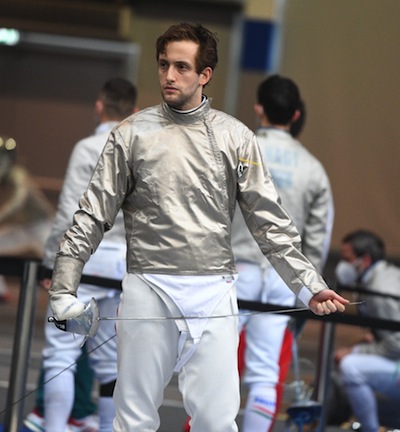
הסייף הישראלי שאול גורדון, ייצג את קנדה בתחרויות הסיף באולימפיאדת טוקיו שתתקיים בחודש הבא (יולי), ביחד עם 11 סייפים קנדים נוספים.

בניגוד לשאול, אחיו הצעירים מתי גורדון שמשחק רוגבי שביעיות ותמר גורדון שמתחרה אף היא בסיף, משתייכים דווקא לנבחרות ישראל. משפחת גורדון כולה גרה כאן בקנדה: האב אליהו גורדון עובד בממשלה הפדרלית בוונקובר, האם מוניקה גורדון מלמדת באוניברסיטת יו.בי.סי שבעיר, שאול לומד במונטריאול שקוויבק, מתי לומד בקינגסטון שבאונטריו ואילו תמר גרה עדיין עם ההורים בוונקובר.

שאול גורדון יליד תל אביב בן ה-26, גר בוונקובר מאז בגיל עשר. הוא סיים תואר ראשון

בשפה וספרות צרפתית באוניברסיטת פנסילבניה בפילדלפיה ב-2016. אחרי מכן עבר למונטריאול ללמוד בפקולטה למשפטים באוניברסיטת מקגיל. השנה סיים לימודי תואר מתקדם במשפטים והוא מתמחה בחוקי חלל ותעופה.

גורדון עזב את ישראל בגיל ארבע ועבר עם משפחתו לטורינו שבאיטליה. בגיל שבע החל להתאמן בסיף בסגנון חרב. כשהיה בן 10 עברה המשפחה לקנדה. הוא משתייך לנבחרת קנדה מאז 2011. נבחרת הקנדית הגיעה עימו למקום השני במשחקי פאן אמריקה טורונטו ב-2015. גורדון הגיע למקום השני באליפות האמריקות בהוואנה ב-2018. הוא זכה באליפות ישראל וכן במקום השלישי במשחקי פאן אמריקה בלימה ב-2019. ואילו נבחרת קנדה הגיעה עמו באותם משחקים למקום השני. גורדון זכה במקום השמיני באליפות העולם בבודפשט ב-2019 וזה בעצם ההישג הגדול ביותר בקריירה שלו. כיום הוא מדורג במקום ה-22 בדירוג העולמי.

– איך ההרגשה להגיע אולימפיאדה?

“אני מרגיש טוב מאוד וזו הפעם הראשונה שלי באולימפיאדה. אך המטרה שלי למשחקים השתנתה לאחר הדחייה בשנה. אשתקד רציתי רק להגיע למשחקים. עתה היה לי זמן לחשוב על ציפיות גבוהות יותר. מה אני רוצה לעשות בטוקיו? האם רק להשתתף למשך חמש דקות במשחק אחד? או להשיג אחת מהמדליות שזו בעצם המטרה שלי עכשיו”.

– מה היו ההכנות בעידן המגפה?

“האימונים בראשית השנה התקיימו רק בקנדה בגלל המגבלות. החל ממארס אחרי כשנה ללא תחרויות, התחלתי להשתתף סוף סוף בתחרות בינלאומיות. בקנדה יש מערכת טובה לאימונים אך חסרים מתחרים. אני עושה הרבה אימונים טכניים ופיזיים. מתאמן פיזית ארבעה פעמים בשבוע ועובד על הטכניקה שש פעמים בשבוע. האימונים שלי נערכים במכון הלאומי לספורט במונטריאול”.
– איך אתה מרגיש כאשר אתה מייצג את קנדה ולא את ישראל?

“אני מרגיש ישראלי אך גם קנדי באותו זמן. אני מרגיש מחויבות לייצג את קנדה

במשחקים. המאמנים שלי קנדיים, המאמנים האחראים להכנות הפיזיות קנדיים, חברי משלחת, האדמיניסטרציה, הפסיכולוגים הספורטיביים והמומחים לתזונה – כולם מכאן. אני רוצה להמשיך ולייצג אותם ולהפוך אותם גאים בהישגים שלי. מזה תשע שנים שאני בנבחרת קנדה: בשנתיים הראשונות ייצגתי את הנוער ומאז 2013 אני בבוגרים”.

– תמר אחותך לעומתך מייצגת את נבחרת ישראל בסיף

photo - Shaul Gordon
שאול גורדון

“זו הייתה החלטה חכמה ומתאימה לה. היא למדה בצרפת במשך שנה ב-2019 והיה לה קשה לייצג את קנדה משם. לעומת זאת בתור סייפת ישראלית היא יכלה להשתתף ביותר תחרויות באירופה. וכן לקבל תמיכה כספית שזה מאוד חשוב בסיף. תמר מתחרה בסגנון חרב כמוני והיא פשוט יותר מוכשרת ממני ואף נמצאת בדרגה גבוהה ממני. אנו מתאמנים יחד כאשר אני מגיע לוונקובר. תמר כיום בת 17 והיא נחשבת לספורטאית מאוד חזקה. היא מתחרה עם בנים כי אין בנות ברמתה”.

תמר גורדון, כשהייתה בת 15, כמו אחיה הגדול שאול, זכתה גם כן באותה אליפות ישראל (2019) בתחרות לבוגרות למרות גילה הצעיר. היא אמורה לסיים את לימודי התיכון בעוד כשנה וחצי ולאחר מכן תלמד כנראה באחת האוניברסיטאות בארה”ב. בין ההישגים הבולטים ביותר שלה: מקום ראשון באליפות צרפת לקדטים (על גיל 17) ב-2019 וכן מקום השלישי באליפות אירופה לקדטים בקרואטיה אשתקד.

תמר על התתשפותה בנבחרת ישראל: “עם נבחרת ישראל יש לי יותר אפשרויות להשתתף בתחרויות סיף אירופאיות. מאוד חשוב לי להתחרות ברמה הגבוהה ביותר כאשר חלק מהסייפות הטובות בעולם נמצאות באירופה. אני מרגישה גם גאה לייצג מדינה כמו ישראל בקנה מדינה בינלאומי”.

– יש לך אח נוסף שגם הוא ספורטאי

“מתי בן ה-23 משחק רוגבי שביעיות. הוא היה הקפטן של נבחרת אוניברסיטת טורונטו כאשר למד בחוג ללימודים אירופיים. כיום הוא בנבחרת אוניברסיטת קווינס קינגסטון, ששם הוא לומד שנה שנייה במשפטים. השנה אין להם עונה בגלל המגפה. והכי חשוב הוא שמתי נמנה על נבחרת ישראל ברוגבי שביעיות”.

מתי על השתתפות בנבירת ישראל: “זה נותן לי היכולת להשתתף ביותר משחקים בינלאומיים וברמה הגבוהה ביותר האפשרית. וכן להכיר כמה שיותר ישראלים ולמצוא חברים. כך אני יכול לנסוע בכל העולם ולייצג את הנבחרת של המדינה בה נולדתי”.

– חברתך יאנה בוטביניק משתייכת לנבחרת ישראל בסיף. איך בכלל הכרתם?

“הכרנו באליפות העולם שנערכה בוושי סין ב-2018. מאמן נבחרת הדקר של קנדה, ויקטור גנצביץ, אותו אני מכיר מצוין, הציג אותי בפניה. גנצביץ הוא הבעלים והמאמן הראשי של מועדון הסיף בוונקובר ‘דינמו פנסינג’, בו התאמנתי במשך 15 שנים. יאנה רצתה ללמוד בארה”ב וביקשה לקבל אינפורמציה ממני. מאז אנו ביחד.

– אתם מתחרים בסגנונות שונים

“כן. אני מתחרה בחרב והיא מתחרה בדקר. החוקים שונים והשימוש בנשק שונה. בחרב מותר לפגוע רק מאזור החגורה למעלה כשאפשר להשתמש בכל חלקי הלהב לדקור ולהצליף. ואילו בדקר אפשר לפגוע בכל הגוף אך רק באמצעות דקירה אחת. אני בחרתי בחרב כי זה סגנון מהיר ואגרסיבי יותר. דקר לעומת זאת יותר מחושב, המתחרים יותר זהירים. משחק יכול להגיע עד ל-20-25 דקות בזמן שבחרב משחק נמשך בממוצע כחמש דקות. בסגנון השלישי,רומח, אפשר לפגוע בחזה, בבטן ובכל החלק האחורי של הגוף, כאשר כמו בדקר צריך לדקור את המתחרה. המשחק יותר ארוך מחרב ויותר קצר מדקר”.

בוטביניק (22) לומדת בימים בחוג למתמטיקה ומחשבים באוניברסיטת קולומביה בניו יורק. היא עלתה מרוסיה לישראל ב-2010 ובגיל 17 זכתה לראשונה בתואר אלופת ישראל לנוער. מאז 2019 היא נחשבת לבוגרת וסיימה במקום העשירי באליפות אירופה. כיום מדורגת בוטביניק במקום ה-68 בדירוג העולמי.

– איך זה יהיה להתחרות בטוקיו ללא קהל לאור המגפה?

“אכן הפעם לא יהיה קהל כך שתהיה זו אולימפיאדה שונה בתכלית. קהל חשוב מאוד בתחרות בסדר גודל כזה כמו אולימפיאדה. יחסר לי במיוחד שחברי משפחתי לא יכלו להגיע אך זה לא בשליטתי.

– מה קורה עם הלימודים שלך במונטריאול?

“השגתי כבר תואר במשפטים ואני יכול כבר לעבוד בתחום אך אסור לי לייצג לקוחות, לפני שאני אעבור את בחינת לשכת עורכי הדין. אחרי האולימפיאדה אנסה להשיג עבודה בניו יורק כך שאוכל להיות עם יאנה. זה גם טוב לסיף. ניו יורק כמובן יותר מעניינת מוונקובר והיא גם מצוינת לעבודה. התחלתי לבדוק הצעות עבודה עם מספר גדול של משרדי עורכי דין בניו יורק. המטרה שלי לעבור בסתיו לניו יורק וגם יאנה אמורה לחזור לשם באותה עת”.

Format ImagePosted on July 21, 2021July 21, 2021Author Roni RachmaniCategories עניין בחדשותTags Canada, COVID-19, fencing, Israel, Japan, Matthew Gordon, pandemic, Richmond, rugby, Shaul Gordon, Tamar Gordon, Tokyo Olympics, Yana Botvinnik, אולימפיאדת טוקיו, יאנה בוטביניק, יפן, ישראל, מגפה, מתי גורדון, קנדה, רוגבי, ריצ'מונד, שאול גורדון, תמר גורדון
We need to act earlier

We need to act earlier

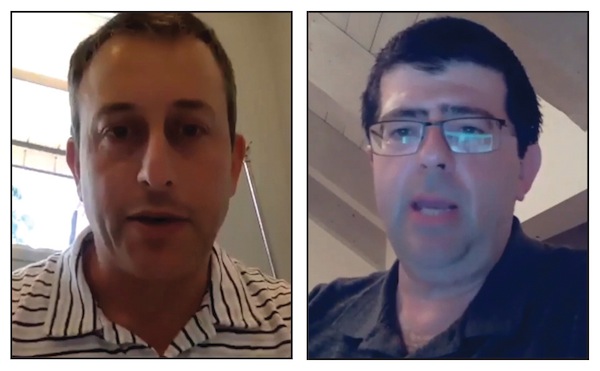
Drs. David Fisman, left, and Jacob Moran-Gilad discuss climate change and future pandemics. (screenshots)

The Jewish National Fund of Canada recently brought together Toronto-based epidemiologist Dr. David Fisman and Israeli clinical microbiologist Dr. Jacob Moran-Gilad to discuss the relationship between climate change and potential future pandemics.

“It is important to remember that there are a lot of linkages,” said Fisman, a professor of epidemiology at the University of Toronto’s Dalla Lana School of Public Health and a physician at Michael Garron Hospital. Both climate change and viruses like COVID-19 share similar drivers, such as human population growth, environmental degradation and the need for expanded food production, he explained.

Rising temperatures around the globe create a more fertile breeding ground for infectious diseases and accelerate their evolution, he said. Furthermore, climate change is exacerbated by the tearing down of natural environments, which then brings humans in closer proximity to animal habitats – increasing the chances of diseases being passed on to humans from other species.

“We do have a lot of mouths to feed on the planet. Intensive factory farming has been a driver of some really important challenges in infectious diseases,” said Fisman.

It is crucial to act early, Fisman argued. “With climate change, there are different time scales than with the pandemic. You want to shut down the carbon increase way early. If we wait until we are in the soup, it comes with great cost,” he cautioned.

Trade and travel have been around throughout history, he acknowledged. The difference now, he said, is “turning the dial up on temperature, which makes everything worse.”

Moran-Gilad, chair of Israel’s national advisory committee for microbiology and member of the country’s epidemic management team, went through some of the possible ways to prevent the next pandemic.

“We are now all experts in flattening curves – as compared to four months ago – which shows how effectively we can disseminate information,” Moran-Gilad observed.

While not discounting the severity of COVID-19, he said it has not been the pandemic that people who study infectious diseases have been preparing for, one known in the scientific community as Disease X, which would cause a mortality rate of 10 to 30%.

“COVID-19, in this sense, can be viewed cautiously as a drill to the real thing,” Moran-Gilad said, adding that a pandemic of much greater magnitude “could occur in one year, 10 years or 100 years from now.”

About COVID-19, he admitted, “The dynamics of the disease are still not clear. Without a vaccine, we are going to see coronavirus with us for a couple of years.”

Moran-Gilad advocated for investments in scientific research in the area of pathogen discovery, to understand the viruses in animal hosts better, which, he said, could help prevent the global economy from experiencing the losses encountered this year. He recommended, as well, that further studies could examine whether human exposure had taken place before the outbreak emerged.

He warned, though, of the propensity of academic research in high-quality journals to stop printing papers on diseases once they recede from public consciousness. He said this happened with SARS and Ebola, and expressed hope that the legacy of COVID-19 would be a continuation of studies on the virus “or we will find ourselves unprepared for the next pandemic.”

Returning to the proverbial pachyderm in the room – climate change – the doctors did offer a glimmer of hope: action on the environment would bring with it a health dividend. Riding a bike instead of driving a car, for example, has health benefits and reduces emissions.

Extreme weather events also have a deleterious impact on health, and thus we would be acting in our own self-interest to address climate change, the scientists said. They noted that, in the Canadian response to COVID-19, all governments had to do was ask people to maintain a two-metre distance from one another and wear a mask in public, and people mostly did as instructed. The desire, then, would be that similar policy guidelines could be used to ward off environmental disasters.

In his closing remarks, Fisman praised the Japanese approach to fighting the pandemic by avoiding closed and crowded spaces. He also called into question the opening of bars in certain regions of Canada before opening schools. And he stood for an aggressive testing approach.

“There are vaccine candidates that look amazingly promising,” said Fisman. “It’s very hard to fly and land an airplane while we are building it. A positive outcome of the current pandemic would be if vaccine development could be done proactively.

“Our ultimate challenge as scientists,” he concluded, “is to show people what an alternative universe looks like and why it is important to take early and immediate action.”

Sam Margolis has written for the Globe and Mail, the National Post, UPI and MSNBC.

Format ImagePosted on July 24, 2020July 22, 2020Author Sam MargolisCategories NationalTags climate change, coronavirus, COVID-19, David Fisman, Jacob Moran-Gilad, Jewish National Fund, JNF Canada, pandemic, science

We are shaped by history

A few weeks ago, my husband got an email out of the blue from a distant relative in Israel. This Israeli was working on some family genealogy. He was stunned to discover that he had many U.S. relatives he never knew about. Together, my husband and this distant relative took on a big extended family project, even as COVID-19 shut down borders and isolated us in our homes.

Suddenly, my husband in Winnipeg and his dad, aunts, uncles and cousins in New Jersey were emailing, sending photos and stories to one another. They tried to iron out all the stories they’d heard and fit the puzzle pieces together. My husband’s paternal grandparents (z”l) were from Mezritch, Poland. They spent the Second World War on the run. They were in a Siberian Gulag work camp. Then, they lived in a shantytown near Tashkent, Uzbekistan. After the war, they stayed in a series of displaced persons camps in Germany before U.S. relatives found them. They arrived in the United States, with their three children, in 1950.

Discovering what may have happened to each relative 75 years ago, and documenting it, has taken on an urgency for both my husband and this “new” Israeli relative. In part, it’s because his oldest aunt, who was 9 when she came to the United States, remembered it all and discussed it with her mother in detail, over and over, as those who’ve gone through huge upheaval sometimes do. For my husband’s aunt, this childhood experience defines much of her worldview. Now, though, her mother, my husband’s grandmother, has died. His aunt is still alive, but unwell. She’s unable to recount the stories or identify the people in photos anymore. The family is racing to record as much of their family history as they can before even more of the pieces are lost forever.

In the midst of this nightly family email exchange, I read a book called Gateway to the Moon by Mary Morris. This novel makes connections between the Sephardi Jews who fled Spain after the Inquisition, the crypto-Jews of New Mexico and the history behind the family connections and modern-day Jewish practice. The author explained that the idea for the book came to her when she met someone long ago. This New Mexican seemed convinced that his family had been Jewish. Indeed, now we know through DNA analysis that many Spanish-speaking people throughout the world have Sephardi Jewish roots.

Gateway to the Moon was graphic, full of historically correct violence, and direct. It took me a long time to get through. It was powerful, but also hard to grasp the scope of the suffering faced during the Inquisition. This religious violence chased Jewish families for hundreds of years through Spain, Portugal, Mexico and beyond.

Morris does a good job of connecting people throughout history in her narrative. This was particularly powerful when a character tastes a lamb dish in Morocco, on vacation, and is instantly transported to her grandmother’s table in New Mexico. Even as their identity was hidden or forgotten, familiar recipes remained. Just the taste of that lamb stew connected the character to the family’s lost past and their Sephardi Jewish identity.

The ramifications of these huge experiences – violence, trauma, colonization, wars, genocides, terrorist attacks and pandemics – will shape us and future generations. We, as Jews, and as people, are forever shaped by these things. We’re about to celebrate Passover. It recounts a huge event in our people’s story – slavery, freedom and migration. This experience shapes us, though it happened (if it happened) long ago. As we say at the seder, Avadim hayinu: Once we were slaves in Egypt, and now we are free. We’re commanded to remember this as though we personally left Egypt.

As I write this, we’re suffering a pandemic, another huge, worldwide and scary experience. My husband and I are Gen Xers. We’ve been shaped by the Holocaust experiences of our families and friends. We were raised hearing their stories and traumas, and it was part of who they, and we, are.

Now, I pray that we, and all our families, and everyone in our community, live to think about what the ramifications of this next event will be. It will impact us all.

My family and I wish you everything good – a chag sameach, zissen Pesach – a happy holiday. Most importantly, may you enjoy it in good health.

Joanne Seiff has written regularly for CBC Manitoba and various Jewish publications. She is the author of three books, including From the Outside In: Jewish Post Columns 2015-2016, a collection of essays available for digital download or as a paperback from Amazon. Check her out on Instagram @yrnspinner or at joanneseiff.blogspot.com.

Posted on April 3, 2020April 2, 2020Author Joanne SeiffCategories Op-EdTags Diaspora, genealogy, history, Holocaust, lifestyle, pandemic, Passover

Posts pagination

Previous page Page 1 Page 2 Page 3
Proudly powered by WordPress