Definition of insanity

In a rare venture into current events, the head of Yad Vashem has spoken out about the urgency of humanitarian disaster in Syria. After the forces backing Syrian dictator Bashir al-Assad succeeded in taking the rebel-controlled areas of Aleppo last week, murderous retribution unfolded and terrified residents fled for their lives.

Avner Shalev, chair of Yad Vashem, said “the global community must put a stop to these atrocities and avert further suffering, as well as provide humanitarian assistance to the victims seeking safe haven.”

It is not insignificant that the head of the world’s leading Holocaust museum and memorial would be moved to speak out on the subject. The atrocities the world is seeing stir memories of the past. No history is precisely like other history, obviously, and making direct comparisons can be unhelpful. Yet, after the Second World War, as the extent of the Holocaust became understood, international agencies, nations and individuals committed to a future free of those sorts of atrocities. Those promises have been betrayed too many times in the seven decades since, most recently in Syria.

When we look back in history, we ask, why didn’t this party or that country do more? Why was this or that allowed to happen? How did the world not step in sooner, when evidence began to mount about the rising danger of authoritarianism? Questions and answers are easier in hindsight. Yet there can be no doubt that Syria has presented especially difficult choices, even for actors who want to do the right thing.

U.S. President Barack Obama has insisted through the years of the Syrian civil war, which began at the time of the Arab Spring in 2011, that there was no military solution to the problem; that diplomacy had to prevail. He may have been correct that there was no military resolution. There are multiple bad guys in this fight – Assad’s regime, backed by Iran, Hezbollah and Russia, on one side, and al-Qaeda and ISIS on the other. And, on the third side – because this is, vexingly, a multiple-sided conflict – is an amalgam of defectors from the Syrian military, Kurdish militias, and other anti-Assad forces who may have democratic and pluralist intents. Or, were they to be victorious – which now seems unlikely in the extreme – they could split among themselves, their only cohesion perhaps being the glue of opposition to Assad. By one count, what we call the Syrian civil war is as many as 10 separate conflicts. The United States, Saudi Arabia, Turkey and Qatar have provided some support to the rebels, but it has been unreliable and uncoordinated. Estimates of the number of civilians and fighters killed range from 312,000 to more than 400,000.

Civilians casualties have been enormous, with all sides indiscriminately attacking civilian targets. Torture and extrajudicial killings typify the regime’s approach to war. Assad’s forces have also been accused of deliberately targeting medical installations and personnel. When the United Nations was able to secure humanitarian aid routes within Syria to provide food and medicine, the regime ensured that aid reached government-controlled areas and prevented aid from reaching rebel-controlled areas.

Negotiations have gone nowhere, because Assad is determined to hold on to power no matter how much of his population dies in the process, and he has powerful military friends in Russia and Iran who back his iron fist. The opposition is unequivocal that Assad must be deposed. There is no room for negotiation.

And so, the matter has come down to military might, with the last stronghold of the opposition crushed in recent days. Assad has now regained control of almost all the population centres of the country, with the rebels limited to peripheral enclaves.

In the process of the civil war, half of Syria’s population has been uprooted – six million people are displaced internally and another six million have been made refugees, with global implications, as European, American and other politicians have exploited fears of radicalization among refugees to advance their own xenophobic agendas. The effect may ultimately unravel the entire European Union.

Meanwhile, Hezbollah has been significantly strengthened and ISIS, which has suffered in Syria, will likely turn its attentions to more fertile ground elsewhere. The murderous Assad regime is more secure than it has been in years. Russia is ascendant in the region and globally. The United States has been chastened, and the incoming president is, characteristically, belligerent in rhetoric but anti-interventionist in expressed policy, which indicates nothing if not pandemonium in future U.S. approaches.

The world has failed the people of Syria – and, as a result, the world is a far more dangerous place.

Significant blame for this disaster must be placed on the United Nations, the primary bodies of which are hobbled by the control of despots who owe more to Assad’s governance style than to the vision of the idealists who founded the organization. While there are agencies under the UN umbrella that do superb work, its governance structures are so dysfunctional that talk of a replacement body must continue in earnest.

The least the world should be able to do now is pressure the emboldened government of Assad to allow humanitarian aid to reach those who need it and allow his citizens to move to places of safety. Then, the world should reflect on the lessons of this catastrophic experience and promise, yet again, not to let such a thing recur. What we’re doing isn’t working. To prevent recurrence, we need to stop pursuing the definition of insanity, which involves doing the same things and expecting a different result.

Dance in support of refugees

Children learn the #iamchild dance routine created by Israeli-Turkish therapist and journalist Michal Bardavid. (photo from iamchildproject.com)

There’s a new dance routine on social-media sites that has five catchy poses and one enormously powerful message.

The #iamchild dance-therapy routine is part of a project in support of Syrian children affected by ongoing civil war. It was created by Israeli-Turkish journalist Michal Bardavid to give emotional and moral support to millions of the world’s refugee children.

In addition to being an international correspondent for China Central Television, Bardavid is a psychological counselor and a certified dance therapist. After meeting hundreds of Syrian children in refugee camps on the Turkish-Syrian border, she created a motivational dance exercise made up of five positively worded sentences accompanied by five movements to show the kids that someone cares.

The five phrases – “I am loved,” “I am a child,” “I am safe,” “I am a whole person,” “I am beautiful” – are spoken in Arabic.

“The accompanying movements make the emotion more concrete as children say the sentences out loud,” Bardavid writes about the project.

In honor of United Nations Universal Children’s Day on Nov. 20, a day that promotes “international togetherness, awareness among children worldwide, and improving children’s welfare,” Bardavid uploaded a call-to-action video – in English and Turkish – asking people to join the movement and show support for the Syrian kids.

So far, she has documented 600 Syrian refugee children and 350 Turkish schoolchildren doing the #iamchild dance routine. Children in Israel, Iraq, Spain, the United Kingdom and Turkey have sent in heartwarming homemade videos of how they perform the dance routine.

“#iamchild is about empowering Syrian refugee children, creating solidarity among Syrian and international children, and increasing global awareness on the issue,” writes Bardavid.

Bardavid wants to reach as many Syrian refugee children as possible via social media and word of mouth. “It’s important to remember Syrian kids are actually the ones most affected by the conflict,” writes Bardavid, noting that she hopes her #iamchild project will “induce a positive emotion even if for a brief moment.”

Israel21C is a nonprofit educational foundation with a mission to focus media and public attention on the 21st-century Israel that exists beyond the conflict. For more, or to donate, visit israel21c.org.

Refugee policy evolves

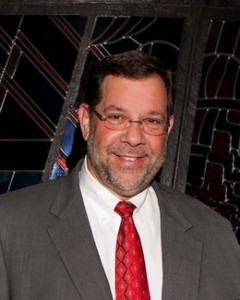
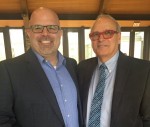
Rabbi Dan Moskovitz, left, and Dr. Harold Troper. (photo by David Berson)

The current refugee crisis – and Canada’s responses to past crises – was the topic of an interfaith panel recently, which raised issues especially relevant as Passover approaches.

Our Home and Native Land? A Multi-Faith Symposium on Refugee Settlement featured a keynote presentation by Dr. Harold Troper, co-author of None is Too Many: Canada and the Jews of Europe, 1933-1948. The event, on March 18, also included a panel discussion that featured Rabbi Dan Moskovitz of Temple Sholom. Catalina Parra brought a First Nations perspective, Imam Balal Khokhar spoke from a Muslim point of view and Rev. Dr. Richard Topping spoke as a Christian.

Troper recalled being part of a Canadian group that traveled to eastern Germany two decades ago, after the Berlin Wall fell. States in the east of the newly reunified Germany were seeing an upsurge in migration from countries further to the east. A group of Canadians was invited to listen and give advice on Canada’s experience integrating newcomers. At one point, a local official thanked Troper for his comments, but asked, “What do you do with your foreigners?”

Troper expounded on the concept of “new Canadians,” a formulation perhaps unknown in any other country, in which people arriving with the intent of making Canada their home are acknowledged not as foreigners or as migrants, but as people becoming part of our polyglot population already on a path to inclusion.

Of course, Troper acknowledged, this was not always so. None is Too Many, published in 1983, was a seminal book that has had lasting impacts on Canadian views of migration and refugees. The title comes from a quote from an anonymous Canadian immigration official who responded with these words to the question of how many post-Holocaust refugees to admit. The words have been attributed, in some tellings, to F.C. Blair, Canada’s then-director of immigration. However, while this is not provable, Blair’s actions were in line with the words.

Recounting this country’s exclusionary policies toward the desperate Jewish populations of Europe in the prewar period, but also a similar disregard after the war, the book has been held up as an object lesson in how not to respond to people in crisis. Troper said he didn’t know until years later the impact the book had had on one very significant episode in Canadian history.

In 1979, Troper and Abella sent an academic paper that preceded the book to Ron Atkey, Canada’s immigration minister. Atkey was a member of Joe Clark’s cabinet and, though that Progressive Conservative government lasted only nine months, it was during Clark’s term as prime minister that the decision was made to welcome 60,000 Vietnamese refugees, known as “boat people.” Troper said he found out later that the manuscript they sent played a role in the decision.

“We hope Canada will not be found wanting in this refugee crisis the way it was in the previous one,” the authors wrote in a note accompanying the manuscript. They expected no response and they received none. But, several years later, Troper said, Atkey told him that he had read it.

“He told us he was shocked and dismayed when he saw the political parallels between the Vietnamese and Jewish refugee crises,” Troper recalled. “Then and there, Atkey told us, he decided he was not going to go down as the F.C. Blair of the boat people.”

Already predisposed to encourage his cabinet colleagues to take a generous approach, the article stiffened his resolve to stand firm against ministers who disagreed. The government initiated a joint federal-private sponsorship program.

“It today serves as the prototype for Canada’s Syrian refugee program,” said Troper.

Now, as refugees are coming from North Africa, Asia and, most notably, the Middle East, fleeing civil war and ruin in Syria and Iraq, Troper sees parallels between the fears expressed now and those of seven decades ago.

“The fears are not only around the expenses of accommodating these refugees, but that the intake of a population of different race, religion and cultural assumptions and social expectations will destabilize destination countries,” he said.

Not dissimilar, he said, were fears that European Jews might bring socialism, communism, anarchism – even Nazism – with them.

“Foreshadowing the kind of anti-refugee arguments commonly heard today,” Troper said, “reports of persecution were dismissed as exaggerated if not bogus, fabrications designed to justify an end-run around Canadian immigration restrictions. And who were these refugees anyway? Were they really innocent victims? Surely they must have done something to turn their fellow citizens against them. Why make Europe’s problem our problem? And weren’t Jews in Canada already a pesky problem? Do we want more? And who’s to say that communists or even Nazis would not pose as refugees to infiltrate as subversives into Canada? Keeping Canada strong and united meant keeping Jews out.”

Another haunting parallel was the galvanizing photo of the 3-year-old Kurdish child who washed up on a Turkish beach and a photo Troper came across decades ago in his research for None is Too Many while going through archival boxes in the Toronto office of the Jewish Immigrant Aid Society. The boxes were filled with prewar letters from European Jewish parents who, knowing that entire families were unlikely to be granted admission to Canada, begged that their children might be taken in by a Canadian family. In each case, a terse response told the desperate parents that Canada was not admitting any Jews but that the request would be held on file in case something changed.

“Going through these files, I came across a letter that impacted me the way I imagine the photo of 3-year-old Alan Kurdi lying facedown in the sand of a Turkish beach impacted on all of us,” he said. “The letter was from a father begging for some shelter for his two daughters. A picture of two smiling children was attached. As I read this letter, my eyes began to tear; you see, I am also the father of two girls. At the time they were 3 and 5 years old. For a split moment, it was as if I was that desperate father, his children were my children and his fears were my fears.”

As part of the panel that followed, Moskovitz spoke of the bread of affliction.

“How inappropriate it might seem to hold up a matzah when we sit around a seder table filled with food, and to think that we are supposed to connect with this when we have so much,” the rabbi told the Independent after the event. “The point is to remind us that there was a time in our lives when we didn’t have so much.

“Each of the faith traditions,” he said, “spoke about that lens of empathy, of remembering historically that we once ate the bread of affliction, that we once didn’t have much and so we have to share with those who do.”

Religious perspectives are critical in this discussion, he added.

“Left to our own devices, society will often do what they think is in [their] own immediate best interest, which is often isolationism – we’re seeing that in the U.S. elections today – and fear of the other,” he said. “The role of religion is to compel us to do what is morally right and good, what is spiritually elevated, what is holy. It’s a religious foundation that is compelling us to love the stranger, because our political reality, especially in the wake of the terrorist attack in Brussels, is telling us to fear the stranger.”

For Jews, he said, the plight of refugees is not a momentary news story.

“This is not just a headline that has come and gone,” said Moskovitz. “Our Passover Haggadah makes it a headline for Jews every year, that we are reminded to see the world through the lens of a refugee every single year. It’s the most observed Jewish holiday in the Jewish calendar – that says something about how important the status of a refugee is in Jewish tradition.”

The multi-faith symposium was organized by the Inter-Religious Studies program at Vancouver School of Theology and facilitated by Rabbi Laura Duhan Kaplan, the program’s director.

Calgary sponsorship efforts

Around the time of the High Holidays last year, Rabbi Shaul Osadchey, senior rabbi of Congregation Beth Tzedec in Calgary, had lunch with a congregant. Discussing various issues, they talked about the possibility of sponsoring a Syrian family.

“We decided to pursue that and have the congregation get on board and assume responsibility for a family,” Osadchey told the Independent.

With all enthusiastic and supportive of the idea, Osadchey gathered more information through Catholic Immigration Services (CIS). Later, he attended a workshop on how to sponsor a Syrian refugee family.

photo - Rabbi Shaul Osadchey of Congregation Beth Tzedec in Calgary
Rabbi Shaul Osadchey of Congregation Beth Tzedec in Calgary. (photo from Shaul Osadchey)

Through CIS, the rabbi was introduced to an executive of Armenian decent who had married a Jewish man and converted to Judaism. As the woman worked with Osadchey, she took a special interest in the congregation’s sponsorship and wanted to connect them to a particular family – a Christian Armenian family with relatives in Calgary who she personally knows.

“She had a personal connection and we thought that would be a good match, so we proceeded along those lines,” said Osadchey. “We were just simply committed to helping a Syrian refugee family and their religious background was of no particular relevance. We were prepared for Muslim or Christian, either one.” He explained that his congregation has been very active in building bridges in the local Muslim community.

After attending the workshop, the rabbi went back to the board with information about how the process works and the board unanimously passed the motion to adopt the family. Since then, they have been arranging all the paperwork, while the family to be sponsored is currently in Lebanon.

The congregation has been given some preliminary information about the family. “It’s a mother, a father and three children, ages 11 to three months old,” said Osadchey. “So, we’re preparing the various responsibility areas of helping them integrate in Calgary – things such as housing, clothing, food, transportation, jobs, and so forth.”

Osadchey has also reached out to Jewish Family Service Calgary to see if they can help with jobs; the parents are in the jewelry trade.

While the paperwork is being done, the community and congregation are offering support in many ways, from preparing to help with language needs, to collecting household furniture and other items the family may need.

While the local Armenian Christian community in Calgary is not very large (300 to 400 people), Osadchey thinks it is inevitable that the communities will form closer ties.

“I think, overall, the message that Beth Tzedec is sponsoring a family is very important, both for our members and for the community at large,” said the rabbi. “We are interested in this issue. We take it seriously. Jewish tradition calls on us to help refugees.”

Last month, leaders of Beth Tzedec had brunch with the refugee family’s Calgary relatives to learn more about them before they arrive in two or three months. It may take less time than that, depending on various factors.

“Still, we are pretty far along,” said Osadchey. “We have most of the financial commitment taken care of. It’s being underwritten primarily by one family, which is the original person I was speaking with who sort of launched the idea.”

But others in the congregation have also volunteered. For example, members of the congregation held a Chanukah party where, instead of giving gifts, they asked attendees to donate toward the sponsorship efforts. They raised $1,000.

The financial need for hosting a family of five is estimated by the federal government at $32,000, but Osadchey has been working with congregants, one of whom may be able to offer housing, which will substantially lessen this estimate.

“The $32,000 has already been raised, but we anticipate there will be other costs once they get here,” said Osadchey.

While the congregation is considering hosting more families in the future, they have decided to take it one family at a time, as this is a very new process for them.

“Somebody asked about that, and I said, ‘Go with the first family and see what the experience is like and, if we can continue to help and have support, we will do that,’” said Osadchey. “But, I anticipate it will be a very wonderful experience, both for the congregation and for the family.”

The response from the congregation has been overwhelmingly positive, and a number of prominent people have stepped forward and expressed their pride in the synagogue doing this. And the response has spilled over to Temple B’nai Tikva, which has spoken to Osadchey.

“They contacted us, but we already had the funding in place and were down the road in the process, so it wasn’t so critical that we had a partner,” he said. “We encouraged them to reach out and find someone else who might benefit from their help.”

Temple B’nai Tikva has set up a refugee assistance committee, which met last month. Committee representative Cynthia Simmons said that they have met with a couple of churches, and “we know we want to do something, but the exact nature of that something remains to be determined.”

Rebeca Kuropatwa is a Winnipeg freelance writer.

Welcome to Saskatchewan

It doesn’t require a big community to make big things happen. It just takes a few good leaders. And Saskatoon’s small Jewish community is a prime example.

JoAnn Jaffe is a University of Regina professor of sociology and social studies and leader of Congregation Agudas Israel’s social justice committee. Raised in Dayton, Ohio, she described herself as “not the most observant person in the world, but not the least either – raised in a somewhat secular Jewish home, but with consciousness of Jewish ethics.”

photo - Prof. JoAnn Jaffe, leader of Congregation Agudas Israel’s social justice committee
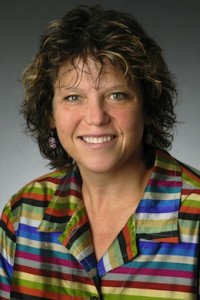
Prof. JoAnn Jaffe, leader of Congregation Agudas Israel’s social justice committee. (photo from JoAnn Jaffe)

In 2001, she helped form a Jewish-Muslim dialogue group in Saskatoon. Through this group, members of the synagogue and a mosque decided to join in an effort to bring a Syrian refugee family to Saskatoon.

Jaffe and another Agudas Israel member, Willow Allen, took the lead on the Jewish community side. “At one point, as we started to hear what was going on in Syria, Willow and I started thinking that it would be really great if the Jewish community could sponsor a family,” said Jaffe. “I also started hearing from other congregation and board members that they were very interested in doing this, too, so Willow and I attended a training done by the refugee sponsorship training program.”

They soon began thinking about getting the Muslim community to join them.

“We put together a proposal and presentation to the board of the congregation,” said Jaffe. “The board said they were very interested, especially if we could get the Muslim community on board. We see this as a value-added activity for us. Not only are we sponsoring this family – it is our ethical duty, what we are taught to do, welcoming a stranger and taking care of the needy – but, if we could do this with the Muslim community in Saskatoon, then we could build relationships, build the community, have each other’s backs. If problems arise, we already have relationships with each other and know each other. We have a way of working together. After all, events in the wider world tend to pull us apart.”

Once the Islamic Association of Saskatchewan accepted the invitation, it was a matter of putting together a joint steering committee with members from both communities in equal proportion. That committee would then work to involve other community members in all the different activities involved in sponsoring a family.

The joint committee – called Children of Abraham Refugee Sponsors of Saskatoon – decided fundraising should be divided between the two communities equally. Once that was decided, the synagogue was prepared to be responsible for the entire portion the Jewish community was to raise.

“They knew they weren’t going to be on the hook for that entire amount, but that’s a beautiful gesture of good faith,” said Jaffe. “Then, we started. We set aside a fund at the synagogue called the Tikkun Olam Fund that is now dedicated to our family.”

Earlier this year, B’nai B’rith announced in a committee meeting that they would match collected funds up to a total of $5,000. “There is a family here who owns a limousine service that, one evening, they took people around on tours of the Christmas lights and then donated all the money they made from that – $1,000 – and put that into our fund,” said Jaffe. “We now have over $12,000. We are looking to raise about $15,000 to be in a comfortable place.”

Further, the group is settling the terms of an apartment and continuing to mobilize their communities, with many people stepping forward to donate items for their home, clothing, housewares and more.

“It’s amazing,” said Jaffe. “Lots of people are volunteering to do tasks. Because we are hooked up with the Islamic Association, there are quite a few people who speak Arabic who volunteer to act as translators. One of the main people on our steering committee is originally from Lebanon, so, of course, she speaks Arabic as well. We feel like things are moving forward in a really great way. I feel optimistic about it. People are very dedicated to making this work.”

The Syrian family being sponsored has five children, as well as another on the way. Four were born in Homs, Syria, while the youngest child (2 years old) was born in Amman, Jordan – an indication to how many years they have spent in a Jordanian refugee camp.

They will be here by the end of the month, said Jaffe. “They know who we are. We know who they are. They know we are here and are sponsoring them.

“The husband was born in 1980, so he’s 35 years old, about. She [the wife] was born in 1988, so she’s 27. Her birthday was a couple days ago.”

Rebeca Kuropatwa is a Winnipeg freelance writer.

טרודו לראשת השנה החדשה

 ראש הממשלה, ג’סטין טרודו, מברך פליטים סוריים לקנדה. (צילום: cic.gc.ca)

טרודו לראשת השנה החדשה: יש לתמוך בנזקקים ובמעמד הביניים

ראש הממשלה, ג’סטין טרודו, פירסם אגרת לקראת השנה החדשה והדגיש את הצורך לתמוך בנזקקים, מיעוטי יכולת, פליטים. וכן במעמד הביניים שכה נחלש בתקופת ממשלת השמרנים של הרפר. טרודו הזכיר באגרת את האיומים על קנדה והערכים הקנדיים כמו ביטויי שינאה, ומעשי אלימות שמכוונים נגד קהילות דתיות.

ממשלת טרודו פועלת כידוע להביא כעשרים וחמישה אלף פליטים סוריים לקנדה. עד לסוף 2015 הממשלה הצליחה להביא כמה אלפי פליטים והיא צפויה לעמוד במשימתה עד לסוף 2016. בהקשר זה יצוין כי אחת הסיבות שהביאו לנפילתו של סטיבן הרפר, שכ-71 מהציבור הקנדי ביקש להחליפו, נעוצה בעבודה שלא היה רגיש כלל לנושא הפליטים הסוריים.

אין רוב לפינוי מרצון: עשרה תושבים מונעים את פינוי ליטל ביי איילנדס בשניופאונדלנד ולברדור

תושבי הישוב ליטל ביי איילנדס שבמזרח קנדה לא יודעים אם הם צריכים לצחוק או לבכות. זאת כיוון בגלל התנגדות נחרצת של עשרה מהתושבים שגרים בישוב, הם לא יכולים לקבל את הצעת ממשלת מחוז ניופאונדלנד ולברדור ולעבור למקום אחר.

ליטל ביי איילנדס נחשב לישוב הקטן ביותר בקנדה כיום וגרים בו עתה רק מאה וחמישה תושבים. לפי תקנון המחוז דרוש רוב של תשעים אחוז כדי לקבל החלטות הרות גורל ומשמעותיות כמו פינוי ישובים. בהצבעה שנערכה לאחרונה בסוגיה זו תשעים וחמישה מהתושבים אמרו “כן” לפינויי ועשרה אמרו “לא” לפינוי. ההצעה נפלה כי התומכים השיגו רוב של רק 89.47 אחוז ולא תשעים אחוז.

החיים בישוב המבודד והמוקף בים מכל צדדיו לא קלים והגישה אליו אפשרית רק באמצעות מעבורת או סירות. מרבית התושבים (כארבע במאות במספר) שגרו בו נטשו אותו בשנים האחרונות, וכמעט ואין בו תעסוקה מלבד תיירות. בליטל באיי איילנדס יש בית ספר אחד עם שני תלמידים ומורה, תחנת כיבוי אחת ומלון קטן אחד. וכן כדאי לדעת לא פחות משתי כנסיות. ממשלת ניופאונדלנד ולברדור הציעה לתושבים לעזוב את ליטל ביי איילנדס מרצון ולעבור לישובים אחרים במחוז, שהגישה אליהם נוחה יותר. הממשלה הבטיחה לכל אחד מהמתפנים מאתיים ושבעים אלף דולר כפיצוי. כאמור בשלב זה הפינוי לא יוצא אל הפועל והפרק הראשון של הפינוי מרצון יסתיים. בקרוב יגיע בוודאי הפרק השני.

נפתחה הדלת במערכת המשפט הקנדית: לראשונה מונה שופט טרנסג’נדר לאחד מביתי המשפט

לראשונה מונה בקנדה שופט טרנסג’נדר. בימים אלה קייל מקנזי מתחיל לשמש שופט בית המשפט המחוזי של מחוז מניטובה, שממוקם בויניפג. מקנזי בן הארבעים וארבע הוא טרנסג’נדר מוצהר. הוא נאלץ להתמודד מול חמישה מועמדים נוספים לתפקיד השופט ונבחר על ידי ועדת שיפוטית עצמאית. במערכת המשפט מקצה לקצה ברכו על המינוי החדש וציינו כי מקנזי ראוי לתפקיד השופט המחוזי, קודם כל בגלל ניסיונו הרב כעורך דין וכשרונו המקצועי היוצא דופן. במערכת הוסיפו: “כמובן שמערכת המשפט מחוייבת להיות שוויונית ופתוחה אך תחילה על השופטים להיות איכותיים וטובים”. מקנזי הוא בסך הכל השופט הטרנסג’נדר השלישי בלבד בכל יבשת צפון אמריקה והוא מצטרף לשני עמיתיו המכהנים בארצות הברית.

מקנזי שימש בחמש השנים האחרונים תובע מטעם פרקליטות המדינה בנושאי משפחה, מסחר ומשפט אזרחי. במקביל כיהן גם סגן נשיא של לשכת עורכי הדין של מניטובה. הוא עבר תהליך של שינוי מין מאישה לגבר עוד בתקופת לימודיו בית הספר התיכון.

לפי הערכה בכל העולם יש פחות מעשרים טרנסג’נדרים מוצהרים שנבחרו לתפקידים ציבוריים בכל הרמות השונות של הממשלות.

Emanu-El to sponsor refugee family

The board of Congregation Emanu-El of Victoria has unanimously approved a motion to proceed with sponsorship of a Syrian refugee family. They believe that this is a moment to step forward as Jews and “welcome the stranger.”

Many in Victoria’s Jewish community trace their families’ arrival in Canada from the time they fled brutal pogroms in the Russian empire, and some came as the surviving remnant of European Jews after the Holocaust. Others landed here because they were expelled from their countries throughout the Middle East and North Africa after the creation of the state of Israel in 1948.

“As we cannot forget our oppression and persecution over millennia, we also count our blessings for living in freedom and comfort in Canada. Jewish ethics enjoin us to reach out to others to help end their suffering. The concept of tikkun, or repair, is central to Jewish belief, in that it is our duty to try and fix what is broken in this world,” said Congregation Emanu-El’s Rabbi Harry Brechner.

The synagogue welcomes all who wish to join in the fund-raising efforts. Office hours (1-250-382-0615) are Tuesday to Thursday, 9:30 a.m.-2:30 p.m., to make credit card donations, or cheques can be sent to 1461 Blanshard St., Victoria, B.C., V8W 2J3. Tax receipts will be issued for all donations.

For more information, contact Jean Dragushan, chair of the refugee sponsorship steering committee, at jean.dragushan@telus.net or 1-250-818-4132.

Ready to welcome refugees

As of Nov. 24, the Government of Canada was processing 4,511 applications for privately sponsored Syrian refugees (not including Quebec, which has its own procedure). The map shows communities where private sponsors have submitted an application. (image from cic.gc.ca/english/refugees/welcome)

Vancouver’s Jewish community is mobilizing to welcome refugees from Syria. The federal government has announced that 25,000 Syrian refugees will come to Canada before the end of February. While most of those will be government-sponsored, groups of Canadians, including many in the Jewish community, are leaping at the opportunity to be a part of the resettlement project.

The Jewish Federation of Greater Vancouver has signed a memorandum of understanding with the Anglican church to streamline the process. The federal government has a number of sponsorship agreement holders, which are established, experienced groups that are engaged in aiding refugees on an ongoing basis. To expedite the process, the Jewish community is primarily working through the partnership with the Anglican Church of Canada so that synagogues and other Jewish groups that may want to sponsor can do so efficiently.

“The Anglican diocese, rather than setting up a separate relationship with each of the synagogues, proposed that there be one memorandum of understanding with the Jewish community,” said Shelley Rivkin, Federation’s vice-president for planning, allocations and community affairs. “We will be the holder of the memorandum of understanding so the synagogues will raise the funds and issue a tax receipt. The funds will then come to us and be in a restricted account and, as those funds are distributed, they will go directly through us so that the diocese is not having to deal with multiple parties.”

Or Shalom Synagogue has already raised two-thirds of the funds necessary to sponsor three families. Natalie Grunberg, a member of the Or Shalom Syrian Refugees Initiative, said they are expecting their sponsored refugees as early as January. The group has launched a series of events, including a concert of Syrian music, to raise awareness and money for the project. The federal government estimates the cost of sponsoring a refugee family for a year to be about $30,000, but Vancouverites involved in the process are working on an assumption of about $40,000, based on housing costs here.

Or Shalom is working through existing partnerships they have built over the years. Rather than going through the Anglican church, they are working with the United Church of Canada. Grunberg acknowledged that some in the Jewish community have differences with the United Church’s stand toward Israel, but the priority was to expedite the refugee sponsorship process and they believed working through existing relationships would be most effective.

Grunberg is noticeably proud of her congregation’s efforts so far.

“We’re a very small synagogue and we’re sponsoring three families,” she said.

Through existing relationships with the Syrian community here, Or Shalom will focus their sponsorship efforts on reunifying families that already have some members in Metro Vancouver and also on members of the LGBT community.

Temple Sholom is also rallying for refugees. Almost immediately after announcing the idea during the High Holidays, the synagogue raised enough money to sponsor one family.

“We’ve now decided to sponsor a second family,” said Rabbi Dan Moskovitz.

He acknowledges that there have been some anxieties among his congregation about bringing Syrian refugees here.

“I met with every person that voiced that concern to me,” he said. “I met with them personally. We talked about it. We talked about the people that we are bringing in – they were concerned about terrorists coming across – we talked about the difference between private sponsorship, as we are doing, and what we’ve been seeing in Europe with refugees flooding across borders … that we were sponsoring families with young children, that our sponsorships were family reunification, so they would have real roots here in B.C., particularly in Vancouver. We acknowledge the fears but at the same time we also recognize that this is a crisis and that the Jewish tradition teaches us quite clearly to love the stranger. Israel is doing things for refugees on the Syrian border right now with their hospitals and we had to do our part.”

Moskovitz cites Torah as the basis for his enthusiasm.

“Thirty-six times in the Torah, in the Bible, it says to love the stranger because you were once strangers in the land,” he said. “The Jews were once refugees ourselves and this goes all the way back to the land of Egypt and the slavery of the Israelites under Pharaoh, where we were running for our lives; in that case from the famine, according to the biblical story, and the Egyptian people welcomed the Jewish people, welcomed us in and gave us food and shelter and we lived there for 435 years, according to the Bible. From that and so many other times in the Bible, the most often-repeated commandment in all of Jewish tradition is to love the stranger, to love the immigrant; love the stranger, because that was you once.”

More modern Jewish history is also a factor, he added.

“We are largely still here even though throughout our history people have tried to destroy us because at critical times in our history some people took us in,” said Moskovitz. “We like to think we did it all by ourselves and there is no doubt that there is a tremendous resiliency of the Jewish people but, at the same time, we have been the beneficiary of others sheltering us at times of mortal danger.”

Congregation Beth Israel has created a task force to look into possibly sponsoring a Kurdish Syrian refugee family. Executive director Shannon Etkin said the group will analyze the resources available within the congregation community to provide for a family beyond the minimum requirements set out by the federal government.

Other synagogues, organizations and individuals who may not have the resources to directly sponsor a refugee or family are being encouraged to support on-the-ground efforts by the Joint Distribution Committee, which is aiding refugees in Turkey and Hungary. This support is being organized by the Jewish Federation of Greater Vancouver.

“They’re doing a lot of direct aid for women and children and also doing some work with frontline responders,” Rivkin said.

Comparing refugee response

While American political discourse around whether to accept Syrian refugees smolders under the embers of xenophobia, Canadians have been opening their hearts and their wallets to bring in Syrian refugees.

Canada is one of the only countries with a private sponsorship option, which means that groups of ordinary citizens can provide funds and demonstrate their intention to provide emotional and logistical support to refugee families for one year, thus enabling the absorption of refugees whom the government might not otherwise have been able to afford.

Like many faith and neighborhood communities, Jewish communities, especially through synagogues, are on the frontlines of this effort.

It’s not often that a rabbi’s sermon gets reprinted in the daily newspaper of a major city, but such was the case for Rabbi Lisa Grushcow of Montreal’s Temple Emanu-El-Beth Sholom. “For too long, we have thought of religion in passive terms, counting how many people are sitting in the pews or paying dues,” she wrote. “All this is necessary but not sufficient. I want us to count how many lives we change, how many people we help, how many hearts we touch.” Her synagogue is sponsoring at least one refugee family.

Meanwhile, a sermon delivered on Kol Nidre this year by Rabbi Dan Moskovitz of Temple Sholom in Vancouver helped capture the hearts and minds of his congregants. “Tonight, I want to ask you to do something great. I want to ask you to save a life, the life of a stranger – because we were once strangers in the land, because we are human beings and that is the only similarity that we really need.” It didn’t take long for the congregation to come up with the $40,000 necessary to sponsor a refugee family. They are now fundraising to bring a second. Other synagogues across the city – including the Jewish Renewal Or Shalom, which is sponsoring three families – have followed suit. (See story, page 1.)

In Toronto, Jewish Immigrant Aid Services, one of nearly 100 organizations across the country that enjoys sponsorship agreement holder rights, has been flooded with sponsoring requests.

I spoke to Ryan Friedman of Darchei Noam and to Pippa Feinstein of First Narayever Congregation, two Toronto-based synagogues that are sponsoring refugees. Feinstein in particular noted that, while wanting to “ensure a safe place for any refugee family who is looking to come to Canada,” her congregation is aiming to launch “parallel awareness-raising activities” around the plight of persecuted minorities in the region.

Among those minorities are the Yazidi people of Iraq, who are being faced with a genocide – in the words of the United Nations High Commissioner for Human Rights – at the hands of ISIS. In collaboration with other faith groups, Winnipeg’s Jewish community has spearheaded an effort to sponsor multiple Yazidi refugees. As Belle Jarniewski described it, “When I saw the article about the mass grave [of the Yazidis], I really responded to it viscerally. It reminded me that we keep talking every year “never again” and, as Jews, we talk about this all the time, how important it is … and what are we doing about it?”

In my own city of Ottawa, Lori Rosove and Dara Lithwick of Temple Israel launched a community-wide effort to sponsor a refugee family. As Rosove explained it, “It’s the human thing to do.”

I, too, have helped launch a cross-denominational grassroots sponsoring effort, working through both Jewish Family Services of Ottawa and the United Church of Canada. Since a handful of us gathered in a neighbor’s living room in early September, we now number 250 participants and have raised $150,000 so far, enabling us to sponsor six families. So as to provide the suggested “soft-landing” that settlement agencies advise, each family will live with a neighborhood host for the first couple of months.

And what of pushback from community members? Moskovitz explained that, while 95% of his congregants have been enthusiastic, a few were not. “I met with each individual or group who registered a concern,” explaining the “rigorous UN screening and the Canadian screening [process].”

For their part, American Jewish groups have been doing what they can. There was the statement of moral clarity issued by 10 Jewish organizations. And there is a rabbis’ letter drafted by HIAS, urging their elected officials to “welcome the stranger.” In addition to lobbying Congress to accept refugees and supporting local resettlement agencies in their efforts, the U.S.-based Religious Action Centre of Reform Judaism has taken the initiative to help American congregations partner with Canadian ones in order to support their neighbors’ efforts. As RAC head Rabbi Jonah Pesner told me: “To sit at our [Passover] seder tables every year and [tell] the story, [starting with] ‘my father was a wandering Aramean,’ and to live through 5,000 years as a community of refugees, not to model for the world what it means to welcome the stranger would be an abdication of our legacy.”

So, while the U.S. Congress wrings its hands over whether to accept a meagre 10,000 souls, Canada (one-tenth the population) has pledged to receive 25,000 Syrian refugees by February, of which 10,000 are expected to be sponsored privately. When private citizens are empowered to help people from across the globe, the bluster and rhetoric can be bypassed while the real work of saving lives and opening hearts can take place.

Mira Sucharov is an associate professor of political science at Carleton University. She blogs at Haaretz and the Jewish Daily Forward. A version of this article was originally published on haartez.com.

יהודים בקנדה עושים מעשים חיוביים

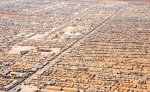
מחנה הפליטים הסורים זעתרי בירדן. (צילום: U.S. Department of State via commons.wikimedia.org)

יהודים בקנדה עושים מעשים חיוביים: עוזרים בשיפוץ מסגד שנשרף ומסייעים להביא פליטים מסוריה

בדרך כלל שוררים יחסים טובים בין קהילות היהודים והמוסלמים בקנדה בניגוד למקומות אחרים בעולם. לאור הימים הקשים, המאורעות במזרח התיכון ואירועי הטרור שמשפיעים גם על קנדה, נתרמים בהקהילה היהודית באזורים שונים ברחבי המדינה לעזור לאחרים, ובמקרה זה מדובר במוסלמים.

חברים בקהילה היהודית וראשי בית הכנסת ‘בית ישראל’ שבעיר פטרבורו במחוז אונטריו נרתמים בימים האחרונים לעזור קהילה המוסלמית המקומית, שהמסגד היחיד שלה נפגע בשריפה בשבוע שעבר. מדובר בפעילות פלילית שמוגדרת על ידי המשטרה כפשעי שנאה, לאור פעולות הטרור של דאע”ש בפריז. עלות השיפוץ של המסגד נאמדת בשמונים אלף דולר ובקהילה יהודית עוזרים בהשגת מימון לפרוייקט, שיימשך מספר שבועות. כן הוצע למוסלמים להשתמש במתקן בית הכנסת לקיום תפעילותיהם עד שהמסגד יהיה כשיר לפעילות מלאה.

במקביל וללא קשר מספר קהילות יהודיות בקנדה נערכות לעזור לקליטת פליטי המלחמה בסוריה. זאת לאור החלטת הממשלה הליברלית החדשה ברשות ראש הממשלה, ג’סטין טרודו, להביא לקנדה עשרים וחמישה אלף פליטים עד לסוף שנה זו. בימים הקרובים הממשלה תפרט את תוכנית העבודה לקליטת הפליטים שעלותה מוערכת בכמיליארד דולר. עלות הבאת וקליטת משפחה בת ארבע נפשות מוערכת בין שלושים עד ארבעים אלף דולר בשנה. ארגונים כמו הג’ואיש פמלי סרוויס משתפים פעולה עם הכנסיה המאוחדת של קנדה להקצאת משאבים ומתקנים לקליטת הפליטים. קהילת היהודים של קמפלוס ברשות הג’ואיש קומיונטי סנטר המקומי החלה במגבית לגיוס כספים לעזור לפליטים מסוריה, בשיתוף ארגונים מקומיים אחרים. ואילו בית הכנסת ‘טמפל שולום’ בוונקובר קיים מגבית לגיוס כספים לפליטים. במגבית גוייסו תוך מספר ימים כארבעים אלף דולר.

אבדה ונמצאה: טבעת אירוסים שנעלמה בחוף הושבה לבעליה

את טקס האירוסים שלהם דרין ריימר ואשתו לעתיד קתלין מקולי לא ישכחו. האירוע שהתחיל יפה וכמעט הסתיים בעוגמת נפש גדולה, נגמר בסוף טוב. רמייר (34) הזמין את בת זוגתו בחמש השנים האחרונות מקולי (27), לארוחת ערב חגיגית בעיר החוף טופינו שבוונקובר איילנד. אחרי הארוחה השניים ירדו לחוף הסמוך כשגשם ירד כמעט ללא הפסקה. הם החלו ללכת על החול הרטוב ופתאם ריימר נעצר, ירד על ברכיו, הוציא טבעת מכיסו ואמר למקולי: “הינשאי לי”. מקולי ששמחה מאוד אמרה “כן” ומייד הוסיפה: “אוי לא”. ומדוע, כי הטבעת שריימר ענדה על אצבעה הרטובה החליקה ונעלמה בחול כשבחוץ שלטה החשכה. לאחר שהתעשתו, השניים החלו לגשש בעזרת ידיהם על החול הרטוב בסמוך אליהם ולא מצאו דבר. הם המשיכו בחיפוש אחר הטבעת האבודה כמעט לאורך כל הלילה, עד שהתייאשו וחזרו לבית המלון, כשהם רטובים, עייפים ואצבעות ידיהם קפואות. למחרת בבוקר המשיכו השניים בחיפוש ולא מצאו את הטבעת. תושבי טופינו ואפילו השוטרים ששמעו על דבר הטבעת שנעלמה, פתחו במבצע חיפוש נרחב בחוף. לאחר מספר שעות הצליח אחד מהתושבים בעזרת מגלה מתכות למצוא את החפץ היקר. ריימר ומקולי הנרגשים שמחו עד דמעות. ריימר ניקה את את הטבעת מהחול ושוב ענד אותה על אצבעה של מקולי, אך הפעם בזהירות רבה, תוך שהוא בודק היטב שאין סיכוי שתיפול.

ריימר סירב להגיד מה עלות הטבעת שלא הייתה מבוטחת, אך ציין כי מדובר בטבעת הזהב לבן עשויה בהזמנה אישית, ועליה ציור של שושנה ולהבות מזהב צהוב, וכן מוטבעים מסביב מספר יהלומים. הוא הוסיף שסיפור הטבעת שאבדה חיזק את הקשר בין השניים, לאחר שהתמודדו בהצלחה עם מצב לחץ קשה.