Survivors’ immense impact

Holocaust survivors who came to Canada after the Second World War remade this country’s Jewish community.

Before survivors arrived in numbers, beginning in 1947, Canada’s Jewish community had a few poorly resourced social service agencies. The demands created by thousands of new arrivals – many with significant emotional and physical challenges – spurred the growth of Jewish communal organizations across the country. In turn, those survivors have had an impact on the community in the successive seven decades that is incalculable. The impact of the Holocaust – and the arrival of its survivors – is perhaps the defining factor in the development of Canada’s Jewish community.
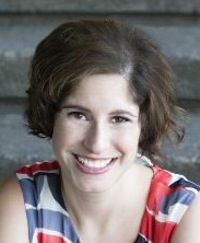
photo - Adara Goldberg
Adara Goldberg (photo from Cherie Smith JCC Jewish Book Festival)

“The Holocaust is a watershed moment and the scale of this watershed resettlement was unprecedented,” said Adara Goldberg, a Vancouverite and author of Holocaust Survivors in Canada: Exclusion, Inclusion, Transformation, 1947–1955. “Many of the agencies across Canada only came to be as a result of the Holocaust. Jewish Immigrant Aid Services [JIAS] did exist, but this was a small organization that only dealt with small numbers up to this point. Having some 35,000 people come in, in less than a 10-year span, really trampled the organizations.”

Survivors who moved to the United States joined a vibrant Jewish community already in progress, while those who came to Canada found a Jewish community with little infrastructure. What exists of the Jewish community and its social service agencies today was built, in large part, for the survivors and, subsequently, by them.

To an extent, there was an unwillingness among Canada’s existing Jewish community to address the Holocaust experiences of the newcomers – those who did not experience the Holocaust may have been afraid of opening wounds or been unwilling to hear the horrors others experienced. There was also a history in Canada of immigrants getting off the boats and throwing themselves instantly into building a new life, leaving the past behind.

Still, Goldberg said, there was a recognition by people like the head of JIAS that these immigrants had some very particular needs.

“The problem was availability,” she said. “This is uncharted territory. Social workers themselves and the Canadian Jewish community were only learning with the survivors about how to treat victims of trauma … the idea of post-traumatic stress didn’t really exist.”

Getting the newcomers integrated was not only a matter of meeting social needs, she added.

“There is also a legal element to that,” Goldberg said. “The fact is, refugees who came to Canada under the auspices of either the Canadian Jewish Congress, or who received support from JIAS or who had relatives sponsor them, were liabilities. If they didn’t find work, if they didn’t have a home, if they became dependent, they risked deportation. They risked becoming a drain on the existing Jewish community, which was already really reaching its max in terms of what they could do.”

A symbol of success is that very few fell through the cracks, although many of the case studies in the book indicate that some survivors were miserable in their assigned living conditions or workplaces.

There was a realization after the war, as the magnitude of what would come to be called the Holocaust dawned, that Canada had failed the imperiled Jews of Europe in the 1930s, when there was still time.

“After the war, relationships changed and there was significant international pressure on Canada to help do its part in relieving the postwar refugee crisis of Jewish and also non-Jewish displaced persons,” Goldberg said. “On the one hand, we can say this was a humanitarian gesture.… There’s also a practical element that we can’t overlook in that Canada stood to gain something from allowing in the Holocaust survivor refugees. There was a need for skilled laborers and this is how most survivors did come in, they came in for skilled labor posts, so Canada benefited.”

The equation of immigration and Canada’s need for labor is underscored by the fact that there was no ministry of immigration at the time – until 1950, Canada’s immigration policy was administered by the ministry of mines and resources. The influx of Jewish and non-Jewish refugees postwar familiarized the Canadian government and public to the concept of receiving refugees on humanitarian grounds. The first major instance of this reconsideration came in 1956 after the Soviet Union crushed the democratic uprising in Hungary. Canada admitted 37,000 refugees in the course of a year.
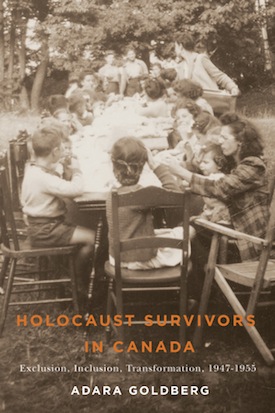
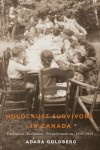
book cover - Holocaust Survivors in Canada: Exclusion, Inclusion, Transformation, 1947–1955Goldberg’s book begins with a refresher on Canada’s abominable record in the prewar period. Chapters then take on topics such as the unique requirements of young orphaned refugees; the double-edged sword of interned “enemy aliens” – Jews from enemy states, mostly Germany and Austria, whose nationality, in the eyes of Britain and its Canadian dominion, trumped their status as endangered victims of Nazism; the various programs under which refugees were admitted to Canada and how established Jewish communities, especially their women’s organizations, cared for refugees’ personal needs; the creation of social clubs and synagogues by and for survivors; the development of an ultra-Orthodox and Chassidic community here; and “transmigrants,” those who came to Canada after a sojourn elsewhere, often in Israel. She has included the stories of survivors who didn’t want to be found; those whose experiences in Europe led them to hide their Jewishness and their past as they began a new life in Canada. It is a monumental work.

A Toronto native, Goldberg wrote the book in fulfilment of her PhD at Clark University in Massachusetts and, while there are differences between the dissertation and the book, which was published in September by University of Manitoba Press, the book avoids the academic jargon that can exclude ordinary readers.

“As a social history that was created with the research that I did both in archives as well as through interviews and other sources, it was written with a wide readership in mind,” she said.

Goldberg eschews statistics in favor of personal case studies both from in-person interviews and records of social service agencies from decades past. The result is an introduction to hundreds of individuals and their stories, as well as a testament to the resilience of the survivors and the history of a small Jewish community rising – not always flawlessly – to the challenge of welcoming tens of thousands of co-religionists who had suffered unspeakable horrors.

The dissertation took about three years to complete and, after Goldberg moved to Vancouver, where she worked for three years as education director at the Vancouver Holocaust Education Centre, she took the opportunity to do additional research that incorporates more local content. The book is enriched by her background as a trained social worker, which underpins a deep analysis of the successes and failures of social service agencies in those early years.

Refugees are the top global news story today and Goldberg sees lessons for the present in her book.

“It’s a very different crisis,” she said. “I think what we can do is, without trying to compare individual experiences, to remember the risk of nativist attitudes and what happened when Canada had very discriminatory, restrictive immigration policies 75 years ago. Canada accepted the fewest number of Jewish refugees of any country in the Western world … Canada had an opportunity at that time to distinguish itself, to take a very restrictive policy and widen the gates. They could have done this and they elected not to. What we can do now is reflect on the result of this inaction. History does not need to repeat itself. Canada can distinguish itself as a world humanitarian leader.

“Similarly,” she continued, “Holocaust survivors have contributed to all aspects of Canadian society. I imagine that so, too, do other refugees to Canada and so will other waves that come in the future. There is so much that we can gain.”

The Vancouver launch of Adara Goldberg’s book takes place on Nov. 25, 5:30 p.m., at the Vancouver Holocaust Education Centre, as part of the Cherie Smith JCC Jewish Book Festival. Admission is free.
 

Refugee system doesn’t work

According to David Matas, former president of Canadian Council of Refugees (CCR), changes that have been made to this country’s refugee system within the last few years have made it more difficult to sponsor refugees.

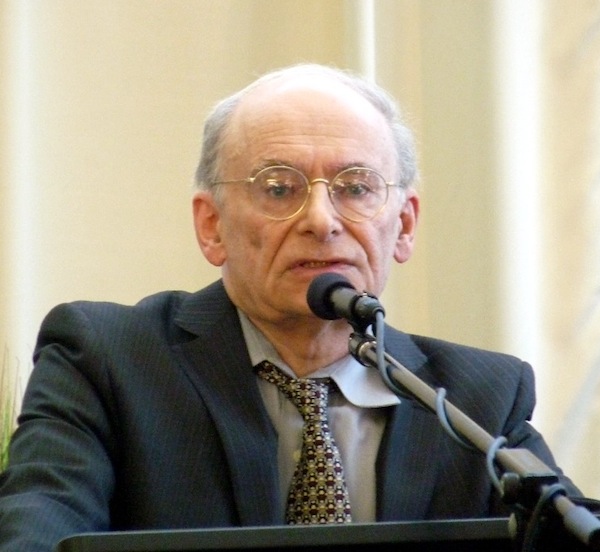
photo - David Matas is a vocal proponent of changing Canada’s immigration system
David Matas is a vocal proponent of changing Canada’s immigration system. (photo from David Matas)

“We set up a sponsorship system in ’78 and it was used in ’79 and ’80 and years around there to bring in the Vietnamese refugees,” said Matas. With the different sponsorship programs developed over the years, mixed with the growing willingness of people to sponsor, visa offices no longer have the capacity to process the amount of sponsorship applications, he said.

“The response of the government, in my view, should have been to increase the resources to match the sponsorship need, but that’s not what happened,” he said. “Instead, what they did is put visa caps on the offices with the biggest numbers, as well as an overall local cap for private sponsorship through sponsorship agreement holders. Then, they divided the global cap amongst the sponsorship agreement holders.”

According to Citizenship and Immigration Canada, “A group of five (G5) is five or more Canadian citizens or permanent residents who have arranged to sponsor a refugee living abroad to come to Canada. All of the group members must be at least 18 years of age and live or have representatives in the area where the refugee will settle.

“The group must agree to give emotional and financial support to the refugee(s) for the full sponsorship period – usually one year.”

They couldn’t cap the G5 applications in the same way as the other, so what they did instead, said Matas, “was insist that anybody who sponsored through group of five had to get prior approval … through the office of the United Nations High Commissioner for Refugees, which is much more overwhelmed and under-funded than the Canadian government.”

The CIC website explains that, effective Oct. 19, 2012, “a G5 may only sponsor applicants who are recognized as refugees by either the United Nations Refugee Agency (UNHCR) or a foreign state, unless you are applying to sponsor a Syrian or Iraqi refugee.”

According to Matas, the caps made the lines longer, forcing people to reapply year after year, making it so that anybody who applied had to wait years before sponsorship came through.

“But, obviously when you’re dealing with refugee people marching across Europe, they can’t wait years,” he said. “And, what’s more, there is a direct connection between people leaving and the failure of the sponsorship. Because, if people know they’re putting in an application and, if they hang around, it will succeed, they’ll stay. But, if it’s going to take five or 10 years, there is no point in waiting.

“So, there’s a direct connection between this exodus that we’re seeing now, the failure of the Canadian sponsorship scheme and the absence of any European sponsorship schemes.”

Matas believes that if we had kept our Canadian sponsorship scheme as it was, then we could have advised Europe to do the same and, if Europe had agreed, all this mass migration could have been avoided.

Recent turmoil has simply shined a spotlight on the issue. “It’s just like water pressing against a dam,” said Matas. “In the beginning, it doesn’t have any impact. It’s only when it breaks, or the water overflows the dam, that you notice the dam isn’t working or that the dam is a problem.”

The current situation does not come as a big surprise to him, with visa offices being “under water” for years. But, instead of giving them more “air” (staff), they were further strained by the capping system, which artificially controlled the number of refugees going through the system, regardless of need.

“With the failure of the Canadian system, there wasn’t a picture to show the Europeans how it is done and ask them to do the same,” said Matas. Instead, “We have a system that collapsed. Well, not completely, but it ceased to be functional.”

According to Matas, the caps need to be removed and the system resources increased “to match the private sponsorship, so we don’t have the generosity of Canadians being frustrated.”

In early September, Matas spoke at a public rally about refugees organized by the Kurdish community of Winnipeg.

“The refugee sponsorship and resettlement community has been against these changes from the first minute they were discussed,” he said. “I am not presenting a new idea here. I’m reiterating a stand that has been taken many times in the past by the refugee support, resettlement, integration [and] advocacy community.”

The topic became an election issue, with candidates talking in terms of numbers – but not in terms of fixing the mechanics of the system. However, said Matas, “Presumably, with the numbers will go the capacity to process them.”

While many of the refugees arriving in Europe are Syrian, many are not, said Matas. “While the situation in Syria is terrible, it’s not the only place in the world that’s terrible,” he said.

About the Canadian government’s decision to not have Canadian visa officers apply the UN refugee definition to 10,000 Syrians, thereby allowing these 10,000 to enter Canada on a first-come, first-served basis, Matas said, “The government, with the recent announcement, did nothing to fix the system,” said Matas. “Rather, it acknowledged, indirectly, its failure, by deciding not to apply it to 10,000 random Syrians who may or may not be refugees. As far as I am concerned, that is not much of a response to the global refugee crisis or even, for that matter, the Syrian one.”

Rebeca Kuropatwa is a Winnipeg freelance writer.

Join the effort to help refugees

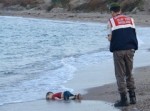
For me, it was those little blue shoes. In the picture of little Alan Kurdi, laying there like he was sleeping on the beach in Turkey. Only he wasn’t sleeping, I had been sleeping, we have been sleeping.

It was the shoes that woke me from my slumber, from my disregard for the suffering of the Syrian people in the midst of the greatest humanitarian refugee crisis since the Second World War. More than 10 million people have fled from chaos … into chaos. There are 360,000 refugee children under the age of 11 in Turkey alone.

But it only took one. It was those tiny shoes, on those tiny feet, with their tiny toes. I know those shoes, those feet, those toes, my own children have them. They should not be laying there lifeless on the beach – they should be running through sandcastles, stomping in puddles, chasing the tide in and out.

Two hundred thousand people have died in the fighting, or while running or swimming for their lives, many of them children like Alan and his brother Galib. Millions of children are suffering from trauma and ill health. A quarter of Syria’s schools have been damaged, destroyed or taken over for shelter. More than half of Syria’s hospitals are destroyed.

But “it’s the children that catch us,” wrote Sarah Wildman for the Jewish Daily Forward. It’s the children who “bring those dizzying numbers into full focus. Their eyes round, their faces tired or hidden behind a parent’s legs. They are asleep on their parents’ shoulders; they walk beside them or are strapped to their bellies, legs dangling, as their mothers or fathers stride ever forward.

“They are far younger than the Syrian conflict so many of them flee. They have been trapped the entirety of their young lives, and now we see them, lying lifeless on beaches.”

Jonathan Sacks, Britain’s former chief rabbi, wrote: “I used to think that the most important line in the Bible was ‘love your neighbor as yourself.’ Then I realized that it is easy to love your neighbor because he or she is usually quite like yourself. What is hard – is to love the stranger, one whose color, culture or creed is different from yours. That is why the command ‘Love the stranger because you were once strangers’ resonates so often throughout the Bible. It is summoning us now.”

Sacks suggests a modern-day kindertransport, like that which was organized to save Jewish children on the eve of the Shoah.

But “save the children” is not “love the stranger.” To love the stranger, you have to take the parents, too. To love the stranger, you have to love the Syrians, who were taught to fear and hate Israel, to fear and hate Jews.

“Love the stranger” does not mean you have to open wide the borders to Islamists, fundamentalists or terrorists. But, in these numbers the world is dealing with, how many innocents will die while we carefully screen for the next Osama bin Laden?

I hear the concern, the alarm, the plaintive note of caution in our community and beyond.

“Think before acting.”

“It’s a Muslim problem, let those countries come to their aid. They hate us anyway.”

“Allowing millions of Syrians and others from the Muslim Middle East into Europe will end up as a catastrophe for Europe and, therefore, for the West.”

I read these statements and I can’t help swapping the word Muslim for Jew. Re-read them that way and they are indistinguishable from the statements that were issued when it was our people, the Jewish people, trying desperately to get out of Europe ahead of the Nazi menace.

Jews were desperate to leave. Yet country after country shut its doors. Nation after nation, in effect, said it wasn’t their problem. Or, more precisely, said they didn’t want it to be their problem.

We know well the tragedy of the St. Louis, one of the last ships to leave Nazi Germany in 1939 before Europe became involved in the Second World War. Denied entry at every port from Cuba, to the United States, to Canada, the ship sailed back to Europe and the Jewish passengers ended up in Nazi concentration camps, a third of them died there.

We know the infamous response of an unidentified Canadian immigration agent who, in early 1945, was asked how many Jews would be allowed in Canada after the war. He replied, “None is too many.”

This is not the Shoah, thank God.

What’s happening in Europe is a humanitarian crisis of the first order, but it’s not genocide. It shouldn’t need to be said that the Holocaust was the determined effort by one of the world’s leading industrialized powers to murder all the world’s Jews in the course of a nearly successful effort to conquer the globe.

Raising images of the Holocaust may help draw attention to the crisis. But it also shuts down reasoned discourse, and thus drowns out urgent questions that need airing.

“If the borders are opened wide, how many millions will want to flee the world’s no-longer-liveable regions for the safe haven of a continent that works?”

Prime Minister Binyamin Netanyahu, rightfully, reminds us that Israel is a small country that lacks geographic and demographic depth – it cannot take in masses of Syrian refugees. Yet Israel is not standing idly by. Quietly, so as not to endanger those it is helping, Israel is treating hundreds of Syrian wounded on its northern border.

“But,” as J.J. Goldberg wrote in the Forward, “in an atmosphere where every dinghy is the St. Louis, where refrigerator trucks smuggling migrants into Austria become boxcars transporting Jews to the gas chambers, where numbers thoughtlessly scrawled on refugees’ forearms in felt-tip pen by Czech police frantically trying to keep track of the human tidal wave are transformed into numbers tattooed on death-camp inmates – in such an atmosphere, there’s nothing left to discuss.”

Is Canada the best place for Syrian refugees? No, it would be better to keep them near their homeland so that, when troubles are over, they are in position to return to rebuild. Lebanon, Turkey and Jordan have taken in two million; the rest of the oil-rich Gulf States have refused – they need to do their part.

But, as Irwin Cotler reminded us at the Jewish Federation of Greater Vancouver campaign launch, quoting Rabbi Tarfon from the Mishnah (2:16): “It is not our responsibility to finish the work [of repairing the world], but we are not free to desist from it either.”

On the Thursday between Rosh Hashanah and Yom Kippur (Sept. 17), five Vancouver synagogues, their rabbis and lay leaders met with the Jewish Federation and our interfaith partners in the Anglican Diocese and the immigrant aid service agency

MOSAIC to explore the possibility of each synagogue sponsoring a refugee family. We will meet again after the federal elections to continue our planning and due diligence in preparation for family sponsorships.

This will not be a small project. We will be responsible not only for raising enough money to show the Canadian government that we can support a family for a year; we will also be responsible for everything from meeting them at the airport to finding them a place to live, from helping them learn English to helping them find work and schools. If you are interested in getting involved, I urge you to contact your rabbi or the Jewish Federation and offer your support to those who are in desperate need.

We will be responsible long after their images and stories have disappeared from the headlines of our news. But we will stand together with other synagogues – and people of other faiths – across North America, stepping forward to do what we can, to love the stranger because we were once strangers.

This is an excerpt from a sermon delivered by Rabbi Dan Moskovitz on Kol Nidrei 5776 at Temple Sholom. The full sermon can be viewed at youtu.be/2cHd_FV2MWs.

ראיון עם טימה כורדי חלק ב

טימה כורדי (צילום: Facebook)

בראיון הטלוויזיה מול ביתך בראשית החודש האשמת את עצמך בטביעה של האחיינים שלך וגיסתך כיוון שאת נתת להם כסף שישלמו למבריחים, שהעבירו אותם מטורקיה ליוון דרך הים. “זה נכון. אני נתתי לאחי עבדאללה חמשת אלפים דולר עבור המבריחים. לא יכולתי לתת לו חסות שיעבור לקנדה, כיוון שהתחלתי עם האח הבכור מוחמד, ואין לי את היכולת הכספית לעזור ליותר מאח אחד כל פעם. עבדאללה צריך השתלת שיניים דחופה כיוון שאין לו שיניים בפה, וזה עולה כסף רב, אך החלטנו שקודם כל הוא יעבור עם המשפחה למערב אירופה. ואחר כך נמשיך. לצערי לא יהיה המשך”. כורדי נחנקת מדמעות ובוכה על מר גורלם של שלושת בני המשפחה שניספו. “הוא סיפר לי איך החזיק את שני הקטנים בידיו בניסיון להציל אותם, מאיימת הים. מי האמין שזה יהיה סופו של המסע. כמה עבדאללה מסכן עכשיו. הוא רוצה להישאר ליד קברם של ילדיו ואשתו. אני לא יודעת כמה זמן יקח לו להתאושש, אם יתאושש בכלל. ואם אביא את כל המשפחה לכאן וגם אביא אותו, כיצד הוא ירגיש כשהוא לבד, וכל האחים מלווים בילדיהם. גם אני שבורה לגמרי ולא מסוגלת לתפקד. אני לא יכולה לאחזור לעבודה כרגע. אני גם אני לא יודעת כמה זמן זה יקח לי לחזור לעצמי. קרה לנו אסון גדול שאני לא מאחלת לאף משפחה, לאף הורים”.

טימה אני שואל בקושי רב, כיצד הרגשת כששמעת שהילדים ואימם ניספו בים? “התחלתי לצרוח כמו משוגעת ולא ידעתי מה קורה עימי. איבדתי את השליטה על עצמי. השכנים שמעו אותי ורצו בבהלה לראות מה קרה לי. ונדמה לי שאף הזעיקו את המשטרה. ביום רביעי בערב הלכתי לישון והיה לי חלום מאוז מוזר. חלמתי על אימי שיושבת מול המחשב ומקבלת הודעות מוזרות ומתחילה לצעוק, שכולם דואגים וכולם בוכים. כולם במשפחה ובין החברים ידעו שעבדאללה היה הילד החביב ביותר עליה. היא כמובן אהבה את כולנו מאוד, אך הוא היה הילד המיוחד שלה, ותראה מה קרה לו. כהתעוררתי בחמישי בבוקר ראיתי המון המון הודעות בטלפון, והבנתי שמשהו לא בסדר. עבדאללה יצא עם משפחה למסע בן חצי שעה ואף אחד לא שומע ממנו יומיים? התקשרתי מיד לאחותי בדמשק וקו הטלפון היה גרוע מאוד. אך הבנתי שמהו רע מאוד קרה לעבדאללה, והתחלתי לצרוח בטרוף. בעלי והבן שלי (בן ה-22) שגר למטה, התעוררו מייד ובאו אלי בבהלה. לא הייתי מסוגלת להתקשר שוב לאחותי וידי לא נענו לי. ביקשתי מבני שיחייג אליה. היא בכתה ושאלתי מה קרה. תגידי לי מה קרה עם עבדאללה צעקתי. לבסוף היא אמרה לי את האמת המרה מכל, שהוא איבד את אשתו ובניו בים. איזה אסון גדול קרה לנו. אני יודעת שבהתחלה הוא האשים את כל העולם במה שקרה לו. אחר כך הוא נרגע ונסגר תוך עצמו. אני מנסה לדבר איתו וזה נורא קשה. כשהוא הגיע לבית החולים לשם הובאו גופות אשתו והילדים, הוא ישב בחוץ והחזיק את בגדי הילדים ולא הפסיק להריח אותם. זה הזכרון האחרון שיש לו מגאליפ ואיילאן. איזה מסכן”. (היא שוב בוכה).

טימה: האם את בטוחה שהתמונה הקשה של גופתו של איילאן שנמצאה על החוף תשנה משהו, תעיר מישהו, הרי מאות ילדים נהרגו כבר בסוריה ולאף אחד כנראה זה לא איכפת? “כן. אני מאמינה שזה מסר מאלוהים. הוא לקח את שני הילדים ואימם לגן עדן. הם בטוחים עכשיו שם ויש להם חיים טובים יותר. והמסר הוא שיש לעצור את האלימות ולהפסיק את המלחמה הנוראית הזו. אני מקווה ובטוחה בעצם שכל העולם יתעורר ויתעשת, ויפסיק את המלחמה. זו השליחות של איילאן לעולם וזה המסר שהוא הביא עימו בטרם נלקח על ידי אלוהים”.

כשדברתי עם בעלך יום קודם לכן, הוא הסביר לי שהיה חשוב שתסבירי לעולם באנגלית, מה המשמעות של התמונה הקשה של אלייאן שוכב שם על החול. כורדי: “כן היה לי חשוב ביום הקשה הזה בחיי לנצל את ההזדמנות שניתנה בידי, ולהסביר לעולם כולו איזה סבל נוראי קורה שם בסוריה, וצריך למנוע את ההרג ושהורים נוספים יאבדו את ילדיהם. אנו בטוחה שכולם יתתעוררו עכשיו ויסיימו סוף למלחמה הקשה הזו. מותו של אלייאן הוא מחיר כבד מאוד למשפחה, אך אולי הוא יביא למשהו טוב. אולי יצא מזה משהו חיובי”.

לסיום אני שואל את כורדי האם יש לה מה להגיד על הצעתו של יו”ר האופוזיצה יצחק (בוזי) הרצוג, לאור משבר הפליטים באירופה, שגם על ישראל לסייע במאמץ לקלוט פליטים מסוריה. “אני גרה כאן עם בעלי האיטלקי והחשיבה שלי היא כיום מערבית. זה ידוע שישראל וסוריה נמצאים ביחסי עויינות ולא ברור לי אם אפשרי בכלל, לקלוט פליטים סורים בישראל. אך אם זה אפשרי בכך ניתן לעזור לפליטים, אין סיבה שזה לא יקרה. אגב אני שמעתי כבר לא פעם שישראל מטפלת בפצועים מסוריה”.

ראיון עם טימה כורדי חלק א

(צילום: Facebook)

רציתי לדבר עם טימה כורדי ולשמוע קצת על תחושותיה הקשות, לאחר שאיבדה בראשית החודש את שני האחיינים שלה וגיסתה, עת ניסו לחצות עם אביהם עבדאללה כורדי את הים התיכון, בסירה עמוסה בת 16 פליטים של מבריחים, מטורקיה לאי היווני קוס. המסע הפשוט כיביכול שהיה אמור לקחת כחצי שעה, הפך לאחד האירועים המשמעותיים ביותר בתקשורת העולמית בתקופה האחרונה. וזאת לאור תוצאותיו ההרות אסון. האם ריהאם ושני בניה הקטנים גאליפ בן החמש ואיילאן בן השלוש טבעו למוות, ביחד עם עוד כ-12 פליטים סורים, לאחר שהסירה התהפכה בים הגועש. לאחר מכן, גופתו של איילאן נמצאה שרועה על החול בחופה של עיר הנמל הטורקית בודרום, והתמונה הזאת שתיזכר לעד, מסמלת יותר מכל את הטרגדיה האנושית עצומת הממדים של מלחמת האזרחים, שמתרחשת כל יום בארבע וחצי השנים האחרונות בסוריה, וגבתה כבר מחיר נוראי של למעלה ממאתיים אלף הרוגים, בהם ילדים רבים. גם הים התיכון עשה את שלו ולפי הערכה למעלה מאלפיים פליטים סורים טבעו בו.

שלא מרצונה הפכה טימה כורדי לדמות מבוקשת על ידי כל אמצעי התקשורת בעולם. זאת לאחר שחשפה את זהותה מול מצלמות הטלוויזיה, בראשית החודש, עת הזדהתה ואמרה כי היא הדודה של גאליפ ואיילאן הקטנים, ויש לה מה להגיד לעולם.

כורדי בת הארבעים וארבע עברה לקנדה ב-1992. היא נשואה כיום לקנדי ממוצא איטלקי בשם רוקו לוגוזו, ומחזיקה בסלון ליופי בעיר מגוריה קוקוויטלאם.

התקשרתי לביתה של כורדי ולוגוזו ענה. ביקשתי לדבר עימה ולאחר שהוא בדק איתה, ענה לי בנימוס, כי כורדי עייפה מאוד וכבר אין לה כוח לדבר עם התקשורת, לאחר שעיתונאים מכל העולם פונים אליה. הוא סיפר לי בקצרה מה קורה עם משפחתה הקרובה של כורדי, שיש לה שלוש אחיות ושני אחים ואב. אמה נפטרה לפני למעלה מעשר שנים. האב ואחת האחיות גרים בדמשק, ושאר האחים והאחיות שגרו בעיירה הכורדית קובאני שבצפון סוריה (הסמוכה לטורקיה), נמלטו עם המשכם של הקרבות הקשים וההרס הרב, ועברו לטורקיה. האח המבוגר במשפחה מוחמד (48) נמצא כרגע בגרמניה (בזמן שאשתו וחמשת ילדיו שוהים עדיין באיסטנבול). כורדי ניסתה להשיג אשרת הגירה לקנדה במעמד של פליטים למוחמד ומשפחתו, וזו נדחתה על ידי מחלקת ההגירה והאזרחות של הממשלה הפדרלית. בניגוד לפרסומים בתקשורת, היא לא הגישה בקשת הגירה לאחיה השני עבדאללה, שאיבד את משפחתו בים האכזר.

עם סיום השיחה, לוגוזו ואני סיכמנו שאנסה להתקשר שוב למחרת, ואולי אז כורדי תהיה במצב קל יותר ותוכל לשוחח עימי.
ואכן זה מה שקרה. התקשרתי למחרת ולוגוזו שוב ענה. הוא אמר לי שבדיוק הגיעו עכשיו אורחים לביתם. פלטתי שאולי אנסה להתקשר מאוחר יותר, אך הוא הספיק במהירות להתייעץ קצרות עם כורדי והעביר לה הטלפון. הרגשתי לא פשוט אחרי כל מה עבר עליה. כורדי כבר ידעה שאני עיתונאי ישראלי כך שלא היה צריך לפתוח בהסברים מי אני ואפשר היה לגשת מייד לשיחה. ביקשתי ממנה לספר לי על תחושותיה לאחר שאיבדה את שני אחיינה הקטנים וגיסתה. כורדי: “בדיוק אמרתי עכשיו לחברתי שהגיעה לביתנו, שאני לא יכולה לתאר לעצמי איך עבדאללה מרגיש עכשיו, לאחר שאיבד את כל משפחתו. הלוואי והייתי יכולה להיות איתו עכשיו בשעה הקשה הזו שלו. כואב לי מאוד מאוד כשאני חושבת עליו. הוא נורא שקט עכשיו ונמצא לבד בקובאני, היכן שילדיו ואשתו נקברו לפני מספר ימים. אני רוצה להוציא אותו משם ולהביא אותו אלינו בקנדה. אני רוצה לעזור לו. אבל מאוד קשה לדובב אותו. הוא נסגר בתוך עצמו”.

שאלתי את כורדי מתי היא ניפגשה לאחרונה עם האחיינים הקטנים גאליפ ואיילאן, והיא ציינה כי אף פעם לא ניפגשה עימם. “אבל כמעט כל יום הצלחתי לדבר עימם בטלפון, ולנחם אותם. הייתי מעורבת בחיים שלהם”. לפני קצת יותר משנה כורדי הגיעה לטורקיה כדי לפגוש את עבדאללה שהיה שם לבד, כיוון אשתו והילדים גרו אז בקובאני. עבדאללה הוא עבד בטורקיה והיה מבקר את משפחתו בקובאני בערך כל חצי שנה. מדוע הוא עבר בכלל לטורקיה אני שואל? “היו לו קצת קשרים שם והוא הצליח למצוא עבודה ולשלוח כסף למשפחתו. בקובאני המצב הלך ונהיה רע מיום ליום. המלחמה פגעה קשה מאוד בעיר והיה זה כמעט בלתי אפשרי עוד לשרוד בה. בדיוק בספטמבר אשתקד כאשר חזרתי מהביקור לקנדה, אשתו והילדים עזבו את קובאני ועברו אף הם לטורקיה, לגור עם אחי, ממש כאשר דאע”ש נכנסו לעיר והרסו את כולה”.

ומדוע עבדאללה רצה פתאם לעבור למערב אירופה, לגרמניה או למדינה אחרת קרובה? “מוחמד שהה כבר בגרמניה ואז עבדאללה חשב שאולי עדיף לעבור לשם, או נדמה לי שהוא תכנן לעבור לשוויץ, או אולי לאיטליה. זה לא היה ברור לי בדיוק. הוא האמין שבאחת המדינות האלה יהיה קל יותר להשיג עבודה, ולגדל את הילדים יותר בקלות. לגאליפ הייתה מחלת עור שלא מצאנו לה פתרון, והוא כל הזמן התגרד. לא יכלתי להביא אותם לכאן, ועבדאללה חשב שהמעבר לגרמניה או למדינה דומה יקל על הילדים הקטנים ויהיו להם חיים טובים יותר, לאחר שכל הזמן הם היו חולים וחלשים. וכן ימצא ריפוי למחלה של גאליפ”.

Clues to the end game

On Jan. 28, Israeli soldiers in the northern Mount Dov region are pictured after an Israel Defence Forces patrol came under anti-tank fire from Hezbollah terrorist operatives. The Hezbollah attack killed two Israeli soldiers and injured seven others. (photo by Basal Awidat/Flash90)

Who was behind the Jan. 28 attack on northern Israel that killed two Israeli soldiers and wounded seven others? The easy answer is the Lebanon-based terrorist group Hezbollah, which claimed responsibility for the attack. But the wider view suggests Hezbollah’s state sponsor: Iran.

Dr. Ely Karmon, a senior research scholar at Israel’s International Institute for Counterterrorism, said that Hezbollah’s actions represent “an attempt to change the strategic rules of the game.” According to Karmon, Iran and Hezbollah have been working for months to take advantage of instability in Syria in order to create a forward military position against

Israel in Syria’s Quneitra region, close to the triple Syria-Lebanon-Israel border.

“This is actually an Iranian project,” Karmon told this reporter. “They have around 1,500 people on the ground in Syria, most of whom are counseling or training Syrian militias, and they have Hezbollah providing military support.”

On Jan. 28, Hezbollah fired five Kornet guided anti-tank missiles at an Israeli military convoy approximately 2.5 miles inside Israel’s border with Lebanon. A day earlier, less sophisticated mortars were fired from southern Syria into Israeli territory, with no damage reported.

In response to the Jan. 28 attack, Israeli Prime Minister Binyamin Netanyahu said, “Whoever is behind today’s attack will pay the full price.” Netanyahu – like Karmon – stressed that the attack points back to Iran, adding, “with the assistance of Hezbollah, Iran has been for some time trying to open another front against Israel on the Golan Heights. We are acting with force and determination against these attempts.”

“Because of the weakness of the Syrian regime, the Iranians are now permitted to have a foothold directly on Israel’s border, which until now they didn’t have,” Karmon explained.

Israel is widely believed to be responsible for a Jan. 18 airstrike against that foothold in southern Syria, which killed six Hezbollah operatives and six Iranians, including notorious Hezbollah commander Jihad Mughniyeh and Iranian general Mohammad Ali Allahdadi.

Karmon believes the airstrike “was a message sent by Israel” to forewarn Iran and Hezbollah not to continue their military efforts in Syrian territory.

The retaliatory attacks by Hezbollah following the deadly airstrike were widely expected. That the more sophisticated Kornet anti-tank missiles were fired from Lebanon and not Syria provides a strong indication that the Syrian position is not as well-stocked with weaponry as southern Lebanon – a zone that was supposed to remain completely demilitarized under United Nations Security Council Resolution 1701, which arranged for the cessation of hostilities following the Second Lebanon War of 2006.

“Resolution 1701 calls for complete disarmament in southern Lebanon and, yet, Hezbollah, instead of disarming, they have amassed some 80,000-90,000 missiles,” Karmon said.

“Now, they want to achieve the same equation in southern Syria. If Israel does not stop them, and there are two to three years with relative quiet, with only occasional penetrations of our border and sometimes mortar fire and so on, a kind of ‘war of attrition,’ then all of a sudden we will find ourselves staring at 5,000-10,000 missiles,” he said.

Read more at jns.org.

Haifa’s Rambam practises medicine without borders

The parking lot at the Rambam Health Care Campus is a dual-purpose facility capable of converting into a fortified 2,000-bed underground hospital in times of conflict. (photo from Rambam Health Care Campus)

Not unexpectedly, southern Israel suffered more than other areas of the Jewish state during this summer’s conflict with Hamas. Yet up in northern Israel, 30 doctors from the Haifa-based Rambam Health Care Campus (RHCC) were drafted into the Israel Defence Forces (IDF).

“Israel is a small country, so everything affects you whether you are in the conflict or not,” Prof. Rafael (Rafi) Beyar, a renowned cardiologist and the director general of RHCC, told this reporter.

Now, in the aftermath of the 50-day summer war, RHCC is proving that medicine has “no borders,” in Beyar’s words. The week of this interview, doctors at the hospital conducted a successful kidney transplant on a 14-year-old boy from Gaza.

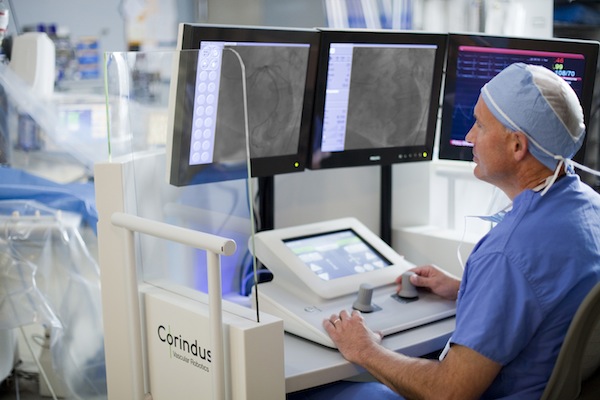
photo - The robotic catheterization system allows the doctor to open heart blockages and implant stents in patients remotely
The robotic catheterization system allows the doctor to open heart blockages and implant stents in patients remotely. (photo from Rambam Health Care Campus)

The largest hospital in northern Israel, RHCC serves more than two million residents and functions as the primary medical facility for the Northern Command of the IDF. In addition to treating Gazan patients and training Palestinian physicians, the hospital is receiving wounded Syrian refugees.

Many of RHCC’s Gazan patients are children facing cancer and kidney diseases.

“These kids don’t have any other solutions,” Beyar said.

While suffering from kidney failure, the Gaza boy treated this week also had a blood condition that obstructed some of his blood vessels. Doctors first needed to check for useable blood vessels, and only then could they transplant his sister’s kidney into his body. When it became clear that the boy’s functioning blood vessels could not sustain the new kidney, doctors implanted a synthetic connector that saved his life.

On the Syrian front, RHCC has received nearly 100 wounded refugees over the past few months. IDF soldiers provide the necessary immediate treatment for injured refugees at the Israel-Syria border in the Golan Heights, and then bring them to the hospital. Most of the Syrian patients have sustained injuries from shock, bombs and other blasts. When they are treated and recover, most return to Syria, but some don’t want to go back, said Beyar.

Like the patients from Syria, most of the Gazan patients are thankful for the treatment they receive from RHCC. Although Beyar doesn’t know what happens to the patients once they return to Gaza, he said, “Someone who is treated and whose life is saved knows how to appreciate that.” Beyar added that he believes Israeli medical treatment of Gazans “has a long-term impact” on how Palestinian civilians view Israel.

Read more at jns.org.