As the winter blues threaten to sink in, and COVID continues to be a part of life, Canadian Associates of Ben-Gurion University of the Negev (CABGU) has been looking for ways to keep people engaged through a series of virtual events. Each event seeks to offer insights, share research and encourage discussion about varied topics.
For the art lover, A Virtual Art Tour, scheduled for Feb. 7, 8:30 a.m., offers participants a guided stroll through one of the few public art collections in Israel’s Negev Desert. “Ben-Gurion University is home to one of southern Israel’s most dynamic and innovative fine arts collections,” said Maayan Amir, the collection’s curator and senior lecturer in the department of art. “Many of the pieces featured in the collection can be found scattered throughout the Be’er Sheva campus, enlivening the landscape while complementing it as well.”
On the medical front, questions have been raised during the pandemic about ethical decision-making. How do medical personnel make life and death decisions? What type of protocol is followed and how should the vaccine be distributed? Three top doctors from Israel and Canada will participate in a moderated discussion on Feb. 10, 4:30 p.m., sponsored by the Dr. Edward Feldman Memorial Fund. The event is a collaborative initiative between CABGU and the Israel Medical Association. Among the speakers are Dr. Yoram Singer, director of the Negev Home Palliative Care Unit at Ben-Gurion University; Dr. Sandy Buchman, medical director of the Freeman Centre for Advancement of Palliative Care at North York General Hospital; and Dr. Elliott Malamet, lecturer on Jewish ethics and philosophy at Hebrew University.
CABGU also offers monthly lunchtime webinars on STEM-related topics called Webinar Wednesdays. Coming up on Feb. 3, 9 a.m., BGU professor and president Daniel Chamovitz will be joined by Sigal Abramovich from the university’s department of earth and environmental sciences for a discussion about the impact that climate change is having on the environment. Research from BGU that looks at the role cannabis can play in supporting people with autism will be the focal point of a webinar on March 3, 9 a.m.
Register for any of these webinars at bengurion.ca.
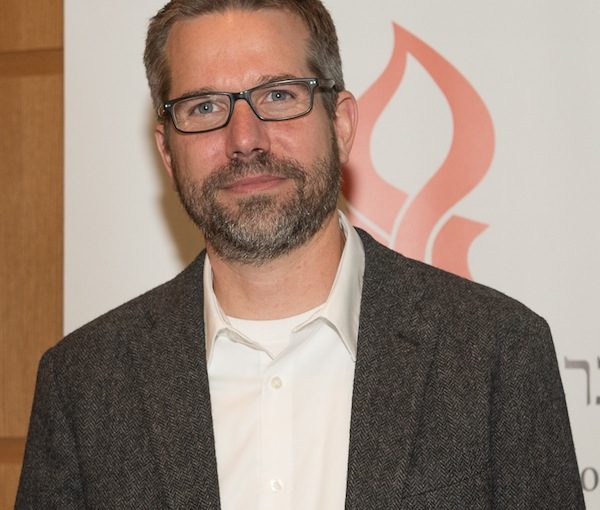
Israeli neuroscientist Dr. Ilan Dinstein was in Vancouver last month to talk about autism research. (photo by Adele Lewin)
Neuroscientist Dr. Ilan Dinstein was in Vancouver last month to share research and expand knowledge on best practices internationally. An associate professor of psychology and cognitive and brain sciences at Ben-Gurion University of the Negev (BGU), Dinstein is the director of the new National Autism Research Centre (NAC) in Israel.
David Berson, executive director of the Canadian Associates of BGU for British Columbia and Alberta, told the Independent: “CABGU was delighted to be a part of hosting Dr Ilan Dinstein in Metro Vancouver. This visit was spearheaded by Dr. Grace Iarocci, Dr. Elina Birmingham and Dr. Sam Doesburg from SFU [Simon Fraser University] and Dr. Tim Oberlander from B.C. Children’s Hospital.
“Ilan Dinstein is a true reflection of the pioneering spirit that is unique to the Negev region of Israel, where, over the past five years, clinicians from Soroka University Medical Centre and researchers from Ben-Gurion University of the Negev have organically come together to collaborate for the betterment of all of the residents with ASD [autism spectrum disorder] in the region.”
Dinstein spoke with the Independent about the new centre and the purpose of his visit to Canada.
“We started the centre five years ago, to try to understand different causes of autism,” he said. “Autism is not one disorder. There are different sub-types of autism, with different possible roots and risk factors. Some of those factors are biological or genetic; others might be environmental. For example, a premature birth might be a risk factor in the child developing autism. Or the age of the parents – a child of older parents might have a higher risk of autism diagnosis than if the same parents were younger. We at the centre are trying to discover how the combination of genetic and environmental issues affects autism development.”
According to Dinstein, one of the reasons for the creation of the centre was the way science is funded in Israel. “The funding usually comes for one specific question,” he explained, “but autism is a complex, systematic disorder and it needs many facets of study, measurement and research; it needs collaboration and sharing of information. At the centre, we are able to combine different fields of study with the clinical applications, as we work together with the Soroka medical centre.”
The scientists of the NAC study autistic patients from different multidisciplinary angles: neuroscience and cellular biology, language pathology and motor tracking, even facial features.
“The truly unique thing is that we do all our studies inside the hospital,” Dinstein said. “Parents come in with their children, usually when the children are about 3 years old and the parents and the children’s teachers notice the kids’ uncommon behavioural patterns. The diagnosis of autism usually takes four visits. During those visits, we work in collaboration with the doctors, measuring various characteristics of the child’s development to arrive at the right diagnosis.
“We also started a database of all our patients, so we have a centralized well of knowledge about how various biological, cultural and social factors might contribute to autism development.”
Of course, not all of the parents agree to have their child added to the database, but Dinstein said that their recruitment rate is about 80%.
After the diagnosis, the scientists participate in determining a personalized treatment program, based on their research. “Such a program might include teaching the children useful behavioural habits, helping them with language acquisition or providing occupational therapy,” explained Dinstein. “Some autistic kids are very agitated and certain motions, like spinning, might calm them down. Sometimes, autistic children need to learn basic skills: how to dress themselves or brush their teeth.”
Pharmaceuticals can also help children cope with autism, but Dinstein said that only about 10% of patients use medications.
At the NAC, the scientists don’t treat patients, but rather study and make recommendations, develop new technologies and new methods of dealing with the disorder. Working together with clinical professionals, they hope to contribute to a higher rate of success in treatment.
One of the most important aspects of Dinstein’s and his colleagues’ work is an annual follow-up on the patients in the database. Families are required to come back once a year after the initial diagnosis, so the service providers can see their progress, determine what worked and what didn’t, and adjust their recommendations accordingly.
“We are still in the process of enlarging this project,” said Dinstein. “We want to open other locations in Israel, make our database to cover the entire state of Israel.”
The centre’s autism research, in particular its database of patients with autism, inspired interest locally, from scientists and clinicians to families and service providers. The invitation for Dinstein to visit Vancouver came from a range of people.
“Your researchers want to create a similar database to ours, Canada-wide,” said Dinstein about his presentation at the Children’s Hospital. “I met with scientists from UBC [University of British Columbia] and SFU, even some from Victoria. I also met medical professionals, parents, some service providers and stakeholders. I see these meetings as the beginning of a close relationship between autism research in Israel and in Canada. There are similarities there, but there are differences, too. Both countries have different ethnic maps, cultural traditions and genetic variations. We all want to know how such diversity affects autism.”
Olga Livshinis a Vancouver freelance writer. She can be reached at olgagodim@gmail.com.
Prof. Yuval Shahar, left, and David Berson with Dr. Rachael Ritchie of Vancouver Coastal Health. (photo by Shula Klinger)
The use of artificial intelligence is intended “to harness the power of computers with math and statistics theory to improve the diagnosis and care of patients,” according to Dr. Yuval Shahar, professor of Ben-Gurion University of the Negev’s software and information systems engineering department.
Between May 23 and 30, Canadian Associates of BGU, B.C. and Alberta Region, hosted a visit from Shahar, whose research explores how information technologies can be used to improve numerous aspects of healthcare.
Shahar has spent 30 years working in digital medicine, gained his bachelor and medical degrees from the Hebrew University, and a master’s in computer science from Yale University. He did his doctorate at Stanford University, where he also spent 10 years as a faculty member in the computer science and medicine department. He founded BGU’s Medical Informatics Research Centre in 2000 and, in 2017, was elected as a founding member of the International Academy of Health Sciences Informatics.
During his time in Vancouver, Shahar presented his work to full lecture halls across town, including at Simon Fraser University, University of British Columbia, various government offices, Vancouver General Hospital, Pacific Blue Cross and some start-ups.
The program with which Shahar works requires patients to wear an ECG (echocardiographic) belt around their chest to monitor their heart, as well as a blood pressure cuff. This allows a patient to receive care 24 hours a day. Using Bluetooth, the data collected from these devices are sent to the patient’s cellphone and then to the program’s server in Israel.
MobiGuide was developed with 13 partners in Europe, including Italy, Spain, the Netherlands and Austria. Even with 63 other projects competing for funding – including teams at Oxford and Cambridge universities – the MobiGuide team received seven million euros. “Ben-Gurion already had the necessary technology working,” said Shahar.
The program is led by an Israeli team in the main technology centre at BGU, with the partners from across Europe. Shahar explained how the system works, using the analogy of today’s mapping software. “It’s like a medical version of GPS,” he said. Right now, the program’s focus is on diabetes and hypertension.
One advantage of MobiGuide is the way the server handles massive amounts of clinical research, explained Shahar. For instance, when international guidelines for treating hypertension change, you can update that information in one place and it will be reflected throughout the entire system. That information is then immediately available to all patients and their physicians on the MobiGuide system.
“There are millions of patients on the system now,” said Shahar. “Each cellphone has a customized version of the guidelines in the program so the phone alerts the ‘mothership’ and the server examines the data for anomalies. The mothership knows the full patient history and clinical guidelines.”
The server in Israel also reminds patients to make adjustments, such as to their diet. A phone can contact the mothership to ask for advice, and recommendations are customized for each individual. Personal preferences can be adjusted depending on the patient – for example, when they prefer to be alerted to take their medications. If they are on vacation, they can ask the system not to alert them as frequently.
The system can also be notified to anticipate spikes in blood glucose. For instance, if a patient is attending a wedding and expects to eat rich food, she can tell the system first that it need not be concerned about this. Likewise, if a patient lives alone and has nobody to rely on for support with their health, the system can issue different instructions than for someone with a companion.
Humans are, however, still essential to the smooth running of the system. Shahar relies on “medical-knowledge engineers, graduate students,” who digitize clinical knowledge so that it can be applied on the system. But, he said, “It’s a sign of the future. Chronic patients won’t need to be in clinics all of the time. You want to be there only if there’s no other way.” It is cheaper to offer care in the community, especially in remote areas, even while offering round-the-clock observation.
To date, feedback from patients and the professional community has been consistently good. Compliance with clinical guidelines by physicians has improved, preventing a great deal of human error and possibly fatal mistakes, said Shahar. Likewise, he said, “Compliance was very high, we saw real patient empowerment.”
Patients “said that their quality of life had improved, they felt more secure and safe,” said Shahar. This is important, he explained, because AI in healthcare is not just about technology – human psychology has a huge impact on both patient treatment and outcomes.
As an example of the program’s success, Shahar said, in Barcelona, pregnant women with gestational diabetes were studied. The blood pressure of the research patients was significantly lower than in the control group, who attended in-person clinics. Shahar explained that these data were accompanied by a sense that a “benevolent big brother was monitoring them, and someone was sending alerts and recommendations every few days.”
After a four-year evaluation hosted by a veterans hospital in Palo Alto, Calif., there is evidence that the software developed by Shahar’s team has helped physicians manage oncology data better than before. With only seven to 10 minutes to give to each patient, physicians simply do not have the time to review all the material they need to, while considering its application and significance to individual patients.
In his talk at the Eye Care Centre at VGH, Shahar recalled asking a patient if she minded getting numerous texts from MobiGuide every day. “She laughed, I get 50 texts from my friends, what’s another 20?” he said. But, in reality, she clarified, “How could I mind? This is about the health of my baby.” Shahar added, “They feel that someone knows them deeply.”
According to David Berson, regional executive director of CABGU, Shahar’s visit was a success. He said BGU will examine how Shahar’s research in medical informatics can dovetail with local efforts to revolutionize healthcare, exploring the potential for “patient empowerment, remote monitoring, decision-making support and beyond.”
BGU board member and innovation expert Jonathan Miodowski said there was a need to balance between “blue-sky research and practical solutions” to real-world problems. “Multidisciplinary approach is a hot topic for universities these days – it is critical to bring different perspectives to the research,” he said.
Miodowski described Israel as a world leader in innovation. Last year, Canada raised $4.7 billion in start-up capital, he said, noting that Israeli start-ups, by contrast, raised $10 billion. “For a country that is two-thirds the size of Vancouver Island, that’s pretty significant,” he said. “In a sense, the size of the territory is very convenient. Cross-pollination of ideas is inevitable.”
Miodowski also spoke well of the Vancouver visit. “We planted some seeds on both sides,” he said. “It was very positive. There was real interest in Yuval’s research, real appreciation for what Israel has done in terms of its innovation ecosystem.”
Shula Klinger is an author and journalist living in North Vancouver. Find out more at shulaklinger.com.
Dr. William and Ruth Ross (photo from Canadian Associates of Ben-Gurion University)
Dr. William Hy Ross tears up talking about the
motivation behind his philanthropic activities in Israel. Sitting behind a desk
in his room at the medical clinic he runs, over which hangs a watercolour
painting of the Mount of Olives, Ross said it is because of the grandparents he
never met, both of whom died in the Holocaust. “If we had a state back then,
that wouldn’t have happened,” he said. “I would have grandparents.”
Ross met with the Jewish Independent
last week to talk about the projects the Ross Foundation has undertaken in
Israel, projects aimed at lifting up the underprivileged on the fringes of
society there. He was accompanied by Sagie Shein, senior program manager of the
Jewish American Joint Distribution Committee (JDC). Shein has acted as
philanthropic advisor to Ross, and was recently made the fund manager of the
Ross Family Foundation, in which role, he told the JI, he identifies
projects that will achieve the foundation’s goals in Israel, whether through
JDC or otherwise.
Ross and Shein met after Rabbi Shmuel Birnham,
formerly of Congregation Har El, introduced Ross to Prof. Jack Habib of the
Myers-JDC-Brookdale Institute in Jerusalem. Shein has now been working with the
Ross foundation for six years.
Ross is a surgeon and a clinical professor of
ophthalmology at the University of British Columbia. In 2012, he established
the Morris and Sarah Ross International Fellowship in Vitreo-Retinal Surgery,
which funds the training of ophthalmologists from Israel, including, so far, 12
Israeli Jews, three Israeli Muslims and three Israeli Christians.
Also in 2012, he and his wife, Ruth,
established the Ross Family Scholarship Program for Advanced Studies in the
Helping Professions, which funds education for nurses and social workers
serving in the underserved peripheral communities of Israel. Their
contributions have gone to select students at Ben-Gurion University (BGU) and
they have been recognized as founders of the university, in honour of their
contributions. The Ross Foundation appears on the walls of BGU’s Marcus Campus
in Be’er Sheva.
In 2016, the Ross Foundation
extended its activity to another initiative –
the Project for the Advancement of Employment for Ethiopian Immigrants, which
supports the education of engineers, web developers and others.
“Israel is a fantastic success story,” said
Ross. “You hear about the start-up companies, etc., but there is a whole fringe
society who doesn’t have any of those advantages.”
Ross spoke to the JI about the
particular importance of supporting Ethiopian Jewish immigrants in Israel.
“When they’re done serving in the army, they often end up in dead-end jobs,” he
said. “We are providing living expenses for them in a way that is a
game-changer, allowing them to get jobs as practical engineers and in other
needed industries.”
Ross and Shein explained that, even when given
support to pay for education, many underprivileged Israelis cannot afford to
stop working and go to school full-time. The Ross Foundation’s initiatives give
recipients a stipend that allows them to stop working and complete a course of
education. The foundation is also supporting other communities facing
challenges in the workplace, like Arabs and Charedim.
“JDC empowers all Israelis as a social
innovation incubator, developing pioneering social services in conjunction with
the Israeli government, local municipalities, nonprofits and other partners to
lift the lives of Israel’s children at risk, elderly, unemployed, and people
with disabilities,” Michael Geller, JDC’s director of media relations, told the
Independent.
Operating since 1914, JDC has provided “more
than $2 billion in social services and aid to date,” he said.
The JDC funds and organizes experimental
programs in the hope that the government will see their success and launch
similar efforts.
“We’re looking to pilot programs that can be
adopted by the Israeli government,” Ross said.
“In 2020,” added Shein, “the foundation is
expected to further expand its activities to additional programs based on the
foundation vision.”
“Hy and Ruthie Ross really get Israel,” said
David Berson, executive director of Canadian Associates of BGU for British
Columbia and Alberta. “They speak the language of social impact and they lead
by example. I am so impressed and moved by their understanding of the human
equation for social change. Great training, proper guidance and supportive
accompaniment can lead to gainful employment.
“As a social worker who trained and worked in
Israel with some of her significant social challenges for two decades years, I
know that Hy and Ruthie really understand the most critical needs of Israel. It
is also an honour for me to be able to partner with JDC Israel, one of Israel’s
most noteworthy agencies of real social mobility and empowerment for Israel’s
most at-risk populations.”
Ross summed up the strong belief that drives
his philanthropy in Israel simply: “I believe every Jew has an obligation to
support Israel in some way.”
Matthew Gindinis a freelance journalist, writer and
lecturer. He is Pacific correspondent for the CJN, writes regularly for
the Forward, Tricycle and the Wisdom Daily, and has been
published in Sojourners, Religion Dispatches and elsewhere. He
can be found on Medium and Twitter.
Ben-Gurion University’s Dr. Deborah Toiber will be part of a panel in Vancouver called Alzheimer’s, Dementia and You: Research, Risk Reduction and Resources. (photo from CABGU)
Alzheimer’s affects about six percent of people over the age 65 worldwide. For years, scientists have been searching for ways to treat it and to discover its roots, but without much success, until recently.
A group of Ben-Gurion University researchers, under the leadership of Dr. Deborah Toiber, is among those who have made breakthroughs. They have discovered that a certain protein, SIRT6, necessary for DNA repair, is largely missing from the brains of people with Alzheimeir’s. The absence of this protein and the gradual decline in its production by the human body as we age might be what triggers the disease.
On June 5, Toiber will be the keynote speaker at Alzheimer’s, Dementia and You: Research, Risk Reduction and Resources. She will be joined in a panel discussion by Laura Feldman from the Alzheimer Society of British Columbia and Joanne Haramia of Jewish Family Services; Simon Fraser University professor emeritus Dr. Gloria Gutman, one of the founders of SFU’s Gerontology Research Centre, will be the moderator. The event, which will be held at the Rothstein Theatre, is being presented by the Canadian Associates of Ben-Gurion University (CABGU) in partnership with the Jewish Independent, the Jewish Community Centre of Greater Vancouver’s Adults 55+ program, the Alzheimer Society of B.C., Louis Brier Home and Hospital, Jewish Family Services, Jewish Seniors Alliance, and L’Chaim Adult Day Care.
According to David Berson, executive director of CABGU, British Columbia and Alberta Region, “the purpose of the panel is to increase the awareness and understanding of Alzheimer’s disease, dementia and neurodegenerative diseases.”
“Deborah was coming to Canada to visit the community in Winnipeg for a similar event,” Berson told the Independent. “We had a wonderful opportunity to bring the young and dynamic researcher to Vancouver and we jumped at it…. Toiber’s research, as I understand it, is part of a race to discover, isolate and understand the characteristics, components and mechanisms of DNA that will allow us to identify and treat neurodegenerative diseases prior to onset.”
In her email interview with the Independent, Toiber talked about her work and her group’s discovery. She said that DNA deteriorate with age. “It is not something genetic or environmental,” she said. “We repair our DNA and continue going on, but the repairs are not perfect. Some DNA remain unrepaired. As we get older, unrepaired DNA accumulate, and their ability to produce proteins diminishes.”
She further explained: “If the DNA is damaged, and a cell feels it is too dangerous to continue with this damaged DNA, the cell may activate a self-destruct mechanism. If too many cells do this, the tissue with the dying cells will deteriorate, such as the brain.” Essentially, the deterioration of the DNA and the reduced production of SIRT6 protein mark “the beginning of the chain that ends in neurodegenerative diseases in seniors. In Alzheimer’s patients, SIRT6 is almost completely gone.”
Toiber said scientists should be focusing on how to maintain the production of SIRT6 and how to improve the repair capacity of the damaged DNA, because that is what causes Alzheimer’s and similar diseases. Unfortunately, it is impossible to introduce the needed protein directly into the brain. “There is a blood barrier that prevents things from passing into the brain,” she said. “But we are trying to find a way to increase the expression of the protein into the brain.”
Toiber has always been fascinated by the molecular biology of the human brain. “I chose this field because I wanted to understand in-depth how the brain works, to investigate what happens when things stop working,” she said. “I think that molecular biology is the answer to all those questions. It’s like being a detective on the molecular level.”
She realizes that a detective’s work is never easy or fast. “Results take years to build, as they are based on previous findings, ours and other scientists’. My current group, where I am the principal researcher, is about three years old. It is a new lab.”
The research is multifaceted and multidirectional. “We do basic science,” she said. “We use animal models and cells to understand what is happening as we age, what is the cause of disease and what can we learn from this to develop treatments or preventive actions. We also collaborate with medical professionals and other scientists to get a fuller picture of various aspects of aging and neurodegeneration, particularly Alzheimer’s disease.”
Toiber’s group doesn’t work on the pharmaceutical angle of how to introduce the protein into patients’ bodies. Instead, she explained, “We are interested in the molecular causes of aging, such as DNA damage accumulation, and how this leads to disease. We work in experimental biology. These experiments are expensive and difficult. It can take a long time to see and understand the results, but it is also rewarding. Molecular processes help us understand how our organisms work and what happens when things go wrong. We have to be optimistic and keep trying.”
Many scientists in related fields of study are interested in Toiber’s work. “I have talked about our research at the international neurochemistry meeting in Paris and at conferences in Crete and Israel,” she said.
To hear her speak in Vancouver, register at eventbrite.ca. There is no cost to attend.
Olga Livshin is a Vancouver freelance writer. She can be reached at olgagodim@gmail.com.
The European Parliament. (photo by Treehill via Wikimedia Commons)
Dr. Sharon Pardo is a member of the department of politics and government at Ben-Gurion University of the Negev and the director of the Centre for the Study of European Politics and Society. He has been awarded the Ad personam Jean Monnet Chair – and was the first Israeli scholar to receive it. He also was elected to join the advisory council of Konrad-Adenauer-Stiftung, a think tank funded by the German government, another singular accomplishment for an Israeli scholar. Pardo was in Vancouver last month, where he gave a lecture at the Jewish Community Centre of Greater Vancouver.
A major theme of Pardo’s research is the disjunction between the public stance the European Union has taken on Israeli policies – its “normative position” – and the economic and trade relationships between individual member countries and Israel. Contrary to the common perception that the EU is anti-Israel, Pardo argues that the reality is much more complicated.
“The truth is that trade relations proceed with no regard to the normative position,” explained Pardo to the Jewish Independent in an interview at the Fairmont Hotel Vancouver on Aug. 21. “That is, in fact, the very thing that allows the EU to speak with one voice – the fact that individual member countries know that their own trade relations with Israel will not be affected by the normative position of the EU.”
The professor explained that there are two different voices, “the normative voice on the supranational level and the economic voice on the trade-relations level, on the realpolitik level of the individual member countries. We could say that Europe has a split personality.”
Dr. Sharon Pardo of Ben-Gurion University of the Negev spoke in Vancouver in August. (photo by Dani Machlis, BGU)
The facts on the ground are that Israel and the EU have such extensive relations that, for most practical purposes, Israel is already a member of the EU, said Pardo. EU members have well-developed trade relations with Israel, and the EU and its members fund research and development and other initiatives in Israel. The EU accounts for 35% of Israeli trade, said Pardo, and perhaps 41% of Israelis are would-be citizens of the EU.
Pardo contends that the critical position of the EU towards Israel on issues related to the occupation and Israel’s wars are not intended for external consumption at all, but are actually directed inwards as a means to establish an integrated European identity.
“These normative positions are being used to shape the new European identity through asserting shared values,” he said. “They are for internal consumption. The EU has striven to unite 508 million citizens around a set of values – the rule of law, human rights, etc. – which are perceived as European values. Since 1957, Europe has been asking the question, ‘Who are we? How do we define ourselves?’ One way to define ourselves is against the other. Israel is the ultimate other: Israel is part of us, but Israel is what we are not.”
Citing as an example of the emptiness of many of the EU’s statements, Pardo pointed to the 2012 EU guidelines for the territories occupied by Israel.
“We call these ‘guidelines for nothing,’” said the professor. “There are a total of five research institutions in the territories, none of them were ever supported by the EU. There was one institution, Ahava, a private project which received some funding. The reason it is so easy for the EU to author those guidelines is that there is no trade there. A total of 0.6% of Israeli trade with the EU comes from the territories.”
As an expert on the EU, Pardo can also speak to Brexit. He calls it “an accident, both at the U.K. and EU levels. Brexit was not meant to issue in a real British exit,” he said. “Little Britain surprised David Cameron – the amount of euro-skepticism was underestimated.”
Pardo worries that there will be dire consequences for Britain, and potential negative fallout for Israel as well.
“This is going to be a nightmare for the British economy and the city of London,” he said. “The EU has no choice but to crush the city of London because it will be unregulated in its competition against other European capitals. The EU cannot offer them a good deal – they can only be offered the worst deal possible, and they will be offered the worst deal possible. Theresa May is stuck with this strange decision, which is a result of PR companies manipulating the British public. Just imagine having now having to negotiate 192 new trade agreements with the rest of the world!”
While Pardo is optimistic about the relationship between Israel and the Jewish people and the British leadership, he is concerned about the effects of Brexit on Israel as a country.
“David Cameron was one of the friendliest European leaders to Israel, and Theresa May will also be friendly. She has been a friend to the Jewish people and an enemy of antisemitism,” he said.
But, he added, “Brexit can weaken the European integration project and have major implications for Israel.”
Pardo said it is essential for Israel to adopt a more explicit “grand strategy” with regards to the EU.
“Israel needs the EU,” he said, “and we need to be clearer about what we want from our relationship and how we plan to conduct it. We will not serve our own interests with the kind of anti-EU rhetoric that some Israeli politicians employ simply to get votes from an Israeli public that resents the normative positions of the EU.”
Matthew Gindinis a Vancouver freelance writer and journalist. He blogs on spirituality and social justice at seeking her voice (hashkata.com) and has been published in the Forward, Tikkun, Elephant Journal and elsewhere.
Sometimes there are jokes about how we’re all emotionally damaged to some degree. It’s a serious problem for us, because we all lived through wars and terror attacks,” shared Canadian-Israeli Yolanda Papini Pollock of Winnipeg Friends of Israel (WFI) at a lecture co-hosted by WFI on Feb. 9.
The discussion, which focused on the topic The Psychological Impact of War and Terrorism: Coping with and Minimizing Trauma, was held with the local Canadian Associates of Ben-Gurion University of the Negev chapter, the Jewish Post and News and Congregation Temple Shalom, at the synagogue.
Michel Strain (photo by Rebeca Kuropatwa)
“I’ve worked with refugees for the last decade,” said Michel Strain of the Manitoba Immigrant and Refugee Settlement Sector Association. “All have come from countries affected by war and many have experienced trauma and torture, many living in refugee situations for many years.
“In my role in the employment program I worked in, I was often one of the first people the refugees began to trust. And, during this trusting relationship, I had the privilege of many individuals sharing their stories with me…. Their resiliency was resoundingly evident to me.”
Holocaust survivor Edith Kimelman spoke about dealing with her personal trauma. She was 16 years old when Germany invaded her small community in Poland.
“I stood at a neighbor’s window and watched my father being led away by soldiers, only to find him later in a field – dead and riddled with bullets,” she said. “It was beyond my young comprehension to understand that no one in our non-Jewish community of neighbors would help us bring him home. My childish belief was, once he returns to our house, he would return to life.
Edith Kimelman (photo by Rebeca Kuropatwa)
“To watch from our window, as Jewish neighbors were led behind a stable, shot and quickly buried gives me, to this day, nightmares. To find my mother so severely beaten that it led to her death will haunt me forever. I felt like I was punished, having to remain alive without her.
“When I had my own children, I lived in constant fear that something terrible would happen to them or to my husband, and that I would be unable to help them.”
Kimelman explained how this trauma has affected every aspect of her life, including, of course, her relationships with family and friends. While she fears she will leave her sons with the heavy baggage of her unfortunate experiences, she is confident that her fierce love for life and her survival will carry them through.
The keynote speaker of the event, BGU’s Dr. Solly Dreman, who was born and raised in Winnipeg before moving to Israel 50 years ago, was introduced by Dr. Will Fleisher, a local therapist experienced in working with traumatized youth and adults. Dreman is professor emeritus in BGU’s department of psychology.
Dreman has witnessed the long-lasting effects of terrorism. Decades later, “soldiers are having night terrors, night sweats, family difficulties, are unable to cope.”
He differentiated between war and terrorism, explaining that war is usually preceded by prior events and circumstances, while terrorism occurs suddenly, without warning, causing a different type of trauma. Unlike war, terrorism is not confined to a specific geographic arena or time dimension.
“The threat persists, the fears, uncertainty, the sense of helplessness,” he said. “Such attacks are looming over our heads all the time. You have the unbridled devils lurking in your soul forever. That’s going to serve as the trigger for anxiety, feelings of helplessness and inability to cope.
“People who have lost loved ones may have been witness to the event, and we all know the symptoms of survivor guilt,” he continued. “By escaping unscathed, they experience feelings of guilt that they came out alive. There’s research that shows that people who have been injured in a terrorism event after having lost a family member have less PTSD [post-traumatic stress disorder] than someone who comes out unscathed. Survivor guilt has been a major factor.”
Dr. Solly Dreman (photo by Rebeca Kuropatwa)
Dreman pointed to the media as an aggravator in Israel, saying they continually expose the public to the horrific events, while frequently providing information that is unreliable and unconfirmed. He also said the general public, too, is responsible for watching, reading and listening to these reports more critically.
He spoke about his experiences with two separate terror incidents.
“Our initial therapeutic attempts were designed to deal with interpersonal things, like helping teachers in their contact with the young victim students, helping integrate them into the school system,” said Dreman.
The approach seemed to have worked for the first few years, but when Dreman went back to these families 10 years after the initial contact, he found them struggling with life and their interpersonal relationships.
“It was terrible,” said Dreman. “We failed. By the way, we got published in a very prestigious journal reporting on our failure. The conclusion, for those of you who are dealing with refugees or faced the Holocaust, is that there is a need for interpersonal intervention and getting back to business as usual.”
Dreman suggested that limiting media exposure may be helpful, as the constant repetition of the horror does not allow people to heal. But, on the other hand, he said it is important to not go completely off the grid, as that can cause anxiety to a breaking point that might create more trauma. A balance is needed, he said.
Dreman further advised that it is important to embrace life, that social support is a major factor in healthy adjustment.
“Be up front with your kids, explaining that you will do your best to protect everyone,” he said, “but don’t promise that nothing bad will happen, as that is a promise you may not be able to keep. We should allow kids the opportunity to express their fears, but not to dwell on them, as that will exacerbate the sense of trauma.
“Routine is very important – schoolwork, exercise, empowerment,” he added. “The only way to get that is establishing a routine in the face of incomprehensible uncertainty and trauma. Don’t send the kid to a shrink because, by doing that, you’re telling them you can’t manage things.”
Ben-Gurion University Prof. Iris Shai, principal investigator of the CArdiovaSCulAr Diabetes and Ethanol (CASCADE) trial. (photo by Dani Machlis/BGU)
A glass of red wine every night may help people with type 2 diabetes manage their cholesterol and cardiac health, according to new findings from a two-year randomized controlled trial (RCT) led by researchers at Ben-Gurion University of the Negev (BGU). Additionally, both red and white wine can improve sugar control, depending on alcohol metabolism genetic profiling.
In this first long-term alcohol study, recently published in Annals of Internal Medicine, the researchers aimed to assess the effects and safety of initiating moderate alcohol consumption in diabetics, and sought to determine whether the type of wine matters. People with diabetes are more susceptible to developing cardiovascular diseases than the general population and have lower levels of “good” cholesterol. Despite the enormous contribution of observational studies, clinical recommendations for moderate alcohol consumption remain controversial, particularly for people with diabetes, due to lack of long-term RCTs, which are the “holy grail” of evidence-based medicine.
“Red wine was found to be superior in improving overall metabolic profiles, mainly by modestly improving the lipid profile, by increasing good (HDL) cholesterol and apolipoprotein A1 (one of the major constituents of HDL cholesterol), while decreasing the ratio between total cholesterol and HDL cholesterol,” the researchers explained.
The researchers concluded that “initiating moderate wine intake, especially red wine, among well-controlled diabetics, as part of a healthy diet, is apparently safe, and modestly decreases cardio-metabolic risk. The differential genetic effects that were found may assist in identifying diabetic patients in whom moderate wine consumption may induce greater clinical benefit.”
The researchers also found that only the slow alcohol-metabolizers who drank wine achieved an improvement in blood sugar control, while fast alcohol-metabolizers (with much faster blood alcohol clearance) did not benefit from the ethanol’s glucose control effect. Approximately one in five participants was found to be a fast alcohol-metabolizer, identified through ADH enzyme genetic variants tests.
Wine of either type (red or white) did not effect change in blood pressure, liver function tests, adiposity or adverse events/symptoms. However, sleep quality was significantly improved in both wine groups, compared with the water control group. All comparisons were adjusted for changes in clinical, medical and drug therapy parameters occurring among patients during the years of the study.
The two-year CArdiovaSCulAr Diabetes and Ethanol (CASCADE) randomized controlled intervention trial was performed on 224 controlled diabetes patients (aged 45 to 75), who generally abstained from alcohol. They gradually initiated moderate wine consumption, as part of a healthy diet platform, and not before driving. The trial completed with an unprecedented adherence rate of 87% after two years.
According to BGU Prof. Iris Shai, principal investigator of the CASCADE trial, and a member of the department of public health in the faculty of health sciences, “The differences found between red and white wine were opposed to our original hypothesis that the beneficial effects of wine are mediated predominantly by the alcohol. Approximately 150 millilitres of the dry red or white wines tested contained about 17 grams ethanol and 120 kilocalories, but the red wine had sevenfold higher levels of total phenols and four- to 13-fold higher levels of the specific resveratrol group compounds than the white wine. The genetic interactions suggest that ethanol plays an important role in glucose metabolism, while red wine’s effects additionally involve non-alcoholic constituents. Yet, any clinical implication of the CASCADE findings should be taken with caution with careful medical follow-up.”
The study was performed in collaboration with Prof. Meir Stampfer from Harvard University and with colleagues from University of Leipzig, Germany, and Karolinska Institute, Sweden.
In the new study that followed the research group’s three-month alcohol pilot RCT findings (Shai I., et al, Diabetes Care, 2007), the patients were randomized into three equal groups according to whether they consumed a five-ounce serving (150 millilitre) of mineral water, white wine or red wine with dinner every night for two years. Wine and mineral water were provided free of charge for the purposes of the study. Compliance with alcohol intake was tightly monitored, with patients returning their empty wine bottles and receiving their new supplies. All groups followed a non-calorie-restricted Mediterranean diet (following the group’s previous two-year dietary RCT findings; Shai I., et al, New England Journal of Medicine, 2008). Adherence was monitored using several validated assessment tools.
During the study, subjects underwent an array of comprehensive medical tests, including continuous monitoring of changes in blood pressure, heart rate and blood glucose levels, and follow-up for the dynamic of atherosclerosis and fat by ultrasound and MRI tests.
A July 2014 Planet Labs satellite image of a reservoir in California’s Lake County that supplies water to nearby Yolo County. In a non-drought year, according to Planet Labs, the visible water would cover roughly twice the area as it does in this picture. (photo from Planet Labs via Wikimedia Commons)
California headlines this month scream “water shortage” – but the shortage is not limited to the western United States. According to a recent report by the U.S. Environmental Protection Agency, while the demand for freshwater resources is increasing, the supply remains constant and many regions are starting to feel the pressure. The report states that water managers in 40 of 50 states expect water shortages in some portion of their states within the next 10 years.
Amid this grave prognosis, a new Israeli research project might make the Jewish state an important part of the solution.
In what is arguably one of the most innovative water research consortiums to date, researchers from Ben-Gurion University of the Negev (BGU), Technion-Israel Institute of Technology, Hebrew University of Jerusalem and Australia’s Monash University are working to develop “water-sensitive cities.” The description for the project, which is funded by the Jewish National Fund (JNF), says that water-sensitive cities adopt and combine decentralized and centralized water management solutions to deliver water security. The data gathered from the project may be used to support development of urban master plans in cities in Israel and around the world.
Researchers are grouped into teams, each focusing on a different aspect of creating water-sensitive cities.
Eran Friedler, senior research fellow and head of the Water Forum Project at Technion, leads a team whose objective is to develop a holistic vision for water-sensitive cities in Israel encompassing scientific, economic and societal aspects, and accounting for the potential effects of global warming on temperatures and rainfall regimes. The analysis seeks to quantify the effect of urbanization and changing urban texture on storm water harvesting potential.
Evyatar Erell, a professor in the Bona Terra Department of Man in the Desert at BGU, is responsible for water-sensitive urban planning and design. He explained that his role is to examine conventional hydrological planning of cities and to see how it can be improved. This means reducing impermeable surfaces (sidewalks, parking lots, driveways, etc.) in favor of more permeable surfaces, sometimes innovative ones, such as green roofs or the infusion of small bits of garden along footpaths.
“We are trying to determine how to use water as effectively as possible, to maximize its benefits to pedestrians, reduce energy consumption by our buildings, and ensure environmental sustainability,” said Erell.
Dr. Rania Okby was in Vancouver last week, speaking to several groups, including students at King David High School. On May 1, she addressed a small gathering at the University of British Columbia.
Fittingly, this latter talk was held in the Clyde Hertzman Boardroom of Human Early Learning Partnership, which is, according to its website, “a collaborative, interdisciplinary research network” whose “research explores how different early environments and experiences contribute to inequalities in children’s development.”
Dr. Rania Okby (photo by Cynthia Ramsay)
Okby spoke about traditional and environmental factors that affect the health of Bedouin women in Israel. Currently doing a one-year obstetrics fellowship at Sunnybrook Health Science Centre at University of Toronto, Okby is a graduate of the Centre for Bedouin Studies and Development, Ben-Gurion University (BGU), and is part of the staff at Soroka University Medical Centre and faculty of health sciences at BGU, specializing in high-risk pregnancy.
David Berson, executive director the B.C. region of Canadian Associates of BGU, welcomed guests to the Hertzman Boardroom and presented a brief video of the Israeli university, while UBC professors Adele Diamond and Judy Illes chaired the event. Sally McBride of HELP gave a brief overview of her organization.
In introducing Okby, Diamond highlighted the difficulties of crossing between cultures, which can make “you no longer feel at home in any one because you’ve tasted a little bit of the other, and so you’ve changed. Not only is she forging a balance between Bedouin life and Western life, but she’s also forging a balance between being the mother of two girls, ages 7 and 5, and having an incredibly active career. And, she’s not only doing that, she’s forging a balance between clinical work, teaching and research.” To do any one of these things would be a job for a lifetime, said Diamond.
Okby’s presentation offered insight into some of the health challenges facing her community. “As Bedouin women, we are discriminated in Israel on three levels,” she said. First, by living in Be’er Sheva, which is a community on Israel’s periphery; second, by being a minority with a Jewish majority; and, third, by being women in a male-dominated culture. These and other conditions – such as the rapid change from being a semi-nomadic people to living a more stationary, Western lifestyle – influence both the physical and mental health of Bedouin women, and she went on to explain in what ways.
Defining a Bedouin as “someone born and raised in the desert,” Okby said there are Bedouin living around the world. “Being a Bedouin is a lifestyle, so it has nothing to do with religion, nothing to do with nationality,” she said. There are 200,000 to 220,000 Bedouin in Israel, about half living in recognized villages; the other half not. The Bedouin comprise about 25 percent of the total population in the Negev, and are a diverse group.
In the early years of Israel, explained Okby, about half the Bedouin did not agree to leave their land to settle in cities, and these tribes are still in a dispute with the government over land ownership. People who live in unrecognized villages are not permitted to build permanent homes, so live in metal houses. There is no, or little, electricity, access to health care or public transportation, few roads and a lack of educational infrastructure.
Okby presented a statistical picture of the situation of Bedouin women: 6.2 years average education, 14.5% never went to school, 10.4% have higher education, 10% are working women, the average age of marriage is at 18.6 years old and the number of children per woman is 6.13. “When I started medical school 18 years ago, the number was 10, so things are improving and the numbers are decreasing, but still it’s a lot of [children],” she noted. Consanguinity, marrying within the same family, is 60 percent, while polygamy is 34 percent, “which has a bad influence on the mental and psychological health of the women and the kids.”
Issues such as post-partum depression, which affects one in three Bedouin women, are a challenge to treat, as the general view of psychiatry is not positive among Bedouin communities. Another major health concern, said Okby, is high infant mortality: 12% among the Bedouin compared to 6.6% among the Arab and 2.8% among the Jewish populations of Israel. “These numbers – you cannot ignore it, it is very clear,” said Okby, attributing the high rate to genetic disease or malformation, among other factors. Because of their religious beliefs, most Bedouin women won’t terminate a pregnancy beyond 17 weeks, even if prenatal screening detects problems, she said.
In addition to traditional factors, environment-related ones also affect infant mortality, including infectious disease and hypothermia. From ages 1 to 4, there are 12.7 Bedouin kids per thousand births who die from trauma compared to 1.9 in the Jewish community, and most of these Bedouin children are living in the unrecognized villages. The injuries result from a lack of awareness as well as way of life, cooking on open fires, for example.
Then there is the increasing incidence of Western illnesses, like diabetes and obesity, which are affecting the Bedouin, with lesser activity, poor knowledge about nutrition, and poverty. “About 30% of the diabetic patients don’t have enough money to get their medication, they have to choose medicine or food.” As well, Bedouin women are more at risk of breast cancer, and the average age of diagnosis is higher than in the Jewish community.
“There are lots of obstacles for the Bedouin women for better health, but there are lots of things to do, and lots of things are being done,” said Okby.
There are two main groups who can improve the situation: the Bedouin and the Israeli government. The other two important players, she said, are BGU and Soroka hospital.
To make things better, more education (of men and women) is needed, said Okby, as are systematic changes: for example, increased public transportation and doing prenatal screening before 17 weeks. Already, the age for mammography screening has been reduced to 40 (from 50) and there are mobile mammography units. As well, folic acid is being added to the bread made and sold in Bedouin villages.
Regarding BGU, Okby spoke of its Centre for Bedouin Studies and Development. When it started 18 years ago, there were only five female students, she said. There are now 265 women and 167 men in the program, said Berson.
The program has developed and now, among the changes, it includes a preparatory year, said Okby, to help with the cultural transition from community to university. And there are others helping in the region, such as the Arab Jewish Centre for Equality, Empowerment and Cooperation-Negev Institute for Strategies of Peace and Development (AJEEC-NISPED), whose contributions Okby highlighted.
In the discussion period, it was noted that the Negev comprises 60% of the land of Israel, but only about seven percent of the population. Until recently a neglected part of the country, the army is relocating its main base there and other developments are literally changing the landscape.
“This is a really important side of Israel,” said Berson, “even though there are a lot of challenging issues with the Bedouin population, there is a lot of really good news, a lot of hope here, and it really dovetails with what’s going on in the desert with Ben-Gurion University.” He said that people who haven’t visited Be’er Sheva in the last few years would “be shocked to see the changes taking place there.”