

Prayer, protest at JCC

Gabor Maté reads the names of Palestinians killed by the Israel Defence Forces during the Great March of Return protests in Gaza. (photo by Matthew Gindin)

“Each one of them was a full human being, with a full life,” said Rabbi David Mivasair, addressing a dozen or so people, most of whom were Jews, outside of the Jewish Community Centre of Greater Vancouver on May 21, the second day of Shavuot, for Yizkor, the traditional memorial service for the dead.

Organized by Independent Jewish Voices, the group gathered to commemorate the Palestinian protesters who had been killed by the Israel Defence Forces during the Great March of Return protests in Gaza, which began on March 31 and ended May 15 (which Palestinians observe as Nakba Day). They gathered, according to the event’s Facebook page, for another reason, as well: “We will also publicly denounce the Centre for Israel and Jewish Affairs for its continual dishonest manipulation of Canadian political leaders and media sources to silence and minimize Israel’s brutality toward Palestinians and, in this case, shift the blame for the killings to the very people who were killed.”

Those present included Gabor Maté, a physician, author and member of the Jewish community. He and others took turns reading the names of Palestinians who had been killed. Afterwards, he told a story from an article that Uri Avnery, an Israeli peace activist, had written days before. In the article, Avnery described how he, as a teenage member of the Irgun, had done similar things to those of the Palestinian protesters when demonstrating against the then-occupying British forces for Israel’s independence, but the British shot over their heads, not at them. Maté also criticized the JCC for not being inclusive enough of all Jewish voices, saying that, in practice, it was more like “the Zionist community centre.”

“The confusion between Zionism and Judaism is a tragedy,” said Maté. “I’m just glad to be here to bear witness along with the rest of you.”

Shawkat Hasan, a member of the Palestinian community and the B.C. Muslim Association, whose family lost their home in the war of 1948, also spoke, emphasizing that the conflict was not between Jews and Muslims but between Zionism and its “victims,” and calling for widespread resistance to violence against Palestinians.

The group carried out their service peacefully. The idea for it came about only days before, and the organizing of it was rushed to coincide with Shavuot. One sign read, “Murdering innocents is not a Jewish value.” Some passersby stopped to join or listen, as members of the group chanted the names and recited Kaddish, and some to express their opposition.

Mivasair told those assembled that the location had been chosen to protest CIJA, who have their offices inside the JCC. CIJA had launched a campaign calling for Prime Minister Justin Trudeau to apologize for remarks Trudeau had made that the “reported use of excessive force and live ammunition is inexcusable” and his call for “an immediate independent investigation” after a Canadian doctor was shot by the IDF while treating protesters.

“Hamas has left Israel no choice but to use force to protect the tens of thousands of Israelis who live close to Gaza,” said Shimon Koffler Fogel, CIJA’s chief executive officer, in a statement May 16. “We are outraged and saddened that Hamas is again using civilian human shields. For Israelis and the Jewish community, Palestinian casualties are painful tragedies. For Hamas, Palestinian casualties are sickening public relations achievements.”

“Everything that CIJA says is contestable,” Mivasair told the Jewish Independent following the service. “The situation in Gaza is desperate enough, due to the policies of the Israeli government, to explain the actions of the Palestinian protesters without imagining that they were primarily orchestrated by Hamas, which they were not. Why are organizations that purport to speak for the Jewish community suppressing discussion in Canada about what is really going on?”

The Yizkor service at the JCC followed weeks of protests by Palestinian solidarity groups outside of federal Justice Minister Jody Wilson-Raybould’s Vancouver constituency office.

In the conflict at Israel’s border with Gaza, the IDF faced some 50,000 protesters. More than 100 Palestinians were killed and between 8,700 and 13,000 wounded, depending on the source of the data. The IDF’s actions, in particular the use of live ammunition, has been condemned by organizations including B’Tselem, Human Rights Watch and Amnesty International. According to Israel, most of those killed were members of the terrorist group Hamas, which, the Israeli government says, organized the protests.

Matthew Gindin is a freelance journalist, writer and lecturer. He is Pacific correspondent for the CJN, writes regularly for the Forward, Tricycle and the Wisdom Daily, and has been published in Sojourners, Religion Dispatches and elsewhere. He can be found on Medium and Twitter.

טרודו מצטער על החלטת טראמפ

ראש ממשלת קנדה, ג’סטין טרודו, והמתוקשרת של נשיא ארה”ב, דונלד טראמפ, 2017. (צילום: @WhiteHouse)

ראש ממשלת קנדה, ג’סטין טרודו, הביע צער על החלטתו המתוקשרת של נשיא ארה”ב, דונלד טראמפ, לבטל את הסכם הגרעין עם איראן שהושג ב-2015.

טרודו הודיע כי קנדה תמשיך לתמוך בהסכם הקיים, בו תומכות גם מדינות אירופה, גרמניה, בריטניה, צרפת, סין ורוסיה. טרודו אמר עוד שההסכם עם איראן אינו מושלם, אך הוא מונע ממדינה זו לפתח נשק אטומי. לדבריו קנדה תמשיך לתמוך בהסכם כמו גם מדינות נאט”ו האחרות. טרודו הוסיף עוד: “אנו מכבדים החלטות של מדינות אחרות לגבי מדיניות החוץ שלהן. אבל לגבי המטרות של קנדה, אנו נקבל החלטות לגבי מדיניות חוץ שלנו כאן באוטווה, ולא בוושינגטון או בכל מקום אחר”.

טרודו ציין עוד כי הוא בטוח שנושא ההסכם עם איראן יעמוד בראש הדיונים של מדינות הג’י-7 שיתכנסו לפגישה השנתית שלהן, בחודש הבא בקנדה.

אפסילור זכתה במכרז הצבא הקנדי שהיקפו כארבעה מיליון דולר

חברת אפסילור מישראל זכתה במכרז של משרד הביטחון הקנדי, עבור אספקת פתרונות לטעינת סוללות וניהול אנרגיה. זאת עבור פרויקט “החייל הדיגיטלי” של צבאה קנדה. אפסילור תפתח ותספק מטען חדשני, שיוכל לטעון במקביל שתיים עשרה סוללות עתירות אנרגיה של מערכת “החייל הדיגיטלי”.

בשלב ראשון תספק אפסילור ארבע מאות מטענים רב ערוציים, שירותים וחלקי חילוף, בהיקף של כשלושה מיליון דולר ארה”ב (כארבעה מיליון דולר קנדי). בחוזה יש גם אופציה להכפלת מספר מטענים במהלך ארבע השנים הקרובות.

ועדת המכרזים של הצבא הקנדי בחרה באפסילור שהצעתה זכתה לניקוד טכני גבוה ומחיר תחרותי. וכן לאור הניסיון המוכח של אפסילור בפיתוח

מטענים צבאיים מתקדמים עבור צה”ל וצבאות נוספים במדינות המערב.

צבא קנדה נחשב לאחד הצבאות הפעילים ביותר מקרב קבוצת המדינות החברות בברית נאט”ו. במשך שנים רבות הצבא הקנדי נטל חלק משמעותי בפעילות, כמעט בכל אזורי העימות אשר בהם פעלה הברית הצפון אטלנטית. אזורי העימות כללו בין היתר את: יוגוסלביה, עיראק ואפגניסטן. במקביל הצבא הקנדי השתתף גם במשימות שונות של כוחות שמירת השלום של האו”ם.

במסגרת ההסכם בין אפסילור לצבא הקנדי יצויידו אלפי חיילים לוחמים קנדיים, במערכות לבישה של “החייל דיגיטלי”, כולל אמצעים מתוחכמים של אמצעי שליטה ובקרה, מערכת לניהול קרב, אמצעי תצפיות, הרכשת מטרות, תקשורת וכו’.

מאחר ורכיבי האנרגיה במערכת נדרשים לתמוך בכל הציוד האלקטרוני הלביש במשימות ממושכות של החיילים, זוהה נושא טעינת הסוללות כקריטי. לכן צבא קנדה פרסם את המכרז המיוחד לפיתוח ולייצור מטען ייעודי, שיעמוד במפרט גבוה במיוחד של דרישות טכניות ומבצעיות. כך למשל המטען נדרש לטעון מספר רב של סוללות במהירות, לפעול בשטח וכן תוך כדי נסיעה ברכב. וגם להתחבר להזנה ממקורות אנרגיה מגוונים, כדוגמת רשתות חשמל בכל רחבי העולם, כלי רכב שונים, ואפילו סוללות חד פעמיות. המטען החדש יהיה אטום לחלוטין למים ואבק, ויפעל באזורי אקלים שונים בעולם. המטען החדש,

שפיתחה אפסילור תומך בסוללות לבישות, שנמצאות בשימוש בצבאי הקנדי, וכן גם בצבאות נוספים של מדינות החברות בנאט”ו.

מנכ”ל אפסילור, אלכס סטפנסקי, אומר בתגובה לזכייה במכרז: “אנו גאים שהחברה שלנו נבחרה על ידי צבא קנדי, להיות חלק מהתוכניות היוקרתית של “החייל הדיגיטלי””. הוא הוסיף: “הזכייה במרכז של צבא קנדה ממחישה את התחרותיות ואת איכות פיתוח והמוצרים שלנו. אנו רואים בפרוייקט זה מקדם חשוב, שיסייע לנו להתמודד על מכרזים נוספים בקנדה, וכן בצבאות אחרים בנאט”ו ורחבי העולם”.

Challenges in Mideast

The Russia- and Iran-backed Assad regime in Syria employed chemical weapons against its own citizens again last week. It’s hard to imagine that the atrocities in Syria could be any worse. Indeed, it is chilling to imagine what Syrian forces would be doing right now had Israel not neutralized that country’s nuclear capabilities in 2007.

Despite the horrific images coming out of Syria, much of the world’s attention, including that of the United Nations, was focused on Israel’s response to rallies on the Gaza border. It was striking to hear the outrage about Israel’s reaction to the Gaza events while a few hundred kilometres away the most atrocious acts were being perpetrated on a people by their own government. That said, the loss of life in Gaza is startling and we hope that the Israel Defence Forces can find non-lethal ways to defend against the protesters.

At the same time, it has been difficult not to be frustrated about the placement of blame. Portrayed by apologists as a peaceful rally – the so-called March for Return – the Friday events, for the second consecutive week, were a violent assault on the Israeli border. The planned action featured Gazans burning hundreds of tires in order to obscure the visibility of IDF soldiers. While tallying up the number of dead – 26 have been killed, according to the Associated Press Monday – it’s clear that the associations of some of the dead have been lost on most audiences, as at least 10 have been reported to be known combatants in the al-Aqsa Martyrs’ Brigade, Islamic Jihad and Hamas’ terrorist wings.

On Friday, the leader of Hamas in the Gaza Strip, Yehya Al-Sinwar, was employing what outside observers will likely dismiss as flowery rhetoric for domestic audiences when he exclaimed on Al-Jazeera that “We will take down the border [with Israel] and tear out their hearts from their bodies.”

Whether the actions of the IDF are deemed justified, the Diaspora community must continue to press for a non-military solution where possible and demand that the IDF remain restrained when demonstrators are unarmed. With a video surfacing that allegedly shows an IDF sniper shooting an unarmed Palestinian man while other soldiers cheer, there are calls for an investigation within Israel from across the political spectrum. As one Israeli politician said in the Times of Israel, “The battle isn’t just between us and Hamas; it is also for ourselves, for our values and for the identity of Israel society.”

It was, however, a leading figure in the Fatah government of Mahmoud Abbas, which runs the West Bank, who pointed out what should be obvious to the world. Dr. Mahmoud Habbash, a supreme judge in the Palestinian Authority Islamic court and Abbas’s adviser on religious and Islamic affairs, accused Hamas of “trading in suffering and blood, trading in victims” to get sympathetic headlines worldwide.

It seems to be working. “Solidarity” marches around the world included chants of “From the river to the sea, Palestine will soon be free.”

Against this backdrop, it may seem odd to raise the issue of Israel’s treatment of African refugees. As a Jewish newspaper, we feel it is our obligation to defend Israel from unjust accusations and attacks, and it is our duty also to condemn actions by Israeli governments or others that betray what we believe to be the just course.

Last week’s flip-flop by Prime Minister Binyamin Netanyahu was a disgrace and an insult to the values on which Israel prides itself.

A week ago Monday, Netanyahu announced an agreement with a United Nations refugee agency to alleviate a conflict about what to do with 38,000 African asylum-seekers currently in legal limbo in Israel by relocating about half of them to Western countries, including Canada. The next day, after getting pushback from right-wing members of his coalition and some aggressive residents of south Tel Aviv (where most of the migrants live) who want few or no migrants to remain in Israel, the prime minister reneged on the deal, seeking again to eject all 38,000.

As we have said in this space previously, it is ludicrous to suggest that 38,000 Africans – or half that – threaten the Jewish nature of the state. Neither, contrary to Netanyahu’s allegations, would the acceptance of these refugees – who fled violence and war – create a precedent.

If Israel wants to create a situation where it can avoid unwanted refugees while ensuring that it meets the obligations of a democratic state, it must develop the systems to appropriately adjudicate refugee claims. At present, situations like this – affecting the lives of 38,000 individuals – are being addressed arbitrarily and inappropriately. Israel, like Canada, Germany and other democracies, needs to have a standard by which the world’s homeless, who happen to find temporary refuge within its borders, are assessed and treated fairly within clearly defined legal parameters that recognize both the rights of individual non-citizens and the necessities of Israel, from the perspective of both the security of its citizens and the Jewish nature of the state. These are not incompatible objectives.

There is no shortage of challenges facing the Middle East. The situations in Gaza and Syria seem intractable. The fate of 38,000 migrants should not be so difficult to resolve.

The story of Miriam Peretz

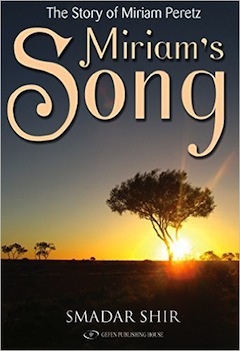
Those of us who live and work in Israel as journalists and book reviewers for international publications often have to wait until an Israeli bestseller is translated from Hebrew into English. I, for one, am very excited when this occurs, and especially for a biography like Miriam’s Song: The Story of Miriam Peretz (Gefen Publishing House, 2016) by Smadar Shir.

book cover - Miriam’s SongShirat Miriam was published in Israel in 2011 and became a bestseller, with more than 20,000 copies sold. It is Peretz’s story, as recounted to Shir, who is a prolific author and composer, as well as a senior journalist at the newspaper Yedioth Ahronoth.

Peretz was born in Casablanca, where her family lived until she was 10 years old. In 1963, they immigrated to Israel, initially living in an immigrant camp in Beersheva. After graduating high school, Peretz went to Ben-Gurion University and became a teacher.

When she was 21, she met Eliezer Peretz, who was 31, also Moroccan. They married, and he returned to his work in Sharm el-Sheikh. She eventually joined him there, until the city was evacuated. Meanwhile, she began teaching, and they started their family, ultimately having six children.

In November 1998, Uriel, their 22-year-old son, a Golani (special forces) officer was killed in Lebanon, while in the army. Peretz kept going.

“My husband was overcome with sadness and wouldn’t go to work, but I had no choice but to continue functioning,” she says.

Peretz got a master’s degree in educational administration. Her second son joined the army, while she and her husband continued processing their grief for Uriel. She began visiting schools and military bases to talk about her son.

In 2005, her husband died – only 56 years old. And then, in March 2010, her son, Eliraz, married with four children, was killed while in the army.

In December 2010, then-Israel Defence Forces Chief of General Staff Lt.-Col. Gabi Ashkenazi awarded her a medal of appreciation. He said: “Miriam’s ability to continue to express her deep pain and channel it into a contribution to the education and formation of future generations, serves as an example and model of inspiration for us all.”

The next chapters of Miriam’s Song are told by each of Peretz’s four surviving children.

Miriam left her principal position after 27 years to become a Jerusalem district supervisor with the education ministry. After Miriam’s Song was published in Hebrew, Peretz began to travel to the United States for the organization Friends of the Israel Defence Forces. In 2014, she was a torchbearer on Israel Independence Day.

For a feature on International Women’s Day this year in the Jerusalem Post, Peretz was interviewed and photographed along with two other mothers who had each lost a son. Journalist Tal Ariel Amir writes, “these three courageous women have risen from the ashes of their despair.”

People ask what it is like to live in Israel. Although Miriam’s Song is replete with courage, faith and commitment, it is also about tragedy and sacrifice. It is a book to read to understand what it means to be a woman, a wife, a mother in Israel today.

Sybil Kaplan is a journalist, foreign correspondent, lecturer, food writer and book reviewer who lives in Jerusalem. She also does the restaurant features for janglo.net and leads weekly walks in English in Jerusalem’s market.