Skip to content
  • Home
  • Subscribe / donate
  • Events calendar
  • News
    • Local
    • National
    • Israel
    • World
    • עניין בחדשות
      A roundup of news in Canada and further afield, in Hebrew.
  • Opinion
    • From the JI
    • Op-Ed
  • Arts & Culture
    • Performing Arts
    • Music
    • Books
    • Visual Arts
    • TV & Film
  • Life
    • Celebrating the Holidays
    • Travel
    • The Daily Snooze
      Cartoons by Jacob Samuel
    • Mystery Photo
      Help the JI and JMABC fill in the gaps in our archives.
  • Community Links
    • Organizations, Etc.
    • Other News Sources & Blogs
    • Business Directory
  • FAQ
  • JI Chai Celebration
  • JI@88! video

Recent Posts

  • Sharing her testimony
  • Fall fight takes leap forward
  • The balancing of rights
  • Multiple Tony n’ Tina roles
  • Stories of trauma, resilience
  • Celebrate our culture
  • A responsibility to help
  • What wellness means at JCC
  • Together in mourning
  • Downhill after Trump?
  • Birth control even easier now
  • Eco-Sisters mentorship
  • Unexpected discoveries
  • Study’s results hopeful
  • Bad behaviour affects us all
  • Thankful for the police
  • UBC needs a wake-up call
  • Recalling a shining star
  • Sleep well …
  • BGU fosters startup culture
  • Photography and glass
  • Is it the end of an era?
  • Taking life a step at a time
  • Nakba exhibit biased
  • Film festival starts next week
  • Musical with heart and soul
  • Rabbi marks 13 years
  • Keeper of VTT’s history
  • Gala fêtes Infeld’s 20th
  • Building JWest together
  • Challah Mom comes to Vancouver
  • What to do about media bias
  • Education offers hope
  • Remembrance – a moral act
  • What makes us human
  • המלחמות של נתניהו וטראמפ

Archives

Follow @JewishIndie
image - The CJN - Visit Us Banner - 300x600 - 101625

Images

הקוביד מראה את ההבדלים בין קנדה לדרום אמריקה

הקוביד מראה את ההבדלים בין קנדה לדרום אמריקה

(photo from essenceofemail.com)

בחודשים האחרונים בזמן שמגפת הקורונה ממשיכה לטלטל את חיינו התכתבתי מספר פעמים עם מכר שגר בדרום אמריקה. הוא בחר לגור באחד מהאזורים הבעייתיים בעולם, והקוביד מראה בברור מה ההבדל ביננו החיים בקנדה המסודרת, לבינם החיים בג’ונגל אין סופי של בעיות. שלא נדע.

אומר לי המכר הדרום אמריקני: “כאשר אתה רואה כיצד בני העשרים משתוללים כאן בדרום אמריקה כאילו אכול ושתוה אז מה נגיד על כך?”

בנושא החיסונים הראה לי מכרי שדעתו שונה מדעתי והוא שאב מידע ממש לא נכון. אצלנו כאן במערב החיסונים הם הפתרון הקבוע, הברור ובעצם היחידי להילחם במגפה. ואלו אצלו הכול הפוך משום מה. “החיסון של פייזר נניח עובד לטווח הקצר. בעולם המערבי אפשר להיות יותר אופטימי, אבל הייתי מציג אופטימיות זהירה. כל פעם מתגלות מוטציות חדשות שהמומחים בעיני עצמם טוענים שלא בטוח שהחיסון מכסה אותם. אני לא מתנגד לחיסונים אך הם הרע במיעוטו. סיפרתי לך שכמה ממקורביי סבלו מתופעות לוואי חמורות אחרי שקיבלו את החיסון. אני אוהב להקשיב למגוון דעות. זה לא אומר שאני מתנגד. החיסונים אינם נותנים מענה של מאה אחוז לקוביד והתאמתם טובה לרוב האוכלוסייה, אך לא לכולה”.

אכן יש לחיסונים תופעות לוואי אמרתי לו אך הן בטלות בשישים לעומת היתרונות הגדולים בהגנה שהם מייצרים. אך הוא בשלו חי בעולם לא מציאותי.

ההחמרה כיום במגפת הקוביד נובעת מסיבה אחת עיקרית: רבים בעולם כולל בארה”ב, קנדה וישראל – עדיין לא חוסנו. זה שורש הבעיה ועלינו מוטל להסביר לכל מתנגדי החיסונים עד כמה חשוב שגם הם יחוסנו, עבורם ועבור כולנו. לצערי המכר מדרום אמריקה חושב אחרת לגמרי: “אני עצמי נמנע מכל תעמולה בעד או נגד של החיסונים וברור שאין כיום פתרון טוב יותר לעתיד העולם. אני לא מיסיונר של חיסונים אך גם לא נוהג כמו המטורפים שטוענים שאין בכלל קוביד”.

זה נכון שתחילה עת שפורסם המידע הראשונה על הטכנולוגיה החדישה, בהן משתמשות יצרניות החיסונים חברת ביונטק הגרמנית שמשתפת פעולה עם חברת פייזר האמריקנית וחברת מודרנה האמריקנית, היה חשש שיש סכנה בדבר. אך לאחר שבוצעו הניסויים התברר שין מקום לחשש. החיסונים החדישים עובדים ואינם מסכנים את בריאותנו, למעט תופעות לוואי אצל מעטים. האיש מדרום אמריקה לא מעודכן ומסביר לי דברים שכבר שכחנו: “השפעת החיסונים תיקבע לא רק בטווח הקצר אלא בטווח הארוך. חברות התרופות משתמשות בשיטות חדישות שיוצרות מצב שיכול לגרום לשינוי בדי. אן. איי. את זה אומרים מומחים גדולים ממני וממך. צריך להקשיב לטעמי גם לטענות הללו של המומחים. אני עצמי לא עסוק בנושא יומם ולילה. אני עסוק בדברים שמעסיקים אותי וגורמים לי להנאה גדולה יותר”.

אנו במערב יודעים שהחיסונים עובדים ויתכן ונזקק לחיסון שלישי לקראת סוף השנה. אולי נקבל חיסון נגד הקוביד מדי שנה כך שהדבר יהפוך לנורמה, כמו החיסונים לשפעת. אצל המכר מדרום אמריקה הכול זמני ממש כמו כל החיים ביבשת הזו: “אין בכלל ויכוח שהחיסונים ללא יוצא מן הכלל הם לא לכל החיים. לכך אני מתכוון שאני כותב שהם זמניים. זה ברור כשמש. ברור כבר אחרי שנה יצטרכו לתת חיסון שלישי. מה יהיה אחרי החיסון השלישי זו שאלה שאין תשובה עליה כרגע. ברור לגמרי שהמדענים ידאגו שהחיסונים האלה ילכו וישתפרו עם הזמן בתקווה שיהפכו לחיסון אחד ויחיד ולכל החיים”.

הדרום אמריקני מסביר לי על הבעיות ביבשת שלו. כבר אמרתי לו בעבר שעליו לצאת משם אך הוא מסרב מסיבותיו שלו. יכולתי בעבר אולי לעזור לו להגר לוונקובר אך הוא לא מעוניין. לכן לא מפתיע מה שהוא אומר על האזור בו הוא חי: “המרחק בין קנדה לדרום אמריקה הוא כמו המרחק בינה לבין גלקסיה אחרת. אתה כותב מוונקובר, שם הכול נראה סביר יותר. תראה קצת חדשות מארצות דרום אמריקה ותבין כמה חמורה המגפה כאן. המנהיגים בדרום אמריקה בוחרים בחיסון הסיני כי זה הפתרון הכי קל ואת דעתי עליהם אתה יודע. זה גם הכי זול והם מקבלים גם חלק בחינם. החברות המערביות כמו פייזר שולחות כמויות סמליות והם לא רוצים או יכולים לחכות. המנהיגים כאן מנסים להציג לעמים שלהם מצג שווא כאילו הם נאבקים בהצלחה במגפה. הנה, השגנו חיסונים. אבל תראה מה קורה בצ’ילה. זה לא יאומן. זה אומר הכול, אבל איפה הפרשנים? צ’ילה שהיא המדינה שהתחסנה בהיקף הכי גדול בדרום אמריקה והכי מהר, אלא מה. חיסונים סיניים. ומה לדעתך קורה שם? גל מגפה גדול שוטף שוב את המדינה. נדמה לי שצריך לעשות אחד ועוד אחד, אבל אני לא שומע את הפרשנים משמיעים את הפרשנות הנכונה ומתריעים. סין  מוכרת חיסונים סוג ז’, ככה שמי מהמעצמות שיתרום או ימכור הראשון הוא שישיג את ההשפעה שהוא מחפש. הצרה היא שהסינים מספקים הכי מהר את הסחורה וההמונים ישלמו את המחיר כמו בצ’ילה. כנראה שהרשויות כאן פוחדות מסין ולא רוצות לצאת נגדה. הציבור מטומטם והציבור ישלם. אבל גם המנהיגים. זה עניין פוליטי מורכב. נשיא ארה”ב ג’ו ביידן, כדאי שיחלק 500 מיליון חיסונים בין מאה ארצות בצורה שווה. זה הדבר הנכון לעשות. בדרום אמריקה המגפה משתוללת הרבה יותר מאשר באפריקה”.

כדי לנחם את המכר מדרום אמריקה המסביר כל הזמן כמה המצב קשה באזורו, שלחתי לו ידיעה אינפורמטיבית מרויטרס על חיסונים שנרכשו עבור מדינתו. משום מה הוא התבלבל (כנראה בהשפעת הסגר הקשה ועוד צרות של קוביד) וטען ששלחתי לו פיק ניוז, על כך שכביכול מדינתו תקבל מיליוני מנות של פייזר. זה פשוט לא נכון כי רויטרס דיברו על מספר כולל של חיסונים שיגיע למדינתו, כולל הרוסיים ופייזר. אז מה הוא אומר לי: “אני סבור שלא צריך לעסוק יותר מדי בדיון על החיסונים, כי המציאות כאן שונה וכדי להבין אותה צריך ללמוד את הנושא. שלחת לי מאמר באנגלית. האם אתה מאמין שאכן מנהיגים לטינים יעמדו במילתם? מתי בדיוק זה קרה?  אם טראמפ היה פיק ניוז, אז מה נגיד על דרום אמריקה? המצב כאן בעייתי ואף חמור. נתנו לקשישים בני שמונים ותשעים להמתין תחת השמש או הגשם שעות רבות, כדי לקבל חיסונים. ומי אתה חושב היא המדינה הראשונה ששולחת חיסונים? יפה, ניחשת. סין. היא שלחה מיליוני חיסונים לעומת כמאה אלף של פייזר. מן הנתונים האלה אתה יכול להבין את התמונה המדויקת. יגיעו גם חיסוני ספוטניק. כדי לקבל פייזר צריך ממש פרוטקציה. אז אל תכתוב לי בבקשה יותר שאני מתנגד לפייזר בגלל שיש זריקה שלישית או כל סיבה אחרת. אני מתנגד לחיסון סיני”. המכר שוב התבלבל כי מעולם לא כתבתי שהוא מתנגד לחיסון שלישי ולא הזכרתי במילה את החיסונים הסיניים שאינני מחשיבם בכלל. המגפה בלבלה אותו עוד יותר.

לשמחתנו כאן בקנדה המצב הרבה יותר טוב מדרום אמריקה. תמיד טענתי שבעת משברים רואים את ההבדלים הגדולים בין צפון אמריקה לדרומה. אך מי שבחר מרצון לחיות ביבשת הדרומית צריך להבין שהוא לקח על עצמו סכנות אין ספור. המכר הדרומי מתעצבן על הדיון במגפה וכותב לי בקצור רוח: “כשכתבתי לך שלא מעניין אותי לעסוק בחיסונים זה מן הטעם הפשוט: המצב כאן ברור עבורי, ואין סיבה לדוש בזה יותר מאשר בשיחה קצרה ותמציתית ואין צורך בהתכתבות ארוכה שמייצרת אי הבנות. כשאתה כותב לי על המצב בישראל או אצלך, אני שמח לשמוע, אבל לצערנו זה לא המצב בדרום אמריקה. די נמאס לי לעסוק בזה. אני קורא מהר ומבין מהר. לא מעוניין לעסוק בנושא החיסונים כל הזמן. אלה הן אנרגיות שליליות שגוזלות לא רק זמן רב אלא גם אנרגיות חיוביות שעוזרות לי להיות פרודוקטיבי בענייני. זו הגישה שלי כרגע והיא הנכונה למצב. היא מביאה לתוצאות”.

אנו בקנדה ובמערב בכלל מאמינים בחיסונים והם נותנים את המענה הנכון, למגפה שפקדה אותנו מזה כשנה וחצי. אך האיש מהדרום ספקן ביותר: “ברור שדעתי על החיסונים חיובית אבל אני אדם ספקן, תמיד הייתי ותמיד אישאר לשמחתי. במצב הנוכחי של העולם, החיסונים הם הפתרון הכי טוב לסיטואציה. אבל כשאני מדבר על הרע במיעוטו אני מתכוון למשהו אחר. כשאני מדבר על חיסון זמני אני מתכוון לחיסון לשנה. זה מה שאומרים המומחים ומנהלי חברות המייצרות את החיסונים. הפעם כנראה שזה לא פיק ניוז. אני רק מצטט אותם”.

המכר מדרום אמריקה מנסה להסביר לי עתה את מה שקורה בישראל. כאילו לא ידעתי. הוא אומר: “לגבי נתוני פייזר ובכן ישראל אכן הייתה מעבדה ניסיונית שלהם. הם אמרו בהתחלה שההגנה היא של תשעים וחמישה אחוז. אבל אחרי הניסוי בישראל הם אמרו שההגנה היא רק של תעשים ואחד אחוזי הצלחה למניעת המחלה בכלל ותשעים וחמישה אחוז של מניעת מחלה קשה. כשכתבתי לך על הנתון הזה ברור שלא מובן מזה שאני מצפה להגנה של מאה אחוז. מה פתאום? אין מאה אחוז ושלמות בשום דבר. הם הגיעו לאחוז הזה בתוך תקופה כה קצרה זה בהחלט עבודה חשובה של המדענים. אם אתה שואל אותי גם חיסון של שמונים או שמונים וחמישה אחוז הוא ראוי. אני מזכיר לך שאני אדם שיודע לתחקר ואם אני כותב לך מידע, זה מבוסס. בזמן האחרון אני קורא פחות כי זה די משעמם”.

שוב הוא נזכר להסביר לי בפעם המאה עד כמה המצב קשה בדרום אמריקה. אגב אם אני אזכיר לו את הבעיות הקשות ביבשת שלו שעולות ממה שהוא אומר לי מזה חודשים ארוכים, יטען האיש כי אני “מעצים” את הדברים, בזמן שבעצם הוא מדחיק אותם. “אני חי במציאות אחרת ממך ובמציאות שלי יש מגפה, יש סיכונים גדולים, מכפי שאתה מכיר, ואין חיסונים לפי שעה שנותנים מענה אמיתי למגפה. חיסון סיני להערכתי לא נותן מענה מספיק. כמות הנדבקים כאן ממשיכה להיות גדולה כמו בכל רחבי דרום אמריקה. שים לב, אין כאן תרופות שנותנות מענה אמיתי לקוביד. בתי החולים מפוצצים, בימים האחרונים רופאים מפגינים נגד האנומליה שאין תרופות. בעבר המצב כאן היה חמור אף יותר. חוקי המשחק כאן שונים לגמרי מכפי שאתה מכיר. כמות הנדבקים גדולה עשרות מונים יותר ממה שמדווחים, כמות המתים גדולה כאן בהרבה ממה שמדווחים, ואף אחד כאן לא אומר את האמת”.

כמה טוב לי שאני חי בוונקובר ובמערב ורחוק עד כמה שאפשר מהדרום הבעייתי.

Format ImagePosted on August 12, 2021August 12, 2021Author Roni RachmaniCategories עניין בחדשותTags Canada, COVID, health, pandemic, South America, vaccine, בריאות, דרום אמריקה, חיסון, מגפה, קוביד, קנדה
Hate not acceptable at SFU

Hate not acceptable at SFU

“Antisemitism is hate, and it is not acceptable at SFU,” said Simon Fraser University president and vice-chancellor Joy Johnson. (photo by Jeff Hitchcock / flickr)

The president of Simon Fraser University met with Jewish students recently and issued a statement condemning antisemitism on campus and directing those who experience anti-Jewish racism to appropriate resources.

After meeting with Jewish students, Joy Johnson, Simon Fraser’s president and vice-chancellor, tweeted on July 12: “Their experiences were deeply upsetting.”

“Antisemitism is hate, and it is not acceptable at SFU,” she added. “If you are experiencing discrimination or hate, help is available. Please reach out.”

The university, in consultation with the SFU Multifaith Centre and Hillel BC, created a resource for those who have experienced antisemitism. This includes links to campus chaplains, confidential counseling and critical incident support for significant events.

Like many university campuses, SFU has a history of anti-Israel activism that can often veer into antisemitic imagery and tropes. The latest eruption occurred at the first council meeting of a newly elected Simon Fraser Students Society. Occurring around the time of the most recent conflict between Hamas and Israel, the council meeting passed a resolution endorsing the boycott, divestment and sanction movement against Israel (BDS) in what Jewish students view as a biased and unfair meeting.

The student society’s resolution – titled “SFSS Response to the Israeli Colonization of Palestine” – accused Israel of “disproportionate violence,” claiming “worshippers at the Al-Aqsa Mosque were indiscriminately targeted by Israeli police forces” and condemning “the ongoing persecution of the Palestinian people by the government of Israel.” The resolution endorsed the BDS movement and expressed no parallel concerns about Palestinian terrorism, violence, incitement or human rights abuses. It also accused the United States and Canada of complicity in perceived Israeli misdeeds. The resolution passed unanimously.

The student society brought in Dalya Masri, a Palestinian activist, to provide “expert” testimony before the vote, said Katia Fermon, outreach coordinator for Hillel BC, the Jewish student organization.

“She gave a presentation, which was beyond hurtful for Jewish students,” said Fermon. Masri, she said, compared the First Intifada to the sort of peaceful rallies that happen on the streets of Vancouver.

“My students have family that died in the First and the Second Intifada,” Fermon said. “This is not a strange thing for us, and she just mentioned it like it was a rally.”

The presenter accused Israel of taking over territory in 1967, while eliding the larger facts around the Six Day War and other realities, she said.

Fermon said that, in preparation for the vote, the SFSS consulted with Independent Jewish Voices, but did not consult with Hillel.

“That fact is very hurtful,” she said. “Independent Jewish Voices is not a club on campus, however Hillel Jewish Students Association is. They pay their dues.… We are a part of that union. Those voices were not asked for or heard.”

Hillel BC issued a statement condemning the student society’s approach.

“Instead of supporting an open and extensive dialogue amongst students, the SFSS has chosen to perpetuate the agenda of a movement whose use of harmful terminology fails to address the root causes of the conflict, ignoring centuries of complex history in which power dynamics constantly shifted,” it reads. “This rhetoric further sows hate and division instead of helping work towards a peaceful two-state solution. The SFSS has decided to single out the state of Israel instead of opening a space for adequate dialogue between Jewish, Israeli and Palestinian students on campus wherein we may critique the policies of the state while being mindful of the hate that may result in endorsing certain statements, activists or movements.”

It added that BDS “openly traffics in antisemitic conspiracies and dog whistles” and noted that nearly two decades of BDS activism has not “freed Palestine from violence or oppression. Instead, it has been to stoke aggression and polarization online, in the streets and on campuses.”

In a statement to the Independent, Nico Slobinsky, director of the Centre for Israel and Jewish Affairs, Pacific region, said: “The statement by SFU’s president is an important step in denouncing the rising tide of anti-Jewish hate on campus. CIJA thanks president Dr. Joy Johnson for recognizing that SFU is not immune from antisemitism. Combating anti-Jewish hatred is not only about protecting Jews but also about protecting the very fabric of our society, on and off campus.

“CIJA appreciates the strong friendship and commitment shown by Dr. Johnson to creating a campus that is inclusive, diverse, safe and open to all students,” Slobinsky added. “CIJA looks forward to working with SFU alongside our campus partner, Hillel BC, towards ensuring a healthy campus environment.”

Students have been studying remotely for more than a year and so most of the discussion, which has included a litany of offensive comments, has taken place on official and unofficial online platforms, including the primary undergraduate forum.

One Israeli student, who asked to remain anonymous, said she was one of a few who spoke up in opposition to the prevailing bias in the dialogue.

“I didn’t expect it to go smoothly,” she said. “There was a lot of backlash in the moment and it is still going on.… A lot of comments are being deleted and monitored but there are a lot of hateful comments.”

The statements frequently included slogans such as “From the river to the sea, Palestine will be free” and other comments promising the annihilation of Israel. Israel was compared with Nazi Germany, Rhodesia, apartheid-era South Africa and plantation-owning slaveholders. Concerns about the safety of Jewish people were dismissed as efforts to “stifle” legitimate criticism of Israel.

“As an Israeli, I don’t want to believe they said them personally to me,” the student said. “I try my best not to take all those comments personally, but sometimes it gets there.”

As she and other students prepare to return to campus this fall for the first time in more than a year, she said she is not concerned for her personal safety, but she is worried about some of her friends.

“I was born in Israel and I have a little bit of Israeli inside of me so, for myself, I’m not that worried,” she said. “Obviously, it’s not a nice experience.” Whether the online threats and vitriol turn into real-time incidents remains to be seen, she said, but some of her Jewish friends are already taking cover.

“They are not wearing their Star of David,” she said. “They never say out publicly that they are Jewish: to not get into a conflict, to avoid any debate on the matter, they just decided not to. I think it’s a shame…. It is a shame that we live in Canada in the 21st century and people are choosing to hide part of their identity. For myself, it’s a big chunk of my identity, so I’m not going to hide it, but I can’t blame people who choose to. I empathize with them.”

Format ImagePosted on July 23, 2021July 21, 2021Author Pat JohnsonCategories LocalTags antisemitism, BDS, CIJA, hate, Hillel BC, identity, Israel, Israeli-Palestinian conflict, Joy Johnson, Katia Fermon, Nico Slobinsky, Palestine, SFU, Simon Fraser University, students
Listening and learning

Listening and learning

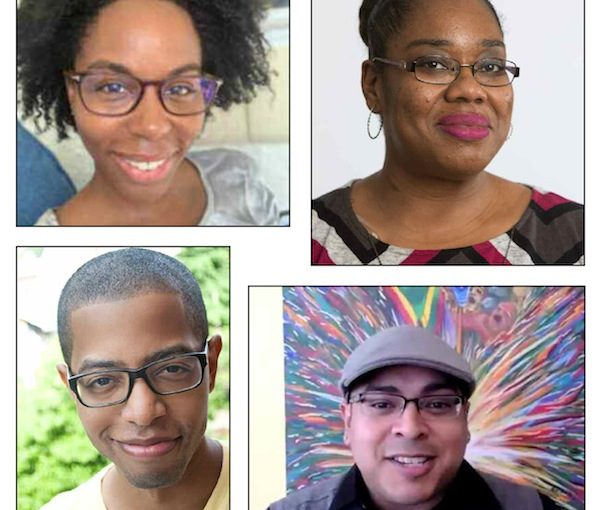
Juneteenth webinar panelists (clockwise from top left) Heather Miller, Dr. Tameika Minor, Rafi Forbush and Kendell Pinkney. (photos from internet)

The United Synagogues of Conservative Judaism (USCJ) held a webinar entitled Juneteenth Through the Eyes of Jews of Colour: Sharing Stories and Perspectives on June 17, the same day the United States declared Juneteenth (June 19) a federal holiday. Slaves were freed from Texas, the last Confederate state with institutionalized slavery, on June 19, 1865.

The objectives of the evening were to establish better dialogue, to create a space to honour the Jewish and Black communities, to learn about the challenges people of colour have in the Jewish community, and to find the means by which people of colour can feel welcome in the Jewish community. Marques Hollie, a theatre artist, storyteller and musician, led the evening with a rendition of the post-Civil War song “Oh Freedom.”

“Our people crossed the Red Sea. People of colour are still in Egypt. For Black people, freedom has not come fast enough and not in a straight line,” said Ruth Messinger, a former politician and head of the American Jewish World Service, in opening remarks that preceded the introduction of the panel discussion.

The four panelists were Heather Miller, Dr. Tameika Minor, Kendell Pinkney and Rafi Forbush. Rabbi Ari Lucas of Congregation Agudath Israel in Caldwell, N.J., moderated the event. Lucas encouraged the audience to listen before asking questions.

“In a lot of ways, I feel like I came out as a Black person last year,” said Miller, president of the Jewish Centre in Brooklyn and a future rabbi. “In the Jewish spaces I have been in, people have tried not to see my colour. The stakes are different for us than the majority of people in this Zoom room. I was afraid this would just be a moment for everyone else and that the world would go back to not seeing this stuff again after the pandemic. I was afraid of being left exposed without a community.”

Minor, a professor in clinical mental health counseling and rehabilitation counseling at Rutgers University, said she would like to see Juneteenth become a day of reflection and not just celebration. “Reflection of where we have come from and how far we have to go,” she said. “It’s not a day we should sit back and not look at the wealth gap, mass incarceration and police brutality. Now it is a federal holiday, and yet so many states are banning critical race theory in schools.”

“For me, the question isn’t what does Juneteenth mean to me now but what might it mean to us moving forward,” said Pinkney, a Brooklyn-based theatre writer, Jewish-life consultant and rabbinical student at the Jewish Theological Seminary. “The Jewish people are so, so good at crafting stories, creating rituals. What rituals might be created 20 years from now around Juneteenth? Which stories and voices will we finally open our ears to?”

He added, “I like to think of it more as a promise of what might be and what we might become as a Jewish community.”

Rounding out the panel was Forbush, youth director at Beth Jacob Congregation in Mendota Heights (St. Paul) and founder of the Multiracial Jewish Association of Minnesota, which focuses on creating space for Jews of colour to connect to one another, through the community, education and advocacy.

“If you had told me that our community would be having this conversation at the beginning of the pandemic, I would have laughed at you,” said Forbush. “There is a bright light in our community starting to see outside of ourselves. If we are a people and not a race, then we owe it to each other to get to know who we are. The idea here is, extend the tent and not move it to exclude somebody else.”

Like Pinkney, Forbush spoke of the potential the holiday holds for the future and the sense of inclusion it can bring to the entire community. He pointed out that young Jews of colour often feel excluded.

Throughout the webinar, the panelists touched on various points of exclusion they feel as part of a community – of not believing they are entirely heard and of the microaggressions that occur in Jewish spaces, such as being quizzed on aspects of Jewish life or being viewed as staff and not a member of the community. Understandably, these are the sorts of issues that drive Jews of colour away from synagogues and other Jewish institutions.

The hope was expressed that Jews of colour could achieve more positions of leadership within Jewish organizations. There was also a sense that the community as a whole is not achieving its full potential without engaging more actively and openly with Jews of colour.

“This year, as we expand upon the understandings of diversity and inclusion, we have, despite COVID, actively widened the doors to our tent so to speak,” said Rabbi Susan Tendler of Richmond’s Congregation Beth Tikvah, which has been promoting the recent USCJ webinars on reaching out to interracial families and building a larger sense of inclusion for all Jews.

“We have actively listened and considered with compassion the feelings of people who may want to enter and yet find barriers to feeling authentically accepted within the larger Jewish community,” she told theIndependent. “United Synagogue’s program on Juneteenth is one example of many in which we have taken the opportunity to listen and learn.”

Sam Margolis has written for the Globe and Mail, the National Post, UPI and MSNBC.

Format ImagePosted on July 23, 2021July 21, 2021Author Sam MargolisCategories WorldTags Beth Tikvah, Heather Miller, identity, identity issues, inclusion, Jews of colour, Juneteenth, Kendell Pinkney, Rafi Forbush, Susan Tendler, synagogues, Tameika Minor, United Synagogues of Conservative Judaism, USCJ
JNF supports ALUT

JNF supports ALUT

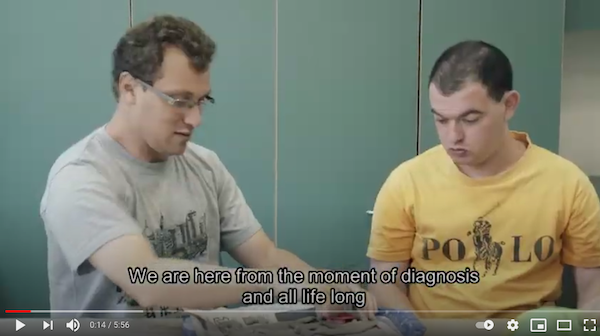
(screenshot)

For this year’s Negev campaign, JNF Pacific Region has partnered with ALUT, the Israeli Society for Autistic Children, to renovate Aviv House, one of the first lifetime living facilities established by ALUT. ALUT has built and operates 18 “Homes for Life” in Israel, residences for individuals with autism who require supported living, that allow the residents to become integrated into the community to the greatest degree possible and provide for lifetime care in a family-type setting.

Aviv House (Beit Aviv) was established in 1992 in Jerusalem and the 14 residents have been living there since its inception. Their ages currently range from 35 to 49, and they all require assistance in almost all aspects of everyday life.

The physical house, now well over half-a-century old, is showing its age and has reached the point of risk. For example, the walls are crumbling and the sewage lines are regularly clogged; the building is not wheelchair accessible.

For more information and to watch a video from the campaign’s honorary co-chairs, Penny Sprackman and David Goldman, visit facebook.com/jnfvancouver. You can also contact the JNF office at 604-257-5155 or [email protected].

Format ImagePosted on July 23, 2021July 21, 2021Author JNF Pacific RegionCategories LocalTags ALUT, autism, David Goldman, fundraising, Jewish National Fund, JNF Pacific Region, Negev campaign, Penny Sprackman, philanthropy
Haas talks acting and BGU

Haas talks acting and BGU

Israeli actor Shira Haas was the featured guest at the Canadian Associates of Ben Gurion University of the Negev’s virtual gala July 7. (photo by Shula Klinger)

On July 7, the Canadian Associates of Ben Gurion University of the Negev held their second virtual fundraising gala. More than 1,200 participants logged on to the An “Unorthodox” National Virtual Gala event, which raised $850,000 for brain research at BGU’s Zlotowski Centre for Neuroscience.

The Zlotowski Centre is a group of researchers dedicated to finding cures and management tools for neurodegenerative diseases including Parkinson’s, Alzheimer’s, ALS and epilepsy.

photo - As part of the gala event, attendees received a special dinner package
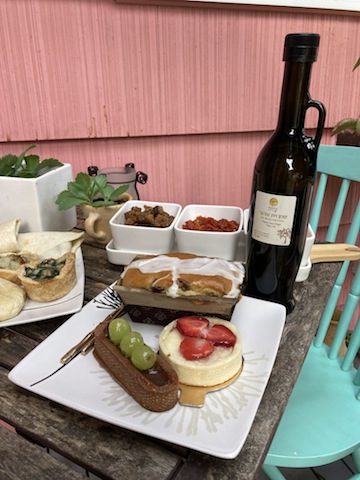
As part of the gala event, attendees received a special dinner package. (photo by Shula Klinger)

Months in the making, the virtual gala was the work of a countrywide team of BGU staffers and numerous volunteers. Every participating household in Metro Vancouver received sweet and savoury kosher treats from Café 41. The accompanying gift box also brought olive oil from the Negev, a copy of Deborah Feldman’s memoir, Unorthodox: The Scandalous Rejection of My Hasidic Roots (Simon & Schuster, 2012), appetizer dishes and a commemorative cutting board.

Danny Chamovitz, BGU’s president, spoke about the work of BGU’s academics in general, in disciplines ranging from public health to brain research. Canadian Senator Linda Frum conducted the feature interview – with multiple-award-winning actor Shira Haas.

Describing herself as “very, very shy” as a young person, Haas said she had considered psychology or graphic design as professions, until a casting director approached her on Facebook. Sixteen years old at the time, she said, with respect to that first project, “I understood that this is what I want to do, it was like the door to Narnia.”

Haas does not take her success or popularity for granted. “It was always a dream to work internationally, in different languages, for different audiences, but I never imagined it,” she said. “It was always about the work. I am very, very lucky to be in this position.” She added, “My parents deserve to be talked about! They are the most supportive and amazing parents.”

Known for taking on demanding roles, Haas approaches acting in a scholarly fashion. She studied musculoskeletal diseases to play a terminally ill woman in the film Asia, and researched Russian, Yiddish and Charedi culture for the series Shtisel and Unorthodox. She said she finds beauty in hard work, explaining that Asia was “challenging in the most beautiful way. It was a lot of physical and emotional work, and very personal for me.”

When playing a part, Haas said she is motivated by two things. First, she must be passionate about the role because “that’s what brings everything alive.” About Shtisel, she said, “I fell in love with it immediately.”

Her second principle is to portray “subjects that matter to me.”

Haas’s idealism was evident in the way she spoke about Asia. “It’s not really about death,” she said. “It’s about relationships, about appreciating the time we have and what we do with it. The highest form of art is to bring light to the darkness.”

About Unorthodox, she said, “It didn’t occur to me that it is about the Orthodox world. It was just a story about people who want to be loved, their doubts, desires and failures.”

And Shtisel, she noted, had a huge impact on people all over the world. The show helped change people’s view of Orthodox communities, she said: “It’s universal.”

Of her forthcoming portrayal of Golda Meir in her early years, Haas described a woman with “a very interesting life. She was very passionate, with many dreams and desires.”

Since David Ben-Gurion and Golda Meir were friends, she laughed, “this event was meant to be!”

Haas spoke of her personal connection to BGU. Her sister studied at the university and a close friend is there now. Haas wanted to participate in the gala for several reasons, including, she said, “I am Jewish, I am an Israeli. I want to keep on doing events like this! I am even more proud to do it for Ben-Gurion.”

As for the brain research being conducted at BGU, which the gala funds will support, there has already been groundbreaking progress. Claude Broski’s group has identified a protein that can slow down the degeneration brought on by Parkinson’s. The social robots developed by Shelley Levy-Tzedek and her team will have an impact on stroke patient recovery – the robots offer motivation, feedback and performance-tracking during the rehabilitation phase. Epilepsy researchers are developing wearable hardware and software that could alert patients to an oncoming seizure, an hour before it happens. And Deborah Toiber’s Alzheimer’s team is exploring questions about brain aging, such as, Why does the disease affect so many of us, when only 5% of cases are genetic?

David Berson, executive director of CABGU, British Columbia and Alberta, said, “It has been very gratifying to see how the Metro Vancouver community has embraced BGU students and faculty in recent years. Many new supporters have stepped forward during the last year to engage with us. We are especially grateful to our community partners, who helped us promote this Unorthodox event.”

Among the many contributors to the gala were board members Jay Eidelman and Si Brown. Rachelle Delaney helped Berson with the goodie boxes at the crack of dawn on July 7, while volunteer drivers delivered the boxes. Adrian Cantwell and I were co-chairs for the Metro Vancouver team.

Shula Klinger is an author and journalist living in North Vancouver. She was Metro Vancouver co-chair of the CABGU gala with Adrian Cantwell.

Format ImagePosted on July 23, 2021July 21, 2021Author Shula KlingerCategories WorldTags acting, Ben-Gurion University, BGU, CABGU, Camp David Accords, fundraising, gala, healthcare, philanthropy, science, Shira Haas, Zlotowski Centre
Chance for podium?

Chance for podium?

Paralympic world champion rower Moran Samuel (photo by Detlev Seyb)

Israel is sending its largest-ever Olympic delegation – 89 athletes – to the Tokyo Olympics, set for July 23 to Aug. 8. And it’s sending 32 athletes to Tokyo for the Paralympics, which run Aug. 24 to Sept. 5. Do any of these competitors have a good chance of bringing home a medal?

Israel has won nine medals in 16 Summer Olympic Games: five bronze and one silver in judo, a bronze in canoeing, and a bronze and a gold in sailing.

In contrast, its Paralympic athletes have earned 123 gold, 123 silver and 129 bronze medals since 1964. However, the competition has gotten stiffer in recent years. At the London 2012 Paralympic Games, Israel won eight medals, including its first gold in wheelchair tennis. In 2016, the Paralympic team came home with just three bronze medals, won by Moran Samuel in rowing, Doron Shaziri in shooting and Inbal Pezaro in swimming.

Israel21c asked Jerusalem-based sports journalist Joshua “the Sports Rabbi” Halickman for his insights.

Olympic hopefuls

Like everyone else, Halickman has his eye on Linoy Ashram, 22. She won gold and bronze medals in the 2021 Rhythmic Gymnastics World Cup, among her many other medals. Last weekend, she won a further five gold medals at the Rhythmic Gymnastics Grand Prix in Tel Aviv – for ball, hoop, clubs, ribbon and all-around contests.

“Linoy is currently the world’s No. 1 rhythmic gymnast, based on competitions that took place in the past few months,” Halickman said. “She is one of the big hopefuls for the Israel Olympic committee.  She was really gearing for summer 2020 and there was a concern that she would lose that level of achievement, but, a year later, she’s only gotten better.”

However, he noted, Ashram will be up against the Russian twins Arina and Dina Averina, who are widely expected to medal. “So it won’t be easy,” he said. “You’ve got to have a perfect performance; one mistake and you’re finished.”

Ashram will do one of her routines to a version of “Big in Japan,” a song by Alphaville. Indeed, Halickman said, “I feel she is going to be big in Japan.”

photo - Judoka Sagi Muki
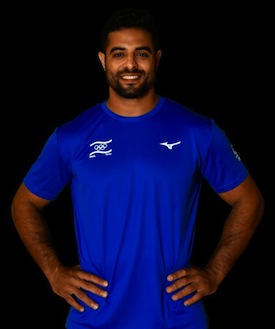
Judoka Sagi Muki (photo from Israel Olympic Committee)

In judo, Sagi Muki, 29, is the reigning world champ in his under-81-kilogram weight category and is coming into the Tokyo Games as a realistic medal contender. “But he has not performed as well as he would have liked to in the past half year,” said Halickman. “He’s taken medals at minor competitions but not up to par compared to before the pandemic.”

Israeli judoka Peter Paltchik, 27, “has been at the top of his game over the past half year and has maybe a better chance than Sagi,” said Halickman.

Aside from those three, Halickman mentioned a couple of athletes who could surprise everyone and win a medal. One is female judoka Timna Nelson–Levy, 27, who won the 2021 Tel Aviv Grand Slam in the under-57-kilogram category. Another is swimmer Anastasia Gorbenko, only 17, who won a gold medal at the 2021 European Championships.

“Anastasia will compete in a slew of different swimming events. It’s the first time in ages Israel has a swimmer taking part in so many different categories,” said Halickman.

photo - Swimmer Anastasia Gorbenko (photo from Israel Oly
Swimmer Anastasia Gorbenko (photo from Israel Olympic Committee)

Perhaps the most anticipated Israeli Olympic event, however, will be baseball. With only six teams in the competition, Team Israel has a 50-50 chance of winning a medal, Halickman pointed out.

“It will be a top-level competition because they’ll be playing against world heavyweights like the United States, Japan and Mexico,” he said.

“Whenever Israel goes to the Olympics, Jews around the world want Israel to succeed,” he added. “But baseball is unique because it’s so American and this team is primarily American immigrants. They understand it’s a huge responsibility to represent the Jews in the Diaspora.”

Bottom line? “Israel could walk away from the Olympics with a half dozen medals or none. Nothing is guaranteed in sports,” said Halickman.

Paralympic hopefuls

Just as in the 2016 Rio Games, Israel’s Paralympic team is anticipated to do well in shooting, rowing and swimming in Tokyo. In particular, said Halickman, shooter Doron Shaziri and rower Moran Samuel are expected to reach the winner’s podium.

Shaziri, 54, has won five Paralympic silver medals and three bronze medals over seven Paralympic Games. His teammate Yulia Tzarnoy, who won a bronze medal at the last World Championships, also has a reasonable shot (pun intended) at medaling in Tokyo.

Samuel, 39, who competes in singles rowing, won a bronze medal in Rio. She’s also a national wheelchair basketball champion.

In swimming, the ones to watch are world champions Mark Malyar, 21, and Ami Dadaon, 20.

In May, Dadaon set two world records in his disability class at the European Para Swimming Championships: the 100-metre freestyle and 200-metre freestyle. The following month, at the World Para Swimming World Series, he improved his time in the 200-metre freestyle by less than a second, setting another world record.

photo - Mark Maylar competing in Portugal
Mark Maylar competing in Portugal. (photo by Ron Bolotin / Israel Paralympic Committee)

Malyar set a world record at the 2021 World Para Swimming World Series Finale in the men’s 800-metre freestyle in his disability class, breaking his own record, set in 2019, by more than 13 seconds.

To help Israelis get pumped for the Paralympics, the Telma cereal company is featuring the photos and stories of three Paralympic athletes on a special edition “Cornflakes of Champions” package. They include swimmer Veronika Girenko, rower Achiya Klein and goalball player Roni Ohayon.

Israel21c is a nonprofit educational foundation with a mission to focus media and public attention on the 21st-century Israel that exists beyond the conflict. For more, or to donate, visit israel21c.org.

* * * 

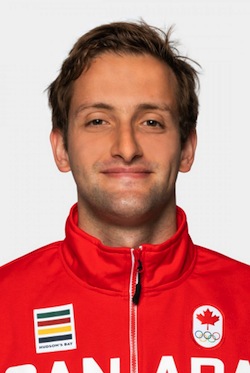
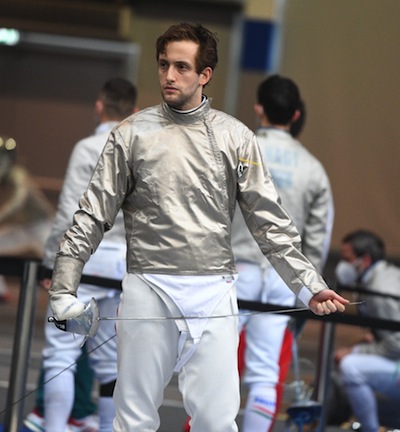
 Tel Aviv-born fencer Shaul Gordon, a former Richmond resident who now lives in Montreal, is part of Canada’s Olympic team. According to his bio on olympic.ca/team-canada, “Gordon made his senior fencing debut for Canada in 2013. He has since represented Canada at two Pan American Games and six FIE World Championships.

photo - Fencer Shaul Gordon
Fencer Shaul Gordon (photo from olympic.ca)

“Gordon earned his first career senior individual medal at the Pan American Championships in 2018, when he captured silver. Later that year, he won gold at an FIE Satellite event in Belgium.

“Gordon followed up his terrific 2018 with an even more successful 2019, starting with helping Canada bring home a third straight silver in team sabre from the Pan Am Championships. At the FIE World Championships, he advanced to the quarterfinals for the first time ever. At the Lima 2019 Pan Am Games, he also helped Canada to a team sabre silver, while winning a bronze in the individual sabre.

“Gordon fenced collegiately at Penn State for his freshman year before transferring to the University of Pennsylvania. He finished second at the NCAA Championships in 2013, tied for third in 2014, was a three-time All-American and finished his college career with an overall record of 143-30.”

For an interview with Gordon, in Hebrew, see jewishindependent.ca.

Format ImagePosted on July 23, 2021July 21, 2021Author Abigail Klein Leichman ISRAEL21CCategories WorldTags Canada, fencing, Israel, Japan, Olympics, Paralympics, Shaul Gordon, Tokyo
הסייף הישראלי שאול גורדון ישתתף באולימפיאדת מטעם קנדה

הסייף הישראלי שאול גורדון ישתתף באולימפיאדת מטעם קנדה

הסייף הישראלי שאול גורדון, ייצג את קנדה בתחרויות הסיף באולימפיאדת טוקיו שתתקיים בחודש הבא (יולי), ביחד עם 11 סייפים קנדים נוספים.

בניגוד לשאול, אחיו הצעירים מתי גורדון שמשחק רוגבי שביעיות ותמר גורדון שמתחרה אף היא בסיף, משתייכים דווקא לנבחרות ישראל. משפחת גורדון כולה גרה כאן בקנדה: האב אליהו גורדון עובד בממשלה הפדרלית בוונקובר, האם מוניקה גורדון מלמדת באוניברסיטת יו.בי.סי שבעיר, שאול לומד במונטריאול שקוויבק, מתי לומד בקינגסטון שבאונטריו ואילו תמר גרה עדיין עם ההורים בוונקובר.

שאול גורדון יליד תל אביב בן ה-26, גר בוונקובר מאז בגיל עשר. הוא סיים תואר ראשון

בשפה וספרות צרפתית באוניברסיטת פנסילבניה בפילדלפיה ב-2016. אחרי מכן עבר למונטריאול ללמוד בפקולטה למשפטים באוניברסיטת מקגיל. השנה סיים לימודי תואר מתקדם במשפטים והוא מתמחה בחוקי חלל ותעופה.

גורדון עזב את ישראל בגיל ארבע ועבר עם משפחתו לטורינו שבאיטליה. בגיל שבע החל להתאמן בסיף בסגנון חרב. כשהיה בן 10 עברה המשפחה לקנדה. הוא משתייך לנבחרת קנדה מאז 2011. נבחרת הקנדית הגיעה עימו למקום השני במשחקי פאן אמריקה טורונטו ב-2015. גורדון הגיע למקום השני באליפות האמריקות בהוואנה ב-2018. הוא זכה באליפות ישראל וכן במקום השלישי במשחקי פאן אמריקה בלימה ב-2019. ואילו נבחרת קנדה הגיעה עמו באותם משחקים למקום השני. גורדון זכה במקום השמיני באליפות העולם בבודפשט ב-2019 וזה בעצם ההישג הגדול ביותר בקריירה שלו. כיום הוא מדורג במקום ה-22 בדירוג העולמי.

– איך ההרגשה להגיע אולימפיאדה?

“אני מרגיש טוב מאוד וזו הפעם הראשונה שלי באולימפיאדה. אך המטרה שלי למשחקים השתנתה לאחר הדחייה בשנה. אשתקד רציתי רק להגיע למשחקים. עתה היה לי זמן לחשוב על ציפיות גבוהות יותר. מה אני רוצה לעשות בטוקיו? האם רק להשתתף למשך חמש דקות במשחק אחד? או להשיג אחת מהמדליות שזו בעצם המטרה שלי עכשיו”.

– מה היו ההכנות בעידן המגפה?

“האימונים בראשית השנה התקיימו רק בקנדה בגלל המגבלות. החל ממארס אחרי כשנה ללא תחרויות, התחלתי להשתתף סוף סוף בתחרות בינלאומיות. בקנדה יש מערכת טובה לאימונים אך חסרים מתחרים. אני עושה הרבה אימונים טכניים ופיזיים. מתאמן פיזית ארבעה פעמים בשבוע ועובד על הטכניקה שש פעמים בשבוע. האימונים שלי נערכים במכון הלאומי לספורט במונטריאול”.
– איך אתה מרגיש כאשר אתה מייצג את קנדה ולא את ישראל?

“אני מרגיש ישראלי אך גם קנדי באותו זמן. אני מרגיש מחויבות לייצג את קנדה

במשחקים. המאמנים שלי קנדיים, המאמנים האחראים להכנות הפיזיות קנדיים, חברי משלחת, האדמיניסטרציה, הפסיכולוגים הספורטיביים והמומחים לתזונה – כולם מכאן. אני רוצה להמשיך ולייצג אותם ולהפוך אותם גאים בהישגים שלי. מזה תשע שנים שאני בנבחרת קנדה: בשנתיים הראשונות ייצגתי את הנוער ומאז 2013 אני בבוגרים”.

– תמר אחותך לעומתך מייצגת את נבחרת ישראל בסיף

photo - Shaul Gordon
שאול גורדון

“זו הייתה החלטה חכמה ומתאימה לה. היא למדה בצרפת במשך שנה ב-2019 והיה לה קשה לייצג את קנדה משם. לעומת זאת בתור סייפת ישראלית היא יכלה להשתתף ביותר תחרויות באירופה. וכן לקבל תמיכה כספית שזה מאוד חשוב בסיף. תמר מתחרה בסגנון חרב כמוני והיא פשוט יותר מוכשרת ממני ואף נמצאת בדרגה גבוהה ממני. אנו מתאמנים יחד כאשר אני מגיע לוונקובר. תמר כיום בת 17 והיא נחשבת לספורטאית מאוד חזקה. היא מתחרה עם בנים כי אין בנות ברמתה”.

תמר גורדון, כשהייתה בת 15, כמו אחיה הגדול שאול, זכתה גם כן באותה אליפות ישראל (2019) בתחרות לבוגרות למרות גילה הצעיר. היא אמורה לסיים את לימודי התיכון בעוד כשנה וחצי ולאחר מכן תלמד כנראה באחת האוניברסיטאות בארה”ב. בין ההישגים הבולטים ביותר שלה: מקום ראשון באליפות צרפת לקדטים (על גיל 17) ב-2019 וכן מקום השלישי באליפות אירופה לקדטים בקרואטיה אשתקד.

תמר על התתשפותה בנבחרת ישראל: “עם נבחרת ישראל יש לי יותר אפשרויות להשתתף בתחרויות סיף אירופאיות. מאוד חשוב לי להתחרות ברמה הגבוהה ביותר כאשר חלק מהסייפות הטובות בעולם נמצאות באירופה. אני מרגישה גם גאה לייצג מדינה כמו ישראל בקנה מדינה בינלאומי”.

– יש לך אח נוסף שגם הוא ספורטאי

“מתי בן ה-23 משחק רוגבי שביעיות. הוא היה הקפטן של נבחרת אוניברסיטת טורונטו כאשר למד בחוג ללימודים אירופיים. כיום הוא בנבחרת אוניברסיטת קווינס קינגסטון, ששם הוא לומד שנה שנייה במשפטים. השנה אין להם עונה בגלל המגפה. והכי חשוב הוא שמתי נמנה על נבחרת ישראל ברוגבי שביעיות”.

מתי על השתתפות בנבירת ישראל: “זה נותן לי היכולת להשתתף ביותר משחקים בינלאומיים וברמה הגבוהה ביותר האפשרית. וכן להכיר כמה שיותר ישראלים ולמצוא חברים. כך אני יכול לנסוע בכל העולם ולייצג את הנבחרת של המדינה בה נולדתי”.

– חברתך יאנה בוטביניק משתייכת לנבחרת ישראל בסיף. איך בכלל הכרתם?

“הכרנו באליפות העולם שנערכה בוושי סין ב-2018. מאמן נבחרת הדקר של קנדה, ויקטור גנצביץ, אותו אני מכיר מצוין, הציג אותי בפניה. גנצביץ הוא הבעלים והמאמן הראשי של מועדון הסיף בוונקובר ‘דינמו פנסינג’, בו התאמנתי במשך 15 שנים. יאנה רצתה ללמוד בארה”ב וביקשה לקבל אינפורמציה ממני. מאז אנו ביחד.

– אתם מתחרים בסגנונות שונים

“כן. אני מתחרה בחרב והיא מתחרה בדקר. החוקים שונים והשימוש בנשק שונה. בחרב מותר לפגוע רק מאזור החגורה למעלה כשאפשר להשתמש בכל חלקי הלהב לדקור ולהצליף. ואילו בדקר אפשר לפגוע בכל הגוף אך רק באמצעות דקירה אחת. אני בחרתי בחרב כי זה סגנון מהיר ואגרסיבי יותר. דקר לעומת זאת יותר מחושב, המתחרים יותר זהירים. משחק יכול להגיע עד ל-20-25 דקות בזמן שבחרב משחק נמשך בממוצע כחמש דקות. בסגנון השלישי,רומח, אפשר לפגוע בחזה, בבטן ובכל החלק האחורי של הגוף, כאשר כמו בדקר צריך לדקור את המתחרה. המשחק יותר ארוך מחרב ויותר קצר מדקר”.

בוטביניק (22) לומדת בימים בחוג למתמטיקה ומחשבים באוניברסיטת קולומביה בניו יורק. היא עלתה מרוסיה לישראל ב-2010 ובגיל 17 זכתה לראשונה בתואר אלופת ישראל לנוער. מאז 2019 היא נחשבת לבוגרת וסיימה במקום העשירי באליפות אירופה. כיום מדורגת בוטביניק במקום ה-68 בדירוג העולמי.

– איך זה יהיה להתחרות בטוקיו ללא קהל לאור המגפה?

“אכן הפעם לא יהיה קהל כך שתהיה זו אולימפיאדה שונה בתכלית. קהל חשוב מאוד בתחרות בסדר גודל כזה כמו אולימפיאדה. יחסר לי במיוחד שחברי משפחתי לא יכלו להגיע אך זה לא בשליטתי.

– מה קורה עם הלימודים שלך במונטריאול?

“השגתי כבר תואר במשפטים ואני יכול כבר לעבוד בתחום אך אסור לי לייצג לקוחות, לפני שאני אעבור את בחינת לשכת עורכי הדין. אחרי האולימפיאדה אנסה להשיג עבודה בניו יורק כך שאוכל להיות עם יאנה. זה גם טוב לסיף. ניו יורק כמובן יותר מעניינת מוונקובר והיא גם מצוינת לעבודה. התחלתי לבדוק הצעות עבודה עם מספר גדול של משרדי עורכי דין בניו יורק. המטרה שלי לעבור בסתיו לניו יורק וגם יאנה אמורה לחזור לשם באותה עת”.

Format ImagePosted on July 21, 2021July 21, 2021Author Roni RachmaniCategories עניין בחדשותTags Canada, COVID-19, fencing, Israel, Japan, Matthew Gordon, pandemic, Richmond, rugby, Shaul Gordon, Tamar Gordon, Tokyo Olympics, Yana Botvinnik, אולימפיאדת טוקיו, יאנה בוטביניק, יפן, ישראל, מגפה, מתי גורדון, קנדה, רוגבי, ריצ'מונד, שאול גורדון, תמר גורדון
Goldstein wins 5,000km race

Goldstein wins 5,000km race

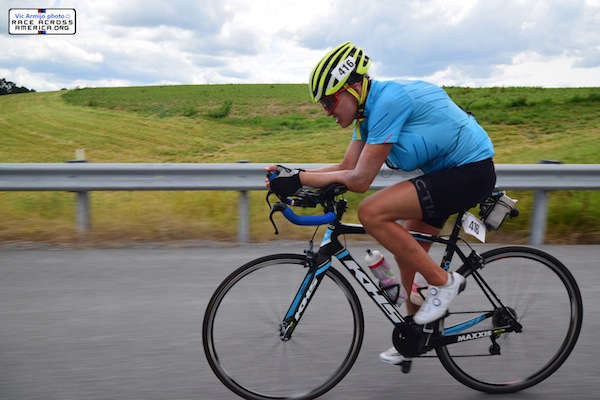
Leah Goldstein is the first woman, and the first Israeli, to win Race Across America. (photo by Vic Armijo / RAAM)

Leah Goldstein became the first woman to win Race Across America in its 38-year history. The Vernon, B.C., resident also became the first Israeli to win the cycling tournament.

The 5,000-kilometre race – from Oceanside, Calif., to Annapolis, Md. – must be completed in under 12 days, and Goldstein completed it in 11 days, three hours and three minutes, rolling past the finish line at 9:41 p.m. on June 26.

“Race Across America (RAAM) is like no other race,” Goldstein told the Independent. “I’ve done the equivalent of the Tour de France for females. I’ve done major races and other ultra endurance races of 500, 800 miles, and nothing compares – because it’s not a matter of if, but when you’re going to experience all sorts of discomforts, back, neck, knee, constipation, diarrhea, swelling, some major saddle sores.”

This was the latest in a lifetime as a top athlete. Goldstein won the 1989 World Bantamweight Kickboxing Championship and was Israel’s duathlon champion. As a youth, she was a kickboxing champion and a Taekwondo champion. Later in life, she competed in a string of professional cycling events. That toughness carried forward to her becoming an officer in the Israeli commando and elite police unit.

This year’s race was particularly extreme, during a heat wave that punished riders with temperatures of more than 40°C; not just through the desert, but for the first eight days.

“That can break people down, where they almost feel defeated before they start, but that’s the thing with RAAM, those things are going to happen whether you like it or not, and you have to prepare for them,” said Goldstein. “It’s really something that pushes you far beyond your limits. You’re going to have more bad days than good days, and that’s just the challenge.”

During certain parts, she said she had hallucinations and her “brain felt like a potato.”

“I didn’t know what I was doing on my bike. I didn’t know where I was. And then you kind of snap out of it,” she explained. “It’s that element of the mental challenge of really pushing forward, knowing that whatever you’re doing, you just can’t get off the bike, no matter what the situation, the temperature, no matter what kind of pain you are in.”

It helped that this was her third RAAM, she said, and the crew was able to analyze past performance to build on it.

“We wrote down every single mistake that we made in 2019, with weather conditions, navigational problems, bike positioning, training, with sleep patterns, and we tried to perfect it as much as possible. And because of COVID last year, I had an extra year to prepare for this. I trained as if RAAM was still going to happen.”

Her onboard crew included a medic, a kinesiologist, massage therapists and nutritionists. “I think they know how I roll, and know how to read me on the bike, when I’m starting to fade or things are going sideways, or I’m low on nutrition,” she said. “We won as a team.”

photo - Leah Goldstein during the Race Across America
Leah Goldstein during the Race Across America. (photo by Vic Armijo / RAAM)

Whereas riders fought the heat this year, they fought “uncontrollable rain and hail” two years ago. The crew prepared her with specialized clothing and pre-tested water-resistant equipment, just in case those conditions would prevail again.

“Prepare for the worst that possibly can happen, no matter how fully prepared you think you are,” she said. “It’s a matter of how badly do you want it, and how much are you willing to sacrifice.”

And Goldstein has experienced severe challenges. In 2005, during the Cascade Classic, she was involved in what she calls “the mother of all crashes” – she landed on her face at 80 kilometres an hour, “breaking practically every bone in my body, ripping my face right off.” Doctors were astonished she survived. In 2008, she was hit by a car, ejected 25 feet in the air and, in an attempt to cushion the fall, put her arms out, breaking both of them.

Neither accident kept her down. She returned to the racing circuit in 2011, winning the women’s solo category of Race Across America, breaking the previous record by 12 hours.

In 2016 she published a memoir, No Limits, outlining the triumphs and tragedies of her athletic life.

While the naysayers – who called her “insane and crazy” – said she was “past her prime,” the 52-year-old proved them wrong.

“Don’t use your age as an excuse or your past experiences as an excuse,” she said. “We don’t get second chances. What we got is what we got and, if you have a desire to do it, goddamn do it. What are you waiting for?”

Because of the high temperatures, the latest race took her a couple of days longer than expected, but she said the next one she plans on doing in under 10 days – and she’ll keep competing until she can’t anymore.

“If I’m alive at age 90 and I can still pedal my bike, I’m doing that race,” she said. “That’s my biggest goal.”

Dave Gordon is a Toronto-based freelance writer whose work has appeared in more than 100 publications around the world. His website is davegordonwrites.com.

Format ImagePosted on July 9, 2021July 7, 2021Author Dave GordonCategories LocalTags athletics, cycling, Leah Goldstein, Race Across America, Ra’am, Vernon
Hands-on learning at farm

Hands-on learning at farm

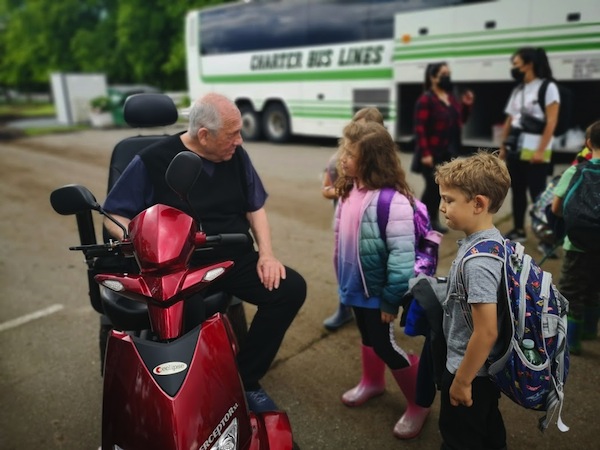
Syd Belzberg talks with Vancouver Talmud Torah kids at Stable Harvest Farm. (photo by Shira Sachs)

“The children loved to take their harvest home to share with their families. Many children helped to prepare the family meals, including washing, chopping and plating their meals. There was so much to learn – how healthy food can taste so yummy, how I can help my family make dinner, how the food can make my body feel good.”

“This is from some cute kid, and I see his picture in front of me,” Syd Belzberg told the Jewish Independent in a recent phone interview. “That’s heart-warming. That’s where it’s all at. That’s beautiful.”

photo - Vancouver Talmud Torah Grade 1 students have a plot on Syd Belzberg’s farm, where they grew scallions and other vegetables
Vancouver Talmud Torah Grade 1 students have a plot on Syd Belzberg’s farm, where they grew scallions and other vegetables. (photo by Jessie Claudio)

The note came after Vancouver Talmud Torah Grade 1 students visited Belzberg’s Stable Harvest Farm in Langley last month.

Belzberg got the idea for the farm about a half dozen years ago. He read a newspaper article about Vancouver Sun reporters who had started a breakfast program for schoolchildren in the 1980s. “I got in touch with them and got involved a bit, supporting some of the schools with money,” said Belzberg.

But he wanted to have more of an impact and, after he retired a couple of years ago, he decided to reinvent his Langley acreage, which had been home to his many horses several decades ago, but had laid empty for some 17 years. He based his concept on that of Coastal Roots Farm, “a nonprofit Jewish community farm and education centre” located near the home he has in California. “They do a lot of wonderful things,” said Belzberg, “and I thought this would be a heck of a thing to try and copy in a way.”

He hired Kristjan Johannson to manage the farm and the first crop was planted in January 2020. Despite flooding on the property, they gave away about 90,000 pounds of organic vegetables to a half-dozen food banks, as well as to community meals programs.

“This year, we decided to try and double it,” said Belzberg. And they more than doubled it, giving away an estimated 250,000 pounds of food, while continuing to work on the property.

Belzberg established the Stable Harvest Farm Society, he said, “to make this a legacy for my family.” Of his five kids, only one lives in Vancouver, and that daughter, Tammi Kerzner, “has been a massive help to me to build this,” he said.

“There are many facets to what I want to do,” said Belzberg, “but I wanted to get the food thing right because I didn’t know what we’d have to go through to be successful.”

Belzberg’s approach with this project has been similar to that which he has taken with his other endeavours.

“When I started in the car business [Budget Rent a Car] in ’62, I had trucks and other things in mind, but I wanted to rent cars and learn about that first,” he said. “It’s the same thing here. I wanted to prove we can get the vegetables right before I started to do anything else.”

Educational programming is a main component of the farm. “David Bogoch had a lot to do with teaming up with TT. He is such a supporter of it,” said Belzberg about collaborating with the school. “And my children went there. I have a great-granddaughter now who goes there. So it was a natural [fit]. The part that really put us over the top was Emily [Greenberg], because she’s fantastic. She’s so on top of it, and she’s got Jessica [Claudio] there, who goes to another level.”

“Mr. Belzberg has been a very generous supporter of VTT,” said Greenberg, who met Belzberg for the first time when he first saw the school’s rooftop soccer pitch that he funded. That was in her second week as head of school, she said.

“And we’ve had close relationships with David Bogoch, who is quite close to Mr. Belzberg, and he kept talking to me about this farm that Mr. Belzberg was creating … that Mr. Belzberg had a dream to make this farm a centre for Jewish education and Jewish values and the Jewish community and that he would love to see children using this farm, in addition to how it supports the needy in Vancouver.”

Belzberg eventually invited Greenberg for a visit and they spoke about his vision and she “went away and thought about how we could make that happen from our end and, ultimately, bring kids out there.”

The first thing that happened, said Greenberg, was that Johannson came to the school and helped the kids plant seedlings. “Then we had, basically, a little nursery there at the school and watched them grow and supported them.” The plan was for the kids to plant the adolescent seedlings in April at the farm but COVID restrictions had increased, “so we weren’t able to bring the kids to Langley because it was cross-boundary.” But the planting was filmed and a multi-series educational video was made.

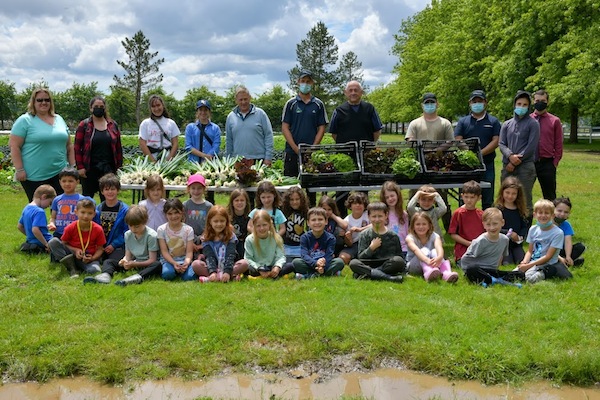
“Thankfully, the regulations changed again and we were able to go in the third week of June and send all of our Grade 1 kids out there,” said Greenberg. “They were able to help reap the harvest and they each brought home a bag of veggies from Mr. Belzberg’s farm and made the most amazing salads and soups and all sorts of things and we’ve got some great pictures of what they made that night. We had parents who were ecstatic, watching their kids eat raw vegetables – including scallions.”

The kids had grown the scallions, as well as lettuce and radishes, and their bags were supplemented with some other vegetables from the farm, such as tomatoes and carrots.

On their visit, the kids also got to see the part of the property that will become a bird sanctuary – “there’s a hundred and some odd different types of birds and owls that feed there and it became a natural habitat,” said Belzberg.

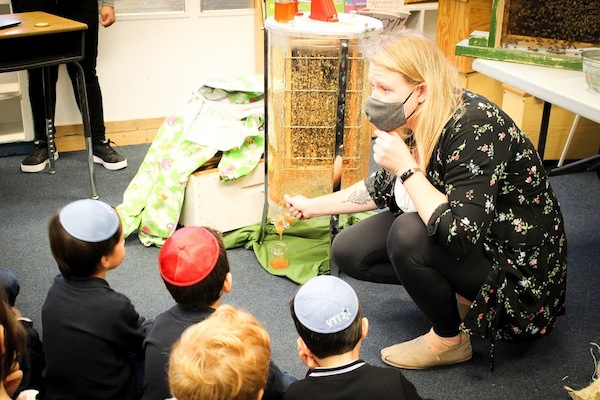
Another aspect of Stable Harvest is bees. Belzberg works with beekeeper Carolyn Essaunce, who owns the Honest to Goodness Farm Co. Essaunce also made a trip to VTT and spoke to each senior kindergarten class.

photo - Beekeeper Carolyn Essaunce speaks to VTT senior kindergarteners about bees and honey
Beekeeper Carolyn Essaunce speaks to VTT senior kindergarteners about bees and honey. (photo from VTT)

“She brought a whole honeycomb with live bees,” said Greenberg. “She helped them understand how, when you take a honeycomb and you put it in a machine and spin it, how you get the honey out…. They understood what it was to produce honey and then they all went home with some of Mr. Belzberg’s honey…. That is definitely something we hope to repeat yearly.”

Experiential learning is the future of education, said Greenberg. “For us, we want to prioritize learning through nature and to exposure to nature, but also, of course, finding ways to make sure that Jewish values are part of that…. So this has been a tremendous opportunity for us. It’s only the beginning – we look forward to bringing many more of our grades out to Stable Harvest Farm next year. There’s obviously a science aspect but we also want our kids to be shomrei adamai, guardians of the earth, and understand the power of nature. There’s an empowerment that happens when they’re part of growing a plant and the excitement that happens. And the understanding of the life cycle and how that eventually nourishes us and nourishes those in need – it’s a tremendous marriage of all of the values we have as educators, but also as a Jewish day school.”

VTT has invested a lot of time in iSTEAM over the last two years, she said, “integrating the innovations that have been coming out of Israel and using that as the platform from which to explore science, technology, engineering, art and math. A great example that you have at Mr. Belzberg’s farm is drip irrigation, which is an Israeli innovation…. We love the fact that our kids can be proud of a technology that’s come out of Israel and understand how innovation can revolutionize an entire industry and, ultimately, help people live a better, healthier life.”

photo - All the workers show off the produce reaped during the VTT schoolchildren’s visit to Stable Harvest Farm
All the workers show off the produce reaped during the VTT schoolchildren’s visit to Stable Harvest Farm. (photo by Galit Lewinski)

Greenberg’s goal is to get all of the VTT students out to the farm at least once over a two-year span. “We have a lot of ideas,” she said, “and Mr. Belzberg, thankfully, is very flexible. He just says, ‘Tell me what works for you and we’ll make it happen.’ He always says that: ‘We’ll make it happen.’”

And there is lots that Belzberg plans to make happen. Next year, for example, he hopes to build a large kitchen on the farm for cooking classes, education and other activities. Already, the farm has had its first stand, on June 19, and joined its first farmer’s market, in White Rock, on June 20.

“It’s a helluva way to give back and it fills a vast need and I can afford to do it,” said Belzberg when asked why the farm is important to him. “It’ll hopefully continue forever,” he said.

“When I sat there with the TT kids, and they’re coming up to me and shaking my hand, and when I see the letters that are coming back, the salads, the fact that these kids are into food, I give TT all the credit in the world,” said Belzberg. “It was one of the 10 happiest moments of my life when I sat there a week or so back and watched the kids being in the ground, getting their hands dirty. What could be better than that? And the smiles on their faces.”

Format ImagePosted on July 9, 2021July 7, 2021Author Cynthia RamsayCategories LocalTags education, Emily Greenberg, environment, farming, nature, philanthropy, Syd Belzberg, Vancouver Talmud Torah, VTT
Communicating with visuals

Communicating with visuals

“Hanging Out” by Derry Lubell.

Derry Lubell’s photography captures the motion of dance, the ephemeral magic of the art form that generally only exists at the moment of performance. Unless, of course, it is recorded by a talented photographer.

Lubell’s solo exhibition The Body Speaks: Dance • Movement • Emotion opened on July 2 at the Zack Gallery. The official opening on July 8 was in person, as the long months of COVID restrictions started to ease. The gallery’s latest email to its patrons joyously states: “Appointments are no longer needed to see the show in person. Come on in!”

photo - “The Dichotomy” by Derry Lubell
“The Dichotomy” by Derry Lubell.

When you do go in, you’re surrounded by dance and dancers, their beautiful faces, and their astounding bodies. The gallery is a quiet place, but you can almost hear the music floating in the air, while the graceful ballerinas leap and pirouette around you. Most images are black and white or rendered in muted colours. “I think you can see the lines better in black and white,” said Lubell in an interview with the Independent. “The colour is often distracting, and I don’t want that. I don’t like fussy. I want clean shots.”

Lubell has been an artistic photographer for about five years. “Before that, I had a career as a psychotherapist. I had a family to raise,” she mused. “I always had a small camera with me, since I was young, to photograph my family or places I visited, but it was casual, like memory shots. After I retired, I started thinking: what else do I want to do? I always enjoyed talking to people, understanding their emotions. I wanted to do something similar but without the responsibility. Photography allows that. Using photography, I can still communicate with people, discern their emotions, reach their hearts, but on a visual level, without words.”

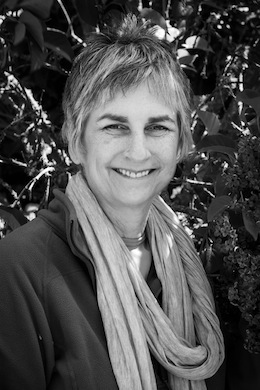
photo - Derry Lubell
Derry Lubell (photo from Derry Lubell)

The former psychotherapist reinvented herself as a photographer, and it led her on a long road of self-exploration, especially because the technology had progressed so much. “I had to learn computers,” she said. “I work harder now than before I retired. Shooting. Editing my pictures. Studying. Taking classes. Looking at other photographers’ images to see what works and what doesn’t. I put up my pictures on my website and Instagram, so others can see me, too.”

The dancing series is her latest, and it came about almost by accident. “I always enjoyed working with people who are comfortable with their bodies,” she said. “Even as a psychotherapist, I paid attention not only to words but to body language. Many people speak with their bodies. Dancers are the best at that.”

Her admiration of dancers prompted her a few years ago to enrol in dance lessons. “It was incredible,” she remembered. “The instructor was wonderful. I asked her: could I take your photograph? She agreed. After that, I photographed her and some of her students, and some other dancers.”

Lubell prefers taking pictures in people’s natural milieu. Some of the photos in the exhibit she took during rehearsals in the dancers’ studio spaces around the city. For others, she arranged meetings with the dancers outside, in urban surroundings, parks or the beach.

“Each session is an hour or two hours long. Each one is a collaboration between a photographer and a dancer,” she explained. “Together, we choose a location. I would ask her to bring half of her dancing wardrobe, and we try different costumes to see what works for the camera. I often select the background, and then the dancer would start dancing, and I would walk around and take shots. I might suggest a position or a prop, like ‘play against that log’ or ‘turn this way,’ but they are the performers. They like to perform. It is up to me to capture the perfect moment.”

One of those moments resulted in a unique picture. Only the legs of the dancer are showing. One wears a point shoe, posing like a coquette on a staircase. The other is still wearing a stiletto. The photo, titled “The Dichotomy,” emphasizes the dual nature of the subject: a woman and a dancer.

“It was sold before the show started,” Lubell said. “I brought pictures to the gallery to hang on the walls. Everything was still on the floor, in boxes. I left the gallery for a few minutes. When I came back, Hope [Forstenzer, the gallery director] said: ‘You know, this one just sold.’ Before it was even displayed.”

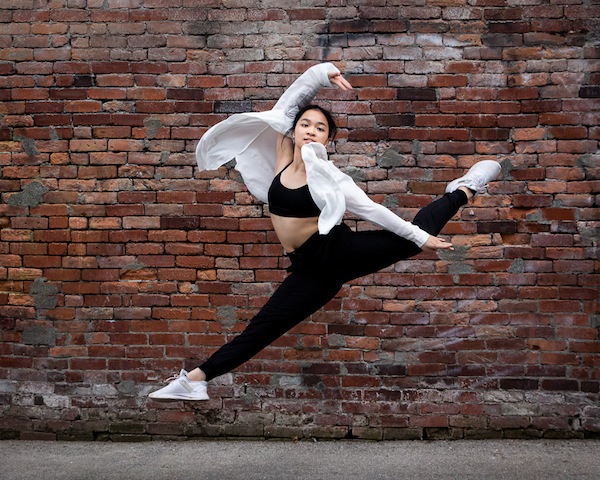
photo - “Form in Flight” by Derry Lubell
“Form in Flight” by Derry Lubell.

Another interesting image, “Form in Flight,” is of a young dancer in street clothing jumping in front of a brick wall. Lubell took the photo in Chinatown. “It is one of the oldest walls in the city,” she said. “I walked around Chinatown with that dancer. She is a student, but she loves dancing. When I saw that wall bordering a parking lot, I asked her to dance against it.” The dancer’s flight in the image is airy and joyful.

Several pictures display more than one dancer. One of those photos, called “Hanging Out,” is imbued with humour: one dancer is hanging from a wall with her hands, while the other is hanging upside down by her feet. “They are best friends,” Lubell said. “They met years ago as gymnasts. One does stunts for the movies now – she is the one who is upside down. I asked them to dance against the wall, and they started playing together, having fun. That mutual pose was a surprise to me.”

Lubell considers her dancers as partners in her art. “They have the right of veto. It doesn’t happen often, but sometimes they would say: ‘Don’t use this picture, my leg is in the wrong position.’ And I won’t. I honour their requests. After all, they honour me by allowing me to shoot their photos.”

The Body Speaks is on display until Aug. 16. For more information, visit the photographer’s website, derrylubell.com.

Olga Livshin is a Vancouver freelance writer. She can be reached at [email protected].

Format ImagePosted on July 9, 2021July 7, 2021Author Olga LivshinCategories Visual ArtsTags art, dance, Derry Lubell, photography, Zack Gallery

Posts pagination

Previous page Page 1 … Page 139 Page 140 Page 141 … Page 492 Next page
Proudly powered by WordPress