Skip to content
  • Home
  • Subscribe / donate
  • Events calendar
  • News
    • Local
    • National
    • Israel
    • World
    • עניין בחדשות
      A roundup of news in Canada and further afield, in Hebrew.
  • Opinion
    • From the JI
    • Op-Ed
  • Arts & Culture
    • Performing Arts
    • Music
    • Books
    • Visual Arts
    • TV & Film
  • Life
    • Celebrating the Holidays
    • Travel
    • The Daily Snooze
      Cartoons by Jacob Samuel
    • Mystery Photo
      Help the JI and JMABC fill in the gaps in our archives.
  • Community Links
    • Organizations, Etc.
    • Other News Sources & Blogs
    • Business Directory
  • FAQ
  • JI Chai Celebration
  • JI@88! video

Recent Posts

  • Sharing her testimony
  • Fall fight takes leap forward
  • The balancing of rights
  • Multiple Tony n’ Tina roles
  • Stories of trauma, resilience
  • Celebrate our culture
  • A responsibility to help
  • What wellness means at JCC
  • Together in mourning
  • Downhill after Trump?
  • Birth control even easier now
  • Eco-Sisters mentorship
  • Unexpected discoveries
  • Study’s results hopeful
  • Bad behaviour affects us all
  • Thankful for the police
  • UBC needs a wake-up call
  • Recalling a shining star
  • Sleep well …
  • BGU fosters startup culture
  • Photography and glass
  • Is it the end of an era?
  • Taking life a step at a time
  • Nakba exhibit biased
  • Film festival starts next week
  • Musical with heart and soul
  • Rabbi marks 13 years
  • Keeper of VTT’s history
  • Gala fêtes Infeld’s 20th
  • Building JWest together
  • Challah Mom comes to Vancouver
  • What to do about media bias
  • Education offers hope
  • Remembrance – a moral act
  • What makes us human
  • המלחמות של נתניהו וטראמפ

Archives

Follow @JewishIndie
image - The CJN - Visit Us Banner - 300x600 - 101625

Tag: health

Impactful works at Chutzpah!

Impactful works at Chutzpah!

After COVID-19 hit, The Eichmann Project – Terminal 1 evolved into a per- formance directed to a camera. (photo from Pathos-Mathos Company)

Art has many facets, forms and reasons for being. As much as it can be an escape from our daily realities, it can help us process and understand them, sometimes in vastly different ways. The Chutzpah! Festival, which opens Nov. 4 with City Opera Vancouver singers performing to the Marx brothers’ A Night at the Opera, features many examples of entertainment with multiple purposes.

On the face of it, Project InTandem’s dance double bill (Nov. 6-7) might seem to have nothing in common with the theatre work The Eichmann Project – Terminal 1 (Nov. 8). Yet both deal with, among other things, trauma and post-traumatic stress disorder, as well as our ability to change ourselves and even our circumstances.

The Eichmann trial

Lilach Dekel-Avneri and the Pathos-Mathos Company’s Terminal 1 examines the 1961 trial, in Israel, of Adolf Eichmann, one of the main perpetrators of the Holocaust. The books of attorney-general Gideon Hausner, political theorist Hannah Arendt and journalist and poet Haim Gouri, “with their testimonies on the trial, were the inspiration for the three main ‘characters’” of the theatre work, explained Dekel-Avneri. “My dramaturg, Liat Fassberg, and I, like in a Greek tragedy, positioned the two main characters with opposing worldviews, one against of the other. The words by poet Haim Gouri, who was present at the courtroom and reported daily from there, were composed and treated as a chorus. The chorus tries to advance in telling the tale of the trial while providing a dramatic lament on the happenings.

“It is actually a trial of the trial,” said Dekel-Avneri, “dotted with texts from researchers of the Holocaust and post-traumatic stress disorder, poets, philosophers, and performers’ live comments between those three main voices. The COVID-19 epidemic presents itself in the team’s testimonies and actions, erasing all plans and forcing project evolution into a digital performance to the camera.”

Dekel-Avneri refers to the Eichmann trial as “the first reality show in Israel.”

“A lot has been said about the connection between trials and performance,” she explained. “The Eichmann trial was the first trial-show recorded in front of a live audience, that actually bought tickets, and was projected live on the radio, later on television, with the full documentary show now available on the internet.”

Terminal 1 explores the concepts of collaboration and obedience, and asks, “What is our responsibility as citizens, as artists?”

“It’s an extension of Arendt’s brilliant manifest evoking the citizens to think by themselves and not to obey automatically. Not to automatically be part of horrific systems, just because they say: do this and not that,” said Dekel-Avneri. “We are thinking creatures, the least we can do is use our heart and brain, take responsibility for our actions, and not collaborate with demons.”

The show initially was created to be interactive with an audience and then remade for film because of COVID.

“During 2020, at the beginning of the outbreak, the Israel Festival, where we premièred, decided to move online, so I made my choice,” said Dekel-Avneri. “Since I do not believe in shooting a theatre show and screening it, I had to let go of my vision for the full project I was working on for six years, and re-create it as something new, made especially for the camera.

“The Eichmann Project – Terminal 1 is, for me, the first station, like its name,” she continued. “The last station may be completed in the future, or not. It will need to start almost from the beginning. We hope that one day we will find a sponsor or a theatre to collaborate with and fulfil the vision of this Via Dolorosa of 21 live scenes. The trial is not going anywhere and, unfortunately, we, by ‘we’ I mean humanity, do not learn from our past mistakes, so it looks like it will remain relevant for awhile.”
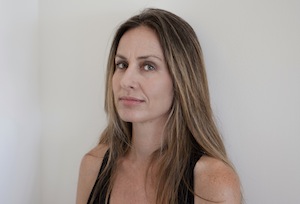
photo - Lilach Dekel-Avneri
Lilach Dekel-Avneri (photo by Shachaf Dekel)

Dekel-Avneri recently premièred Crowned, which she described as “a performative portrait, broken by the encounter with time, shattered in the prism of the plague, emerging through a web of video and audio testimonies by seven women at different decades of their lives, which coalesce into a course of a lifetime. An attempt to leave a monument to the voice of femininity at the current time, femininity striving, despite everything, to see the opportunity for growth within the crisis and wonder about the intersection between life and art at a time of change. These women take responsibility of their actions, future and well-being,” she said.

“In a way,” she added, “Crowned is a post-traumatic response to what COVID did to The Eichmann Project. After being torn apart from my original vision and separated from the audience, I prepared a show for any situation – we are not afraid from lockdowns or the camera anymore. The camera became a friend, a tool and a partner, to continue creating performative works.”

Struggle, empowerment

Project InTandem – which was cofounded by Calgary-based producers and choreographers Sylvie Moquin and Meghann Michalsky in 2017 – brings two works to the Chutzpah! Festival: Deep END by Michalsky and moving through, it all amounts to something by Moquin.

“This double-bill,” explains the press material, “explores themes of female struggle and empowerment…. Michalsky investigates how movement can accumulate and evolve through set rounds and repetition. Moquin’s work is inspired by the concept of neuroplasticity and the journey of rewiring one’s patterning.”
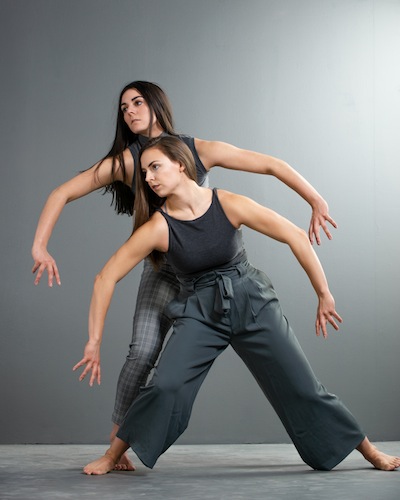
photo - Project InTandem – Meghann Michalsky and Sylvie Moquin – bring two works to the Chutzpah! Festival
Project InTandem – Meghann Michalsky and Sylvie Moquin – bring two works to the Chutzpah! Festival. (photo by Tim Nguyen)

The pair met for the first time when they both created short works for a production at the University of Calgary, eventually forming Project InTandem “to share workload, resources, and to create an opportunity for emerging artists to produce evening length work.”

“Having Meghann as a collaborator has always pulled me to a higher standard,” Moquin told the Independent. “I think we work together in a way that elevates us to achieve more than what might be possible on our own. It also makes the journey of being an artist less lonely.”

“Our approaches to dance can sometimes overlap because we have had similar experiences or opportunities, or trained within similar methods,” they said in their email interview with the JI. “All of our accumulated experiences as dancers and movers inform us as creators; those experiences become like an inventory of information.”

Moquin has been a dancer within Michalsky’s choreographic works since 2018, so that also informs their relationship.

“Some of our shared values include creating work with visceral physicality, creating opportunities within our city, elevating the production value of contemporary dance work, and always prioritizing integrity,” they said.

Each has her own interests, though.

“I am really interested in exploring what the body can endure in this work,” said Michalsky. “We push and we push again. As performers, we pass through movements and states and eventually surrender to things that are no longer needed. I am interested in seeing the dancer go through something tangible in real time, something that is honest and showcases risk and vulnerability. As a choreographer, I play with conflict from both internally in the body and externally in the space and I desire for both of these things to be felt by the audience.”

About her piece, moving through, Moquin said, “When creating this work, I was completely immersed with investigating partner work (the way bodies engage and interact) as well as being upside down. I used these primary desires to dig into the concept of neuroplasticity – the way we adapt, the way we can gain governance over our thinking; sometimes even the feeling of being trapped in our own mind and thoughts.

“I am a big believer that we must fail in order to succeed,” she continued. “As a choreographer, I use the sensing body to somatically approach theories I find fascinating in the world. I am especially interested in how bodies interact with one another, how they can support each other to fly, spin, and find themselves upside down effortlessly. I am keenly interested in the effects of the mind, the power of our thoughts, and the ability for change and growth. I would say that my research and choreography seeks to find a sense of hope within a world of chaos.”

The initial vision of moving through included the use of “walls.”

“I couldn’t get the idea out of my mind, and so I finally started looking into building/creating something to fulfil these ideas,” said Moquin. “The material used (a form of Plexiglass) was almost a happenstance. I became fascinated by the translucent quality. I had no way of knowing how this material would have such an impact within our world merely months after creating and premièring the work in March 2020. As I watch this work now, two years later, after a global pandemic, it is almost startling to watch the dancers engaging with these Plexiglass structures.”

The Chutzpah! Festival runs Nov. 4-24. For tickets and the full lineup, visit chutzpahfestival.com or call 604-257-5145.

Format ImagePosted on October 8, 2021October 6, 2021Author Cynthia RamsayCategories Performing ArtsTags Chutzpah!, dance, Eichmann, health, Holocaust, Israel, Lilach Dekel-Avneri, Meghann Michalsky, Pathos-Mathos, post-traumatic, Project InTandem, Sylvie Moquin, theatre
The Kitchen is new JFS hub

The Kitchen is new JFS hub

JFS Vancouver staff member Golriz Boroomand, left, and chief executive officer Tanja Demajo. (photo by Pat Johnson)

Tucked into a neighbourhood of low-rise industrial buildings, warehouses and mixed-use developments west of Main Street and south of Olympic Village is the new locus of Jewish Family Services Vancouver. The Kitchen, which opened mid-April, is the people-friendly hub for many of the programs JFS delivers to hundreds of clients every month.

“The Kitchen is an integration of a number of services that address poverty issues,” said

Tanja Demajo, chief executive officer of JFS Vancouver, which operates the Kitchen. While some components of the Kitchen’s programs are still on hold pending the end of the pandemic, it is already a busy and social environment. Clients can come weekly to pick up supplies from the Jewish Food Bank. While there, if they want, clients can meet with a caseworker to discuss access to government supports, meet with social workers or housing advocates or access other services. Behind the reception area are three private offices for caseworkers to meet with community members.

JFS still maintains a head office on Clark Drive, where some administrative work takes place, and where services best delivered in a less-social environment – such as counseling programs and services to Holocaust survivors – are offered. But the Kitchen really is the beating heart of JFS now.

“For example, with the seniors, they often have complex needs in terms of health, in terms of managing the relationship with the landlord, with different service providers, and the social worker is pretty much a point person and coordinates all that care for the client,” Demajo said. With many British Columbians, including too many seniors, unable to find a permanent family doctor, JFS can help connect them with help and accompany them to appointments if requested, she added.

“People who don’t have a [general practitioner] come and they need a prescription,” said Demajo. “Often, they aren’t comfortable going to just a general walk-in clinic, but often that’s the way to start. In many situations, our caseworkers would also go with the client to see the doctor, if they don’t feel like they can go on their own. We often try to see if we can find someone who will take them as a [patient] and it’s the same thing with the dentist. That’s how we work with people. When people are struggling to pay some of the bills because, of course, there’s a lot of unexpected emergencies, then we support them with that.”

Poverty is not only an economic challenge, she said, but a social one, too.

“It’s important just to acknowledge that people living in poverty are also dealing with a lot of isolation,” she said. So the busy and welcoming space the Kitchen provides is serving more than one need.

While the food bank has been operated by JFS in partnership with Jewish Women International for 15 years, this is the first time the program has had a permanent, purpose-built warehouse. In the back of the building, in a high-ceilinged space, are food-laden shelves, refrigerators and sorting spaces.

A parallel program is meals for those who are not able to prepare healthy dishes themselves, either temporarily due to illness or more permanently. JFS has had a meal delivery program for some time, but it was supplied through a third party. With a state-of-the-art commercial kitchen, JFS is now making their own plant-based kosher meals for delivery.

This component has allowed JFS to build relationships with farmers, which allows food bank clients the opportunity to select fresh produce.

“There are vegetables, berries, whatever is available on the farm,” said Demajo. “Customers can go to this online platform, choose what they want and pick it up from here on Thursday. The nice thing is that, again, people of different backgrounds can come here and connect with each other without knowing what their needs are.”

At the Kitchen, Tuesday is Breakfast Club.

“It’s a day for families,” Demajo said. “What they receive through the program is fresh vegetables and fruit, milk, cheese, yogurt, eggs, bread, peanut butter and cereals.” (There are dairy products in take-away food programs but the commercial kitchen is strictly pareve.)

Other food-related programs JFS delivers include Cooked with Chesed, through which clients can have five meals delivered every two weeks, featuring plates such as borscht, mushroom penne pasta, vegetarian Cobb salad, coconut chickpea curry and spaghetti and “meat” balls. Also available at the Kitchen are food vouchers that allow people to do their own shopping.

While pandemic restrictions have kept a damper on some of the social aspects, Demajo looks forward to a post-COVID world where the place will be hopping even more than it is now.

“This will hopefully become really a community hub,” she said. “Our hope was really to have a dedicated space for the community that JFS serves because one of the things that we recognized over the years is that JFS clients do not have space for gathering. They could come to different spaces, but they didn’t have their own dedicated space.”

This, she said, is why the Kitchen has a host of homey touches – artwork, photo displays, a play area for kids, a small library and, adjacent the kitchen itself, a café-like space where communal meals will occur when safe to do so.

The combined food programs serve more than 1,600 people. The food bank itself serves about 950 people.

“These numbers are constantly changing because some people stay with us for a long time, some people use the supports temporarily,” said Demajo.

Funding for the programs comes from the Jewish Federation of Greater Vancouver, private donors, and some federal and provincial government funding.

“When it comes to food, we’re also trying to build more partnerships and relationships where there is more in-kind food as well,” Demajo said.

Because they have a dedicated food storage space, including plenty of refrigerated shelves, the agency can now take in more perishable items than they could have accepted in the past. That means more fresh and healthy food for clients.

JFS has relationships with four farms – in Langley, Richmond, Pemberton and Chilliwack – that provide seasonal specialties.

“There are a lot of educational opportunities,” Demajo noted. “They have some animals there and provide not just food … so the plan is that down the road we also do some different programming with them as well.”

Format ImagePosted on September 24, 2021September 23, 2021Author Pat JohnsonCategories LocalTags food bank, health, Jewish Family Services, JFS, Kitchen, social services
הקוביד מראה את ההבדלים בין קנדה לדרום אמריקה – חלק ב

הקוביד מראה את ההבדלים בין קנדה לדרום אמריקה – חלק ב

המכר של מדרום אמריקה מנסה להסביר לי מדוע עדיף לגור ביבשת שלו ולא במערב. מה הוא אומר: “החיים במערב לחוצים פי כמה מאשר במדינות הלטיניות, זה ברור. אני מדבר על הכלל. אדם צריך לעבוד קשה כדי להתפרנס, מה שלא צריך פה עבור אדם כמוני שבא עם סכום כסף מסוים ולא צריך להיות מודאג כלכלית. אגב, גם אתה כמובן צריך לעבוד לא מעט או קשה, תלוי בהגדרה. כל אחד עושה מה שמתאים לו. אני עצמי לא הייתי עובר לחיות במדינה מערבית ועובד שם קשה. זה לא בשבילי. אני מבהיר מראש שאני לא אומר את זה בנימת ביקורת עליך. זה פשוט לא מתאים לי. אני לא אהגר למדינה אחרת כדי לעבוד קשה יותר מכפי שעבדתי בישראל. היגרתי כדי לשנות לחלוטין את אורח חיי, לחיות בקלות ובנינוחות ובלי לחץ ולהגשים כמה מטרות וחלומות שהיו לי, ואני עושה את זה גם בימי מגפה”. אם כן ידידי הלטיני שכח את מה שהוא מספר לי כל הזמן על המדינות הלטיניות שלו: מדובר במדינות עניות שברובן הדיקטטורות שולטות, בלגן ושחיתות אינסופיים. במדינתו אפילו את התרופות גונבים ואחר כך מוכרים אותן בשוק שחור. הוא לא מפסיק להתלונן על השכנים המרעישים, על רעש קבוע מהרחובות ובקיצור אין דין ואין דיין.

האיש הלטיני מספר לי כי הוא גר במקום יפה עם הרבה טבע נהדר ולי זה נשמע ממש כמו וונקובר. הוא מזכיר סוף סוף גם את המגרעות: “התיירות מביאה איתה דינאמיות אך יותר רעש. התיירות מביאה גם בעיות, כידוע. החיים כאן לא לחוצים בכלל. מאיפה קיבלת את הרושם הזה? הוא חוזר ואומר: בעיר תיירותית יש יתרונות וחסרונות. החסרונות באים לידי ביטוי בימי מגפה, הרבה פחות בימים כתיקונם. מצד שני, אילו הייתי נביא וידעתי שתפרוץ מגפה ספק אם הייתי עובר לכאן, כי התיירות מביאה יותר נדבקים כידוע לכול. באוקטובר 2019 כשאמרת לי בלחץ: תצא מהמדינה לא הבנתי בכלל מה אתה רוצה וממה אתה לחוץ. הייתי יחד עם עוד ידיד איטלקי היחידים בבריכה ושחיתי בכיף. בריכות לא חסרות כאן, מפלים, נחלים. לא היה שום סיכון. ידעתי שזה יימשך שבוע או מקסימום שבועיים, וכך קרה. את דרום אמריקה ויתרונותיה אינך מכיר מספיק. על חסרונותיה בימים אלה דיברנו מספיק. הייתי רוצה להבהיר כשדברתי על “חיים לחוצים” בחייו של המכר מדרום אמריקה, התכוונתי לכך שמפגינים חסמו את כל הכבישים הראשיים ואי אפשר היה לזוז לשום מקום. אלימות קשה. בתקופת הקוביד כל אחד עושה כרצונו, אנשים מסתובבים ברחובות ללא מסכות, כמות הנדבקים עצומה ורוב מוחלט של החיסונים מגיע מסין ומרוסיה וכידוע איכותם נמוכה ביותר. האיש שכח להזכיר שבמשך חודשים ארוכים הוא כמעט ולא יוצא מהבית בגלל המגפה הקשה.

כדי להצדיק מדוע הוא בחר דווקא לגור באחת מהמדינות העניות ביותר ביבשת הדרומית, הוא אומר: “את העולם המערבי אני מכיר היטב. ביקרתי בארצות מערביות לא מעטות. עזבתי את המערב מרצוני וידעתי למה. אם המגפה הזו תימשך אולי אחזור אליו, אבל לא מאהבת מרדכי. המציאות בעולם משתנה כל הזמן ולא לטובה. מה שהתאים לאתמול, לא בהכרח מתאים להיום, ומה שמתאים להיום, לא בהכרח יתאים למחר”. שוב שכח האיש את העובדה שבעולם המערבי יש יציבות בחיים ובמשטרים, לעומת חוסר יציבות קשה מאוד במרבית מדינות הדרום, שזקוקות לעזרה מהמערב כל הזמן.

גבי בעולם הלטיני אומר האיש יש ספרות, תרבות, מחול ומוסיקה ותיאטרון משובח. יצירות לטיניות ומכל העולם, כולל אופרה וכל דבר. אם לא הייתה בו תרבות, הוא לא הייתי נשאר לגור שם. אגב, רמת הספרות במדינות הלטיניות גבוהה מאוד ואתה יכול לפגוש כאן אינטלקטואלים וסופרים מהשורה הראשונה. בדרום אמריקה יש ירידי ספרות יותר מאשר בישראל ובמדינות רבות אחרות. בטוחני שהוא מדייק הפעם לשם שינוי בנושא התרבות, אך אי אפשר לטעון שבעולם המערבי אין יותר תרבות מאשר בדרומי. למשל בוונקובר עד לפריצת המגפה, באופן קבוע הלכתי עם בת זוגתי לקונצרטים, אופרות, הופעות מוסיקליות, סרטים ותערוכות. בתקופת הקוביד אנו ממשיכים מדי מספר שבועות להגיע למועדון הג’אז ‘פרנקי’, והאווירה בו ממש מצוינת ומזכירה מועדונים דומים בארה”ב ואירופה.

המכר חוזר לדבר שוב הפעם על המגפה שממאנת להסתיים והוא אומר: “אתה צודק שחובה להתחסן אבל השאלה מה הלאה. המגפה רחוקה מלהיגמר, אחוזי ההגנה נמוכים יותר מטענת דוברי פייזר, הדלתא גרם לנזק קשה הרבה יותר, כמות הנדבקים גדולה ולא רק בין אנשים שלא התחסנו. שים לב שבישראל היו הרבה מאוד נדבקים. מדינות רבות חוזרות לתקנות חירום, הגבלות ואף סגר כולל ארה”ב. ולגבי חיסון שלישי? ככל הנראה יהיה, וכל זאת בגלל שילוב של התנהלות שלומיאלית של הממשלות, התנהגות שערורייתית של הציבור וכמובן התפשטות וריאנטים. זכותך כמובן לחשוב אחרת אבל המציאות ברורה. טוב לשמוע שבוונקובר המצב טוב. אבל המגפה רחוקה מלהיגמר. גם בישראל המצב היה טוב עד שהדלתא הגיעה לשם. העולם רצה כפר גלובאלי כפי שכתבתי לך פעם וקיבל אותו ישר לפרצוף”. אני אגב מסכים עם המכר שהמגפה רחוקה להסתיים אך לדעתי, שמגובה בעמדת הרופאים הבכירים בעולם, זאת כיוון שאחוז סרבני החיסונים גבוה מאוד. טענתי לפני חודשים ואני טוען גם כיום ביתר שאת כי כולם מחויבים להתחסן, למעט אלה שאסור להם להתחסן מסיבות רפואיות. ומי שלא מוכן להתחסן – יש את הצורך להגבילו. טוב לדעת שמספר הולך וגדל של מדינות מתחילות לנקוט בעמדה תקיפה נגד מתנגדי החיסונים.

האיש הלטיני טען שאני מזלזל במסכות אך הזכרתי לו שרכשתי מאות מסכות כאשר המגפה החלה. הוא ממשיך: “במחוזות רבים בעולם לצערנו המסכות הן חיוניות, לפני מתן החיסונים ולצערנו גם לאחר קבלתם. עד כמה הן עוזרות כפי שאתה כותב, זו שאלה באמת טובה. במשהו הן מן הסתם עוזרות. אבל בוא נגיד לסיכום: להשתמש רק במסכה זה עלול להיות לא להספיק, לסמוך רק על החיסון בלי המסכה, גם זה לא בטוח שיספיק בגלל הבהמות, ואתה יודע יפה שהאנושות היא כרגע הגורם המרכזי של הפצת המגפה”. אני מסכים לחלוטין עם האמירה שבגלל התנהגות רשלנית של תושבי העולם המגפה עדיין חייה וקיימת. אם זאת אחזור ואציין שוב הפעם כי החיסונים הם הפתרון היחידי והקבוע למגפה. אנו נאלצים כיום להתחיל ולקבל חיסון שלישי, כיוון שרבים מסרבים להתחסן. אם מספר המחוסנים לא יעלה משמעותית נאלץ לקבל גם חיסון רביעי וחמישי ויתכן וזה יהפוך לנוהג קבוע – חיסון שנתי לקוביד במקביל לחיסון השנתי להשפעת.

שמח אני לגור בוונקובר ובמחוז בריטיש קולומביה שבו מספר המחוסנים כיום הוא הגבוה בעולם. לא הייתי רוצה היום ובכלל אף פעם לגור באחת ממדינות

דרום אמריקה. הבעיות שם הן כה גדולות, חוסר המשמעת של התושבים, העוני, האלימות והפשע ועוד צרות ללא הפסק. עדיף לגור בבריטיש קולומביה היפה שלנו.

Format ImagePosted on September 15, 2021Author Roni RachmaniCategories עניין בחדשותTags Canada, COVID, health, pandemic, South America, tourism, vaccine, בריאות, דרום אמריקה, חיסון, מגפה, קוביד, קנדה, תיירות
Virtual reality as a therapy?

Virtual reality as a therapy?

Philip Be’er (photo from Philip Be’er)

Philip Be’er, a counselor based in Sidney, B.C., 27 kilometres north of Victoria, has recently introduced virtual reality therapy consultations to anyone, anywhere, “as long as they have a good internet connection.” Sessions are held both in person, using a VR headset, and, if done remotely, a computer or smartphone.

VR therapy attempts to address a number of phobias, anxieties, addictive disorders and other mental health conditions. If someone were to have a fear of heights, for example, VR therapy, using the headset and software, could simulate a scene in which one enters a glass elevator in a skyscraper. As the elevator goes up – 10 floors, 25 floors, 100 floors – a therapist can help the client work with the various sensations and emotions that the simulation evokes in the client.

Be’er said that, when he first heard about VR therapy, he recognized its potential upon reflecting on how the human brain does not always accurately distinguish between real experience and visualized or imaginary experiences. If one goes through something that feels realistic, as it can with VR, the brain sometimes believes that the experience has happened, and this belief, Be’er claims, can be used for healing.

“The power of VR is that it inserts a person into something that feels quite realistic. We take them to a place that triggers the feeling that I am not safe without ever putting the person into danger,” he explained. “It feels unsafe but I am not unsafe, and all I have to do if I am feeling this lack of safety is take off the goggles, and I realize that I am sitting in a place where there is no actual danger.”

image - VR in useAdvocates of VR therapy think it can provide a person the ability to remove themselves from the perception of danger and into safety. Further, that it can help address deleterious emotions as they arise.

“Using virtual reality, I can take people through situations and allow them to calm their nervous systems when they feel unsafe and yet are not really unsafe,” said Be’er. “This could be going into a subway and not feeling safe around the people there or, for a person with OCD [obsessive-compulsive disorder], feeling like they are going to die because there are germs and infections around, and they are constantly washing their hands. In these situations, virtual reality can help differentiate between what is really dangerous and what my nervous system is telling me is dangerous.”

According to Be’er, it is a matter of the nervous system recalibrating. Instead of being overwhelmed by danger signals, it eventually selects only those where there really is imminent danger.

Be’er shared an example of what he considered a successful virtual reality therapy case. It involved a client who had been struggling with severe issues around social anxiety and who coped by using alcohol to self-medicate. The person was so uncomfortable with others that they rarely left their room. Yet, there was one place they were able interact with others: virtual reality chat rooms.

“The thing that made it safer for my client was that they presented as a carrot, banana, dragon or whatever avatar they chose and nobody could really see who they were,” he said. “They could go and interact with people, and the worst thing that could happen was that avatar would be rejected if they made some kind of faux pas, if they did something that was socially unacceptable or in some way antagonized or turned the other person off. There was not that much to lose because, if something went wrong for them with this particular avatar, they would simply change their user name and avatar and then they could practise again.”

Be’er coached the client to develop some of their social skills using this visualized virtual world and that person was able to reduce their dependence on alcohol. Within a few weeks, the client was interacting in a sales position with people on an ongoing basis.

To be sure, because VR therapy is still in its early stages, there are unanswered questions about its future. In a 2018 Scientific American article, Albert “Skip” Rizzo, director of medical virtual reality at the University of Southern California’s Institute for Creative Technologies, commented, “The next biggest controversy [in] psychology is going to be: How far can we go with AI [artificial intelligence] and virtual therapists?”

And lest one think that machines will supplant real-life counselors any time soon, the BBC’s Science Focusmagazine notes, “VR therapy won’t replace human therapists, but it’s a powerful adjunct and access to it is going to grow.”

Local therapists to whom the Independent spoke also noted that VR could be a useful tool in treatment, but were cautious about its use as therapy in and of itself.

Be’er said he has been on a lifelong quest to understand the roots of family (and societal) dysfunction and to identify the most effective ways to bring about individual and collective healing. He works with individuals, families, businesses and organizations, offering regular workshops, seminars and an online course.

For more information on Be’er’s use of virtual reality therapy, visit b-loops.com/vr.

Sam Margolis has written for the Globe and Mail, the National Post, UPI and MSNBC.

Format ImagePosted on August 27, 2021August 25, 2021Author Sam MargolisCategories LocalTags counseling, health, Philip Be’er, Sam Margolis, technology, virtual reality
Khazzoom has new EP

Khazzoom has new EP

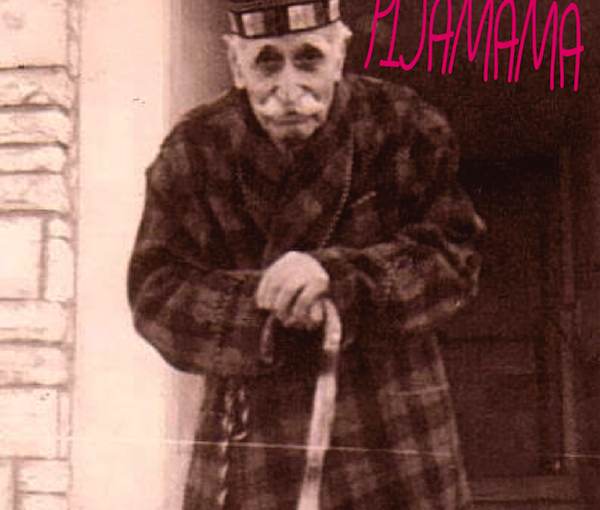
The cover of Iraqis in Pajamas’ new album, Pijamama, features Loolwa Khazzooom’s grandfather, Abraham Khazzoom.

The multifaceted, multicultural and impossible-to-pigeonhole Loolwa Khazzoom is back, along with her band, Iraqis in Pajamas, with a studio-produced album, Pijamama, that was released on July 16.

The new album by the Seattle-based musician honours her mother, E.J., who passed away on July 16, 2019, and who encouraged Khazzoom to pursue her music. Khazzoom credits E.J. with demonstrating that we all have “the ability to radically transform ourselves and our relationships – and to stop the crushing boulder of intergenerational trauma – when are willing to face and go through the darkness together.”

A photo of Khazzoom’s grandfather, Abraham Khazzoom, who she describes as “the original Iraqi in pajamas,” graces the album’s cover. The band’s name, she explained, derives from an uncomplimentary reputation Iraqi expatriates had in the Israeli city of Ramat Gan for putting on their pajamas when they had arrived home and the work of the day was completed.

The EP features Khazzoom on vocals and bass, Robbie Morsehead on drums, Cali Hackmann on keyboard and backup vocals, and Alden Hackmann on guitar. The melodies and lyrics were written by Khazzoom. Pijamama showcases three songs.

“Mahalnu” explores the  Jewish practice of asking forgiveness ahead of Yom Kippur. It then raises the question of what happens when someone asks for forgiveness, without changing their behaviour, especially in the case of violence. “What is the difference between forgiveness of you and erasure of me?” Khazzoom asks.

“The Fixer,” a declarative prayer, advocates the rejection of compensating for another person’s not doing necessary work in a relationship. The chorus, “ashir shir hadash” (“I will sing a new song”), comes from “Ezer Musarai,” an Iraqi Jewish song for Purim, which inspired Khazzoom as a child.

“Fireball” looks at being a caregiver in spite of emotional violence. The lyrics proclaim: “You can be downright vicious / Throwing a fireball / At the one who cares most about you / The one who is always there for you….”

photo - Loolwa Khazzoom
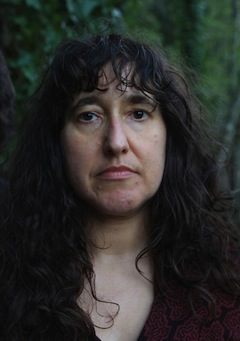
Loolwa Khazzoom (photo from Iraqis in Pajamas)

Khazzoom has had a varied career. Among other things, she has been an educator, writer and health coach, all of which share, she says, the central principle of individual and collective healing. Ultimately, Khazzoom says she “ditched her power suit and Powerpoint in favour of combat boots and cat glasses to offer bold songwriting as the catalyst for deep and heart-centred conversation.”

The connections between her diverse activities have been subjects she has long contemplated.

“I have been keenly aware of interconnectedness since I was very young, partly because I was highly sensitive and thinking about things deeply, and partly because my identities were a crisscross of those considered at odds or even at war with each other – making it obvious to me that many social constructs and divisions were false,” Khazzoom explained.

“My songs reflect this awareness – explicitly or implicitly connecting dots between things that most people don’t initially recognize as being related to each other, and inviting listeners to rethink their notions and paradigms.”

Khazzoom said she likes to play with this crisscross of identities. For example, people may react one way if she tells them she is Iraqi, and another way if she tells them she is Jewish.

“People generally like shortcuts or scripts in determining what to think about someone, instead of doing the work of getting to know someone, with all the complexity and nuance involved…. I am the same person, yet an entirely different set of assumptions are projected on to me. Standing at the intersection of identities and experiences, I can poke fun at the absurdity of it all,” she said.

Khazzoom refers to her music as “conscious rock,” a way of exploring all our emotions, especially those that allow us to be loud in a healthy way.

“As a collective, we fear intense emotions like rage and grief, and we suppress those feelings in ourselves and others, leading to astronomical levels of addiction and a host of other social and personal ills,” she said. “I believe that all of our emotions are a gift, a GPS system of sorts, pointing us in the direction of that which is true and good, and I find it tremendously liberating, healing and transformative, to express the spectrum of emotions in healthy and constructive ways.”

Khazzoom’s songs are written in English, Judeo-Arabic and Hebrew, and blend Iraqi Jewish prayers, alternative rock and personal storytelling about subjects ranging from cancer, racism and mental illness to national exile.

For more information, visit iraqisinpajamas.com. To participate in the evolution of Loolwa’s work, from poem to spoken word performance to song, go to patreon.com/khazzoom?fan_landing=true.

Sam Margolis has written for the Globe and Mail, the National Post, UPI and MSNBC.

Format ImagePosted on August 27, 2021August 25, 2021Author Sam MargolisCategories MusicTags alternative rock, health, Iraqis in Pajamas, Loolwa Khazzoom, Pijamam, prayer, storytelling, world music, Yom Kippur
Ancient foods still popular

Ancient foods still popular

Dates being harvested from Hannah, a tree germinated from ancient seeds in Israel. (screenshot from arava.org)

The Mediterranean Diet is not a recent lifestyle development, but rather a form of eating going back to ancient times.

Based on the foods consumed by people living near the Mediterranean Sea, this diet contains lots of olive oil, legumes, unrefined cereals, fruits and vegetables. It includes fish and dairy products, such as cheese and yogurts. It allows for wine drinking and a bit of meat.

From the specialized field of Israeli agro-archeology, we can get an idea of what people once grew and ate – and a number of these foods are mentioned in the Torah.

In some instances, the sages understood why certain foods were healthy, as seen in this quote from Tractate Ketubot of the Babylonian Talmud: “Dates are wholesome in the morning and in the evening. They are bad in the afternoon, but, at noon, there is nothing to match them. Besides, they do away with three things: evil thoughts, sickness of the bowels and hemorrhoids.”

In September 2020, the Arava Institute harvested 111 very special dates – the first fruit of Hannah, a tree sprouted from a 2,000-year-old seed and pollinated by another ancient Judean date tree. Dr. Elaine Solowey, director of the Centre for Sustainable Agriculture of the Arava Institute, and Dr. Sarah Sallon, director of the Louis L. Borick Natural Medicine Research Centre of Hadassah Hospital, harvested these ancient dates in the culmination of a decades-long experiment to raise the biblical-era Phoenix dactylifera (date palm) from the dead. The date seeds were originally discovered in the 1960s, when Yigal Yadin excavated Masada.

And, in January 2021, Israeli archeologists published the discovery of thousands of olive pits off the southern coast of Haifa. These pits were embedded in stone and clay neolithic structures in a now-submerged area, but one that was probably once part of the northern coast. They date back to about 4600 BCE.

Tel Aviv University archeologist Dafna Langot points out that these pits were not from olives used for oil because, in the production of olive oil, the pits get crushed and, in this find, the pits were mostly still intact. The site’s proximity to the Mediterranean Sea may indicate that the seawater served to de-bitter, pickle and salt the olives. (To read the article “Early production of table olives at a mid-7th millennium BP submerged site off the Carmel coast [Israel],” visit nature.com/articles/s41598-020-80772-6. BP stands for “before the present.”)

There is no biblical reference to olive eating itself. But, at the ceremony in which Moshe’s brother Aaron and Aaron’s sons become the priests over the ancient Hebrews, they ate matzah with oil olive (Exodus 29:2). Indeed, olive oil seems to have the edge over olives as seen in R. Yohanan’s warning: olives cause one to forget 70 years of study, olive oil restores 70 years of study (Babylonian Talmud, Horayot 13b). Yet, in Numbers Rabbah 8:10, proselytes are praised using a comparison to olives: “just as there are olives for eating, preserving and for oil … so from proselytes came Bible scholars, Mishnah scholars, men of commerce and men of wisdom, men of understanding.”

Around the ancient Hula Lake – referred to by researchers as Gesher Benot Yaakov or GBY – Israeli archeologists have discovered different types of nuts, dating back to the Lower Paleolithic period (1.5 million to 200,000 years ago). Two types of pistachio nuts (Pistacia atlantica and Pistacia vera) are said to have been gathered there. (See “Nuts, nut cracking, and pitted stones at Gesher Benot Ya’aqov, Israel,” at pnas.org/content/99/4/2455.)

Pistachios are one of only two nuts mentioned in the Bible. Pistachios may have grown in the Garden of Eden (Genesis 43:11). Legend has it that the Queen of Sheba declared pistachios were to be enjoyed only by royalty, even decreeing that it was illegal for commoners to grow pistachio trees. The nuts were considered an aphrodisiac.

In the Middle East, both Muslims and Jews prepare pistachio-filled baklava for holiday celebrations.

photo - In biblical times, barley was used as fodder for donkeys and horses so, if a person ate barley, it was a sign they were poor
In biblical times, barley was used as fodder for donkeys and horses so, if a person ate barley, it was a sign they were poor. (photo by Alicja / Pixabay)

On the Gezer Calendar, which dates back to King Solomon’s era, the springtime months of Iyar and Sivan are noted as the time for harvesting barley, the first grain to ripen in Israel. On the status scale, however, barley was held in low regard. It was used as fodder for donkeys and horses (I Kings 5:8). Thus, in biblical times, if you ate barley, it was a sign you were poor. At recent Israeli archeology digs, onsite workers collected barley seeds from the epipaleolithic period, some 20,000 to 10,000 years BP.

In addition, Israeli archeologists have identified 1,000-year-old eggplant seeds. They found the seeds in cisterns located in an ancient market complex that was discovered in Jerusalem’s Givati Parking Lot dig, more or less across from the Old City’s Dung Gate. The cisterns apparently had been left behind in either cesspits or garbage pits and the eggplant seeds had neither rotted nor disintegrated. Researchers surmise that the market stall owners used garbage pits to hold their unused stock or to discard damaged produce. Eggplant seeds found in cesspits were seeds consumed and naturally eliminated.

Eggplants are well-traveled. According to the late Gil Marks, in his cookbook Olive Trees and Honey: A Treasury of Vegetarian Recipes from Jewish Communities Around the World, eggplants originated in India some 4,000 years ago. By the fourth century CE, eggplants arrived in Persia. From, there they were “picked up” by Arabs, who probably brought them to Spain in the ninth century. Claudia Roden writes in her book The Book of Jewish Food: An Odyssey from Samarkand to New York that Jews came to be associated with eggplant when they fled the Almohades and Almoravides and when the Inquisition banished them from southern Italy.

Seeing that pomegranates are part of the Rosh Hashanah table, I’ll close with some information about the ancient fruit, one of the seven species mentioned in Deuteronomy 8:8. The Roman Pliny the Elder, who died in the 79 CE eruption of Mount Vesuvius, also had something to say about this juicy fall fruit – he wrote that the wild pomegranate seed, taken in drink, is curative of dropsy (edema).

Pomegranate seed oil contains high concentrations of Omega 5, which is believed to be one of the most powerful antioxidants in nature. Prof. Ruth Gabizon and Prof. Shlomo Magdassi from Hebrew University and Hadassah Hospital are hopeful that their pomegranate seed oil research will lead to a way of slowing down or lessening the effects of degenerative brain diseases.

A 2020 report by other researchers, which was published in The American Journal of Clinical Nutrition (doi.org/10.1093/ajcn/nqz241), contends that pomegranate juice helps maintain visual memory skills in middle-aged and older adults. The authors of the study state that it could have a potential impact on visual memory issues commonly associated with aging.

The old Mediterranean diet continues to provide new promise.

Deborah Rubin Fields is an Israel-based features writer. She is also the author of Take a Peek Inside: A Child’s Guide to Radiology Exams, published in English, Hebrew and Arabic.

Format ImagePosted on August 27, 2021August 25, 2021Author Deborah Rubin FieldsCategories LifeTags food, health, history, Judaism, Mediterranean diet, science
הקוביד מראה את ההבדלים בין קנדה לדרום אמריקה

הקוביד מראה את ההבדלים בין קנדה לדרום אמריקה

(photo from essenceofemail.com)

בחודשים האחרונים בזמן שמגפת הקורונה ממשיכה לטלטל את חיינו התכתבתי מספר פעמים עם מכר שגר בדרום אמריקה. הוא בחר לגור באחד מהאזורים הבעייתיים בעולם, והקוביד מראה בברור מה ההבדל ביננו החיים בקנדה המסודרת, לבינם החיים בג’ונגל אין סופי של בעיות. שלא נדע.

אומר לי המכר הדרום אמריקני: “כאשר אתה רואה כיצד בני העשרים משתוללים כאן בדרום אמריקה כאילו אכול ושתוה אז מה נגיד על כך?”

בנושא החיסונים הראה לי מכרי שדעתו שונה מדעתי והוא שאב מידע ממש לא נכון. אצלנו כאן במערב החיסונים הם הפתרון הקבוע, הברור ובעצם היחידי להילחם במגפה. ואלו אצלו הכול הפוך משום מה. “החיסון של פייזר נניח עובד לטווח הקצר. בעולם המערבי אפשר להיות יותר אופטימי, אבל הייתי מציג אופטימיות זהירה. כל פעם מתגלות מוטציות חדשות שהמומחים בעיני עצמם טוענים שלא בטוח שהחיסון מכסה אותם. אני לא מתנגד לחיסונים אך הם הרע במיעוטו. סיפרתי לך שכמה ממקורביי סבלו מתופעות לוואי חמורות אחרי שקיבלו את החיסון. אני אוהב להקשיב למגוון דעות. זה לא אומר שאני מתנגד. החיסונים אינם נותנים מענה של מאה אחוז לקוביד והתאמתם טובה לרוב האוכלוסייה, אך לא לכולה”.

אכן יש לחיסונים תופעות לוואי אמרתי לו אך הן בטלות בשישים לעומת היתרונות הגדולים בהגנה שהם מייצרים. אך הוא בשלו חי בעולם לא מציאותי.

ההחמרה כיום במגפת הקוביד נובעת מסיבה אחת עיקרית: רבים בעולם כולל בארה”ב, קנדה וישראל – עדיין לא חוסנו. זה שורש הבעיה ועלינו מוטל להסביר לכל מתנגדי החיסונים עד כמה חשוב שגם הם יחוסנו, עבורם ועבור כולנו. לצערי המכר מדרום אמריקה חושב אחרת לגמרי: “אני עצמי נמנע מכל תעמולה בעד או נגד של החיסונים וברור שאין כיום פתרון טוב יותר לעתיד העולם. אני לא מיסיונר של חיסונים אך גם לא נוהג כמו המטורפים שטוענים שאין בכלל קוביד”.

זה נכון שתחילה עת שפורסם המידע הראשונה על הטכנולוגיה החדישה, בהן משתמשות יצרניות החיסונים חברת ביונטק הגרמנית שמשתפת פעולה עם חברת פייזר האמריקנית וחברת מודרנה האמריקנית, היה חשש שיש סכנה בדבר. אך לאחר שבוצעו הניסויים התברר שין מקום לחשש. החיסונים החדישים עובדים ואינם מסכנים את בריאותנו, למעט תופעות לוואי אצל מעטים. האיש מדרום אמריקה לא מעודכן ומסביר לי דברים שכבר שכחנו: “השפעת החיסונים תיקבע לא רק בטווח הקצר אלא בטווח הארוך. חברות התרופות משתמשות בשיטות חדישות שיוצרות מצב שיכול לגרום לשינוי בדי. אן. איי. את זה אומרים מומחים גדולים ממני וממך. צריך להקשיב לטעמי גם לטענות הללו של המומחים. אני עצמי לא עסוק בנושא יומם ולילה. אני עסוק בדברים שמעסיקים אותי וגורמים לי להנאה גדולה יותר”.

אנו במערב יודעים שהחיסונים עובדים ויתכן ונזקק לחיסון שלישי לקראת סוף השנה. אולי נקבל חיסון נגד הקוביד מדי שנה כך שהדבר יהפוך לנורמה, כמו החיסונים לשפעת. אצל המכר מדרום אמריקה הכול זמני ממש כמו כל החיים ביבשת הזו: “אין בכלל ויכוח שהחיסונים ללא יוצא מן הכלל הם לא לכל החיים. לכך אני מתכוון שאני כותב שהם זמניים. זה ברור כשמש. ברור כבר אחרי שנה יצטרכו לתת חיסון שלישי. מה יהיה אחרי החיסון השלישי זו שאלה שאין תשובה עליה כרגע. ברור לגמרי שהמדענים ידאגו שהחיסונים האלה ילכו וישתפרו עם הזמן בתקווה שיהפכו לחיסון אחד ויחיד ולכל החיים”.

הדרום אמריקני מסביר לי על הבעיות ביבשת שלו. כבר אמרתי לו בעבר שעליו לצאת משם אך הוא מסרב מסיבותיו שלו. יכולתי בעבר אולי לעזור לו להגר לוונקובר אך הוא לא מעוניין. לכן לא מפתיע מה שהוא אומר על האזור בו הוא חי: “המרחק בין קנדה לדרום אמריקה הוא כמו המרחק בינה לבין גלקסיה אחרת. אתה כותב מוונקובר, שם הכול נראה סביר יותר. תראה קצת חדשות מארצות דרום אמריקה ותבין כמה חמורה המגפה כאן. המנהיגים בדרום אמריקה בוחרים בחיסון הסיני כי זה הפתרון הכי קל ואת דעתי עליהם אתה יודע. זה גם הכי זול והם מקבלים גם חלק בחינם. החברות המערביות כמו פייזר שולחות כמויות סמליות והם לא רוצים או יכולים לחכות. המנהיגים כאן מנסים להציג לעמים שלהם מצג שווא כאילו הם נאבקים בהצלחה במגפה. הנה, השגנו חיסונים. אבל תראה מה קורה בצ’ילה. זה לא יאומן. זה אומר הכול, אבל איפה הפרשנים? צ’ילה שהיא המדינה שהתחסנה בהיקף הכי גדול בדרום אמריקה והכי מהר, אלא מה. חיסונים סיניים. ומה לדעתך קורה שם? גל מגפה גדול שוטף שוב את המדינה. נדמה לי שצריך לעשות אחד ועוד אחד, אבל אני לא שומע את הפרשנים משמיעים את הפרשנות הנכונה ומתריעים. סין  מוכרת חיסונים סוג ז’, ככה שמי מהמעצמות שיתרום או ימכור הראשון הוא שישיג את ההשפעה שהוא מחפש. הצרה היא שהסינים מספקים הכי מהר את הסחורה וההמונים ישלמו את המחיר כמו בצ’ילה. כנראה שהרשויות כאן פוחדות מסין ולא רוצות לצאת נגדה. הציבור מטומטם והציבור ישלם. אבל גם המנהיגים. זה עניין פוליטי מורכב. נשיא ארה”ב ג’ו ביידן, כדאי שיחלק 500 מיליון חיסונים בין מאה ארצות בצורה שווה. זה הדבר הנכון לעשות. בדרום אמריקה המגפה משתוללת הרבה יותר מאשר באפריקה”.

כדי לנחם את המכר מדרום אמריקה המסביר כל הזמן כמה המצב קשה באזורו, שלחתי לו ידיעה אינפורמטיבית מרויטרס על חיסונים שנרכשו עבור מדינתו. משום מה הוא התבלבל (כנראה בהשפעת הסגר הקשה ועוד צרות של קוביד) וטען ששלחתי לו פיק ניוז, על כך שכביכול מדינתו תקבל מיליוני מנות של פייזר. זה פשוט לא נכון כי רויטרס דיברו על מספר כולל של חיסונים שיגיע למדינתו, כולל הרוסיים ופייזר. אז מה הוא אומר לי: “אני סבור שלא צריך לעסוק יותר מדי בדיון על החיסונים, כי המציאות כאן שונה וכדי להבין אותה צריך ללמוד את הנושא. שלחת לי מאמר באנגלית. האם אתה מאמין שאכן מנהיגים לטינים יעמדו במילתם? מתי בדיוק זה קרה?  אם טראמפ היה פיק ניוז, אז מה נגיד על דרום אמריקה? המצב כאן בעייתי ואף חמור. נתנו לקשישים בני שמונים ותשעים להמתין תחת השמש או הגשם שעות רבות, כדי לקבל חיסונים. ומי אתה חושב היא המדינה הראשונה ששולחת חיסונים? יפה, ניחשת. סין. היא שלחה מיליוני חיסונים לעומת כמאה אלף של פייזר. מן הנתונים האלה אתה יכול להבין את התמונה המדויקת. יגיעו גם חיסוני ספוטניק. כדי לקבל פייזר צריך ממש פרוטקציה. אז אל תכתוב לי בבקשה יותר שאני מתנגד לפייזר בגלל שיש זריקה שלישית או כל סיבה אחרת. אני מתנגד לחיסון סיני”. המכר שוב התבלבל כי מעולם לא כתבתי שהוא מתנגד לחיסון שלישי ולא הזכרתי במילה את החיסונים הסיניים שאינני מחשיבם בכלל. המגפה בלבלה אותו עוד יותר.

לשמחתנו כאן בקנדה המצב הרבה יותר טוב מדרום אמריקה. תמיד טענתי שבעת משברים רואים את ההבדלים הגדולים בין צפון אמריקה לדרומה. אך מי שבחר מרצון לחיות ביבשת הדרומית צריך להבין שהוא לקח על עצמו סכנות אין ספור. המכר הדרומי מתעצבן על הדיון במגפה וכותב לי בקצור רוח: “כשכתבתי לך שלא מעניין אותי לעסוק בחיסונים זה מן הטעם הפשוט: המצב כאן ברור עבורי, ואין סיבה לדוש בזה יותר מאשר בשיחה קצרה ותמציתית ואין צורך בהתכתבות ארוכה שמייצרת אי הבנות. כשאתה כותב לי על המצב בישראל או אצלך, אני שמח לשמוע, אבל לצערנו זה לא המצב בדרום אמריקה. די נמאס לי לעסוק בזה. אני קורא מהר ומבין מהר. לא מעוניין לעסוק בנושא החיסונים כל הזמן. אלה הן אנרגיות שליליות שגוזלות לא רק זמן רב אלא גם אנרגיות חיוביות שעוזרות לי להיות פרודוקטיבי בענייני. זו הגישה שלי כרגע והיא הנכונה למצב. היא מביאה לתוצאות”.

אנו בקנדה ובמערב בכלל מאמינים בחיסונים והם נותנים את המענה הנכון, למגפה שפקדה אותנו מזה כשנה וחצי. אך האיש מהדרום ספקן ביותר: “ברור שדעתי על החיסונים חיובית אבל אני אדם ספקן, תמיד הייתי ותמיד אישאר לשמחתי. במצב הנוכחי של העולם, החיסונים הם הפתרון הכי טוב לסיטואציה. אבל כשאני מדבר על הרע במיעוטו אני מתכוון למשהו אחר. כשאני מדבר על חיסון זמני אני מתכוון לחיסון לשנה. זה מה שאומרים המומחים ומנהלי חברות המייצרות את החיסונים. הפעם כנראה שזה לא פיק ניוז. אני רק מצטט אותם”.

המכר מדרום אמריקה מנסה להסביר לי עתה את מה שקורה בישראל. כאילו לא ידעתי. הוא אומר: “לגבי נתוני פייזר ובכן ישראל אכן הייתה מעבדה ניסיונית שלהם. הם אמרו בהתחלה שההגנה היא של תשעים וחמישה אחוז. אבל אחרי הניסוי בישראל הם אמרו שההגנה היא רק של תעשים ואחד אחוזי הצלחה למניעת המחלה בכלל ותשעים וחמישה אחוז של מניעת מחלה קשה. כשכתבתי לך על הנתון הזה ברור שלא מובן מזה שאני מצפה להגנה של מאה אחוז. מה פתאום? אין מאה אחוז ושלמות בשום דבר. הם הגיעו לאחוז הזה בתוך תקופה כה קצרה זה בהחלט עבודה חשובה של המדענים. אם אתה שואל אותי גם חיסון של שמונים או שמונים וחמישה אחוז הוא ראוי. אני מזכיר לך שאני אדם שיודע לתחקר ואם אני כותב לך מידע, זה מבוסס. בזמן האחרון אני קורא פחות כי זה די משעמם”.

שוב הוא נזכר להסביר לי בפעם המאה עד כמה המצב קשה בדרום אמריקה. אגב אם אני אזכיר לו את הבעיות הקשות ביבשת שלו שעולות ממה שהוא אומר לי מזה חודשים ארוכים, יטען האיש כי אני “מעצים” את הדברים, בזמן שבעצם הוא מדחיק אותם. “אני חי במציאות אחרת ממך ובמציאות שלי יש מגפה, יש סיכונים גדולים, מכפי שאתה מכיר, ואין חיסונים לפי שעה שנותנים מענה אמיתי למגפה. חיסון סיני להערכתי לא נותן מענה מספיק. כמות הנדבקים כאן ממשיכה להיות גדולה כמו בכל רחבי דרום אמריקה. שים לב, אין כאן תרופות שנותנות מענה אמיתי לקוביד. בתי החולים מפוצצים, בימים האחרונים רופאים מפגינים נגד האנומליה שאין תרופות. בעבר המצב כאן היה חמור אף יותר. חוקי המשחק כאן שונים לגמרי מכפי שאתה מכיר. כמות הנדבקים גדולה עשרות מונים יותר ממה שמדווחים, כמות המתים גדולה כאן בהרבה ממה שמדווחים, ואף אחד כאן לא אומר את האמת”.

כמה טוב לי שאני חי בוונקובר ובמערב ורחוק עד כמה שאפשר מהדרום הבעייתי.

Format ImagePosted on August 12, 2021August 12, 2021Author Roni RachmaniCategories עניין בחדשותTags Canada, COVID, health, pandemic, South America, vaccine, בריאות, דרום אמריקה, חיסון, מגפה, קוביד, קנדה
The need to support caregivers

The need to support caregivers

Rick Tash is the primary caregiver of his wife, Bambi Fass, who is dying of cancer. (still)

A new short film by Dr. Jessica Zitter and Kevin Gordon gives an intimate look at the toll involved in caring for a loved one at the end stages of their life.

Zitter happened upon palliative care, she said, before “anyone even knew how to spell the word ‘palliative,’” after she had “finally realized I’d been feeling a lot of burning walls of stress in the way that I had been practising medicine.”

A physician in Northern California, Zitter said, “I’d been treating patients like objects on a conveyor belt, instead of as people, and then began to practise, for the next two decades, palliative care and critical care at the same time, providing me with a strange vantage point within the world of medicine.

“I was inspired to write and share stories about what’s going on in hospitals, and about how we’re treating the seriously ill among us … and I also continue practising medicine.”

Zitter at first opted to educate the public via books, but then she encountered the power of film. “I realized, all these messages I’m trying to get across to people – about medical culture and about what we want to think about differently – they’d lend themselves so well to film, to show the experience of the patient. If a picture is worth 1,000 words, I realized that a movie is worth much more than 1,000 pictures.”

photos - Dr. Jessica Zitter and Kevin Gordon are directors of the short film Caregiver: A Love Story
Dr. Jessica Zitter and Kevin Gordon are directors of the short film Caregiver: A Love Story. (photos from Jessica Zitter)

In the 24-minute Caregiver: A Love Story, the audience meets a woman Zitter met at synagogue, Bambi Fass, and Fass’s husband, Rick Tash. Fass was dying of cancer and Zitter offered palliative care, but was refused, until Fass’s condition became dire.

“She called me and she was extremely sick and had deteriorated,” Zitter told the Independent. “She said she needed help and, that day, we got her into hospice care. She was so, so sick and in so much pain and suffering. That day, her life turned around for the better. All of a sudden, she was living again.”

That is when Zitter asked Fass if she would be willing to be filmed. “She replied, ‘I want to help someone else … if you want to write about me or anything.’ She knew about my book. That’s when we got a film crew. I thought the film would be about her, an amazing woman. What I didn’t realize then is that it would actually end up being about her husband as the main focus. I thought he was just going to be the guy who opens the door for the hospital, but he ended up being a central character.”

Fass had sat a few rows in front of Zitter at their synagogue. “She had a long braid of hair,” recalled Zitter. “I’d always see it from behind. I didn’t know her really, but I did wonder…. She was very, very sick…. I knew she was, because she had brain metastasis. She was vivacious and funny. She was staring her death in the face and she still had a sense of humour. She was a hero, a really fascinating character.”

It took almost two years to put the movie together and to fully grasp the importance of sharing it with the world.

“I never realized – the invisible public health crisis, family caregiver burden – how much this story needed to be told,” said Zitter. “The original intention I had for this film was to show how, once you make the right decision, everything will be OK…. I then realized how naïve that message was. It’s not that easy. You can make decisions that feel like they’re going to be the right choice for the patients, but will it be the right choice for the family as a whole? We have to be much more holistic when we think about our patients. It really needs to include our families as well.

“Even in a loving, caring and organized community like ours, we aren’t necessarily focusing on and supporting the family caregivers among us,” said Zitter. “And there are a lot of family caregivers – rising numbers – with very little support. An organized community has been unable to attend to this man [Tash] who is deteriorating in front of our eyes, because they don’t know what to do with him. We’re not primed to think about caregiver burden as an urgent task.”

Zitter found that her synagogue had no committee to assist family caregivers, and her hospital community was also not paying attention to caregivers.

“They’re an invisible workforce that we don’t pay attention to,” said Zitter. “We don’t attend to them, we don’t think about them, we don’t identify them, we don’t include them in the conversation. But they’re a huge part of our workforce … and we’re just ignoring them.”

Zitter’s hope is that people from various communities, including synagogues, churches and mosques, will watch this movie and then establish a workshop for family caregivers and identify ways to support caregivers. To that end, she has created a keynote message and an hour-long program to raise awareness of this crisis and do something about it.

“The best place to start is at caregiveralovestory.com,” she said. “You can go on the website and see public screenings that are coming up and other ways to watch the film yourself, whether bringing it to your organization or watching it privately.”

Currently, Zitter is working on a film about deathbed spirituality and prayer, as well as on a movie about Ethan Sisser, a Jewish Buddhist.

“Ethan was an amazing, amazing guy,” said Zitter. “He died about two or three months ago. He has a community following on social media. A lot of young people were just so moved by the way he viewed his death and the bravery and beauty of his final days…. We’re making a film about him, which will be beautiful and, hopefully, you’ll see that soon.”

Rebeca Kuropatwa is a Winnipeg freelance writer.

Format ImagePosted on July 9, 2021July 7, 2021Author Rebeca KuropatwaCategories TV & FilmTags Bambi Fass, cancer, caregiver, education, health, Jessica Zitter, Kevin Gordon, Rick Tash
CABGU gala now sold out

CABGU gala now sold out

Mitchell Oelbaum, national president of Canadian Associates of Ben-Gurion University. (photo from in.bgu.ac.il)

Raising nearly $800,000 at a not-for-profit gala is no small feat, nor is having more than 1,200 people register for an event. When you add a pandemic to the mix and make it a virtual event, one might assume that it would be impossible to come close! But that’s precisely what the Canadian Associates of Ben-Gurion University (CABGU) did in just seven weeks.

“We are a lean but unbelievably keen staff at CABGU, with an incredibly generous and committed group of lay leaders,” said Mark Mendelson, CABGU’s chief executive officer. “Achievements like this make me so proud!”

Mendelson knew that every detail of the event was accounted for, beginning with the star attraction. Israeli actress Shira Haas, star of the popular Netflix series Shtisel and Unorthodox, recently nominated for both a Golden Globe and an Emmy, is the featured speaker. Fresh off her recent press tour for the newly released movie Asia, she will be joining the event live from Israel. Haas will be taking questions from Canada’s Sen. Linda Frum, who will be moderating the conversation along with Prof. Daniel Chamovitz, BGU’s president.

CABGU’s An “Unorthodox” National Virtual Gala for Brain Research at BGU raises money for the Canada Fund to Advance Brain Research. “The fund will go a long way in assisting researchers at the university with conducting groundbreaking and out-of-the-box research,” said Mitchell Oelbaum, national president of CABGU.

“CABGU launched the Canada Fund to Advance Brain Research at BGU in April,” added Mendelson. “We know that there is a strong appetite for the subject of brain research because so many of us know at least one person, if not more, who is impacted by neurodegenerative diseases here in Canada.”

Tickets for the July 7 virtual gala are sold out. However, a few sponsorships are still available at bengurion.ca.

– Courtesy Canadian Associates of Ben-Gurion University

Format ImagePosted on June 25, 2021June 25, 2021Author CABGUCategories NationalTags Ben-Gurion University, Canadian Associates of Ben-Gurion University, fundraising, health, Mark Mendelson, Mitchell Oelbaum, research, science gala
Writing story of the moment

Writing story of the moment

(photo from flickr.com/photos/lukas_photo)

“Identity is a narrative of the self – it’s a story we tell about the self in order to know who we are.” (Stuart Hall)

In our day-to-day lives, we are always telling stories. We tell these stories to one another and in our own minds. A story is anything that we communicate to ourselves. Stories are how we create and communicate content, understanding and relevance between random events and details. I engage with stories through my therapeutic practice, Threads Education and Counselling, by way of narrative therapy.

When you sit down and reflect upon the story that you have been living lately, or what I like to call your “story of the moment,” you begin to shed a mindful light on how you are feeling and experience an embodied sense of knowing.

Ask yourself: what is the story that you have been living lately? The lived stories are often multifaceted; can be contradictory and not linear. Is it a story, to name some possibilities, that includes struggle, hope, perseverance, love, anger, disappointment, grief, overcoming, expansion, growth, steadiness, survival or rapid change? How would you describe your “story of the moment”? What is sitting heavy inside? What are you preoccupied with and why?

It is important to explore your “story of the moment” and start in this place in order to gain insights. We gain insights relationally, through getting inside the stories where they are living and contemplating them. Describe your story in five to seven sentences. Some people like to narrate their stories aloud, others like to write or type them out in a contemplative writing practice through which I guide them.

Once the story is expressed, ask yourself if this is the story you want to be living right now. Explore the reasons why and the reasons why not. This allows a jumping off point into expanding on the “story of the moment” and looking at outside and institutional influences (family, school, work, relationships, location, age, gender, race, class, religion, health) that impact the stories we live. As a trained witness and narrative therapist, it is my job to ask questions of how circumstances, events and your particular social locations are colouring the stories that you are living and breathing inside and alongside.

In my practice, we would then explore if you need to make some significant changes in your life in order to change the story; if there is a way you can shift perspectives to understand your current story in another way; or if there is a new story that you can tell and inhabit in place of the story you have been living inside of and are speaking about.

Mindfulness grounding techniques, thematic prompts and the possibility of expressive art techniques help round out and fully access the complexities of the stories inside.

Here is an exercise I do to explore the narratives of our lives. I ask my clients to create a self-portrait. Many choose to draw themselves, while others stick with words and create rich descriptors based on self-reflection of who and how they are today. This prompt allows the “story of the moment” to appear from the corner of the heart of mind, untangle from the mess in a drawer and reveal itself so that it can be expressed and understood.

Therapeutic letter writing

A letter is a form of written communication addressed to someone that expresses meaningful messages. In the context of counseling, letter writing has a long history and, in the 2007 book Stories as Equipment for Living: Last Talks and Tales of Barbara Myerhoff, Myerhoff writes about how we can be “nourished by the stories being fed back to ourselves” in the genre of a therapeutic letter. Specifically, in the narrative context, therapeutic letters are used with the purpose of creating double story development, where the listener provides an acknowledgement of the problem as well as rich descriptions of alternative stories that were hidden within the dominant “problem” story.

The therapeutic letter, and the practice and process of writing, offers a tangible and layered documented expression of the complex, beautiful, layered and innovative ways in which the people I work with are responding to the problems in their lives. The letters serve to connect them with the many stories that are circulating around them and permeating inside their mind, as well as embodied within them. Simply, therapeutic letters work in tandem with the therapeutic session to connect them with the stories of their lives. Some people I work with actively respond to the letters I send them, with a response in the form of a returned letter, or a poem, drawing or conversation.

Crafting a therapeutic letter demands that the health practitioner carefully and mindfully reflects on the therapeutic conversational sessions that just concluded. For me, letter writing provides me the crucial opportunity and space to critically reflect on my practices and facilitates further growth and insight on how I can craft more expansive questions, as well as opportunities for the people I work with to engage with their stories with me alongside as an active, trained witness.

Letter writing within narrative therapeutic practice enables a deepening of the work of revising an individual’s relationships with the central issues, preoccupations and problems that inform, colour and get entangled up and inside their selves, bodies and lives. Letters are a tangible product that both allows for and demonstrates active listening and validation. It is an evolving and emergent practice, grounded in the contradictory, the complex, the fluid. It has the ability to hold and express multiple stories of the moment that we all hold, carry and live out in our lives.

Dr. Abby Wener Herlin is a feminist narrative therapist who works with tweens and adults, and a social emotional learning/social justice educator. Her website is threadseducation.com. These discussions of narrative therapy were originally posted at health-local.com/author/dr-abby-herlin.

Format ImagePosted on June 25, 2021June 25, 2021Author Dr. Abby Wener HerlinCategories LocalTags education, health, narrative therapy, writing

Posts pagination

Previous page Page 1 … Page 6 Page 7 Page 8 … Page 24 Next page
Proudly powered by WordPress