Skip to content
  • Home
  • Subscribe / donate
  • Events calendar
  • News
    • Local
    • National
    • Israel
    • World
    • עניין בחדשות
      A roundup of news in Canada and further afield, in Hebrew.
  • Opinion
    • From the JI
    • Op-Ed
  • Arts & Culture
    • Performing Arts
    • Music
    • Books
    • Visual Arts
    • TV & Film
  • Life
    • Celebrating the Holidays
    • Travel
    • The Daily Snooze
      Cartoons by Jacob Samuel
    • Mystery Photo
      Help the JI and JMABC fill in the gaps in our archives.
  • Community Links
    • Organizations, Etc.
    • Other News Sources & Blogs
    • Business Directory
  • FAQ
  • JI Chai Celebration
  • JI@88! video

Recent Posts

  • Eby touts government record
  • Keep lighting candles
  • Facing a complex situation
  • Unique interview show a hit
  • See Annie at Gateway
  • Explorations of light
  • Help with the legal aspects
  • Stories create impact
  • Different faiths gather
  • Advocating for girls’ rights
  • An oral song tradition
  • Genealogy tools and tips
  • Jew-hatred is centuries old
  • Aiding medical research
  • Connecting Jews to Judaism
  • Beacon of light in heart of city
  • Drag & Dreidel: A Queer Jewish Hanukkah Celebration
  • An emotional reunion
  • Post-tumble, lights still shine
  • Visit to cradle of Ashkenaz
  • Unique, memorable travels
  • Family memoir a work of art
  • A little holiday romance
  • The Maccabees, old and new
  • My Hanukkah miracle
  • After the rededication … a Hanukkah cartoon
  • Improving the holiday table
  • Vive la différence!
  • Fresh, healthy comfort foods
  • From the archives … Hanukkah
  • תגובתי לכתבה על ישראלים שרצו להגר לקנדה ולא קיבלו אותם עם שטיח אדום
  • Lessons in Mamdani’s win
  • West Van Story at the York
  • Words hold much power
  • Plenty of hopefulness
  • Lessons from past for today

Archives

Follow @JewishIndie
image - The CJN - Visit Us Banner - 300x600 - 101625

Category: News

Rabbis’ emotional journey

Rabbis’ emotional journey

Left to right: Rabbis Susan Tendler, Hannah Dresner, Philip Bregman, Carey Brown, Andrew Rosenblatt, Jonathan Infeld, Philip Gibbs and Dan Moskovitz in Israel last month. (photo from facebook.com/jewishvancouver)

Eight Vancouver-area rabbis recently visited Israel where, among many other things, they handed out cards and letters prepared by Jewish day school students and members of Vancouver’s Jewish community to soldiers and other Israelis. The response, according to one of the rabbis, was overwhelming.

“I saw soldiers taking these cards and then dropping down to the sidewalk and crying,” said Rabbi Philip Bregman. “Holding them to their chest as if this was a sacred piece of text and just saying, ‘Thank you. To know that we are not forgotten….’”

photo - The rabbis’ mission included the delivery of thank you cards to Israeli soldiers
The rabbis’ mission included the delivery of thank you cards to Israeli soldiers. (photo from facebook.com/jewishvancouver)

Bregman, rabbi emeritus at the Reform Temple Sholom, was almost overcome with emotion while recounting the experience, which he shared in a community-wide online presentation Dec. 17. The event included seven of the eight rabbis who participated in the whirlwind mission, which saw them on the ground for a mere 60 hours. Rabbi Andrew Rosenblatt of the Orthodox Congregation Schara Tzedeck was part of the mission but did not participate in the panel because he extended his time in Israel.

According to Ezra Shanken, chief executive officer of the Jewish Federation of Greater Vancouver, who emceed the event, the Vancouver mission was unique in Canada and possibly in North America for bringing together rabbis from across the religious spectrum. The close connection of most local rabbis, facilitated by the longstanding Rabbinical Association of Vancouver (RAV), set a foundation for the mission, which took place in the second week of December.

The eight rabbis transported 21 enormous duffel bags, filled with gear like socks, gloves, toques and underwear, mostly for military reservists.

photos - The rabbis delivered warm clothing, including socks, to Israeli soldiers
The rabbis delivered warm clothing, including socks, to Israeli soldiers. (photo from facebook.com/jewishvancouver)

Shanken, who visited Israel days earlier with Federation representatives and five Canadian members of Parliament, said nothing prepared him for what he encountered there. Bregman echoed Shanken’s perspective.

“It’s one thing to have that as an intellectual understanding,” said Bregman, “It’s another thing when you are actually there to witness the absolute pain and trauma. People have asked me how was the trip. I say it was brutal.”

The reception they received from Israelis was profound, several of the rabbis noted. 

“I’ve been to Israel dozens of times,” Bregman said. “People are [always] happy to see us. Nothing like this.”

Rabbi Dan Moskovitz, senior rabbi at Temple Sholom, said the mission was to bear witness and also was a response to what rabbis were hearing from congregants about the centrality of Israel in their lives. He told the Independent that he was able to connect with two philanthropists in Los Angeles who funded the mission. Rabbi Carey Brown, associate rabbi at Temple Sholom, and Rabbi Susan Tendler, rabbi at the Conservative Beth Tikvah Congregation, in Richmond, handled logistics, with input from the group.

The unity of Israelis was among the most striking impressions, said Brown.

“It’s so all-encompassing of the society right now … the sense that everyone’s in this together,” she said. The unity amid diversity was especially striking, she noted, when the rabbis visited the central location in Tel Aviv known as “Hostage Square.”

Brown said Israelis asked about antisemitism in Canada and seemed confounded by the fact that there is not more empathy worldwide for the trauma their country has experienced.

Tendler reflected on how Israelis were stunned and touched by the fact that a group of Canadians had come to show solidarity.

The rabbis were able to experience a microcosm of Israeli society without leaving their hotel. At the Dan Panorama Tel Aviv, where they stayed, they were among only a few paying guests. The hotel was filled with refugees from the south and north of the country who are being indefinitely put up in the city. 

Several rabbis spoke of incidental connections in which they discovered not six degrees of separation between themselves and people they ran into, but one or two.

Rabbi Jonathan Infeld of the Conservative Congregation Beth Israel, who is chair of RAV, told of being approached by members of a family staying at their hotel who heard they were from Vancouver. They asked if the rabbi knew a particular family and he replied that he not only knew them but that a member of that family had just married into his own.

Likewise, Tendler ran into people who went to the same summer camp she did and the rabbis found many other close connections.

“The idea [is] that we are spread out but, at the heart of it all, we honestly really are one very small, connected people,” said Tendler. “We are one family, one community and that was the most important, amazing thing of all.”

Close connections or not, the rabbis were welcomed with open arms. Rabbi Philip Gibbs of West Vancouver’s Conservative Congregation Har El told of how he was walking past a home and glanced up to see a family lighting Hanukkah candles. They insisted he come in and mark the occasion with them.

Gibbs also noted that the political divisions that had riven the society before Oct. 7 have not disappeared, but that the entire population appears to have dedicated themselves to what is most important now.

The rabbis met with scholars, including Israeli foreign ministry experts and many ordinary Israelis, including Arab Israelis, as well as the writer Yossi Klein Halevi, who told them that many Israelis feel let down by their government, intelligence officials and military leadership.

The rabbis traveled to the site of the music festival where 364 people were murdered, more than 40 hostages kidnapped and many more injured on Oct. 7. They saw scores of bullet-riddled and exploded vehicles. All of them will be drained of fuel and other fluids before being buried because they contain fragments of human remains that ZAKA, Israel’s volunteer rescue, extraction and identification agency, could not completely remove from the vehicles.

Rabbi Hannah Dresner of the Jewish Renewal-affiliated Or Shalom Synagogue was not the only rabbi to compare the mission with a shiva visit.

“I was just so amazed at the care that was being given, that each of these vehicles was now being siphoned of any remaining flammable materials so that each one of them could be buried according to our halachah,” Dresner said, “so that none of the human remains would be just discarded as junk. I found that overwhelmingly powerful.”

Relatedly, the group visited an exhibit at Expo Tel Aviv, which recreates the music festival site and features unclaimed property from the site, including the historically resonant sight of hundreds of pairs of shoes.

photo - The visiting rabbis went to an exhibit at Expo Tel Aviv, which featured unclaimed property from the music festival site where hundreds were murdered
The visiting rabbis went to an exhibit at Expo Tel Aviv, which featured unclaimed property from the music festival site where hundreds were murdered. (photo from facebook.com/jewishvancouver)

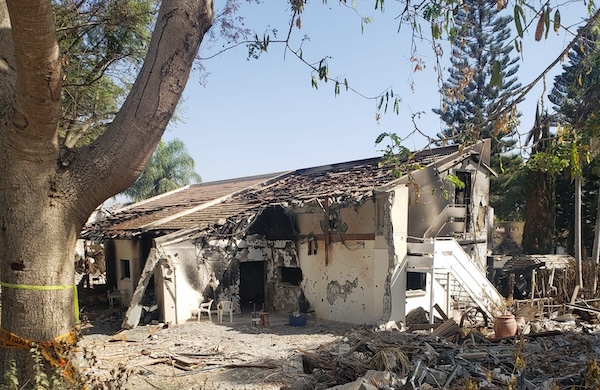
The rabbis visited Kibbutz Be’eri, where more than 100 people were murdered, and saw the devastation and destruction, some of it not from Oct. 7 but from days after, when explosives planted on that day detonated. It was also at this kibbutz that the Israel Defence Forces found a copy of the Hamas playbook for the atrocities. 

“It sounded as if it could have been written by Eichmann or Hitler,” said Bregman. “[The intent] was not only to destroy the body but to destroy the mind, the soul, the psychology, the emotional and spiritual aspect of every Jew.”

The plan included strategies for setting fire to homes in order to force residents out of safe rooms, then specified the order in which family members were to be murdered – parents in front of their children. 

photo - As part of their mission to Israel, Vancouver rabbis visited kibbutzim that were attacked by Hamas on Oct. 7
As part of their mission to Israel, Vancouver rabbis visited kibbutzim that were attacked by Hamas on Oct. 7. (photo from facebook.com/jewishvancouver)

While the trip may have had the spirit of a shiva visit, the mood of the Israelis, Dresner said, was “can-do resourcefulness.”

“It’s felt to me over the past couple of years that Israelis have been kind of depressed,” she said, referring to divisive political conflicts. “But they are full force embracing their ingenuity and turning the energy of the resistance movement into this amazing volunteer corps to supply really whatever is needed to whatever sector.”

Groups that had coalesced to protest proposed judicial reforms pivoted to emergency response, she said, ensuring that soldiers and displaced civilians have basic needs met and then creating customized pallets of everything from tricycles to board games, bedding and washing machines, for families who will be away from their homes for extended periods.

The rabbis also went to Kibbutz Yavneh and paid their respects at the grave of Ben Mizrachi, the 22-year-old Vancouver man and former army medic who died at the music festival while trying to save the lives of others. They had a private meeting with Yaron and Jackie Kaploun, parents of Canadian-Israeli Adi Vital-Kaploun, who was murdered in front of her sons, an infant and a 4-year-old.

On the final evening of their visit, the rabbis hosted a Hanukkah party for displaced residents of Kiryat Shmona, the northern Israeli town that is in the Vancouver Jewish community’s partnership region.

At the party, Temple Sholom’s Rabbi Brown spoke with a woman whose two sons are in Gaza fighting for the IDF.

“I told her that we do the prayer for tzahal, for the IDF, in our services in our shul,” Brown said, “and she was so surprised and touched, and she said, ‘Keep praying, keep praying.’” 

Format ImagePosted on January 12, 2024January 10, 2024Author Pat JohnsonCategories Israel, LocalTags Andrew Rosenblatt, Carey Brown, Dan Moskovitz, Hannah Dresner, Hanukkah, Israel, Jonathan Infeld, Oct. 7, Philip Bregman, Philip Gibbs, solidarity, Susan Tendler, terror attacks
Prof: “no choice but to resign”

Prof: “no choice but to resign”

Dr. Ted Rosenberg (photo from BC College of Family Physicians)

Ted Rosenberg has stepped down from his post as a clinical assistant professor at the University of British Columbia’s faculty of medicine, citing an unsafe environment, following his repeated attempts to have the school do more to address antisemitism.

In a Jan. 1 letter to UBC, the award-winning geriatrician, who has taught at the medical school for more than 20 years – prior to that, he had a position at the University of Manitoba – wrote that because the faculty has failed to address concerns, he had “no choice but to resign.”

A tense atmosphere developed following the Oct. 7 Hamas attacks when a petition titled “A Call for Action on Gaza” first appeared at the faculty of medicine and was signed by more than 225 of its students. The petition went beyond calling for a ceasefire in Gaza. Rather, it condemned Israel as “a settler colonial state,” accused it of “collective punishment through indiscriminate bombing of civilians” and claimed that “Palestinian people have been continually abused, traumatized and killed by the settler state of Israel and its Western allies for over 75 years.”

In a Nov. 29 letter to UBC president Benoit-0Antoine Bacon, medicine faculty dean Dermot Kelleher and other top officials at the university, Rosenberg wrote, “This petition and other similar statements on campus, as well as the inaction by UBC, makes me wonder if antisemitism has become systemic in this institution.”

While praising UBC’s efforts to redress discrimination and promote diversity and inclusion, he asked, “Why do these efforts for diversity and inclusion come to an abrupt halt when it involves ‘including and protecting’ Jewish/Zionist students and faculty?” According to Rosenberg, the petition not only made him feel unsafe but also traumatized a medical student “who was left distressed, anxious and sleepless after reading it, and enduring the hostile reactions of colleagues and faculty.”

A Dec. 21 letter, co-signed with 283 other physicians – both Jewish and non-Jewish – stressed the growing polarization at the medical school due to events in the Middle East.

“This is resulting in hate speech, student intimidation and the feelings of many students and teachers that they are working in a toxic environment. Several of us have expressed concerns to you in writing and are waiting for specific responses,” the letter read.

The letter also called into question the validity of the anti-Israel petition, emphasizing that it contained several inaccuracies, caused deep divisions within the medical student community, and was one-sided and unrelated to medical care.

In requesting a response from university leadership to take action to protect the integrity of the medical school and the safety of medical students and staff, the letter urged that those who signed the petition “be made aware of the significance of their choice of contentious language.”

Additionally, the letter called on the offices of equity, diversity and inclusion (at both the university and the medical school) to receive sensitivity training regarding Jewish issues and antisemitism, encouraged the university to adopt the International Holocaust Remembrance Alliance definition of antisemitism, and asked the university to form a clear policy on the boundaries of free speech, “having zero tolerance for any speech that crosses the boundary to antisemitic or hate speech or language used to incite violence, either openly or covertly.”

Both letters received responses from Dean Kelleher of the medical school. Rosenberg, however deemed them inadequate. In the resignation letter, he said they “did not address any of our specific concerns re: the medical student’s petition, antisemitism within the faculty, or concerns that politicization and polarization of the Middle East conflict are creating a toxic work environment.

“I checked the recommended links to your and the president’s statements on respect and compassion…. Two words are conspicuously absent from all these documents: 1. Jew(ish) and 2. Antisemitism.”

Rosenberg added that he searched the websites for the offices of equity, diversity and inclusion at the university and the medical school for “antisemitism” and did not find the word included among the several anti’s that were mentioned.

In his most recent letter, Rosenberg said he lamented the deaths of innocent civilians on both sides, but denounced the “oversimplistic ahistorical demonizing narratives and rhetoric” taking place.

Rosenberg also expressed the hope “that the faculty of medicine and UBC will recognize this serious threat of antisemitism/Jew-hatred and the dangers of politicization and polarization of the faculty and student body.”

In his concluding remarks, he advised the school to consult with the physicians who collectively wrote the school leadership in December. “They can work with you to constructively, collaboratively and proactively rectify this situation and ultimately help restore respect, compassion, empathy and trust among colleagues and students,” he said.

Rosenberg told the CJN that he is aware of other faculty members who have considered resigning because of the present atmosphere at the medical school. Since his letter, he also has heard from people at the faculty who are prepared to do more to recognize antisemitism – and to do something about it when it appears at the school.

In response to a request for comment about Rosenberg’s resignation, a spokesperson for UBC wrote, “The faculty of medicine and the University of British Columbia have been very clear that antisemitism, or discrimination of any kind, is completely unacceptable. We are committed to creating a safe and respectful environment for all of our community members and will continue to take steps to do so.

“In response to concerns raised by faculty and learners, the faculty of medicine is also working expediently to develop educational opportunities for inclusive learning and respectful dialogue within the faculty in areas that directly reflect our stated values, including how we address issues such as discrimination, harassment and hate speech,” they added.

Rosenberg, a Victoria-based physician who makes house calls, is an advocate for keeping the elderly in their homes for as long as possible. His company, Home Team Medical Services, aims to improve quality of life and increase independence for older people and their families. The company provides home-based health care for people 75 to 105 with physiotherapists, rehabilitation aides and care coordinators, in addition to a team of nurses and physicians.

In 2016, Rosenberg received the BC College of Family Physicians Award of Exceptional Contribution in Family Medicine. 

Sam Margolis has written for the Globe and Mail, the National Post, UPI and MSNBC. This article was originally published at thecjn.ca.

Format ImagePosted on January 12, 2024January 11, 2024Author Sam MargolisCategories LocalTags antisemitism, medical school, Ted Rosenberg, UBC, University of British Columbia
Celebration of courage

Celebration of courage

A still from the documentary Passage to Sweden, which will screen as part of the annual Raoul Wallenberg Day for Civil Courage event on Jan. 21.

This year’s annual Raoul Wallenberg Day for Civil Courage gathering, on Sunday, Jan. 21, held at Congregation Beth Israel, will explore and honour civil courage in Scandinavia during the Second World War.

Just over 80 years ago, in late 1943, Danes, Norwegians and Swedes had to confront moral choices, when Denmark and Norway dealt with military occupation by Nazi Germany. Many people defied Nazi policies that threatened the human rights and lives of their fellow citizens and residents.

In Denmark, thousands of Christian Danes risked their own lives, cooperating in the dramatic, swift and secret rescue operation. The Jews, who faced deportation and certain death at the hands of the Nazis, were ferried to safety in neutral Sweden. Their homes and properties were safeguarded until their return after the war. Sweden welcomed and aided the Danish Jews, risking its own status as a neutral nation. 

In Norway, the site of significant armed attacks by Nazi Germany, hundreds of Norwegian police officers refused the orders of Nazi occupiers, a collective action that led to their imprisonment at Stutthof concentration camp in Nazi-controlled Poland. There, the Norwegian police maintained their solidarity as they acted to reduce the suffering of their fellow prisoners, including many Jews, such as the late Jennie Lifschitz, who settled in Vancouver in the early 1950s.

Finland and the Baltic nations (Estonia, Latvia and Lithuania) were also engulfed in the war, victims of the Soviet Union’s military occupation and, in the case of the Baltics, annexation and mass civilian deportations. 

While Nordic peoples, like most Europeans, were not completely free of hostility toward Jews and other minorities, they offer a good example of civil courage, based on the belief that Jewish citizens and residents were their equals.

This year, at the local Wallenberg Day event, Vancouver Holocaust educator Norman Gladstone will speak about the remarkable rescue of Denmark’s Jewish population. Local researcher and author Tore Jørgensen will speak about the hundreds of Norwegian policemen, including his father, who refused to collaborate with the Nazi occupiers. Historian Gene Homel will introduce the Wallenberg-Sugihara Civil Courage Society and the City of Vancouver proclamation of Wallenberg Day.

As well, the documentary Passage to Sweden will be screened. The film covers the wartime courage of Scandinavians, including Sweden’s Raoul Wallenberg, who acted courageously to protect civilians in Hungary, and was taken into custody by the Soviet army. His fate is unknown to this day. 

The 19th annual Wallenberg Day on Jan. 21 at Congregation Beth Israel will be held at 1:30 p.m. Admission is free and donations will be gratefully accepted.

For more about the Wallenberg-Sugihara Civil Courage Society, which organizes the annual event, visit wsccs.ca. 

– Courtesy Wallenberg-Sugihara Civil Courage Society

Format ImagePosted on January 12, 2024January 11, 2024Author Wallenberg-Sugihara Civil Courage SocietyCategories LocalTags courage, Denmark, hero, history, Holocaust, Sweden, Wallenberg Day, Wallenberg-Sugihara Civil Courage Society

Peer support’s long history

The Jewish Seniors Alliance of Greater Vancouver has invited Honoré France, a scholar on aging and expert on peer support, to speak via Zoom on Jan. 22. He will discuss the topic Discovering the Essential Importance of Seniors Supporting Seniors.

France, a professor emeritus in the department of educational psychology and leadership studies at the University of Victoria, will focus on the senior peer support training he developed. The training has been used by JSA for several years to help new volunteers learn how best to connect and liaise with isolated, lonely seniors in the community.

Among the topics France will cover are the early history of seniors peer support, strategies for self-care, information about memory, the value of exercise and the development of a healing presence.

Earlier this month, France shared some of his presentation with the Independent, including a peek at the origins of peer support during the beginning of psychiatry in the late 1700s – through French physician Philippe Pinel and hospital superintendent Jean-Baptiste Pussin. 

The talk will then move to more modern examples of senior peer support, including Indigenous approaches, and the development of group homes and inclusive treatment.

According to France, peer support is successful when various factors are in place, including effective approaches in helping aging populations and the promotion of the concept of self-help and independence among older people. 

Additionally, for peer support to be beneficial, people need to want to help themselves, there needs to be a reserve of talented older people who want to be helpful and, should someone have a problem or concern, there must be a willingness to seek out peers. 

After addressing various aging myths, such as the belief that dementia is inevitable, France will examine ways to stay mentally, physically and spiritually fit. He will explore nature as medicine, practices of letting go and cleansing, positivity (finding purpose and meaning), and mind-body activities like yoga, meditation, art and helping others.

France said he hopes that, by the end of the session, participants will “understand the developmental stage of aging and the central concept from Viktor Frankl about meaning and the crucial role it plays in healthy aging, and to follow their dreams as they age in the same way they did earlier in life.”

Frankl, an Austrian psychiatrist and Holocaust survivor, believed finding meaning in life to be the central human motivational force.

“Aging is natural and part of living,” said France, and people “can be in control physically, mentally, psychologically and spiritually. Aging is what you make of it and learning is a medicine and keeps you mentally fit.”

France emphasized that, no matter what a person’s condition in life is, they can live fully, consistent with their physical and psychological level. 

His talk will look at ways people can train themselves “to listen to others and to be like Frankl – optimistic, resilient, and always ‘moving.’ And, finally, [how to] develop a healing presence, as well as how to empathize at a deep level by bringing ‘light’ into the world to those in need.”

He added, “I will also provide some strategies for dealing with stress that I use. There will be a question period at the end, and Grace Hann will speak about the volunteer program at the Jewish Seniors Alliance along with one or two volunteers,” France said.

Hann is JSA’s senior peer support services trainer and supervisor.

Aside from his role at UVic, France is an artist, writer, therapist and consultant in the field of mental health. He has worked at the Shanghai University of Traditional Chinese Medicine, Addis Ababa University and the University of Massachusetts, where he graduated with a doctorate in counseling.

His academic interests include diversity, group processes and creative arts therapy. His current research involves reconciliation and residential schools, cross-cultural issues, creative arts, spirituality and eco-psychology (an intellectual movement to understand the relationship between humans and nature).

France has written several books and more than 75 academic articles on counseling issues and practices. Further, he has presented more than 80 scholarly book chapters around the world. He is currently re-writing and updating a 1989 publication on senior peer counseling, titled Senior Peer Support/Counselling Handbook: An Interactive Guide, which is set for publication this year.

On a personal level, he keeps active through gardening, playing squash and pickle ball, carving, building furniture and participating in strategic games, such as Go and chess. Currently, he is finishing up a novel based on his experiences hiking the West Coast Trail, his life teaching and backpacking around the world.

France’s talk is part of the JSA Snider Foundation Empowerment Series and the South Vancouver Seniors Network is a co-sponsor of the event. The Zoom starts at 11 a.m. The link to join it will be distributed through JSA’s email newsletter. Those interested in attending can also email [email protected] for the link. 

Sam Margolis has written for the Globe and Mail, the National Post, UPI and MSNBC.

Posted on January 12, 2024January 11, 2024Author Sam MargolisCategories LocalTags aging, health, Honoré France, Jewish Seniors Alliance, JSA, lifestyle, mental health, peer support

Judges slap down Knesset

Israel’s government pushed the country’s Supreme Court into a corner – but instead of weakening the judicial system and putting more power into the hands of the government, which was the aim of the coalition’s judicial reform package, the gambit incited a showdown that made the court stronger than it had been a year earlier.

That is the synopsis of a leading Israeli legal scholar. Yaniv Roznai, associate professor and vice-dean of the Reichman University’s law school and co-director at the Rubinstein Centre for Constitutional Challenges, was speaking virtually to North American audiences hours after Israel’s Supreme Court released a landmark decision Jan. 1. During the presentation, which was organized by UnXeptable, the international group that emerged in opposition to the judicial reforms, Roznai said the court also now has more legitimacy among the public, according to opinion surveys.

The 250,000-word written decision, with contributions from all 15 Supreme Court justices, represents the first time in Israeli history that the high court struck down a component of the Basic Law, which is effectively Israel’s constitution. The opinion overturned legislation the Knesset passed in July curbing the ability of judges to use “reasonableness” as a legal standard.

One justice wrote that Israel’s limited system of checks and balances means that the cancellation of the court’s ability to freely judge decisions by governments and ministers removed much of the ability of courts to defend individual and public interests.

While subjective, the idea of reasonableness has been a legal doctrine in Israel since the 1980s and was used a year ago to prevent Prime Minister Binyamin Netanyahu from appointing Aryeh Deri, the leader of the Shas party, from serving in cabinet because Deri had been convicted of tax fraud and bribery. The court declared it was not reasonable to appoint a convicted felon to lead a government department. This was the apparent impetus for a significant raft of legislation intended to reform the judicial system – proposals critics have called a “judicial coup.”

The reasonableness doctrine is available to the court if judges believe that elected officials did not take into account all relevant considerations before making a decision, or that those considerations were not given appropriate weight. It has been invoked numerous times on significant and less momentous government decisions.

In response to mass protests throughout 2023, the government at least temporarily backtracked on some of its judicial reform proposals, including efforts that would allow the Knesset to overturn court decisions by a majority vote and to give the government more direct control over the appointment of judges. That left the reasonableness doctrine as the remaining portion of the broader judicial reform proposal – and its rejection by the court is a blow to Netanyahu’s government. It also reopens the divisive topic, which has been largely dormant since the terror attacks of Oct. 7, possibly inviting social division at a time of national trauma.

Critics of the legislation, which passed the Knesset in July, argued that eliminating the reasonableness doctrine would allow the government to fire senior civil servants such as the heads of law enforcement agencies, making it easier to subvert the rule of law. Israel’s attorney general, for example, oversees the public prosecution system and determines whether politicians can be indicted on alleged crimes.

Since Israel has no formal constitution, the Basic Law serves as an alternative. However, whereas the American, Canadian and most other national constitutions have complex, in some cases almost impossible, amending formulas, Israel’s Basic Law can be amended by the Knesset by a majority vote. Therefore, Roznai said, “The only real check on political power is the attorney general and the judiciary, and the [Netanyahu government’s] reasonableness amendment was aimed to weaken precisely those two bodies.”

While the decision to overturn the law was close, with eight of the 15 justices in favour and seven opposed, three additional judges agreed that the court has the authority to strike down basic laws, but argued the time was not right.

The government defended the legislation by arguing that the idea of reasonableness was too arbitrary and, therefore, gave the court too much scope to intervene in areas the government considered the purview of the legislative branch. Critics, including Attorney General Gali Baharav-Miara, responded that the law eliminated guardrails that protect Israeli democracy.

Roznai, speaking Jan. 2, expressed mixed emotions about the court’s decision.

“I’m happy but, on the other hand, I’m a bit sad,” he said, noting that the entire controversy could have been avoided, “if the government had only worked a bit more gently, in a more clever manner. They could have enacted a more balanced amendment and then the court would not interfere.… I do not object to a reform in the judicial system. I think that any governmental system needs reform. In the education system we need to reform, in the health system we need reform, and also in the judicial system we need reform. But we need good reform. We need balanced reform. We don’t want something that would completely destroy the judicial system. We want something that would improve our systems and our democracy.”

A process that engaged different sectors of the society and tried to find a consensus on some of these issues could have resulted in constructive reforms, he said. Instead, millions of people took to the streets and polls showed that 80% of Israelis were opposed to the proposed judicial changes and a political schism has wrenched Israeli society amid a war.

Two days after Roznai spoke, UnXeptable hosted another event for North American audiences, featuring Dr. Tomer Persico, a research fellow of the Shalom Hartman Institute and former Koret Visiting Assistant Professor of Jewish and Israel Studies at the University of California Berkeley, where he was also a senior research scholar in the Centre for Middle Eastern Studies. He is a social activist advocating for freedom of religion in Israel.

Persico warned of cataclysmic impacts on global perceptions not only of Israel but of Jews if the trajectory of Israeli politics does not change. The current Israeli government, he said, includes individuals who are expressing ideas about the treatment of the people of Gaza that advocate ethnic cleansing and even genocide. Amichai Eliyahu, who was Israel’s heritage minister, was suspended from cabinet after saying that dropping a nuclear bomb on the Gaza Strip was “one of the possibilities” the government is considering. 

While the pro-democracy groups and individuals who were rallying against the government before Oct. 7 have closed ranks in a show of unity and determination since the Hamas terror attacks, these recent statements – including reports that the government is considering moving Palestinians from Gaza to third countries and returning Israeli settlers to the enclave – make this fragile unity difficult, said Persico.

Most Israelis tell opinion pollsters they want new elections and a different government. Persico warned that approaches to internal and external affairs by the current government might not only further tarnish Israel’s reputation in the world, but Judaism’s. Former governments have failed to find common ground with Palestinians to create a two-state solution, he said, but even the hawkish past administrations publicly expressed support for the concept. With the current government seemingly giving up on the idea and some voices in the coalition speaking of expulsions of Palestinians, Israel is on a path to becoming more of an international pariah, he said.

“There will be a breaking point between Israel and the liberal West and that includes liberal Jews,” he said. “I really fear that Judaism itself is going to be stained by the mark of the occupation.… It might materialize that that Judaism itself will be stained in the same way as Christianity has been stained by the Crusades, the same way as Islam has been stained by Islamic terrorism and ISIS.” 

Posted on January 12, 2024January 11, 2024Author Pat JohnsonCategories IsraelTags Israel, judicial reform, law, Supreme Court, Tomer Persico, UnXeptable, Yaniv Roznai
Learning, living coexistence

Learning, living coexistence

Hand in Hand (Yad b’Yad) is a group of Israeli schools where Jewish and Arab students learn together. Its co-founder, Lee Gordon, was in Vancouver last month (photo from Hand in Hand)

Lee Gordon, co-founder of Hand in Hand (Yad b’Yad), a group of Israeli schools where Jewish and Arab students learn together, spoke at Vancouver’s Or Shalom Synagogue and met with members of the community at large last month.

“We are always eager to have more friends and supporters for what Hand in Hand is doing, especially in the current very dark situation in Israel and in Gaza,” Gordon said in an interview with the Independent. “Hand in Hand is a beacon of light in a place where coexistence is not widespread enough.”

Gordon, who first moved to Israel in the 1980s, launched Hand in Hand with Amin Khalaf in 1997. The first classes started in September 1998 with 50 students on two campuses, in Jerusalem and in the Galilee. Today, there are more than 2,000 students, who study in Hebrew and in Arabic, on six campuses throughout Israel.

The bilingual schools were established to combat the threat posed to Israel by growing social alienation and lack of trust between Jewish and Arab citizens. Education, in the view of Hand in Hand’s founders, was – and still is – instrumental in changing this.

Gordon, who lived in Israel for 20 years before returning to the United States, became involved in Jewish-Arab dialogue while pursuing a master’s degree in social work from Hebrew University. Though the university was integrated, he observed, there was not a great deal of interaction between Jewish and Arab students, aside from weekly dialogues in which Gordon and others from the two groups would engage on campus.

While those meetings were clearly a step in the right direction, he felt they were lacking. “Dialogue is superficial. People can have lovely feelings afterwards but don’t see each other again,” said Gordon, who is currently the director of American Friends of Hand in Hand. 

Later, when working on a fellowship project through the Mandel Institute, Gordon spent time looking at schools in Israel and analyzing what makes them succeed or fail. In the backdrop was the reality that the school system in Israel is completely segregated, even in mixed communities, such as Jerusalem and Tel Aviv.

“I started building a rationale for a school being a wonderful venue for bringing Arabs and Jews together, because it is not just for one hour a week. Once students are in school, they are there all day, all week, all year, and have a chance to truly get to know the other,” Gordon said.

Realizing that he needed an Arab partner for his goal of creating an integrated school to reach fruition, Gordon was introduced to Khalaf, an educator whose hope was for his children to grow up feeling as equals in Israeli society.

Hand in Hand was officially registered in spring 1997 and, for a year, Gordon and Khalaf scouted the country, trying to locate an ideal spot to start the school.

“We knew we wanted one in Jerusalem but also wanted a backup,” said Gordon. “We settled on an area in the Galilee where the Jewish and Arab towns are close together.” 

When the first schools opened in fall 1998, the primary challenges consisted of hiring teachers, raising funds and recruiting Jewish students.

“We knew Arabs, as the minority, would flock to our schools, it would be seen as a step up for them,” said Gordon. “Jewish parents would be more of a struggle. We wanted our schools to be accredited and not be viewed as boutique, esoteric schools lacking legitimacy.”

photo - Hand in Hand kids
(photo from Hand in Hand)

Though never without obstacles, as the schools grew each year, it became easier to recruit new parents because Hand in Hand presented an attractive educational possibility – students were learning two languages in a vigorous academic environment, they were happy and the class sizes were smaller.

Even today, Gordon admitted, Hand in Hand still has to work harder to recruit Jewish parents, particularly after the Hamas attacks on Oct. 7.

“This is the worst war of the four since Hand in Hand has been in existence,” he said. “Jewish families often know someone who was killed or taken hostage, and many of the Arab families have relatives in Gaza.”

While there were concerns that Jewish families might withdraw their children from classes following the attacks, that has not happened yet.

“Bringing people together is really the only way there is any hope of this conflict ending because it is not happening on political levels,” Gordon said.

Multiple researchers have shown that there are many benefits from bilingual education, such as more empathy, better academic performance and improved engagement. Beyond those benefits, Jewish and Arab students at the Hand in Hand schools develop close friendships, which start through childhood sleepovers, birthday parties and play dates. Moreover, adults have formed long-lasting bonds with one another.

“Many parents have spoken of how they have been transformed by the experience,” Gordon said.

Hand in Hand schools are public, recognized and overseen by the Israeli Ministry of Education, and open to all parts of the Arab and Jewish populations in Israel. Government funding is supplemented by philanthropy and parents’ fees.

Besides Jerusalem and the Galilee, Hand in Hand operates schools in Haifa, Jaffa, Kfar Saba and Wadi Ara.

For more information about Hand in Hand, visit handinhandk12.org. Canadian residents can make a tax-deductible donation to Hand in Hand through the Jerusalem Foundation of Canada, 1-877-484-1289. 

Sam Margolis has written for the Globe and Mail, the National Post, UPI and MSNBC.

Format ImagePosted on January 12, 2024January 11, 2024Author Sam MargolisCategories IsraelTags Arab Israelis, coexistence, education, Hand in Hand, Israel, Jewish Israelis, Lee Gordon, Or Shalom, Yad b'Yad
Most magical place on earth

Most magical place on earth

Mairav Robens-Paradise, right, has found her community, and so much more, at Camp Miriam. Her closest, deepest relationships are the friendships she has made through camp. (photo from Camp Miriam)

Last summer was my 11th year at Camp Miriam. Even before my first year, in 2012, I dreamed about sneaking onto the school bus parked in the Jewish Community Centre of Greater Vancouver parking lot as we dropped off my older brothers to go to what I understood to be the most magical place on earth. Over a decade later, I can confidently say that description is an understatement.

I grew up attending public school, where my siblings and I made up the majority of the Jewish population. I don’t recall my immense excitement to go to camp being consciously related to my Judaism, but unbeknownst to 8-year-old me, it would forever alter my connection to my sense of self and my community. Camp Miriam fostered the environment that allowed me to grow into my Jewish identity. At camp, you are surrounded with people who all relate to their Judaism in different ways, both culturally and religiously, and are given the tools and safety to form that unique, personal relationship.

I am currently in my second year of university at McGill, in Montreal, living with two friends from camp. It has been incredibly important to me to have a Jewish community nearby, especially over the past several months, and my roommates are just a fraction of the connections Camp Miriam has given me.

The strength of the friendships I have made over my years of involvement with the camp overpowers any other facet of my life. The values we learn, the skills we practise and the tools we gain at camp equip us to manage complex interpersonal relationships, resolve conflicts and gain independence. Whether it’s learning how to tie knots for camping, defusing relational tensions or discussing social justice, chanichimot (campers) and madrichimot (counselors) alike do so in a secure and empowering environment. Now, as a student who lives away from home, Camp Miriam and its extensive community keep me tethered and grounded to my Judaism and my personal values.

Camp Miriam’s unique structure as a youth-led camp provides empowerment to its entire community. Over the last two years working as a madricha (counselor), I have been trusted with a multitude of responsibilities. Last summer, I had a tafkid (role) that consisted of organizing the programming that occurs during Shabbat. Some of our traditions every Friday include everyone dressing in their nicest clothes and competing for the cleanest cabin award. These small but significant means of welcoming in Shabbat in fun ways foster an exploratory environment for kids to form their connections to Judaism at their own pace.

As a kid, my favourite part of Shabbat was rikud (dance), when all of camp gathers for Israeli dancing. Now, as a madricha, my favourite part is Havdalah, which is a ceremony held every Saturday night to signify the end of Shabbat. Last summer, we introduced live music to our Havdalah tradition, which we listen to while everyone is gathered in a circle watching the ceremonial candle burn. These shared moments all contribute to creating an incredibly strong community of Jewish youth.

As I’m writing this article, I’m sitting in the living room of a member of my national kvutzah (age group/cohort), surrounded by the company of 18 other Jewish members of Habonim Dror North America, the larger movement that Camp Miriam is a part of. This experience really encapsulates what Camp Miriam has given me as a Jew. The closest, deepest relationships I have are the friendships I have made through camp. It’s just not about making friends, learning and forming your identity, but also about finding your community. As I look around, I come to realize – I owe a lot to Camp Miriam. 

Mairav Robens-Paradise is a second-year student at McGill University in Montreal. Last summer was her 11th year at Camp Miriam.

Format ImagePosted on January 12, 2024January 11, 2024Author Mairav Robens-ParadiseCategories LocalTags Camp Miriam, friendships, identity, Judaism, youth
Building teen togetherness

Building teen togetherness

Yachad activities in summer 2023 included one where campers were given a large box, tape, bubble wrap and scissors and told to make a functioning boat. (photo from Camp Hatikvah)

In the summer of 2023, Camp Hatikvah introduced a new activity just for their 13- and 14-year-old campers called Yachad. Named after the Hebrew word for together, Yachad was introduced with the aim of fostering connections and breaking down the barriers that sometimes divide today’s teenagers. 

“Motivating teenagers to step out of their comfort zones can be a challenge. With this in mind, our goal was to design something new that breaks the ice, melts away self-consciousness, and brings campers together,” said Liza Rozen-Delman, executive director.

Knowing their audience well, Camp Hatikvah decided that friendly competition would be the key to success. 

At the beginning of the summer, campers were organized into “house” teams and told that this would be their team for the whole summer while they competed for end-of-session prizes like a trip to the ice cream store. 

photo - In one of the Yachad activities, campers had to dress up like the characters of a movie they picked out of a hat
In one of the Yachad activities, campers had to dress up like the characters of a movie they picked out of a hat. (photo from Camp Hatikvah)

Every second day or so, these teams would engage in wacky daytime competitions that required more enthusiasm than skill. From dress-up competitions to hilariously messy slime wars, Yachad quickly became a favourite activity among campers.

“We never knew what was coming next,” said one 14-year-old camper, “so each time Yachad came around we were filled with anticipation and excitement.” 

The heart of Yachad lies in its unique approach to team building. Without knowing it, campers are learning myriad skills like communication and adaptability (shh … don’t tell them). 

“The program is centred on the belief that shared experiences have the power to forge lasting bonds. In the midst of extraordinary escapades, campers not only form new individual friendships but also contribute to building a tight-knit community – a community that embodies the very essence of Camp Hatikvah’s mission,” said Rozen-Delman. 

photo - Another Yachad activity challenged campers to make an ugly Hanukkah sweater
Another Yachad activity challenged campers to make an ugly Hanukkah sweater. (photo from Camp Hatikvah)

Last year’s activities included “noodle fencing,” where campers jousted with floppy pool noodles; a “wedding dress challenge,” where campers designed a dress using a spool of tulle; an “ugly Hanukkah sweater challenge,” where campers were given a sweatshirt and all sorts of tacky Hanukkah décor to attach onto it; and a “Disney challenge,” where the team needed to dress up like the characters of a movie they picked out of a hat.

“The highlight for me was the boat regatta,” shared a camper. “We were each given a large box, tape, bubble wrap and scissors and told to make a functioning boat. One of our teammates then had to go onto the lake in it to see if it floated. Ours didn’t last long and it was hilarious.”

“Yachad celebrates the joy of togetherness, unleashing the power of pure, unfiltered fun,” said Rozen-Delman. “In a world that is so heavy, it’s really just what these kids need.”

Looking ahead, Camp Hatikvah is already planning a repertoire of creative and crazy Yachad activities for the summer of 2024 – the sillier the better, as Camp Hatikvah knows the power of fun in bringing kids together and building community. 

– Courtesy Camp Hatikvah

Format ImagePosted on January 12, 2024January 11, 2024Author Camp HatikvahCategories LocalTags Camp Hatikvah, identity, teenagers, Yachad, youth
Three essential life lessons

Three essential life lessons

Time at summer camp is an incredible gift to give kids and teens. (photo from Camp Kalsman)

In a world where children and teens are met with a barrage of external pressures telling them who they should idolize, what they should wear and how they should spend their time, summer camps provide a respite. As much as I try to help my three kids build resilience and a strong moral compass, I know that, as soon as they walk out the door, it can be an uphill battle every day of the school year. 

As parents, we need more places outside of our home where our kids and teens can feel at home while they can practise the critical thinking, self-awareness and problem-solving skills we all know are so essential. This is why I love summer camp for my kids – and I’m not just saying that because I’m the director of a summer camp! Ask anyone who grew up at an overnight summer camp and most will tell you that camp was where they felt most comfortable in their own skin, where they were celebrated for exactly who they were, and where they learned many of the lessons that have stuck with them throughout their adult life. 

Here are the top three life lessons that kids and teens can take away from summer camp.

1. Find your people

Each summer, kids arrive at camp with a ton of baggage and it’s not just in the form of trunks and duffels and sleeping bags. The beauty of summer camp is that campers can shed that layer (or layers) of themselves that build up over the course of the year and spend time exploring who they are, what brings them joy, who brings out the best in them … without the pressures of school peers who “know them.”

photo - The beauty of summer camp is that campers can shed that layer (or layers) of themselves that build up over the course of the year and spend time exploring who they are, what brings them joy
The beauty of summer camp is that campers can shed that layer (or layers) of themselves that build up over the course of the year and spend time exploring who they are, what brings them joy. (photo from Camp Kalsman)

Spending time in an immersive environment like overnight camp enables kids and teens to be vulnerable with their peers in a safe and supported way; eventually worrying less about how they “should be” and feeling more comfortable and confident in who they are. It’s in this state of self-confidence – nurtured by kind, compassionate counselors – that campers are able to find “their people” who “just get them,” reinforcing what we at URJ Camp Kalsman (and every other overnight summer camp!) have known for years: camp friends are the best friends.

2. Be still, present, open

Camp creates an environment that is ripe for self-awareness, self-discovery and meaningful connections away from the pressures of school, sports and, yes, well-meaning adults at home. Without a message to respond to or an assignment to complete, kids and teens are presented with … time. Not the time filled with camp activities (although there is plenty of that, too) but those significant, intentional moments where nothing is planned … the 15 minutes of serenity in the canoe in the middle of the lake or the walk, together with a friend from the cabin, to the dining hall under a canopy of trees, or the silence after hours of belly-laughter, staring up at the stars surrounded by cabinmates. The stillness of those moments, which are so hard to come by when we are shuffling kids to and from school and activities, are priceless and are built into the fabric of summer camp.

photo - Camp creates an environment that is ripe for self-awareness, self-discovery and meaningful connections
Camp creates an environment that is ripe for self-awareness, self-discovery and meaningful connections. (photo from Camp Kalsman)

3. Don’t run from mistakes

As parents, we want our kids to be gritty – to be able to take responsibility for a mistake and bounce back, whether from making a poor choice, disappointing a friend, failing a test, or not being cast in the school play. At camp, mistakes and failure happen every day, and kids must live with it – there is no escape, they can’t hide in their rooms alone or take the long way to class to avoid a friend. Camp is a 24/7 living and learning experience, where campers are supported and guided through conflict and failure, whether it is not making it to the top of the tower or tension with a bunkmate. Mistakes happen, we fall short of expectations, and camp provides the structure to help kids recognize where they missed the mark and the opportunity to try again tomorrow – or in 15 minutes!

Time at summer camp is an incredible gift to give kids and teens – one that they will benefit from long into adulthood. 

Rabbi Ilana Mills is camp director, URJ Camp Kalsman. If you are interested in learning more about URJ Camp Kalsman, visit campkalsman.org or contact Mills at [email protected].

Format ImagePosted on January 12, 2024January 11, 2024Author Rabbi Ilana MillsCategories LocalTags Camp Kalsman, identity, Judaism, life lessons, youth

הגנה על סטודנטים יהודים באוניברסיטאות קנדיות ועוד חדשות

חמישה חברי פרלמנט ליברלים בקנדה שלחו מכתב לראשי עשרים וחמש אוניברסיטאות במדינה, בו ביקשו מהם להצהיר האם קריאה לרצח עם נגד יהודים או חיסול ישראל מפרה את מדיניות האוניברסיטאות שלהם

שאלה דומה שהופנתה כלפי ראשי שלוש האוניברסיטאות היוקרתיות בארה”ב נתקלה בתשובה מזעזעת של יתכן, תלוי בהקשר, מה שהוביל לזעם וביקורת ציבוריים רחבים ואף התפטרות של נשיאת אוניברסיטת פנסילבניה

חברי הפרלמנט הקנדי גם דרשו במכתב ששלחו לראשי האוניברסיטאות להגן על הסטודנטים היהודיים בקמפוסים בעקבות העלייה הדרמטית באנטישמיות גם בקנדה

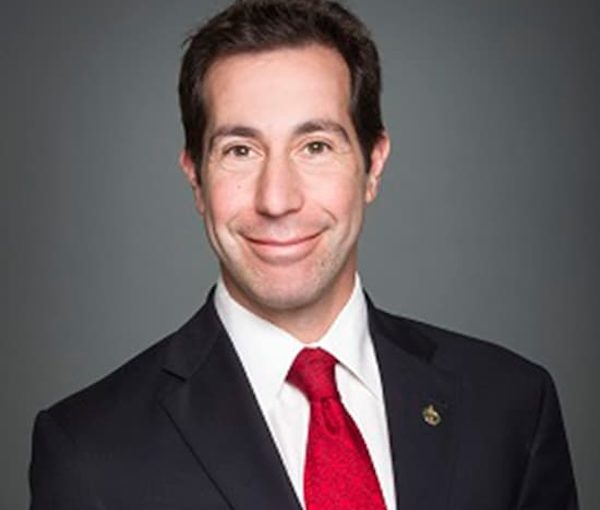
מה שקורה ליהודים ברחבי קנדה, ובמיוחד בקמפוסים של אוניברסיטאות ברחבי המדינה, הוא בלתי מקובל לחלוטין. ראינו יריות שנורו לעבר בתי ספר יהודיים, פיגועי ירי לעבר מוסדות יהודיים, איומים בחרם על עסקים בבעלות יהודית ודיווחים ברחבי הארץ על סטודנטים יהודים שחשים לא בטוחים בקמפוסים שלהם. זה מלווה בחוסר פעולה מצד הנהגת האוניברסיטאות כדי להגן על סטודנטים יהודי. כך כתבו חברי הפרלמנט בקנדה: אנתוני האוספאט’ר, דיוויד למטי, בן קאר, מרקו מנדיסינו ואנה גייני

המכתב גם פורסם על ידם באופן פומבי ברשתות החברתיות. חמשת חברי הפרלמנט הקנדי ציינו עוד במכתבם כי שמענ על סטודנטים יהודיים שהוטרדו ונתונים לסביבה עוינת בקמפוסים, וכן על עיתוני סטודנטים המסרבים לפרסם מאמרים של תומכי ישראל מאז פרוץ המלחמה בין ישראל לחמאס בשבעה באוקטובר

חברי הפרלמנט מבקשים מראשי האוניברסיטאות להעביר להם תשובה עד סוף החודש (ינואר), לרבות פירוט הצעדים שנקטו ראשי האוניברסיטאות על מנת להגן על הסטודנטים היהודיים בקמפוסים שלהם

שיחה בן טרודו לגנץ

השר בני גנץ שוחח לאחרונה עם ראש ממשלת קנדה ג’סטין טרודו. בהודעה מטעם גנץ נמסר כי הוא הביע בפני טרודו הערכה על תרומתה ומחויבותה של קנדה לביטחון ישראל ולשחרור החטופים משבי ארגון הטרור חמאס

עוד נמסר כי גנץ עדכן את טרודו בהתפתחות המלחמה בעזה ובגבול הצפון. הוא הביע את חשיבות התמיכה הבינלאומית בשלילת יכולותיו הצבאיות והשלטוניות של חמאס, בכדי להביא ליציבות האזור כולו. השניים שוחחו גם, כך נמסר, על הצורך לחזק את הארכיטקטורה האזורית, בדגש על הכוח הימי

בכדי להתמודד עם האיום של החות’ים, שליחי איראן, המאיימים על הכלכלה העולמית במעשי הטרור שלהם בים האדום. לפי ההודעה, גנץ וטרודו סיכמו להמשיך ולעמוד בקשר בהמשך

הפדרציות היהודיות בקנדה גייסו שמונים מיליון דולר לטובת ישראל

עד כה גייסו יהודי קנדה באמצאות הפדרציות ברחבי המדינה סכום של שמונים מיליון דולר קנדי שינותבו כסיוע לעיר שדרות, תושבי העוטף והמדינה. מדובר בגיוס הגדול ביותר של הפדרציות היהודיות בקנדה עבור ישראל מאז מלחמת לבנון השנייה, אז גויסו כארבעים ושישה מיליון דולר קנדי

היעד של ארגון הפדרציות היהודיות של צפון אמריקה הוא להגיע לתרומות של כחצי מיליארד דולר עבור ישראל, לאור המלחמה עם החמאס. התרומות יוקדשו לסיוע כספי עבור נפגעי הטרור, שיקום היישובים שנפגעו ונהרסו ומימון ציוד חירום רפואי, מזון ואספקה על מנת לסייע למפונים והפצועים בשיתוף פעולה עם הסוכנות היהודית והג’וינט. סכום גדול יעבור לשיקומה של העיר שדרות, שמקיימת קשר ארוך שנים עם יהדות קנדה ופדרציית טורונטו בפרט, שתרמה לעיר כחמישה עשר מיליון דולר קנדי לאורך השנים. הגיוס הנוכחי התאפיין בהתגייסות רחבה של חברי הקהילה היהודית מכלל שכבות החברה, כאשר משפחות רבות התעקשו לקחת חלק בתרומה. במגבית קנדה ישראל אומרים: ישראל היא הבית של העם היהודי. אנחנו רוצים להרגיש בטוח בבית שלנו

Posted on January 10, 2024Author Roni RachmaniCategories עניין בחדשותTags antisemitism, fundraising, Gantz, Hamas, Jewish Federations, Liberal members of parliament, Sderot, terrorism, Trudeau, universities, אוניברסיטאות, אנטישמיות, גנץ, הגנה על סטודנטים יהודים, חברי פרלמנט ליברלים, חמאס, טרודו, טרור, פדרציות היהודיות, שדרות

Posts pagination

Previous page Page 1 … Page 45 Page 46 Page 47 … Page 314 Next page
Proudly powered by WordPress