Skip to content
  • Home
  • Subscribe / donate
  • Events calendar
  • Business Directory
  • FAQ
  • News
    • Local
    • National
    • Israel
    • World
    • עניין בחדשות
      A roundup of news in Canada and further afield, in Hebrew.
  • Opinion
    • From the JI
    • Op-Ed
  • Arts & Culture
    • Performing Arts
    • Music
    • Books
    • Visual Arts
    • TV & Film
  • Life
    • Celebrating the Holidays
    • Travel
    • The Daily Snooze
      Cartoons by Jacob Samuel
    • Mystery Photo
      Help the JI and JMABC fill in the gaps in our archives.
  • Community Links
    • Organizations, Etc.
    • Other News Sources & Blogs
  • JI Chai Celebration
  • JI@88! video

Recent Posts

  • Federation now across BC
  • Israel fighting for its existence
  • Deal strengthens Iran
  • Patriotic belonging diminishes
  • A campaign to engage
  • Upstanders’ first live event
  • Responding to Carney
  • Having your own home
  • Music a family tradition
  • Musical to warm heart
  • Community milestones … June 2026
  • Sharing her passion for Israel
  • Or Shalom reopens its doors
  • JFS from past to future
  • Need holistic approach
  • Sharing stories, advice
  • Journalist shares fears
  • Skills to live together
  • Road to independence
  • Cutting grass with scissors
  • Zionism as a solution
  • Deceit, desire & the divine
  • Reclaiming sacredness
  • Creative project ideas
  • Summer squares and cobbler
  • Thou shalt … summer commandments
  • Legal help for students
  • Revisiting myth of Lilith
  • Wrong person rebuked
  • Canada’s mixed messages
  • Questions for museum
  • Symposium on antizionism
  • Making soccer political
  • CJPAC lauds Pulver’s impact
  • City recognizes Vrba’s legacy  
  • Organ donation saves lives

Archives

Follow @JewishIndie
image - CJN box ad Rockowers 2026

Tag: Canada

Volunteer during election

Oct. 21, 2019, seems like a lifetime ago, doesn’t it? That was the date of the last Canadian federal election. Since then, it’s been a world of endless uncertainties and instability.

The Jewish community has witnessed levels of antisemitism that haven’t been seen for decades. Hate crime numbers are way up. The aura of anti-Israel sentiment, especially following the conflict earlier this year in Gaza, has created an environment that has many feeling unsafe and anxious. The silence of many within the political sector has been cause for concern. On top of all of this, the havoc of the COVID pandemic is still felt daily.

Let’s be real: people are upset and worried. The past 22 months since the last election have presented incredible challenges to our well-being and shown that nothing is guaranteed. The Canadian Jewish community has demonstrated its resilience and fortitude but there is a lot more to do, especially when it comes to elections. We’ve seen firsthand what an important role the government plays in our lives, especially regarding the pandemic, so it’s vital that we extend our efforts more effectively in the political realm.

The Jewish community makes up less than 1.1% of the population and is concentrated in just a handful of ridings – 10 out of 338. That’s only three percent. Our numbers are continuing to decline. In politics, relationships matter. If we limit ourselves to involvement in only three percent of ridings and three percent of candidates, we are at a major disadvantage when it comes to our community and the things we care about.

To ensure our voices are heard, members of the Jewish community must continue to build relationships and educate MPs in ridings from coast to coast. This starts with political engagement, and it starts with each of us. As Rabbi Tarfon said, “It is not your duty to finish the work, but neither are you at liberty to neglect it.”

The good news is that we have the tools to get engaged so we can work beyond the local ridings where we vote. While the Canadian Jewish Political Affairs Committee (CJPAC) does not engage in or facilitate lobbying and advocacy, we do act as a concierge, helping members of our community to get engaged politically.

Another important factor is that change is inevitable with elections. In 2019, 98 first-time MPs (27%) were elected, 60 of whom were in ridings that flipped seats. A third of those 60 MPs defeated the second-place finisher by less than five percent of the vote. As for this election, at the time we wrote this, 26 incumbents had decided not to run for reelection. Many more ridings will change hands. This means that, no matter which way the election goes, our community will need to build new relationships with new parliamentarians.

We can jumpstart that process. Community members like you can volunteer and acquaint yourselves with candidates from beyond your own riding and across the country. Every campaign is in dire need of volunteers, and even just a few hours can be a huge help. Often just a few more volunteers can make the difference between winning and losing a race. Plus, the appreciation for a volunteer’s work – no matter how big or small – is something that’s not easily forgotten.

There is, of course, one element that’s changed the game with this election: COVID. While it’s still possible to engage in traditional methods of volunteering – door-knocking, handing out literature in the community, putting up lawn signs or working in a polling station – understandably, some are hesitant to participate under pandemic circumstances.

But fear not: there are many physically distanced ways to volunteer, including from your own home. And you don’t have to be politically experienced to do it. All you have to do is raise your hand and show up. CJPAC will connect you to the campaign of your choice.

For those who feel more comfortable with a bit of instruction, CJPAC’s team makes it simple by training you on the basics of campaign volunteering. You can volunteer in your local riding or in one of the other many ridings where a strong Jewish presence is absent. Perhaps that means traveling 20 to 30 minutes away from your home or simply making phone calls from your couch for a candidate in a more remote part of the country.

The first step is to sign up at cjpac.ca/volunteer, and CJPAC will connect you with the campaign or candidate of your choice.

As Jews, we are committed to community service and contributing to the greater society. While it’s been a rough several months, we don’t have to stand alone. It doesn’t matter what party you align with: it’s vital to the health and safety of the Canadian Jewish community to build relationships with all parties. We can accomplish that together by getting engaged.

Jeffrey Feldman is chair of the Canadian Jewish Political Affairs Committee and Mark Waldman is the executive director of CJPAC. This op-ed was first published on thecjn.ca.


Posted on September 10, 2021September 9, 2021Author Jeffrey Feldman & Mark Waldman CJPACCategories NationalTags Canada, Canadian Jewish Political Affairs Committee, CJPAC, democracy, elections, politics, volunteering
הקוביד מראה את ההבדלים בין קנדה לדרום אמריקה

הקוביד מראה את ההבדלים בין קנדה לדרום אמריקה

(photo from essenceofemail.com)

בחודשים האחרונים בזמן שמגפת הקורונה ממשיכה לטלטל את חיינו התכתבתי מספר פעמים עם מכר שגר בדרום אמריקה. הוא בחר לגור באחד מהאזורים הבעייתיים בעולם, והקוביד מראה בברור מה ההבדל ביננו החיים בקנדה המסודרת, לבינם החיים בג’ונגל אין סופי של בעיות. שלא נדע.

אומר לי המכר הדרום אמריקני: “כאשר אתה רואה כיצד בני העשרים משתוללים כאן בדרום אמריקה כאילו אכול ושתוה אז מה נגיד על כך?”

בנושא החיסונים הראה לי מכרי שדעתו שונה מדעתי והוא שאב מידע ממש לא נכון. אצלנו כאן במערב החיסונים הם הפתרון הקבוע, הברור ובעצם היחידי להילחם במגפה. ואלו אצלו הכול הפוך משום מה. “החיסון של פייזר נניח עובד לטווח הקצר. בעולם המערבי אפשר להיות יותר אופטימי, אבל הייתי מציג אופטימיות זהירה. כל פעם מתגלות מוטציות חדשות שהמומחים בעיני עצמם טוענים שלא בטוח שהחיסון מכסה אותם. אני לא מתנגד לחיסונים אך הם הרע במיעוטו. סיפרתי לך שכמה ממקורביי סבלו מתופעות לוואי חמורות אחרי שקיבלו את החיסון. אני אוהב להקשיב למגוון דעות. זה לא אומר שאני מתנגד. החיסונים אינם נותנים מענה של מאה אחוז לקוביד והתאמתם טובה לרוב האוכלוסייה, אך לא לכולה”.

אכן יש לחיסונים תופעות לוואי אמרתי לו אך הן בטלות בשישים לעומת היתרונות הגדולים בהגנה שהם מייצרים. אך הוא בשלו חי בעולם לא מציאותי.

ההחמרה כיום במגפת הקוביד נובעת מסיבה אחת עיקרית: רבים בעולם כולל בארה”ב, קנדה וישראל – עדיין לא חוסנו. זה שורש הבעיה ועלינו מוטל להסביר לכל מתנגדי החיסונים עד כמה חשוב שגם הם יחוסנו, עבורם ועבור כולנו. לצערי המכר מדרום אמריקה חושב אחרת לגמרי: “אני עצמי נמנע מכל תעמולה בעד או נגד של החיסונים וברור שאין כיום פתרון טוב יותר לעתיד העולם. אני לא מיסיונר של חיסונים אך גם לא נוהג כמו המטורפים שטוענים שאין בכלל קוביד”.

זה נכון שתחילה עת שפורסם המידע הראשונה על הטכנולוגיה החדישה, בהן משתמשות יצרניות החיסונים חברת ביונטק הגרמנית שמשתפת פעולה עם חברת פייזר האמריקנית וחברת מודרנה האמריקנית, היה חשש שיש סכנה בדבר. אך לאחר שבוצעו הניסויים התברר שין מקום לחשש. החיסונים החדישים עובדים ואינם מסכנים את בריאותנו, למעט תופעות לוואי אצל מעטים. האיש מדרום אמריקה לא מעודכן ומסביר לי דברים שכבר שכחנו: “השפעת החיסונים תיקבע לא רק בטווח הקצר אלא בטווח הארוך. חברות התרופות משתמשות בשיטות חדישות שיוצרות מצב שיכול לגרום לשינוי בדי. אן. איי. את זה אומרים מומחים גדולים ממני וממך. צריך להקשיב לטעמי גם לטענות הללו של המומחים. אני עצמי לא עסוק בנושא יומם ולילה. אני עסוק בדברים שמעסיקים אותי וגורמים לי להנאה גדולה יותר”.

אנו במערב יודעים שהחיסונים עובדים ויתכן ונזקק לחיסון שלישי לקראת סוף השנה. אולי נקבל חיסון נגד הקוביד מדי שנה כך שהדבר יהפוך לנורמה, כמו החיסונים לשפעת. אצל המכר מדרום אמריקה הכול זמני ממש כמו כל החיים ביבשת הזו: “אין בכלל ויכוח שהחיסונים ללא יוצא מן הכלל הם לא לכל החיים. לכך אני מתכוון שאני כותב שהם זמניים. זה ברור כשמש. ברור כבר אחרי שנה יצטרכו לתת חיסון שלישי. מה יהיה אחרי החיסון השלישי זו שאלה שאין תשובה עליה כרגע. ברור לגמרי שהמדענים ידאגו שהחיסונים האלה ילכו וישתפרו עם הזמן בתקווה שיהפכו לחיסון אחד ויחיד ולכל החיים”.

הדרום אמריקני מסביר לי על הבעיות ביבשת שלו. כבר אמרתי לו בעבר שעליו לצאת משם אך הוא מסרב מסיבותיו שלו. יכולתי בעבר אולי לעזור לו להגר לוונקובר אך הוא לא מעוניין. לכן לא מפתיע מה שהוא אומר על האזור בו הוא חי: “המרחק בין קנדה לדרום אמריקה הוא כמו המרחק בינה לבין גלקסיה אחרת. אתה כותב מוונקובר, שם הכול נראה סביר יותר. תראה קצת חדשות מארצות דרום אמריקה ותבין כמה חמורה המגפה כאן. המנהיגים בדרום אמריקה בוחרים בחיסון הסיני כי זה הפתרון הכי קל ואת דעתי עליהם אתה יודע. זה גם הכי זול והם מקבלים גם חלק בחינם. החברות המערביות כמו פייזר שולחות כמויות סמליות והם לא רוצים או יכולים לחכות. המנהיגים כאן מנסים להציג לעמים שלהם מצג שווא כאילו הם נאבקים בהצלחה במגפה. הנה, השגנו חיסונים. אבל תראה מה קורה בצ’ילה. זה לא יאומן. זה אומר הכול, אבל איפה הפרשנים? צ’ילה שהיא המדינה שהתחסנה בהיקף הכי גדול בדרום אמריקה והכי מהר, אלא מה. חיסונים סיניים. ומה לדעתך קורה שם? גל מגפה גדול שוטף שוב את המדינה. נדמה לי שצריך לעשות אחד ועוד אחד, אבל אני לא שומע את הפרשנים משמיעים את הפרשנות הנכונה ומתריעים. סין  מוכרת חיסונים סוג ז’, ככה שמי מהמעצמות שיתרום או ימכור הראשון הוא שישיג את ההשפעה שהוא מחפש. הצרה היא שהסינים מספקים הכי מהר את הסחורה וההמונים ישלמו את המחיר כמו בצ’ילה. כנראה שהרשויות כאן פוחדות מסין ולא רוצות לצאת נגדה. הציבור מטומטם והציבור ישלם. אבל גם המנהיגים. זה עניין פוליטי מורכב. נשיא ארה”ב ג’ו ביידן, כדאי שיחלק 500 מיליון חיסונים בין מאה ארצות בצורה שווה. זה הדבר הנכון לעשות. בדרום אמריקה המגפה משתוללת הרבה יותר מאשר באפריקה”.

כדי לנחם את המכר מדרום אמריקה המסביר כל הזמן כמה המצב קשה באזורו, שלחתי לו ידיעה אינפורמטיבית מרויטרס על חיסונים שנרכשו עבור מדינתו. משום מה הוא התבלבל (כנראה בהשפעת הסגר הקשה ועוד צרות של קוביד) וטען ששלחתי לו פיק ניוז, על כך שכביכול מדינתו תקבל מיליוני מנות של פייזר. זה פשוט לא נכון כי רויטרס דיברו על מספר כולל של חיסונים שיגיע למדינתו, כולל הרוסיים ופייזר. אז מה הוא אומר לי: “אני סבור שלא צריך לעסוק יותר מדי בדיון על החיסונים, כי המציאות כאן שונה וכדי להבין אותה צריך ללמוד את הנושא. שלחת לי מאמר באנגלית. האם אתה מאמין שאכן מנהיגים לטינים יעמדו במילתם? מתי בדיוק זה קרה?  אם טראמפ היה פיק ניוז, אז מה נגיד על דרום אמריקה? המצב כאן בעייתי ואף חמור. נתנו לקשישים בני שמונים ותשעים להמתין תחת השמש או הגשם שעות רבות, כדי לקבל חיסונים. ומי אתה חושב היא המדינה הראשונה ששולחת חיסונים? יפה, ניחשת. סין. היא שלחה מיליוני חיסונים לעומת כמאה אלף של פייזר. מן הנתונים האלה אתה יכול להבין את התמונה המדויקת. יגיעו גם חיסוני ספוטניק. כדי לקבל פייזר צריך ממש פרוטקציה. אז אל תכתוב לי בבקשה יותר שאני מתנגד לפייזר בגלל שיש זריקה שלישית או כל סיבה אחרת. אני מתנגד לחיסון סיני”. המכר שוב התבלבל כי מעולם לא כתבתי שהוא מתנגד לחיסון שלישי ולא הזכרתי במילה את החיסונים הסיניים שאינני מחשיבם בכלל. המגפה בלבלה אותו עוד יותר.

לשמחתנו כאן בקנדה המצב הרבה יותר טוב מדרום אמריקה. תמיד טענתי שבעת משברים רואים את ההבדלים הגדולים בין צפון אמריקה לדרומה. אך מי שבחר מרצון לחיות ביבשת הדרומית צריך להבין שהוא לקח על עצמו סכנות אין ספור. המכר הדרומי מתעצבן על הדיון במגפה וכותב לי בקצור רוח: “כשכתבתי לך שלא מעניין אותי לעסוק בחיסונים זה מן הטעם הפשוט: המצב כאן ברור עבורי, ואין סיבה לדוש בזה יותר מאשר בשיחה קצרה ותמציתית ואין צורך בהתכתבות ארוכה שמייצרת אי הבנות. כשאתה כותב לי על המצב בישראל או אצלך, אני שמח לשמוע, אבל לצערנו זה לא המצב בדרום אמריקה. די נמאס לי לעסוק בזה. אני קורא מהר ומבין מהר. לא מעוניין לעסוק בנושא החיסונים כל הזמן. אלה הן אנרגיות שליליות שגוזלות לא רק זמן רב אלא גם אנרגיות חיוביות שעוזרות לי להיות פרודוקטיבי בענייני. זו הגישה שלי כרגע והיא הנכונה למצב. היא מביאה לתוצאות”.

אנו בקנדה ובמערב בכלל מאמינים בחיסונים והם נותנים את המענה הנכון, למגפה שפקדה אותנו מזה כשנה וחצי. אך האיש מהדרום ספקן ביותר: “ברור שדעתי על החיסונים חיובית אבל אני אדם ספקן, תמיד הייתי ותמיד אישאר לשמחתי. במצב הנוכחי של העולם, החיסונים הם הפתרון הכי טוב לסיטואציה. אבל כשאני מדבר על הרע במיעוטו אני מתכוון למשהו אחר. כשאני מדבר על חיסון זמני אני מתכוון לחיסון לשנה. זה מה שאומרים המומחים ומנהלי חברות המייצרות את החיסונים. הפעם כנראה שזה לא פיק ניוז. אני רק מצטט אותם”.

המכר מדרום אמריקה מנסה להסביר לי עתה את מה שקורה בישראל. כאילו לא ידעתי. הוא אומר: “לגבי נתוני פייזר ובכן ישראל אכן הייתה מעבדה ניסיונית שלהם. הם אמרו בהתחלה שההגנה היא של תשעים וחמישה אחוז. אבל אחרי הניסוי בישראל הם אמרו שההגנה היא רק של תעשים ואחד אחוזי הצלחה למניעת המחלה בכלל ותשעים וחמישה אחוז של מניעת מחלה קשה. כשכתבתי לך על הנתון הזה ברור שלא מובן מזה שאני מצפה להגנה של מאה אחוז. מה פתאום? אין מאה אחוז ושלמות בשום דבר. הם הגיעו לאחוז הזה בתוך תקופה כה קצרה זה בהחלט עבודה חשובה של המדענים. אם אתה שואל אותי גם חיסון של שמונים או שמונים וחמישה אחוז הוא ראוי. אני מזכיר לך שאני אדם שיודע לתחקר ואם אני כותב לך מידע, זה מבוסס. בזמן האחרון אני קורא פחות כי זה די משעמם”.

שוב הוא נזכר להסביר לי בפעם המאה עד כמה המצב קשה בדרום אמריקה. אגב אם אני אזכיר לו את הבעיות הקשות ביבשת שלו שעולות ממה שהוא אומר לי מזה חודשים ארוכים, יטען האיש כי אני “מעצים” את הדברים, בזמן שבעצם הוא מדחיק אותם. “אני חי במציאות אחרת ממך ובמציאות שלי יש מגפה, יש סיכונים גדולים, מכפי שאתה מכיר, ואין חיסונים לפי שעה שנותנים מענה אמיתי למגפה. חיסון סיני להערכתי לא נותן מענה מספיק. כמות הנדבקים כאן ממשיכה להיות גדולה כמו בכל רחבי דרום אמריקה. שים לב, אין כאן תרופות שנותנות מענה אמיתי לקוביד. בתי החולים מפוצצים, בימים האחרונים רופאים מפגינים נגד האנומליה שאין תרופות. בעבר המצב כאן היה חמור אף יותר. חוקי המשחק כאן שונים לגמרי מכפי שאתה מכיר. כמות הנדבקים גדולה עשרות מונים יותר ממה שמדווחים, כמות המתים גדולה כאן בהרבה ממה שמדווחים, ואף אחד כאן לא אומר את האמת”.

כמה טוב לי שאני חי בוונקובר ובמערב ורחוק עד כמה שאפשר מהדרום הבעייתי.

Format ImagePosted on August 12, 2021August 12, 2021Author Roni RachmaniCategories עניין בחדשותTags Canada, COVID, health, pandemic, South America, vaccine, בריאות, דרום אמריקה, חיסון, מגפה, קוביד, קנדה

Action over words needed most

Action over words was what was most needed at this week’s National Summit on Antisemitism, hosted by the federal government. That was the consensus at a July 14 townhall in the lead-up to the summit. Hosted by the Centre for Israel and Jewish Affairs (CIJA), the virtual meeting drew about 1,300 Canadian Jews, some of whom expressed outright fear at spiraling antisemitism in their communities and on campuses.

The July 21 summit, and one on Islamophobia the following day, were announced earlier this month by Bardish Chagger, minister of diversity and inclusion, in the wake of a surge in antisemitic incidents this spring and the hate-driven murder of a Muslim family in London, Ont.

Addressing the townhall, Chagger listed Liberal achievements on fighting antisemitism, including Canada’s adoption in 2019 of the International Holocaust Remembrance Alliance (IHRA) working definition of antisemitism, and the appointment last November of former justice minister and human rights advocate Irwin Cotler as Canada’s first special envoy on preserving Holocaust remembrance and combating antisemitism.

In a statement announcing the summits, Chagger said invitations to attend were extended to her cabinet colleagues, members of Parliament “and officials throughout all orders of government to hear directly from Muslim and Jewish community leaders.”

The meetings were to assemble “a diverse group of community and political leaders, academics, activists and members with intersectional identities within these communities.”

Both summits were to be held virtually and take place “in a closed door environment to ensure the safety of those participating,” a spokesperson for Chagger told The CJN.

Live-streaming details had not been confirmed by press time, and a list of invitees had not yet been finalized, the spokesperson said, adding, though, that the federal Anti-Racism Secretariat is working directly with “community stakeholders,” while Chagger is working with MPs “to ensure a wide range of voices are represented” at the summit.

Cotler, who was to co-chair the national summit with Chagger, pulled no punches at the townhall, warning of an “old-new, global, escalating, virulent, sophisticated, and even lethal antisemitism” that reached “a tipping point” during the Israel-Hamas war in May.

He pointed out that last year saw the highest levels of antisemitic hate crimes since being measured, and that those numbers have already been eclipsed this year.

He cited “incendiary” antisemitic hate on social media, where, in one week this past spring, there were 17,000 tweets saying “Hitler was right,” or some variation of it. This makes the national summit “as timely as it is necessary.”

Cotler said the framework for an action plan would have to include a mandate to teach about the Holocaust and antisemitism in public schools; enhancing the adoption and implementation of the IHRA definition of antisemitism; fighting all hate crimes; holding social media platforms accountable for their content; zero tolerance of antisemitism in any political party; and to “appreciate that Jews alone cannot fight antisemitism. We need a constituency of conscience and of action.”

The summit was to provide “not only an opportunity to address antisemitism in words, but it must be what it is intended to be: an action summit, where words are translated into action, and not as a one-time [event] but as an ongoing combating of the scourge of antisemitism.”

An informal poll conducted during the townhall suggested that most respondents believe Jewish university students will feel excluded when they return to class this fall. Another poll during the townhall had 25% of respondents saying the rise of antisemitism here has caused them to consider leaving Canada, while a third question revealed that 39% of those answering said they have recently removed outward signs of their Jewish identity, such as Stars of David and kippot.

One participant spoke of keeping his passport up to date and handy just in case, while others wondered about the role governments can play in fighting antisemitism.

In his remarks to the townhall, Shimon Koffler Fogel, chief executive officer of CIJA, noted that what distinguishes the challenge Jews face is that they face hatred “from all sides”: the far left, far right, and from segments of the Muslim community.

“We have to challenge where necessary. We have to educate where the opportunity exists. But what we cannot do is surrender. We cannot be passive,” Fogel said.

The national summit’s focus was to be security and public safety, education and “civil society – issues of inclusion, acceptance, of not invalidating or delegitimizing the Jewish lived experience. We want the capacity to take increased ownership of our own institutional and community safety and security,” said Fogel.

He also hopes the summit will lead to a national campaign to enhance social media literacy. What’s most important, he added, is to see all levels of government work together to combat antisemitism. The “unprecedented” summit is not the end of the process, Fogel said. “If anything, it is simply the beginning.”

B’nai Brith Canada said it received in advance ideas for discussion at this week’s summit. They included:

  • Combating antisemitism must go beyond the principles enshrined in the federal Anti-Racism Strategy;
  • An emphasis on the importance of fostering Jewish life in Canada, recognizing the historical and contemporary contributions of Canadian Jews;
  • Promoting positive narratives about the contribution of the Jewish community to Canadian society;
  • Recognition that new forms of antisemitism are distinct from the traditional antisemitism to which Canadians are more accustomed;
  • Acknowledgement that anti-Zionism is a main driver of the new antisemitism and must be vigorously countered;
  • A commitment to mainstream the fight against antisemitism across all federal departments and agencies. This would include the Canadian Human Rights Commission and, by extension, involve provincial human rights commissions;
  • A commitment to create a national Holocaust, genocide and antisemitism advisory commission;
  • A commitment to implement the IHRA definition of antisemitism (and the IHRA definition of Holocaust denial and distortion) in a meaningful way and to actively promote adoption by the provinces/territories and municipalities;
  • And a commitment to convening a special forum and ongoing dialogue with the Council of Ministers of Education Canada to work with schools to develop effective methods to combat antisemitism.

In a statement, Michael Levitt, chief executive officer of Friends of Simon Wiesenthal Centre, also stressed that it’s important the summit “leads to real action, not words, including clear and defined next steps and funding to support initiatives to combat Jew-hatred, whether it’s in education, law enforcement, social media or another area.”

The townhall took place just as the Inter-Parliamentary Task Force to Combat Online Antisemitism released an interim report on how social media giants should handle online hate. Read more about it in Janice Arnold’s story for The CJN, which can be found at thecjn.ca/international-lawmakers-urge-action-on-online-anti-semitism.

– For more national Jewish news, visit thecjn.ca

Posted on July 23, 2021July 21, 2021Author Ron Csillag and Steve Arnold THE CJNCategories NationalTags Bardish Chagger, Canada, Irwin Cotler, National Summit on Antisemitism, The CJN
Chance for podium?

Chance for podium?

Paralympic world champion rower Moran Samuel (photo by Detlev Seyb)

Israel is sending its largest-ever Olympic delegation – 89 athletes – to the Tokyo Olympics, set for July 23 to Aug. 8. And it’s sending 32 athletes to Tokyo for the Paralympics, which run Aug. 24 to Sept. 5. Do any of these competitors have a good chance of bringing home a medal?

Israel has won nine medals in 16 Summer Olympic Games: five bronze and one silver in judo, a bronze in canoeing, and a bronze and a gold in sailing.

In contrast, its Paralympic athletes have earned 123 gold, 123 silver and 129 bronze medals since 1964. However, the competition has gotten stiffer in recent years. At the London 2012 Paralympic Games, Israel won eight medals, including its first gold in wheelchair tennis. In 2016, the Paralympic team came home with just three bronze medals, won by Moran Samuel in rowing, Doron Shaziri in shooting and Inbal Pezaro in swimming.

Israel21c asked Jerusalem-based sports journalist Joshua “the Sports Rabbi” Halickman for his insights.

Olympic hopefuls

Like everyone else, Halickman has his eye on Linoy Ashram, 22. She won gold and bronze medals in the 2021 Rhythmic Gymnastics World Cup, among her many other medals. Last weekend, she won a further five gold medals at the Rhythmic Gymnastics Grand Prix in Tel Aviv – for ball, hoop, clubs, ribbon and all-around contests.

“Linoy is currently the world’s No. 1 rhythmic gymnast, based on competitions that took place in the past few months,” Halickman said. “She is one of the big hopefuls for the Israel Olympic committee.  She was really gearing for summer 2020 and there was a concern that she would lose that level of achievement, but, a year later, she’s only gotten better.”

However, he noted, Ashram will be up against the Russian twins Arina and Dina Averina, who are widely expected to medal. “So it won’t be easy,” he said. “You’ve got to have a perfect performance; one mistake and you’re finished.”

Ashram will do one of her routines to a version of “Big in Japan,” a song by Alphaville. Indeed, Halickman said, “I feel she is going to be big in Japan.”

photo - Judoka Sagi Muki
Judoka Sagi Muki (photo from Israel Olympic Committee)

In judo, Sagi Muki, 29, is the reigning world champ in his under-81-kilogram weight category and is coming into the Tokyo Games as a realistic medal contender. “But he has not performed as well as he would have liked to in the past half year,” said Halickman. “He’s taken medals at minor competitions but not up to par compared to before the pandemic.”

Israeli judoka Peter Paltchik, 27, “has been at the top of his game over the past half year and has maybe a better chance than Sagi,” said Halickman.

Aside from those three, Halickman mentioned a couple of athletes who could surprise everyone and win a medal. One is female judoka Timna Nelson–Levy, 27, who won the 2021 Tel Aviv Grand Slam in the under-57-kilogram category. Another is swimmer Anastasia Gorbenko, only 17, who won a gold medal at the 2021 European Championships.

“Anastasia will compete in a slew of different swimming events. It’s the first time in ages Israel has a swimmer taking part in so many different categories,” said Halickman.

photo - Swimmer Anastasia Gorbenko (photo from Israel Oly
Swimmer Anastasia Gorbenko (photo from Israel Olympic Committee)

Perhaps the most anticipated Israeli Olympic event, however, will be baseball. With only six teams in the competition, Team Israel has a 50-50 chance of winning a medal, Halickman pointed out.

“It will be a top-level competition because they’ll be playing against world heavyweights like the United States, Japan and Mexico,” he said.

“Whenever Israel goes to the Olympics, Jews around the world want Israel to succeed,” he added. “But baseball is unique because it’s so American and this team is primarily American immigrants. They understand it’s a huge responsibility to represent the Jews in the Diaspora.”

Bottom line? “Israel could walk away from the Olympics with a half dozen medals or none. Nothing is guaranteed in sports,” said Halickman.

Paralympic hopefuls

Just as in the 2016 Rio Games, Israel’s Paralympic team is anticipated to do well in shooting, rowing and swimming in Tokyo. In particular, said Halickman, shooter Doron Shaziri and rower Moran Samuel are expected to reach the winner’s podium.

Shaziri, 54, has won five Paralympic silver medals and three bronze medals over seven Paralympic Games. His teammate Yulia Tzarnoy, who won a bronze medal at the last World Championships, also has a reasonable shot (pun intended) at medaling in Tokyo.

Samuel, 39, who competes in singles rowing, won a bronze medal in Rio. She’s also a national wheelchair basketball champion.

In swimming, the ones to watch are world champions Mark Malyar, 21, and Ami Dadaon, 20.

In May, Dadaon set two world records in his disability class at the European Para Swimming Championships: the 100-metre freestyle and 200-metre freestyle. The following month, at the World Para Swimming World Series, he improved his time in the 200-metre freestyle by less than a second, setting another world record.

photo - Mark Maylar competing in Portugal
Mark Maylar competing in Portugal. (photo by Ron Bolotin / Israel Paralympic Committee)

Malyar set a world record at the 2021 World Para Swimming World Series Finale in the men’s 800-metre freestyle in his disability class, breaking his own record, set in 2019, by more than 13 seconds.

To help Israelis get pumped for the Paralympics, the Telma cereal company is featuring the photos and stories of three Paralympic athletes on a special edition “Cornflakes of Champions” package. They include swimmer Veronika Girenko, rower Achiya Klein and goalball player Roni Ohayon.

Israel21c is a nonprofit educational foundation with a mission to focus media and public attention on the 21st-century Israel that exists beyond the conflict. For more, or to donate, visit israel21c.org.

* * * 

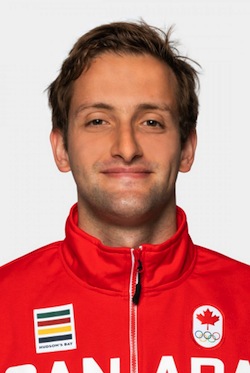
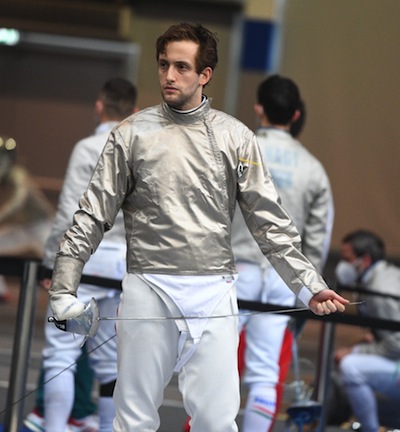
 Tel Aviv-born fencer Shaul Gordon, a former Richmond resident who now lives in Montreal, is part of Canada’s Olympic team. According to his bio on olympic.ca/team-canada, “Gordon made his senior fencing debut for Canada in 2013. He has since represented Canada at two Pan American Games and six FIE World Championships.

photo - Fencer Shaul Gordon
Fencer Shaul Gordon (photo from olympic.ca)

“Gordon earned his first career senior individual medal at the Pan American Championships in 2018, when he captured silver. Later that year, he won gold at an FIE Satellite event in Belgium.

“Gordon followed up his terrific 2018 with an even more successful 2019, starting with helping Canada bring home a third straight silver in team sabre from the Pan Am Championships. At the FIE World Championships, he advanced to the quarterfinals for the first time ever. At the Lima 2019 Pan Am Games, he also helped Canada to a team sabre silver, while winning a bronze in the individual sabre.

“Gordon fenced collegiately at Penn State for his freshman year before transferring to the University of Pennsylvania. He finished second at the NCAA Championships in 2013, tied for third in 2014, was a three-time All-American and finished his college career with an overall record of 143-30.”

For an interview with Gordon, in Hebrew, see jewishindependent.ca.

Format ImagePosted on July 23, 2021July 21, 2021Author Abigail Klein Leichman ISRAEL21CCategories WorldTags Canada, fencing, Israel, Japan, Olympics, Paralympics, Shaul Gordon, Tokyo
הסייף הישראלי שאול גורדון ישתתף באולימפיאדת מטעם קנדה

הסייף הישראלי שאול גורדון ישתתף באולימפיאדת מטעם קנדה

הסייף הישראלי שאול גורדון, ייצג את קנדה בתחרויות הסיף באולימפיאדת טוקיו שתתקיים בחודש הבא (יולי), ביחד עם 11 סייפים קנדים נוספים.

בניגוד לשאול, אחיו הצעירים מתי גורדון שמשחק רוגבי שביעיות ותמר גורדון שמתחרה אף היא בסיף, משתייכים דווקא לנבחרות ישראל. משפחת גורדון כולה גרה כאן בקנדה: האב אליהו גורדון עובד בממשלה הפדרלית בוונקובר, האם מוניקה גורדון מלמדת באוניברסיטת יו.בי.סי שבעיר, שאול לומד במונטריאול שקוויבק, מתי לומד בקינגסטון שבאונטריו ואילו תמר גרה עדיין עם ההורים בוונקובר.

שאול גורדון יליד תל אביב בן ה-26, גר בוונקובר מאז בגיל עשר. הוא סיים תואר ראשון

בשפה וספרות צרפתית באוניברסיטת פנסילבניה בפילדלפיה ב-2016. אחרי מכן עבר למונטריאול ללמוד בפקולטה למשפטים באוניברסיטת מקגיל. השנה סיים לימודי תואר מתקדם במשפטים והוא מתמחה בחוקי חלל ותעופה.

גורדון עזב את ישראל בגיל ארבע ועבר עם משפחתו לטורינו שבאיטליה. בגיל שבע החל להתאמן בסיף בסגנון חרב. כשהיה בן 10 עברה המשפחה לקנדה. הוא משתייך לנבחרת קנדה מאז 2011. נבחרת הקנדית הגיעה עימו למקום השני במשחקי פאן אמריקה טורונטו ב-2015. גורדון הגיע למקום השני באליפות האמריקות בהוואנה ב-2018. הוא זכה באליפות ישראל וכן במקום השלישי במשחקי פאן אמריקה בלימה ב-2019. ואילו נבחרת קנדה הגיעה עמו באותם משחקים למקום השני. גורדון זכה במקום השמיני באליפות העולם בבודפשט ב-2019 וזה בעצם ההישג הגדול ביותר בקריירה שלו. כיום הוא מדורג במקום ה-22 בדירוג העולמי.

– איך ההרגשה להגיע אולימפיאדה?

“אני מרגיש טוב מאוד וזו הפעם הראשונה שלי באולימפיאדה. אך המטרה שלי למשחקים השתנתה לאחר הדחייה בשנה. אשתקד רציתי רק להגיע למשחקים. עתה היה לי זמן לחשוב על ציפיות גבוהות יותר. מה אני רוצה לעשות בטוקיו? האם רק להשתתף למשך חמש דקות במשחק אחד? או להשיג אחת מהמדליות שזו בעצם המטרה שלי עכשיו”.

– מה היו ההכנות בעידן המגפה?

“האימונים בראשית השנה התקיימו רק בקנדה בגלל המגבלות. החל ממארס אחרי כשנה ללא תחרויות, התחלתי להשתתף סוף סוף בתחרות בינלאומיות. בקנדה יש מערכת טובה לאימונים אך חסרים מתחרים. אני עושה הרבה אימונים טכניים ופיזיים. מתאמן פיזית ארבעה פעמים בשבוע ועובד על הטכניקה שש פעמים בשבוע. האימונים שלי נערכים במכון הלאומי לספורט במונטריאול”.
– איך אתה מרגיש כאשר אתה מייצג את קנדה ולא את ישראל?

“אני מרגיש ישראלי אך גם קנדי באותו זמן. אני מרגיש מחויבות לייצג את קנדה

במשחקים. המאמנים שלי קנדיים, המאמנים האחראים להכנות הפיזיות קנדיים, חברי משלחת, האדמיניסטרציה, הפסיכולוגים הספורטיביים והמומחים לתזונה – כולם מכאן. אני רוצה להמשיך ולייצג אותם ולהפוך אותם גאים בהישגים שלי. מזה תשע שנים שאני בנבחרת קנדה: בשנתיים הראשונות ייצגתי את הנוער ומאז 2013 אני בבוגרים”.

– תמר אחותך לעומתך מייצגת את נבחרת ישראל בסיף

photo - Shaul Gordon
שאול גורדון

“זו הייתה החלטה חכמה ומתאימה לה. היא למדה בצרפת במשך שנה ב-2019 והיה לה קשה לייצג את קנדה משם. לעומת זאת בתור סייפת ישראלית היא יכלה להשתתף ביותר תחרויות באירופה. וכן לקבל תמיכה כספית שזה מאוד חשוב בסיף. תמר מתחרה בסגנון חרב כמוני והיא פשוט יותר מוכשרת ממני ואף נמצאת בדרגה גבוהה ממני. אנו מתאמנים יחד כאשר אני מגיע לוונקובר. תמר כיום בת 17 והיא נחשבת לספורטאית מאוד חזקה. היא מתחרה עם בנים כי אין בנות ברמתה”.

תמר גורדון, כשהייתה בת 15, כמו אחיה הגדול שאול, זכתה גם כן באותה אליפות ישראל (2019) בתחרות לבוגרות למרות גילה הצעיר. היא אמורה לסיים את לימודי התיכון בעוד כשנה וחצי ולאחר מכן תלמד כנראה באחת האוניברסיטאות בארה”ב. בין ההישגים הבולטים ביותר שלה: מקום ראשון באליפות צרפת לקדטים (על גיל 17) ב-2019 וכן מקום השלישי באליפות אירופה לקדטים בקרואטיה אשתקד.

תמר על התתשפותה בנבחרת ישראל: “עם נבחרת ישראל יש לי יותר אפשרויות להשתתף בתחרויות סיף אירופאיות. מאוד חשוב לי להתחרות ברמה הגבוהה ביותר כאשר חלק מהסייפות הטובות בעולם נמצאות באירופה. אני מרגישה גם גאה לייצג מדינה כמו ישראל בקנה מדינה בינלאומי”.

– יש לך אח נוסף שגם הוא ספורטאי

“מתי בן ה-23 משחק רוגבי שביעיות. הוא היה הקפטן של נבחרת אוניברסיטת טורונטו כאשר למד בחוג ללימודים אירופיים. כיום הוא בנבחרת אוניברסיטת קווינס קינגסטון, ששם הוא לומד שנה שנייה במשפטים. השנה אין להם עונה בגלל המגפה. והכי חשוב הוא שמתי נמנה על נבחרת ישראל ברוגבי שביעיות”.

מתי על השתתפות בנבירת ישראל: “זה נותן לי היכולת להשתתף ביותר משחקים בינלאומיים וברמה הגבוהה ביותר האפשרית. וכן להכיר כמה שיותר ישראלים ולמצוא חברים. כך אני יכול לנסוע בכל העולם ולייצג את הנבחרת של המדינה בה נולדתי”.

– חברתך יאנה בוטביניק משתייכת לנבחרת ישראל בסיף. איך בכלל הכרתם?

“הכרנו באליפות העולם שנערכה בוושי סין ב-2018. מאמן נבחרת הדקר של קנדה, ויקטור גנצביץ, אותו אני מכיר מצוין, הציג אותי בפניה. גנצביץ הוא הבעלים והמאמן הראשי של מועדון הסיף בוונקובר ‘דינמו פנסינג’, בו התאמנתי במשך 15 שנים. יאנה רצתה ללמוד בארה”ב וביקשה לקבל אינפורמציה ממני. מאז אנו ביחד.

– אתם מתחרים בסגנונות שונים

“כן. אני מתחרה בחרב והיא מתחרה בדקר. החוקים שונים והשימוש בנשק שונה. בחרב מותר לפגוע רק מאזור החגורה למעלה כשאפשר להשתמש בכל חלקי הלהב לדקור ולהצליף. ואילו בדקר אפשר לפגוע בכל הגוף אך רק באמצעות דקירה אחת. אני בחרתי בחרב כי זה סגנון מהיר ואגרסיבי יותר. דקר לעומת זאת יותר מחושב, המתחרים יותר זהירים. משחק יכול להגיע עד ל-20-25 דקות בזמן שבחרב משחק נמשך בממוצע כחמש דקות. בסגנון השלישי,רומח, אפשר לפגוע בחזה, בבטן ובכל החלק האחורי של הגוף, כאשר כמו בדקר צריך לדקור את המתחרה. המשחק יותר ארוך מחרב ויותר קצר מדקר”.

בוטביניק (22) לומדת בימים בחוג למתמטיקה ומחשבים באוניברסיטת קולומביה בניו יורק. היא עלתה מרוסיה לישראל ב-2010 ובגיל 17 זכתה לראשונה בתואר אלופת ישראל לנוער. מאז 2019 היא נחשבת לבוגרת וסיימה במקום העשירי באליפות אירופה. כיום מדורגת בוטביניק במקום ה-68 בדירוג העולמי.

– איך זה יהיה להתחרות בטוקיו ללא קהל לאור המגפה?

“אכן הפעם לא יהיה קהל כך שתהיה זו אולימפיאדה שונה בתכלית. קהל חשוב מאוד בתחרות בסדר גודל כזה כמו אולימפיאדה. יחסר לי במיוחד שחברי משפחתי לא יכלו להגיע אך זה לא בשליטתי.

– מה קורה עם הלימודים שלך במונטריאול?

“השגתי כבר תואר במשפטים ואני יכול כבר לעבוד בתחום אך אסור לי לייצג לקוחות, לפני שאני אעבור את בחינת לשכת עורכי הדין. אחרי האולימפיאדה אנסה להשיג עבודה בניו יורק כך שאוכל להיות עם יאנה. זה גם טוב לסיף. ניו יורק כמובן יותר מעניינת מוונקובר והיא גם מצוינת לעבודה. התחלתי לבדוק הצעות עבודה עם מספר גדול של משרדי עורכי דין בניו יורק. המטרה שלי לעבור בסתיו לניו יורק וגם יאנה אמורה לחזור לשם באותה עת”.

Format ImagePosted on July 21, 2021July 21, 2021Author Roni RachmaniCategories עניין בחדשותTags Canada, COVID-19, fencing, Israel, Japan, Matthew Gordon, pandemic, Richmond, rugby, Shaul Gordon, Tamar Gordon, Tokyo Olympics, Yana Botvinnik, אולימפיאדת טוקיו, יאנה בוטביניק, יפן, ישראל, מגפה, מתי גורדון, קנדה, רוגבי, ריצ'מונד, שאול גורדון, תמר גורדון
Honouring women’s courage

Honouring women’s courage

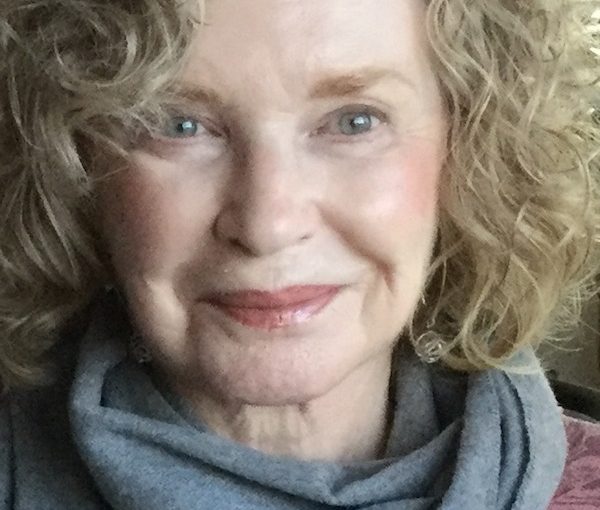
Anne Petrie (photo from Maurice Yacowar)

The University of Calgary has organized a virtual exhibition to honour the efforts of Jewish women in the Canadian Armed Forces during the Second World War. Called She Also Served, it comprises a series of nine banners by various artists.

Originally scheduled to be displayed at the Military Museums in Calgary during Jewish Heritage Month in May, it has been made available online throughout 2021 and will be physically hung in May 2022. Of the 17,000 Jews who served in the Canadian armed services, more than 275 were women.

Among those selected to display their work is Anne Petrie of Victoria. For her banner, a digital print called “In the Tradition of Service,” Petrie chose to list all the known names of the Jewish Canadian servicewomen. She used a font that is reminiscent of the typewriters of the 1940s. Another layer of the banner has the names of 12 biblical heroines, confirming the tradition of Jewish women’s courage and dedication to serving their communities.

“I was immediately struck by knowing that, although they would not have had to hide their Jewish identity, it was still in those days not something that you would be comfortable being completely open about,” Petrie told the Independent. “Even if it was, at best, very casual antisemitism, it was a reality when they would have signed up. So, there you are fighting (even if it’s only at a desk) for something – a religion, a people, a culture – that you can’t really be openly passionate about.”

image - Anne Petrie’s “In the Tradition of Service,” 2021. Part of the She Also Served exhibit, now online
Anne Petrie’s “In the Tradition of Service,” 2021. Part of the She Also Served exhibit, now online.

For Petrie, She Also Served is an opportunity to reveal and contextualize the “Jewishness” of that other “them, the unsung and – worse – unidentified Jewish-Canadian women soldiers.” She said she is honouring them by naming them in “their doubly suppressed identities, as women and Jews.”

Petrie’s intention was to present the full names and rank (where available) of all the Jewish women known to have served. The collection of names fills the background layer of the 75-by-165-centimetre banner. Each name is in the colour of their respective services: olive green for army, dark navy for the navy and a lighter “air force blue” for the Women’s Army Corps. Emerging from the background in a larger, translucent Hebrew script, and in a camouflage pattern, are the names of Judaism’s biblical heroines, “themselves often subordinated by patriarchal tradition to the male heroes,” said Petrie.

“In making the banner itself, I was struck by how powerful it was to actually write out all the 279 names of the Jewish servicewomen that have so far been identified. I knew none of them personally, of course, but I felt that typing each name was a kind of acknowledgement and, strange as it sounds, I did feel a kind spirit or presence as I typed each of the names. I only wish we did know more about them, but I understand that research is continuing and, hopefully, there will eventually be stories attached to each of these women’s names,” she said.

Petrie thanked Janice Shulman and Rabbi Lynn Greenhough for their assistance with the project.

Prior to beginning her work as an artist, Petrie’s career spanned more than 30 years in radio and television, where she worked as a researcher, producer, documentary-maker, columnist and commentator in news and current affairs. She is also the author of several non-fiction books: Ethnic Vancouver, Vancouver Secrets and Gone to an Aunt’s: Remembering Canada’s Homes for Unwed Mothers.

After retiring from the CBC, she returned to school and obtained a bachelor of fine arts from the Alberta College of Art and Design in 2008. Since then, she has had a number of exhibitions. Her next exhibit, said/unsaid, is a two-person show with Jane Coomb – it opens at the errant artSpace gallery in Victoria (975 Alston St.) on July 9.

The other artists whose work is featured in She Also Served are Razieh Alba, Sophia Borowska, Alysa-Beth Engel, Lily Rosenberg, Talie Shalmon, Jules Schacter, Bev Tosh and Susan Turner. The representations exploring the servicewomen’s experiences range from naturalistic to abstract. Some works use archival photographs, while others use media include oil painting and paper-cutting.

The stories of 41 Jewish servicewomen are also featured on the website. These accounts were an impetus for the call for submissions for the exhibition, which was curated by the University of Calgary’s Prof. Jennifer Eiserman and librarian emerita Saundra Lipton. They ask for help in “completing the story” from anyone who has more information about the featured servicewomen and any of those identified in the list of names collected.

To view the exhibition, visit live-ucalgary.ucalgary.ca/she-also-serves/exhibition.

Sam Margolis has written for the Globe and Mail, the National Post, UPI and MSNBC.

Format ImagePosted on June 25, 2021June 24, 2021Author Sam MargolisCategories National, Visual ArtsTags Anne Petrie, art, Canada, memorial, Military Museums, Second World War, She Also Served, University of Calgary, women
CHW’s Brunch with Bakan

CHW’s Brunch with Bakan

Joel Bakan spoke at a CHW Vancouver Book Club event May 30. (photo from thecorporation.com)

The Canadian Hadassah-WIZO (CHW) Vancouver Book Club hosted a far-reaching 90-minute discussion with author, filmmaker, musician and University of British Columbia law professor Joel Bakan on May 30. Moderating the event, entitled Brunch with Bakan, was Toronto-based writer (and former Vancouverite) Adam Elliot Segal.

Bakan’s widely acclaimed 2004 book The Corporation: The Pathological Pursuit of Profit and Power explored the formation and behaviours of modern-day industrial behemoths. It was later turned into an award-winning film. His new book, The New Corporation: How “Good” Corporations are Bad for Democracy, released in 2020, also has a film attached to it – The New Corporation: The Unfortunately Necessary Sequel, which Bakan co-directed with Jennifer Abbott.

In the CHW event, Bakan shared tidbits about his upbringing, first in East Lansing, Mich., then moving to Vancouver at age 11. “I was a very young draft dodger,” he recalled, as his parents decided to move north at the height of the Vietnam War.

“Family and Judaism have been two of the pillars of my life,” he said, recounting how much of his current activism could be traced to his immigrant grandparents.

“Jewish people, by virtue of their history, understand persecution, they understand injustice. They haven’t had a choice but to understand injustice. Injustice has always been in their face. It’s no coincidence that Jewish people were leaders in the civil rights, labour and other movements,” said Bakan.

“Jewish people have always had an activist sensibility and I think it’s rooted, not only in that history, but in the ethics of the religion – chief among them is tikkun olam, that we have a duty to repair the world, which is very much a duty I take seriously,” he added.

In his recent book, which moderator Segal called a “tour de force” and “meticulously researched,” Bakan tackles such subjects as deregulation, the aviation industry and what he describes as the destructive dependence on technology. In it, he interviews not only influential legal and economic scholars but also references pop culture to explain more difficult concepts.

“I wanted the book to be readable,” he said. “I am an academic by trade, but I am a writer. I want the reader to feel pulled into a story. In all my writing for a popular audience, I try to get away from the academic notion of laying out the facts and instead lull the reader in by telling some good stories. And, once I have the reader, I try to engage them with some more analytical or informational kinds of things.”

Segal asked about Bakan’s Trump-era trip to the World Economic Forum in Davos, Switzerland, for the recent Corporation documentary project. It turned out to be a coup of sorts for a film crew to be allowed access to the normally secretive meetings of the world’s political and corporate elites in the Swiss Alps.

In this work, Bakan discusses the concept of corporate social responsibility, which, he contends, cannot do nearly enough to combat rising global social and environmental threats. He distinguishes between individuals at the top of corporations and the corporations themselves.

An example of this approach is Lord John Browne, the former chief executive officer of British Petroleum, whom Bakan portrays as a very cultured man and one of the “good guys,” who tried to get his firm to be at the forefront of corporate responsibility. However, the problem is that even the most benign, well-intentioned CEOs are hamstrung by their fiduciary and legal responsibilities to their shareholders, according to Bakan.

“A CEO can go a certain distance in trying to do a better job in terms of social or environmental responsibility, but you can’t go further in that direction in terms of what will be profitable,” said Bakan. “It’s great if corporations try to be a little better, but let us not be deluded into believing that they can go far enough to get us out of the mess we are in, be it the social mess or the environmental mess.”

The conversation turned to sports and the recent failed attempt by Europe’s top soccer clubs to form the Super League. The common thread with other societal issue is the goal of corporations or capitalism to commoditize everything, whether it be water, utilities, education or entertainment. In the case of the Super League, the vested corporate interests behind the initiative were trying to increase profits by “taking the local out of sports.”

“If you put the Toronto Maple Leafs in Dubai, they would make more money,” said Bakan. “The Super League stopped because the people and governments rose up.”

The discussion ended on an uplifting note for the future. Bakan advocated extolling the virtues that our societies value, such as democracy, freedom and equality, to create a world “in which people can flourish, where they can thrive, where they can be free, not just of government restrictions but ill health, hunger and poverty, where they can live lives of meaning and purpose in which their material needs are met.”

The past 40 years have seen corporations as drivers of policy rather than as tools, argues Bakan. “We need to understand that our democracy is what matters and its capacity to serve human flourishing and planetary survival. When we think about our policies, they need to be aimed at how we can use markets and corporations towards those ends – not how they can use us to serve markets and corporations.”

The film version of The New Corporation is available on several streaming services in Canada. As well, the CHW talk is available for anyone who donates $18 to CHW, for which a full tax receipt also will be provided. Visit chw.ca/thenewcorporation to register, or call the CHW Vancouver office at 604-257-5160. CHW supports programs and services for children and women, in healthcare and education, in Israel and Canada.

Sam Margolis has written for the Globe and Mail, the National Post, UPI and MSNBC.

Format ImagePosted on June 11, 2021June 10, 2021Author Sam MargolisCategories LocalTags business, Canada, Canadian Hadassah-WIZO, children, CHW, CHW Vancouver, corporations, democracy, healthcare, Israel, Joel Bakan, politics, women
HIPPY fêtes trailblazer

HIPPY fêtes trailblazer

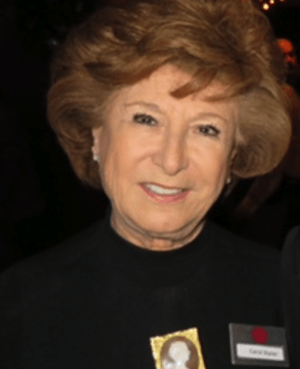
Carol Slater (photo from mothersmattercentre.ca)

Carol Slater, a former vice-president of National Council of Jewish Women of Canada, was presented with the first-ever Trailblazers Award for helping bring to Canada an innovative Israeli-founded education program that empowers mothers of preschool children.

The award, presented by the Mothers Matter Centre, was part of a virtual event May 5. (See jewishindependent.ca/mothers-importance.)

Slater was one of a small group of people who brought the program Home Instruction for Parents of Preschool Youngsters (HIPPY) to Canada two decades ago. The initiative, which has taken off in countries worldwide, began out of the Britannia Community Centre and Britannia Community Secondary School, in East Vancouver. The national headquarters of the program remains in Vancouver, under the auspices of the Mothers Matter Centre. HIPPY Canada changed its name in 2017 to the Mothers Matter Centre to reflect the fact that they deliver a range of programs, although HIPPY remains the core of the organization.

Slater spoke with the Independent recently, along with Wazi Dlamini-Kapenda, a Vancouverite who was the first HIPPY director in Canada and remains head of the national program.

HIPPY was started in 1969 at the Hebrew University of Jerusalem by the late Dr. Avima Lombard.

“When the first wave of African immigrants came to Israel and spoke no Hebrew, [Lombard] realized the disconnect between the children and the parents,” Slater said. “The parents didn’t know what was expected of the children, or of the parents.”

Slater and Dlamini-Kapenda take pride in the relative simplicity of the HIPPY structure. A new program is developed when a community identifies HIPPY as a program that would be of benefit to mothers and children. The community then approaches the Mothers Matter Centre to help with starting it up. In other cases, MMC approaches the community to let them know about the program and support them in implementing it, providing seed funding to get it off the ground, said Dlamini-Kapenda. The community can start with a minimum of two to four home visitors, depending on the size of the community, then each visitor recruits 10 to 12 families. The home visitor drops in on each family every week for at least an hour during the school year, and teaches the mother the week’s activities using the HIPPY curriculum. The lessons are taught using role-play, in which the home visitor and the mother take turns being the teacher (mother) and the student (child), practising the lesson before the mother teaches the week’s lessons to their preschooler.

“The basis of this program is that all parents want the best for their children, all parents want their children to succeed and to enter school ready to learn,” said Dlamini-Kapenda. “The parents themselves can play a role in this in building capacity within the home. Instead of parents relying on sending their children to preschool, which some parents couldn’t afford, we could go into the home, which is actually important because the home is where success begins. We all know that.”

“One of the very critical things,” Slater said, “is giving the parent the confidence that she can go to [her child’s] school because what has very often happened in immigrant situations is that the mother may not speak the language very well and, if she doesn’t go to school, she doesn’t follow her child and if she doesn’t follow her child, her child can fall behind and she doesn’t know about it. One of the most important things is the empowerment of the parent to understand that she is the first teacher of her children. It’s a fantastic concept when you think of it. So simple.”

The program is offered free to mothers and all supplies are provided, although almost everything that the mother will need to do activities can be found in the home. The families targeted for the HIPPY program are those with low literacy or deemed “at risk.” Special emphasis is given to immigrant and refugee communities and Indigenous populations. HIPPY has separate streams for multicultural and Indigenous families, recognizing different approaches to learning. Home visitors will usually be recruited from within the linguistic communities they serve.

Slater’s award recognizes her work in getting HIPPY off the ground in 2001.

“Carol was very instrumental in getting the funding and knocking on doors and talking to every person in a position to be able to get us the first funding to run the first four or five years of the program here in Canada,” said Dlamini-Kapenda. “I don’t know, without Carol, how far we would have gone.”

Dr. Debbie Bell, founding director of Simon Fraser University’s community education program, was working on developing strategies to create access to education for low-literacy communities. Slater and Bell connected after Slater happened upon a brochure about the nascent program. Slater, who has lived in Israel, Vancouver and, now, Montreal, saw it as an ideal fit for National Council of Jewish Women.

Seizing the moment, Slater beat the bushes for financing. Bell was emphatic that they should not launch HIPPY without a budget for several years of programming because that would be unfair to participating families. Slater went to Ottawa and, with the help of several key figures, obtained funding from the federal health ministry to get HIPPY up and running.

She credits Dr. Hedy Fry, member of Parliament for Vancouver-Centre, as an early supporter.

“She was so excited about the program,” Slater recalled. “She met Debbie and myself and we used to meet in her office. She sat me at a desk, she gave me a list of all the cabinet ministers and their secretaries and their private phone numbers. I just sat there and I phoned.”

An assistant to Allan Rock, who was then minister of health, was equally supportive. Slater left the meeting with a commitment for $250,000, which jumpstarted HIPPY Canada.

Slater also credits late Vancouver philanthropist Jack Diamond and the Diamond Foundation for crucial support that got the program started. The Vancouver Foundation also committed to four years of funding, something they had never done before, said Dlamini-Kapenda, who was then hired as the first HIPPY coordinator in Canada.

At the awards ceremony earlier this month, Canada’s chief public health officer, Dr. Theresa Tam, and Dr. Cindy Blackstock, a Gitxsan activist for child welfare and a professor in McGill University’s School of Social Work, received the Because Mothers Matter Award for their noteworthy professional accomplishments while giving back to their community. Two HIPPY mothers with extraordinary stories, Nusrat Awan and Jessica Seegerts, were also honoured.

Format ImagePosted on May 28, 2021May 27, 2021Author Pat JohnsonCategories NationalTags Canada, Carol Slater, education, family health, healthcare, HIPPY, Israel, Mothers Matter Centre, National Council of Jewish Women, NCJW, Pat Johnson, Trailblazers Award, Vancouver, Wazi Dlamini-Kapenda
הסכסוך במזרח התיכון הגיע גם לקנדה

הסכסוך במזרח התיכון הגיע גם לקנדה

המפגינים צועדים ברחוב רובסון מלווים בכוחות המשטרה שסגרה את הכבישים הסמוכים בדאון טאון ונקובר
(רוני רחמני)

הסכסוך הקשה במזרח התיכון בו מעורבת ישראל בימים אלה כולל ארגון הטרור החמאס, ישראלים יהודים וערבים בישראל ופלסטינים וכוחות הביטחון בשטחים – הגיע כצפוי גם לקנדה. הפגנות רבות משתתפים נערכו בימים האחרונים מצד תומכי הפלסטינים ומצד תומכי ישראל, בערים המרכזיות של קנדה. במרבית הפגנות נשמר השקט והסדר בצורה מכובדת, אך במספר אירועים בעיקר באלה שבטורונטו ומונטריאול, הותקפו אזרחים יהודים תומכי ישראל על ידי אזרחים מוסלמים שתומכים בצד הפלסטיני. המשטרה ביצעה כבר מספר מעצרים והיא מנהלת חקירה מואצת לעצור חשודים נוספים באלימות הקשה שהופנתה נגד אלו שתומכים בישראל.

בחלק מהפגנות התמיכה בפלסטינים החזיקו המפגינים כרזות עם דברי נאצה ושנאה מבישים נגד ישראל והיהודים בכלל, בהם: צלבי קרס, “ישראל פעלת נכון, היטלר יהיה גאה בך”, ישראל=נאצים”, “מוות לישראל”, “מה ההבדל בין ישראלי לנאצים” ועוד.

ההפגנה הגדולה ביותר התקיימה על ידי תומכי הפלסטינים בטורונטו ונכחו בה למעלה מחמשת אלפים משתתפים. באותה הפגנה נעצרו כבר על ידי המשטרה המקומית שלושה אזרחים מוסלמים, שתקפו קומץ של מפגינים יהודים שעמדו מולם, וכאמור מעצרים נוספים צפויים בימים הקרובים. המפגינים היהודים ספגו אבנים ובקבוקים, ואחד מהם אף הוכה במקלות, הוא נפגע בראשו ונזקק לטיפול רפואי דחוף. ואילו בהפגנה של תומכי ישראל במונטריאול נאלצה המשטרה המקומית להפעיל גז מדמיע לפזר בכוח אזרחים מוסלמים, שביקשו לפגוע באזרחים יהודים שהפגינו בעת שנערכה הפגנה בעד הפלסטינים.

ההפגנות של שני הצדדים בעד ונגד ישראל נערכו בין היתר בערים הבאות בקנדה: טורונטו, מונטריאול, ונקובר, קלגרי, אדמונטון, אוטווה, ויניפג, הליפקס וסנט ג’ונס.

המפגינים פונים מרחוב ג’ורג’יה לרחוב טרלו בדרכם למשרדים של הקונסוליה האמריקאית בדאון טאון ונקובר
(רוני רחמני)

אני עקבתי מקרוב אחרי הפגנה של תומכי הצד הפלסטיני שנערכה בוונקובר ביום שבת האחרון. כחמש מאות מפגינים בהם אזרחים מוסלמים, ילידי קנדה, אינדיאנים, תומכי המרקסיזם ואפילו קבוצה של ארגון שמאל יהודי קיצוני “הקול היהודי העצמאי” – השתתפו בה. תחילה התכנסו מאות מפגינים בכיכר שממול האולפנים של רשת השידור הציבורית הקנדית הסי.בי.סי, ברחוב המילטון בדאון טאון. לאחר סדרה של נאומים וקריאות נגד ישראל שנמשכה למעלה מחצי שעה, החלו המפגינים לצעוד באישור המשטרה כמובן, אל עבר הקונסוליה האמריקנית בעיר, שנמצאת ברחוב פנדר בדאון טאון. רחבות שלמים נסגרו על ידי השוטרים הרבים שנכחו במקום, והצועדים ללא התפרעויות עשו את המסלול מאולפני הסי.בי.סי, אל רחוב רובסון, משם לרחוב ג’ורג’יה ומשם המשיכו בהמוניהם עד לבניין בו שוכנת הקונסוליה האמריקנית.

בין סיסמאות הרבות של המפגינים בעד הפלסטינים, לאור פעולת צה”ל בעזה, שנאמרו בהפגנה או שהופיעו על שלטים בהם החזיקו הצועדים: “אין צדק אין שלום”, “לשחר את פלסטין”, “פלסטין תקום בין הנהר לים”, “הפסיקו את שפיכות הדם”, “הפסיקו את ההפצצות”, “הפלסטינים הם מפלסטין”, “יש לעצור את המלחמה”, “יש להציל את שייח’ ג’ראח'”, “רציחת ילדים איננה נחשבת להגנה עצמית”, “הגידו במפורש את השם פלסטין”, “שתיקה היא אלימות”, “יש לחקור את פשעי המלחמה שמבצעת ישראל”, “יש לתת הגדרה עצמית לפלסטינים”, “יש להחרים את ישראל”. על הדלת הכניסה לקונסוליה האמריקנית שהייתה סגורה בעת ההפגנה, נכתבה הסיסמה באדום: “יש לשחרר את פלסטין, יש להפסיק את רצח העם וכן יש להפסיק את הכיבוש”.

בתגובה לתקיפת המפגינים היהודים בטורונטו, ציינו בארגון המרכז לענייני ישראל והיהודים בקנדה: “אנו מגנים בחריפות את ההתקפה והשנאה שהופנתה נגד יהודים. אין הצדקה לאלימות פוליטית ואלה ששונאים את ישראל שונאים גם את קנדה”.

Format ImagePosted on May 19, 2021May 19, 2021Author Roni RachmaniCategories עניין בחדשותTags attack and hatred directed against Jews, Canada, demonstrations, Israel, Middle East, Palestinians, Toronto, Vancouver, violence, אלימות, הפגנות, התקפה והשנאה שהופנתה נגד יהודים, וונקובר, טורונטו, ישראל, מזרח התיכון, פלסטינים, קנדה
What makes art Jewish?

What makes art Jewish?

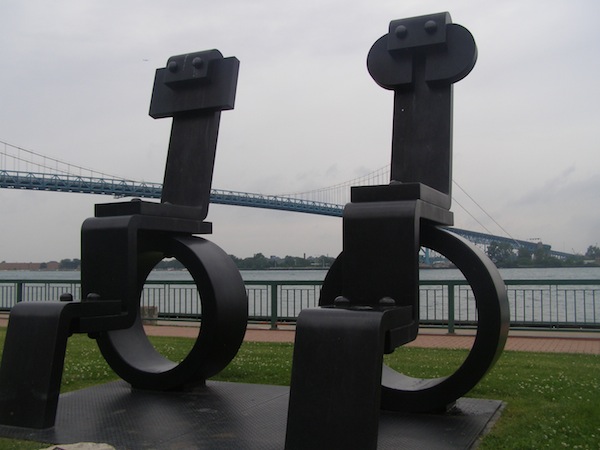
Sorel Etrog’s sculpture in Odette Sculpture Park, in Windsor, Ont. Etrog was one of four artists featured in Prof. Jennifer Eiserman’s March 7 lecture, Is There Such a Thing as Canadian Jewish Art? (photo by Matt Glaman)

Is there such a thing as “Jewish art” in Canada? Dr. Jennifer Eiserman explored this question in a March 7 Zoom lecture organized by Victoria’s Kolot Mayim Reform Temple.

Eiserman, an artist and an art professor at the University of Calgary, shared some of the preliminary findings of her investigation. She pointed out that, with respect to the concept of “Jewish art,” she was not referring to Judaica or Jewish themes in art. “I’m curious about whether artists with some kind of Jewish background make art that is qualitatively different from other artists. If so, I am interested in how these Jewish artists speak and think Jewishly,” she explained.

She began by providing a background to Canadian art history and, specifically, how it has been taught. There has been a profound shift, to put it mildly, in focus, she said. Prior to 1990, the study of Canadian art was a colonial one, concentrating mostly on male artists of European descent. Now, the works of women, Indigenous people and others are part of the curriculum.

Eiserman then discussed four artists and how they speak both Jewishly and as Canadians. She started with sculptor Sorel Etrog (1933-2014) and his contribution to Canadian Modernism. Etrog was a Romanian-born Holocaust survivor who spent time in Israel before immigrating to Canada. His biography is one of movement from place to place.

“The way I see Etrog speaking Jewishly is through the tension between tradition and innovation and the notion of interweaving roads, the idea of the new, which occurs in Etrog’s work,” Eiserman said.

His work, she added, also speaks Jewishly, in that it maintains certain core principles of the genre of public sculpture while addressing the contemporary context in which the sculpture is being placed. Just as we place Jewish law from generation to generation into contemporary contexts, Etrog’s art innovates while carrying on traditional elements.

The figurative art of Betty Goodwin (1923-2008) was demonstrated as being the work of “an outsider, someone not part of the Old Boys’ Club and one who had to find her own way.” Her work, according to Eiserman, contributed internationally to how drawing was defined and what it was to become.

“Her floating figures might express the experience of being in a world that does not welcome one’s experience. The experience of being neither here nor there. Her work speaks to the experience of losing and finding,” Eiserman noted.

Sylvia Safdie’s video installations of flowing water, sand, light and sound advance the traditional concerns of Canadian art with landscape and nature, most commonly associated with the Group of Seven. Safdie was born in Lebanon in 1942 and her family moved to Montreal in 1953.

Safdie’s video can be perceived as exploring a variety of themes that allow her to bring her own voice into the world. “Her work is part of a post-colonial narrative in which some people have experienced harm as the nation of Canada came into being, and speaks Jewishly of the central issues of living in the Diaspora – how to adapt and yet maintain our identity,” said Eiserman.

The distinctively Jewish fantastical creatures of sculptor David Altmejd (born 1974), who represented Canada at the Venice Biennale in 2007, were the final set of slides shown by Eiserman. She described Altmejd as the “quintessential 21st-century Canadian artist. He is bicultural, multilingual, internationally known and now lives in another country (United States) yet is still deeply rooted in Canada.

“Life is complicated, Altmejd reminds us, we can’t have the good without the bad. Yet, always in his work, life shines through. While he rarely discusses his Jewish roots … one can see that his works speak Jewishly in many aspects,” Eiserman said.

Growing up in Montreal, Eiserman experienced the national influence that the Saidye Bronfman Centre had in disseminating Canadian Jewish art. She received her bachelor’s in art history and master’s in education through the arts at McGill University in Montreal, and a bachelor’s in fine arts (visual art) at the University of Regina in Saskatchewan. Her doctorate, one of the first to use studio art as its method of inquiry, is from the University of Calgary, where she is now an associate professor. Her current research is in North American contemporary Jewish art and community-based Jewish art.

In her artistic endeavours, Eiserman uses mixed media, crochet, watercolour, installation and public art projects to explore issues related to Jewish theology, philosophy and identity. She refers to her work as “visual Midrash, an artistic response to sacred Jewish texts.”

Sam Margolis has written for the Globe and Mail, the National Post, UPI and MSNBC.

Format ImagePosted on March 19, 2021March 18, 2021Author Sam MargolisCategories Visual ArtsTags art, Betty Goodwin, Canada, David Altmejd, Jennifer Eiserman, Kolot Mayim, painting, sculpture, Sorel Etrog, Sylvia Safdie, University of Calgary, visual midrash

Posts pagination

Previous page Page 1 … Page 10 Page 11 Page 12 … Page 26 Next page
Proudly powered by WordPress