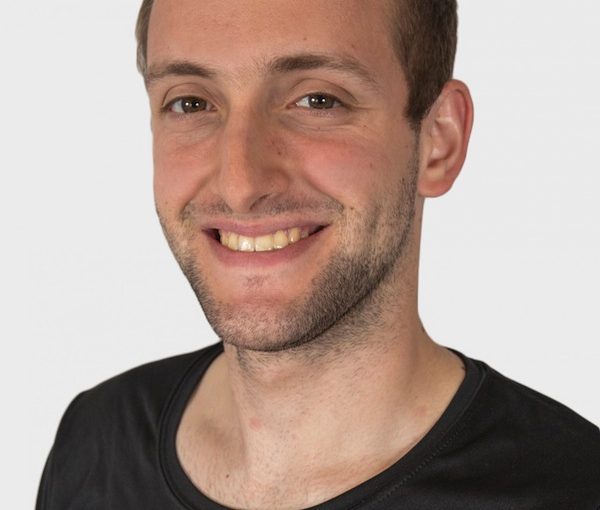
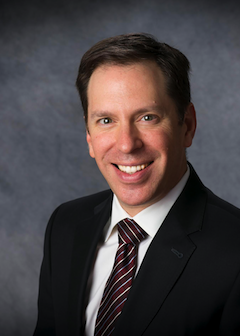
הסייף הישראלי שאול גורדון ייצג את קנדה בתחרויות הסיף באולימפיאדת טוקיו שתתקיים בחודש יולי הקרוב. אחד עשר סייפים נוספים ייצגו את קנדה באולימפיאדה ביפן.
גורדון יליד תל אביב בן ה-26, גר בעיר ריצ’מונד שליד ונקובר בריטיש קולומביה מאז היותו בגיל עשר. הוא סיים תואר ראשון בשפה וספרות צרפתית באוניברסיטת פנסילבניה, שבפילדלפיה ארה”ב בשנת 2016. לאחר מכן עבר גורדון למונטריאול כדי ללמוד בפקולטה למשפטים באוניברסיטת מגיל. השנה הוא סיים לימודי תואר מתקדם שני במשפטים (על חוקי אבטחת החלל).
גורדון עזב את ישראל בגיל ארבע ועבר עם משפחתו לגור בעיר טורינו שבאיטליה. כבר בגיל שבע התחיל להתאמן בסייף בסגנון חרב. בגיל עשר (שש שנים לאחר מכן) עברה המשפחה לריצ’מונד. ומאז זה ביתו הקבוע למעט תקופות הלימודים הארוכות בארה”ב וקנדה.
בשנת 2019 זכה גורדון במקום השמיני באליפות העולם בבודפשט הונגריה שזה ההישג הגדול ביותר בקריירה שלו. באותה שנה הוא זכה גם במקום השלישי במשחקי פאן אמריקה שנערכו בלימה פרו. ואילו נבחרת קנדה שבה הוא משתתף הגיעה באותם משחקים למקום השני. הנבחרת הקנדית הגיעה עימו עוד פעם למקום השני במשחקי פאן אמריקה שנערכו בטורונטו בשנת 2015. גורדון זכה עם הנבחרת הקנדית גם במקום הראשון במשחקי גביע צפון אמריקה שהתקיימו בשנת 2011 בדאלאס טקסס. גורדון (המחזיק גם בדרכון ישראלי) זכה באוקטובר 2019 באליפות ישראל לבוגרים. כיום הוא מדורג במקום ה-22 בדירוג העולמי לסיף.
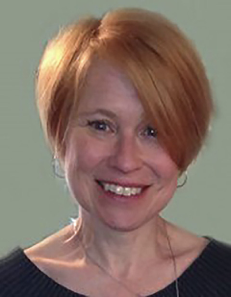
אחותו הצעירה של שאול, תמר גורדון, כשהייתה בת 15 זכתה גם כן באותה אליפות ישראל בסיף בתחרות לבוגרות (למרות גילה הצעיר). תמר גורדון (כיום היא בת 17) גם כן מתחרה בסגנון חרב, נמנית על נבחרת ישראל. היא אמורה לסיים את לימודי התיכון בריצ’מונד בעוד כשנה וחצי. לאחר מכן תלמד קרוב לוודאי באחת האוניברסיטאות בארה”ב. בשנה שעברה זכתה תמר גורדון מקום שלישי באליפות אירופה לקדטים (עד גיל 17) שהתקיימה בקרואטיה. היא זכתה במקום ראשון באליפות צרפת בשנת 2019. וכן הגיעה מקום שלישי בתחרות לקאדטים שנערכה בצרפת אשתקד.
אולימפיאדת טוקיו הייתה אמורה להתקיים במקור בקיץ אשתקד אך המשחקים הבינלאומיים נדחו לקיץ זה בגלל מגפת הקורונה. האולימפיאדה תיפתח ב-23 יולי ותימשך עד השמונה באוגוסט. לטוקיו אמורים להגיע למעלה מאחד עשר אלף ספורטאים (מ-207 מדינות), בהם לא פחות מ-85 ספורטאים מישראל. אם כן תהיה זו המשלחת הישראלית הגדולה ביותר אי פעם השתתפה במשחקים האולימפיים כלשהם. האולימפיאדה אמורה אגב להתקיים ללא קהל לאור המגפה חשש להידבקות עולמית.
שאול גורדון פגש את יאנה בוטביניק (בת ה-22) – שהיא סייפת הדקר הבכירה בישראל – בשנת 2018 באליפות העולם בוושי סין, ומאז הם ביחד. בוטביניק נמנית על נבחרת ישראל לומדת בימים אלה בחוג למתמטיקה ומחשבים באוניברסיטת קולומביה בניו יורק בארה”ב. היא עלתה מרוסיה לישראל בשנת 2010, ומגיל 14 החלה להתאמן בסייף. בגיל 17 היא זכתה לראשונה בתואר אלופת ישראל (לגילאים אלו). משנת 2019 בוטביניק נחשבת לבוגרת והיא סיימה במקום עשר באליפות אירופה, וזכתה במדליית ארד בברטיסלבה סלובקיה. כיום היא מדורגת במקום ה-68 בדירוג העולמי לסיף.
האח האמצעי של שאול, מתי גורדון (23), משחק דווקא רוגבי והוא נמנה על נבחרת ישראל ברוגבי שבע. מתי גורדון למד במשך ארבע שנים בחוג ללימודים אירופיים באוניברסיטת טורונטו. עתה הוא נמצא בשנה השנייה של לימודי לתואר במשפטים אוניברסיטת קווינס קינגסטון אונטריו.
כמעט שנה מאז התפרצה הקורונה, נראה כי ארה”ב וחלקים מאירופה מתחילים לצאת מהחשכה ומטפסים במעלה הדירוג החדש של בלומברג, שמבקש לבחון את האופן שבו מתמודדות 53 מדינות עם הנגיף.
למרות שבראש הכותרות בחלק ממדינות אלה, הופיעו בחודש האחרון בעיקר המאמצים שלהן בנושא החיסונים, ההתקדמות של חלק מהן במעלה הדירוג הושגה במידה רבה בזכות מאמצים משמעותיים יותר שננקטו על ידן בנושא חבישת מסיכת והותרת אזרחים בבתיהם. ארה”ב, מתכוננת להתאוששות כלכלית מהירה מהצפוי, ובדירוג פברואר של בלומברג זינקה המדינה שמונה מקומות לעבר המקום ה-27 ברשימה.
מי שממשיכה להוביל את הדירוג של בלומברג זה החודש הרביעי ברציפות היא ניו זילנד עם ציון של 77.6. בין היתר, הצליחה המדינה לשמור על הדירוג הגבוה היות ששמרה על הגבולות שלה סגורים במהלך פברואר, ביצעה ארבע עסקאות להשגת חיסונים והצליחה כמעט לחסל כליל את התפשטות הנגיף בקרבה.
במקום השני צועדת אוסטרליה, שעלתה מקום אחד בדירוג, וסינגפור במקום השלישי שירדה מקום אחד, ופינלנד במקום הרביעי שעלתה שלוש מקומות מהמקום השביעי. עוד בצמרת המדינות שמתמודדות בצורה הטובה ביותר עם הקורונה בעולם: נורווגיה במקום החמישי שעלתה מהמקום השישי, סין במקום השישי שירדה מקום אחד מהמקום השביעי, וטיוואן במקום השביעי שירדה שלושה מקומות מהמקום הרביעי. סוגרות את העשירייה הראשונה: דרום קוריאה במקום השמיני שעלתה ארבע מקומות, יפן במקום התשיעי שירדה בדירוג מקום אחד, ותאילנד במקום העשירי שעלתה ארבע מקומות. במקום האחד עשרה דנמרק, במקום התשיים עשרה קנדה, במקום השלוש עשרה הונג קונג ובמקום הארבעה עשרה ישראל עם ציון כולל של 59.6 והתקדמה מקום אחד מהמקום ה-15 – כמעט אך ורק בזכות מספר המתחסנים הגבוה. בפרמטר אחר שנבחן על ידי בלומברג – מספר מקרי הקורונה החודשי – ישראל צועדת בתחתית הרשימה עם 1,874 נדבקים בקורונה ל-100 אלף איש שנמדדו בחודש האחרון. רק פורטוגל (1,598 מקרים ל-100 אלף איש) וצ’כיה (2,156 מקרים ל-100 אלף איש) יותר גרועות ממנה. אחריה איחוד האמירויות במקום החמישה עשר, הודו במקום השישי עשרה ווערב הסעודית במקום השבעה עשר.
עורכי הדירוג כותבים כי “ישראל – המובילה העולמית בתחום החיסונים – מספקת הוכחה בעולם האמיתי לכך שחיסוני ה- mRNA הניסיוניים פועלים לא רק למניעת מקרי מוות אלא גם מאטים את קצב העברת הנגיף”. בבלומברג מציינים כי ישראל עלתה שלב אחד בדירוג למקום ה-14 “עם השקת החיסונים המהירה”, אף שזו עדיין לא השכיחה את גל המוטציה הבריטית שפוקד את המדינה ומדגים את הסכנה שהמוטציות ממשיכות להוות.
הדירוג מבוסס על פרמטרים שונים, ובכלל זה את מספר הנדבקים בקורונה בחודש האחרון ל-100 אלף איש, מספר המתים מקורונה בחודש האחרון ל-100 אלף איש, מספר המתים מהנגיף למיליון איש מתחילת המגפה, שיעור המאומתים העדכני בבדיקות קורונה, נגישות לחיסונים (שיעור האזרחים ששוריינו עבורם חיסונים), ומספר המתחסנים בפועל ל-100 תושבים.
עורכי הדירוג מציינים, בין היתר, כי כלכלות עשירות שהיו בעבר בתחתית הרשימה, כמו צרפת, בלגיה ואיטליה, טיפסו במעלה הדירוג מאז החלה לפרסם אותו בלומברג בנובמבר ודחקו מטה מדינות כמו דרום אפריקה ואינדונזיה. כעת השליש התחתון של הדירוג מורכב ממדינות מתפתחות באמריקה הלטינית ובאפריקה.
השליטה של מדינות עשירות באספקת החיסונים העולמית – שמנכ”ל ארגון הבריאות העולמי כינה כ”כישלון מוסרי קטסטרופלי – ככל הנראה תמנע ממדינות עניות להתקדם במעלה הדירוג בחודשים הקרובים. כך לדוגמה מקסיקו נותרה בתחתית הדירוג במקום ה-53, האחרונה בין כל המדינות שנבדקו.
The entire federal cabinet – save the foreign affairs minister – was absent Monday when the House of Commons unanimously voted to characterize the Chinese government’s treatment of its Muslim Uyghurs and other ethnic minorities in the northwest part of China as “genocide.”
In the absence of the prime minister and all his cabinet colleagues, Marc Garneau, the foreign minister, stood and declared, “I abstain on behalf of the Government of Canada.”
The vote was on a nonbinding resolution brought forward by the Conservative party and, ultimately, was supported by all parties, receiving a unanimous vote by those members in the house and participating remotely. An amendment, brought by the Bloc Quebecois, also passed, calling on the International Olympic Committee to move the games scheduled for Beijing in 2022 unless the genocide stops.
According to international law, genocide is the “intent to destroy, in whole or in part, a national, ethnical, racial or religious group.” The United States, at the tail end of the Trump regime, became the first country to name China’s behaviour genocide.
The Chinese government is perpetrating mass incarceration of millions of Uyghur Muslims and ethnic Kazakhs in northwestern China, operating concentration camps, separating families, committing forced sterilization, using slave labour and employing indoctrination apparently aimed at breaking the victims’ adherence to Islam and promoting obeisance to the communist regime.
The Chinese state barely disguises their intent, acknowledging that they are operating “re-education camps” or “counter-extremism centres.” An Australian study last year posited that there are 380 such facilities in the northwestern province of Xinjiang, where most of the 12 million Uyghurs live. The area produces a large proportion of the world’s cotton and the BBC has reported that an estimated 500,000 people are being employed in forced labour picking cotton. Some who have escaped the camps report physical and mental torture, including mass rape and sexual abuse.
An argument could – indeed should – be made that the use of the term “genocide” must be applied carefully in order to avoid diminishing the significance of the language. We have seen the misuse of the term applied to Israel. But there is a great difference between using caution out of respect for the magnitude of the allegation and avoiding the term out of some political expediency or fear of diplomatic retaliation.
Whether what is happening in China right now fits the definition of genocide as we understand it in contexts like the Holocaust, Darfur, Rwanda or Bosnia is not immaterial. But there can be no question that what is happening are crimes against humanity on a massive, blood-chilling scale. Censure of the most extraordinary sort is absolutely justified.
Of course, discretion plays a role. In every decision and position the government takes relating to foreign parties, there are multiple domestic, diplomatic and practical considerations. No country’s foreign policy is pristine or unsullied by what we might consider pure self-interest or unprincipled motives. Fears of repercussions are legitimate.
China is a bully. In response to Canada’s rightful arrest of Huawei executive Meng Wanzhou on a U.S. extradition request, the regime effectively kidnapped two Canadian citizens, Michael Kovrig and Michael Spavor, who have now been incarcerated for more than 800 days.
As we have said in the context of Canada’s support for Israel, elected officials should exercise immense caution in employing foreign policy as a wedge issue. Certainly there are legitimate differences of opinion among parties and individuals on various international topics.
Objectively, O’Toole and his party did the right thing. They were accompanied by MPs from all parties, including Liberal backbenchers. We would hope that the motion and the unanimous support is a symptom of a genuine Canadian commitment to fighting evil in the world. However, it is difficult not to see some partisan calculation at play. O’Toole and his party have been effective and vocal in raising the Uyghur issue (as well as other Chinese government atrocities and human rights abuses) for some time. By contrast, the Trudeau government has appeared to waffle, hemming and hawing over the definition of genocide and appearing reticent to offend the Chinese regime; their approach to China in general has been scattershot and incoherent.
It is within the realm of reason that the Conservatives saw a chance to embarrass and divide the Liberal government and took it. But the bigger issue is, even if the Conservatives were motivated by some hope of political gain, the Liberal government could have muted any such benefit by simply doing the right thing – as Liberal MPs and those of other parties did.
O’Toole, after the vote, decried an absence of leadership. Fair enough.
If the Canadian government has a reason to not characterize Chinese actions as genocide, we’d like to hear them. By simply refusing to show up, the Trudeau government did not take a stand on one of the crucial global issues of the day.
When a people is facing genocide, the very least the victims and Canadian citizens should expect is for Canada’s government to speak up. Too many times in history we have seen the consequences of silence.
Does Canada have Jewish art? What defines Jewish art? University of Calgary art professor Jennifer Eiserman will address those questions on March 7, at 11am. The Zoom event is the fifth in Kolot Mayim Reform Temple’s 2020-21 Building Bridges lecture series.
With a wealth of visual support, Eiserman will introduce the rich esthetic traditions that inform contemporary Jewish art in Canada. The artists to be discussed include Sorel Etrog and his contribution to Canadian Modernism, the figurative work of printmaker Betty Goodwin, and the Jewish fantastical creatures of sculptor David Altmedj, who represented Canada at the Venice Biennale in 2007. Sylvia Safdie’s video installations of flowing water, sand, light and sound advance the traditional concerns of Canadian art with landscape and nature more commonly associated with the Group of Seven.
Growing up in Montreal, Eiserman experienced firsthand the national influence that the Saidye Bronfman Centre had in disseminating Canadian Jewish art. She spent her childhood in Montreal and her adolescence in Alberta’s Cypress Hills. She did her bachelor’s (art history) and master’s (education through the arts) at McGill University in Montreal, and a bachelor of fine arts (visual art) at the University of Regina. Her PhD, one of the first ever to use studio art as its method of inquiry, is from the University of Calgary, where she is now associate professor in the department of art. Her current research is in North American contemporary Jewish art and community-based Jewish art.
Eiserman is also a successful practising artist. She uses mixed media, crochet, watercolour painting, installation and public art projects to explore issues related to Jewish theology, philosophy and identity. Eiserman explains that her work is “what I call ‘visual midrash,’ my artistic response to sacred Jewish texts.”
For more information on and to register for Eiserman’s talk, visit kolotmayimreformtemple.com. For coverage of the Jan. 3 lecture of the Building Bridges series, click here.
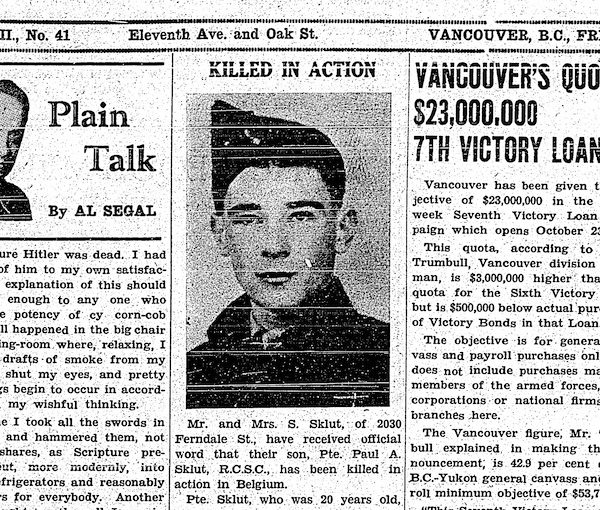
In looking through the Jewish Independent’s archives, after reading this article, this photo of Pte. Paul Sklut was found.
A Belgian tour guide and historian, Niko Van Kerckhoven, wrote to me recently. Van Kerckhoven, 50, and his teenaged son, regularly visit the graves of the Canadian soldiers who were killed liberating his town, called Wommelgem, during the Battle of the Scheldt, which was the Canadian campaign in the area surrounding the crucial port of Antwerp in fall 1944. It cost more than 6,000 Canadian casualties to take it, including that of Jewish volunteer Pte. Paul Sklut.
Van Kerckhoven has found photos of nearly all of the Canadian “boys” whose graves he visits, but not Sklut’s. As he wrote to me, “I’m quite desperate. You are pretty much my last chance for a picture!”
Sklut was the son of Russian-Jewish parents, and the family lived on Ferndale Avenue in Vancouver. It was a short walk to Britannia High School, where he was in the cadet corps, before he graduated.
Sklut’s name was often mentioned in the Vancouver newspapers, for he played competitive tennis, and also gave piano recitals at a venue on Granville Street.
Sklut was studying at the University of British Columbia when he was called up. He had just turned 19 on April 15, 1943. His two brothers, Harry and Donald, were already in uniform, with the army and the Royal Canadian Air Force, respectively. Sklut qualified as an infantry signaller in Kingston, Ont., then shipped out for England in July 1944. He was sent to France on Sept. 11, 1944, attached to the Calgary Highlanders. He was sent into action on Sept. 26. Twelve days later, he was dead.
“Many of them were just arriving here in Europe when they were thrown in this terrible battle of the Scheldt. I know the area well,” Van Kerckhoven wrote. “Many of the replacements died due to lack of training and experience. They really were used to plug the gaps in the infantry, although they were specialists by trade.”
Sklut was wounded on Oct. 8, 1944, and brought to a Canadian medical station that the Royal Canadian Army Medical Corps had set up inside one of the 19th-century forts near Antwerp, known as Fort 2, in Wommelgem. Military records confirm this happened.
Canadian medical personnel with the 18th Canadian Field Ambulance received Sklut at 13:00 hours. He was in really bad shape: he’d already lost his right leg at the knee, and his left leg and knee were fractured. He also had shell wounds in his chest and abdomen.
By 14:00 hours, Sklut was evacuated to the 21st Canadian Field Dressing Station and, then, still in shock, they took him to the Ninth Canadian Field Dressing Station, where he died at 16:30 hours. He was 20 years old.
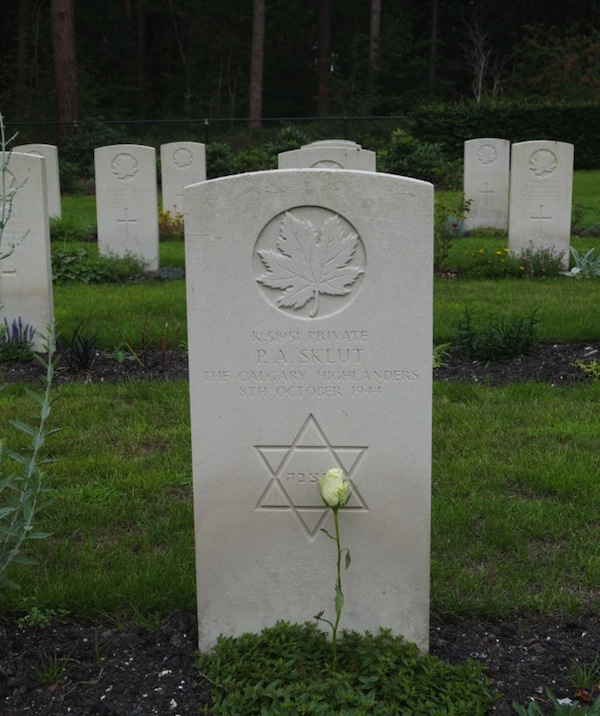
Locals buried Sklut with other foreign soldiers, about 40 of them, mostly Canadians, in the civilian area of the Candoncklaer Hospital Cemetery in Wommelgen. Later, their bodies were reinterred at the Commonwealth War Graves cemetery in Bergen-op-Zoom, across the border in Holland.
Grave of Pte. Paul Sklut in the Bergen-op-Zoom war cemetery, in Holland. (photo from Niko Van Kerchkoven)
That’s where my Belgian correspondent visits Skult’s grave. Van Kerckhoven is a member of his local historical society in Wommelgen, known as De Kaeck. He would like to find the Sklut family to tell them their relative has not been forgotten; he is also looking for a photo of Sklut.
Contact me through my website, ellinbessner.com, if you are able to help this man as he continues to carry out a mitzvah, although I am not sure he is aware of what that word means. (I will explain it.)
Ellin Bessner is a Canadian journalist based in Toronto. She is the author of a new book about Canada’s Jewish servicemen and women who fought in the Second World War, called Double Threat: Canadian Jews, the Military and World War II, which was published by University of Toronto Press (2019). She also contributed a chapter to Northern Lights, published by the Lola Stein Institute (2020); it is the story of the contribution of Canada’s Jewish community to the country’s military record from 1750 to today.
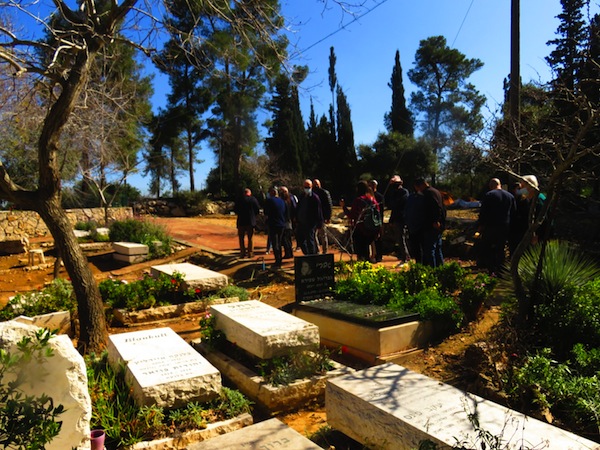
את הלוויות של אבי ראיתי עם עוד מספר בני משפחה וחברים באמצעות “הזום” בשעה שתיים לפנות בוקר לפי שעון ונקובר.
הפעם הרגשתי מקרוב את הנזקים האיומים שמגיפת הקורונה עושה לנו, לחיינו, לקרובים כמו גם לרחוקים. אבי, משה רחמני, בן התשעים ואחד נדבק בנגיף בבית החולים איכילוב שבתל אביב, ולאחר פחות משבועיים נפטר מסיבוכים קשים. אני לצערי לא הצלחתי לעזוב את ונקובר והגיע להלוויתו שהתקיימה ביום ראשון האחרון, בבית הקברות האזרחי של קריית ענבים, בגלל שקשה מאוד לטוס מכאן בעת הזו. לפחות שתיים-שלוש עצירות בדרך ואני הייתי צריך לקבל בנוסף אישור מיוחד ממשלת ישראל להגיע להלוויה. לאחר מכן היה עלי להיכנס לסגר באיזה שהיא מלונית בישראל למשך כשבועיים ימים. ובחזרה לקנדה הייתי צריך לעבור הליך סיוטי דומה. החלטנו לכן במשפחתי שלא אטוס. זו היתה החלטה קשה אך מתבקשת בימים אלה.
את הלוויות של אבי ראיתי עם עוד מספר בני משפחה וחברים באמצעות “הזום” בשעה שתיים לפנות בוקר לפי שעון ונקובר. בקריית ענבים השעה הייתה שתיים עשרה בצהרים, וכארבעים איש הורשו להגיע לבית הקברות, בראשות אמי, לוצי רחמני שגם היא בת תשעים ואחת, ואחי, אמיר רחמני, שניהל את הטקס הקשה הזה. זה לא פשוט לראות איך קוברים את אבא שלך כל כך מרחוק – באמצעות הטכנולוגיה המתקדמת, במקום פשוט להשתתף בטקס צנוע עם חברי משפחה וחברים קרובים. זה מאוד מוזר ויוצר הרגשה של ניכור ומרחק המאוד אופיינית לעידן מגיפת הקורונה, ששינתה את חיינו לחלוטין.
אבי, משה רחמני, בן התשעים ואחד נדבק בנגיף בבית החולים איכילוב שבתל אביב, ולאחר פחות משבועיים נפטר מסיבוכים קשים
אני נפגשתי עם אבי לאחרונה רק לפני קרוב לשנה. היה זה בחודש מארס אשתקד, שבוע לפני שקנדה הכריזה על סגר לאור המגפה שהחלה לתפוס תאוצה בכל רחבי העולם. הגעתי לישראל למספר ימים כדי לפגוש את הורי בביתם בתל אביב. הם חששו קצת מהחלטתי לטוס כי אולי אני אדבק ואז גם אסכן אותם. הביקור עבר בשלום ובשלווה. הספקתי לשבת עם הורי ערב ערב ולשוחח שעות על שלל נושאים. אחרי שבוע טסתי בחזרה לוונקובר ולא ידעתי אז (כמובן) שאלו יהיו הפגישות האחרונות שלי עם אבי.
אבי נולד בירושלים. הוא גדל בבית דתי אך כבר כתלמיד תיכון החליט לבחור בדרך אחרת – חילונית. אמי ילידת אוסטריה הגיעה עם משפחתה לישראל עת הייתה בת שמונה. תחילה לנהלל ולאחר מכן המשפחה התיישבה בירושלים. הורי הכירו איפוא בירושלים ולאחר שלוש שנות חברות התחתנו ונשארו ביחד למשך שבעים שנה עד למועד פטירתו של אבי. הם הספיקו לגדל את אחי ואותי בביתם ברחוב המלך ג’ורג’ שבמרכז העיר. לאחר שעזבנו את הבית, הורי עברו לשכונת בית הכרם. לבסוף הם מאסו בירושלים ולפני כשבע עשרה שנה עזרו אומץ ועברו לתל אביב ופתחו בחיים חדשים.
אבי עבד כל חייו בתחום הביטוח בתקופת מגוריו בירושלים. הוא יצא לפנסיה עם המעבר לתל אביב. בעת שגר בירושלים נחשב לאוהד שרוף של קבוצת הכדורגל בית”ר ירושלים, וצפה במשחקים רבים מהיציעים במגרשי הכדורגל ברחבי הארץ. בשנות השמונים המיר את המגרשים בטלוויזיה ועד לאחרונה צפה במרבית המשחקים של בית”ר.
אבא נחלש בתקופה האחרונה ולפני שלושה שבועות הוא אושפז לטיפול מאסיבי בבית החולים איכילוב. שם לתדהמת כולנו נדבק בקורונה ומטבע הדברים מצבו החמיר מיום ליום. אמי, אחי ושתיים מהנכדות הספיקו לבקר אותו יום לפני מותו. התמונה הייתה קשה מנשוא. עכשיו הוא לא סובל יותר.
היום אני יכול להביו היטב את המשפחות שאיבדו את יקיריהם שנדבקו בקורונה.
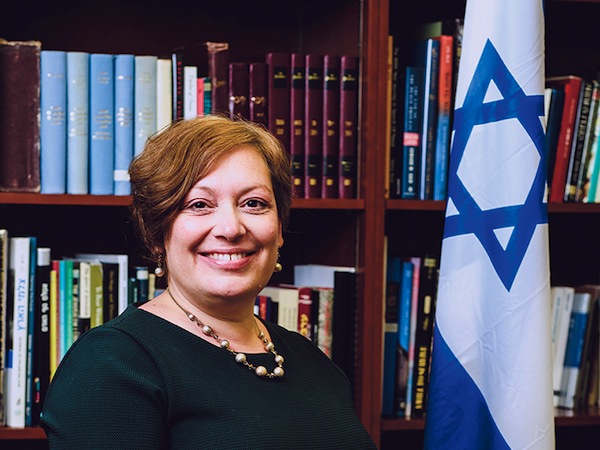
Galit Baram, consul general of Israel in Toronto and Western Canada, says the allegations of recruiting are unfounded. (Consul office photograph)
Last October, a coalition of foreign policy and Palestinian solidarity organizations delivered a formal complaint to David Lametti, justice minister and attorney general of Canada, alleging that Canadians are being recruited for the Israel Defence Forces. Accompanied by an open letter signed by more than 170 supporters, the complaint seeks an investigation into the actions of Israeli diplomats and consular officials, among others.
Under Canada’s Foreign Enlistment Act, it is illegal for foreign militaries to recruit Canadians in Canada. In 2017, at least 230 Canadians were serving in the IDF, according to the army’s statistics. The coalition, composed of Just Peace Advocates, Palestinian and Jewish Unity, and the Canadian Foreign Policy Institute, alleges that Israeli consular officials have invited Canadians to speak with IDF recruiting officers at the consulate and have sent IDF soldiers to speak at Canadian high schools. In a written statement to the Canadian Jewish Record, which was cited in an Oct. 28 article online, Galit Baram, consul general of Israel in Toronto and Western Canada, said, “Any allegations against Israel in this matter are unfounded.”
The complaint drew some attention. Montreal-based newspaper Le Devoir reported on it in a front-page article on Oct. 19, under the headline “Israel criticized for recruiting on Canadian soil.” The article pointed to a recruiting invitation posted on the website of the Israeli consulate in Toronto in November 2019. “An IDF representative will conduct personal interviews at the consulate. Young people who wish to enlist in the IDF or anyone who has not fulfilled their obligations according to the Israeli Defence Service Law are invited to meet with him,” read the post, which included contact information to schedule appointments. Further investigations by Le Devoir yielded similar recruiting invitations from 2014 and 2018.
Baram said the invitations were directed only to Israelis. “In Israel, the law requires compulsory service,” she stated. “Every Israeli, male or female, must serve in the Israel Defence Forces. Israeli citizens living abroad are obligated to settle their status with the Israeli authorities.” According to the Foreign Enlistment Act, foreign representatives can recruit their own citizens in Canada, so long as the recruits are not also Canadian.
Baram acknowledged that recruiting officers may be sent to large Israeli communities to conduct interviews, citing Toronto as an example. According to the 2016 Census, however, roughly four out of five Israelis in Toronto are dual citizens, and approximately 3,125 Israelis in Toronto are not Canadian. When invited to clarify to which group the invitations were sent, the consulate declined.
John Philpot, a Montreal-based lawyer, is spokesperson for a coalition claiming that Canadians are being recruited for the Israel Defence Forces. (photo from english.khamenei.ir)
The coalition’s concerns extend beyond Israeli or dual citizens, however. “Any suggestion that all Israel does is recruit their own citizens who have to do their military duty is complete nonsense,” said John Philpot, a Montreal-based criminal-defence lawyer and coalition spokesperson. The Devoir article reported on a visit by an IDF colonel to a Toronto denominational school “to talk about his experiences as a new recruit and as a senior commander.” On the same day the complaint was filed, The Canada Files published an article by Yves Engler, a Montreal-based writer and signatory to the letter, documenting what Engler considers to be extensive promotion of the IDF in Toronto Jewish day schools.
As one example, he pointed to a talk by Seth Frieberg, an IDF “lone soldier,” in January 2020 at TanenbaumCHAT, a Toronto Jewish high school and Frieberg’s alma mater. Lone soldiers are foreign recruits to the military without immediate family in Israel. Frieberg joined the Israeli army in 2013 and served 14 months as a paratrooper. In an interview last October, he credited his time at the Eretz Hatzvi Yeshiva in Jerusalem, where he spent a year after high school, for partly driving his decision to enlist. His teachers spoke highly about Eretz Yisrael, the biblical land of Israel, and the importance of living there. He said he felt a greater connection to Israeli Jews, to the country, and was drawn to and admired the soldiers. He returned to Canada to complete an undergraduate degree at Western University and joined the IDF the following year.
The roots of his idea, however, began before his gap year. He was also motivated by a family history with the Holocaust and a course at TanenbaumCHAT. Two of his grandparents were Holocaust survivors, one of whom, his grandmother, was active in Holocaust education. “She’d always talk about that, so I think I had this idea in my mind about the horrors of the Holocaust,” he said. In his Grade 12 history course, a connection was made between the Holocaust and Israel: he took from it the idea that “had Israel been there during the time of the Holocaust, [it] probably wouldn’t have happened.” In this and other ways, Frieberg said, he relies on Israel. “In the worst sense … if anything bad happened to Jews or myself in Canada, I always have Israel to go to.” He reasoned he should do something for Israel in return: “And that could be charity, volunteer, or going to the army.”
As part of TanenbaumCHAT’s IDF Day, the annual event at which Frieberg spoke, students wear olive-green IDF T-shirts, matching clothing, and sell baked goods with green icing to raise money for the military. By Frieberg’s estimates, he spoke to 80 students about his experience in the IDF, including patrolling the Lebanese border and West Bank, searching for three kidnapped youth, and operations in Gaza. Did his talk inspire others? He said, “You’d have to ask them…. I was just there to tell them my story.”
Last year’s events were organized under the leadership of Israelis and former IDF soldiers Ariel and Lee Kestecher Solomon. Ariel, the school’s Israel engagement shaliach, or emissary, was a commander in the IDF and volunteers with the Jewish Agency for Israel. According to the agency’s website, Israeli emissaries are sent to Jewish communities abroad for two to three years “to strengthen and deepen the mutual connection between Israel and members of the community.”
In his Canada Files article, Engler characterizes these activities – IDF Day, talks by lone soldiers, fundraising for the military, and former soldiers with extended placements in Jewish day schools – as enticement to join the IDF. When invited to comment, Renee Cohen, TanenbaumCHAT’s principal, did not respond to multiple requests.
Kolby Hanson, post-doctoral fellow at the U.S. Naval War College in Rhode Island, co-wrote a study of 25 countries that recruit non-citizens. (photo from kolbyhanson.com)
Why countries like Israel might recruit foreign citizens is a puzzle that caught the attention of Kolby Hanson, post-doctoral fellow at the U.S. Naval War College in Rhode Island. In a 2019 paper for Security Studies, he and co-author Erik Lin-Greenberg categorized the 25 countries that recruit non-citizens into three distinct groups. In an interview in October 2020, Hanson explained that countries either recruit for specific expertise or for sheer numbers to fill ranks, or, like Israel, “within narrow ethnic or commonwealth networks that are more symbolic programs.” As with India, Israel “[uses] the rules around their recruitment to make some statement about who they are and what the nation’s identity is.” Israel recruits foreign Jews for its military to assert its identity as a Jewish state and to establish deeper ties to Jewish communities abroad.
“Someone might grow up and say, ‘My cousin served in the IDF and that makes me feel like I’m really connected to Israel,’ or whether you know someone who came back after serving in the IDF,” said Hanson. Countries that recruit for symbolic reasons tend to have other programs, like expedited citizenship (as Israel has for Jews), to reinforce these ties.
The IDF itself is likely aware of the legal sensitivities around recruitment of Canadians. Hanson described an unusual exchange in an interview with Canadian IDF soldiers: “When we used the word ‘recruitment,’ we had a couple of people get tetchy…. They pounced on it and said, ‘No, no, it’s not recruitment. The IDF allows people to serve, but they don’t try to get people to.’”
In Canada, crossing the line into active recruitment is a legal issue. Unfortunately, it is not clear where exactly the line is. The Foreign Enlistment Act does not define recruitment, nor, according to Tyler Wentzell, doctoral student in law at the University of Toronto, is there case law.
A serving military officer and lawyer by training, Wentzell has published several articles on foreign recruitment and the history of the act. In an October 2020 interview, he said cases have been tried for recruiting for criminal or terrorist organizations, but not for the military of a sovereign state, for which the term would likely be interpreted differently.
“If you’re actually sworn into [a foreign] military in Canada, that definitely crosses the line,” he said, as would undertaking the stages of an intake funnel, including physical fitness and aptitude testing and evaluation. But, at earlier points, like attracting prospects, the line blurs. Is putting a Mountie on promotional material for Canada recruiting for the RCMP, asked Wentzell, or using a national symbol to promote the country? To complicate matters further, recruiting is also “a cultural sense that changes over time,” as with evolving Canadian attitudes towards high school rifle ranges and cadet corps.
In an October 2020 interview, Petty Officer Gian Barzelotti, a recruiter for the Canadian Armed Forces, described where he draws the line when recruiting in Canadian high schools. To students in Grade 10 or older, he advertises the benefits of joining the military, including a paid co-op program in which students can earn high school credit. With younger students, he emphasized, the CAF does not recruit. “We do talk about the military and who we are and what we do for Canada,” he said, but not about programs and benefits nor intake. “You’re not saying, ‘Go down this path and you’ll end up being in the military.’”
Tzofim Garin Tzabar, however, does just that. A branch of the Israeli Scouts that is 70% funded by the Israeli government and the Jewish Agency for Israel, Garin Tzabar describes itself as the “Israeli lone soldier IDF program.” Its online promotional video advertises an “unbelievable three months of one unforgettable absorption process,” “at least 20 new friends,” “a family for life,” and that 30% of its participants are accepted to the IDF’s officer and commander stream. It also lists an office in Toronto.
Likewise, in June 2020, Nefesh b’Nefesh, an Israeli absorption organization, advertised a webinar entitled “Joining the IDF” on the website of the UJA Federation of Greater Toronto. According to the event listing, the webinar featured “everything you need and want to know about joining the IDF,” including the lone soldier program, the structure of the military, preparatory Hebrew programs, and post-secondary degrees relevant to the IDF. Last year, Nefesh b’Nefesh facilitated the absorption of 390 lone soldiers from North America to Israel. Although the UJA Federation did not endorse the webinar, it did promote it on its website.
In practice, it seems the Canadian government has never done more than slap an offending party on the wrist. During the Vietnam War, said Wentzell, the U.S. army accidentally placed a recruiting ad in a Canadian magazine. “There was a great deal of correspondence back and forth saying, ‘Hey, could you lay off this?… The response was pretty consistently, ‘Yep, sorry.’”
The government maintains an interest in keeping Canadians out of foreign militaries and conflicts. Wentzell illustrated this by way of a Canadian who served in the 1948 Arab-Israeli war: “What happens when Benjamin Dunkelman gets in trouble on the other side of the planet? Do we get him home? Do we owe him anything? These were still live issues.” For the 200-plus Canadians serving in the IDF today, they still are.
“If Canada said to the Israeli consulate, ‘Stop all recruiting,’ [and] went to the schools and said, ‘You cannot have meetings where Israelis invite you to join the army’ … that would be a good step forward,” said Philpot.
To Philpot and the coalition, these acts are part of a “whole series of evidence” that point to IDF recruiting, including an event held by Deborah Lyons, Canadian ambassador to Israel. In January 2020, she hosted 33 Canadian IDF lone soldiers at her residence in Jerusalem to thank them for their service. “We at the embassy are very proud of what you’re doing. It’s really quite incredible,” she said. Philpot said all of this points towards recruitment.
Shortly after the complaint was filed, Lametti responded to questions in an unrelated press conference. He reiterated that Canadian law applies to foreign diplomats but referred calls for an investigation to the police and the public prosecution service. “I will leave the decision to the institutions we have in Canada to monitor the situation,” he said. In mid-November, the RCMP confirmed it was reviewing and assessing the evidence submitted.
Kevin Keystoneis a Toronto-based freelance writer, editor and researcher. His writing has been published in the Literary Review of Canada, the Jewish Independent and Good Old Boat.
Renowned lawyer and human right activist David Matas is being honoured by B’nai Brith Canada, as the organization launches the Matas Law Society.
Matas, who is based in Winnipeg, has long served as B’nai Brith Canada’s senior legal counsel, working closely with B’nai Brith for more than 30 years. He has his own private practise and, among other recognitions for his work, has been appointed a Member of the Order of Canada.
The new society is set to be a primary hub for Jewish members of Canada’s legal community. For now, while COVID restrictions remain, all events will be held virtually, with any Jewish lawyer, paralegal and law student able to join and participate from any location.
“David is doing so many wonderful things all of the time,” said Michael Mostyn, chief executive officer of B’nai Brith Canada. “He really personifies to me what a human rights advocate should be.”
Michael Mostyn, chief executive officer of B’nai Brith Canada. (photo from B’nai Brith Canada)
According to Mostyn, “There is a rich history of Jewish law societies in Canada. They are great, established societies. Currently, there’s one in Ottawa and one in Montreal. There used to be one in Toronto, but it closed down decades ago, essentially because the need was no longer there.
“As friends and advocates in the community, we were hearing a lot from the legal community about the need for an activist law society. So, the idea has been brewing for the last number of years. We already have a very strong advocacy program, government relations program and communications program. We wanted to create this law society as a forum for lawyers to get together, network and get some continuing education. It’s also a way for us to give back to the community, for those who care about the fight against antisemitism, racism, and the fight for human rights.”
The society will operate as a subcommittee of B’nai Brith Canada’s League for Human Rights, with news to come of scheduled activities and ways that legal professionals can get involved. Law students can join for free, and the annual cost for legal professionals is $250.
“It’s as easy as, if you’re a law student, paralegal or lawyer and you’re interested in advancing your own career and want to make a difference for the community, you just sign up on the website,” said Mostyn. “Then, you’d be put onto the email list … and, as soon as we will be publicly announcing any activities, those will also be reflected on the website.”
B’nai Brith Canada has launched a new law society, named in honour of lawyer and human rights activist David Matas. (photo from B’nai Brith Canada)
“The time when it was first mentioned to me, it wasn’t mentioned to me as something that would be named after me,” Matas told the Independent. “It was mentioned as a way of getting lawyers involved … [in] legal-specific work related to B’nai Brith.
“There are a lot of legal issues that do arise. In fact, today, I put in an application for an intervention document. It’s a case about Mike Ward. He’s a comedian in Quebec who went after a handicapped guy in the audience in his comic routine.
“The person who was the target of this comic routine complained to the Quebec Human Rights Commission, successfully,” said Matas.
The case is now before the Supreme Court of Canada. “And we applied at B’nai Brith for interveners’ status, based on the experience of Dieudonné M’bala M’bala, who’s a French comedian who has used his comic routine to attack the Jewish community and has been fined many times … and has gone to court many times in France, Belgium and Switzerland. There’s even a European Court of Human Rights judgment on him. So, I suggested we intervene, and B’nai Brith agreed. We applied for intervention status and we got it.”
While Matas enjoys volunteering with B’nai Brith, he will not be able to do so indefinitely, and would love to get some help sharing the workload.
“Obviously, when you’re dealing with a volunteer organization, you want to get as many people involved as possible,” said Matas. “Not just to spread the load, but also you want to get more people aware, committed and involved. Advocacy can’t just be advocacy of one person; it’s not going to carry much weight. It needs to be as many people as possible.”
Mostyn is working on getting accreditation for the society’s seminars, as he and Matas hope that the continuing education component of the law society will help bring together a number of law students, who will eventually go out and work in the field and fuel change.
The society has been launched and many students have already signed up, said Mostyn.
As for what specializations in law those wanting to join the society may want to possess, Matas suggested “discrimination, equality and international law … also, libel law, which is very different from equality law or international law … or we have things about charities, tax and corporations. There are a wide variety of legal issues that come up.
“There’s a lot, in terms of advancements of rights, that occurs through the courts and also through parliaments and legislatures. Legal work isn’t only doing court work. It’s also sometimes advocating changes to law. You need, of course, a public component for that. That may not be lawyers, but often requires some legal expertise to point out the depths of the law and so on. I’d say there’s a real need here and I think it’s a welcome addition to the work that B’nai Brith is doing to add this.
“It’s also a great opportunity for lawyers to contribute and use their skills,” added Matas. “They can talk to each other in a way where everybody knows what they’re talking about.”
מנהיגי מדינות עמם שוחח הנשיא ביידן עד כה, שבוע אחרי ההשבעה, לפי סדר השיחות: טרודו קנדה, לופז אוברדור מקסיקו, ג׳ונסון בריטניה, מקרון צרפת, מרקל גרמניה, סטולטנברג נאטו, פוטין רוסיה ויושיהידה סוגה יפן.
גידול במספר העולים לישראל מקנדה
גידול משמעותי במספר העולים מאארצות הברית, קנדה ובריטניה וכעת הם באים גם מלב המיינסטרים.
על תנועת העליה מקנדה – נפש בנפש
נפש בנפש היא תנועת העליה מאצורת הברית, קנדה ובריטניה. לפני שנה פורסם על קפיצה במספר המתענינים בעליה לארץ. בגלל הקורונה רבים דחו את הגעתם. משרד הפנים בישראל דורש מהם יותר ויותר מסמכים שלא ניתן להנפיק בימי הסגרים. ומה מה שחדש פרופיל העולים לעתיד: עד כה היו כמעט כל העולים מהארצות האנגלו סקסיות ארה”ב, בריטניה וקנדה. בהם מהפריפריה שלהן: דתיים, חרדים, מהגרים (בני יורדים), רוסים, פרסים, וגם גרי צדק. פה ושם עוד כמה בוגרי תגלית.
לא רק בבני ברק
משטרת מונטריאול פיזרה מתפללים יהודים חרדים שהפרו את הנחיות הקורונה. חלק מהמתפללים תקפו את השוטרים באלימות וקראו להם נאצים. שארבעה שוטרים נפצעו קל באירועים חמורים אלה.
הקלות של רישום ברשות המיסים הקנדית
בניגוד למדינות אחרות, כמו קנדה למשל, שבה אדם צריך רק להירשם ברשות המיסים ולקבל מיד, בלחיצת כפתור, כאלפיים דולר לחשבונו. את מרבית הכסף לא צריך כלל להחזיר. בישראל זה אחרת: ולמה כוונה? בלחיצת כפתור אני מקבל כסף יפה מן הממשלה מתוך ידיעה ברורה שאני כורה בור לעצמי. כי אחרי כן יהיה עלי להשיבו לקופת האוצר בריבית דריבית.
סדאמן של קנאטק יבוא מאורורה קנדה
תמונות שמטופל שלח לי, אומר שנראה מדהים.עוד לא עישן את הקנאביס, אם מישהו לקח אשמח לחוות דעת?
הדרכון הפורטגלי עבר את הקנדי
ארה״ב, אנגליה, נורווגיה, אוסטרליה, קנדה ועוד קרוב למעלה ממאה ושמונים מדינות אחרות כולן נשארו מאחורי הדרכון הפורטוגלי – שדורג בתור אחד מששת הדרכונים המובילים בעולם.
אינוקאן הישראלית נסחרת בבורסת טורונטו
כבוד לאינוקאן הישראלית שנסחרת בבורסת טורונטו בקנדה על הדרך שהיא עושה. אני עוקבת אחר החברה שהשקעתי בה, עוד בהיותה סטארט אפ לפני כשנתיים. הסיבה שבחרתי להשקיע דווקא בה מכל הסטארטאפים האחרים היתה לאחר כנס משקיעים בו פגשתי את הנהלת החברה.
חברות ישראליות בקנדה
משהו יודע היכן ניתן למצוא חברות ישראליות שיש להם סניפים בקנדה?
מחפשת בתי גידול לכלבים בבריטיש קולומביה
מישהו מכיר בתי גידול בקנדה? רצוי באיזור ונקובר בבריטיש קולומביה?
מחפשים יועץ מס בקנדה
מחפשים יועץ מס שמבין בסוגיות מיסוי בין ישראל לקנדה רצוי ישראלי, אבל מניחה שלא חובה.
עזרה למובטלים נפגעי הקורונה
ביום שלאחר הקורונה נשאר עם אלפי מובטלים, אחוז ניכר מהם בעלי משפחות שחיו מעל קו העוני לפני המשבר. איך מחזירים אותם לעמוד על הרגליים?
למען היום שלאחר המשבר, צריך להקים כבר עכשיו תכניות שיקום כלכליות ותעסוקתיות שיחלצו את המשפחות מהעוני ויחזירו אותן למסלול העבודה במהירות.
בינתיים, הרמנו את הכפפה והתחלנו עם תכנית משלנו. קידום, תכנית חירום מבית ידידות טורונטו למשפחות שנפגעו כלכלית כתוצאה ממשבר הקורונה, מציעה להן ליווי כלכלי, תעסוקתי ומשפחתי מותאם אישית, באמצעות מלווה משפחות בעל הכשרה בתחום. התכנית מסובסדת באופן מלא, עם עלות דמי רישום בלבד.
אנו קוראים לממשלה להקים תכנית דומות שיחלצו את המשפחות מהעוני שנכפה עליהן, ויחזירו אותן ליציבות כלכלית.
בריטניה החלה בשבוע שעבר לערוך ניסויים קליניים בתרסיס לאף למניעת התפשטות חיידק הקורונה, שמיוצר על ידי חברה בוונקובר “סנוטיז”. החברה בבעלות הישראלית, ד”ר גילי רגב, שמשמשת גם המנכ”לית שלה. קנדה השלימה כבר את השלב הראשון בניסויים הקליניים שלה ואילו ארה”ב אמורה להתחיל בניסויים דומים בימים הקרובים. בישראל לעומת זאת שוקלת מערכת הבריאות להגדיר את התרסיס של “סנוטייז” כמכשיר רפואי ולא כתרופה, כך שהתהליך לאישורו יהיה הרבה יותר מהיר.
התריס לאף של “סנוטיז” מבוסס על תרכובות שנמצאות במזון ויוצרות תחמוצת חנקן בכמות קטנה. הוא אמור לסייע במניעת מעבר נגיף הקורונה דרך האף ומערכת הנשימה. לדברי ד”ר רגב החברה קוראת למוצר חומר חיטוי לאף – בדומה לג’ל חיטוי לידיים למניעת התפשטות הקורונה. לדבריה מאה איש שהשתתפו בשלב הראשון של הניסויים הקליניים בקנדה והשתמשו בתרסיס, ואף אחד מהם לא חלה בנגיף.
ד”ר רגב למדה באוניברסיטה העברית בירושלים וסיימה את הדוקטורט בביוכמיה. לאחר מכן עברה לוונקובר והיא הקימה כאן את “סנוטיז” ביחד עם ד”ר כריס מילר לפני כארבע שנים.
קנדה רכשה פי חמישה חיסונים מהנדרש אך חיסנה רק אחוז מהאוכלוסייה
סיפור כשלון שמעורר תמיהה מתרחש בקנדה. המדינה שרכשה מראש יותר מנות של חיסונים נגד הקורונה מכל מדינה אחרת (כמעט פי חמישה מהנדרש), ומערכת הבריאות הציבורית שלה נחשבת מצויינת ומתוקצבת כראוי. אך למרות זאת, בקנדה התחסנו עד כה רק כאחוז אחד מכלל האוכלוסיה. ממש מביש.
לדעת המומחה, ריאן אימגרונדל, קנדה נתנה כל כך הרבה תשומת לב לאחסון הזריקות בהקפאה, ולא מספיק תשומת לב לשלב שבו הן יוצאות מההקפאה ועוברות לזרוע של האזרחים. הרשויות היו מודאגות לגבי דרישות האחסון, ונראה שהם “שכחו” שהזריקות היו אמורות למעשה להינתן לאנשים.
מומחה למחלות זיהומיות באוניברסיטת טורונטו, ד”ר איזק בוגוך, הסביר מדוע ישראל הצליחה להפיץ את החיסון בצורה מסיבית הרבה יותר. לדבריו ישראל היא מדינה קטנה והאוכלוסייה מרוכזת הרבה יותר מאשר קנדה. כידוע קנדה היא המדינה השנייה בגודלה בעולם מבחינת שטח. האוכלוסיה של קנדה מפוזרת באזורים שונים ומרוחקים זה מזה. צריך שרשרת אספקה (בטמפרטורות הנמוכות) לשמירה על החיסונים, וזה מסובך באזורים מרוחקים, כפריים ונטולי שירותים. זה אתגר מאוד גדול בקנדה.
אמזון לא עוצרת: רוכשת לראשונה מטוסי ארוכי טווח להעברת משלוחים מקנדה
ענקית המסחר האלקטרוני האמריקנית אמזון ממשיכה לגדול בתקופת משבר הקורונה, ורוכשת לראשונה מטוסים ארוכי טווח להעברת מישלוחים לאירופה ואזורים מרוחקים נוספים. עד כה החברה רק החכירה מטוסים להעברת המישלוחים.
אמזון חתמה לפני מספר ימים על הסכמים לרכישת אחד עשר מטוסי בואינג שבע שש שבע/שלוש מאות: שבעה מחברת התעופה האמריקנית דלתא וארבעה מחברת התעופה הקנדית ווסט ג’ט. מטוסי הנוסעים יוסבו לקרגו ויוכנסו לשימוש ע”י אמזון.
זו אגב הוכחה נוספת שחברות התעופה מקטינות את צי המטוסים שלהן לטיסות ארוכות טווח, נוכח המשבר הקשה שפוקד את ענף התעופה.
אמזון החליטה לפני כשנתיים להטיס בעצמה את מטעניה לכל רחבי ברחבי העולם, והיא מחזיקה כיום בציא ענק של שמונים מטוסים מוחכרים. עתה החברה כאמור רוכשת מטוסים והציא שלה יגדל אפוא לתשעים ואחד מטוסים. לפי הערכות אמזון מתכוונת להמשיך ולהגדיל את ציא המטוסים שלה למאתיים, בדומה למתחרה האמריקנית שלה להעברת מטענים – חברת יו.פי.אס.
אמזון מעסיקה כיום קרוב למיליון עובדים ברחבי העולם ושווי השוק שלה נאמד ביותר מטריליון דולר.