Skip to content
  • Home
  • Subscribe / donate
  • Events calendar
  • News
    • Local
    • National
    • Israel
    • World
    • עניין בחדשות
      A roundup of news in Canada and further afield, in Hebrew.
  • Opinion
    • From the JI
    • Op-Ed
  • Arts & Culture
    • Performing Arts
    • Music
    • Books
    • Visual Arts
    • TV & Film
  • Life
    • Celebrating the Holidays
    • Travel
    • The Daily Snooze
      Cartoons by Jacob Samuel
    • Mystery Photo
      Help the JI and JMABC fill in the gaps in our archives.
  • Community Links
    • Organizations, Etc.
    • Other News Sources & Blogs
    • Business Directory
  • FAQ
  • JI Chai Celebration
  • JI@88! video

Recent Posts

  • Sharing her testimony
  • Fall fight takes leap forward
  • The balancing of rights
  • Multiple Tony n’ Tina roles
  • Stories of trauma, resilience
  • Celebrate our culture
  • A responsibility to help
  • What wellness means at JCC
  • Together in mourning
  • Downhill after Trump?
  • Birth control even easier now
  • Eco-Sisters mentorship
  • Unexpected discoveries
  • Study’s results hopeful
  • Bad behaviour affects us all
  • Thankful for the police
  • UBC needs a wake-up call
  • Recalling a shining star
  • Sleep well …
  • BGU fosters startup culture
  • Photography and glass
  • Is it the end of an era?
  • Taking life a step at a time
  • Nakba exhibit biased
  • Film festival starts next week
  • Musical with heart and soul
  • Rabbi marks 13 years
  • Keeper of VTT’s history
  • Gala fêtes Infeld’s 20th
  • Building JWest together
  • Challah Mom comes to Vancouver
  • What to do about media bias
  • Education offers hope
  • Remembrance – a moral act
  • What makes us human
  • המלחמות של נתניהו וטראמפ

Archives

Follow @JewishIndie
image - The CJN - Visit Us Banner - 300x600 - 101625

Tag: Canada

Historic win for Paul

In an historic victory, Annamie Paul was elected leader of the Green party of Canada Saturday, becoming the first Black person and the first Jewish woman to lead a federal political party. How historic this news is will depend on her impact on Canadian politics, beginning with her showing in a by-election in the riding of Toronto Centre at the end of this month.

Paul will also be challenged by some in her party who have taken exception not only to her moderate, conciliatory positions toward the Israeli-Palestinian issue but to her Jewishness itself. During the campaign, she was bombarded with antisemitic trolling, some from within her party, some from outside agitators. She overcame her nearest opponent, Dimitri Lascaris, on the eighth round of voting. Lascaris, one of Canada’s most vocal anti-Israel activists, was endorsed by a range of anti-Zionist figures, including Pink Floyd co-founder Roger Waters.

Lascaris has been a lightning rod in the party and the country for anti-Israel activists. When confronted during the campaign about the overt presence of antisemitic comments, ideas and harassment directed at Paul, Lascaris redirected, saying that antisemitism exists mostly on the right of the political spectrum.

Bigotry of every form must be acknowledged and condemned regardless of where it emerges. Pretending it does not exist and accusing one’s opponents of it while ignoring its presence in one’s own movement is a deeply unprogressive approach. Paul – as well as the Jewish community and all Canadians who seek justice and equality – must be vigilant and vocal as bigots react to the increased visibility of a Black Jewish woman leader.

The Green party has a history of problematic approaches to the Middle East, including a 2016 vote to endorse the BDS movement, later rescinded after then-leader Elizabeth May threatened to quit. That incident underscored the limited power of the leader’s role in the Green party. As Paul told the Independent in a recent interview (jewishindependent.ca/paul-hopes-to-make-history), she will not have the power, as leader, to make or alter party policy. May’s gambit – threatening to quit unless a position was reversed – is a rare tool in the kit.

Paul’s varied career has included roles as a director for a conflict prevention nongovernmental organization in Brussels, as an advisor at the International Criminal Court in The Hague and as a political officer in Canada’s mission to the European Union. She was co-founder and co-director of an innovation hub for international NGOs addressing global challenges and has worked with other NGOs, such as the Climate Infrastructure Partnership and Higher Education Alliance for Refugees. She was born in Toronto to a family that immigrated from the Caribbean and she converted to Judaism under a Hillel rabbi while studying at Princeton University.

In her interview with the Independent, Paul said she admires Canada’s politics of compromise, but that the climate crisis is an exceptional event that requires single-minded determination to address.

In her victory address Saturday, to a small group observing social distancing, she suggested the voting public is ready for politicians who look and think differently.

While British Columbians are focused on provincial politics with the Oct. 24 election – and the world awaits the outcome of perhaps the most consequential U.S. election in our lifetimes on Nov. 3 – we will keep an eye on the Oct. 26 Toronto Centre by-election to see the next step in the trajectory of this new leader on the federal scene.

Format ImagePosted on October 9, 2020October 8, 2020Author The Editorial BoardCategories From the JITags Annamie Paul, antisemitism, Canada, democracy, elections, governance, Green party, Israel, politics, racism
להאריך את הסגירה של הגבולות

להאריך את הסגירה של הגבולות

(Wikimedia Commons)

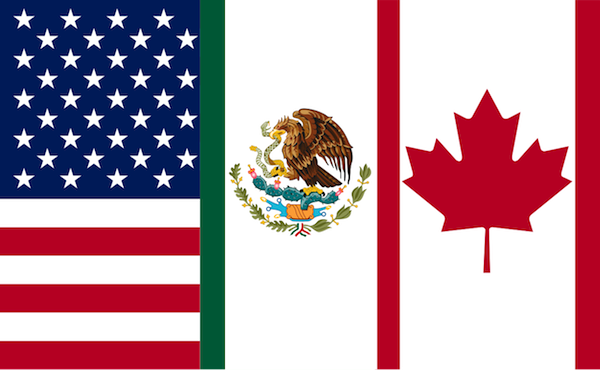
שלוש המדינות של צפון אמריקה שוב החליטו להאריך את סגירת הגבולות היבשתיים ביניהן. זאת, פרט לנסיעות חיוניות והעברת סחורות ממדינה למדינה. סגירת הגבולות בין ארצות הברית, קנדה ומקסיקו החלה כבר בחודש מרץ השנה. לאור התפרצות מגיפת הקורונה במדינות השונות ובמספרים גדולים, בעיקר בארה”ב ומקסיקו. ומקביל לאור התמיכה הגורפת בסגירת הגבולות מצד אזרחי קנדה, רבים מעריכים בצפון אמריקה שהשיגרה ופתיחת מעברי הגבול מחדש לא תחזור עד לראשית השנה הבאה, לכל המוקדם.

בראשית חודש אוגוסט החליטו הממשלות של ארה”ב, קנדה ומקסיקו להאריך בשלושים ימים נוספים את הסגירה המשותפת של הגבולות היבשתיים ביניהן. וזאת מתוך רצון לבלום את ההתפרצות המחודשת של נגיף הקורונה בשלוש מדינות אלה.

בשלב זה, מעברי הגבול בין ארה”ב ומקסיקו, ובמקביל בין ארה”ב וקנדה, יישארו סגורים עד העשרים ואחד בספטמבר, לכל הפחות. חשוב להבהיר כי הסגירה הממושכת לא משפיעה על הסחר הרב בין המדינות ושינוע של סחורות שונות (באמצעות משאיות). זאת, כמו גם על טיסות מסחריות שממשיכות להתקיים בין המדינות והעברת סחורות באמצעות מטוסים. רבים מבקרים את המדינות שלא מאפשרות להשתמש במעברי הגבול, אך מאפשרות לטוס ביניהן.

השר לביטחון המולדת בפועל של ארה”ב, צ’אד וולף, אישר את הדיווחים על המשך סגירת הגבולות בין המדינות. וולף אמר כי ארה”ב תמשיך לעבוד עם קנדה ומקסיקו כדי להאט את התפשטות מגיפת הקוביד. בהתאם לכך סוכם להאריך את המגבלה על תנועה שאינה חיונית, עד העשרים ואחד בספטמבר.

החל מהשמונה עשר במרץ השנה החליטו ארה”ב, קנדה ומקסיקו על סגירת מעברי הגבול. שלוש המדינות תיאמו זאת מראש והחליטו על המשך סגירת מעברי הגבולות ביניהן בחודש נוסף. זאת למעט נסיעות חיוניות ומעבר סחורות.

וולף ציין כי נשיא ארה”ב, דונלד טראמפ, אמר לפני מספר ימים כי הגבלת הנסיעות והגברת הפיקות על מעברי הגבולות בין המדינות, היא כלי נוסף במאבק בנגיף הקורונה.

שלוש הארכות נוספות בוצעו במאי ולאחר מכן ביוני ולאחרונה ביולי, עד העשרים ואחד בחודש זה. כך שההחלטה של שלוש המדינות של צפון אמריקה שהתקבלה לפני מספר ימים לא בדיוק הפתיעה רבים. סוכנות הידיעות רויטרס דיווחה כי בממשל טראמפ מבינים שיהיה צורך להאריך את סגירת הגבולות עד שסכנת הקורונה תחלוף, כאשר ההערכות מדברות על לפחות כמה חודשים נוספים שבהם הגבול יישאר סגור בין שלוש המדינות.

יש להזכיר כי לא מדובר במהלך חד צדדי. נראה שאזרחי מקסיקו וקנדה מגבים את החלטת הממשלות שלהם. לפי סקר שפורסם לאחרונה בקנדה מתברר כי שמונים וחמישה אחוז מהאזרחים תומכים בסגירת הגבול עם ארה”ב, עד סוף שנת אלפיים ועשרים.

על אף הקירבה הגיאוגרפית של שלוש המדינות, יש לזכור כי הן נמצאות במצבים שונים במאבקן כנגד נגיף הקורונה. בארה”ב שבה גרים כשלוש מאות ושלושים מיליון תושבים יש כבר למעלה מחמישה מיליון ומאתיים נשאים של המחלה, כאשר למעלה ממאה שישים ושבעה אלף איש מתו מהקורונה. בקנדה שבה מתגוררים כשלושים ושבעה מיליון איש יש כבר כמאה עשרים ואחד נשאים של המחלה, כאשר למעלה מתשעת אלפים מתו מהקורונה. ואילו במקסיקו שבה גרים כמאה ועשרים ושמונה מיליון איש יש כבר למעלה מכחצי מיליון נשאים של המחלה, כאשר למעלה מחמישים וחמישה אלף איש מתו מהקורונה. לפי הערכות קרוב לוודאי שלפחות במקסיקו מספר החולים והנפטרים מהמגיפה הקשה הרבה יותר גבוה.

Format ImagePosted on August 19, 2020Author Roni RachmaniCategories עניין בחדשותTags borders, Canada, coronavirus, COVID-19, Mexico, United States, ארה"ב, מגיפת הקורונה, מקסיקו, סגירת הגבולות, קנדה
טרודו לא יתערב

טרודו לא יתערב

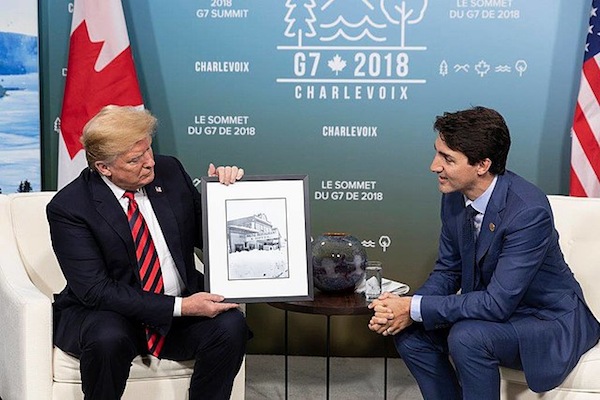
נשיא ארה”ב, דונלד טראמפ ,וראש ממשלת קנדה, ג’סטין טרודועניין בחדשות
(Shealah Craighead, 2018)

ראש ממשלת קנדה, ג’סטין טרודו, לא יתערב הליך המשפטי שמתנהל בבית המשפט העליון של מחוז בריטיש קולומביה בוונקובר, להסגרת סמנכ”ל הכספים של ענקית התקשורת הסינית וואווי וסגן יו”ר מועצת המנהלים, מנג וואנג’או, לארה”ב. הליך ההסגרה צפוי להימשך עוד חודשים ארוכים ואולי שנים. נקבעו כבר דיונים בביהמ”ש לראשית שנה הבאה שיכללו את טענות ההגנה שנשיא ארה”ב, דונלד טראמפ, התערב בהליך ההסגרה משיקולים פוליטיים. פרסום הספר החדש שמסעיר את ארה”ב “החדר שבו זה קרה” של היועץ לביטחון לאומי לשעבר של טראמפ, ג’ון בולטון, מחזק את טענות ההגנה בנושא.
טרודו הגיב למכתב של חברי פרלמנט ודיפלומטים קנדים לשעבר שנשלח אליו בשבוע שעבר, ובו הם מציעים ששר המשפטים הקנדי, דיוויד למטי, יתערב בתהליך ההסגרה וישחרר את וואנג’או. כך שמקביל סין תשחרר את שני הקנדים שהיא מחזיקה בהם כבר יותר משנה, היזם מייקל ספאוור והדיפולמט לשעבר מייקל קובריג, שמואשמים בריגול. מעצר הקנדים נועד להפעיל לחץ על קנדה לשחרר את וואנג’או. ממשלת סין לא חוסכת שום הזדמנות להתקיף את קנדה ובעיקר את טרודו לאור מעצרה של וואנג’או.
טרודו אמר בתגובה למכתב כי קנדה לא תיכנע ללחץ של הסינים באמצעות מעצרם של הקנדים אותו הוא מכנה “סיטואציה נוראית”, וכי אסור לקנדה: “לתת למדינות לחטוף קנדים כדי להשיג את מבוקשן מאוטווה”. טרודו הוסיף כי שיחרור וואנג’או כדי לתפתור בעייה קצרת טווח תסכן אלפי קנדים שנוסעים לסין וברחבי העולם, בעקבות כך שממשלת קנדה תודיע למדינות העולם, שאפשר להשפיע על מדיניותה על ידי מעצר של אזרחיה באופן אקראי.
טרודו ממשיך לתמוך בעצמאות מערכת המשפט והתביעה הקנדית, בזמן שמתנהל הליך הסגרת וואנג’או לארה”ב, לאחר שנעצרה בוונקובר בסוף אלפיים ושמונה עשרה לבקשת האמריקנים. לאור מעצרם של שני הקנדים טרודו ציין כי קנדה “פתוחה לכל פעולה נגד סין כל עוד שלא תסכן קנדים אחרים בעתיד”.
וואנג’או (בתו של מייסד וואווי הביליונר רן זנפיי) שוהה בוונקובר בביתה המפואר, בתנאים מגבילים שנקבעו ע”י ביהמ”ש, לאחר שהפקידה ערבות של עשרה מליון דולר. במהלך היום היא יכולה להסתובב בתחומי העיר בלבד כאשר צמיד אלקטרוני מוצמד לרגלה, ביחד עם אנשי ביטחון (במימונה).
לטענת משרד המשפטים האמריקני וואנג’או העקפה את הסקנציות האמריקניות על איראן, ועשתה עימה עסקים באמצעות חברת מדף מהונג קונג בשם סקאי.קום. זאת תוך שהיא מציגה מצג שווא לבנקים האמריקנים שסקאי.קום כביכול היא חברה נפרדת מוואווי. כתב תביעה האמריקני כנגד וואווי, וואנג’או ובכירים נוספים בחברה, כולל עשרים ושלוש עבירות פליליות. בהן: הונאת ארבעה בנקים להסוות קשרים עם מסחריים עם איראן, גניבת סודות מסחריים וטכנולוגיות מחברת טי. מובייל, זיופים, הלבנת הון, ניסיונות לשיבוש חקירה והשמדת ראיות. לדברי האמריקנים הפעילויות הבלתי חוקיות של וואווי ומנהליה נמשכו למעלה מעשור.
ביהמ”ש בוונקובר קבע לפני כחודש שהעברות שמיוחסות לוואנג’או בארה”ב תקפות גם בקנדה, ולכן הליכי הסגרתה לארה”ב גם כן תקפים. ביולי ואוגוסט תציג התביעה מסמכים נגד הנתבעת ובספטמבר ההגנה תגיב עליהם. בראשית פברואר שנה הבאה ידון ביהמ”ש בטענות ההגנה שיש לבטל את הליך הסגרת וואנג’או, כיוון שהופרו זכויותיה, עת עצרה בשדה התעופה של ונקובר. ההגנה טוענת עוד שהתביעה האמריקנית הטעתה את ביהמ”ש בנוגע לעובדות הקשורת למעצרה. עוד טוענת ההגנה כאמור שטראמפ, משתמש במעצרה של וואנג’או כקלף מיקוח במלחמת הסחר שלו עם סין, והוא ציין כי יתערב לשיחרורה אם זה יביא להסכם טוב יותר עם הסינים. ההגנה תיעזר בספרו החדש של בולטון שבאחד מפרקיו מצויין כי בארוחת חג המולד לאחר שוואנג’או נעצרה, ציין טראמפ לכאורה על הלחץ שזה יצר על הסינים, תוך שהוא מכנה את וואנג’או “איוונקה טראמפ של סין”. בסוף אפריל ביהמ”ש בוונקובר צפוי להכריע אם תוסגר וואנג’או לארה”ב.

Format ImagePosted on July 3, 2020June 30, 2020Author Roni RachmaniCategories עניין בחדשותTags Canada, China, Huawei, Meng Wanzhou, trade, United States, ארה"ב, וואווי, מאנג וואנז'ו, סחר, סין, קנדה

Canada fails to get seat

There is no way to determine definitively why Canada failed to secure a temporary seat on the United Nations Security Council last week.

Since the UN was created after the Second World War, Canada had generally been elected to one of the temporary seats once per decade. This ended in 2010, when Canada lost its bid, and last Wednesday’s vote represents the second decade of Canadian absence from the prestigious council.

Prime Minister Justin Trudeau contended that the successful countries – Ireland and Norway – had been campaigning longer. Also significant may have been the fact that Canada’s contributions to foreign aid and UN peacekeeping efforts have declined in recent years. Not to be dismissed also is the perception of Canada as an ally of Israel.

Since 2006, under Conservative and Liberal governments, Canada has voted against or abstained from the annual litany of 16 recurring anti-Israel resolutions at the UN General Assembly. That trend was broken last winter, when Canada unexpectedly endorsed a resolution condemning Israel.

Jewish and other pro-Israel Canadians have viewed Canada’s pro-Israel UN votes since 2006 as a principled position in the face of a global dogpiling – the votes are routinely passed with numbers like 160 to six, with Israel, the United States and American-aligned South Pacific micro-nations in the minority. No other country is singled out with such multiple routine censures.

Canada’s abrupt reversal of this stand last year was seen by some as an effort to distance Canada from Israel in advance of last week’s vote, particularly among the nearly 60 Arab and Muslim countries in the General Assembly.

While Trudeau made the case that Canada’s principled voice was necessary for the world in this challenging time, Opposition voices, like Conservative (and former Liberal) MP Leona Alleslev, argued that the government had betrayed its principles and, as a result, undermined its own argument for putting a Canadian representative on the Security Council.

The point is fair. To base our country’s campaign for the seat (at least partly) on the idea that we are a principled voice on the world stage and then do a 180 puts the whole venture into a weird light. For those countries who dislike our history of pro-Israel votes, the last-minute reversal must have seemed too little too late. For those (admittedly few) who admired our chutzpah, the recent vote must have been a disappointment, if not a betrayal. It’s almost a wonder that we got as many votes as we did.

Posted on June 26, 2020June 24, 2020Author The Editorial BoardCategories From the JITags Canada, Israel, politics, Security Council, UN, United Nations
גזענות ואפלייה גם בקנדה

גזענות ואפלייה גם בקנדה

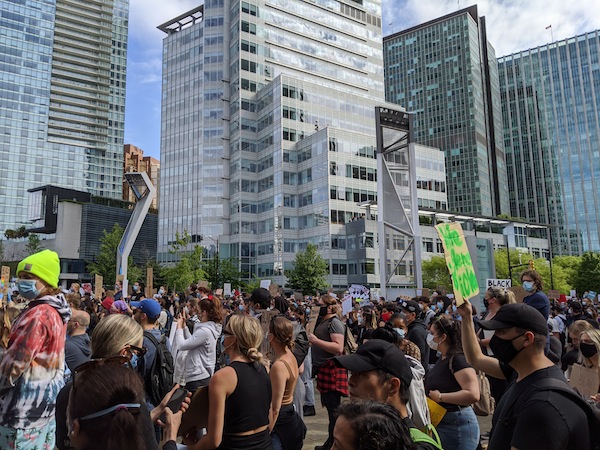
בשבועות האחרונים מפגינים רבים יוצאים לרחובות בערים שונות ברחבי קנדה כדי למחות נגד הגעזנות והאפלייה בארה”ב, קנדה ובעולם כולו.
(רוני רחמני)

קנדה התמודדה בשבוע שעבר עם פרשה הקשורה להפעלת כוח מופרז על-ידי שוטרים נגד בני מיעוטים. ראש הממשלה הקנדי, ג’סטין טרודו, הביע זעזוע עמוק מסרטון וידאו שפורסם ברבים ובו נראים שוטרים עוצרים תוך שימוש באלימות, את הצ’יף של הקהילה האינדיאנית האנדבוריג’ינית במחוז אלבטרה.

בסרטון, שאורכו שתיים עשרה דקות, נראים השוטרים בין השאר מכים את האיש, אלן אדם, בראשו. טרודו ציין לאחר שצפה בסרט כי יש לו שאלות רציניות בנוגע למה שקרה. הוא הוסיף שהחקירה העצמאית חייבת להיות שקופה ולהיעשות כך שנקבל תשובות. בה בעת שכולם יודעים שזה לא מקרה בודד. לדברי טרודו יותר מדי קנדים שחורים וילידים אינם מרגישים בטוחים בסביבת שוטרים. זה בלתי מתקבל על הדעת והממשלה חייבת לשנות את המצב הזה.

המחלקה האחראית על חקירת שוטרים במשטרת אלברטה בודקת כעת את האירוע. המשטרה הגישה נגד אדם כתב אישום בגין התנגדות למעצר ותקיפת שוטר. לדברי עורך דינו של הצ’יף, העימות כולו החל בגלל שפג התוקף של לוחית רישוי של רכבו.

בשבועות האחרונים מפגינים רבים יוצאים לרחובות בערים שונות ברחבי קנדה כדי למחות נגד הגעזנות והאפלייה בארה”ב, קנדה ובעולם כולו.

קנדה מתנגדת לתוכנית הסיפוח של ממשלת ישראל

סוכנות הידיעות הפלסטינית הרשמית (וופא) דיווחה לאחרונה כי קנדה הבהירה לרשות הפלסטינית, כי מתנגדת לתוכנית הסיפוח הישראלית של השטחים הכבושים. זאת כיוון שהסיפוח עומד בסתירה לחוק הבינלאומי.

על פי הדיווח של סוכנות הידיעות הפלסטינית, עמדת קנדה נגד הסיפוח נמסרה בשיחה בין שר החוץ של קנדה, פיליפ שמפיין, לבין שר החוץ הפלסטיני, ריאד אל-מאליכי.

שר החוץ הקנדי ציין כי אם קנדה תיבחר לחברה זמנית במועצת הביטחון של האו”ם, היא לא תחריש אלא תשמיע את קולה כדי לשמור על השלום והיציבות במזרח התיכון. וכן תפעל מול ישראל והפלסטינים כדי להשכין שלום בין הצדדים. בהקשר זה, קרא שר החוץ הפלסטיני לקנדה להמשיך בלחץ על ישראל כדי לסכל את תוכנית סיפוח השטחים, כולל באמצעות איום בסנקציות נגדה.

ראש ממשלת קנדה, ג’סטין טרודו, אמר לא מכבר כי העביר מסר ברור להנהגה בישראל בנוגע לתוכנית סיפוח השטחים הכבושים בציינו, כי קנדה סבורה שמהלך זה עלול לעכב את האפשרות להגיע לשלום בר קיימא במזרח התיכון ועל כן היא מודאגת מאוד מכך.

קנדה האריכה את איסור כניסת אוניות נוסעים לשטחה עד לסוף חודש אוקטובר

ממשלת קנדה האריכה את האיסור על פעילות אניות תענוגות בשטחה עד השלושים ואחד באוקטובר שנה זו. זאת עקב מגיפת הקורונה העולמית. שר התחבורה, מארק גארנו, הודיע על הצעדים המעודכנים בנוגע לאוניות התענוגות וספינות הנוסעים, וציין כי הממשלה מחויבת להגן על אזרחי קנדה, במיוחד בתקופה מאתגרת זאת. מסיבה זו הוא הכריז על צעדים עדכניים עבור אוניות תענוגות ואניות נוסעים אחרות בקנדה, שכוללים איסור פעילות של אוניות תענוגות גדולות במים קנדיים עד סוף חודש אוקטובר שנה זו.

על פי התקנות, אוניות נוסעים המובילות מעל למאה איש על סיפונן עם מקומות לינה לא יורשו להיכנס למים הקנדיים כאמור עד סוף אוקטובר. בנוסף אוניות נוסעים עם יותר משניים עשר איש לא יורשו גם להיכנס למימי החופים בקנדה (הארקטי, נונאציאווט, נונאוויק ולברדור) גם כן עד סוף חודש אוקטובר.

מעבורות, מוניות מים ואוניות נוסעים חיוניות אחרות צריכות ליישם התקנות חדשות, שלפיהן הן יפעלו עם מספר מופחת של נוסעים. ובנוסף עליהן לנקוט באמצעים שונים להתגוננות מפני המגיפה.

Format ImagePosted on June 17, 2020July 2, 2020Author Roni RachmaniCategories עניין בחדשותTags annexation plan, Canada, coronavirus, COVID-19, cruise ships, Israel, Palestinian Authority, police, protesters, racism, אוניות נוסעים, גזענות, ישראל, מגיפת הקורונה, מפגינים, קנדה, רשות הפלסטינית, שוטרים, תוכנית הסיפוח

Racism is a Jewish issue

On June 4, New Brunswick resident Chantel Moore, originally from the Tla-o-qui-aht First Nation near Tofino, B.C., was shot to death by a police officer sent to her home to check on her well-being. On May 27, Regis Korchinski-Paquet, an indigenous-black woman, fell 24 floors from her apartment during a police incident in Toronto.

In the United States, George Floyd died on May 25, after being pinned to the ground with a knee pressed into his neck for more than eight minutes by a police officer in Minneapolis. Breonna Taylor was killed March 13 in her bed in Louisville, Ky., in what amounts to a home invasion by police. Ahmaud Arbery was chased by three armed white neighbours and murdered on Feb. 23, while he was jogging in Georgia.

The challenge in compiling a list of names of black Americans and indigenous and racialized Canadians killed by police or lynched by vigilantes is choosing which from a horrifically long list of victims’ names to include. And the structural conditions that have led to this particular moment of upheaval are not new. Similar demonstrations have occurred after particularly egregious incidents, like the killing of Michael Brown by police in Ferguson, Mo., in 2014; Trayvon Martin, who was murdered in 2012 by a cop-wannabe; and the beating of Rodney King by police in Los Angeles in 1991. Again, the list of just the most familiar incidents could fill pages. And they are not limited to the United States.

Could this time be different? One thing that some Black Lives Matter proponents are noting is the apparently unprecedented engagement of non-black allies in this moment. Is this because we all have more time on our hands right now? Or have we reached a tipping point, when the lofty language of equality has finally penetrated deep into the mainstream of North American society?

There are parallel streams happening, from the issue of police violence to the broader matter of societal behaviour toward racialized people. These are exacerbated by the unpardonable conduct of the U.S. president. When Trayvon Martin was killed, then-president Barack Obama noted that, if he had a son, he would look like Trayvon. The current president tweets threats of violence and has police forcibly clear peaceful demonstrators so he can have a photo taken in front of a church he has never entered. In a country aflame, the president’s comportment is incendiary and perilous.

This is a time for our community, the Jewish community, to consider our complacency and complicity in upholding racist systems. It is, as American historian and author Ibram X. Kendi implores, not enough to be not racist. We must be actively anti-racist. We must stand in solidarity with those who are suffering and recognize that the pain of racism is also the pain of antisemitism.

The solidarity and support we crave when we are threatened is the solidarity and support we must give other communities when they are in need. Give your time to an anti-racism organization. Donate your money to support black-owned businesses and organizations working to support the black community. Pray for the healing that is so badly needed in our society. March for equality and justice (in a safe manner). Stand up when you see injustice or hear a “casually” racist remark. Sign your name to a petition asking decision-makers to step up and rein in the militarization of policing and the funding that gets diverted from community into the over-policing of racialized communities.

Interrogate Canada’s colonial history and the lived realities of indigenous communities. Ask our educators to explore with their students global histories and the untold stories of millions, including richer views of Jewish history and the experiences and contributions of Jews who are not of European descent. Read a work of fiction by a black or indigenous author. Learn about how black culture forms the bedrock of North American culture and from where those art forms come. Explore the history of the black community here in Vancouver and how the early Jewish community, along with other minorities, together have called Strathcona home.

Absorb the teachings of Abraham Joshua Heschel, who referenced the calls of the Hebrew prophets in the struggle for civil rights in the 1960s and who marched alongside Dr. Martin Luther King, Jr., for justice. If you’re already doing all of these things, share your knowledge and example with your family, your synagogue and the organizations and schools you support.

Some Jewish observers have expressed reservations about the Black Lives Matter movement, at least partly because the umbrella organization endorses the boycott, divestment and sanctions movement against Israel. This is an unfortunate and misguided move on their part, especially since BDS harms Palestinians in addition to Israelis. But the issue of black people – and people of colour in Canada and elsewhere – being murdered by police or lynched by racists must take precedence now. We can argue over Israel and Palestine later.

If one feels the need to prioritize Jewish or Israeli concerns at this moment, then let’s prioritize the safety of black Jews and Jews of colour. The vast majority of Jews are morally affected by what is happening in our society and black Jews are immediately and personally impacted both by what is happening in the world and by what is happening in our community around this issue.

Let us not pretend that this is not a “Jewish issue.” Rather, let us live by what is referred to as one of the “eternal religious obligations” of Judaism: “Justice, justice you shall pursue.”

Posted on June 12, 2020June 11, 2020Author The Editorial BoardCategories From the JITags Ahmaud Arbery, anti-racism, Black Lives Matter, Breonna Taylor, Canada, Chantel Moore, First Nations, George Floyd, indigenous, Judaism, racism, Regis Korchinski-Paquet, United States

Favourable position

British Columbians, like others in much of the world, are stepping gingerly into what may be a post-pandemic period – or an “inter-pandemic” phase, if the predicted second wave bears out. Our daily briefings from Dr. Bonnie Henry, the provincial health officer, and Health Minister Adrian Dix are cautiously optimistic, tempered with the reality that some people, given an inch, will take a mile. Confusion around, or contempt for, changing social distancing guidelines has meant numerous instances of inappropriate gatherings.

All in all, though, British Columbians have so far experienced among the lowest proportions of COVID-related illnesses and deaths than almost any jurisdiction in the developed world. Each death is a tragedy, yet we should be grateful for those who have recovered and the fact that so many of us have remained healthy so far. Thanks should go to all those who have helped others make it through, including first responders, healthcare professionals and also those irreplaceable workers we used to take for granted: retail and service employees and others who have allowed most of us to live through this with comparatively minimal disruptions.

In our Jewish community, so many individuals and institutions have done so much, from delivering challah to providing emergency financial and other supports for those affected by the economic impacts of the pandemic.

Canadians, in general, seem to be making it through this time as well as can be expected. Polls indicate that Canadians are overwhelmingly supportive of the actions our governments have taken during the coronavirus pandemic. How the federal and provincial governments manage the continuing economic repercussions and the potential resurgence of infections in coming months will determine long-term consequences both for us and for their popularity.

In signs that things are returning to something akin to pre-pandemic normal, Binyamin Netanyahu, Israel’s once-and-still-prime minister, is complaining about a “left-wing coup” and asserting that “the entire right” is on trial. In fact, it is not an entire wing of the Israeli political spectrum that is on trial, but Netanyahu himself, for bribery, breach of trust and fraud. He is accused of exchanging favours to friends and allies in return for hundreds of thousands of dollars in trinkets like cigars and champagne, and favourable coverage in media. Whatever strategy his team has for inside the courtroom, his PR strategy is pure deflection: blame the media, the court system, political opponents. He’s fighting two trials: the one in the justice system and the one in the court of public opinion. Netanyahu has managed to save his political hide thus far, through three successive elections and a year of coalition-building and horse trading. Predicting what might happen next is a popular but fruitless pastime.

More signs that things are not so different came from U.S. President Donald Trump on the weekend. As the death toll in the United States approached 100,000, Trump took time off from golfing to deliver Twitter rants, including retweets calling Hillary Clinton a “skank” and smearing other female Democrats for their appearance. Trump also insinuated that MSNBC TV host Joe Scarborough is a murderer.

Sitting (mostly) comfortably in our homes watching such things from afar, it’s no wonder Canadians are feeling good about the way our various governments – federal and provincial, of all political stripes – are behaving these days.

Posted on May 29, 2020May 28, 2020Author The Editorial BoardCategories From the JITags British Columbia, Canada, coronavirus, COVID-19, Israel, Netanyahu, politics, Trump, United States

United by challenges

After two inconclusive elections in Israel, incumbent Prime Minister Binyamin Netanyahu appears certain to form a government after elections Monday, ending an unprecedented period of political instability.

Whether Netanyahu himself, under indictment and slated for a trial this month on corruption charges, will remain prime minister for long, the right-wing is certainly poised to govern for the near future. Israel’s Supreme Court explicitly refused to offer an opinion on whether a convicted prime minister could continue in office, a question that may now go from theoretical to very real.

Jews in the Diaspora, including a great many here in British Columbia, follow politics in Israel casually or closely, as many of us do the machinations of American politics that are also roiling this week. Canadian politics and those in British Columbia, around issues of environmental policy, disruptive protests and a host of other topics, have people here at home fired up about politics even without elections on the near horizon.

While there are countless issues and contests vying for our attention, there is also an undercurrent of less immediate yet possibly more ominous peril facing our democracies. Threats of external influence from bad actors, like a repetition of the Russian interference in U.S. elections in 2016, are cause for serious concern. The rise of domestic extremism – in mainstream politics as well as in the form of underground and sometimes violent movements – also deserves close attention. So does apathy.

All of these influences and attitudes present dangers to our democracies – in Canada, in the United States, in Europe and Israel. Newer democracies in Central and Eastern Europe have demonstrated how fragile the tissue of open, accountable and responsive government can be. It is alarming to witness the path that Hungary, Russia, Turkey and Poland have been on recently. Our democracies – in the United States and Canada, even Israel – may be somewhat older, but these countries are still warnings of how things that we take for granted can be snatched away. Democracy is less an enormous oak with deep and broad roots than it is a delicate flower that requires nurturing and constant attention.

For this reason, when there are government policies or election outcomes with which we disagree, we should remind ourselves that democracy may be the ultimate win-some-lose-some proposition and recommit ourselves to respect for the institutions of our democracy, not just when they serve our interests but even – especially – when they deliver outcomes that we find disagreeable. At the same time, we should be identifying and calling out every instance when a political leader or movement threatens the institutions or norms of our democracy.

Amid all of these political dramas, very daunting situations that recognize no geographic or ideological boundaries are challenging each and every one of us. This week, again, coronavirus is spreading and causing panic. Meanwhile, the dangers posed by climate change escalate every day. The economic impacts of these global concerns are blaring across the business pages: pandemic fears are causing wild stock market fluctuations, while the measures necessary to alter the course of climate change demand fundamental economic shifts. All of these threaten to exacerbate existing inequalities locally, nationally and internationally, threatening our morality and the stability of our world.

In the face of existential issues like these, the differences in our ideologies in countries like Canada, Israel or the United States fade into shades of grey. This is perhaps optimistic: that the differences between us are minimal in comparison to the difficulties we face together. That should motivate us to look beyond or to bridge our differences and recognize both the humanity in those with whom we disagree and the challenges to humankind that we must overcome together or succumb to apart.

Posted on March 6, 2020March 4, 2020Author The Editorial BoardCategories From the JITags Canada, coronavirus, democracy, economics, Israel, Netanyahu, politics, United States

Extremes and elections

Drawing parallels between political events in disparate countries may be folly, but it’s the season for frivolity, so why not. As British Conservative Prime Minister Boris Johnson was piling up an historically massive majority government, Canada’s Conservative leader Andrew Scheer was giving in to an apparently inevitable whimpering end to his leadership.

For most British Jews and many other observers, Johnson’s victory elicited something between relief and elation. While the Labour party has been the traditional home for many or most of that kingdom’s Jewish voters for generations, it is estimated that just six percent of British Jews voted to elect Labour leader Jeremy Corbyn prime minister this year. Corbyn has alienated Jewish voters and aligned with the most extreme elements in British society; his party is demonstrably rife with antisemitic people and ideas, as evidenced in a years-long probe first by the party and now by the country’s human rights watchdog. Under Corbyn, it seemed, there were two things the party would not tolerate: racism and Jews.

Of course, the election was not a litmus test on Corbyn’s antisemitism. Few non-Jewish voters probably made their decision based on that concern. Rather, his position on the ballot question – Brexit – was confused and inarticulate. Still, it was with a sense of justice, if not schadenfreude, that many Jewish observers watched Corbyn’s career collapse last week. Even so, the horse they bet on isn’t without serious flaws: Johnson is well known for his racism, xenophobia and Islamophobia, and his hard-right agenda is antithetical in other ways to many Jewish voters who may have found themselves between a rock and a hard place.

Hours earlier, Canada’s Scheer dropped the bomb that he would resign as party leader. The wagons had been circling since his defeat in the federal election in October. His Achilles heel, it is widely accepted, was his ambiguity around socially conservative policy issues.

During the campaign, opponents suggested that Scheer had concealed plans to threaten marriage equality and reproductive rights. However, the law permitting gay marriage and the absence of a law around abortion are both consequences of Supreme Court decisions, not of Parliament acting of its own volition. Barring a revolutionary shift at the Supreme Court, the status quo constitutionally could not be undone. More practically, there is very little political will to alter the status quo on these and a host of other litmus test issues. Not only are Canadians at large mostly in agreement with the way things stand, the critical mass of voters who swing elections are overwhelmingly centrist.

On the face of it, Scheer’s argument – that he has specific personal views that he would not manifest into legislation or policy; indeed, Justin Trudeau effectively and successfully made the same case four years earlier – is a morally valid one. Scheer’s problems on this front were twofold. He expressed his position poorly, failing to articulate either his deeply held values or his endorsement of the people’s consensus in a way that resonated with voters, and he misread the depth of investment many or most Canadians now have on these topics. He bet that Canadians might be satisfied with and respect the idea that he believes particular things but would not legislate on the basis of these faith-based positions. While this left many of his core supporters unenthused, it also misread the enthusiasm of the very voters he was trying to capture. Scheer’s refusal to participate in Pride parades became symbolic. A proportion of Canadians – the proportion that could swing elections – no longer wants a leader who will merely not interfere with an individual’s right to marry or to control their reproductive system, they want leaders who will unambiguously champion these rights.

There was plenty else wrong with the Conservative party’s campaign but, as Scheer tried to remind rogue members of his own party in the weeks following the results, they kept the Trudeau Liberals to a minority and, indeed, created a genuine threat of defeating them at points in the campaign, something few Conservatives thought was a reasonable possibility when Scheer was first elected party leader two years ago. Alas for him, the party smells blood and seems to want someone who can go in for the kill when this minority Parliament dissolves.

Even with the Conservative party in transition, Canadians might have to head to the ballot box before Trudeau’s four years are up. For the British, this month’s election was their third in less than five years. Meanwhile, Israel is gearing up for its third election in a year and the United States, too, is tumbling towards a fraught election.

We are in the midst, it seems, of a continuing test as to how well democracy can negotiate political extremism. At least for now, in Canada, the socially conservative “private” views of Scheer are political losers, but election results in other democracies prove that complacency can’t be an option.

Posted on December 20, 2019December 18, 2019Author The Editorial BoardCategories From the JITags Andrew Scheer, antisemitism, Boris Johnson, Canada, Conservative Party, democracy, elections, politics, United Kingdom
טיול במזרח קנדה

טיול במזרח קנדה

נובה סקוטיה (Ron Cogswell)

 נובה סקוטיה היא מחוז מזרחי מבודד כמעט אי המחובר ליבשה ברצועה צרה שבו השתמר סגנון כפרי פשוט ותמים, כמו פעם. כך מפרסם יוסי רוזנבלום באתר של ווינט. מקור ההכנסה העיקרי נותר הדיג, ולפיכך ישנם אינספור כפרי דייגים אמיתיים ופעילים. בכל כפר ומפרץ מתנוסס מגדלור, וימי הסגריר הערפיליים מסייעים להבין את חשיבותם של המגדלורים האלה. במוזיאון המגדלור בדינגוול למדנו פרק מרתק על החיים בבדידות. המגדלור ניצב על אי המרוחק יום הפלגה מהאי השכן.

מפעיל המגדלור התגורר בו עם אשתו ושמונת ילדיו עשרים וחמש שנים בבדידות מוחלטת, שבועיים חופשה בשנה וניתוק של שישה חודשים ללא ספינות בגלל החורף העז. כל ארבע שעות, גם בלילה, היה עליו לצאת מהבית בקור מקפיא, למתוח את הקפיץ המכני ולוודא שהמגדלור לא כבה. בהרבה עיירות קטנות מצויים מוזיאונים על נושאים שונים וכדאי לבקר בה.

קהילות הקטנות, הבידוד והחורף העז תורמים לחיי קהילה ערים, והתושבים מאירי פנים וחפצי שיחה. לבית של מרי וג’ו, ליד פגיס קוב, נקלענו במקרה כי היה שם שלט של גלריה. הם אירחו אותנו בחום ובשמחה בביתם בן שני החדרים, וסיפרו שגודל הבית נובע מהצורך בחימום עז ובפינוי שלג.

ההפרדה המוחלטת בין דת ומדינה גורמת למוסדות הדת לקיים פעילות חברתית וקהילתית כדי לגייס כסף ולשרוד. כך הוזמנו לארוחת ערב כפרית המאורגנת על ידי הכנסייה האנגליקנית, ותמורת שבעים וחמישה שקלים נפרש בפנינו מזנון של אכול כפי יכולתך, עם שלל פירות ים שרק לפני שעות ספורות נשלו מהמים ולצידם סלטים וקינוחים.

המחירים בקנדה מפתיעים לטובה. בקצה הצפוני והנידח של נובה סקוטיה, במרכול כפרי המקבל את כל מצרכיו ממשאיות הנוסעות אלפי קילומטרים, מצאנו עגבניות אדומות, עסיסיות ועשירות בטעם שעלו כמחצית ממחירן בישראל.

אין במחוז בנובה סקוטיה מלונות חמישה כוכבים, אבל האירוח פשוט ומפנק. את לילותינו העברנו בפונדקים ובמלונות קטנים, לרוב על קו המים נהר, אגם או אוקיינוס, זכינו באירוח חם ושילמנו שליש ממה שהיינו משלמים על צימר בגליל.

טיול נופי וחווייתי כזה מצריך נהיגה מרובה. קשה לקלוט כמה הארץ גדולה, ואילו מרחקים יש לגמוע בדרך ממקום למקום. אבל הנהיגה קלה והכבישים מתוחזקים ומעולים. הדרך מלאה בשלטים המזהירים מפני מפגש עם איילים, אבל אנחנו פגשנו בדרך רק סנאים, דביבונים, כלבי ים ובעלי כנף מכל סוג ומין. את האייל הקורא החיה הלאומית של קנדה פגשנו רק על חולצות טי.

חופי מזרח קנדה משופעים בלווייתנים, ובשיט במעבורות המחברות בין האיים מקבלים תצפית נפלאה על משפחות של לווייתני בלוגה לבנים. בנוסף, בכל עיירה מציעים הפלגות לתצפית בלווייתנים, חלקן על סירות זודיאק שמהן ניתן לגעת ממש בחוטם הלווייתן, אבל גם בישיבה נינוחה על החוף במפרצים רבים אפשר לראותם מצוין.

איך אפשר לכתוב על קנדה מבלי להתייחס לסירופ המייפל? האדר, העץ הלאומי, מניב כמויות ענק של סירופ מייפל המזוקק במפעלים מוסדרים ובמבשלות ביתיות. הוא נמכר במגוון צבעים ודרגות איכות, כשהסירופים ממזקקות בוטיק בצבע חום כהה הם הטובים והיקרים ביותר. שווה לעצור, לטעום ולהצטייד לארץ. קשה למצוא סירופ באיכות כזו מחוץ לקנדה, והטעם באמת מיוחד. בנוסף, במחוזות הכפריים ולאורך הדרכים פזורות סדנאות רבות של אמנים מקומיים. ציירים, פסלים בעץ, יוצרים בזכוכית, קדרים, צורפים ועוד. בכל סדנה ניתן לקבל משקה חם, לרכוש מזכרות ייחודיות ששונות מהזבל התיירותי הנפוץ, וחשוב מכל להתחכך, לדבר ולהתרשם מהקנדים והחיים במחוזות כה רחוקים ושונים.

Format ImagePosted on December 4, 2019December 3, 2019Author Roni RachmaniCategories עניין בחדשותTags Canada, Nova Scotia, travel, נובה סקוטיה, נסיעות, קנדה

Posts pagination

Previous page Page 1 … Page 12 Page 13 Page 14 … Page 26 Next page
Proudly powered by WordPress