Skip to content
  • Home
  • Subscribe / donate
  • Events calendar
  • News
    • Local
    • National
    • Israel
    • World
    • עניין בחדשות
      A roundup of news in Canada and further afield, in Hebrew.
  • Opinion
    • From the JI
    • Op-Ed
  • Arts & Culture
    • Performing Arts
    • Music
    • Books
    • Visual Arts
    • TV & Film
  • Life
    • Celebrating the Holidays
    • Travel
    • The Daily Snooze
      Cartoons by Jacob Samuel
    • Mystery Photo
      Help the JI and JMABC fill in the gaps in our archives.
  • Community Links
    • Organizations, Etc.
    • Other News Sources & Blogs
    • Business Directory
  • FAQ
  • JI Chai Celebration
  • JI@88! video

Recent Posts

  • האלימות בישראל מורגשת בהרבה מגזרים
  • טראמפ עוזר דווקא לנושא הפלסטיני
  • New rabbi settles into post
  • A light for the nations
  • Killed for being Jewish 
  • The complexities of identity
  • Jews in time of trauma
  • What should governments do?
  • Annie will warm your heart
  • Best of the film fest online
  • Guitar Night at Massey
  • Partners in the telling of stories
  • Four Peretz pillars honoured
  • History as a foundation
  • Music can comfort us
  • New chapter for JFS
  • The value(s) of Jewish camp
  • Chance led to great decision
  • From the JI archives … camp
  • עשרים ואחת שנים להגעתי לונקובר
  • Eby touts government record
  • Keep lighting candles
  • Facing a complex situation
  • Unique interview show a hit
  • See Annie at Gateway
  • Explorations of light
  • Help with the legal aspects
  • Stories create impact
  • Different faiths gather
  • Advocating for girls’ rights
  • An oral song tradition
  • Genealogy tools and tips
  • Jew-hatred is centuries old
  • Aiding medical research
  • Connecting Jews to Judaism
  • Beacon of light in heart of city

Archives

Follow @JewishIndie
image - The CJN - Visit Us Banner - 300x600 - 101625

Tag: Nova Scotia

Two Yiddish-speaking Bluenosers

Two Yiddish-speaking Bluenosers

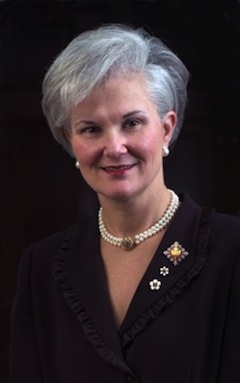
Writer Adina Horwich only met Yehuda Miklaf and his wife Maurene in Jerusalem, even though both Adina and Yehuda are from Nova Scotia. (photo by Adina Horwich)

So, this guy walks into my Yiddish group one fine Sunday in Jerusalem – this is not the beginning of a joke. In the group, we welcome anyone who is into Yiddish, with any background, and, on that day, Yehuda was introduced to us. We went around the room asking him questions. I asked where he hailed from. Little could I have anticipated his answer: Nova Scotia.

“I don’t believe it!” I said. “So do I!” Then, “From where, exactly?”

“Annapolis Valley.”

 “Oh,” I paused, thinking to myself, I’d be hard-pressed to find any Jews there. 

Later, Yehuda’s story was revealed when the teacher matched us up to work together.

Yehuda, an Esperanto speaker and aficionado, has only recently started to learn Yiddish, while I have been at it for 15 years. I started off with little but the smattering I heard as a child. Yehuda happened upon it by the by, via a friend in the hand-printing scene, where he is an active, prominent member. With the characteristic zeal that he tackles so many projects, and lots of gumption, he has taken to Yiddish very well. 

The sight and sound of us two old-time Bluenosers (nickname for Nova Scotians) hacking a chainik in Yiddish, is too precious. But, most of all, I like when Yehuda slips into the down-home accent I grew up with. That is when I really kvell.

Né Seamas Brian McClafferty, Yehuda was born in the mid-1940s to a father with Irish roots and a mother with origins in Quebec. The youngest of eight, he had an idyllic childhood, as a small-town Catholic youngster in Annapolis Royal, which today has a population of only 530.

In his last year of high school, Yehuda attended a Fransciscan seminary in upstate New York, his first foray away from home. With his fellow students, he passed a building with Hebrew letters, which intrigued him. A friend he asked about these unfamiliar markings promptly replied: “That’s just Hebrew.” Yehuda had never seen, much less met, any Jews. 

He completed his last year of high school and then spent a year of silence and meditation at the novitiate in the Adirondacks. The following year, he furthered his studies towards the priesthood, commencing a rigorous and intense program that sounds like a yeshiva govoha (Torah academy of higher learning).

Discipline and training, mostly in silence, hours of meditation and living under austere conditions, Yehuda carried on through to the second of four years. He heard a lecture about the Torah, which was demonstrated by a small model scroll, and delved deeply from then on, backed by the church’s ecumenical approach of spirituality and faith. He availed himself of the library to his heart’s content and took to reading the Hebrew Bible over and over again. He didn’t know it at the time, but his first steps towards life as an Orthodox Jew were taken, while he was encouraged to become a scholar of the “Old Testament.”

Over the four years of study, Yehuda began to have rather different ideas about how he wanted to live his life.

Returning to Canada in the mid-1960s, he spent time in Toronto and in Nova Scotia, taking road trips home to tend to his father who had taken ill. Things grew clearer.

Yehuda absorbed every mention of things Jewish. It was an emotional attachment. In 1966, after having left Christianity, he discussed his evolving beliefs with a Jewish friend, who said: “You sound more Jewish than me. I’m surprised that you haven’t converted.”

The conversion process was long but not arduous. Yehuda took a class in Toronto and eventually went to the mikvah. 

He and his wife Maurene – who he met through his roommate in Toronto – visited Israel, as tourists, for an extended vacation. They had not intended to make aliyah, but, smitten with Israel, as so many of us are, did so three years later.

After making aliyah, Yehuda had to “rinse and repeat,” so to speak, as often happens with conversion. Israeli rabbinic courts do not automatically accept even the most stringent diaspora Orthodox ones, and Yehuda had to go through it again, studying for a year and then going to the mikvah. The converting rabbi gave him the option of choosing a name and Yehuda suited him, since that’s where the word Jew comes from. Miklaf (literally, “from parchment”) was a good abbreviation of McClafferty, he thought, and could not have been more fitting for his chosen profession of printer and bookbinder.

Like most new immigrants at the time, they started out at an absorption centre and had a routine klita (absorption/integration), including Hebrew language studies at ulpan. Maurene got a job in high-tech and Yehuda opened a studio. He started out by binding the original of David Moss’s My Haggadah: The Book of Freedom, and branched out into printing.

The couple attends an Ashkenazi shul but try not to be pigeonholed as being from one background (Sephardi or Ashkenazi). Early on, Yehuda tasted some traditional Ashkenazi delicacies and learned how to make potato kugel, for which he’s now famous, along with kneidlach.

Yehuda still has two siblings in Nova Scotia and visits his longtime friends in Annapolis Royal.

Our paths from the Atlantic led us to meet in Jerusalem, where we raised our families. The Miklafs have two children and several grandkids. Their daughter was a high school friend of my daughter’s, and both women have been living in the same community, and they see each other now and again.

Ma’aseh avot siman l’banim – the deeds of the fathers are a sign for the children – or, in this case, Ma’aseh horim siman l’banot, the deeds of the parents are a sign for the daughters. 

Adina Horwich was born in Israel to Canadian parents. In 1960, the family returned to Canada, first living in Halifax, then in a Montreal suburb. In 1975, at age 17, Horwich made aliyah, and has lived mostly in the Jerusalem area. She won a Rockower Award for journalistic excellence in covering Zionism, aliyah and Israel for her article “Immigration challenges.”
Format ImagePosted on July 25, 2025July 24, 2025Author Adina HorwichCategories IsraelTags aliyah, Canada, conversion, education, immigration, Israel, Jerusalem, Judaism, Nova Scotia, Yehuda Miklaf, Yiddish
טיול במזרח קנדה

טיול במזרח קנדה

נובה סקוטיה (Ron Cogswell)

 נובה סקוטיה היא מחוז מזרחי מבודד כמעט אי המחובר ליבשה ברצועה צרה שבו השתמר סגנון כפרי פשוט ותמים, כמו פעם. כך מפרסם יוסי רוזנבלום באתר של ווינט. מקור ההכנסה העיקרי נותר הדיג, ולפיכך ישנם אינספור כפרי דייגים אמיתיים ופעילים. בכל כפר ומפרץ מתנוסס מגדלור, וימי הסגריר הערפיליים מסייעים להבין את חשיבותם של המגדלורים האלה. במוזיאון המגדלור בדינגוול למדנו פרק מרתק על החיים בבדידות. המגדלור ניצב על אי המרוחק יום הפלגה מהאי השכן.

מפעיל המגדלור התגורר בו עם אשתו ושמונת ילדיו עשרים וחמש שנים בבדידות מוחלטת, שבועיים חופשה בשנה וניתוק של שישה חודשים ללא ספינות בגלל החורף העז. כל ארבע שעות, גם בלילה, היה עליו לצאת מהבית בקור מקפיא, למתוח את הקפיץ המכני ולוודא שהמגדלור לא כבה. בהרבה עיירות קטנות מצויים מוזיאונים על נושאים שונים וכדאי לבקר בה.

קהילות הקטנות, הבידוד והחורף העז תורמים לחיי קהילה ערים, והתושבים מאירי פנים וחפצי שיחה. לבית של מרי וג’ו, ליד פגיס קוב, נקלענו במקרה כי היה שם שלט של גלריה. הם אירחו אותנו בחום ובשמחה בביתם בן שני החדרים, וסיפרו שגודל הבית נובע מהצורך בחימום עז ובפינוי שלג.

ההפרדה המוחלטת בין דת ומדינה גורמת למוסדות הדת לקיים פעילות חברתית וקהילתית כדי לגייס כסף ולשרוד. כך הוזמנו לארוחת ערב כפרית המאורגנת על ידי הכנסייה האנגליקנית, ותמורת שבעים וחמישה שקלים נפרש בפנינו מזנון של אכול כפי יכולתך, עם שלל פירות ים שרק לפני שעות ספורות נשלו מהמים ולצידם סלטים וקינוחים.

המחירים בקנדה מפתיעים לטובה. בקצה הצפוני והנידח של נובה סקוטיה, במרכול כפרי המקבל את כל מצרכיו ממשאיות הנוסעות אלפי קילומטרים, מצאנו עגבניות אדומות, עסיסיות ועשירות בטעם שעלו כמחצית ממחירן בישראל.

אין במחוז בנובה סקוטיה מלונות חמישה כוכבים, אבל האירוח פשוט ומפנק. את לילותינו העברנו בפונדקים ובמלונות קטנים, לרוב על קו המים נהר, אגם או אוקיינוס, זכינו באירוח חם ושילמנו שליש ממה שהיינו משלמים על צימר בגליל.

טיול נופי וחווייתי כזה מצריך נהיגה מרובה. קשה לקלוט כמה הארץ גדולה, ואילו מרחקים יש לגמוע בדרך ממקום למקום. אבל הנהיגה קלה והכבישים מתוחזקים ומעולים. הדרך מלאה בשלטים המזהירים מפני מפגש עם איילים, אבל אנחנו פגשנו בדרך רק סנאים, דביבונים, כלבי ים ובעלי כנף מכל סוג ומין. את האייל הקורא החיה הלאומית של קנדה פגשנו רק על חולצות טי.

חופי מזרח קנדה משופעים בלווייתנים, ובשיט במעבורות המחברות בין האיים מקבלים תצפית נפלאה על משפחות של לווייתני בלוגה לבנים. בנוסף, בכל עיירה מציעים הפלגות לתצפית בלווייתנים, חלקן על סירות זודיאק שמהן ניתן לגעת ממש בחוטם הלווייתן, אבל גם בישיבה נינוחה על החוף במפרצים רבים אפשר לראותם מצוין.

איך אפשר לכתוב על קנדה מבלי להתייחס לסירופ המייפל? האדר, העץ הלאומי, מניב כמויות ענק של סירופ מייפל המזוקק במפעלים מוסדרים ובמבשלות ביתיות. הוא נמכר במגוון צבעים ודרגות איכות, כשהסירופים ממזקקות בוטיק בצבע חום כהה הם הטובים והיקרים ביותר. שווה לעצור, לטעום ולהצטייד לארץ. קשה למצוא סירופ באיכות כזו מחוץ לקנדה, והטעם באמת מיוחד. בנוסף, במחוזות הכפריים ולאורך הדרכים פזורות סדנאות רבות של אמנים מקומיים. ציירים, פסלים בעץ, יוצרים בזכוכית, קדרים, צורפים ועוד. בכל סדנה ניתן לקבל משקה חם, לרכוש מזכרות ייחודיות ששונות מהזבל התיירותי הנפוץ, וחשוב מכל להתחכך, לדבר ולהתרשם מהקנדים והחיים במחוזות כה רחוקים ושונים.

Format ImagePosted on December 4, 2019December 3, 2019Author Roni RachmaniCategories עניין בחדשותTags Canada, Nova Scotia, travel, נובה סקוטיה, נסיעות, קנדה
Proud of Jewish roots

Proud of Jewish roots

When she was Nova Scotia’s lieutenant governor, Myra Freeman opened up Government House to the public. (photo by Alex Rose)

When Myra Freeman (née Holtzman) was appointed lieutenant governor of Nova Scotia in 2000, she broke down two major walls. She was the first woman appointed to the position, and she was the first Jewish person appointed to the position. In fact, she was the first Jewish appointee to such a position in all of Canada, and the second in the entire Commonwealth of Nations (the first was former Australian Governor-General Zelman Cowen).

“It’s always been my family and my heritage that have defined me,” Freeman told the Independent in a recent interview.

Her Jewish values, she said, were put in place by her grandparents, who moved to Canada around the turn of the 20th century, and strengthened during her upbringing in Saint John, N.B., the city where her grandparents eventually settled. The Holtzmans were one of about 120 Jewish families.

Freeman went through the Canadian Young Judaea program. She said it nurtured seeds to give back to Israel, to give back to community and to help improve the lives of Jewry on the other side of the world. These lessons were echoed by her parents – her mother was a president of the local Hadassah-WIZO chapter and her father was very involved with their synagogue.

“Over the years, I’ve never really lost sight of the fact that I have a responsibility to the Jewish community, and I’ve always been proud of the things that I’ve done in my shul, in Hadassah, in United Israel Appeal,” she said, just the beginning of the long list of a life of involvement in the Jewish community. But, with that, she added, “the broader community was a huge part of my life as I changed careers.”

photo - Myra Freeman
Myra Freeman (photo from Myra Freeman/Historica Canada)

Freeman’s first career was teaching, and she always thought it would be her only career. She loved working with students, helping them discover the joys of learning and the world around them. She encouraged students to step up and help others, to set an example by leading the way. She passed along lessons she had learned from mentors who had inspired her over the years. And, as she taught these lessons, she also took them to heart, becoming increasingly involved in community.

“And that’s when, in April of 2000, I received a call from the prime minister [Jean Chrétien], and he asked me to take on the responsibility as the queen’s representative in Nova Scotia,” said Freeman.

Aside from being the first woman and the first Jewish person to serve in the role, Freeman’s tenure as lieutenant governor, which concluded in 2006, will be remembered for some of her main initiatives, said Craig Walkington, communications advisor to the Office of the Lieutenant Governor of Nova Scotia. For one, she focused on supporting education and childhood development. She also created a number of awards that recognized Nova Scotians who excelled in their fields, including writing, teaching and the environment.

“I think the one I’m most proud of is the Lieutenant Governor’s Masterworks award, which gives an opportunity for artists to showcase their creative talent,” said Freeman.

Walkington added that Freeman will also be remembered for opening up Government House, which is the lieutenant governor’s residence, to the public. It is the oldest vice-regal residence in North America – the cornerstone was laid in 1800.

“We call the Government House the ceremonial home of all Nova Scotians,” explained Walkington. “I think, for a lot of people, it was just this very big mansion on Barrington Street that they would drive by every day, and having it more accessible means that visitors and Nova Scotians can learn about the history of this province and the history of the people who worked and lived in this house.”

Walkington estimated that 14,000 to 15,000 people pass through Government House every year.

“We made it like our home. We had a kosher home, we had Shabbat, we had seders in there,” said Freeman of her time at Government House. “And I think one of the remarkable moments was we had a visit from royalty.”

When Prince Michael of Kent, a cousin of Queen Elizabeth, visited Nova Scotia in 2002, he stayed overnight in Government House. He was scheduled to arrive around 4:30 on a Friday afternoon and Freeman had been instructed to show him to his room and then leave him be, but she had other plans.

“You can’t surprise royalty, OK? You cannot just throw something on them when they arrive,” she said. But, even so, “after I showed him to the room, I said, ‘Every Friday night, our family tries very hard to be together to observe the Sabbath and have our Sabbath meal. And we’ll be eating dinner at 7 o’clock if you would like to join us.’… He looked at me and he said, ‘It would be an honour.’”

Freeman said Prince Michael was attentive throughout the whole evening, as they sang “Shalom Aleichem” and as her husband made Kiddush. At the end, he told Freeman that, as a man in his late 70s, it was the first Shabbat dinner he had ever attended; he also said it was the highlight of his trip across Canada.

“It just goes to show that we take for granted … our heritage, and we might not observe it as much because we think it’s nothing, but to somebody else … he was so honoured to be a part of it,” said Freeman.

“Each of us brings to our communities our traditions and our culture, our heritage,” she said. “And we, as people of an ethnic background, like all other people of ethnic backgrounds, contribute and make Canada unique…. We care enough to participate and to become involved in community, and we give of ourselves. And, when we do that, we add diversity to the country and we enhance the social fabric of our countries.”

As Jewish community members, she said, “we have the responsibility to our home and abroad, because, really, our heritage is our strength, and we have to preserve that through our actions. We never lost sight that we have an equal responsibility to take our place in the secular community – in our city, in our province, in our country, and globally – because Canada afforded our grandparents a home and the opportunity to achieve.”

Alex Rose is a master’s student in journalism at the University of King’s College in Halifax. He graduated from the same school in 2016 with a double major in creative writing and religious studies, and loves all things basketball, especially his hometown Toronto Raptors.

Format ImagePosted on February 9, 2018February 17, 2018Author Alex RoseCategories NationalTags government, Myra Freeman, Nova Scotia, politics
תוכניות לקהילה הישראלית

תוכניות לקהילה הישראלית

שנה חדשה: תוכניות בעברית בג’ואיש קומיוניטי סנטר לקהילה הישראלית

הג’ואיש קומיוניטי סנטר של אזור מטרו ונקובר מפרסם בימים אלה מספר תוכניות בשפה העברית לשנת 2018, במסגרת אירועי תרבות יהודית וישראלית, שמיועדים לקהילה הישראלית. את האירועים מארגנת רכזת התרבות של הג’ואיש קומיוניטי סנטר איילת כהן.

להלן מספר תוכניות:

מועדון ארוחת בוקר לנשים ישראליות מדי יום ראשון בשעה 11 בבוקר. האירוע מיועד לישראליות חדשות וותיקות והן ידונו במה שמשותף להן, תוך נסיון ליצור קשרים ביניהן ובן הקהילה.

“דלת הקסמים” – מחזמר לילדים המבוסס על מיטב שיריה של המוסיקאית נורית הירש. ההצגה (שמיועדת לילדים בגילאי 2 עד 8) תתקיים ביום ראשון ה-28 בחודש, בשעה 11 בבוקר.סיפור המחזמר: הילדה מיכל מנסה להשיג מתנה מקורית ומיוחדת ליום ההולדת של אמה. היא יוצאת למסע לממלכת הצלילים בעזרת חבריה, שהם דמויות משיריה של הירש, אותם היא פוגשת בדרך. בין השירים שבמחזמר: מקהלה עליזה, בוקר של זהב, ברבאבא, הבית של פיסטוק, דלת הקסמים, מחרוזת פים פם פה ומחרוזת דיג דיג דוג.

ערב שירה בציבור “שירים שאימצנו” ביום ראשון ה-28 בחודש, בשעה 7 בערב. באירוע משתתפים מרים בני בליווי משה דנבורג ויונה בר סבר. אירוע השירה הבא יתקיים ביום ראשון ה-29 באפריל גם כן ב-7 בערב.

קורסים של עברית לילדים מדי יום רביעי אחר הצהריים, החל מיום רביעי השבוע (ה-10 בחודש) עד ה-14 במרץ. השיעורים לתלמידי הגן וכיתה א’ יועברו בין השעות 4.30-5.30. ואילו השיעורים לתלמידי כיתות ב’-ד’ יועברו בין השעות 5.30-6.30. הקורסים כוללים שיפור העברית בקריאה, כתיבה, דיבור והבנה. כן יועבר חומר על חגי ישראל, המורשת יהודית-ישראלית, בשילוב פעילויות משפחתיות.

לא מומלץ לנסות: רקון אומץ על ידי משפחה והפך לבן בית

רקונים (דביבונים בעברית) הם בעלי חיים ממשפחת היונקים שמקומם בטבע. למרות יופיים בשל הפרווה היפה שמכסה אותם, רבים מעדיפים להתרחק ככל הניתן מהרקונים שרק עושים צרות בצרורות. בחיפושים אחר אוכל בעיקר בפחי אשפה כטורפי לילה – הרקונים הופכים למאוד ארגרסיבים. הם מסוגלים לטרוף אף חתולים או כלבים קטנים. ידוע על מקרים בהם רקונים נשכו גם בני אדם ובעיקר ילדים קטנים. ולכן מי שמבחין בהם בדרך כלל שומר מרחק.

למרות זאת משפחת הולמן שמחזיקה בחווה של בעלי חיים במזרח יוניאק שבמחוז נובה סקוטיה, החליטה לאמץ רקון והעניקה לו את השם ראמבו. הרקון נמצא כתינוק בודד ורעב כמעט למוות על ידי חבורה של ילדים. הם העבירו אותו לטיפולה של משפחת הולמן בשל ניסיונם הרב בטיפול בבעלי חיים כולל רקונים. הביבי רקון הסתגל מהר מאוד לחיי המשפחה והפך לחלק ממנה. ראמבו ישן בלילות בחווה והוא חופשי ללכת לאן שירצה אך למרות זאת הוא מעדיף להישאר עם ההולמנים ומסרב לחזור לטבע. בלית ברירה הוא אומץ על ידם והפך לחיית מחמד. בזמן שראמבו מטייל עם בני המשפחה מחוץ לבית הוא קשור לרצועה ממש כמו כלב. למרות זאת לא מעט מאלה שמבחינים בו מעקמים את הפרצוף, בשל המוניטין הרע שיש לרקונים שכאמור נחשבים לבעלי חיים מסוכנים מאוד.

מומחית לחיות טוענת שלמרות שראמבו הסתגל לחיי בית יש לשחרר אותו בחזרה לטבע ובהקדם, כיוון שרקונים כאשר הם בני שנה הופכים לאגרסיבים ומסוכנים ביותר. ההולמנים מרגישים כי זה כבר מאוחר מדי לשחרר את ראמבו בחזרה לטבע והוחלט שישאר עימם. הם מתכננים בקרוב לסרס את הרקון שלהם ואז לבקש רשיון מהמועצה המקומית להחזיק בו כחוק.

Format ImagePosted on January 10, 2018Author Roni RachmaniCategories עניין בחדשותTags Ayelet Cohen, Hebrew, Holman family, Jewish Community Centre, Jewish-Israeli heritage, Nova Scotia, racoon, איילת כהן, ג'ואיש קומיוניטי סנטר, מורשת יהודית-ישראלית, משפחת הולמן, נובה סקוטיה, עברית, רקון
אייר קנדה ממשיכה לגדול

אייר קנדה ממשיכה לגדול

אייר קנדה שחגגה בחודש יוני עשרים שנות פעילות בישראל, עומדת להפעיל את מטוס הדרימליינר החדש שלה בטיסות העמוסות של הקו בין טורונטו לתל אביב. (צילום: Raimond Spekking© via Wikimedia)

אייר קנדה ממשיכה לגדול: החברה רשמה גידול בהיקף הנוסעים בנובמבר בשיעור של כ-11 אחוז לעומת אשתקד

חברת התעופה הלאומית של קנדה אייר קנדה ממשיכה לגדול ולהרחיב את פעילותה ברחבי העולם. אייר קנדה מדווחת על גידול בהיקף הנוסעים בחודש נובמבר האחרון בשיעור של 10.8 אחוז, לעומת החודש המקביל אשתקד. הגידול בהיקף הנוסעים נובע בעיקר בקווים הבינלאומיים של החברה בהם הטיסות בין קנדה לישראל, וכן בקווים בין קנדה לארצות הברית.

בסך בחודש נובמבר השנה נרשמו אחוזי תפוסה גבוהים באייר קנדה שעמדו על 78.6 אחוז, לעומת 77.7 אחוז אשתקד. מדובר על גידול בשיעור של 9.5 אחוזים. לדברי נשיא ומנכ”ל אייר קנדה, קיילין רובינסקו, הגידול באחוזי התפוסה נובע מהתייעלות החברה, פריסה נכונה של הרשת הגלובלית שלה תוך הרחבת הקווים הבינלאומיים, וכן לאור פעילות חברת-בת של טיסות מוזלות ליעדי נופש אייר קנדה רוז’.

אייר קנדה נחשבת לאחת מעשרים חברות התעופה הגדולות בעולם (מועסקים בה כ-28 אלף עובדים) והיא טסה ליותר ממאתיים יעדים ברחבי העולם. החברה מקיימת טיסות סדירות לשישים ושלושה שדות תעופה בקנדה, חמישים ושניים שדות תעופה בארה”ב ועוד שמונים ושישה שדות תעופה בשאר רחבי העולם. חברת-הבת אייר קנדה רוז’ (שפועלת מאז יולי 2013) טסה לשישים ושישה יעדים בקנדה וברחבי העולם. אשתקד קבוצת אייר קנדה הטיסה למעלה משלושים ושמונה מיליון נוסעים.

אייר קנדה שחגגה בחודש יוני עשרים שנות פעילות בישראל, עומדת להפעיל את מטוס הדרימליינר החדש שלה בטיסות העמוסות של הקו בין טורונטו לתל אביב. החל מיוני שנה הבאה יפעל בקו הדרימליינר החדש מסוג בואינג 787-9 שיחליף את הדרימליינר מסוג בואינג 787-8. במטוס החדש 21 מושבים במחלקה הראשונה, שלושים מושבים במחלקת העסקים ו-247 מושבים במחלקת התיירים. הדרימליינר החדש ארוך בשישה מטר יותר מהדגם הקודם, והוא מצויד במערכות תאורה ובידור משוכללות ביותר.

לדברי אנליסטים אייר קנדה הצליחה להציג רווחים קלים במאזנים ברבעון הקודם השנה, לאור הירידה החדה במחירי הדלק שנרשמה השנה. האנליסטים מציינים כי למרות ההאטה בשוק המקומי אייר קנדה הגדילה את הקיבולת שלה שלא נוצלה במלואה. חברה העדיפה להחנות מטוסים ריקים במקום להחזיר אותם בחזרה למשכירים. האנליסטים מוספים עוד כי אם הכלכלה הקנדית לא תקח תפנית לטובה במהירות, מגזר התעופה המקומי צפוי עוד להמשיך ולהיפגע.

למי שייך בקבוק מ-1890: צולל מצא את החפץ העתיק וממשלת נובה סקוטיה טוענת כי הוא שייך לה

ג’ון קראוס מהעיר הליפקס שבמזרח היה מאושר בימים האחרונים. זאת כיוון שבצלילה האחרונה שלו הוא מצא על ריצפת האוקיינוס האטלנטי, בקבוק בירה חצי מלא שנראה עתיק במיוחד. לאחר שהבקבוק והפקק נבדקו, התברר שהבירה נוצרה על ידי יצרנית הבירה הקנדית מהוותיקות ביותר בצפון אמריקה – אלכנסדר קית’, שפועלת בהפליקס מאז 1820. באלכסנדר קית’ אישרו כי אכן מדובר בבקבוק בירה עתיק מלפני למעלה מ-125 שנים, כיוון שהזכוכית של הבקבוק יוצרה באנגליה בין שנים 1872-1890. מכל מקום בחברה לא המליצו לקראוס לשתות את הבירה העתיקה.

למנגינת ליבו של קראוס שמחתו לא החזיקה מעמד, כיוון שממשלת מחוז נובה סקוטיה הודיעה לו חד משמעית כי בקבוק הבירה שייך לה. זאת כיוון שמדובר בחפץ ארכיאולוגי בעל ערך היסטורי. קראוס מצידו לא מעוניין לפתוח במאבק משפטי נגד הממשלה, אך הוא היה רוצה שבקבוק הבירה יוצג באחד המוזיאונים המקומיים, כדי גם שהציבור הרחב יהנה ממנו. עדיין לא ברור מה הממשלה מתכוונת לעשות עם הבקבוק שקראוס מצא במעמקי הים.

Format ImagePosted on December 16, 2015December 16, 2015Author Roni RachmaniCategories עניין בחדשותTags Air Canada, Alexander Keith, beer bottle, Calin Rovinescu, Jon Crouse, Nova Scotia, אייר קנדה, אלכסנדר קית', בקבוק הבירה, ג'ון קראוס, נובה סקוטיה, קיילין רובינסקו
Proudly powered by WordPress