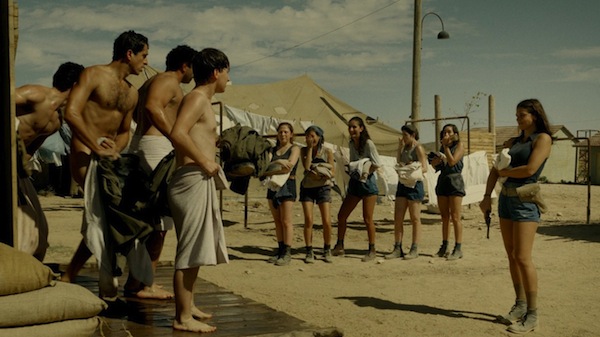
A still of one of the humorous (and relatable) moments in Image of Victory, which is part of this year’s Vancouver Jewish Film Festival.
The Vancouver Jewish Film Festival opening night film is the epic Image of Victory, directed by Avi Nesher. It’s not with grandiosity that the movie leaves its mark, though there is some of that, but rather with the quiet moments of humanity it so movingly depicts.
Sombre piano music over which one can hear missiles flying, bombs exploding, wind blowing are heard as the initial credits are shown, modest white lettering on a black background, nothing showy. “There are moments when you try to make sense of your life,” begins the narrator, as black-and-white footage of a shot-out building appears, then a jeep, soldiers with rifles pointed, tanks. “You wonder if you made good use of the time God gave you on this earth. You seek someone to compare yourself to. Someone you think truly lived.”
For Egyptian journalist and filmmaker Mohamed Hassanein Heikal, that person is Mira Ben-Ari, though he doesn’t know her name or anything about her at the time. It is the image of her from decades ago that he cannot forget – battle-worn, staring down the Egyptian forces, she smiles, she takes out a gun and shoots. Cut to an older Hassanein, in his study, depressed and angry, watching the TV news about Israel and Egypt’s peace agreement, after decades of war. Was all the fighting and all the death it caused in vain? He blames himself for not having the courage to expose Egypt’s president as a traitor for making the peace deal. He idealizes Mira’s bravery and purpose, thinks back to when he was 24, and fearless – when he was assigned to document Egypt’s military operations against the soon-to-be-reestablished Jewish homeland.
Inspired by the Battle of Nitzanim in June 1948, in which the kibbutz was destroyed by Egypt, Image of Victory imagines what it might have been like on both sides of that conflict. Both Mira and Hassanein are based on real people, as are other characters in the film, and this movie is about a near-mythological event. The voiceover, the black-and-white footage, the fancy costumes of New Year’s Eve revellers in Cairo, idealistic kibbutzniks, zealous army commanders. Any one of these elements could have slipped into a larger-than-life portrayal, but director Avi Nesher shows restraint – and a valiant attempt at balance that has an air of realism, though the kibbutzniks are admittedly more developed entities.
The majority of the film takes place in chronological order, six months out from the battle. When we first see the kibbutzniks working the dusty land, they are doing so under occasional fire from the Egyptian farmers who were displaced after their landlord sold said land to the Jews. The rules of engagement are fascinating. After one altercation, the Egyptians yell to the kibbutzniks that they are all done on their side, and the Jews cease their fire so that both sides can safely collect their wounded and dead.
In the midst of the tension, life goes on in the kibbutz – there are broken hearts and newly starting relationships, there is joyous singing, dancing and piano playing, there is hard labour, there is frolicking on the beach. But underlying all the apparent normality is the hyper-reality of mortality, both because many of the residents and their recently arrived Haganah protectors are Holocaust survivors, as well as the threat of Egyptian attack. As one young soldier tells Mira, “You’d think it’s paradise if being here wasn’t risking death.”
After a brutal attack on a truck carrying supplies to the kibbutz, the Egyptian commander doesn’t want Hassanein to film the emptying of the truck of its supplies because it looks like they’re stealing. Perception is Hassanein’s constant battle – what he is being told to film and what he really wants to film. For example, during a lull in the fighting, he makes a film about two Arab villagers falling in love, which is trashed by the producer who hired him. People don’t want to watch that, yells the producer, they want war.
After the Egyptian forces are repelled by the newly declared state of Israel, Hassanein is ordered to film an Egyptian victory, so that King Farouk can save face. The enormity of the Egyptian army descends on Nitzanim, which Israel’s leaders – for ideological reasons encapsulated by the character of (real-life) commander Abba Kovner – have abandoned.
While the kibbutz’s children (including Mira’s young son) and some of the adults were evacuated or assigned to other defence tasks, the rest of the residents and soldiers were left to fend for themselves, vastly outnumbered. The real-life outcome is known: more than 30 kibbutz members and soldiers were killed, more than 100 taken prisoner. What Nesher’s film offers is an idea of the ambitions, the loves, the fears, and more, of some of those who were at the ground level, caught in a situation not entirely of their making.
The acting is phenomenal – adeptly showing the interplay of diverse characters, with their own senses of humour, their own past traumas, their own desires, their own measures of victory. The characters are more than stereotypes and the stories more nuanced than the ones we most often hear. Nesher wants us to be skeptical of national mythologies and of the media that help propel these misleading views, yet respectful of one another’s narratives, as complicated as they may be and no matter how divergent they may be from our own. It’s perhaps an impossible ask, but some ideals are worth dying for – or are they?
Image of Victory director Avi Nesher and producer Ehud Bleiberg participate in a live Q&A on March 6, 11 a.m. The Vancouver Jewish Film Festival runs March 3-13. For tickets: vjff.org.
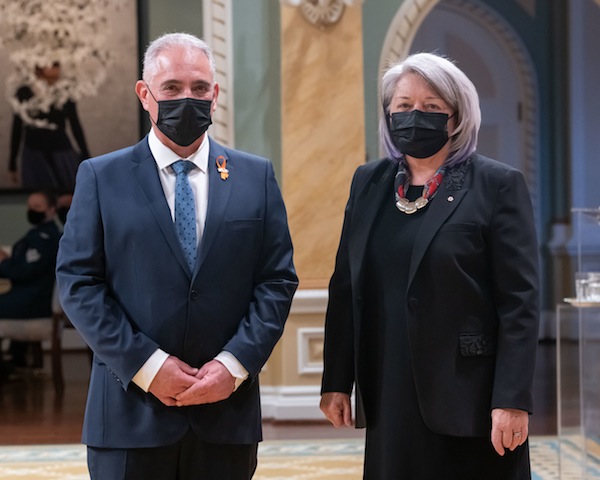
Governor General of Canada Mary Simon welcomed Ronen Hoffman as Israel’s new ambassador to Canada during a formal presentation ceremony at Rideau Hall in Ottawa, Dec. 7, 2021. (photo from Government of Canada)
Israel’s new ambassador to Canada, Ronen Hoffman, is a hockey dad. Plus, he wants to fight terrorism and antisemitism, strengthen research and development projects between the two countries, and forge ties with Canada’s Indigenous peoples. He also needs to remember to wear his winter coat when he leaves for work.
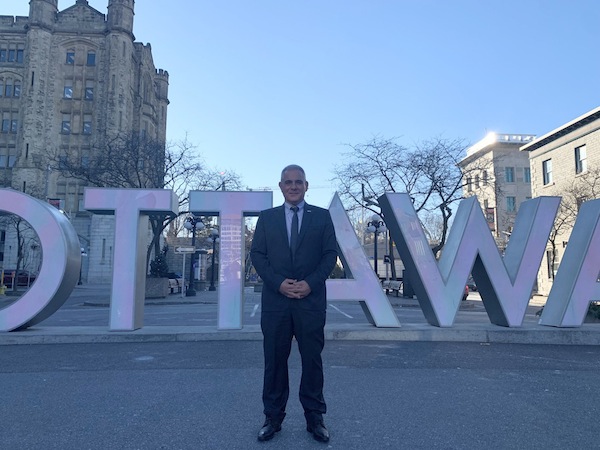
Hoffman, 58, arrived in Ottawa in the week of Hanukkah to take up his new duties. The diplomatic post had been vacant for two years, since Nimrod Barkan stepped down in November 2019. With the instability in Israeli politics – until Naftali Bennett’s government took office in June 2021 – and the COVID pandemic hampering international travel, Hoffman wasn’t able to arrive until just a few weeks ago.
Hoffman was born to a farming family in Afula, in the Jezreel Valley. He hasn’t been to Canada since he was in his 20s, when he did some traveling after the army while working as a shaliach (emissary) to a Jewish summer camp in Atlanta, Ga. Hoffman was an aide to former Israeli prime minister Yitzhak Rabin, and was on the team negotiating the unsuccessful peace talks with Syria.
After earning his doctorate in 1999, Hoffman was elected to the Knesset in 2013 as a member of Yair Lapid’s Yesh Atid party. He did a stint as co-chair of the Israel-Canada Parliamentary Friendship Group. This is his first posting as an ambassador. He is a father of three; his partner is a scientist at the Weizmann Institute.
On Hoffman’s first Christmas in wintry Ottawa, he made a TikTok video showing him walking through Lansdowne Park, trying out his snowball throwing technique and doing some tobogganing. (He didn’t wear winter boots, though.)
Hoffman sat down with The CJN Daily to outline his mandate and his hockey dad chops. Readers can listen to his interview in the podcast at thecjn.ca/podcasts/ronen-hoffman-interview.
CJN: Describe what it was like when you presented your credentials to Canada’s first Indigenous governor general, Mary Simon, on Dec. 7, 2021.
RH: Well, I have to say that it was a very moving and a wonderful ceremony. I went there with my family, which is here with me, my partner and my 4-year-old son, Tomer, and my team from the embassy. There were three other ambassadors that also presented: the ambassadors of the United States, Spain and Sri Lanka. It was an opportunity for us to get a little bond together and speak to each other. And, of course, meeting the governor general and her spouse and the people. I’m very happy that we had an opportunity to really do it, not through Zoom or through the internet, but really do it there, face to face.
CJN: Did you wear or bring or do anything that meant something meaningful to you?
RH: Yes. Can you see the little lapel pin on my jacket? Can you see these Canadian and Israeli flags here? Around it, we have an orange pin, in solidarity with the Indigenous people, also. It was just a little gesture, and I feel that’s part of what I’m going to do here. I would like to educate myself more on the First Nations communities here. I feel that there is a common ground for us to stand on, all of us, as the Jewish people, who for us the state of Israel is, in essence, a return of the Jewish people to our indigenous homeland and traditions and culture. My goal is to build bridges of dialogue, cooperation, collaboration with communities, and we really wanted to show that we care.
CJN: Would you say that you’re planning to reach out to the Assembly of First Nations and all the Indigenous groups … to try to meet them?
RH: Absolutely. I’m the Israeli ambassador to Canada, not only to Ottawa and not only to a specific province. It’s a big and wonderful and beautiful country with lovely people. And so, of course, I intend to travel throughout the country and meet as many people as I can and community members and heads of communities. It would be an important part of what I’m going to do here.
Fighting antisemitism
CJN: Let’s move on a little bit towards your agenda. You’re coming to Canada seven months after the war between Hamas and Israel, where Canada’s Jewish community experienced an unprecedented level of antisemitism not seen since the Second World War. First of all, were you surprised when you heard about what the Canadian Jewish community was feeling? And what is your mandate to deal with this here in Canada?
RH: I can’t say that I was surprised because, before I became an ambassador, I’ve been a lecturer. And, as a lecturer, I met with many delegations from the Jewish communities of North America, including Canada, who came to Israel. I heard a lot before the conflict in May about challenges and opportunities of the Jewish communities here, vis-à-vis other communities and vis-à-vis other minorities and governments. I’m aware of the antisemitism and I agree with you that the wave around the conflict in May has been a tremendous one, one that has been very significant when you compare it to previous waves.
I think that, as Israeli diplomats, my role as an Israeli ambassador to Canada is to help and to coordinate, to cooperate and to join forces in the combat of antisemitism and anti-Zionism and anti-Israel [sentiments]. They’re all connected to each other. Sometimes, some of the people would say, ‘Oh, some of these activists just want to show some criticism towards the government of Israel.’ It’s not that. It’s much deeper than that. Maybe now it’s not hidden anymore. They’re actually against the right of Israel to exist as a Jewish state. This is antisemitism. And I think that the Jewish communities here in Canada are not alone in facing this threat and challenge: the Israelis, your brothers and sisters and families, we all face the same kind of challenge in this respect. So, of course, part of my mandate is to work hand in hand with the leaders of the Jewish communities here, and try to find ways to combat it together.
CJN: It’s a big part of your mandate. But it wasn’t number one on the list. Your number one priority for your mandate is?
RH: It is to strengthen the relationship between Israel and Canada, which have very close relations, a very close friendship, and we have shared and we still share common values and common interests. And, like Canada, Israel is committed to human rights, to justice, to the rule of law. We are liberal democracies. We also have shared interests, for example, to combat terrorism, global terrorism, to help to create more stability in our areas, in our regions and to work together vis-à-vis opportunities and challenges. That is, I would say, my number one goal here: to continue and to strengthen those bilateral relations and the close friendship that Israel has with Canada.
CJN: What concerns does the Israeli government have about Canada’s decision during the May hostilities with Hamas to give money – about $25 million – to agencies such as UNRWA that have had a very problematic history when it comes to anti-Zionist and anti-Israel and Jew-hatred materials? How does Israel feel about that?
RH: We face some organizations, international and Palestinian organizations, that call themselves organizations that care for human rights, and they kind of hide behind that high language and terms that we are all committed to. But, actually, they are terror organizations. Our concern is that our friends around the world, including Canada, would be with us, looking at those organizations, exposing the lies and getting to see exactly what they’re doing. This is a concern in our mission and a real objective as part of our diplomatic work.
CJN: OK, so back to your mandate and what you’re here for. In a news release when you presented your credentials to the governor general, you said that you want to help with start-ups, and harness Israeli know-how to help Canada solve problems. Is there any area in particular that you want to focus on? We just finished re-upping the Canada-Israel Free Trade Agreement, which was re-signed under a previous Trudeau government. What more is there to do?
Ronen Hoffman, Israel’s new ambassador to Canada. (photo from Israeli embassy)
RH: There’s a lot to do. Look, Israel and Canada are closely working on finalizing a research and development agreement to mutually invest in know-how in joint research projects, and innovation in several fields, such as food tech, health tech, environment, energy and climate security. And then, of course, letting start-ups and the industrial ecosystem get to know each other and to develop ties and relations. We’re working on it. And I’m optimistic here. I think that we could really enlarge our relationship and find and create more joint projects on innovation. This is, again, one of the first high priorities on my agenda.
CJN: Would you say that there’s a date when they are expecting to sign it? In 2022 or 2023?
RH: There is no specific date. But, as an ambassador, I’m going to push and I’m going to try to do it as soon as possible. And it’s just one specific agreement – I have some ideas for other agreements, as well, to start MOUs [memoranda of understanding]. Every agreement or project starts with dialogue, right? So, my idea is to create more dialogue between government to government, meaning some of the ministries in Israel that are relevant to innovation, hopefully, would speak in a structured dialogue process to some of the ministries here in Canada – for example, the ministries of energy and ministries of environment, agriculture and others. And so, we’ll set a set of several bilateral dialogues that eventually, I hope, would produce new agreements.
CJN: A lot of the research work is done at the university level, though, and that brings us to the problem where a lot of Canadian universities have faced the boycott, divestment and sanctions issue, with clubs or groups of academics trying to have the BDS policies adopted. How can the Israeli ambassador and the Israeli embassy negotiate this minefield to bring about your MOUs and this cooperation?
RH: Well, I think that there are at least two ways to go about it. One is to differentiate between the political talks around campuses and the industry of lies, and cooperate in joint research: start new projects with universities, connect universities here to universities in Israel and work together on tikkun olam, of doing something that the world would be able to benefit from. We have so many other scholars and researchers who we should work with. We should fight and combat against this BDS and all these things, but, at the same time, cooperate with our friends.
CJN: I know you were involved with Canadian parliamentarians before. How does that prepare you for this job?
RH: As a member of Knesset (2013-2015), I then chaired – from the Israeli side, of course – the Inter-Parliamentary Friendship Association with Canada, and it enabled me to meet some members of the Canadian Parliament … and host them in Israel. When they came in a delegation, it helped me to understand the political system here, better, I would say. But now, when I’m here, I have to tell you that I have so much more to learn. I knew a little bit, but I have to say I’m fascinated by the political system here and by the structure and by the Constitution and the history of it. It’s different than the political system that we have in Israel. We have a multi-political party system based on coalition. We have small political parties who have been and still are the king-makers. The power of veto in our political system, it’s different. We have a prime minister and a president, but we don’t belong to any other group of countries like the Commonwealth. It’s fascinating.
CJN: Had you ever been to Canada at all before this time?
RH: When I was a student, I was sent by the Jewish Agency to be shaliach to a JCC summer camp here in North America, in Atlanta, Ga. And, every summer after the camp, we still had the visa, that would enable us to travel for a few more weeks. So, for a few summers, I remember that, after finishing the camp, I came here to Canada and I traveled, mainly in the west, I have to say, in the Rockies and in Vancouver and British Columbia, but I remember being in Toronto and Niagara Falls.
When I was a kid, I grew up in kind of an outdoor atmosphere. My father was a farmer and I was educated with a love and appreciation for the environment and for the outdoors. I remember when I first came to Canada as a traveler, the nature, the environment, the outdoors impressed me so much. And now, as an ambassador, again, this is another thing I would like to do, to learn from you in Canada – how to appreciate the environment and the outdoors. I think that Israel can contribute, but also can learn from Canada at many levels and many aspects.
Son plays hockey
CJN: So, let’s pivot to some more fun things. I was told to ask you about your son in hockey. That is a door opener to anybody in Canada – just mention that and they’ll greet you with open arms! Are you allowed to tell me? Will your son kill you? (He now plays on the Columbia University men’s hockey team in New York.)
RH: Well, he will kill me anyway, but I’m going to tell you! I have three children. Eitan is my oldest: he’s 26 now, he’s a student at Columbia University in New York. My daughter, Tamara, is 24, and she’s also a student at Columbia University in New York. And my little son, Tomer, is 4 years old and he is here in Ottawa with me.
When Eitan, my oldest, was in elementary school in Israel, hockey just started to be introduced to Israel by friends who immigrated from Russia. But since, in Israel … there was only one [ice arena at the time,] in Metula, in the north [founded with the financial help of Canadians] … they started with roller hockey. My son started when he was in the first grade, or second, and, at some point, they started to build ice arenas for ice hockey. So, he moved from roller hockey to ice hockey.
By the time when he was 16 or 17, he was the captain of the youth national team and they were part of hockey in the Europe leagues and they competed there. And, at some point, they became number two in Europe – the Israelis who had no hockey in our tradition. I was very proud then.
And now, of course, he’s in New York … and, hopefully, he could come here. We will go together to hockey games, and he will explain to me what it’s all about, because that’s another thing I need to learn, right?
CJN: But if you are a hockey dad, you would know all this stuff, like going to the arenas with your thermos of coffee and being cold. Right? You never did that?
RH: Of course I did it. I went with him to Europe. I accompanied him and, yeah, well, I know how it feels, but I still need some explanation. The teams and who’s against who. I still need to learn.
CJN: And the European rinks are different. But what number did he wear in Israel?
RH: Eighty-eight.
CJN: Any particular reason?
RH: I don’t know how it started, but it was 88 and his last name, because I’m proud of him saying our last name. Under the number 88, Hoffman.
CJN: OK. So, unfortunately, Israel is not going to be in the hockey part of the Beijing Winter Olympics. They didn’t make it, but they’re number 34 overall in the IIHF [International Ice Hockey Federation] rankings. Are you a hockey fan at all?
RH: Not a hockey fan, for sure. But now is my opportunity; now it is my opportunity to become a real hockey fan.
CJN: All right. What is the funniest thing that’s happened to you since you came to Canada as an ambassador?
RH: OK, look, it’s not that funny, but whenever I leave home and get into the car to go somewhere, I’m still forgetting to take my coat…. I’m still used to going out with almost just a T-shirt, but it’s taking me longer than I expected to get used to winter.
Tomorrow is Black Excellence Day. The day is adjacent to the birth date of Martin Luther King Jr. and is being recognized in at least 20 B.C. school districts.
Founded last year to draw attention to the lack of Black history being taught in Canadian schools and to highlight the struggles of racialized Canadians, it was originally named Black Shirt Day. The name followed the pattern of other social justice days, such as Pink Shirt Day (anti-bullying) and Orange Shirt Day (truth and reconciliation). Unfortunately, the name Black Shirt Day carries unintentional connotations. The Blackshirts were fascist paramilitary thugs in Italy, akin to the German Nazi Brownshirts.
Many people in the Jewish community expressed concern over the name, as did the B.C. Human Rights Commission. Among the Jewish groups that spoke with the Ninandotoo Society, whose members initiated the commemoration last year, were the Vancouver Holocaust Education Centre and the Centre for Israel and Jewish Affairs (CIJA). In an interview with CBC, Geoffrey Druker, Pacific region chair of CIJA, said, “We were kind of gutted. It was painful because we still have Holocaust survivors among us and anybody who suffered from fascism and black shirts would have been hurt.”
In response to the comments, the Ninandotoo Society created Black Excellence Day, which still focuses on the ongoing civil rights struggle of Black and racialized Canadians and the need for a mandatory curriculum on Black history.
Kamika Williams, president of the society (“nina ndoto” means “I have a dream” in Swahili), told CBC, “For us, it wasn’t a matter of should we change the name, it was what should we change the name to. It would be very hypocritical of us to fight against racism within the Black community and then turn the other cheek when other racialized groups inform us of the racist nuances within their community.”
She said most of the discussions focused on “building solidarity … how do we move forward, how do we work together, how do we stay unified and combat racism together.”
Despite the fascist connotations, however, another group, Anti-Racism Coalition of Vancouver, is still going ahead with a Black Shirt Day, with the imprimatur of Independent Jewish Voices of Canada, among others.
Black Excellence Day (Jan. 15) and Martin Luther King Day (this year on Jan. 17 though his actual birthday is Jan. 15) fall just over a week after Jan. 6. This year, Jan. 6 was a time of widespread reexamination of the insurrection at the U.S. Capitol a year earlier. CNN, MSNBC and other mainstream networks provided exhaustive reviews of the events of that day and insights into the larger meaning for its victims – Capitol police, elected officials, staffers, their families and so forth – while right-wing media perpetuated their line that the attempted coup was nothing more than rambunctious tourists.
The Atlantic magazine’s current issue, with the cover story “January 6 was practise,” devotes almost every word in the magazine to the events of that day and what it means for the future. Relatively obscure civil servants and elections administrators were, in some instances, the main bulwark against Trump’s efforts to subvert the will of voters in states like Georgia, Arizona and elsewhere. But, argues the Atlantic, supporters of the insurrection and the “big lie” that Trump won and the election was stolen are now taking their places at the most sensitive (if least understood) nexus of the election bureaucracy. The alarming, pessimistic tone of the magazine’s issue could be summed up as: American democracy has about three years to live.
Various media have raised alarms about these attempts to grab the election levers – and revisited how it was not so much institutions or constitutional niceties that prevented Trump’s coup attempt from succeeding but a very small number of stiff-backed individuals, including then-vice president Mike Pence, who provided the frail barricade around the will of the country’s voters.
The health and survival of American democracy, put mildly, is not a matter of concern for Americans only. Its demise would eliminate what moral suasion the country holds in the world – to say nothing of the potential for misuse of military power. For Canadians, chaos on the other side of the world’s longest undefended border would be cause for serious concern. And any threat to democracy is a threat, foremost, to the most vulnerable and marginalized, Jews included.
Sadly and scarily, this phenomenon is not exclusive to the United States – illiberal strains are gaining ground in various places in Europe, Latin America and elsewhere. What is needed (among many other things) is a mass cultural movement recognizing these dangers and ensuring the health of democracy – or at least giving it a fighting chance if a chunk of the population rejects the outcome of future elections.
While the United States, Canada and pretty much every democracy have not always lived up to their promise – indeed, they have failed in serious ways – democracy is our collective best chance to achieve just societies. For countless Jews, and millions of others yearning to breathe free, America has been a beacon, despite its flaws. We must not just hope, but take action to help make sure its light – and that of other democracies – does not go out.
An ongoing controversy in Canada’s largest school district took a more bizarre turn this week.
Last spring, the student equity advisor of the Toronto District School Board compiled and released a compendious assemblage he called “resources to educators.” The materials, issued via email by Javier Davila, were a hodgepodge of anti-Israel propaganda, and included outright antisemitic content and the glorification of suicide bombings.
The “resources,” for example, claim that Palestinians “have been legitimately resisting racism, colonization, and genocide since the 1920s to the present day by any means necessary: general strikes, demonstrations, armed struggle, and martyrdom operations (called ‘suicide bombing’ by Zionists).” Davila’s materials also included a link to the website of the Popular Front for the Liberation of Palestine, a group that is banned in Canada. Bibliographical recommendations include children’s books that characterize Israelis as thieves and murderers.
The materials Davila distributed are intended to guide teachers in educating students about the Arab-Israeli conflict. They were not vetted by senior officials in the school board and, when controversy ensued, Davila was put on leave but then reinstated. Despite the absence of even a slap on the wrist, he moderated a panel in June with the tagline “How can we educate about Palestine if we can’t even say it?”
Not only is Davila free to “say” Palestine, he is also, evidently, free to distribute whatever material he chooses to Toronto teachers. Which brings us to this week.
Alexandra Lulka is a Toronto school trustee who is Jewish and represents a heavily Jewish district of the city.
“I was outraged to discover that some of this material justifies suicide bombings and other forms of terrorism,” she wrote on social media during the conflict in the spring between Israel and Hamas in Gaza. “This is reprehensible. These materials were provided by an employee from the TDSB equity department, the very department that should be countering antisemitism and violence, not fanning the flames.”
The school board’s integrity commissioner investigated Davila’s materials and found they did indeed contain antisemitic content and promote terrorism – and then called for Lulka to be censured because, the commissioner’s investigation declares, it was the purview of the school board, not Lulka, to determine whether the content was unacceptable. The commissioner went further, condemning Lulka for not pointing out positive aspects of Davila’s “resources.”
The Centre for Israel and Jewish Affairs criticized this part of the situation in particular.
“It is astonishingly unreasonable to compel a Jewish trustee calling out Jew-hatred to also highlight positive elements in the resources. The recommendation to censure her for not doing so is misguided and must be rejected,” said CIJA’s vice-president Noah Shack in a statement. “Punishing Trustee Lulka is contrary to the values of an educational institution purporting to engender learning and mutual respect.”
Friends of the Simon Wiesenthal Centre also drew a contrast between what should have happened and what did happen.
“This outrageous process against TDSB Trustee Alexandra Lulka is just the latest manifestation of the institutional antisemitism afflicting the TDSB,” said Jaime Kirzner-Roberts, the centre’s director of policy. “Not only is the investigation and its findings unjust, but it’s ridiculous that the person who calls out a transgression is being punished but the person responsible for the transgression was not.”
We are familiar, by now, with antisemitism being downgraded by the very people who are appointed (or self-appointed) to monitor and combat racism and bigotry. The Toronto case, which presumably will have been decided Wednesday (after the Independent goes to press), is a step beyond. It threatens to condemn the very people who stand up against antisemitism, even as a perpetrator of what the integrity commissioner acknowledges was anti-Jewish racism gets off scot-free.
This outcome is problematic, not only for the potential danger it presents to Jewish students in Canada’s largest school district. It encourages teachers to miseducate students on a sensitive and complex international issue with very real consequences for intercultural harmony here at home.
Editorial Note: After the Jewish Independent went to press, the TDSB voted to not censure Lulka. For the full story, see thecjn.ca/news/alexandra-lulka-tdsb.
Taylor Owen speaks at the third annual Simces and Rabkin Family Dialogue on Human Rights, Nov. 9. (screenshot)
Canada, like most of the world, is behind in addressing the issue of hate and violence-inciting content online. In attempting to confront this challenge, as the federal government will do with a new bill in this session of Parliament, it will be faced with conundrums around where individual freedom of expression ends and the right of individuals and groups to be free from hateful and threatening content begins.
The ethical riddles presented by the topic were the subject of the third annual Simces and Rabkin Family Dialogue on Human Rights, Nov. 9, in an event titled Is Facebook a Threat to Democracy? A Conversation about Rights in the Digital Age.
The annual dialogue was created by Jewish Vancouverites Zena Simces and her husband Dr. Simon Rabkin. It was presented virtually for the second year in a row, in partnership with the Canadian Museum for Human Rights.
The featured presenter was Taylor Owen, who is the Beaverbrook Chair in Media, Ethics and Communications, the founding director of the Centre for Media, Technology and Democracy, and an associate professor in the Max Bell School of Public Policy at McGill University. He presented in conversation with Jessica Johnson, editor-in-chief of The Walrus magazine.
The advent of the internet was seen as a means to upend the control of a society’s narrative from established media, governments and other centralized powers and disperse it into the hands of anyone with access to a computer and the web. Instead, as the technology has matured, online power has been “re-concentrating” into a small number of online platforms like Facebook, Twitter and YouTube, which now have more global reach and cultural power than any preexisting entity.
“Understanding them and how they work, how they function, what their incentives are, what their benefits are, what their risks are, is really important to democratic society,” said Owen.
These are platforms that make money by selling ads, so it is in their interest to keep the largest number of people on the platform for the longest time possible, all while collecting data about users’ behaviours and interests, Owen said. These demands prioritize content that is among the most divisive and extreme and, therefore, likely to draw and keep audiences engaged.
The sheer volume of posts – in every language on earth – almost defies policing, he said. For example, in response to public and governmental demands that the company address proliferating hate content and other problematic materials, Facebook has increased resources aimed at moderating what people post. However, he said, 90% of the resources dedicated to content moderation on Facebook are focused on the United States, even though 90% of Facebook users are in countries outside of the United States.
A serious problem is that limitations on speech are governed by every country differently, while social media, for the most part, knows no borders.
Canada has a long precedent of speech laws, and Parliament is set to consider a controversial new bill intended to address some of the dangers discussed in the dialogue. But, just as the issues confounded easy answers in the discussion between Owen and Johnson, attempts to codify solutions into law will undoubtedly result in fundamental disagreements over the balancing of various rights.
“Unlike in some countries, hate speech is illegal here,” said Owen. “We have a process for adjudicating and deciding what is hate speech and holding people who spread it liable.”
The United States, on the other hand, has a far more libertarian approach to free expression.
An example of a country attempting to find a middle path is the approach taken by Germany, he said, but that is likely to have unintended consequences. Germany has decreed, and Owen thinks Canada is likely to emulate, a scenario where social media companies are liable for statements that represent already illegal speech – terrorist content, content that incites violence, child exploitative content, nonconsensual sharing of images and incitement to violence.
Beyond these overtly illegal categories is a spectrum of subjectively inappropriate content. A single media platform trying to accommodate different national criteria for acceptability faces a juggling act.
“The United States, for example, prioritizes free speech,” he said. “Germany, clearly, and for understandable historical reasons, prioritizes the right to not be harmed by speech, therefore, this takedown regime. Canada kind of sits in the middle. Our Charter [of Rights and Freedoms] protects both. The concern is that by leaning into this takedown regime model, like Germany, you lead platforms down a path of over-censoring.”
If Facebook or YouTube is threatened with fines as high as, say, five percent of their global revenue if they don’t remove illegal speech within 24 hours, their incentive is to massively over-censor, he said.
Owen said this will have an effect on the bottom line of these companies, just as mandatory seatbelts in cars, legislation to prevent petrochemical companies from polluting waterways and approval regimes governing the pharmaceutical industry added costs to those sectors. Unfortunately, the nuances of free speech and the complexities of legislating it across international boundaries make this an added burden that will probably require vast resources to oversee.
“It’s not like banning smoking … where you either ban it or you allow it and you solve the problem,” said Owen. There are potentially billions of morally ambiguous statements posted online. Who is to adjudicate, even if it is feasible to referee that kind of volume?
Rabkin opened the dialogue, explaining what he and Simces envisioned with the series.
“Our aim is to enhance the understanding and create an opportunity for dialogue on critical human rights issues, with the hope of generating positive actions,” he said.
This year’s presentation, he said, lies at a crucial intersection of competing rights.
“Do we, as a society, through our government, curtail freedom of expression, recognizing that some of today’s unsubstantiated ideas may be tomorrow’s accepted concepts?” he asked. “Unregulated freedom of speech, however, may lead to the promulgation of hate towards vulnerable elements and components of our society, especially our children. Do we constrain surveillance capitalism or do we constrain the capture of our personal data for commercial purposes? Do we allow big tech platforms such as Facebook to regulate themselves and, in so doing, does this threaten our democratic societies? If or when we regulate big tech platforms, who is to do it? And what will be the criteria? And what should be the penalties for violation of the legislation?”
Speaking at the conclusion of the event, Simces acknowledged the difficulty of balancing online harms and safeguarding freedom of expression.
“The issue is, how do we mitigate harm and maximize benefits?” she asked. “While there is no silver bullet, we do need to focus on how technology platforms themselves are structured. Facebook and other platforms often put profits ahead of the safety of people and the public good.… There is a growing recognition that big tech cannot be left to monitor itself.”
During Chanukah, we celebrate the victory of light over darkness, of the triumph of our values over the hegemonizing ideals and practices of the oppressor.
A crucial part of Jewish tradition is applying the wisdom of the past to the challenges of today. And the world is full of challenges today. One of those closest to home for some of us is the culture and climate at universities. Over the past two decades, we have witnessed growing anti-Israel activity and antisemitism on campus.
Concurrently, a new orthodoxy has emerged, which is viewed by many as an overdue reckoning and by some as ideological overreach. This shift is typified by an intolerance or rejection of ideas that are deemed intolerant or worse. Racism, sexism, homophobia, transphobia and ideological extremism have been targeted by growing numbers of students and faculty, which, on its face, is progress. Even so, issues with this evolution include who is doing the judging, as well as where intolerance of intolerance intrudes on academic growth and ideological diversity, which is the lifeblood of the institutions.
A confounding aspect of campus culture today is that, in an ideal world, anti-Jewish sentiments would be included in the panoply of censured ideas. Instead, too often, the people who are denouncing racism are carving out exceptions in this one instance, as many voices have observed. (David Baddiel’s book Jews Don’t Count was reviewed in these pages recently.)
In a curious development, it has recently been announced that a group of academics, activists and entrepreneurs are set to open a whole new university. The University of Austin, to be soft-launched in Texas next year, intends to be a petri dish for unfettered “academic freedom.”
The historian Niall Ferguson, who is one of the proponents of the new school, has written of the problem they intend to address, using some of the reductive shorthand now deployed in this larger “culture war”: “Trigger warnings. Safe spaces. Preferred pronouns. Checked privileges. Microaggressions. Antiracism. All these terms are routinely deployed on campuses throughout the English-speaking world as part of a sustained campaign to impose ideological conformity in the name of diversity. As a result, it often feels as if there is less free speech and free thought in the American university today than in almost any other institution in the U.S.”
The University of Austin appears to be a product of frustration. The state of campus discourse today is problematic in many ways. But there is a larger principle at stake. If there is a problem in the academy at large, is the solution to pack up one’s books and ghettoize into a whole new school? Around the globe, liberal values are under threat by totalitarianism on both extremes of the political spectrum from left to right. The campus environment reflects and is a contributor to the trends in society, how we relate to one another and ourselves, as well as organize our politics and affiliations. We do not have the ability (yet) to decamp to another planet because of rampant illiberalism on this one. Similarly, while we do have the capacity to segregate ourselves into alternative institutions, is that in any way going to improve the broader issue?
Ironically, the purpose of the University of Austin appears to be to create a space for uncomfortable ideas. But isn’t that precisely what they are running away from? As in so many things in life, we have a choice: flee or stay and fight.
Academia is one of the places where we address, however awkwardly and inconclusively, concerns like power, class, race, gender, legacies of colonialism and many, many more. If the voices of intellectual homogeneity on campus are determined to shelter students from disturbing topics, or to instil in them a uniform, facile response, is it the proper reaction to give them what they want?
It is understandable and tempting to abandon the institutions that betray our values or challenge our identities. It is also understandable and tempting to want to have a whole institution that reflects back our values and reinforces our identities. Neither scenario sits well within Judaism’s long tradition of debate and critical thinking. And neither scenario makes for a healthy society.
Our only reasonable response in life – and especially at supposed institutions of higher learning – is to continue engaging in the battle of ideas, however daunting and hopeless the fight might appear.
Chanukah is but one of the Jewish holidays that teach us miracles can happen – but that they don’t happen on their own. We have an active role to play in this world, and should always be looking for ways to bring light into it.
Irwin Cotler spoke Sunday at a virtual event convened by National Council of Jewish Women of Canada. (photo from raoulwallenbergcentre.org)
Canada is set to make a number of significant commitments to combat antisemitism, as are other countries that participated in a summit on the issue last week in the Swedish city of Malmö.
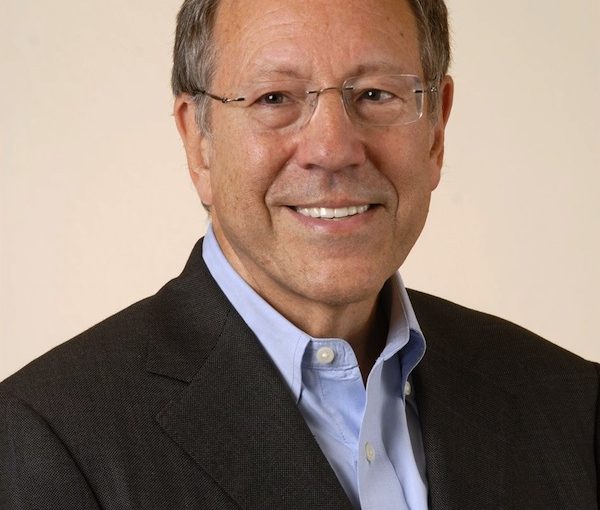
Irwin Cotler, Canada’s special envoy on preserving Holocaust remembrance and fighting antisemitism, spoke Oct. 17 at a virtual event convened by National Council of Jewish Women of Canada. The human rights lawyer and former federal justice minister, who is also international chair of the Raoul Wallenberg Centre for Human Rights, said that, in the aftermath of the conference, the Canadian government would announce a number of pledges.
These will include enhanced teaching and learning about the Holocaust across generational lines, combating the increasing Holocaust denial and distortion, and battling hatred on social media. Reducing an alarming rise in hate crimes will also be among the pledges Prime Minister Justin Trudeau is set to make, according to Cotler.
“Twenty-twenty was the year for the highest rise in hate crimes targeting Jews ever,” he said. “But, by May 2021, we had reached the level then of all the hate crimes in all of 2020.”
The government will recommit itself to protecting the security of Jewish institutions, he said.
“Here, the government recently made commitments in financial terms for this purpose,” said Cotler.
Zero tolerance for antisemitism in the political discourse is also an objective, he added.
“That means not just calling out antisemitism in the other’s political party but calling out antisemitism in our own,” Cotler said. “In other words, not weaponizing antisemitism or politicizing it, but holding each of us, respectively, our own political parties, accountable.”
In addition to Trudeau, Israeli President Isaac Herzog, French President Emmanuel Macron and U.S. Secretary of State Antony Blinken were among the leaders who addressed the conference. The Malmö International Forum on Holocaust Remembrance and Combating Antisemitism was hosted by Sweden’s Prime Minister Stefan Löfven. Trudeau announced at the conference that Cotler’s role of special envoy would be made permanent.
Cotler contextualized the Malmö forum in a two-decade era of what he calls “demonological antisemitism,” which began at the 2001 Durban conference against racism that devolved into an antisemitic carnival.
“What happened at Durban was truly Orwellian,” said Cotler. “A world conference against racism and hate turned into a conference of racism and hate against Israel and the Jewish people. A conference that was to commemorate the dismantling of apartheid in South Africa turned into a conference calling for the dismantling of the ‘apartheid state’ Israel.
“Those of us who personally witnessed this Durban festival of hate have been forever transformed by the pamphlets and posters of hatred and antisemitism, by the cartoons and the leaflets portraying not only the Jews as Nazis, but the classical antisemitic tropes of Jews with hooked noses, with fangs, with fingers dipped in blood from the killing of children. Where we were accosted with pamphlets of the Protocols of the Elders of Zion. Where we witnessed demonstrators with signs – incredibly for a human rights conference or for any conference – signs which said, ‘Too bad Hitler didn’t finish the job.’ Where we witnessed Jewish students – and I witnessed this personally – being physically assaulted and being told, ‘You don’t belong to the human race,’” said Cotler.
Durban was the first tipping point and the global surge of antisemitism during last spring’s conflict between Hamas and Israel was a second, he said.
“Jews were targeted and threatened in their own neighbourhoods and on their own streets,” said Cotler. During and after that conflict, Cotler said, Jewish memorials were defaced, synagogues were torched, cemeteries were vandalized, Jewish institutions found themselves under assault and incendiary hate speech – such as 17,000 tweets that “Hitler was right” – exploded.
The COVID-19 pandemic has exacerbated antisemitism, or at least has been exploited by antisemites, who have “instrumentalized one of the more ancient tropes of the Jews as the poisoners of wells,” said Cotler. The health crisis has also seen conspiracies of Jews profiting from vaccines and anti-vaxxers posing “as if they were victims of Nazi persecution,” he added.
Cotler lamented what he calls “the mainstreaming, the normalization – in effect, the legitimization of antisemitism in the political culture.” During the conflict last spring, convoys of vehicles in London, U.K., drove through Jewish neighbourhoods screaming, “F–k the Jews, rape their daughters!” This was a convoy and a message that was replicated in Toronto days later and which resulted in, Cotler said, an “utter absence of outrage.”
The legalist also spoke of the International Holocaust Remembrance Alliance Working Definition of Antisemitism.
“If you can’t define it, you can’t combat it,” he said. The IHRA definition was adopted after 15 years of discussion and debate by intergovernmental bodies, governments, parliaments, scholars and civil society leaders, he said.
The task of fighting antisemitism must not fall only to Jews, Cotler stressed.
“As we’ve learned only too painfully, and have repeated too often, that, while it begins with Jews, it doesn’t end with Jews,” he said. “Therefore, we need this collective global constituency of conscience to combat it.”
There has been a trend among some pro-Israel people and others to depict the U.S. Democratic party as having fallen prey to a far-left agenda, a wolf of extremism seeking to reinvent the social fabric of the country in the sheep’s clothing of “progressive” values.
There are indeed some voices in the Democratic party that press the party to views that are less mainstream – as there are in the Republican party. There is no Democratic equivalent to the radical Republican misanthropes like Lauren Boebert, Paul Gosar and Marjorie Taylor Greene, who have plumbed the depths of dark web conspiracies. Yet members of the so-called “Squad,” a group of Democrats, have taken positions on Israel and Palestine that reject the traditional bilateral American support for Israel’s security. This was never starker than during the recent vote to fund Israel’s Iron Dome defensive anti-missile shield. Members of the Squad, and a handful of other members of Congress, held up a vote on a massive budget bill until American support for Israel’s defence was removed.
The capitulation by senior Democrats was condemned by many, but the victory of the anti-Israel voices was short-lived. The next day, the House voted by a 420-9 landslide to provide the very funds that had been excised from the bigger bill the day before. The numbers could not be clearer. American leaders remain overwhelmingly committed to the bilateral relationship and to Israel’s defence.
The Iron Dome was depicted by some of the dissenting members of Congress as a tool of Israeli oppression. It is, however, a defensive technological wonder whose sole purpose is to save lives. Opposing American support for the program based on economic concerns could be justifiable – a billion dollars is no small change. But those who voted against it have given no indication of thriftiness. Interested in raising taxes on the wealthiest and spending more on domestic programs, as well as passing the Build Back Better Act, which would increase spending on social programs and infrastructure, lower spending does not seem to be a defining motivation for these congresspeople. President Joe Biden has already said he will approve the funding.
We see plenty of Republicans condemning the more extreme members of the Democratic caucus. And we see Democrats condemning the members of the opposition that the late senator John McCain memorably dubbed “whackadoodles.” But perhaps we should all be looking in our own backyards to get our own houses in order.
Speaking of which, Canada is not immune to offside officials. Jenica Atwin was a Green MP who accused Israel of apartheid before huffing across the floor from the Green party to the governing Liberals, where she was quickly forced to retract her earlier comments. The People’s Party of Canada, while not gaining a seat in the recent election, nevertheless significantly expanded their support base across the country, while advancing intolerant, often conspiratorial ideas. Still, Canadian extremists look like small potatoes next to the American examples.
When winning at any cost becomes seen as crucial – because the other side has been demonized to such a degree that their victory is seen as an existential threat – it is easier to accept the unacceptable if it comes from “our” side and to condemn it with self-righteous indignation when it appears on the other side.
Partisanship is too often preventing us from doing the right thing. This behaviour is self-defeating, put mildly. Ignoring inherent malevolence for immediate gain is a recipe for long-term failure, not only for a party’s political fortunes but, far more gravely, for our democratic, pluralistic society as a whole.
סוף טוב לסגת מעצר הבית בוונקובר של סמנכ”ל הכספים של ענקית התקשורת הסינית “וואווי”, מנג וואנזו, ולהחזקתם בכלא הסיני של שני אזרחים קנדים: מייקל קובריג ומייקל ספבור. זאת משך כשלוש שנים שכללו דיונים משפטיים, ניסיונות דיפלומטים וסיקור רב בתקשורת העולמית.
וואזנו עזבה את ונקובר ביום שישי העשרים וארבעה בספטמבר ונחתה למחרת בבוקר בשנג’ן סין. היא זכתה לטקס כיאה לגיבורה לאומית. באותה עת ממש שני המייקלים (קובריג וספבור) נחתו בקלגרי בליווי שגריר קנדה בסין. את שני הקנדים קיבל בחום ראש הממשלה ג’סטין טרודו.
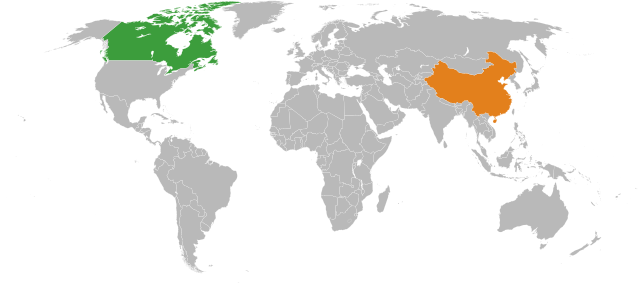
לאחר הסתלקותו של דונלד טראמפ מהבית הלבן בראשית השנה, נכנסו המגעים הדיפלומטים בין ארה”ב לסין להילוך גבוה, לפתרון סוגיית וואנזו, תוך שקנדה מפעילה לחץ על ארה”ב לעזור לה מול סין. הדיפלומטיה ניצחה וביום ששי (העשרים וארבעה בספטמבר) התביעה בארה”ב ביטלה את כתב האישום נגד וואנזו ו”וואווי”, בו נטען שהם הפרו את האמברגו נגד איראן. מייד לאחר מכן התביעה בקנדה ביקשה מביהמ”ש העליון של מחוז בריטיש קולומביה, לבטל את ההליך המשפטי להסגרת וואנזו לארה”ב. וכאמור מקביל סין שיחררה את קובריג וספבור שנאשמו בריגול נגדה.
בניגוד לתחזיות: טרודו ניצח שוב בבחירות בקנדה אך לא הצליח להשיג רוב בפרלמנט
ראש ממשלת קנדה מטעם המפלגה הליברלית, ג’סטין טרודו, ניצח שוב בבחירות הכלליות שנערכו ביום שני העשרים בספטמבר. זאת בניגוד לתחזיות הקודמות של המשאלים שינבאו מאבק צמוד עם מפלגת השמרנים. טרודו משמש ראש ממשלה מזה זה שנים. בארבע השנים הראשונות הוא עמד בראש ממשלת רוב. אך גם הפעם כמו בבחירות הקודמות, הוא לא הצליח להשיג רוב בפרלמנט ונכשל במטרה שלשמה הכריז על הבחירות המוקדמות. בעצם כל המפלגות שמרו על כוחן פחות או יותר ערב הבחירות. לפיכך הופנתה ביקורת קשה נגד טרודו על החלטתו ללכת לבחירות אחרי שנתיים של ממשלת מיעוט ברשותו, ועוד בתקופת המגפה, שעלתה למשלם המיסים כשש מאות ועשרה מיליון דולר. חיצי הביקורת מופנים גם לראש המפלגה השמרנית, ארין אוטול, שלא הצליח להביס את טרודו, והוא ימשיך להישאר בתפקיד ראש האופוזיציה.
בפרלמנט הקנדי יש שלוש מאות שלושים ושמונה מושבים וזו חלוקתם אחרי הבחירות האחרונות: המפלגה הליברלית – מאה חמישים ושמונה מושבים (עליה של מושב אחד לעומת הבחירות הקודמות), מפלגת השמרנים – מאה ותשעה עשר מושבים (ירידה של שני מושבים לעומת הבחירות הקודמות), מפלגת בלוק קוובקואה – שלושים וארבעה מושבים (עליה של שני מושבים לעומת הבחירות הקודמות), המפלגה הדמוקרטית החדשה – עשרים וחמישה מושבים (עליה של מושב אחד לעומת הבחירות הקודמות) ומפלגת הירוקים – שני מושבים (ירידה של מושב אחד לעומת הבחירות הקודמות). יצוין כי נציגה עצמאית לא התמודדה הפעם בבחירות.
בפני טרודו עומדות שתי אפשרויות: להקים ממשלת מיעוט הנשענת על קולות הליברלים (כמו הממשלה היוצאת), או לנסות ולהביא מפלגה נוספת או מספר מפלגות לממשלה. בנאום הניצחון שלו הודה טרודו לבוחרים על המנדט המחודש שהוא קיבל. הוא ציין מספר פעמים כי “שמע היטב” מה שהבוחרים רוצים, וזאת להמשיך בתוכנית המתקדמת להיטיב עימם בתקופת המגפה ולעבור אותה בהקדם. טרודו קרא לעבודה משותפת ולאחדות, ויש שראו בכך רמז למפלגות האופוזיציה להצטרף אל ממשלתו. בנאומו הזכיר טרודו חמישה נושאים שממשלתו החדשה עומדת לטפל בהם: סיום המגפה, שינויי האקלים, תמיכה כספית לילדים מיעוטי יכולת, עזרה למעמד הביניים לרכוש דיור ופיוס ועזרה לילידים (האינדיאנים).
Green party leader Annamie Paul lost her bid for a seat in Toronto Centre. (photo from annamiepaul.ca)
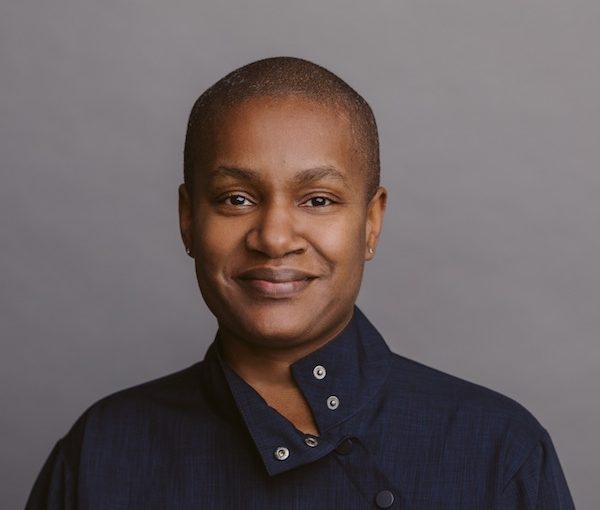
Annamie Paul, the first female Jewish leader of a Canadian federal party, saw her hopes crushed Monday night as the Green vote plummeted across the country and she badly lost her bid for a seat in Toronto Centre. Paul came fourth in the riding, taking less than 9% of the vote. Her party lost one of its two British Columbia seats but, in their only bright spot, picked up a new riding in Ontario.
Having been kneecapped by internal party clashes in the lead-up to the election call, Paul was in an unenviable position, leading a party that had tried to oust her in a battle sparked by, or at least nominally blamed on, Paul’s moderate call for restraint during the Israel-Hamas conflict last spring.
Paul was not the only leader disappointed on election night. While politicians painted the outcomes in sunny terms, no one got much of what they wanted. After a $600 million election in the midst of a pandemic, the big picture in Canada’s political landscape is almost unchanged. With minor adjustments expected as mail-in ballots are counted, the Liberals and Conservatives are almost exactly where they were when the election was called.
Most prominently, reelected Prime Minister Justin Trudeau failed in his gambit to turn his minority into a majority government. The expense, resources and dangers of a pandemic election were rewarded with a nearly identical outcome as the last election.
Likewise, Erin O’Toole, who led his Conservatives to an almost identical result, will face discontent over his attempts to pull the party to the centre. Had the strategy worked, he would have been dubbed a genius, but failure will almost certainly unleash the wrath of his party’s right flank, which was largely thrown under the bus after O’Toole won the leadership on a slogan that depicted him as the “true blue” candidate, the more right-leaning of the two front-running options.
Jagmeet Singh, leader of the New Democrats, and Yves-François Blanchet, leader of the Bloc Quebecois, both appeared to resonate with their target constituencies, but, when the votes were counted, their electoral fortunes were only mildly improved. Maxime Bernier, leader of the People’s Party, lost his bid for a seat in Quebec and, while his party’s surprisingly strong showing in parts of the country, particularly on the Prairies, may have hurt the Conservatives, it left his own candidates empty-handed.
Several B.C. ridings remained too close to call at press time, including Vancouver Granville. Liberal Taleeb Noormohamad was about 200 votes ahead of New Democrat Anjali Appadurai as mail-in ballots were being counted. Despite polls showing Liberals falling behind in the province, the party appears to have held all its seats and even picked up both Richmond ridings. Steveston-Richmond East is a swing riding that has returned to the Liberal fold after a two-year interregnum. But, while few observers thought Richmond Centre was in play, Conservative incumbent Alice Wong is marginally behind Liberal Wilson Miao.
There were only two known Jewish candidates in British Columbia. In Nanaimo-Ladysmith, Conservative Tamara Kronis remains about 1,000 votes behind New Democrat Lisa Marie Barron at press time, a margin that will be a steep climb to overcome with just mail-in ballots remaining. The riding was watched nationally, as it was one of just two Green seats in Parliament. Paul Manly, who has a history of anti-Israel activism, fell to third place in a tight race. In West Vancouver-Sunshine Coast-Sea to Sky Country, New Democrat Avi Lewis placed a respectable third, with about 26% of the vote in one of Canada’s wealthiest ridings, while Liberal incumbent Patrick Weiler held on against a comeback effort by former Conservative MP John Weston.