The Elie Wiesel Foundation for Humanity (EWF) in New York is launching a new impact-driven philanthropic strategy to advance human rights around the world.
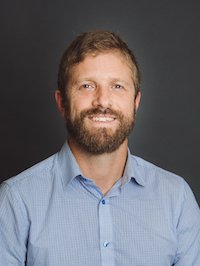
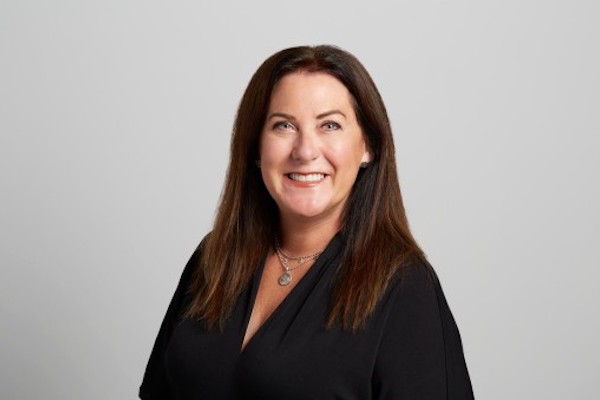
The foundation, led by Elisha and Marion Wiesel, will adopt a hybrid approach that will not only grant funds but also work with organizations directly as partners, offering access to innovative thinking partners and acting as an emblematic megaphone to champion their cause.
The foundation’s recalibrated grantmaking program will seek to fund organizations that embody Nobel Peace Prize winner Elie Wiesel’s legacy as an educator and activist. Grants to educators will support moral educational programs inspired by Jewish values. The foundation is seeking to support programs and projects that foster dialogue, especially in engaging ways.
Activist grants, meanwhile, will focus on programs that restore the rights and dignity of the Uyghur population, in keeping with Elie Wiesel’s belief that “sometimes we must interfere. When human lives are endangered, when human dignity is in jeopardy, national borders and sensitivities become irrelevant. Whenever men or women are persecuted because of their race, religion or political views, that place must – at that moment – become the centre of the universe.”
The foundation will be awarding one or more grants in each portfolio for its next cycle, ranging in size from $50,000 to $200,000. Applicants must be financially sound 501(c)(3) tax-exempt organizations or have a U.S.-based fiscal sponsor at the time of application, and be able to demonstrate realistic plans for carrying out the program or project for which they seek funding. Submissions will be reviewed internally through various stages and finalists will be considered by a group of notable names, passionate about the respective value track. Grant applications are being accepted online through the foundation’s website (eliewieselfoundation.org) and are due by Dec. 15, 2022.
“The values my father stood for – combating indifference, educating youth, calling out injustice and defending human rights – continue to be the moral bedrock of the Elie Wiesel Foundation,” said Elisha Wiesel. “We are so excited to announce our new grantmaking program to provide nonprofits that embody those values with the resources to achieve lasting impactful change.”
“Elie Wiesel was my dear friend and trusted partner in the fight for human rights around the world. I think it is very appropriate that his foundation put the fate of the Uyghur people as one of its main priorities and will be focused on delivering resources and moral support to those advocating for the Uyghurs,” said human rights activist and EWF advisory board member Natan Sharanksy. “The free world cannot stay silent about China’s horrific persecution of its Uyghur minority. I know firsthand the power of outside support to those standing bravely against totalitarian regimes. That is why I am glad to serve as an advisory board member at the Elie Wiesel Foundation, dealing with this issue.”
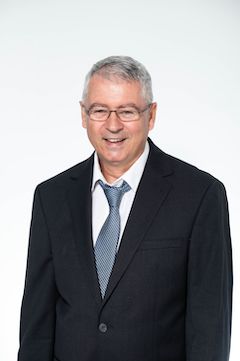
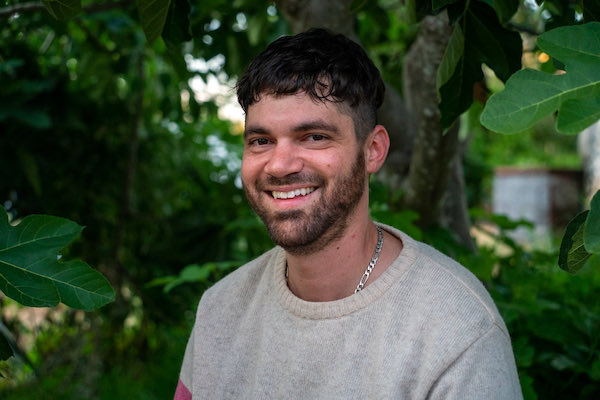
Other members of the advisory board on the Uyghur crisis include Mark Hetfield, president and chief executive officer of the Hebrew Immigrant Aid Society, the oldest resettlement organization in the world; and Gulhumar Haitiwaji, the daughter of a Uyghur woman who survived a Chinese re-education camp.
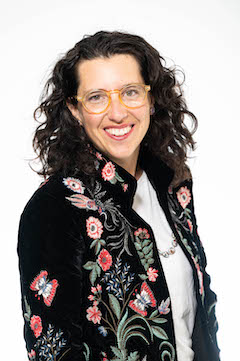
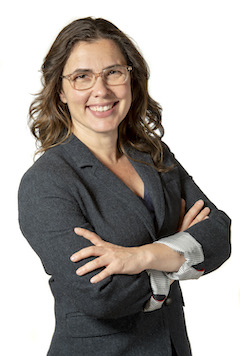
The advisory board on moral educational programs includes neuroscientist, actress, podcast host and author Mayim Bialik, an outspoken activist for mental health and Jewish causes; Dr. Mehnaz Afridi, a professor of religious studies and the director of the Holocaust, Genocide and Interfaith Education Centre at Manhattan College; and Sarah Idan, the founding chief executive officer of Humanity Forward, a multi-dimensional organization that promotes education and peace.
The Elie Wiesel Foundation was established after Wiesel was awarded the Nobel Peace Prize in 1986. Under the direction of Wiesel and his wife Marion, the foundation developed, implemented and funded several critical humanitarian programs in Israel, including the Beit Tzipora Centres and the Darfurian Refugee Program. This new direction will allow the foundation to widen its scope through meaningful, action-driven partnerships.
When you are approved for a mortgage, your lender will typically offer you mortgage insurance. That may seem convenient, but before you say yes to mortgage insurance, you should know that you have other options.
Term insurance is an option that is rarely offered by a lender, but it can do far better in most circumstances. Protecting your mortgage with an individually owned term insurance plan offers better value and more flexibility.
Differences Between Protecting Your Mortgage Using Term Insurance vs. Mortgage Insurance
In addition to the factors mentioned above, it’s also important to highlight that mortgage insurance coverage ends when your home is paid off. A personal life insurance policy is unaffected by your mortgage being paid off and can keep providing you and your family with protection in the years that follow.
In the same way that you decided to use an independent mortgage broker to help secure your customized home financing solution, it’s ideal that you work with a financial advisor to help you find a suitable insurance solution to protect your family. An independent insurance broker can work with you to find the coverage that works for you.
Also, keep in mind that it’s important to consider critical illness insurance in case you become seriously ill or injured and unable to pay your mortgage and other expenses. If you are an employee, your employers may offer critical illness as a benefit for you, but be sure the coverage is sufficient for your needs.
Because everyone’s circumstances are unique, it is important to review your particular needs with a qualified associate.
Philip Levinson and Brent Davis are associates with ZLC Financial.
הבירוקרטיה ממשיכה לנהל את החיים שלנו. הזכרתי בטורים הקודמים כי לאחר מותי אמי בחודש פברואר השנה , אחי בישראל ואני כאן בוונקובר, נדרשנו לטפל בצוואת ההורים, אך לאור הבירוקרטיה התהליך הפך למסובך ביותר
בנק הפועלים עיכב את שחרור הכסף מהחשבון של ההורים “רק” בחודשיים. לאחר מאבקים ממושכים הם העבירו לנו את הכסף כך שהצליחו לסיים את המשימה הראשונה
עתה אנו מנהלים מאבק קשה עם בנק לאומי בנוגע לחשבון נאמנות בו הופקדו הכספים ממכירת הדירה של ההורים. עורכי הדין של המשפחה לא עזרו מספיק והבנק החזיק ומחזיק בכספים ללא שום סיבה. הרוכש העביר כבר את מלוא הכספים עבור רכישת הדירה ואף קיבל את המפתחות לידיו. אנו לעומת זאת קיבלנו עד לרגע זה רק תשלום אחד מהחשבון, המוחזק בנאמנות על ידי משרד עורכי הדין שלנו ומשרד עורכי הדין של הרוכש. לאחר חודש של מאבק ממושך קיבלנו סוף סוף את התשלום הראשון. הורדו ממנו סכומים נכבדים ובהם הוצאות המיסוי שעבורי הן היו גבוהות מאוד, כיוון שאיני תושב ישראל. כן הורדו דמי התשלום עבור משרד עורכי הדין והעמלות עבור המתווכים
במהלך השבועיים האחרונים אנו מנהלים מאבק קשה בעורכי הדין שלנו כדי שיפעילו לחץ על הבנק לשחרר לנו את התשלום השני. בפועל הם הלקוחות של הבנק ולא אנו, כיוון שהם מחזיקים בו את חשבון הנאמנות. לאחר שמפתחות הדירה הועברו כבר אל הרוכש, אין שום סיבה בעולם עבור בנק לאומי להחזיק בכספים שלנו. להערכתי כל הסחבת הזאת מצד הבנקים השונים מאפשרת להם לעשות רווחים מהכספים שלנו שמוחזקים בחשבונותיהם. אחרת אי אפשר להסביר את הסיבה לעיכובים הארוכים שלהם
בסך הכל אנו אמורים לקבל עוד שני תשלומים מכספי הדירה המוחזקים בחשבון הנאמנות ואז סוף סוף הסתיים התהליך הארוך והבלתי הגיוני. אנו נמצאים כבר כשמונה חודשים לאחר מות אימי ואני מעריך כי נזדקק לעוד חודש נוסף לסיים את ענייני צוואה
אפשר לסכם את השנתיים האחרונות קשות מאוד עבור משפחתי ועבורי. לפני כשנתיים מצבו הבריאותי של אבי הידרדר לתהומות קשות עד שבראשית שנה שעברה לא הייתה ברירה, אלה לאשפז אותו בבית החולים איכילוב. שם הוא נדבק בקוביד וזה מה שהביא בסופו של דבר למותו. אבא נקבר בשבעה בפברואר אשתקד עת היה בגיל תשעים ואחד וארבעה חודשים. לאור מגפת הקוביד לא יכולתי לטוס לישראל ולהגיע להלוויה ונאלצתי לראות את הטקס הקשה הזה באמצעות זום. הוא נקבר בבית הקברות האזרחי של קיבוץ מעלה החמישה סמוך לירושלים
לאחר שבעים ואחת שנות נישואים אמא הפכה לאלמנה. היא התאוששה ממותו של אבי ונדמה היה שיש לה חיים טובים באופן יחסי. אמא התאמנה כמעט כל יום, קראה הרבה והיו לה לא מעט חברות. מצב בריאותה היתה טוב וחשבנו שהיא תוכל לחיות עוד מספר שנים טובות. אך זה לא קרה: בראשית חודש פברואר השנה היא נחנקה מחתיכת תפוח שהיה בסלט. היא איבדה מייד את ההכרה וכעשרים דקות לא הגיע חמצן למוחה. אמא הועברה במצב קשה ביותר לבית החולים איכילוב ולאחר ארבעה ימים נקבע מותה. כמו אבא היא נקברה בשבעה בפברואר בהפרש של שנה, גם כן בקיבוץ מעלה החמישה. אמא הייתה בת תשעים ושתיים על סף תשעים ושלוש. הפעם הצלחתי להגיע להלוויה, שקודם לכן הספקתי עוד לבקר אותה בבית החולים, עת הייתה מונשמת. אני גם הראשון שראה אותה כבר לא בחיים
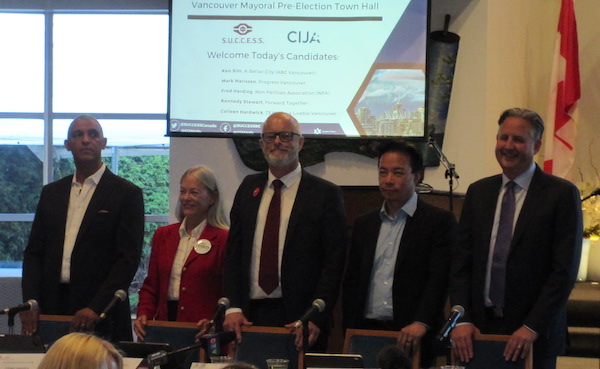
Left to right: Fred Harding, Colleen Hardwick, Mark Marissen, Ken Sim and Kennedy Stewart at the CIJA-SUCCESS Vancouver Mayoral Pre-Election Townhall last month at Temple Sholom. (photo by Pat Johnson)
A forum for Vancouver’s leading mayoral candidates briefly descended into mayhem when candidate Ken Sim criticized the current city council for failing to adopt the International Holocaust Remembrance Alliance Working Definition of Antisemitism.
The only other notable drama was the presence of a small group of protesters who had positioned themselves throughout the sanctuary at Temple Sholom synagogue. They rose and unfolded signs contending that anti-Zionism is not antisemitism. The protesters were ejected and the meeting continued.
In addition to the incumbent, Mayor Kennedy Stewart (who is running on the Forward Together slate), and Sim (with A Better City, or ABC), invitees included Fred Harding (Non-Partisan Association), Colleen Hardwick (TEAM for a Livable Vancouver) and Mark Marissen (Progress Vancouver).
There are 15 individuals running for mayor of Vancouver. The Sept. 7 forum’s organizers, the Centre for Israel and Jewish Affairs and SUCCESS, invited those they viewed as frontrunners.
The election is a rematch after Sim was bested by Stewart in 2018 by just 984 votes. Each candidate repeatedly accused the other of misrepresenting their own record or positions and those of their opponent.
Among other conflicts, Stewart and Sim argued over comments Sim had made on CKNW radio, in which Stewart claimed that Sim had promised to cut $330 million from the city’s budget. Stewart characterized this as a “massive and radical cut,” while Sim replied that he was not speaking about cutting the budget but about reallocating funds within the budget.
Sim’s proposal to add 100 police officers as well as 100 mental health nurses to deal with crime and social problems on the street were dismissed by Stewart, who said the mayor of Vancouver does not have the authority to make those hiring decisions.
Housing was the hottest topic at the meeting, with Stewart touting the incumbent council’s record.
“Last year, we approved almost 9,000 units of housing,” Stewart said. “That is double what we approved just a decade ago. We’ve changed the way and the kind of housing we’re approving…. We used to approve about 75% of very expensive condominiums, but we’ve switched now to about 60% rental and social housing. That is a massive change.… Just last year alone, we opened and built 1,600 units of social housing, which is an absolute record.”
Sim slammed Stewart’s claim as quantity over quality.
“He believes in providing quantity of housing and having big headlines in the media,” Sim said of Stewart, “but he’s not focused on the quality. How bad do these units have to be where people would rather live in a tent on Hastings Street than in one of these unlivable units?”
Later, Sim went on the offensive again when the topic came to community safety.
“You can’t just warehouse people,” he said. “If you do not have support services, you set them up for failure, and that’s what we have done.”
Hardwick lamented that the cost of housing may be pushing her children and grandchildren away.
“I don’t want to be the last generation of my family that can afford to live in Vancouver,” she said. “I have two kids in their 30s and during this term on council I gained two grandbabies and I have to say that I’m not happy … that they are seriously considering moving to Nanaimo because they can’t see a future here. This is what we hear over and over again.”
Marissen said the city of Vancouver has lost 7,000 people in the last year, even as the province gained 60,000 new residents.
Housing, homelessness and community safety merged in the discussion. Hardwick said she, her daughter and her grandchildren went to the Chinatown Festival in July.
“We were pushing along the stroller and trying to navigate between people passed out on the sidewalk with needles in plain view,” she said. “How am I supposed to explain to my grandchildren what’s going on here? It’s just shocking.… It has been 30 years since the closure of Riverview [mental hospital] and we’ve just seen things get progressively worse. Yet we continue to perpetuate the same failed policies. We’ve seen zero improvement and I’d like to hear anybody here saying we have an improved situation. What’s the solution? If we’re spending $1 million a day down there, maybe we better analyze where that money is going.”
Marissen seconded Hardwick’s words, saying there should be an audit of what is being spent in the Downtown Eastside.
Harding, a retired police officer, positioned himself as the voice of experience on safety.
“You cannot have harm reduction and safer supply without access to treatment,” he said. “We have to increase the treatment for people who are addicted and going through a crisis on our streets. I’m here basically because of this issue. I spent 30 years as a police officer. I understand what we need to do and how we need to work on strategic targeting of criminals. We have to work on cleaning up the streets and we do that by targeting the 3% who commit 95% of the crime.”
Stewart said the city is providing “wraparound services, including complex care,” to people who require them and accused opponents of advocating policing where medical interventions are needed.
“There is no way we are going to arrest our way out of it and that’s what a lot of my colleagues here at the table are pointing to,” Stewart said.
“Don’t let Mr. Kennedy [Stewart] trick you into believing that we are trying to police our way out of this,” Sim responded, saying that a range of responses are needed to confront what has become a dangerous situation, including for visible minorities. “In the last four years, our city has become more unsafe. Mayor Stewart was on the news saying that he felt safe in our city. Being a person of Chinese descent, I don’t have that same experience. In fact, residents across the city have told me over and over again that they do not feel safe.”
Safety as it pertains to minorities, including the Jewish community, emerged repeatedly. Sim noted that it was Councilor Sarah Kirby-Yung, who is running on Sim’s ABC slate, who proposed the adoption of the Working Definition of Antisemitism during the current council’s term.
“And Mayor Stewart actually voted it down,” Sim said. “I think it’s incredibly important that council [adopt the definition] so VPD can actually define what an antisemitic hate crime is.”
“The rise in antisemitism and the rise of anti-Asian hate has been profound,” said Marissen. “It’s a tragedy. Leadership matters.”
He said it wasn’t long ago that local politicians were accusing Asian people of causing the housing crisis in Vancouver. He said he would adopt the IHRA definition of antisemitism and urged more diversity work in schools.
“We need to educate our kids,” Marissen said. “It’s really important that people understand the history of all of this. We also need to give support to interfaith and intercultural groups.”
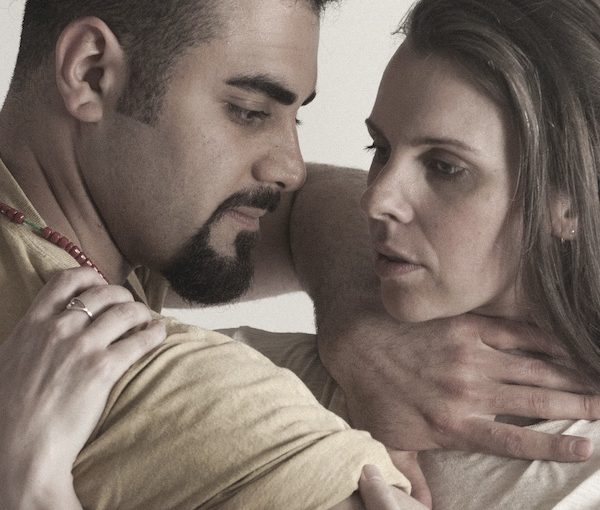
Arash Khakpour and Alexis Fletcher première All my being is a dark verse (working title) Nov. 9-10 at the Rothstein Theatre. (photo by Peter Smida)
This year’s Chutzpah! Festival, which takes place Nov. 3-24, highlights Persian culture. The decision to feature Persian artists and stories – which was made well before the protests that erupted in Iran after the death of 22-year-old Mahsa Amini in the custody of the country’s morality police last month – seems even more important and relevant now.
“When the festival was offered the opportunity to support the creation of a new dance work by Alexis Fletcher in collaboration with Arash Khakpour, two Vancouver artists I admire and enjoy working with, I began to explore the resonances between Persian artists and stories of both Jewish and Muslim background,” Jessica Gutteridge, Chutzpah! artistic managing director, told the Independent. “These communities are culturally rich and have been intertwined for a very long time, while at the same time in lesser and greater political tension over the course of history. The festival’s mandate includes exploring what Jewish culture has in common with non-Jewish communities, and bringing artists of different backgrounds into conversation, so I thought it would be interesting to pull on this thread and bring Jewish and non-Jewish artists and culture into a themed programming thread.”
On Nov. 14, Jacqueline Saper, author of From Miniskirt to Hijab: A Girl in Revolutionary Iran, will speak and answer questions about Jewish life in Iran pre- and post-Revolution. (photo by Beking Joassain)
The two main programs of the thread are the Nov. 9-10 world première of Fletcher and Khakpour’s All my being is a dark verse (working title), which was developed through an artistic residency at the Norman and Annette Rothstein Theatre, and the Nov. 23 concert by Israeli singer, songwriter and actress Liraz Charhi.
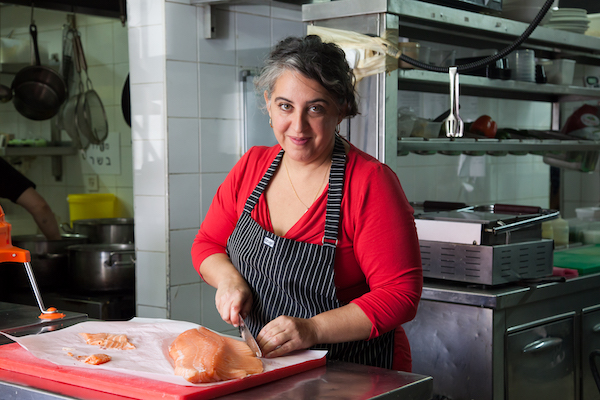
Two digitally streamed programs round out the offerings. On Nov. 14, Jacqueline Saper, author of From Miniskirt to Hijab: A Girl in Revolutionary Iran, will speak and answer questions about Jewish life in Iran pre- and post-Revolution. And, on Nov. 21, Israeli chef Ayelet Latovich will present “a menu drawn from the Persian Jewish heritage of her mother’s family, which includes her grandmother, Kohrshid Hoshmand, a well-known and beloved figure in the Iranian community in Tel Aviv.”
“The festival has always provided public outreach opportunities, ranging from master classes to workshops to public conversations with artists,” said Gutteridge about these events. In addition to the Persian-themed outreach, Chutzpah! is partnering with rice & beans theatre’s DBLSPK program to offer a public workshop of Tamara Micner’s new Yiddish panto-in-progress, Yankl & Der Beanstalk.
On Nov. 21, Israeli chef Ayelet Latovich will present a menu drawn from the Persian Jewish heritage of her mother’s family. (photo by Sarit Goffen)
“We have a broad array of workshops to choose from as well,” Gutteridge continued. “David Buchbinder, Mark Rubin and Michael Ward-Bergeman will lead a creative workshop focused on making intercultural connections. Edith Tankus will bring clowning techniques for self-expression in a workshop tailored to parents and caregivers. Liz Glazer will lead a workshop on how to tap into your funny side and create comedy for the stage. And Maya Ciarrocchi will lead a series of workshops sharing the practice of Yizkor books as a means of remembering and mourning the lost people and places of our lives, that will lead into the final performance of the Site: Yizkor project.”
Life, love, longing, death
All my being is a dark verse is inspired by the poems of Forugh Farrokhzad (1934-1967), whose poetry was controversial enough in its expression of personal freedom to have been banned for almost a decade after the establishment of the Islamic republic in 1979. The project combines Farrokhzad’s poetry, the work of local artist Nargess Jalali Delia and the dance choreographed and performed by Fletcher and Khakpour. The shows will include a program of Persian storytelling curated by the Flame.
“I discovered Forugh’s poetry through Nargess, when I was helping her prepare for a visual art exhibit in 2020,” said Fletcher. “Nargess had a painting that captivated me, which I learned was inspired by Forugh’s beautiful poem, ‘Inaugurating the Garden.’ When I read the poem for the first time, I was moved to tears and felt so much of my own life inside Forugh’s words. From there, I started to research the work of this poet and felt viscerally connected to her work. When I began dreaming of creating a response through movement, I approached Arash – an artist I greatly admire and have always wanted to work with. We decided to create and perform together, and to bring together a mix of Persian and non-Persian artists to complete our team, including costume design, original music composition, lighting design, and translation work between Farsi and English.
“Both Arash and Nargess have welcomed me into their culture, language and their very personal connection with Forugh in the most generous of ways,” said Fletcher.
“I am excited to connect with an artist who comes from a completely different movement background from my own, and yet who shares so many of the same interests and curiosities about the place that dance holds in the world, what it can offer and how it can bring people together in unique ways,” said Khakpour.
“Growing up in Iran,” he continued, “I was reading Forugh’s poems at the young age of 11, even though I knew I wasn’t supposed to because her open-minded and dark-natured poems were not seen as ‘appropriate,’ and this experience had a profound effect on me. Forugh’s words were a revelation to read, something that someone wrote so many years ago and yet which seemed to speak directly to my fears and desires as if the words were both coming from me, and as if they were meant only for me.
“After moving to Canada at the age of 15,” he said, “I lost that connection to Forugh’s poetry, but now I am at a place that I feel the need to reconnect to her work again and integrate my love for her work, the knowledge and the sentiment it awakens in my dance practice.”
Currently, the pair are working with four of Farrokhzad’s poems: “The Wall,” “Reborn,” “Inaugurating the Garden” and “Window.”
“Forugh’s work is full of life, love and longing, yet full of death,” explained Khakpour. “I know from growing up in Iran that many people around me talked about her work as a forbidden reality, too forward, or too much – and the ways in which we should be talking, and the ways in which we should not be talking, as men and women. Forugh defied all of these binaries and all of this drew me to her magical poetry and body of work.
“As I was growing up, I have felt that similar feeling of defying the norms about myself, in terms of pursuing a dance career at all, as a man, which has many stigmas attached to it in my culture. I feel the same now as an artist at times.
“Forugh awakens the courage in us to be courageous,” he added. “This has always drawn me to Forugh’s work; her rigorous, rebellious nature has inspired many generations of artists since her death. Her writing, although being specific, is also timeless, transcends across cultures, and is full of humanity and love that goes beyond borders and ideologies. She longed for a world that could address and heal humanity’s pain.
“I think Alexis and I are drawn to Forugh and her work for these unapologetic tendencies and yet her humble nature of being, writing and expressing on the page. We strive for the same things in dance and choreography and long for a world that can address and heal its pain.”
“We both see dance as poetry in motion; a universal way of channeling poetry into the body and sharing that with the audience,” said Fletcher. “We believe this universality, along with the multidisciplinary and cross-cultural nature of this project, is a fertile ground that can draw new audiences to dance and connect different audiences to each other.”
Fletcher quoted from Rosanna Warren’s The Art of Translation: “The psychic health of an individual resides in the capacity to recognize and welcome the ‘Other.’” She explained that she and Khakpour “will use the act of translation as a practice of empathy; a way for artists and audiences to come together and lift the multiple veils of language, culture and ways of being that can obscure ‘the other,’ revealing the universality of our shared human experience, with language, visual art, dance and live performance as ways of ‘lifting the veil.’
“Expanding on the above,” she said, “we are curious about how we can use the practice of duet, including our partnership as performers, as a vehicle of exploration of ‘self’ and ‘other,’ and how this project can be a platform for this resonant conversation. This sparks our interest because, to execute duet skilfully and on an emotional level, one must delve into the other’s perspective more deeply…. We have the unique privilege of sharing this type of intimacy and connection with others as dancers because our bodies, especially in duet, are our physical and literal instruments: we must literally soften and yield our bodies and minds to give or receive the weight of another. We must take time to look into each other’s eyes and allow the other’s body to enter our private, personal space, learning what the impulses, dynamics, instincts and thought processes of that other person are. We must give each other patience and care for the relationship and choreography to work. We must acknowledge different subjective opinions and points of view. We feel that duet is a direct practice platform through which to investigate the myriad ways one can be in an empathic relationship with another.”
A dream come true
“Music in my life is the most important thing,” Charhi told the Independent. “When I started to create, to sing and to songwrite in Farsi, I knew that I had a message to be a little voice for the Iranian muted women. I knew that would be a continuation to the women from my family who are muted themselves. It wasn’t a question that I would do that. It’s not about me – I deeply feel I’m the pipe to tell a story.”
Liraz Charhi gives a special concert on Nov. 23 at the Rothstein Theatre. (photo by Shai Franco)
On Oct. 7, Charhi releases her third album in Farsi. Called Roya – a vision, a fantasy, a dream – she recorded it with Iranian musicians in Istanbul. “It was an extremely emotional journey I cannot even express with words,” she said, “but we made a wonderful album with wonderful meaning and we all share the same dreams together.”
Charhi collaborated secretly with several Iranian artists – singers, writers, instrumentalists – on her second album in Farsi. Secrecy was necessary because of the political situation.
“Recording my album Zan (woman in Farsi) and collaborating with Iranian musicians was a dream come true,” she said. “I felt that I can give and be artistically freed, especially because I felt that we needed to meet and to create together. [That] we love each other with no boundaries is a fact we wanted to spread to the world. There are bridges we can build despite this crazy situation and we have the power to make a change.”
Charhi chose the name Zan for that album, she said, “because it’s all about women’s freedom I sing about. Struggling and, on the other hand, rejoicing, singing and dancing, making little by little resolution, which is very, very relevant to what’s going on today in Iran.”
Charhi’s first Iranian album was Naz, which, she said means “coquettish manners.” It has been described as a “rebellious soundtrack.”
“It’s about being a good Iranian woman, using all her charm and politeness to get what she wants from her man and still stay determined,” she explained.
Charhi’s parents emigrated to Israel in the 1970s, before the Islamic Revolution, and Israel is where Charhi was born, in Ramla, in 1978.
“My music is built out of layers of my heritage, Israeli and Iranian,” she said, “and so I knew always I wanted to use traditional Iranian instruments and to mix them with my psychedelic music that I love so much [from] the Iranian ’70s.”
She also has released two albums in Hebrew, one self-titled, the other Rak Lecha Mutar(Only You’re Allowed).
As an actress, Charhi garnered a nomination for best actress from the Israeli Film Academy for her role in the 2004 Israeli film Turn Left at the End of the World. She has acted in theatre, television and film, including playing the love interest of Phillip Seymour Hoffman in the movie A Late Quartet (2012), the role of Frida Kahlo in a production by the national theatre of Israel (2017) and an Israeli Mossad agent in the Israeli TV series Tehran (2020).
For the full Chutzpah! schedule and tickets, visit chutzpahfestival.com or call 604-257-5145.
Voters throughout British Columbia will elect new mayors, councilors, school trustees and (depending on the jurisdiction) other officials on Oct. 15.
Over the past several decades, terms for municipal officials have gone from two years to three years to, now, four years. This makes the significance of these elections greater, as the choices we make as voters will last four years. (This longer commitment also may be one reason for what seems like an unusually large number of elected officials opting not to seek reelection this year.)
It is notable that voter turnout in municipal elections is almost always lower – often far lower – than in provincial and federal elections. In some ways, this is understandable. The “senior” levels of government are associated with greater powers, which may be true, and with portfolios that may seem “sexier.” Foreign affairs are more exciting than sewage (generally speaking) and the proper functioning of our healthcare system is, for many of us, literally a life-and-death matter, which the mowing of boulevards is not.
Local government issues, however, often affect our lives in the most intimate and powerful ways. Anyone who has traveled in places without well-functioning local governments sees the evidence around them. Uncollected garbage amasses on boulevards and in public spaces. Feral cats, dogs and rodents roam largely unhampered. Petty, even serious, crime may be rampant. In other words, when civic government is running as it should, it is often invisible. When it is not, it can make ordinary life difficult or, at worst, impossible.
As often-privileged citizens of developed Western countries, we can sometimes use hyperbole about the challenges facing our communities. Overheated rhetoric about issues as comparatively banal as bike lanes, which demand that car drivers share a bit of the road with cyclists, can become so frenzied one might think a cabal of medieval tyrants had stormed the ramparts at 12th and Cambie. We should really put things in perspective.
Successful cities are, in their way, modern miracles. It is precisely their success that blinds us to their exceptionalism. Imagine: no matter where you live in Vancouver, a truck comes past your home once a week to collect the recycling you leave on the curb, knowing it will be collected (depending on the weather) without incident. Your children are within walking distance of public schools that are of truly outstanding quality by any measure of time or place. The bus we curse for not showing up at the exact moment we arrive at the stop is, for all our complaining, a remarkable operation. Hundreds of small cogs combine to make a city run.
Of course, we have complaints. A recent Leger poll indicates that 48% of Vancouver respondents (and, for example, 60% in Surrey) said things in their city have gotten worse in the past four years. This may be true. Certainly there are serious issues affecting residents, including but not limited to a housing affordability crisis, widening inequality, a drug poisoning crisis, and the impacts of climate change. And yet, for many, things are still pretty good.
This is not to say that voters should not always be pushing our elected officials to be better and do much, much better; merely that we need to remember that we live in one of the most fortunate places in the world, with millions of people envying that which we take for granted. Things can be better, at all levels of government, but the occasional language we hear that our governments are “broken” or “failing” is shortsighted and out of proportion.
The at-large system, which operates in Vancouver and every other city in British Columbia, is a barrier to an informed electorate. Voters in the City of Vancouver, for example, are expected to make educated choices for one mayor, 10 city councilors, nine school trustees and seven park commissioners from – by our count – 138 candidates who are contesting these positions this year. There is no earthly way even the wonkiest voter could adequately inform themselves about the pros and cons of this many contestants.
But we should do our best. The adage that those who don’t vote have no right to complain is nonsense. Everyone has the right to complain.
But voting is not only a right, a franchise. It is an obligation. For whatever flaws B.C. communities might have, all of our cities and towns remain among the finest societies anyone could hope to live in. To preserve and strengthen the places where we live, voting is, almost literally, the least we can do.
As part of the Jewish Independent’s election coverage, we have traditionally profiled members of the community seeking elective office. And this year’s Oct. 15 municipal elections are no different.
* * *
Christine Boyle, Vancouver council candidate (incumbent)
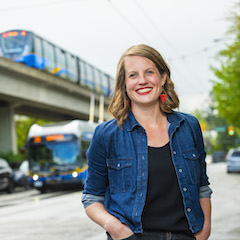
Christine Boyle was elected to Vancouver city council in 2018 representing OneCity. She asked to be included in the Independent’s coverage as a member of a mixed family.
Christine Boyle (PR photo)
Boyle, who describes herself as a community organizer, climate justice leader and United Church minister, is married to author and public policy researcher Seth Klein. They are raising two children in East Vancouver.
Boyle said she has spent her first term on city council “working tirelessly to strengthen tenant protections, and make it faster and easier to build social, co-op, nonprofit and rental housing in every neighbourhood of Vancouver.” Her other priorities include public transportation, safer walking and cycling infrastructure, increased funding for curb ramps, public washrooms “and other tangible improvements to access and community health.”
“I am running for a second term on council, alongside a strong team of OneCity Vancouver candidates, because of my deep concern about the housing crisis, the climate emergency and the toxic drug crisis,” she told the Independent. “And I’m running because I know there’s so much more we can do.”
“My husband Seth was raised in a culturally Jewish home, the child of a secular Jewish father and a spiritually rooted Jewish mother,” she said. “When we were first dating, I remember him asking if he thought our religious differences would be a problem for our families, and my response was that we had much more in common than not.
“Throughout my upbringing, my theological training and my time working in religious leadership, I have constantly sought out opportunities to connect across faiths on shared issues of importance, from climate, to discrimination and anti-racism, to Indigenous rights, and more.
“More than a decade later, these values continue to be core to my family. The ketubah [marriage contract] that hangs on our bedroom wall reminds us daily of our shared commitment to tikkun olam, the struggle to rebuild and repair the world, to find our shared place in the centuries-old movements for equality and interdependence.
“We have worked hard to instil a sense of awe in our children and a connection to the faith and cultural traditions of their people,” said Boyle. “Our kids have attended programs at Or Shalom and the Peretz Centre. I became a regular challah baker. And we reach out to friends and leaders in our faith communities as we navigate how to raise good kids in the world these days.”
* * *
Ken Charko, Vancouver council candidate
Ken Charko is running as a Non-Partisan Association Vancouver candidate.
“I have always had a connection to the Jewish community,” Charko told the Independent.
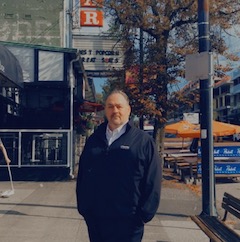
Ken Charko (PR photo)
In his capacity as owner of the Dunbar Theatre and as a director on the board of the Motion Picture Theatre Association of British Columbia, he has been mentioned in the Independent over the years. Noting that he was profiled by former Menschenings columnist Alex Kliner in 2014, Charko said, “I have always been supporter of the arts and their importance in our community and the special connection the Jewish community has with the arts.”
Charko has run for Vancouver city councilor three times as an NPA candidate and, in 2018, as a candidate of the now-defunct Coalition Vancouver party. He said his top policy priorities concern “public safety and crime, including hate crimes; housing, including co-op housing on city land; arts venues and small business.”
While he initially thought of running in a federal election, he said, “Municipal politics is ‘touch politics,’ you feel the people and hear directly what each community needs and is looking for in an elected representative.”
He still has a lot of issues at the federal level that he wants to champion, he said, including “support for Israel, strong foreign policy, taxation fiscal policy and support for Ukraine,” but that, locally, he “can champion those policies more effectively as an elected council candidate.”
Charko acknowledged that “almost everyone running in this election wants the same thing I have mentioned above, including reduced tax increases. The choice for voters is who can get these things done. I am that person. I have always done that. As the only independent movie theatre owner on the Motion Picture Association board, I was able to get things done working with others.”
* * *
Jonathan Lerner, District of Lantzville council candidate
Jonathan Lerner is running for council in Lantzville, which is immediately north of Nanaimo.
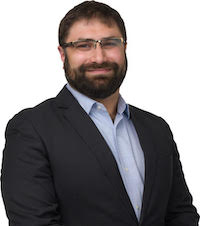
“I grew up in the Jewish community in Vancouver, attending Talmud Torah, Temple Sholom and working for many Jewish organizations,” Lerner told the Independent. He has a degree in philosophy from the University of British Columbia and has worked with many nonprofit organizations.
Jonathan Lerner (PR photo)
“These have included many Jewish organizations, such as Hillel BC, CIJA, Jewish Family Services of Vancouver and the Vancouver Holocaust Education Centre,” Lerner said.
“During my career, I have helped to uplift communities through the power of the charitable sector, including raising millions of dollars for employment services, food banks, immigration services, animal welfare, student education and scholarships, anti-racism initiatives, and more,” he said. “While I intend to continue my career in the not-for-profit sector, I hope to put my experience in finance, management and community development to use in helping Lantzville fulfil its slogan of being a ‘lovable, livable’ community.”
His top political priorities include bringing more services directly to the people of Lantzville, such as library book-mobiles, preserving Lantzville’s scenic landscape and natural beauty, expanding councilor office hours, public hearings and town halls, and ramping up emergency preparedness for earthquakes, floods, fires, landslides and other major disasters.
“My Jewish education and upbringing have definitely affected my community connections and outlook, while spurring me to get involved in politics,” said Lerner. “I believe strongly in the value of tikkun olam and the need to help those who are vulnerable become vulnerable no longer. This has been a major source of my motivation for community and charitable involvement. I sincerely hope that municipal politics will be the next step in the evolution of my work toward building a better world.”
* * *
Ellison Mallin, District of North Vancouver council candidate
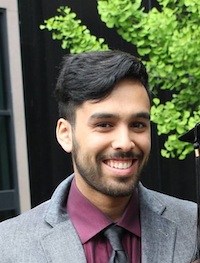
Ellison Mallin was born and raised in North Vancouver. He has a degree in political science and a record of volunteerism, which led him to his current full-time position as constituency assistant for MLA Susie Chant. Ellison has served on North Vancouver’s Rental, Social and Affordable Housing Taskforce and the Community Services Advisory Committee, acting as the chair in 2022. He has coached in the North Shore Inline Hockey League and also has worked in the music industry.
Ellison Mallin (PR photo)
“Housing affordability is the number one issue for me in this election,” he said. “We are losing workers and our sense of community because people can no longer afford to live on the North Shore. This causes a chain reaction that leads to many of our other top problems, like traffic and public safety. Solving our housing problems needs to be done as a priority so that we may address other issues.
“I also have a dedicated platform on transportation solutions, better spending and planning, environmental leadership, improving civic engagement and improving the health of our community,” Mallin said.
“I am the great-great-grandson of Rabbi David Belasoff, who was the first full-time Orthodox rabbi in Vancouver,” Mallin said. “He led the B’nai Yehuda (now Schara Tzedeck). My grandparents, Lil and Lloyd Mallin, used to host amazing Passover, Chanukah and Rosh Hashanah dinners, but when they passed those did not continue. I did take my Birthright trip in 2016 to explore Israel and became more connected with the Jewish community in Vancouver as a result. Connecting to the community really did help me find my identity and gave me a lot of the confidence I needed to put myself out there in electoral politics.… I attend the occasional social events that I am available for, and I do go to some public events held by Har El in West Vancouver. For me, the biggest barrier to attending more events is the traffic and distance to them from North Vancouver and would love to see more Jewish community opportunities in North Van.”
* * *
Carla Frenkel, Vancouver Park Board candidate
Carla Frenkel has more than a decade of experience in architecture, working on affordable housing, urban design, and environmental responsibility. She is running for park board with Vision Vancouver.
Carla Frenkel (PR photo)
“Finding alignment with Canadian values, we decided to immigrate to Vancouver [from the United States] in 2014,” she said. “We found an amazing community in Strathcona, anchored around Maclean Park, our community centre and gardens. Since 2018, I have been president of the Strathcona Community Garden, where I coordinate hundreds of volunteers, leading stewardship of Vancouver’s largest community garden. There, I spearhead a wetland project, which manages storm water while improving biodiversity. A mother of three, I chair the Strathcona PAC’s school grounds committee,” she said.
“Today we face monumental challenges of aging infrastructure, climate change and reconciliation,” said Frenkel. “From this arises unique opportunities to create resilient parks and community centres that serve the diverse needs of residents.”
Frenkel’s identity and core values are intrinsically tied to being Jewish, she said.
“I grew up in a progressive Reform synagogue, which reinforced tikkun olam, interconnectedness, social and environmental justice and mitzvot,” she said. “In high school, I followed suit, joining NFTY [the Reform Jewish youth movement], actively leading, planning services and gatherings. In university, I worked at the Berkeley Hillel, where I met my husband. Today, we are part of the Or Shalom community, where we share these traditions and values with our children.”
* * *
John Irwin, Vancouver Park Board candidate (incumbent)
John Irwin was elected to the Vancouver Park Board in 2018 with the Coalition of Progressive Electors and is seeking reelection with Vision Vancouver. Like Boyle, he is part of a mixed family and his spouse is Jewish.
John Irwin (PR photo)
He holds a PhD specializing in sustainable urban development, works as a lecturer at Simon Fraser University and Alexander College and also has worked as a policy analyst for the Tenant’s Rights Action Coalition (now the Tenant Resource Advisory Centre) and the Canadian Centre for Policy Alternatives, B.C. office. He worked in fair trade retail from 1996 to 2006. He is a father of three school-aged kids and lives in the Fairview neighbourhood.
Irwin has served on boards including the Society Promoting Environmental Conservation, Friends of False Creek (now the False Creek Watershed Society) and the West End Residents Association. He was chair of the Henry Hudson Out-of-School Society and is an advocate for affordable childcare.
“I am running for reelection with Vision Vancouver as a park board commissioner, as I think that we have much more to achieve regarding the climate crisis, active transportation, ‘reconcili-action’ and accessible and affordable parks and recreation,” he said. “In my first term, I brought forward many successful motions: the Stanley Park Mobility Study focuses on reducing automobile traffic and promotes active transportation by increasing cycling, walking and public transit in the park while increasing accessibility for those with disabilities; a motion requesting the Port Authority give the park board the go-ahead to work with the local First Nations to plan and build an Indigenous cultural healing centre in CRAB Park; a recent motion asking staff to design fully accessible playgrounds for all children, which will help those with disabilities play with their peers in an active and inclusive way.
“I have also been a strong voice against discrimination of all types: antisemitism, Sinophobia and Islamophobia, etc.,” said Irwin.
“For many years, I have found the Vancouver Jewish community to be very welcoming,” he said. “Although I am not Jewish, many synagogues have welcomed me, my partner who is Jewish and my three children, who have all attended Hebrew school. Our children celebrated their b’nai mitzvahs at Beth Israel Synagogue, where we regularly attend as members. The practice of mitzvah has reinforced my activism to do my part in making our society in Vancouver socially just and sustainable. I am inspired by the practices of atonement and ecological consciousness, such as that found in Tu b’Shevat, the Jewish new year for trees.”
* * *
Kyla Epstein, Vancouver School Board candidate
Kyla Epstein’s family left South Africa before she was born.
“I was raised in Toronto on the shoulders of my parents going to anti-apartheid rallies, marching in Pride protests, and attending public, alternative schools that were child-centred, social-justice-focused and showed me that public education and learning can take many forms,” she said.
Kyla Epstein (PR photo)
“Over the past two decades, my curiosity and desire to build relationships have led me to work in a variety of sectors, including business, philanthropy and nonprofit (including two years in Guatemala) and labour, before moving into my current role doing government and stakeholder relations at BCIT [B.C. Institute of Technology].”
Epstein has served on many boards and was a trustee and chair of the Vancouver Public Library board. She is now on the boards of the Vancouver Writers Festival, the Laurier Institution and the National Coalition for Dialogue and Deliberation. She has served on school parent advisory council executives for more than 10 years and is currently pursuing a master’s degree. She is running with OneCity.
“High-quality public education is one of the best ways that we, as a society, can care for future generations,” Epstein said. “Funding for the public school system should appropriately reflect the value of public education, not just for students and families currently in the system, but for communities and society more broadly.”
If elected, she said, she will advocate for funding to ensure that students with a range of diverse needs can thrive and every teacher and worker has the tools and resources they need; address climate change; stand up against any form of discrimination in schools; fully implement the United Nations Declaration on the Rights of Indigenous Peoples across the school district and develop reciprocal relationships with local First Nations for all planning decisions, especially those related to school board land; and improve Vancouver School Board governance by listening to people, being accountable and considering those who are most impacted.
“While not raised religiously, it is hard for me to untangle my identity from my being Jewish,” she said. “Many of my most special memories, or the moments that formed my sense of self, are grounded in Jewishness. Holidays such as Pesach have always been important to me because it is a regular reminder, through stories and songs, of the ongoing struggles for justice and liberation.
“I also feel a kinship with the emphasis on asking questions that is a part of my Jewishness,” she added. “The stories shared in my family about persecution faced by Jews have certainly contributed to how I see the world. Family stories of unwilling migration are regular reminders to me that everyone’s dignity and safety be upheld all around the world. My parents’ very difficult choice to leave South Africa and the activism I was raised with were rooted in the lessons of tikkun olam and I draw upon those lessons regularly.”
* * *
Fred Harding’s diverse DNA
During the mayoral candidates’ forum held at Temple Sholom Sept. 7, Non-Partisan Association candidate Fred Harding made a brief reference that he could become Vancouver’s first Jewish mayor. (He couldn’t. David Oppenheimer, Vancouver’s second mayor, was Jewish.)
Fred Harding (PR photo)
The Independent asked Harding about his roots after the meeting.
“My mother is from Germany – and my family was Jewish,” he said. “After she married my father, all my siblings were raised in Catholicism. My mother actually converted later on to Mormonism, so the Jewish faith was never practised in our home. The tragedy is that my family remained in Germany and so I never had a connection to the Jewish faith.”
At the age of 14, however, Harding traveled to Germany and met some of his great-aunts, who had been persecuted in the war and later received financial compensation.
He also has visited Congregation Har El.
“I had some very dear friends bring me to the temple in West Vancouver probably 12 years ago and that was my first experience,” he said. “I actually felt very, very welcome.”
He sees his family’s diversity as a benefit as he seeks to lead one of the world’s most multicultural cities.
“This is only a fraction of my DNA. I’m a German Jewish Catholic with a Mormon mother, a Christian father who came from Africa. I’m married to a Chinese lady, my granddaughter is Chinese, my eldest daughter is blonde and blue-eyed,” he said. “I feel the privilege of representing just about everything and I’m honuored for that background in my DNA.”
Voters across British Columbia choose local officials on Saturday, Oct. 15. Remaining advance voting days in Vancouver are on Oct. 8, 11 and 13 and vote-by-mail ballots can be requested until Oct. 11. For full details see vancouver.ca or your local municipal website.
The Independent asked candidates we profiled two additional questions: “Will you (or won’t you) use your position as a platform to discuss international affairs, specifically Palestine and Israel?” and “If so, can you provide a brief explanation of your perspective on the subject?” (image from Wikipedia)
Civic politics generally deals with maintaining roads and sewers, reviewing development applications and a vast range of close-to-the-ground issues. But municipal politics has also been a place where a vast range of other issues are discussed. For example, Vancouver city council voted in 1983 to declare the city a “nuclear weapons free zone” and, formally or informally, members of council have felt free to address topics of national and global concern.
During debate around the city’s adoption of the International Holocaust Remembrance Alliance Working Definition of Antisemitism – which a majority of council voted to refer to committee, effectively defeating it – critics of the definition warned that it could place limits on the right to criticize Israel, despite that the definition explicitly states that it is legally non-binding. While the condemnation of antisemitism is not an international issue, examples accompanying the definition included several relating to anti-Zionism.
Because of the history of using civic positions as platforms for international issues, the Independent asked candidates we profiled two additional questions: “Will you (or won’t you) use your position as a platform to discuss international affairs, specifically Palestine and Israel?” and “If so, can you provide a brief explanation of your perspective on the subject?”
Christine Boyle, the incumbent Vancouver city councilor who voted to refer the IHRA issue to committee, said that commenting on international affairs is not generally part of the role of a city councilor.
“And there are so many important issues and struggles locally that continue to be the focus of my attention,” she said. “But my practice on any topic is to listen to and engage with communities most impacted on an issue, always seeking to uphold human rights, peace and justice.
“I have spent much of my adult life actively engaged in justice work, including opposing and challenging hate and discrimination, and working to strengthen the human rights of all people,” she continued. “I am deeply committed to challenging antisemitism and ensuring that Jewish residents in Vancouver feel safe at home, at worship, and everywhere.
“When a motion came to council asking Vancouver to adopt the IHRA Definition of Antisemitism, council received hundreds of emails on the subject, with a diverse range of perspectives on the topic,” said Boyle. “Even my own Jewish family members didn’t all agree on the issue. What I heard clearly from the community was that, while there wasn’t agreement on this definition, there was absolutely a need for the city to do more to address antisemitism and racism. And so council referred the definition to the City of Vancouver’s Racial and Cultural Equity Advisory Committee, with direction for staff to continue working vociferously to address antisemitism and other forms of racism and hate. Since then I have worked hard each budget cycle to ensure our anti-racism and anti-hate efforts are well funded and supported, and will continue that work.”
Vancouver council candidate Ken Charko told the Independent, “Yes, I would use my position as a city councilor as a platform to discuss international affairs [and] yes support of Israel will be part of that platform…. I support Canada moving its embassy to Jerusalem and recognizing it as the capital of Israel. I would use my position as a Vancouver city councilor and federal Conservative member to outline why Canada should do that under the next Conservative government.”
John Irwin, an incumbent member of the Vancouver Park Board, switched from the Coalition of Progressive Electors last election to Vision Vancouver this election because, he said, “There was a disagreement with COPE regarding their lack of acceptance of the IHRA definition of antisemitism (which was accepted by the Canadian government).”
He added: “As a local politician, I generally use my platform to discuss local issues.”
Carla Frenkel, also a candidate for the Vancouver Park Board, said simply: “I have no intention to use the role of park board commissioner as a platform for international affairs.”
Kyla Epstein, who is seeking a seat on the Vancouver School Board, said that, to her knowledge, international affairs do not regularly come up at the school board table, nor is it generally within the scope of the role of a trustee to take a position on international affairs.
“What I do know is that I bring to the role a deep commitment to human rights and an opposition to antisemitism, Islamophobia, anti-Palestinian racism, anti-Black racism, anti-Indigenous racism, and all forms of discrimination, racism and hatred,” she said. “In addition, my approach to governance is to listen, welcome different perspectives and reduce barriers for public and stakeholder participation – on any issue. I will fight to uphold a public education system that is a place of learning, curiosity and questioning. I will, no matter the issue that comes to the school board table, reach out to communities, listen and learn, and make my decisions to uphold human rights and equality.”
Ellison Mallin, running for council in the District of North Vancouver, said, “I am always discussing international issues with people, as, in this increasingly connected world, events that happen anywhere can affect us here.
“I do not intend to use any municipal specific platforms, or my position, to bring up Israel and Palestine, and will keep discussions on the subject to appropriate venues. I do recognize that, given my religion, there will likely be comments and questions directed to me, which I will not shy away from,” he said. “I strongly believe in Israel’s right to exist. A safe place for Jewish people to live and to foster Jewish identity and culture is needed. Perhaps, sadly, it is needed now more than ever, as we do see a rise in antisemitism in many areas. On that note, I do not deny Palestine’s right to exist, and believe a two-state solution is needed. I would also like to see Israel stop building settlements in the West Bank, as this further creates divides and hostilities.”
Jonathan Lerner, council candidate in Lantzville, said he does not see Middle Eastern affairs coming into play in Lantzville politics. But, he added: “Everyone familiar with my work will know that I am a strong advocate for respectful dialogue on these issues.
“Where I think municipal governments can play a larger role is in diversity, inclusion and anti-racism initiatives,” said Lerner. “Many communities, including the Jewish, Muslim and LGBTQ communities, have been targeted by an increase in hate crimes in Canada. Municipalities have a key role to play in addressing this issue. For example, governments of all levels are considering adoption of the International Holocaust Remembrance Alliance definition of antisemitism, as well as other racism classifications that help to define and address discrimination.”
Tony Yacowar will be vying for a seat on the Victoria city council this Oct. 15. Among his stated priorities, if elected, are affordable housing, addressing climate change and amalgamation within the Greater Victoria region.
Housing in Victoria, as in Metro Vancouver, is a primary concern among residents. Yacowar hopes to help pass the “Missing Middle Initiative,” a long-debated but deferred policy that he says would make it easier to add more housing units to areas of the city that have been traditionally residential.
“Victoria has an urgent housing crisis and we need leadership that will articulate a cohesive vision for the city in order to build the housing we need. We have an immediate deficit of between 4,500 and 6,300 homes. People need places to live. This impacts absolutely every aspect of city life. The healthcare crisis in this province is exacerbated by the fact that doctors and nurses can’t find places to live. We all want safe communities to live in and, if we aren’t able to provide housing to folks experiencing homelessness, we aren’t able to have safe communities for the long term,” Yacowar said.
“Gentle densification of our residential neighbourhoods is an important aspect of how we are going to accommodate the next generation of doctors and nurses, small business owners, artists and young professionals. Folks at all income levels need places to live. Missing Middle is not the solution to the affordability crisis, but it is the solution to the question of ‘where are these folks going to live?’”
Further, Yacowar would like to build density around the Douglas Street Corridor, the main thoroughfare linking the Victoria’s downtown and uptown, to support light rail transit. According to Yacowar, there is a strong connection between more homes and better transit in terms of reducing a city’s carbon footprint overall.
Yacowar is also pressing for amalgamation. “We need a cohesive vision for our city and we can’t have each municipality doing its own thing,” he said. “A city of 245,000 would be better able to advocate for more support from senior levels of government when it comes to housing and transit than a city of 91,000.”
A certified public accountant who is currently the chief financial officer at Royal Mountain Records, Yacowar regards having no prior involvement in politics as an advantage.
“I think it’s important to have a diverse set of views and backgrounds on council,” he said. “We don’t often get accountants in politics and I think there is a real benefit to having someone at the table with the kind of organizational and financial background that a CPA would bring, as well as someone representing the Jewish and LGBTQ communities. Quite often we have career politicians and bureaucrats running for office, but our democracy is at its best when we have folks of diverse backgrounds bringing different points of view to the table.”
Ben Isitt (PR photo)
Of the eight present councilors in Victoria, only one, Ben Isitt, is seeking reelection. Five councilors elected in 2018 are stepping down and two are running for mayor. Isitt, too, identifies as a member of the Jewish community.
Isitt has served as a city councillor and regional director since 2011. His short bio on the City of Victoria website notes that he is an author, historian and legal scholar, who has taught at the University of Victoria and other institutions. It notes: “Ben’s involvement in civic politics builds from grassroots volunteer work for social and ecological justice, in support of worker rights, climate action, Indigenous rights, non-violence, the abolition of poverty and racism, and protection of forests and farmland. Ben’s research on housing, land use, forestry and public education reflect this community-based approach, as does his hands-on experience as a former housing support worker with Victoria’s street community.”
Sam Margolishas written for the Globe and Mail, the National Post, UPI and MSNBC.
Gayle Morris joined the Jewish Federation of Greater Vancouver this summer as its annual campaign director. Morris arrives to the role with an abundance of experience in helping people both within the Jewish community and throughout the Greater Vancouver area.
Crediting “great mentors” for guiding her through several leadership and business strategist positions, Morris carries a CV that stretches from crown corporations to startups to nonprofit organizations. She also has volunteered with various Jewish community groups, including Congregation Beth Tikvah, where her son had his bar mitzvah, and has served on the City of Richmond’s Advisory Committee for Sister City Relations.
“Building relationships is central to all that I do,” she told the Independent. “For me, volunteerism has so many benefits and is quite humbling. Fast forward to this year, on June 19, I co-chaired Chabad Richmond’s 25th anniversary celebration honouring two individuals [Rabbi Yechiel and Chanie Baitelman] who I admire and respect. Planning and executing this community-wide event where 380 people were in attendance, along with overseeing a committee of volunteers, truly led me and propelled me into the role at Jewish Federation. I am honoured to take this role, so I can deepen my relationships in the community and help Federation support Greater Vancouver, Israel and the incredible partner organizations and programs here and overseas.”
As campaign director, Morris is integral to the planning, support and execution of the campaign to ensure it raises the funds necessary to meet the growing and evolving needs of the community.
“Being new to the position, the team collaboration and support among all Federation departments is invaluable,” said Morris. “Everyone brings so much value, wisdom and knowledge, which has contributed to my easing into the position as campaign director.”
Morris emphasized that “challenges” is not a word she employs frequently. She prefers to view such circumstances as opportunities that demonstrate the need to respond to changes in the environment.
“Just as we were coming out of a pandemic, the world has been hit with inflation, unlike anything we have seen in decades,” she said. “Soaring costs are wreaking havoc on families, individuals and seniors. Our partner agencies are being hit hard – their costs to deliver their services and programs are rising, while at the same time they are receiving more requests for help and cannot pass on the added costs to their clients. Our partners rely on a healthy Federation annual campaign to help provide financial stability so they can continue their important work.”
Morris could not be more excited to be spearheading the initiative. “I love it! I have always felt a strong connection to my Jewish heritage and, as a second generation Vancouverite, I am familiar with our local Jewish community,” she said.
“My appreciation, affinity and commitment to Israel have always been important to me. Two months into this role now, I have had the opportunity to observe, connect and engage and bring my skill set, passion and purpose to Jewish Federation. There is so much team collaboration and support. Overseeing all aspects of stewardship in this vitally important role, I believe, is a perfect fit for me.”
Federation’s annual campaign is the largest in the community and takes planning and input from across all departments of the organization. The local and global engagement departments, according to Morris, make every effort to be aware of the new and evolving needs of the community through work with Federation’s partners. In turn, this helps inform the focus of each year’s campaign.
Meanwhile, the marketing and campaign teams include, she said, “amazing volunteer members who work closely together to develop the creative and programming to engage our community and draw attention to community needs.”
Morris has expanded her team by bringing on Estelle Tabenkin and Ronen Sabag to join her and women’s philanthropy campaign manager Ricki Thal. “I am extremely grateful to have a team who share in Federation’s community leadership drive and outpouring of services,” said Morris.
“All that we do throughout the year is built on our core values of tikkun olam, tzedakah, klal Israel and chesed, and this is how we create a vibrant, caring and inclusive community that I am so grateful to call home.”
The Federation campaign kicked off Sept. 8 and runs through the end of December. For more information, visit jewishvancouver.com/annual-campaign.
Sam Margolishas written for the Globe and Mail, the National Post, UPI and MSNBC.