Skip to content
  • Home
  • Subscribe / donate
  • Events calendar
  • News
    • Local
    • National
    • Israel
    • World
    • עניין בחדשות
      A roundup of news in Canada and further afield, in Hebrew.
  • Opinion
    • From the JI
    • Op-Ed
  • Arts & Culture
    • Performing Arts
    • Music
    • Books
    • Visual Arts
    • TV & Film
  • Life
    • Celebrating the Holidays
    • Travel
    • The Daily Snooze
      Cartoons by Jacob Samuel
    • Mystery Photo
      Help the JI and JMABC fill in the gaps in our archives.
  • Community Links
    • Organizations, Etc.
    • Other News Sources & Blogs
    • Business Directory
  • FAQ
  • JI Chai Celebration
  • JI@88! video

Recent Posts

  • עשרים ואחת שנים להגעתי לונקובר
  • Eby touts government record
  • Keep lighting candles
  • Facing a complex situation
  • Unique interview show a hit
  • See Annie at Gateway
  • Explorations of light
  • Help with the legal aspects
  • Stories create impact
  • Different faiths gather
  • Advocating for girls’ rights
  • An oral song tradition
  • Genealogy tools and tips
  • Jew-hatred is centuries old
  • Aiding medical research
  • Connecting Jews to Judaism
  • Beacon of light in heart of city
  • Drag & Dreidel: A Queer Jewish Hanukkah Celebration
  • An emotional reunion
  • Post-tumble, lights still shine
  • Visit to cradle of Ashkenaz
  • Unique, memorable travels
  • Family memoir a work of art
  • A little holiday romance
  • The Maccabees, old and new
  • My Hanukkah miracle
  • After the rededication … a Hanukkah cartoon
  • Improving the holiday table
  • Vive la différence!
  • Fresh, healthy comfort foods
  • From the archives … Hanukkah
  • תגובתי לכתבה על ישראלים שרצו להגר לקנדה ולא קיבלו אותם עם שטיח אדום
  • Lessons in Mamdani’s win
  • West Van Story at the York
  • Words hold much power
  • Plenty of hopefulness

Archives

Follow @JewishIndie
image - The CJN - Visit Us Banner - 300x600 - 101625

Category: News

The first of several stories – JMABC @ 50

The first of several stories – JMABC @ 50

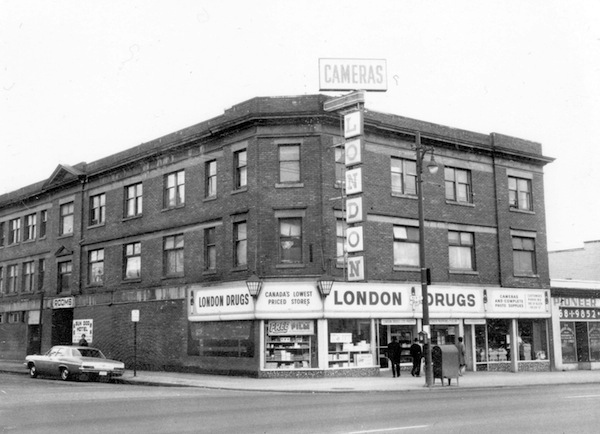
The first London Drugs was located at 800 Main St. The drugstore chain was started by Sam Bass in 1945. (photo from City of Vancouver)

In the 163 years that Jewish people have been living in British Columbia, they have experienced a great many things, and our community history is comprised of millions of stories. It is the ongoing work of the Jewish Museum and Archives of British Columbia to collect, preserve and share these stories.

This year, 2021, is a special one for the museum and archives – it’s the organization’s 50th anniversary. To mark the occasion, the JMABC will be releasing a special commemorative book. The volume is being designed as a keepsake to share with your children and grandchildren, or whichever young people you care about and whom you want to share your story with. It will provide a survey of our community’s rich history, fostering a connection between generations present and the past.

Dozens of community organizations are contributing their own organizational histories. Families and individuals are also invited to participate, either by contributing their family history or by nominating someone who has made a significant impact on the community, the region, or the world through their work, volunteer work, or philanthropy.

Full details about nominating or contributing are available at jewishmuseum.ca/fifty-years. Let the museum know who you think should be included.

Over the next several months, we’ll be publishing profiles of families and individuals to give you a taste of what you can expect in the anniversary publication. In this article, we share the story of Sam Bass, an innovative entrepreneur who left a lasting impact on the local Jewish community, the city of Vancouver and Canada as a whole.

Bass was someone who was never satisfied with the status quo. His restless creativity and business savvy made him an innovator of the modern drugstore. Born in 1915 on a Winnipeg farm to immigrant parents from Kiev, Ukraine, Bass received a diploma in pharmacy in 1939 from the faculty of pharmacy at the University of Manitoba. Following graduation, Bass enlisted, as a pharmacist, in the Royal Canadian Air Force for the Second World War. After the war, he decided to move to California; however, his planned brief stopover in Vancouver turned into permanent settlement.

Shortly after his arrival here in 1945, Bass purchased the old Schoff Drug Store at the corner of Main and Union streets. His first order of business was to change the name to London Drugs, named after London, England, the home of Canada’s then-king, King George VI.

Bass implemented the policy of a low-percentage markup on prescription drugs, he drastically increased the hours for dispensing prescription drugs (9 a.m. to midnight) and opened his store on Sundays. These actions flew in the face of existing conventions that drugstores only sold drugs during regular office hours at an industry-wide agreed-upon dispensing fee.

Bass’s new business model was extraordinarily successful, attracting customers from all over the city. He fought for years to defend his right to offer customers good-quality products and low prices. He went to the extent of advocating his position to the Supreme Court of Canada by appearing before a commission implemented by the federal government to investigate the cost of drugs. The commission eventually proposed five recommendations, three of which were found in Bass’s brief.

He shook up the pharmacy market in yet another important way, offering more than just pharmaceutical and medical items at a time when all stores offered exclusively specialized stock. Soon after the first London Drugs opened, Bass bought a full inventory of cameras and sold them at a discounted price. The gamble was a success and, to this day, cameras and home electronics remain cornerstone items at London Drugs. The practice has now become commonplace, with many large stores selling a wide diversity of products.

This tendency towards innovation gave London Drugs a competitive advantage and brought the company growing profitability. Over the next 20 years, Bass expanded the company to locations throughout the Lower Mainland. In 1968, after 23 years of ownership, he sold London Drugs to an American firm, the Daylin Corp., remaining on as London Drugs’ president until 1976, and overseeing further expansion. In 1976, the company was sold to the H.Y. Louis Group and, today, its stores number 78 across Western Canada.

Bass and his wife Muriel were very involved in the Jewish community and their family has continued their legacy. The Muriel and Sam Bass Family Fund continues to make contributions to Vancouver’s Jewish community following Sam Bass’s death in 1990, and Muriel Bass’s death in 2003.

Sam Bass’s life as a local entrepreneur stretched far beyond his personal success as a business owner. His legacy is represented by the widespread success of London Drugs across Western Canada. Its stores still reflect the business model that he revolutionized more than a half-century ago.

Format ImagePosted on February 26, 2021April 21, 2022Author Jewish Museum and Archives of British ColumbiaCategories LocalTags history, JMABC, Sam Bass
Community milestones … Rosenblatt, Klein, Cohen Weil

Community milestones … Rosenblatt, Klein, Cohen Weil

Dr. Cirelle Rosenblatt (photo from pesachonthemountain.com)

The Stroke and Brain Injury Assistance Organization (BINA), based in New York, awarded Dr. Cirelle Rosenblatt their Brain Injury Leadership Award on Jan. 24.

Created in 2003, BINA provides guidance and support to thousands of stroke and brain injury survivors and their families. Dr. Rosenblatt has been involved with BINA since its early days.

Dr. Rosenblatt has worked as a neuropsychologist for more than 25 five years in a wide range of rehabilitation medicine settings. She is a sought-after expert in neuropsychological evaluation and therapy.

Dr. Rosenblatt trained and worked at leading facilities in the United States prior to moving to Vancouver with her family in 2003.

She founded and is currently the clinical director of Advance Concussion Clinic (ACC). Located in Vancouver and Surrey, ACC is British Columbia’s only dedicated concussion clinic. She also serves as a consultant to national and Olympic snow athletes and teams, and other professional and competitive athletes.

Mazal tov to Dr. Cirelle Rosenblatt!

* * *

photo - Alison Klein
Alison Klein

Alison Klein was selected to participate in the CBC Hot Docs Podcast Career Accelerator, which took place during the CBC Hot Docs Podcast Festival (Jan. 27-29). She was one of 70 emerging Canadian audio creators chosen for their innovative Canadian podcasts. Alison’s show, The Self Advocate, was created to provide a forum to talk to people with cognitive disabilities who advocate for themselves. It can be heard on Co-op Radio 100.5 FM or coopradio.org, and is available on Spotify and other podcast providers.

* * *

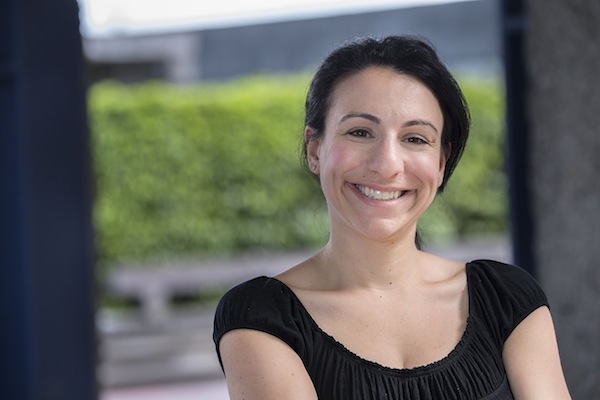
photo - Ayelet Cohen Weil
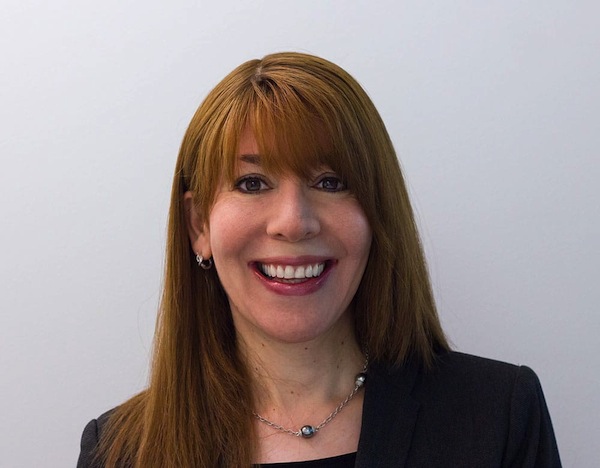
Ayelet Cohen Weil (photo from Louis Brier Foundation)

The board of directors of the Louis Brier Foundation recently announced the appointment of Ayelet Cohen Weil as the new executive director of the foundation. With more than 12 years of experience working in Jewish community organizations, both in British Columbia and in Israel, Cohen Weil brings an impressive background in nonprofit management, fundraising, strategic planning, community relations and development.

Prior to joining the foundation on Feb. 1, Cohen Weil held the position of associate director of community engagement at the Jewish Federation of Greater Vancouver, as well as manager of women’s philanthropy and manager of major gifts for Jewish Federation’s annual campaign. Her previous experience includes working in academia at the Interdisciplinary Centre Herzliya, as well as serving as managing director of Hillel BC. She holds a master’s degree in public policy, conflict resolution and mediation, with international mediation certification and distinction from Tel Aviv University.

The Louis Brier Foundation has a broad perspective and commitment in fulfilling its mission statement, and raising funds to maintain and foster the well-being, care and happiness of the seniors of the Snider Campus, site of the Louis Brier Home and Hospital and the Weinberg Residence.

“This year, one like no other, and after more than 12 years of working in Jewish communal life and being exposed to the many facets of the fabric of our community, I have been pondering upon the vitality in embracing, more than ever, the value of caring warmly and worthily for our seniors, the ones who built our community for us in the first place,” said Cohen Weil. “They are the living examples of our aspirations: the builders, the thinkers, the visionaries, the creators.

“I started working with the young generation in my years in Hillel and then at Federation across the community…. I truly wish to impress upon the younger generation how important this is for immediate family members and for the kavod we owe to our elderly. I would love to raise even more the profile of the centrality of this foundation in our community across all generations. This, for me, is thinking of the fabric of our Jewish community … in its full cycle and in its entirety. This is what excites me the most – to hopefully be able to contribute and create a large impact where it’s mostly needed after what we have experienced in 2020 with the COVID-19 pandemic…. To now be part, as well, of ensuring that the physical, mental and spiritual needs of our Jewish seniors are met so that they have a life of dignity, fulfilment and happiness, which they so much deserve…. Anything that would bring an extra smile, a feeling of comfort and warmth to Jewish seniors in our community is never too much, and I am incredibly excited and humbled for this opportunity.”

Format ImagePosted on February 26, 2021February 24, 2021Author Community members/organizationsCategories LocalTags Alison Klein, Ayelet Cohen Weil, BINA, brain injury, Cirelle Rosenblatt, COVID-19, health, Louis Brier Foundation, podcasts, seniors, stroke, The Self Advocate
Looking for Sklut family

Looking for Sklut family

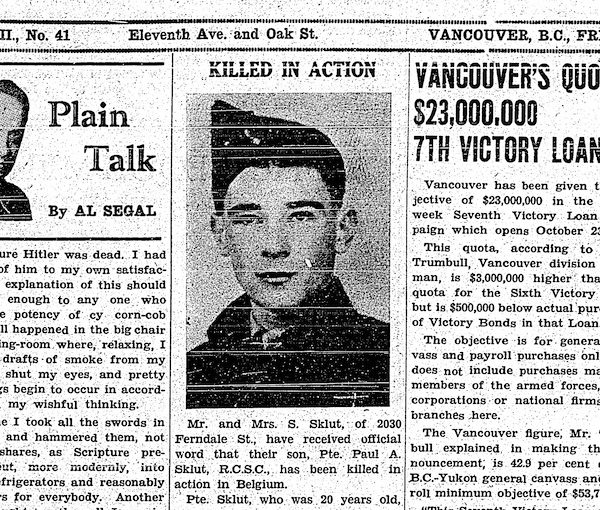
In looking through the Jewish Independent’s archives, after reading this article, this photo of Pte. Paul Sklut was found.

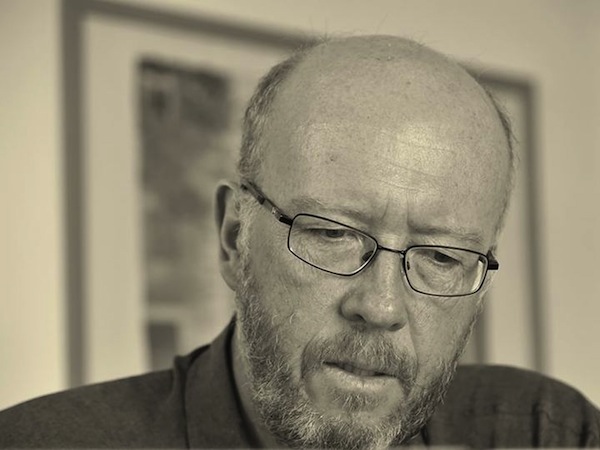
A Belgian tour guide and historian, Niko Van Kerckhoven, wrote to me recently. Van Kerckhoven, 50, and his teenaged son, regularly visit the graves of the Canadian soldiers who were killed liberating his town, called Wommelgem, during the Battle of the Scheldt, which was the Canadian campaign in the area surrounding the crucial port of Antwerp in fall 1944. It cost more than 6,000 Canadian casualties to take it, including that of Jewish volunteer Pte. Paul Sklut.

Van Kerckhoven has found photos of nearly all of the Canadian “boys” whose graves he visits, but not Sklut’s. As he wrote to me, “I’m quite desperate. You are pretty much my last chance for a picture!”

Sklut was the son of Russian-Jewish parents, and the family lived on Ferndale Avenue in Vancouver. It was a short walk to Britannia High School, where he was in the cadet corps, before he graduated.

Sklut’s name was often mentioned in the Vancouver newspapers, for he played competitive tennis, and also gave piano recitals at a venue on Granville Street.

Sklut was studying at the University of British Columbia when he was called up. He had just turned 19 on April 15, 1943. His two brothers, Harry and Donald, were already in uniform, with the army and the Royal Canadian Air Force, respectively. Sklut qualified as an infantry signaller in Kingston, Ont., then shipped out for England in July 1944. He was sent to France on Sept. 11, 1944, attached to the Calgary Highlanders. He was sent into action on Sept. 26. Twelve days later, he was dead.

“Many of them were just arriving here in Europe when they were thrown in this terrible battle of the Scheldt. I know the area well,” Van Kerckhoven wrote. “Many of the replacements died due to lack of training and experience. They really were used to plug the gaps in the infantry, although they were specialists by trade.”

Sklut was wounded on Oct. 8, 1944, and brought to a Canadian medical station that the Royal Canadian Army Medical Corps had set up inside one of the 19th-century forts near Antwerp, known as Fort 2, in Wommelgem. Military records confirm this happened.

Canadian medical personnel with the 18th Canadian Field Ambulance received Sklut at 13:00 hours. He was in really bad shape: he’d already lost his right leg at the knee, and his left leg and knee were fractured. He also had shell wounds in his chest and abdomen.

By 14:00 hours, Sklut was evacuated to the 21st Canadian Field Dressing Station and, then, still in shock, they took him to the Ninth Canadian Field Dressing Station, where he died at 16:30 hours. He was 20 years old.

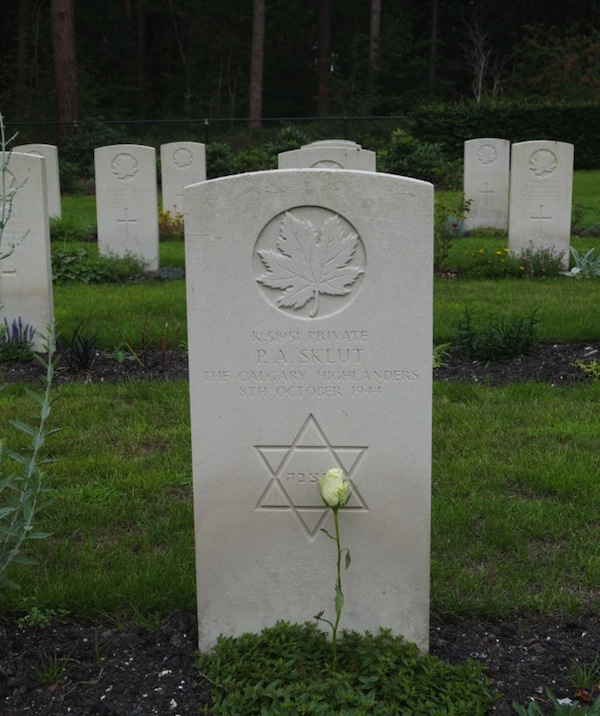
Locals buried Sklut with other foreign soldiers, about 40 of them, mostly Canadians, in the civilian area of the Candoncklaer Hospital Cemetery in Wommelgen. Later, their bodies were reinterred at the Commonwealth War Graves cemetery in Bergen-op-Zoom, across the border in Holland.

photo - Grave of Pte. Paul Sklut in the Bergen-op-Zoom war cemetery, in Holland
Grave of Pte. Paul Sklut in the Bergen-op-Zoom war cemetery, in Holland. (photo from Niko Van Kerchkoven)

That’s where my Belgian correspondent visits Skult’s grave. Van Kerckhoven is a member of his local historical society in Wommelgen, known as De Kaeck. He would like to find the Sklut family to tell them their relative has not been forgotten; he is also looking for a photo of Sklut.

Contact me through my website, ellinbessner.com, if you are able to help this man as he continues to carry out a mitzvah, although I am not sure he is aware of what that word means. (I will explain it.)

 Ellin Bessner is a Canadian journalist based in Toronto. She is the author of a new book about Canada’s Jewish servicemen and women who fought in the Second World War, called Double Threat: Canadian Jews, the Military and World War II, which was published by University of Toronto Press (2019). She also contributed a chapter to Northern Lights, published by the Lola Stein Institute (2020); it is the story of the contribution of Canada’s Jewish community to the country’s military record from 1750 to today.

Format ImagePosted on February 26, 2021February 24, 2021Author Ellin BessnerCategories WorldTags Belgium, Canada, commemoration, history, Jewish Western Bulletin, Niko Van Kerckhoven, Paul Sklut, Second World War
Court verdict on Grabowski

Court verdict on Grabowski

Jan Grabowski (photo from facebook.com/TheCJN)

A Polish court’s ruling that a Canadian Holocaust scholar must apologize for tarnishing the memory of a wartime mayor in Poland continues to reverberate around the world.

The case is being condemned by Jewish organizations and historians as an attack on free academic inquiry. Scholars warn the ruling could further chill an already touchy area of research: the role played by Poles in the murder of Jews in Nazi-occupied Poland.

In a long-awaited ruling on Feb. 9, a civil court in Warsaw ordered two prominent Holocaust scholars to apologize to an elderly woman who claimed they had defamed her late uncle over his wartime actions.

Prof. Jan Grabowski, an historian at the University of Ottawa, and Prof. Barbara Engelking, a sociologist and founder of the Polish Centre for Holocaust Research, were accused of defaming Edward Malinowski, the wartime mayor of Malinowo, a village in northeast Poland, by suggesting in a book that he delivered several dozen Jews to Nazi occupiers.

The professors were ordered to apologize for a passage in Night Without End: The Fate of Jews in Selected Counties of Occupied Poland, a two-volume work they co-edited, which the court said “violated Malinowski’s honour” by “providing inaccurate information.”

The court declined a demand for monetary damages of 100,000 Polish zlotys (about $34,000 Cdn) but ordered the scholars to apologize to Malinowski’s niece, 81-year-old Filomena Leszczynska, who brought the case; publish a statement on the website of the Centre for Holocaust Research; and correct the passage in any future edition.

Leszczynska had argued that her uncle had actually aided Jews and was acquitted of collaboration in 1950.

Grabowski, whose father survived the Holocaust, called the outcome “a sad day for the history of the Holocaust in Poland and beyond Poland. I have no idea what will be the consequences as well as the implications of this trial. But I can say for certain this thing will be studied for a long time by historians,” he told the Globe and Mail.

Prior to the verdict, he warned that, if the lawsuit were successful, “then basically it will mean the end to the independent writing of the history of the Holocaust in Poland.”

The professors were sued under a Polish law allowing for civil action against anyone claiming that the Polish nation or state was responsible for Nazi atrocities. The law was amended in 2018 to drop plans to criminalize the offence.

In her ruling, the judge said the decision “must not have a cooling effect on academic research,” but that is how it is being perceived.

As a senior tenured professor, the verdict, Grabowski conceded in a Postmedia interview from Poland, is “unpleasant. But, imagine you are a 25-year-old graduate student of history. Do you think you’re going to embark upon discovery of difficult history? I don’t think so.”

Grabowski and Engelking said they will appeal the ruling.

Mina Cohn, director of the Centre for Holocaust Education and Scholarship at Carleton University in Ottawa, called the campaign against Grabowski and Engelking “ugly.”

“The Polish government’s attempt to discredit them, and to silence and distort the historical facts of the Holocaust in Poland is appalling,” Cohn told The CJN. “It endangers the basic right of the future freedom of historical research of the Holocaust in that country.”

She said that, as daughter and granddaughter of Holocaust survivors with roots in Poland, “I find this blatant attempt by the Polish government to reject the reality of inherent antisemitism within Polish society before and during the Holocaust, and to discredit survivors’ testimonies, very offensive.”

For Prof. Piotr Wrobel, a specialist in Polish history at the University of Toronto’s Munk School of Global Affairs, the case is an example of the current Polish government’s attempt to control the historical record.

“They try to shape the ‘official’ version and persecute people who do not share [it],” he told The CJN. “This is very sad.”

It was “very clearly” the intention of those behind the lawsuit “to freeze scholarly research into the Holocaust. This was supposed to be a warning. Young people should remember this. If your opinions [and] historical interpretations are different than the official ones, then do not touch the Holocaust,” Wrobel said. “There is a choice between comfort and truth.”

In a statement on Feb. 10, the University of Ottawa offered its “unwavering support” to Grabowski and his “widely respected” Holocaust research. The university called the verdict “unjust.”

“Prof. Grabowski’s critical examination of the fate of Polish Jews during World War II shows how knowledge of the past remains vitally relevant today,” said university president Jacques Frémont. “The impact his work has had in Poland, and the censorious reaction it has generated, demonstrates this truth.”

The university “emphatically supports” Grabowski’s “right to pursue historical inquiry unencumbered by state pressure, free from legal sanction and without fear of extrajudicial attack.”

In Israel, the Yad Vashem Holocaust memorial and museum decried the ruling as “an attack on the effort to achieve a full and balanced picture of the history of the Holocaust.”

Even before the verdict, David Silberklang, a senior Holocaust historian in Israel, said the libel case intended for the two scholars to be “sued into submission.”

The decision “damages an open and honest coming to terms with the past,” said Gideon Taylor, president of the Conference on Jewish Material Claims Against Germany, which sponsors historical research on the Holocaust.

Taylor said Poland “must encourage open inquiry into its history, both the positive and the negative aspects.”

Canadian historian Frank Bialystok, who has written extensively about the Holocaust, sees the verdict against Grabowski and Engelking as a flipping of political extremes in Poland.

The murder of Jews in Poland, even after the war, was documented at the time. “This research was acceptable during the communist era as a weapon against nationalism,” said Bialystok. Now, the two professors are being “vilified” by the nationalist camp.

Friends of Simon Wiesenthal Centre said the ruling could have “a devastating impact on Holocaust research and education.” The organization said it is reaching out to senior government leaders, urging them to speak out against “Holocaust distortion in Poland.”

The American Historical Association went so far as to write Polish President Andrzej Duda, saying “a legal procedure is not the place to mediate historical debates” and urged Polish leaders to “uphold the rights of historians to investigate the past without legal harassment and with no fear of reprisals for making public their historical- and evidence-based findings.”

In 2018, Grabowski announced he was suing the government-funded group that backed Leszczynska’s libel case for allegedly libeling him. He claimed that the ultranationalist Polish League Against Defamation had itself defamed him by questioning his findings about the complicity of Poles in the wartime murder of Jews.


This article originally was published on facebook.com/TheCJN. For more on Prof. Jan Grabowski, see jewishindependent.ca/revealing-truth-elicits-threats.

Format ImagePosted on February 26, 2021February 24, 2021Author Ron Csillag The CJNCategories WorldTags antisemitism, Filomena Leszczynska, free speech, history, Holocaust, Jan Grabowski, Poland
בעידן המגפה הקשה

בעידן המגפה הקשה

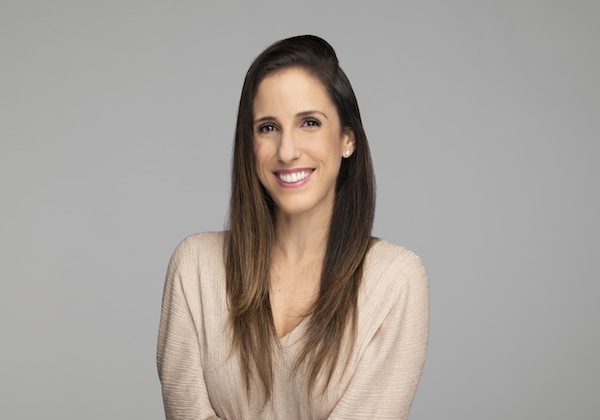
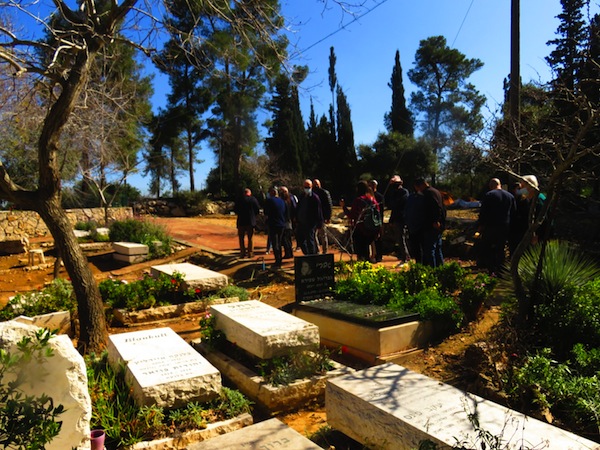
את הלוויות של אבי ראיתי עם עוד מספר בני משפחה וחברים באמצעות “הזום” בשעה שתיים לפנות בוקר לפי שעון ונקובר.

הפעם הרגשתי מקרוב את הנזקים האיומים שמגיפת הקורונה עושה לנו, לחיינו, לקרובים כמו גם לרחוקים. אבי, משה רחמני, בן התשעים ואחד נדבק בנגיף בבית החולים איכילוב שבתל אביב, ולאחר פחות משבועיים נפטר מסיבוכים קשים. אני לצערי לא הצלחתי לעזוב את ונקובר והגיע להלוויתו שהתקיימה ביום ראשון האחרון, בבית הקברות האזרחי של קריית ענבים, בגלל שקשה מאוד לטוס מכאן בעת הזו. לפחות שתיים-שלוש עצירות בדרך ואני הייתי צריך לקבל בנוסף אישור מיוחד ממשלת ישראל להגיע להלוויה. לאחר מכן היה עלי להיכנס לסגר באיזה שהיא מלונית בישראל למשך כשבועיים ימים. ובחזרה לקנדה הייתי צריך לעבור הליך סיוטי דומה. החלטנו לכן במשפחתי שלא אטוס. זו היתה החלטה קשה אך מתבקשת בימים אלה.

את הלוויות של אבי ראיתי עם עוד מספר בני משפחה וחברים באמצעות “הזום” בשעה שתיים לפנות בוקר לפי שעון ונקובר. בקריית ענבים השעה הייתה שתיים עשרה בצהרים, וכארבעים איש הורשו להגיע לבית הקברות, בראשות אמי, לוצי רחמני שגם היא בת תשעים ואחת, ואחי, אמיר רחמני, שניהל את הטקס הקשה הזה. זה לא פשוט לראות איך קוברים את אבא שלך כל כך מרחוק – באמצעות הטכנולוגיה המתקדמת, במקום פשוט להשתתף בטקס צנוע עם חברי משפחה וחברים קרובים. זה מאוד מוזר ויוצר הרגשה של ניכור ומרחק המאוד אופיינית לעידן מגיפת הקורונה, ששינתה את חיינו לחלוטין.

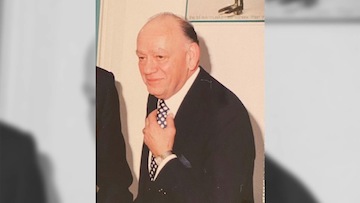
photo - My father, Moshe Rahmani, ninety-one years old, contracted the virus at Ichilov Hospital in Tel Aviv, and after less than two weeks died of serious complications
אבי, משה רחמני, בן התשעים ואחד נדבק בנגיף בבית החולים איכילוב שבתל אביב, ולאחר פחות משבועיים נפטר מסיבוכים קשים

אני נפגשתי עם אבי לאחרונה רק לפני קרוב לשנה. היה זה בחודש מארס אשתקד, שבוע לפני שקנדה הכריזה על סגר לאור המגפה שהחלה לתפוס תאוצה בכל רחבי העולם. הגעתי לישראל למספר ימים כדי לפגוש את הורי בביתם בתל אביב. הם חששו קצת מהחלטתי לטוס כי אולי אני אדבק ואז גם אסכן אותם. הביקור עבר בשלום ובשלווה. הספקתי לשבת עם הורי ערב ערב ולשוחח שעות על שלל נושאים. אחרי שבוע טסתי בחזרה לוונקובר ולא ידעתי אז (כמובן) שאלו יהיו הפגישות האחרונות שלי עם אבי.

אבי נולד בירושלים. הוא גדל בבית דתי אך כבר כתלמיד תיכון החליט לבחור בדרך אחרת – חילונית. אמי ילידת אוסטריה הגיעה עם משפחתה לישראל עת הייתה בת שמונה. תחילה לנהלל ולאחר מכן המשפחה התיישבה בירושלים. הורי הכירו איפוא בירושלים ולאחר שלוש שנות חברות התחתנו ונשארו ביחד למשך שבעים שנה עד למועד פטירתו של אבי. הם הספיקו לגדל את אחי ואותי בביתם ברחוב המלך ג’ורג’ שבמרכז העיר. לאחר שעזבנו את הבית, הורי עברו לשכונת בית הכרם. לבסוף הם מאסו בירושלים ולפני כשבע עשרה שנה עזרו אומץ ועברו לתל אביב ופתחו בחיים חדשים.

אבי עבד כל חייו בתחום הביטוח בתקופת מגוריו בירושלים. הוא יצא לפנסיה עם המעבר לתל אביב. בעת שגר בירושלים נחשב לאוהד שרוף של קבוצת הכדורגל בית”ר ירושלים, וצפה במשחקים רבים מהיציעים במגרשי הכדורגל ברחבי הארץ. בשנות השמונים המיר את המגרשים בטלוויזיה ועד לאחרונה צפה במרבית המשחקים של בית”ר.

אבא נחלש בתקופה האחרונה ולפני שלושה שבועות הוא אושפז לטיפול מאסיבי בבית החולים איכילוב. שם לתדהמת כולנו נדבק בקורונה ומטבע הדברים מצבו החמיר מיום ליום. אמי, אחי ושתיים מהנכדות הספיקו לבקר אותו יום לפני מותו. התמונה הייתה קשה מנשוא. עכשיו הוא לא סובל יותר.

היום אני יכול להביו היטב את המשפחות שאיבדו את יקיריהם שנדבקו בקורונה.

Format ImagePosted on February 17, 2021February 17, 2021Author Roni RachmaniCategories עניין בחדשותTags Canada, coronavirus, COVID-19, death, Israel, mourn, parents, הורים, ישראל, להתאבל, מוות, קורונה, קנדה
COVID relief delivered

COVID relief delivered

Alex Cristall, Jewish Federation of Greater Vancouver board chair, arrived early at the Jewish Community Centre of Greater Vancouver on Jan. 26 to sign community recovery cheques for grant recipients. (photo by Rob Trendiak)

On Jan. 26, the Jewish Federation of Greater Vancouver released the first round of community recovery funding to address the urgent needs arising from the pandemic’s impacts. A total of $416,000 in grants was distributed among 21 partner agencies and community organizations.

“When COVID first hit, we immediately developed a comprehensive strategic approach to address its impact,” Ezra Shanken, chief executive officer of Jewish Federation, told the Independent. “We met with our partner agencies to learn firsthand about how they were coping, and we released $505,000 in emergency funding just days into the initial lockdown.

“We then worked closely with major donors to launch the Community Recovery Fund, which became a key focus of the annual campaign. We also established the Community Recovery Task Force, comprised of well-respected and experienced community leaders, to work with us to respond effectively to the immediate and long-term consequences of COVID that are affecting our community agencies. During the annual campaign, we asked donors to make an additional gift to support community recovery, if they could.

“We have always been fortunate to have an extremely generous community, and the depth of giving this year has been extraordinary,” he said. “Community members have responded to the call to help in unparalleled ways, however they can. They understand the breadth and scope of need, the immense challenges facing organizations, individuals and families, and that recovery will take some time. Most of all, they appreciate that we are all partners in recovery, and have really stepped up to play their part.”

The initial relief grants were distributed to 19 of Jewish Federation’s partner agencies, as well as to the Louis Brier Home and Hospital and the Hebrew Free Loan Association.

“For the first round of grants, all Jewish community organizations were invited to apply for up to $25,000, regardless of their size,” explained Risa Levine, chair of the Community Recovery Task Force. “Our priority was to meet organizations’ urgent needs resulting from the pandemic, and to ensure they could continue to deliver their programs and services. In the next few weeks, as part of this initial round of funding, we will be recommending grants for synagogues and other places of worship. These grants will be awarded in late February.

“The task force expects the two rounds of funding after that will focus on longer-term needs,” she said. “For example, are there organizational changes that would substantially increase an agency’s capacity to deliver their programs? We also recognize that the pandemic has gone on longer than anyone anticipated, and that the uncertainty of what lies ahead continues. New needs may emerge and COVID-related government subsidies, which have helped a lot of our agencies, may end. So, ensuring organizations’ ongoing sustainability in the face of pressures created by the pandemic will continue to be a priority.”

When the task force met with community organizations last summer and fall, the focus was on understanding how the pandemic had affected the programs and services they offer. While the details differed, said Levine, “they all had been impacted by COVID in similar ways.

“Based on this information, the task force identified six themes, which ultimately became funding categories for the recovery grant application: technology upgrades; critical social services; COVID-related expenses; revenue and rental losses; mental health support for staff and community members; and organizational capacity. Community organizations were invited to apply for a grant to meet urgent, COVID-related needs in two of these six categories.”

The recovery grants comprise but one of three funding streams being distributed in the next couple of months. Other financial assistance will come from the Jewish Community Foundation’s Unrestricted Grant Program, and allocations from the Federation’s annual campaign.

“The Jewish Community Foundation’s Unrestricted Grant Program is designed to complement Jewish Federation’s annual campaign allocations by providing charitable organizations with seed money to support new, innovative programs and services,” explained Shanken.

Grants awarded through the program “give charitable organizations the opportunity to pilot initiatives that address the community’s evolving needs, or to launch startup and capital projects,” he said. “Once the programs demonstrate success over several years, they may then qualify for ongoing funding through Jewish Federation’s allocations.

“This year,” he added, “the foundation adapted some conditions of the program to be as responsive as possible to organizations challenged to deliver their programs and services in new and innovative ways. In this way, the Unrestricted Grant Program is complementing the work of Jewish Federation’s Community Recovery Task Force, which has identified areas of critical need through its consultation process with community organizations.”

The Unrestricted Grant Program funds for 2021 will be awarded in mid-February.

“Jewish Federation has always been proactive and strategic about preparing for crises, so that we can lead a coordinated community response,” said Shanken. “And, while this is unlike anything the community has ever been through, we are in a strong position to respond. We have in place the infrastructure, the community planning expertise, and the staff and team of experienced leaders needed to respond swiftly and effectively to the enormity and ongoing uncertainty of COVID’s impact.

“We know how vital it is to get funds working in the community, and this involves so much more than fundraising,” he noted. “As the pandemic evolves, we will continue to adapt our strategic approach so that we are well-positioned for today and tomorrow, and to convene with all of our stakeholders so that we have our finger on the pulse of the community and can problem-solve together. We’re also collaborating with Jewish federations across North America to leverage their collective knowledge and capacity.”

Levine acknowledged the board and staff of our local Jewish Federation “for their vision and professionalism in organizing the task force and leading the recovery process, as well as the many generous donors who have supported this crucial work.”

She said, “I have been inspired and buoyed by the commitment and passion of everyone involved in the task force’s work to ensure that our community continues to function effectively: by the task force members for their dedication to the work, and by the community organizations for their candour and resilience in adapting their operations to meet the needs of community members.

“The biggest challenge,” she said, “has been to focus and refine our work to be able to respond effectively to the needs we learned about. Hearing firsthand about the challenges that organizations faced revealed the enormity of COVID’s impact through a sharper, more personal lens that added another layer of urgency to our work.”

Despite the challenges, Shanken said, “I remain positive because of the tremendous fortitude and the outpouring of compassion and generosity that I see every day. I am incredibly proud of how this community has pulled together to tackle the road to recovery, and am convinced that we will emerge stronger.”

For more information, visit jewishvancouver.com.

Format ImagePosted on February 12, 2021February 12, 2021Author Cynthia RamsayCategories LocalTags coronavirus, COVID-19, economy, Ezra Shanken, Jewish Federation, philanthropy, Risa Levine, tikkun olam
What makes people happy?

What makes people happy?

Simon Fraser University Prof. Lara Aknin (photo from SFU Communications & Marketing)

There are several paths to finding happiness, according to Prof. Laura Aknin. “But a central theme that rises above the rest is that a lot of happiness comes from our relationships with other people, and how we help and give to others.”

Aknin will deliver the talk A Reality Check, for Good: A Talk on Happiness via Zoom on Feb. 22.

“Guest speaker Lara Aknin is a distinguished associate professor of psychology at Simon Fraser University, and director of the Helping and Happiness Social Psychology Lab at SFU,” said Rabbi Yechiel Baitelman, director of Chabad Richmond. Born and educated in Vancouver, Aknin became interested in social psychology and human emotions while studying as an undergrad and graduate student at the University of British Columbia. According to Aknin, “Human emotions colour our existence, and bring meaning to a lot of what we do.”

Among Aknin’s research interests are well-being, happiness, social relationships, prosocial behaviour and altruism. She established the Helping and Happiness Social Psychology Lab, which studies the predictors of happiness and what makes people happy, the emotional consequences of kind and generous behaviour, and the well-being outcomes of specific spending choices. The lab also looks at how people can increase their happiness.

“Happiness is broadly universal, yet religious people tend to report higher levels of happiness,” said Aknin, when asked how happiness relates to Judaism. “One of the major lessons emerging from our helping and happiness lab and our study of well-being is that it’s not just what we do for ourselves, it’s what we do for others. When we help others and give to others, that’s when we find happiness.”

While not overtly connected, it appears that happiness aligns with Judaism’s emphasis on giving tzedakah and doing mitzvot.

“Helping others is a pretty clear and reliable path to experiencing greater well-being,” confirmed Aknin.

While acknowledging that religion is not her specific area of research, Aknin said, “The notion, or central message that giving to others, whether it be G-d or other people in your community or beyond is a meaningful source of finding joy, reward, value and meaning in life, is certainly aligned with the evidence in the literature.”

A fundamental concept in Judaism is the importance of serving G-d with joy.

“The emotional rewards of giving are a psychological universal, not just particular to the Jewish faith, but it might align with many of the teachings of the Jewish faith and others,” said Aknin. “Researchers see this not just in North America, but in rich and poor countries around the globe. We see it in kids under the age of 2 … we see it in ex-offenders. People experience emotional rewards when they engage in kind behaviour. Many religious principles regularly espouse the value and virtue of giving to others … these ideas have been around for centuries, but the evidence is now documenting the importance of this.”

The topic of helping and happiness resonates with people.

“At some level,” said Aknin, “our intuition says that giving to others is emotionally rewarding but, in real life, people are spending more on themselves – out of necessity, for things like paying their bills, [but] we often overlook opportunities [to give] and would be better off spending the money in our pocket on someone else, rather than on an extra coffee.”

Is it always about our own sense of well-being or is happiness a byproduct of something more altruistic? Is it selfish, for example, to donate clothes to a homeless shelter because it makes us feel good? Is it wrong to have a sense of well-being when we give to others?

“Those questions are central to the work that I do,” Aknin said. “It’s important to distinguish what the motives are for giving in the first place, versus how do you feel afterwards. There’s no question that there are emotional benefits for the giver, and that donating one’s time or money to others promotes well-being and increases life satisfaction. Sometimes, people give to feel good but, by and large, people are giving because they think it’s the right thing to do, and they want to help the person in need. Feeling good about it afterwards isn’t a bad thing. On the contrary, I think that’s a beautiful feature of human behaviour. It serves a purpose to help inspire us to do it again. It’s indicative of a care for humanity. Feeling indifference after giving would be more surprising.”

Aknin said happy people tend to have strong social relationships, they tend to be individuals who donate. and they tend to be relatively comfortable with where they are in life, not only financially, but also proud of what they’ve accomplished. Happy people also tend to live in a safe environment, she said, so being able to trust your neighbours is important.

Aknin is working on a commission that’s studying the trends around happiness and physical/mental health. Findings show that, during the COVID-19 pandemic, most people’s physical and mental health has suffered.

“Negative emotions are up, mental distress is up, depression and anxiety are up. Yet, despite all that, there is still some resilience and stability,” she said. The pandemic has given people time to evaluate their lives, and there is still much stability to be seen.

Aknin said some behaviours that are “protective,” such as exercise, make us feel better. “But people still feel better when they’re helping others,” she said.

According to Aknin, most people are happy, because “we’re very adaptive”; even though we think we aren’t, we are.

When asked if she’s happy doing what she’s doing, Aknin replied: “Yes, there’s great meaning and purpose in what I do.”

To register for Aknin’s Feb. 22, 8 p.m., talk, go to chabadrichmond.com/happiness.

Shelley Civkin is a happily retired librarian and communications officer. For 17 years, she wrote a weekly book review column for the Richmond Review. She’s currently a freelance writer and volunteer.

Format ImagePosted on February 12, 2021February 11, 2021Author Shelley CivkinCategories LocalTags Chabad Richmond, happiness, Lara Aknin, lifestyle, science, SFU, Simon Fraser University
Welcome, newcomers

Welcome, newcomers

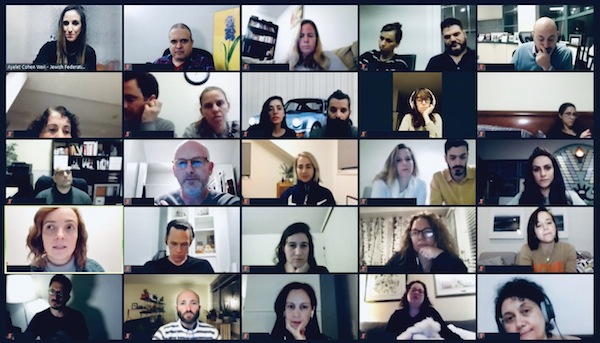
A screenshot of the recent BeyachadBC welcome event’s main room.

The types of immigration that Vancouver’s Jewish community is experiencing right now differ from those of 10 or 20 years ago. Community leaders recognized that these different demographics call for changed approaches in the way the community welcomes and integrates newcomers.

On Jan. 20, a virtual event took place, representing the launch of a new community partnership called BeyachadBC – beyachad means “together” in Hebrew. No fewer than 80 devices tuned in to join the event, many with more than one participant.

BeyachadBC is really an evolution of Shalom BC, Gesher Welcoming Services and other initiatives over the years meeting the needs of new community members, said Ayelet Cohen Weil, who, as associate director, community engagement, at the Jewish Federation of Greater Vancouver, spearheaded development of the group. (On Feb. 1, Cohen Weil began a new role, as executive director at the Louis Brier Jewish Aged Foundation.) Operating under the auspices of Federation, BeyachadBC was created with the Jewish Community Centre of Greater Vancouver, Jewish Family Services (JFS), Aleph in the Tri-Cities, Mamatefet and Women’s Empowerment (WE). The latter two groups are organizations primarily of Israeli-Canadian women, WE to network for career opportunities and Mamatefet to support mothers, especially of newborns.

Cohen Weil undertook consultations, including roundtables with community professionals who work with newcomers and with people who have experienced what newcomers face.

For many years, Vancouver has been one of North America’s fastest-growing Jewish communities. Breakout rooms at the virtual event included sessions in Spanish, Portuguese, Hebrew and English. The largest group was of Israelis, followed by those from Spanish-speaking Latin America. About equal numbers of participants joined the English and Portuguese breakout rooms. A couple of decades ago saw waves of immigrants from the former Soviet Union and, while there are still a number of new Canadians who originated in the FSU, almost all of those are now arriving via Israel, having spent years there. They communicate primarily in Hebrew, making Russian-language services less necessary than they were a few years ago.

Another noticeable change from the past is that many of the newcomers are arriving with work at the ready, not landing here in hopes of finding a career path. A sizeable number of immigrants from Israel and elsewhere have been drawn here by jobs at Amazon’s Vancouver hub, for example.

The different character of newcomers means that, rather than requiring some of the basic needs that earlier migrants required – housing assistance, social services – many are now seeking professional networking and connections for their families. (New arrivals who do require those additional services are, of course, served by various organizations, including Federation and JFS.)

When the pandemic is over, in-person social gatherings will take place with opportunities for mingling in each participant’s preferred language. Meanwhile, those who want it can be paired with a longer-established family based on criteria they determine, such as the ages of kids in the family or the professional track of the parents.

Of course, there is no one at the airport directing Jewish newcomers to BeyachadBC. Identifying Jewish immigrants is a matter mostly of word-of-mouth. This was aided by the fact that Cohen Weil’s portfolio at Federation also included regional community development. Given the cost of housing in Vancouver, many Jews are settling in the Tri-Cities or other suburban areas of Metro Vancouver. While geographic diffusion is a challenge long addressed by Federation, BeyachadBC plays an added role in reducing isolation and encouraging inclusion by explicitly targeting newcomer families outside the traditional “Jewish neighbourhoods” of the city.

BeyachadBC is envisioned as a service for those who have arrived in the past three years. “But I can tell from the faces that I saw, they were from the last year mostly,” Cohen Weil said. “They had to be newcomers during COVID, which created another layer of difficulty and challenges.”

Another fact struck Cohen Weil – there were young couples, families with kids, single young adults, seniors and middle-aged participants on the Zoom event.

She knows herself what it is like to live in different places. Cohen Weil arrived in 2005 as a student at the University of Victoria, having grown up in Mexico and having served as a volunteer in the Israel Defence Forces. She worked at Hillel in Victoria beginning in 2008 and returned to Israel in 2012 to continue her education before returning to Vancouver in 2017. Returning with a husband and a 10-month-old daughter was an entirely different experience that came with many challenges, even though she had connections and friendships from the past.

A more typical experience might be that of Yael Mayer, an individual and family therapist and a postdoctoral research fellow in the faculty of medicine at the University of British Columbia. She came to Vancouver five years ago, after her husband, an engineer, took a job here. Having left an established counseling career in Israel, Mayer was in a new country, at home, with two kids, including a 6-month-old baby.

“It’s very lonely and very hard to start everything again, to build a career again, to find a network,” she said. She set about cofounding Mamatefet and then founding WE because she realized that many women were in a similar boat. “Like me, there were many, many Israeli women who come here with academic backgrounds, with a lot of experience, and they struggle to rebuild their life here.”

If BeyachadBC had existed just five years ago, she said, her landing here might have been softer. “I think it could have been really different because BeyachadBC will provide a platform to easily connect and find information about different topics, about education, about synagogues, about activities, about social life,” she said. “It is all centred in one place, in one resource.”

Mayer was inspired by the initial BeyachadBC event, an enthusiasm she believes was shared by many based on the fact that everyone who signed up to attend actually showed up – and then stayed for the entire event. Registrations were coming in even after the event began.

“The beautiful thing about it is it really answers a need in our community and I think it is a very special project,” she said. “It identifies the common needs of the Jewish community but, at the same time, it also allows people to maintain some of their culture and their language so, in this way, it connects but it also makes everybody feel like they belong there. That’s the beautiful way that this project is built.”

The central clearinghouse for resources is beyachadbc.com and, Mayer added, while the site is intended for newcomers, longtime residents are also encouraged to explore it because assistance and social connections are welcome among the entire community, new arrivals and B.C.-born alike.

Format ImagePosted on February 12, 2021February 11, 2021Author Pat JohnsonCategories LocalTags Ayelet Cohen Weil, Beyachad, immigration, Jewish Federation, newcomers, Yael Mayer

A childhood spent in hiding

Alex Buckman, a child survivor of the Holocaust, shared the story of his harrowing childhood years during a moving online event Jan. 27. The program, marking International Holocaust Remembrance Day, was the second annual such event organized by the Bayit in Richmond.

Buckman is the president of the Vancouver Child Survivors Group and has shared his experiences with thousands of students as a Vancouver Holocaust Education Centre (VHEC) survivor speaker.

“I was born on Oct. 31, 1939, in Brussels, Belgium,” he told more than 100 people who attended virtually. “My family was Jewish. I was 7 months old when Nazi Germany invaded Belgium on May 10, 1940. Everything changed for Jewish people in Belgium.”

He recalled how, at the age of 4, he was escorted by a strange woman, as they traveled through the night, sleeping in forests and foraging for food. After days of walking, they arrived at an orphanage. He would only discover years later that his parents were sent to Auschwitz.

At the orphanage, he met up with his cousin Annie but was told that they were to refer to each other as siblings.

When Nazis would come for inspections, Jewish boys were hastily sent into a cellar. “They told us again to be very quiet, then they shut the two wooden doors, replaced the carpet and furniture,” he said. “In the cellar, we were very cold and scared and we peed our pants. We saw large things running around us. They told us later that they were rats. The first time this happened I was 4 years old…. It seemed like we were in that cellar for a very long time. Soon, we heard every footstep over our heads. We heard men screaming loudly in a language that we did not understand. We were scared. We did not know what was going on. They told us that we should not cry but we were scared children so we cried.

“Suddenly, we heard the pushing of the furniture and they opened two wooden doors and we saw the light,” he continued. “They asked us to come out but we did not want to go out. We told them that we had peed our pants [so] they promised that they would give us a warm bath. This happened too many times from the age of 4 to 6-and-a-half.”

Annie’s mother, Alex’s Aunt Becky, was sent to the women’s concentration camp Ravensbrück. When each new train of prisoners would arrive, Becky would run through the crowds of arriving women calling the name of her sister, Devora.

“A young girl came close to Becky and said, I knew Devora but she is dead,” Buckman recounted. “Becky asked her: how did you know Devora? The young girl replied, I am from Belgium and I used to babysit her son, Alex. Becky thanked her and cried. Becky looked at the sky and prayed. She said, if I survive this, one day, and find Alex, I will raise him as my son.”

When liberation finally did come, it took time for the surviving family to find one another. Alex and Annie waited in the orphanage as one child after another was claimed by family. Alex tried to reassure his cousin, whom he believed to be his sister.

“I would tell her that our parents would come soon,” he said, “but, like Annie, I did not know what happened to our parents and why they were not coming for us. The orphanage kept all the children for another six months, hoping that our parents would come and pick us up. But no one came for us.”

The remaining children were transferred to a Red Cross facility in Brussels. Eventually, they were reunited with Annie’s parents, who Alex assumed were also his own. It was another cousin who, in an act of revenge for a childhood spat, blurted out the truth to Alex that his parents were dead.

Buckman went on to share his experience in April 2010 as a survivor-participant in the March of the Living, a program that brings Jewish youth to Poland and then on to Israel to explore firsthand the history of the Holocaust and its survivors who helped build Israel.

“It is almost impossible to describe the feeling I felt entering that camp, Auschwitz,” Buckman said. “On both sides of the camp there were shoes. As I passed the shoes, I caressed the little pair of shoes. The students were crying, but we had to continue.… We saw a mountain of glasses all tangled together.

“We finally walked in a shower room and I closed my eyes,” he said. “I was thinking of my mother and her sister.… We were told that the women panicked when they did not see the water come down from the showers. They ran toward the walls and scratched them with their fingernails. When I heard this, I turned and caressed the wall, feeling the scratches made by Jewish women prisoners. I wondered, were those scratches made by my mother? I would never know.

“In that room, I finally said, au revoir, Maman.”

At the commemoration, Richmond Mayor Malcolm Brodie, accompanied by four city councilors, spoke and read a proclamation.

All four Richmond MLAs were present, with Kelley Greene, MLA for Richmond-Steveston, reading a proclamation from the premier. Finance Minister Selina Robinson also addressed the event, as did Steveston-Richmond East Member of Parliament Kenny Chiu, who spoke of his own visit to Auschwitz.

The Bayit’s Rabbi Levi Varnai noted that this year’s event, which represents the 76th anniversary of the liberation of Auschwitz-Birkenau, also fell on erev Tu b’Shevat, the new year of the trees.

“The marriage of these two days is chilling,” said the rabbi. “Man is compared to the trees of the field, our tradition tells us. The six million souls murdered in the Holocaust were like individual human trees, each had the potential to grow, to flourish, and to bear fruit of the generations. They were obliterated, but one thing remained that can never be destroyed: their roots.

“The roots of the Jews who perished in the Holocaust goes back 3,300 years to Mount Sinai. What gives Holocaust survivors the sustenance to keep going? What motivates future generations of Jews to double down on life? It’s not just the memory of those who passed away, it’s also the memories of hundreds of generations who came before them, the generations who struggled and prevailed against all odds…. As we remember today the six million souls who left us, we can also remember the millions of souls who came before them and the millions who will come after.

“Today, we mourn. Tomorrow, we plant and renew,” said Varnai.

The Bayit’s International Holocaust Remembrance Day program was co-presented with partners including the Centre for Israel and Jewish Affairs, the VHEC, the Kehila Society of Richmond and the Jewish Federation of Greater Vancouver. The program was emceed by Bayit president Keith Liedtke.

Earlier in the day, a national virtual commemoration took place, organized by the Friends of the Simon Wiesenthal Centre in partnership with the VHEC and other groups across Canada. Survivors, including Vancouver’s Serge Haber, lit memorial candles. Heather Dune Macadam, author of the book 999: The Extraordinary Young Women of the First Official Jewish Transport to Auschwitz, spoke with Michael Berenbaum, a writer and professor and director of the Sigi Ziering Institute: Exploring the Ethical and Religious Implications of the Holocaust.

Posted on February 12, 2021February 11, 2021Author Pat JohnsonCategories LocalTags Alex Buckman, child survivor, CIJA, Holocaust, IHRD, International Holocaust Remembrance Day, Jewish Federation, Kehila Society, Serge Haber, VHEC

What’s up in gerontology?

At the second program of the season in the Jewish Seniors Alliance Snider Foundation Empowerment Series, a few Simon Fraser University graduate students shared their research interests with the 70-plus participants who tuned in via Zoom on Jan. 15.

Jointly sponsored by the JSA and Sholem Aleichem Seniors of the Peretz Centre for Secular Jewish Studies, the Gerontology Research Panel: Eager to Share our Interests and Help our Community – What’s Up With Seniors event featured master’s students Lindsay Grasso and Kishore Seetharaman, and PhD student in gerontology Eireann O’Dea.

Grasso became interested in exploring the impacts of separating couples in long-term care settings when her own family experienced it. She said this problem of separation will become more severe as more couples age together. Current long-term care settings separate couples, depending on each partner’s individual needs.

The effects of dementia on couples is profound and, often, one partner ends up as the caregiver for the other, she said. When the point is reached that institutional care is required, being together would alleviate a lot of the pain, believes Grasso, who has received a grant to look into the long-term effects of separating couples, as well as the effects on visiting spouses, when only one partner is in care. In both scenarios, there is the loss of a shared life, shared memories and the beginning of mourning. It is important to continue the relationship through visiting, sharing activities and eating together, she said. The healthier spouse would need to monitor care and advocate for their partner. For her research, Grasso will be conducting in-person interviews with couples, and will also meet with staff to review their understanding of the issues surrounding separation.

The second presenter, Seetharaman, has a background in architecture and is interested in planning and designing dementia-friendly neighbourhoods, especially in Metro Vancouver.

Worldwide, 70% of dementia-affected adults live at home, so dementia is more than an individual health issue, it is a community issue. Communities must be more inclusive, he said. He would like them to focus on eliminating stigma, raising awareness, social engagement, accessibility to services, improving planning and design of public spaces and support given to caregivers.

In terms of design, he said, familiarity and easy recognition are important. Signs should be clearly visible and easy to read. Distinctive landmarks are helpful for finding the way, he added. There is some work being done in Vancouver in this area but it is not clear as yet how it will be implemented. Seetharaman would like to create a body of knowledge for designers. He is hoping to interview both dementia patients and public servants.

O’Dea is looking into volunteerism and cultural generativity. She became interested in these topics as an undergraduate, when she was volunteering at the Jewish Community Centre of Greater Vancouver and its L’Chaim Adult Day Centre. There, she encountered seniors who were volunteering with other seniors, and she is looking into the benefits on health and sense of purpose in life, as they move away from former roles. The strengths and capabilities of these older adults motivated other seniors to become involved, she noted, adding that each person’s aging process is unique.

O’Dea already has interviewed a number of senior volunteers regarding their motivation. She said many spoke of being motivated by the values of tzedakah (charity) and tikkun olam (repairing the world), and the passing on of Jewish culture. These responses led her to the exploration of cultural generativity, i.e., the desire or need to keep cultural identity alive and pass it down to future generations. This is especially relevant to ethno-cultural minorities, she said, and O’Dea will be researching four minorities: Jewish, Chinese, South Asian and Iranian. She will be studying the effects on both the volunteers and the members of the communities.

During the Q&A session, there were queries about dementia villages; the design and cost of facilities for couples in long-term care; and retention and recruitment of volunteers. The City of Vancouver is apparently looking into an age-friendly action plan that could include persons with dementia.

JSA co-president Gyda Chud reminded everyone about the evaluation questionnaire, then Shanie Levin, program coordinator for JSA, thanked the presenters. The entire program, including the PowerPoint images, is available via the JSA website, jsalliance.org.

Shanie Levin is program coordinator for Jewish Seniors Alliance and on the editorial board of Senior Line magazine.

Posted on February 12, 2021February 11, 2021Author Shanie LevinCategories LocalTags culture, dementia, Eireann O’Dea, gerontology, health, Jewish Seniors Alliance, JSA, Kishore Seetharaman, Lindsay Grasso, minorities, science, seniors, Sholem Aleichem Seniors

Posts pagination

Previous page Page 1 … Page 107 Page 108 Page 109 … Page 314 Next page
Proudly powered by WordPress