Skip to content
  • Home
  • Subscribe / donate
  • Events calendar
  • News
    • Local
    • National
    • Israel
    • World
    • עניין בחדשות
      A roundup of news in Canada and further afield, in Hebrew.
  • Opinion
    • From the JI
    • Op-Ed
  • Arts & Culture
    • Performing Arts
    • Music
    • Books
    • Visual Arts
    • TV & Film
  • Life
    • Celebrating the Holidays
    • Travel
    • The Daily Snooze
      Cartoons by Jacob Samuel
    • Mystery Photo
      Help the JI and JMABC fill in the gaps in our archives.
  • Community Links
    • Organizations, Etc.
    • Other News Sources & Blogs
    • Business Directory
  • FAQ
  • JI Chai Celebration
  • JI@88! video

Recent Posts

  • עשרים ואחת שנים בוונקובר
  • Supporting the Iranian people
  • The power of photography
  • A good place to start
  • When boundaries have shifted
  • Guitar virtuosos play
  • Different concepts of home
  • Broadway’s Jewish storylines
  • Sesame’s breadth and depth
  • Dylan Akira Adler part of JFL festival
  • Mortality learning series
  • A new strategy to brighten up BC
  • Sharing latkes and light
  • Johnson awarded for human rights work
  • Cherished tradition ensured … Silber Family Agam Menorah
  • Nothing as lovely as a tree
  • Camp welcomes new director
  • Popular family camp expands
  • A life-changing experience
  • Benefits of being a counselor
  • Camper to counselor
  • האלימות בישראל מורגשת בהרבה מגזרים
  • טראמפ עוזר דווקא לנושא הפלסטיני
  • New rabbi settles into post
  • A light for the nations
  • Killed for being Jewish 
  • The complexities of identity
  • Jews in time of trauma
  • What should governments do?
  • Annie will warm your heart
  • Best of the film fest online
  • Guitar Night at Massey
  • Partners in the telling of stories
  • Four Peretz pillars honoured
  • History as a foundation
  • Music can comfort us

Archives

Follow @JewishIndie
image - The CJN - Visit Us Banner - 300x600 - 101625

Tag: film

Highlighting social goodness

Highlighting social goodness

The Nov. 1 online event Finding Grounds for Goodness includes the première presentation of Finding Grounds for Goodness in the Downtown Eastside, which was created during last year’s Heart of the City Festival. (photo from Jumblies Theatre)

This year’s Downtown Eastside Heart of the City Festival, which runs Oct. 27-Nov. 7, includes the screening of short videos from Jumblies Theatre and partners on the theme of “social goodness.”

Jumblies’ multi-year Grounds for Goodness project is an artful exploration of why and how people sometimes act in good ways towards each other. As it has adapted to community-engaged art-making during pandemic times, this project has generated a varied and whimsical collection of short videos with communities and artists from around Canada.

At the Nov. 1, 4 p.m., online event Finding Grounds for Goodness, hosted from Toronto by Jumblies staff, a sampling of these short films will be shared, including the première presentation of Finding Grounds for Goodness in the Downtown Eastside, which was created during last year’s Heart of the City Festival with DTES creative community members and Vancouver and Toronto artists.

Jewish community member Ruth Howard is the founder and artistic director of Jumblies Theatre, which makes art in everyday and extraordinary places with, for and about the people and stories found there. The Jumblies project was originally inspired by the history about the rescue of Albanian Jews during the Second World War by Albanian Muslim people.

Composer Martin van de Ven, an expert in klezmer and Jewish music, who has been involved in many Jumblies projects, told the Independent, in an interview last year about the DTES’s Grounds for Goodness, about besa, “an Albanian Islamic concept about hospitality and the need to help and protect guests and those in need within and beyond your community.

“In Albania,” he explained, “during the Second World War (and Italian and then Nazi occupation), this meant that almost all Jewish people living and finding refuge in Albania were sheltered and hidden, and Albania ended up with a larger Jewish population at the end of the war than at the beginning.” (See jewishindependent.ca/highlighting-goodness.)

The festival at large

The 18th Annual Downtown Eastside Heart of the City Festival is presented by Vancouver Moving Theatre in association with Carnegie Community Centre, the Association of United Ukrainian Canadians and a host of community partners. It will feature more than 100 events throughout the DTES and online.

This year’s festival theme, “Stories We Need to Hear,” resonates today as people grapple with the dramatic impact of the pandemic, ongoing displacement, the fentanyl crisis, and the reality of bigotry and systemic racism.

In the words of late DTES poet Sandy Cameron, “When we tell our stories we draw our own maps, and question the maps of the powerful. Each of us has something to tell, something to teach.”

The 12-day festival includes music, stories, poetry, theatre, ceremony, films, readings, forums, workshops, discussions, art talks, history talks and visual art exhibitions. The Art in the Streets program features surprise pop-up music and spoken word activities on sidewalks and small plazas throughout the historic district.

A few highlights of this year’s festival are We Live Here, a large-scale outdoor project projecting hyper-speed videos of Downtown Eastside artists’ artwork, produced by Radix Theatre; Honouring Our Grandmothers’ Healing Journey Launch, three days of ceremony, teachings and storytelling honouring grandmothers who traveled to the DTES (with Further We Rise Collective and Wild Salmon Caravan); and Indigenous Journeys: Solos by Three Woman, which profiles local artists Priscillia Mays Tait (Gitxsan/Wet’suwet’en), Kat Zu’comulwat Norris (Lyackson First Nation) and Gunargie O’Sullivan aka ga’axstasalas (Kwakuilth Nation).

Elder and activist Grace Eiko Thomson reads from and talks about her book Chiru Sakura (Falling Cherry Blossoms), which chronicles her and her mother’s journey through racism, and Eiko Thomson’s advocacy for the rights of Canadians of Japanese ancestry. In My Art Is Activism: Part III, DTES resident Sid Chow Tan shares videos from his archival collection that highlight Chinese Canadian social movements and direct action in Chinatown, particularly redress for Chinese head tax and exclusion. And the ensemble Illicit Projects presents Incarcerated: Truth in Shadows, three shadow plays dedicated to people who have faced unjust treatment in Canada’s incarceration system.

Other events honour various DTES performing artists and shared cultures. The festival involves professional, community, emerging and student artists, and lovers of the arts.

For tickets and more information, visit heartofthecityfestival.com.

– Courtesy Heart of the City Festival

Format ImagePosted on October 8, 2021October 14, 2021Author Heart of the City FestivalCategories Performing Arts, TV & FilmTags activism, art, Downtown Eastside, DTES, film, Heart of the City Festival, Jumblies, music, Ruth Howard, theatre
Animatedly tackling issues

Animatedly tackling issues

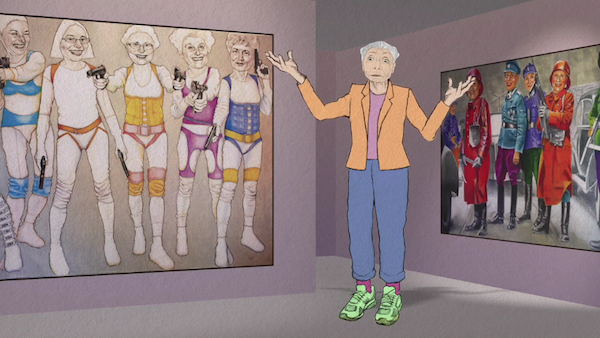
In Bayla’s Issues, the title character is plagued by the travails of aging and anxiety, and a desire for acknowledgement in the art world.

Bayla’s Issues, a 2020 animated short based on the comic strip Bayla’s Comics by Vancouver artist Hinda Avery, has been making the Jewish film festival circuit, with a recent stop in Washington, D.C. The 15-minute film, which follows the story of its title character and her quest to be recognized as an artist, was directed and edited by Victoria’s Michael Kissinger, and is voiced by Ellen Kennedy and animated by Marty Emanuel.

Divided into eight chapters, Bayla’s Issues delves into the inner thoughts – a turbulent sea of doubts, fears and anxieties – of its heroine and her conversations with an expensive and expletive-laden therapist, who is neither encouraging nor helpful.

The character of Bayla came into being after Avery retired from her career in academia. At the time, she wanted to do two things: return to painting after a long break and establish a means of connecting with family who died in the Holocaust.

“Clearly, the only way for me to make this connection would be through an imaginary process, and painting seemed a tangible tool,” Avery told the Independent. “I decided to paint myself with my late mother and, with the help of only two motley photographs, my murdered aunt and grandmother. This would suffice as a way of spending time with them.”

Avery’s mother had left Poland before the start of the Second World War, but was severely traumatized by the murder of her family by the Nazis.

“The atrocity affected both her mental and physical health; her trauma was passed down to me, hence my close connection to the Holocaust,” Avery said.

Over time, in a process that began in 2005 and lasted 13 years, Avery was able to separate herself from, as she puts it, “an overt depiction of the Holocaust experience – an event too catastrophic for me to depict using conventional representation – and instead depicted it as a phantasmagoric event. I added more women and called us all ‘The Rosen Sisters.’” Rosen was her mother’s family name.

The paintings feature strong, confident women resisters in situations that are both humorous and dark. Avery found it therapeutic and liberating “to fight the Nazis in this vicarious method.” Still, she said, “beneath the surface of all the paintings, the calamity and horror of the Holocaust is ever present.”

screenshot - In Bayla’s Issues, Bayla must deal with her past
In Bayla’s Issues, Bayla must deal with her past.

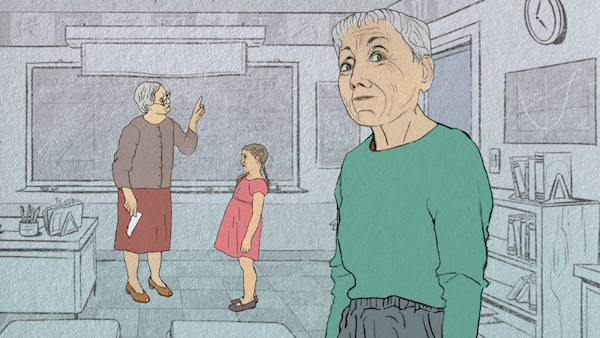
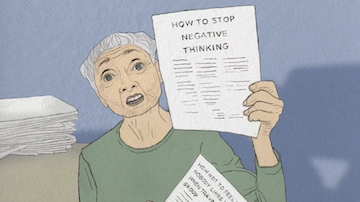
When the paintings, in her view, had run their course, she was “desolate” and expressed this by drawing a comic about a befuddled, unfulfilled older Jewish woman who is plagued by the travails of aging and anxiety, and a desire for acknowledgement in the art world.

“In many of the comics, Bayla expresses her angst about being Jewish. Her Jewishness has never been a joy for her. In one of the comics, she says it feels like a huge lead-heavy Star of David, attached to a thick chain-link, hanging from her neck – it weighs her down, she can’t pull it off,” said Avery.

Kissinger’s collaboration with Avery can be traced to 2015, when he served as the editor of the now-defunct Vancouver Courier. “She left a message on my work phone about an upcoming art exhibit of her paintings and I, of course, never returned her call…. But she left another message, and another message,” Kissinger recounted.

“We didn’t do a lot of art exhibit coverage,” he explained. “But, for some reason, I decided to Google her name and up came these paintings of elderly women in bikinis holding automatic weapons and swearing and taking down Hitler and having a great time while they were at it. From that point on, I was in.”

Kissinger went on to write a story and created a five-minute video to accompany it on the newspaper’s website.

screenshot - Hinda Avery’s cartoon strip has been transformed into film about an “‘old, neurotic Jewish woman’ who wants to be an old, famous painter, but is hampered by her own demons”
Hinda Avery’s cartoon strip has been transformed into film about an “‘old, neurotic Jewish woman’ who wants to be an old, famous painter, but is hampered by her own demons.”

A year later, Avery reached out again – this time to share that she had obtained a Canada Council grant and to ask Kissinger if he would be interested in making a documentary about her, her paintings, and her journey in dealing with the Holocaust and depression.

A 27-minute documentary, Hinda and Her Sisterrrz, ensued. That 2018 film screened at a number of Jewish film festivals, including those of San Francisco, Toronto, Boston, Vancouver and Victoria.

“The documentary ends with Hinda talking about retiring the characters in her paintings and moving on to working on a comic strip about an ‘old, neurotic Jewish woman’ who wants to be an old, famous painter, but is hampered by her own demons,” said Kissinger.

“Because I know Hinda’s work and backstory and she trusts me with it and was happy with the documentary, she asked me if I could help her animate her comic strip,” he added.

“Bayla lends herself to being animated. I love seeing her come alive!” Avery said.

The original strip, Bayla’s Comics, appeared in Jewish Currents. More episodes about Bayla’s tribulations – under the title Bayla’s Got Problems – are currently underway.

To watch the trailer for Bayla’s Issues, visit vimeo.com/439541618.

Sam Margolis has written for the Globe and Mail, the National Post, UPI and MSNBC.
Format ImagePosted on August 27, 2021August 25, 2021Author Sam MargolisCategories TV & FilmTags animation, Bayla's Issues, cartoon, film, Hinda Avery, Holocaust, Michael Kissinger, painting
Festival features local doc

Festival features local doc

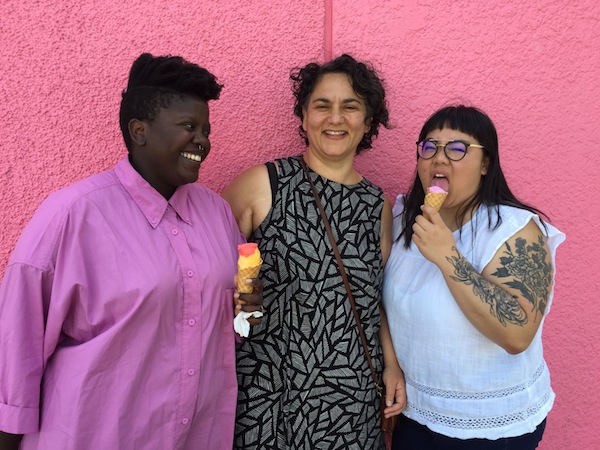
Left to right: Lydia Okello, Shana Myara and Joanne Tsung. (photo from VQFF)

The 2021 Vancouver Queer Film Festival, which runs until Aug. 22, includes the screening of local feature documentary Well Rounded, directed by Jewish community member Shana Myara.

image - a still from the film Well Rounded
A still from the film Well Rounded.

Well Rounded brings fat queers to the front, with interviews from artists to health professionals. Directed by Myara, it features stories from Mi’kmaw comedian and broadcaster Candy Palmater, multidisciplinary performer Ivory and local queers including style icon Lydia Okello and comedian Joanne Tsung. The documentary balances the personal impacts of fatphobia with scientific facts from Dr. Janet Tomiyama, a psychologist working specifically with the causes and impacts of weight stigma, along with socio-political context provided by historian Dr. Jenny Ellison.

Myara is an award-winning writer. She is a curator, recovered festival director, and community arts programmer who has cultivated arts and dialogue for social change for more than 20 years. Well Rounded is her first feature length film. As part of the film festival, it is available for a limited release from Aug. 19 to 21, and includes a post-screening Q&A with the director and cast members.

The full 2021 VQFF program is available online at queerfilmfestival.ca.

– Courtesy Vancouver Queer Film Festival

Format ImagePosted on August 20, 2021August 19, 2021Author Vancouver Queer Film FestivalCategories TV & FilmTags documentary, fat, film, queer, Shana Myara, VQFF, Well Rounded
Crackin’ Out online exhibit

Crackin’ Out online exhibit

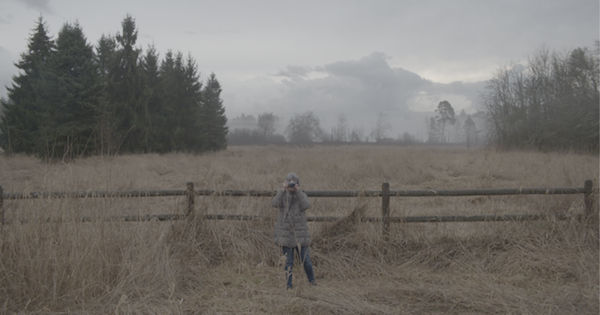
A still from the documentary Crackin’ Out: The Ronnie Tessler Rodeo Collection, showing photographer Ronnie Tessler. The documentary was directed by Sarah Genge and produced by the Jewish Museum and Archives of British Columbia.

The Jewish Museum and Archives of British Columbia is currently hosting Crackin’ Out, an online exhibit of photographs of rural Western Canadian rodeo from 1976 to 1980 by Ronnie Tessler, along with a short documentary by director Sarah Genge. In rodeo, the term “crackin’ out” means “the beginning of the new season, breaking out of the chute, or even breaking out new chaps.”

“These explosive words epitomize for me the spirit of rodeo and the cowboy way of life,” Tessler explained.

The idea to shoot the images began as a “fun photo expedition” to Williams Lake Rodeo in 1976 by four friends who were members of a photography group, the Vancouver Image Exhibition Workshop, which is known for bringing in acclaimed guest artists.

The group worked together for a year and, with the permission of the Canadian Cowboys Association, produced an exhibit at the Finals Rodeo in Edmonton in 1977. Tessler worked independently for the next two years, documenting life at rodeos throughout the west, from British Columbia to Manitoba and into the northwest corner of the United States. Aspiring for objectivity, she realized it was not attainable.

“I wanted to know more about the cowboys, what went on behind the chutes and on the road and what motivated them to take on the challenges they did unsupported by a team or steady income,” Tessler said.

The exhibit takes the viewer not only to the action, the cowboys riding – and falling – but also to the personal and the life surrounding the event: the preparations, the traditions, the camaraderie and the love. The photos evoke an emblematic sense of a particular era in Western Canadian life.

Grouped into three chapters – “Before the Rodeo,” “The Rodeo” and “After the Rodeo” – each photograph is accompanied by stories, observations and explanations from Tessler that encapsulate the feeling that existed the moment each image was taken.

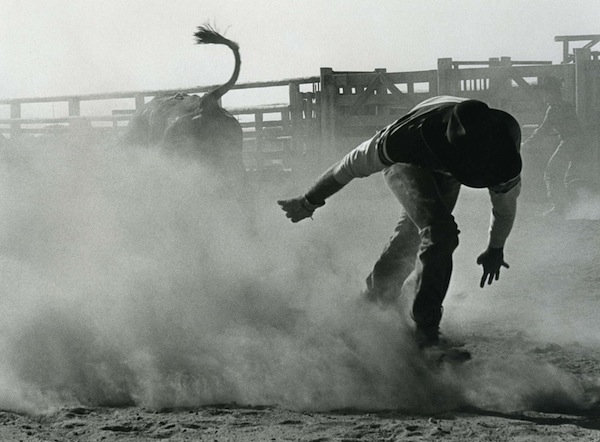
photo - A novice rider at the John Quintana Bull-riding School in Oregon, 1978. Photo taken by Ronnie Tessler. Part of the Crackin’ Out online exhibit
A novice rider at the John Quintana Bull-riding School in Oregon, 1978. Photo taken by Ronnie Tessler. Part of the Crackin’ Out online exhibit.

These images are what photographer Henri Cartier-Bresson, who is referred to in the exhibit, called “the decisive moment.” Or, as scholar John Suler, also quoted in the exhibit, described as “the moment when the visual and psychological elements of people in a real-life scene spontaneously and briefly come together in perfect resonance to express the essence of that situation.”

Rodeo was the first large, thematic body of work that Tessler did. Every project she undertook, she said, began when she “noticed themes coming out on my contact sheets and felt there was something I wanted to pursue. Each took about three years.”

Tessler’s Crackin’ Out was followed by her next major work, Israeli Suite, which was photographed over several visits to Israel. There was no similarity between these bodies of work and her last large project was different still – Jewish life in the West Kootenays.

As for the Jewish connections to the rodeo exhibit, Tessler observed, “I didn’t meet another Jew the entire time and did not encounter or make use of any specific Jewish values while doing the work. Many cowboys knew I was Jewish, and one asked what I was doing photographing a bull-riding school instead of watching Shoah on TV every night. I did enjoy the uniqueness of being an urban, Jewish woman with a family ‘goin’ down the road,’ putting myself on the line to record another way of life.”

Genge’s documentary Crackin’ Out: The Ronnie Tessler Rodeo Collection is part of the exhibit. It expands on the legacy of Tessler’s photography by exploring a multitude of perspectives on rodeo from such people as a stock contractor, a curator, a child of rodeo, a cowboy, an artist and a professor, as well as the archives intern who processed the collection.

“One photograph does not illustrate one idea. By speaking with eight different people, my aim was to bring their collection of voices together to elucidate an ever-shifting narrative of an image,” Genge said. “This film offers a brief glance at some of the distinct and disparate angles that create a multifaceted and, at times, conflicted understanding of Western Canadian rodeo.

“I endeavoured with this film to present aspects of rodeo frequently left untold, specifically its importance to Indigenous people, women and LGBTQ+ communities. It should be noted that, much like Tessler’s inherent presence in capturing these photographs, my subjectivity in curating them is unavoidable,” she added. “I am an unreliable witness who, six months ago, had never set foot at a rodeo, so my bias as an outsider is present throughout.”

The exhibit, which can be found at jewishmuseum.ca/exhibit/crackin-out, also features an hour-long video of its April 21 launch, which includes discussions with Tessler and Genge.

Sam Margolis has written for the Globe and Mail, the National Post, UPI and MSNBC.
Format ImagePosted on May 28, 2021May 27, 2021Author Sam MargolisCategories Visual ArtsTags art, cowboys, documentary, film, Jewish museum, JMABC, photography, rodeo, Ronnie Tessler, Sarah Genge
Dementia in film, the sequel

Dementia in film, the sequel

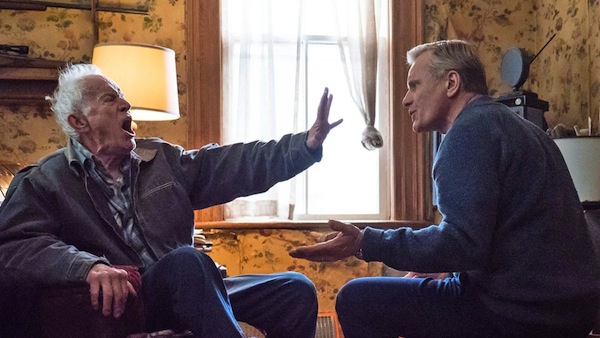
Lance Henriksen, left, and Viggo Mortensen in Falling. (photo from indiewire.com)

In February 2016, the Jewish Independent published my column “Dementia, cinema’s darling,” in which I reviewed seven films about people struggling with dementia. Well, here we go again! This pandemic year has seen the release of four extraordinary films that feature people struggling with the symptoms of dementia, those with the illness and those who are close to them.

These films opened my eyes not only to the symptoms of Alzheimer’s disease, but also how the affected persons perceive what is happening around them and how that altered reality affects loved ones and family members. After having watched these four unique films, I feel like I have taken a course in how dementia evolves, and how it feels to suffer through the gradual deterioration of the self. I have been shocked, educated and enriched by these moving works of art.

Falling (2021): Viggo Mortensen writes, directs and stars in this lacerating drama about a son dealing with his father’s mental decline. Lance Henriksen plays the father Willis, a foul-tempered, bigoted man, filled with intolerance and invective. His meanness is hard to watch. The flashbacks inform us of the subdued menace of Willis, they scrape your senses like sandpaper. John, the son (Mortensen), must call on all his reserves of patience, understanding and love to withstand the onslaught. (I watched it on TIFF Bell Lightbox, but do a Google search to see where it is streaming now.)

The Father (2021): French writer and first-time director Florian Zeller presents a frightening new angle with this movie, which aims to mirror the confusion and discomfort of encroaching dementia. Anthony Hopkins, 83 years old, takes us from the realm of sympathy to empathy. It is disturbing and brilliant. Hopkins, as the father, nails the way in which people learn to cover for their mental mistakes. The supporting cast is excellent, and Hopkins won the best-actor Oscar for his depiction of a mind in decline. (It is on TIFF, but do a Google search.)

Supernova (2020): Stanley Tucci and Colin Firth dazzle as a couple facing their fears. Tusker and Sam have been together for decades. The careers of both have been put on hold because Tusker has been diagnosed with early-onset dementia. They set out on a road trip. Harry Macqueen, the director, has created a drama about love and mortality. The northern English scenery is stunning, as are the performances of these two people stoically accepting mortality. (It is on TIFF and is also accessible on Apple TV+ and perhaps elsewhere.)

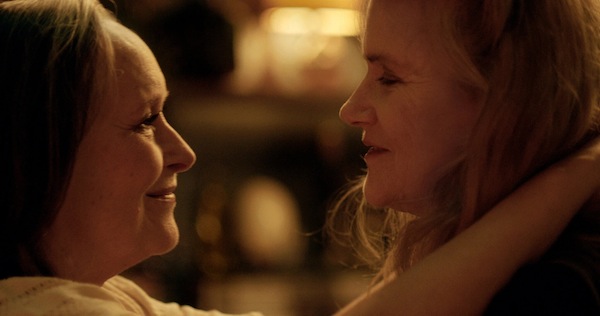
image - Martine Chevallier, left, and Barbara Sukowa in Two of Us
Martine Chevallier, left, and Barbara Sukowa in Two of Us. (photo from Magnolia Pictures)

Two of Us (2021): An older lesbian couple is met with unexpected devastation in the aching romantic drama by Filippo Meneghetti. Nina (German actress Barbara Sukowa) and Madeleine (Martine Chevallier) have waited decades to love one another freely. They are preparing to leave France for new beginnings in Rome. First, Madeleine must come out to her children before realizing her dream, but tragedy strikes before she can speak her truth. Sukowa is ferociously great as a woman whose devotion is as fierce as her determination to drag her lover into a more honest life. This is a film of profound intimacy between two people. In French with English subtitles. (It is available at TIFF Bell Lightbox.)

Dolores Luber, a retired psychotherapist and psychology teacher, is editor-in-chief of Jewish Seniors Alliance’s Senior Line magazine. She works out four times a week, studies Modern Hebrew twice a week, and is constantly reading books and watching movies. Her motto is “Never underestimate an old lady who can deadlift you.”

Format ImagePosted on May 28, 2021May 27, 2021Author Dolores LuberCategories TV & FilmTags Anthony Hopkins, Barbara Sukowa, Colin Firth, dementia, family, Filippo Meneghetti, film, Florian Zeller, Harry Macqueen, Lance Henriksen, Martine Chevallier, movies, Stanley Tucci, Viggo Mortensen
Ethical responsibilities in business

Ethical responsibilities in business

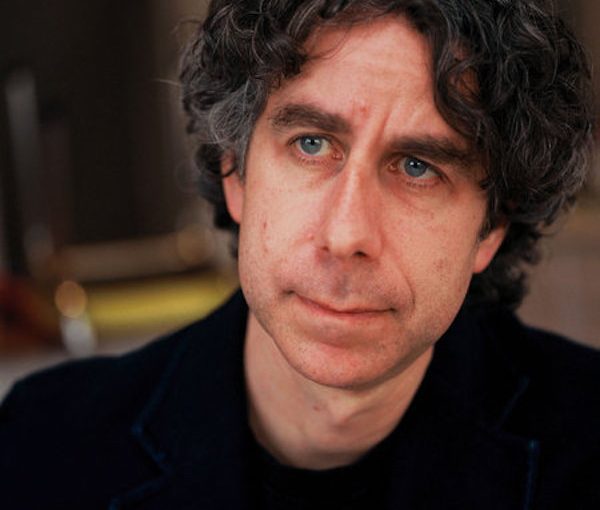
Writer and filmmaker Joel Bakan takes part in an online Canadian Hadassah-WIZO fundraising event May 30. (photo from Penguin Random House Canada)

The Canadian Hadassah-WIZO (CHW) Vancouver Book Club invites all CHW supporters, family and friends to an exclusive opportunity to be part of a conversation with Vancouver’s own Joel Bakan, an internationally recognized and award-winning author, producer, professor and legal scholar. Brunch with Bakan, which is a national CHW fundraising event, will take place May 30, at 11 a.m. PST.

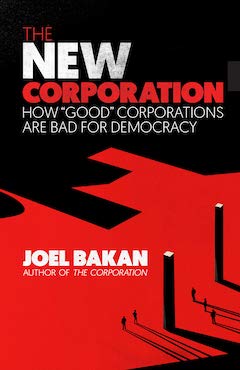
Journalist and author Adam Elliott Segal will ask his own, as well as your questions, about Bakan’s hard-hitting book, The New Corporation: How “Good” Corporations are Bad for Democracy, which won the silver medal at the 2021 Axiom Business Book Awards in Business Ethics and is shortlisted for the B.C. and Yukon Book Prize for 2021. Segal’s roots are in Vancouver, though he now lives in Toronto, where he writes for the Globe and Mail, Toronto Star, Reader’s Digest and a host of other newspapers and magazines.

image - The New Corporation book coverThe New Corporation traces the consequences of a world close to losing its foundation of democracy. Bakan says the onus is on us to make the necessary connections and to actively be part of meaningful solutions if we want to leave our children and grandchildren a positive future. The Q&A with Segal will have a special focus on Jewish values, and ethical responsibility in business and corporate governance.

There are various ticket tiers for the Brunch with Bakan event, from $18 for the Zoom talk only to $118 for the talk, access to stream the film, a copy of the book (minimum two-week turnaround time for delivery) and name recognition. All ticket tiers include a tax receipt for the maximum allowable amount and the film, called The New Corporation: The Unfortunately Necessary Sequel, will be available May 25-28 for ticketholders to stream.

Over the last century, CHW has been involved in all aspects of Israeli life, supporting programs and services for children, women and healthcare in Israel and Canada. To tickets to the Brunch with Bakan fundraising event, visit chw.ca/thenewcorporation.

– Courtesy CHW Vancouver

Format ImagePosted on May 7, 2021May 6, 2021Author CHW VancouverCategories NationalTags books, Brunch with Bakan, business, CHW, corporations, ethics, film, fundraiser, Joel Bakan, Judaism
Making musical amid COVID

Making musical amid COVID

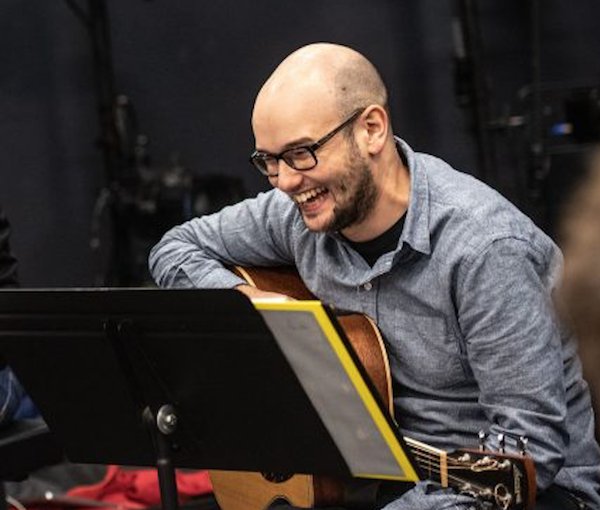
Anton Lipovetsky is among the professional artists working with Studio 58 to develop Monoceros: A Musical. (photo by Dahlia Katz)

In the face of a pandemic and all its associated restrictions, the show is going on at Langara College’s Studio 58 – albeit in a very different way. Monoceros: A Musical runs through the end of March and features the contributions of two Jewish community members: writer Josh Epstein and composer/lyricist Anton Lipovetsky.

In contrast to other Studio 58 productions, Monoceros is seen as a “development lab,” an opportunity for the creators to tweak the piece, while allowing students to work on a new musical and learn about the process. The production is not a performance in a traditional sense, as the public will not be able to come and watch it. Ordinarily, shows are performed in Langara’s 100-seat theatre, but this is the first time Studio 58 has created a production outdoors – because of the risks of singing inside.

photo - Josh Epstein
Josh Epstein (photo from Studio 58)

Adapted from a Suzette Mayr novel by Epstein and his business partner, Vancouver writer/director Kyle Rideout, Monoceros tells the story of Faraday, a high school wallflower who dreams of becoming a famous veterinarian. When Ethan, a classmate known for wearing a unicorn outfit, dies unexpectedly, Faraday sets off on a quest to fulfil Ethan’s last wish.

“The book starts with one of the most powerful chapters I’ve ever read,” Epstein told the Independent. “I was engaged from the first sentence, my heart was drawn to every word. I, too, lost my best friend much too early and I felt very connected to this book. We were about to turn the book into a film, for which we had funding, but, at the same time, we felt a musical bursting out of it and attached Ben Elliott and Anton to write the music. We fell so in love with the musical that we halted the film for now to keep working on the piece. Our show tackles difficult subject matter but in a fresh, humorous way, daring the audience to go on a wild adventure and to listen.”

“I read the book and I loved it. It was heartbreaking and brutal and honest – the kind of book that really stays with you after you read it,” said Lipovetsky. “We decided to centre the story more on a singular character, Faraday, and her quest to bring unicorns to Calgary in honour of the student who passed away. Her quest challenges who she is as a person and she discovers herself along the way.”

Putting on a production in 2021 is “completely wild,” said Epstein, an award-winning actor, writer and producer. “Until the day we started, we had no idea if it would actually happen. Now, here we are with a full tent city built by Studio 58, a rock concert sound setup and an incredible creative team that includes one of Canada’s top directors, Meg Roe, and Lily Ling (Hamilton’s musical director) – who was only available to us because Hamilton is on hiatus.”

Epstein emphasized that, “while the show’s path has been altered by COVID-19, the team has used the time to strengthen the script and score, as well as attach some of the best people around [to the project]. Above all, the process is very safe and we’re having fun being able to work together, if only from a masked distance.”

“Acting, singing and connecting with your collaborators while most of your face is covered is not easy. The students are doing a wonderful job,” Lipovetsky said. “And rehearsing outdoors during early March in Vancouver can be challenging – but sometimes it’s magical. There are moments where the students’ voices soar in beautiful harmony and the sun will come out above us and I’ll feel real joy. I have missed making music and theatre so much and I’m grateful to get to do it even under these strange circumstances.”

In addition to the staff and faculty who are involved, Studio 58 has 10 professionals working with the students, 14 student performers, and many other students helping with technical requirements. One of the top theatre schools in Canada, with the only conservatory-style program in Western Canada, the professional theatre training program at Langara is in its 55th season. It typically produces four main-stage productions a season, ranging from dramas, to comedies, to musicals.

Monoceros is commissioned and supported by Toronto’s Musical Stage Company and funded by the Aubrey and Marla Dan Foundation. The show has an elaborate development road planned out that will include workshop productions in British Columbia and Ontario – culminating in Toronto – before continuing to other stages.

Epstein, whose work has taken him around the world, is currently writing an original feature for Paramount with Rideout. Lipovetsky is an acclaimed composer, lyricist, performer and teacher, and he is currently an artist-in-residence in the Musical Stage Company’s Crescendo Series.

For more information about Studio 58 and its programs, visit langara.ca/studio-58.

Sam Margolis has written for the Globe and Mail, the National Post, UPI and MSNBC.
Format ImagePosted on March 19, 2021March 19, 2021Author Sam MargolisCategories Performing ArtsTags acting, Anton Lipovetsky, composers, film, Josh Epstein, Langara College, Monoceros, musical theatre, Studio 58, Suzette Mayr, writing
Nurturing love of storytelling

Nurturing love of storytelling

Toronto-based Dana Fradkin will participate in this year’s Yulanda M. Faris Young Artists Program at Vancouver Opera long distance. (photo from Vancouver Opera)

Dana Fradkin is one of six participants chosen for this season’s Yulanda M. Faris Young Artists Program at Vancouver Opera. The multi-talented stage director has multiple interests and occupations: she is an award-winning writer, actor, filmmaker, producer and opera director.

“As a young director in the opera world, I knew I needed more education before I could truly become the director I wanted to be,” Fradkin told the Independent about her desire to become a resident in the program. “Vancouver Opera is the only young company in the country that has a stage director as part of their program, so when I saw the submission breakdown last year, I applied immediately! I had an interview in Toronto a few months later and then got the news shortly after.

“Coming from a background in classical theatre,” she said, “my understanding of classical theatre repertoire is very strong, as is my understanding of the stage, but I am still lacking in my knowledge of opera repertoire. By being part of the Yulanda M. Faris Young Artists Program, I hope to learn more about numerous different classical operas and develop a deeper understanding of the Fach system (the different vocal ranges). I want to practise my leadership and directorial skills in an educational and safe environment and be ready to think on my toes and adapt to any situation.”

Adaptation was necessary for Fradkin to even participate in the program. Based in Toronto, she originally was planning on moving to Vancouver from October 2020 to May 2021. But then came COVID.

“Initially, I was coming to Vancouver as part of the young company to do scene study work with the young singers and assistant direct all three of the main stage shows,” she explained. “I was very excited about this, as the original season consisted of Carmen, Cosi Fan Tutte and Falstaff, and I was to assist a female director on all three of these shows. Now, the program has changed: it’s only from January to May 2021 and it will consist of smaller scale concerts and scene study evenings, as opposed to large-scale productions. Although I am sad to not be part of these large-scale operas, I am very excited to be at the helm of these concert series and to have the creative freedom of working on something completely new.”

Looking at the wide range of Fradkin’s work – which includes being co-producer of ActionCan Films, which specializes in Canadian action films, and co-founder of Keystone Theatre – it seems that she is compelled to try new things.

“They all definitely feed a different part of me, yet, at the same time, they all feel like part of the same thing,” she said about her varied professions and areas of interest. “I chose this world because I love storytelling and what I find fascinating is pondering how to tell a story best. Is it through music, through word, through physical theatre and comedy or through action? As a writer, I ask, do I want to tell this story through cinema or on the stage? I love all types of stories: comedies, horror, romance, war stories, heartbreak, crime, inspiring stories, etc. And what I ask myself is how do I, as an artist, fit best to tell this specific story? I love acting in theatre, writing for film and directing opera, and usually I find the best discipline for myself to fit that story.

“I find cinema and opera quite similar actually, as they are both a very visual medium and it’s so exciting to bounce between the two. I’m inspired by artists like Atom Egoyan, Julie Taymor and others who use different genres to tell a story, using the different mediums to connect most with the audience.”

Fradkin grew up in the Ottawa Jewish community and it was there that her love of performance and storytelling was ingrained.

“I went to Camp Gesher for 10 summers and was deeply active in that community during my high school years,” she said. “The first large productions I was part of were community musicals put on by the Jewish community theatre company called JCC Theatreworks. Between Grade 10 and Grade 12, I did Peter Pan, Bye Bye Birdie, Babes in Arms and Fame with them. This was my first time performing in front of a live audience and I loved it! Connecting with all these Jewish artists at a young age really taught me about community and collective creation and embracing storytelling through community. Many artists I met at JCC Theatreworks are still working in theatre today and are still dear friends.

“I also love telling Jewish stories, and the mini-series I have been writing and working on for years is a six-part series about my father’s time working with war crimes at the department of justice. He [Arnold Fradkin] was the head prosecutor of the first successful case in Canada of having a Nazi war criminal deported and it’s a story I feel very passionately about sharing with the world. I love when I meet other Jewish artists in the industry, as I always feel an instant connection with them.”

Fradkin is joined in this season’s Yulanda M. Faris program by Toronto soprano Jonelle Sills; Cranbrook, B.C., native and mezzo-soprano Amanda Weatherall; tenor Ian Cleary, originally from Chatham, Ont.; Vancouver baritone Luka Kawabata; and Vancouver-based pianist Amy Seulky Lee. The program director is Leslie Dala, who will be part of the Chutzpah! Festival this year – as pianist in choreographer Idan Cohen’s Hourglass, danced by Racheal Prince and Brandon Lee Alley. (See the next issue of the Independent, Nov. 13.)

“I’m very excited and thrilled to be part of the 2021 Vancouver Opera season and I can’t wait to share our work with the community,” said Fradkin, adding a wish that many of us have – “May we all be able to meet and play in person soon.”

For more on the Yulanda M. Faris Young Artists Program and Vancouver Opera, visit vancouveropera.ca.

Format ImagePosted on October 30, 2020October 29, 2020Author Cynthia RamsayCategories Performing ArtsTags Dana Fradkin, film, music, opera, storytelling, Vancouver Opera, Yulanda M. Faris
Filmmaker aims to inspire

Filmmaker aims to inspire

Esther Turan has produced an eclectic range of work. (photo from Moviebar Productions)

There is a Hungarian expression that translates roughly as “you are as many people as the number of languages that you speak.” This aptly describes the versatility of Budapest-born director and producer Esther Turan.

Turan, who spoke to the Independent from her home in Los Angeles, has melded eclectic cinematic styles into a considerable body of work. And she has done so within both a society and an industry frequently faulted for their limited opportunities for women. Among her credentials are director of documentaries about Budapest’s underground music scene; co-producer of an adaptation of G.K. Chesterton’s novel The Man Who Was Thursday; producer of In the Same Garden, a Bosnian film about Turkish-Armenian relations; and creator of commercials for dozens of internationally recognized companies.

Ever since the fall of the Iron Curtain, Budapest’s rich architecture and comparatively low production costs have made the city an attractive film location. Turan was barely out of her teens when, as a student at Hungary’s University of Drama and Film, her proficiency in English won her assignments as a casting director for several films shot in Budapest in the early 2000s, including Den of Lions, with Bob Hoskins.

In 2004, she became a founding member of Moviebar Productions, a full-service production company with offices in Budapest and – as of 2017 – Los Angeles. “I teamed up with a woman named Viktoria Tepper and we started producing television commercials,” explained Turan. “Soon our clientele grew, and we took on more projects for international companies.”

To date, Moviebar has produced 30 films and TV productions, in addition to more than 500 television commercials for brands such as BMW, Vogue and Nike.

“I have around 20 projects, in differing stages of development, underway at both the Budapest and Los Angeles offices,” Turan said. “One of my goals as a filmmaker is to tell stories that could inspire other women. My first TV series idea is about an exceptional woman who created a revolution and was a rebel herself. It’s also important for me to collaborate with other female filmmakers from all over the world and to share our visions. I would love to be involved in more projects, both with European and American female filmmakers.”

Currently, Turan is working on a miniseries about fashion designer Klara Rotschild, the “Coco Chanel of the East,” and contemplating a documentary about her grandfather, famed mathematician Paul Turan. His friendship and collaboration with eccentric mathematical icon Paul Erdos, known as “the oddball’s oddball,” would figure prominently in the film. Erdos was renowned for traveling from math conference to math conference around the globe, with a suitcase containing all his worldly goods.

Turan, too, has traveled to pursue her passions and her heritage. She studied at Hebrew University in Jerusalem, for example, to perfect her Hebrew. “Because of the fondness I had for it from earlier trips, I found myself missing Israel,” she recalled.

One of her latest projects is the anticipated The Reckoning, a horror film about a witch hunt set in 1665 New England that stars Charlotte Kirk (Vice), Joe Anderson (The Crazies) and Steven Waddington (The Imitation Game). Coincidentally, the movie is set against the backdrop of the Great Plague, and portrays the witch hunts conducted in its wake. Protagonist Grace Haverstock (Kirk) grapples with the tragic death of her husband, Joseph (Anderson), in a society consumed by fear and death. Later, in retaliation for having rejected the advances of her landlord, Squire Pendleton (Waddington), Grace is falsely accused of being a witch, and is imprisoned for a crime she didn’t commit.

In addition to The Reckoning, the third instalment of Turan’s documentary series Budapest Underground was just released. In it, in collaboration with co-director Anna Koltay, she explores Budapest’s musical subcultures in the late 1990s. This latest instalment focuses on electronic music. Accompanied by selected archival footage, it examines the genre’s emergence and growth, its key players, styles and sub-genres. The previous episodes delved into hardcore punk and hip-hop.

As Eastern Europe emerged in the late 1990s and early 2000s from several decades of communist rule, Budapest’s nascent underground music scene flourished, a blend of Western influences combined with a distinctively Magyar flavour. “I was into all this new music happening in Budapest at the time, especially rock and hip-hop,” said Turan. “It was really a great time.”

A fourth instalment in the series will be about underground rock and is currently in production.

For more information about Turan, her company and her career, visit movie-bar.net and her Facebook page, facebook.com/moviebar.productions.

Sam Margolis has written for the Globe and Mail, the National Post, UPI and MSNBC.
Format ImagePosted on May 15, 2020May 14, 2020Author Sam MargolisCategories TV & FilmTags Budapest, documentaries, Esther Turan, film, Moviebar Productions, women
Envying South African Jews

Envying South African Jews

During the Goldene Medina exhibit this past summer, the documentary Leah, Teddy and the Mandolin was screened. It will be shown again on Dec. 8 at Congregation Beth Israel. (photo from Steve Rom)

I have a bad case of South African Jewish envy. This condition developed when I moved to Vancouver from the North End of Winnipeg. I can’t remember meeting even one South African Jew while growing up in the Prairies – the majority of Jews in my hometown were from Eastern Europe. However, I met oodles of South African Jews when I moved here in the early 1990s and I was impressed by their knowledge of Judaism and their commitment to Jewish life. There seemed to be something unique about their community and it seemed exotic compared to Winnipeg’s. Many of them became my good friends, perhaps because, as a Litvak (my last name literally means a Jew from Lithuania), I share a common ancestry with my South African co-religionists, who predominately hail from Lithuania.

When I first moved here, my South African friend Geoff Sachs, z”l, two Montrealers and I organized Tschayniks, an evening of Jewish performing arts at the Jewish Community Centre of Greater Vancouver. It was at the JCC that I met another South African friend, Steve Rom, who was working there at the time, and helped us set up our events. About a month ago, Steve brought a fascinating exhibit to Congregation Beth Israel. Prior to being mounted in Vancouver, the exhibit, Goldene Medina, a celebration of 175 years of Jewish life in South Africa, was displayed in South Africa, Israel and Australia. Thanks to Steve, Jews in Vancouver got a taste of South African Jewish life, as well.

A unique feature of the exhibit was that nobody was named or personally identified on any of the displays. This approach helped tell the story of all South African Jews, and made the exhibit simultaneously particular and universal.

Stories were depicted on a series of panels, and traced the South African Jewish community from its origins in 1841 – when Jews first settled in South Africa – to the present. On one of the panels, I recognized the son and daughter in-law of Cecil Hershler, who has South African roots and is well known in the Vancouver Jewish community as a storyteller. His son married a woman from Zimbabwe and the wedding in Vancouver, which I attended, was a joyous blend of South African and Zimbabwean cultures. Seeing the panel brought back memories of that happy occasion and gave me an unexpected personal connection to the exhibit (other than identifying with my Lithuanian landsmen).

Other panels depicted various aspects of Jewish life in South Africa. While I was fascinated by the differences between the South African Jewish community and my experience growing up in Winnipeg, the exhibit was really a microcosm of Jewish life in the Diaspora. For example, the panel on Muizenberg depicted the resort town located near Cape Town, where throngs of South African Jews flocked to during the summer. The photos of crowded beaches told a thousand stories. However, that panel also reminded me of the stories that my dad, z”l, told me about taking the train to Winnipeg Beach in the summer with other Jews from the city to escape the summer heat. Like at Muizenberg, there was a synagogue at Winnipeg Beach. I am sure that Jews from New York have similar stories of escaping the city heat by going to the Catskills. In addition, the Jews of America, like the Jews of South Africa, referred to their new home as “the Goldene Medina.” Ultimately, all three places – Canada, the United States and South Africa – represented a new start for Jews fleeing persecution in Eastern Europe.

The Goldene Medina exhibit gave me an opportunity to learn about Jews from the land of my ancestors in Lithuania, who were able to reinvent themselves on the African continent and create a thriving Jewish community, which, at one point, reached 120,000. This resiliency is a characteristic of Jews and Jewish communities all over the world. And this resilience was evident in the film Leah, Teddy and the Mandolin: Cape Town Embraces Yiddish Song, which screened at Beth Israel during the exhibit – and will be shown again at the synagogue on Dec. 8.

Using 10 years of archival footage, Leah, Teddy and the Mandolin showcases the Annual Leah Todres Yiddish Song Festival, which was held in Cape Town. The documentary features stirring renditions of classic Yiddish songs like “Romania Romania” and “Mayn Shtetele Belz,” as well as two original songs written for the festival by Hal Shaper, a renowned songwriter, which are sung with passion by talented South African Jews of all ages. The songs featured in the film evoke a yearning for a Jewish world that no longer exists in Lithuania and Eastern Europe and highlight the power of the Yiddish language and music.

While the South African Jewish community has shrunk since its heyday in the 1970s to approximately 50,000, it is still an important Diaspora community. In addition, South African Jews make important contributions to every Jewish community they move to, and bring their unique culture to their new homes.

Seeing the exhibit and the documentary cemented the kinship I feel with my South African brothers and sisters. A few of my South African friends even dubbed me an honourary South African Jew at the exhibit, an honour I gladly accepted. One day, I hope to make a pilgrimage to the land of the Litvaks to experience South African Jewish life firsthand. Until then, I will have to continue to learn about South Africa vicariously.

The Dec. 8 screening of Leah, Teddy and the Mandolin at Beth Israel takes place at 4 p.m. Admission is a suggested donation of $10. For more information, visit leahteddyandthemandolin.com.

David J. Litvak is a prairie refugee from the North End of Winnipeg who is a freelance writer, former Voice of Peace and Co-op Radio broadcaster and an “accidental publicist.” His articles have been published in the Forward, Globe and Mail and Seattle Post-Intelligencer. His website is cascadiapublicity.com.

Format ImagePosted on November 29, 2019November 27, 2019Author David J. LitvakCategories LocalTags Diaspora Jews, film, Goldene Medina, history, Leah, Lithuania, migration, Muizenberg, South Africa, Steve Rom, Teddy and the Mandolin, Yiddish

Posts pagination

Previous page Page 1 Page 2 Page 3 Page 4 Next page
Proudly powered by WordPress