Skip to content
  • Home
  • Subscribe / donate
  • Events calendar
  • News
    • Local
    • National
    • Israel
    • World
    • עניין בחדשות
      A roundup of news in Canada and further afield, in Hebrew.
  • Opinion
    • From the JI
    • Op-Ed
  • Arts & Culture
    • Performing Arts
    • Music
    • Books
    • Visual Arts
    • TV & Film
  • Life
    • Celebrating the Holidays
    • Travel
    • The Daily Snooze
      Cartoons by Jacob Samuel
    • Mystery Photo
      Help the JI and JMABC fill in the gaps in our archives.
  • Community Links
    • Organizations, Etc.
    • Other News Sources & Blogs
    • Business Directory
  • FAQ
  • JI Chai Celebration
  • JI@88! video

Recent Posts

  • Story of Israel’s north
  • Sheltering in train stations
  • Teach critical thinking
  • Learning to bridge divides
  • Supporting Iranian community
  • Art dismantles systems
  • Beth Tikvah celebrates 50th
  • What is Jewish music?
  • Celebrate joy of music
  • Women share experiences 
  • Raising funds for Survivors
  • Call for digital literacy
  • The hidden hand of hate
  • Tarot as spiritual ritual
  • Students create fancy meal
  • Encouraging young voices
  • Rose’s Angels delivers
  • Living life to its fullest
  • Drawing on his roots
  • Panama City welcoming
  • Pesach cleaning
  • On the wings of griffon vultures
  • Vast recipe & story collection
  • A word, please …
  • מארק קרני לא ממתין לטראמפ
  • On war and antisemitism
  • Jews shine in Canucks colours
  • Moment of opportunity
  • Shooting response
  • BC budget fails seniors
  • Ritual is what makes life holy
  • Dogs help war veterans live again
  • Remain vital and outspoken
  • An urgent play to see
  • Pop-up exhibit popular
  • An invite to join JWest

Archives

Follow @JewishIndie
image - The CJN - Visit Us Banner - 300x600 - 101625

Accepting a lack of control

Over a year ago, I wrote an article for the CBC with suggestions for parents on how to stay sane while coping with kids during the pandemic. I did some research, thought about it, and set out some points to follow. Now, all these ideas sound, well, familiar, but it doesn’t hurt to repeat them. I mentioned things like making a routine, keeping up with learning and life skills, getting some alone time, exercise and going outside. I included efforts to have intentional fun, and practising gratitude. As I write this, much of Canada is experiencing the third wave. Manitoba, where I live, is now our country’s hot spot. It’s been a long haul for all of us.

I’ve been struggling with what is “new” when, frankly, much has stayed the same. Even as some of us have gotten vaccinated, we still need to stay home. Like everyone, I’ve gone through periods of feeling anxious, as those in charge waver on how best to keep people safe. Then, the most recent war in Israel and the Palestinian Territories erupted … and things seem even scarier.

It’s hard to admit that we have little control as individuals. We choose who to vote for, or to wear a mask, or to social distance. We cannot individually control global pandemics, violence, extremism or antisemitism. That lack of control can be very scary.

I often retreat into absorbing “flow activities” to keep myself well during such difficult times. Often, I’m cooking, sewing, knitting or spinning yarn. I’m reading or taking long walks with the dog and kids. We’re watching geese and goslings on the riverbanks and spotting woodpeckers and warblers. Taking time to see and make new things can be really good for our mental health, and it’s often positive and productive.

I also continue to study my page of Talmud, usually late at night. I recently read Tractate Yoma 35, which discusses, in part, what the high priest would wear in the Temple, as he does his most holy actions of the year, on Yom Kippur. Everything is spelled out in detail. This is done by the rabbis both to explain what used to happen in the Temple and what perhaps might happen again, if the Temple were rebuilt. Even the cost of the priest’s clothing, which must be paid for and owned by the public, is noted.

The high priest acts for the whole community and, at the same time, these rituals have to be performed by him alone, as an individual. It’s an example of where the entire community must support a leader but has no control over that leader’s actions.

In the midst of this careful recounting of how he is to fulfil his duties, it says in Yoma 35b: “Rav Huna bar Yehuda, and some say Rav Shmuel bar Yehuda, taught: after the public service concluded, a priest whose mother made him a priestly tunic may wear it and perform an individual service … provided he transfers it to the possession of the public.”

The rabbis’ discussion indicates that the tunic the high priest’s mother made him must be donated to the Temple after he wears it. If he is attached to it, this might be hard. Also, it might be worth more than what the high priest’s garb should cost. It’s something a dear one made him, and it could be both emotionally and monetarily valuable. Yet, his mom makes it freely, knowing it might only be worn at this one time, and then donated for wider Temple usage.

Bear in mind what this meant. A high priest’s mother wants only the best for her child and, yet, must submit to the whole community who depends on him. So, she procures the right fibre-linen. She might have to process it, or it might come ready for spinning. She spins enough for a garment on her spindle. (There were no spinning wheels or industrial textile factories back then!) She weaves the fabric, and sews it into the tunic according to the given specifications. Then, she gives all that work away simply for the chance to clothe her son for a short time in her own handiwork for his extremely important event, serving on Yom Kippur on behalf of the Jewish people. This lesson is an ancient one – and, yet, many of us have to learn it over and over.

There’s so much we cannot control. Many huge world events are beyond us. We learn to submit to the experience that we cannot bend to our will. In the meanwhile, though, we can do everything in our power for good, as we see it. We can offer our money, creations and time. We can behave properly and follow instructions … and wait.

Many of my activities feel the same way as that mother’s tunic, although I have no high priests at my house. I spend many hours on meals, making clothing, helping kids learn, exercise, etc. Then, I finish my tasks and give it away. This “disappearing” work makes a difference in the universe, but I’m no closer to controlling the entire pandemic, the unrest in Israel, or beyond.

This is one of the hardest lessons I’ve had as a parent and an adult. We must accept where we are because, in some cases, nothing we’re capable of will control the situation or effect change. However, in the meantime, we can be like that high priest’s mother. We can offer up our love, our handiwork, our peaceful efforts and knowledge. We can expect never to see it again, like that gorgeous linen tunic.

Learning to make things and give them away may be the most important gift. The activity itself is the part that calms me down in the face of so much uncertainty. Last night, I used some knit remnants and my sewing machine and made a lightweight sweater for a 9-year-old. This is an ancient Jewish process, but it’s also another brand new sweater. Tomorrow, he may wear it … in the mud puddles and the rain – and that’s OK, too.

Joanne Seiff has written regularly for CBC Manitoba and various Jewish publications. She is the author of three books, including From the Outside In: Jewish Post Columns 2015-2016, a collection of essays available for digital download or as a paperback from Amazon. Check her out on Instagram @yrnspinner or at joanneseiff.blogspot.com.

Posted on May 28, 2021May 27, 2021Author Joanne SeiffCategories Op-EdTags coronavirus, COVID-19, Israel, Judaism, lifestyle, parenting, Talmud

Why is night different?

It was the first night of Passover and I was feeling miserable. By now, I recognize the ache. It’s the one I get when I am thousands of miles away from my family.

Away from the days of being young and just naturally assuming there would be a seder night with family. Away from old familiar melodies and reminders. I remembered when my mum would say a prayer in a funny British accent, or how we would all be tapping our hands vigorously on the table while singing. I’d be sitting with siblings and cousins, playing games with the matzah, sneaking a sip or three of heavily sweetened kosher red wine and counting down the time until we could eat.

Forty years ago, after leaving Israel, I moved to London, where there were always relatives to fill that gap. However, back in the younger days, my Jewish identity took something of a back seat. As a teen in Israel, I always wondered why I wasn’t allowed to join my friends at the beach on Shabbat. As a child, we were raised as Orthodox Jews but, when we immigrated to Israel, some of the traditions, sadly fell by the wayside.

Vancouver eventually became my permanent home and, initially, I’d always worry where I would be spending the Jewish holidays. Frequently, friends and kind strangers invited us to their homes. It only seemed to deepen the family longing pangs.

When I became a parent, my husband and I began to host our own celebrations and seders and we always included strangers and synagogue friends. Fortunately, when my oldest son was 3, we became friends with another family. They knew some family-less people and it wasn’t long before we all celebrated the Jewish holidays together, a tradition which has continued – until recently.

When the pandemic began and social distancing became necessary, holiday gatherings were cancelled. Zooming on our phones became the norm. It was different. Something of a novelty.

A few days before Pesach this year, I glanced at the secular calendar, which indicated Sunday as the eve of Pesach, so I arranged for our kids and partners to come Sunday night. It wasn’t until mid-afternoon Saturday that I realized I had goofed and Pesach commenced that night. By 4 p.m., the sadness had crept in. My sister had phoned from Israel and filled me in on the lovely seder she had attended.

My brother had sent photos. All the well-wishers had phoned and sent greetings.

For the first time in many years, my husband and I would be all alone and unprepared. There was little motivation to do anything. We ordered an Indian (vegan) meal to be delivered. I forced myself to light the festival candles and mutter some prayers. Then, the phone rang for the first time in hours.

It was a good friend. She sounded excited. Although she had hosted many a seder elsewhere, she was holding her first with her daughter in Vancouver, rather than attending an organization’s or other event via Zoom.

“You must come over and see my table! It’s so beautiful! Even just for a few minutes,” she said.

I begged off because we would be seeing our infant grandson the following afternoon and just couldn’t take the chance. Besides, our delivery would be arriving any minute. “Cancel it! We have lots of food here!”

I would have dearly loved to have dropped everything and gone to her house. I recalled how, some 20 years earlier, she and her daughter had attended our seder. We settled on a FaceTime call and sang the Shehecheyanu blessing together.

A knock at the door; our food had arrived. We said goodbye. But my friend’s enthusiasm was infectious. Her phone call, when I so needed to be remembered, reminded me that we weren’t, in fact, alone in the world.

We pulled out Haggadot and some of the seder plate preparations for the following day. Miraculously, there was enough kosher wine to get us to the third glass of wine and the spilling of the wine for the 10 plagues. My husband and I took turns reading while the candles flickered.

Unlike most of our past seders, it was quiet and peaceful.

This year, I really asked myself: “Why is this night different?”

The answer could be lengthy but I do know that, on this particular night, there was a little soul intervention.

Jenny Wright is a writer, music therapist, children’s musician and recording artist.

Posted on May 28, 2021May 27, 2021Author Jenny WrightCategories Celebrating the HolidaysTags coronavirus, COVID-19, family, mental health, Passover, seder

Love note across the divide

Eighteen years ago, when I lived in southern Israel, the region that is getting hammered by rockets as I write this, my boyfriend at the time – Muhammed – was a Bedouin Muslim, also living in the area. I went to visit my mother in Berkeley, Calif., for a month or so. During my visit, I was hanging out with a friend of mine, who had grown up a secular Jew, then married a religious Moroccan Muslim. She had been inspired by her husband’s religious devotion to explore her own religious tradition, starting to keep kosher, go to Orthodox synagogue, and so on.

She and I were driving through downtown Berkeley, when we got stopped at a red light. As it so happened, to the right of us was an anti-Israel demonstration and to the left of us was a pro-Israel demonstration. The crowds were shouting slogans, slogans that flew across the street, over our heads in the car, the two of us, Jewish women in relationships with Arab Muslim men. We turned to each other, held our gaze for a minute, then burst out laughing hysterically. When the light turned green, we took off, leaving the Arabs and Jews behind us, yelling at one another.

When we feel threatened, we can get into a defensive posture, Us-Them thinking, unproductive fact-flinging, conversations from the brain instead of from the heart. We can go around and around the same circle of thought and narrative, as, meanwhile, people’s lives are torn apart by trauma and tragedy. I believe that the path to peace is not through political conversations, but, rather, through emotionally intimate relationships with individuals – getting to know and care about them, listen to their stories, understand the complexities and nuances of their lives. So that there is no Us and Them, but rather, there is just Us, the human family.

Prior to my relationship with Muhammed, I was a very political person. I did not just attend rallies; I organized them. As an indigenous Middle Eastern Jew, the daughter of a refugee from Iraq, I certainly had a lot to yell about: I am a direct descendant of the people of ancient Israel, which was destroyed 2,600 years ago by the Babylonians, who took my ancestors as captives to Babylon – the land of today’s Iraq. My ancestors stayed on that land through the Arab-Muslim conquest of the region 1,300 years ago and up through the modern day, until shortly after the Farhud – the pro-Nazi wave of genocidal violence against Jews in Baghdad – following which, my family fled to Israel.

Despite the brutal violence, exile and traumatic uprooting my family endured, along with the material loss – all Jewish personal and communal property was confiscated and nationalized by the Iraqi government – and, despite the personal, intergenerational trauma that carried forward through the years, in Israel and the United States, my family story was invisible in public discourse about Arabs and Jews, in both the Arab and Jewish narratives. This was the case despite the fact that indigenous Middle Eastern Jews made up the majority of Israel’s Jewish population, and that there were 900,000 indigenous Middle Eastern Jewish refugees worldwide in the 20th century, with stories mirroring those of my family.

I spent 20 years of my young adult life devoted to getting these stories out there, with a mission of changing the way people think. I spoke at respected institutes, published in prestigious media, my work reaching the eyes and ears of tens of millions of people. Then, my thinking changed – not about the history or politics, which remained the same – but about what to do with the history and politics, how to interface with them.

Because Muhammed and I were together amid a volatile environment of Arab-Jewish enmity, we kept things apolitical in our relationship. Paradoxically, this led to what was perhaps the most political act of all: Arab-Jewish love, visible for others to witness. My neighbours went from cautioning me against dating Muhammed to asking if I was still with Muhammed, to asking how Muhammed was doing. They feared him at first, but then got to know him and care about him. Experiencing that transformation, in turn, made me realize that the simple things in life, the connection we feel in someone’s presence, can be more powerful and important than all the high-brow intellectual discourse in the world, the litany of things we may have to say, no matter how valid those things may be.

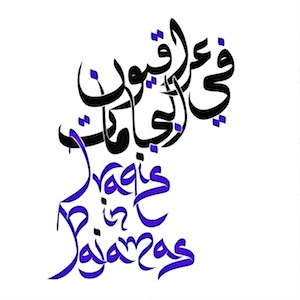
image - The author’s forthcoming album, Iraqis in Pajamas, includes songs in response to the violence in the Middle East
The author’s forthcoming album, Iraqis in Pajamas, includes songs in response to the violence in the Middle East.

In addition, after getting diagnosed with cancer and choosing to heal from it naturally, I radically shifted my values and priorities – with joy, peace and ease shooting up to the top of my list. As part of my transformation, I returned to my lost love of music and started writing songs that were deeply personal, from the heart, and, as far as I knew, entirely apolitical – leaving me surprised when, after a performance, a man told me not only that he loved my music but that it was very political. My music disarms people, he and others have told me, specifically because I have no agenda, no interest in persuading anyone of anything; rather, I am just sharing – my story, my life, my journey. The simplicity and space of it all allows people to open their hearts, listen and, ironically, after all those years trying to change people’s minds – transform the way people think.

I don’t know the solution to this conflict that has been raging on for decades, endangering the lives of my family and friends, Jews and Muslims alike. I do, however, know this: as individuals, we have the choice not to participate in divisive thinking, to instead use conflict as an opportunity to reach out to people across the divide and get to know one another, in the most basic human ways, whether playing basketball or playing music or going for a walk and enjoying the sunset. In our cynical world, putting love at the forefront of our consciousness may sound hokey or impractical. But, at the end of the day, I think it’s the only thing with the hope to effect change.

Loolwa Khazzoom (KHAZZOOM.com) is an Iraqi-American Jewish musician, writer and educator. Her work has been featured in top media, including the New York Times, the Washington Post and the Boston Globe. Her forthcoming album, Iraqis in Pajamas, with her band by the same name, includes songs in response to the violence in the Middle East.

Posted on May 28, 2021May 27, 2021Author Loolwa KhazzoomCategories Op-EdTags history, interfaith, Iraq, Israel, Israeli-Palestinian conflict, love, music, politics, relationships
הסכסוך במזרח התיכון הגיע גם לקנדה

הסכסוך במזרח התיכון הגיע גם לקנדה

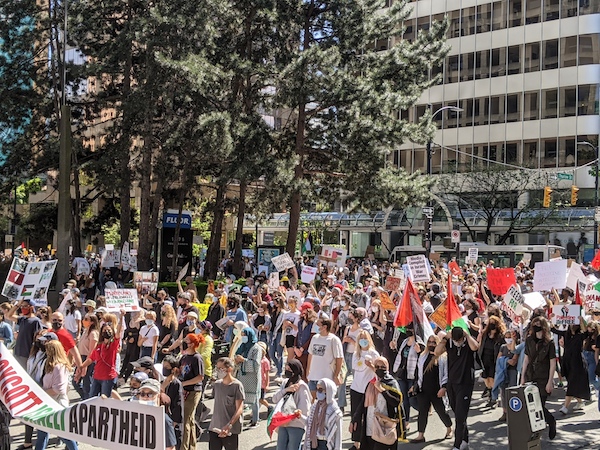
המפגינים צועדים ברחוב רובסון מלווים בכוחות המשטרה שסגרה את הכבישים הסמוכים בדאון טאון ונקובר
(רוני רחמני)

הסכסוך הקשה במזרח התיכון בו מעורבת ישראל בימים אלה כולל ארגון הטרור החמאס, ישראלים יהודים וערבים בישראל ופלסטינים וכוחות הביטחון בשטחים – הגיע כצפוי גם לקנדה. הפגנות רבות משתתפים נערכו בימים האחרונים מצד תומכי הפלסטינים ומצד תומכי ישראל, בערים המרכזיות של קנדה. במרבית הפגנות נשמר השקט והסדר בצורה מכובדת, אך במספר אירועים בעיקר באלה שבטורונטו ומונטריאול, הותקפו אזרחים יהודים תומכי ישראל על ידי אזרחים מוסלמים שתומכים בצד הפלסטיני. המשטרה ביצעה כבר מספר מעצרים והיא מנהלת חקירה מואצת לעצור חשודים נוספים באלימות הקשה שהופנתה נגד אלו שתומכים בישראל.

בחלק מהפגנות התמיכה בפלסטינים החזיקו המפגינים כרזות עם דברי נאצה ושנאה מבישים נגד ישראל והיהודים בכלל, בהם: צלבי קרס, “ישראל פעלת נכון, היטלר יהיה גאה בך”, ישראל=נאצים”, “מוות לישראל”, “מה ההבדל בין ישראלי לנאצים” ועוד.

ההפגנה הגדולה ביותר התקיימה על ידי תומכי הפלסטינים בטורונטו ונכחו בה למעלה מחמשת אלפים משתתפים. באותה הפגנה נעצרו כבר על ידי המשטרה המקומית שלושה אזרחים מוסלמים, שתקפו קומץ של מפגינים יהודים שעמדו מולם, וכאמור מעצרים נוספים צפויים בימים הקרובים. המפגינים היהודים ספגו אבנים ובקבוקים, ואחד מהם אף הוכה במקלות, הוא נפגע בראשו ונזקק לטיפול רפואי דחוף. ואילו בהפגנה של תומכי ישראל במונטריאול נאלצה המשטרה המקומית להפעיל גז מדמיע לפזר בכוח אזרחים מוסלמים, שביקשו לפגוע באזרחים יהודים שהפגינו בעת שנערכה הפגנה בעד הפלסטינים.

ההפגנות של שני הצדדים בעד ונגד ישראל נערכו בין היתר בערים הבאות בקנדה: טורונטו, מונטריאול, ונקובר, קלגרי, אדמונטון, אוטווה, ויניפג, הליפקס וסנט ג’ונס.

המפגינים פונים מרחוב ג’ורג’יה לרחוב טרלו בדרכם למשרדים של הקונסוליה האמריקאית בדאון טאון ונקובר
(רוני רחמני)

אני עקבתי מקרוב אחרי הפגנה של תומכי הצד הפלסטיני שנערכה בוונקובר ביום שבת האחרון. כחמש מאות מפגינים בהם אזרחים מוסלמים, ילידי קנדה, אינדיאנים, תומכי המרקסיזם ואפילו קבוצה של ארגון שמאל יהודי קיצוני “הקול היהודי העצמאי” – השתתפו בה. תחילה התכנסו מאות מפגינים בכיכר שממול האולפנים של רשת השידור הציבורית הקנדית הסי.בי.סי, ברחוב המילטון בדאון טאון. לאחר סדרה של נאומים וקריאות נגד ישראל שנמשכה למעלה מחצי שעה, החלו המפגינים לצעוד באישור המשטרה כמובן, אל עבר הקונסוליה האמריקנית בעיר, שנמצאת ברחוב פנדר בדאון טאון. רחבות שלמים נסגרו על ידי השוטרים הרבים שנכחו במקום, והצועדים ללא התפרעויות עשו את המסלול מאולפני הסי.בי.סי, אל רחוב רובסון, משם לרחוב ג’ורג’יה ומשם המשיכו בהמוניהם עד לבניין בו שוכנת הקונסוליה האמריקנית.

בין סיסמאות הרבות של המפגינים בעד הפלסטינים, לאור פעולת צה”ל בעזה, שנאמרו בהפגנה או שהופיעו על שלטים בהם החזיקו הצועדים: “אין צדק אין שלום”, “לשחר את פלסטין”, “פלסטין תקום בין הנהר לים”, “הפסיקו את שפיכות הדם”, “הפסיקו את ההפצצות”, “הפלסטינים הם מפלסטין”, “יש לעצור את המלחמה”, “יש להציל את שייח’ ג’ראח'”, “רציחת ילדים איננה נחשבת להגנה עצמית”, “הגידו במפורש את השם פלסטין”, “שתיקה היא אלימות”, “יש לחקור את פשעי המלחמה שמבצעת ישראל”, “יש לתת הגדרה עצמית לפלסטינים”, “יש להחרים את ישראל”. על הדלת הכניסה לקונסוליה האמריקנית שהייתה סגורה בעת ההפגנה, נכתבה הסיסמה באדום: “יש לשחרר את פלסטין, יש להפסיק את רצח העם וכן יש להפסיק את הכיבוש”.

בתגובה לתקיפת המפגינים היהודים בטורונטו, ציינו בארגון המרכז לענייני ישראל והיהודים בקנדה: “אנו מגנים בחריפות את ההתקפה והשנאה שהופנתה נגד יהודים. אין הצדקה לאלימות פוליטית ואלה ששונאים את ישראל שונאים גם את קנדה”.

Format ImagePosted on May 19, 2021May 19, 2021Author Roni RachmaniCategories עניין בחדשותTags attack and hatred directed against Jews, Canada, demonstrations, Israel, Middle East, Palestinians, Toronto, Vancouver, violence, אלימות, הפגנות, התקפה והשנאה שהופנתה נגד יהודים, וונקובר, טורונטו, ישראל, מזרח התיכון, פלסטינים, קנדה
The Kitchen food hub opens

The Kitchen food hub opens

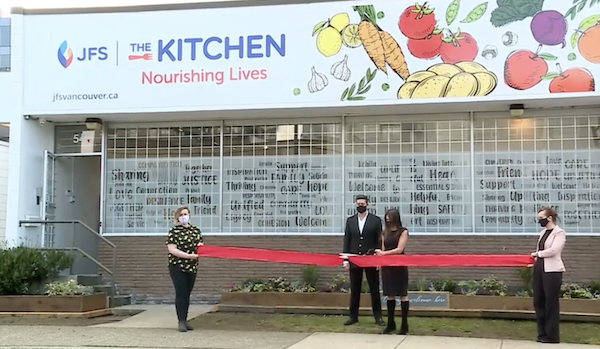
Jody and Harvey Dales cut the ribbon at the Kitchen’s opening on April 18. On their left is Tanja Demajo, JFS chief executive officer; on their right is Janelle Zwarych, JFS director of food security. (screenshot)

Along-in-the-works food hub was launched by Jewish Family Services in a virtual grand opening April 18. Dubbed the Kitchen, the facility will be home to a range of JFS programs that target food insecurity.

“We believe that nourishing and good food has the power to connect people, to build a healthy community and to inspire us to engage in conversations about social justice,” said Tanja Demajo, chief executive officer of JFS. “The Kitchen is not a place but a destination, a destination in which community involvement breaks down the wall between the givers and receivers. We strive to empower people to make personal choices, to advocate for themselves and have access to the basic resources needed for healthy lives.”

The opening of the Kitchen, located on East Third Avenue between Quebec and Ontario streets, is the culmination of more than two years of work, during which JFS and the Jewish Federation of Greater Vancouver have implemented recommendations from their joint Food Security Task Force report, which was released in 2018. Initiatives already undertaken include an expansion of the JFS food program to hub models that recognize and accommodate the 50% of clients now living outside Vancouver city limits. They have also developed new programs, such as Breakfast Club for kids and meals for seniors. Healthy cooking classes have been delivered and, at the start of COVID, food programs were shifted to delivery-only. With the support of RBC, JFS purchased a food van to facilitate movement of goods between suppliers, warehouses and hubs.

Demajo especially thanked Jody and Harvey Dales, who ceremonially cut the ribbon at the new facility.

“Their belief in dignified access to food, in JFS and this community’s ability to undertake this project is what made this dream a reality,” she said.

Bill Kaplan, JFS board chair, put the landmark event in context.

“JFS has been serving our community since 1936,” he said. “Although the context of our times change, our mission has not. We continue to serve our community as an extension of our family and, today, we are here to mark a special occasion in that service…. The name, the Kitchen, captures everything we hope this space to become – a warm, inviting place for members of our community to be welcomed, nourished and cared for. There will be healthy food, cooking classes, counselors to talk to, space for workshops, all provided here at this new location. It’s how we can meet the real needs of our community in an environment that is both dignifying and empowering.

“The tagline that we chose is ‘Nourishing Lives,’ which captures not only the physical nourishment that we receive through food, but a more holistic purpose as well. It’s within community that the act of giving and receiving nourishment takes place. This connection is the context for relationships – for someone to check in with you, to ask you how you’re doing, give a listening ear, give a helping hand. In these times especially, we need human connection for the nourishment of our souls. That is something we aspire to with the space and, as a community, we invite you to join us in that purpose.”

Stan Shaw and Simone Kallner, co-chairs of the JFS Food Security Committee, celebrated the launch and thanked those who made the project possible.

“Our new food hub facility is a wonderful example of what the Jewish community is doing to provide inclusive and dignified and respectful and reliably secure access to food to the most vulnerable among us,” said Shaw. “It’s a dream that’s come true. I am inspired to have been a part of such a wonderful team, including the staff and incredible volunteers at Jewish Family Services that have made this possible.”

Kallner added: “This new space will give people somewhere to go for support, connection, social gatherings … where everyone feels the comfort, warmth and inclusivity that our community can offer. It has been a true honour and privilege to be part of this amazing project alongside an incredibly talented, dedicated and heartfelt committee.”

She thanked Ezra Shanken, chief executive officer of the Jewish Federation of Greater Vancouver, and Marcie Flom, executive director of the Jewish Community Foundation, for invaluable support.

Rabbi Dan Moskovitz of Temple Sholom affixed the mezuzah and spoke of how hunger, by definition, is a problem that is largely out of sight and, as a result, too often out of mind.

“But this building, these people, this sign on the door, this address, this community program – they change everything as of this moment,” he said. “Hunger in the Jewish community is no longer invisible…. With this building and our community’s public and intentional dedication to supporting it, staffing it and promoting its many services, hunger in our community can no longer be overlooked, it can no longer be ignored. The very real pain of an empty stomach, that too many in our community experience on a regular basis, it cries out to us, it cries out for immediate attention, immediate action. This building, and what takes place here, they are the shofar blasts that must wake us up to the most solvable problem in our community. We can end hunger in the Jewish community. We can fix this.”

Torah, he added, commands farmers to leave the edges of their fields unharvested so that the hungry can obtain food.

“When we go shopping, our modern equivalent of harvesting our fields, we must buy extra food for the food bank every single time, and we can bring it here,” he said. “Open your hand to those in need, we read in Torah. It’s through our tzedakah and that of our Jewish community, through food drives and bar/bat mitzvah projects, donations made in honour and memory of our loved ones, all the ways Jews have given throughout time and all the ways that we give of our resources, all of those things will sustain this place and will fulfil the commandment to extend our hand to those in need.”

Janelle Zwarych, director of food security at JFS, led the virtual tour through the facility.

“The Kitchen means so much more than just food,” she said. “At any good party, it’s where everyone comes together, it’s a place of warmth, a place of creativity and a place of fun. Our place, the Kitchen, means all of those things rolled into one.”

In addition to being a place for the storage, sorting and delivery of food to clients, there is space for group cooking and classes, as well as community meals, when health protocols permit. There are offices where clients can meet with caseworkers to access government supports or borrow equipment from the Red Cross while picking up groceries. There is a small library, a kids’ zone with toys and books and working space for volunteers.

More information is online at jfskitchen.ca.

Format ImagePosted on May 7, 2021May 6, 2021Author Pat JohnsonCategories LocalTags Bill Kaplan, Dan Moskovitz, food security, Janelle Zwarych, JFS, Tanja Demajo, Torah
B.C. puts $25 million to JCC

B.C. puts $25 million to JCC

One of the reasons the Jewish Community Centre of Greater Vancouver is being redeveloped is that its amenities, like the gymnasium and swimming pool, are aging. (photo from miss604.com)

The government of British Columbia has announced $25 million to support the redevelopment of the Jewish Community Centre of Greater Vancouver.

At a virtual event April 28, three cabinet ministers and Alvin Wasserman, president of the board of the JCC, publicly shared the major contribution to the $155 million project.

The first phase of the redevelopment, which is what the grant supports, will contribute to the construction of the new, 200,000-square-foot community centre. This will be built on the current JCC parking lot. The new facility will allow the JCC to expand childcare, seniors services, arts and cultural spaces and amenities for all. The centre, when opened, will also be home to about 15 not-for-profit organizations, with expanded space for the Vancouver Holocaust Education Centre, a new theatre, and other facilities. That component is anticipated to be completed in late 2024.

A second phase of the project, which is the largest capital project in the history of British Columbia’s Jewish community, will see the existing JCC replaced with mixed-use rental housing, including units at or below market value. In this phase, King David High School, which is currently located to the east of the JCC, across Willow Street, is expected to move to new, larger premises in the second phase to accommodate growing student enrolment. This phase, expected to be completed in 2027 or 2028, will cost about $272 million.

The redevelopment initiative includes the transfer of the property from the JCC into a community trust, with rent and other revenues being reinvested into the Jewish community in perpetuity.

Melanie Mark, B.C. minister of tourism, art, culture and sport, made the funding official in an enthusiastic announcement.

photo - JCC gymnasium
The JCC gymnasium (photo from miss604.com)

“The Jewish Community Centre of Greater Vancouver is an integral part of our social and cultural fabric, it’s a vibrant, intergenerational community centre,” she said. “But it was built more than 60 years ago and the facility is in desperate need of replacement. Its amenities, like the swimming pool and gymnasium, are aging. Meanwhile, the community of Oakridge has exploded around it.”

Mark added: “We hope this grant will assist the centre to secure other sources of funding for this project. The redevelopment of the centre is a massive undertaking, leaving a legacy for generations to come, which is why I’m encouraging other levels of government to join us in funding this important project. Specifically, I hope the federal government will step up and match our funding commitment. I hope they see the value in meeting the needs of this growing, diverse community.”

The new JCC’s capacity for increased childcare and the residential components of the second phase dovetail, Mark said, with the government’s commitments to affordable housing and childcare.

David Eby, the province’s minister responsible for housing, emceed the event. The JCC’s aim of 500 units of affordable housing is an example of how the province is “going to get to our very ambitious target of 114,000 units of affordable housing across the province,” Eby said.

Also on hand was George Heyman, minister of environment and climate change strategy, who recalled his teenage years hanging out at the centre. He echoed Mark’s call for the federal government to join the province in supporting the project.

“The Jewish Community Centre is a centre not just for Oakridge and the Cambie Corridor but for all of Metro Vancouver, and has been for years,” said Heyman. “Visitors come from all around the region and from a wide variety of ethnic, cultural and religious backgrounds.”

On behalf of the JCC, Wasserman thanked the provincial officials, all three of whom represent Vancouver ridings in the legislature.

“The centre is in desperate need of replacement,” said Wasserman. “Community needs have hugely outgrown it and, fortunately, we are blessed with options. The centre is in the heart of Vancouver, on land worth more than $325 million. Our community pioneers knew this land would be important for our future needs and that future is arriving…. Thanks to the funding from the province of B.C., we are able to move forward with the plan that will bring benefits to many for many generations to come.”

Format ImagePosted on May 7, 2021May 6, 2021Author Pat JohnsonCategories LocalTags Alvin Wasserman, British Columbia, David Eby, George Heyman, government, JCC, Jewish Community Centre, Oakridge, redevelopment

Tragedy and cruelty

Reports from eyewitnesses to the catastrophe at Mount Meron last week, on Lag b’Omer, recount a horrifying crush of humanity propelled as if by an external force. The tragedy of 45 lives lost and scores of seriously injured will be investigated by authorities after allegations that the potential for such a disaster had been foretold.

The investigation into Israel’s worst civilian disaster will likely look at structural factors that led to the stampede and the inability of attendees to escape as the throng converged into a choke point at the site.

A small silver lining in the horrific incident was the mobilization of Arab Israelis in villages near the mountain, who set up help stations to provide water and food to attendees as they gathered in the aftermath.

But the tragedy itself was exacerbated when some among the survivors turned on female Israel Defence Forces soldiers arriving to help. The event was attended almost exclusively by religious men and boys. When female soldiers arrived to deliver first aid and evacuation assistance, some were spit on, kicked and punched as they attempted to help the wounded and remove the bodies of the deceased.

Such misogynistic extremism will probably not be within the parameters of a government inquiry. And perhaps that is fine, because this is a symptom of a much larger societal problem and one that should be confronted thoroughly by the entire country. Interfering in the life-saving work of first responders is not only reprehensible, it is an abrogation of a foremost tenet of Judaism, pikuach nefesh, the saving of life. Most of the victims and survivors are shomer negiah, adhering to a religious principle that restricts or forbids contact between members of the opposite sex. In a deeply distorted interpretation, a number of men in the situation chose to elevate shomer negiah above pikuach nefesh. By spitting on rescue workers, the perpetrators were spitting on the very sacredness they imagined themselves to be defending. That is something that deserves serious consideration by religious people and by secular authorities as the country – and Jews worldwide – grapple with the aftermath of the entire incident.

Another tragic byproduct of the disaster has been reactions to the news among people who gravely lack humanity. Within hours of being posted, a story on Al Jazeera’s website about the tragedy was met with more than 10,000 comments celebrating the deaths. Among the representative comments: “Drinks on me, y’all,” “about time we got some good news on our media,” “I feel so happy, actually” and “May God ensure the bodies pile high.”

It is difficult to fathom that we live in a world where people would respond to a mass casualty event in this manner. It is also nearly impossible to imagine such a response if the tragedy had happened to anyone other than Jews.

For years, a robust discussion has occurred around whether, if or when anti-Zionism crosses a line into antisemitism. Did the callous, sadistic comments reflect a political statement about the right of Israel to exist? Were they even more base, a celebration of dead Jews just because they were Jews? Was it anti-Zionism that drove these depraved commenters, or was it antisemitism?

These questions throw a spotlight on the fundamental foolishness of the dichotomy. A semantic discussion about the motivations of people who would behave in this way gives far too much credence to their actions, as if there could, in some convoluted moral universe, be a justification for their cruelty.

Was it anti-Zionism? Was it antisemitism? At this point, does it really matter what we call it?

Posted on May 7, 2021May 6, 2021Author The Editorial BoardCategories From the JITags anti-Zionism, antisemitism, Israel, Judaism, Lag b'Omer, Mount Meron, pikuach nefesh, shomer negiah, women

A hard-earned +1 year

Every time I put together one of these special five-year anniversary issues, I am both thankful for and awed by the community’s commitment to this newspaper. Even though I have owned it now for a quarter of its existence (!) and have experienced everything it has taken to keep publishing it, I still feel like it’s a miracle that, while so many other newspapers have folded, the Jewish Independent continues.

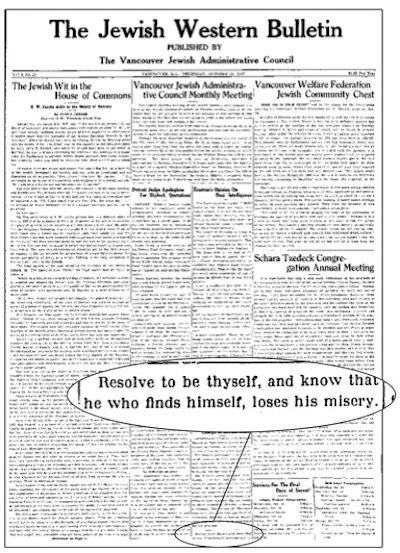
image - Cover of the Oct. 12, 1933, JWB
Cover of the Oct. 12, 1933, JWB

When I look back at old issues of the JI and the Jewish Western Bulletin, I get to see time move in almost an instant. In one sitting, I can follow the creation, the lifetime and, often, the transformation, or occasionally even the end, of a communal organization. I can see how a cohort of community members transitions into a whole new generation of dedicated volunteers and generous philanthropists. I can relate to the financial and other challenges that every former publisher and editor has gone through. I can feel the support of community leaders, readers and advertisers, who consistently have come to the rescue of a paper that has pretty much always been on the edge of solvency. I can share in so many people’s happinesses and sadnesses, their kudos and their complaints. I can appreciate the hard work of the paper’s publishers, writers and staff in every decade and that of countless community members, which has gotten us to today.

The community and the JI/JWB have survived the Great Depression, the Second World War, numerous recessions and other hardships. Currently, we are in the midst of surviving a global pandemic together. It has been a difficult year for all of us, to say the least. I’d be lying if I didn’t admit to having moments of despair and fear, and not just during COVID. I know how privileged and lucky I am, both personally and professionally, but, sometimes, I need reminding.

During this past year, as my few staff have switched to working at home or semi-retired, I have had more opportunities to speak and email with community members and others. While not a replacement for face-to-face encounters, it has been one of the pluses of this hard-earned +1 year of the newspaper, which had to postpone our special 90th anniversary issue until now. It is no exaggeration to say that we have only made it to 90+1 because of you. And not only your financial support, for which I am extremely grateful, but your indomitable spirit. We have pages to print because there are events to cover; classes, lectures and performances to attend; opinions to share; ambitious projects to promote; endeavours for which to raise funds; people offering help and people in need of assistance; people and milestones to celebrate; and losses to mourn. In this very newspaper you are holding in your hands or looking at on screen, there are stories on all of these aspects of our community.

Every time I prepare an issue of the JI, I’m buoyed by the promise that each paper holds – that there is a future, unknown as it may be, towards which we are all working. And, every time I look at past issues of the JIand the JWB, I am inspired by all that we’ve accomplished; by the no small feat that we are still here, showing up for one another and trying to make the world at large, or at least our small corner of it, a little bit better.

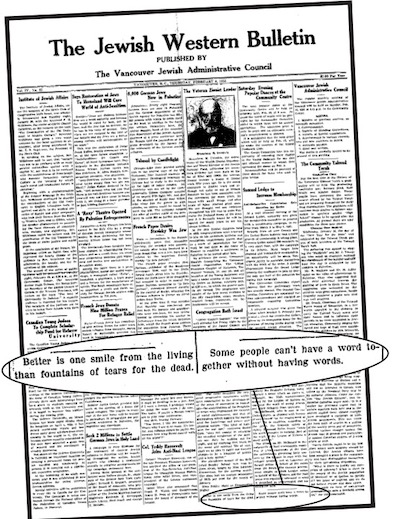
image - Cover of the Feb. 8, 1934, JWB
Cover of the Feb. 8, 1934, JWB

In my forays into the newspaper’s archives for this special edition, I came across, by chance, a few pithy sayings, no doubt intended to be motivational but, more pragmatically, to fill the small spaces that, in the olden days of typesetting, were hard to fill at the end of a column of news. From 1933 and 1934, they impart messages that could apply to any generation: “Resolve to be thyself, and know that he who finds himself, loses his misery”; “Some people can’t have a word together without having words”; “Better is one smile from the living than fountains of tears for the dead.”

I have no idea from where these aphorisms came, but they made me smile when I came across them. This newspaper never fails to surprise me. I just love it. And I thank all of you for helping me fill its pages and keep the presses rolling. May we all go from strength to strength.

Posted on May 7, 2021May 6, 2021Author Cynthia RamsayCategories From the JITags American Jewish Joint Distribution Committee, history, Jewish Western Bulletin, JI, JWB, milestone
Mothers’ importance

Mothers’ importance

One of the countless beneficiaries of the HIPPY (Home Instruction for Parents of Preschool Youngsters) program, which was brought to Canada by National Council of Jewish Women of Canada, Vancouver. (photo from Mothers Matter Centre)

It doesn’t matter if you’re famous, it doesn’t matter if you’re obscure – what you do as a mother matters.

National Council of Jewish Women of Canada (NCJWC) Vancouver knows how much mothers matter. It continues to be a trailblazer, an advocate, a constant pillar of support for women and children, for more than 97 years.

The NCJWC Vancouver universe is full of shining lights, women who are committed to their communities and serve as models for their unique role in leading social change. These stars include Carol Slater, soon to be the Trailblazer honouree of the awards night hosted by the Mothers Matter Centre. She and the Kort sisters – Alisa, Beverley and Suzanne – are passionate about the program originally known as HIPPY.

Slater knew, when she first heard about HIPPY (Israel’s Home Instruction for Parents of Preschool Youngsters) from reports in Israel and the United States, that she had to bring it to Vancouver. The program works in the home with vulnerable and isolated mothers. Slater knew that mothers are the first and most important teachers of the child and that the program would provide the essential tools and skills for them.

photo - Another beneficiary of HIPPY
Another beneficiary of HIPPY. (photo from Mothers Matter Centre)

In 2000, she convinced NCJWC Vancouver to initiate a project, partnering with Simon Fraser University, an institute that trains educators with academic rigour, and the Britannia Community Centre, known for its vibrant presence in the heart of immigrant Vancouver. Now, 20 years later, on May 5, 2021, Slater was recognized as a Trailblazer by the Mothers Matter Centre, which now delivers the HIPPY program on a national level.

More shining stars are coming out that night for special awards: Dr. Cindy Blackstock, a prominent indigenous leader; Dr. Theresa Tam, the director of Canada’s Public Health Agency; Gloria Macarenko, Vancouver’s beloved broadcaster, as host; and an appearance by Sophie Gregoire Trudeau, wife of Prime Minister Justin Trudeau.

Of critical importance to Vancouver’s council section are the Kort sisters, who have followed the philanthropic path of their late mother Shirley Kort, z’l. These shining stars have made a five-year scholarship commitment enabling qualified mothers (who are part of the Mothers Matter Program) to complete academic and professional qualifications. Azeema, one of the seven recipients of the scholarship, had this to say: “It paid for my two courses; it was a great financial help. It was above and beyond my expectations and I am very thankful. The Kort Family Fund joined hands with an immigrant to take steps and for them to help out. I am a step closer to my goal. I did not have to worry about finances this semester.”

HIPPY (now the Mothers Matter Centre) is a demonstration of Margaret Mead’s eloquent observation: “Never doubt that a small group of thoughtful, committed citizens can change the world; indeed, it is the only thing that ever has.”

National Council of Jewish Women in Vancouver is 97 years young and, while they are not giant in size, they are giant in deed.

– Courtesy National Council of Jewish Women Vancouver

Format ImagePosted on May 7, 2021May 6, 2021Author NCJWC VancouverCategories LocalTags HIPPY, Kort, macaroons, milestone, Mothers Matter Centre, Trailblazer
KDHS honours grandparents

KDHS honours grandparents

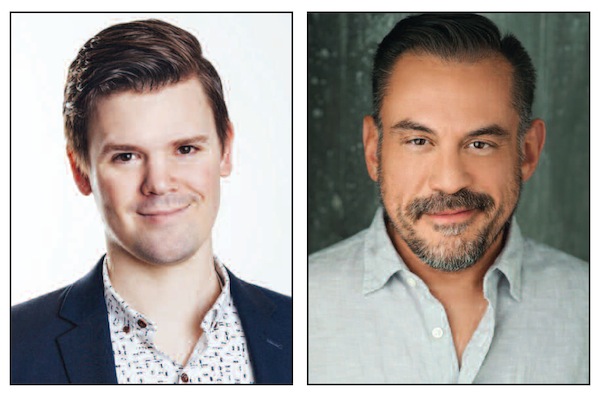
Ivan Decker, left, and Leonard Brody are among the presenters at King David High School’s Golden Thread Gala May 13. (PR photos)

On May 13, King David High School is honouring its “grandparents,” people who have particularly supported the school over the years, in a variety of ways. With the theme “education is the golden thread weaving our past to our Jewish future,” the virtual Golden Thread Gala “celebrates the community that nurtures King David High School, inspires the next generation of leaders and is rooted in the appreciation of Jewish values and traditions.”

The Diamond Foundation is being recognized as an “honorary grandparent,” while the “grandparents” being paid tribute are Gary Averbach, Shirley Barnett, Beth and Leon Bogner, Sylvia Cristall, Marie Doduck, Rose Marie Glassman, Dr. Arthur and Arlene Hayes, Dr. Simon and Rosalind Jacobson, Evelyn Kahn, Tamar Khalifa, Dr. Robert and Marilyn Krell, Lana and Mendy Landa, Norman and Sandra Miller, Norman and Lola Pawer, Dan and Trudy Pekarsky, Yvette Porte, Lyle Pullan, Arnold and Anita Silber, and David and Elaine Youngson. Dr. Robert and Elke Mermelstein are being celebrated as “adopted grandparents.”

“We can never fully show the Diamond Foundation the gratitude they deserve, so we named the foundation as honorary grandparents,” explained gala co-chairs Jacci Sandler, Chana Charach and Margaret Hemingson in an email interview. “Gordon, Leslie, Jill and Lauri have made our school possible. They are foundational, literally and figuratively, for King David’s existence and success. They have not only provided the building in which we live, learn and play but also have provided ongoing support and funding for the Judaic studies program to ensure the ongoing success of the school.

“Over the years, King David has been blessed by the ongoing support we receive from our grandparents,” they continued. “Whether it’s giving of their wisdom, time or financial support, they are always there for us. This gala recognizes them all! All of our grandparents deserve thanks for instilling Jewish values in their children that they are passing on to our students.”

The 19 grandparent families’ philanthropy has ensured that a Jewish education is accessible for every child, said the co-chairs. “The reality is that, without their generous support, we would not be able to provide a Jewish education to every child. It is a time to show our appreciation and thank every one of our grandparents for continuing the golden thread that binds our past to our future.”

Regarding the Mermelsteins, the co-chairs said, “They are passionate about Jewish education and have adopted all of us at King David as their grandchildren. They are integral members of our King David family and provide ongoing positive input and generous support so all students can attend and be proud King David Lions.”

In Judaism, l’dor v’dor (from generation to generation) is an enduring idea, said the co-chairs. “The passing of knowledge to future generations provides both legacy and a story. Each generation passes down wisdom, ancient traditions, rituals and customs. Jewish education values and honours this transmission of knowledge, literacy and skills…. Our grandparents’ colourful tapestry of experiences enrich the lives of students every day.”

The gala program “includes comedy, inspiration, musical performances by King David students and alumni, plus silent and live auctions with incredible items,” said the co-chairs.

Comedian Ivan Decker – who has appeared at the Montreal Just for Laughs Festival and has various TV and radio appearances, including his own comedy special on CTV and Netflix – will emcee the gala. KDHS head of school Russ Klein will interview entrepreneur, venture capitalist, author and media commentator Leonard Brody, co-founder and executive chair of Creative Labs, about “disruption, innovation, and their effects on our world and children.” And entertainment and media executive Howard Blank will act as the evening’s auctioneer. The online silent auction is currently open and will close during the gala. “Items include workout sessions, cooking classes, handbags, beauty and relaxation products, power tools, wine and so much more!” said the co-chairs.

The inaugural Golden Thread Gala was originally scheduled for May 2020, but it was postponed due to COVID-19. “We witnessed so many families in our community that suddenly found themselves being impacted by the pandemic, financially as well as emotionally,” said Sandler, Charach and Hemingson. “This event is so important as it is King David’s major fundraiser and friendraiser. All funds raised will directly impact our students and enable the school to achieve its vision of ‘empowering Jewish minds and engaging Jewish hearts’ by enhancing our fundamental curriculum, educational excellence and vibrant Jewish life programming.”

With respect to the effects of the pandemic, Klein said, “King David has experienced, as a family, the same challenges that individual families have had and yet the students and staff have been so positive and resilient. We have had full-time school all year and, although we have had to adjust our schedule a little, there has been no loss of learning. I feel for the students, though, in that so many of our wonderful experiential programs are on hold. Our Grade 8 Israel trip is now two years behind, our Los Angeles Holocaust studies trip is a year behind, and our school-wide retreats are not happening. And, of course, the students cannot play competitive sports against other schools, which is a big loss for many of our students.”

But, there have been bright spots, too, he added. “Our parent-teacher meetings were better attended and even more personal, and we have been able to reach out more frequently and invite parents to meet via Zoom. Assembly presentations have also been better, as the smaller in-class environment makes more student engagement and participation possible. In sports, we have been very active within the school grade cohorts and added non-competitive co-ed activities like volleyball and soccer, and the students have really loved the fun and camaraderie with each other and their teachers. No doubt, we will be keeping some things that we have learned but all of us cannot wait to get back to having the meaningful ‘extra’ experiences that make school life and learning so very enjoyable.”

Tickets to the Golden Thread Gala start at $36 for entry, with increasingly more benefits at each level. For tickets, more information about the event and access to the auction, visit goldenthreadgala.com. The pre-show starts at 7 p.m. on May 13, and the main event at 7:30 p.m.

Format ImagePosted on May 7, 2021May 6, 2021Author Cynthia RamsayCategories LocalTags Chana Charach, coronavirus, COVID-19, education, friendraiser, fundraiser, Golden Thread Gala, Jacci Sandler, KDHS, King David High School, Margaret Hemingson, Russ Klein

Posts pagination

Previous page Page 1 … Page 214 Page 215 Page 216 … Page 662 Next page
Proudly powered by WordPress