Skip to content
  • Home
  • Subscribe / donate
  • Events calendar
  • News
    • Local
    • National
    • Israel
    • World
    • עניין בחדשות
      A roundup of news in Canada and further afield, in Hebrew.
  • Opinion
    • From the JI
    • Op-Ed
  • Arts & Culture
    • Performing Arts
    • Music
    • Books
    • Visual Arts
    • TV & Film
  • Life
    • Celebrating the Holidays
    • Travel
    • The Daily Snooze
      Cartoons by Jacob Samuel
    • Mystery Photo
      Help the JI and JMABC fill in the gaps in our archives.
  • Community Links
    • Organizations, Etc.
    • Other News Sources & Blogs
    • Business Directory
  • FAQ
  • JI Chai Celebration
  • JI@88! video

Recent Posts

  • Zionism wins big in Vegas
  • Different but connected
  • Survival not passive
  • Musical celebration of Israel
  • Shoppe celebrates 25 years
  • Human “book” event
  • Reclaiming Jewish stories
  • Bema presents Perseverance
  • CSS honours Bellas z”l
  • Sheba Promise here May 7
  • Reflections from Be’eri
  • New law a desecration
  • Resilient joy in tough times
  • Rescue dog brings joy
  • Art chosen for new museum
  • Reminder of hope, resilience
  • The national food of Israel?
  • Story of Israel’s north
  • Sheltering in train stations
  • Teach critical thinking
  • Learning to bridge divides
  • Supporting Iranian community
  • Art dismantles systems
  • Beth Tikvah celebrates 50th
  • What is Jewish music?
  • Celebrate joy of music
  • Women share experiences 
  • Raising funds for Survivors
  • Call for digital literacy
  • The hidden hand of hate
  • Tarot as spiritual ritual
  • Students create fancy meal
  • Encouraging young voices
  • Rose’s Angels delivers
  • Living life to its fullest
  • Drawing on his roots

Archives

Follow @JewishIndie
image - The CJN - Visit Us Banner - 300x600 - 101625

Category: News

Israeli designer’s star appeal

Israeli designer’s star appeal

Best known for couture wedding gowns, Galia Lahav is one of the major players in the wave of Israeli designers making a mark on the international bridal industry. (photo from Instagram)

With fashion accessible at our fingertips via e-commerce, shopping apps and social media, the past few years have seen the rise of emerging designers from around the world. Along the way, a number of Israeli designers have won favour with the international fashion crowd, particularly celebrities and their stylists.

“I always say that talent has no geographical boundaries. If your vision is strong, the quality of your work is high and you know how to work with international markets, then your way to success is quick,” Israeli fashion blogger and Instagram influencer Roza Sinaysky told Israel21c.

Sinaysky, known on Instagram as @moodyroza, said she has seen a change in the Israeli fashion scene over the last two to three years, where more people are interested in fashion and willing to support young designers. The designers, she said, also are more aware of trends and the needs of the industry thanks to social media.

“The rise of social media made a huge difference in the fashion industry. For designers, it opened a lot of doors. When everyone can see your work, you never know who might reach out,” said Sinaysky.

Over the past few years, Israeli designers have been approached by Kensington Palace, Beyoncé, Serena Williams, Lady Gaga and many others to create custom pieces.

“I think it’s so great that Israel is recognized as a place of talents, not just technology. It makes me very proud to see local designers do so well abroad,” said Sinaysky.

Below are eight Israeli fashion and accessory designers making their mark internationally.

  1. Shahar Avnet

screenshot - Shahar Avnet Instagram postWhat do Beyoncé and Eurovision winner Netta Barzilai (who was just in Vancouver for a concert) have in common? They both wear Shahar Avnet. The young Israeli designer made headlines last year when her custom-made, nude-coloured tulle gown was worn by Beyoncé on stage during her world tour with Jay-Z.

Avnet also designed the multicoloured kimono famously worn by Barzilai on the cover of her hit song “Toy.”

“My garments are for confident women who are fearless, intelligent and chic; women who are not afraid to be the centre of attention and making a statement,” Avnet told Vogue Italy.

The Tel Aviv-based designer’s tulle creations walk the line between art and fashion, often combining techniques such as drawing, embroidery and collage into a single dress.

Avnet graduated from Shenkar College of Engineering, Design and Art in 2016, receiving her first international exposure when her final project was chosen to represent the school at the International Catwalk during Graduate Fashion Week in London, England.

Avnet’s bold colours and unusual, feminine silhouettes have caught the attention of celebrity stylists and magazines. Other celebrities who have worn Avnet’s dresses include American actresses and singers Zendaya and Kelly Rowland, and members of the Israeli band A-WA.

  1. Marei1998

Designer Maya Reik launched Marei1998 several seasons ago, almost immediately earning praise from the fashion world for her classic-modernist design sensibility – an unusually subdued approach for a designer her age (1998 refers to the year Reik was born).

Drawing upon Reik’s love for European cities and vintage nostalgia, Marei1998 offers a twist on classic luxury, reviving traditional styles like the robe coat and wrap dress. The brand’s claim to fame is its faux fur coats, which have become a celebrity-approved go-to for a sustainable statement. Last year, Marei1998’s eco-fur was spotted on model Bella Hadid and actress Priyanka Chopra.

Marei1998 has presented its collection in Milan the past few seasons and has had several successful trunk shows with online retailer Moda Operandi, which says “the young Israeli is living proof that elegance doesn’t come with age.”

  1. A by Anabelle

Anabelle Tsitsin, the 26-year-old designer behind celebrity-approved shoe brand A by Anabelle, drew upon her background in fine arts to launch a collection of luxury footwear in 2016 that features unexpected and playful embellishments like crystals, feathers and fur. All the shoes are made of Italian leather and fabrics in Parabiago, a town just outside Milan known for its history of footwear craftsmanship.

The brand’s signature style features an architectural A-shaped heel, worn by celebrities like Victoria’s Secret model Josephine Skriver and actresses Katharine McPhee and Logan Browning. In 2017, Halle Berry wore A by Anabelle’s lace-up “starlette” shoes during an interview with Ellen DeGeneres on The Ellen Show.

Although based in Israel, the brand has started to make its rounds on the international style scene and social media thanks to influencers and fashion bloggers like Maja Malnar, Camila Carril and Cristina Musacchio.

  1. Nili Lotan

Israeli-born, New York-based designer Nili Lotan launched her namesake brand in 2003. The label, which revolves around timeless slip dresses, simple cargo pants and elevated basics, is tomboy meets luxury, making it a go-to for model-off-duty style.

Though Nili Lotan has been a mainstay in Tribeca since the store opened in 2006, it has been pushed toward the spotlight in the last several years thanks to an ever-expanding list of celebrity followers, like Gigi Hadid, Rihanna, Jennifer Lawrence, Gwyneth Paltrow and Kaia Gerber. The brand has been referred to as Hadid’s “wardrobe secret weapon” by Vogue, with frequent images of the model in Lotan’s designs flooding Instagram.

  1. Galia Lahav

screenshot - Galia Lahav Instagram postBest known for couture wedding gowns, Galia Lahav is one of the major players in the wave of Israeli designers making a mark on the international bridal industry.

Led by head designer Sharon Sever, the brand’s embellished, forward-thinking designs have been worn by Beyoncé, Serena Williams, Ciara, Jennifer Lopez and many others – Lahav made headlines when Beyoncé chose a dress from the label’s Victorian Affinity collection to renew her vows with husband Jay-Z. Another defining moment came when the designer created six custom-made, cream-coloured gowns for Williams’ wedding party.

Dresses from Lahav’s line of evening wear have made frequent red carpet appearances, with their plunging necklines and figure-hugging sequins adorning stars like model Shanina Shaik, actress Sarah Hyland and singers Ciara and Halsey.

  1. Alon Livne

While Alon Livne opened his Soho, N.Y., atelier and ready-to-wear showroom in 2017, he has been designing under the label Alon Livne since he founded his studio in Tel Aviv in 2010.

With three separate lines – bridal, evening and ready-to-wear – Livne has gained a following of international brides, celebrities and lovers of bold, fearless fashion.

Lady Gaga is among the brand’s A-list fans, having worn several custom gowns by Livne over the last years. His avant-garde, innovative designs have also been worn by Beyoncé, Nikki Minaj, Jennifer Lopez, Naomi Campbell and many others. One of his dresses made waves when it was worn by actor Johanna Mason in the film Mockingjay, part of the four-movie Hunger Games franchise.

  1. Inbal Dror
photo - Beyoncé’s gown is from the Inbal Dror Fall 2016 Bridal collection
Beyoncé’s gown is from the Inbal Dror Fall 2016 Bridal collection. (photo from Inbal Dror)

Inbal Dror began designing wedding dresses in 2014, pioneering the style of the “red carpet bride,” with her glamorous, figure-hugging styles that were new to the bridal industry at the time.

Since then, the brand has dressed high-profile brides around the world. In 2017, Dror was contacted by the royal family about possibly making the wedding dress for Meghan Markle’s wedding to Prince Harry. Though the newly appointed Duchess of Sussex chose a different dress in the end, the famous inquiry solidified Dror as one of the biggest names in bridal.

Dror had previously dressed Beyoncé for the Grammys in 2016, proving that wedding dresses aren’t just for brides.

  1. Tuxe

When Meghan Markle wore a silk Boss bodysuit by Israeli designer Tuxe for an evening out with Prince Harry in February 2018, the style was immediately backordered until May.

Tuxe was founded by Tamar Daniel, who was born in Jerusalem, raised in London, and graduated from the Shenkar College in Ramat Gan. She founded her Philadelphia-based bodywear line in 2015, focusing on transforming the bodysuit, once a 1990s staple, into a chic, modern garment.

Her collection includes a range of bodysuits with names like Boss, CEO, Pacesetter, Game Changer and Expert, and has become particularly popular with professionals and religious communities, Daniel told Vogue in an interview. Prices range from about $80 for a simple sleeveless bodysuit to $463 for a cashmere turtleneck version.

“We’ve been royally approved!” the brand posted on Instagram after Markle was photographed wearing the bodysuit. “We absolutely love Meghan for all she has done for women’s rights and are honoured to be worn by someone who encapsulates what we stand for as a brand. She uses her spotlight to be an inspiration and she definitely is to us!”

Israel21c is a nonprofit educational foundation with a mission to focus media and public attention on the 21st-century Israel that exists beyond the conflict. For more, or to donate, visit israel21c.org.


Format ImagePosted on February 22, 2019February 21, 2019Author Rebecca Stadlen Amir ISRAEL21CCategories WorldTags fashion, Israel, weddings
בית עולות איבד את מעמדו כגוף צדקה

בית עולות איבד את מעמדו כגוף צדקה

(Michel Rathwell) .משרדי הרשות המיסוי הקנדית באוטווה

רשות המיסוי הקנדית (הסי.אר.איי) הודיעה במהלך החודש שעבר לארגון היהודי-חרדי “בית עולות” מטורונטו, כי הוא יאבד את מעמדו כגוף צדקה לצורכי מס. זאת כיוון שהארגון העביר תרומות למכינות קדם-צבאיות בישראל ולגופים הנמצאים מעבר לקו הירוק. לפי תקנות המיסוי בקנדה “בית עולות” עבר על כללי החוק הקנדי למתן תרומות מצד קרנות צדקה. “בית עולות” כך התברר תרם כספים לפרוייקטים הקשורים לצה”ל בניגוד לכללי המס בקנדה. במקרה כזה הארגון לא זכאי לפטור במס. כן גם התורמים שלו עצמם לא זכאים לפטורים במס. על פי רשות המיסוי הקנדית תרומות הכספים למכינות הצבאיות על ידי הארגון שיפרו את היעילות של הצבא הישראלי. המידע בעניין “בית עולות” פורסם לאחרונה ברשת החדשות המקומית גלובל ניוז.

הארגון “בית עולות” הוא גוף צדקה יהודי-קנדי שמגייס מדי שנה עשרות מיליוני דולרים למטרות יהודיות, שחלקם הגדול מיועדים לישראל. הארגון פועל מאז אלף תשע מאות ושמונים והוא ממקום במקום השישים ושניים, בקרב רשימת העמותות לצדקה הפועלות בקנדה. בשנת אלפיים ושבעה עשרה “בית עולות” גייס תרומות בהיקף שישים ואחד מיליון דולר קנדי. שנה קודם לכן הוא גייס תרומות בהיקף ארבעים וחמישה מיליון דולר. ואילו באלפיים וחמש עשרה גוייסו ארבעים ושניים מיליון דולר. מרבית הכספים מועברים כתרומות לפרוייקטים מחוץ לקנדה. ולכן “בית עולות” נמצא במקום החמישה עשר בקרב רשימת העומותות הקנדיות לצדקה שמעבירות כספים לחו”ל.

רשות המס הקנדית שביצעה בדיקה בנושא “בית עולות” הודיעה לראשיו כי תרומותיו של הארגון למכינות קדם-צבאיות מהוות בפועל תמיכה בצה”ל. בנוסף נטען כי מדובר בהפרה של התנאים המחייבים גופי צדקה שפועלים שלא למטרות רווח, לא לתרום לפרוייקטים צבאים זרים. אז כספים שנתרמו על ידי תורמים שונים לא יוכרו כהוצאה מוכרת לצורכי מס. לא ברור בשלב זה כמה בדיוק כסף העביר “בית עולות” למכינות הצבאיות בישראל, ולאן בדיוק הכסף יועד.

“בית עולות” דחה את הפרשנות של ממשלת קנדה. בארגון אומרים כי התרומות נועדו לתמוך בפעילות חינוכית ודתית במכינות הצבאיות ולא לסיוע ישיר לצבא הישראל.

במקביל לתלונה בנוגע להעברת תרומות למכינות הצבאיות טוענת רשות המיסוי הקנדית, כי “בית עולות” תרם מיליון ומאתיים אלף דולר קנדי לגופים בשטחים הכבושים. בממשלת קנדה אומרים: סיוע להתנחלויות הישראליות בשטחים הכבושים עומד בניגוד למדיניות הציבורית של קנדה, וכן בניגוד לחוק הבינלאומי. ב”בית עולות” אמרו בתגובה לכך כי התרומות היו מיועדות לתמיכה במשפחות חלשות, בעיקר מהמגזר החרדי הגרות בשטחים. ברשות המיסוי הקנדית לא מקבלים את הסברי הארגון היהודי.

כפי שפרסמנו לאחרונה רשות המיסוי הקנדית בודקת מזה מספר שנים את פעילותה של קרן קיימת קנדה, לאור מידע שהתקבל לידיה כי הארגון עבר על כללי החוק הקנדי למתן תרומות מצד קרנות צדקה, ותרמה כספים לפרוייקטים הקשורים לצה”ל.

בקרן קיימת קנדה הגיבו לדבר החקירה בעניינם: “קרן קיימת קנדה תמשיך לעבוד במשותף עם רשות המיסוי לבדיקת הפעילויות שלנו. בעבר היינו מעורבים בפעילויות צדקה הקשורות בעקיפין בצה”ל. רבים מהפרוייקטים היו לטובת בין היתר איכות החיים של החילים ובני משפחותיהם. כל הפרוייקטים האלה נמצאים על שטחים השייכים לצה”ל והכסף לא הועבר לצבא. אנו לא ידענו שהפרוייקטים שלנו יהיו מטרה לחקירה של רשות המיסוי הקנדית, כיוון שהם נמצאים על אדמה בבעלות צה”ל. מייד שקיבלנו מידע על כך הפסקנו את התמיכה בפרוייקטים אלה. מזה מספר שנים אנו לא תורמים כספים לפרוייקטים על אדמת בצה”ל”.

Format ImagePosted on February 20, 2019February 13, 2019Author Roni RachmaniCategories עניין בחדשותTags Beth Oloth, Canada Revenue Agency, charitable status, CRA, IDF, Israel, taxes, Toronto, טורונטו, ישראל, מיסוי, סי.אר.איי, צדקה, צה"ל, רשות המיסוי הקנדית
Conference invigorates

Conference invigorates

In New York for the 2018 International Conference of Chabad-Lubavitch Women Emissaries. (photo from Lubavitch BC)

Last month, nine shluchos (female emissaries) of Chabad-Lubavitch in British Columbia – Henia Wineberg, Rivki Yeshayahu, Chanie Kaplan, Shainy Wineberg, Fraidy Hecht, Chanie Baitelman, Blumie Shemtov, Chaya Rosenfeld and Malky Bitton – joined more than 3,000 women leaders from all 50 U.S. states and 100 countries at the International Conference of Chabad-Lubavitch Women Emissaries (Kinus Hashluchos) in Brooklyn, N.Y.

The annual event is aimed at reviving Jewish awareness and practice around the world. At this year’s gathering, thousands of women – hailing from as far away as Laos and Angola, Ghana and Uzbekistan – came together for five days of brainstorming about the future of world Jewry and their roles as representatives of the Chabad-Lubavitch movement.

The leaders, who embrace multiple roles and responsibilities, explored numerous issues and learned from professionals and colleagues with years of experience. The topics covered ran the gamut: understanding troubled relationships; adult education and inclusion; responding to tragedy; fundraising; the opioid epidemic; and mental health. There was also a conference within the conference for Hebrew school and preschool directors, as well as one for those who serve students on college campuses. The meeting included a parallel track for lay leaders.

“The Kinus is my yearly dose of inspiration,” said one of the shluchos. “It gives me strength and motivation for the whole year, to continue bringing light to everyone around me.”

Additional highlights of the five-day conference were a visit to the gravesite of the Rebbe, Rabbi Menachem M. Schneerson, of righteous memory, in the New York City borough of Queens; the “class picture,” where they posed for a group photo; as well as the gala banquet, where they were joined by admirers, supporters and influential women leaders for a sit-down dinner.

The conference is a tribute to the legacy of Rebbetzin Chaya Mushka Schneerson, the esteemed wife of the Rebbe, and is timed to the anniversary of her passing. Rebbetzin Schneerson’s deep care for and insight into their work remains a source of inspiration to the Chabad women emissaries.

The conference also serves another vital purpose: it represents an opportunity to connect with colleagues and recharge their personal energy. This gives the participants, especially those going back to isolated outposts, an exhilarating send-off, coupled with the sense that they are not alone.

Format ImagePosted on February 15, 2019February 13, 2019Author Lubavitch BCCategories LocalTags Chabad-Lubavitch, emissaries, Kinus Hashluchos, leadership, shluchos, women
Run to reduce poverty

Run to reduce poverty

Esther Edel (right) has participated in the Run 4 Afikim twice. (photo from Esther Edel)

The annual Run 4 Afikim supports Afikim, a nonprofit organization in Israel that addresses child poverty. One of the participants in the run – for two consecutive years now – has been former Vancouverite Esther Edel.

Jerusalem-based Afikim was founded in 2008 by Israeli educator and child services administrator Moshe Lefkowitz. At the moment, Afikim staff helps 528 impoverished children in 14 learning centres throughout Israel, mainly in Jerusalem.

Afikim’s approach is to help parents as well, providing family counseling, while the children receive hot meals, tutoring, life skills training and emotional support. Currently, Afikim cannot keep up with the demand for its services, and Lefkowitz would like to see the number of students Afikim accepts increase by 80 this year.

One of the ways Afikim raises funds is the Run 4 Afikim. The website describes the event as a non-competitive relay from Jerusalem to Eilat, totaling 370 kilometres in 36 hours. Participants run in groups of three. Each group completes one leg of nine to 14 kilometres at a time and each runner ends up running multiple legs over the 36 hours. Participants must raise a minimum of $2,000 each to take part.

This year, the Run 4 Afikim began on Jan. 9 and ended on Jan. 11. The event raised more than $265,000, exceeding its goal of $250,000. One of the participants was Edel, who made aliyah in 1997.

“I had a strong religious Zionist education, which contributed to my moving to Israel.… My parents and sister still live in Vancouver. Unfortunately, I do not visit them as often as I would like,” shared Edel in an email interview with the Independent.

While Edel first participated in Run 4 Afikim last year, it wasn’t her first long-distance run.

“I’ve always been active, since I was little. Non-competitive sports and any outdoor activity are parts of my day-to-day life. I’ve participated in numerous 10-kilometre runs over the years. Most of them have been in Jerusalem, as parts of the annual Jerusalem Marathon, generally as fundraisers for different organizations.”

She was introduced to Afikim, she said, “via a good friend, Ruchie Schwartz, who already participated in the run. She had posted on Facebook the recap/promo video of the previous year’s run. When I watched it, I was moved by the passion of the participants and, even more so, by the cause that was driving them to raise funds and awareness for the Afikim Family Enrichment programs.”

The weekly programs include music, sports and other extracurricular activities. “While these types of pursuits are easily available for children from more privileged backgrounds,” explains the website, “Afikim’s children would have no access to them without this program. Like all facets of Afikim, extracurricular activities help close the achievement gap between disadvantaged children and those from higher socioeconomic backgrounds.”

Edel wanted to participate in the Run 4 Afikim but had some doubts. “I was slightly hesitant, as I had taken a break from running for a bit and wasn’t sure if I would get back into it,” she said.

photo - Esther Edel at this year’s run
Esther Edel at this year’s run. (photo from Esther Edel)

But those doubts were easily overcome. “I added a few runs to my weekly workout schedule, which I had not consistently been doing before I decided to participate,” she said.

To meet the $2,000 financial contribution requirement, she fundraised using email, connected with people on Facebook, contacted friends by other means and benefited from word of mouth.

“This year, there were eight groups and 32 segments divided between the groups,” she said about the run. “My team ran five segments, which approximately totaled 48 kilometres over 36 hours. Due to the timing of the segments, all the groups were functioning on very little sleep throughout the run. It’s mainly 36 hours where adrenaline and endurance get you through.”

Edel’s team schedule included, on the Wednesday evening, one run from the Jerusalem starting point, and three running segments on the Thursday, the first starting at 5:30 a.m., the second at 2:30 p.m. and the third at 10:45 p.m. “Friday morning, we started at 6 a.m. and most of the participants completed the final few kilometres to Eilat,” she said.

Edel added, “It’s important to note that it is purely volunteer-based, with the maximum effort to keep the overhead as low as possible.… Throughout the run, there are always one or two escorts, including trained paramedics, who also volunteer their time each year to drive the roadside escort.”

Edel also mentioned the lunch on the Thursday, which was “an organized activity, with all the runners and some of the Afikim children. This allowed us to connect with the Afikim kids and see firsthand how this run and fundraising affect these children.”

To learn more about Afikim’s work, visit afikim.org.

Olga Livshin is a Vancouver freelance writer. She can be reached at [email protected].

Format ImagePosted on February 15, 2019February 13, 2019Author Olga LivshinCategories IsraelTags Afikim, children, Esther Edel, fundraiser, Israel, philanthropy, poverty
Kinneret levels still low

Kinneret levels still low

Waterfalls in the Golan Heights. (photo by Michael Davis courtesy Ashernet)

Water from the Golan Heights region’s streams, as well as melting snow from Mount Hermon, will eventually find their way into the Kinneret (Sea of Galilee). Unfortunately, even though precipitation has been plentiful this year, it will not be enough to refill completely the underground water resources or the Kinneret. Presently, the lake level stands at 213.58 metres below sea level, which is below the red line, one of three level measurements. When the lake falls below 214.87 metres below sea level, the pipes extracting the water from the lake are lower than the entry point of the pipes feeding the main pumping station of Israel’s water authority. When the water level in the lake is somewhere between the upper red line and the lower red line, lake water can be pumped to the country’s main fresh water pumping station for distribution along the Israel National Water Carrier. Fresh water is also sourced from the many natural aquifers that are found all over the country.

Format ImagePosted on February 15, 2019February 13, 2019Author Edgar AsherCategories IsraelTags drought, Israel, Kinneret, Sea of Galilee, water
מחריף המשבר

מחריף המשבר

סמנכ”ל הכספים וסגן יו”ר מועצת המנהלים של ענקית התקשורת הסינית וואווי, מאנג וואנז’ו (2014).

ארה”ב הגישה סוף סוף את הבקשה הרשמית לקנדה להסגיר לידה את סמנכ”ל הכספים וסגן יו”ר מועצת המנהלים של ענקית התקשורת הסינית וואווי, מאנג וואנז’ו. זאת, לאור אישומים פליליים חמורים כנגדה וכנגד החברה. וואנז’ו נעצרה בשדה התעופה הבינלאומי של ונקובר בסוף חודש דצמבר, כאשר ביקשה להחליף מטוס בטיסה מהונג קונג למקסיקו דרך ונקובר. האמריקנים הם אלו שביקשו מהשלטונות הקנדיים לעצור אותה. בית המשפט העליון של מחוז בריטיש קולומביה הסכים לשחרר א וואנז’ו בתנאים מגבילים עד לדיון בבקשת ההסגרה, הליך שיכול להימשך שנים. הדיון הראשון בבית המשפט יתקיים בראשית חודש מרץ.

משרד המשפטים האמריקני פרסם בסוף חודש ינואר את כתב אישום הפלילי כנגד חברת וואווי, הסמנכ”ל וואנז’ו ומספר דיקרטורים בכירים נוספים, הכולל לא פחות מעשרים ושלוש עבירות. בהן: הונאת ארבעה בנקים (בהם אי’ץ.אי.בי.סי) להסוות קשרים עם מסחריים עם איראן תוך כדי הפרת האמברגו על איראן, גניבת סודות מסחריים וטכנולוגיות מחברת טי. מובייל האמריקנית, זיופים, הלבנת הון, ניסיונות לשיבוש חקירה והשמדת ראיות. במשרד המשפטים מציינים כי הפעילויות הבלתי חוקיות של וואווי ומנהליה נמשכו למעלה מעשור.

וואנז’ו (בת הארבעים ושש) היא בתו של מייסד וואווי הביליונר רן זנפיי. וואווי נחשבת ליהלום הגדול שבכתר הסיני. החברה, מנהליה ובעליה זוכים ליחס מיוחד במדינה. סין רואה בחומרה רבה את הפרשה דבר שגרם לקרע גדול ביחסים שבינה לבין ארה”ב וקנדה. בעקבות כך סין עצרה שני אזרחים קנדים כביכול מסיבות ביטחוניות, והטילה עונש מות על קנדי נוסף החשוד בהברחת סמים. קנדה לכן נמצאת במצב מאוד לא נוח כשהיא כלואה במאבק בין שתי המעצמות הגדולות והחזקות בעולם: ארה”ב מצד אחד וסין מהצד השני.

בקרב קהילת הסינים בקנדה הדעות חלוקות לגבי המקרה של וואנז’ו, וואווי והיחסים המתוחים בין סין לקנדה. סינים רבים מעדיפים בכלל להתרחק מנושאים פוליטיים. “התרבות הסינית היא מאוד טובה בללמד אותך להיות צייתן, לשמור חוק, לא לעשות גלים ולא לעורר רעש”, אומרים סינים שגרים בקנדה. לדבריהם הם חוששים שהמשבר ביחסי סין וקנדה יכול להשפיע לרעה אף על הסינים שגרים כאן בקנדה. יכולה להיווצר מתיחות ופער בין הסינים מסין לאלה שגרים כאן, במיוחד לאור העובדה שצנוזרה מופעלת בסין ומידע מוטעה מפורסם שם. בנוסף יש חשש שהממשלה הסינית יכולה לגרום נזק לסינים קנדים שעדיין עושים עסקים בסין, או שיש להם עדיין משפחה שם. לאור כך סינים רבים שגרים מקנדה מעדיפים שלא להתבטא כלל בנושא זה, ואף נמנעים מלהגיב בפלטפורמות החברתיות השונות.

להלן לקט תגובות של גולשים מקומיים בתגובה לפרסום פרשת מעצרה של וואנז’ו והאישומים החמורים נגדה ונגד חברת וואווי. מייק מציין עד כמה וואנז’ו חיה בתנאים מצויינים למרות שבית המשפט קבע תנאים מגבילים לשחרור שלה על תנאי. הוא מציין את הבית המפואר בו היא גרה, היא חופשיה לאכול בחוץ, לפגוש חברים ולעשות קניות. אדם אומר כי בוודאי יש סינים קנדים שחוששים שהם יחטפו על ידי סין בגלל דעותיהם. אדי אומר כי סינים מקומיים חוששים לבני משפחותיהם בסין אם הם אנטי וואווי. יש גם סינים כאן שחוששים מגזענות אם הם תומכים בסין. קייל טוען כי סינים קנדים שהתערו בחברה המקומית ברובם הם נגד מדיניות סין וואווי. כמובן שיש לקית בחשבון אם יש להם משפחה בסין.

Format ImagePosted on February 13, 2019February 13, 2019Author Roni RachmaniCategories עניין בחדשותTags Canada, China, Huawei, Meng Wanzhou, trade, United States, ארה"ב, וואווי, מאנג וואנז'ו, סחר, סין, קנדה
Climate crisis a top priority

Climate crisis a top priority

Teen activists talk with Vancouver Mayor Kennedy Stewart at a climate-strike action on Dec. 7. (photo from Rebecca Hamilton)

“It’s going to be our future, so it’s up to us to take it into our own hands and show that, even if we can’t vote, we can still make a difference in our communities and the world,” Malka Martz-Oberlander told the Jewish Independent when she and fellow activist and friend Rebecca Hamilton met with the paper to discuss recent – and future – efforts to draw awareness to the climate crisis.

The two high school students are part of the group Sustainabiliteens, which was inspired by Swedish climate activist Greta Thunberg. Last year, Thunberg started monthly school strikes, stating that preparing for a future that won’t have a livable climate was pointless. The strikes, called “Fridays for Future,” have spread to at least 270 countries, including Canada.

Inspired by Thunberg, strike action took place at Vancouver City Hall on Jan. 16, the day that Vancouver city council unanimously passed a motion put forward by Councilor Christine Boyle (OneCity) to declare a climate emergency. Similar motions have been adopted in other cities, including London, Los Angeles and Oakland, but Vancouver is the first in Canada to do so.

“Climate change is already impacting the people of Vancouver and will continue to. We need to respond to this crisis urgently and compassionately with a path towards a more equitable society,” said Boyle in a release. “Adequately addressing the climate emergency won’t be easy, but we are a smart city, capable of doing difficult things.”

Hamilton was an organizer of the strike at City Hall, and the groups Force of Nature and Extinction Rebellion Vancouver also supported the action. There was a previous school walkout and strike for the climate on Dec. 7, said Martz-Oberlander. She and Hamilton are among a growing number of Metro Vancouver teens coming together in what Martz-Oberlander describes as a “shared passion for climate justice.”

“With some of my friends, it’s just doom and gloom,” said Martz-Oberlander. “There’s this sense of this is all going to happen and no one can do anything, so why do anything? It’s out of our hands, we’re just kids…. But there’s also a lot of people that I know who are hopeful and see the bigger picture.”

“When I ask kids about the climate crisis,” said Hamilton, “they say that they think it’s a real problem and they’re scared. But the world around us doesn’t recognize what’s happening with the same sense of urgency that we feel. We are living in a confusing and weird time. On the one hand, we understand the science, we’re being told the scientific facts that we’re in a crisis. We’re being told these very conflicting messages, and there’s this dissonance. So what am I supposed to believe? The world is just going as normal, but why are you telling me then that we’re in this crisis and everything needs to change? I think that’s really frustrating. Me, personally, every day I’m frustrated by that.”

Both Martz-Oberlander and Hamilton grew up in the Vancouver Jewish community and say their Jewish values inform their activism. Martz-Oberlander’s family has been involved with Congregation Or Shalom since before she was born, and Hamilton grew up going to Temple Sholom.

“In the Torah, it talks about needing to pass down this world better than we got it,” said Martz-Oberlander. “That’s the concept of l’dor v’dor, ‘from generation to generation.’ The Jewish teaching that really influenced me is the sense of responsibility towards future generations.”

“Camp Miriam was most important to me in cultivating my Jewish identity,” said Hamilton. “I think it played a huge role in what I’m doing and why I care about it. The focus on youth agency, being told we could create change. It’s tikkun olam – environmentalism and climate justice is the most important way to try and help other people and create a more just world.”

photo - On Jan. 16, students walked out of school to be at Vancouver City Hall to raise awareness of the climate crisis and support Councillor Christine Boyle’s motion to declare a climate emergency
On Jan. 16, students walked out of school to be at Vancouver City Hall to raise awareness of the climate crisis and support Councillor Christine Boyle’s motion to declare a climate emergency. (photo from Rebecca Hamilton)

Both teens avoid the word “climate change,” preferring instead to talk of the “climate crisis” or “climate emergency” and the need for “climate justice.”

“Climate change doesn’t sound urgent enough,” said Martz-Oberlander. “It’s an emergency.”

“I prefer climate emergency or climate crisis,” said Hamilton, who cites Jewish writer and activist Naomi Klein as an important influence on her thinking. “It’s not about preventing this catastrophe but about healing the foundation of our world. The climate crisis is a manifestation of these unjust worldly systems which exploit nature, animals and people, so fixing that manifestation will also mean fixing those systems.”

Hamilton and Martz-Oberlander were inspired to join the climate-strike movement after it came to Canada with a strike in Sudbury, Ont., led by 11-year-old Sofia Mather.

“I feel like I have been concerned about climate change my whole life,” said Hamilton, “but I began to want to do something when I realized that nothing else really matters if we live on a dead planet.”

Hamilton and Martz-Oberlander are currently preparing for a Canada-wide school strike on May 3, and have a local action planned for Feb. 15.

Matthew Gindin is a freelance journalist, writer and lecturer. He is Pacific correspondent for the CJN, writes regularly for the Forward, Tricycle and the Wisdom Daily, and has been published in Sojourners, Religion Dispatches and elsewhere. He can be found on Medium and Twitter.

Format ImagePosted on February 8, 2019February 7, 2019Author Matthew GindinCategories LocalTags climate change, climate crisis, education, environment, Malka Martz-Oberlander, politics, Rebecca Hamilton, Sustainabiliteens, youth
Many types of defiance

Many types of defiance

Rebecca Teitelbaum’s recipe book was compiled in Ravensbrück concentration camp, Germany, circa 1940s. It is from the Teitelbaum, Buckman family fonds, VHEC Collections.

This article is based on remarks delivered at the screening of the film Who Will Write Our History on International Holocaust Remembrance Day.

The Vancouver Holocaust Education Centre (VHEC) was honoured to partner with the Vancouver Jewish Film Centre and the Peretz Centre for Secular Jewish Culture for the screening of Who Will Write Our History (2018, directed by Roberta Grossman) that took place on Jan. 27 at the Peretz Centre.

Jan. 27 marked the 74th anniversary of the liberation of the death camp at Auschwitz-Birkenau. This date was first commemorated in 2005 by the United Nations General Assembly as International Holocaust Remembrance Day.

Around the world, thousands of individuals observe International Holocaust Remembrance Day to honour the six million Jewish victims of the Shoah and millions of other victims who were brutally murdered by the Nazis and their collaborators. Many organizations worldwide take this day as an opportunity to raise awareness of the Holocaust and to offer educational programs to help prevent future genocides.

The VHEC also gathered with local survivors of the Holocaust a few days prior to the film screening to commemorate the victims of the Shoah. The survivors remembered their beloved mothers, fathers, brothers, sisters and other family members who perished during the Shoah, as they lit candles and said prayers.

When students from all over the Lower Mainland visit the VHEC, they frequently ask about resistance against the Nazis during the Holocaust. We all know too well what the consequences of resistance were in the Nazi-occupied countries. But what exactly did resistance in the context of the Holocaust mean or look like? When people hear the word resistance, often, they think of physical, armed resistance, as it occurred, for instance, during the Warsaw Ghetto Uprising in 1943, or by brave partisan fighters, who fought the Nazis and their collaborators and blew up Nazi train tracks and other infrastructure. However, there were forms of defiance that were more subtle.

Let me give you two examples of defiance that one may call cultural or spiritual resistance during the Holocaust.

Rebecca Teitelbaum (born 1909), from Belgium, was kept in Ravensbrück, a concentration camp for women. In secret and at great risk, she stole small pieces of paper and a pencil from the Nazi office of the camp. She also traded food for a needle and thread. At night, together with other women from her barrack, she wrote down her favourite recipes and filled 110 pages with what reminded her of better times with her family. She then sewed together the pieces of paper into a book. Upon its completion, the women took comfort reading the recipes out loud.

Sarah Rozenberg-Warm (born 1923), from Poland, was a slave labourer at a Nazi munitions factory in Skarzysko-Kamienna, Poland. Living conditions in the camp were terrible. One day, a fellow inmate stole pieces of metal and, instead of creating munitions for the Nazis, he created a mirror, a ring and a comb for Sarah, risking his life to do so. Perhaps, he wanted to make Sarah feel like a human being again as she looked in the mirror, in times when she was treated in the most inhumane way imaginable. Perhaps, through the seemingly small gesture of creating these gifts for Sarah, the inmate succeeded in giving Sarah hope for better times, and strength to carry on.

Both Rebecca Teitelbaum’s recipe book and Sarah Rozenberg-Warm’s mirror are currently on display at the Vancouver Holocaust Education Centre as part of the exhibition In Focus: The Holocaust Through the VHEC Collection and serve as examples to students and the general public about cultural and spiritual defiance.

Jewish defiance was also expressed through efforts to perpetuate Jewish culture and maintain humanity in the face of attempted annihilation. Spiritual resistance in ghettos and camps included clandestine prayers and the creation of artistic works and books. In some ghettos, underground schools were formed, and secret archives were established to document the Holocaust.

The film Who Will Write Our History gives us the opportunity to learn more about an extraordinary example of Jewish defiance during the Holocaust through the attempt of preserving diaries, documents and papers in the secret Oyneg Shabes Archive created by Dr. Emanuel Ringelblum and his fellow inmates. It is a film worthwhile seeing.

Dr. Ilona Shulman Spaar is the education director at the Vancouver Holocaust Education Centre and the curator of the exhibition In Focus: The Holocaust Through the VHEC Collection, on display at the VHEC until June 2019. Find out more at vhec.org.

Format ImagePosted on February 8, 2019February 7, 2019Author Dr. Ilona Shulman SpaarCategories LocalTags defiance, Holocaust, Rebecca Teitelbaum, remembrance, Sarah Rozenberg-Warm, VHEC
Teaching entrepreneurship

Teaching entrepreneurship

Students at the Bachar school in Even Yehuda, which educates for leadership and entrepreneurship, prepare to welcome a delegation of educators from developing countries, who came to learn how Israeli schools educate for entrepreneurship. (photo from Galit Zamler)

For Galit Zamler, a course that began as a volunteer position at one school has become a full-time job, with more and more schools picking up her program.

In 2009, when Zamler’s third child was in Grade 6, his school principal wanted to have an after-school activity. She brought representatives of a company that was not only expensive to hire, but would only present to outstanding students, and required at least 20 of them.

Seeing the value of educating kids about entrepreneurship, Zamler – who has an MBA and has co-founded two businesses – told the principal that she would do such a presentation at no charge, as long as her son could be one of the participants. A month later, Zamler was teaching her first group of 12 children. She knew she was onto something great after she had sent the students’ parents notes about what was being taught, and the parents responded with thank you letters.

Word spread and, after volunteering for six years, Zamler turned her volunteer work into a full-time career. Now, 10 years into it, she said, “At the beginning of the course, I’d count each one of them, but now there are a lot of schools and there’s awareness of the need to teach entrepreneurship. I don’t need to go and try to convince anyone. They are going out looking for it.”

One of the first things Zamler teaches is that there are different kinds of entrepreneurs. It is not strictly about entrepreneurs of technology or inventions, and it is not just about opening a business. Students are taught that, to succeed, one must stand out from others – be creative and make their initiative unique.

“Then, they raise ideas and learn that there are no bad ideas,” said Zamler. “Each idea can be good and that’s how we do it. Being critical will prevent others from raising ideas. It’s very important that the class be open-minded and let everyone, whatever their idea, say it aloud and learn to explain it. Sometimes, what they have in their head is not clear to the others. They learn to stand in front of the class and explain their ideas.

“It’s not that every idea is great,” she clarified. “It’s just that we won’t criticize ideas. We ask questions to understand, and we discuss what difficulties we see in ideas – things like, how much it will cost, who will need it, to take a good look at it.

“Sometimes, this makes the student drop an idea, because they understand it can’t be implemented…. For example, there was a student who said she wanted every student to have a cupboard in the class to put their books into. The kids asked where she would put them, with very little space. And, she realized it couldn’t be done.”

photo - Sixth graders at the Hayovel school in Ashdod present their social project: A Birthday to Everyone
Sixth graders at the Hayovel school in Ashdod present their social project: A Birthday to Everyone. (photo from Galit Zamler)

Once all the ideas are shared with the class, students start to determine which ones they like the most and come up with business plans – tackling the process like a cake recipe, considering which ingredients they will need to bring their concepts to life. This includes the physical elements, as well as how to make their business unique, part of which involves seeking advice from experts in various fields to see if any changes might be needed.

Only then do the students try to implement their project, which can sometimes be as simple as composing a letter to the municipality.

“I have a school that wanted to have a gym,” said Zamler. “But, the school is small and there’s no place. So, they wrote a letter. The municipality sent an expert to explain why it can’t be done, but gave them money to buy equipment for activities they can move from place to place; using it outside and bringing it back inside as needed. And, they were satisfied with this.”

The curriculum is offered to grades 2 through 9 in Israel and it is funded in part by the government, as principals are allowed some leeway to allocate funds as they see fit within a list of external programs pre-approved by the Ministry of Education.

“Sometimes, they teach it as a science class,” said Zamler. “Other times, it is categorized as a life skills lesson in the curriculum … and, when the school principal thinks it’s important, he or she finds a way.”

Zamler – and other parents – consider the entrepreneurship course a great addition to what is being taught in school, as it will help in practically every aspect of life.

“I think, sometimes, it’s the parents that bring the program to the schools, because they know that children learn something useful for life … not just the ordinary curriculum,” which includes things that may not “help them when they grow up, as things change so quickly,” said Zamler.

Even armed with this entrepreneurial knowledge, Zamler acknowledged that the overwhelming majority of students – 90% to 95% – will end up as employees. But, she is hoping they will be leader employees.

“I was an employee with entrepreneur skills, and that’s what helped me go from the bottom up to management,” she said. “Being an entrepreneur in an organization means that you think big, you do more than you are told. Those are the kinds of workers we need in the workforce.”

While Zamler has not yet conducted follow-up studies on the students who have taken the program, other countries are taking note and looking for ways to implement the program in their own schools.

“The foreign office brings delegations to Israel twice a year and takes them to a school that educates for entrepreneurship,” said Zamler. “And what we see is that, instead of students who don’t like to go to school, we see students who are really enjoying their time in school, because they have choices.

“The army is also looking for these kinds of students…. If they don’t have these kinds of skills – persistence, creativity, and working on team goals – the army doesn’t want them. We know it helps them in the future, in the army and, I think, the workforce.”

The Hebrew Academy in Miami Beach was the first school outside of Israel to implement the program. Also, a company from Hong Kong has purchased the licence to bring the program there.

“They do amazing things there and they’re opening more and more classes,” Zamler said of Hong Kong. “But, there, it is an after-school activity, because it’s hard to bring it into the public school curriculum.”

Zamler has created an online training program for both students and teachers wanting to bring entrepreneurship into their school. For more information, visit tomorrowsuccess.com.

Rebeca Kuropatwa is a Winnipeg freelance writer.

Format ImagePosted on February 8, 2019February 7, 2019Author Rebeca KuropatwaCategories IsraelTags children, education, entrepreneurship, Galit Zamler, Israel
Museum of Babylonian Jewry

Museum of Babylonian Jewry

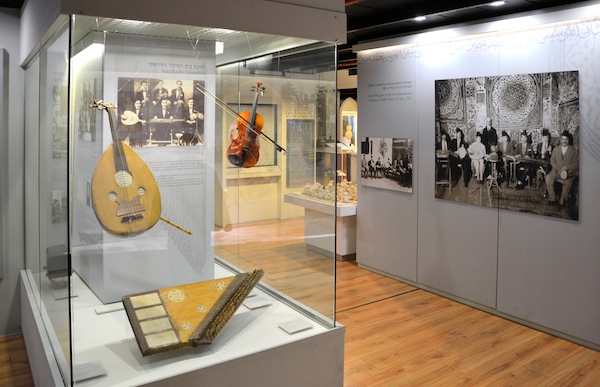
Between 1948 and 1951, more than 121,000 Jews were smuggled out of Iraq in operations Ezra and Nehemia. Many of those who came to Israel settled in the town of Or Yehuda, some 10 kilometres southeast of Tel Aviv. In 1988, Or Yehuda’s mayor, Mordechai Ben-Porat, who was himself born in Iraq, was instrumental in creating in the town the Museum of Babylonian Jewry. Together with six other founding members, the museum was built to tell the story of the Jews in Iraq, up until the aliyah following the establishment of the state of Israel. The museum has become the largest centre in the world for documenting, researching, collecting and preserving the spiritual treasures of Babylonian Jewry. (photo by Ashernet)

Format ImagePosted on February 8, 2019February 7, 2019Author Edgar AsherCategories IsraelTags history, museums, Or Yehuda

Posts pagination

Previous page Page 1 … Page 164 Page 165 Page 166 … Page 323 Next page
Proudly powered by WordPress