Skip to content
  • Home
  • Subscribe / donate
  • Events calendar
  • News
    • Local
    • National
    • Israel
    • World
    • עניין בחדשות
      A roundup of news in Canada and further afield, in Hebrew.
  • Opinion
    • From the JI
    • Op-Ed
  • Arts & Culture
    • Performing Arts
    • Music
    • Books
    • Visual Arts
    • TV & Film
  • Life
    • Celebrating the Holidays
    • Travel
    • The Daily Snooze
      Cartoons by Jacob Samuel
    • Mystery Photo
      Help the JI and JMABC fill in the gaps in our archives.
  • Community Links
    • Organizations, Etc.
    • Other News Sources & Blogs
    • Business Directory
  • FAQ
  • JI Chai Celebration
  • JI@88! video

Recent Posts

  • Zionism wins big in Vegas
  • Different but connected
  • Survival not passive
  • Musical celebration of Israel
  • Shoppe celebrates 25 years
  • Human “book” event
  • Reclaiming Jewish stories
  • Bema presents Perseverance
  • CSS honours Bellas z”l
  • Sheba Promise here May 7
  • Reflections from Be’eri
  • New law a desecration
  • Resilient joy in tough times
  • Rescue dog brings joy
  • Art chosen for new museum
  • Reminder of hope, resilience
  • The national food of Israel?
  • Story of Israel’s north
  • Sheltering in train stations
  • Teach critical thinking
  • Learning to bridge divides
  • Supporting Iranian community
  • Art dismantles systems
  • Beth Tikvah celebrates 50th
  • What is Jewish music?
  • Celebrate joy of music
  • Women share experiences 
  • Raising funds for Survivors
  • Call for digital literacy
  • The hidden hand of hate
  • Tarot as spiritual ritual
  • Students create fancy meal
  • Encouraging young voices
  • Rose’s Angels delivers
  • Living life to its fullest
  • Drawing on his roots

Archives

Follow @JewishIndie
image - The CJN - Visit Us Banner - 300x600 - 101625

Category: News

IsraAID helps around world

IsraAID helps around world

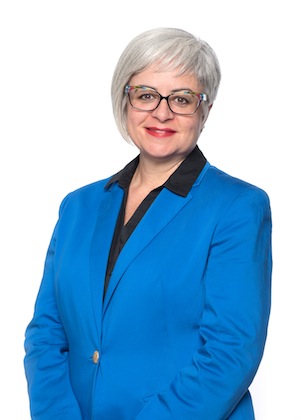
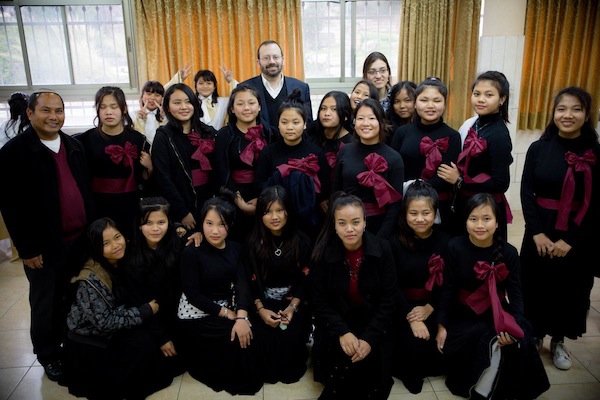
This picture of Molly Bernstein, right, was taken last year at the School of Peace, a program run in partnership by IsraAID and the Israeli Hashomer Hatzair Youth Movement on Lesbos, Greece. (photo from IsraAID)

“I say crisis with air quotes because I think that’s a bad attitude,” Molly Bernstein told the Independent. “It’s an opportunity.”

In discussing the number of displaced people in the world, usually referred to as “the refugee crisis,” Bernstein said, “I strongly believe that diversity is a social good for our societies. When we integrate new people into our communities, we learn more about ourselves and others, build bridges between communities, and build relationships that breed positivity in the world.

“When we open our doors and our hearts to refugees, we’re doing exactly this,” she said. “That’s why it’s an opportunity to expand our worldview and the spectrum of opportunities for doing good that stands before us.”

Bernstein, a 27-year-old resident of south Tel Aviv, works for IsraAID, an Israeli nongovernmental organization that works in emergency and long-term development settings in dozens of countries. The humanitarian aid organization responds to conflict, natural disasters, acute poverty, discrimination and displacement.

Bernstein, currently working in the communications department at IsraAID headquarters in Tel Aviv, spoke to the Jewish Independent during a recent trip to Vancouver, Jan. 31-Feb. 3.

“My parents were longtime members of Habonim,” she said, referring to the Zionist youth movement. “We lived in Israel for a time and I became interested in learning Arabic, so as to have a deeper understanding of the conflicts in Israeli society and how to address them. Learning Arabic opened up a lot of doors for me.”

Bernstein completed a bachelor of arts at the University of Maryland, College Park, then lived in Morocco, Jordan and Tajikistan. She began working with an Arab-Jewish Israeli NGO in Israel, the Abraham Fund Initiatives, which focuses on the creation of a shared society, and then landed a job with Ha’aretz.

It was while she was working at Ha’aretz, combing through pictures of the Syrian military’s chemical attacks on Syrian civilians, that she decided she wanted to do relief work. She had heard of IsraAID and considered working for them “an item from my bucket list.” So, when a job opportunity with the organization arose, she jumped at it, and got it. She was sent to the Greek island of Lesbos as head of missions, where she oversaw programs supporting refugees. Six months later, she was promoted to the NGO’s headquarters in Tel Aviv.

“IsraAID started when a group of buddies who were connected and had networks of doctors, nurses [and] engineers, and search-and-rescue folk would organize themselves and fly out and get some work done,” explained Bernstein. “When [the 2010 earthquake in] Haiti happened, they realized they needed a long-term response plan and so they started an NGO to develop that capability. They were in Haiti for eight years.”

Founded in 2001, IsraAID has an annual budget of about $10 million and has worked in emergency and long-term development missions in 46 countries, including the United States. Volunteers with IsraAID, for example, continue to work in Reno, Nev., with evacuees from the wildfires in Northern California. In 2017 alone, IsraAID worked in 20 countries.

As an Israeli aid organization, IsraAID sometimes finds itself in the crosshairs of those who want to view their work through the framework of either Zionist or anti-Zionist ideology. Bernstein said IsraAID is having none of it either way. “We are really just focused on the work,” she said. “Other people may want to raise other questions about it, but we’re just like, OK, you have that conversation, there’s a person I have to help over here.”

That said, the organization’s Israeli base means they have unique contributions to offer. “We are proud to bring technologies from the country we come from,” said Bernstein. “And it’s not a coincidence that we’re really good at water management and trauma processing. Those are two things Israelis have needed to become good at it.”

Bernstein is continuing her academic studies at Tel Aviv University, pursuing a master’s degree in Middle Eastern history, while working for IsraAID. Meanwhile, the NGO is looking to expand the ranks of their volunteers. They’ve opened a headquarters in Los Angeles and Bernstein said another North American base may follow, possibly even in Canada. In Vancouver? “It’s not impossible,” she said.

Matthew Gindin is a freelance journalist, writer and lecturer. He is Pacific correspondent for the CJN, writes regularly for the Forward, Tricycle and the Wisdom Daily, and has been published in Sojourners, Religion Dispatches and elsewhere. He can be found on Medium and Twitter.


Format ImagePosted on March 1, 2019February 27, 2019Author Matthew GindinCategories WorldTags humanitarian aid, Israel, IsrAID, Molly Bernstein
Don’t dismiss findings

Don’t dismiss findings

A survey of Jewish Canadians indicates that we are not a Zionist monolith. This will be news to no one who has enjoyed a family seder or logged onto social media in recent years. However, it is useful to have a fairly comprehensive public opinion survey on the range of issues that tend to most divide us.

For some, the organizations that co-sponsored the survey will lead to outright dismissal. Undertaken by the polling firm EKOS on behalf of Independent Jewish Voices Canada (IJV) and  (UJPO), the goal of the exercise was no doubt to show considerable support for the positions espoused by these two groups that are routinely critical of Israeli policies.

By and large, though, the methodologies of the survey appear to have been relatively unbiased, and to ignore the findings is to bury our heads in sand.

Almost half (48%) of Jewish Canadians surveyed believe that “accusations of antisemitism are often used to silence legitimate criticism of Israeli government policies.” More than one-third (37%) have a negative opinion of the Israeli government. On the matter of the United States moving its embassy to Jerusalem, 45% oppose and 42% support the move. Nearly one-third (30%) think that a boycott of Israel is reasonable and 34% also oppose Parliament condemning those who endorse such a boycott. Almost one in three (31%) oppose the military blockade of the Gaza Strip.

The sponsors of the survey see the results as evidence that Jews whose positions are often dismissed as marginal actually represent a large swath of Canadian Jewish opinion.

We quibble with aspects. One question asks: “In 2004, the International Court of Justice ruled unanimously that the wall built by the Israeli government on Palestinian territory violates international law. In response, one year later, over 170 Palestinian citizens’ organizations called for a boycott to pressure Israel to abide by international law. Do you consider the Palestinians’ call for such a boycott to be reasonable?” It may be a bit much to ask someone answering a phone at dinnertime to disagree with something called the International Court of Justice and 170 Palestinian organizations. Overall, though, most of the questions were not misleading nor did they have preambles intended to lead the respondents, as did this one. The survey does, nonetheless, reflect a prevailing narrative that Israel has no legitimate security concerns and erects barriers along the West Bank and blockades Gaza just for fun. But that is the playing field we are on.

Whatever criticisms or doubts we might have about the survey should not distract us from the reality it means to deliver. There are serious divisions between Diaspora Jews and the approach of the government of Israel. Ignoring, papering over or stigmatizing these differences of opinion will harm both Jewish cohesion in the Diaspora and crucial support for Israel. As we have said in this space many times over the years, Israel’s leaders must make decisions based on its security needs, not on what makes it easier for Diaspora Jews to be proud Zionists. However, we do Israel and our own community a disservice by isolating and denouncing those who disagree with the positions of our main communal agencies.

An election is approaching in Israel and that could lead to more of the same or to a significant shift in policy – or to some sort of hybrid between the two. Things change quickly, particularly in that part of the world, and what is true in a survey today may not be true in a year or five.

Even if Israeli policies remain largely the same after April’s election, it is probably not a sustainable position for Canadian or other Diaspora Jewish communities to pretend that a (seemingly) growing chorus of dissent is nonexistent, insignificant, misguided or ill-willed. That is a recipe for irrelevance, particularly among younger Jews.

In fairness, the idea that the Jewish “establishment” is a monolith is an unjust characterization. A diversity of opinions exists in our communal organizations and, certainly, in the plethora of traditional media (like this one) and new media (blogs, online publications and social platforms), a million flowers bloom. So, we challenge the premise that our community enforces a strict ideological membership code. But, we definitely could be better at acknowledging the full range of diversity – even if that means arguing and contesting positions, or even shifting our communal narrative. Indeed, that is entirely in keeping with our community’s tradition.

The survey raises questions we rightfully should be addressing.

Format ImagePosted on March 1, 2019February 27, 2019Author The Editorial BoardCategories NationalTags Canada, Diaspora Jews, IJV, Independent Jewish Voices Canada, Israel, politics, poll, survey, UJPO, United Jewish People’s Order
Successful launch

Successful launch

Prime Minister Binyamin Netanyahu at the Israel Aerospace Industries control room to witness the launch of Israel’s first attempt to put a lander on the moon. (photo from IAI courtesy Ashernet)

In the early hours of Feb. 22, Bereishit, which means Genesis, successfully lifted off on one of Elon Musk’s U.S.-based SpaceX Falcon 9 rockets. It is hoped that the 585-kilogram Israeli space vehicle will land on the moon in about six weeks’ time. “There are four countries that have launched a spacecraft to the moon, one of them is 800 times bigger than we are, one of them 500 times bigger, and one that is a little less than that,” said Netanyahu, referring to the United States, Russia and China. “We are a small country, but huge in achievements and in the capacity of our initiative. I hope that the spacecraft to Mars is already being planned.” He also said he hopes that, on April 11, “we will be able to celebrate the safe landing of Bereishit.”

Format ImagePosted on March 1, 2019February 27, 2019Author Edgar AsherCategories IsraelTags Binyamin Netanyahu, IAI, Israel, Israel Aerospace Industries, moon, space, technology
מאוטווה לניו יורק: קלי קראפט

מאוטווה לניו יורק: קלי קראפט

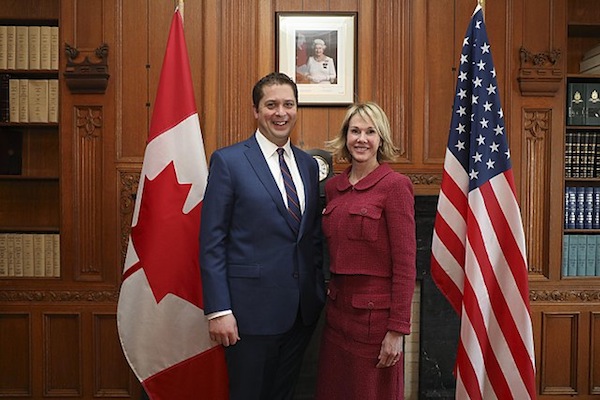
בתמונה: יו”ר מפלגת השמרנים, אנדרו שייר, ביחד עם שגרירת ארה”ב לקנדה לשעבר, קלי נייט קראפט, באוטווה: ינואר 9, 2018. (Andre Forget)

השגרירה של ארצות הברית בקנדה, קלי קראפט, מונתה לפני מספר ימים לשגרירה של המדינה באומות המאוחדות. כך החליט נשיא ארה”ב, דונלד טראמפ. קראפט תחליף את השגרירה היוצאת של ארה”ב באו”ם, ניקי היילי, שהחליטה לפרוש בפתאומיות (בסוף דצמבר) לאחר כשנתיים בתפקיד.

טראמפ אמר על המינוי של קראפט לשגרירה החדשה באו”ם: “אני שמח להודיע כי קלי קראפט, שגרירתנו הנוכחית בקנדה, תמונה לשגרירת ארה”ב באו”ם. קלי עשתה עבודה יוצאת מן הכלל בייצוג ארצנו בקנדה ואין לי ספק כי היא תמשיך לייצג את האומה שלנו ברמה הגבוהה ביותר באו”ם”. שר החוץ האמריקני, מייק פומפאו והיועץ לביטחון לאומי ג’ון בולטון, תמכו במינוי החדש של קראפט לאו”ם. מנהיג הרוב של המפלגה הרפובליקנית בסנאט, מיטש מקונל, בירך אף הוא על המינוי של קראפט ואמר: “מדובר במינוי ראוי ביותר למשרה היוקרתית. יש לקרפט ניסיון עשיר בשירות המדינה ואני בטוח היא תמשיך להצטיין גם בתור השגרירה האמריקנית באו”ם”.

להערכת מקורבים לקראפט היא הייתה מעוניינת דווקא להמשיך ולעבוד באוטווה ולא לעבור לתפקיד השגרירה של האו”ם בניו יורק. המקורבים מציינים כי עתה על קראפט לעבוד ביחד עם היועצים הבכירים של טראמפ בולטון וג’ארד קושניר (המחותן של הנשיא) וזה לא דבר שהיא שמחה לעשות. אך נרמז לה שאם טראמפ מבקש שהיא תיקח על עצמה את התפקיד החדש באו”ם עליה לענות לבקשתו.

קרפאט (בת החמישים ושבע) נעימת ההליכות זכתה להוקרה מיוחדת בקנדה לאור התפקיד אותה מילאה בהצלחה גדולה, במשך שישה עשר חודש. ראש הממשלה, ג’סטין טרודו ושרת החוץ, כריסטיה פרילנד, בוודאי מצטערים על עזיבתה של קראפט שנחשבה לידידה קרובה, בעיקר כשמדובר בעידן טראמפ הכל כך עויין. קראפט עזרה בכל כוחה לקנדה במהלך המו”מ הקשה להשגת הסכם הסחר החדש של מדינות צפון אמריקה. לקראפט יש גם קשרים מצויינים בממשל האמריקני והיא עזרה לא פעם לפתור מיידית בעיות שונות בין שתי המדינות השכנות. יש לזכור שקרארפט היא ילידת קנטקי (כמו מקונל) ולמדינה זו קשרי מסחר ענפים עם קנדה. לכן השגרירה הזכירה לא פעם עד כמה חשוב לה באופן אישי כי יחתם הסכם סחר חדש בין ארה”ב לקנדה.

קראפט הגרושה פעמיים נשואה למיליארדר ג’ו קראפט, המחזיק בחברת לכריית פחם אליינס ריסורס פרטנרס. בני הזוג ידועים בתמיכתם רבת השנים במפלגה הרפובליקנית והם אף תורמים לה כספים רבים. במקביל הם תורמים כספים לפעילות צדקה. לפני כניסתה לתחום הפוליטי קראפט הייתה אשת עסקים והחזיקה בחברת שיווק וייעוץ עסקי למנהיגים ועסקים.

השגרירה בין היתר חברה עם אשתו של מקונל וכאמור יש לה קשרים ענפים עם רבים מבכירי המפלגה הרפובליקנית והממשל של טראמפ. יצויין כי בתקופת כהונתו של הנשיא, ג’ורג’ בוש הבן, נמנתה קראפט על חברי משלחת ארה”ב לאו”ם.

כשנשאלה קראפט מה דעתה על הנשיא טראמפ היא אמרה: “מיומנויות התקשורת שלו צריכות קצת להשתפר”. בזמן העבודה על הסכם הסחר החדש בין ארה”ב, קנדה ומקסיקו אמרה השגרירה: “אני לא חושבת שהוא טוב בלהביע איך אנו הולכים להשיג את התוצאות המבוקשות. זה יועיל לכולנו אם יניח לנו לעשות את עבודתנו”.

בנוגע להתחממות כדור הארץ והשינוים באקלים – נושא החשוב למוסדות האו”ם ורוב מוחלט של מדינות העולם, למעט טראמפ, אמרה קרפאט: “אני מאמינה שיש לשני הצדדים חיזוקים מדעיים מדויקים. שני הצדדים מסתמכים על מחקרים ואני מעריכה ומכבדת אותם”.

Format ImagePosted on February 27, 2019February 27, 2019Author Roni RachmaniCategories עניין בחדשותTags Kelly Craft, UN, United Nations, United States, או"ם, ארה"ב, קלי קראפט
Intergenerational connection

Intergenerational connection

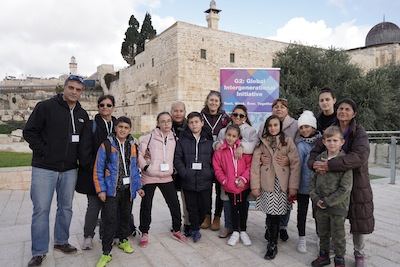
Grandparents and grandchildren discover their roots in Jerusalem with the G2: Global Intergenerational Initiative. (photo by David Salem / Zoog Productions)

The G2: Global Intergenerational Initiative is a new yearlong program being offered by the Jewish Agency. It helps bring grandparents and grandchildren closer with activities and conversations. It is spearheaded by Jay Weinstein, a rabbi from New Jersey who now lives in Israel.

“I work in the partnership unit, trying to build relationships between Jews around the world and Israelis,” Weinstein told the Independent. “I bring my connections from North America and also am exposed to Israeli communities here … trying to build bridges with Israel and overseas.”

The project stems from findings gleaned from meetings that the Jewish Agency held in a few prominent Jewish communities, which pointed to a lack of programming provided to older adults and a lack of an Israel connection among the young.

“We went to our partners on the ground, saying, ‘Let’s come up with something together’ … versus coming up with the idea ourselves and then trying to sell it or take it somewhere,” said Weinstein. “We wanted to do it in collaboration.

“Much of what we do in the Jewish community is for the younger generation,” he continued, “but, here, you have … people who spent their lives building up the federations, schools and synagogues. They’re usually the ones volunteering and donating, [yet] we’re failing to have something to really offer to them.”

Certainly, grandparents can be a positive influence in creating a Jewish identity in their grandchildren.

“When they’ve done studies asking young adults why they are involved in Jewish life or Jewish programming, what came back involved Jewish grandparents,” said Weinstein. “That’s even truer in interfaith marriage, [where] the role of the Jewish grandparent passing down values to their grandchildren is of even greater importance.”

The G2 initiative brings grandparents and grandchildren together over the course of a year through activities and creative projects.

“It gives grandparents the chance to think about what is important to them, about what they want their grandchildren to know about, how their family narrative makes them unique, and special things they care about,” said Weinstein.

Participating grandkids should be in Grades 5 and 6, preteens old enough to have deeper conversations, while still under the guidance of their parents “and they aren’t yet too cool to be with Grandma and Grandpa to do the activities,” said Weinstein.

“It’s not a text-based study. It’s more experiential,” he said. “And, at the monthly meetings, we give the grandparents and grandchildren things to do on their own time without a facilitator, like a little mesima (activity) or venture to do in the community.”

Each month has a different focus, such as discussing the most important Jewish gem of a place. This particular theme gives grandparents the opportunity to take their grandchildren to one of their favourite places and explain why it is important to them. Then, the grandchildren guide the grandparents to the most important Jewish gem to them, also sharing why it is important. If the grandparents and grandchildren so choose, they can record the visits on a two-minute podcast to share with others.

“Based on the partnership platform, we have communities overseas doing it with communities in Israel,” said Weinstein. “And, over the course of the year, they’ll connect with each other digitally. Sometimes, they’ll be synchronized and do a Zoom call, sometimes unsynchronized. One of the bigger goals of the unit is to connect Jews from around the world to Israel and, on the other hand, to teach and educate Israelis about what Jewish life is like outside of Israel.”

photo - grandparents and grandchildren in Israel on a G2 trip
(photo by David Salem / Zoog Productions)

Many larger Jewish communities can run G2 on their own, in-house, connecting with their sister city in Israel, but most communities won’t be able to carry it out on the same scale as that of the Jewish Agency.

“We believe there is power in the global Jewish community,” said Weinstein. “To be part of a worldwide network of people is a wonderful experience. I don’t think, oftentimes, that a fifth or sixth grader in Vancouver is connected with another Jewish fifth or sixth grader in Miami and Sydney … and we believe that is a very powerful experience. We’ve been in touch with the Jewish Federation in Vancouver and they are interested in G2.”

The partnership unit needs a local organization to launch the program in a region.

“In most cases, [the partner] is the federation, as they are our national partner, but, that being said, we’ve designed this program to be brought to any organization,” said Weinstein. “So, if there’s a synagogue that wants to participate in G2 or a JCC, we can work with them.

“I’ve gotten a tremendous amount of interest from communities all around North America and the world. People understand that grandparents and grandchildren have this special and unique bond. When we can build meaningful Jewish experiences around the grandparent and grandchild relationship, it’s just very powerful.”

The yearlong program includes an eight-day visit that the grandparents and grandchildren take to Israel – traveling about the country, learning and meeting their Israeli partners. They also get the opportunity to stay in the homes of their Israeli partners for part of the trip, getting a firsthand glimpse at everyday life in Israel.

While there is a cost for the program, G2 works with the different community partners to subsidize some of that, and is also looking for philanthropic partners.

“We’d love to have a partner to help us bring this around the world and not have a barrier of prices and expenses prohibiting families from participating,” said Weinstein. “We truly believe … sometimes we use the language of Birthright … that it’s a birthright of every grandparent to have meaningful Jewish experiences with their grandchild, including traveling with them to Israel.”

For more information, visit g2family.org.

Rebeca Kuropatwa is a Winnipeg freelance writer.

Format ImagePosted on February 22, 2019February 21, 2019Author Rebeca KuropatwaCategories WorldTags Diaspora Jews, family, G2, Israel, lifestyle
Sports talent runs in family

Sports talent runs in family

Sarah Jacobsohn is the Ultimate Canada 2018 Junior Female Athlete of the Year. (photo from Sarah Jacobsohn)

Last month, Ultimate Canada named Sarah Jacobsohn the 2018 Junior Female Athlete of the Year.

“I was in the middle of biology class, looked at my phone, and saw that one of my teammates had texted me saying congratulations and a long paragraph,” recalled Jacobsohn about hearing of the award. “And I was like, what’s going on? I had no idea.

“Then, I saw the article that was written about me and I got the notification that they had selected me for the award … and I started crying in the middle of class and I called my mom. It was so surreal and just amazing.”

Jacobsohn was born in St. Louis, Mo., in 2000, and moved with her parents and older sister to Winnipeg in 2006. She has been attending Gray Academy of Jewish Education since then, and will be graduating this year.

Athleticism runs in the family. Both of Jacobsohn’s parents played sports into adulthood. She also gets her height from her parents: her mom is 5’11” and her dad is just over six feet.

photo - Sarah Jacobsohn is the Ultimate Canada 2018 Junior Female Athlete of the Year
Sarah Jacobsohn is the Ultimate Canada 2018 Junior Female Athlete of the Year. (photo from Sarah Jacobsohn)

Jacobsohn has played sports for as long as she can remember. “I played Timbits soccer since I was in Grade 1, then I continued playing competitive tennis and soccer. Once I found ultimate, I quit all those other sports to play ultimate,” she told the Independent. “For my high school, I still play volleyball, basketball and ultimate but, on a competitive level, I gave the others up for ultimate.” (That said, she remains a competitive player at the other sports. For example, on the school’s varsity basketball team, she has been averaging 37 points per game.)

Ultimate was designed to be played without referees. “The spirit of the game is heavily emphasized, which is something you don’t find a lot in competitive sports in this day and age,” said Jacobsohn. “Essentially, it’s about maintaining a level of sportsmanship and integrity while playing the sport. You have to make the calls yourself and communicate with other players on the other team. And, it’s always maintained, that sportsmanship and respect for other players. Even at the highest level, ultimate is still heavily dependent on player communication, which I think is amazing.”

At the higher levels, there are “observers,” who help the players regulate the game, but they only intervene when asked by the players to do so. And, even after having been asked for their opinion, it is still up to the players to accept or disregard an observer’s call.

“I think that’s what a lot of sports have lost in the past few decades,” said Jacobsohn. “That competitive atmosphere takes away from the sportsmanship, and it shouldn’t. There should be a balance.”

In ultimate, she said, “people understand that, to keep that respect of the game, they have to be honest. It’s really amazing to see that, even at the highest level.”

Jacobsohn started playing ultimate in Grade 6 and, at 14 years old, her coach convinced her to try out for the provincial junior team. She made the team, as one of the youngest in the group. It was there that a national coach spotted her and, at age 15, she traveled to Vancouver for the national tryouts and made the team.

Jacobsohn participated in her first world championship in Poland in 2016, and Canada took home the gold. Last summer, Jacobsohn, as captain, led the provincial team to a gold medal. She went on to captain Team Canada to a bronze medal at the world championship in Waterloo, Ont.

All of these feats, as well as her extensive involvement in the ultimate and broader communities, contributed to Jacobsohn being chosen for the athlete-of-the-year award.

“The award is strictly based on achievements from the past year,” said Jacobsohn. “So, last year, I was captain of my provincial team and we won gold at nationals for the first time ever. Then, as captain of Team Canada, we won bronze at the worlds. And, I’ve done a lot of community stuff locally.

“I’ve been involved in the Winnipeg ultimate community for six or seven years, which is a lot, when I’m only 18 years old. I’ve gotten to know essentially the entire ultimate community. I’ve literally grown up in this community – finding a lot of leadership opportunities in it and chances to voice my opinion. I fight a lot for gender equity and voice that opinion a lot in the Winnipeg ultimate community.”

Jacobsohn serves on the Manitoba Disk Sports board, offering suggestions, as a high school student, about tournament arrangements and how the province runs the sport. She also has been very involved in the Winnipeg Ultimate Women’s Competitive League, helping to get a lot of juniors involved.

“As a very competitive female athlete, I understand my responsibility growing up as a female athlete in today’s world,” she said. “I have an immense responsibility to stand up and role model for other female athletes, and I’m not scared to do that.

“And, going to school where I’m one of six girls in my grade, I’ve been able to gain respect from a lot of boys and change perspectives on what being a female athlete means.”

Now, Jacobsohn is busy training for the under-24 national team tryouts. And, while her main aspiration is to become a doctor, like her dad, she is hoping to continue playing ultimate competitively for many years to come.

Rebeca Kuropatwa is a Winnipeg freelance writer.

Format ImagePosted on February 22, 2019February 21, 2019Author Rebeca KuropatwaCategories NationalTags Sarah Jacobsohn, sports, Winnipeg, youth
Story about friendship

Story about friendship

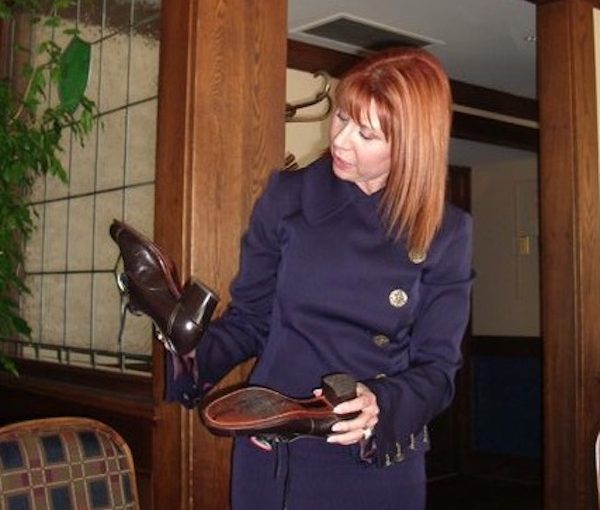
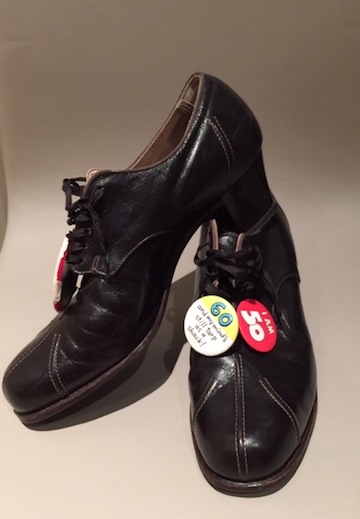
Penny Sprackman receives the special shoes on her 60th birthday, in 2006. (photos from Shirley Barnett)

Some things just happen and, before long, they become a tradition. In 1987, Harvey Shafron, while working at Freedman Shoes on South Granville, came across a rather clunky pair of women’s shoes on a top shelf and gave them to his sister, Rhoda (Shafron) Brickell.

Brickell, in turn, presented them to her friend Lola Pawer for her 50th birthday. Since then, the shoes have been passed from friend to friend among a group of Vancouver Jewish women on birthdays that end in a zero or five.

“It just happened,” said Shirley Barnett, a two-time recipient – on her 60th and 70th birthdays. “It became kind of fun to say, ‘Oh my God, it’s the shoes again.’”

The pair is not casually delivered; the recipient is formally presented the shoes at a celebration, usually at a restaurant, in front of the assembled pals.

“I really believe, as they were passed around, that it’s a story about friendship,” Barnett said. “When you reach a special age of some sort, everybody seems to say girlfriends are really important. It doesn’t matter if you’re divorced or widowed or you’re still married. At a certain age – and that could be 60, 70, 80 or 90 – a light seems to go on in women’s heads that says girlfriends are important. They are the ones you call in the middle of the night – maybe not, maybe you call your kids, I don’t know – but there seems to be an unwritten code that the older you get, you just need a few good girlfriends.”

photo - The “traveling shoes”
The “traveling shoes.” (photo from Shirley Barnett)

The size 8C shoes have fit every recipient, Barnett said. A ceremonial walkabout by the birthday celebrant is a part of the ritual.

Leslie Diamond and Pawer have received the shoes five times. Sylvia Cristall and Darlene Spevakow have received them four times. Karla Marks is a three-time recipient and Carole Chark and Penny Sprackman have gotten them twice. Others who have been honoured with the pair are Maja Mindell, Shelley Lederman, Anita Silber, Sandy Magid, Esther Glotman and Cynthia Levy.

At the start, the names of the recipients were written on the soles of the shoes but, as Dorothy Parker said, time wounds all heels, and the inscriptions have become mostly illegible.

What has remained indelible are some of the remarks made by recipients over the years. Barnett, who is sort of the informal archivist of the group, has collected words of wisdom shared over the years.

“It is the friends we meet along life’s way who make the trip more fun,” said one birthday celebrant.

“Friends make good things better and bad things not so bad,” said another.

“Being older sets you free,” reflected one. “You care less about what other people think, you no longer need to question yourself. You have earned the right to be wrong and not think about what could have been or what will be.”

On one birthday, a friend declared: “Remember, growing old is a privilege and old friendships are rare. So, when your ‘old’ friends reach for your hand, grab it.”

Another gem Barnett has collected: “The better the friend, the less cleaning you have to do before they come over!”

Format ImagePosted on February 22, 2019February 21, 2019Author Pat JohnsonCategories LocalTags friendship, lifestyle, Shirley Barnett, shoes, women
OJC busy and growing

OJC busy and growing

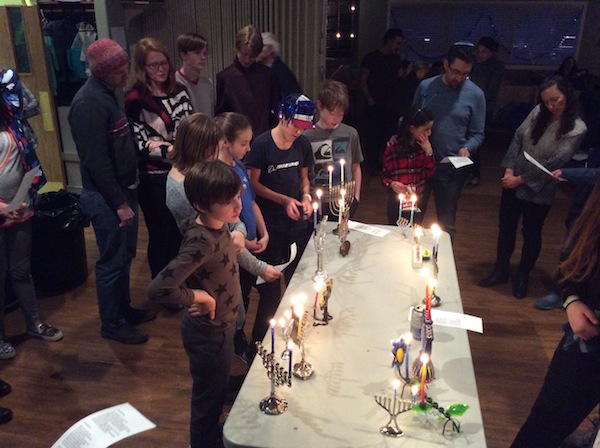
Members of the Okanagan Jewish Community came together to celebrate Chanukah. (photo from OJC)

The Okanagan Jewish Community in Kelowna has been keeping a busy schedule. Bolstered by many new members who have moved to the region – word has gotten out … who wouldn’t want to live here? – the community is growing both in numbers and in strength.

photo - The Tu b’Shevat seder on Jan. 20 was attended by 30 members
The Tu b’Shevat seder on Jan. 20 was attended by 30 members. (photo from OJC)

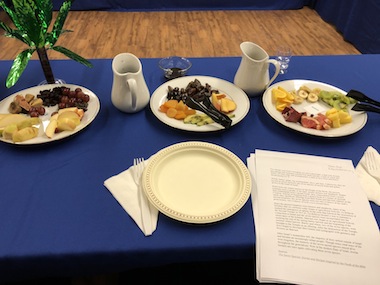
Traditional events such as the High Holidays – with visiting rabbis Larry and Linda Seidman from California – Sukkot and a Chanukah party attended by 80, started out our Jewish year. Of particular note was a Tu b’Shevat seder on Jan. 20, led by OJC member Barb Pullan, which was attended by 30 members. Everyone gathered to celebrate trees and discuss their importance to the preservation of life. We ate specific fruits representing those grown in Israel, drank wine or grape juice, recited blessings, told stories and sang songs. This definitely will be a repeat event in 5780.

Shabbat services were led by visiting Cantor Russ Jayne from Calgary in October and November, along with other services led by local community member Evan Orloff.

A Movie Night (The Boys: The Sherman Brothers Story) was presented on Nov. 9. The screening was organized by OJC member David Spevakow and took place at the Okanagan College Theatre, with almost 200 guests in attendance. We hope to continue the movie nights on a regular basis.

New programs this year have included:

  1. Coffee, cake and cultural anthropology talks. I gave the first talk, on my experience meeting with the Jews in Gondar, Ethiopia. The second session was presented by Murray Oppertshauser, a retired Canadian diplomat, who spoke about his many postings throughout the world. Further talks are planned.
  2. Several intercultural “meet and greets” have been planned with various cultural/ethnic groups in town.
  3. The OJC participated in Taste of Home, a Kelowna community event, in which various ethnic communities in the city participated by selling a sampling of their ethnic food, and with ethnic dancing. We contributed 340 cheese knishes prepared by our members under the direction of Barb Finkleman. Our local Israeli dance group provided the entertainment.

Future events include a ball hockey tournament, Purim, Passover, regular meetings of the Ladies Group, the continuation of the Hebrew school, and our annual golf tournament in the summer.

The OJC is searching for a full-time resident rabbi. We are in the process of having several candidates come out for a Shabbat weekend, after which the community will decide which spiritual leader best fits our needs.

If you’re visiting Kelowna or, better still, moving here, contact the OJC at 250-862-2305 or [email protected].

Steven Finkleman is one of the original members of the Okanagan Jewish Community, having arrived in 1982. He has acquired lots of memories over the years. Currently retired, he has been serving as the president of the OJC since October 2018.

Format ImagePosted on February 22, 2019February 21, 2019Author Steven FinklemanCategories LocalTags Chanukah, Judaism, Kelowna, OJC, Okanagan, Tu b'Shevat
Community milestones this February

Community milestones this February

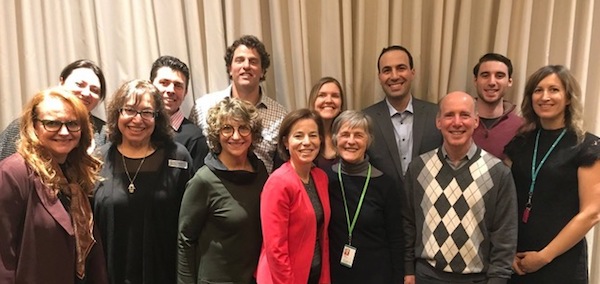
Left to right, back row, are Rory Richards, Kasimir Kish, Gord Kushner, Sarah Ann Chisholm (Jewish Family Services liaison), Daniel Bar Dayan, Jeremy Berger and Anat Gogo. In the front, left to right, are Rhonda Sacks, Marcela Manes, Shelley Karrel, Selina Robinson (guest speaker at the recent AGM), Alice Sundberg and Eric Fefer. (photo from Tikva Housing)

Tikva Housing had its annual general meeting Dec. 13, 2018. Two new directors were elected at the AGM, and another has joined since, to be appointed at the next board meeting.

The new directors elected in December were Jeremy Berger, a commercial property manager with Porte Realty, and Rhonda Sacks, a realtor with Sutton Group. Both have demonstrated a keen interest in Tikva’s work and have been actively engaged since joining. The new director to be appointed at the Feb. 28 board meeting is Rory Richards, who brings marketing and communications expertise, as well as strong links in the Jewish community.

Continuing board members are Shelley Karrel (chair), Gord Kushner (treasurer), Heather Sirlin (secretary) and directors-at-large Dan Granirer, Marcela Manes, Kasimir Kish and Mike Grudman.

Alice Sundberg, Tikva Housing’s director of operations and housing development, describes the Tikva board as a dynamic group of professionals who share a passion for providing affordable housing in an expensive region. In a meeting last October, they made a plan for Tikva’s next three years. The key strategic goals are engaged and committed board members and active committees; an endowment fund to provide stable and predictable funding for the rent-subsidy program; an expanded housing portfolio; closer ties with other Jewish nonprofit housing providers; and adequate human resources to manage all these goals.

Housing administrator Anat Gogo noted that the demand for rent subsidies is constant. Currently, Tikva is assisting approximately 30 families to be able to stay where they are, without worry of eviction for failure to pay their rent. For more information or to get involved with Tikva, contact the office at 604-998-4582.

***

photo - Tanya Paz
Tanya Paz (photo by Belle Ancell)

National Council of Jewish Women of Canada, Vancouver, welcomes Tanya Paz as executive director. Paz volunteered for NCJWC in the 1990s, subsequently served on the board of directors and was Council’s liaison to Canadian Jewish Congress (now Centre for Israel and Jewish Affairs).

Both Paz’s background as development director for the first car-sharing organization in British Columbia (Modo) and her involvement with the Vancouver Jewish Film Festival and other organizations, make her a valuable addition to the community of volunteers that is NCJWC. She also brings a wealth of experience in municipal affairs, in environmental initiatives and in social activism. And her expertise in community development and her commitment to women’s and children’s issues ensure a strategic approach to the goals of Council.

Working with the board of directors, Paz will help bring the goals of NCJWC – advocacy, education and social action – to both the Jewish and general communities throughout the region, with a focus on women and children experiencing poverty.

***

Nina Krieger, executive director of the Vancouver Holocaust Education Centre, is among those who have been appointed to the National Expert Committee on Countering Radicalization to Violence.

The Canada Centre was officially launched in 2017. Located at Public Safety Canada headquarters in Ottawa, its work includes the National Strategy on Countering Radicalization to Violence and the role of the expert committee is to help the centre meet the strategy’s three priorities: building, sharing and using knowledge; addressing radicalization to violence in the online space; and supporting interventions.

Krieger, who previously was education director and curator at the VHEC, is highly regarded for developing educational programs and exhibits that challenge audiences to probe the difficult historical, cultural and ethical issues raised by the Holocaust. She is also a member of the Canadian delegation to the International Holocaust Remembrance Alliance and past chair of the Memorials and Museums Working Group.

Joining Krieger on the expert committee are Dr. Ghayda Hassan (co-chair), a clinical psychologist and professor of clinical psychology at the Université du Québec à Montréal: Peter John M. Sloly (co-chair), a former Toronto police service deputy chief and currently a partner at Deloitte Canada; Bob Rae, a professor of public policy at both the Munk School and Victoria College at the University of Toronto, who also serves as senior counsel at Olthuis Kleer Townshend LLP; Dr. Jaspreet Khangura, an emergency physician at Royal Alexandra Hospital and Northeast Community Health Centre in Edmonton; Dillon Black, a gender-nonconforming feminist anti-violence and LGBTQ+ rights advocate and current PhD student with the eQuality Project in the department of criminology at the University of Ottawa; Max FineDay, executive director of Canadian Roots Exchange, an organization that builds bridges between indigenous and non-indigenous youth in Canada, among other things; Rizwan Mohammad, a Canadian Muslim civic engagement coordinator; Irfan Chaudhry, a hate crimes researcher and the director of the Office of Human Rights, Diversity and Equity at MacEwan University; and Dr. Shelly Whitman, executive director of the Roméo Dallaire Child Soldiers Initiative, who is considered a subject matter expert on the issue of child soldiers.

***

photo - Ten Bnei Menashe immigrants to Israel celebrated their bat mitzvah on Jan. 28
Ten Bnei Menashe immigrants to Israel celebrated their bat mitzvah on Jan. 28. (photo from Shavei Israel/Laura Ben-David)

On Jan. 28, 10 recent Bnei Menashe immigrants brought on aliyah from India by Shavei Israel, celebrated their bat mitzvah at a gathering of family and friends hosted by Girls Town Jerusalem, where they are enrolled as students.

“We were delighted to attend this very special and moving bat mitzvah celebration, which symbolizes the right of passage that the girls and their families have undergone in returning to the Jewish people,” said Shavei Israel founder and chair Michael Freund.

“We are determined to continue with our efforts until all the remaining 7,000 Bnei Menashe still in India are able to return to Zion,” he added.

The Bnei Menashe are descendants of the tribe of Manasseh, one of the Ten Lost Tribes exiled from the Land of Israel more than 2,700 years ago by the Assyrian Empire. So far, some 4,000 Bnei Menashe have made aliyah with Shavei Israel over the past 15 years, including more than 450 last year.

Format ImagePosted on February 22, 2019February 21, 2019Author Community members/organizationsCategories LocalTags Bnei Menashe, Girls Town Jerusalem, National Council of Jewish Women of Canada, NCJW, Nina Krieger, Shavei Israel, Tanya Paz, Tikva Housing, Vancouver Holocaust Education Centre, VHEC

Standing under the chuppah

Adir under the wedding canopy with his bride, Liat. (photo from UPnRIDE)

Forty days before his marriage, a wheelchair-bound Israeli man named Adir wrote to UPnRIDE Robotics, sharing his dream to stand under the chuppah with his bride, Liat. Chief executive officer Oren Tamari invited Adir to company headquarters in Yokne’am Illit to try the UPnRIDE 1.1 mobility device, now in transition from research-and-development to market.

“We saw he managed well with it, and we arranged for him to use the device during his wedding” on Nov. 12, Tamari told Israel21c.

The day after his wedding, Adir posted on UPnRIDE’s Facebook page: “Thank you all for [the] wonderful experience and magnificent night. Our chuppah was so amazing, people cried when [they] saw me standing and praying. My wife and I just want to say that you made our night as close as possible to perfection!!!”

UPnRIDE was invented by Amit Goffer, whose ReWalk robotic exoskeleton allows paraplegics to stand, walk, navigate steps and even run marathons. Goffer, who has a PhD in electrical and computer engineering, could not use ReWalk himself because he is a quadriplegic, paralyzed from the neck down. So he and Tamari formed a new company to develop an upright mobility solution enabling any wheelchair-bound person – quadriplegics, paraplegics, people with multiple sclerosis, cerebral palsy, ALS and traumatic brain injury – to recline, stand and navigate indoors and outdoors.

Jointed braces and harnessing straps provide support, while advanced motion technology and real-time computing ensure automatic balancing and stability on uneven terrain. Goffer said other types of standing wheelchairs can’t be used outdoors because of the danger of tipping over.

UPnRIDE is now raising funds, working toward U.S. Food and Drug Administration clearance and doing usability studies with all kinds of wheelchair users. A major study has begun at the U.S. Veterans Health Administration’s Centre of Excellence in New York to determine the benefits for UPnRIDE users. Many health problems are associated with long-term wheelchair sitting, from muscle atrophy to cardiovascular disease.

Goffer, chief technology officer and president of the company, doesn’t yet have his own UPnRIDE because the sample models are for testing. He borrows one on weekends and for special events, such as his daughter’s wedding last July.

Like Adir, he was able to stand under the chuppah and with his family for photos.

“My son and middle daughter were already married years ago,” he said, “and it was a very different feeling at the wedding of my ‘baby’ because I was standing like the rest of the family. I was also able to mingle with guests as never before.”

Eventually, Goffer expects UPnRIDE to become his everyday wheelchair. “I enjoy it because I can stand and sit easily whenever I want; I don’t have to be moved and lifted by someone else. It can recline, too, so it’s better for napping or receiving medical treatment.”

The smart wheelchairs are to be manufactured in a northern Israel factory run by Sanmina, an American electronics manufacturing services provider. Tamari said the company plans to use proceeds from the current funding round for marketing, establishing mass production and developing advanced and new models.

For more information, visit upnride.com or email [email protected].

Israel21c is a nonprofit educational foundation with a mission to focus media and public attention on the 21st-century Israel that exists beyond the conflict. For more, or to donate, visit israel21c.org.

Format ImagePosted on February 22, 2019February 21, 2019Author Abigail Klein Leichman ISRAEL21CCategories WorldTags Amit Goffer, disability, high-tech, innovation, Israel, ReWalk, UPnRIDE, weddings

Posts pagination

Previous page Page 1 … Page 163 Page 164 Page 165 … Page 323 Next page
Proudly powered by WordPress