Skip to content
  • Home
  • Subscribe / donate
  • Events calendar
  • News
    • Local
    • National
    • Israel
    • World
    • עניין בחדשות
      A roundup of news in Canada and further afield, in Hebrew.
  • Opinion
    • From the JI
    • Op-Ed
  • Arts & Culture
    • Performing Arts
    • Music
    • Books
    • Visual Arts
    • TV & Film
  • Life
    • Celebrating the Holidays
    • Travel
    • The Daily Snooze
      Cartoons by Jacob Samuel
    • Mystery Photo
      Help the JI and JMABC fill in the gaps in our archives.
  • Community Links
    • Organizations, Etc.
    • Other News Sources & Blogs
    • Business Directory
  • FAQ
  • JI Chai Celebration
  • JI@88! video

Recent Posts

  • Zionism wins big in Vegas
  • Different but connected
  • Survival not passive
  • Musical celebration of Israel
  • Shoppe celebrates 25 years
  • Human “book” event
  • Reclaiming Jewish stories
  • Bema presents Perseverance
  • CSS honours Bellas z”l
  • Sheba Promise here May 7
  • Reflections from Be’eri
  • New law a desecration
  • Resilient joy in tough times
  • Rescue dog brings joy
  • Art chosen for new museum
  • Reminder of hope, resilience
  • The national food of Israel?
  • Story of Israel’s north
  • Sheltering in train stations
  • Teach critical thinking
  • Learning to bridge divides
  • Supporting Iranian community
  • Art dismantles systems
  • Beth Tikvah celebrates 50th
  • What is Jewish music?
  • Celebrate joy of music
  • Women share experiences 
  • Raising funds for Survivors
  • Call for digital literacy
  • The hidden hand of hate
  • Tarot as spiritual ritual
  • Students create fancy meal
  • Encouraging young voices
  • Rose’s Angels delivers
  • Living life to its fullest
  • Drawing on his roots

Archives

Follow @JewishIndie
image - The CJN - Visit Us Banner - 300x600 - 101625

Category: News

Historic next election

For the first time in its history, Israel will go to the polls because the Knesset Israelis elected in April could not form a government.

Prime Minister Binyamin Netanyahu crowed after the election results came in that his Likud had defied critics and won a comparatively easy reelection. The number of small right-wing parties in the Knesset made it impossible for the opposition Blue and White bloc to assemble the 61 seats needed for a bare minimum majority coalition, leaving Netanyahu a free hand to form another government. Or so it seemed to everyone.

But there’s right-wing and then there’s right-wing. As in any country, a range of issues and interests combine to make up political parties and movements. While they may be in sync on a whole range of economic, social, internal and foreign policy issues, the one thing that unified Likud and its ostensible allies among the smaller right-wing parties was animosity toward the left, which Netanyahu demonized during the campaign – even accusing the veteran military figures who lead Blue and White of being too far left. The leftist bogeyman Netanyahu was conjuring is, at this point in Israeli history, largely fictitious. The Labour party, once the dominant force in the country, suffered its worst showing ever, finishing with less than 5% of the vote.

What divides the right-wing parties are a few issues of core principle. The ultra-Orthodox parties are right-wing and prefer Netanyahu as prime minister. But they want special considerations for religious institutions maintained and strengthened. Nationalist parties, like Avigdor Lieberman’s Yisrael Beiteinu party, are right-wing, but secular, and Lieberman would not budge on his assertion that there should be no compromise on a new law – promulgated under his watch as Netanyahu’s minister of defence – that yeshivah men not be automatically excused from conscription. The five seats Lieberman’s party won in April were the lynchpin for a fifth Netanyahu government – and the notoriously combustible Lieberman ultimately kiboshed the government and the 21st Knesset.

Some commentators suggest principle was less a factor in Lieberman’s choice than personal pique. The two men were once the closest of allies – and nothing is more bitter than a family fight. A number of policy issues have frayed the relationship. For example, as defence minister, Lieberman publicly excoriated his boss for what he characterized as letting Hamas off the hook too easily in the most recent flare-up of cross-border violence from Gaza. Lieberman, it appears, would have preferred a far more punishing response, though he has a history of making dire threats on which he does not follow up. He once brazenly gave Hamas leader Ismail Haniyeh 48 hours to live if he did not return an Israeli hostage and the bodies of dead Israeli soldiers. The gambit failed. The millionaire Haniyah remains very much alive, luxuriating in a waterfront palace he built with a 20% tax on all goods traveling through the tunnels between Egypt and Gaza. Lieberman meanwhile continues with similar bellicosity to stoke his base, primarily older Israelis with roots in the Soviet Union.

Whether Lieberman’s dashing of Netanyahu’s plans was an ego issue or a strategy to improve his party’s weak showing in April, or whether it was, in fact, a matter of principle, doesn’t matter much now that new elections have been slated for September.

Most of Israel’s 2019 will have been eaten up by election campaigns and, unless the electorate has a swift change of heart – or the criminal charges hanging over Netanyahu’s head shift the discourse – the results in September may be very similar to those of April. Then what?

Ehud Barak, a former prime minister who has been both ally and opponent to Netanyahu, posited last week that, whatever the outcome in September, Netanyahu is finished. While there are anonymous sources inside Likud suggesting the leader may be ousted after the next election, the fact is that Netanyahu’s career has been declared dead several times before, but he has defied prognosticators and triumphed. Not for nothing is his nickname “the Magician.”
Posted on June 7, 2019June 5, 2019Author The Editorial BoardCategories IsraelTags Avigdor Lieberman, Binyamin Netanyahu, democracy, elections, Israel, politics
Reinventing ourselves

Reinventing ourselves

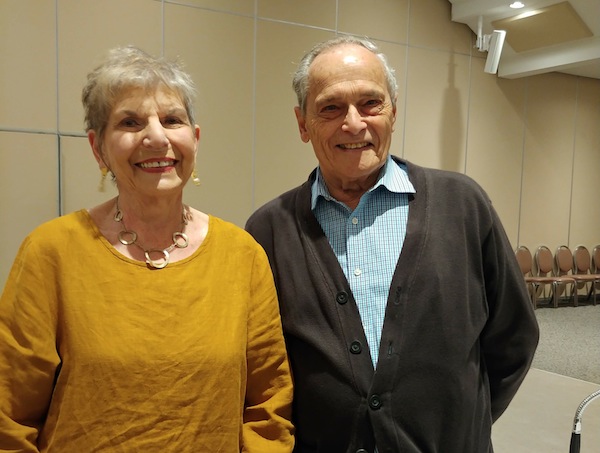
Keynote speaker Irene Dodek and Bill Gruenthal, from the Temple Sholom 60+ group, at the latest JSA Snider Foundation Empowerment Series event, which took place May 15. (photo by Marcy Babins)

Jewish Seniors Alliance of Greater Vancouver and the seniors group Temple Sholom 60+ co-sponsored the fourth in the 2018-19 JSA Snider Foundation Empowerment Series, which has the theme “Renewing and Reinventing Ourselves.” About 60 attendees met at Temple Sholom on May 15 for lunch, followed by a talk by Irene Dodek on Writing Our Own Stories.

Bill Gruenthal of the 60+ group welcomed the audience and announced the names of everyone who was having a birthday in April and May. He then introduced Ken Levitt, president of Jewish Seniors Alliance, who thanked Temple Sholom for the opportunity to co-sponsor the event with them and briefly outlined JSA’s programs, with particular emphasis on the Peer Support Program. He also explained that JSA’s motto is “Seniors Stronger Together.”

Gruenthal introduced Dodek, one of two charter members of the Jewish Museum and Archives of British Columbia (JMABC).

Dodek is a graduate of the University of British Columbia in anthropology and museum studies. She said she first became interested in stories while growing up in Wapella, Sask., where she heard many family tales from her grandfather and her uncles, who were homesteaders there.

Dodek has been conducting interviews for the JMABC for many years. She outlined a few of her early interviews and pointed out some of the mistakes made by beginners. She offered the following tips, stressing that the most important thing is for the interviewees to be heard. Questions must be open-ended, she said, to give the person a chance to talk and explain. Confidentiality must be maintained, as well as respect for the person, and patience in waiting for answers. Interviewers must give people a chance to think before they answer, she said.

Dodek – who said that history is her passion – was also involved in a Steven Spielberg Shoah Foundation project that required 30 hours of training in three days on how to interview Holocaust survivors. She commented that this was very different from interviewing community pioneers.

The title of her family history, which she wrote, is You’ll Always be My Darling. Dodek took the name from a note her mother once wrote in her autograph book. She did a lot of genealogical research and the book contains many maps and family photographs. The book is in the national archives in Ottawa.

After a number of questions about interviewing and also about writing, Gruenthal thanked Dodek for her stimulating presentation.

The fifth in the “Renewing and Reinventing Ourselves” series will take place on June 24, sponsored by JSA and the Kehila Society of Richmond. Called Dueling Pianists, Lester Soo and Marilyn Glazer will entertain. Lunch is at noon and the program starts at 1 p.m. at Congregation Beth Tikvah. For more information and to register, contact Toby Rubin at 604-241-9270 or the JSA office at 604-732-1555.

Shanie Levin is an executive board member of Jewish Seniors Alliance and on the editorial board of Senior Line magazine.

Format ImagePosted on June 7, 2019June 5, 2019Author Shanie LevinCategories LocalTags history, Irene Dodek, JSA, memoir, seniors, Temple Sholom
Teen wins for speech

Teen wins for speech

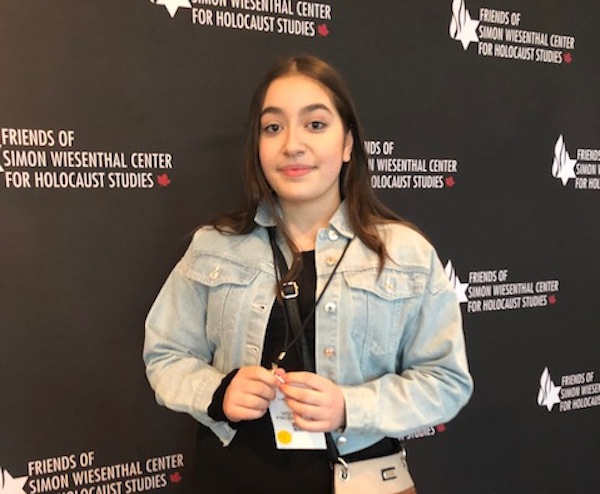
Deema Abdel Hafeez placed third in the Friends of Simon Wiesenthal Centre for Holocaust Studies’ annual speech contest. (photo from Janet Lee Elementary School)

Every year, the Friends of Simon Wiesenthal Centre for Holocaust Studies puts out a call to Ontario students in grades 6 to 8 to submit a speech reflecting on a quote of Holocaust survivor Simon Wiesenthal, z”l. This year, the quote selected was, “I believe in the good in people,” and students were encouraged to think about how to make the world a better place.

Deema Abdel Hafeez, a Grade 8 student at Janet Lee Elementary School in Hamilton, Ont., entered the contest, the first round of which was in February. Hafeez comes from a Palestinian family who moved to Canada 20 years ago.

“When I heard the quote, I didn’t want to just base it on the good in people … unicorns, rainbows,” Hafeez told the Independent. “I, more so, attacked the quote. I was like, you cannot believe in the automatic good in people, because it takes time to find the good in people.

“I wrote about my Islamophobic experiences. I was saying that you have to define the word ‘good’ to believe in the good in people. And, you have to become the good yourself before you can assume the good in other people.”

Hafeez shared that, while her school is pluralistic, with students of many different faiths, racism still very much exists.

“All the racist slurs and things like that, that’s how I attacked the quote,” said Hafeez. “I talked about how my family can’t go out without [experiencing it] … how my mom is being told to go back to her own country, or how anyone wearing religious clothing … is attacked in social standing … and how things are at a disadvantage for people like us. Obviously, it’s not as bad as it used to be, but, as a world, we need to try to change more.”

Hafeez said one of her Muslim neighbours had been badly beaten, to the point that he had almost died, just because he is a Muslim.

In the classroom, Hafeez has witnessed hate. “People mention jokes on social media and like things like that, and they talk about different colours of skin as if following a stereotype… and it’s, like, you’re funny, but you’re not … it’s just rude.”

When asked about how her parents felt about her entering the competition, Hafeez said she had entered without their knowledge. “It wasn’t because they wouldn’t have allowed me to,” she said. “But, I kind of just entered without telling anyone. At home, we talk about the Palestine-Israel conflict a lot, because we have a lot of family in Palestine. We can’t hate a whole group of people, because that’s hypocritical and we’re nice people … so, we don’t hate Israeli people. I have a lot of Israeli friends and I’m Palestinian. It’s cool, because, I feel like, with the Palestinian-Israeli conflict, there’s a way we can live in harmony, both nations living in the same land.”

Hafeez is a member of the school group Making a Difference.

“We do a lot of fundraisers and things like that,” she said. “I volunteer my time while making projects for my school and having the whole school getting involved in these projects. That’s how … I think I’ve become ‘the good,’ in my opinion. I find good as not seeing other people as objects and not labeling them and things like that … becoming the good is more mental to me. You can’t judge anyone. You can’t say, this person is good or bad. You can define yourself and, if you believe you’re doing the best you can at being good … if everyone did that in the world, then we’d live in a better place.”

Hafeez said she watches the news a lot and feels there is far too much violence that results from people judging others.

“I’m not talking about politics,” she said. “If everyone just stopped judging other people based on their religion, colour, sexual orientation … if everyone just focused on themselves, then our world wouldn’t be as hateful a place as it is right now.”

Hafeez practised her speech with her eight siblings.

“I feel like the hardest part for me was just managing my time and how I was supposed to practise my speech, and do all the things for my speech while I also have school, sports, classes … that was the hardest part,” said Hafeez. “The speech itself came easy for me. It is my own thoughts and is everything I’d thought about before. I stayed up late at night thinking these thoughts. I already knew what I wanted to say, so, on the stage, I wouldn’t be reading off a paper. I’d be talking about what I’ve been thinking about.”

The practise paid off. Hafeez was among 10 students chosen to attend a workshop and have their speeches taped as part of the semifinals on March 3 at the Friends of Simon Wiesenthal Centre in North York, a suburb of Toronto. A panel of judges then selected five students for the finals on March 28 at the Toronto Centre for the Arts. Hafeez placed third, winning an iPad.

Hafeez and her school have sent the Simon Wiesenthal Centre a grant application in the hope of organizing a peace summit, incorporating some anti-Islamophobic and anti-discrimination workshops for area schools.

Hafeez is already thinking about what types of activities she would like to undertake in high school, next year, such as starting up a group for change.

“I feel like, when I do that, I’ll be introduced to everything else I can do at my high school,” she said. “I have a lot of siblings, know a lot of teachers. I feel like it won’t be hard, to use my voice to reach people in high school.”

Meanwhile, Hafeez will find good use for her new iPad.

Rebeca Kuropatwa is a Winnipeg freelance writer.

Format ImagePosted on June 7, 2019June 5, 2019Author Rebeca KuropatwaCategories NationalTags Deema Abdel Hafeez, Islamophobia, racism, Simon Wiesenthal Centre, tikkun olam, writing
Learning to lead prayer

Learning to lead prayer

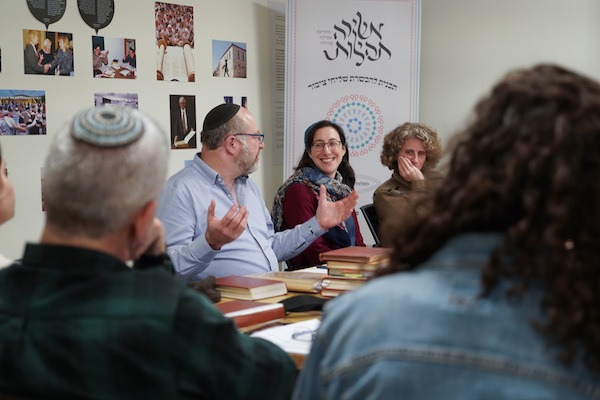
Rabbi Uri Kroizer from the Ashkenazi track with his students. (photo by Itai Nadav)

Some 50 prayer leaders recently completed the first session of the inaugural Ashira program. The program’s goal is to train prayer leaders (schlichei tzibur) from across Israel to direct creative prayers in one of the following three tracks: Ashkenazi, Sephardi and contemporary liturgy.

This unique program, which is held at the Schechter Rabbinical Seminary in Jerusalem, is a joint initiative of Rabbi Avi Novis Deutsch, dean of the Schechter Rabbinical Seminary, and Yair Kochav, one of the founders of the Tahrir cultural platform. Both are graduates of the New York Federation’s social leadership Cohesion Lab.

At one of the meetings at the Schechter campus in Jerusalem, Novis Deutsch explained, “Musical prayer is at the crux of the soul – it is clear that enabling people to study prayer touches their souls. We can discern true happiness in the classes. As the director of many programs at the Schechter Rabbinical Seminary, I can sincerely say that when you teach Torah you sometimes see happiness, but when you teach prayer you constantly see happiness on the students’ faces.”

The Ashira program is comprised of 15 weekly five-hour meetings, where students study both theoretical and practical aspects of prayers and it is sponsored by donors from Vancouver and various parts of Israel.

From December 2018 to just after Passover 2019, when you walked down the hallways of the building, you would hear different styles of music from the classrooms.

“The students represent a broad variety of Israeli communities – some are studying in rabbinical programs, some are prayer leaders, and all have a love for Jewish liturgical music,” said Novis Deutsch. “The Ashira program furthers social cohesion; it is a collaborative project with the leaders of prayer renewal in Israel. Many of those who participate in the program never thought that they could be prayer leaders. Ashira allows them to imagine this possibility – it reduces their anxiety about leading prayers and gives them a voice.

The program’s premise is that, to find your voice as a prayer leader, you must acquire an in-depth knowledge of the tools, styles and procedures in this field.

“Before we embarked on the program, we assembled 12 leaders in the field of Israeli music and started a process, which gave birth to Ashira,” explained Yair Kochav. Of the three tracks, he said the Ashkenazi and Sephardi work with the existing liturgy, teaching it to the new prayer leaders, while the “contemporary liturgy track fuses the first two tracks with modern Israeli reality.”

photo - Sephardi track director Hacham David Menachem (holding the oud)
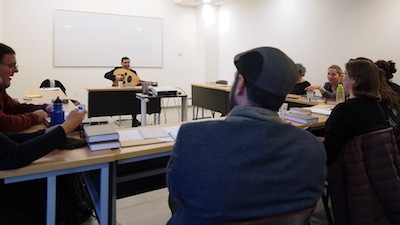
Sephardi track director Hacham David Menachem (holding the oud). (photo by Itai Nadav)

According to Kochav, each track is divided into three sections: theoretical, musical and practical.

“This gives students a multifaceted experience of the essence of prayer and what motivates people to pray,” said Kochav. “Each identity and motivation must receive its own space. There is a certain apprehension that the traditional liturgy will disappear due to the growth of a popular modern Israeli liturgy. Therefore, students in all three tracks meet to discuss the similarities and differences of each liturgy.”

Rabbi Rani Yager, from the Shalom Hartman Institute, who heads the contemporary liturgy track together with Yair Harel, said, “The most important lesson that I learned in this program is that prayer is a need felt by people in all communities: it is not connected to one’s religious or ethnic background, nor to one’s gender. People are willing to discuss this need, to learn and to share their feelings. Singing together requires courage, and the enormous need for prayer engendered this courage.”

Rabbi Uri Kroizer and Dr. Naomi Cohn Zentner direct the Ashkenazi track and Hacham David Menachem and Drori Yehoshua direct the Sephardi track.

Students study the musical scales of each liturgical style; each student plays an instrument and/or sings during the classes. During the breaks, students meet in the hallway and eat dinner together (organized by different students each week) and discuss current events.

“Those of us in the Ashkenazic track, who come from different backgrounds, meet weekly and make space for the voices that we bring from our homes,” said Shira Levine, who received her master’s from the Schechter Institute of Jewish Studies and is now a rabbinical student of the Hartman/Oranim program. “I have learned much from Rabbi Kroizer, who is an expert in Ashkenazic liturgy and a real mensch. I hope to study Sephardic liturgy in the next session.”

Osnat Ben Shoshan Pruz, a participant in the Sephardi track, said, “The program opened a door to a significant and immense world in which I have participated for many years. Ashira provided me with an opportunity to study, in depth, areas that I had not previously had a chance to examine. I have acquired numerous tools and knowledge in liturgy, Talmud and Jewish philosophy.”

“The program changed the manner in which I sing prayers, which goes beyond the pages of the siddur,” said David Arias, a Schechter Rabbinical Seminary student who participates in the contemporary liturgy track.

The next program starts in the fall. For more information, visit schechter.edu/schechter-rabbinical-seminary/about-the-rabbinical-seminary.

Format ImagePosted on June 7, 2019June 5, 2019Author Schechter Rabbinical SeminaryCategories IsraelTags education, Judaism, prayer, spirituality
Nechama Rivlin dies at 73

Nechama Rivlin dies at 73

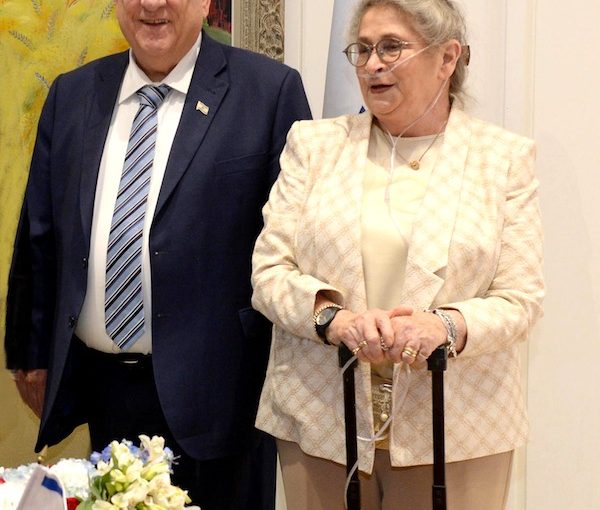
Israeli President Reuven Rivlin and his wife, Nechama, in Jerusalem in May 2018. (photo from Ashernet)

Nechama Rivlin died June 4 at Beilinson Hospital in Petah Tikva, at the age of 73. She had undergone a lung transplant operation three months ago because of pulmonary fibrosis. She received a lung from Yair Yehezkel Halabli, 19, of Ramat Gan, who drowned in Eilat. President Rivlin extended his family’s thanks to the Halabli family, “who donated their late son Yair’s lung, for their inspiring nobility and wonderful deed.”

Nechama Rivlin was born in 1945 in Moshav Herut in the Sharon region. She completed high school at the Emek Hefer Ruppin Regional School. In 1964, she began studying natural sciences at the Hebrew University of Jerusalem. After graduating, she worked at the Hebrew University of Jerusalem as a researcher in the department of zoology, and other departments. In addition, she studied modern, classical and ancient art. In 1971, she married Reuven (Rubi) Rivlin and settled in Jerusalem. They have three children and many grandchildren; she was sister to Varda.

Rivlin’s fondness for Hebrew literature and art led her to write from time to time about writers and artists, who particularly appreciated the posts she published on the official Facebook page of the president. She generally began her posts with the words, “Hello everyone, Nechama here,” and signed them “Yours, Nechama.” In 2018, she established the President’s Award for Hebrew Poetry.

Format ImagePosted on June 7, 2019June 5, 2019Author Edgar AsherCategories IsraelTags arts, culture, Nechama Rivlin, writing
אושר הסכם הסחר החדש

אושר הסכם הסחר החדש

אושר הסכם הסחר החדש בין קנדה לישראל בתקווה להכפיל את היקף הסחר.

בזמן שנשיא ארה”ב, דונלד טראמפ, מאיים על מדינות בעולם ונלחם בהן כדי להשיג הסכמי סחר חדשים, קנדה וישראל אישרו את הסכם הסחר החדש ביניהן.

ביום שני בשבוע שעבר (העשרים ושבעה במאי) ניכנס לתוקפו החוק בקנדה ליסום הסכם הסחר החופשי החדש בין קנדה לישראל, שכולל מספר תיקונים משמעותיים, הרחבות והתאמות.

הסכם לאזור הסחר החופשי המקורי בין קנדה לישראל נחתם לפני יותר מעשרים שנה (באלף תשע מאות תשעים ושבע). הוא כלל בעיקר מוצרים תעשייתיים. ואילו ההסכם החדש שמפשט את כללי המקור, כולל תחומים רבים נוספים. בהם: חקלאות, מזון, סחר, סביבה, סחר ועבודה, סחר ומגדר, סחר אלקטרוני, טיפול בחברות קטנות ובינוניות וכן מניעת מגבלות בתחומי הגנת החי והצומח.

היקף הסחר בין קנדה ושיראל עמד בשנה שעברה על קרוב לשני מיליארד דולר. קנדה וישראל מצפות להכפיל את היקף הסחר ביניהן בתוך כחמש שנים, לאור ההסכם החדש שכאמור נכנס כבר לתוקפו.

שר המסחר הקנדי בממשלה הלברלית, ג’יימס גורדון קאר, אמר לאור השגת ההסכם בין קנדה לישראל: “אנחנו מתרשמים מכך שמדינה כמו ישראל עם שמונה וחצי מיליון תושבים היא מובילה כלכלית בעולם. הרקע שלנו מאוד דומה וחשוב לנו לפתח את היחסים הטובים עם ישראל”.

הסכם הסחר המשודרג פותח למעשה את הסחר החופשי בין קנדה לישראל לרמה של מאה אחוז, לעומת רמה של תשעים אחוז שאיפיינה את ההסכם הישן. קנדה מהווה שותפת סחר משמעותית של ישראל, כאשר בשנת אלפיים ושבע עשרה, היקף הסחר בין שתי המדינות עמד על יותר ממיליארד ושבע מאות מיליון דולר, עם מאזן סחר חיובי לטובת ישראל, בהיקף של כשלוש מאות ושישים מיליון דולר. בשנה זו היצוא הישראלי לקנדה עמד על כששת מאות חמישים ותשעה מיליון דולר. מדובר בעלייה של אחד עשר אחוז לעומת שנה קודם לכן. באותה עת היבוא הקנדי לישראל עמד על מאתיים תשעים ותשעה מיליון דולר. כבר במחצית השנה אשתקד נרשמו נתונים טובים בין שתי המדינות. הייצוא מישראל לקנדה עמד על כארבע מאות תשעים ושניים מיליון דולר. מדובר בעלייה של כשישים ואחד אחוז לעומת התקופה המקבילה שנה קודם לכן. ואילו הייבוא מקנדה לישראל עמד על כמאה ושישים מיליון דולר. ענפי יצוא הסחורות העיקריים מישראל לקנדה הם: מכונות (מהוות כעשרים ושלושה אחוז), כימיקלים (מהוווים כעשרים ושלושה אחוז) וציוד רפואי ואופטי (מהוווים כעשרה אחוזים). לעומת זאת ענפי יבוא העיקריים מקנדה לישראל הם: מכונות (מהווות כעשרים וחמישה אחוז), תחבורה (מהווה כעשרים ושלושה אחוז) וכימיקלים (מהווים כשלושה עשר אחוז).

במרכז לענייני ישראל והיהודים בקנדה ברכו על ההסכם החתום ואמרו: “קנדה וישראל ידידות ובעלות ברית מאז הקמתה של מדינת ישראל. האישרור של הסכם הסחר החופשי הקנדי-ישראל המודרני הוא עוד ציון דרך מרגש, ביחסים המיוחדים בין שתי הדמוקרטיות הליברליות. הסכם זה הוא תוצאה של עבודה שהחלה הממשלה הקודמת וממשיכתה – הממשלה הנוכחית. זו הוכחה שיחסי הידידות בין קנדה לישראל מתעלים מעל לקווים הפוליטיים. חידוש והרחבת הסכם הסחר החופשי פותח דלתות להזדמנויות חדשות בתחומי החדשנות, המדע והטכנולוגיה עבור הקנדים והישראלים כאחד. עם יחסי מסחר דו-צדדי בין קנדה לישראל שעברו את גבול המיליארד ושבע מאות מיליון דולר לפני כשנתיים, ההסכם החדש יפעל משמעותית לטובת שתי המדינות ויגדיל את כושר התחרותיות שלהן בשוק העולמי, ייצור מקומות עבודה חדשים וישפר את איכות החיים של הקנדים והישראלים”.

Format ImagePosted on June 5, 2019Author Roni RachmaniCategories עניין בחדשותTags Canada, Israel, trade, ישראל, סחר, קנדה
PTI yeshivah to close

PTI yeshivah to close

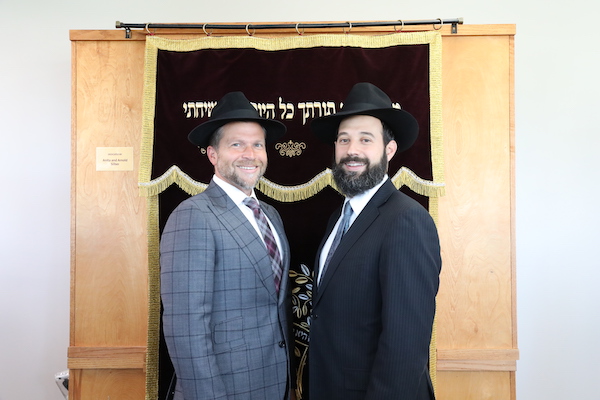
Rabbis Noam Abramchik, left, and Aaron Kamin. (photo from Pacific Torah Institute)

After 16 years in Vancouver, the Pacific Torah Institute yeshivah is closing. The school, which operates out of the Lubavitch Centre at Oak and 41st Avenue, was established by Rabbi Noam Abramchik and Rabbi Dovid Davidowitz in 2003.

Over the years, the program – which offers an education based on the Chofetz Chaim Yeshivah in Queens, N.Y. – has graduated more than 100 students from the high school and more than 200 in the beis midrash program. It is currently led by Abramchik, who is originally from Chicago, and Rabbi Aaron Kamin, who joined the yeshivah from New York in 2005.

Abramchik spoke of the dwindling number of students. “The high cost of living has driven most of the shomer Shabbos community out of Vancouver to other cities,” he said, estimating that 45 Orthodox families have left Vancouver in the last three years. Schara Tzedeck’s Rabbi Andrew Rosenblatt calls it, “the frum flight,” he said.

Families from all over North America have sought out PTI for their sons, he said, “But now, the community essentially felt that we were a luxury that could no longer be afforded, since the actual number of local ‘customers’ was slim to none.”

Abramchik spoke of the yeshivah students as “the most visible sign of Orthodox life in Vancouver.” PTI’s biggest contribution to Jewish life in Vancouver, he said, was “its adherence to Torah, studied at the highest level.”

The impact on religious Jewish life will be “immeasurable,” he said. “We offer university-level Judaic studies.” Few communities offer a post-high school program, he said, so the closure of PTI will mark a dramatic change for Jewish life in Vancouver.

Michael Sachs joined the board of PTI a year ago, when a secondary board was established by local professionals, with the purpose of keeping the yeshivah in Vancouver. Sachs, who is president of the board of the Bayit shul in Richmond, began his connection to PTI in its early years, with a stint as the coach of the school’s basketball team.

Sachs said there was a need for a yeshivah in Vancouver, even if most of the students came from elsewhere. “There’s a lack of understanding in the community about the extent of the yeshivah’s contribution to local Orthodox families,” he said, adding, “PTI is not the only institution affected by the yeshivah’s closure.” Other schools – Shalhevet Girls High School and Vancouver Hebrew Academy – shared resources with PTI, he said, “which allowed them to benefit from more staff and lower expenses.”

Sachs said he is heartbroken about the closure. “This is a loss that ripples across the whole Jewish community,” he said. “Any loss to a Jewish community is a big loss. The impact will be economic, social, educational and personal. People are losing their friends to other cities.”

He said, “The students ate at Café FortyOne, at Omnitsky; the yeshivah rented space at Lubavitch Centre; these students volunteered in our community.” He described the “impossible task” of saving the yeshivah, despite the rabbis and staff having made personal sacrifices to try and keep it afloat.

July 18 will be the last day of classes for PTI students. After that, the school will be packed up and moved to Las Vegas, where it will merge with another yeshivah there. The boys will continue with their program while living in dormitories. While yeshivot have moved in the past – especially after the Second World War – the merger is a new concept.

The future is still uncertain for some PTI students, who have been interviewed for yeshivot in Toronto, Milwaukee and Denver, among other places. Some families are considering yeshivot in Israel. The PTI program is highly regarded, Abramchik explained, “cities have been vying for the boys. Fifteen cities have asked PTI students to move to them, and 10 boys are coming this week to be interviewed for the new [merged] program in Las Vegas.”

Abramchik and Kamin spoke with regret of the move.

“We feel very rooted in this community,” said Kamin. “Three of our kids were born here, we’ve made brises, bar mitzvahs here. My married kids are very emotional, they feel as though their home is being uprooted.”

Abramchik agreed. “Kids are part of the mission,” he said. “They’re invested in the yeshivah and it’s been an anchor in their childhood. It’s very painful.” However, he said, “You have to be adaptable as educators, trends are changing all the time.”

Shula Klinger is an author and journalist living in North Vancouver. Find out more at shulaklinger.com.

Format ImagePosted on May 31, 2019May 30, 2019Author Shula KlingerCategories LocalTags Aaron Kamin, education, Michael Sachs, Noam Abramchik, Pacific Torah Institute, PTI, yeshivah
Awards all round

Awards all round

Each year, the Eric Hoffer Award presents the da Vinci Eye (named after Leonardo da Vinci) to books with superior cover artwork. Cover art is judged on both content and style and, among this year’s winners is Olga Campbell’s Whisper Across Time: My Family’s Story of the Holocaust Told Through Art and Poetry (Jujabi Press). The book is still being considered for category, press and grand prizes.

Whisper Across Time also won the Ippy Award for independent self-published authors. Campbell’s book was selected as one of the 2019 Independent Publisher Book Awards’ Outstanding Books of the Year under the freedom fighter category. Campbell planned on attending the May 28 gala event in New York.

(For a review of the book, see jewishindependent.ca/a-story-told-in-art-and-poetry.)

* * *

Julia Ivanova’s National Film Board documentary Limit is the Sky saw its Toronto première on May 2 in the retrospective of the largest documentary film festival in North America, Hot Docs. Ivanova is one of only three directors from British Columbia who have received a Focus On retrospective at Hot Docs since 2002 – the others are John Zaritsky and Nettie Wild.

photo - Julia Ivanova
Julia Ivanova (photo from NFB)

Ivanova, the director, cinematographer and editor of Limit is the Sky is a Russian-Canadian filmmaker. She came to Canada at the age of 30, became a filmmaker in Vancouver and captured Canada from within but with the ability to look at the country from a distance. She has made documentaries for the NFB, CBC, Knowledge Network, played Sundance and won many awards for her films.

The screening of Limit is the Sky, the NFB film about the Fort McMurray boom-bust-fire circle and the winner of the Colin Low Best Canadian Feature Award at DOXA 2017, commemorates the third anniversary since the worst wildfire and the worst natural disaster in Canada’s history devastated the capital of the oil sands. (See jewishindependent.ca/diverse-doxa-festival-offerings.)

The Hot Docs Focus On retrospective of her work includes the world première of her new film, My Dads, My Moms and Me, a film about the joy and turmoil of parenting in the modern family, including same-sex partners, surrogates, adoption and combinations that break the old conventions. The film follows three families, filmed twice, 12 years apart – in 2007 and in 2019.

* * *

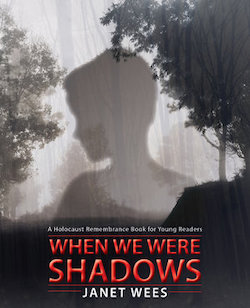
image - When We Were Shadows book coverMore than 250,000 children participated in the Ontario Library Association’s annual Forest of Reading program and have helped choose the best Canadian authors and illustrators. On May 14 and 15, thousands gathered at the annual Festival of Trees, an annual rock concert of reading, hosted at the Harbourfront Centre, where winners of the 2019 Forest of Reading program were announced. Among the books awarded honours was When We Were Shadows by Janet Wees, published by Second Story Press. (For more on Wees and the book, visit jewishindependent.ca/saved-by-dutch-resistance.)

* * *

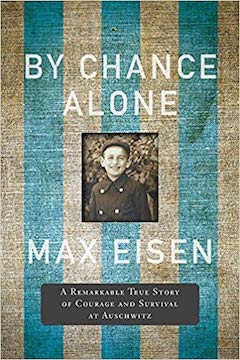
By Chance Alone: A Remarkable True Story of Courage and Survival at Auschwitz by Max Eisen (HarperCollins) won Canada Reads 2019. The book was championed by TV host and science broadcaster and author Ziya Tong, and was chosen by the five panelists as the book for Canadians to read in 2019. This year’s title fight asked the question: What is the one book to move you?

image - By Chance Alone: A Remarkable True Story of Courage and Survival at Auschwitz book coverAfter four days of debate in front of live audiences, Tong and By Chance Alone survived the final vote to be crowned this year’s winner. The runner-up was Homes by Abu Bakr al Rabeeah and Winnie Yeung (Freehand Books), which was defended by Simple Plan drummer Chuck Comeau. Audiences can catch up on all of the debates on demand on CBC Gem or by downloading the Canada Reads podcast from CBC or iTunes.

“Before 2016, I don’t remember seeing swastikas, but these days I see them often – in the news and on social media. But here’s something even more shocking: one in five Canadian young people have not even heard of the Holocaust. They don’t know what it is, ” said Tong.

This year’s debates took place March 25-28 and were hosted by actor, stand-up comedian and host of CBC Radio’s Laugh Out Loud, Ali Hassan.

Format ImagePosted on May 31, 2019May 30, 2019Author Community members/organizationsCategories NationalTags art, books, Canada Reads, CBC, documentaries, Holocaust, Janet Wees, Julia Ivanova, Max Eisen, memoir, National Film Board, NFB, Olga Campbell, Ontario Library Association
The making of ancient beer

The making of ancient beer

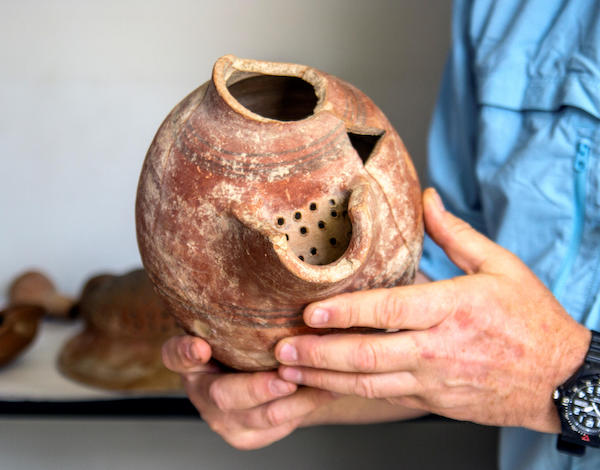
Nanopores taken from ancient pottery have allowed researchers to make beer following a 5,000-year-old recipe. (photo by Yaniv Berman IAA via Ashernet)

Research led by scholars at Hebrew University, the Israel Antiquities Authority, Tel Aviv University and Bar-Ilan University has revealed a way to isolate yeast from ancient pottery, from which beer was then produced. HU’s Dr. Ronen Hazan and IAA’s Dr. Yitzhak Paz, who are among the leaders of the research, noted that “we now know what Philistine and Egyptian beers tasted like.” The team examined the colonies of yeast that formed and settled in the pottery’s nanopores. Ultimately, they were able to use resurrected yeast to create a beer that’s approximately 5,000 years old.

“By the way, the beer isn’t bad,” said Hazan. “Aside from the gimmick of drinking beer from the time of King Pharaoh, this research is extremely important to the field of experimental archeology – a field that seeks to reconstruct the past. Our research offers new tools to examine ancient methods and enables us to taste the flavours of the past.”

Added Paz, “This is the first time we succeeded in producing ancient alcohol from ancient yeast. In other words, from the original substances from which alcohol was produced. This has never been done before.”

Format ImagePosted on May 31, 2019May 30, 2019Author Edgar AsherCategories IsraelTags archeology, beer, Israel, science
בהגירה לקנדה

בהגירה לקנדה

(facebook.com/ProICC)

ישראלים המבקשים לברר פרטים על הליך קבלת תושבות קנדית, נתקלו בנציגי חברת פרו איי.סי.סי שניסו להונות אותם. כך נטען בכתבה במדור הכלכלי של עיתון הארץ – דה מארקר. עוד נטען בכתבה כי נציגי החברה טוענים שהם עוזרים בבקשות לתושבות מטעם שגרירות קנדה, ומוכנים לעזור לישראלים אם ישלמו חמש מאות ושמונים דולר, ויעבירו להם את פרטי כרטיס האשראי שלהם. משגרירות קנדה בתל אביב נמסר בתגובה כי לחברת פרו איי.סי. סי אין קשר למשרד ההגירה, פליטים ואזרחות, וממשלת קנדה רואה בחומרה כל ניסיון להונות בתחום האזרחות או ההגירה. אם מישהו מציג עצמו כנציג השגרירות או משרד ההגירה ומציע מעמד הגירה או אזרחות בטלפון זו הונאה. מחברת פרו איי.סי.סי לא נמסרה תגובה לעיתון הישראלי.

בשבועות האחרונים מופיעה מודעה בפייסבוק מטעם פרו איי.סי.סי ובה ההצעה לבדוק זכאות לאזרחות קנדית. ישראלים שנכנסים ללינק מקבלים לאחר זמן קצר שיחה טלפונית, המוצגת באפליקציות לזיהוי שיחה כשיחה משגרירות קנדה, ובה אדם המציג עצמו כעובד שם ומסביר את המשמעות של הגשת בקשה לתושבות. עיתונאית דה מארקר השאירה את פרטיה באתר החברה ונציגה התקשר אליה. הוא הציג עצמו בשם וויליאם סאנלי עובד פרו איי.סי.סי, מבלי לציין שהחברה אינה שייכת לשגרירות קנדה. סאנלי פירט את ההיתרונות בהגירה לקנדה, מערכת הבריאות המתקדמת, לימודים בחינם, עזרה בפתיחת עסק ועוד.

לשאלת הכתבת מדוע נוקטת השגרירות הקנדית בגישה פרו-אקטיבית ומגייסת אנשים ממדינות אחרות לעבור אליה, טען סאנלי, כי קנדה מבקשת להגדיל את האוכלוסייה במדינה ומקבלת בכל חודש שבעה עשר אלף תושבים חדשים, העונים על דרישות מסוימות. בהן: גיל, רמת השכלה, ניסיון תעסוקתי ואנגלית ברמה גבוהה. לאחר שהכתבת ענתה על מספר שאלות סאנלי הודיע לה כי היא עומדת בדרישות, ועליה למלא טופס שישלח אליה דרך האימייל, ולשלם מייד חמש מאות ושמונים דולר. סאנלי הפעיל לחץ על הכתבת והודיע לה כי התחיל כבר בהליך הרישום שלה, ואם היא תעצור אותו, היא תאלץ להמתין כשנה, עד שתוכל להגיש בקשה חדשה. לדברי סאנלי אם הכתבת לא תפעל מייד להגשת הבקשה להגירה היא תסומן על ידי השגרירות, ולכן תאלץ להמתין שנה תמימה להגשת בקשה חדשה.

בשגרירות קנדה בתל אביב מסרו כי הם פתחו בבדיקה בנושא פעילות חברת פרו איי. סי.סי. בשגרירות ביקשו לציין כי אלה המבקשים להגר למדינה נוטים לעתים קרובות להסתמך על יועצי הגירה, שיעזרו להם לטפל בנושא. עם זאת הם עלולים ליפול לידי נוכלים. ממשלת קנדה החליטה להשקיע השנה מיליוני דולרים, כדי להגן על האזרחים והמועמדים להגירה, כדי שלא יפלו במלכודות של הנוכלים. עוד נמסר כי משרד ההגירה לא מעניק יחס מיוחד למי שפועל להגר באמצעות יועץ, וזה לא מבטיח להם דבר. כל הטפסים הנחוצים להגירה נמצאים באתר משרד ההגירה ואפשר להוריד אותם ללא תשלום. גם רשימת יועצי ההגירה החוקיים נמצאים באתר. אגב חברת פרו איי.סי.סי לא נמצאת ברשימת היועצים המוסמכים לטפל בהגירה לקנדה.

בדקתי את האתר של פרו איי.סי.סי ומצאתי שמשרדי החברה ממקומים ברחוב הייסטינג 1021 בוונקובר. פרו איי.סי.סי מציגה עצמה כחברה מובילה עם רקורד מוכח בתחום ההגירה, והבאת מהגרים לקנדה מכל העולם. מהגרים שהם אנשי מקצוע מיומנים, אנשי עסקים, סטודנטים וחברי משפחה. בחברה מציינים עוד כי הם ליוו כבר אלפים שהגרו לקנדה. בדף החברה בפייסבוק מפורסם כי יש לה כששת אלפים וחמש מאות “לייקס”.

Format ImagePosted on May 29, 2019May 23, 2019Author Roni RachmaniCategories עניין בחדשותTags Canada, Haaretz, immigration, investigation, Israel, ProICC, בדיקה, הארץ, הגירה, ישראל, פרו איי.סי.סי, קנדה

Posts pagination

Previous page Page 1 … Page 155 Page 156 Page 157 … Page 323 Next page
Proudly powered by WordPress