Skip to content
  • Home
  • Subscribe / donate
  • Events calendar
  • News
    • Local
    • National
    • Israel
    • World
    • עניין בחדשות
      A roundup of news in Canada and further afield, in Hebrew.
  • Opinion
    • From the JI
    • Op-Ed
  • Arts & Culture
    • Performing Arts
    • Music
    • Books
    • Visual Arts
    • TV & Film
  • Life
    • Celebrating the Holidays
    • Travel
    • The Daily Snooze
      Cartoons by Jacob Samuel
    • Mystery Photo
      Help the JI and JMABC fill in the gaps in our archives.
  • Community Links
    • Organizations, Etc.
    • Other News Sources & Blogs
    • Business Directory
  • FAQ
  • JI Chai Celebration
  • JI@88! video

Recent Posts

  • Story of Israel’s north
  • Sheltering in train stations
  • Teach critical thinking
  • Learning to bridge divides
  • Supporting Iranian community
  • Art dismantles systems
  • Beth Tikvah celebrates 50th
  • What is Jewish music?
  • Celebrate joy of music
  • Women share experiences 
  • Raising funds for Survivors
  • Call for digital literacy
  • The hidden hand of hate
  • Tarot as spiritual ritual
  • Students create fancy meal
  • Encouraging young voices
  • Rose’s Angels delivers
  • Living life to its fullest
  • Drawing on his roots
  • Panama City welcoming
  • Pesach cleaning
  • On the wings of griffon vultures
  • Vast recipe & story collection
  • A word, please …
  • מארק קרני לא ממתין לטראמפ
  • On war and antisemitism
  • Jews shine in Canucks colours
  • Moment of opportunity
  • Shooting response
  • BC budget fails seniors
  • Ritual is what makes life holy
  • Dogs help war veterans live again
  • Remain vital and outspoken
  • An urgent play to see
  • Pop-up exhibit popular
  • An invite to join JWest

Archives

Follow @JewishIndie
image - The CJN - Visit Us Banner - 300x600 - 101625

Images

Help for BGU students

Help for BGU students

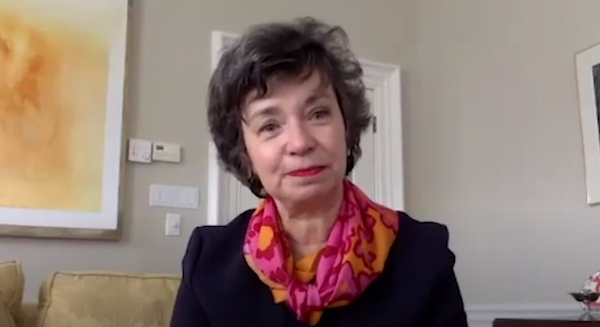
Left to right, Senator Linda Frum, actor Mayim Bialik and BGU president Danny Chamovitz participated in the virtual Big Bang event, hosted by Canadian Associates of Ben-Gurion University of the Negev on Sept. 9. (photo by David Berson)

On Sept. 9, the Canadian Associates of Ben-Gurion University of the Negev hosted its first national virtual gathering. The Big Bang Event to “save the class of COVID-19” was an urgent move to support the university’s 20,000 students.

With many students having lost their jobs in the sudden economic slowdown, they are unable to fund their tuition or even their basic needs. Rather than forfeiting a generation of leaders to financial hardship, BGU launched a student assistance program in July, with the goal of raising $6 million for 6,000 individuals.

While it is Israel’s newest university, BGU is a leader in academic research and technological development. With three campuses, it is credited as a trailblazer in both the humanities and the sciences – nanotechnology, robotics, cybersecurity, Israel studies, Jewish thought, neuroscience, medicine, business and management – addressing some of the world’s biggest problems, such as drought and hunger. The university’s reach is local as well as international, serving the immediate community in the Negev, including both the immigrant and indigenous Bedouin populations.

BGU was founded in 1969, following the vision of David Ben-Gurion, Israel’s first prime minister. Ben-Gurion sought to establish a university which would act as a “source of moral inspiration and courage, rousing people to a sense of mission: noble, creative and fruitful.” He believed that the Negev Desert would be critical to the future of the new country – the desert covers 60% of the country, and Ben-Gurion saw it becoming an economic, academic, scientific and cultural hub.

The Big Bang Event featured guest speaker Mayim Bialik, well-known for her roles in the 1990s show Blossom and, more recently, in her award-winning role as Amy Farrah Fowler in Big Bang Theory. In addition to acting, Bialik earned a doctorate in neuroscience from the University of California, Los Angeles, in 2007; her dissertation examined the role of oxytocin and vasopressin in obsessive-compulsive disorder in adolescents with Prader-Willi syndrome. A mother of two, Bialik is also an accomplished writer and musician.

Quirky, vivacious and searingly intelligent in her remarks, watching her speak at the Big Bang Event brought to mind the Yiddish proverb, “The heart is small and it embraces the whole wide world.” Bialik spoke from the heart, telling the audience about her own family story and the genesis of her Jewish identity. She spoke about her heritage, how she raised her children and how she carries her Jewish identity into her professional life in a fireside chat-style with Canadian Senator Linda Frum.

Also speaking at the event was BGU president Danny Chamovitz, who addressed the audience from his home in Israel at what would have been 2:30 a.m. his time. Chamovitz was in isolation, having recently returned from Europe, and, following the event, he did indeed test positive for coronavirus, but has since made a full recovery.

Chamovitz described his office’s emergency response to the pandemic. Members of the university community were invited to submit proposals and, as a result, more than 70 initiatives are in progress, including the development of tests for COVID-19 that drastically reduce turnaround times.

“Across the country, more than 380 households purchased tickets and more than 800 people watched the program,” said David Berson, CABGU regional executive director, in a recent email interview. “We have raised over $1.3 million with 50% of that being raised locally. In our region, 83 households purchased tickets and more than 200 people watched the program.”

In addition to raising money, he said, “The event was a great success motivating many new people to support CABGU. It has set the bar, the gold standard, for how to properly execute a national virtual event. Regarding the campaign itself, the rate of unemployment in Israel is 50% for the under-34 age bracket. By the opening of the academic year on Oct. 18, more than 5,000 students had applied for support from this student assistance fund. Where we had been fearful that enrolment would drop because of the financial impact of the pandemic, it turns out that enrolment for undergrad studies increased by 32%. The funds raised have been vital in creating accessibility for so many students hit hard by this unprecedented situation.”

While the Big Bang audience was scattered from coast to coast, a warm ambience was created locally, with hand-delivered baskets of sweet and savoury delicacies: quiches and bourekas, as well as exquisitely decorated handmade chocolates, from Café FortyOne; and BGU wine tumblers and a bottle of red wine.

The local business sponsor was Instafund and Instafund’s Adam Korbin, who was the Metro Vancouver chair of the event, thanked Bialik at the end of the program.

“We were very fortunate to have dozens of local sponsors for the event,” said Berson. “Details of the sponsors can be found on our website, bengurion.ca.”

Regional board chair Si Brown “was thrilled with the generous response from and participation of our local community,” Berson added. “Since reestablishing CABGU in Metro Vancouver seven years ago, it has been gratifying for me to watch how our community has slowly and surely begun to embrace this young and dynamic Israeli university in the Negev.”

Format ImagePosted on November 13, 2020November 11, 2020Author Shula Klinger and Cynthia RamsayCategories UncategorizedTags Adam Korbin, Big Bang, CABGU, Café FortyOne, Canadian Associates of Ben-Gurion University of the Negev, Danny Chamovitz, David Berson, education, fundraising, Instafund, Linda Frum, Mayim Bialik, Negev, philanthropy, Si Brown
Legacy seniors knit gift

Legacy seniors knit gift

The finished scarves, each individually packaged, and including a warm message. (photo from Legacy Senior Living) 

Last month, residents of Legacy Senior Living (the Leo Wertman Residence) gave a gift of warmth to residents of New Beginnings, a temporary housing complex for Indigenous individuals. On Oct. 7, nearly 100 hand-knitted scarves, each with an uplifting message – such as “Warm Wishes,” “Smile” and “Enjoy!” – were delivered from the independent living retirement home in Vancouver’s Oakridge area to the housing complex, which is located at Heather and 33rd.

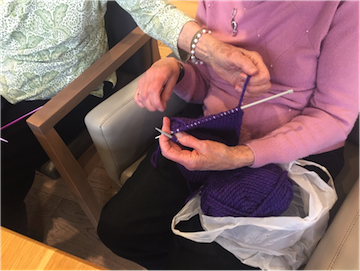
A scarf in progress at Legacy Senior Living (the Leo Wertman Residence)
A scarf in progress. (photo from Legacy Senior Living)

The idea for the project came almost a year ago. It was organized in January, and jumpstarted by a $200 grant from the Vancouver Foundation to fund the purchase of wool. Between 10 and 20 residents regularly participated; some teaching others how to knit, others brushing up on their knitting skills. They worked together while socializing, coming together weekly for a knit-and-chat session.

“When my mother lived at Legacy, I used to knit with her for therapeutic purposes,” said Annette Wertman, who organized the effort. “Then, I thought, maybe knitting would be a good activity for the residents of Legacy Senior Living. We had a meeting of those interested – and the idea took off! We applied for a grant and were so pleased to receive one from the Vancouver Foundation. While the COVID lockdown altered the way we gathered to knit together, we followed the health protocols and still managed to knit 98 scarves! And it’s perfect that we finished this in October, a more appropriate time to donate these scarves.”

photo - The delivery of scarves, just in time for winter, to New Beginnings
The delivery of scarves, just in time for winter, to New Beginnings. (photo from Legacy Senior Living)

Not only was it a more appropriate time weather-wise, but the donation took place around Thanksgiving. The Legacy knitters were grateful to be able to make “a small but warm contribution to the community.”

“Our residence, built in memory of Leo Wertman, is a vision of inclusion, diversity and philanthropy within the Jewish community, and of our broader local community,” said Wertman, a cousin of the residence’s namesake. “We all felt very good about our project and have already begun the next project – toques and blankets!”

Format ImagePosted on November 13, 2020November 11, 2020Author Legacy Senior LivingCategories LocalTags Annette Wertman, knitting, Legacy Senior Living, Leo Wertman Residence, New Beginnings, seniors, tikkun olam, Vancouver Foundation
A shidduch like none other

A shidduch like none other

Brad Chenkis shows off a couple Sonovia masks. (photo from Tikva Housing)

It all began when Boris Chenkis, owner of After Five Fashions, was watching Israel Daily TV (ILTV) and saw an interview with Liat Goldhammer, the chief technology officer of an Israeli startup called Sonovia. She was talking about a new fabric-finishing technology for textile manufacturing developed at Bar-Ilan University, explaining that the technology could repel and kill bacteria located on clothing. Because it was in early January, a few weeks before COVID-19 became a worldwide pandemic, Chenkis just listened with interest.

On ILTV March 18, Dr. Jason Migdal, a microbiology researcher in Israel, discussed how the Sonovia technology mechanically impregnates metal nanoparticles into masks that destroy microorganisms in fabric. This was verified by two independent labs. It was also durable and washable. Now Chenkis was very interested.

With COVID becoming widespread, Sonovia had positively impacted Israeli doctors and health professionals by providing them with the technologically advanced masks. On May 12, Chenkis saw another interview about the Sonovia mask technology on ILTV – and an opportunity to get involved.

During his teenage years, Chenkis lived in Israel, studying and working at Kibbutz Rosh Hanikra. With this connection to Israel that never left his heart, he wanted to support an Israeli startup and so he purchased some masks to keep his family, friends and community safe. Soon after, he received an email from Sonovia, offering him an opportunity to help distribute the masks in Canada. Chenkis said yes. The masks were shipped from Ramat Gan to Vancouver and, within days, he was delivering hundreds to friends and family.

One of those who received the Sonovia mask was Yosef Wosk. Being both pleased and impressed with the technology, Wosk, like Chenkis, saw an opportunity to help not only the community here but also Israel. Wosk wondered how the masks could be made available locally to community members who might not be able to afford them, as they cost $65 each.

Wosk spoke with Shelley Karrel, chair of Tikva Housing, who contacted Tanja Demajo, chief executive officer of Jewish Family Services Vancouver. The need for the masks was confirmed and the shidduch almost complete.

Working with Chenkis’s son, Brad Chenkis, and with Wosk’s help, Tikva has acquired and will distribute 500 masks to residents of Tikva Housing, as well as clients of Jewish Family Services. It’s a win, win and win – tikkun olam, tzedakah and chesed.

For more information about the Sonovia masks, contact Brad Chenkis directly at [email protected].


Format ImagePosted on November 13, 2020November 11, 2020Author Tikva HousingCategories LocalTags After Five Fashions, Chenkis, coronavirus, COVID-19, health, Israel, Jewish Family Services, JFS, Shelley Karrel, Sonovia, Tanja Demajo, tikkun olam, Tikva Housing, tzedakah, Yosef Wosk
Women in labour force

Women in labour force

Pamela Jeffery, founder of the Prosperity Project. (screenshot)

Pamela Jeffery, the driving force behind the Prosperity Project, led an Oct. 7 webinar entitled When Women Succeed, We all Prosper – Don’t Let COVID-19 Hold Us Back, which was part of a National Council of Jewish Women of Canada series on women and justice.

Launched on May 21 of this year, the Prosperity Project hopes to ensure that gains made by women in the workplace and elsewhere are not set back permanently by the pandemic. In July, a Royal Bank of Canada report showed that women’s participation in the labour force had decreased to its lowest level in 30 years. Women, according to RBC, have been disproportionately affected by the overall decline in work hours since March, and this has been exacerbated by the household and childcare responsibilities for which women take on a greater share than men, particularly when children are not learning in school.

“We all know that the women’s movement is unfinished,” said Jeffery. “This is why our leadership is necessary – no matter what our age or our gender. It is up to all of us to ensure that men and women have equal opportunity, which is at the heart of the Prosperity Project.”

She stressed, “There is a clear focus on making sure that the progress made over the last 60 years on gender equality is not rolled back. That is why the Prosperity Project exists.”

Jeffery spoke of three essential themes to advancing the movement: resourcefulness, relationships and risk. “Each of us has the power to bring an idea forward. We can take a calculated risk and draw on our resourcefulness and relationships to make things happen,” she said.

The Prosperity Project has several initiatives it hopes will safeguard the progress by women in the past few decades and propel it further. Among them is a “matching initiative” for nonprofit organizations whose mission is geared towards helping women with training, employment pathways, crisis counseling and mental and physical health. The initiative introduces women and men in the private sector with specific skill sets to the staff and existing boards of these nonprofits for extended volunteer assignments.

Jeffery pointed out the importance of role models and mentors for women. “A good mentor pushes someone outside of their comfort zone. Women are less likely to have mentors than men, which can explain our different career trajectories,” she said.

The Prosperity Project also plans to research and share practical solutions that will provide insights to employers and policy-makers on how to improve gender equality. Furthermore, it will enable women to learn from one another, to increase their employment income and well-being.

Jeffery cited a 2017 study by McKinsey & Co., reporting the overall societal benefits of advancing women’s equality. By addressing this issue, McKinsey found that Canada could “add $150 billion in incremental GDP in 2026 or see a 0.6% increase of annual GDP growth.”

The Prosperity Project also plans to create a modern-day Rosie the Riveter campaign, inspired by the iconic image used in advertising materials to encourage women to do factory work during the Second World War. The modern-day objective is to increase the labour force participation rate of women and, at the same time, encourage partners to share household responsibilities equally and motivate employers to bolster advancement opportunities and achieve gender parity at all levels of an enterprise.

The Prosperity Project has thus far brought on board 62 diverse female leaders from across the country, such as Enterprise Canada chief executive officer Barbara Fox, Sleep Country co-founder Christine Magee and former B.C. premier Christy Clark.

Jeffery’s own biography is one of enterprise, determination and success. An MBA graduate from Western University, in Ontario, she is the founder of the Women’s Executive Network and Canadian Board Diversity Council. She has served on the board of numerous organizations and has been a frequent contributor to the Globe and Mail and National Post.

“I am optimistic about the situation we find ourselves in, in 2020. I remind myself of how far we have come,” she said. “Back in 2003, six percent of FP500 board seats were held by women. Now, it is over 25%. I am confident we are going to be able to work together to make sure that COVID-19 does not bring us back.”

The webinar was serendipitously scheduled for an hour before the American vice-presidential debate between Kamala Harris and Mike Pence.

“We are doing quite a lot, but there is so much more to be done,” Jeffery concluded.

For more information, visit canadianprosperityproject.ca.

Sam Margolis has written for the Globe and Mail, the National Post, UPI and MSNBC.

Format ImagePosted on November 13, 2020November 11, 2020Author Sam MargolisCategories NationalTags business, coronavirus, COVID-19, economics, equality, NCJW, Pamela Jeffery, Prosperity Project, women

We must plan for our death

While our ultimate death is a certainty, when and how we will die is unknowable. And though death is inevitable, it remains a taboo subject for most. None of us knows what the future will bring. It is better to be prepared, so that if you become unable to make medical care decisions, your designated family members and healthcare providers, if you have talked to them, will have the knowledge and confidence to make those decisions for you.

As long as you are capable of understanding and communicating effectively with your doctor, nurse or other healthcare provider, you will be asked to make your own healthcare treatment decisions. But a serious accident or illness can result in you being incapable of making your own healthcare decisions at the time care is needed. This is why thinking about your preferences and talking to your future decision-makers now is so important. Making an advance care plan is a choice that will help alleviate some of the stress your family and friends could face if they are required to make important decisions for you, including who, exactly, you want your doctor to approach to learn about your wishes.

Advance care planning begins by thinking about your beliefs, values and wishes regarding future healthcare treatment and talking about them with selected family members or friends, as well as your doctor. When people you trust know what is important to you, it will be easier for them to make treatment decisions on your behalf.

Healthcare providers will always offer medically appropriate healthcare based on clinical assessment. They will want to ensure that any symptoms like pain, dizziness, nausea, bleeding or infection are understood and addressed. As long as you can understand and communicate, your healthcare provider will explain the medically appropriate care best for you, including any risks, benefits or alternatives. They will also ask if you have any questions and if you wish to accept or refuse the proposed healthcare treatment.

Some of the hardest decisions deal with the use of life support and life-prolonging medical interventions. These can include a ventilator to help with breathing, tube feeding, kidney dialysis, or CPR to restart the heart and lungs. If you were to have a life-threatening illness or injury, would you want to accept or refuse CPR? All, some, or no life support or life-prolonging medical interventions? A trial period of life support and life-prolonging medical interventions, allowing a natural death to occur if your condition is not improving?

Your advance care plan should at a minimum include these three things:

  • Having conversations with selected family members, friends, your family doctor and, if applicable, your spiritual leader, about your beliefs, your values and your wishes.
  • Writing down your beliefs, values and wishes for future healthcare treatment.
  • Writing down the contact information for the people who qualify to be on your temporary substitute decision-maker list (see below), or, if you prefer, the contact information for the representative you have chosen and named in an enhanced representation agreement, which is the one that allows you to name a person to make personal-care decisions and some healthcare decisions, including decisions to accept or refuse life support or life-prolonging medical interventions for you. (If you choose to have a representative agreement, I recommend you seek legal advice).

Bear in mind that your health and personal circumstances will change over time. As long as you are capable, you may change or cancel your advance care plan at any time and for any reason. Be sure to notify your doctor and your family members/friends of all changes you make.

Palliative care

When thinking about what to cover in your advance care plan, you might want to expressly include your wish to receive palliative care if you are suffering from a serious illness or condition. Palliative care is specialized medical care that focuses on providing patients with relief from the symptoms, pain and stress of a serious illness, whatever the diagnosis. The goal of palliative care is not to prolong life, nor to shorten it. The goal is to improve quality of life for both the patient and the family, and can be provided in a variety of locations, including the patient’s home, in a hospice, in a residential care facility or in a hospital.

Palliative care is provided by a team of doctors, nurses and other specialists who work with a patient’s other doctors to provide an extra layer of support. While often associated with end-of-life situations, palliative care is appropriate at any age and at any stage in a serious illness and can be provided alongside other appropriate treatments.

Many people choose to stay at home right to the end of their lives while receiving in-home palliative care from specialized healthcare providers. But if you are in the last few months of your life and feel that you are no longer able to manage at home, a hospice may be a good option for you. Hospices are meant to feel more like a home than a hospital. They are designed and furnished to provide a peaceful, homelike environment for you and your family while you receive end-of-life palliative care.

For more information on the delivery of palliative care in each of these settings, search the B.C. Health Ministry website or contact your local health authority.

Medical assistance in dying

Medical assistance in dying (MAiD) was made legal in Canada in 2016. It provides eligible patients who are experiencing intolerable suffering due to a grievous and incurable medical condition the option to end their life with the assistance of a doctor or nurse practitioner.

If your beliefs and values allow you to consider MAiD in the face of intolerable suffering, you should start by speaking with your doctor or your local health authority. For a variety of reasons, not all doctors will provide MAiD, and no one is required by law to do so. For some, MAiD may conflict with their personal beliefs or professional ethics. However, a patient can expect to be provided with information on how to access this service. Healthcare providers must not discriminate against patients with beliefs or values different from their own, and must provide an effective transfer of care to another healthcare professional who does offer MAiD.

To be eligible for MAiD, a patient must meet all of the following criteria:

  • be registered under B.C. Medical Services Plan
  • be at least 18 years old and capable of making healthcare decisions
  • have made a voluntary request for medical assistance in dying that was not made under any external pressure. This request must be in writing and signed and dated in front of two independent witnesses
  • have given informed consent after having been informed of the other means that are available to relieve their suffering, including palliative care, and
  • on assessment by two independent doctors or nurse practitioners, are determined to have a grievous and incurable medical condition, which means they have a serious and incurable illness, disease or disability; they are in an advanced state of decline that cannot be reversed; the illness, disease, disability or state of decline causes enduring physical or psychological suffering that is intolerable and cannot be relieved under conditions that the patient considers acceptable; their natural death becomes reasonably foreseeable. (On Feb. 24, 2020, the Liberal government of Canada introduced a bill to further amend the Criminal Code to, among other things related to MAiD, allow eligible persons to pursue a medically assisted death whether their natural death is reasonably foreseeable or not.)

A patient who has requested MAiD must be given the opportunity to withdraw their request throughout the process, including immediately before the medical assistance is administered, and this withdrawal need not be in writing or in any other particular form. Just an indication of a change of mind will do. And be aware that only patients who are themselves capable of giving consent can request MAiD. A request by a substitute decision-maker or by way of an advance directive is not valid.

Start the discussion

There is much more information available on end-of-life options than touched on in this article, and many matters not covered herein, but there is enough here to allow you to begin a conversation with those in your life who you want to make decisions for you when you cannot.

This is a lot to cover in one conversation. You can have as many conversations as you need – just get started before unwelcome circumstances make it too late. You will be doing yourself and your loved ones a big favour.

Tony DuMoulin is a founder of the law firm of DuMoulin Boskovich, where he practised commercial and real estate law for 40 years. He has a long history of involvement in Jewish organizations and municipal projects. DuMoulin is on the executive board of Jewish Seniors Alliance, in whose magazine, Senior Line, this article originally appeared in July 2020, Vol. 27(2).

Format ImagePosted on November 13, 2020November 11, 2020Author Tony DuMoulinCategories LocalTags death, end-of-life, health, Jewish Seniors Alliance, JSA, medically assisted dying, palliative care, Senior Line
Must teach about Holocaust

Must teach about Holocaust

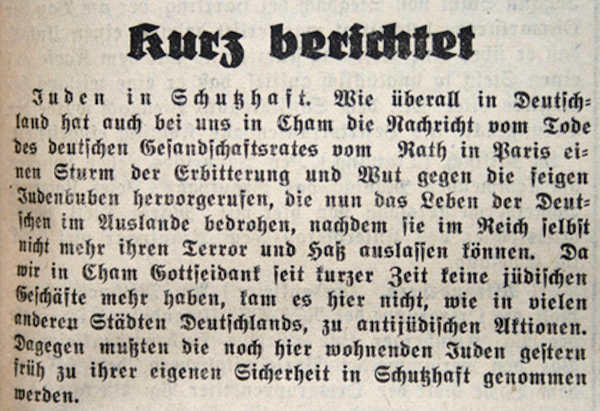
An item from the Nov. 10, 1938, newspaper in Helen Waldstein Wilkes’ mother’s hometown, Cham, Bavaria. It reads: “In Brief. Jews Taken into Protective Custody. As was the case everywhere in Germany, news of the death of the German Councilor von Rath in Paris unleashed a storm of bitterness and fury against the cowardly Jewboys who are now threatening the lives of Germans abroad because they can no longer unleash their terror and hatred within the Reich. Since, by the Grace of God, we no longer have any Jewish shops in Cham, anti-Jewish action did not take place as it did in so many other German cities. However, for their own safety, those Jews still living here had to be taken into custody yesterday morning.” (Translation by Waldstein Wilkes.)

As we have sat waiting to hear who will be president of the land that was once the beacon of hope for so many, we have asked ourselves, “What can I do? Are there meaningful avenues for action?”

Election day Nov. 3, Kristallnacht Nov. 9 and Remembrance Day Nov. 11 form a cluster. For Jews who became refugees or who lost family in the Holocaust and for all their descendants, Nov. 9 has particular resonance. Peter Gay was there. Here’s how he describes it:

“Synagogues were severely damaged or totally burnt out, sacred scrolls desecrated with the peculiar elation and ingenuity that the plunderers brought to their work. Businesses were destroyed, private houses and apartments were reduced to piles of rubble, with furniture, pictures, clothing and kitchen equipment thrown around so that they were barely recognizable. There was some looting…. But for the majority, the thrill lay in destruction for its own sake.

“The world watched, disapproved, and did almost nothing. In the United States, the public’s attention was still focusing on the midterm congressional elections of November 8, and the press was busy assessing the results.” (From Gay’s My German Question: Growing Up in Nazi Berlin, Yale University Press, 1998.)

For me, the parallels to today send shivers down my spine. The world must not be allowed to forget the depths to which humans can sink.

Awareness of the Holocaust is shrinking. In the United States, a 2018 survey showed that 66% of millennials could not identify what Auschwitz was. A recent survey revealed that about a third of 7,000 European respondents across seven countries knew “just a little or nothing at all” about the Holocaust.

Knowing about the Holocaust can provide a necessary understanding of how an entire population was bullied and manipulated by demagogues before succumbing to hate and fear-mongering. It can also serve as a blueprint for recognizing the dangers of demonization and incitement and help guard human rights and strengthen core democratic values.

Instead of endlessly fretting about social isolation and the threat of COVID-19, I’ve been seeking ways to make the gift of my days here on earth matter. I, a woman who calls herself “accidentally alive,” a woman who left her first home by horse and buggy, now count technology as among the miracles of my life. Recently, from out of the blue, the wife of a second cousin in New York, whom I’d met only once many years ago, decided to gather the extended family (all that’s left, thanks to Hitler and his efficient helpers) via Zoom. Welcoming me to this gathering of the mishpocha was a man in Israel claiming that his great-great-grandparent and mine had been siblings, and that he had read my book Letters from the Lost in connection with his volunteer work at a museum there. The museum used to be a kibbutz, founded by survivors from Theresienstadt, the concentration camp where both of my grandmothers perished and where most of my family suffered before being sent to their final destination, Auschwitz. Perhaps to distance itself from the German and to place upon it the stamp of renewal that Israel became for these lost souls, the kibbutz was named Beit Terezin.

Together with David, this fourth cousin in Israel, I am building a pathway for keeping alive that which we forget at our peril. Please, if you can, go to jgive.com and search for “Letters from Arnold.”

Using artwork and graphics contributed by those early survivors in Beit Terezin, alongside the words of my beloved Uncle Arnold, who spent 17 months in Theresienstadt before enduring the hellfires of Auschwitz, we hope to create a book that will find a home in every Holocaust museum in the world. If finances permit, we will use technology to bring the contents to life in new ways so that those who cannot visit a Holocaust museum in person nonetheless can receive our reminder that it must not happen again. Never Again.

I urge you to visit our website. And if you’d like to do an additional mitzvah, please forward the link to contacts near and far whose family members may once have lived through the hell of Theresienstadt – or worse.

Born in a country that no longer exists at a time hopefully never to be repeated, Helen Waldstein Wilkes describes herself as “accidentally alive” because she, too, was marked for eradication. Now an energized octogenarian with a richly rewarding life, she is author of two award-winning books, The Aging of Aquarius, an uplifting book that encourages people to live their passion by striving to effect change for the better, and Letters from the Lost (also available in German and Spanish translation), a moving memoir of how a box of letters from prewar and postwar Europe changed everything.

Format ImagePosted on November 13, 2020November 11, 2020Author Helen Waldstein WilkesCategories Op-EdTags Auschwitz, elections, history, Holocaust, Israel, Kristallnacht, Peter Gay, Remembrance Day, Shoah, Terezin, Theresienstadt, United States
Golden coins found

Golden coins found

(photo by Shai Halevi/IAA via Ashernet)

A small pottery jar containing four pure gold coins dating from the Early Islamic period was unearthed during archeological excavations conducted by the Israel Antiquities Authority (IAA), as part of the Jewish Quarter Development Corporation’s plan to build an elevator and make the Western Wall Plaza more accessible. The jar was found by IAA inspector Yevgenia Kapil and, some weeks later, excavation director David Gellman found the coins inside it. “To my great surprise, along with the soil, four shiny gold coins fell into my hand,” said Gellman. “This is the first time in my archeological career that I have discovered gold, and it is tremendously exciting.”

According to IAA coin expert Dr. Robert Kool, “The coins date from a relatively brief period, from the late 940s to the 970s CE. This was a time of radical political change, when control over Eretz Israel passed from the Sunni Abbasid caliphate, whose capital was Baghdad, Iraq, into the hands of its Shiite rivals, the Fatimid dynasty of North Africa, who conquered Egypt, Syria and Eretz Israel in those years.”

According to Kool, “Four dinars was a considerable sum of money for most of the population, who lived under difficult conditions at the time. It was equal to the monthly salary of a minor official, or four months’ salary for a common labourer. Compared with these people, the small handful of wealthy officials and merchants in the city earned huge salaries and amassed vast wealth. A senior treasury official could earn 7,000 gold dinars a month and receive additional incomes from his rural estates amounting to hundreds of thousands of gold dinars a year.”

Format ImagePosted on November 13, 2020November 11, 2020Author Edgar AsherCategories IsraelTags antiquities, archeology, history, IAA, Israel
יום הבוחר בארה”ב

יום הבוחר בארה”ב

(image by Zoonar/A.Makarov)

יום הבוחר: תושבי בריטיש קולומביה במערב קנדה הימרו כי דונלד טראמפ ינצח בבחירות לנשיאות ארה”ב היום, וימשיך בתפקיד לארבע שנים נוספות. אירוע הבחירות יהיה הפופולארי ביותר בהיסטוריה בקרב המהמרים

הבחירות לנשיאות ארצות הברית שיערכו היום יום שלישי, יהפכו לאירוע הפופולרי ביותר מאז ומעולם בקרב המהמרים השונים בעולם. רבים מהם מהמרים כי הנשיא הנוכחי, דונלד טראמפ, נציג המפלגה הרפובליקנית, הוא זה שינצח בבחירות את המועמד מטעם המפלגה הדמוקרטית, ג’ו ביידן. להערכת המהמרים אם כן טראמפ ימשיך לשמש נשיא ארה”ב בקדנציה נוספת בת ארבע שנים בבית הלבן.

בארה”ב חל איסור להמר בנושאים פוליטיים כמו הבחירות לנשיאות. לעומת זאת ניתן להמר על תוצאות הבחירות בקנדה במספר מדינות באירופה ובמקומות נוספים בעולם.

תושבי מחוז בריטיש קולומביה שבמערב קנדה השכנה מצפון של ארה”ב, החליטו כבר מי ינצח בבחירות לנשיאות ארה”ב, שיערכו היום (שלישי). לפי הערכת הקנדים או יותר נכון בין אלה שמהמרים, טראמפ ינצח בבחירות את ביידן.

לפי מצב ההימורים להיום: ארבעים וארבעה אחוז מצביעים על טראמפ כזוכה בבחירות, לעומת עשרים ושבעה אחוז שמאמינים שביידן ינצח. ואילו ללא פחות מעשרים ותשעה אחוז אין בשלב זה מועמד עדיף וזה קצת תמוה.

התאגיד של ממשלת בריטיש קולומביה – בי.סי לוטוריס קורפוריישן – שאחראי על כל ההימורים במחוז, החליט לאפשר לתושבים המקומיים להמר גם על זהות המנצח בבחירות לנשיאות בארה”ב, מבין השניים שמנהלים קרב איתנים, טראמפ וביידן. לפי הערכת בי.סי לוטוריס קורפוריישן למעלה מעשרת אלפים ישתתפו בהימורים לנשיאות ארה”ב היום. ובכך צפוי להישבר שיא המהמרים לאירוע בודד ביום אחד. אם כן ההימורים על הזוכה לנשיאות בארה”ב יותר פופולריים במחוז בריטיש קולומביה, מאשר זהות המנצחים באירועי הספורט הבולטים ובהם: משחקי הפלייאוף של הסופר בול, משחקי הפלייאוף של האן.בי.איי ומשחקי הפלייאוף של ההוקי. אגב, בבחירות לנשיאות לארה”ב הקודמות (שנערכו לפני כארבע שנים) בין טראמפ למועמדת המפלגה הדמוקרטית, הילרי קילנטון, כשבעת אלפיים ומאתיים מתושבי בריטיש קולוביה לקחו חלק בהימורים על זהות המנצח.

יש לציין כי אתר ההימורים של הבי.סי לוטוריס קורופריישן הוא הראשון בקנדה שהציע להמר על הבחירות בארה”ב. בשנה האחרונה בעיקר לאור מגיפת הקוביד, היקף ההימורים באתר של הבי.סי לוטוריס קורופריישן גדל משמעותית והגיע לכשני מיליארד דולר קנדי.

גם בקרב המהמרים באמצעות פלטפורמת ההימורים של אתר ההימורים הבריטי אודצ’קר, טראמפ ינצח את ביידן. בשלב זה בין המהמרים המועמד הפופולארי ביותר הוא טראמפ שזוכה לחמישים ושישה אחוז. זאת לעומת ביידן שזוכה לעשרים ושמונה אחוז בלבד. סגנית הנשיא המועמדת של ביידן, קמלה האריס, זוכה לפופולריות בשיעור של שמונה אחוזים בקרב המהמרים, ואילו סגן הנשיא של טראמפ, מייק פנס, זוכה לפופולריות בשיעור של חמישה אחוזים בלבד בקרב המהמרים. ואילו הזמר הראפר השחור, קניה וסט, שגם הוא הכריז על ריצתו לנשיאות ארה”ב, זוכה לשלושה אחוזים בלבד כמועמד פופולארי לזכייה בבחירות בקרב המהרים.

באתר אודצ’ר מציינים כי ההימורים על הזוכה לנשיאות ארה”ב היום, הופכים להיות האירוע הפופולרי ביותר בהיסטוריה מאז ומעולם, בקרב המהמרים השונים ברחבי העולם.

הקנדים כאן נערכים אף הם לבחירות: לפי הערכה כשש מאות ועשרים אלף קנדים שמחזיקים גם באזרחות אריקנית יכולים להצביע בבחירות אלה. בבחירות הקודמות לנשיאות רק כשלושים ושלושה אלף מהם הצביעו, ומדובר בכחמישה אחוזים בלבד. אך הפעם הדבר אמור להיות שונה בתכלית וקרוב לוודאי שאחוז הקנדים שיצביעו בבחירות לטובת טראמפ או ביידן יהיה הרבה יותר גבוה.

Format ImagePosted on November 3, 2020November 2, 2020Author Roni RachmaniCategories עניין בחדשותTags BC Lotto, Biden, elections, gambling, Trump, United States, ארה"ב, בחירות, בי.סי לוטוריס קורופריישן, ג'ו ביידן, דונלד טראמפ, הימורים
Celebrating community

Celebrating community

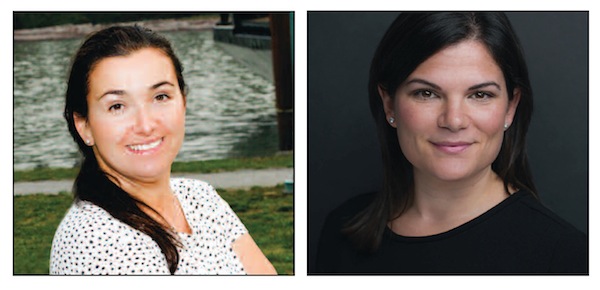
Featured speakers at this year’s Choices are Hannah Amar, left, and Michelle Hirsch. (photo from Jewish Federation)

Hannah Amar wants people to keep in mind two words when they listen to her story: resilience and connection.

Toronto-born Amar was 10 years old when she and her parents were hit by a drunk driver in a catastrophic car accident. She was the sole survivor. She went to live with an aunt and uncle, in a home with little to no Jewish identity. Her quest to regain her Jewish identity and the difference it made at the most difficult moment of her adult life is a story she will share next month at Choices.

Choices is an annual celebration of the Jewish Federation of Greater Vancouver. (Click here for an interview with Federation’s women’s philanthropy co-chairs.) It brings together hundreds of Jewish women who have made a choice to support the community through volunteerism, professional work, engagement or a financial gift. This year’s event takes place virtually on Nov. 8, and will recognize the power of women’s individual and collective contributions. The keynote speaker this year is Michelle Hirsch, a Cleveland woman who mobilized her circle to support the Jewish community of Houston after Hurricane Harvey wreaked havoc on that city in 2017. Amar is the community speaker.

When Amar came to the University of British Columbia, she sought out Hillel, the Jewish student organization, in an effort to reconnect with her Jewishness. This was her initial foray into the community.

After university, she was working in a corporate office and met a man with whom she had two sons, 16 months apart. That relationship ended and he largely disappeared. With two kids and no child support, Amar struggled to make ends meet.

With no family to fall back on, Amar put her belongings in storage and spent the better part of a year with no fixed address. She had some savings intended for her kids’ education, which was all that kept the three of them off the streets or in a homeless shelter. At one point, she was living in a room above a Starbucks, reached through a long set of steep stairs – she was eight months pregnant and had a 1-year-old.

Earlier, though, when she was still at her office job, Amar passed by the Ohel Ya’akov Community Kollel, on West Broadway. Since leaving university, and Hillel, she had not been in close contact with the Jewish community. Coming from a kickboxing class, dressed in her hot pink hoodie, she stopped outside the Kollel and was wondering whether to go in when a rabbi came down the stairs with a lollipop in his mouth.

“I thought, I can totally approach this rabbi because he’s eating a lollipop,” she recalled.

Rabbi Levi Feigelstock invited her to services on Shabbat and, the following week, she was at his family’s Shabbat table. It was the beginning of a solid connection. Both of her sons had their bris at the Kollel.

As her relationship collapsed and her housing situation became critical, it was that connection with community that provided a safety net.

A few weeks ago, Amar and her kids – Sam, 7, and Judah, who is almost 6 – moved into a three-bedroom townhome at the Ben and Esther Dayson Residences in the River District of South Vancouver. The Dayson Residences are a project of Tikva Housing, a nonprofit society that provides access to affordable housing, primarily for Jewish low- to moderate-income adults and families. The neighbourhood, which opened in 2019, consists of 32 townhomes.

“My kids are so happy, I’m so happy,” said Amar. “It’s a life-changer. It really is.”

Around Sukkot, Chabad visited with their mobile sukkah and all the kids in the residences came out. Amar loves walking around and seeing Shabbat candles in windows.

“The sense of community here – it is remarkable,” she said. “Going from no fixed address and only being the three of us for so many years to finally reaching out and dipping our toes in community and now having that.… Reaching out to the Jewish community helped me.”

The kids have already made best friends in the neighbourhood and Amar is enjoying having neighbourhood kids dogpiling on her living room floor.

“The amount of stress that’s left my body is unbelievable,” she said. “I had pain every day. Just yesterday, I woke up and I had none, so that’s pretty remarkable. I feel it leaving my body.”

Two generations ago, when Amar’s grandparents arrived in Toronto from Morocco, they, too, were aided by the Jewish community organizations that were there to help.

“It just really goes to show you how the connection in the Jewish community is amazing and how the help there is also amazing,” she said.

The keynote speaker for the Choices event, Hirsch, will share the story of how a small act of tzedakah snowballed into a huge relief effort for the Jewish community of Houston.

Hirsch is senior vice-president of her family’s business, an insurance brokerage.

“We joke that our family’s business is not just insurance for people but it’s also in our blood to ensure the future of the Jewish community,” she said. Growing up in Akron, south of Cleveland, Hirsch saw the model her grandparents and parents set in that city’s relatively small Jewish community.

“Everyone was involved because everyone was involved,” she said. “Every Jew knew every Jew and that’s just how it was.”

Hirsch became active locally and internationally, with the Jewish Federations of North America’s Young Leadership Cabinet and, more recently, with the National Women’s Philanthropy Board. She also serves on the board of the Jewish Agency for Israel North America and as chair of Cleveland’s Women in Philanthropy.

When Hurricane Harvey hit, her Young Leadership Cabinet colleagues in Houston were posting photos of the disaster on the group’s social media page. “Everyone was asking what can we do to help,” Hirsch recalled. “Some of the people in Houston were saying, we need things: people need diapers, we need cleaning supplies, none of the stores are open, the roads are blocked. We can’t just go to the store or order something to get delivered.”

Courier companies and Amazon were not delivering in Houston, but private vehicles were permitted to enter the city. Hirsch connected with colleagues in Dallas and asked if it would be possible to corral supplies there and transport them to Houston. One of the donors to the Dallas Federation owns a shipping company, so they obtained a cargo truck.

Hirsch made a preliminary Amazon wish list – toiletries, cleaning supplies, toothbrushes, other necessities – and posted on her personal social media, asking colleagues from Young Leadership Cabinet and other connections to share it. She went to bed and, eight hours later, awoke to find more than 1,000 items had been purchased and were on their way to the Dallas JCC.

“We kept adding additional items and, a few days went by, and then the Amazon trucks just started rolling in,” she said. The cargo truck made its way from Dallas to Houston well before couriers resumed services. The Houston JCC became their warehouse and volunteers came, opened the boxes, sorted the items and prepared them for community members to collect what they needed.

A couple of weeks later, some of the organizers made the trip themselves, including Hirsch. They helped out on the ground, rummaging through the flooded JCC preschool to see what toys and other items could be salvaged.

“It sounds like a sad story,” Hirsch said, “but really it’s an inspiring story, not of just mobilizing but the idea of a community that was facing such destruction that just rose up together to really come together and put back the pieces. It’s just a beautiful story of people coming together.”

More of both these women’s stories will be shared at the Choices event. For information and to register, visit jewishvancouver.com/choices-form.

Format ImagePosted on October 30, 2020October 30, 2020Author Pat JohnsonCategories LocalTags annual campaign, Choices, Dayson Residences, Hannah Amar, Jewish Federation, Michelle Hirsch, philanthropy, tikkun olam, women
First-ever virtual Chutzpah!

First-ever virtual Chutzpah!

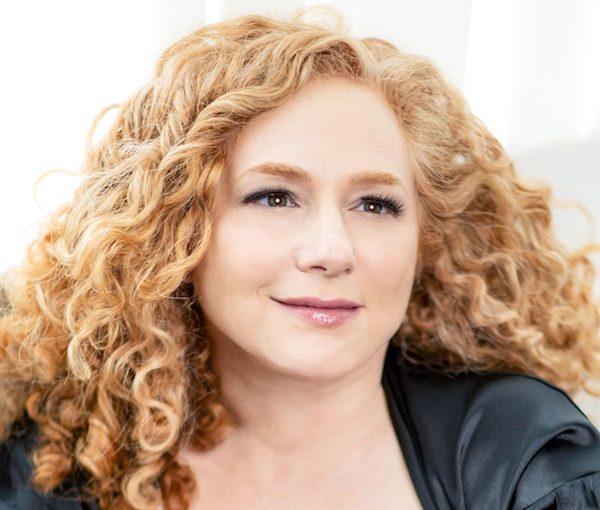
The new artistic managing director of Chutzpah!, Jessica Mann Gutteridge, faced unique challenges in presenting the festival. (photo from Chutzpah!)

“This has been a challenging time for all communities. I hope that this year’s Chutzpah! Festival can bring a sense of joy, and the communal spirit that comes from sharing performing arts experiences with others, whether at the theatre or from the comfort of home,” said artistic managing director Jessica Mann Gutteridge in a recent interview with the Jewish Independent.

This will be the first-ever Chutzpah! The Lisa Nemetz International Jewish Performing Arts Festival that people will be able to watch at home. Given the COVID-19 pandemic, all of the performances will be available online, Nov. 21-28, with a few opportunities to attend small-audience shows that are being live-streamed from the Norman and Annette Rothstein Theatre. Not only will this be the first Chutzpah! presented digitally in the festival’s 20-year history, but it will be the first directed by Gutteridge.

“I knew that I had an exciting and challenging year ahead of me when I took the helm of Chutzpah! from Mary-Louise Albert, who was artistic director before me for 15 years,” said Gutteridge. “I really could not have anticipated how much the world would change just three weeks later, when the pandemic shuttered the Rothstein Theatre and the entire performing arts sector. The first month or so was spent focusing on our staff’s well-being and helping the many users of our theatre to reschedule and replan all the events that had to be canceled.

“The first thing I did for the Chutzpah! Festival was to take some time to think,” she said. “My board was wonderfully supportive from Day 1 and assured me that whatever scale I felt was right would be all right with them – even if I wanted to postpone for a year. I spent a great deal of time just thinking about the purposes of the festival, how it serves the community and the relationships we have with our audiences and community of artists. Even before COVID, when I was thinking about what my first festival might look like in a transition time, I felt inspired to bring together artists who had performed in the festival in the past with new artists who I hoped would join us in the future. So, I began by reaching out to artists from both groups so that we could just start to get to know each other, and find out how everyone was responding to this unprecedented situation.”

By early summer, said Gutteridge, it became clear that the health-related restrictions with respect to the pandemic would still be in place in November, “so I began to think about how we might incorporate digital presentations into the festival, and to talk to artists who were exploring this form of performance in their work.

“I was thrilled to learn that Iris Bahr, who was in the 2019 festival, is not only a brilliant actor and stand-up comic, but is also a podcaster who interviews other artists and public intellectuals with much wit and insight. I invited her to perform her solo stand-up, but also to function as our festival host and conduct live interviews with all the festival artists,” said Gutteridge. “Because Iris divides her time between Israel, New York and Los Angeles, we knew she would have to appear digitally and, though this adds another layer of technical complexity, I think it’s such a special opportunity that the present moment brings us – to join artists from across the world and have a chance to learn more about how the pandemic is changing and shaping their creative work.”

The festival’s online-only shows will include Bahr’s stand-up comedy performance (click here for story); New York-based playwright Rokhl Kafrissen’s Shtumer Shabes (Silent Sabbath) and former Vancouverite-current Londoner (England) Tamara Micner’s Old Friends, both of which are works-in-progress; a concert by Israeli pianist and composer Guy Mintus; and Israeli choreographer Ella Rothschild’s Pigulim.

There will be two shows live-streamed from the Rothstein, where limited audiences will be permitted. Ben Caplan will perform music from Old Stock, which is adapted from his music-theatre piece Old Stock: A Refugee Love Story (see jewishindependent.ca/searching-for-a-safe-harbour). And Chutzpah! artist-in-residence Idan Cohen (Ne. Sans opera and dance) presents the world première of Hourglass. Closing out the festival are Jess Salomon and Eman El-Husseini (click here for story), who will be live-streaming from Brooklyn, joined by yet-to-be-announced local comedians performing at the Rothstein.

The lineup is a fraction of what it would have been if not for COVID, but Gutteridge thought it important to proceed with the event.

“Well, for starters, I’m stubborn and I like a challenge!” she said of the decision. “I also knew that we were well-positioned with staff and support to execute a creative and fulfilling festival, even though it would not look much like past festivals. In talking to colleagues inside and outside the JCC, and hearing from our community via a survey in July, I understood that there was a lot of enthusiasm to keep experiencing the kind of performing arts presentations that Chutzpah! has offered for 20 years now. And, looking ahead to dark November nights, I think we can offer a communal experience that will bring some much-needed joy.”

In addition to focusing on quality entertainment, health and safety has been at the forefront of the planning.

“We have worked carefully with health and performing arts sector experts to make sure that we are providing the safest possible experiences for audiences, staff and artists, including at our physically distanced, intimate live events at the Rothstein Theatre,” said Gutteridge. “I’m also very impressed by how our artists have risen to the challenge. Rokhl Kafrissen, the playwright of Shtumer Shabes, has been working with her cast via Zoom since April, when they presented a workshop of the play in lieu of the debut performance they were scheduled to have at LABA in New York. Our audiences will have a chance to meet the artists and see excerpts from the play, with context about the work’s meaning and creation, all performed from the artists’ individual locations. It’s a special opportunity for our audiences to peek inside the creative process.

“Idan Cohen’s Hourglass, a new dance piece with live piano accompaniment, is being created this fall at the Rothstein Theatre as part of our creative residency program. With 318 seats and a large stage, the theatre is large enough for physical distancing, and Idan is working with a skeleton crew – often just himself and the two dancers at work. The dancers, Brandon Lee Alley and Racheal Prince, are partners offstage as well as on, so they are already in a household bubble. The other dance piece, Ella Rothschild’s Pigulim, comes to us from the Suzanne Dellal Centre in Tel Aviv, where the performance was previously recorded in a studio theatre, so that health and safety protocols could be observed and the dancers could form their own bubble.”

Tickets for the festival start at $18 and are available online at chutzpahfestival.com or by phone at 604-257-5145.

Format ImagePosted on October 30, 2020October 29, 2020Author Cynthia RamsayCategories Performing ArtsTags Ben Caplan, Chutzpah! Festival, comedy, coronavirus, COVID-19, dance, Ella Rothschild, Eman El-Husseini, Guy Mintus, Idan Cohen, Iris Bahr, Jess Salomon, Jesse Brown, Jessica Mann Gutteridge, music, Rokhl Kafrissen, Rothstein Theatre, standup, Tamara Micner, theatre

Posts pagination

Previous page Page 1 … Page 159 Page 160 Page 161 … Page 489 Next page
Proudly powered by WordPress