Skip to content
  • Home
  • Subscribe / donate
  • Events calendar
  • News
    • Local
    • National
    • Israel
    • World
    • עניין בחדשות
      A roundup of news in Canada and further afield, in Hebrew.
  • Opinion
    • From the JI
    • Op-Ed
  • Arts & Culture
    • Performing Arts
    • Music
    • Books
    • Visual Arts
    • TV & Film
  • Life
    • Celebrating the Holidays
    • Travel
    • The Daily Snooze
      Cartoons by Jacob Samuel
    • Mystery Photo
      Help the JI and JMABC fill in the gaps in our archives.
  • Community Links
    • Organizations, Etc.
    • Other News Sources & Blogs
    • Business Directory
  • FAQ
  • JI Chai Celebration
  • JI@88! video

Recent Posts

  • Hateful messages intensify
  • Creating entrepreneurs
  • Wrong choice to host Piker
  • Attack on Jewish kids
  • Multiple benefits of a break
  • Dialing up the perfect thriller
  • Empowerment & more
  • Songs in war of peace
  • Successful trip to Cuba 
  • Tackling antizionism head on
  • Thinking of leaving Canada?
  • Kindness as a matter of fact
  • Personal stories, vital lessons
  • Connecting generations
  • Vancouver to Vienna
  • Recipes a form of resistance
  • Community milestones … February 2026
  • Generations … It’s all yours!
  • נתניהו לא מתבייש להאשים את ביידן באחריות להרג חיילים ברצועת עזה
  • Last hostage home
  • New bill targets hate crimes
  • Concerning actions
  • Recipes not always required
  • Survivor urges vigilance
  • Seniors profoundly affected
  • Farm transforms lives
  • Musical legacy re-found
  • A range of Jewish literature
  • A concert of premieres
  • Variety telethon on Feb. 22
  • Victoria club’s many benefits
  • Avodah dedicated to helping
  • Artists explore, soar, create
  • Life’s full range of emotions
  • Community needs survey closes March 29
  • Jerusalem marathon soon

Archives

Follow @JewishIndie
image - The CJN - Visit Us Banner - 300x600 - 101625

Tag: youth

Climate crisis a top priority

Climate crisis a top priority

Teen activists talk with Vancouver Mayor Kennedy Stewart at a climate-strike action on Dec. 7. (photo from Rebecca Hamilton)

“It’s going to be our future, so it’s up to us to take it into our own hands and show that, even if we can’t vote, we can still make a difference in our communities and the world,” Malka Martz-Oberlander told the Jewish Independent when she and fellow activist and friend Rebecca Hamilton met with the paper to discuss recent – and future – efforts to draw awareness to the climate crisis.

The two high school students are part of the group Sustainabiliteens, which was inspired by Swedish climate activist Greta Thunberg. Last year, Thunberg started monthly school strikes, stating that preparing for a future that won’t have a livable climate was pointless. The strikes, called “Fridays for Future,” have spread to at least 270 countries, including Canada.

Inspired by Thunberg, strike action took place at Vancouver City Hall on Jan. 16, the day that Vancouver city council unanimously passed a motion put forward by Councilor Christine Boyle (OneCity) to declare a climate emergency. Similar motions have been adopted in other cities, including London, Los Angeles and Oakland, but Vancouver is the first in Canada to do so.

“Climate change is already impacting the people of Vancouver and will continue to. We need to respond to this crisis urgently and compassionately with a path towards a more equitable society,” said Boyle in a release. “Adequately addressing the climate emergency won’t be easy, but we are a smart city, capable of doing difficult things.”

Hamilton was an organizer of the strike at City Hall, and the groups Force of Nature and Extinction Rebellion Vancouver also supported the action. There was a previous school walkout and strike for the climate on Dec. 7, said Martz-Oberlander. She and Hamilton are among a growing number of Metro Vancouver teens coming together in what Martz-Oberlander describes as a “shared passion for climate justice.”

“With some of my friends, it’s just doom and gloom,” said Martz-Oberlander. “There’s this sense of this is all going to happen and no one can do anything, so why do anything? It’s out of our hands, we’re just kids…. But there’s also a lot of people that I know who are hopeful and see the bigger picture.”

“When I ask kids about the climate crisis,” said Hamilton, “they say that they think it’s a real problem and they’re scared. But the world around us doesn’t recognize what’s happening with the same sense of urgency that we feel. We are living in a confusing and weird time. On the one hand, we understand the science, we’re being told the scientific facts that we’re in a crisis. We’re being told these very conflicting messages, and there’s this dissonance. So what am I supposed to believe? The world is just going as normal, but why are you telling me then that we’re in this crisis and everything needs to change? I think that’s really frustrating. Me, personally, every day I’m frustrated by that.”

Both Martz-Oberlander and Hamilton grew up in the Vancouver Jewish community and say their Jewish values inform their activism. Martz-Oberlander’s family has been involved with Congregation Or Shalom since before she was born, and Hamilton grew up going to Temple Sholom.

“In the Torah, it talks about needing to pass down this world better than we got it,” said Martz-Oberlander. “That’s the concept of l’dor v’dor, ‘from generation to generation.’ The Jewish teaching that really influenced me is the sense of responsibility towards future generations.”

“Camp Miriam was most important to me in cultivating my Jewish identity,” said Hamilton. “I think it played a huge role in what I’m doing and why I care about it. The focus on youth agency, being told we could create change. It’s tikkun olam – environmentalism and climate justice is the most important way to try and help other people and create a more just world.”

photo - On Jan. 16, students walked out of school to be at Vancouver City Hall to raise awareness of the climate crisis and support Councillor Christine Boyle’s motion to declare a climate emergency
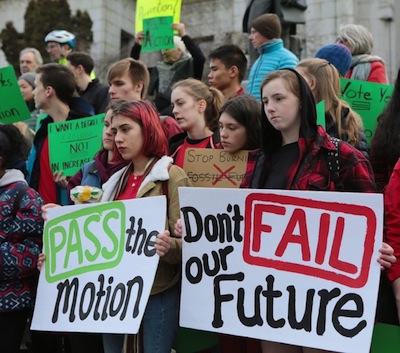
On Jan. 16, students walked out of school to be at Vancouver City Hall to raise awareness of the climate crisis and support Councillor Christine Boyle’s motion to declare a climate emergency. (photo from Rebecca Hamilton)

Both teens avoid the word “climate change,” preferring instead to talk of the “climate crisis” or “climate emergency” and the need for “climate justice.”

“Climate change doesn’t sound urgent enough,” said Martz-Oberlander. “It’s an emergency.”

“I prefer climate emergency or climate crisis,” said Hamilton, who cites Jewish writer and activist Naomi Klein as an important influence on her thinking. “It’s not about preventing this catastrophe but about healing the foundation of our world. The climate crisis is a manifestation of these unjust worldly systems which exploit nature, animals and people, so fixing that manifestation will also mean fixing those systems.”

Hamilton and Martz-Oberlander were inspired to join the climate-strike movement after it came to Canada with a strike in Sudbury, Ont., led by 11-year-old Sofia Mather.

“I feel like I have been concerned about climate change my whole life,” said Hamilton, “but I began to want to do something when I realized that nothing else really matters if we live on a dead planet.”

Hamilton and Martz-Oberlander are currently preparing for a Canada-wide school strike on May 3, and have a local action planned for Feb. 15.

Matthew Gindin is a freelance journalist, writer and lecturer. He is Pacific correspondent for the CJN, writes regularly for the Forward, Tricycle and the Wisdom Daily, and has been published in Sojourners, Religion Dispatches and elsewhere. He can be found on Medium and Twitter.

Format ImagePosted on February 8, 2019February 7, 2019Author Matthew GindinCategories LocalTags climate change, climate crisis, education, environment, Malka Martz-Oberlander, politics, Rebecca Hamilton, Sustainabiliteens, youth
ראש ממשלת קנדה: אמשיך להתנגד לארגון הקורא להחרמת ישראל

ראש ממשלת קנדה: אמשיך להתנגד לארגון הקורא להחרמת ישראל

(צילום: Pixabay)

ראש ממשלת קנדה, ג’סטין טרודו, הודיע כי ימשיך להתנגד לארגון הבינלאומי הקורא להחרמת ישראל – הדי.בי.אס. דבריו של טרודו נאמרו בשבוע שעבר במסגרת כנס בחירות פתוח לכל שהתקיים בעיר סנט קטרינס שבמחוז אונטריו. ראש הממשלה השיב לאחד מהשואלים שביקש לבדוק האם הוא מתכוון להתנצל על כך, שגינה בעבר את ארגון הדי.בי.אס. טרודו אמר בתגובה לשאלה: “כשיש ארגונים כמו הדי.בי.אס שמחפשים להציג דמוניזציה ודה-לגיטימציה למדינת ישראל, וכשיש סטודנטים שמפחדים להגיע  לאוניברסיטאות ולמכללות בקנדה בגלל דתם, חייבים להכיר בכך שיש דברים שלא מקובלים כלל. אסור לאף אחד להפלות אם לגרום לאנשים להרגיש שלא בטוח בגלל הדת שלהם. וזה בדיוק מה שארגון הדי.בי.אס עושה. אנטישמיות הייתה קיימת ומוכרת בעבר. וגם היום המתקפות נגד העם היהודי מהוות אחוז גבוה בקרב פשעי השנאה בקנדה ובעולם כולו. עלינו להבין שחלק מהאנטישמיות כיום מנוהלת לא רק נגד יחידים, אלא גם נגד מדינת ישראל בכלל. עלינו להיזהר לכן שלא לתמוך באנטשימיות החדשה הזו – שמבקרת וקוראת לעשות חרם על ישראל”.

תסריט שעוסק בגזענות נגד יהודים עלה לגמר פסטיבל סרטי נעורים

שני אחים שעלו עם משפחתם מקנדה לישראל וגרים כיום באשקלון, זאת לאחר שהם ומשפחתם סבלו לטענתם מגל אנטישמיות. האחים החליטו לעשות על זה סרט. התסריט שהוא בעצם מתאר את סיפור חייהם המעניין, עלה לשלב גמר תחרות של פסטיבל סרטי נעורים ארצי בישראל. כעת הם ממתינים לתוצאות הגמר שיפורסמו קרוב לוודאי במהלך החודש הקרוב.

האחים חיים (בן השמונה עשרה) ומנחם (בן השבעה עשרה) לבית סמיערק, לומדים כיום במגמת תקשורת בישיבת צביה אשר באשקלון. התסריט שלהם משתתף בגמר התחרות הארצית של התסריט הטוב ביותר בפסטיבל סרטי נעורים, לזכרו של התלמיד מתן בד”ט שנפטר לפני שש עשרה שנים (שתיים עשרה שנים שנים לאחר שמוחו נפגע בצורה קשה מהלך תאונת צלילה באילת, כאשר היה זה בזמן טיול שנתי בכיתה י”ב). בגמר התחרות משתתפים בנוסף עוד ארבעה תסריטים נבחרים. זאת מתוך שבעים תסריטים שהגיעו לשלב הראשון בתחרות מכל רחבי הארץ.

התסריט אותו כתבו כאמור שני האחים עוסק בנושא גזענות כלפי יהודים בקנדה בכלל, וכלפי המשפחה שלהם בפרט. הגזענות לדבריהם היא זו שגרמה למשפחה לעזוב את קנדה ולעלות לישראל לפני כשנתיים.

האחים סמיערק נחשבים עדיין בישראל על תקן של עולים חדשים, לומדים כיום בישיבת צביה באשקלון. המשפחה כולה המונה שבע נפשות עלתה לישראל: שני ההורים, שני האחים ושלוש אחיות. הם בחרו לגור באשקלון.

בקנדה שני האחים למדו במגמת תקשורת ועתה הם ממשכים את לימודיהם באותה מגמה בישיבה באשקלון. אל הפרוייקט הקולנועי שלהם מצטרפים שני בוגרי מגמת התקשורת בישיבה (אביב סיאני ומאור מיכאלי) אשר יפיקו את סרט, עם יזכה במקום הראשון בתחרות. השופטים בגמר התחרות (בהם: נציגי עיריית רעננה, נציגי בנק מזרחי-טפחות ונציגי משרד החינוך) וכן גם נציגי המשפחות התרשמו מאוד מהתסריט והסיפור האישי של שני האחים.

חיים סמיערק אומר על הפרוייקט שלו ושל אחיו הצעיר מנחם: “אני חושב שזה תסריט ממש טוב. מדובר בסיפור האישי שלנו שחווינו בקנדה. חשוב לנו לספר זאת לכולם. נפלה בידינו ההזדמנות לעלות לגמר תחרות הסרטים. במידה ונזכה בתחרות וכך גם יתאפשר להקהל נרחב לצפות בסרט שלנו – תהיה זאת ממש גאווה בשבילנו”. במהלך החודש הקרוב יקבלו האחים תשובה אם התסריט שלהם זכה במקום הראשון בתחרות החשובה.

Format ImagePosted on January 30, 2019January 24, 2019Author Roni RachmaniCategories עניין בחדשותTags antisemitism, BDS, boycott, Canada, film, Israel, Justin Trudeau, youth, אנטישמיות, ג'סטין טרודו, די.בי.אס, ישראל, להחרמת, סרטים, פסטיבל סרטי נעורים ארצי בישראל, קנדה
Supporting their community

Supporting their community

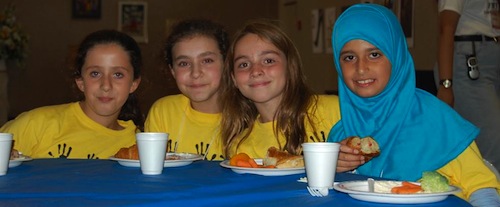
(photo by Rebecca Zaidi)

Three years ago, Rabbi Audrey Pollack of SolelCongregation in Mississauga, Ont., decided to follow the lead of Rabbi DebraDressler of Temple Israel in London, Ont., and create an interfaith peace campin Mississauga.

Pollack, who hails from the United States, moved to Canada in 2015. The Reform congregation Solel “had a tremendous reputation in the movement in terms of the education,” said Pollack, as did “the rabbi of the congregation at the time, Rabbi Lawrence Englander, who retired after 40 years here.”

As for the idea of the camp, Pollack told the Independent, “When I spoke with Rabbi Dressler, it sounded like a great opportunity to bring together interfaith dialogue and cooperation. And so, I went out there that summer for the day to see what they were doing. I thought it was a great experience for kids, adults and the teen volunteers that we have.”

As the chair of the Interfaith Council of Peel, Pollack was well-positioned to start the interfaith camp, and Solel does a lot of outreach in the Mississauga community in general.

The suburb of Toronto “has about 700,000 people and we have about 250 families in our congregation, so we’re relatively small in terms of Jewish community here,” said Pollack. “We do a lot of dialogue and conversation with the community, because we are a diverse community. It’s important for people to know who Jews are and what we are about, to make friends and to really to support each other.”

Pollack wanted to find an Islamic partner who did a lot of English-language programs, as opposed to Arabic. They found Sheikh Jaffer H. Jaffer from the Masumeen Islamic Centre in Brampton, who was excited to join, said Pollack.

“The church – Canon Jennifer Reid from Saint Peter’s Anglican Erindale – we had already been partnering with for awhile,” she said. “I knew the minister there. They run a day camp program, like a vacation Bible study program. So, that was helpful our first year, just in terms of setting up and running a day camp. They already had a few people in place that had some background.”

At first, the interfaith camp’s content was a bit of mishmash, said Pollack, but it is continually being developed and updated to meet the needs of the community. One of the bigger challenges has been to maintain a balance from each denomination; the mosque membership is much larger than that of the church and synagogue.

“The first day, we always try to do something that everyone can do together, like a get-to-know-you day,” said Pollack. “Kids need to get to know each other as kids. We do a training beforehand for our adult and teen volunteers, and, I should mention that each faith centre makes a commitment to bring a certain number of volunteers.

“The first summer we did something on tzedakah, or charity, and this summer we did something on building friendship and peace.”

Each day of camp, they go to visit a different faith centre. The campers learn a little bit more about what each group believes and how they practise their beliefs. Everyone has an opportunity to visit, have a tour and ask questions.

“We really expect the youth from each of the faith centres to do some of that explanation,” said Pollack. “It’s an opportunity for them as well.

“I remember the first time we came here [to the synagogue] with the kids for summer. Our kids were so excited, because they’d been to the mosque the day before, and they wanted to give the tour and to explain what a Torah is, why we wear kippot and things like that. So, it’s an opportunity – not only for them to learn about other faiths, but for the home faith group to be proud of who they are … and to really make the connection that there are things we share in common, and that we need to get along with each other. Basically, we need to know our neighbours.”

Most of the participating kids go to public schools around the city and may sit next to each other in class, but they rarely get to share anything about their faith in class. They may have some misconceptions or stereotypes about what someone else’s faith or culture is, said Pollack, because they don’t really discuss it.

(photo by Rebecca Zaidi)

The camp is a great opportunity to share some truth and dispel such misconceptions, she said.

The kids who have had this camp experience are already looking forward to next summer, asking when registration will be open, said the rabbi. Their parents, too, are interested in what is going on.

“On the last night of camp – we’ve been running this as a four-day camp, maybe five next summer –  we get together at one of the centres for a potluck meal,” said Pollack. “It is all-vegetarian, so everybody can eat. There’s a presentation and a slideshow. After the first dinner, all the parents said they wanted to go to camp and learn, so we started doing an adult session, too.

“We did a progressive dinner,” she said. “We started with appetizers at one centre, and then moved on to the next centre and had dinner. By the time they got here, at the synagogue, I could barely talk, because they were all chatting away with each other. And, it was great, because many of them, before this, didn’t know each other well.

“It was a really great day and we’re looking at doing some other programming this year. During the camp off-season, we’ll have an opportunity for dialogue and discussion, and some activities.”

With budget and space limitations, the camp is capped at 12 kids from each faith centre. While the campers pay to attend, the camp makes sure cost is not a prohibitive factor. “We want anyone who wants to, to be able to come, so we try to keep our costs low,” said Pollack.

The congregations are looking to create a couple more opportunities this coming year for people to meet, she said, “and they would like to do something for the older kids as well … to do an evening or afternoon activity where they could do a craft or cooking or something like that, and the adults could have a discussion on something that we have in common with each other.”

(photo by Rebecca Zaidi)

Because the Jewish community in Mississauga is small, said Pollack, “for our kids, when they come together at synagogue, it’s really important for them to connect with Jewish kids. For them, the opportunity to talk to their new friends from different religions and cultural backgrounds, with pride and support of each other, is important. It’s also really important for them to see that there are ideas and values and ethics that we hold in common. Often, we talk about what divides us.

“For younger kids, they just like hanging out with their new friends. They’ll talk about the activities they did together, while, for the older kids, they’ll articulate and express what they’ve learned or didn’t know before. Each time they go back, they gain something a little different.

“A very valuable part about this camp experience,” she continued, “is building relationships through intentional dialogue and intentional conversation, and the opportunity to do that in a camp setting means that people are doing it in different modalities. They are connecting with each other through play and through giving back to the community.

“One of the other things we’ve made part of our program each day, in addition to the activities we are doing, is giving back. We’ve invited representatives from the hospital to come and the kids have made cards for people in the hospital. We’ve invited people from our greening and planting area of the city to come also. So, they understand that, no matter what community you come from, there’s a value in supporting community.”

Rebeca Kuropatwa is a Winnipeg freelance writer.

Format ImagePosted on December 14, 2018December 12, 2018Author Rebeca KuropatwaCategories NationalTags Audrey Pollack, camp, interfaith, Mississauga, youth
Significant shifts in thinking

Significant shifts in thinking

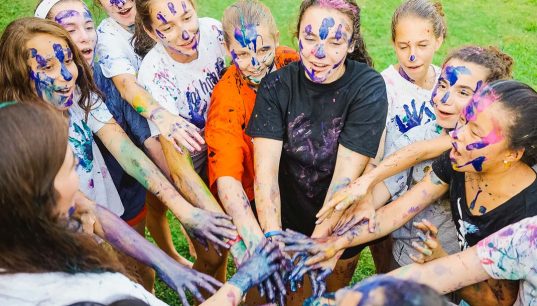
(photo from jewishcamp.org)

Today’s world requires camp to adapt to an unprecedented pace of change. Through innovation and building “adaptive capacity,” the Foundation for Jewish Camp, which works with more than 180 Jewish summer camps, will be better suited to help Jewish camps evolve and ensure long-term, sustainable results.

Adaptive capacity, as defined by Ronald Heifetz – co-founder of Cambridge Leadership Associates and author of numerous books – is “the practice of mobilizing people to tackle tough challenges and thrive.” It requires the ability to be reflective; to be open and curious to changes in the environment; to use data and evaluation to determine the best path forward; to innovate where new approaches are required; to work collaboratively and leverage diverse experiences and perspectives; and to successfully lead systemic change.

Foundation for Jewish Camp executive summary cover

FJC is challenging what it means to be a Jewish camp. This evolution has resulted in significant shifts in how FJC thinks about the field and its work. “Camp” is now framed as a year-round continuum of immersive, meaningful experiences beginning at the earliest ages and continuing through the teen years, college, and into adulthood and family life, delivered through day camps, overnight camps, family camps and year-round offerings.

Looking ahead, FJC has identified three strategic priorities for the field that include investments in new initiatives and in existing areas of proven impact: develop adaptive talent, deepen immersive learning and drive field growth. These priorities are designed to amplify one another, and the success in any one area is co-dependent on success in the others.

1. Adaptive talent

Talent development is critical to grow and enhance the field of Jewish camp. FJC has long invested in field professionals. As Jewish camp evolves, FJC must now take an adaptive approach to leadership development, both professional and lay, that meets the needs of current and future Jewish leaders.

Counselors

Counselors are the linchpin of the Jewish camp experience. These Jewish role models inspire campers to return year after year. Additionally, when a camper returns as a counselor, the impact of the camping experience is amplified, as staff internalize the lessons of their own experience to create similar (or better) ones for their campers. At the same time, it has become more challenging to recruit and retain counselors due to competition from internships and parental pressures.

FJC will uncover and create new staffing and supervision structures that create a learning framework for these future leaders as well as recognition of the purpose-driven nature of their work. The new models will seek flexibility in camp schedules and create new modalities of training staff to enhance college, career and life-readiness skills.

Other leadership

Jewish camps are experiencing ever-increasing turnover of executive leadership, which is expected to continue over the next five years. FJC seeks to increase investment in the leadership and talent pipeline of camps, cultivating new and refreshed opportunities to engage with and propel Jewish camp and lay leaders at every stage of their development. These initiatives represent opportunities to retain and accelerate the careers of outstanding young talent, build crucial networks among the field and provide high-level, skill-building professional development opportunities. Rather than focus on one single cohort program or development workshop, FJC will ensure attention to the entire talent pipeline.

Envisioned outcomes

• Increase retention rates by 25% or more over current benchmark; easier recruitment of seasonal staff.

• Improve quality of leadership that will drive retention rates and satisfaction scores for campers and staff.

2. Immersive learning

Jewish camps must adapt, expand and evolve in response to societal changes and the manner in which families belong and engage Jewishly. FJC is prioritizing initiatives that will bring the “magic” of camp further into the community by helping camps articulate their Jewish missions, develop programs and ensure the entire camp community is safe and secure for both campers and staff.

Year-round activities

As participation in traditional Jewish activities has declined, camp has become a primary immersive and educational experience for many children. Camp is often the preferred Jewish brand for these families, where their children feel a profound sense of belonging. With summer participation in experiential, immersive learning as the anchor, Jewish camps can and should play a greater role in the community, supplementing the summer with year-round experiences that ensure campers have opportunities to connect with peers through Jewish activities and educational experiences. FJC will invest in year-round programs to maximize the impact of the camp experience.

(photo from jewishcamp.org)

Amplify education

From FJC’s inception, ensuring that summers at Jewish camp translate into a robust Jewish future has been central to the mission. To do so effectively, FJC takes a holistic approach – working closely with camps and their various stakeholders, giving them a framework to help them enrich and refresh how they articulate and realize their unique Jewish vision. Investing in the enrichment of senior camp professionals, as well as attracting and recruiting talented Jewish educators, will bring this vision to life, and are critical to a strong Jewish educational program.

Envisioned outcomes

• 30% of camps have increased their year-round engagement opportunities.

• Higher-quality Jewish and Israel learning opportunities for campers and staff have been put into action.

3. Field growth

Over the past 10 years, camp enrolment has grown 22% in an era of overall declining participation in the traditional Jewish institutions. To accelerate this growth, FJC is prioritizing initiatives that will both increase the pipeline of Jewish campers and ensure accessibility for campers from all backgrounds. To this end, FJC’s initiatives will focus on how to attract families with young children by engaging them at an earlier and highly formative time; continue the work of increasing competitiveness of Jewish camps through the development of specialty programs; expand access through financial incentives; and promote full physical, social, educational and spiritual access for all campers and staff, irrespective of their abilities.

Younger children

Families are seeking meaningful connection and community in new ways. Building an earlier entry point to the Jewish camp experience will increase the number of campers and families making Jewish summer choices. The focus will include incubating, expanding and strengthening intentional Jewish day camps and family camps in order to engage children at the earliest ages along with their families.

Enrolment, participation

FJC’s core growth programs, including One Happy Camper and new specialty camps and tracks, have driven growth in the field. Diversity and inclusion, as well as community care, must endure and evolve so that the Jewish camp field continues to increase enrolment and improve both retention and camper satisfaction. Continual investment in physical facilities will also increase overall enrolment and ensure that camp is a welcoming and safe environment for all.

Envisioned outcomes

• Grow the field by 20%, reaching 215,000 annual camp participants.

• Year-over-year increases in family participation in camp experiences.

• Increase training, application and family visibility for diversity, equity and inclusion initiatives.

• Increase diversity at camp.

For more on FJC and its strategic plan, visit jewishcamp.org.

Format ImagePosted on December 14, 2018December 12, 2018Author Foundation for Jewish CampCategories WorldTags camps, diversity, FJC, strategic plan, youth

Call for nominations – Lamplighter Award

The Centre for Judaism of the Lower Fraser Valley is looking for nominations for its annual Lamplighter Award, which honours a child who has performed an outstanding act of community service. Candidates must be between the ages of 6 and 18 and submission of potential recipients must include two references describing the child’s community service.

The chosen Lamplighter will receive the award, as well as a monetary gift, on Dec. 9, 7 p.m., at Semiahmoo Shopping Centre in a ceremony led by Rabbi Falik and Simie Schtroks, directors of the Centre for

Judaism, with various official representatives of the cities of Surrey, White Rock, Langley and Delta in attendance.

Last year, twins Emily and Jessie Miller received the award for spearheading the Live2Give program in their NCSY chapter. They also managed to get many other teenagers to get involved in projects focused on helping others.

To nominate a candidate for the award or to sponsor the gift or event, contact Simie Schtroks as soon as possible at [email protected].

Posted on October 26, 2018October 25, 2018Author Centre for JudaismCategories LocalTags Lamplighter Award, Schtroks, tikkun olam, youth
Marc’s Mensches awards Benson

Marc’s Mensches awards Benson

Left to right: The Bayit president Michael Sachs, Richmond Mayor Malcolm Brodie and Marc’s Mensches winner Taya Benson. (photo from the Bayit)

Marc’s Mensches winner Taya Benson fundraised more than $7,500 for the Richmond SPCA, where she also volunteers every week. She was awarded the cash prize on Sept. 26 at the Pizza in the Hut event for Sukkot, which was co-sponsored by the Jewish Federation of Greater Vancouver and Marc’s Mensches. The event brought out a diverse crowd of more than 200 people, including many local officials and civic election candidates.

While the Marc’s Mensches initiative continues, the program is in the process of switching objectives: instead of being a contest, it will be focused on working as a group to do acts of chesed (loving kindness) around the city and community. “People can still nominate [youth] for the monthly gift card draw,” Bayit president Michael Sachs told the Independent, “but the main focus in Year 2 is harnessing the power of these mensches and doing good all over.”

Format ImagePosted on October 19, 2018October 18, 2018Author The BayitCategories LocalTags Marc's Mensches, Richmond, tikkun olam, youth

BBYO to West Coast

The Jewish Community Centre of Greater Vancouver has partnered with BBYO to provide expanded opportunities for teens around the Lower Mainland. The partnership will enhance the connections of Greater Vancouver Jewish teens and link the local community to BBYO hubs across Canada – in Montreal, Toronto and Winnipeg – and in more than 30 countries around the world.

The JCC-BBYO connections were forged earlier this year at the JCC Festival Ha’Rikud closing party hosted by BBYO. With more than 80 teens from Vancouver, Miami and Israel, the JCC set the stage for fun and teen involvement. Since the party, a group of teens from Vancouver, White Rock and Richmond formed a leadership team and the JCC is looking for a professional to support them.

In partnership with BBYO, the JCC is currently seeking to fill the role of BBYO city director and JCC teen coordinator. The role will focus on programs that foster engagement and create meaningful connections among high school teens in the community. The professional will liaise with Jewish and secular community organizations working with youth, and will build BBYO chapters throughout the Greater Vancouver area.

“Each year, I get to see teens around the Jewish community grow and connect,” said Shirly Berelowitz, director of children, youth and camps at the JCC. “The JCC teen department looks forward to expanding these opportunities in our new partnership with BBYO. Our goal is to become a hub for Jewish teens to connect with each other in Vancouver and around the world. I couldn’t be more excited for the JCC to take on this role!”

This year, the JCC celebrates 90 years in Vancouver as BBYO celebrates 90 years in Canada – it is only fitting that the organizations celebrate together.

For more information on the coordinator position, contact Berelowitz at 604-257-5111 or [email protected].

Posted on July 20, 2018July 18, 2018Author JCCGVCategories LocalTags BBYO, employment, JCC, youth
Mystery photo … June 29/18

Mystery photo … June 29/18

Beth Israel Synagogue, 1972. (photo from JWB fonds, JMABC L.09793)

If you know someone in this photo, please help the JI fill the gaps of its predecessor’s (the Jewish Western Bulletin’s) collection at the Jewish Museum and Archives of B.C. by contacting [email protected] or 604-257-5199. To find out who has been identified in the photos, visit jewishmuseum.ca/blog.

Format ImagePosted on June 29, 2018June 28, 2018Author JI and JMABCCategories Mystery PhotoTags Beth Israel, history, Jewish museum, youth
Yeshivah will stay here

Yeshivah will stay here

The Pacific Torah Institute’s Rabbi Noam Abramchik, left, and Rabbi Aaron Kamin. (photo from PTI)

As Vancouver’s only Orthodox yeshivah, Pacific Torah Institute (PTI) holds a unique place in the community. Since the talmudic era, when the rabbis of what is now Iraq gathered to debate Jewish law and texts and created the intense intellectual culture at the heart of traditional Judaism, the house of study (beit midrash) has been at the heart of Orthodox Jewish religious culture. In recognition of this, even non-religious Jews have long prided themselves on the presence of a yeshivah in their community and been willing to materially support it.

Located at 41st Avenue and Oak Street near a cluster of Jewish community organizations and services, PTI teaches traditional Jewish textual learning, including Talmud b’iyyun (with in-depth analytical study) and musar (the practices of ethical self-discipline and character transformation), thus carrying on the centuries-old twin focus of the Lithuanian-style yeshivah. So, when news spread that PTI, which has operated in the community since 2003, was considering relocating to Seattle, ripples of urgent concern spread throughout some quarters of the Jewish community.

A town hall meeting was organized, which took place at Schara Tzedek Synagogue. The discussion elicited strong support, both emotional and financial. Heads of school Rabbi Noam Abramchik and Rabbi Aaron Kamin left the meeting determined to save the yeshivah by attracting more students from beyond the Pacific Northwest, as well as from closer to home.

“There was never a desire to pick up and move,” Abramchik told the Independent. “There were enrolment questions, which coincided with the opening of a similar school in Seattle. Students from Seattle have been a consistent part of our student body, and we were worried – with them staying there and competition from another nearby school, we might not have enough students to be viable.”

Although PTI is affiliated with the Rabbinical Seminary of America, part of the community commonly known as the Chofetz Chaim network, it is an independent yeshivah that relies entirely on direct support from donations and fees. In recent years, enrolment has decreased because of families moving out of Vancouver, creating what Abramchik called “an existential issue” in the yeshivah’s high school program.

Kamin said affordability in Vancouver is a major factor. As well, the community is small, so, when members leave, it has a destabilizing effect. “When some families move,” he said, “you lose critical mass and it gets harder for an Orthodox Jewish community to function and have what everyone needs.”

Both rabbis talked about the opportunities and challenges that come with operating a yeshivah here.

“Vancouver’s strength is its openness,” said Abramchik. “Students here get the benefit of living a Torah lifestyle while interacting with all kinds of people and ideas, being a part of the wider world.”

Yet, the nature of the community also means “we don’t have the strength in numbers, we don’t have as many institutions and services,” said Abramchik.

One common challenge for smaller Orthodox communities is the need for young people to go elsewhere for advanced Torah study or to make a shidduch (marriage match). PTI offers higher level Torah learning until the age of 21 or 22, but those who want to continue their studies will have to move to another city, as will many of those seeking a life mate. Both Abramchik and Kamin have children who have gone to New York to find a shidduch, though some of them would like to eventually return to Vancouver with their families and make a home here.

Both rabbis are deeply embedded in the local Jewish community.

“Fifteen years of being here is fantastic,” said Abramchik. “My children couldn’t have been raised in a healthier, more wholesome environment, with such breadth of experience. As a rabbi who values religion above all else, I couldn’t be prouder of who they are as Jews and people, and directly attribute that to the incredible education they received in Vancouver through Vancouver Hebrew Academy (the Orthodox day school), PTI and Shalhevet (the Orthodox girls high school), as well as the wide range of people they’ve come into contact with, as we have hosted many diverse people at our Shabbat table over the years.”

Asked why they want to stay here, the rabbis were in agreement. “If we were looking to best serve our institution per se, the move to Seattle makes sense,” said Abramchik. “There are 300 Shomer Shabbos [Orthodox observant] families versus probably 60 here. We had a number of supporters saying we should go, but, after giving 10 years to this community, we feel it’s our home … we weren’t ready to leave it if there was any possible way to stay here.”

After the community town hall, the rabbis’ commitment to stay was strengthened, Abramchik said. “Is Vancouver a better city for having this institution or not? We heard a resounding yes, we heard this from people who do not send their children here, never will. We heard this needs to get done, we need to find a way to make this happen.”

“Our first priority is to do what we feel is God’s will,” said Kamin. “We believe this is the best thing for ourselves and our spiritual advancement, we want to do the right thing. The right thing transcends the institution, it transcends our own personalities. It was very much a feeling of this is the right thing to be doing, to make this decision to stay – the right thing for the community and the right thing for the boys now and the future boys.”

For Toviah Salfinger, a student at PTI, the news they are staying is welcome. The yeshivah plays “a huge part in my life,” he said. “It enables me to be able to really grow in terms of religious life. It would be pretty hard to have a solid foundation as a religious Jew without a yeshivah.”

Salfinger sees the challenges of Vancouver as holding a hidden blessing. “The fact that you’re in a community where there isn’t a strong Jewish religious presence, it helps you in a way,” he said, “because it puts the responsibility on you to live up to that, to be an example as religious person.”

Salfinger said he’d like to go on to study at the Rabbinical Seminary of America yeshivah in New York, and maybe become a rabbi who teaches kids. Maybe, he said, if there is an opportunity, he will one day be able to return to Vancouver.

Matthew Gindin is a freelance journalist, writer and lecturer. He is Pacific correspondent for the CJN, writes regularly for the Forward, Tricycle and the Wisdom Daily, and has been published in Sojourners, Religion Dispatches and elsewhere. He can be found on Medium and Twitter.

Format ImagePosted on June 22, 2018June 19, 2018Author Matthew GindinCategories LocalTags Aaron Kamin, education, Judaism, Noam Abramchik, Pacific Torah Institute, PTI, yeshivah, youth

Marching in right direction

Estimates of the number of people – most of them teens and young adults – who rallied in Washington, D.C., last Saturday range from 500,000 to 800,000. They called for sensible gun control legislation and mourned lives lost to gun violence, mobilized particularly by the memory of the mass murder of 17 in a Parkland, Fla., school Feb. 14. Many more rallied across the country and even in Canada. A small group gathered in solidarity at Vancouver’s Jack Poole Plaza.

Despite the horrors that inspired the marchers, the day was uplifting and inspiring. Survivors of the Marjorie Stoneman Douglas school shooting – who have become the faces and voices of the movement – proved youthfulness was not a barrier to eloquence or to courage. In fact, they may have proved it was a prerequisite.

After nothing changed when 20 children, 6 and 7 years old, plus six adults, were killed at Sandy Hook elementary in Connecticut, in 2012, many of us concluded that nothing would ever be done to confront gun violence and the monetary and grassroots power of lobbying groups like the National Rifle Association. What the Stoneman Douglas students determined was that, if the adults of the world were not going to protect them, they would take matters into their own hands. The movement they have launched – and the dialogue they are fomenting – is being compared with the anti-Vietnam War movement that mobilized their grandparents’ generation.

It will take time to see if the power they seem to have unleashed develops into something long-lasting. Voters aged 18 to 29 consistently have the poorest turnout record among American (and Canadian) voters.

While it is encouraging to see the political waves being made by the movement, it is a cause of additional naches to witness the role of Jewish young people. Synagogues and JCCs became makeshift hostels for Jewish students piling into D.C. last weekend.

Zoe Terner, a Florida leader in the Reform movement’s North American Federation of Temple Youth, spoke at a Shabbat event the night before the march. “This is how we grieve,” she told JTA. “Tomorrow I will pray with my feet and, with every step, I will think of those few hours a month ago when I didn’t know if my friends were alive or dead.”

Students from Minnesota, who traveled 21 hours to the capital, wore T-shirts reading “Dayenu,” repurposing the Passover refrain to echo the anti-gun movement’s chant “Enough!”

We can’t help noting with a bit of disappointment the appropriation of the term #NeverAgain, which the movement adopted in good faith. Perhaps they were unaware that it has been the rallying cry for Holocaust remembrance and education for decades. It is one oversight in what has largely been a seamlessly orchestrated affair. Of course, groups cannot claim monopoly on sentiments like “Never Again,” but we wonder if it loses some resonance when used for other purposes. Perhaps parents and teachers have not sufficiently educated successive generations on the lessons of the Shoah. Or, just as likely, it may be that a familiar refrain expressed the urgency of the moment: the Jewish population of Stoneman Douglas high school is estimated at about 40%. (Several of the murder victims were and a number of the vocal activists are Jewish.)

The movement for sensible gun legislation in the United States faces hurdles. While last weekend’s rallies were an important start, and this fall’s midterm elections a crucial testing ground, it is difficult to foresee the trajectory of the cause.

A commentator on CNN over the weekend noted that the issue of marriage equality reached a tipping point, from where opposition to same-sex marriage reversed to majority support in a remarkably short time. By contrast, the debate over reproductive freedom has seen two sides dig in their heels for decades, with little middle ground.

Moreover, gun control is a more complex matter than the comparative yes-or-no approach one can take to gay marriage or abortion. There are dozens if not hundreds of permutations that gun regulation and control legislation could take.

But, for whatever challenges the youth movement for sensible gun policies faces in future, last weekend was the sound of millions of feet marching in the right direction.

Posted on March 30, 2018March 29, 2018Author The Editorial BoardCategories From the JITags gun control, youth

Posts pagination

Previous page Page 1 … Page 6 Page 7 Page 8 … Page 10 Next page
Proudly powered by WordPress