Skip to content
  • Home
  • Subscribe / donate
  • Events calendar
  • Business Directory
  • FAQ
  • News
    • Local
    • National
    • Israel
    • World
    • עניין בחדשות
      A roundup of news in Canada and further afield, in Hebrew.
  • Opinion
    • From the JI
    • Op-Ed
  • Arts & Culture
    • Performing Arts
    • Music
    • Books
    • Visual Arts
    • TV & Film
  • Life
    • Celebrating the Holidays
    • Travel
    • The Daily Snooze
      Cartoons by Jacob Samuel
    • Mystery Photo
      Help the JI and JMABC fill in the gaps in our archives.
  • Community Links
    • Organizations, Etc.
    • Other News Sources & Blogs
  • JI Chai Celebration
  • JI@88! video

Recent Posts

  • Legal help for students
  • Revisiting myth of Lilith
  • Wrong person rebuked
  • Canada’s mixed messages
  • Questions for museum
  • Symposium on antizionism
  • Making soccer political
  • CJPAC lauds Pulver’s impact
  • City recognizes Vrba’s legacy  
  • Organ donation saves lives
  • Theodore’s March premiere
  • A healing Shabbaton
  • Supplying healthy food
  • A chime of metal tags
  • Yellowknife seder a first
  • Ishai energizes, unifies
  • A Lag b’Omer to remember
  • Expanding the healing
  • Hannah Senesh – a unique hero
  • Community milestones … May 2026
  • Sharing her testimony
  • Fall fight takes leap forward
  • The balancing of rights
  • Multiple Tony n’ Tina roles
  • Stories of trauma, resilience
  • Celebrate our culture
  • A responsibility to help
  • What wellness means at JCC
  • Together in mourning
  • Downhill after Trump?
  • Birth control even easier now
  • Eco-Sisters mentorship
  • Unexpected discoveries
  • Study’s results hopeful
  • Bad behaviour affects us all
  • Thankful for the police

Archives

Follow @JewishIndie
image - The CJN - Visit Us Banner - 300x600 - 101625

Tag: Jewish Federation

Global Yom Ha’atzmaut

Global Yom Ha’atzmaut

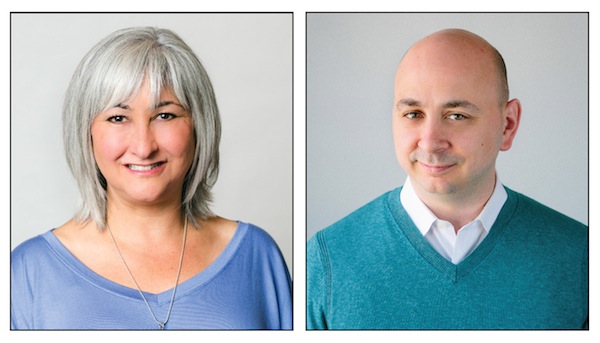
Pam Wolfman and Ezra Shanken talk with the JI about how Jewish Federation and our community are facing the challenges of COVID-19. (photos from JFGV)

This year’s Yom Ha’atzmaut community celebration will feature international singers, actors, chefs and politicians. And the audience will also be from around the world.

On April 29, 11 a.m. PST, the Jewish Federations of North America (JFNA) is hosting a one-hour virtual celebration for Israel’s 72nd birthday, which will be followed by other programming. With the theme of “What Israel Means to Me. What Israel Means to Us,” the hour-long event will include Matisyahu singing a medley of “One Day” with representatives from the

Jewish Agency for Israel’s Partnership2Gether communities and other Jewish leaders sharing messages of hope and celebration; actor Joshua Malina talking about Israel’s battle against COVID-19; singing brothers Ben, Henry and Jonah Platt; chefs debating the merits of falafel and cookbook author Adeena Sussman teaching how to make it; Isaac Herzog sharing a story about Israel’s War of Independence and paying tribute to former Israeli president David Ben-Gurion; footage of Israel’s official Independence Day Ceremony on Mt. Herzl and a message from Israeli President Reuven Rivlin; and the singing of Hatikvah.

Normally, of course, our community would be marking the occasion locally, but COVID-19 changed all of that.

“The Yom Ha’atzmaut event is complex to organize, from the standpoint of searching for the artists who will perform, fundraising and marketing, and other logistics. We usually start planning the event almost as soon as the day after the prior year’s celebration, so there was a lot of work to un-do,” Pam Wolfman, chair of the local Yom Ha’atzmaut committee, told the Independent. “Everyone involved in our event planning has been extremely supportive, and we were able to cancel our event without any significant financial penalty.

“If there is a silver lining to be found, it is the opportunity to be able to join together with JFNA and Jewish communities from all over the world to celebrate ‘with’ Israel. It’s definitely something to look forward to!”

Thanking If’at Eilon-Heiber, Jewish Federation’s director of overseas and Israel affairs, and the whole Federation team, Wolfman said, “I also want to express my gratitude to our Yom Ha’atzmaut sponsors, donors, community partners and those who purchased tickets before the event was changed for all their support.”

For Wolfman, the annual event is important for several reasons.

“I’ve always felt so grateful to live in Vancouver, in large part because we have such a vibrant and diverse Jewish community,” she said. “Jewish Federation’s annual Yom Ha’atzmaut event allows everyone in our community to come together to celebrate and unite around Israel – the beautiful country, her people, the wonderful music and culture – and to simply have an evening of fun!

“When it became clear that we would have to cancel our original plans due to COVID-19, it was very disappointing for all of us on the Yom Ha’atzmaut committee and Jewish Federation staff. And we all felt strongly that it was vital to continue this cherished tradition for our community. Joining Jewish Federation of North America’s online event was a great solution.”

“Our community is experiencing tremendous upheaval and, at the same time, we have seen signs that we are more resilient and connected than ever,” Ezra Shanken, chief executive officer of the Jewish Federation of Greater Vancouver, told the Independent about the current situation.

“Our community organizations have been hit very hard – the challenges they are experiencing are unprecedented. Nearly all of them were forced to close their physical doors, and they remain closed for the foreseeable future,” he said. “Many of them have lost their sources of revenue, be it rental or programming income, or from having to cancel scheduled fundraising events. And, many of the people they serve have increased needs during this crisis and are turning to the Jewish Family Services Community Care Hotline for assistance.

“It is heartening to see how swiftly and effectively many of our community organizations have pivoted,” he said. “The day schools have transitioned quickly to online learning, while the JCC, synagogues and other organizations have introduced a wide variety of online programs and services. Young adults have stepped up to volunteer to help seniors.

“Our advocacy agent, the Centre for Israel and Jewish Affairs, is working with all levels of government to secure support for nonprofit organizations, and has played a major role in achieving success on that front – not just for the nonprofits in our community, but for nonprofits across Canada.”

Jewish Federation is monitoring the community’s health and the impacts of COVID-19, said Shanken. “We are in constant contact with our partner agencies, and responded quickly to address urgent increased community needs by releasing more than $500,000 in targeted emergency funding to see them through the first 30 days of impact. We know that this is but a first step, and that more vital financial, operational and emotional support will be needed. We’ll continue to work closely with our community agencies and organizations to assess their needs, identify opportunities for collaboration, and determine where best to focus our short- and long-term support for the greatest impact.

“I see the strength of our community every day,” he added. “While there are many challenges to overcome, if we continue to stick together and care for each other, I believe we will emerge from this crisis stronger than ever. Ultimately, it’s up to all of us to define where our community will be.”

Shanken has joined various efforts on the ground, helping deliver seder meals with Lubavitch BC, for example.

“Anytime we are able to bring warmth and connection into people’s lives is extremely valuable, especially at times like these,” he said. “Delivering food and medicines, calling people to see how they are holding up – these points of connection can make an incredible difference in someone’s life.

“The COVID crisis, while extremely challenging in so many ways, has prompted many of us to pause to check in with loved ones, friends, colleagues or someone we might know in the community, to get back to basics and remember what is truly important. The tremendous outpouring of support that I have witnessed on so many levels has been inspiring, and a shining example of klal Israel.”

Jewish Federation has a COVID-19 resources page on its website, jewishvancouver.com, which will “help community members easily find information about the many programs and services that are available through community organizations and government agencies,” said Shanken. “We’ll continue to provide the community leadership, planning and crucial planning assistance that our community relies on, as we navigate this pandemic together. It’s what we’re here for.”

He stressed, “Even though we are all physically apart, it is easier and more important than ever to connect.”

As for our local annual Yom Ha’atzmaut celebration, Shanken said it “has always been a special opportunity to bring our community together and show our support for Israel. We are reminded daily that Israel is also in a time of crisis. This year, with our participation in JFNA’s virtual celebration, it will be even easier for people to take part in the event. Every year, we think about other Jewish communities that are also celebrating Israel’s independence. This year, we can literally celebrate with them, in real time. It will be a great show of solidarity at a time when we especially value connection.”

In addition to the Yom Ha’atzmaut celebration, this year’s commemoration of Yom Hazikaron will also take place online. “As bereaved families live with their loss daily, we gather once a year to recognize their grief and pain, and to give them a communal hug,” said Geoffrey Druker, chair of Jewish Federation’s Yom Hazikaron committee, in a release.

From April 26 to 28, community members will be able to light virtual candles for fallen soldiers and victims of terrorism, and there will be a remembrance ceremony on Zoom on April 27, 7:30 p.m., which will include poems, readings, songs and a moment of silence. To be a part of the gathering, register at jewishvancouver.com/yhk2020.

To register for the April 29 Yom Ha’atzmaut celebration, visit jfeds.org/yomhaatzmaut; you can also sign up for alerts leading up to the live global event at jewishtogether.org/yomhaatzmaut. For more information on the ways in which our Jewish Federation is helping the B.C. Jewish community, visit jewishvancouver.com/news/community-support-2020.


Format ImagePosted on April 24, 2020April 24, 2020Author Cynthia RamsayCategories LocalTags Ezra Shanken, Jewish Federation, Jewish Federations of North America, JFNA, Pam Wolfman, Yom Ha'atzmaut, Yom Hazikaron

Emergency services available in community

The Jewish Federation of Greater Vancouver has released $400,000 to address the immediate needs of its local partner agencies over the next month. The funds will address needs in the key areas of food security, to increase the capacity of the food bank and other food distribution programs in our community; housing support, subsidies for community members unable to make their rent payments; seniors services, to help them stay safe, healthy and connected to community while they are self-isolating in their homes; tuition support so that families with children in Jewish day schools can keep their children enrolled; subsidies for Jewish programs, daycare, summer camps and part-time educational programs; and support so that Jewish supplementary schools can provide alternatives to classroom learning and maintain uninterrupted delivery of Judaic studies to the children and families they serve.

For more on Federation’s response to the COVID-19 crisis, as well as what other community organizations are doing at this time, visit jewishvancouver.com/covid-19-updates.

***

With the support of Jewish Federation, Jewish Family Services (JFS) has launched the JFS Community Care Hotline as an emergency response resource. It is available from 9 a.m.-9 p.m., seven days a week and staffed by JFS to provide emergency essential services. Priority services include meal or food bank grocery delivery; counseling/emotional support; and friendly phone “visiting.”

There are three ways to contact JFS for help: call 604-558-5719, email [email protected] or complete the form at jfsvancouver.ca/jfs-cares.

If you know anyone who needs to lean on JFS at this time, please share this information via your social media networks and other forms of communication. JFS also has a volunteer registration page, as many people have offered to help.


Posted on April 3, 2020April 1, 2020Author The Editorial BoardCategories LocalTags coronav, coronavirus, COVID-19, Jewish Federation, JFS
Israeli pucksters visit

Israeli pucksters visit

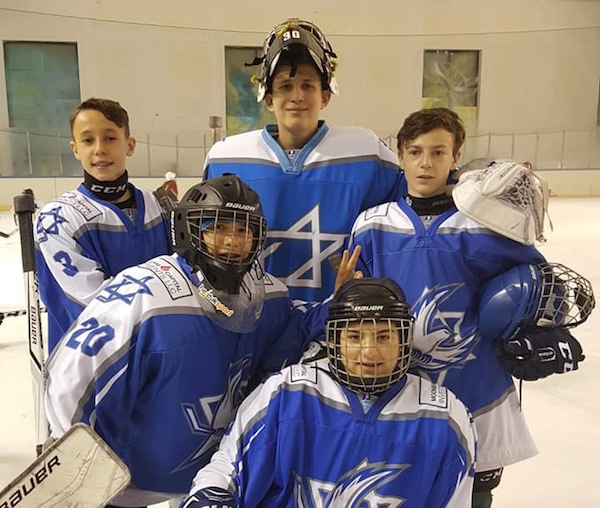
Members of the Hockey Academy of Israel. (photo from Kyle Berger)

The Jewish Community Centre of Greater Vancouver, along with the Jewish Federation of Greater Vancouver, played host earlier this month to 27 young hockey players from Israel’s Northern District who were in town for an eight-day visit.

The stops for the athletes, ages 10 to 14, on their March 5-13 Vancouver trip included a fundraising exhibition game against the JCC league (which had some former NHL players in attendance), the JCC Purim party March 9, which had a hockey workshop for kids in the gym, and a Canucks game on March 10, where Vancouver took on the New York Islanders. The Israeli junior players also had a practice skating session with Barb Aidelbaum, one of Canada’s top power-skating coaches, and ate meals at the Israeli-owned Chickpea and the Palestinian-run Aleph restaurants.

The co-ed group, comprised of youth from a variety of backgrounds – Jewish, Muslim, Christian and Druze – is part of the Hockey Academy of Israel (HIA). Situated in Metula, Israel’s northernmost town – along the border with Lebanon – the HIA (formerly the Canada-Israel Hockey School) was started in 2010 thanks to the drive and ambition of a local Israeli apple farmer and hockey aficionado, Levav Weinberg, and the initial financial support of Canadian media mogul Sidney Greenberg. Presently funded by donors from around the world, the HIA sees as its goal to make hockey fun and affordable for kids who otherwise would not get the opportunity to play.

Since its inception a decade ago, the HIA has witnessed a growing passion for the game in Israel and now boasts more than 400 young players in its academy, all of whom play at the Canada Centre in Metula, home to the only full-sized hockey rink in Israel. This is the second time a group from the HIA has visited Vancouver, a trip that was organized by the JCC and financially supported by the Jewish Federation. Members of the HIA also have visited other NHL towns, such as Ottawa, Pittsburgh and Winnipeg.

The existence of a camp in an area that has frequently made headlines for regional animosities has shown that much good can arise from sport. Many lasting friendships between players of different ethnicities have been formed at the academy.

“There are few things in the world that bring people together the way sports can,” said Kyle Berger, sports coordinator at the JCC and local delegation head for the Maccabi Games. “Sports bonds teammates together, it bonds countries together and, in some rare cases, sports can even bring peace and unity when such things seems almost impossible. This is the magic of the Hockey Academy of Israel, which brings both Jewish and Arab youth and their families together in the name of hockey.”

The HIA says it has found that, as passion for hockey grows in a region surrounded by political conflict, so too grow the bonds and respect these teammates from different cultural and political backgrounds have for one another.

Berger, along with other members of the Metro Vancouver Jewish community, has visited the hockey academy on several occasions, starting in 2012. He told the Independent that he “was blown away” by what he saw when he first arrived. “I had no idea as to the extent of the passion and the intensity the hockey academy has created for the game in Israel, and how much it has done to unite people of different cultures,” he said.

Hockey in Metula, which was featured in the 2013 TSN documentary Neutral Zone, has had a short, yet storied, history. Before the HIA was created, Canadian coaching legend Roger Neilson taught a camp in Metula in the late 1990s and played an integral role in establishing a fervour for the game in Israel.

The HIA is presently coached by Torontonian Mike Mazeika, who believes “the main goal of the academy is to integrate Jewish and Arab kids together, playing hockey, so that they can understand each other and make a difference for the future. Is that going to get us peace in the Middle East? No, probably not. But, if you don’t start small and take small steps, you’ll never be able to take a big step.”

The JCC and Jewish Federation were helped in various ways to support the HIA’s visit, including by host families, sponsors or venue/activity donors. For more information, contact Berger at [email protected] or 604-638-7286.

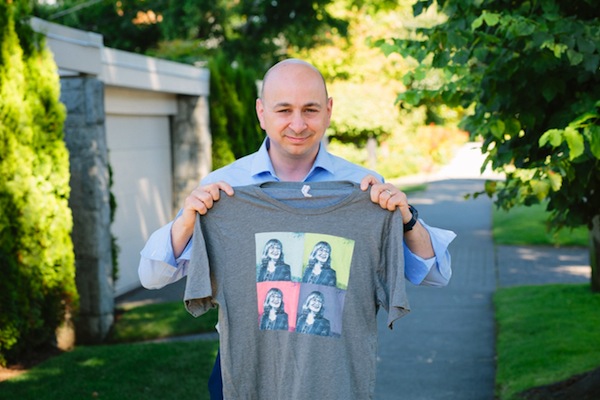
Sam Margolis has written for the Globe and Mail, the National Post, UPI and MSNBC.
Format ImagePosted on March 13, 2020March 12, 2020Author Sam MargolisCategories LocalTags HIA, Hockey, Hockey Academy of Israel, JCCGV, Jewish Community Centre, Jewish Federation, Kyle Berger, sports, youth
Community planning critical

Community planning critical

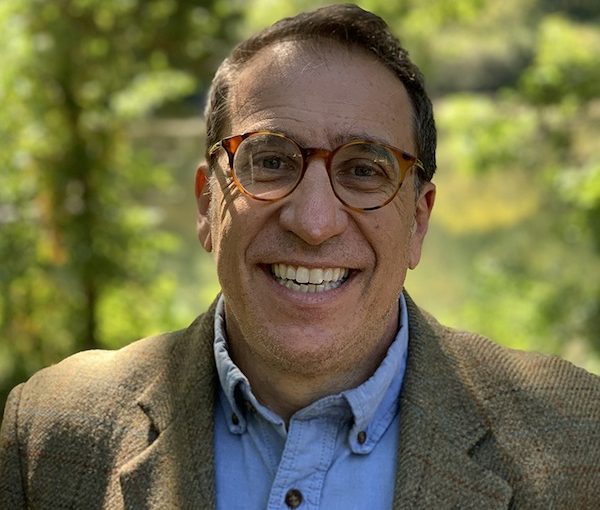
Alex Cristall, chair of the board of directors of the Jewish Federation of Greater Vancouver. (photo from JFGV)

Long active in the Jewish community, Alex Cristall started his current volunteer position as chair of the board of directors of the Jewish Federation of Greater Vancouver in June 2019. He spoke to the Jewish Independent about the role, and where he sees the organization as it enters a new decade.

JI: Could you go over your professional background and your work with Jewish organizations?

AC: I grew up in this community and was always surrounded by a culture of volunteerism. My professional background is in real estate investment, and my family’s values always drove our approach to business and to community involvement. From my grandparents to my parents to the way my wife Jodi and I are raising our children, giving back and getting involved with community has always been a priority, both in and out of the office. I started volunteering as a young adult and it’s grown from there.

JI: How did you become chair of Federation?

AC: Before taking on the role of board chair, I held a number of other leadership positions with Jewish Federation and with other organizations. At Federation, I served as chair of the 2016 and 2017 Federation annual campaigns, as chair of major donors, chair of men’s philanthropy and as a member of the board.

Anyone who knows me knows my love of sports, so my previous involvement with the JCC Maccabi Games and with Maccabi Canada came about very naturally. I also chaired the JCC Sports Dinner.

Serving as vice-president and then president of the JCC [Jewish Community Centre of Greater Vancouver] was instrumental in giving me a unique perspective that has been indispensable as chair of Jewish Federation. I got to see firsthand how important the partnerships between the organizations are, and how much partners rely on the community planning and fundraising expertise that Jewish Federation brings. At the time, Jewish Federation organized local missions, where we visited various partners, including the Jewish Food Bank and Tikva Housing Society, and learned about the range of needs in our community – and the range of responses.

It was very eye-opening, and that was when I got involved in men’s philanthropy at Jewish Federation and decided to learn more about the community. That ultimately led to a role on Jewish Federation’s allocations committee, where we were fully immersed in the entire breadth and depth of need – and opportunity for impact – in our community.

In my mid-30s, I was fortunate to travel to Ethiopia with members of Jewish Federation’s National Young Leadership Cabinet to see the work we were doing there with two of our international partners, the Joint Distribution Committee and the Jewish Agency for Israel. That was where I really began to understand the big picture of what we can accomplish for world Jewry in need.

More recently, I was able to visit our partnership region in Israel and learn about the particular challenges of living in the north, and the impact we’ve been able to make there as the result of a long-term strategic focus.

I’ve been in Israel many times, but, in terms of our partnership region and Beit Vancouver, this past spring was my first visit. It’s such a successful country overall, but I really saw the inequity that exists in the periphery. To see the contributions of our community and the future development plans of the region was inspiring, as was seeing what our Israel and overseas affairs committee, through annual campaign funds, and many local families are doing there with their investments…. It was very rewarding.

We need to continue to raise up that entire region…. Every mayor of our region came to greet us and that’s how you know how important our dollars are for youth. So many different things going on. When you see the respect that the different mayors have for the work we do and the people involved, it’s clear that our impact matters.

JI: What are your goals looking ahead?

AC: Our community is growing and changing all the time. As a Federation, we have been changing alongside it, which is positioning us to effect positive change in ways that can make an impact now and into the future.

We have a unique role in the community in terms of our planning function, and it’s a critically important piece that we bring to the table. We are focused on planning strategically to identify and prioritize needs locally, as well as in our partnership region in Israel. Our donors and fund-holders at the Jewish Community Foundation help us meet these needs. The partnerships we have developed over the decades are key to being able to get the work done in ways that are going to create lasting change.

We have made progress on every one of the areas of opportunity we identified in the strategic priorities, from affordability and accessibility, to seniors, engagement and, of course, community security. With big picture issues like these, the outlook is for the long term and so the work is ongoing.

At the end of the day, I would like people in our community to say that we made it easier for them to live Jewishly – whether that’s because we helped make a Jewish program more affordable, because we reached out to them where they live, because their aging parents were able to access a seniors’ program, or what have you.

JI: What challenges do you see before you?

AC: Our community is growing and its needs are constantly evolving, so there is always a lot of work to do, and that makes it exciting. I love a good challenge, and there are challenges everywhere we turn.

This community looks so different from when I was a child here. Even in the last decade it’s changed considerably. We’re more spread out and we’re more diverse.

More than half of our community is comprised of children, youth and young families, many of whom are really crunched by the high cost of living, and many of whom see their Jewish community engagement in ways that are very different from previous generations. At the same time, we have a growing population of Jewish seniors who need to stay connected and supported as they age. These are two of the big challenges facing our community right now. We also need to continue to meet our community’s needs through diverse revenue sources.

And last, of course, is the upcoming redevelopment of the JCC site into a true community hub. It’s still in the early stages, but Jewish Federation is poised to play an important role in this when the time comes. We’re proud to have entered into a memorandum of agreement with the JCC. [See jewishindependent.ca/historic-jcc-fed-agreement.]

JI: What excites you about the role?

AC: I feel very fortunate to work with an incredible group of volunteer leaders and professional staff, all of whom genuinely care about this community and about Israel.

From a personal perspective, some of the best lessons I’ve learned have come from volunteering with different community members and working with the Federation staff…. It’s very rewarding to meet with people in the community and see the reach and the impact of the good work we’re doing.

JI: What accomplishments are you most proud of thus far?

AC: One thing I am very proud of is how our donors have come to rely on Jewish Federation for our breadth of knowledge of community needs, our strategic approach and the strong relationships we’ve developed. Many of them trust us with all of their Jewish community philanthropy, and they come to us first when they have questions about where and how they want to make an impact.

I think we can be very proud of how we have taken a very strategic approach to growing the financial resources we generate, whether that’s through the annual campaign, through special project funding, or through legacy giving at the Jewish Community Foundation. As a result, our partners have more ways to access funding for the vital programs and services that align with high-priority community needs.

Community security is an area where we wish we didn’t have to focus our attention, but the reality is that we do. It was the first thing I really championed as chair of the annual campaign in 2016, and it was one of the first areas of strategic investment that we addressed from our 2020 Strategic Priorities [ourcommunity2020.jewishvancouver.com]. Since then, our community security advisory committee has taken an active role in addressing needs in this area and, on their advice, we hired a director of community security. Together, they are creating a culture of security consciousness.

Sam Margolis has written for the Globe and Mail, the National Post, UPI and MSNBC.
Format ImagePosted on February 14, 2020February 12, 2020Author Sam MargolisCategories LocalTags Alex Cristall, Jewish Federation, philanthropy, tikkun olam, volunteerism

Campaign wraps up

“We’re making our final push toward another record-breaking campaign,” Jonathon Leipsic, chair of Jewish Federation of Greater Vancouver’s annual campaign, said when the Independent caught up with him last month, as the 2019 fundraising drive was entering the home stretch.

The campaign’s goals for the year are “to continue to grow to meet the ongoing needs around security, education, affordability and beyond.” The distinguishing message of the 2019 campaign, when it kicked off on Sept. 1, was to amplify the impact of donors’ giving and to “create a ripple effect.”

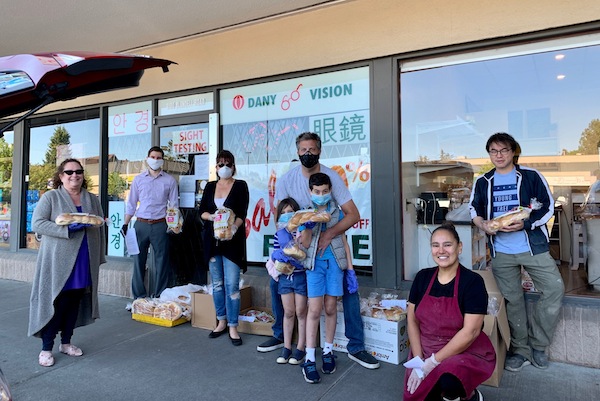
That amplification can be seen on several fronts, such as affordable housing, the most pressing concern of Lower Mainland residents. In 2007, long before real estate prices reached the levels of the late 2010s, Jewish Federation helped establish the Tikva Housing Society. Tikva serves all those who have been impacted by the high costs of rent – families, young individuals and seniors. The society now manages 98 affordable housing units, 37 of which came about in late September through a joint project with the YWCA – awarded by the City of Vancouver – for rentals at the new Arbutus Centre at 4188 Yew St.

Jewish Federation’s work encompasses all phases of a person’s life by providing community planning expertise, developing partnerships and raising funding for critical programs and services throughout the region. These are delivered through its many partner agencies, including programs that support seniors, Jewish education, arts and culture, and services for youth and young adults.

By 2031, it is predicted that the number of Jewish seniors in Greater Vancouver will double to 6,200. With this comes the challenge of helping them keep living independently and stay engaged within the Jewish community. As part of its strategic planning process, Jewish Federation co-hosted the second annual Changing Landscapes Forum on Nov. 26, which focused on three areas to address the high-priority needs of elderly community members: aging in place, caregiver support and social connection.

As for Jewish education and educational programs, Jewish Federation currently partners with Jewish day schools, summer camps and supplementary school programs across the region. As well, its vision reaches beyond the metropolitan area, to Israel. More than a decade ago, it identified at-risk youth in its partnership region of the Upper Galilee as a group in urgent need. It then invested in tech education, which has allowed other organizations to build on its success. The Israeli government recently selected an international consortium of venture capital groups to develop a food-tech centre in Kiryat Shmona, the Upper Galilee’s largest city. The centre will benefit residents of the region and position the area as a global hub of innovation.

Jewish Federation’s work also extends to eastern Russia, home to some of the most impoverished Jews in the world. Through its partnership with the Joint Distribution Committee, an international rescue and relief organization, Federation provides needed services to 27,000 Jewish children and their families and more than 165,000 elderly Jews. As the nearest federated community to these Jews, Federation’s efforts help bring humanitarian aid in the form of food packages, medicine, heating fuel and home-care visits, among other things.

For his part, Leipsic said, “I am always humbled by the generosity of our Jewish community and the incredible volunteerism exhibited by the army of volunteers and canvassers that give their time in support of Am Yisrael.

“It is a privilege and honour to serve,” he added, in explaining why he took on the role as campaign chair, on top of having a full schedule as a physician, radiologist and professor of radiology. “I try to live my life in accordance with the talmudic saying klal Yisrael arevim zeh bazeh – all of Israel is a guarantor for each other.”

Sam Margolis has written for the Globe and Mail, the National Post, UPI and MSNBC.
Posted on January 24, 2020January 22, 2020Author Sam MargolisCategories LocalTags annual campaign, education, Israel, Jewish Federation, Jonathon Leipsic, philanthropy, Russia, seniors, tikkun olam
Historic JCC-Fed agreement

Historic JCC-Fed agreement

A rendering of the development that is planned to replace the current Jewish Community Centre of Greater Vancouver. (image from JCCGV)

A recently signed agreement is a significant next step in the largest infrastructure project in the history of British Columbia’s Jewish community. The deal is expected to create a new Jewish community centre, as well as at least 300 rental housing units and larger, renewed facilities for many communal institutions, replacing the existing, almost 60-year-old community centre.

A memorandum of understanding between the Jewish Community Centre of Greater Vancouver (JCC) and the Jewish Federation of Greater Vancouver was signed last month. The agreement will likely see the land owned by the JCC transferred to a new community-wide agency. According to a joint statement by the two organizations, the proposed new 200,000-square-foot “recreational, cultural and community centre [will include] new childcare spaces, more services for seniors, an expanded space for the Vancouver Holocaust Education Centre, a new theatre and more.” At least 15 not-for-profit community organizations are anticipated to be housed there, as well as updated and enlarged facilities for arts and culture, aquatics, and fitness programs. Mixed-use rental housing units included in the plan are expected to be offered at or below market value and be open to everyone.

The project will advance based on a collaborative fundraising initiative. A campaign goal has not been announced.

“This agreement is an important initial step toward acting upon the community’s vision for a revitalized JCC that would become a legacy for the Jewish community and the city,” Salomon Casseres, president of the JCC board, said in the statement. “Our board is excited to partner with Jewish Federation. We believe that this collaboration puts the project on a strong foundation for success, from a community, financial and governance perspective.”

“An opportunity like this comes along perhaps once in a generation, so we are very proud to be working closely with the JCC on this historic project,” Alex Cristall, Jewish Federation’s board chair, said in the statement. “Jewish Federation takes a broad, long-term view of the sustainability, growth and evolution of the local Jewish community, and we believe that this project will create a strong core that will ultimately allow us to increase our reach and our impact.”

Ezra Shanken, chief executive officer of the Jewish Federation, told the Independent that the collaboration is a “big win” for the community.

“Federation has always been a proponent for the concept of working together on projects that have an impact that’s beyond the reach of one agency and we are thrilled that the JCC agrees with us that this is one of those projects,” he said. “It absolutely should be common in all cities.… For me, it’s best practice.”

The new JCC will strengthen the entire community, he said, adding that the impacts will reach far beyond the Oakridge neighbourhood.

“We are not just creating a strong future for that 41st and Oak corridor, the Vancouver Jewish community, but I believe we’re creating a strong future for the community across the Lower Mainland as a whole,” Shanken said, expressing his gratitude to the JCC and its leadership.

“I think the JCC has shown immense foresight and courage in coming together with us, to have the openness to work through the challenges and opportunities that exist in partnership, and I believe that this partnership will glean really great results for the Jewish community as a whole,” he said.

Eldad Goldfarb, executive director of the JCC, said working together hand in hand is the best way forward and the partnership is a natural one. The collaboration between the JCC and Federation is the largest partnership, but is part of a broader engagement process, he added.

“The master planning process of this legacy community project has involved an extensive engagement effort by the JCC, reaching out and having conversations with more than 30 Jewish community organizations, many stakeholders, donors and community members,” said Goldfarb. “The JCC, as we know it today, is home to 15 different Jewish community organizations and the new redevelopment might increase these collaborations opportunities.”

Discussions about the partnership between the two organizations have always been very collaborative, open and in good faith, Goldfarb said.

“This project is about creating a JCC for the future of the community, with more and better childcare, seniors, wellness, arts, culture and education state-of-the-art spaces, but is not limited to only that,” he said. “Our vision is to create an innovative community site which will include a brand new J, as well as a welcoming and collaborative home for many other community organizations and, of course, the much-needed large rental affordable housing towers.”

Vancouver City Council unanimously approved the JCC site redevelopment plan in September 2018. Several major steps remain in the design and planning process, as well as the raising of the millions of dollars required to complete it.

Format ImagePosted on November 8, 2019November 6, 2019Author Pat JohnsonCategories LocalTags Alex Cristall, development, Eldad Goldfarb, Ezra Shanken, JCC, Jewish Community Centre, Jewish Federation, JFGV, real estate, Salomon Casseres

Choosing love not hate

On Sunday, vigils were held in many cities to commemorate the 11 worshippers killed at Tree of Life Synagogue in Pittsburgh on Oct. 27, 2018. The shooting was the deadliest attack on Jews in American history.

As we have mourned and taken greater measures toward protecting ourselves, we have, mainly, not let fear paralyze us or isolate us from our neighbours and the larger world. We have continued to live Jewishly, whatever that means to each one of us; whether it’s helping those less fortunate, lobbying for sound government policies, going to synagogue or simply being kind to the people we encounter in our day.

In Vancouver, community members and others could join two collective moments of remembrance on Sunday: the Jewish Federations of North America’s Pause with Pittsburgh, which included the livestreaming of a public memorial service, and a service at Congregation Beth Israel, organized by the Rabbinical Association of Vancouver with the Centre for Israel and Jewish Affairs, the Jewish Community Centre of Greater Vancouver, Hillel BC and the Jewish Federation of Greater Vancouver.

Over the weekend, Jews were also encouraged – as they were in the wake of the tragedy last year – to #ShowUpForShabbat, an initiative of the American Jewish Committee, calling for us “to honour the victims and raise our collective voice for a world free of antisemitism, hate and bigotry.”

Beth Israel’s Rabbi Jonathan Infeld, who grew up in Pittsburgh, told News 1130, “There are still many people who are frightened and worried about what took place a year ago…. There are people who are concerned about coming to synagogue and people who are concerned about antisemitism. Especially on holidays, one of the messages I deliver is that, unfortunately, antisemitism is on the rise in the world. But we have to remain strong, to have the courage to come to synagogue, and to not allow attacks like this to prevent us from being who we are and to deprive us of the benefits that come from being in a sacred space.”

Infeld also noted, “One of the aftermaths of the attack is that people in Pittsburgh didn’t feel this was an attack just on a synagogue, they felt it was an attack on Pittsburgh…. We have to understand an attack on any sacred space is an attack on an entire community, so we need to stand together as one community with the message that love is stronger than hate.”

While the situation is not as bad as elsewhere in the world, the number of hate crimes and the incidences of antisemitism in Canada, including in British Columbia, have increased worrisomely. Love has a long row to hoe. Not only to give us the courage to speak up in the face of prejudice, but also to confront and temper our own. Not only to make us self-assured enough to make space for those with whom we agree and for whom we care, but also for those with whom we disagree and whom we dislike. Not only to inspire us to dream of a better world, but to give us the imagination and resourcefulness to bring those aspirations into being.

Love can only be stronger than hate if we choose to make it so.


Posted on November 1, 2019October 30, 2019Author The Editorial BoardCategories From the JITags #ShowUpForShabbat, antisemitism, Beth Israel, CIJA, hate crimes, Hillel BC, JCC, Jewish Federation, Jonathan Infeld, memorial, Pause with Pittsburgh, Pittsburgh shooting, racism
Dealing with adversity

Dealing with adversity

Houston Rabbi Brian Strauss lost both his family home and his synagogue to Hurricane Harvey, but the story he brought to FEDtalks Sept. 9 was an uplifting one. (photo from JFGV)

A time-lapse video showed the unrelenting advance of Hurricane Harvey. The security camera at Houston’s Jewish community centre captured the natural disaster’s impact on the building’s interior from the moment the first drops of water came through the front door until the deluge reached the ceiling. Furniture became unmoored and began to swirl around the building’s lobby.

The Category 4 hurricane made landfall in August 2017, slamming Texas and Louisiana with catastrophic flooding and dozens of fatalities. Material damages were estimated at $125 billion US, mostly in Houston and southeast Texas.

The Jewish community of Texas had to rebuild. Synagogues, the JCC, the Jewish seniors home and one in every 13 Jewish family homes were ruined.

Rabbi Brian Strauss, who spoke in Vancouver Sept. 9, lost both his family home and his synagogue. The issue was not merely flooding. Any flooding damages property, but the area’s topography meant that Houston was submerged in toxic bayou water, rendering everything it touched toxic. Added to this, the humidity of Houston caused mold to grow immediately. Houston received 52 inches of rain in three days – equivalent to its average annual rainfall. (By contrast, he noted, Vancouver gets 46 inches of rain annually.)

But the story Strauss brought to the Vancouver Playhouse – he was one of four speakers at FEDtalks, the opening event of the Jewish Federation of Greater Vancouver’s annual campaign – was an uplifting one.

Volunteers from around the world descended on Houston. The federal government provided resources to rebuild synagogues, homes and communal facilities. Especially notable: Israel donated $1 million to a Diaspora community struggling with crisis. Strauss juxtaposed the phenomenon of Jewish giving, which for decades flowed from the Diaspora to Israel, with the reality that Israel is now in a position to help a community in crisis abroad.

Also speaking at the campaign launch event was Risa Alyson Cooper, executive director of Shoresh. She shared her journey into Jewish spiritual and ethical issues around food. Shoresh is an Ontario-based organization that “inspires and empowers our community to take care of the earth by connecting people, land and Jewish tradition.”

“Eating is an ethical act,” Cooper said. By engaging community members “from seed to harvest,” the organization reduces the stigma of receiving “donated” foods.

“It’s not a handout,” she said. People are involved in creating their own food sustainability.

Cooper’s journey of exploration began during a trip in Nelson, B.C., a story she shared in an article the Independent ran in advance of the event. (See jewishindependent.ca/b-c-inspires-activists-work.)

Also at FEDtalks, Isaac “Bougie” Herzog – who chose to sit out not one but two Israeli elections this year – spoke about his role as head of the Jewish Agency for Israel.

Herzog is Israel’s former leader of the opposition and former head of the Labour party. In contextualizing his role as chairperson of the world’s largest Jewish organization, an agency that has been central in creating and building the Jewish state, he spoke of continuing a family legacy.

His grandfather, Rabbi Yitzhak HaLevi Herzog, who was the first Ashkenazi chief rabbi of Israel, went on a rescue mission in 1946 to find hidden Jewish children in churches and monasteries throughout Europe, bringing thousands of them to Palestine. Herzog’s father, Chaim, who went on to become president of Israel, served with the U.K. army, landed in Normandy, fought in the Battle of the Rhine and was among the first to enter the Bergen-Belsen concentration camp. Abba Eban, the legendary Israeli diplomat and statesman, was an uncle.

“I’m fulfilling the orders of my forbearers,” said Herzog, who was introduced by Karen James, immediate past board chair of the Jewish Federation and a member of the board of the Jewish Agency. The Independent also interviewed Herzog in advance of his visit. (Read the story at jewishindependent.ca/building-jewish-future.)

The most emotional presentation of the night came last. Dr. Gillian Presner recounted how she was invited to join the Federation movement’s National Young Leadership Cabinet. When she was told the commitment was five years, she replied: “That’s the rest of my life.”

Presner was diagnosed with a brain tumour in 2016, while pregnant with her third daughter. Nine days after the baby was born, she suffered a stroke.

Despite the challenges of raising a very young family while enduring terminal brain cancer, she accepted the invitation to join the cabinet because, she said, “I refuse to die before I’m dead.”

She added: “I am full of hope, but I am also a realist.”

She understands that she needs to leave a legacy of vibrant memories to her daughters – the family took a trip to Israel together, certain it would be her only chance – but she also knows that her daughters will “have to learn about me by hearing about what Mommy did.”

By continuing to devote herself to philanthropic causes, she is “showing my daughters what I truly value.”

Ezra Shanken, chief executive officer of the Jewish Federation, closed the evening, noting “our most precious commodity we have here is our time.”

Alex Cristall, chair of the board of Federation, welcomed the audience, acknowledging in particular 150 people in their 20s and 30s whose presence was made possible through a contribution by Jonathon and Karly Leipsic. Jonathon Leipsic is the annual campaign chair for the second consecutive year.

“It is a pleasure to have you,” Cristall said. “We need you.”

Jonathon Leipsic spoke of Theodor Herzl’s dream of Jewish self-determination and noted: “Our generation has never known a generation without emancipated Jewish freedom.”

He urged the audience to go to YouTube and find Chaim Herzog’s speech to the United Nations in 1975 against the motion that equated Zionism with racism.

“It will send shivers down your spine,” he said.

Members of Parliament Joyce Murray, Don Davies, Jody Wilson-Raybould, Randeep Sarai and Hedy Fry were in attendance, the latter of whom spoke from the podium and brought greetings from the prime minister. Also present were Selena Robinson, British Columbia’s minister of municipal affairs and housing; George Heyman, minister of environment and climate change strategy; George Chow, minister of state for trade; and Anne Kang, member of the Legislative Assembly. Vancouver city councilors Melissa De Genova, Colleen Hardwick, Sarah Kirby-Yung and Pete Fry attended, as did the consuls general of France, Germany and the United States, and Vancouver Police Chief Adam Palmer.

O Canada and Hatikvah were sung by the King David High School Choir.

To donate to the campaign and watch videos of all the FEDtalks speakers, visit jewishvancouver.com.

Format ImagePosted on September 27, 2019September 24, 2019Author Pat JohnsonCategories LocalTags FEDtalks, Jewish Federation, JFGV, philanthropy, tikkun olam
B.C. inspires activist’s work

B.C. inspires activist’s work

Shoresh executive director Risa Alyson Cooper and Mati Cooper plant a tree. (photo from Shoresh)

Risa Alyson Cooper, who was raised in the Toronto suburb of Thornhill, was road-tripping across the country with a friend about 20 years ago when they ran out of cash in Nelson, B.C. That misfortune changed the course of her life – and is making a big impact in Canada’s Jewish community.

“We were invited to a free church dinner for homeless and struggling individuals and we decided to go,” Cooper said of the adventure. “That was, for me, one of those aha moments. It was the first time that I thought religion might have what to say about the food that we eat.”

Cooper is now executive director of Shoresh, a Toronto-area charity that “inspires and empowers our community to take care of the earth by connecting people, land and Jewish tradition.” Cooper is one of four speakers at FEDtalks Sept. 9, the annual campaign opening event for the Jewish Federation of Greater Vancouver.

The church supper made her think about something that hadn’t really struck her before.

“I wondered if Jewish tradition has anything to say about food,” she recalled with a laugh in a recent telephone interview. “It was the first time that I really started thinking about food ethics. I’d grown up Jewish, I knew that food was so much of an anchor of Jewish observance, [that] my family’s Jewish identity was about meals to celebrate holidays, but I never really thought about the moral values that we can express through the food that we eat.”

She quickly discovered that Jewish tradition has a great deal to say about food and the moral, social and ethical issues around it. Agriculture is so intrinsic to the ancient texts that, Cooper said, a friend refers to Torah as “the Jewish Farmer’s Almanac.”

“It has very clear rules for how we farm, what we plant, where we plant, when we plant, and it also has rules beyond that,” she said. “It has rules for how we celebrate the harvest, how we hold gratitude for that which we receive from the land, and it also has very, very clear rules about how we share our resources with others in our community.”

There have been a number of Jewish “back to the land” movements – the most consequential being Zionism – but, on the shoulders of all this history, there is something new happening today.

“The idea of there being a Jewish way of thinking about food security is as old as Jewish tradition,” she said, “but what we are seeing now are really innovative ways of addressing food insecurity and also building vibrant Jewish communities”

Shoresh (the name is the Hebrew word for “root”) operates Kavanah Garden, adjacent to the Jewish Community Campus in suburban Vaughan, Ont., and invites children and adults to “participate in experiential programs rooted in Jewish text, tradition and values, and [is] designed to elicit experiences of awe in response to the wonders of the natural world.” Food grown at the garden is used in programming or donated through tzedakah partnerships.

photo - Risa Alyson Cooper beekeeping. Shoresh’s Bela Farm, in Hillsburgh, Ont., is home to an apiary and bee sanctuary
Risa Alyson Cooper beekeeping. Shoresh’s Bela Farm, in Hillsburgh, Ont., is home to an apiary and bee sanctuary. (photo from Shoresh)

Shoresh also operates Bela Farm, in Hillsburgh, Ont., a little further outside Toronto. This 100-acre farm, home to Shoresh’s apiary, bee sanctuary and native reforestation efforts, offers “deep, immersive experiences for land-based Jewish learning and living, creating for participants sustained connections with self, community and the earth.”

Their third location is Maxie’s Garden, a partnership between Shoresh and Jewish Family and Child, located in the Kensington Market yard of a Shoresh member. Here, an urban sanctuary in the heart of Toronto’s historic Jewish neighbourhood is “a haven for people, plants and pollinators.” It was envisioned to empower, educate and inspire clients of the social service agency through the power of nature connection and food production.

Beyond these three sites, Shoresh runs programs out of schools and camps, and in green spaces, parks and ravines throughout Toronto.

Cooper’s own agricultural journey, which began here in British Columbia, led her to a master’s degree in which she looked at religious food and environmental ethics. Then she went to Connecticut, where she worked for three years as a Jewish environmental educator at the Teva Learning Center, the only full-time, year-round program dedicated to innovative, experiential Jewish education taught through the lens of the natural world.

She got her hands even dirtier in small-scale organic farming as a member of the Adamah Jewish Farming Fellowship. She grew vegetables on a four-acre farm, worked in a raw goat-milk dairy and dabbled in the art of fermentation.

“I was so deeply in love with the community that I discovered in the States I probably would have stayed there but I had my visa revoked and I got sent back to Canada,” she said, laughing again.

photo - The Shoresh team
The Shoresh team. (photo from Shoresh)

Living out Jewish values on the land in the Diaspora raises particular issues, Cooper said.

“What does it mean to be holding a tradition that is in many ways land-based,” she said. “So much about the Torah, so many of our holidays, have agricultural connections. What does it mean to be having these land-based traditions and to be practising them in Canada? How do we honour the elements of our tradition, while honouring the fact that not only are we in the Diaspora – so not on the land where many of these traditions are rooted – but we are also specifically here on Turtle Island, this land that has been stewarded by indigenous communities for thousands and thousands of years?”

In Vancouver next month, Cooper said, she will talk about contemporary Jewish food insecurity issues and will share something about the model that Shoresh has developed, as well as ideas spawned from similar organizations across North America.

Everything she shares at the event will owe a debt back to that fateful visit to British Columbia’s Kootenay region.

“That was the moment that I can trace all this back to,” she said.

Other speakers at FEDtalks, which takes place at the Vancouver Playhouse on Monday, Sept. 9, at 7 p.m., are National Young Leadership Cabinet member Dr. Gillian Presner, who will offer “hard-earned wisdom about the power of community and the nature of our true legacies”; Rabbi Brian Strauss, whose Houston, Tex., synagogue and home were flooded by Hurricane Harvey and who subsequently witnessed an outpouring of support from Jewish federations across the continent; and Isaac Herzog, chairman of the Jewish Agency for Israel and former longtime politician, who led Israel’s Labour party and was opposition leader from 2013 to 2018 (featured in the other cover story in this issue).

For tickets ($36/$10) to FEDtalks Sept. 9, 7 p.m., at Vancouver Playhouse, visit jewishvancouver.com/fedtalks.

Format ImagePosted on August 30, 2019August 29, 2019Author Pat JohnsonCategories LocalTags annual campaign, FEDtalks, fundraising, Jewish Federation, philanthropy, Risa Alyson Cooper
Building Jewish future

Building Jewish future

Isaac Herzog, chairman of the Jewish Agency for Israel. (photo from JFGV)

Isaac Herzog was elected chair of the Jewish Agency for Israel in August 2018. The past year has seen him hit the ground running in the unique role as head of the sprawling organization whose mission is to “inspire Jews throughout the world to connect with their people, heritage and land, and empower them to build a thriving Jewish future and a strong Israel.”

In Vancouver Sept. 9, Herzog will share some of his experiences in this new role. He joins three other speakers at FEDtalks, the opening event of the Jewish Federation of Greater Vancouver’s annual campaign.

“I’m looking very much forward toward my visit, especially in Vancouver, where I for a long time wanted to meet the community,” Herzog told the Independent in a telephone interview from Israel. “I hear wonderful [things] about the strong stance of Jewish purpose and Zionist feeling in this community.”

Founded in 1929, the Jewish Agency is, said Herzog, “a great Jewish story.”

“We are the biggest Jewish organization in the world. We founded the state of Israel. We brought millions of olim, immigrants, to Israel,” he said.

In this generation, the agency has focused heavily on issues of safety and well-being for Jews worldwide, as well as encouraging aliyah and advancing Jewish identity and continuity through education, youth exchange programs and partnerships between the Diaspora and Israel.

Part of his role, he said, is to impress on Israelis the reality of the diversity of the Jewish world. He tells political leaders and rabbis in Israel that they have a “huge lack of knowledge” about the Diaspora and its pluralistic nature and the commitment of Diaspora Jews to Jewish knowledge, writing and education. Similarly, he said, he wants Diaspora Jews to have a realistic view of Israel.

“I expect world Jewry to know that Israel is not what you read in the New York Times, for example, or in Ha’aretz. It is a much more elaborate, developed, interesting, multifaceted, multicultural and incredible place that needs to be nurtured,” he said. “All these challenges are something that I have focused heavily on as a major leader of the Jewish people.”

An important focus of the Jewish Agency’s work right now is with young Diaspora Jews who are disaffected or disengaged from Israel or Judaism, or both.

“That’s a major challenge, of course,” he said. “We are developing programs that will rekindle the Jewish identity within alienated millennials, such as the whole idea of tikkun olam, healing the world, whereby we have programs all over the world where we take young Jews to volunteer, also in non-Jewish communities, in inner cities and Third World countries, as a venue for those who don’t want to be involved directly with Jewish activities.”

Herzog took the helm at a critical juncture.

“We are now in a major change process in the Jewish Agency,” he said, an ongoing development that will see a shift in priorities, changes in the organizational structure, some different areas of focus and new programs.

He added that this is not a path the agency is taking by itself.

“We can’t do everything alone,” said Herzog. “We work with partners and partnerships for specific purposes. This is a very exciting process in the 90-year-old organization.”

He stressed that the Jewish Agency has got a great number of things right over its nearly a century of activity.

“This is another chapter in the life of this organization,” he said. “It’s an exciting new chapter because of the challenges of the era.”

In addition to challenges presented by the younger generation, Herzog cited the need for dialogue that involves all streams of Judaism and all kinds of practices.

“We believe in the right of every Jew to live as a Jew wherever they want to live and [to] practice whatever kind of Judaism they want to practice,” he said.

Prior to assuming the leadership of the Jewish Agency, Herzog was a leading political figure, having served in five Knessets, having held five cabinet roles, including ministry of Diaspora affairs and ministry of welfare, and, from 2013 to 2018, being leader of the opposition as chair of the Labour party.

“I’m going to be in Vancouver just about a week before the election, 10 days before the Israeli election,” he said, acknowledging that sitting this one out feels different. “I cannot say that the bug is not with me. I’m fully attentive to what’s going on in the Israeli elections. People consult with me, but I took upon myself a new historical role of serving my nation, my people, in a different way.”

His priority now, he said, is to ensure that the Israeli body politic realizes the importance of the Jewish Agency’s mission and that these priorities are priorities for the next government, whoever forms the government after Sept. 17.

Herzog’s lineage of history-making Jewish leaders is widely known – his grandfather, Rabbi Yitzhak Halevi Herzog, was chief rabbi of Ireland and then Ashkenazi chief rabbi of Israel; his father, Chaim Herzog, served two terms as president of Israel. But, in speaking with the Independent, Herzog stressed his Canadian bona fides.

His uncle, Yaakov Herzog, was ambassador to Canada in the 1960s. His cousin, Shira Herzog, who passed away five years ago, served as head of the Canada Israel Committee for a decade and was involved in a range of Jewish and non-Jewish philanthropic works across Canada. Herzog’s wife, Michal, who is joining him on this summer’s trip, graduated school in Canada.

The Vancouver stop is part of a cross-Canada tour, in which he will also visit Montreal, Toronto and Calgary. In each place, he said, he will visit schools and federations and meet with leaders and communities. The Jewish Agency, he said, supports Jewish organizations, youth movements and infrastructure, beyond the shlichim, emissaries, the agency facilitates in sending from Israel to Diaspora communities.

For tickets ($36/$10) to FEDtalks Sept. 9, 7 p.m., at Vancouver Playhouse, visit jewishvancouver.com/fedtalks.

Format ImagePosted on August 30, 2019August 29, 2019Author Pat JohnsonCategories LocalTags FEDtalks, fundraising, Isaac Herzog, Jewish Federation, philanthropy

Posts pagination

Previous page Page 1 … Page 8 Page 9 Page 10 … Page 14 Next page
Proudly powered by WordPress