מבול של גשם שלא היה כדוגמתו

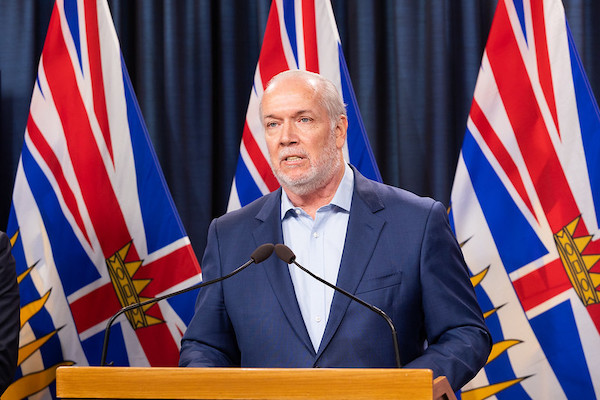
ראש ממשלת בריטיש קולומביה, ג’ון הורגן, ציין כי עלינו להסביר לשבעת מיליארדי תושבי כדור הארץ כי מוטל עלינו לפעול עכשיו, למנוע מאירועים כאלה לקרות בעתיד 

(flickr.com/photos/bcgovphotos)

מצב חירום הוכרז ביום רביעי האחרון שעבר במחוז בריטיש קולומביה שבמערב המדינה עקב גשמי זעף שירדו כאן במשך חמישה ימים ברציפות (מסוף שבוע שעבר ועד יום שני), וגרמו לנזקים אדירים, מספר קורבנות בנפש ולמותם של אלפי בהמות בחוות שהפכו לבריכות מים עמוקות. כמות הגשם הענקית באותם חמשת ימים שווה בעצם לכמות גשם בחודש רגיל בבריטיש קולומביה. באזורים נוספים בצפון מערב אמריקה – בצדו השני של הגבול – בארה”ב כמות המשקעים הגדולה, גרמה לנזקים קשים בדומה למה שקרה בקנדה.

ממשלת בריטיש קולומביה ביקשה את עזרת הצבא הפדרלי ופנתה אף לקבל עזרה ממחוז אלברטה הסמוך. זאת בנוסף להגעת כוחות רבים ממערכי הביטחון וההנדסה של המחוז, בתוספת עזרה של מאות מתנדבים. כל אלה עובדים יום ולילה, מנסים להעביר למקלטי חירום אלפי אזרחים שנתקעו באזורי השיטפונות הקשים, ומנסים להציל בהמות רבות שנתקעו באזורים חקלאים מלאי מים.

כבישים וגשרים רבים נעלמו מתחת למים הגועשים, נהרות עלו על גדותיהם והציפו אזורים נרחבים, סחף בלתי פוסק הרס בתים ותשתיות. תמונות קשות אלה הן רק חלק ממה שמוטל על עובדי ההנדסה לטפל בו בשבועות ואף בחודשים הקרובים. עבודות ייבוש שטחים מוכי השיטפונות כבר החלו בעזרת משאבות שעובדות יומם ולילה, במקביל לפינוי וניקוי של אזורים אלה שנראים כמו אחרי מלחמה קשה בה ניצח כרגיל הטבע.

התחממות כדור הארץ מורגשת היטב בבריטיש קולומביה שנחשבה למקום בעל מזג אוויר נוח, בחורף ובקיץ. אך לא כך עוד בשנה האחרונה: בקיץ האחרון הגיעו הטמפרטורות לשיא של כל הזמנים – קרוב לחמישים מעלות צלזיוס. לאור כך כשבע מאות קשישים, חולים והומלסים מצאו את מותם, ומערך האמבולנסים קרס תחת עומס פינוי נפגעי החום לבתי החולים. במקביל כמות השריפות בקיץ עברה כל שיא וגמרה לנזקים כבדים ביותר לטבע ולרכוש. יש מומחים שטוענים ששריפת עצים וצומחים אחרים, סייעו לתופעות הסחף הקשות לאור הגשמים בימים האחרונים. השריפות גורמות כנראה גם להגבלה של יכולות הקרקע לספוג כמויות גדולות של מים. לאור כמות גשם אדירה שירדה במשך חמישה ימים ללא הספק, תופעה שלא מוכרת במחוז, נגרם נזק קשה ביותר שייקח אולי שנים לתקנו. בשלב זה ידוע כבר על אישה אחת שנהרגה מסחף של בוץ ועל שלושה נעדרים שנעלמו בכביש שהפך לאגם. במחוז חוששים שמספר הקורבנות יעלה בימים הקרובים.

בלבד לפגיעה בנפש, בבעלי החיים ולרכוש, נגרם גם נזק גדול למערכי ההסעה של סחורות ומזון בכל חלקי בריטיש קולומביה. וכן נחסמה הכניסה לנמל הימי של ונקובר שהוא הגדול בקנדה ובמערב צפון אמריקה. לכן צפוי מחסור במוצרים שונים בימים הקרובים והממשלה מנסה למצוא פתרונות גם בנושא זה. זאת בנוסף לבעיית שינוע הסחורות ובעיות במערך האספקה העולמי לאור מגפת הקוביד. מחירי סחורות שונות לא מפסיקים לעלות והמחסור צפוי שיגרום לעליות נוספות במחירים.

ראש ממשלת בריטיש קולומביה, ג’ון הורגן, ציין כי עלינו להסביר לשבעת מיליארדי תושבי  כדור הארץ כי מוטל עלינו לפעול עכשיו, למנוע מאירועים כאלה לקרות בעתיד. הורגן ביקש להדגיש כי אין ספק שהתחממות כדור הארץ גורמת לתופעות מזג אוויר קשות שמורגשות כבר היטב במערב קנדה, בקיץ האחרון שהיה חם ביותר ובסוף ימי הסתיו עת ירד מבול נוראי של גשם. מכת הגשם הזו לדבריו היא אירוע של פעם בחמש מאות שנה. האם בעולם מקשיבים? לא בטוח.

Two Jews are on ballot

Jewish community members Tamara Kronis (Conservative party) and Avi Lewis (NDP) are running in the upcoming federal election. (photos from candidates)

British Columbia’s comparatively small Jewish community has produced a number of senior political figures, including the province’s first Jewish premier, Dave Barrett, and the current minister of finance, Selina Robinson, and minister of environment and climate change strategy, George Heyman. In this federal election, there appear to be just two candidates in British Columbia who are Jewish.

Tamara Kronis is the Conservative Party of Canada candidate for Nanaimo-Ladysmith. The riding is being closely watched by national observers as it is home to one of only two Green party MPs. Paul Manly, the incumbent, once sought an NDP nomination but was rejected by the party, apparently due to controversy over his positions on Israel and Palestine. While the other Green MP, former leader Elizabeth May, is seen as safe in her riding of Saanich-Gulf Islands, Manly appears to be in (at least) a three-way race with Kronis and New Democrat Lisa Marie Barron. Michelle Corfield is the Liberal candidate.

Kronis is a lawyer and heads a jewelry manufacturing and retail business. Until last month, she was associate chair of the Ontario Human Rights Tribunal and an independent director of Toronto Hydro. Earlier in her career, she served as director of advocacy for EGALE Canada, the national LGBTQ+ organization. She was a trial assistant at the International Criminal Tribunal for the former Yugoslavia.

Across the water and across the spectrum, Avi Lewis is the New Democratic Party candidate in West Vancouver-Sunshine Coast-Sea-to-Sky Country. A scion of Canada’s left-wing dynasty, Lewis is the son of journalist Michele Landsberg and Stephen Lewis, a former Ontario NDP leader and Canadian ambassador to the United Nations. His grandfather, David Lewis, was the leader of Canada’s NDP, from 1971 to 1975.

Avi Lewis is a journalist and activist who recently produced and co-wrote the Emmy-nominated animated short film about the Green New Deal, Message from the Future, with U.S. Representative Alexandria Ocasio-Cortez.

Lewis co-authored “The Leap Manifesto,” which was “a call to action on climate and inequality that was launched by an historic coalition of Indigenous leaders, unions and environmentalists, and signed by more than 50,000 Canadians,” according to Lewis’s website.

Lewis has an uphill climb. The riding, which straddles some of Canada’s wealthiest voters and the disparate communities along Howe Sound, has back-and-forthed between the Liberals and Conservatives in recent years. It is held by two-term Liberal MP Patrick Weiler, who is beating back a challenge from former Conservative MP John Weston. In 2019, the NDP candidate came fourth, well behind the Green party.

Comedy tour now on

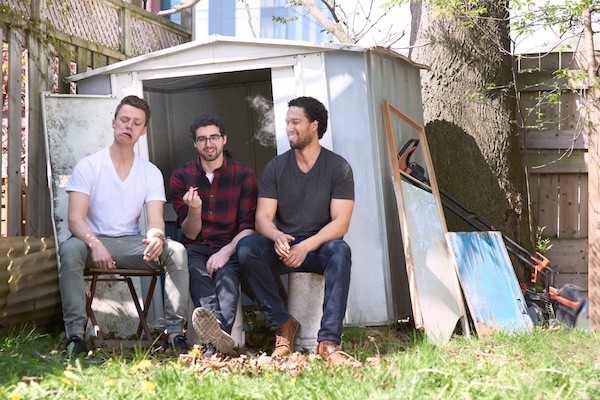
Left to right, comedians Andrew Packer, Jacob Balshin and Che Durena are currently on the JNT Comedy Tour, which takes them to small towns around Alberta and British Columbia until Sept. 6. (photo from David Cyr Photography / JNT Comedy Tour)

The JNT Comedy Tour, known for presenting the “highest” level of comedy in Canada from coast to coast, returned for their fourth edition Aug. 18. Featuring stand-up comedians Andrew Packer, Che Durena and Jacob Balshin, the tour comprises live shows in 19 communities across Alberta and British Columbia, and runs until Sept. 6.

Packer is an international headlining comedian and creator of JNT Comedy; his credits include performances at JFL42 (Just for Laughs), JFL Northwest and Edinburgh International Fringe Festival. Durena came runner up in SiriusXM’s Next Top Comic and he has headlined shows at JFL42 and appeared on JFL All Access on Comedy Central. Balshin, who is a member of the Jewish community, was named Toronto’s Best Upcoming Comedian at the I Heart Jokes Awards in 2018, and was nominated for Breakout Comic of the Year in 2020; his comedy has been featured on SiriusXM and CBC’s LOL.

The trio brings the tour into British Columbia Sept. 1, to Kimberley, with actor Sarah Stupar joining them. They then head to Creston Sept. 2 and Crawford Bay Sept. 3, before returning to Alberta for the tour’s last show.

If you happen to be traveling the province early next month, check out linktr.ee/jntcomedy for tickets and show times.

– Courtesy JNT Comedy Tour

Teaching community’s kids

Congregation Beth Israel, children in costume, 1965. (photo from JMABC L.09778)

image - The Scribe book cover
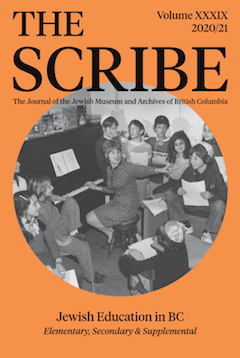
The 2020/21 education-themed issue of The Scribe will be launched on Aug. 26.

The launch of the Jewish Museum and Archives of British Columbia’s latest edition of The Scribe will be held virtually on Aug. 26, at 7 p.m.  This year’s book features stories, photos and some almost-forgotten details about Jewish education in British Columbia. Join the Zoom to hear from local leaders in Jewish education both past and present who will give context to this significant subject.

Anne Andrew, past principal of Temple Sholom Hebrew School, and Emily Greenberg, current head of school at Vancouver Talmud Torah, will lead the discussion. Andrew will focus on her long involvement with the Jewish education scene in Vancouver and Greenberg will share her perspectives on where Jewish education is headed. Considering the impact teachers, educational institutions and curricula have on the continuity and cohesion of a community, both this panel discussion and this issue of The Scribe speak to important issues.

photo - Story time, conducted by Gamliel Aharon, Beth Hamidrash B’nai Jacob, 1976
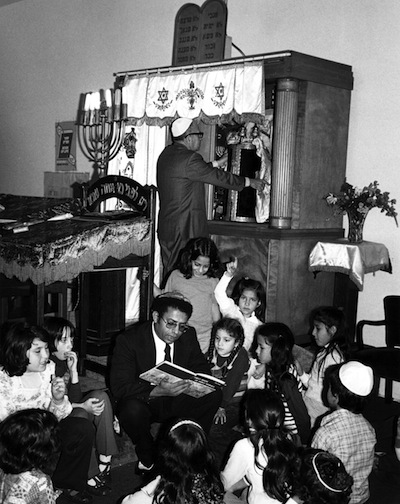
Story time, conducted by Gamliel Aharon, Beth Hamidrash B’nai Jacob, 1976. (photo from JMABC L.00155)

The 2020/21 Scribe features information from the community archives about Jewish education around the province, spanning some 100 years. In addition, there are oral history excerpts from dozens of community members about various programs that have been offered over those years. Even in the very early days of the Jewish community in British Columbia, no matter where Jews settled in the province, there were all kinds of arrangements for the transmission of Jewish knowledge, culture and identity.

Zoom attendees will hear about iconic educators who instilled a love of Judaism and community spirit. Those who attended Jewish school here will take a trip down memory lane, being reintroduced to teachers from their past.

For more information or to register for the free online book launch event or to get your own copy of The Scribe, visit jewishmuseum.ca/publications/the-scribe or call the museum office at 604-257-5199.

– Courtesy Jewish Museum and Archives of British Columbia

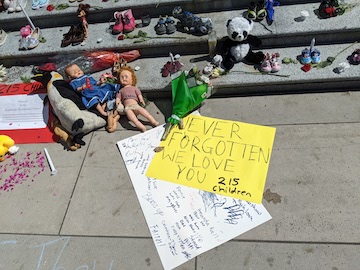
שרידי 215 ילדים נמצאו בבית ספר

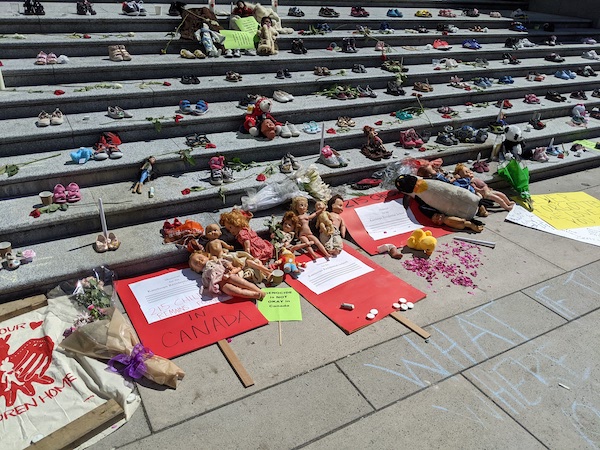
בובות ונעליים לזכר הקורבנות במדרגות שליד הגלריה לאמנות בוונקובר
(רוני רחמני)

שרידיהם של 215 ילדים, חלקם היו בגיל שלוש בלבד, נמצאו בפרובינציית בריטיש קולומביה, במקום שבו ניצב בעבר בית ספר גדול. במוסד זה קובצו בני קהילות האינדיאנים שהופרדו בכוח ממשפחותיהם ברחבי המדינה – במטרה להטמיע אותם באוכלוסייה הקנדית הכללית. ההודעה על מציאת השרידים זכתה לפרסומים נרחבים בכל העולם, אחרי שהם התגלו לפני כשבועיים בסיוע מכ”ם חודר-קרקע. מומחים אומרים כי גופות נוספות עשויות להימצא, משום שבאותו האזור נותרו שטחים נוספים שהיו שייכים לבית הספר ושטרם נערך בהם חיפוש.

התגלית הקשה שנחשפה היא עדות לזוועות שחוללו ממשלת קנדה והכנסייה הקתולית לעשרות אלפי תלמידים, שהשתייכו לקהילות האינדיאנים מאז המאה ה-19 ועד לשנות ה-70 של המאה העשרים. למעלה מ-150 אלף ילדים שהשתייכו לקהילות האלה נדרשו באותן שנים לעזוב את משפחותיהם ולעבור ללמוד בפנימיות נוצריות במימון המדינה הקנדית. זאת, כחלק מתוכנית שנועדה להטמיע אותם בחברה הכללית. הילדים אולצו להמיר את דתם לנצרות, לא הותר להם לדבר בשפת אבותיהם, ורבים מהם ספגו מכות והתעללויות מילוליות ופיזיות, בכלל זה התעללויות מיניות מצד מורים. לפי טענות עד 6,000 מהילדים מתו בבתי הספר האלה.

בית הספר שבאדמתו נמצאו השרידים שהוכרזו לפני כשבועיים שוכן ליד העיר קמלופס שבקולומביה הבריטית, והוא היה הגדול מבין 139 בתי הספר המיוחדים שהוקמו בשלהי המאה ה-19 לצורך הטמעת בני האינדיאנים. בכל זמן נתון שהו בו עד 500 תלמידים. הוא הופעל על-ידי הכנסייה הקתולית בשם ממשלת קנדה מ-1890 ועד שנסגר ב-1969.

פרסום הפרשה עורר תגובות נרגשות במערכת הפוליטית הקנדית. ראש ממשלת קנדה, ג’סטין טרודו, מסר כי הגילוי, שאותו הגדיר “מטריד”, שובר את לבו: “זו תזכורת כואבת לפרק אפל ומביש בתולדות ארצנו”, אמר טרודו. ראש ממשלת בריטיש קולומביה, ג’ון הורגן, הצהיר כי הוא “נחרד ושבור לב” בעקבות הגילוי של שרידי הגופות, וכינה זאת “טרגדיה בממדים שאי-אפשר לדמיין”. הוא אמר כי הגילוי הזה מדגיש את האלימות וההשלכות הקשות של הפנימיות שבהן שוכנו בני האינדיאנים.

ממשלת קנדה כבר התנצלה כבר באופן רשמי בשנת 2008 על הסבל הקשה שחוו בני האינדיאנים בבתי הספר המיוחדים שהמדינה הקימה לצורך הטמעתם, והודתה כי ההתעללויות הפיזיות והמיניות בבתי הספר מהסוג הזה היו תופעה נפוצה. רבים מהתלמידים לשעבר העידו כי הוכו רק משום שדיברו את שפת אבותיהם, ורבים מהם גם איבדו קשר עם הוריהם והתנתקו ממנהגיהם. מנהיגי קהילות האינדיאנים טענו לאורך השנים כי מסורת ההתעללויות והבידוד של הילדים האלה, היא הסיבה הראשית לשיעורים הגבוהים של עוני, אלימות, התאבדויות והתמכרויות לאלכוהול ולסמים בקהילותיהם.

בדוח מיוחד שפורסם לפני יותר מחמש שנים על ידי ועדת האמת והפיוס, נקבע כי לפחות 3,200 ילדים מתו כשהם סובלים מהתעללות והזנחה. לא ברור אם הילדים ששרידיהם נמצאו כעת נמנים עם הילדים שמותם כבר תועד. או שקרוב לוודאי שמציאת שדירי הילדים פירושה המעשי הוא שמספר המתים הרשמי גדול ממה שהיה ידוע עד כה. הטכנולוגיות החדישות שפותחו בשנים האחרונות מסייעות כעת בחיפושים אחרי קורבנות נוספים, ומנהלי החיפושים האלה מקווים שהתשובות שיעלו בהם יעזרו למשפחות לסגור מעגל.

ממשלת קנדה כבר הסכימה בעבר לפצות את התלמידים של קהילות האינדיאנים שהופרדו ממשפחותיהם, על השנים שבהן אולצו לשהות בפנימיות האפלות. לאחר שוועדת האמת והפיוס הגדירה את מה שעברו התלמידים האינדיאנים רצח עם תרבותי, החליטה הממשלה להקציב לפיצוי הילדים והמשפחות שלהם קרוב לשני מיליארד דולר.

Pushing for more oversight

Members of the Jewish community, as well as members of various professional organizations, are calling on the government of British Columbia to do more to regulate practising therapists and counselors in the province.

According to the Federation of Associations of Counseling Therapists in British Columbia (FACTBC), which is at the forefront of the campaign for this change, there is currently no regulatory body for counseling therapists in the province and, therefore, there are no regulatory standards for the work that counseling therapists do.

As it stands, they claim, someone can call themselves a mental health professional in British Columbia without having the checks that exist elsewhere in Canada. This, FACTBC points out, differs significantly from Ontario, Quebec and Alberta, which have all established regulatory bodies to oversee who can become a mental health professional. And, they add, the remaining provinces have done more than British Columbia when it comes to the consideration of implementing regulation.

A member of the Jewish community recently came to the Independent with her story. In her attempts to remove a social worker from her mother’s life, she encountered what she believes were numerous inadequacies within the present system regarding the protection of the public’s interest and confidence.

“When we seek the help of doctors and nurses, there is a protected title that tells us the person is qualified and safe and that there is a professional regulator to back up this promise,” she said. “Regulation protects people from harm. I cannot change the events of the past, but I can take from that experience and do what I can to ensure that all our citizens are protected, moving forward.

“I knew,” she added, “and had confirmed by other counselors and social workers that what this registrant was doing was in violation of their professional code. I saw my mother become further isolated from friends and family, while her health continued to decline both mentally and physically, while in this registrant’s care.”

The community member filed a complaint with the B.C. College of Social Workers (BCCSW). “Through this experience, I saw firsthand the lack of transparency in the complaint and discipline process that gives social workers the ability to enter negotiated complaint resolution agreements (CRAs) in exchange for keeping matters confidential. How can the public have confidence in regulators if the public is not aware of actions taken by regulators to protect them?” she wondered.

The community member then did what many who lack the financial means could not: she filed a civil claim against the social worker. She was not looking for money, she told the Independent; rather, she was looking for accountability and safety.

In the end, the woman and her family received an apology from the registrant and a promise to not repeat the following conduct: failing to differentiate between professional and personal boundaries; creating a situation of dependence with clients; and failing to limit their practice within the parameters of their competence.

“The college, in their inquiry decision, acknowledged that the time the registrant spent with my mother and the amount the registrant billed were not reasonable. I am not sure I will ever be able to fully reconcile with the events that occurred over a three-year span at the hands of a social worker, who was a friend at the time, and [that] I helped facilitate the introduction to my vulnerable, senior mother,” the woman said.

“To help with my own personal healing,” she added, “I elected to join FACTBC’s stakeholder table. I hope to lend my voice to ensure social workers, counseling therapists and emergency medical assistants who deal with our most vulnerable citizens are recognized as health professionals and regulated under the Health Professions Act.”

For Shelley Karrel of Jewish Addiction Community Services (JACS) Vancouver, the importance of regulation for counselors in British Columbia cannot be overstated. “For counselors working in the area of addiction and recovery, it is critical to know the importance of assessment, understanding the various stages of addiction, being able to identify the options available for treatment and recovery,” she said.

Karrel explained that understanding co-morbidity – i.e., the presence of one or more additional conditions – of mental health issues with addiction requires psychotherapists and counselors to have the proper training and education to know how to help clients deal with their various challenges.

“Having counseling fall under a regulated body will give clients the assurance they are dealing with qualified professionals who have to meet professional standards of practice, ongoing continuing education and clinical supervision,” she stated.

According to Glen Grigg, a Vancouver clinical counselor and the chair of FACTBC, “proper regulation will prevent consumers from harm. A consumer should not have to guess whether the therapist is equipped to deliver the services they promise. Moreover, when harm is done, it is important to know that a registrant’s college has the power to bring restoration and remediation when harm has occurred.”

FACTBC, which is comprised of 14 professional organizations that represent 6,000 mental health professionals in the province, is asking for safety and accountability. On professional title, it recommends one legislative authority and one coherent and fair process that prevents harm and has the power to act accordingly when harm has been done.

The B.C. government has said that it will first implement modernization of the health professions regulatory system – a step that FACTBC enthusiastically supports – and then give attention to the mental health system.

To Grigg, “this response comes down to saying, in effect, ‘despite the opioid crisis and mental health fallout from the pandemic, we can defer this issue.’ When pressed for what is intended after a new regulatory process is put into place, timeline unknown, the response is that government will ‘recommend’ that professions, such as counseling therapy and social work, become a ‘priority.’ A recommendation to a yet-to-be created bureaucracy falls far short of commitment and action.”

Grigg added, “FACTBC has been advocating for public protection where counseling therapy is concerned for more than 20 years and have heard, over and over, variations on the theme, ‘Yes, of course, we are going to protect the public, but later, at a time we’re not prepared to specify.’”

FACTBC does give the province credit for creating a Ministry of Mental Health and Addictions – a huge step forward, in their view, as was the $5 million the province put towards increasing mental health services. What the government needs to do to follow up on this momentum is to regulate counseling therapy, they assert.

At present there is no way of accurately ascertaining how many practising counselors there are in British Columbia. However, Grigg cites what Ontario discovered. In that province, in the time since they implemented statutory regulation on counseling therapists, they found that half the people providing services did not have any form of registration or certification.

“That’s dangerous,” said Grigg. “And we suspect that the situation in B.C. is similar but, because there is no central authority, even the scale of the problem is guesswork.”

He stressed, “It’s easy to see why this is so crucial. Suppose you were sick or injured and went to your local clinic or emergency department and discovered that it was up to you to figure out whether the people working there really were nurses and doctors, and whether they were qualified to provide care? That’s what people looking for counseling services are up against every day in B.C. There is no single title, like doctor or nurse or dentist or pharmacist, that identifies qualified and accountable counseling therapists.”

Sam Margolis has written for the Globe and Mail, the National Post, UPI and MSNBC.

B.C. puts $25 million to JCC

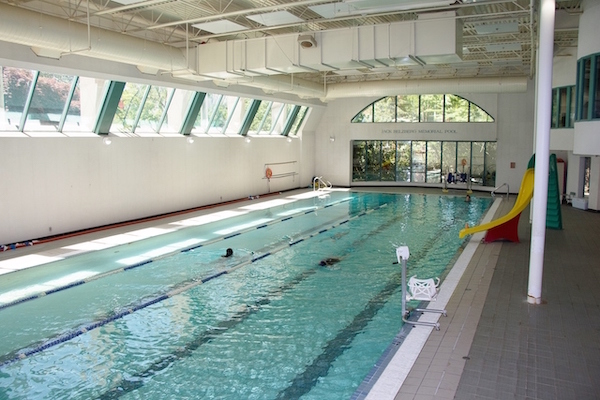
One of the reasons the Jewish Community Centre of Greater Vancouver is being redeveloped is that its amenities, like the gymnasium and swimming pool, are aging. (photo from miss604.com)

The government of British Columbia has announced $25 million to support the redevelopment of the Jewish Community Centre of Greater Vancouver.

At a virtual event April 28, three cabinet ministers and Alvin Wasserman, president of the board of the JCC, publicly shared the major contribution to the $155 million project.

The first phase of the redevelopment, which is what the grant supports, will contribute to the construction of the new, 200,000-square-foot community centre. This will be built on the current JCC parking lot. The new facility will allow the JCC to expand childcare, seniors services, arts and cultural spaces and amenities for all. The centre, when opened, will also be home to about 15 not-for-profit organizations, with expanded space for the Vancouver Holocaust Education Centre, a new theatre, and other facilities. That component is anticipated to be completed in late 2024.

A second phase of the project, which is the largest capital project in the history of British Columbia’s Jewish community, will see the existing JCC replaced with mixed-use rental housing, including units at or below market value. In this phase, King David High School, which is currently located to the east of the JCC, across Willow Street, is expected to move to new, larger premises in the second phase to accommodate growing student enrolment. This phase, expected to be completed in 2027 or 2028, will cost about $272 million.

The redevelopment initiative includes the transfer of the property from the JCC into a community trust, with rent and other revenues being reinvested into the Jewish community in perpetuity.

Melanie Mark, B.C. minister of tourism, art, culture and sport, made the funding official in an enthusiastic announcement.

photo - JCC gymnasium
The JCC gymnasium (photo from miss604.com)

“The Jewish Community Centre of Greater Vancouver is an integral part of our social and cultural fabric, it’s a vibrant, intergenerational community centre,” she said. “But it was built more than 60 years ago and the facility is in desperate need of replacement. Its amenities, like the swimming pool and gymnasium, are aging. Meanwhile, the community of Oakridge has exploded around it.”

Mark added: “We hope this grant will assist the centre to secure other sources of funding for this project. The redevelopment of the centre is a massive undertaking, leaving a legacy for generations to come, which is why I’m encouraging other levels of government to join us in funding this important project. Specifically, I hope the federal government will step up and match our funding commitment. I hope they see the value in meeting the needs of this growing, diverse community.”

The new JCC’s capacity for increased childcare and the residential components of the second phase dovetail, Mark said, with the government’s commitments to affordable housing and childcare.

David Eby, the province’s minister responsible for housing, emceed the event. The JCC’s aim of 500 units of affordable housing is an example of how the province is “going to get to our very ambitious target of 114,000 units of affordable housing across the province,” Eby said.

Also on hand was George Heyman, minister of environment and climate change strategy, who recalled his teenage years hanging out at the centre. He echoed Mark’s call for the federal government to join the province in supporting the project.

“The Jewish Community Centre is a centre not just for Oakridge and the Cambie Corridor but for all of Metro Vancouver, and has been for years,” said Heyman. “Visitors come from all around the region and from a wide variety of ethnic, cultural and religious backgrounds.”

On behalf of the JCC, Wasserman thanked the provincial officials, all three of whom represent Vancouver ridings in the legislature.

“The centre is in desperate need of replacement,” said Wasserman. “Community needs have hugely outgrown it and, fortunately, we are blessed with options. The centre is in the heart of Vancouver, on land worth more than $325 million. Our community pioneers knew this land would be important for our future needs and that future is arriving…. Thanks to the funding from the province of B.C., we are able to move forward with the plan that will bring benefits to many for many generations to come.”

Interactive history tour

To find out more about the history of Made in BC – Dance on Tour and its network of artists, visitors to madeinbc.org/history-project just have to hover over one of the images displayed and click on it. (screenshot)

It is easy, in Metro Vancouver, to take certain things for granted, such as access to live theatre, music and dance. But the pandemic, with its limits on social gatherings, has given urbanites an inkling of what smaller communities regularly experience. The relative scarcity of live performance in places like Prince George and Revelstoke is one reason that Made in BC – Dance on Tour was created in 2006. It is unfortunate, then, that Made in BC’s 15th anniversary falls in a time of travel and other restrictions. But that hasn’t stopped the organization from celebrating, and innovatively so.

Made in BC (MiBC) has collaborated with artist and graphic recorder Adriana Contreras to create an interactive online illustrated map “offering viewers the opportunity to take a visual and audio trip through the last 15 years of work, celebrating the numerous artists, presenters and community members that have been a part of this history.” Among these artists are Jewish community members Tara Cheyenne Friedenberg (Tara Cheyenne Performance), Amber Funk Barton (the.response), Naomi Brand (All Bodies Dance Project) and Vanessa Goodman (Action at a Distance).

“Especially in an art form that is so ephemeral, documentation is important not only for our personal memories, but for the history of the organizations and communities that we work with,” Brand told the Independent. “These kinds of records are really valuable for us to learn from what has happened before and to remember the accomplishments and discoveries that came before us. The map is a beautiful and creative way to write our history in the present while it is still relatively fresh in the bodies and memories of those who participated in it.

She added, “The field of contemporary dance in Canada is small enough that most of us are connected through a few degrees of separation that can be traced through our lineage of teachers, mentors and collaborators…. The map project represents all of that visually across the geography of this province.”

Cheyenne Friedenberg also spoke about the ephemeral, or temporary, nature of dance, making it hard to keep track of accomplishments.

“We spend much of our time and energy justifying and fighting for our art and art-making, it’s no wonder many of us don’t take time to reflect or celebrate the wake behind the boat,” she said. “It’s also very important to take note of what artists have brought to communities around the province and how these communities have influenced the art and the art makers. We are an ecosystem and it benefits all of us to appreciate how we have grown and developed as an artistic community. I know my work has been greatly influenced by my relationships across the province. I know folks who started making their own work after seeing a show or taking a workshop. I think part of the reason I’m still making work is because I feel part of this artistic ecosystem that is ever-evolving.”

Made in BC statistics show that, over the past 15 years, MiBC “has provided opportunities for over 50 dance companies incorporating over 200 dance artists to tour their work, reaching over 20,000 people around the province. And over 30,000 people have participated in and experienced the joy of other community-engaged dance activities, beyond the theatre.”

“MiBC as a network is about fostering relationships between artists, presenters, audiences and new communities,” said Brand. “As dance artists, we work with living, breathing, feeling people as our material (as opposed to clay, or an instrument, or paint brushes). This human-to-human, personal interaction is so important to what we do in the studio, as well as through emails and Zoom these days. We’re lucky to have an organization like MiBC that supports artists and has brought so many incredible experiences to communities across the province.”

Brand recalled one experience in particular. “In 2017,” she said, “my colleague Sarah Lapp and I did a residency through Made in BC at the Rotary Centre for the Arts (RCA) in Kelowna. It was our first experience touring with our company All Bodies Dance Project and bringing our artistic practice to a new community. We met such beautiful, courageous and lovely participants in the weeklong workshop and learned a lot about ourselves through sharing what we do with a new community. That residency had a huge impact on Sarah, who actually ended up relocating to Kelowna a year or so later, and beginning an integrated dance project in partnership with RCA with a collaborator that she met during that residency.”

Cheyenne Friedenberg first toured with MiBC in 2009, when the organization selected her first full-length solo work, bANGER, to tour along with Day Helesic’s piece Surge.

“I had toured a lot in the U.S., across Canada and Europe, but this was my first real experience taking my own work around the province,” said Cheyenne Friedenberg. “I was, and continue to be, very interested in connecting with the land and the people closer to home. Why have we as a culture believed touring Europe is more prestigious than touring the West Coast? It’s not. Since that first tour in 2009, I have toured, taught, created and learned around B.C. over half a dozen times and I can’t wait to get back out here!”

She said it was hard to pick just one MiBC experience that was especially impactful or memorable, so she offered two:

“1) Smithers, 2012: after seeing my solo Goggles, a couple (who are now my friends) were so taken by seeing me and my family (who I tour with) taking questions and, probably, breast-feeding after the show, that they decided to have a baby and continue to make art.

“2) Dolly Alfredson, a Wet’suwet’en language speaker and teacher shared many post-show thoughts with me, all in Wet’suwet’en. It felt very special. This was after my show I can’t remember the word for ‘ I can’t remember,’ in 2018.”

Contreras, who collaborated with MiBC in collecting and communicating these types of recollections from the dance artists, said her favourite part of the process was listening to all the stories, “getting a glimpse at a special moment in time from the many artists I had the pleasure to work with in part.”

It was Jane Gabriels, executive director of MiBC, who invited Contreras – in spring of 2020 – to be part of the 15th anniversary history project.

“I had just left my full-time job as director of programming and communications with New Performance Works Society to work as an independent graphic recorder, illustrator and designer,” Contreras told the Independent. “This was also around the time that COVID-19 was declared a pandemic and the province went on lockdown. Needless to say, this project was a bright light in a very uncertain moment.”

On the project, she worked closely with Gabriels, as well as Debora Gordon, MiBC manager of community dance connectors, statistics and promotions, and Zahra Shahab, a dance artist and choreographer who was the 2019 creative residency artist at MiBC.

“The process was one of collective discovery and experimentation,” said Contreras. “I knew that MiBC has a vast archive documenting the work of all the artists that have been part of its programs, but I wanted to go back to the essence, the aspect that makes MiBC so unique, the unifying element of supporting B.C.-based artists to present their work and connect with communities throughout the province; bring contemporary dance to audiences that don’t often get to experience it.

“During my time as an arts administrator supporting dance artists,” she continued, “I had heard many anecdotes and memorable stories that happened during MiBC tours. Many of these occurred in the theatre, others in the liminal space, on the road. Many others in everyday occurrences that nurtured community. We decided that these were the stories we wanted to highlight.

“MiBC reached out to artists and asked if they wanted to share their stories, which were audio-recorded to be featured on the website. We then chose an object to represent each of the stories, and those are the elements you see in the drawing, one for each artist or collective.”

She added, “Creating this work reminded me why I love the performing arts so much, and I can’t wait to sit in a theatre and experience live dance, theatre and music again.”

In the meantime, dance enthusiasts can take a virtual audiovisual trip through the province at madeinbc.org/history-project.

חופשות מקומיות

הביקור בטופינו התפרש על פני לילה אחד

בפעמיים האחרונות כתבתי ארוכות על הטיול הטוב שעשיתי לוויקטוריה הבירה של מחוז בריטיש קולומביה. זאת בעידן הקוביד כאשר אי אפשר לטוס יותר לאירופה שאני אוהב אלה “רק” לטייל במחוז היפה שלנו.

לאחרונה הספקתי לבקר בשני מקומות בבריטיש קולומביה לראשונה מאז עברתי לקנדה לפני למעלה משש עשרה שנה. הראשון שלא היה מעניין במיוחד – היה לעיירה טופינו בקצה הרחוק (המערבי) של האי ונקובר והשני שהיה מאוד מעניין – היה העיר קולונה בעמק אוקנגן.

לטופינו טסתי במטוס הים שנוחת במים כך שפגשתי מעט נוסעים בטרמינלים הקטנים של ונקובר ושל טופינו. הטיסה לטופינו נמשכה שישים וחמש דקות ובמטוס הקטן מלבד הטייס היו עוד שתי נוסעות. הנוף מהמטוס שטס בגובה נמוך מרשים ביותר. תחילה רואים את פארק סנטלי ולאחר מכן את מי האוקיאנוס השקט השקטים בדרך לאי ונקובר. גם חציית האי מהצד המזרחי למערבי כדי להגיע לטופינו יפה ביותר.

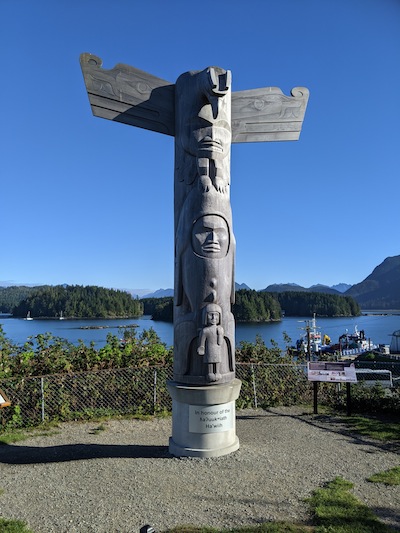
photo - Tofino - Totem poleטופינו היא עיירה קטנה שמונה בסך הכול כאלפיים תושבים. מרבית התיירים באים אליה כדי לגלוש בגלים הגבוהים של האוקיאנוס או לעשות ספורט אתגרי אחר. וכן לטייל ביערות הגשם ובסביבה.

בגלל מגפת הקוביד האיים של האינדיאנים שסמוכים לטופינו היו סגורים למטיילים ולכן נאצלתי להסתפק בטופינו הקטנה בלבד. בתור תייר שמחפש תרבות לא מצאתי הרבה לעצמי בטופינו. לאחר הנחיתה הלכתי ברגל בערך כרבע שעה למלון מאק הממוקם ברחוב הראשון בסמוך למים. המלון היה נחמד ונקי אך בגלל המגפה הקפטריה שלו הייתה סגורה ולכן אכלתי במסעדות בחוץ.

הביקור בטופינו התפרש על פני לילה אחד בלבד וטוב שכך מבחינתי כי לא מצאתי עניין בעיירה הקטנה והנידחת הזו. ירדתי לחוף הים הפראי וטיילתי להנאתי. לאחר מכן הסתובבתי במרכז העיירה הקטן ומצאתי קפה נחמד לאחר הצהריים. בחיפושי הנואשים אחר תרבות מצאתי את הגלריה של רועי הנרי ויקרס. מדובר באמן אינדיאני (בן שבעים וחמש כיום) שזכה להכרה ברחבי העולם ואף קיבל פרסים רבים. רכשתי ספר שמכיל את היצירות שלו אותו הבאתי כמתנה לבת זוגתי בוונקובר. לאחר הביקור בגלריה המעניינת חיפשתי מקום לארוחת ערב. מתברר שבערב בטופינו ישנן ארבע מסעדות פתוחות וחוץ מזה כל העיירה סגורה. לאחר הארוחה הסתובבתי קצת באזור ומצאתי שתושבי העיירה הולכים לישון מוקדם מאוד. אחרי שמונה בערב הכול חשוך וסגור.

למחרת בשעות הצהריים המוקדמות הייתי אמור לטוס בחזרה לוונקובר במטוס הימי אך בגלל הערפל הכבד הטיסה בוטלה לצערי. כיוון שבקו טופינו ונקובר יש רק טיסה יומית אחת של המטוס הימי הבנתי שלא אוכל באותו יום לעשות את הדרך חזרה עמו כאמור בגלל הערפל. בנוסף הייתה טיסה אחת בלבד של מטוס רגיל (מופעל על ידי חברת פיסיפיק קוסטל) אך היא כבר יצאה לכיוון ונקובר. לכן לא הייתה לי בררה אלה לחפש אוטובוס הביתה.

למזלי ברגע האחרון מצאתי אוטובוס בקו טופינו אל העיר נאיימו שבמזרח האי ונקובר. היה זה אוטובוס קטן והנסיעה נמשכה כארבע עשות תמימות. באמצע נאלצנו לעצור לחצי שעה כיוון שתיקנו את הכביש בין טופינו לננאיימו. לאחר מכן עצרנו למספר דקות לשתייה ושירותים בפורט אלברני ומשם הגענו במהירות יחסית לננאיימו. המעבורת עדיין לא עזבה את המעגן בנניאמו, כך שיכולתי לעלות עליה ולשוט בנוחות לעבר ווסט ונקובר. משם מצאתי אוטובוס מהיר לדאון טאון ונקובר והגעתי סוף סוף הביתה. אם כן הדרך חזרה נמשכה שעות מרובות עד שהגענו לוונקובר.

Making a will during COVID

For hundreds of years, the basic rules for making a valid will have been the same: the person making the will has to sign it in the company of witnesses, and the witnesses have to sign, too. How can that requirement stand when we’re supposed to stay apart? Is it OK to sign and witness a will with everyone two metres apart from one another and wearing masks and even gloves?

Signing with COVID-19 precautions like distancing and wearing safety gear is legally valid, but not always practical. You’re passing around a paper document, and possibly sharing a pen. As we move into the winter months, it becomes less likely that you’ll all gather outside to sign. Signing indoors, despite social distancing and personal protection equipment, is still considered a greater risk than staying home.

Many of us have become far more familiar with videoconferencing technologies this year than we ever expected to be. How many of us had a Zoom seder or a Skype Rosh Hashanah dinner? Why can’t we update a centuries-old practice for the 21st century, especially given the COVID-19 crisis? We can.

The British Columbia government, as part of the emergency measures brought in this year, made changes to the rules for executing wills to accommodate pandemic precautions, and has also made those changes permanent. The Wills, Estates and Succession Act, which governs how we make wills, was amended to include two new sections on something called “electronic presence.”

The basic rules are still the same – the will has to be signed by the person making the will and by two witnesses, all witnessing one another more or less simultaneously, but they can sign separate paper copies – to be put together and treated as one original document – as long as they are in each others’ “electronic presence.” In other words, it should be the “witnessing a will” version of that Zoom seder.

Like everything with a will, there are technical details and you should always get professional guidance, but it is reassuring that you can remain safe, while attending to your critical planning needs.

Jeremy Costin is a business and estates lawyer practising in Vancouver. He sits on the board of directors and the governance committee of the Vancouver Holocaust Education Centre, and is a frequent guest instructor at the Law Society of British Columbia.

(Disclaimer: This article should not be construed as legal advice. Only your lawyer can give you proper advice specific to your needs.)