Skip to content
  • Home
  • Subscribe / donate
  • Events calendar
  • Business Directory
  • FAQ
  • News
    • Local
    • National
    • Israel
    • World
    • עניין בחדשות
      A roundup of news in Canada and further afield, in Hebrew.
  • Opinion
    • From the JI
    • Op-Ed
  • Arts & Culture
    • Performing Arts
    • Music
    • Books
    • Visual Arts
    • TV & Film
  • Life
    • Celebrating the Holidays
    • Travel
    • The Daily Snooze
      Cartoons by Jacob Samuel
    • Mystery Photo
      Help the JI and JMABC fill in the gaps in our archives.
  • Community Links
    • Organizations, Etc.
    • Other News Sources & Blogs
  • JI Chai Celebration
  • JI@88! video

Recent Posts

  • Or Shalom reopens its doors
  • JFS from past to future
  • Need holistic approach
  • Sharing stories, advice
  • Journalist shares fears
  • Skills to live together
  • Road to independence
  • Cutting grass with scissors
  • Zionism as a solution
  • Deceit, desire & the divine
  • Reclaiming sacredness
  • Creative project ideas
  • Summer squares and cobbler
  • Thou shalt … summer commandments
  • Legal help for students
  • Revisiting myth of Lilith
  • Wrong person rebuked
  • Canada’s mixed messages
  • Questions for museum
  • Symposium on antizionism
  • Making soccer political
  • CJPAC lauds Pulver’s impact
  • City recognizes Vrba’s legacy  
  • Organ donation saves lives
  • Theodore’s March premiere
  • A healing Shabbaton
  • Supplying healthy food
  • A chime of metal tags
  • Yellowknife seder a first
  • Ishai energizes, unifies
  • A Lag b’Omer to remember
  • Expanding the healing
  • Hannah Senesh – a unique hero
  • Community milestones … May 2026
  • Sharing her testimony
  • Fall fight takes leap forward

Archives

Follow @JewishIndie
image - The CJN - Visit Us Banner - 300x600 - 101625

Tag: Vancouver

האיחוד האירופאי מקיים טיסות ניסוי לבואינג שבע שלוש שבע מקס בוונקובר

האיחוד האירופאי מקיים טיסות ניסוי לבואינג שבע שלוש שבע מקס בוונקובר

הסוכנות לבטיחות תעופה של האיחוד האירופאי החלה לבדוק את מערך הבטיחות של מטוס בואינג שבע שלוש שבע מקס, בשדה התעופה הבינלאומי של ונקובר (ווי.וי.אר) בימים אלה. מדוע אם כן נבחר שדה התעופה הבינלאומי של ונקובר לביצוע טיסות הניסוי עלי ידי הסוכנות לבטיחות התעופה של האיחוד האירופאי? זאת בגלל מגבלות הטיסה בארצות הברית שהונהגו על ידי האירופאים לאור מגיפת קוויד-תשעה עשרה. יש גם לזכור שוונקובר קרובה מאוד לסיאטל שבמדינת וושינגטון ושם נמצא המטה של חברת בואינג האמריקנית.
ועל כן בימים אלה, לראשונה מזה כשנה וחצי, נחת בשדה התעופה הבינלאומי של ונקובר מטוס הבואינג שבע שלוש שבע מקס. זאת לאחר שהמטוס שקורקע בכל העולם בשל שתי תאונות קטלניות מאוד, שגרמו להרוגים רבים. הסוכנות לבטיחות תעופה של האיחוד האירופאי מבקשת אפוא לבחון עתה את מערך הבטיחות של מטוס הבואינג השבע שלוש שבע מקס, באמצעות מספר טיסות ניסוי שיערכו מעל שמי אזור ונקובר.
לדברי דובר הסוכנות לבטיחות תעופה של האיחוד האירופאי, הסוכנות נמצאת בתיאום ובשיתוף פעולה מלא עם מינהל התעופה הפדרלי האמריקני. זאת, כדי להחזיר לשירות בהקדם האפשרי את הבואינג שבע שלוש שבע מקס. למרות זאת יש לציין שלחברת בואינג נשארו עדיין מספר משימות ופעולות לבצע במטוס ובמערכותיו השונות, במסגרת בדיקות הבטיחות שלו לאור התאונות הקשות. הדובר מציין כי אפשר בכל מקרה בשלב זה לבצע כבר מבחני טיסה למטוס הנוסעים האמריקני המתקדם, כדי לאמוד את השינויים שכבר הוכנסו בו ע”י היצרנית האמריקנית בואינג, על מנת לשפר את מערך הבטיחות שלו.
מטוס בואינג שבע שלוש שבע מקס מקורקע מאז חודש מרץ שנה שעברה, לאחר ששתי התרסקויות של דגמים שלו הרגו לא פחות משלוש מאות ארבעים ושישה בני אדם. טיסה של חברת אתיופיאן איירליינס התרסקה מחוץ לבירה אדיס אבבה והרגה את כל מאה חמישים ושבעה האנשים שעל סיפון השבע שלוש שבע מקס. ואילו חמישה חודשים קודם לכן, טיסה של ליון אייר שהמריאה מג’קרטה צללה לאחר מספר דקות לים, כאשר על סיפונו של המטוס מאה שמונים ותשעה נוסעים.
לאחר בדיקות ארוכות מוצאו חוקרי התעופה של שתי ההתרסקויות, כי היו במטוסים חיישנים פגומים שהפעילו את המערכות הטייס האוטומטי שלהם, שדחפו את המטוסים דווקא כלפי מטה ובמהירות גדולה. ואילו הטייסים שניסו להילחם ולעצור את המערכות לא הצליחו ובסופו של דבר הם איבדו את השליטה. שני המטוסים התרסקו וכאמור גרמו לאבדות גדולות בנפש.
רשויות תעופה רבות ובעיקר רשות התעופה הפדרלית האמריקנית בדקו את השינויים הדרושים לביצוע, במערכי מטוס הבואינג שבע שלוש שבע מקס השונים, כולל בתוכנת המחשבים המורכבת שלו, וקבעו סידרה של אימונים וטיסות ניסוי. וזאת כדי לאפשר להחזיר לשרות את מאות מטוסי הבואינג שבע שלש שבע מקס קרוב לוודאי במהלך שנה הבאה.
יצויין כי רשות התעופה הפדרלית של קנדה (טרנספורט קנדה) החלה לבצע את טיסות הניסוי שלה במטוס הבואינג שבע שלש שבע מקס, בחודש אוגוסט האחרון. הטיסות של רשות התעופה הקנדית מתקיימות במתקני חברת בואינג בסיאטל. זאת כחלק מבדיקה כוללת של גורמים שמחוץ לחברה ומחוץ לארה”ב – כדי לאמת את השינוים שבוצעו כבר או שהומלץ לעשותם במטוס המדובר.
ואילו רשות התעופה הפדרלית האמריקנית שמופקדת על מתן אישור להמראה מחודשת של מטוס הבואניג שבע שלוש שבע מקס, החלה בסדרת הניסויים שלה כבר בראשית הקיץ הנוכחי.

Format ImagePosted on September 16, 2020September 14, 2020Author Roni RachmaniCategories עניין בחדשותTags Boeing 737 MAX, EASA, European Aviation Safety Agency, Vancouver, בואינג שבע שלוש שבע מקס, הסוכנות לבטיחות תעופה של האיחוד האירופאי, וונקובר
Rallying for democracy

Rallying for democracy

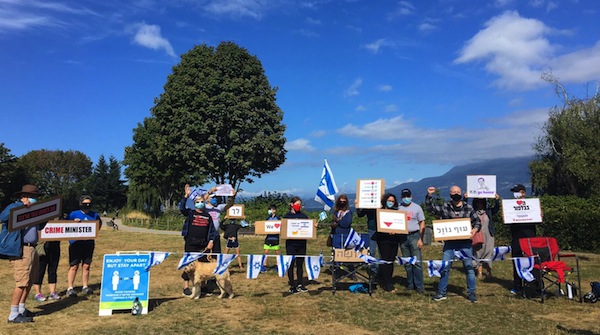
Local Israeli Jews gathered at Vancouver Maritime Museum Aug. 29 to join groups around the world in supporting rallies in Israel for democracy. (photo by Zohar Hagbi)

In recent years and with greater intensity during COVID-19 and the current “emergency” coalition in Israel, many believe that the foundations of Israeli democracy are being challenged by a prime minister indicted on several criminal counts. On Aug. 29, several dozen Israeli expats, members of the Metro Vancouver Jewish community and others joined compatriots in 18 cities around the world to support the growing protests in Israel.

Hundreds of supporters, standing in unison with protesters in Israel, took a stand at their respective locations in Atlanta, Amsterdam, Basel, Berlin, Boston, Cambridge, Chicago, Copenhagen, Los Angeles, Madrid, Miami, New York, Oslo, Paris, San Francisco, Toronto and Washington, D.C. Another Canadian city, Calgary, has held a rally or two. On other weeks, protesters as far as Sydney, Australia, have expressed their support.

From the outset, Vancouver organizers drew inspiration and guidance from UnXeptable, a grassroots movement launched by a group of Israelis residing in the San Francisco Bay area. This tightly knit, completely self-funded team of volunteers put together position papers, crafted marketing materials and created social media channels that seeded the formation of similar groups dotting Western Europe and North America.

The prime minister’s official residence is located on Balfour Street in Jerusalem, making it and the neighbouring squares and streets the epicentre and namesake of the protests. Meanwhile, thousands of miles away from Jerusalem, the more serene and isolated location of the Vancouver Maritime Museum served as our venue. It was the third time we have come together to hold signs, wave the Israeli flag, chant and sing in solidarity with the countless protesters, of all stripes, on the ground in Israel. In contrast to local gatherings in previous weeks, this global rally saw a significant increase in participation. Whether this was due to the broad media coverage of police violence at Balfour the week before, the global nature of this particular event, or the remarkable planning, the result was a palpable level of energy and a sense of unity.

It was a windy day, which forced us to relocate from our usual spot on the north side of the museum to the warmer grass at the front of it. The venue was chosen over more central locations out of consideration for the safety of the people involved and other sensitivities. The goal of our gathering was, after all, to support the people in Israel, while reducing the chance of friction with anti-Israelis or with those who would mistakenly claim that our actions were akin to “airing dirty laundry.” Over the years, Israelis living abroad have faced significant pushback from many parts of the Diaspora community who have had difficulty understanding and accepting their criticism of Israel. As Diaspora Jews and others learn more about the serious challenges that Israeli society faces today, they may become a little more sensitive to the internal conflicts of many Israelis living abroad – people who have given some of the best years of their lives to defending the country they love and who are genuinely concerned by what is currently taking place.

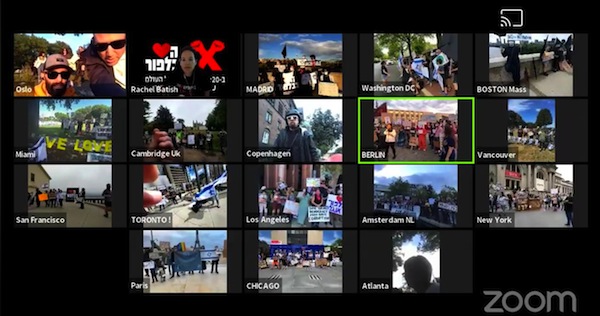
Assembled in the various cities for more than an hour, the Vancouver group joined their peers around the world in a simultaneous Zoom-powered broadcast of the rally, dubbed “Halev BeBalfour” (“the Heart is in Balfour”). This coordinated event, quite possibly the first of its kind in Israeli history, took place at precisely 9 p.m. Israel time, was streamed on the new independent channel DemocratTV and, most importantly, screened on the side of a building at the neighbouring Paris Square for the protesters to see. During an allotted two minutes, each location was given the opportunity to express its support through speeches, chants or songs. As the cities took their turn, Paris with the Eiffel Tower in the background, Berlin with its Brandenburg Gate, San Francisco with the Golden Gate and so on, Vancouver had its share of the focus.

image - The Vancouver group joined their peers around the world in a simultaneous Zoom-powered broadcast of the rally, dubbed “Halev BeBalfour” (“the Heart is in Balfour”)
The Vancouver group joined their peers around the world in a simultaneous Zoom-powered broadcast of the rally, dubbed “Halev BeBalfour” (“the Heart is in Balfour”). (image from Adi Kabazo)

Anyone who is interested can watch the video, available on DemocratTV’s Facebook page. It shows how Israelis worldwide have joined together to express their concern about the situation in Israel. In the video, you can hear people from Vancouver speaking about the need for the Israeli people to come together again and recover from the many years of divisiveness, the culture of corruption and the fear-mongering. The Vancouver group ended its two-minute segment calling for internal peace, and singing the late Arik Einstein’s “Ani Ve’ata Neshane et Ha’olam” (“You and I Will Change the World”) and “Kol Ha’olam Kulo Gesher Tzar Me’od” (“The Whole World is a Very Narrow Bridge”).

It’s no secret to anyone following Israeli news that, in past years, the country has suffered from growing internal tensions and political instability, which resulted in three elections within the span of a year. Those who yearned for a seemingly never-ending political deadlock to be broken and new national leadership to emerge in the March elections, from the combined front of Yesh Atid and the Blue and White party, were left disappointed. These voters reluctantly had to watch Binyamin Netanyahu dismantle the opposition and form what is quite possibly the most dysfunctional and largest government in the nation’s history, with a pandemic serving as its backdrop.

The focus and efforts required to address the deepening Israeli tribalism gave way to the government’s concerted fight against the virus. Israel, which was considered a role model of how to handle the health crisis by some countries early on, largely due to its aggressive lockdown, is now experiencing widespread infection. What remains from the unprecedented civilian cooperation at the start of the pandemic is record unemployment, thousands of closed businesses and a growing distrust in the motives of the country’s leadership.

As Israeli society is quite likely on the brink of a new lockdown, more and more Israelis of all political persuasions are demonstrating their frustration with the mismanagement of the crisis, their concerns for the future and their anger against corruption at the highest echelon of government. After years of ongoing investigations and constant delays, with the outcome of investigative case No. 3000 (aka the “Submarine Scandal”) still pending, Netanyahu was indicted in October 2019 on three counts of bribery, fraud and breach of trust.

Demonstrations, rallies and marches spanning hundreds of locations in major cities, road junctions and highway bridges near the prime minister’s private residence in Caesarea and in Balfour itself have consistently grown in attendance, culminating in weekly events at the end of Shabbat since June. Fueled by the unity of more than 20 grassroots movements, notably Ein Matsav (Unacceptable), Protest of the Individuals, Crime Minister, and the Black Flags, the assembly at Balfour drew an estimated 45,000 marchers and protesters at the end of August, much higher than the numbers reported by major media outlets such as Walla News and Ynet. While the protesters appear to come from all political factions, age groups, religious backgrounds and Jewish ethnic divisions, Netanyahu and his supporters have referred to them as “anarchists,” “aliens” and even “traitors.”

It’s quite possible that by the time you read this, the outcomes of the protests, the fragile political balance and the situation of the health crisis in Israel may be quite different. What won’t change, with time or distance, is that Israelis around the globe will continue their struggle to protect democracy. Our hearts remain with the people of Israel.

Adi Kabazo and his family moved to Vancouver from Israel in late 2002, when daughter Hilla was less than a year old. A high-tech marketing professional by trade and hummus maker by hobby, he keeps a close tab on Israeli affairs. The connection with Israel and sense of the obligation to uphold and protect Zionist and Jewish values is shared by Hilla, a first-year arts student at the University of British Columbia. Hilla has a strong interest in social justice and is an active member of the Camp Miriam community, as a volunteer and in her role as a summer camp counselor.

Format ImagePosted on September 11, 2020September 15, 2020Author Adi Kabazo and Hilla KabazoCategories LocalTags democracy, Diaspora, Israel, Netanyahu, politics, Vancouver
An Israeli-Moroccan kitchen

An Israeli-Moroccan kitchen

The falafel plate at Ofra’s Kitchen. (photo from Ofra’s)

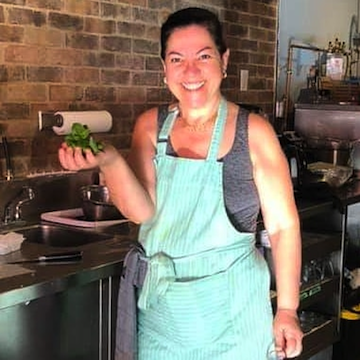
Ask Ofra Sixto what makes her Israeli-Moroccan restaurant successful and she’ll unabashedly tell you: it’s keeping a positive attitude. But it takes a whole lot of moxie, too.

After all, it isn’t easy to launch a new restaurant in the midst of an unexpected economic shutdown and to create enough name recognition that patrons are willing to line up at your door for takeout. But that all speaks to the allure of Ofra’s Kitchen, which opened this past December, just as the holiday season was coming into full swing. Sixto, who owned a Moroccan restaurant on Hastings Street with her brother years ago, said it’s been her dream to open another restaurant – this time centring on vegetarian and vegan dishes.

Her previous restaurant was called Jacqueline Moroccan Food and was named after her late sister. When her brother was forced to return to Israel, the two siblings realized they would have no choice but to close the restaurant.

Jacqueline’s “was very successful. Very,” Sixto acknowledged.

It was the venue’s eclectic Israeli-Moroccan cuisine that later gave her the idea for a vegetarian follow-up focusing on classic Israeli dishes and flavourful specialties from around the Middle East.

“There is a great need, I think, for good vegetarian cuisine,” she said.

As a “flexible vegan,” Sixto said she often has trouble finding truly appealing food when she eats out. “When I go to a restaurant and I ask, ‘Do you have anything vegetarian?’ they push a salad. I’m not a rabbit, I want something substantial, right? So, when you come to my restaurant, you actually eat food. You eat really, really good and healthy and fresh and made-on-the-spot food that makes you feel good.”

The choices run the gamut from iconic falafel and pita, shakshuka and Israeli salad to lesser-known Iraqi kube and delicately spiced Moroccan beet salad. Diners can also enjoy an array of traditionally made desserts and Turkish coffee.

photo - Ofra Sixto’s restaurant focuses on vegetarian and vegan dishes
Ofra Sixto’s restaurant focuses on vegetarian and vegan dishes. (photo from Ofra’s)

Asked about her favourite dish, Sixto admitted she is partial to eggplant, which plays a starring role in several of her popular dishes. Her sabih – a Tel Aviv specialty that consists of fried eggplant, hard-boiled egg, tahina and an Israeli chutney – can be ordered as a pita sandwich or as a platter. She also serves homemade babaganoush and eggplant salad, early pioneer dishes that are still popular in Israel today.

“And, of course, my falafel is the best in town,” she said. “Not only by what I say but everybody else who eats it. It’s fresh, it’s crunchy outside, it’s moist and soft inside. It’s beautiful.”

But cooking isn’t the only exceptional quality that she brings to Denman Street. A big heart and an innate sense of civic responsibility are helping mobilize a small movement to ensure that those who can’t afford to eat at Denman’s restaurants also have food to eat.

Earlier this year, Sixto noticed that the number of individuals on Denman who were homeless was growing. She said the economic shutdown, which closed many establishments and sections of streets in downtown Vancouver, exacerbated the homeless problem, forcing many people onto Denman from Robson and Granville. Rather than ignoring the issue, Sixto decided to do something to help.

“When I would walk [to work] I would see so many homeless people. I decided, you know, I need to do something about it. I have the means and I could help – whatever my capacity is, right? So, I started feeding the homeless by giving away soup and falafels.”

And her reputation began to grow. “I mean, they are hungry,” said Sixto. “They get drinks, they get food, whatever they need.”

In time, she decided she could do even more. “I decided to make it a social thing and make people be a part of the solution.”

She began letting customers know that each $5 they donated would go toward feeding an individual who was homeless. Sixto said the idea is catching on. “It’s amazingly successful,” she said.

So far, Sixto estimates she has given out in excess of 1,300 meals. She admitted that the donations she receives don’t fully cover the out-of-pocket expenses. “But it doesn’t matter to me,” she said. “It’s not about that $5 that people give. It’s about the acknowledgment of the situation.

“You know, I speak with [the people living on the street],” Sixto said. “I stop and say, how are you today? Did you eat anything? How are you feeling? They are people. They were babies. Somebody loved them or not when they were babies, you know? Something happened to these people along their lives [before they got to where] they are. Nobody chooses to live on the street because it’s fun, right?”

In June, the province of British Columbia issued a revised health order to guide restaurants in how they can operate safely during the coronavirus pandemic. Sixto has taken those rules to heart. Her seating is about half-capacity, with tables situated two metres apart. And she has some gentle ground rules: patrons must agree to sanitize (either with hand sanitizer or by handwashing) when entering the restaurant and wear a mask when walking to and from the table.

Sixto also supports the province’s request to record the contact information of at least one customer per table. According to the province’s health office, the information is retained only in case COVID-19 contact tracing is necessary. Sixto said most people appreciate the effort that restaurant owners are making to keep their venues safe and comfortable.

When it came to navigating the recent shutdown, Sixto said her landlord played a big role. “My landlord is amazing,” she said. The temporary rent reduction allowed her to keep operating – “I never closed, not even for one day.”

Ofra’s Kitchen, located at 1088 Denman St., in Vancouver (604-688-2444, ofraskitchen.com), is open Israeli hours, starting at 11:30 a.m. and closing at “8ish” in the evening.

“As long as there are people, I’m feeding them. If you come by and I am there, I will open the door and seat you,” Sixto said. “Just like Israeli hours.”

Jan Lee’s articles and blog posts have been published in B’nai B’rith Magazine, Voices of Conservative and Masorti Judaism, Times of Israel, as well as a number of business, environmental and travel publications. Her blog can be found at multiculturaljew.polestarpassages.com.

Format ImagePosted on September 11, 2020September 10, 2020Author Jan LeeCategories LocalTags business, coronavirus, COVID-19, entrepreneurship, food, homelessness, Ofra Sixto, Ofra's, restaurant, tikkun olam, Vancouver
מלון טראמפ נסגר לצמיתות

מלון טראמפ נסגר לצמיתות

המלון טראמפ אינטרנשיונל טאור ברחוב ג‘ורג‘יה בדאון טאון ונקובר
(Roni Rachmani)

החברה שמחזיקה בבעלות של המלון טראמפ אינטרנשיונל טאור ברחוב ג’ורג’יה בדאון טאון ונקובר הכריזה על פשיטת רגל. לאור כך מלון טראמפ נסגר לצמיתות. המלון נסגר זמנית במהלך חודש מרץ בגלל מגיפת הקורונה ועתה כאמור הוא נסגר לתמיד. לפני כארבע שנים בנסיבות דומות נסגר מלון טראמפ אינטרנשיונל טאור בדאון טאון טורונטו. מעתה לטראמפ אין יותר נוכחות בקנדה ותושבים רבים בוודאי נושמים לרווחה. השם טראמפ לא זוכה להערכה רבה במדינה השכנה של ארצות הברית.

מלון טראמפ אינטרנשיונל טאור בוונקובר כלל מאה ארבעים ושבעה חדרים, במגדל המתנשא לגובה שישים ושלוש קומות, ונחשב למלון יוקרתי אך קטן. הוא השתרע על פני חמש עשרה הקומות הנמוכות בבניין. המגדל נחשב לשני בגובהו בוונקובר והקמתו עלתה כשלוש מאות ושישים מיליון דולר. המלון כלל ספא מפואר ומספר מסעדות יוקרתיות בהן הסינית “מוט שלושים ושתיים” שנפתחה מחדש (לאור משבר הקורונה), וגם היא עתה נסגרה לצמיתות. הדירות הפרטיות במגדל טראמפ (מאתיים ושבעה עשרה במספר) ממוקמות בקומות הגבוהות של הבניין. הן נמכרו לפני מספר שנים במחירים גבוהים ביותר. בשלב זה עדיין לא ברור כיצד סגירת מלון טראמפ תשפיע על אלה שגרים בדירות הפרטיות.

בעלת הבניין של מלון טראמפ בוונקובר היא חברת תא לניהול בתי המלון. החברה אחראית על פעילות האירוח בקבוצת הולברון הגישה את הבקשה לפשיטת רגל בשבוע שעבר. החברה שמיקומה במלזיה מחזיקה בבעלות על בתי מלון יוקרתיים ברחבי העולם. בוועד עובדי המלון בוונקובר קיבלו בתדהמה את סגירתו, דבר שיביא לפיטורי עשרות עובדים.

מלון טראפ בוונקובר נפתח לפני כשלוש וחצי שנים שנים (בפברואר אלפיים ושבע עשרה) כאשר הבעלים קבוצת הולברון (בשליטת מיליארדר ממלזיה) חתמה על הסכם עם קבוצת טראמפ לניהולו. פתיחת המלון לוותה בהפגנות של תושבים מקומיים נגד טראמפ. בזמן בניית הפרוייקט ראש עיריית ונקובר לשעבר, גרגור רוברטסון, ביקש מחברת הולברון להסיר את השם טראמפ מהבניין, לאור פניית אזרחים רבים. תקופה קצרה לאחר פתיחת המלון מנהלי הולברון הביעו חשש מההסכם עם טראמפ, שכידוע מעורר התנגדות במקומות רבים ברחבי העולם.

חברת תא מסרה לבית המשפט שחובות מלון טראמפ בוונקובר נאמדים בכחמישה מיליון דולר, ולעומת זאת נכסי המלון מוערכים בכמיליון דולר בלבד. אסיפת נושי המלון הראשונה אמורה להתקיים בשישה עשר בספטמבר.

יצויין כי בראשית החודש במשרד הבריאות של מחוז בריטיש קולומביה נתקבל מידע על פריצת מגיפת הקורונה בלאונג’ של מלון טראמפ.

דונלד טראפ ביקר בוונקובר בשנת אלפיים ושלוש עשרה, עוד בטרם נתמנה לנשיא, והכריז על הקמת המלון על שמו בדאון טאון. הביקור זכה להד נרחב בתקשורת המקומית ונכחו בו גם שניים מבני משפחתו: בנו דונלד טראמפ ג’וניור ובתו איוונקה טראמפ.

לפי הערכות בענף המלונאות רשת פור סיזנס הוטלס שוקלת לרכוש את מלון טראמפ, לאחר שעזבה בראשית השנה את המלון בניהולה הצמוד למרכז הקניות פאסיפיק סנטר, שאף הוא בדאון טאון ונקובר.

מלון טראמפ בטורונטו היה בבעלות חברת טאלון אינטרנשיונל בשליטת המיליארדר היהודי-רוסי, אלכס שניידר (לשעבר מבעלי קבוצת הכדורגל של מכבי תל אביב). הוא נסגר בשל חובות שהוערכו ביותר משלוש מאות מיליון דולר.

חברת טאלון וחברת טראמפ הגישו תביעות הדדיות אין ספור אחת כנגד השנייה בגין המלון בטורונטו. במקביל חלק מבעלי הדירות בפרוייקט הגישו אף הם תביעות נגד שתי החברות. מרבית הדירות במלון נשארו ריקות וחברת הניהול של טראמפ לא עמדה בהתחבויותיה להשכרתן.

Format ImagePosted on September 2, 2020September 1, 2020Author Roni RachmaniCategories עניין בחדשותTags bankruptcy, hotel industry, Trump International Tower, Vancouver, ונקובר, מלון טראמפ אינטרנשיונל, ענף המלונאות, פשיטת רגל
ונקובר מתחילה להיפתח מחדש לאט לאט

ונקובר מתחילה להיפתח מחדש לאט לאט

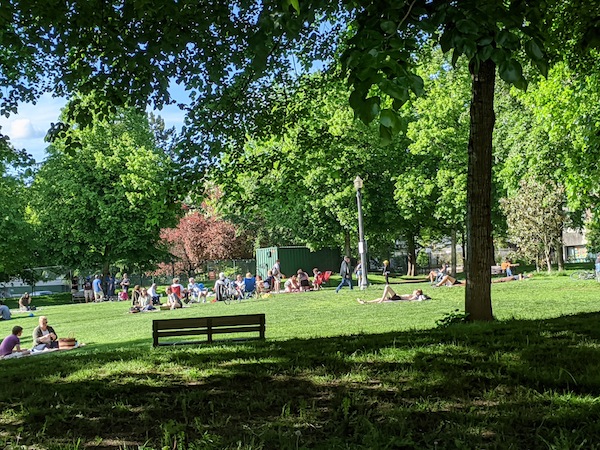
תושבים נהנים מהשמש החמה בפארק נלסון

(רוני רחמני) 

כבר למעלה מחודשיים שאנו נמצאים בסגר שלא היה כמותו מעולם. המראות מוונקובר ומשאר רחבי קנדה דומים למה שאנו רואים בעולם: רחובות ריקים, תורים ליד חנויות האוכל, הרבה שקט מסביב והטלוויזיות פועלות בבתים בהיקף שלא היה כדומתו מאז באו לעולם.

אני למזלי עובד מהבית מזה כשלוש שנים כך שלא הרגשתי שינוי משמעותי בגיזרה הזו, אם כי היקפי העבודה ירדו ובשלב זה קשה לאמוד את הנזקים הכספיים אצלנו בחברה. בתום יום העבודה במקום לקפוץ למכון הכושר בבניין ולרכב על אופניים ארבעים דקות, ולגמוע כאחד עשר עד שניים עשר קילומטרים, אני יוצא לצעוד ברחובות של ונקובר. אם אצעד בטיילת שליד הים אראה רבים רבים כמוני שהולכים להם, רצים, רוכבים על אופניים או סתם יושבים על הדשא ותופסים שמש. אם אחפש מקומות ריקים יותר אז אלך ברחובות העיר, מהדאון טאון החוצה דרך שלושת הגשרים שמחברים אותו עם החלק המערבי או המזרחי של ונקובר. אבל זה לא כל כך נעים נעים לצעוד היום ברחובות הכמעט ריקים של ונקובר. ההרגשה כבדה מה גם שמרבית חלונות הראווה של החנויות מכוסים בלוחות עץ כדי שלא יפרצו פנימה. ההומלסים נראים במספרים גדולים יותר וחלקם השתכנו להם בפתחי החנויות הסגורות. בערב רחובות העיר כל כך שקטים וריקים. נראה כאילו עוצר מלחמתי הוכרז על ידי השלטונות.

בפועל המלחמה היא מול אויב שאיננו רואים או שומעים אותו והוא עושה בנו שמות. אויב אכזרי מאין כמוה שגרם למותם של למעלה משלוש מאות אלף איש בעולם וגרם ליותר מארבעה וחצי מיליוני אנשים לחלות. מגפה של ממש.

ונקובר כמו ערים אחרות הפכה למשהו אחר, סיפמפטי פחות, נעים פחות, שקט הרבה יותר. אנו מתעוררים כל בוקר למציאות שלא הכרנו וכל הימים נראים דומים. לא פעם שאלתי את בת הזוג שלי האם היום זה יום שלישי והיא ענתה בפסקנות: “היום דווקא זהו יום רביעי”. בפעם אחרת חשבתי שמדובר ביום חמישי אך בפועל זה היה כבר יום שישי. החדשות הן אותן חדשות, הרעות הן אותן רעות והחיים כמעט עצרו מלכת.

לאור החדשות הטובות יותר שמספר המתים והחולים יורד בהתמדה במחוז בריטיש קולומביה שלנו, הממשלה המקומית הודיעה כי אנו מתחילים לפתוח את המשק לאט לאט. הממשלה קבעה תוכנית בת ארבעה שלבים כאשר בעצם השלב הראשון הוא השלב בו אנו מצאים כיום, כיוון שהמשק עבר לשעת חירום וכן מספר מגזרים המשיכו לפעול. כמו למשל תחבורה ציבורית, בניית ותיקון תשתיות, בניית ותיקון בניינים, חנויות מזון ועוד. השלב הרביעי והאחרון בתוכנית הוא פתיחה מלאה של המשק וזה יקרה שימצא החיסון היקר מפז לחיידק הקורונה הנוראי הזה. לכן אנו עוברים בימים הקרובים שלב השני בתוכנית הממשלתית. כבר בימים האחרונים ראיתי התעוררות ברחבי העיר. יותר אנשים ברחובות, בפרקים ובטיילות. יותר חנויות פתוחות. ההמשך יבוא.

לסיום שיר חדש שכתבתי לאחרונה:

אם אין מים נשתה חלב של פרה אדומה

אם אין חשמל נקושש עצים חומים ונעשה מדורה חמה

אם אין גז נעטוף את הבית בנילונים לבנים ארוכים ונרגיש כמו בחממה

אם לא נוכל לקרוא נתחיל לכתוב שירים ארוכים וסיפורים קצרים

אם לא נוכל לשמוע מוזיקה נתחיל להקיש במקלות רחבים על מחבתות וסירים גדולים

אם לא נוכל לצפות בטלוויזיה נעמוד במרכז החדר ונתחיל לנאום ארוכות על מה שקרה ועל עתיד המבריאים הרבים והחולים המעטים.

Format ImagePosted on May 20, 2020July 2, 2020Author Roni RachmaniCategories עניין בחדשותTags British Columbia, coronavirus, four-step plan, the economy, vaccine, Vancouver, בריטיש קולומביה, המשק, ונקובר, חיידק הקורונה, חיסון, תוכנית בת ארבעה שלבים
Modern matchmakers

Modern matchmakers

YVR Yenta is the brainchild of Madison Slobin, left, Ben Eizenberg and Ariel Martz-Oberlander. Adapting to the realities of dating during the coronavirus crisis, they have introduced the online meetup Love in the Time of Covid: Virtual Single Mingle. This photo was taken before physical distancing was required. (photo by Madison Slobin)

Three young Jewish Vancouverites have set up a collective to help their friends – and their friends’ friends – find a romantic match “using old traditions to find modern love.”

YVR Yenta is the brainchild of Madison Slobin, Ben Eizenberg and Ariel Martz-Oberlander. The three believe that their old country methods, with the application of 21st-century technology, can procure a better match than any computer algorithm. Describing meaningful connections as “the antidote to capitalist alienation,” the matchmakers see a need to fill in a city where “finding the perfect view is easy, but finding someone to share it with can be challenging,” according to their introductory material.

The matchmaking collective was just getting up and running when the coronavirus crisis hit, but that hasn’t set them back. They resorted to technology to organize Love in the Time of Covid: Virtual Single Mingle, where anyone is welcome to join an online group chat, then tell the yentas of anyone they might like to be introduced to for virtual (and, perhaps later, in-person) meetups.

The idea of incorporating old world matchmaking practices with 21st-century singles is a growing trend.

“I would love to claim it as an original idea but, honestly, I spent the last three-and-a-half years on the East Coast, living in New York City, so I have been quite connected to young Jewish community there,” said Slobin. “It was something that I kind of knew was happening in different places on the East Coast. I heard that there was one happening in Minneapolis and it seemed to me like a new trend that was popping up, which is young, secular matchmaker collectives.”

In an age when Jdate and other online dating apps are a swipe away, why the need for the personal intervention?

For a certain segment of young people, Slobin said, Jdate isn’t cool. The other reality is that apps tend to be based on looks or instant attraction.

“I think a lot of people go on dates based on that and then don’t find success because they may not share anything other than that mutual attraction and so this is an opportunity to go a little bit deeper,” she said.

YVR Yenta invites clients – it’s all free and there’s no profit motive – to complete a comprehensive questionnaire about their religious affiliation and how important that is, whether they want a match of their own religious tradition, their political views, preferences, interests and a host of other attributes.

“We accept anyone into our dating pool who belongs to any religion, any race, any sexuality, any gender,” she said.

As clientele numbers increase, the yentas write to potential matches, “so will the quality of our matchmaking, seeing as we will have more match options to choose from! Please help us spread the word to your friends and family, either through word of mouth (as was done in the old country) or by sharing our Instagram page (as is done in the 21st century).” They are on Instagram at yvr.yenta.

“This is something that I would want for myself,” Slobin added. “I think it’s a very cool idea and I wanted to make it happen for all the people around me because I feel like I know so many amazing people who are looking for partners. So we decided to volunteer our time to make it happen. Really, it’s quite fun, so it doesn’t feel like work.”

Format ImagePosted on April 3, 2020April 1, 2020Author Pat JohnsonCategories LocalTags Ariel Martz-Oberlander, Ben Eizenberg, dating, Madison Slobin, matchmaking, Vancouver, Yentas
The real and imaginary mix

The real and imaginary mix

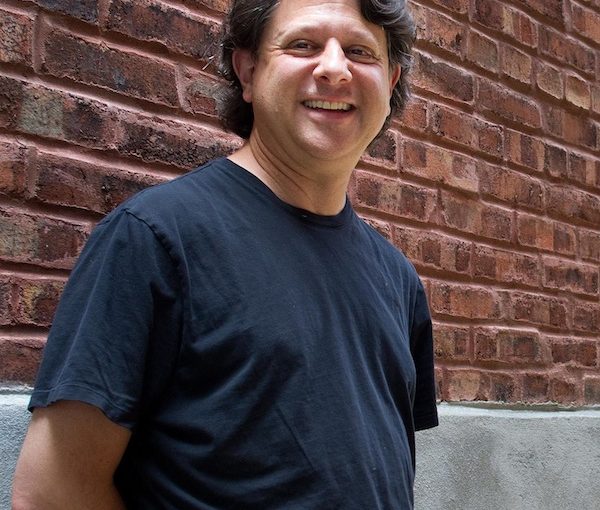
Norman Ravvin (photo by Allen McInnis/The Gazette)

For anyone interested in the history and landmarks of Vancouver, especially, but also cities in Poland, reading Norman Ravvin’s new novel, The Girl Who Stole Everything (Linda Leith Editions, 2019), will take longer than its 310 pages would suggest. You’ll want to allot time for side trips to the internet to see what the Army & Navy building on West Cordova Street looked like in the middle of the last century, for example, or Stan Douglas’s mural at the Woodward’s complex of the 1971 Gastown riot. Stalin’s Palace of Culture and Science in Warsaw? The main square in the town of Radzanów, Poland?

While The Girl Who Stole Everything is set in real places described in detailed accuracy by Ravvin, there is still much left to the imagination. The discovery of family secrets – in one case, which were literally buried; in the other, figuratively – leads to events that bring Vancouver dulcimer musician Nadia and bookseller-café owner Simon together and, eventually, take both to Poland. Nadia’s father never told her that her uncle, who owned a pawnshop on West Cordova, was murdered in 1962, beaten to death in a robbery gone wrong, and Simon’s father told him nothing of their prewar Polish heritage. Both a little lost in life before friends drop these revelations on them, Nadia and Simon find meaning and direction as they search out the truth of their histories.

The Jewish Independent interviewed Ravvin, who lives in Montreal, about his novel, which is available for purchase most anywhere. Ravvin said he will be in Vancouver for the Cherie Smith JCC Jewish Book Festival in February, for readers who would like the chance to speak with him themselves.

Jewish Independent: I was struck by your attention to detail in the history and geography of Vancouver, and I imagine the same with Warsaw and Radzanów, though I wouldn’t know that from personal experience. Have you lived in all these places? If not, from where did you gather your local knowledge?

Norman Ravvin: I came to know Vancouver as a child, traveling from Calgary with my family to visit my mother’s mother, who lived on Willow Street. Those trips and her presence in the city contributed to my coming back to study at UBC, where my dad went for a few years in the wartime before enlisting in the Navy. I did my undergrad degree and a one-year MA in the English department.

So, I lived in the city, altogether, only about six years. I lived at UBC, then on the West Side, then in the West End, which I came to think of as “my neighbourhood.” Having left in the mid-80s, with family still there, I continued to come back and never really let go of it as “home,” or maybe a “second home.” We tend to spend two or three weeks in the city in the summer each year. My background knowledge of the city then is also connected with my mom’s youth in the city, my dad’s time there in the wartime, and my grandmother’s life in the city.

Radzanów requires a longer answer. It is my ancestral place on my mother’s side. I first visited it in 1999. I have traveled to Poland seven or eight times since then, making three follow-up trips to Radzanów. I went with different guides in each case, so some of the visits were more revealing than others. In a few cases, standing in the village square, we ended up talking to locals and, in one case, sitting for a beer in a local kufelek, or little beer hall. Going with Poles is key: you cannot access the locals or understand the scene or get a feeling for things otherwise. I met people who remembered my family. I was shown the interior of the intact synagogue building.

More recently, I was back as part of an event organized through a high school class and teacher from a larger nearby place called Mława. The students and their teacher took part in a program that Polish schools follow, called To Bring Memory Back. In their case, they held an event to “open” the synagogue – which took place in the village community centre, since the synagogue is a hollow shell – hoping to raise interest and funds to have the building renewed in some way.

As you’d expect, I added great amounts of reading and research to these visits, in order to try to understand Radzanów from a contemporary as well as historical perspective. I did not want to make up things on this front. The scenes with a film crew are imagined, but a film on the wartime was in fact filmed in the Radzanów square, a kind of lucky coincidence for me. I looked at how that film looked. And research into the Germans’ activities in the area is quite developed, since there was an SS headquarters in the nearby town of Ciechanów. I have not had the guts or the opportunity to live in Radzanów. That aspect of the book is built from all the other related work and research and visits.

JI: In a similar vein, your references to music seem from an insider’s view. What instruments, if any, do you or have you played?

NR: I play the guitar. My son is a first-rate musician, which I am not. So, music is a very established fact in our home life. I am interested in things that overlap between Jewish and Polish identity and, certainly, along with food, music was an area of shared culture and knowledge before the war. Aspects of this inhabit the realm of cliché in contemporary “world music” culture. Klezmer, as it was played before the war, and its nearness to other Polish folk music, is really a kind of untapped source of possible nearness between the two groups. So my character, Nadia, almost inadvertently stumbles into this territory. She finds her way to Eastern European music and is drawn, without her meaning it to happen, to Poland.

JI: The Night Jew, Gentle Jew, Dulcimer Girl, Typewriter Girl … could you talk a bit about these “labels” that appear in the novel? Are they to evoke an archetype, a uniqueness or something else?

NR: This is a challenging query, which goes to the matter of how this book changed over time, through different drafts, and also points to other key aspects of the book.

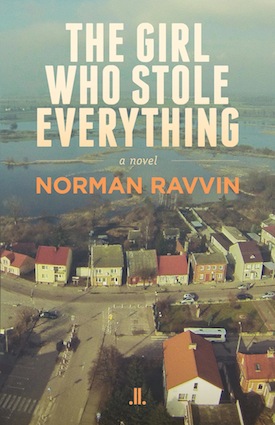
image - The Girl Who Stole Everything coverFor a long time it had the title The Dulcimer Girl, which is one of Nadia’s alter egos once she arrives in Poland. And the instrument itself, key to early klezmer, in its Polish guise, as a hammered instrument, was something I thought of as a talismanic object, which evoked the locale, the culture of Jews and Poles in another time.

The Typewriter Girl was also an early title that fell by the wayside, and relates to the other main female character, Ania. She is “the Typewriter Girl” by way of her work for a Polish government bureaucratic special office, which is tasked with investigating the files kept on people during the communist era. Understanding the typewriters used on each file is a way of verifying the files or revealing fraudulence.

The typewriter, like other technologies in the book – cars, books, recorded music – is evocative of a time when things worked in a way that they no longer do. So, the dulcimer and the typewriter, even hardcover books, are surely objects of nostalgic and loveable possibilities.

The Night Jew is central to the novel’s sense of Poland being haunted by the Jews murdered in the wartime. One can spend time in Poland and either look for these Night Jews or, as I sometimes feel, be one. There are plenty of real Jews in Poland today. But the Night Jew must be someone from another world altogether.

The Gentle Jew is in fact a particular nickname for a key figure in the narrative. He is an early ’60s denizen of West Cordova Street.

JI: There are many parallels in the lives of Simon and Nadia – a father’s secrets, their love of walking, etc. – and their lives do overlap, of course, but what inspired you to connect these disparate stories?

NR: Some of these parallels develop intentionally, but then others work themselves out as a book goes through drafts. Certainly, you’re right, walking is a returning motif. Nadia does seem to walk cities after the example of her father, as if she walks to be like him when she cannot know him.

The secrets of fathers: I guess, in this book, one of the premises is that ancestral stories, which go untold, can irrupt without warning. So, in the case of the younger characters in Canada, Simon and Nadia, they share this predicament, and their own lives are changed by the irruptions when they finally happen. It is satisfying when these kinds of patterns develop almost without meaning them to. This is where writing can be a bit like making music, where refrains, verse and chorus structure allow for such catchy and satisfying effects – a rhyming of sound and idea.

JI: If there is anything else you’d like to add, please do.

NR: I guess it’s important to say that I’ve returned to Vancouver in fiction for another try at it. My second novel, Lola by Night, was a Vancouver book. And, in The Girl Who Stole Everything, I felt strongly about doing things with the city that others hadn’t. I’m a walker in Vancouver, whenever I can be, so that element, which you ask about, is motivated by my own appreciation of what different parts of the city have to offer. When I walk, I do think of what’s changed since my last visit, so it may be that writing about a place can be well done from afar, as long as you keep it close enough and periodically in view. It’s interesting to have a Vancouver book come out in Montreal, where the West Coast is a kind of terra incognita.

Format ImagePosted on December 13, 2019December 12, 2019Author Cynthia RamsayCategories BooksTags Cherie Smith JCC Jewish Book Festival, fiction, history, Norman Ravvin, Poland, Vancouver
פרידה מחבר יקר

פרידה מחבר יקר

.שכונת הווסט אנד בוונקובר (Francisco Anzola)

ביום רביעי בבוקר אחרי ארוחת הבוקר ישבתי למספר דקות על הספה בסלון הגדול שלי בוונקובר, כדי לתכנן בקפידות את יום העבודה שלי. צריך להכניס תיקונים בסיפור על דני וילדותו מירושלים, להמשיך בהכנות ליריד הספרים הקרב וממשמש וכמובן בעיקר – לכתוב סוף סוף את הסיפור הזוי על ישראלי שהכיר לטינית בת”א, שכעובדת זרה טיפלה בקשישים. השניים התאהבו, עקרו ליבשת הצפון אמריקנית ומאז הם חיים באושר ואושר.

הסתכלתי על כתמי הרטיבות בסלוני כתוצאה מהדליפות הבלתי פוסקות. כידוע יורד הרבה גם בוונקובר וזה המחיר של החיים הרטובים כאן. אני עוד אתן בראש לבעל הבית שעד לרגע זה לא תיקן את הדרוש. מתי אוכל להינות מדירתי החדשה ללא מפריע שאלתי את עצמי ביאוש מה? לא רוצה ביורוקרטיות, לא רוצה רעש מהשכנים, לא רוצה מים בסלון. לא רוצה ולא רוצה.

בעודי מסיים את פרק המחשבות המייאש על צרותי, נכנסת פתאם לסלון במהירות של פרארי חדישה בת זוגתי שתחייה. בוודאי תבקש משהו ממני לשם שינוי מילמתי לעצמי. “רונימו יקירי”, אמרה בקול החיבתי שלה. “האם תוכל ללת לי כסף לרכישת פירות בשוק? אתה הרי כל כך אוהב לאכול את הפירות העסיסיים כאן. זה עושה לך כל כך טוב בבטן החמודה והרגישה שלך. ואני כל כך אוהבת לראות אותך מאושר כל כך יקירי אהובי”. הבנתי שלא אוכל להימלט שוב מהדרישה לתת לה כסף. זהו! הפעם שום תירוץ לא יעבוד כאשר מדובר בפירות שאני אוכל כל היום, כל יום. היא נגעה בנקודה מאוד רגישה בחיי – פירות חיי. הכנסתי את ידי לכיס שזו הפעולה הכי שנואה עלי בחיים. חשבתי לא פעם לתפור את הכיס ולסגור אותו לתמיד, כך שארנקי שהוא קודש הקודשים שלי, ינוח לו לעולמים ללא מטרד. הוצאתי את הארנק המקופל שהרהרתי שעתה הגיע הזמן להכניס בו קיפולים נוספים. שלפתי ממנו באיטיות ובעצבות שטר של חמישה דולר כחולים חדשים. הסתכלתי בצער רב על הפרידה הבלתי נמענת מחברי היקר והרגשתי שכל עולמי קורס בבת אחת. הפרידות האלה גומרות אותי והורסות את בריאותי. ביקשתי עוד דקה להחזיק בשטרי היקר וקירבתי אותו לליבי שפעם כתחנת כוח שעומדת לקרוס מהעומס. מהלב שלי החלש משהו העברתי את השטר לפי כדי שאוכל להעניק לו נשיקת פרידה אחרונה. פתאם אני שומע את בת זוגתי צווחת ליד הדלת הפתוחה: “יקירי! אינני יכולה להמתין כל היום בשביל הפירות שלך. בניגוד אליך יש לי גם עסק לנהל. מדוע שלא תקנה את הפירות בעצמך?” הבנתי שהפרידה זו היא סופית ומוחלטת והעברתי לה בצער רב את שטר חמשת הדולרים המסכן שלי. זו ממש התעללות חסרת רחמים בי ובו. עם סיום טקס העברת השטר מיד ליד שדאגתי שיהיה איטי ככל הניתן, אמרתי לה בתקיפות מהולה בכעס ותסכול: “אני מצפה לקבל בחזרה עודף והרבה. את קולטת?!” בעוד היא סוגרת את הדלת ואני שומע את צעדיה המהירים במדרגות התלולות מטה, מילמתי לעצמי “שעדיף שתחזיר לי מספר מטבעות מצלצלים זכר לשטר האבוד שלי”.

הרמתי ידיים: אאלץ להתמודד עם הרטיבות כיאה לוונקובר ועם אובדן חמשת הדולרים שלי, כיאה לדן פזרן. התיישבתי מול המחשב וניסיתי להירגע ולארגן את מחשבותי מחדש. כיצד אתחיל את הסיפור על העובדת הזרה שהכירה בישראל גבר והשניים במסגרת אהבתם עקרו לוונקובר הקרה והרחוקה? אולי אתחיל דווקא בדירה עם הסלון הגדול שהם שכרו בשכונת הווסט אנד?

Format ImagePosted on November 27, 2019November 26, 2019Author Roni RachmaniCategories עניין בחדשותTags immigration, lifestyle, relationships, Vancouver, ונקובר, מערכות יחסים, סגנון חיים, עלייה
לא מכונה ולא כביסה

לא מכונה ולא כביסה

סטנלי פארק (Jester7777 at English Wikipedia)

התמקמתי סוף סוף בדירה החדשה בסמוך לסטנלי פארק הגדול, היפה והירוק (בניגוד למה שאנו רגילים לו בישראל). אמרתי לעצמי בשקט: “ברוך הבא למשכנך החדש והיפה. סוף סוף תוכל לכתוב בשקט כך שרק נשימותי ישמעו להן ברחבי חדר העבודה או בסלון שלך”.

מעבר מדירה לדירה נחשב אצלי לפרויקט חיים גדול ממש כמו ההליכה של עם ישראל ארבעים שנה במדבר ואולי יותר מכך.

השינויים האלה דורשים ממני מאמץ פיזי ונפשי אדיר! ומתישים אותי לחלוטין. ההחלמה פרויקטים נוראים שכאלה נמשכת אצלי לפעמים אפילו שנים.

התמקמתי סוף סוף בדירה החדשה בסמוך לסנטלי פארק הגדול, היפה והירוק (בניגוד למה שאנו רגילים לו בישראל). אמרתי לעצמי בשקט: “ברוך הבא למשכנך החדש והיפה. סוף סוף תוכל לכתוב בשקט כך שרק נשימותי ישמעו להן ברחבי חדר העבודה או בסלון שלך”.

כמעט והתקנתי מזוזה בכניסה לבית מרוב שמחה וסיפוק על ההישג הגדול שלי: הצלחתי לעבור דירה ונשארתי בחיים. האם מישהו שומר עלי מלמעלה? או שמה מלמטה? או מכל מקום אחר?

התעוררתי בבוקר בבהלה לאור רעש ממספר שכנים שגרים בדירה למטה. ניחמתי את עצמי במחשבה כי זה בוודאי רעש זמני שיחלוף מן העולם מחר.

התה הרותח ליווה אותי לשולחן הנוח בסלון הענק שלי שמזכיר מגרש כדורסל של הפועל ירושלים ללא יציעים. “למה זקוק עוד בנאדם” מילמלתי לעצמי בשימחה מול התה המהביל. “יש לי את כל התנאים הדרושים לעצמי לשבת ולכתוב. אין תירוצים ושלא יהיו תירוצים – ברור?” הוספתי לדבר אל עצמי בשקט.

פתחתי את המחשב הנייד שלי שרק לאחרונה השקעתי סוף סוף מצלצלים בשיפור התוכנה שלו. הצצתי ברשימת הרעיונות הארוכה שהכנתי לעצמי עוד מוקדם בבוקר, אחרי שהרעש בחוץ נרגע קמעה. כך נראה שיש תשתית לא מבוטלת לתחילת כתיבת סיפור חדש. “הגיע הזמן, הגיע הזמן” אמרתי לעצמי מספר פעמים.

ממש ברגע הקלדת המשפט הראשון שמעתי את הדלת הבית נפתחת בזעם שכמעט מוטט את הצירים, הקירות והרצפה כאחת. “מה קרה?” שאלתי בפחד תוך שאני רועד מההמולה הנוראית, את בת זוגתי אהובתי שתחייה. היא שהזיעה כל כולה כנראה מאמץ ההליכה הביתה ובטח גם מפתיחת הדלת בצורה הדרמטית הזו כמו בסרט אימים, אמרה לי חלושות: “אהובי היקר. מכונת הכביסה האהובה שלנו התקלקלה לה. אני כל כך עצובה וממש נואשת. הנה הנה מגיע הטכנאי שיטפל בה כראוי ויחזיר אותה למוטב”.

נדהמתי מהצרה החדשה שנפלה עלי ורציתי מייד להחזיר את בת הזוג היקרה שלי למוטב, ולהעיף אותה ואת המכונה שלה לקיביני מט. “שילכו שתיהן כמה שיותר רחוק ממני. רק שילכו. ומה ביקש בן האדם? רק קצת שקט ולכתוב כמו שאני אוהב. האם זה מוגזם?”, שוב מילמלתי לעצמי. אז משום מקום חטפתי קריזה ופני האדימו כמו שמיים סוערים לפני סערה קשה. נעמדתי ליד שולחני וצעקתי על הגברת שלי תוך שאני מנפנף את הידיים למעלה, כך שאולי אלוהים ישמע ויצילני מצרותי החדשות: “האם את מבינה שאני צריך לכתוב! לא אתן לך ולמכונה המזויינת שלך להפריע לי. עברתי לכאן בשארית הכוחות שלי ואני מרגיש ממש כמו לימון שנסחט עד תומו. לא מכונה ולא כביסה -מבינה?”

בת זוגתי צנחה על הכיסא ליד החלון ונראתה כמו גופה לפני קבורתה. חששתי שמה הגזמתי בתגובתי והשפעתי על בריאותה שמימילא לא הייתה כל כך טובה. לשמחתי ראיתי שהיא מתאוששת די במהירות וצופה ארוכות בנוף היפה שנראה מהחלון. כן אלו העצים העתיקים של סטנלי פארק שגילם נאמד במאות שנים, בדיוק כפו שאני הרגשתי.

Format ImagePosted on November 6, 2019November 6, 2019Author Roni RachmaniCategories עניין בחדשותTags laundry, moving, Stanley Park, Vancouver, וונקובר, כביסה, מעבר, סטנלי פארק
מספר אחת ביבשת אמריקה

מספר אחת ביבשת אמריקה

פארק קפילנו (Markus Säynevirta)

ונקובר: העיר מספר אחת ביבשת אמריקה – חלק ב’

פארק פופולרי נוסף, הנמצא בעיר הסמוכה צפון ונקובר – הוא פארק קפילנו שמראה את הצד הפראי של האזור. האטרקציה המרכזית בו היא גשר תלוי שמורכב משבעה קטעים שונים (בגובה של כשבעים וחמישה מטר מעל פני האדמה). הגשר שכמאה וחמישים מטרים אורכו, נחשב לאחד הארוכים בעולם והוא מואר בלילה כך שניתן לטייל בו גם בחשכה. בפארק יש פעילויות למשפחה, מסעדה ושבילי יער יפים, כולל אחד שמדמה הליכה על צוק וכולל רצפת זכוכית שתגרום להולכים להרגיש באוויר כשמתחת זורם נהר קפילנו.

אם רוצים לראות את אזור ונקובר והאיים באוקיאנוס שלחופו היא שוכנת, יש להמשיך אל הר הגראוס שגם הוא ממוקם בעיר צפון ונקובר. בעזרת קרוניות גדולות של הרכבל שיכולות להכיל עשרות אנשים, עולים כאלף ומאתיים מטרים אל הפסגה ורואים נוף עוצר נשימה. חובבי הספורט והאקסטרים יוכלו לשלב בביקור מסלולי ריצה הרריים, שבילי אופניים מאתגרים וריחוף באומגה. במקום גם יש שגם מופעי חיטוב עצים, סיור לימודי על דובים ודורסי לילה וטיסת מסוק. ביקור בהר הוא מבחינת חובה ומומלץ להקדיש לו יום שלם. מי שרוצה לראות את האזור מלמעלה ללא טיפוס להר, יכול לטוס במעלית במסע של מאה ושבעים מטר אל מגדל התצפית שנמשך כארבעים שניות בלבד.

אם ניתן להשיג מכונית שכורה, מומלץ מאוד להמשיך ולגלות את סביבת האזור ונקובר ולנסוע בכביש “סי טו סקאי”. מדובר באחד הכבישים היפים בעולם, שמתפתל לאורך החופים ומספק מראות יפים בכל עיקול, כולל אתרים היסטוריים ונקודות עצירה מיוחדות לתצפית.

אחד המבנים המעניינים בוונקובר הוא “קנדה פלייס”, שממקום במפרץ בורארד הצר באזור קול הרבור. ומה יש בו: מרכז כנסים גדול, מלון, מסעדות, ברים, מועדוני לילה, גלריות, הופעות, פעילויות למשפחה, ספא, ומרכז סחר. וכן מזח לספינות שממנו יוצאים הקרוזים להפלגות באיים שלחופי האוקיאנוס. הקנדים אוהבים לבלות בו בחורפים הקרים יחסית. בקיץ האזור שוקק ומלא אנרגיות. אחת האטרקציות המהנות ביותר היא “פלי אובר קנדה” שבו יוצאים למסע קולנועי אינטרקטיבי מעל נופיה המרהיבים של קנדה.

ונקובר היא ביתם של מהגרים רבים ממזרח אסיה ונהנית מסצנה תרבותית וקולינרית מפותחת בהשראתם. מרכז העיר מספק שפע של מסעדות אסיאתיות. באזור צ’יינה טאון האטרקציה היפה בו היא הגן הסיני של ד”ר סאן יט-סן. זהו הגן הסיני הראשון בקנדה שלא כל כך מטופח. יש בו שילוב בן אסתטיקה לטבע. יש בגן בריכת דגים ועצים מיניאטורים. הגן הוקם בשנת אלף תשע מאות שמונים ושש מחומרים טבעיים בלבד. הביתנים מעוצבים לפי מיטב הארכיטקטורה הסינית, והרמוניה נושבת בין שבילי הגן הודות לשילוב בין הצמחייה, מספר סלעים ואדריכלות שבמקום.

גאסטון, השכונה הוותיקה ביותר בוונקובר, היא אזור מתאים לכניסה אטית אל הערב באחת מעשרות המסעדות, המועדונים ובתי הקפה שבה. השכונה מפורסמת לא רק בזכות מקומות הבילוי, אלא גם הודות לשעון הקיטור קטן והצנוע שהוצב ברחוב, כאנדרטה לימים שבהם עברו מתחת לעיר צינורות קיטור לחימום הבתים. מנגנון השעון נחשב למודרני והוא מוציא אדים ומדי שעה, תוך השמעת נעימת הווסטמיניסטר.

ונקובר היא עיר של טבע. העיר מוקפת אטרקציות פראיות בשילוב של הרים גבוהים ומי האוקיאנוס. האנשים בה נחשבים אולי? ידידותיים ומנומסים. יש בעיר מוזיאון וגלריה, פארקים גדולים, מסעדות ופינות שקטות. זאת לצד ספורט אקסטרים ופעילות ימית. ונקובר היא בסיס יציאה לטיולי טבע והפלגות במערב קנדה, ומהווה מארחת נחמדה לבילוי של מספר ימים.

Format ImagePosted on September 4, 2019September 3, 2019Author Roni RachmaniCategories עניין בחדשותTags best cities in the world, tourism, Vancouver, הערים הכי טובות לגור בהן בעולם, ונקובר, תיירות

Posts pagination

Previous page Page 1 … Page 7 Page 8 Page 9 … Page 13 Next page
Proudly powered by WordPress