פארק פופולרי נוסף, הנמצא בעיר הסמוכה צפון ונקובר – הוא פארק קפילנו שמראה את הצד הפראי של האזור. האטרקציה המרכזית בו היא גשר תלוי שמורכב משבעה קטעים שונים (בגובה של כשבעים וחמישה מטר מעל פני האדמה). הגשר שכמאה וחמישים מטרים אורכו, נחשב לאחד הארוכים בעולם והוא מואר בלילה כך שניתן לטייל בו גם בחשכה. בפארק יש פעילויות למשפחה, מסעדה ושבילי יער יפים, כולל אחד שמדמה הליכה על צוק וכולל רצפת זכוכית שתגרום להולכים להרגיש באוויר כשמתחת זורם נהר קפילנו.
אם רוצים לראות את אזור ונקובר והאיים באוקיאנוס שלחופו היא שוכנת, יש להמשיך אל הר הגראוס שגם הוא ממוקם בעיר צפון ונקובר. בעזרת קרוניות גדולות של הרכבל שיכולות להכיל עשרות אנשים, עולים כאלף ומאתיים מטרים אל הפסגה ורואים נוף עוצר נשימה. חובבי הספורט והאקסטרים יוכלו לשלב בביקור מסלולי ריצה הרריים, שבילי אופניים מאתגרים וריחוף באומגה. במקום גם יש שגם מופעי חיטוב עצים, סיור לימודי על דובים ודורסי לילה וטיסת מסוק. ביקור בהר הוא מבחינת חובה ומומלץ להקדיש לו יום שלם. מי שרוצה לראות את האזור מלמעלה ללא טיפוס להר, יכול לטוס במעלית במסע של מאה ושבעים מטר אל מגדל התצפית שנמשך כארבעים שניות בלבד.
אם ניתן להשיג מכונית שכורה, מומלץ מאוד להמשיך ולגלות את סביבת האזור ונקובר ולנסוע בכביש “סי טו סקאי”. מדובר באחד הכבישים היפים בעולם, שמתפתל לאורך החופים ומספק מראות יפים בכל עיקול, כולל אתרים היסטוריים ונקודות עצירה מיוחדות לתצפית.
אחד המבנים המעניינים בוונקובר הוא “קנדה פלייס”, שממקום במפרץ בורארד הצר באזור קול הרבור. ומה יש בו: מרכז כנסים גדול, מלון, מסעדות, ברים, מועדוני לילה, גלריות, הופעות, פעילויות למשפחה, ספא, ומרכז סחר. וכן מזח לספינות שממנו יוצאים הקרוזים להפלגות באיים שלחופי האוקיאנוס. הקנדים אוהבים לבלות בו בחורפים הקרים יחסית. בקיץ האזור שוקק ומלא אנרגיות. אחת האטרקציות המהנות ביותר היא “פלי אובר קנדה” שבו יוצאים למסע קולנועי אינטרקטיבי מעל נופיה המרהיבים של קנדה.
ונקובר היא ביתם של מהגרים רבים ממזרח אסיה ונהנית מסצנה תרבותית וקולינרית מפותחת בהשראתם. מרכז העיר מספק שפע של מסעדות אסיאתיות. באזור צ’יינה טאון האטרקציה היפה בו היא הגן הסיני של ד”ר סאן יט-סן. זהו הגן הסיני הראשון בקנדה שלא כל כך מטופח. יש בו שילוב בן אסתטיקה לטבע. יש בגן בריכת דגים ועצים מיניאטורים. הגן הוקם בשנת אלף תשע מאות שמונים ושש מחומרים טבעיים בלבד. הביתנים מעוצבים לפי מיטב הארכיטקטורה הסינית, והרמוניה נושבת בין שבילי הגן הודות לשילוב בין הצמחייה, מספר סלעים ואדריכלות שבמקום.
גאסטון, השכונה הוותיקה ביותר בוונקובר, היא אזור מתאים לכניסה אטית אל הערב באחת מעשרות המסעדות, המועדונים ובתי הקפה שבה. השכונה מפורסמת לא רק בזכות מקומות הבילוי, אלא גם הודות לשעון הקיטור קטן והצנוע שהוצב ברחוב, כאנדרטה לימים שבהם עברו מתחת לעיר צינורות קיטור לחימום הבתים. מנגנון השעון נחשב למודרני והוא מוציא אדים ומדי שעה, תוך השמעת נעימת הווסטמיניסטר.
ונקובר היא עיר של טבע. העיר מוקפת אטרקציות פראיות בשילוב של הרים גבוהים ומי האוקיאנוס. האנשים בה נחשבים אולי? ידידותיים ומנומסים. יש בעיר מוזיאון וגלריה, פארקים גדולים, מסעדות ופינות שקטות. זאת לצד ספורט אקסטרים ופעילות ימית. ונקובר היא בסיס יציאה לטיולי טבע והפלגות במערב קנדה, ומהווה מארחת נחמדה לבילוי של מספר ימים.
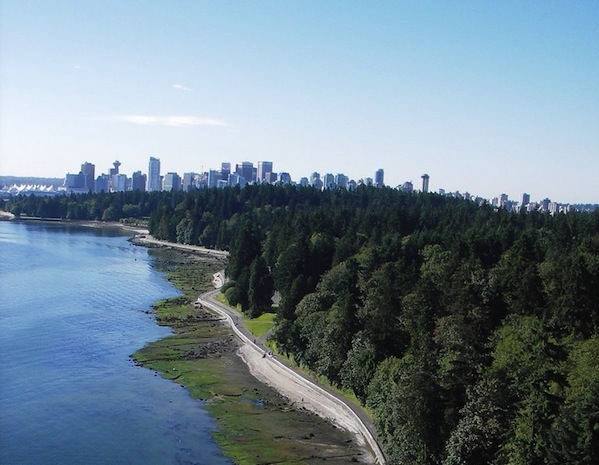
אחד המקומות הפופולריים בה הוא סטנלי פארק, שהוא אתר היסטורי לאומי. (flickr)
ונקובר: העיר מספר אחת ביבשת אמריקה – חלק א’
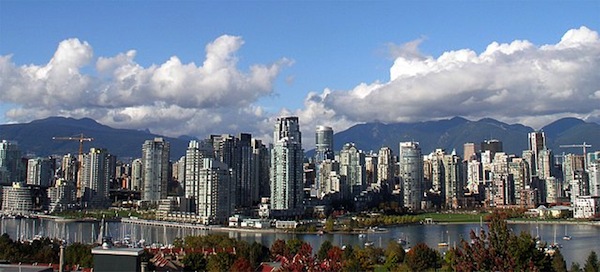
במרץ שנה שעברה פרסמה חברת הייעוץ הבינלאומית מרסר את דירוג הערים הכי טובות לגור בהן בעולם ואף אחד בוונקובר לא הופתע. כבר ידוע זה שנים שוונקובר היא העיר שהכי טוב לגור בה ביבשת אמריקה. עיר איכותיתת, תחבורה לא רעה, די נקייה, חינוך טוב, אטרקציות טבעיות וביטחון אישי לא רע. אין כמעט תחום שהיא לא טובה בו. ובעיקר היא עיר יפה. מצד אחד מפרץ עצום וירוק שעוטף את חצי האי בו שוכן הדאון טאון. ומצד שני מי האוקיאנוס השקט. ומסביב הרים מיוערים בעלי אוויר נקי וצונן. בחורף ונקובר אפורה, שותקת ודי ישנה, אך בקיץ העיר פורחת ותוססת. ולא רק כיף וטוב לגור בה, אלא מומלץ מאוד לבקר ולטייל בה. ונקובר שוכנת בקצה המערבי של קנדה ומספיקים יומיים או שלושה לטייל בה כדי להבין מדוע תיירים כל כך אוהבים אותה.
לקנדה יש דימוי של ארץ ענקית וריקה שבה הטבע הפראי שולט והאנשים בה רגועים ואדיבים. ובכן זה באמת די נכון. מספיק כדי לטייל מדינה כמה ימים או מספר שבועות כדי להבין שמתרגלים לזה מהר ואם העולם היה טוב יותר, אז הוא היה כנראה עולם יותר קנדי. מטרו ונקובר היא מטרופולין של קרוב לשניים וחצי מיליון איש שלא מעט מתושביו הם מהגרים מרחבי העולם, היא עיר די שונה גם בקנדה, מיוחדת, ירוקה ואולי וסוערת בחודשי הקייץ שהולך ומתחמם כאן.
חברת המחקר מובהב שמספקת מידע עבור אלה שמעוניינים לעבור ולגור בחו”ל, מדרגת את העיר ונקובר כעיר עם חיי הלילה המסעירים ביותר בקנדה. האמת? בכלל לא! ונקובר נחשבת לעיר ישנה לחלוטין ובמספר חודשי הקייץ החמים היא מתעוררת. טורונטו ומונטריאול הן הנחשבות לערים התוססות ביום ובלילה.
ונקובר הצעירה שהוקמה בתקופת תור הבהלה לזהב באמצע המאה התשע עשרה על ידי מחפשים שהתיישבו בשפך נהר פיירזר, צמחה במהירות בשנות הארבעים והחמישים של המאה הקודמת בעקבות גלי הגירה, והפכה כאמור לעיר מספר אחת באמריקה.
אחד הדברים שבולטים בוונקובר הוא שהיא ירוקה כחולה, בזכות הטבע שעוטף אותה. אחד המקומות הפופולריים בה הוא סטנלי פארק, שהוא אתר היסטורי לאומי. מדובר בפארק גדול שנמצא בקצה הדאון טאון. יש בו מסלולי ריצה, רכיבה על אופניים, רכיבה על סוסים, חופי רחצה, מספר קטן של סעדות וציוני דרך היסטוריים בהתפתחותה של העיר. זה מקום טוב להתחיל להכיר בו את העיר, גם בגלל הנוף היפהפה הנשקף ממנו. בפארק יש גם כמה נקודות ציון חביבות כמו העץ החלול – גזע של עץ ארז כבן שמונה מאות שנה שנפגע בסופה בשנת אלפיים ושש. במקום לכרות אותו הוא הפך לסמל לשימור הטבע בעיני תושבי העיר. גן שייקספיר שהוקם בהשראת יצירתו של המחזאי ברוקטו והמפורסם ואזור עמודי הטוטם – תשעה עמודים צבעוניים בעלי עיטורים אינדיאניים מקומיים בנקודת ברוקטון. תמונה שלהם על רקע ההרים והמפרץ היא חלק מהזיכרונות שתספק לכם ונקובר. בפארק נמצא האקוואריום העירוני, שבו תוכלו להתרשם ממגוון עצום של דגים ויונקים ימיים. האקוואריום הוא אחת האטרקציות המפורסמות של העיר, וקיימים בו מינים נדירים של דולפינים ולווייתנים.
זהו לא המקום היחיד שבוונקובר מספקת לחובבי הטבע. בדאון טאון של העיר תמצאו את מרכז עולם המדע, שבו תערוכות משתנות וקבועות, כולל היכל החלל שבו תקבלו מענה או לפחות כיוון חשיבה לגבי חייזרים, אסטוראידים וכוכבי לכת אחרים, כולל טיול בתחנת חלל.
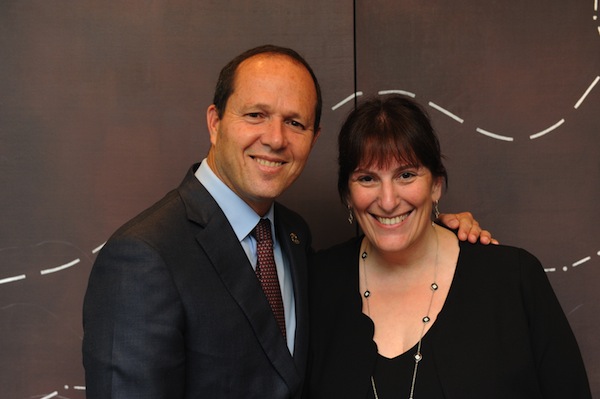
Then-mayor of Jerusalem Nir Barkat and Nomi Levin Yeshua at the Jerusalem Foundation of Canada gala in Toronto in 2014. (photo from Nomi Levin Yeshua)
This article is the first in an occasional series about people with British Columbian roots having positive impacts in Israel and elsewhere.
When Nomi Levin Yeshua went to Israel in 1990, she wasn’t committed to staying there. Almost three decades later, the Vancouver-born and -raised woman can look back on a career that has impacted the face of Jerusalem and Israel.
Thanks to a chance meeting over Shabbat lunch with her grandmother’s former neighbour’s sister – “You know Israel,” she said, laughing – Yeshua had barely arrived in Israel when she got a job as assistant to the assistant to Teddy Kollek, Jerusalem’s mayor – but the job was more than that.
Shula Eisner, Yeshua’s new boss, had been working for Kollek since 1965, just before he began his 28-year run as mayor. Kollek was chairman of the Israel Museum and, before that, had served 11 years as director general of the prime minister’s office under David Ben-Gurion. In that role, Kollek effectively created almost all of the government agencies in the new state.
“One of the things he believed was that there had to be a national museum,” Yeshua told the Independent recently while in Vancouver for a milestone birthday of her mother, Shanie Levin. “He went around raising money to start the Israel Museum. He had an office there and [Eisner] was originally hired there to work with him with all the foreign donors. Then he was elected mayor and he kept to the Israel Museum office.”
In 1966, Kollek founded the Jerusalem Foundation, where Yeshua now works.
“That was his way of creating a forum for supporters of Jerusalem around the world, to be part of creating a new vision for Jerusalem. Then, a year after that, with the Six Day War and the reunification of the city, suddenly everything was just multiplied,” she said.
Yeshua acknowledged that Kollek’s multiple roles as mayor, head of the national museum and leader of a major foundation would probably not be sustainable today, but that was a different time.
“For him, it was all fluid,” she said.
To accommodate his different hats in the era before email or even fax machines, there was a driver who shuffled between offices, taking papers back and forth.
When Eisner moved over to another foundation, she handed her baton to Yeshua, who worked with Kollek through his last years as mayor and continued until a few months before he passed away, in 2007. She continues to run all donor relations for the Jerusalem Foundation and she personally handles Canadian fundraising for the organization.
The Jerusalem Foundation was started by Kollek because he saw that Jerusalem was a very poor city.
“A lot of religious institutions that don’t pay taxes at all are in Jerusalem, so he knew that it was always going to be a challenge for the city to have a balanced budget, to expand the city, to develop the city, to provide for the citizens of the city, so he knew that he was going to need to raise money,” she said.
Kollek pioneered a fundraising model that is now almost universal across Israeli and Jewish philanthropy.
“He connected every donor to a specific project and they knew that their money went to that project and they could come – and now their grandchildren come – and see those projects. To this day, they can still track the money. The Jerusalem Foundation was really at the forefront of that movement of changing the way people were giving to Israel. Now, it’s taken for granted, but it wasn’t back in the late ’60s and early ’70s at all. That was Teddy,” she said. “He wanted people to feel personally connected to the city, to the project, to the place.”
The foundation emphasizes “shared living” and is now focused on a vision for 2030.
“This is a city that is completely about how to exist together in this space that we share. It’s not just Arabs and Jews. It’s also secular and religious, it’s poor and rich, it’s all kinds of divisions that exist in the city,” she said. “But how do we share and how do we understand each other better?”
One major project is Hand-in-Hand School for Bilingual Education.
“Bilingual education is something that Canadians completely understand but Israelis less so. This is a school that teaches in Arabic and in Hebrew, in mixed classrooms. The rest of the Israeli education system is – we don’t like to use this word but it’s the truth – segregated,” she said. “There are Jewish schools, there are Arab schools and then, even within the Jewish schools, there are religious and nonreligious. This school brings together all of the different population groups and at all times there is an Arabic-speaking and a Hebrew-speaking teacher in the classroom.” There are now six such schools around the country.
Another area of the foundation’s work is helping the most vulnerable populations in the city, through projects such as Springboard, which develops programs primarily through the education system to push gifted kids into opportunities their financial situation might not otherwise permit.
The Jerusalem Foundation is also the city’s second-largest funder to the arts, after the municipality.
“We really believe that a modern and thriving city should have a good cultural scene. Culture is not just for one population group. All members of the community should be cultural consumers. But you have to create culture that is appropriate for those people,” she said. “For example, there is a dance troupe for ultra-Orthodox women. They only perform for women, of course, because otherwise that wouldn’t work for them. But they’re really doing amazing stuff and giving these ultra-Orthodox women who want to dance an opportunity to have a really high-level, professional dance troupe within the system that works for them.”
The foundation is also building a new Hassadna Conservatory of Music.
“They help kids ages six all the way through high school with classical music education and they also provide a special program for children of Ethiopian descent who don’t necessarily have the financial means to get musical training and they have a special program for special needs kids that’s integrated,” she said.
Yeshua credits her Vancouver upbringing as foundational to her worldview and accomplishments. She grew up in the Habonim Dror Zionist youth movement and was a camper, counselor and camp director at Camp Miriam. At home, her Jewishness was nurtured in a pluralistic way.
“In terms of how my mother brought us up, Jewish identity wasn’t limited to our religious identity,” she recalled. “National identity was something that was acceptable, cultural identity was very much encouraged. I think growing up in the very open community of Vancouver – to me it always seems that way, at least – it allowed me to be Jewish in a way that I felt good with and it wasn’t only one way to be Jewish.”
Yeshua acknowledged that “many people feel somewhat alienated from Israel today.”
“I want people to understand that there is a way to engage with Israel, to support Israel, and not contradict your own value system or what you think is acceptable,” she said. “What we do with the Jerusalem Foundation is something that people can respond to, relate to, understand – to protect Jerusalem as a city that is for everyone.”
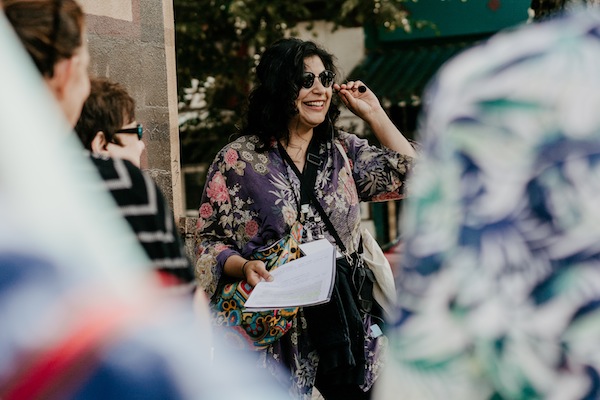
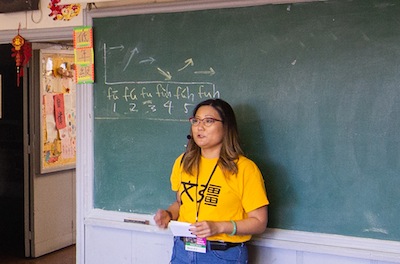
Tour organizer Carmel Tanaka at one of the tours last stops. (photo by Kayla Isomura)
The first Jewish neighbourhood in Vancouver was in Strathcona, which also served as the first home for many, if not most, cultural communities that make up the diverse fabric of the city. The neighbourhood welcomed wave after wave of immigrants of different backgrounds and continues to do so today. The rich multicultural history of this area – too often overlooked amid the social challenges of the larger Downtown Eastside – was given its due in a series of walking tours this spring.
Carmel Tanaka organized the tours, bringing together almost two dozen community organizations. Tanaka is chair of the human rights committee of the Greater Vancouver Japanese Canadian Citizens’ Association and an active member of the Jewish community, but the tour is an ad hoc, grassroots project with no umbrella organizing agency. Partnering agencies include Heritage Vancouver, the Dr. Sun Yat-Sen Classical Chinese Garden, the Nikkei National Museum and Cultural Centre, Vancouver Asian Heritage Month Society, the Jewish Museum and Archives of British Columbia and the Jewish Independent. The Cross Cultural Strathcona Walking Tour took place each Sunday in May, with two tours each day. Tanaka said she hopes to make the tour an annual event.
Tanaka came up with the idea after participating in a walk of Hogan’s Alley, Vancouver’s historic black neighbourhood, as part of Jane’s Walks, a global festival of citizen-led walking tours inspired by the late visionary urbanist Jane Jacobs. A week after her exploration of the neighbourhood’s black history, Tanaka took the Jewish Museum’s walking tour of Strathcona.
“We were walking similar streets and even talking about places that are right across the road from each other and I started to think, well, there must have been interaction between our communities,” she told the Independent. “Why not bring the guides, the experts, the archivists and the know-alls into one room and see if we can do something together. What started as a small group of four to five guides, who do existing tours, blossomed into 20-plus participating organizations, including community organizations, heritage organizations, the Vancouver School Board and more. We’ve been told there have been attempts to do something like this before, but not to this degree. It’s very exciting that we’re all working together.”
The tour, which took in Hogan’s Alley, Jewish Strathcona, former Japantown and Chinatown, was intended to build awareness of the contributions of immigrant communities then and now. It took place in May as part of the celebration of Vancouver Asian Heritage Month and Canada’s Jewish Heritage Month.
The theme of the walking tour this year was education and the starting point of the two-and-a-half-hour adventure was Lord Strathcona Elementary School, the city’s oldest. Referred to as the “League of Nations” for its diversity, the school remains one of the most multicultural in the country.
One former Strathcona student, Elder Larry Grant of the Musqueam Nation and Chinese-Canadian communities, recalled the experience of growing up in the area and the impact the cultural mosaic had on him and others.
Opened in March 1891 as East School, it was renamed in 1909 in honour of Donald Smith, Lord Strathcona, who drove the last spike in Canada’s first transcontinental railway. To get a sense of the extraordinary range of ethnicities, a survey in 1940 indicated that the students included 650 of Japanese descent, 300 Chinese, 150 Italian, about 150 Yugoslavian, Ukrainian and Polish students, about 100 of British descent, several from India and a scattering from other European countries. After the regular school day, many of the students would have proceeded to after-school programs in their heritage language at, for example, the Vancouver Japanese Language School and Japanese Hall, a 1906 building on Alexander Street where the tour finished.
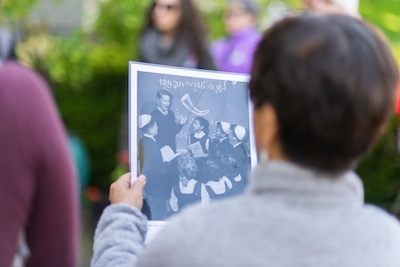
A tour participant holds up a picture from the Talmud Torah Grade 4 class, circa 1965; Gita Kron, teacher. (photo from Jewish Museum and Archives of British Columbia)
Jewish kids would have made their way down the block from Strathcona elementary to the B’nei Yehuda synagogue, since converted to condos but, at the time, the spiritual and figurative centre of Jewish life in the city. The synagogue opened in November 1911, with an after-school program in Jewish tradition. A full-time day school, Talmud Torah, opened there in 1921 and moved to its current location on Oak Street in 1948.
In 1942, when the Canadian government instituted a wartime policy against Japanese and Japanese-Canadians, about half of Strathcona school’s population disappeared, forcibly relocated to camps in the British Columbia interior and elsewhere east.
The tour featured different community guides at each destination along the route, bringing together a patchwork of knowledge about different communities to help participants form an impression about how different communities maintained their distinctiveness while interacting with the variety of cultures and languages around them.
Not far from the industrial waterfront, Strathcona grew, in part, from the maritime trade, especially the 1858 discovery of gold in the Fraser Canyon. But, as guides noted, the area has probably been a gathering place for thousands of years, initially as a summer campsite for the Musqueam, Squamish and Tsleil-Waututh First Nations. The 1858 gold rush, and successive ones further north, brought merchants from China and Jewish provisioners from San Francisco. Indentured labourers from China, who worked on the Canadian Pacific Railway, helped launch the beginnings of Chinatown in the area around Pender Street. Japanese, Portuguese and Italian immigrants followed, with many working in the Hastings Sawmill and other resource-related industries.
The tour passed the National Council of Jewish Women Neighbourhood House on Jackson Street, a locus of Jewish social activity that is seen as a precursor to the Jewish Community Centre. The Vancouver chapter of NCJW was founded in 1924 and helped new immigrants settle, learn English and find jobs. One of their landmark programs was the Well Baby Clinic, which immunized kids and helped new parents care for their families. National Council remains active today, providing services especially for families and youth, educational and advocacy programs around human trafficking and spreading awareness about Jewish genetic diseases.
Later, the tour passed Oppenheimer Park, named for the city’s first – and so far only – Jewish mayor, David Oppenheimer.
An important part of the tour was Hogan’s Alley. The creation of the Georgia Viaduct destroyed a large part of the historic black neighbourhood but Fountain Chapel, a branch of the African Methodist Episcopal church, still exists, though it is now a private residence.
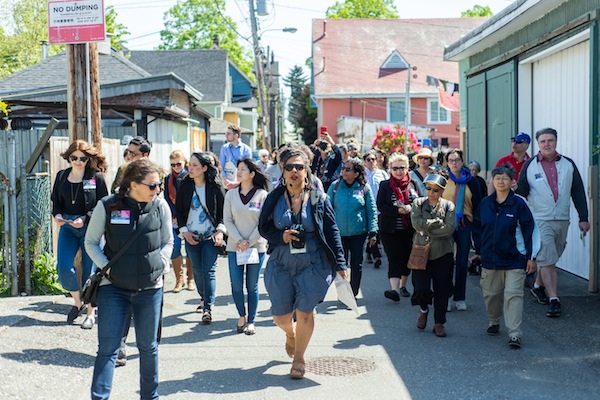
Vanessa Richards of the Hogan’s Alley Society leads guests down Hogan’s Alley. (photo by Matt Hanns Schroeter)
From Hogan’s Alley, the old Canadian National Railway station looms large to the south, and it was the profession of Pullman porter, made up almost exclusively of African-American and black Canadians, that was a launchpad to the middle class for many black families. The development of the black neighbourhood in this location owed its origins to the proximity to the train station.
From there, the tour proceeded into Chinatown and the Dr. Sun Yat-Sen Classical Chinese Garden. A sawmill at the foot of Carrall Street, constructed in 1886, provided employment for many Chinese men and set in motion the establishment of Vancouver’s Chinatown on this block.
In 1947, the Chinese Immigration Act was repealed, rescinding a racist law and opening the door to more Asian newcomers and establishing equal rights, including the right to vote, for Chinese-Canadians. The tour also recalled how, in 1907, a group calling itself the Asiatic Exclusion League incited a mob of about 9,000 rioters who rampaged through Chinatown and Powell Street, smashing windows and destroying properties. This led to the federal government reducing immigration from East Asia.
Aynsley Wong Meldrum welcomes guests to the Mon Keang School in the Wongs’ Benevolent Association building. (photo by Matt Hanns Schroeter)
The tour continued to the Mon Keang School in the Wongs’ Benevolent Association building, an example of a Chinatown clan society. These societies supported extended family members as they migrated, serving as housing agency, employment office, post office and bank for new arrivals. Chinese men could borrow money here to pay Canada’s discriminatory head tax and to send money home to their families in China.
Mon Keang School provided a classical Cantonese education to the first generation of local-born children and, in the 1930s, was just one of 10 such Chinese schools in the area. By the 1970s, Chinese families were living throughout the city and Chinese-Canadian kids were choosing sports and other extracurricular activities over Chinese school. Mon Keang School closed in 2011 but reopened in 2016 with a grassroots community program taking a different approach to Chinese language learning.
The history of Christian social action in the neighbourhood is demonstrated powerfully at the corner of Hastings and Gore, where the Salvation Army citadel, now boarded up, stands across from First United Church, a hub of social programs in the Downtown Eastside, and nearby Saint James Anglican, which also has a long activist history. While plenty of good work has emanated from these institutions, during the era of Indian residential schools in Canada, from 1883 to 1996, churches were complicit with the federal government in the genocide of indigenous Canadians through the deliberate and brutal attempts to exterminate indigenous cultures and languages.
The walking tour tries to highlight the main aspects of the area’s history, without romanticizing it.
“This is a grassroots initiative led by myself and a bunch of amazing, dedicated team members,” Tanaka said. “We’re really hoping that this will become an annual event and will be able to include even more communities next year. We’ll see what this turns into.”
קשה להאמין אך העיר היפה שאנו גרים בה ונקובר זוכה בימים אלה לכותרות גדולות בעולם כולו. אך זאת לא מהסיבות הנכונות. בימים האחרונים פורסמו נתונים קשים כל כמות הכספים האדירה המולבנת בעיר ובשאר רחבי מחוז בריטיש קולומביה. חומר למחשבה מעמיקה.
שורה של חקירות שהוזמנו על ידי ממשלת בריטיש קולומביה בראשות הפריימר, ג’ון הורגן, החליטה לבדוק לעומק את פרשות הלבנת הכספים, מקלט מתשלום מיסים ומקום להפקדת מזומנים ללא זהות, המתרחשות בוונקובר ובאזור מסביב. שרת האוצר בממשלתו של הורגן פרסמה לאחרונה דוחות שחשפו את ממדי התופעה המדגיאה הזו, שמשום מה בתקופת השלטון של המפלגה הליבראלית היא הושתקה. אך הממשלה בראשות המפלגה הדמוקרטית החדשה החליטה לשנות כיוון לעסוק בתופעת הכסף השחור כאן.
לפי ממצאי הדוחות בשנה שעברה לפי הערכה הולבנו באזור ונקובר למעלה משבעה מילארד דולר. מרבית סכום (למעלה מחמישה מיליארד) הושקע בנדל”ן. הדבר הביא לפי הערכה לעלייה של יותר מחמישה אחוזים במחירי הנדל”ן אשתקד. לא פלא שבוונקבור עצמה מחירי הנדל”ן עלו ביותר משבעים אחוז בחמש השנים האחרונות.
הממצאים המדהימים של הדוחות הממשלתיים ממחישים כיצד זרם מזומן רב להלבנה בבתי קזינו השונים, רכישת מכוניות ותכשיטים יקרים וכמובן לענף הנדל”ן.
להלן מספר ממצאים מהדוחות: נתח כזה של עסקאות הוא גדול מספיק כדי להביא להשפעה ניכרת על מחירי הנדל”ן. ההערכה היא כי הכסף המלוכלך גרם לעלייה משמותית של הנדל”ן בריטיש קולומביה. למשל מחירי הבתים עלו בשל כך מכארבעה חוזים לשבעה וחצי אחוזים בממוצע.
דיווחים קודמים של הממשלה גילו כיצד בתי קזינו במשך שנים קיבלו מיליוני דולרים במזומן, דחוסים לעתים קרובות בשקיות ובמזוודות של הוקי. לאחרונה פורסם איך השוק אפור משגשג ביצוא מכוניות יוקרה מונקובר לסין. זאת תוך קבלת מיליוני דולרים של החזרי מס מכירות רכבים לקונים בחו”ל. אבל כל אלה לא מגיעים אפילו קרוב למה שקורה בתחום הנדל”ן. מדובר מגזר שעל פי הערכות מהווה כשליש מהתוצר המקומי הגולמי של קולומביה הבריטית. הוא בעצם הדלק של הכלכלה המקומית.
לפי הערכות בממשלת המחוז למעלה ממאתיים מיליארד דולר הולבנו באזור ונקובר בעשרים השנים האחרונות. מרבית הכסף השחור הושקע בנדל”ן כאשר אחד מכל חמישה בתים נרכש במזומן, ולנכסים רבים אין זהות ברורה מי בעליהם. לפעמים למעלה מעשר דירות נרכשו עת ידי אותו גורם בבניין מגורים אחד. ידוע למשל על מקרה בו “סטודנט” רכש חמש עשרה דירות באותו בניין, תמורת כשלושים מיליון דולר. בעלי נכסים רבים פורעים את המשכנתאות שלהם מהר מאוד, יש בעלי נכסים שמחזיקים בעשרות משכנתאות בו זמנית.
על פי הדוחות של ממשלת מחוז בריטיש קולומביה: ונקובר רבתי הפכה למכבסת כספים של הפשע המאורגן בו שותפים גורמים זרים, כולל קרטלי סמים של מקסיקו, גורמי פשע מאורגן מאירן (כולל ארגון החיזבללה כפי שכבר פרסמנו) ומסין. האזור רכש לעצמו מוניטין שאין להכחישו כמקום נוח להלבנת הון, סחר בסמים והפקדת מזומנים בהיקף גדול.
הממשלה המחוזית מתכננת להקים מרשם ציבורי של בעלי קרקעות במהלך השנה, כדי לדעת בוודאות מי עומד מאחורי הנדל”ן היקר באזור כולו. במקביל הממשלה ממשיכה להפעיל לחצים על הממשלה הפדרלית לקבלת משאבים משמעותיים, להילחם בהון השחור. וכן להתקין חדשות כדי לפקח טוב יותר על עסקאות במזומן ועל פעילויות חשודות. לדברי שרת האוצר והיועץ המשפטי לממשלה החגיגה הסתיימה מבחינת אלה שנערכים להמשיך ולהלבין כספים כאן, באמצעים השונים שעמדו בידיהם עד כה.
ונקובר העיר חמישית היקרה בעולם מבחינת מחירי דירות ברמה הגלובלית. (Mac9)
חברת הנדל”ן סי.בי.אר.אי פירסמה את הדוח השנתי שבדק את שוקי הנדל”ן בשלושים וחמש ערים לשנה הנוכחית. אסיה בראש הנכסים היקרים כשהונג קונג במקום הראשון שנה חמישית ברציפות, סינגפור שנייה ושנגחאי שלישית. ניו יורק היא העיר היקרה ביותר לשכירות.
אסיה שלטה ברשימה של שווקי הנכסים היקרים ביותר בעולם: אחרי הונג קונג סינגפור במקום השני ושנגחאי במקום השלישי. על פי הדוח המחיר הממוצע של בית בהונג קונג בשנה זו הוא יותר ממיליון ומאתיים אלף דולר. הביקוש הגבוה וההיצע המועט העלו את מחירי הנדל”ן לרמות בלתי אפשריות בשנים האחרונות. ולכן ישנן תכניות ליצירת אי מלאכותי בעלות שמונים מיליארד דולר אשר אמור להקל מעט על מצוקת הדיור.
הערים הסיניות שנזן ובייג’ין נכנסו גם הן לרשימת עשר הערים היקרות ביותר השנה, והגיעו למקומות החמישי והתשיעי בהתאמה. ונקובר בה המחיר הממוצע של בית מגורים עומד על שמונה מאות ושישה אלף אלך דולר – היא העיר הצפון אמריקאית היקרה ביותר במובן זה, והרביעית בסך הכל בעולם. לוס אנג’לס וניו יורק נמצאות גם הן בעשירייה הראשונה. לונדון שהגיעה למקום השמיני ברשימה היא העיר היקרה באירופה. קונים פוטנציאליים בבירת אנגליה יצטרכו לקחת בחשבון הוצאה של ששת מאות ארבעים ושבעה אלף דולר בשנה זו. הערים הזולות ביותר לרכישת בית שנסקרו היו: איסטנבול, הו צ’י מין סיטי ובנגקוק. הערים שראו את העלייה החדה ביותר במחירים הן: ברצלונה, דבלין ושנגחאי.
בכל הקשור לשוק השכירות העיר היקרה ביותר היא ניו יורק, בה שכר הדירה בממוצע הוא אלפים שמונה מאות ארבעים וארבעה דולר (לחודש). אבו דאבי והונג קונג הן שתי הערים היקרות ביותר הבאות, עם שכר דירה ממוצע של יותר מאלפיים ושבע מאות דולר. העלייה החדה ביותר בדמי השכירות לעומת שנה שעברה נרשמה דווקא בליסבון, בה המחירים עלו ביותר מעשרים אחוז. הערים הזולות ביותר להשכרת דירה הן: בנגקוק, איסטנבול ומונטריאול (אם כי מידע במדד זה לא היה זמין עבור חמש ערים שונות).
ככלל אנחנו רואים שהעלייה במחירי הבתים מאיטה בעודנו נעים אל עבר סופו של מחזור נכסי ארוך. כך אמרה ג’נט סיבריטס, ראש מחלקת מחקר של סי.בי.אר.אי בריטניה. לדבריה אנו מצפים ששיעורי הרבית העולים ישפיעו על ערים בארה”ב. ואמצעי הקירור השונים ישפיעו אל האזור הפסיפי-אסייתי.
להלן מחירי דירות ממוצעים לפי דוח החיים הגלובליים: במקום העשירי פריז כשהמחיר עומד על כשש מאות עשרים ושישה אלף דולר (מדובר על התייקרות של תשעה אחוזים בשנה האחרונה). במקום התשיעי בייג’ינג שהמחיר עומד על שש מאות עשרים ותשעה אלף דולר. במקום השמיני לונדון שהמחיר עומד על שש מאות ארבעים ושבעה אלף דולר. במקום השביעי ניו יורק שהמחיר עומד על שש מאות שבעים וארבעה אלף דולר. במקום השישי לוס אנג’לס כשהמחיר עומד על שש מאות שבעים ותשעה אלף דולר (מדובר על התייקרות של שישה וחצי אחוזים בשנה האחרונה). במקום החמישי שנזן כשהמחיר עומד על שש מאות ושמונים אלף דולר. במקום הרביעי ונקובר כשהמחיר עומד על שמונה מאות וחמישה עשר אלף דולר. במקום השלישי שנגחאי כשהמחיר עומד על שמונה מאות שבעים ושלושה אלף דולר (מדובר על התייקרות של אחד עשר אחוז בשנה האחרונה). במקום השני סינגפור כשהמחיר עומד על שמונה מאות שבעים וארבעה אלף דולר. ובמקום הראשון הונג קונג כשהמחיר זהה – שמונה מאות שבעים וארבעה אלף דולר.
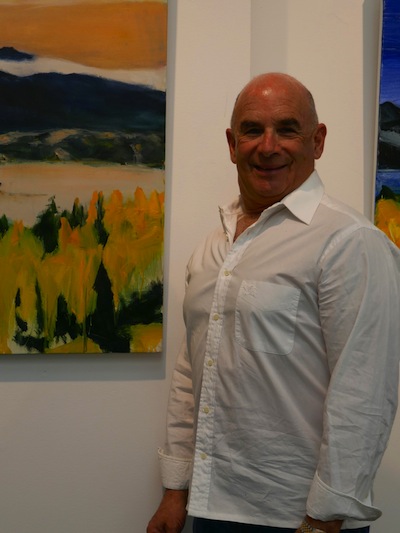
Ian Penn is not a new name for regular visitors to the Zack Gallery, which has exhibited his work before. “I like this gallery,” Penn told the Independent. “It’s like a public marketplace. It’s transparent and open. Children come in. Older people. People on the way from their lunch or the gym. The gallery is accessible, the way art should be. I could show at a traditional gallery, but I don’t want to.”
Penn makes one exception to this statement – for his homeland, Australia. “I have a gallery in Australia that represents me, and I exhibit there frequently, once or twice a year,” he said. “Last year, I was an artist-in-residence at that gallery. I gave artistic workshops to high school children. It was fun.”
His current exhibition at the Zack, From the Deck: View and ReView, is dedicated to landscapes, specifically the scenery he sees from the deck of his house: trees and mountains, water and clouds. Penn has painted these landmarks in different lights and different seasons. “I tried to capture different moods,” he said. “Some are grand, panoramic. Others are smaller, more intimate.”
He explained his idea behind the show. “View and re-view are two parts of the process. I look at the view from my house deck, have been looking at it for years. I enjoy the landscape from a single view. I take photographs. I sketch it multiple times. It’s my immediate response to the landscape. I’m part of it. I’m mapping it. This is ‘View,’ but it is not the territory, just a map. It is my understanding of the place.”
Penn’s View paintings are more abstract, sometimes just splashes of colour. What is important to the artist is that every element appears in the right size and shape in relation to the other elements. “I measure all the distances at this stage and mark the proportions. How far is this treetop from that ship passing through? How large are these bushes compared to that shoreline? I make lots of drawings.”
The second part of the process, the review, is done in the studio, later. “This is the second part of my response,” he explained. “I’d think: what is important in that idea? A ‘ReView’ is my emotional and physical answer to the ‘View’ and the landscape. It’s all about the place itself, the place and the painting. At this stage, I’m recreating the territory.”
Ian Penn at the opening of his latest solo exhibition at the Zack Gallery, which runs until April 28. (photo by Olga Livshin)
Unlike the bold brush strokes of his Views, most of his ReViews are more detailed, while still exploring the same landscape. And the ratio of abstract versus figurative slants towards the figurative. “I’m interested where representation and abstraction interact,” he admitted.
In his ReViews, a tree becomes a more detailed tree, not just a blob of yellow, even while maintaining its impressionistic abstract profile. A ship becomes more identifiable as a ship, not simply a dark squiggle. And a cloud can’t be mistaken for anything else.
In fact, clouds play a huge role in most of the paintings on display: light and fluffy in one image, heavy and menacing in another. “Clouds change constantly; that’s why they interest me. I’m fascinated by change, by periods of transition,” said Penn. “That’s why most of these paintings are done in spring or autumn. Those are the seasons of change. In summer, the landscape is full and the sky is clear, but, with autumn, comes change. The colours of the leaves change. When the leaves fall, the shapes of the trees change. The bones of the landscapes are transformed. The weather changes. Same in spring. By exploring those changes, I’m addressing the changes in our lives.”
By the juxtaposition of constant change within the same view – from one location – Penn follows in the footsteps of one of his favourite artists, Paul Cezanne. “I studied Cezanne. He painted Mont Sainte-Victoire countless times, all different,” Penn said. “He changed the landscape genre forever, took it apart and re-created it.”
Penn’s investigation of the landscape as an art form goes further. “A traditional landscape is horizontal, with certain set dimensions,” he explained. “I’m challenging those dimensions, trying landscapes of different formats. A portrait shape. A diptych, which is much wider than a traditional landscape. I’m playing with different geometry. What if the two parts of a diptych are of different widths: one square, another a wider rectangle? What if both parts are off-squares?”
Penn’s experiments with the shapes of his paintings, with the changing of weather and seasons, makes the show diverse. The exhibition demonstrates the richness of landscape as an art form.
“Landscape as we know it is relatively new in the modern Western art,” he said. “Before the Renaissance, landscape was mostly a background for figures in the composition. It only became a separate art form in the 16th and 17th centuries, after the paint tubes became small enough that artists could take them out of the studios, to paint on locations. That was what the Group of Seven did. That is what I do.”
Penn’s show runs until April 28 at the Zack. For more information about his work, visit ianpenn.com.
Olga Livshinis a Vancouver freelance writer. She can be reached at olgagodim@gmail.com.
Left to right are Sam Sullivan, Glen
Hodges, Cynthia Ramsay, Margaret Sutherland and Shirley Barnett with one of the
Mountain View Cemetery ledgers. (photo by Lynn Zanatta)
“When we were restoring the Jewish cemetery at
Mountain View, we spent two years going through City of Vancouver material
trying to determine if the city actually had something in writing to prove the legitimacy
of this Jewish section since 1892,” Shirley Barnett, who led the Jewish
cemetery restoration project, told the Jewish Independent in an email.
The committee couldn’t find anything in the city records.
While this lack of documented history lengthened
the restoration agreement process significantly, it did not halt it. Barnett,
as chair, opened the first meeting of the restoration advisory committee on
Feb. 13, 2013, and the Jewish cemetery at Mountain View was officially
rededicated on May 3, 2015. However, if the committee were to have started its
work today, the information it sought would have been found, and the process
would have moved much more quickly.
Sam Sullivan, member of the Legislative
Assembly (Vancouver-False Creek) and former mayor of Vancouver, founded the
Global Civic Society in 2010. As part of its mission to encourage “a
knowledgeable and cosmopolitan citizenry to make strong connections to their
community,” the society leads several initiatives, including Transcribimus, “a
network of volunteers that is transcribing early city council minutes and other
handwritten documents from early Vancouver, and making them freely available to
students, researchers and the general public.”
Transcribimus project coordinator Margaret
Sutherland has transcribed at least 155 sets of Vancouver City Council minutes.
It was she who found what Barnett and her committee were looking for – in the
council minutes of June 6, 1892. On page 32 of the minute book, it is recorded
that correspondence had been received, “From D. Goldberg asking the council to
set aside a portion of the public cemetery for the Jewish congregation,” and
was “Referred to the Board of Health.”
Two weeks later, the minutes of June 20, 1892,
note that the health committee had resolved, among other items, “[t]hat the
piece of land selected by the Jewish people in the public cemetery be set aside
for their purposes.”
In addition to the transcribed council minutes, transcribimus.ca includes photos of the minute book pages. This image is of the June 20, 1892, minutes, which note that the health committee had resolved, among other items, “[t]hat the piece of land selected by the Jewish people in the public cemetery be set aside for their purposes.”
The cemetery first appears to have come up a
few years earlier. In the July 29, 1889, council minutes, there is reference to
a letter: “From L. Davies on behalf of the Jewish congregation of the city of
Vancouver requesting council to set apart about one acre and a half in the
public cemetery for members of the Hebrew confession. Referred to the Board of
Works.”
In an email to Barnett, Sutherland wrote,
“There doesn’t seem to be any indication from city council minutes that the
Board of Works ever followed up on the above request. Although [Jewish
community member and then-mayor] David Oppenheimer was on the Board of Works
for that year, so was his opponent, Samuel Brighouse.”
On Dec. 7, 2018, the Jewish Independent
met with Barnett, Sullivan, Sutherland, Lynn Zanatta (Global Civic Policy
Society program manager) and Glen Hodges (Mountain View Cemetery manager) at
Mountain View. In documents she brought to that meeting, Sutherland explains
that Oppenheimer “declined to serve as mayor again at the end of 1891, citing
poor health as his reason for retiring. Fred Cope was elected mayor in 1892 and
served till the end of 1893.” So it was Cope who was mayor when the Jewish
cemetery was established; Oppenheimer was Vancouver’s second mayor (1888-1891)
and Malcolm Maclean its first (1886-1887).
The first interment at Mountain View Cemetery
was Caradoc Evans, who died at nine months, 24 days, on Feb. 26, 1887. The
first Jew interred in the cemetery is thought to be Simon Hirschberg, who “died
of his own hand” on Jan. 29, 1887, and was, according the plaque erected by the
cemetery in 2011 (the cemetery’s 125th year), “intended to be the first
interment,” however, “rain, a broken carriage wheel on a bad road and his large
size all contributed to him being buried just outside the cemetery property,”
where he was “long thought to have been left near the intersection of 33rd and
Fraser” until his body was moved into a grave on cemetery property. Oddly
enough, the first Jew to be buried in the Jewish section was Otto Bond (Dec.
19, 1892), who also took his own life.
This page from a Mountain View Cemetery ledger shows the entry for Otto Bond, the first Jew to be buried in the cemetery’s Jewish section.
So far, since its inception in 2012,
Transcribimus has seen more than 300 transcripts produced by almost 40
volunteers, although a handful of them are responsible for the lion’s share to
date. Many people have donated their time, technical advice and, of course,
funds to the project. Barnett sponsored the transcribing of the city council
minutes for 1891, and fellow Jewish community member Arnold Silber sponsored
the transcription of the 1890 minutes. A few other years have also been
sponsored, including 1888, by the Oppenheimer Group.
About nine years’ worth of minutes have been transcribed
(1886-1893 and 1900), leaving much more work to be done, as the city kept
handwritten minutes until mid-1911. After that, minutes were typewritten and
these documents can be scanned and read with OCR (optical character
recognition), said Sutherland.
The Transcribimus website (transcribimus.ca) is one of the best-designed sites the Independent has come across. It is both visually appealing and incredibly easy to use. In addition to the transcribed council minutes, it includes photos of the minute book pages. As well, it features letters from Vancouver’s early years, historical photographs and a few videos, including a film by William Harbeck of a trolley ride through Victoria and Vancouver in 1907, which has had speed corrections and sound added by YouTuber Guy Jones. (Astute viewers will see that the trolley is driving on the lefthand side of the road. British Columbia didn’t switch to the right until 1921-22.)
In the material Sutherland brought to the
December meeting at the cemetery office, she included the transcription of the
short letter that city clerk Thomas McGuigan wrote on June 23, 1892, in
response to Goldberg’s letter that was mentioned in the council minutes. In it,
McGuigan confirms “the grant made by council to the people of the Jewish faith
of a piece of land in the public cemetery,” but adds that “they will be unable
to give you title for the same, as the land was set apart by an Order in
Council of the provincial government for burial purposes and they refuse to
give any other title.”
Sutherland hadn’t come across Goldberg’s
letter, that of Davies or any response to Davies. It’s likely that these
letters have been lost or destroyed, but they might turn up in another file,
she said.
However, Sutherland did find a brief letter to
the editor of the Vancouver Daily World newspaper, dated Nov. 1, 1898,
from L. Rubinowitz, which she emailed to the Independent. Rubinowitz
wanted the application for the Jewish cemetery by “a certain number of Jews of
this city” to be refused. In his view, “all the Hebrews of this city are not
combined as one body” and “To avoid trouble between them and for the sake of
peace, as one party will claim that they have the sole right to it, the other
party will claim that they have the sole right to it, therefore, as it is now
under the control of the city, we are well satisfied to let it remain so, as in
my opinion the city will have no objections for us to make any improvements if
necessary.”
The old joke comes to mind of the Jewish man
who, when stranded on a deserted island by himself, builds two synagogues – the
one he’ll attend and the one he won’t set foot in. Community cohesiveness is a
heady task; always has been, and definitely not just for the Jewish community.
As more council minutes, letters, photographs and other documents are found, transcribed and shared, the holes in our understanding of the past and how it has formed the present will be filled. To support or participate in Transcribimus or other Global Civic Society projects, visit globalcivic.org.
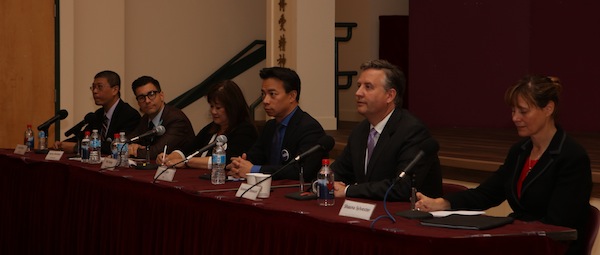
A full house came out to the CIJA-SUCCESS townhall Sept. 23, which featured six Vancouver mayoral candidates. (photo from CIJA)
The refracted nature of Vancouver’s civic politics was on full display at a candidates meeting featuring six of the perceived front-running candidates for mayor. The near-implosion of the governing Vision Vancouver party, combined with divisions among erstwhile Non-Partisan Association members, has led to a race with both the left and right sides of the political spectrum divided and struggling to gain traction in a campaign with 21 contenders.
The afternoon event Sept. 23 was co-sponsored by the Centre for Israel and Jewish Affairs and the multicultural organization SUCCESS, which is rooted in the Chinese-Canadian community. Veteran Vancouver broadcaster Jody Vance handily moderated the occasionally raucous meeting.
Housing affordability topped the list of issues, with Kennedy Stewart, a former NDP member of Parliament for Burnaby-South who resigned that seat to run for Vancouver mayor as an independent, said his plan to attack unaffordability calls for building 85,000 new homes over the next 10 years, including affordable and market rentals.
Ken Sim, an entrepreneur who founded Nurse Next Door and Rosemary Rocksalt Bagels and who is the candidate for the centre-right Non-Partisan Association (NPA), responded by claiming that the construction industry does not have the capacity to meet Stewart’s construction schedule.
Wai Young, a former Conservative member of Parliament for Vancouver South, is running with a new party, called Coalition Vancouver, which was originated by a group of former NPA members who felt betrayed by what they call a lack of democracy in that party.
“Vancouver does not have a supply issue,” Young said about the housing situation. “There are no millionaires wandering around Vancouver that are unable to buy a house or a luxury condo. The issue is that we are not able to keep our young people, our young families, here because they can’t afford to buy a house. We have an affordability issue in Vancouver.”
“If I am mayor, we will have a three percent vacancy rate,” said Shawna Sylvester, who is running as an independent but has roots in Vision Vancouver. The rate today is about zero. She supports more co-ops, cohousing and what she called “gentle densification,” as well as addressing how the housing situation has particular impacts for women, who experience poverty in greater proportions than men.
Left to right are David Chen, Hector Bremner, Wai Young, Ken Sim, Kennedy Stewart and Shauna Sylvester. (photo from CIJA)
Partly related to the affordability issue is the topic of Vancouver’s reputation as a place that is welcoming of people from diverse backgrounds.
David Chen, who is running with another new party, ProVancouver, noted that racism is alive and well in the city.
“My parents were first-generation Taiwanese [Canadian],” said Chen. “I was born in St. Paul’s [Hospital] because, at that time, it was the only hospital they were allowed to go to. During this campaign, I heard somebody say to me, ‘Go home.’ Well, I am home.” He added: “We haven’t progressed as much as we should or could.”
The NPA’s Sim echoed the experience and extrapolated it to the Jewish community.
“I’m 47 right now,” said Sim, “and I still remember the hurtful comments that I faced when I was 5 years old. It was tough. I think of what’s going on to our Jewish community right now. We still have a lot of issues. I’m acutely aware of what our Jewish community goes through because, when something happens halfway around the world, our friends in the Jewish community have to worry about their physical safety. That’s terrible. We will have zero tolerance for that, as mayor of Vancouver. We’re going to work with community groups, work with the Jewish community, work with all communities identifying threats to our communities and working on solutions to protect us, to protect our communities, and we will monitor our results.”
Hector Bremner, another former NPA member now leading another new party, YES Vancouver, is the only candidate for mayor currently sitting on Vancouver city council.
“Racism is a symptom, it’s not the disease,” Bremner said. “When do racial tensions flare up, when do they happen? They happen in a time when the people feel that resources are scarce and they feel pressure economically. It’s really a function of tribalism and nativism that occurs when people feel that it’s hard for them to make it. We look for scapegoats.”
Sylvester, who among many other roles is director of the Morris J. Wosk Centre for Dialogue at Simon Fraser University, said people need to stand up to extremist voices and actions.
“There are forces in our communities, whether we want to acknowledge them or not, that are trying to divide us,” she said. “What we need to do [is] not be tolerant of any kind of hate crime, not be tolerant of antisemitism.”
Stewart said those who don’t subscribe to Canadian ideas of tolerance should be helped to change their minds.
“Immigration is really one of the best things about being Canadian,” he said. “We travel around the world and we brag about it. Multiculturalism is a Canadian word and it’s something we’ve exported. It’s something we should embrace, and most of us do. Those that don’t, we have to help them understand, change their opinions.”
Accusations of intolerance and implications of racism emerged in the debate.
Young, who had originally sought the NPA mayoral nomination, implied that her supporters, many of whom were from the Chinese community, weren’t welcome in the NPA. This brought a sharp rebuke from Sim.
“Guess what, I’m Chinese,” he said. “Here’s the real issue. When you [say] inflammatory statements like that to win a political agenda, you create divisions in our communities. People don’t like that. You put a wedge. That is a problem and you’ve got to knock it off.”
Sim went on to accuse politicians of stoking already existing embers of intolerance around foreign purchasers of Vancouver real estate.
“For political expediency, what politicians are doing is pointing at groups and blaming groups for problems,” he said. “We have a lot of issues with affordability and there are a lot of things that affect affordability and housing. I’m not saying foreign purchases do not affect housing. But, when we point to it and we blame a group, that starts a slippery slope. That’s what’s dividing our city, our province and our country. I call on everyone here to knock it off, because there are a lot of things that affect affordability – permitting delays, interest rates, the economy – but to point to something for political expediency because it wins votes is dividing people and it’s hurtful.”
The meeting took place in a SUCCESS building in Chinatown, close to the Downtown Eastside. Candidates agreed that more needs to be done to confront the seemingly intractable challenges facing that area of the city.
Young said she had visited a seniors home in Chinatown earlier in the day and was told residents are afraid to go outside.
“They can no longer walk outside of their building,” she said. “That should not happen in our beautiful city. There was a time I remember coming down here to Chinatown when it was vibrant, when it was safe, when you didn’t feel like you couldn’t be on the wrong side of the street here.… This city has gotten dirtier and grittier…. There are needles everywhere, there is defecation everywhere. We are one of the top 10 cities in the world and yet, currently, it’s embarrassing to have your friends come visit.”
She promised to be “John Horgan’s worst enemy,” referring to the B.C. premier, in demanding provincial help to address the issues in the area.
Stewart touted his connections with former NDP member of Parliament Libby Davies, who previously represented the area in Ottawa.
“Last week, I was very proud to stand with Libby Davies in the Downtown Eastside and announce that, as mayor, I would immediately strike an emergency task force to deal with the opioid epidemic and homelessness,” Stewart said. “We cannot have the number of deaths that are happening and the number of overdoses. We can’t have the impacts on the people that are suffering through illness and addiction problems.”
Another perennial issue candidates addressed was transportation and congestion.
“Vancouverites spend 88 hours of your life every year sitting in congestion,” said Young. “That’s like a two-week holiday.”
Sim promised an independent review of congestion in the city.
“The number of cars has not increased in the city in the last 20 years but congestion has,” he said. He blamed a range of factors, including bike lanes, left-hand turns, people running yellow lights and getting stopped by police, pedestrians crossing after the indicator says “don’t walk,” and roads that are closed for construction longer than necessary.
Chen said getting people to switch from cars to transit requires improving the system.
“If you use negative reinforcement, you’re not going to get people to switch,” he said. “It’s not reliable, it’s not convenient, it’s not cheaper, it’s not faster. You [improve] those four items and suddenly people may just switch.”
The would-be mayors mooted the availability of culturally appropriate services, such as seniors care, community security for institutions like synagogues and the Jewish Community Centre of Greater Vancouver, and unisex washrooms.
During the debate, Stewart repeatedly emphasized that he, Bremner and Young were the only ones with elective experience, a tack that may be motivated by the few polls on the race, which have indicated that Stewart’s toughest opponent is Sim.
Election day for municipal governments across British Columbia is Saturday, Oct. 20. In Vancouver, advance voting opportunities are available until Oct. 17, from 8 a.m. to 8 p.m. (photo by Cynthia Ramsay)
Members of British Columbia’s Jewish community have been involved in many pursuits over the decades. With some notable exceptions, few have pursued elective office. And this election continues the tradition. Of the hundreds of people running for city councils, school boards, regional district boards and the Vancouver park board, the Independent has identified only four members of the community running in the Oct. 20 elections, though there may be others. Here is a glance at their platforms and motivations.
Herschel Miedzygorski Independent candidate for Vancouver city council voteherschel.ca
Herschel Miedzygorski
Herschel Miedzygorski’s priorities include clean and safe streets, increased night transit and more funding for the arts. He wants to deter real estate speculation and speed up permitting processes for middle-class homes.
Miedzygorski has had a career as a restaurateur in Vancouver and Whistler, running Southside Deli in the resort municipality for 25 years and being involved in food ventures in the city. He has sold his food interests and now represents Giant Head Estate Winery, based in Summerland, B.C., to restaurant clients.
“I was born and raised in Vancouver,” he said. “My father had a secondhand store on Main Street for 60 years, it was called Abe’s Second Hand. That was my mom and dad.… We all grew up on Main Street.”
Miedzygorski has coached football and soccer and spends time at the Jewish Community Centre of Greater Vancouver. He was asked to run with a couple of the city’s political parties, he said, but “I just want to be an independent voice.”
Ken Charko Coalition Vancouver candidate for Vancouver city council coalitionvancouver.ca
Ken Charko
Ken Charko owns Dunbar Theatre. He is president of the Hillcrest Community Centre and a director of the Motion Picture Association. He considers himself a “champion of the arts.”
“I’m very supportive of the arts,” he said. Charko wants to make arts and culture more accessible to all.
He also seeks a line-by-line review of the city’s budget and wants fair bylaws for hardworking people and small businesses.
“I’ve got good business credentials,” Charko said. “I understand small business. I’ve been there. But I’m really going to try to focus on the arts and things that matter to the arts community.”
He is running with Coalition Vancouver after breaking with the NPA because they appointed, rather than electing, their nominees.
“There is no party that completely represents all my views,” he said. But Coalition Vancouver aligns with his approach to fiscal accountability and socially progressive outlook, he said.
Steven Nemetz Independent candidate for Vancouver park board stevennemetz.com
Steven Nemetz
Steven Nemetz is running for Vancouver park board because the time is right.
“It speaks to me at this stage of my life – father, grandfather – and I grew up in the city,” he said. “I grew up intimately familiar – because my father was a great outdoorsman – with these parks.”
Nemetz is a lawyer and holds a master’s in business administration and a rabbinic ordination. He created the “pop-up shul” Shtiebl on the Drive for the High Holy Days this year.
Having lived in various cities, notably New York, Nemetz wants to bring to Vancouver some ideas that have worked in other places. Inspired by the High Line, a park created from an old elevated railway in Manhattan, Nemetz suggests saving the Georgia and Dunsmuir viaducts (which are slated for demolition) and creating an elevated park in the space between them and extending that park east and west. A second High Line-style recreation space could work along the Broadway corridor, he said, incorporating transit hubs, Vancouver General Hospital and other existing assets.
He advocates a “privileges card” for city residents that would mean they pay no parking fees at any parks.
“There are 650,000 residents of the city of Vancouver,” he said. “There are over 10 million visitors a year.” A slight price increase for non-residents could offset the loss of revenue from locals, he said. “The residents of the city of Vancouver pay taxes. They support their infrastructure. They shouldn’t have to pay more for the use of facilities that they primarily support by way of small nickel-and-diming, like parking at Kitsilano Beach and Jericho.”
Nemetz looks at Mountain View Cemetery, 106 acres at the heart of the city, and sees potential for repurposing it to respectfully accommodate more living residents.
“We are not talking amusement park,” he said. “It could be something very unique, world-class in a way, that’s different.”
Norman Goldstein Richmond First candidate for Richmond school board richmondfirst.ca
Norman Goldstein
Norman Goldstein is a former Richmond school trustee seeking to return to the board.
“The best thing for all people, including the Jewish people, is an open, accountable government that adheres to the rule of law,” he told the Independent. “The laws need to be crafted by caring, competent people, who understand that the strength of a society rests on how fairly and inclusively all citizens are treated. This is what I believe and this shapes who I associate with and trust politically.”
His priorities for education include moving forward with the Sexual Orientation and Gender Identity (SOGI) policy passed by the Richmond school board.
“This has been, unfortunately, a very polarizing issue in Richmond,” he said. “To my understanding, the opposition to SOGI is based either on misunderstanding what the policy says – please, read the policy – or on deep-seated prejudice that is not self-recognized as such.”
Goldstein holds a doctorate in mathematics and taught and researched at the university level. He later completed a master’s of computer science and spent 21 years at MacDonald Dettwiler and Associates in Richmond, retiring in 2013.
“The Richmond School District has had a long, proud history of inclusion,” he said. “A major tool in this endeavour has been to integrate all learning levels into the same classroom. This socializes students to understand and appreciate each other.”
Election day for municipal governments across British Columbia is Saturday, Oct. 20. In Vancouver, advance voting opportunities are available until Oct. 17, from 8 a.m. to 8 p.m. Advance voting dates and times differ by jurisdiction. More details are at vancouver.ca/vote or on the website for your municipality.




![photo - In addition to the transcribed council minutes, transcribimus.ca includes photos of the minute book pages. This image is of the June 20, 1892, minutes, which note that the health committee had resolved, among other items, “[t]hat the piece of land selected by the Jewish people in the public cemetery be set aside for their purposes.”](http://www.jewishindependent.ca/wp-content/uploads/2019/01/jan-18-cov.18.cemetery-1892-06-jun-20-vancouver-city-council-minutes_page-50-cropped-w-oval.jpg)