Skip to content
  • Home
  • Subscribe / donate
  • Events calendar
  • Business Directory
  • FAQ
  • News
    • Local
    • National
    • Israel
    • World
    • עניין בחדשות
      A roundup of news in Canada and further afield, in Hebrew.
  • Opinion
    • From the JI
    • Op-Ed
  • Arts & Culture
    • Performing Arts
    • Music
    • Books
    • Visual Arts
    • TV & Film
  • Life
    • Celebrating the Holidays
    • Travel
    • The Daily Snooze
      Cartoons by Jacob Samuel
    • Mystery Photo
      Help the JI and JMABC fill in the gaps in our archives.
  • Community Links
    • Organizations, Etc.
    • Other News Sources & Blogs
  • JI Chai Celebration
  • JI@88! video

Recent Posts

  • Or Shalom reopens its doors
  • JFS from past to future
  • Need holistic approach
  • Sharing stories, advice
  • Journalist shares fears
  • Skills to live together
  • Road to independence
  • Cutting grass with scissors
  • Zionism as a solution
  • Deceit, desire & the divine
  • Reclaiming sacredness
  • Creative project ideas
  • Summer squares and cobbler
  • Thou shalt … summer commandments
  • Legal help for students
  • Revisiting myth of Lilith
  • Wrong person rebuked
  • Canada’s mixed messages
  • Questions for museum
  • Symposium on antizionism
  • Making soccer political
  • CJPAC lauds Pulver’s impact
  • City recognizes Vrba’s legacy  
  • Organ donation saves lives
  • Theodore’s March premiere
  • A healing Shabbaton
  • Supplying healthy food
  • A chime of metal tags
  • Yellowknife seder a first
  • Ishai energizes, unifies
  • A Lag b’Omer to remember
  • Expanding the healing
  • Hannah Senesh – a unique hero
  • Community milestones … May 2026
  • Sharing her testimony
  • Fall fight takes leap forward

Archives

Follow @JewishIndie
image - The CJN - Visit Us Banner - 300x600 - 101625

Tag: Vancouver

משמיצים את ונקובר כדי לקדם הוצאת ספר – חלק ב

עדי ברוקס שגרה בוונקובר במשך שמונה שנים הוציאה ספר קומיקס המתאר את מעלותיה הקשים בוונקובר. היא בחרה דרך מקורית לקדם את הספר: פרסום ריאיון בעיתון “לאישה”  על ונקובר, ללא תגובה של אף אחד מאלה שגרים כאן. הריאיון מלא מידע לא נכון וברוקס משליכה את בעיותיה האישיות והמקצועיות שלה ושל בעלה על ונקובר, ומאשימה בעצם את העיר במה שקרה לה.

ברוקס ממשיכה להשמיץ את קנדה והיא טוענת שאין כאן תרבות. אם היא צודקת מדוע עברה לכאן? היא יכלה לעבור למדינות “תרבויות” יותר.

היא ממשיכה בהאשמות והפעם על התייחסות קנדה לילידים ובעצם המדינה לדעתה מתעלמת לחלוטין מהנושא. בורקס צודקת שיחסה של קנדה לילידים בעבר היה מחפיר, אך אי אפשר לטעון שכיום קנדה מתעלמת מהנושא. ההיפך הוא הנכון: קנדה מנסה לשפר את רמת החיים של הילידים, לקדם פרויקטים שונים לטובתם ולא פחות חשוב להודות בדברים חמורים ביותר שנעשו להם בעבר. מי שטוען שזו התעלמות לא יודע מה הוא אומר. ועוד לטעון שהקנדים לא מדברים על כך? שקר מוחלט. ממומלץ אגב לישראלים שלא לבקר את קנדה בנושא הילידים, כי יכולים לא מעט לבקר את ישראל בנושא הפלסטינים.

ברוקס צודקת שבוונקובר אין את רמת השמש לה רגילים הישראלים בישראל. אך אין חדשimage - Adi Brooks comics cover תחת השמש וזו בעיה פרטית שלה. כלום לא ידעה ברוקס שיש כאן הרבה פחות ימי שמש מאשר בישראל? האם צריך להתאמץ כדי למצוא מידע בנושא זה? האם זה סוד שמגלים אותו רק כאשר עוברים לכאן?

ברוקס ממשיכה במסע הלכלוכים האינסופיים שלה על ונקובר או בעצם על קנדה בכלל, תוך שהיא טוענת שאין כאן חוש הומור, או סרקזם. “שום בדיחה לא עובדת כי אנשים מבינים כל דבר כמו שהוא”. היא מוסיפה כי “כולם שם (כאן) בקטע של טיולים וספורט… אבל אם לוקחים מהמקום את הטבע, לא נשאר בו כלום”. לברוקס היו כנראה מספר בעיות נפשיות קשות והיא השליכה אותם על קנדה וונקובר בפרט. מדוע היא באה לכאן בכלל? עדיף היה שלא הייתה עוזבת את ישראל. היא עשתה מעשה שלא יעשה והכל לקדם את ספר האיורים שלה.

ברוקס מודה קצת שבגלל בעיות אישיות שלה ושל בעלה היא מצאה את ונקובר כקורבן לכך: “ברור שהתפיסה שלנו את ונקובר נצבעה במאבק האישי שלנו, וברור שבתנאים היה יכול להיות לנו אחרת… אנחנו הגענו לשם (לכאן) לשם מטרה מסוימת: כדי שברק (בעלה) יפרסם מאמר מבוסס מחקר ויקבל משרה בארץ. מה שקרה לברק זה שהוא עבד על מחקר שמראש לא היה לו סיכוי להצליח”. אז מה רוצה היא מוונקובר?

ברוקס ממשיכה להמציא דברים וטוענת שבוונקובר קיימת התפיסה ששליליות ודיכאון מידבקים. אני גר כאן כשבעה עשרה שנים ומעולם לא שמעתי על דברי שטות שכאלה. בכל מקום במערב כולל ישראל מנסים למשוך אותנו לכיוון החיוביות והאופטימיות וזה טבעי לכולם, חוץ כנראה מלברוקס.

היא ממשיכה לתאר עד כמה ונקובר רעה בעברית עילגת טוענת כי “בוונקובר יש אלפי הומלסים שמגיעים מכל קנדה כי עאלק חם שם (כאן). גם שם (כאן) הם מתים בקור, ראינו במו עינינו גופות ברחוב”. האמת מרה: בוונקובר יש הרבה הומלסים שהגיעו מרחבי קנדה, כי אכן זהו המקום החם בקנדה, ואין על כך עוררים. יש לפעמים מתים ברחובות אך הסיבה לכך היא שימוש יתר בסמים ולא בגלל הקור.

Posted on November 10, 2021November 19, 2021Author Roni RachmaniCategories עניין בחדשותTags "לאישה", Adi Brooks, comic book, interview, L’Isha, Vancouver, ונקובר, ספר קומיקס, עדי ברוקס, ריאיון

משמיצים את ונקובר כדי לקדם הוצאת ספר

עדי ברוקס שגרה בוונקובר במשך שמונה שנים (מאלפיים ושש), הוציאה ספר קומיקס המתאר את מעלותיה הקשים בוונקובר. ואיך מקדמים את הספר? מפרסמים ריאיון ארוך בעיתון “לאישה” שמלכלך על ונקובר, ללא תגובה של אף אחד מאלה שבחרו לגור כאן. הריאיון אגב מלא מידע לא נכון בלשון של המעטה. ברוקס משליכה את בעיותיה האישיות והמקצועיות שלה ושל בעלה על ונקובר, ומאשימה בעצם את העיר במה שקרה לה. כישראלית מצויה היא בוודאי לא תיקח אחריות ותמצא אחרים כולל ונקובר להאשים אותם. פשוט מביש.

ברוקס מתחילה בהשמצות דווקא על קנדה וטוענת כי “המשבר הכי גרוע שמספרים עליו בעיתונות שלהם הוא שחתול נתקע על העץ. אין שום תרבות של ביקורת. זו מדינה גדולה מאוד, אבל חיים בה רק שלושים מיליון איש, זה נורא ריק, ויש אווירה של ריקנות, כי התרבות ריקה”. קודם כל הלוואי ובקנדה היו כותבים רק על חתולים. לצערנו כותבים כאן על לא מעט בעיות של תעסוקה, דיור יקר, נושא הילידים, האקלים ועוד. דברי ההבל של ברוקס מוכיחים שיש בה שנאה לא מובנת לקנדה, שאגב גרים בה רק שלושים ושמונה מיליון איש ולא כפי שהוא טוענת. אווירה של ריקנות? כנראה שחייה של ברוקס היו ריקנים כאן וזו בעיה פרטית שלה. אני גר בוונקובר מזה כשבעה עשרה שנה וחיי כאן לא היו ריקנים ולו יום אחד.

ברוקס ממשיכה וטוענת כי ברגע שהיא ובעלה שינו את הטון והחליטו משום מה? והחלו העביר ביקורת או שהתחילו להרגיש פחות טוב והביעו עצבות או כעס, הם הרגישו שהם חורגים מהכללים. “זו מדינה סוציאל דמוקרטית רק בקטע הכלכלי, אין שום לכידות חברתית. אם את בדיכאון, טפלי בעצמך, אל תחפשי כתף תומכת”. שוב דברי הבל ושטות של ברוקס. כשיש לי דברי ביקורת על מה שקורה כאן יש שמוכנים לשמוע ויש שלא, כמו בכל מקום נורמלי. לא שמעתי מעולם כי ביקורת על מה שקורה כאן “חורגת מהכללים”. זו פשוט המצאה פרי דמיונה של הישראלית הזאת. והיא עוד מדברת על שאין כאן “שום לכידות חברתית”? כאילו שבישראל יש. בישראל של היום כולם אוכלים אחד את השני והשנאה בין הישראלים הוא נוראית וקשה. אין בכלל מה להשוות זאת עם מה שקורה בקנדה. לגבי הטענה שאם למישהו יש כאן דכאון עליו לטפל בו בעצמו – גם זה לא נכון. יש לא מעט ארגונים מקצועיים שמטפלים במי שיש לו בעיות נפשיות. בכל מקום עבודה שהייתי בו יש כל הזמן פרסומים למי לפנות ברגע שיש בעיה נפשית וזה אפילו לא עולה כסף כמדומני. לי יש גם לא מעט חברים כאן שחלקם הגדול יעזור במקרה הצורך. אם לברוקס לא היו כאלה זו שוב בעיה פרטית שלה. חבל שהיא מאשימה את קנדה בכלל וונקובר בפרט בכל בעיותיה האישיות.

Posted on October 27, 2021October 27, 2021Author Roni RachmaniCategories עניין בחדשותTags "לאישה", Adi Brooks, comic book, interview, L’Isha, Vancouver, ונקובר, ספר קומיקס, עדי ברוקס, ריאיון
HIPPY fêtes trailblazer

HIPPY fêtes trailblazer

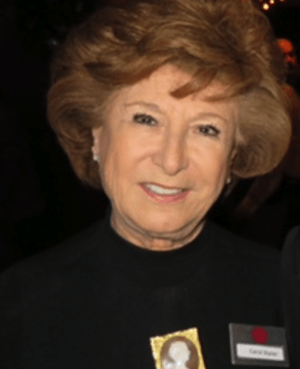
Carol Slater (photo from mothersmattercentre.ca)

Carol Slater, a former vice-president of National Council of Jewish Women of Canada, was presented with the first-ever Trailblazers Award for helping bring to Canada an innovative Israeli-founded education program that empowers mothers of preschool children.

The award, presented by the Mothers Matter Centre, was part of a virtual event May 5. (See jewishindependent.ca/mothers-importance.)

Slater was one of a small group of people who brought the program Home Instruction for Parents of Preschool Youngsters (HIPPY) to Canada two decades ago. The initiative, which has taken off in countries worldwide, began out of the Britannia Community Centre and Britannia Community Secondary School, in East Vancouver. The national headquarters of the program remains in Vancouver, under the auspices of the Mothers Matter Centre. HIPPY Canada changed its name in 2017 to the Mothers Matter Centre to reflect the fact that they deliver a range of programs, although HIPPY remains the core of the organization.

Slater spoke with the Independent recently, along with Wazi Dlamini-Kapenda, a Vancouverite who was the first HIPPY director in Canada and remains head of the national program.

HIPPY was started in 1969 at the Hebrew University of Jerusalem by the late Dr. Avima Lombard.

“When the first wave of African immigrants came to Israel and spoke no Hebrew, [Lombard] realized the disconnect between the children and the parents,” Slater said. “The parents didn’t know what was expected of the children, or of the parents.”

Slater and Dlamini-Kapenda take pride in the relative simplicity of the HIPPY structure. A new program is developed when a community identifies HIPPY as a program that would be of benefit to mothers and children. The community then approaches the Mothers Matter Centre to help with starting it up. In other cases, MMC approaches the community to let them know about the program and support them in implementing it, providing seed funding to get it off the ground, said Dlamini-Kapenda. The community can start with a minimum of two to four home visitors, depending on the size of the community, then each visitor recruits 10 to 12 families. The home visitor drops in on each family every week for at least an hour during the school year, and teaches the mother the week’s activities using the HIPPY curriculum. The lessons are taught using role-play, in which the home visitor and the mother take turns being the teacher (mother) and the student (child), practising the lesson before the mother teaches the week’s lessons to their preschooler.

“The basis of this program is that all parents want the best for their children, all parents want their children to succeed and to enter school ready to learn,” said Dlamini-Kapenda. “The parents themselves can play a role in this in building capacity within the home. Instead of parents relying on sending their children to preschool, which some parents couldn’t afford, we could go into the home, which is actually important because the home is where success begins. We all know that.”

“One of the very critical things,” Slater said, “is giving the parent the confidence that she can go to [her child’s] school because what has very often happened in immigrant situations is that the mother may not speak the language very well and, if she doesn’t go to school, she doesn’t follow her child and if she doesn’t follow her child, her child can fall behind and she doesn’t know about it. One of the most important things is the empowerment of the parent to understand that she is the first teacher of her children. It’s a fantastic concept when you think of it. So simple.”

The program is offered free to mothers and all supplies are provided, although almost everything that the mother will need to do activities can be found in the home. The families targeted for the HIPPY program are those with low literacy or deemed “at risk.” Special emphasis is given to immigrant and refugee communities and Indigenous populations. HIPPY has separate streams for multicultural and Indigenous families, recognizing different approaches to learning. Home visitors will usually be recruited from within the linguistic communities they serve.

Slater’s award recognizes her work in getting HIPPY off the ground in 2001.

“Carol was very instrumental in getting the funding and knocking on doors and talking to every person in a position to be able to get us the first funding to run the first four or five years of the program here in Canada,” said Dlamini-Kapenda. “I don’t know, without Carol, how far we would have gone.”

Dr. Debbie Bell, founding director of Simon Fraser University’s community education program, was working on developing strategies to create access to education for low-literacy communities. Slater and Bell connected after Slater happened upon a brochure about the nascent program. Slater, who has lived in Israel, Vancouver and, now, Montreal, saw it as an ideal fit for National Council of Jewish Women.

Seizing the moment, Slater beat the bushes for financing. Bell was emphatic that they should not launch HIPPY without a budget for several years of programming because that would be unfair to participating families. Slater went to Ottawa and, with the help of several key figures, obtained funding from the federal health ministry to get HIPPY up and running.

She credits Dr. Hedy Fry, member of Parliament for Vancouver-Centre, as an early supporter.

“She was so excited about the program,” Slater recalled. “She met Debbie and myself and we used to meet in her office. She sat me at a desk, she gave me a list of all the cabinet ministers and their secretaries and their private phone numbers. I just sat there and I phoned.”

An assistant to Allan Rock, who was then minister of health, was equally supportive. Slater left the meeting with a commitment for $250,000, which jumpstarted HIPPY Canada.

Slater also credits late Vancouver philanthropist Jack Diamond and the Diamond Foundation for crucial support that got the program started. The Vancouver Foundation also committed to four years of funding, something they had never done before, said Dlamini-Kapenda, who was then hired as the first HIPPY coordinator in Canada.

At the awards ceremony earlier this month, Canada’s chief public health officer, Dr. Theresa Tam, and Dr. Cindy Blackstock, a Gitxsan activist for child welfare and a professor in McGill University’s School of Social Work, received the Because Mothers Matter Award for their noteworthy professional accomplishments while giving back to their community. Two HIPPY mothers with extraordinary stories, Nusrat Awan and Jessica Seegerts, were also honoured.


Format ImagePosted on May 28, 2021May 27, 2021Author Pat JohnsonCategories NationalTags Canada, Carol Slater, education, family health, healthcare, HIPPY, Israel, Mothers Matter Centre, National Council of Jewish Women, NCJW, Pat Johnson, Trailblazers Award, Vancouver, Wazi Dlamini-Kapenda
City honours Cornelia Hahn Oberlander

City honours Cornelia Hahn Oberlander

Cornelia Hahn Oberlander, z”l, at her house in Vancouver. (© Chanel Blouin)

Vancouver City Council has bestowed the Freedom of the City Award on Cornelia Hahn Oberlander, CC, OBC, a pioneer in landscape architecture and a beloved member of Vancouver’s Jewish community. Council approved the award on May 18, 2021, days before Oberlander passed away on May 22 at the age of 99.

“Cornelia Oberlander was one of Vancouver’s most renowned Jewish residents and, during Jewish Heritage Month this May, we honour her outstanding accomplishments in bringing world-class landscape design to Canada, and to Vancouver in particular,” said Mayor Kennedy Stewart. “On behalf of council, I extend my deepest sympathies to her family and friends. May her memory be a blessing.”

After escaping Nazi persecution in Germany at the age of 18, Oberlander immigrated to the United States via England, and graduated among the first class of women from Harvard University with a degree in landscape architecture. She later settled in Vancouver and founded her own landscape architecture firm, bringing with her a vision of urban environments with pockets of nature that continues to shape our cityscape.

“Cornelia Oberlander was a true icon of our Jewish community. The Freedom of the City Award honours Cornelia’s lifetime of accomplishments in a month that celebrates the impact that Jewish Canadians have had on society as a whole,” said Ezra S. Shanken, chief executive officer of the Jewish Federation of Vancouver.

Vancouver residents and visitors continue to benefit from Oberlander’s dream of “green cities” that infuse rural and urban harmony. Her contributions to Vancouver’s public spaces include logs as seating on our public beaches (1963), Robson Square (1983), the Vancouver Public Library Central Branch rooftop garden (1995) and the VanDusen Botanical Garden Visitor Centre (2011). She designed landscapes for the Vancouver General Hospital burn unit garden, and the University of British Columbia’s Museum of Anthropology and the C.K. Choi Building.

Oberlander also made her mark nationally and internationally. She designed landscapes for non-market housing and playgrounds across the country, helped draft national guidelines for the creation of play spaces in Canada, and worked on major projects like the National Gallery of Canada, and the Canadian Chancery in Washington, D.C.

The Freedom of the City is an honour reserved for individuals who have gained national or international acclaim in their field and brought recognition to Vancouver through their work. The City began granting the Freedom of the City Award in 1936. Recipients have their names inscribed in the Book of Freedoms.

Nominations are submitted by City Council members and must be approved by a unanimous vote of Council. Oberlander’s nomination was supported by the Jewish Federation of Vancouver, the Centre for Israel and Jewish Affairs, and the Jewish Museum and Archives of British Columbia in honour of Jewish Heritage Month.

Learn more about the award and previous recipients at vancouver.ca/your-government/freedom-of-the-city.aspx.

Format ImagePosted on May 28, 2021May 27, 2021Author Vancouver City CouncilCategories LocalTags awards, Cornelia Hahn Oberlander, Freedom of the City, Jewish Heritage Month, landscape architecture, Vancouver
הסכסוך במזרח התיכון הגיע גם לקנדה

הסכסוך במזרח התיכון הגיע גם לקנדה

המפגינים צועדים ברחוב רובסון מלווים בכוחות המשטרה שסגרה את הכבישים הסמוכים בדאון טאון ונקובר
(רוני רחמני)

הסכסוך הקשה במזרח התיכון בו מעורבת ישראל בימים אלה כולל ארגון הטרור החמאס, ישראלים יהודים וערבים בישראל ופלסטינים וכוחות הביטחון בשטחים – הגיע כצפוי גם לקנדה. הפגנות רבות משתתפים נערכו בימים האחרונים מצד תומכי הפלסטינים ומצד תומכי ישראל, בערים המרכזיות של קנדה. במרבית הפגנות נשמר השקט והסדר בצורה מכובדת, אך במספר אירועים בעיקר באלה שבטורונטו ומונטריאול, הותקפו אזרחים יהודים תומכי ישראל על ידי אזרחים מוסלמים שתומכים בצד הפלסטיני. המשטרה ביצעה כבר מספר מעצרים והיא מנהלת חקירה מואצת לעצור חשודים נוספים באלימות הקשה שהופנתה נגד אלו שתומכים בישראל.

בחלק מהפגנות התמיכה בפלסטינים החזיקו המפגינים כרזות עם דברי נאצה ושנאה מבישים נגד ישראל והיהודים בכלל, בהם: צלבי קרס, “ישראל פעלת נכון, היטלר יהיה גאה בך”, ישראל=נאצים”, “מוות לישראל”, “מה ההבדל בין ישראלי לנאצים” ועוד.

ההפגנה הגדולה ביותר התקיימה על ידי תומכי הפלסטינים בטורונטו ונכחו בה למעלה מחמשת אלפים משתתפים. באותה הפגנה נעצרו כבר על ידי המשטרה המקומית שלושה אזרחים מוסלמים, שתקפו קומץ של מפגינים יהודים שעמדו מולם, וכאמור מעצרים נוספים צפויים בימים הקרובים. המפגינים היהודים ספגו אבנים ובקבוקים, ואחד מהם אף הוכה במקלות, הוא נפגע בראשו ונזקק לטיפול רפואי דחוף. ואילו בהפגנה של תומכי ישראל במונטריאול נאלצה המשטרה המקומית להפעיל גז מדמיע לפזר בכוח אזרחים מוסלמים, שביקשו לפגוע באזרחים יהודים שהפגינו בעת שנערכה הפגנה בעד הפלסטינים.

ההפגנות של שני הצדדים בעד ונגד ישראל נערכו בין היתר בערים הבאות בקנדה: טורונטו, מונטריאול, ונקובר, קלגרי, אדמונטון, אוטווה, ויניפג, הליפקס וסנט ג’ונס.

המפגינים פונים מרחוב ג’ורג’יה לרחוב טרלו בדרכם למשרדים של הקונסוליה האמריקאית בדאון טאון ונקובר
(רוני רחמני)

אני עקבתי מקרוב אחרי הפגנה של תומכי הצד הפלסטיני שנערכה בוונקובר ביום שבת האחרון. כחמש מאות מפגינים בהם אזרחים מוסלמים, ילידי קנדה, אינדיאנים, תומכי המרקסיזם ואפילו קבוצה של ארגון שמאל יהודי קיצוני “הקול היהודי העצמאי” – השתתפו בה. תחילה התכנסו מאות מפגינים בכיכר שממול האולפנים של רשת השידור הציבורית הקנדית הסי.בי.סי, ברחוב המילטון בדאון טאון. לאחר סדרה של נאומים וקריאות נגד ישראל שנמשכה למעלה מחצי שעה, החלו המפגינים לצעוד באישור המשטרה כמובן, אל עבר הקונסוליה האמריקנית בעיר, שנמצאת ברחוב פנדר בדאון טאון. רחבות שלמים נסגרו על ידי השוטרים הרבים שנכחו במקום, והצועדים ללא התפרעויות עשו את המסלול מאולפני הסי.בי.סי, אל רחוב רובסון, משם לרחוב ג’ורג’יה ומשם המשיכו בהמוניהם עד לבניין בו שוכנת הקונסוליה האמריקנית.

בין סיסמאות הרבות של המפגינים בעד הפלסטינים, לאור פעולת צה”ל בעזה, שנאמרו בהפגנה או שהופיעו על שלטים בהם החזיקו הצועדים: “אין צדק אין שלום”, “לשחר את פלסטין”, “פלסטין תקום בין הנהר לים”, “הפסיקו את שפיכות הדם”, “הפסיקו את ההפצצות”, “הפלסטינים הם מפלסטין”, “יש לעצור את המלחמה”, “יש להציל את שייח’ ג’ראח'”, “רציחת ילדים איננה נחשבת להגנה עצמית”, “הגידו במפורש את השם פלסטין”, “שתיקה היא אלימות”, “יש לחקור את פשעי המלחמה שמבצעת ישראל”, “יש לתת הגדרה עצמית לפלסטינים”, “יש להחרים את ישראל”. על הדלת הכניסה לקונסוליה האמריקנית שהייתה סגורה בעת ההפגנה, נכתבה הסיסמה באדום: “יש לשחרר את פלסטין, יש להפסיק את רצח העם וכן יש להפסיק את הכיבוש”.

בתגובה לתקיפת המפגינים היהודים בטורונטו, ציינו בארגון המרכז לענייני ישראל והיהודים בקנדה: “אנו מגנים בחריפות את ההתקפה והשנאה שהופנתה נגד יהודים. אין הצדקה לאלימות פוליטית ואלה ששונאים את ישראל שונאים גם את קנדה”.

Format ImagePosted on May 19, 2021May 19, 2021Author Roni RachmaniCategories עניין בחדשותTags attack and hatred directed against Jews, Canada, demonstrations, Israel, Middle East, Palestinians, Toronto, Vancouver, violence, אלימות, הפגנות, התקפה והשנאה שהופנתה נגד יהודים, וונקובר, טורונטו, ישראל, מזרח התיכון, פלסטינים, קנדה

Yom Hashoah commemorations

There are several opportunities for the local community to commemorate Yom Hashoah this year.

On Wednesday, April 7, 3 p.m., the Vancouver Holocaust Education Centre (VHEC) is partnering with the Montreal Holocaust Museum for an online program focusing on the importance of remembrance and the intergenerational transmission of memory. The program will include survivor testimony clips and comments from members of the second and third generations about their families’ experiences during the Holocaust. Attend live via facebook.com/events/188237616165702. For more information, visit museeholocauste.ca/en/news-and-events/yom-hashoah.

On Thursday, April 8, 3:30 p.m., community members can join Premier John Horgan for a Holocaust Memorial Day service livestreamed from the B.C. Legislature in Victoria, in a gathering organized with the VHEC and the Centre for Israel and Jewish Affairs. Holocaust survivors are invited to a private pre-ceremony reception with Horgan at 3 p.m. – survivors may RSVP to receive a Zoom link by emailing [email protected] or phoning 604-622-4240.

Also on April 8, at 4 p.m., the VHEC, together with the Neuberger Holocaust Education Centre, Azrieli Foundation, Canadian Society for Yad Vashem, Facing History and Ourselves, Friends of Simon Wiesenthal, March of the Living Canada and UIA present a Canada-wide Yom Hashoah program featuring survivor testimony from cities across the country, a candlelighting ceremony and other components that share stories of resiliency, faith and hope. Register via holocaustcentre.com/2021-cross-canada-yom-hashoah.

On Sunday, April 11, at 11 a.m., the Victoria Shoah Project is inviting the community to attend a virtual Yom Hashoah with the theme of “Preserving and Honouring Voices from the Shoah.” The program features a tribute to a survivor originally from Hungary, George Pal, who will speak about his book, Prisoners of Hate, which was published in 2018. The service will also include an historian speaking about the Holocaust in Hungary, a recitation of the Kaddish of the Camps, commemorative music, and a message from Rabbi Harry Brechner of Congregation Emanu-El, Victoria. For the Zoom link, visit victoriashoahproject.ca.


Posted on April 2, 2021March 31, 2021Author The Editorial BoardCategories LocalTags commemoration, Holocaust, remembrance, Shoah, Vancouver, Victoria, Yom Hashoah
Focus on Uyghur genocide

Focus on Uyghur genocide

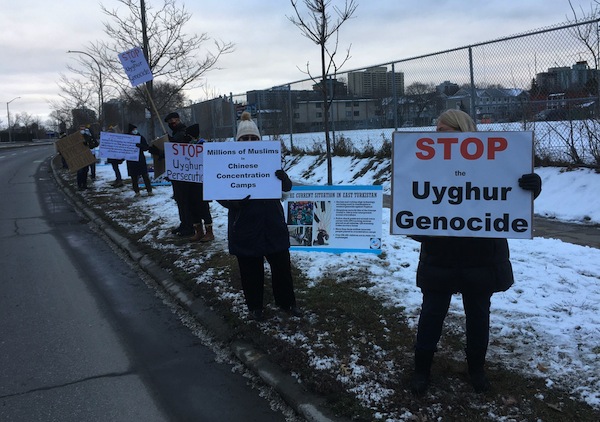
Since the High Holidays last year, a group of demonstrators has met every Thursday afternoon opposite the Chinese embassy in Ottawa to protest in support of the Uyghurs in Xinjiang. The protest was initiated by members of Kehillat Beth Israel, a synagogue in Ottawa, but has grown to include other faith communities and cities, including Vancouver. (photo from Phil Kretzmar)

The Chinese government is perpetrating a genocide against Uyghur people in the northwestern part of that country – with possibly millions incarcerated and untold numbers coerced into slave labour and forced sterilization. Reports also suggest organ harvesting. Children are being separated from their families.

Canada, the United States and the Netherlands have accused the Chinese government of committing genocide. There are about 12 million Uyghurs, mostly Muslim, living in the region of Xinjiang, which some Uyghurs prefer to call East Turkestan, reflecting their connection to central Asian cultures. A United Nations Human Rights Committee report in 2018 asserted that as many as one million Uyghurs were being held in at least 85 concentration camps, though other estimates say possibly three to five million are now incarcerated. The Chinese government acknowledges the existence of the camps, but claims they are education and skills training facilities.

Uyghurs who are not imprisoned have been subjected to intensive surveillance, repression of religious expression, slave labour and forced sterilizations.

A concerted campaign has been waged to suppress Uyghur culture and the Muslim religion to which most of them adhere. It began with a ban on men growing long beards or women wearing veils and expanded into the destruction of dozens of mosques.

The region is an economic powerhouse, producing 20 to 30% of the world’s entire cotton supply. It is also rich in oil and minerals, and produces China’s largest supply of natural gas.

A webinar was presented March 22 by the Canadian Multifaith Initiative for Uyghur Rights. In addition to three Uyghur expatriates who spoke from a personal perspective, three clergy members of different traditions spoke of the moral obligation to defend the imperiled people.

Vancouver anthropologist and author Alan Morinis was one of the organizers and moderators, and Rabbi Susie Tendler of Richmond’s Beth Tikvah Congregation introduced one of the speakers. Rev. Christopher Pappas, an Anglican priest, and Mufti Aasim Rashid, a Muslim scholar, also spoke.

Mihrigul Tursun, who spoke on the webinar, was incarcerated several times and said she was electrocuted and subjected to other forms of torture. She saw detainees beaten, starved and strip-searched. Scores of prisoners were kept in tiny spaces, forcing some to stand up while others slept sideways.

The Chinese government has contested Tursun’s testimony, claiming she was taken into custody on suspicion of inciting ethnic hatred and discrimination. The government also insisted she was not imprisoned, but spent time in a skills training facility.

Akeda Pulati described the personal anguish from a family’s perspective. Pulati’s mother, Rahile Dawut, disappeared on Dec. 12, 2017, and her family has had no contact and seen no trace of her since. She assumes her mother is in a “re-education camp.”

“The Chinese government has been claiming that those kinds of centres, those kinds of places, are educational centres for people to receive education and job training,” she said. “How could my mom, in her retirement age, need job training?”

Pulati stayed silent for some time for fear of reprisals by the Chinese government against other members of her family and community.

“I stayed silent for too long,” she said. “One day, I realized I cannot stay silent anymore. Our people is experiencing a genocide. I don’t want my mother to die in this horrific place. I lost hope for the Chinese government to have mercy on my mother, have mercy on the Uyghur people.… I am not the only one experiencing this tragedy. There are many, many Uyghur children like me searching for their parents. We found each other on social media and we decided to do something together.”

Mehmet Tohti is a Uyghur-Canadian activist and executive director of the Uyghur Rights Advocacy Project, based in Ottawa. He is a cofounder of the World Uyghur Congress and has twice served as vice-president. By extrapolating the Chinese government’s own limited information on the subject, Tohti estimates there may be 7.8 million Uyghurs incarcerated.

“Hundreds of thousands of Uyghurs living abroad are not communicating with their family members,” he said. “They don’t know whether their families are alive or dead. I don’t know whether my mother is alive or dead.”

The world must make China realize they will pay a price for their actions, Tohti said. “Unless there is a cost, the Chinese government won’t stop,” he said.

Canadian companies are the fifth largest investors in the region, Tohti said. “The Chinese ambassador [to Canada] said that Canada’s exports to China soared more than 95% in the last year,” he added. “We are still continuing business as usual.”

Canadians, Tohti said, should be calling on our elected officials to introduce legislation to ban imports of products that may have been created with forced labour. “We have to force our companies to disclose their supply chain,” he said.

Other Canadians are also stepping up on the matter. An ad hoc group coordinated by Ottawa Jewish community member Phil Kretzmar helped schedule a demonstration outside the Chinese consulate in Vancouver during Passover, on April 1. The local team intends to demonstrate outside the Chinese consulate in Vancouver, 3380 Granville St., every Thursday at 3 p.m. until further notice. For more information, email [email protected].

Format ImagePosted on April 2, 2021March 31, 2021Author Pat JohnsonCategories LocalTags activism, Akeda Pulati, Canadian Multifaith Initiative for Uyghur Rights, China, genocide, human rights, Mehmet Tohti, Phil Kretzmar, protest, Uyghurs, Vancouver, Xinjiang

What’s in a definition?

The International Holocaust Remembrance Alliance, in 2016, adopted a so-called Working Definition of Antisemitism. Given the complexity and pervasiveness of this ancient bigotry, the statement itself is remarkably succinct at a mere 38 words.

It reads: “Antisemitism is a certain perception of Jews, which may be expressed as hatred toward Jews. Rhetorical and physical manifestations of antisemitism are directed toward Jewish or non-Jewish individuals and/or their property, toward Jewish community institutions and religious facilities.”

It is innocuous and hardly debatable. Where controversy has arisen is in the accompanying 11 examples, seven of which make reference to Israel. Examples provided of antisemitic manifestations include: accusing Jews as a people, or Israel as a state, of inventing or exaggerating the Holocaust; accusing Jewish citizens of being more loyal to Israel, or to the alleged priorities of Jews worldwide, than to the interests of their own nations; applying double standards by requiring of Israel a behaviour not expected or demanded of any other democratic nation; drawing comparisons of contemporary Israeli policy to that of the Nazis; and holding Jews collectively responsible for actions of the state of Israel.

Opponents of the definition, including a majority of Vancouver’s city council, which voted against adopting the definition in 2019, claim it could stifle free expression in the form of criticism of Israel – this despite the fact that the definition self-defines as “non-legally binding.” In a world where any individual with access to a computer has more power than even the most powerful figures in history to disseminate their views to a global audience, it is notable that “Zionists” are imagined to have the power to control what others think, do and say. The criticism is perhaps, ironically, a manifestation of the problem itself.

To their credit, the new U.S. administration has said it “embraces and champions” the definition. The previous administration also endorsed the definition. (Canada and 28 other countries, as well as scores of cities and other jurisdictions and organizations have similarly endorsed it.) But the Trump administration’s support was a component of a broader politicization of ostensible support for the Jewish community. By allowing Israel’s right to exist in peace to become a partisan tool, we risk polarizing politicians and the public, driving supporters to their corners on a topic where less polarization should be encouraged.

If there are problems inherent in the terminology, it is perhaps in the chutzpah of attempting to define it at all. It is almost universally acknowledged that antisemitism is uniquely capable of metastasizing as required by the perpetrator. It is, above all, a pathology of the antisemite, with more to do with the eye of the beholder than with Jewish people themselves. Antisemitism is very often (if not always) a projection of someone’s (or some society’s) own problems directed toward an empty vessel in the form of “Jews.” Note that antisemitism is most rampant in the places where Jews are fewest – or nonexistent.

Antisemitism differs from other prejudices and bigotries as well in the typical responses it engenders. We have unlearned a tendency to deflect blame for misogyny back onto its victims; we do not accept that violence against women is in anyway justified by, say, what a victim was wearing. We recognize racism as a flaw of it perpetrators and we do not accept that racism against people of colour is based on the behaviour or innate characteristics of the victims. Homophobia is a pathology of the homophobe; it is not nurtured or provoked by LGBTQ+ people. Yet how many times do we see people respond to antisemitic violence or words with a variation on the question: What did the Jews do to deserve it?

Last week, that formulation was hinted at by a Democratic member of the U.S. Congress, Rep. Andy Levin, of Michigan. “Injustice anywhere is an injustice everywhere,” Levin said during a webinar. “Unless Palestinian human rights are respected, we cannot fight antisemitism.”

This false equivalency and conflation – coming from a Jewish elected official, no less – is a picture-perfect illustration of why the IHRA was created.

As the new administration in Washington begins repairing the unprecedented social and economic damage done to the country over the past four years, it is encouraging to see one of its first acts being an explicit and enthusiastic commitment to the battle against antisemitism.

Posted on February 12, 2021February 11, 2021Author The Editorial BoardCategories From the JITags antisemitism, free speech, IHRA, International Holocaust Remembrance Alliance, United States, Vancouver
ניסויים קליניים בתרסיס לאף למניעת קורונה

ניסויים קליניים בתרסיס לאף למניעת קורונה

(sanotize.com/covid-19)

בריטניה החלה בשבוע שעבר לערוך ניסויים קליניים בתרסיס לאף למניעת התפשטות חיידק הקורונה, שמיוצר על ידי חברה בוונקובר “סנוטיז”. החברה בבעלות הישראלית, ד”ר גילי רגב, שמשמשת גם המנכ”לית שלה. קנדה השלימה כבר את השלב הראשון בניסויים הקליניים שלה ואילו ארה”ב אמורה להתחיל בניסויים דומים בימים הקרובים. בישראל לעומת זאת שוקלת מערכת הבריאות להגדיר את התרסיס של “סנוטייז” כמכשיר רפואי ולא כתרופה, כך שהתהליך לאישורו יהיה הרבה יותר מהיר.

התריס לאף של “סנוטיז” מבוסס על תרכובות שנמצאות במזון ויוצרות תחמוצת חנקן בכמות קטנה. הוא אמור לסייע במניעת מעבר נגיף הקורונה דרך האף ומערכת הנשימה. לדברי ד”ר רגב החברה קוראת למוצר חומר חיטוי לאף – בדומה לג’ל חיטוי לידיים למניעת התפשטות הקורונה. לדבריה מאה איש שהשתתפו בשלב הראשון של הניסויים הקליניים בקנדה והשתמשו בתרסיס, ואף אחד מהם לא חלה בנגיף.

ד”ר רגב למדה באוניברסיטה העברית בירושלים וסיימה את הדוקטורט בביוכמיה. לאחר מכן עברה לוונקובר והיא הקימה כאן את “סנוטיז” ביחד עם ד”ר כריס מילר לפני כארבע שנים.

קנדה רכשה פי חמישה חיסונים מהנדרש אך חיסנה רק אחוז מהאוכלוסייה

סיפור כשלון שמעורר תמיהה מתרחש בקנדה. המדינה שרכשה מראש יותר מנות של חיסונים נגד הקורונה מכל מדינה אחרת (כמעט פי חמישה מהנדרש), ומערכת הבריאות הציבורית שלה נחשבת מצויינת ומתוקצבת כראוי. אך למרות זאת, בקנדה התחסנו עד כה רק כאחוז אחד מכלל האוכלוסיה. ממש מביש.

לדעת המומחה, ריאן אימגרונדל, קנדה נתנה כל כך הרבה תשומת לב לאחסון הזריקות בהקפאה, ולא מספיק תשומת לב לשלב שבו הן יוצאות מההקפאה ועוברות לזרוע של האזרחים. הרשויות היו מודאגות לגבי דרישות האחסון, ונראה שהם “שכחו” שהזריקות היו אמורות למעשה להינתן לאנשים.

מומחה למחלות זיהומיות באוניברסיטת טורונטו, ד”ר איזק בוגוך, הסביר מדוע ישראל הצליחה להפיץ את החיסון בצורה מסיבית הרבה יותר. לדבריו ישראל היא מדינה קטנה והאוכלוסייה מרוכזת הרבה יותר מאשר קנדה. כידוע קנדה היא המדינה השנייה בגודלה בעולם מבחינת שטח. האוכלוסיה של קנדה מפוזרת באזורים שונים ומרוחקים זה מזה. צריך שרשרת אספקה (בטמפרטורות הנמוכות) לשמירה על החיסונים, וזה מסובך באזורים מרוחקים, כפריים ונטולי שירותים. זה אתגר מאוד גדול בקנדה.

אמזון לא עוצרת: רוכשת לראשונה מטוסי ארוכי טווח להעברת משלוחים מקנדה

ענקית המסחר האלקטרוני האמריקנית אמזון ממשיכה לגדול בתקופת משבר הקורונה, ורוכשת לראשונה מטוסים ארוכי טווח להעברת מישלוחים לאירופה ואזורים מרוחקים נוספים. עד כה החברה רק החכירה מטוסים להעברת המישלוחים.

אמזון חתמה לפני מספר ימים על הסכמים לרכישת אחד עשר מטוסי בואינג שבע שש שבע/שלוש מאות: שבעה מחברת התעופה האמריקנית דלתא וארבעה מחברת התעופה הקנדית ווסט ג’ט. מטוסי הנוסעים יוסבו לקרגו ויוכנסו לשימוש ע”י אמזון.

זו אגב הוכחה נוספת שחברות התעופה מקטינות את צי המטוסים שלהן לטיסות ארוכות טווח, נוכח המשבר הקשה שפוקד את ענף התעופה.

אמזון החליטה לפני כשנתיים להטיס בעצמה את מטעניה לכל רחבי ברחבי העולם, והיא מחזיקה כיום בציא ענק של שמונים מטוסים מוחכרים. עתה החברה כאמור רוכשת מטוסים והציא שלה יגדל אפוא לתשעים ואחד מטוסים. לפי הערכות אמזון מתכוונת להמשיך ולהגדיל את ציא המטוסים שלה למאתיים, בדומה למתחרה האמריקנית שלה להעברת מטענים – חברת יו.פי.אס.

אמזון מעסיקה כיום קרוב למיליון עובדים ברחבי העולם ושווי השוק שלה נאמד ביותר מטריליון דולר.

Format ImagePosted on January 20, 2021Author Roni RachmaniCategories עניין בחדשותTags "סנוטיז", aircraft, Amazon, Boeing, Canada, clinical trials, COVID-19, e-commerce, Gilly Regev, Hebrew University of Jerusalem, SaNOtize, United Kingdom, vaccinations, Vancouver, אוניברסיטה העברית בירושלים, אמזון, בואינג, בריטניה, גילי רגב, וונקובר, חיסנה, מטוסי, מסחר האלקטרוני, ניסויים קליניים, קורונה, קנדה
Let’s create more land

Let’s create more land

In his December presentation, Michael Geller showed this photo of a building in Paris, where modular housing was added atop an existing apartment building to provide more units.

An old adage says that investing in real estate is always a good idea. “Buy land, they’re not making it anymore,” said Mark Twain. But local housing guru Michael Geller rejects this notion.

“I think sometimes you have to create land,” Geller said. Looking at Vancouver from above, he said, you see a lot of green and a lot of blue. But you also see a lot of grey. Making better use of parking lots, rooftops, the top levels of parkades and underused space around existing buildings are among the ways Geller imagines we can create more space for housing.

Geller spoke at Tikva Housing Society’s annual general meeting, held virtually on the first night of Chanukah. Tikva is a nonprofit society that provides access to affordable housing, primarily for Jewish low- to moderate-income adults and families. Its vision is “a safe, stable and affordable home for every Jewish person who needs one in Greater Vancouver.”

creenshot from Michael Geller’s presentation at the Tikva Housing Society annual general meeting Dec. 11. It was one of eight ideas he suggested to create more space for housing
A screenshot from Michael Geller’s presentation at the Tikva Housing Society annual general meeting Dec. 11. It was one of eight ideas he suggested to create more space for housing.

In honour of the eight nights of Chanukah, Geller offered up eight ideas, including building houses like we build cars – in factories. Also, taking the concept of laneway housing to new heights by allowing the construction of housing on parking lots. And designing apartments that can be divided into two studio suites or opened up to create family accommodation. Plus, matching people who live alone, or in a couple, and have extra bedrooms in their house to connect with people who need housing.

He showed one instance of a high-rise complex in West Vancouver where two new low-rise buildings were constructed amid the landscaped gardens around the older buildings.

Geller was an early adopter of the concept of modular housing, having written a thesis on the subject in university. Modular housing consists of units manufactured and moved as completed (or mostly completed) structures to their temporary or permanent sites. He showed a photo of a building in Paris, where modular housing was added atop an existing apartment building to provide more units. The top levels of many urban parkades might make ideal locations for modular housing, he said, since few people park there unless the entire structure is full.

In European countries – Geller is doing work in Russia at present – families use space for more than one purpose, allowing better utilization of limited footage. Student accommodations, he suggested, could be developed by transforming a living area into a second bedroom through a pocket door or similar. Larger apartments could be made more flexible with extra external doors and tiny kitchenettes that allow one apartment to become two smaller ones – or those two smaller ones to be easily retrofitted for a growing family. He called these types of lock-off suites, “a mortgage helper in the sky.”

Identifying new municipal, provincial and federal lands for affordable housing is another option.

“I really like golfing at Langara,” Geller said. “But, I must say, if you were to take a 40-foot strip off that golf course all the way along Cambie Street, you could create a lot of land, which could be used for affordable housing and some market housing to support the non-market housing.”

He admitted that some of his golfing friends might think this is a terrible idea.

Many of Vancouver’s older residents are “over-housed,” according to Geller, meaning that one or two people might live in a three- or four-bedroom home. Not everyone would be comfortable sharing their home with erstwhile strangers, he admitted, but some would.

“They might want to share with another senior, they might want to share with a younger person who is willing to help around the house, to pick up prescriptions, to pick up food, to drive them to see friends,” he said.

Another idea Geller mooted was “the Tikva Suite.”

“Maybe we should start a program where we basically approach every member of the Jewish community who owns an apartment building and say, rent us a suite, give us a suite, and the clever accountants in the community can work out some way so there can be a tax receipt for this and that way you can have a suite in every one of those buildings,” he said. “It’s a dream, but many of the dreams I’ve had over the last 50 years actually do materialize. They take awhile, but this is not such a crazy idea.”

Geller is a planner, real estate developer and retired architect with five decades of experience in the public, private and institutional sectors. He is adjunct professor at the Simon Fraser University Centre for Sustainable Development.

Beginning with a seven-unit building in South Vancouver in 2007, Tikva Housing Society has grown to support the housing needs of 288 individuals. The society provides housing directly through three complexes – with another under construction – as well as through rent subsidies. The AGM heard that the society has net assets of about $2.6 million.

At the meeting, outgoing chair Shelley Karrel announced the launch of a new Jewish Housing Registry, an online platform for people who are looking for housing. It is a partnership between Tikva, Jewish Family Services, Jewish Federation of Greater Vancouver and the other Jewish housing societies: Vancouver Jewish Building Society, Yaffa Housing Society, Haro Park Centre and Maple Crest Apartments (which is under the auspices of Royal Canadian Legion Shalom Branch 178). The registry will provide a single source for housing applications and will also provide partners with a more accurate way of determining the scope of the community’s housing needs. (See jewishindependent.ca/jewish-housing-registry-live.)

The 2011 Census reported 26,250 people in Metro Vancouver’s Jewish community, of which more than 16% reported incomes below the low-income cutoff, giving Vancouver the second highest rate of Jewish poor in Canada. Average rent for a two-bedroom apartment in Metro Vancouver is more than $2,000 a month and the vacancy rate is about one percent.

Format ImagePosted on January 15, 2021January 18, 2021Author Pat JohnsonCategories LocalTags affordable housing, environment, Michael Geller, Tikva Housing Society, Vancouver

Posts pagination

Previous page Page 1 … Page 6 Page 7 Page 8 … Page 13 Next page
Proudly powered by WordPress