Skip to content
  • Home
  • Subscribe / donate
  • Events calendar
  • News
    • Local
    • National
    • Israel
    • World
    • עניין בחדשות
      A roundup of news in Canada and further afield, in Hebrew.
  • Opinion
    • From the JI
    • Op-Ed
  • Arts & Culture
    • Performing Arts
    • Music
    • Books
    • Visual Arts
    • TV & Film
  • Life
    • Celebrating the Holidays
    • Travel
    • The Daily Snooze
      Cartoons by Jacob Samuel
    • Mystery Photo
      Help the JI and JMABC fill in the gaps in our archives.
  • Community Links
    • Organizations, Etc.
    • Other News Sources & Blogs
    • Business Directory
  • FAQ
  • JI Chai Celebration
  • JI@88! video

Recent Posts

  • New rabbi settles into post
  • A light for the nations
  • Killed for being Jewish 
  • The complexities of identity
  • Jews in time of trauma
  • What should governments do?
  • Annie will warm your heart
  • Best of the film fest online
  • Guitar Night at Massey
  • Partners in the telling of stories
  • Four Peretz pillars honoured
  • History as a foundation
  • Music can comfort us
  • New chapter for JFS
  • The value(s) of Jewish camp
  • Chance led to great decision
  • From the JI archives … camp
  • עשרים ואחת שנים להגעתי לונקובר
  • Eby touts government record
  • Keep lighting candles
  • Facing a complex situation
  • Unique interview show a hit
  • See Annie at Gateway
  • Explorations of light
  • Help with the legal aspects
  • Stories create impact
  • Different faiths gather
  • Advocating for girls’ rights
  • An oral song tradition
  • Genealogy tools and tips
  • Jew-hatred is centuries old
  • Aiding medical research
  • Connecting Jews to Judaism
  • Beacon of light in heart of city
  • Drag & Dreidel: A Queer Jewish Hanukkah Celebration
  • An emotional reunion

Archives

Follow @JewishIndie
image - The CJN - Visit Us Banner - 300x600 - 101625

Author: Chabad Richmond

Confront challenges

Everyone could use some insight on how to confront life’s challenges. That’s why Chabad Richmond is offering a three-part online Zoom program called Inlook Outlook: Guidance from the Rebbe for Confronting Life’s Challenges on Wednesdays, Oct.13, 20 and 27, 7:30-8:30 p.m.

“This program focuses on the timely and relevant reflections and sage advice written by the Lubavitcher Rebbe, Rabbi Menachem Mendel Schneerson, throughout his lifetime, to those seeking his counsel,” said Rabbi Yechiel Baitelman, director of Chabad Richmond. “What’s fascinating is that the Rebbe’s insights and perspectives are still applicable today. The Rebbe drew from his profound grasp of Torah wisdom, and combined it with a nuanced sensitivity to each individual’s unique circumstances.”

The three-part program is “a shared dialogue around navigating change and managing stress, while defining and staying true to one’s purpose,” said Baitelman. “The Rebbe reminds us that whatever life challenges we face, we are always given the inner spiritual resources to overcome them.”

The Rebbe believed that how you think about any situation determines how you feel about it.

“By reflecting on practical advice penned to individuals during critical life-junctures, this program provides perspectives on life that begin from the inside out, starting from the soul and one’s destiny on earth. The Rebbe helped people find opportunity where others saw adversity,” added Baitelman.

Sign-in information for the program will be provided at the time of registration. Cost is $54 per person. To register, call 604-277-6427 or visit chabadrichmond.com/inlookoutlook.

– Courtesy Chabad Richmond

Posted on October 8, 2021October 6, 2021Author Chabad RichmondCategories LocalTags Chabad, education, Judaism, Menachem Mendel Schneerson, Yechiel Baitelman
Highlighting social goodness

Highlighting social goodness

The Nov. 1 online event Finding Grounds for Goodness includes the première presentation of Finding Grounds for Goodness in the Downtown Eastside, which was created during last year’s Heart of the City Festival. (photo from Jumblies Theatre)

This year’s Downtown Eastside Heart of the City Festival, which runs Oct. 27-Nov. 7, includes the screening of short videos from Jumblies Theatre and partners on the theme of “social goodness.”

Jumblies’ multi-year Grounds for Goodness project is an artful exploration of why and how people sometimes act in good ways towards each other. As it has adapted to community-engaged art-making during pandemic times, this project has generated a varied and whimsical collection of short videos with communities and artists from around Canada.

At the Nov. 1, 4 p.m., online event Finding Grounds for Goodness, hosted from Toronto by Jumblies staff, a sampling of these short films will be shared, including the première presentation of Finding Grounds for Goodness in the Downtown Eastside, which was created during last year’s Heart of the City Festival with DTES creative community members and Vancouver and Toronto artists.

Jewish community member Ruth Howard is the founder and artistic director of Jumblies Theatre, which makes art in everyday and extraordinary places with, for and about the people and stories found there. The Jumblies project was originally inspired by the history about the rescue of Albanian Jews during the Second World War by Albanian Muslim people.

Composer Martin van de Ven, an expert in klezmer and Jewish music, who has been involved in many Jumblies projects, told the Independent, in an interview last year about the DTES’s Grounds for Goodness, about besa, “an Albanian Islamic concept about hospitality and the need to help and protect guests and those in need within and beyond your community.

“In Albania,” he explained, “during the Second World War (and Italian and then Nazi occupation), this meant that almost all Jewish people living and finding refuge in Albania were sheltered and hidden, and Albania ended up with a larger Jewish population at the end of the war than at the beginning.” (See jewishindependent.ca/highlighting-goodness.)

The festival at large

The 18th Annual Downtown Eastside Heart of the City Festival is presented by Vancouver Moving Theatre in association with Carnegie Community Centre, the Association of United Ukrainian Canadians and a host of community partners. It will feature more than 100 events throughout the DTES and online.

This year’s festival theme, “Stories We Need to Hear,” resonates today as people grapple with the dramatic impact of the pandemic, ongoing displacement, the fentanyl crisis, and the reality of bigotry and systemic racism.

In the words of late DTES poet Sandy Cameron, “When we tell our stories we draw our own maps, and question the maps of the powerful. Each of us has something to tell, something to teach.”

The 12-day festival includes music, stories, poetry, theatre, ceremony, films, readings, forums, workshops, discussions, art talks, history talks and visual art exhibitions. The Art in the Streets program features surprise pop-up music and spoken word activities on sidewalks and small plazas throughout the historic district.

A few highlights of this year’s festival are We Live Here, a large-scale outdoor project projecting hyper-speed videos of Downtown Eastside artists’ artwork, produced by Radix Theatre; Honouring Our Grandmothers’ Healing Journey Launch, three days of ceremony, teachings and storytelling honouring grandmothers who traveled to the DTES (with Further We Rise Collective and Wild Salmon Caravan); and Indigenous Journeys: Solos by Three Woman, which profiles local artists Priscillia Mays Tait (Gitxsan/Wet’suwet’en), Kat Zu’comulwat Norris (Lyackson First Nation) and Gunargie O’Sullivan aka ga’axstasalas (Kwakuilth Nation).

Elder and activist Grace Eiko Thomson reads from and talks about her book Chiru Sakura (Falling Cherry Blossoms), which chronicles her and her mother’s journey through racism, and Eiko Thomson’s advocacy for the rights of Canadians of Japanese ancestry. In My Art Is Activism: Part III, DTES resident Sid Chow Tan shares videos from his archival collection that highlight Chinese Canadian social movements and direct action in Chinatown, particularly redress for Chinese head tax and exclusion. And the ensemble Illicit Projects presents Incarcerated: Truth in Shadows, three shadow plays dedicated to people who have faced unjust treatment in Canada’s incarceration system.

Other events honour various DTES performing artists and shared cultures. The festival involves professional, community, emerging and student artists, and lovers of the arts.

For tickets and more information, visit heartofthecityfestival.com.

– Courtesy Heart of the City Festival

Format ImagePosted on October 8, 2021October 14, 2021Author Heart of the City FestivalCategories Performing Arts, TV & FilmTags activism, art, Downtown Eastside, DTES, film, Heart of the City Festival, Jumblies, music, Ruth Howard, theatre
Jewish take on bomb

Jewish take on bomb

Philippe Tlokinski stars in Adventures of a Mathematician. (photo from Samuel Goldwyn Films)

Forgotten your calculus? Simple geometry is more than sufficient to follow the triangular saga of Polish-Jewish brainiac Stanislaw Ulam from the cloistered classrooms of Harvard to Robert Oppenheimer’s atomic-bomb “startup” in dusty New Mexico.

The third point on Ulam’s map is Lvov, Poland, where his parents, sister and niece live in tenuous safety. Until the Nazis blast across the border and blow down the doors of every Jewish home.

Adventures of a Mathematician opens in Cambridge on the eve of the Second World War, where Stan (Philippe Tlokinski) lives with his younger brother Adam. The news trickling out of Poland gets objectively worse, but going back to Europe is out of the question. So Stan Ulam embraces another way of combating the Nazis, proffered by his best friend and fellow emigré scientist, Johnny von Neumann (Fabian Kocieki) – join a bunch of other geniuses on the top-secret Manhattan Project.

Writer-director Thor Klein’s intelligent, efficient script relies on our knowledge of the war and the Holocaust (and countless movies on those subjects) to concisely convey the gravity of the situation and, importantly, avoid the familiar clichés. At the same time, Klein skilfully involves us in Ulam’s personal life – he’s a witty man with an appreciation for gambling odds, who knows a smart woman when he meets her at a party – without trivializing the larger historical events.

Klein’s other great achievement, because of its U.S.-centred subject matter, is making Adventures of a Mathematician, which he shot in Germany and Poland with local crew, European actors and German, Polish and British financing, totally look and feel like an American film. It’s a masterful trick, which requires dedication and skill at every level of the production.

Klein makes his job easier, admittedly, by depicting Ulam as an acclimated, assimilated American rather than a European fish out of water.

Where Adventures of a Mathematician (which takes its title from Ulam’s memoir) veers from traditional Hollywood filmmaking is in the dramatic conflict. It’s not the war, which is always off-screen. Tension enters Ulam’s marriage later in the film, and we care about that relationship, but that’s not the movie’s motor, either.

Instead, Klein has made a film about philosophical and existential dilemmas, internalized in the person of Ulam – a cerebral, introverted man who largely keeps his emotions to himself, even when he is debating technical solutions with his equally stubborn boss, Edward Teller (Joel Basman).

Not many Hollywood executives would back a film whose protagonist is pitched on the horns of another triangle, namely the conflicting pulls of intellectual satisfaction, personal morality and professional ambition. Stanislaw Ulam, action hero, isn’t the easiest sell to North American audiences.

But, once you get hooked by this utterly accessible film and its remarkable central character, you’re in for a rewarding and thought-provoking experience.

A likable character for much of the film, Ulam becomes more solitary as his doubts grow about devising and building a weapon of mass destruction – especially after the Nazis are defeated.

Tlokinski’s performance, which does incorporate a ridiculous (by modern measures) amount of cigarette smoking, is never less than compelling.

Adventures of a Mathematician trusts the audience enough to omit most of the melodramatic conversations and passages endemic to a Second World War-era scenario. I’m thinking specifically of Ulam’s survivor’s guilt, which is palpable without him needing a speech or a scene to convey it.

A 2020 film whose release was delayed by the pandemic and limited to a handful of festival appearances (including the Toronto and New York Jewish film festivals), Adventures of a Mathematician solves for x with nary a misstep. It can be rented via Apple TV, and possibly other platforms.

Michael Fox is a writer and film critic living in San Francisco.

Format ImagePosted on October 8, 2021October 6, 2021Author Michael FoxCategories TV & FilmTags Adventures of a Mathematician, atomic bomb, Holocaust, Manhattan Project, Philippe Tlokinski, Stanislaw Ulam, Thor Klein

Learning from Noah

This week, Jewish Addiction Community Services of Vancouver (JACS) is speaking across the community at various synagogues to help spread the word of how we can help those struggling with a substance use disorder. The talk centres around the weekly Torah portion, Noah, and what we can learn from it.

Who doesn’t know the story of Noah and the ark? Animals two by two, Noah saves the world.

The parashah (Torah portion) opens with: “Noah was a righteous man. He was perfect in his generation. Noah walked with God.” No wonder, then, that when God saw all the evil and sin and decided to “reboot” the system, He chose Noah as his agent on the ground.

But, there is a darker side to Noah’s personal story. The man we find at the end of the parashah is not the “perfect” man introduced to us at the outset.

The parashah tells us that, after the waters recede, the very first thing Noah does upon leaving the ark is plant a vineyard. And immediately thereafter: “He drank the wine and became drunk, and he uncovered himself in his tent.”

A casual read might lend itself to a wisecrack: after being cooped up with animals and no shower for so long, who wouldn’t crave a drink? We might chalk it up to a one-time overindulgence. But the rabbis tell us otherwise, that this digression from the central plot line is no accident. The parashah is drawing our attention to Noah’s misplaced priorities: instead of turning his energy to rebuilding and repopulating the world, his first priority was getting drunk. Thus, the rabbis consider Noah one of the first Jewish alcoholics.

And the story gets more distressing. Ham, Noah’s son, discovers his father passed out, and brings his two brothers into the mix as well, to cover their father’s naked body. The brothers are embarrassed, if not ashamed, to find their father in such a state. And, when Noah wakes up from his drunken stupor and pieces it all together, he is mortified. But instead of engaging in a moment of self-reflection, Noah channels his feelings into a rage and curses Ham and his descendants. In short, family chaos reigns, and shalom bayit (peace of the home) couldn’t be further from the truth.

This, then, is one of the earliest stories that gives rise to the saying that “addiction is a family disease” – it wreaks havoc on everyone. Through this lens, we might be tempted to judge Noah harshly for this significant failing. “How could he do such a thing?” “Did he not think of the consequences?” And, perhaps worst of all, “instead of taking responsibility for his actions he lashes out at his family? This is not OK!” At the extreme, in today’s world of uber political correctness, where cancel culture reigns, some might even be tempted to write off Noah altogether.

That said, yielding to the temptation to judge Noah would be missing the central point of the story. To be sure, Noah does not deserve a “free pass” on his behaviour, but questioning “how did this happen?” or “to what extent should we hold Noah accountable?” is of secondary importance. Far more important than “why did he do it” is “why are we surprised that he did?”

Noah was tasked by God with the responsibility for saving all species during the flood, and then repopulating the world thereafter. Is it any wonder he felt intense pressure? Let alone the significant possibility that, mixed with immense relief at being alive, Noah may have also suffered from a significant dose of survivor’s guilt.

We know that different people handle stress differently, and some end up resorting to coping mechanisms that are hugely self-destructive. Noah was in that camp. To be sure, he made some choices that ultimately led to his alcohol dependency, but, unfortunate as that may be, he was probably not the first to do so, and most certainly not the last.

At a Friday night service at Temple Sholom, Rabbi Dan Moskovitz, as part of his sermon, asked for a show of hands: how many in the sanctuary have been touched (self or a loved one) by substance abuse? The majority of hands went up. In short, our Jewish community is no different from any other subset of our world: far too many are afflicted by a substance use disorder.

This fact led to the formation a few years ago of JACS Vancouver. JACS’s mission is twofold.

First and foremost, JACS’s professional team helps individuals and their loved ones find a path to sustained recovery from substance abuse. If you or a loved one is struggling with substance abuse, JACS is here for you – no judgment, just support and a helping hand to navigate the system and get the resources you need to get better.

Second, JACS is dedicated to community awareness and education, striving to reframe the conversation around substance abuse disorders from judgment to compassion and support. To be clear, substance abuse disorder is a disease, not a choice: nobody sets out with intention to become drug- or alcohol-dependent. Yes, the individual’s path to acquiring a substance use disorder probably included some bad personal choices along the way, but how is that any different from a heart attack victim whose daily commute included hitting the Tim Hortons drive-through? Why do we judge the former, but organize meals and visits for the latter? And, of course, fear of being judged is a huge deterrent to reaching out for help.

Returning to Noah, the parashah is providing fair warning that none of us, not even the “a righteous man who walked with God” is guaranteed a smooth sailing through life (pun intended).

The Talmud teaches that “whoever saves one life saves the world entire.” What the parashah tells us is that Noah saved the world. What it teaches us is that it is our job by reaching out with compassion and understanding to help people save themselves.

For more information, visit jacsvancouver.com.

– Courtesy JACS Vancouver

Posted on October 8, 2021October 6, 2021Author JACS VancouverCategories Op-EdTags addiction, JACS Vancouver, Judaism, Noah, Torah

Sometimes we need a break

It’s been about a month since Labour Day and the start of school. For many people with school-age children, this is the first time the kids are back in school, in person, in awhile. It’s also been a year where we’ve remarked about how “early” the Jewish holidays are, in relation to the secular calendar. So, while some vaccinated people are thrilled to be attending their first hockey game or concert in almost two years, reveling in joining the crowds, many others are meeting this moment with caution and exhaustion.

This balance of great enthusiasm at rejoining society and reticent caution is part of our identities. North Americans feel a great push to get out there, make money, join the in-crowd party and show off our productivity. Society often defines us by what we do and who we’re with.

The other side, the hesitancy, might be better understood by our Jewish ethnic and religious identities. That is, the people who want to follow the rules (ie. halachah, Jewish law). We also find our way with caution perhaps because we suffered from thousands of years of refugee status and/or trauma as we wandered.

As a person who bore lots of childcare responsibilities, as well as losing some of my work life, this last month has been somewhat stressful and puzzling. From the moment my Grade 5 children left the house, I’ve waited for the other shoe to drop. Will they get sent home sick? Will I land a new job or gig? If I do, how will I juggle it with what will happen next in our unpredictable pandemic world? In the short term, how can I cook ahead or prepare to meet the needs of the next Jewish holiday, day off school or Shabbat coming up?

There’s also a strong Puritan work ethic in my head, even though that’s not my specific religious or ethnic background. It’s something like: “People who work hard are close to the Almighty. People who are close to the Almighty gain money, stature and professional accomplishments. Therefore, people who don’t gain money, stature or accomplishments are neither close to the Almighty, nor working hard.”

Of course, many of us hear that if we didn’t score the best job or earn the most, it’s our own fault.

On Tashlich, we thought about throwing away our metaphorical sins and aimed to do better in the new year. I reflected on how often negative and anxious thoughts race through my mind, and how I could try to reduce that. It’s perhaps a first step to making space for more positivity and calm. It seemed like a good place to start.

Yet, a month later, I catch myself thinking, “Hey, you’ve had a month! Where’s your newest freelance gig? What’s the new work opportunity you’ve landed?” Of course, if the last month was spent on school readiness and putting challah and holiday meals on the table, this could just be anxious, negative self-talk. There’s only so much a working parent can do.

When we consider big concepts like our finances or how the law works, we’re maybe not applying it to what’s going on personally. For instance, the recent federal campaign promise of $10 a day childcare seemed like a dream come true for many – but, in reality, it’s exactly like a dream that is out of reach the moment we wake up. For most people with children who need childcare, this plan, if it comes to fruition, won’t be realized before our families age out of needing that care.

All this was swirling in my head when I read my page of Talmud before bed. I’m currently learning Beitzah in my Daf Yomi (page of Talmud a day). Yes, this is a tractate entitled “Egg.” It’s all about what can and cannot be done on Jewish festivals (Pesach, Sukkot and Shavuot) as compared to a regular working day or on Shabbat. Its first issue is, “May we eat an egg laid on a festival day? Why or why not?”

Let’s be honest, as a person who isn’t strict about these rules, studying Beitzah is sometimes an intellectual exercise. It allows me to reflect on what these concerns mean in a broader context. It’s more about how we make meaning out of holidays, the passage of time, and our struggles.

Enter page 21 of Beitzah, where Rav Avya the Elder asks Rav Huna a complicated question. “If a Jewish person owns an animal with a non-Jew, what’s the halachah with regard to slaughtering it on a festival?” This is an issue because one can designate an animal to be killed to celebrate and eat on a holiday. The trouble is how to administer it with a non-Jewish partner, how to decide what rules to follow.

Rav Huna responds, but Rav Avya asks him for clarification. Rav Huna says, no kidding, “Look, a raven flies in the sky.” HUH? Say what?

Later talmudic commentators try to explain his response. Was Rav Huna trying to change the subject? Was he offering a critique or dismissing this question?

Rav Huna’s son is taken aback, according Rabbi Elliot Goldberg, who wrote an introduction to this page online at My Jewish Learning. Rav Huna’s son pushes for an explanation. Rav Huna answers, “What should I have done for him? Today I am in a state best described by the verse: ‘Let me lean against the stout trunks, let me couch among the apple trees.’ (Song of Songs 2:5) And he asked me about something that requires reasoning.”

Rav Huna basically says, “Hey, I’m worn out and just need to hang out in the shade today, leave me alone!” Even the best talmudic minds, who normally love to wrestle with complicated questions, need downtime, to recuperate. We can learn from Rav Huna that, sometimes, we should give ourselves a break – even when it seems unproductive or rude.

The Gemara goes on to answer the question, it doesn’t leave us hanging. Yet, Rav Huna offers a reminder for those of us who beat ourselves up over being uber productive. It’s OK to cut ourselves some slack. Yes, we must balance our lives, abiding by laws, making a living, but also? We need to take a break at times.

It turns out that sitting outside in nature isn’t new-age, woo-woo self-care after all. We don’t have to be “on” all the time. If Rav Huna did it, approximately 1,750 years ago, we can, too. We can allow ourselves that moment to sit under a tree and recuperate. Here’s to wishing you time in the orchard when you need it!

Joanne Seiff has written regularly for CBC Manitoba and various Jewish publications. She is the author of three books, including From the Outside In: Jewish Post Columns 2015-2016, a collection of essays available for digital download or as a paperback from Amazon. Check her out on Instagram @yrnspinner or at joanneseiff.blogspot.com.


Posted on October 8, 2021October 6, 2021Author Joanne SeiffCategories Op-EdTags Beitzah, daf yomi, Gemara, Judaism, lifestyle, Talmud
חילופי אסירים

חילופי אסירים

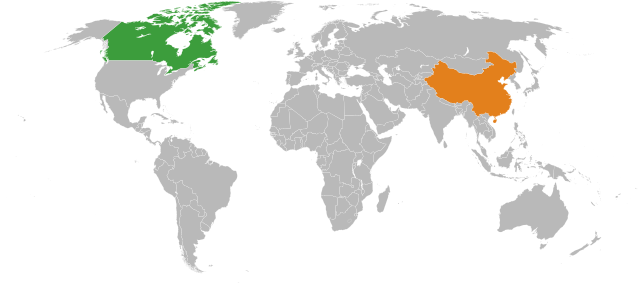
סוף טוב לסגת מעצר הבית בוונקובר של סמנכ”ל הכספים של ענקית התקשורת הסינית “וואווי”, מנג וואנזו, ולהחזקתם בכלא הסיני של שני אזרחים קנדים: מייקל קובריג ומייקל ספבור. זאת משך כשלוש שנים שכללו דיונים משפטיים, ניסיונות דיפלומטים וסיקור רב בתקשורת העולמית.

וואזנו עזבה את ונקובר ביום שישי העשרים וארבעה בספטמבר ונחתה למחרת בבוקר בשנג’ן סין. היא זכתה לטקס כיאה לגיבורה לאומית. באותה עת ממש שני המייקלים (קובריג וספבור) נחתו בקלגרי בליווי שגריר קנדה בסין. את שני הקנדים קיבל בחום ראש הממשלה ג’סטין טרודו.

לאחר הסתלקותו של דונלד טראמפ מהבית הלבן בראשית השנה, נכנסו המגעים הדיפלומטים בין ארה”ב לסין להילוך גבוה, לפתרון סוגיית וואנזו, תוך שקנדה מפעילה לחץ על ארה”ב לעזור לה מול סין. הדיפלומטיה ניצחה וביום ששי (העשרים וארבעה בספטמבר) התביעה בארה”ב ביטלה את כתב האישום נגד וואנזו ו”וואווי”, בו נטען שהם הפרו את האמברגו נגד איראן. מייד לאחר מכן התביעה בקנדה ביקשה מביהמ”ש העליון של מחוז בריטיש קולומביה, לבטל את ההליך המשפטי להסגרת וואנזו לארה”ב. וכאמור מקביל סין שיחררה את קובריג וספבור שנאשמו בריגול נגדה.

בניגוד לתחזיות: טרודו ניצח שוב בבחירות בקנדה אך לא הצליח להשיג רוב בפרלמנט

ראש ממשלת קנדה מטעם המפלגה הליברלית, ג’סטין טרודו, ניצח שוב בבחירות הכלליות שנערכו ביום שני העשרים בספטמבר. זאת בניגוד לתחזיות הקודמות של המשאלים שינבאו מאבק צמוד עם מפלגת השמרנים. טרודו משמש ראש ממשלה מזה זה שנים. בארבע השנים הראשונות הוא עמד בראש ממשלת רוב. אך גם הפעם כמו בבחירות הקודמות, הוא לא הצליח להשיג רוב בפרלמנט ונכשל במטרה שלשמה הכריז על הבחירות המוקדמות. בעצם כל המפלגות שמרו על כוחן פחות או יותר ערב הבחירות. לפיכך הופנתה ביקורת קשה נגד טרודו על החלטתו ללכת לבחירות אחרי שנתיים של ממשלת מיעוט ברשותו, ועוד בתקופת המגפה, שעלתה למשלם המיסים כשש מאות ועשרה מיליון דולר. חיצי הביקורת מופנים גם לראש המפלגה השמרנית, ארין אוטול, שלא הצליח להביס את טרודו, והוא ימשיך להישאר בתפקיד ראש האופוזיציה.

בפרלמנט הקנדי יש שלוש מאות שלושים ושמונה מושבים וזו חלוקתם אחרי הבחירות האחרונות: המפלגה הליברלית – מאה חמישים ושמונה מושבים (עליה של מושב אחד לעומת הבחירות הקודמות), מפלגת השמרנים – מאה ותשעה עשר מושבים (ירידה של שני מושבים לעומת הבחירות הקודמות), מפלגת בלוק קוובקואה – שלושים וארבעה מושבים (עליה של שני מושבים לעומת הבחירות הקודמות), המפלגה הדמוקרטית החדשה – עשרים וחמישה מושבים (עליה של מושב אחד לעומת הבחירות הקודמות) ומפלגת הירוקים – שני מושבים (ירידה של מושב אחד לעומת הבחירות הקודמות). יצוין כי נציגה עצמאית לא התמודדה הפעם בבחירות.

בפני טרודו עומדות שתי אפשרויות: להקים ממשלת מיעוט הנשענת על קולות הליברלים (כמו הממשלה היוצאת), או לנסות ולהביא מפלגה נוספת או מספר מפלגות לממשלה. בנאום הניצחון שלו הודה טרודו לבוחרים על המנדט המחודש שהוא קיבל. הוא ציין מספר פעמים כי “שמע היטב” מה שהבוחרים רוצים, וזאת להמשיך בתוכנית המתקדמת להיטיב עימם בתקופת המגפה ולעבור אותה בהקדם. טרודו קרא לעבודה משותפת ולאחדות, ויש שראו בכך רמז למפלגות האופוזיציה להצטרף אל ממשלתו. בנאומו הזכיר טרודו חמישה נושאים שממשלתו החדשה עומדת לטפל בהם: סיום המגפה, שינויי האקלים, תמיכה כספית לילדים מיעוטי יכולת, עזרה למעמד הביניים לרכוש דיור ופיוס ועזרה לילידים (האינדיאנים).

Format ImagePosted on October 6, 2021October 6, 2021Author Roni RachmaniCategories עניין בחדשותTags Canada, China, elections, Huawei, Meng Wanzhou, Michael Kovrig, Michael Spavor, politics, Trudeau, בחירות, המייקלים, טרודו, מנג וואנזו, סין, ספבור, פּוֹלִיטִיקָה, קובריג, קנדה
Election changes little

Election changes little

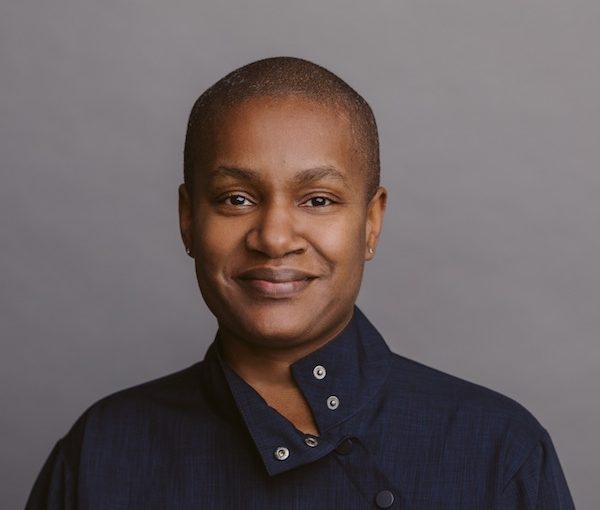
Green party leader Annamie Paul lost her bid for a seat in Toronto Centre. (photo from annamiepaul.ca)

Annamie Paul, the first female Jewish leader of a Canadian federal party, saw her hopes crushed Monday night as the Green vote plummeted across the country and she badly lost her bid for a seat in Toronto Centre. Paul came fourth in the riding, taking less than 9% of the vote. Her party lost one of its two British Columbia seats but, in their only bright spot, picked up a new riding in Ontario.

Having been kneecapped by internal party clashes in the lead-up to the election call, Paul was in an unenviable position, leading a party that had tried to oust her in a battle sparked by, or at least nominally blamed on, Paul’s moderate call for restraint during the Israel-Hamas conflict last spring.

Paul was not the only leader disappointed on election night. While politicians painted the outcomes in sunny terms, no one got much of what they wanted. After a $600 million election in the midst of a pandemic, the big picture in Canada’s political landscape is almost unchanged. With minor adjustments expected as mail-in ballots are counted, the Liberals and Conservatives are almost exactly where they were when the election was called.

Most prominently, reelected Prime Minister Justin Trudeau failed in his gambit to turn his minority into a majority government. The expense, resources and dangers of a pandemic election were rewarded with a nearly identical outcome as the last election.

Likewise, Erin O’Toole, who led his Conservatives to an almost identical result, will face discontent over his attempts to pull the party to the centre. Had the strategy worked, he would have been dubbed a genius, but failure will almost certainly unleash the wrath of his party’s right flank, which was largely thrown under the bus after O’Toole won the leadership on a slogan that depicted him as the “true blue” candidate, the more right-leaning of the two front-running options.

Jagmeet Singh, leader of the New Democrats, and Yves-François Blanchet, leader of the Bloc Quebecois, both appeared to resonate with their target constituencies, but, when the votes were counted, their electoral fortunes were only mildly improved. Maxime Bernier, leader of the People’s Party, lost his bid for a seat in Quebec and, while his party’s surprisingly strong showing in parts of the country, particularly on the Prairies, may have hurt the Conservatives, it left his own candidates empty-handed.

Several B.C. ridings remained too close to call at press time, including Vancouver Granville. Liberal Taleeb Noormohamad was about 200 votes ahead of New Democrat Anjali Appadurai as mail-in ballots were being counted. Despite polls showing Liberals falling behind in the province, the party appears to have held all its seats and even picked up both Richmond ridings. Steveston-Richmond East is a swing riding that has returned to the Liberal fold after a two-year interregnum. But, while few observers thought Richmond Centre was in play, Conservative incumbent Alice Wong is marginally behind Liberal Wilson Miao.

There were only two known Jewish candidates in British Columbia. In Nanaimo-Ladysmith, Conservative Tamara Kronis remains about 1,000 votes behind New Democrat Lisa Marie Barron at press time, a margin that will be a steep climb to overcome with just mail-in ballots remaining. The riding was watched nationally, as it was one of just two Green seats in Parliament. Paul Manly, who has a history of anti-Israel activism, fell to third place in a tight race. In West Vancouver-Sunshine Coast-Sea to Sky Country, New Democrat Avi Lewis placed a respectable third, with about 26% of the vote in one of Canada’s wealthiest ridings, while Liberal incumbent Patrick Weiler held on against a comeback effort by former Conservative MP John Weston.

(See editorials, “Election about nothing” and “Green party reckonings.”)

Format ImagePosted on September 24, 2021September 23, 2021Author Pat JohnsonCategories NationalTags Annamie Paul, Avi Lewis, Canada, elections, politics, Tamara Kronis
Creating life in face of death

Creating life in face of death

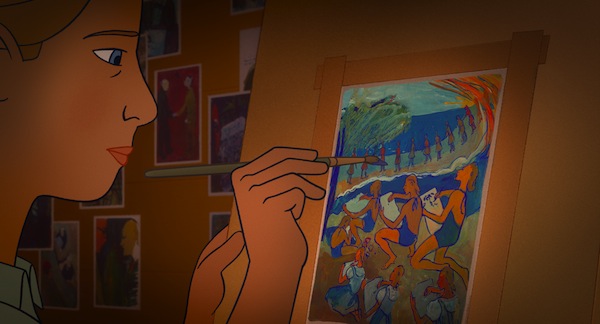
A still from the feature film Charlotte, about artist Charlotte Salomon.

The creative drive that some people have astounds me. In about a year-and-a-half, as the Holocaust closed in on her – and her family’s history of depression became known to her – Charlotte Salomon painted hundreds of works, telling her life story in images and words, in what is considered by many, apparently, as the first graphic novel.

Somehow, despite the artist having inspired a live action film, a documentary feature, an opera, a novel, a ballet and several plays, I’d never heard of her, or of her masterpiece, Life? Or Theatre? That is, until I watched the animated feature film Charlotte, a Canada-France-Belgium collaboration that was just released. Featured at the Toronto International Film Festival earlier this month, Charlotte has two screenings at the Vancouver International Film Festival: Oct. 3, 3 p.m., and Oct. 6, 9:15 p.m., at Vancouver Playhouse.

Based on the story and the cast, the Jewish Independent chose to be a media sponsor of the local screenings. And, on these points, the film scores high. Led by Oscar nominee Keira Knightley as the voice of Charlotte, the actors do a formidable job with dialogue that is, at times, stilted and animation that is pretty basic, with the exception of the scenes and transitional pieces that depict Salomon’s artwork. These parts of the film are sumptuous and give the most sense of Salomon as a person and artist.

The film begins near the end of Salomon’s life, as she is handing over her paintings to a man, who we find out later is a local doctor and friend, in what we later find out is the south of France. She asks him to guard the paintings for her, as they are her life, almost literally, given their content. The narrative then jumps to Berlin, to a young Charlotte trying to comfort a woman who is ill and sad. The woman turns out to be Charlotte’s mother, who dies, the young girl is told, of influenza.

Jumping ahead, still in Berlin, Charlotte’s father, Albert, has married Paula Lindberg, an opera singer, through whom, incidentally, a teenage Charlotte meets her first love, Alfred Wolfsohn, who is a singing teacher. He is also a veteran of the First World War.

Wolfsohn has a lot of personal issues, to say the least, and he ultimately betrays Charlotte, but he is also strongly supportive of her being an artist. While she gains entrance to Berlin’s art academy, despite being Jewish – it is 1933 and the Nazis are now in power – she is expelled pretty soon thereafter, though whether that’s because of her nonconformity to the artistic norms taught at the school, her Jewishness or both, is not clear.

What is certain is that, after Kristallnacht, the violence against Jews in Berlin has become unavoidable and Charlotte’s parents send her to the south of France to take refuge, and care for her maternal grandparents. Her grandmother is a troubled woman and her grandfather is, in a word, an asshole, but Charlotte finds beauty in her friendship with a wealthy American, Ottilie Moore, who owns a villa in Villefranche, and in her relationship with fellow refugee Alexander Nagler, whom she marries eventually.

image - In a scene from the film, Charlotte stares into the water, thinking about her aunt, who had drowned
In a scene from the film, Charlotte stares into the water, thinking about her aunt, who had drowned.

When Moore returns to the United States, she offers to try and take Charlotte and Alexander with her, but they stay in France – Charlotte because of her sense of duty to her grandparents. It is in caring for them that she witnesses the tragedy of her grandmother’s suicide and finds out from her grandfather that mental illness runs in the family, having claimed the lives of Charlotte’s mother, aunt and several other relatives.

Spurred on by the potential that she, too, will fall ill, as well as by the Nazis’ proximity, Charlotte turns her focus to creating the almost 800 paintings that comprise Life? or Theatre? She manages to give them (and other works, it seems) to Dr. Georges Moridis, who she had consulted about her own health and who had tried to help her grandparents, before she and Alexander are seized by the Nazis. Both Charlotte and Alexander are killed at Auschwitz; Charlotte five months pregnant.

The film, which isn’t shy about showing some of the brutality of the Holocaust, does step back from showing the deaths in Auschwitz, leaving viewers instead with an image of the idyllic setting in which they lived in France, as we hear the noises of their arrest, then silence.

Before the credits, the filmmakers tell us what happened to Charlotte, Alexander and Ottolie, and show us clips of a real-life archival interview with Charlotte’s father and stepmother, who survived the Holocaust, as well as a sampling of Charlotte’s paintings.

As depressing as Charlotte’s story is, it is not a depressing movie. That she anticipated her demise and created an artistic legacy in the face of death is somehow uplifting. As producer Julia Rosenberg states in the film’s production notes, “… hope isn’t rainbows and unicorns. It’s finding the courage to see beauty despite suffering.

“Charlotte Salomon’s ability to do just that is exceptional and inspiring.”

Indeed, it is.

Charlotte is a worthy introduction to a person we all should know.

For the full Vancouver International Film Festival schedule and tickets, visit viff.org. To potentially get free tickets to the Oct. 6 screening of Charlotte, email [email protected]. Tickets will be available as supplies last (there are 10 to giveaway).

Format ImagePosted on September 24, 2021September 23, 2021Author Cynthia RamsayCategories TV & FilmTags animation, art, Charlotte Salomon, Holocaust, neurodevelopmental disorders, painting, Vancouver International Film Festival, VIFF

Election about nothing

Justin Trudeau’s gamble on winning a majority backfired. Still, whatever outrage Canadians felt about marching to the polls amid a pandemic didn’t cost him much (beyond the $600 million expense of the election itself). The Liberal party returned with an almost identical seat count as the one they started with. All the other parties had an equally uneventful night. In 338 ridings, of course, there were plenty of individual surprises – candidates expected to win lost and longshots saw victories – but it all amounted to a wash in the big picture.

Aside from Trudeau’s personal ambition to turn a minority government into a majority, the election turned out to be about not much. The handling of the pandemic, the economy, the environment, foreign affairs – all the usual topics got their time in the limelight but none captured the passion of voters. The ballot question, if there was one, turned out to be, quite simply, more of the same, yes or no? And Canadians responded: meh.

The campaign began inauspiciously, with a split screen showing Trudeau visiting Rideau Hall at the very moment all hell broke loose in Afghanistan. Foreign affairs are rarely a defining factor in Canadian elections, and this one was no different. Canada’s sometimes wishy-washy foreign policy will likely be unaltered. Barring some dramatic shift, Canada will probably continue to placate the Chinese government rather than confront them, go along to get along at the United Nations and walk a mushy middle ground on Israel and Palestine.

Equally unchanged, presumably, will be Canada’s domestic policies. The economy is doing well, especially given the challenges of the pandemic, and voters seemed to neither reward nor punish the governing party.

On the campaign trail, we saw alarming images of vitriol and even some violence. Voices of rage drove some of the fringe movements, like the People’s Party, to surprising levels of support, but gratefully their xenophobia and base hatreds will not be represented in the House of Commons. That particular incarnation of far-right extremism will ideally dissipate in the aftermath of their electoral failure.

Yet, voters who before thought that a prime minister dissolving Parliament to seek a majority mandate is hardly an unknown phenomenon in our system may now look at the status quo that resulted from the 36-day campaign with even more cynicism. As it stands, Trudeau survived. But, in the end, what was the election about? The answer appears to be … nothing.

Posted on September 24, 2021September 23, 2021Author The Editorial BoardCategories From the JITags Air Canada, Canada, COVID, Election, politics

Green party reckonings

During the election campaign, Green leader Annamie Paul was surprisingly candid about her precarious position at the helm of her party. She acknowledged that she spent almost all the campaign in her home riding of Toronto Centre because she might not be welcomed by Green candidates across the country. She suffered a near-defenestration just before the election and the simmering internal strife the Greens barely managed to conceal through the campaign will inevitably boil over now, especially after her own poor results in Toronto Centre.

Paul faced horrific online racism and antisemitism during and after her campaign for the party leadership. We trust that she will share more of her experiences without reservation now that her tenure is almost certainly at an end. Rarely has so talented and qualified an individual offered themselves for public office – and even more infrequently has any political figure been so ill-treated by their own party.

Canadians, but especially Green party regulars, must examine what happened. Paul and other members of the party owe it to Canadians to examine the entrails of this affair and determine what roles racism, misogyny and antisemitism played in the matter. If there are Green activists who have legitimate grievances against Paul, they should be transparent and demonstrate that their extraordinary treatment of their leader was based on policy or strategic differences and not on her innate identities.

Posted on September 24, 2021September 23, 2021Author The Editorial BoardCategories From the JITags Annamie Paul, antisemitism, Canada, Election, Green party, misogyny, politics, racism

Posts pagination

Previous page Page 1 … Page 188 Page 189 Page 190 … Page 650 Next page
Proudly powered by WordPress