Skip to content
  • Home
  • Subscribe / donate
  • Events calendar
  • News
    • Local
    • National
    • Israel
    • World
    • עניין בחדשות
      A roundup of news in Canada and further afield, in Hebrew.
  • Opinion
    • From the JI
    • Op-Ed
  • Arts & Culture
    • Performing Arts
    • Music
    • Books
    • Visual Arts
    • TV & Film
  • Life
    • Celebrating the Holidays
    • Travel
    • The Daily Snooze
      Cartoons by Jacob Samuel
    • Mystery Photo
      Help the JI and JMABC fill in the gaps in our archives.
  • Community Links
    • Organizations, Etc.
    • Other News Sources & Blogs
    • Business Directory
  • FAQ
  • JI Chai Celebration
  • JI@88! video

Recent Posts

  • Sharing her testimony
  • Fall fight takes leap forward
  • The balancing of rights
  • Multiple Tony n’ Tina roles
  • Stories of trauma, resilience
  • Celebrate our culture
  • A responsibility to help
  • What wellness means at JCC
  • Together in mourning
  • Downhill after Trump?
  • Birth control even easier now
  • Eco-Sisters mentorship
  • Unexpected discoveries
  • Study’s results hopeful
  • Bad behaviour affects us all
  • Thankful for the police
  • UBC needs a wake-up call
  • Recalling a shining star
  • Sleep well …
  • BGU fosters startup culture
  • Photography and glass
  • Is it the end of an era?
  • Taking life a step at a time
  • Nakba exhibit biased
  • Film festival starts next week
  • Musical with heart and soul
  • Rabbi marks 13 years
  • Keeper of VTT’s history
  • Gala fêtes Infeld’s 20th
  • Building JWest together
  • Challah Mom comes to Vancouver
  • What to do about media bias
  • Education offers hope
  • Remembrance – a moral act
  • What makes us human
  • המלחמות של נתניהו וטראמפ

Archives

Follow @JewishIndie
image - The CJN - Visit Us Banner - 300x600 - 101625

Author: Dave Gordon

Living amid rocket attacks

Living amid rocket attacks

Adele Raemer lives in Kibbutz Nirim, near the border with Gaza, which means the community has had to build safe rooms for protection from rocket attacks. (photo from Adele Raemer)

Tens of thousands of rockets have been fired regularly and indiscriminately at Israel from Gaza since 2001, and they continue. Adele Raemer is a community member of Kibbutz Nirim, just two kilometres from the Gaza border – so close that, she says, “there is zero to 10 seconds’ warning” of a rocket attack on her neighbourhood.

As spokesperson for the community, Raemer moderates a Facebook group called Life on the Border, about the kibbutz. She teaches English as a foreign language, and is a counselor for the Israeli Ministry of Education. In addition, she is a trained medical clown in the pediatric ward of the hospital in Ashkelon. She was invited in November 2018 to be on an independent investigative committee for the United Nations, to discuss living at the border, and, in December 2019, she addressed the UN Security Council. She has filed stories for CNN, particularly during the Pillar of Defence conflict in 2012.

While attending the Jewish Media Summit in Jerusalem this past December, the Jewish Independent spoke with Raemer.

JI: What compelled you to move to Nirim, and when was it?

AR: I came to Nirim [from the United States] in the framework of my army service in 1975. I fell in love with the community and decided to stay.

JI: At the summit, you mentioned a joint bike marathon with Gazans. Can you talk about that?

AR: I have been in touch with Rami Aman, a Palestinian from Gaza, for a number of years. He is one of the founders of the Gaza Youth Committee, a group of people who work with youth in Gaza in order to improve their quality of life and education, and to teach them that those who live on the other side of the border [Israelis] are not their enemies. One of the activities I participated in with them was a [joint] marathon. I am not able to discuss activities happening now, for the safety of my contacts. Unfortunately, doing activities such as these, on the other side of the border, can cost one one’s freedom, even one’s life.

JI: How did you get invited to speak at the UN Security Council in 2018?

AR: In light of the map of [Gazan-initiated] fires that I put together at the time, the interviews I gave to the media, my blogging and the Facebook group Life on the Border with Gaza, people in Israel who work with the American embassy turned to me. At the time, the U.S. were the hosts of the UN Security Council, and President Trump was interested in putting the situation in Israel in the spotlight.
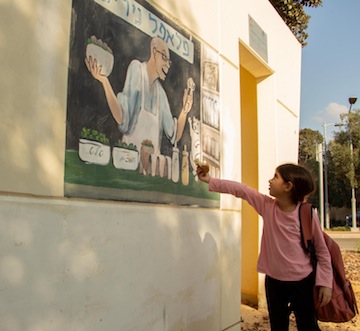
photo - Adele Raemer’s granddaughter stands outside a safe room
Adele Raemer’s granddaughter stands outside a safe room. (photo from Adele Raemer)

JI: Nirim began building concrete safe rooms to protect against rocket fire. What is the ratio of safe rooms to homes, and how many people typically fit in one? What is the cost of a room?

AR: Each home typically has one safe room, about the size of a small bedroom, about nine square metres, and costs about $44,000. Safe rooms in people’s houses usually have beds in them, so, depending on how much furniture is in the room, it varies how many people fit in. Certainly the entire family will fit.

JI: How many casualties have there been in your community from rocket fire?

AR: Two members were killed in 2014 and, if I am not mistaken … fewer than 10 were wounded, mostly lightly. That, of course, does not take into account the many who have suffered psychological damage.

JI: Who is your member of Knesset, and how are they involved in ensuring the safety of the community?

AR: It doesn’t work that way – we do not have regional representatives, like you do. All of the MKs should be working towards the good of our communities. The current ministry for the development of the periphery of the Negev and the Galilee is Yitzhak Wasserlauf, but he has just taken office so I cannot say what he will be doing yet. The office itself has done the following in recent years: reinforced all schools within the Gaza envelope, developed Ale Negev [a rehabilitation hospital in the Negev] and programs for developing psychological support and resilience centres.

JI: You’ve said the kibbutz was “95% heaven.” Why do you feel that way?

AR: The region is a desert that has been made to bloom, a modern miracle of development, while protecting and preserving the nature and wildlife, despite multiple challenges including, but not only, security challenges. The community in which I live is not only beautiful but it is crime-free, and [it is] safe for children to play on the lawns, without worry of being run over or kidnapped. But, above all else, it is the sense of community – our kibbutz, as well as the other communities in the region, which support each other … make it a friendly, warm environment in which to raise families.

JI: What is the main industry of the kibbutz?

AR: Our kibbutz is mainly agricultural, so we have farmers and workers in the different branches that support the agriculture, but our people also work as professionals in all different professions, just like anywhere else in the world. We have doctors, nurses, lawyers, mechanics, teachers, social workers, chief cooks and bottle washers.

Dave Gordon is a Toronto-based freelance writer whose work has appeared in more than 100 publications around the world. His website is davegordonwrites.com.
Format ImagePosted on February 24, 2023February 22, 2023Author Dave GordonCategories IsraelTags Adele Raemer, Gaza, Kibbutz Nirim, terrorism

Antisemitism fight continues

The City of Richmond on Feb. 13 adopted the International Holocaust Remembrance Alliance Working Definition of Antisemitism, though not without controversy. Several members of the public expressed opposition to the motion, which eventually passed 6-3.

In many, if not most jurisdictions where this definition has been adopted, there has been opposition contending that free expression is threatened by the definition. In some cases, the motions to adopt have been defeated. Vancouver city council initially opted not to adopt the definition and only when a new council was elected last year did it pass – and, again, not unanimously, like one might expect a statement against bigotry to pass in a Canadian city.

Overwhelmingly, the criticisms are not about the definition itself, but about the fact that, of the 11 examples accompanying the definition, seven explicitly mention the state of Israel. But, if the examples are a problem, why aren’t we examining the examples on their merits? It is hardly an argument to say that the examples reference Israel and, therefore, make the definition insupportable. Let’s demand answers: which ones threaten free expression – by which we mean the right to criticize Israel?

The first Israel-related example offered is: “Accusing the Jews as a people, or Israel as a state, of inventing or exaggerating the Holocaust.” Is this the problematic example? Are critics of Israel afraid that they will not be able to make their case against Israel without resorting to Holocaust denial?

The second example is “Accusing Jewish citizens of being more loyal to Israel, or to the alleged priorities of Jews worldwide, than to the interests of their own nations.” The “dual loyalty” canard has been a mainstay of anti-Jewish rhetoric for centuries, positing that “the Jew” is always an alien whose collective, tribal instincts trump their citizenship. Are opponents of the IHRA definition afraid of losing the right to invoke this age-old slander?

The third example is “Denying the Jewish people their right to self-determination, e.g., by claiming that the existence of a state of Israel is a racist endeavour.” Is this the key phrase? Understanding the role that Jewish statelessness played in almost 2,000 years of tragic history is crucial to appreciating the connection of Jewish people to the land and the state of Israel – and it is one motivation of allies to ensure Israel’s continued existence. Is it the wish of IHRA definition opponents to make the Jews of Israel stateless people again? (Spoiler alert: Personally, if there is a single example that rankles, I think this is the one.)

The fourth example offered is “Applying double standards by requiring of [Israel] a behaviour not expected or demanded of any other democratic nation.” Is opposition based on the fact that, after practically ignoring the state-sanctioned mass murder next door in Syria, the genocide against Uyghurs in Western China, the almost countless instances of human-created and natural catastrophes worldwide that are overlooked or eclipsed due to condemnation of Israel at the United Nations, opponents – in activist groups and churches, in social justice movements and academic committees – will be called out for their compulsive approbation of the one Jewish state? Is the problem that they do not want to have a spotlight shone on their gross hypocrisy?

Or is it example number five?: “Using the symbols and images associated with classical antisemitism (e.g., claims of Jews killing Jesus or blood libel) to characterize Israel or Israelis.” Are critics of Israel afraid that their effectiveness will be enfeebled if they cannot plumb the depths of the ancient and deadly accusation of deicide or killing babies?

Is it number six?: “Drawing comparisons of contemporary Israeli policy to that of the Nazis.” Is it the right to deface an Israeli flag by painting a swastika over the Star of David that opponents of the definition fear, the right to accuse Israeli soldiers of behaving like Gestapo?

The final Israel-related example is “Holding Jews collectively responsible for actions of the state of Israel.” Is opposition to the definition founded on the fear that critics will not be able to pin blame on their Jewish neighbours for the actions of a government half a world away? Are they afraid that spray-painting “Free Palestine” on North American synagogues or kicking over Jewish headstones will be met with a condemnation these acts do not now evoke?

While critics are correct that seven of the 11 examples included with the IHRA Working Definition of Antisemitism reference the state of Israel, there is not one of these examples that should be problematic to any person of goodwill. Not one infringes on any right to engage in free and fair criticism of Israel or of anything else. Any doubts about this are negated by the fact that the definition itself explicitly states that it is “legally non-binding.”

Opposition to the IHRA definition is the indignation of bullies being called out as bullies, their belligerent tactics itemized, and their only response being to claim that they are the ones being bullied. It is a self-righteous ploy we have seen since the dawn of the anti-racist movement, now applied to antisemitism.

The adoption of the IHRA definition is a victory for the fight against bigotry and antisemitism. The opposition to the adoption shows us just how far we have left to go.

Posted on February 24, 2023February 22, 2023Author Pat JohnsonCategories Op-EdTags anti-Jewish rhetoric, antisemitism, IHRA, International Holocaust Remembrance Alliance, Richmond city council

Different ways to celebrate

Meetings aren’t my favourite things, but sometimes they are stimulating or useful. At a recent meeting, I found myself thinking about the issues differently than the others in the online gathering.

Earlier this month, the Torah portion Yitro included the Ten Commandments, an important moment for the Jewish people, which we celebrate on Shavuot. We all received the Ten Commandments, and one interpretation says that this is an act of radical inclusion, because it includes all Jews. Not just the men, or the adults, or those over 13 years old, and not just those who are considered typical for one Jewish ritual or another, but everyone must be present to hear the reading of the Commandments. This means that a proper reading of the Ten Commandments should be accessible to everyone in the Jewish world, including people with disabilities of all kinds.

I have thought a lot about disability access, but I hadn’t reflected on it in terms of another holiday that is big in many Jewish communities: Yom Ha’atzmaut. At this meeting, a community leader explained – to those who had not experienced it – how the Israeli Day of Independence is celebrated here in Winnipeg. I knew she was directing her information to those who weren’t from Winnipeg. However, I’ve never been to this local event, either.

Her description was engaging: imagine a very large double gymnasium space, booths set up by many community organizations with different games, events and snacks for younger families. Then, later, kids’ choir and dance performances, and then more professional entertainment. The evening ends with fireworks.

Every year, I hear from families who have had a marvelous time at it. Yet, we have never gone. No, it has nothing to do with how we feel about Israeli politics. It has everything to do with having a child with some challenges. Early on, we knew it was impossible to manage our twins at an evening event. It messed with our bedtime schedules. It resulted in two screaming kids, overtired and unable to sleep properly. The outing wouldn’t be fun, nor would the aftermath the next day.

In the end, it wasn’t only that my twins didn’t sleep through the night until they were almost 5 years old. It was that one of my kids ended up with a diagnosis that loud noise, crowds, overstimulation and change in routines would all remain difficult for him. Sensory processing disorder, a part of his challenges, can mean a lot of things, but, for us, it means avoiding events full of noise, crowds, lights, colour and commotion – like the community-wide Yom Ha’atzmaut gathering – or splitting up parenting so that only one kid attends.

Of course, disabilities manifest themselves in lots of ways, changing and shaping our lives. Roughly 22% of Canadians age 15 and up live with some form of disability. As a younger kid, my child couldn’t stand watching movies; a short half-hour kids’ TV show was all he wanted. However, as 11-year-olds, both my kids lined up on the couch to watch The Lion King because they are doing this as a musical at school. Rather than going to a theatre or seeing it elsewhere, watching the movie at home works. It’s where we can control the volume, use a smaller screen and the pause button. This makes all the difference. Now my kid chooses, every so often, to watch an entire movie, and he thoroughly enjoys it.

As the online meeting progressed, I saw that I might be expected to work the booth at Yom Ha’atzmaut in the future. But something has shifted in me and I, too, would rather avoid this event now – both due to COVID concerns and, frankly, because it just doesn’t meet my family’s needs. Does it mean we won’t celebrate the holiday? Of course not. We’ve enjoyed our share of falafel, Israeli celebration specials streamed live online, and more, but I’ve hit a milestone of my own. I am OK with saying no to an obligation that I don’t want to do. Not everyone has to celebrate the same way to belong. Inclusion may mean that, when we gather to hear the commandments at Mount Sinai, some of us receive the message differently than others.

Part of our growth as people is getting to a place where we know who we are and what we can manage as individuals, families and as a people. I’m glad our community does this single huge event. It seems to be something treasured by several generations of Winnipeggers. That said, it’s not ideal for my family, and we don’t have to be pressured into attending it.

Jewish traditions and celebrations evolve and change over time, just as our cultural understandings of disability and inclusion do. Events that adapt to meet those needs promote Jewish continuity for generations to come. Most important, though, is knowing how to value and meet our individual needs in context of this, because, no matter what our challenges are, we are all made b’tzelem Elohim, or in the image of G-d. We all matter as part of the Jewish community, whether we attend an enormous community event or whether we stay home to celebrate instead.

Joanne Seiff has written regularly for CBC Manitoba and various Jewish publications. She is the author of three books, including From the Outside In: Jewish Post Columns 2015-2016, a collection of essays available for digital download or as a paperback from Amazon. Check her out on Instagram @yrnspinner or at joanneseiff.blogspot.com.

Posted on February 24, 2023February 22, 2023Author Joanne SeiffCategories Op-EdTags family, inclusion, lifestyle, Yitro, Yom Ha'atzmaut
Fresh new fairy tale

Fresh new fairy tale

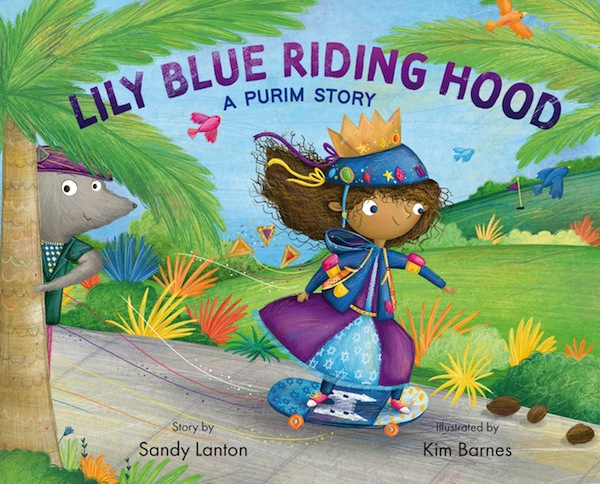
Making old, familiar stories new and fresh again. Writer Sandy Lanton and illustrator Kim Barnes do just this with their take on Red Riding Hood: Lily Blue Riding Hood, published by Seattle’s Intergalactic Afikoman.

Lily loves to skateboard and almost every page of Lily Blue Riding Hood is full of movement, as she swiftly rolls to everywhere she needs to be. On Purim, it’s to Granny’s house, with her blue hoodie pulled over her Queen Esther costume, its crown atop her helmet, her backpack full of hamantashen she’s just baked (leaving behind the messiest of kitchens). On the way, she passes Thaddeus T. Wolfe and chats long enough with him that the smell of the hamantashen gets him plotting how he can get Granny’s treats for himself.

Readers can make their own treats using the recipe for Lily’s Skateboarding Hamantashen, which are the regular triangle shape, but then attached to a long flat cookie, the “skateboard,” and either small round cookie or candy “wheels.” The recipe page also includes a paragraph on what Purim is and how it’s celebrated.

Lily Blue Riding Hood is a colourful and humour-filled modern-day Jewish fairy tale that will make both adult and child readers smile.

Format ImagePosted on February 24, 2023February 22, 2023Author Cynthia RamsayCategories BooksTags children's books, fairy tales, Intergalactic Afikoman, Kim Barnes, Purim, Sandy Lanton

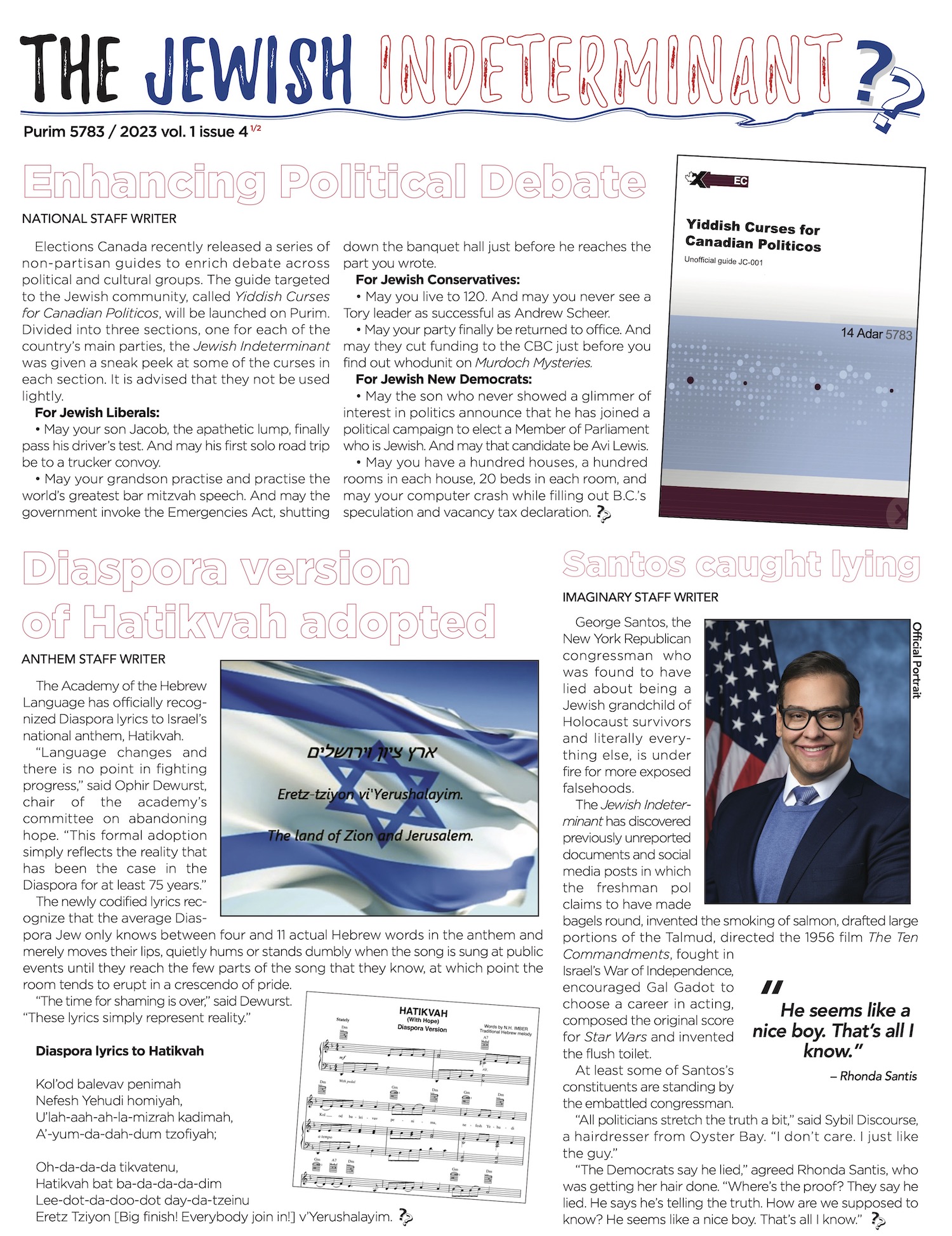
Happy Purim 5783 / 2023!

image - 2023 Purim Spoof page

Posted on February 24, 2023February 22, 2023Author The Editorial BoardCategories Celebrating the Holidays, From the JITags fake news, Purim, satire

Polenta fries & dipping sauces

My new BFF, the Air Fryer, has been working a shocking amount of overtime lately. So much so that I’m expecting a call from the Air Fryer’s union any moment, complaining about my employment practices.

Harvey and I often use the Air Fryer three times a day. We might make hardboiled eggs for breakfast, marinated tofu for lunch (me, not Harvey – he’d rather stick forks in his eyes than eat tofu) and, well, dinner could be anything. We cook steaks, salmon and chicken in there, make grilled cheese sandwiches, reheat leftovers and cook veggies in it. The only thing I haven’t tried in there is desserts. And cocktails. Stay tuned. I’m embarrassed to say, but our other appliances are exhibiting textbook signs of jealousy. No small wonder.

My newfound interest in cooking, coupled with our purchase of the Air Fryer, has opened up whole new vistas. The Air Fryer has inspired me to try recipes I never dreamed I’d try. For someone who could easily eat the same meal every day for a month, this is, quite frankly, a revelation.

Generally speaking, I’m the polar opposite of a culinary ambassador. I fit better into the “culinary misanthrope” or “culinary misfit” category. My father used to comment on my indiscriminate eating habits this way: “Shelley would eat out of a puddle.” It was true. As long as somebody else cooked it, I’d eat it. It didn’t matter what it was. But alas, the Air Fryer has lifted me to new heights. I now soar with the eagles and run with the wolves. I apologize for the hyperbole, but I’m so excited, I just can’t hide it. (Nor can the Pointer Sisters.)

photo - polenta fries So, as I was about to say, I’m constantly in search of new recipes  I can incorporate into my Air Fryer repertoire. This week it was polenta fries. Polenta is boiled cornmeal that can be served as a hot porridge-like dish, or it can be allowed to cool and solidify into a loaf/log that can be baked, fried or grilled. I used the pre-cooked loaf/log version because it’s more versatile. It comes in regular and garlic basil flavour and can be purchased at most grocery stores. It’s often referred to as “tubed polenta.”

Having stumbled across numerous recipes for polenta fries, I decided to make it my new food project. I looked up its nutritional value and found that it’s a good source of fibre and protein, it’s gluten-free, rich in complex carbohydrates and antioxidants, low in fat and low in calories. Win-win all around. Polenta has a very convincing personality, especially when you pair it with some yummy dipping sauces.

AIR FRYER POLENTA FRIES
18-oz (500-gram) pre-cooked polenta log
pinch of salt and pepper
paprika (optional)
olive oil spray (or just use olive oil)

  1. Cut the polenta log into french fry-slice pieces and put in a large bowl.
  2. Spray the polenta fries with the olive oil spray or drizzle with olive oil to coat them all evenly. Sprinkle with salt and pepper and paprika (optional).
  3. Place the polenta fries in the air fryer basket in a single layer, leaving space between them.
  4. Bake at 380°F for 18 to 20 minutes, or 400°F for 10 to 14 minutes. Flip the fries halfway through cooking. The outside should be crispy and the inside will be sort of creamy.
  5. Serve with your favourite dipping sauce. I made garlic aioli and lemon sauces, both of which were a big hit.

GARLIC AIOLI
1/2 cup mayonnaise
1 clove garlic minced
1 tbsp lemon juice
1/4 tsp kosher salt
2 tsp olive oil
1/4 tsp pepper

Mix all ingredients together in a small bowl and refrigerate at least 30 minutes before serving.

LEMON DIPPING SAUCE
1/2 cup mayonnaise
2 tbsp lemon juice
2 tsp finely grated lemon zest
1 tsp Dijon mustard
salt and pepper to taste

Mix all ingredients together in a small bowl and refrigerate for 30 minutes before serving.

MINT DRESSING
1/2 cup extra virgin olive oil
1/2 cup fresh lemon juice or lime juice
1/4 cup packed fresh mint leaves
3 tbsp honey or maple syrup
1 tbsp Dijon mustard
2 cloves garlic, minced
1/4 tsp fine sea salt
10 twists of freshly ground black pepper

In a food processor (or Magic Bullet), combine all of the ingredients and blend until smooth. Add more salt and/or pepper if necessary.

This dressing will keep well, covered and refrigerated, for up to one week. It’s thinner than the dips, but it’s delicious with everything – it’s great on salads, orzo, tomatoes and cucumber, with parmesan cheese, goat cheese or feta cheese.

While I’m on the topic of dips and sauces, I have to share one of my favourite and simplest recipes – lemon caper butter. I mostly use this on salmon but you could douse any fish in it and not regret it.

LEMON CAPER BUTTER
4 tbsp butter
1 clove garlic minced
2 tsp capers, drained (I always add more)
2 tbsp fresh lemon juice
1 tsp lemon zest
1-2 tsp chopped parsley
salt and pepper to taste

In a small saucepan melt butter over medium heat. Once the butter has melted, add the garlic, capers, lemon zest and lemon juice. Cook for two minutes, then season to taste with salt and pepper.

Despite all evidence to the contrary, I can cook. I’m not ashamed to admit that there have been some culinary casualties over the years, but mostly I’ve managed to keep myself and Harvey well fed and out of the ER. And, irony of ironies, the pandemic has given me the opportunity and impetus to try new recipes and new foods, and for that I’m grateful. I’m also grateful for the plethora of restaurants that do takeout and delivery. Never underestimate the power of a great slice of thin crust pizza. Or Chinese food and a movie. No, wait. That’s what we do on Christmas. Now I’m confused. Or maybe I’m Confucius. Whatever. Bon appetit.

Shelley Civkin, aka the Accidental Balabusta, is a happily retired librarian and communications officer. For 17 years, she wrote a weekly book review column for the Richmond Review. She’s currently a freelance writer and volunteer.

Posted on February 24, 2023February 22, 2023Author Shelley CivkinCategories LifeTags Accidental Balabusta, cooking, food, recipes
זרים שביקשו לרכוש נדל”ן בקנדה יאלצו להמתין

זרים שביקשו לרכוש נדל”ן בקנדה יאלצו להמתין

(צילום: Sam Gusway)

החל מראשית חודש ינואר, קנדה החלה לאסור על מרבית האזרחים הזרים לקנות נכסים לדיור במשך שנתיים. זאת, במקביל בעלייה בביקושים לעבור לקנדה ממדינות רבות בעולם

למשל: בקיץ האחרון, לאחר שבית המשפט העליון בארצות הברית ביטל את פסיקת (רו נגד וייד) ואת ההגנות הפדרליות על זכותן של נשים לעבור הפלה, נהרו המוני אמריקאים לאתר גוגל והקלידו את השאלה: איך לעבור לגור בקנדה. זאת תוך הקפצת מספר החיפושים בלא פחות משמונה מאות וחמישים אחוז בתוך שעה אחת בלבד. החיפושים של איך להפוך לאזרח קנדי מהשורה זינקו בחמש מאות וחמישים אחוז

ההחלטה לעבור ולהתגורר בקנדה נחשבת מזה זמן רב לתגובה כמעט אוטומטית כאשר המצב הפוליטי המקומי הופך לעגום במספר לא מבוטל של מדינות – כולל ישראל, ולא רק בארצות הברית. בבריטניה למשל נרשם זינוק משמעותי בחיפושים איך לעבור לקנדה במהלך חודש יוני אלפיים ושש עשרה. זאת זמן קצר לאחר פרסום משאל העם שבו הוחלט על פרישתה של בריטניה מהאיחוד האירופי (הברקזיט)

אבל יתכן שממשלת קנדה בשלב זה מערימה קשיים על זרים לרכוש נדל”ן בעת הזו – במדינה השנייה בגדולה בעולם מבחינת שטח (אחרי רוסיה). זאת לאחר שהחל מראשית החודש שעבר (ינואר), נכנס לתוקף בקנדה איסור נרחב למשך שנתיים ימים על רכישת נדל”ן למגורים על ידי מי שאינם אזרחי המדינה

כמו מדינות רבות אחרות בזמן מגפת הקורונה, גם בקנדה נרשם זינוק חד הן במחירי הדיור והן במחירי השכירות לאחר שהריביות על הלוואות צנחו לשפל, וגררו עמן מטה את רמות המלאי בשוק. באלפיים עשרים ואחת בעיצומה של מערכת בחירות קשה, המפלגה הליברלית של ראש הממשלה ג’סטין טרודו, הזהירה כי משבר הדיור במדינה הולך והופך למשבר פוליטי. הביקוש לרכישת בתים בפרט ונדל”ן בכלל בקנדה מושכת ספסרים, תאגידים עשירים, ומשקיעים זרים. כך הכריז אתר קמפיין המפלגה הליברלית. בתים נועדו לאזרחי המדינה ולא למשקיעים. לאחר מערכת בחירות צמודה, באביב האחרון המפלגה הליברלית הציגה בשקט בשקט את החוק החדש והמשמעותי, שאוסר על אזרחים זרחים לרכוש נדל”ן בקנדה

הצעת החוק באה בתגובה לתחושות פוליטיות רווחות, אולם נשמעה אבסורדית. כך אמר ג’קי צ’אן, מייסד ומנכ”ל חברת נדל”ן בייקר-ווסט בעיר ונקובר, שמשווקת דירות יוקרה במגדלי מגורים ברחבי קנדה. אמנם ונקובר וקנדה הן רב-תרבותיות, אולם קיימת תחושה כללית לפיה אסייתים, זרים ומהגרים מגיעים לכאן, קונים נדל”ן, זוללים את ההיצע וגורמים לעליות מחירים. מוסיף עוד צ’אן, שבעצמו נולד בהונג קונג והוא מתגורר בוונקובר כבר קרוב לשלושים שנה. מרבית הזרים שרוכשים נדל”ן אינם משקיעים ספקולנטים. אלה לדבריו מדובר רק במהגרים שקונים בתים כדי להתגורר בהם

מלבד זאת, מספר ממשלות מחוזיות שונות בקנדה כבר נוקטות בצעדים כדי לתת מענה למחירי הדיור הנוסקים. במחוז אונטריו שהוא הגדול בקנדה, הממשלה המקומית העלתה את המס על משקיעים זרים ספקולטיבים המשקיעים בנדל”ן, מעשרים אחוז לעשרים וחמישה אחוז. במחוז בריטיש קולומביה נקבע מס של עשרים אחוז על רוכשי בתים מחו”ל. ונדמה היה כי הצעדים הללו נושאים פרי – השקעות זרות בנכסי נדל”ן נפלו משיא של תשעה אחוזים ממכירות הנדל”ן למגורים ביוני אלפיים ושש עשרה לאחוז בודד ביוני שנה שעברה. זאת, לפי נתוני משרד האוצר של מחוז בריטיש קולומביה. אף יזם שפוי אפילו לא חשב על זה, אמר צ’אן. איזה הגיון יש באיסור הזה

עד אמצע שנה שעברה, המחירים ברחבי קנדה כבר החלו לרדת. אבל ביוני, בלי יותר מדי רעש, האיסור על קונים זרים אושר כחוק. למעשה, הוא חמק כמעט לחלוטין מהעין הציבורית, ואפילו מעיניהם של מומחי נדל”ן רבים. מה גם שטרודו ופוליטיקאים אחרים משום מה כמעט ולא התייחסו בפומבי לחוק מאז שנחקק, והוא זכה לכיסוי מועט באמצעי תקשורת המקומיים בקנדה

ייתכן כי הדבר נבע מכך שהחוק עורר טענות בדבר שנאת זרים. בזמן שמספר המהגרים לקנדה שובר שיאים – נתונים שפורסמו באוקטובר חשפו שמהגרים מהווים כעת כמעט רבע מהאוכלוסייה המקומית, כאשר הרוב המכריע מגיעים ממדינות הודו וסין. לדברי מספר וותיקים בענף הנדל”ן המקומי יש לכך קשר שמהגרים או משקיעים זרים ספגו הרבה מהאשמה למשבר הדיור ועליית המחירים, וזה היה נושא פוליטי גדול. כך אמר ברנדון אוגמונדסון, הכלכלן הראשי של איגוד הנדל”ן של מחוז בריטיש קולומביה. אך יש לזכור שמגיפת הקוביד חסמה כמעט לחלוטין, את הגישה לרכישת נדל”ן בבריטיש קולומביה על ידי משקיעים זרים. המחירים עדיין שברו שיאים חדשים, שכך שהוכח שהשחקנים הזרים אינם משמעותיים בשוק הנדל”ן המקומי. ולכן לאיסור החדש לא תהיה השפעה על הענף

בסוף שנה שעברה (שישה חודשים לאחר שהחוק נחקק) הממשלה הפדרלית פרסמה את התקנות לגבי אכיפת החוק והפטורים ממנו. למשל: החוק החדש אינו חל על בתי נופש באזורי קייט. בנוסף פטורים ממנו למשל רוכשי בתים בעלי מעמד של תושבים בקנדה, פליטים, זרים שנושאים לבני זוג קנדיים, אזרחים זרים שרוכשים בתים צמודי קרקע עם לפחות שלוש יחידות דיור. כמו גם סטודנטים זרים הלומדים בקנדה, ועוברים זרים בעלי רשיונות לעבוד בקנדה

יש הטוענים כי התקנות החדשות לא מספקות מענה הולם לדקויות החוק. אין בחוק החדש הבהרות משמעותיות. כך אומר סטיבן קריין, נשיא ומנכ”ל חברת סי.אי.אר.סי. שמייעצת לחברות בנושאי ניידות כוח אדם בשוק העבודה ורילוקיישן של עובדים זרים. משרדי תיווך טוענים כי חוסר הבהירות הזו גורמת בעצם לשיתוק בשוק. במקום למהר להספיק לקנות לפני כניסת החוק לתוקף, מרבית הקונים הזרים צפויים פשוט להמתין לתפוגת החוק בעוד שנתיים ימים. הלקוחות שלנו נמצאים בעמדת המתנה. כך אומרת ליזה קאופמן, מייסדת ושותפה במשרד התיווך סותביס אינטרנשונל רילטי בעיר מונטריאול שבמחוז קוויבק. לדבריה כאשר הלקוחות הזרים שומעים שאפילו המומחים בענף לא מצליחים להבין את החוק החודש, הם פשוט מעדיפים לוותר בעת הזו. קאופמן אומרת שרק לקוח בודד אחד שלה שהוא פנסיונר הגר בארצות הברית (ולא מוכן לחשוף את זהותו), הזדרז ורכש דירת נופש במונטריאול לפני כניסתו לתוקף של האיסור החדש – האוסר רכישת נדל”ן בקנדה על ידי זרים

בה בעת, בערים הגדולות של קנדה נרשמה ירידה במספר הקונים הזרים בשוק. באזור מטרו טורונטו למשל שיעור השתתפות הזרים בשוק הוא, לכל היותר בין שלושה אחוזים לשישה אחוזים. כך טוען קווין קריגר, נשיא מועצת ארגון חברות הנדל”ן של אזור טורונטו. בשיעור ההשקעה הנוכחית של זרים בנדל”ן המקומי, החוק החדש חסר משמעות אם מסתכלים על התמונה הגדולה של הענף, מוסיף קריגר

אבל כעת נראה כי קונים בינלאומיים חדשים לא ממהרים לשום מקום, ומוכנים להמתין עד לסיום תקופת האיסור בת השנתיים. פאולין אונגר ממשרד התיווך רויאל לפייג’ אדוונטג’ בעיר סמיתס פולס במחוז אונטריו, אומרת כי נרשם זינוק בפעילות הקנייה, לאחר הפרסום הראשוני בדבר החוק החדש בחודש אפריל. מאז, לדבריה, הלקוחות מחכים להנחיות, אבל לא קונים. זה במידה רבה מצב הנוכחי – והוא להמתין ולראות מה יקרה

Format ImagePosted on February 15, 2023February 9, 2023Author Roni RachmaniCategories עניין בחדשותTags Canada, foreigner buyers, housing prices, law, real estate, tax, חוק, מחירי הדיור, מס, נדל"ן, קונים זרים, קנדה
Emotionally packed film

Emotionally packed film

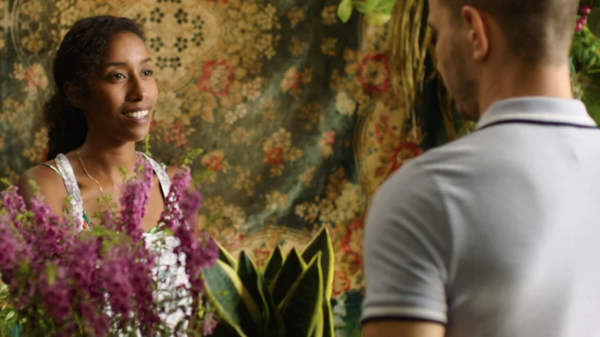
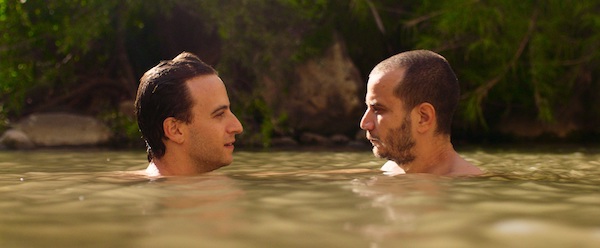
Ofir Raul Graizer’s America features a love triangle of sorts, between Iris (Oshrat Ingadashet) and Eli (Michael Moshonov), above, who meet at her and Yotam’s flower shop, and Yotam (Ofri Biterman) and Eli, whose afternoon swim turns tragic. (screenshots courtesy Beta Cinema)

On Feb. 23 at Fifth Avenue Cinemas, the Vancouver Jewish Film Festival offers an award-winning teaser to next month’s festival. Ofir Raul Graizer’s America is an emotionally packed film that says as much with dialogue as it does visually.

We meet Ilai Cross in Chicago, where he is a beloved swimming teacher. With gentle sensitivity and patience, he helps kids overcome their fears and become comfortable in the water. He is great at his job, and seems happy, if solitary.

A phone call from a lawyer informing him that his father has died sends Ilai – whose real name, it turns out, is Eli Greenberg – back to Israel. He’s obviously uncomfortable being “home,” his policeman father’s retirement plaques and guns everywhere. There are reasons Eli left Israel for the (mythical) land of opportunity, America, which we eventually find out.

In contrast to his father’s stark, rundown, predominantly beige house and untended yard is the vibrant, life-filled flower shop of his childhood friend Yotam and fiancée Iris, and their brightly coloured living space, where they welcome Eli for dinner. Between some too-long hugs and what seem like yearning looks, one wonders just how close were friends Eli and Yotam, but the film gives nothing away.

image - Yotam and Eli swimming
(screenshot courtesy Beta Cinema)

When the two friends go swimming at an old haunt, an accident leaves Yotam in an extended coma. At first blaming Eli for the incident, Iris eventually bonds with him, in part because of their shared loss. When, 18 months later, Yotam wakes up, life changes again for Eli and for Iris, both of whom must make their own decisions as to what they consider the morally responsible way forward.

The acting is excellent. While Oshrat Ingadashet was awarded for her performance at the Jerusalem Film Festival last year, both Michael Moshonov, as Eli, and Ofri Biterman, as Yotam, deserve kudos, as well. All three actors play their roles with quiet force, emoting as much in a gesture as in words. The relatively sparse dialogue invites viewers to focus on what else is pictured in each scene, and Graizer lets shots of newspaper articles, an actor’s face or the landscape help tell the story. He respects viewers’ ability to handle ambiguity, answering enough questions to satisfy, but leaving much to discuss afterward. Cinematographer Omri Aloni’s work adds beauty and depth to the production.

America screens at the Rothstein Theatre on Feb. 23, at 7 p.m. To see the trailer and buy tickets to see the movie, visit vjff.org.

The Vancouver Jewish Film Festival opens March 9 and runs to March 16 at Fifth Avenue. There will be more in-person screenings March 17-19 at the Rothstein Theatre and select films will be available online March 19-26.

Format ImagePosted on February 10, 2023February 9, 2023Author Cynthia RamsayCategories TV & FilmTags drama, Israel, Ofir Raul Graizer, Vancouver Jewish Film Festival, VJFF
Survivor reflects on identity

Survivor reflects on identity

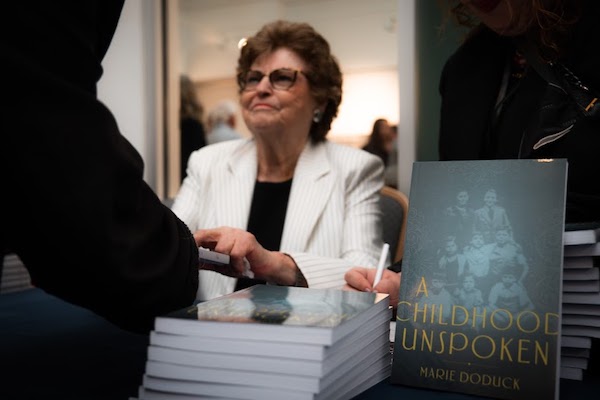
Marie Doduck speaks with a guest at the launch of her book A Childhood Unspoken on Jan. 22. (photo by Josias Tschanz)

“We survived.” These are the words that adult Marie Doduck would tell her childhood self, Mariette, who survived the Holocaust being moved from hiding place to hiding place over a period of five years.

Doduck was answering a question during a book launch laden with emotion – deeply sad as well as celebratory and with moments of laughter – Jan. 22 at a packed Rothstein Theatre. Her book, A Childhood Unspoken, was just released by the Azrieli Foundation’s Holocaust Survivor Memoirs Program.

In a conversation with Jody Spiegel, director of the memoirs program, Doduck spoke of how she is two people – the European Jewish child, Mariette Rozen, who never grew up, and the Canadian adult, Marie, who she had to create to suit her new surroundings after arriving in Vancouver with three orphaned siblings in 1947.

“Mariette will never grow old,” she said. “The child Mariette will always be the child inside and that’s what survivors live. We left the child that was in Europe, we created a wonderful life here in Canada, but when I speak and when I leave this room Mariette stays in this room and I become Marie again.”

Doduck explained her long hesitancy in sharing her story, not only because of the vulnerability it requires, but because the experiences of survivors like her had been dismissed and diminished in the past.

“As a child survivor,” she said, “we were told that we didn’t have a story.”

For decades after the end of the Holocaust, the term “survivor” was largely reserved for those who had been in concentration camps or subjected to forced labour. Child survivors who had been hidden or otherwise managed to escape capture and murder were deemed not to have suffered like older survivors.

This silent or quietly conveyed message was underscored by the way child survivors were treated after the war, even by well-intentioned adults like the families who fostered some of the 1,123 orphans, including Doduck, who came to Canada under the auspices of Canadian Jewish Congress from 1947 to 1949.

“We were from outer space,” she said of the reactions she and fellow child refugees received from Canadians. “We saw things that children should never have seen.”

Placed in homes with new families, with little or no assistance in addressing what they had experienced, many children did not do well.

“Of the 40 children who came to Vancouver, my brother Jacques and myself, I think, were the only two lucky children who stayed with the same family,” Doduck said. “My sister [Esther] didn’t stay with her first family, she became an au pair. Henri jumped from family to family.”

In some cases, said Doduck, the children were told they would die by the time they were 30 “because we were not normal in the Canadian eyes.”

Doduck wrote the book with Dr. Lauren Faulkner Rossi, assistant professor of history at Simon Fraser University. Speaking at the event and addressing Doduck directly, Faulkner Rossi acknowledged that the process was difficult.

“You would have to become the child Mariette many times,” she said, noting that Doduck was forced to plumb memories she has tried to forget. Faulkner Rossi said Doduck had to trust her, though Doduck’s “inclination is to trust no one – a crucial Holocaust childhood lesson that is never quite unlearned.”

“It’s a hard process for any child survivor to write their story,” Doduck said, not only because of the emotional toll but also because of the imperfections of childhood memories. “Did we hear it from adults? Did we live it? I wanted the truth.”

Doduck pressed Faulkner Rossi wherever possible to substantiate her recollections with historical evidence. During the process, Doduck recalled things she thought had been lost. “Sometimes one memory triggers another that you thought you had forgotten,” she said.

Doduck is a founding member of the Vancouver Holocaust Education Centre, through which she has shared her history with tens of thousands of students and others. She is also a philanthropist and community leader, volunteering and leading events, including co-chairing, with fellow VHEC co-founder Dr. Robert Krell, the 2019 conference of the World Federation of Jewish Child Survivors of the Holocaust and Descendants, in Vancouver.

Before Doduck’s presentation, VHEC executive director Nina Krieger described Doduck as “a force … a formidable and sought-after champion for many community organizations. She is also a mentor and a friend to so many, including me, and has inspired more than a generation of community leaders, especially young women, with her vision, passion, tenacity and work ethic, not to mention good humour and grace.”

The book launch event was presented by the VHEC and the Azrieli Foundation. Doduck’s daughters Cathy Golden and Bernice Carmeli read from the book. Arielle Berger, managing editor of the Azrieli Foundation, noted that, since 2005, the foundation has published more than 150 memoirs of Canadian survivors of the Holocaust. The foundation provides the books for free to schools and universities and also provides teaching resources and training to educators. This was the first in-person book launch since the pandemic.

The full theatre was still during an emotional moment when Doduck addressed her family in the front rows.

“I don’t say it often and I want to say it publicly to my children, my family sitting here, thank you for accepting who I am,” said Doduck, now a great-grandmother, before acknowledging the lack of experience with which she approached parenting. “When I was blessed with my children, my husband had to teach me how to go to the library and get a book,” she said. “I never knew a story to tell the kids.”

As a child, she said, Mariette was never hugged, never put to bed, was never kissed, never had a toy and never had a bedtime story.

“My first toy, I was 36 years old, I was the guest speaker in Winnipeg at a fundraiser,” she said, “and they gave me my first doll. I still have it. The only doll I ever had in my whole life.”

As a founding member of the local group of child survivors who meet regularly, Doduck tried to explain the uniqueness of child survivors to their own children.

“We all passed something to them that we didn’t realize we were doing, a burden that we gave to our children, our firstborn,” she said. “I apologize to all the firstborn. We didn’t mean to put a burden on you.”

She takes pride and sees a sense of progress in the different ways her three daughters have viewed her.

“My middle daughter, Bernice, always accepted me. That’s the way mom is,” she said. “That’s the middle child of all the survivors’ children. And my youngest daughter, Cheryl, may she rest in peace, only thought of me as a Canadian. So, I progressed. I fulfilled my duty in becoming Marie, the Canadian.”

Format ImagePosted on February 10, 2023February 9, 2023Author Pat JohnsonCategories BooksTags Azrieli Foundation, Holocaust, Lauren Faulkner Rossi, Marie Doduck, memoirs, survivor, Vancouver Holocaust Education Centre, VHEC

A complex problem

In British Columbia last year, 2,272 people died from toxic drugs, according to information released last week. More than 11,000 people have died of drug toxicity in the province since a public health emergency was declared in April 2016.

While many people associate these tragic deaths with the troubles of the Downtown Eastside, the reality is that Vancouver Coastal Health – the region that includes that neighbourhood as well as much of Metro Vancouver – accounted for 14% of the drug-related deaths in the province last year. Rural communities are disproportionately affected. Most disproportionately affected of all are Indigenous communities. The First Nations Health Authority reports that, while making up 3.2% of the province’s population, First Nations people comprised 15% of all toxic drug deaths in 2021 and 2022.

It is worth remembering that, while people have died from toxic drugs on the streets, they also have died in the living rooms of our most exclusive neighbourhoods, and they have died everywhere in between.

The City of Vancouver just announced $2.8 million for the hiring of 58 mental health workers and expanded programs to address frontline issues and public safety responses, according to Mayor Ken Sim. Also, this week, a new policy went into effect in British Columbia, under which possession of some illegal drugs will not result in arrest or charges. This is an innovative effort to reconsider the problem as a health issue, not a legal one.

While there may be disagreements and concerns about the approach the city, the province and the federal government are taking on the problems that plague individuals and communities around mental health, addictions, crime and safety, there has also been a degree of unnecessary and unwelcome cynicism. Too many seem to view the problems – and the people they affect – as an inconvenience to be swept away rather than as complex social issues requiring comprehensive responses.

In the search for explanations and solutions, there has been too frequent a tendency to blame the victim, to drive through troubled neighbourhoods in our city and province and condemn not the problems, or the context of those problems, but the people they affect.

In many instances, people suffering represent the contemporary impacts of policies and practices past and present. Land acknowledgments and efforts at reconciliation mean little to nothing if they are not accompanied by truth and by compassion for the long-term effects of these wrongs. Coming to terms with the impact on Indigenous peoples of residential schools, intergenerational trauma and generalized discrimination and lack of opportunity has opened many eyes to how these historical and contemporary realities have affected communities. Perhaps we have not done as well in recognizing how these impacts manifest in individuals.

People experiencing the harms of the drug poisoning crisis, Indigenous and non-Indigenous alike, come from a place of struggle and suffering. Really, every person is impacted in some way by circumstances of their social context, as well as their experiences. Some of the problems we experience are a result of individual health or vulnerabilities and others of systemic discrimination or falling through cracks in the education system or social safety net. Whatever the causes, they each require us to come together to address them.

Of course, these issues are not at all limited to our city. Across North America and elsewhere, urban and rural communities are troubled by substance issues and other problems, including a lack of safe and affordable housing, which is foundational to individual and communal well-being. If anyone had simple answers, they would have been adopted and implemented by now. This is an enormous challenge we must attempt to address humanely, compassionately and effectively without victim-blaming.

Organizations and many individuals in the Jewish community have been committed to these issues for some time and those collective efforts reflect the core Jewish value of tikkun olam, repairing the world, but they also reflect hakaim takim imo, “you shall surely lift him [and her] up.”

The tragic statistics confirm what we already know. They are a reminder, though, that a great deal remains to be done to address the problems and to reduce the social causes of the crisis. Trying new approaches that focus on compassion and justice is a right course. They may not work. But the cost of not trying is far too high.

Posted on February 10, 2023February 9, 2023Author The Editorial BoardCategories From the JITags addiction, British Columbia, justice, toxic drugs, Vancouver

Posts pagination

Previous page Page 1 … Page 144 Page 145 Page 146 … Page 667 Next page
Proudly powered by WordPress