Skip to content
  • Home
  • Subscribe / donate
  • Events calendar
  • Business Directory
  • FAQ
  • News
    • Local
    • National
    • Israel
    • World
    • עניין בחדשות
      A roundup of news in Canada and further afield, in Hebrew.
  • Opinion
    • From the JI
    • Op-Ed
  • Arts & Culture
    • Performing Arts
    • Music
    • Books
    • Visual Arts
    • TV & Film
  • Life
    • Celebrating the Holidays
    • Travel
    • The Daily Snooze
      Cartoons by Jacob Samuel
    • Mystery Photo
      Help the JI and JMABC fill in the gaps in our archives.
  • Community Links
    • Organizations, Etc.
    • Other News Sources & Blogs
  • JI Chai Celebration
  • JI@88! video

Recent Posts

  • Federation now across BC
  • Israel fighting for its existence
  • Deal strengthens Iran
  • Patriotic belonging diminishes
  • A campaign to engage
  • Upstanders’ first live event
  • Responding to Carney
  • Having your own home
  • Music a family tradition
  • Musical to warm heart
  • Community milestones … June 2026
  • Sharing her passion for Israel
  • Or Shalom reopens its doors
  • JFS from past to future
  • Need holistic approach
  • Sharing stories, advice
  • Journalist shares fears
  • Skills to live together
  • Road to independence
  • Cutting grass with scissors
  • Zionism as a solution
  • Deceit, desire & the divine
  • Reclaiming sacredness
  • Creative project ideas
  • Summer squares and cobbler
  • Thou shalt … summer commandments
  • Legal help for students
  • Revisiting myth of Lilith
  • Wrong person rebuked
  • Canada’s mixed messages
  • Questions for museum
  • Symposium on antizionism
  • Making soccer political
  • CJPAC lauds Pulver’s impact
  • City recognizes Vrba’s legacy  
  • Organ donation saves lives

Archives

Follow @JewishIndie
image - CJN box ad Rockowers 2026

Tag: Canada

טרודו וקסטרו

טרודו וקסטרו

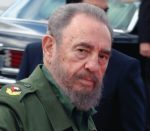
מנהיגה לשעבר של קובה, פידל קסטרו, שנפטר ב-25 בנובמבר. (צילום: Antônio Milena/ABr via Wikimedia Commons)

ג’סטין טרודו מאבד גובה: תמיכתו בפידל קסטרו גרמה לראש ממשלת קנדה לראשונה לחטוף מכל עבר

ראש ממשלת קנדה מטעם המפלגה הליברלית, ג’סטין טרודו, חטף לראשונה ביקורת קשה מאוד מבית ומחוץ, לאור תמיכתו הנלהבת במנהיגה לשעבר של קובה, פידל קסטרו, שנפטר ב-25 בנובמבר. רבים ממנהיגי העולם המערבי בהם ארה”ב וכמובן מנהיגי האופוזיציה (מהמפלגה הקונסרבטיבית) לממשלת טרודו בקנדה, ביקרו אותו קשות לאור הדבריו שאמר לזכרו של קסטרו. המועמד לנשיאות בארה”ב מטעם המפלגה הרפובליקנית, מרקו רוביו (שהפסיד לדונלד טראמפ), הגדיל לעשות כשאמר: “האם הצהרה זו אמיתית או פרודיה? כי אם זה אמיתי זה מביש”. ואילו פרשן יחסי החוץ של הוול סטריט ג’ורנל, ברט סטיבנס, העיר: “הודעה מחפירה של ג’סטין טרודו. לא ג’סטין, פידל לא ‘שירת’ את העם הקובני. הוא הפך את העם למשרתיו במשך 60 שנה”.

המנהיג הקובני היה ידידו של אביו פייר אליוט טרודו, שהיה המנהיג המערבי הראשון שביקר אותו באי ב-1976, מאז משבר הטילים עם ארה”ב והאמברגו האמריקני. קסטרו לא שכח וב-2000 הגיע להלוויית טרודו במונטריאול. טרודו הבן מיהר לצאת בהצהרה כתובה לאחר שנודע שקסטרו נפטר. בה אמר בין היתר: “פידל קסטרו היה מנהיג גדול מהחיים, ששירת במשך כמעט חצי מאה. היה מהפכן ונואם אגדי, שהביא לשיפור עצום במערכת החינוך וכן מתנגדיו הכירו בהתמסרותו ובאהבתו האדירה לעם הקובני, שרחש חיבה עמוקה ומתמשכת למנהיג”.

האמנם טרודו? מומחה לנושאי קובה וקסטרו, הסופר ובמאי הסרטים, ירון אביטוב, שחי בעבר בקובה, כתב בימים האחרונים רשימה על קסטרו שפורסמה בעיתון מעריב. בין היתר כתב אביטוב: “קסטרו היה אחד העריצים האכזריים ביותר בתולדות המאה ה-20 ונחשב לאכזר ומרושע. הוא רדף את מתנגדיו ורבים הושלכו לכלא ונמקו שם, בעיקר סופרים ועיתונאים. לאורך השנים מאות אלפים גלו מקובה, או ניסו לברוח ממנה למיאמי ברפסודות רעועות, וחלקם נטרפו על ידי כרישים. את הבשורה המהפכנית, שהייתה אמורה לשמש מודל וחיקוי במאבק נגד האימפריאליזם, השחיתות והסיאוב, המיר קסטרו ברודנות מושחתת ומסואבת, שרק מרקסיסטים עיוורים עוד דוגלים בה. במהלך כהונתו העשיר קסטרו את קופתו הפרטית על חשבון העם שהסתפק בנזיד עדשים, עד שזכה להיכלל ברשימת מאה עשירי העולם של המגזין פורבס. קסטרו הפך את קובה לאחת המדינות העניות המרודות בעולם. מדינה שרוב תושביה משתכרים סכומים שלא היו מספיקים לרכישת פלאפל ברחוב דיזינגוף. רוב תושבי קובה מתחננים בפני תיירים שירכשו עבורם תרופות שאין להשיגן, לא מעט מבנותיה מציעות את מרכולתן בשוק הבשר האכזרי, מדינה שסובלת מהפסקות חשמל ומים תכופות, מרבית אוכלוסייתה ניזונה מפנקסי קיצוב וכל אדם שפותח את הפה עלול להיות מושלך למאסר ממושך, ואף גרוע מכך”.

החשש מדונלד טראמפ: ארכיון האינטרנט האמריקני יצור עותקי גיבוי בקנדה

לאור החשש ממדיניותו הבעייתית והמסוכנת של הנשיא הנבחר של ארה”ב מטעם המפלגה הרפובליקנית, דונלד טראמפ, ארכיון האינטרנט האמריקני החליט ליצור עותקי גיבוי לעת חרום בקנדה. בהנהלת הארכיון הדיגיטלי חוששים כי טראמפ מסוגל להפעיל צנזורה קשה שתפגע בחופש הפעולה שלהם, ולכן הוחלט ליצור ‘אתר ראי’ שלא במפתיע ימוקם בשרתים הקנדיים שמעבר לגבול. עלות יצירת עותקי הגיבוי בקנדה תעלה מיליוני דולרים והארכיון מחפש עתה מקורות מימון ותרומות, להפעלת הפרוייקט המסובך.

הארכיון הדיגיטלי האמריקני (שהוא ארגון שלא למטרות רווח) פועל מזה כעשרים שנה, ומאחסן כל העת עמודי רשת. יצויין כי מדי שבוע הארכיון גדל בכשלוש מאות מיליון עמודי רשת חדשים, שכוללים ספרים, סרטונים, תוכנות, מוסיקה ועוד.

Format ImagePosted on December 7, 2016Author Roni RachmaniCategories עניין בחדשותTags Canada, Castro, Cuba, internet, Trudeau, Trump, אינטרנט, טראמפ, טרודו, קובה, קנדה, קסטרו
Landscapes alive with color

Landscapes alive with color

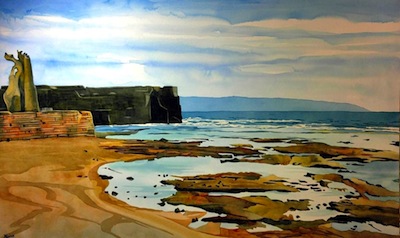
Sandy Blass’ solo exhibit No Other Country is at Zack Gallery until Dec. 12. (photo by Olga Livshin)

Artist Sandy Blass’ first solo show in Canada – No Other Country, a series of landscapes – opened last week at Zack Gallery.

Blass has always liked painting, and received her fine arts degree from the University of Calgary in 1984. She worked an office job full-time, raised her family in Calgary and painted as a hobby. Only after her children grew up could she allow herself the joy of following her heart into the arts. Although she still works – part-time at the Jewish Family Service Agency in Vancouver – she now considers herself a full-time artist.

Two important events contributed to her recent emergence as a full-time artist: first, she visited Israel for the first time in 2012; second, she moved to British Columbia in 2014.

Her show’s title, No Other Country, comes from the Hebrew song “I Have No Other Country,” about Israel, although, for Blass, a Jewish Canadian born and raised in Calgary, the sense of belonging is broader. “I belong in both places,” she said in an interview with the Independent, “Canada and Israel.” Her painting “Under the Same Sky,” an abstract play of lines and colors shaped like clouds, feels like the artist’s manifesto, reflecting her love for both countries.

Blass’ discovery of Israel and all things connected to Judaism came late in life. “My parents were Holocaust survivors. We didn’t talk about anything Jewish or about the war,” she explained. “Sometimes, my parents whispered about it but they never talked to me. Our home was secular and full of anxiety. My father always told me not to let anyone know that I was a Jew. Of course, after his concentration camp experience as a young boy, his fear was justified. I never questioned it.”

The older she grew, the more she wanted to learn about her roots and her family history. “I felt that I was missing something,” she said. “My father didn’t want to talk about the past, but my aunt did. She told me some of my family story when I was in my 20s. Later, I started painting with regard to my family history, exploring it through my imagery. I started going to shul. And, finally, I went to Israel.

“The first time – I traveled there in 2012 – I felt like I came full circle. I have family there, those who survived the war in Europe and immigrated to Israel afterwards. Since then, I’ve visited every year. I have even been thinking about aliyah, but not yet. I don’t feel that it is the right time.”

image - "Akko Beach" by Sandy Blass
“Akko Beach” by Sandy Blass.

After that first visit, Israel found a permanent place in the artist’s heart and in her paintings. “Since I reconnected with my Jewish identity, I paint both Canadian and Israeli landscapes,” she said. “I traveled to Europe, too, but I never painted there.”

Blass’ bright, vibrant compositions are half real and half abstract, although they are always linked to a particular place. “The sky is always imaginary though,” she said with a smile. “I love painting sky and water. Blue and green are my favorite colors. I love painting reflections, whether in the ocean, a mountain lake, a sea, or just a puddle. This way, water and sky come together, and the best medium to express their coupling is watercolors.”

She paints her landscapes exclusively in watercolor, her favorite medium. “I fell in love with watercolor in high school,” she said. “I love its flow, the transparency of colors. I tried other media over the years – oils and acrylic – but nothing worked for me, while I flourish in watercolors.”

Although watercolor is not the most popular type of paint for professional artists – the majority throughout the centuries has preferred oils – she is in good company. “Watercolors have a respectable place in art history. Joseph Turner, one of the foremost British landscape painters, worked in watercolors,” she said, listing well-known artists who used the same medium she does. “Toni Onley, one of the few Canadian artists represented at the Tate Gallery in London, worked in watercolors. I also want to make inroads into contemporary art in watercolors.”

One of the reasons for her love of watercolor, surprisingly, is that the paintings are not finished when the artist puts down her brush. “I don’t have complete control. The painting is only done when the water stops flowing, dries thoroughly,” she explained. “I experiment with the water flow sometimes. I have a special art table where I paint, and I might change the angle of the surface to affect the water flow. The results could be interesting. Also, the time it takes to dry could be important. Vancouver is more humid than Calgary, so it takes more time for the paintings to dry here. I like the end results better.”

No Other Country continues until Dec 12. To learn more about Blass’ work, visit blassart.com.

Olga Livshin is a Vancouver freelance writer. She can be reached at [email protected].

Format ImagePosted on December 2, 2016December 1, 2016Author Olga LivshinCategories Visual ArtsTags art, Canada, Israel, landscapes, watercolors
Scholar talks at Peretz

Scholar talks at Peretz

Prof. Ester Reiter, author of A Future Without Hate or Need, points to the U.S. election as a warning that the issues the Canadian Jewish left dealt with are as timely as ever. (photo from Ester Reiter)

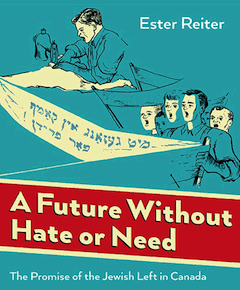
On Dec. 1, Prof. Ester Reiter will speak at the Peretz Centre for Secular Jewish Culture to launch her new book A Future Without Hate or Need: The Promise of the Jewish Left in Canada (Between the Lines, 2016).

Reiter’s book documents “the varied political and cultural activities of those who were part of the secular Jewish left” – the movements in which many Yiddish-speaking immigrants and their children took part during the first half of the last century, made up of Yiddish schools, theatres, choirs, dance troupes, drama groups, sports leagues, union activism, newspapers, women’s groups and summer camps. Their members were animated by a vision of what many of them would have called a shenere, besere velt (a more beautiful, better world). There were groups throughout the country, with the strongest ones in Montreal, Toronto and Winnipeg.

Many of these groups came together nationally in the United Jewish People’s Order (UJPO), founded in 1945. The book launch is being undertaken to commemorate the 90th anniversary of the founding of the Labor League – which later became part of UJPO – in Toronto in 1926. The launch is sponsored by UJPO, and co-sponsored by the Peretz Centre and the Shaya Kirman Memorial Foundation for Yiddish Culture. It will start at the Peretz Centre at 4 p.m.

Reiter, a sociologist by training and a senior scholar at York University in Toronto, grew up in New York in a milieu similar to the one she describes. “I grew up in the New York left, the sister version of the Canadian Jewish left. I was a child in the Yiddish shule [school] in Brooklyn and later the mittlshul [middle school] in Manhattan during the Cold War. Many of my teachers were well known in Canada – they were in the summer camps in Montreal and Toronto, and taught in Canada. The politics were virtually the same and shule materials used in Canada were produced in New York, particularly in the early years, the 1930s.”

This community was at its strongest from the 1920s to the 1950s. Yiddish-speaking immigrants were immersed in the secular Yiddish culture and literature that emerged in the late 19th century. “The Jewish left was the equivalent of a university for working-class women and men. The cultural activities – dance, choirs, orchestras – were accessible to both women and men. People working in the needle trades with no time to learn to read music would sing classical works in the choirs, learning them by heart.”

Reiter says of the Yiddish Arbeter Froyen Fareyn (Jewish Women’s Labor League) that, “the very act of getting together changed many of the women,” particularly in women-only groups, “where women felt more comfortable, they described how they learned to speak in meetings. Their political commitments, which involved activities such as walking picket lines, raising money for various causes, necessitated engaging in public life in a way that required and reinforced self-confidence. This participation in the wider world was empowering. They supported each other, made close friendships and had a lot of fun.”

Jews on the left in Canada, as elsewhere, were diverse – they included social democrats, Bundists, anarchists, Labor Zionists and Marxists. Reiter focuses on those whose outlook was Marxist and supported the Soviet Union after the 1917 October Revolution.

book cover - A Future Without Hate or NeedReiter emphasizes that this sector of the Jewish left had a life of its own distinct from the Communist party. “The leadership were Communist party members, but approximately 95% of the membership of the UJPO and its predecessors were not. One could think and say what one felt in the Jewish left without concern over whether it was the ‘correct’ position. Many people came [to the Jewish left] because of the liveliness of the community, as well as the politics.”

Initially, Yiddish schools saw their purpose as conveying ideological values, but this later shifted to transmitting the Yiddish language and Jewish cultural identity for their own sake, including secularized versions of Jewish holidays and rituals. “In the early period, a Yiddish education in the shule was to ensure that the children learned they were the children of workers, and needed to care about racism and class exploitation. After Hitler came to power and antisemitism was growing, Yiddish was valued as an end in itself, and there was more acceptance of the different ways of identifying as a Jew. The community developed secular ceremonies around the bar/bat mitzvah, the High Holidays, Rosh Hashanah and Yom Kippur.”

The Jewish left experienced government harassment during the Cold War, especially in Quebec under premier Maurice Duplessis. Reiter notes that Canadian Jewish Congress defended civil liberties in the face of repression, but “dealing with pro-communist groups in their midst was a different matter.” UJPO was expelled from CJC in 1952 for dissenting from the Cold War consensus by opposing the postwar rearmament of West Germany and supporting the Stockholm peace petition.

The Jewish left for a long time saw the Soviet Union as a hope for a better society, in its outlawing of antisemitism and support for Yiddish culture in the 1920s, but their hope was shattered by the Stalin regime’s murder of Yiddish artists in the late 1940s and early 1950s. “For many years, people projected their idealism on[to] the USSR. When they found out about Stalin’s suppression of Jewish life, it was shocking. Most of the Jewish [Communist party] leadership from UJPO left the party. However, the rank and file in UJPO were never actually party people, so many felt that, although the USSR under Stalin was terrible, their activities in Canada – helping the unemployed, union support – were important and valuable.”

Reiter describes various factors in the shrinking of the Canadian Jewish left – Cold War persecution, disillusionment with Stalinism, the erosion of Yiddish by assimilation. However, UJPO itself has survived the disappearance of the milieu that gave birth to it, and has even attracted new members. Reiter reflects, “There certainly is a need. Our politics mean that we are inclusive of different kinds of families – gay, straight, trans, mixed racial and religious origin. Yiddish has pretty well disappeared, but the progressive politics remain. With respect to Middle East politics, there are a variety of views in the UJPO, but we all agree that criticizing the actions of the Israeli government does not mean that one is a self-hating Jew. We also continue with trade union support, First Nations solidarity, environmental activism. We exist because we have a community that has a good time together. As the organized Jewish community has moved to the right, we provide a place where one can have a Jewish identity and be progressive. Secular left Jews now have to think about what we have in common, not what separates us.”

Reiter points to the Nov. 8 U.S. election as a warning that the issues the Canadian Jewish left dealt with are as timely as ever. “The struggle against racism, sexism, homophobia and all this meanness and narrowness is an ongoing one – a call to remember and honor and value our own history and where we came from.”

Carl Rosenberg is a member of the United Jewish People’s Order and Independent Jewish Voices Canada. For many years, he edited Outlook: Canada’s Progressive Jewish Magazine.

Format ImagePosted on November 25, 2016November 23, 2016Author Carl RosenbergCategories BooksTags Canada, Judaism, politics, secular left, Yiddish

Where will the money go?

The Canadian government has announced that it will resume funding the United Nations Relief and Works Agency for Palestine Refugees in the Near East (UNRWA). The government made the announcement last week, allocating $20 million to UNRWA’s budget and an additional $5 million to support the emergency appeal issued by the organization in order to aid Palestinian refugees affected by the catastrophic war in Syria.

In a statement, the government said, “with this funding, Canada joins all other G7 countries in supporting UNRWA’s efforts to meet the ever-increasing needs of Palestinian refugees, assists in providing basic services for vulnerable people, and contributes to some stability in the region.”

Canada’s previous Conservative government backed away from supporting UNRWA, reducing funding from $32 million in 2007 to $19 million in 2009 and, in 2010, cutting funding entirely. The justification at that time was that UNRWA has ties to the terrorist group Hamas, which controls the Gaza Strip.

The $20 million just announced is expected to support health, social services and education “for millions of vulnerable Palestinian refugees,” according to Ottawa. But the announcement comes just days after renewed reports that raise concerns about the more than 200 Palestinian schools sponsored by UNRWA, which teach students between first and ninth grade.

One expert on the subject told a conference organized by the Centre for Near East Policy Research (CNEPR) this month that the textbooks reflect the educational principles introduced by Yasser Arafat when the Palestinian authority gained control over the education system in the West Bank and Gaza, and have not been cleansed of hate, antisemitism and incitement. Participants in the conference obtained textbooks from the warehouse that supplies Palestinian schools and they claim the books still encourage a violent struggle for the liberation of “Palestine,” which is defined to include all of present-day Israel, the rejection of historical facts about Jewish holy places and the demonization of both Israel and of Jews.

A spokesperson for UNRWA outright rejects the accusations, saying that two significant analyses of textbooks, including one by the U.S. Department of State, debunked the assertions of incitement in the curriculum. However, David Bedein, director of CNEPR, said he was prepared to present the U.S. government with evidence that contradicts the state department’s findings but told the Jerusalem Post he was rebuffed by the White House.

These conflicting reports are disconcerting. It should be possible for funders who send hundreds of millions of aid dollars to find out for sure whether their money is funding genocidal incitement. The Centre for Israel and Jewish Affairs is certainly correct in declaring that donor countries “have a responsibility to ensure that aid is used for the purpose for which it is given, and we are pleased Canada has taken the lead in establishing a robust accountability protocol.”

In announcing the renewed funding, the federal government promised “there will be enhanced due diligence applied to UNRWA funding … accompanied by a very robust oversight and reporting framework, which includes regular site visits and strong antiterrorism provisions.”

This would be a positive step, to say the least. It would also be a positive step if these Canadian funds do actually provide health, education and social services to people who need them. But this, too, will be difficult to discern. The Wall Street Journal reported earlier this year that an analysis by Israel’s Ministry of Foreign Affairs indicates that the Palestinian Authority budgets about $75 million a year to support Palestinian terrorists – about 16% of foreign donations the PA receives. A lack of transparency about where the rest of the money goes means the world has been unable to determine how much money is lining the pockets of cronies of the dictatorship and what proportion is making positive social and economic contributions in the lives of Palestinians. Notably, the Palestinians receive more international aid per capita than any other people in the world – by far. Even as the catastrophe in neighboring Syria has seen 250,000 killed and 6.5 million refugees displaced, Syrians receive $106 per capita in international aid, while Palestinians receive $176.

One could argue whether Canadian funds are needed by the Palestinian Authority at all. And, clearly, we cannot be entirely confident that funds are going to the places they are intended. But, if the Canadian government does indeed follow the money, as promised, and determines whether it is making life better for Palestinians or is instead inciting terrorism, this might finally answer some questions that today seem subject to accusations and denials. That would be money well spent.

Posted on November 25, 2016November 23, 2016Author The Editorial BoardCategories From the JITags antisemitism, Canada, foreign aid, Palestinians, terrorism, United Nations
מגפת הפנטניל

מגפת הפנטניל

מגפת הפנטניל: חמש מאות חמישים וחמישה תושבים מתו בבריטיש קולומביה בתשעה חודשים. (צילום: Crohnie via Wikimedia Commons)

מצב חירום הוכרז במערכת הבריאות של מחוז בריטיש קולומביה לאור מגפת הפנטניל, הסם הקטלני שהורג מדי יום בממוצע שני מכורים במחוז. מספר המתים בבריטיש קולומביה מהסם, בתשעת החודשים הראשונים של השנה הגיע כבר לחמש מאות חמישים וחמישה. לעומת זאת בכל שנת 2015 מתו מהסם בסך הכל חמש מאות ושמונה איש. כוחות ההצלה והמשטרה מסתובבים באזורים בהם מרוכזים נרקומנים שברובם הומלסים, ובידיהם ערכות חירום להציל ממוות משתמשי יתר בפנטניל. להדגמת חומרת המצב: ביום אחד באחד החודשים האחרונים, בתוך כעשרים דקות הגיעו לחדר המיון באותו בית חולים באזור העיר דלתה, שמונה מכורים במצב קריטי ביותר כתוצאה מהשימוש בסם.

הפנטניל שנחשב לזול ונגיש הרבה יותר מהרואין והוא אף חזק פי חמישים ממנו, התחיל להגיע לשוק בקנדה ובארצות הברית לפני כארבע שנים. הוא מיוצר בעיקר בסין ומשם מגיע למעבדות בבתים פרטיים ברחבי בריטיש קולומביה. הסם מורכב ממשכך הכאבים החזק פנטניל (שהוא אופיואיד סינתטי) בתוספת חומרים שטבעם עדיין לא ידוע. ישנן שתי סיבות עיקרתיות לסכנת המוות מהשימוש בפנטניל. הראשונה – סוחרי הסמים מוכרים אותו כהירואין והמשתמשים מזריקים חומר רב כהרגלם (כי הם כאמור חושבים שמדובר בהירואין) ופשוט מתים ממנת יתר. השנייה – הסם מעורבב בחומרים רעילים והדרך על המות קצרה מצד המשתמש.

כידוע הזמר האמריקני פרינס מת משימוש בפנטניל. כעת המשטרה מנהלת חקירה מורכבת כדי לבדוק האם פרינס ידע מראש באיזה כדורים נגד כאבים הוא השתמש. או שהודבקה תווית לא נכונה על הבקבוק שהשתמש בו שהיה מלא בפנטניל.

מדד התיירות הרפואית: קנדה במקום הראשון ואילו ישראל במוקם השלישי והמכובד

קנדה ממומקמת במקום הראשון ואילו ישראל נמצאת לא הרחק אחריה במקום השלישי והמכובד, במדד התיירות הרפואית לשנת 2016, המתפרסם על ידי המרכז הבינלאומי למחקר רפואי (איי.איץ’.אר.סיי) שמושבו בפלורידה. המדד שמורכב משלושים וארבעה קריטריונים שונים כולל ארבעים ואחת מדינות.

עשר הראשונות במדד התירות הרפואית העולמי: ראשונה כאמור קנדה, שנייה בריטניה, שלישית כאמור ישראל, רביעית סינגפור, חמישית הודו, שישית גרמניה, שביעית צרפת, שמינית דרום קוריאה, תשיעית איטליה ועשירית למרבית הפלא קולומביה.

בחלוקה לפי אזורים: חמש עשרה מדינות מהמזרח התיכון ואפריקה (מהוות כשלושים ושבעה אחוז מסך התיירות הרפואית בעולם), תשע מדינות מאירופה (מהוות עשרים ושלושה אחוז מסך התיירות הרפואית בעולם), תשע מדינות מצפון ודרום אמריקה (מהוות עשרים ושניים אחוז מסך התיירות הרפואית בעולם) ושמונה מדינות באסיה (מהוות למעלה משמונה עשר אחוז מסך התיירות הרפואית בעולם).

המרכז הבינלאומי למחקר רפואי מצא עוד נתונים מעניינים לגבי התיירות הרפואית בעולם. חמישים ואחד אחוז הם נשים ואילו ארבעים ותשעה אחוז גברים. למעלה מחמישים ושניים אחוז הם נשואים, כשלושים ושניים אחוז רווקים ואילו כשישה עשר אחוז גרושים. למעלה משישים ושישה אחוז לבנים, כארבעה עשר אחוז שחורים, כשניים עשר אחוז לטינים וכשבעה אחוז אינדיאנים.

גם בשנתיים הקודמות (2014 ו-2015) ישראל מוקמה במקום השלישי. לישראל מגיעים כיום למעלה משלושים אלף תיירים בשנה לקבלת טיפולים רפואיים (שכוללים ניתוחים מוסבכים וטיפולים מורכבים). ובנוסף מגיעים לארץ למעלה משישים אלף תיירים להחלמה ומנוחה (בעיקר לאזור המרחצאות של ים המלח).

בהתאם לנתוני המרכז הבינלאומי למחקר רפואי, מדי שנה גדל מספר החולים שנוסעים לקבל טיפולים רפואיים במדינות אחרות ברחבי העולם. עם זאת אין מספרים מדוייקים של התופעה בקרב המדינות השונות והמדד מתבסס בעיקר על נתונים סטטיסטיים.

Format ImagePosted on November 9, 2016November 8, 2016Author Roni RachmaniCategories עניין בחדשותTags Canada, fentanyl, Israel, medical tourism, התיירות הרפואית, ישראל, פנטניל, קנדה
אמנת מס חדשה

אמנת מס חדשה

שר החוץ של קנדה, סטפן דיון, עם שר האוצר של ישראל, משה כחלון. (צילום: Global Affairs Canada)

שר החוץ של קנדה, סטפן דיון, חתם לאחרונה בישראל על אמנת מס חדשה עם שר האוצר של ישראל, משה כחלון. ההסכם נועד למנוע את כפל המס בין שתי המדינות, וכן להסדיר את נושא המיסוי בין קנדה לישראל לגבי יחידים וכן לגבי חברות. מטבע הדברים הסכם זה צפוי לחזק את הקשרים המסחריים בין שתי המדינות. בפגישה בין השניים אמר דיון: “ההסכם הזה יחזק את הקשרים הכלכליים והמסחר בין קנדה לישראל. וכן יעודד חברות קנדיות נוספות להשקיע בישראל”. כחלון הוסיף: “שיתוף הפעולה בין שתי המדינות הוא הכרחי. יש לזכור שקנדה היא מהידידות הגדולות של ישראל בעולם”.

המיזוג אנברידג’-ספקטרה יוצר את גוף האנרגיה הגדול בצפון אמריקה

רכישת חברת האנרגיה האמריקנית ספקטרה אנרג’י קורפ (מיוסטון) על ידי החברה הקנדית אנברידג’ אינק (קלגרי), יוצר את מוביל האנרגיה הגדול ביותר בצפון אמריקה. שווי הרכישה שלושים ושבעה מיליארד דולר ובפועל הוחלפו מניות בין שתי החברות, כאשר אנברידג’ תחזיק בחמישים ושבעה אחוז מהבעלות על החברה המשותפת. המשקיעים כך מסתבר אוהבים את הרכישה ומניות אנברידג’ עלו מאז בבורסת טורונטו, ואילו מניות ספקטרה עלו בבורסת ניו יורק. העיסקה שתיחתם בראשית 2017 כפופה לקבלת לאישורים מהרגולטוריים השונים. המיזוג צפוי ליצור פרוייקטים חדשים בשווי ארבעים ושמונה מיליארד דולר. כך שהדיבידנדים לבעלי המניות יוכפלו בתוך שש עד שבע השנים הבאות.

היתרונות לאנברידג’ מהעיסקה ברורים: החברה הקנדית שמתמקדת בהפצת נפט גולמי חיפשה לגוון את עסקיה ואילו ספקטרה האמריקנית מתמקדת בהפצת גז טבעי. כיום קל יותר לרכוש גוף עם קווי אספקה קיימים, מאשר להשיג רשיונות לבניית קווים חדשים בעיקר לאור החשש לפגיעה באיכות הסביבה, והאישורים הרגולטורים המסובכים. כן קל יותר לפעול בארה”ב מאשר בקנדה והשוק בארה”ב גדול יותר.

הפעם יש ביסוס להערכה: מחקר חדש קובע שהכלב הוא אכן חברו הטוב של האדם

מחקר חדש שפורסם לאחרונה בבריטיש קולומביה מאשר את מה שידענו וחשבנו, כי הכלב הוא אכן החברו הטוב של האדם. חמישים וארבעה אחוז מהמשתתפים במחקר ציינו במפורש, כי הם מעדיפים לטייל בחוף הים או בכל מקום אחר בחוץ, ביחד עם חברם שהולך על ארבע, מאשר עם בן או בת הזוג שכנראה נובח יותר מדי. מומחים הופתעו מהתוצאות ולא תיארו לעצמם, כי כיום מערכות היחסים בין בני זוג הן כל כך מורכבות ומסובכות, כך שרבים מעדיף להירגע בחוץ דווקא עם הכלב.

ועוד נתונים מעניינים לפי תוצאות המחקר: שמונים אחוז מבעלי הכלבים לא מוכנים להכיר, לצאת או אפילו להתחתן עם בן או בת זוג, שלא מסתדר עם כלבם. חמישים ושמונה אחוז מבעלי הכלבים יעמידו אותם במקום הראשון, בסדר העדיפויות היום יומי שלהם, אפילו אם זה יבוא על חשבונם. למשל הם יסכימו לוותר על אירוע בחוץ וישארו בבית ביחד עם כלבם, כדי שלא ישאר לבד. רוב מוחלט של בעלי הכלבים (תשעים ותשעה אחוז) רואים בכלב כבן משפחה לכל דבר ועניין. ומה קורה עם התנהגות בעלי הכלבים בעת הטיול עם הכלבים בחוץ: תשעים וחמישה אחוז מהבעלים טוענים כי הם אכן מנקים אחרי כלבם ואוספים את הצואה שלו, ואילו שבעים וחמישה אחוז מציינים כי יקשרו את חברם הטוב לרצועה בעת הטיול.

בבריטיש קולומביה גרים כיום למעלה מ-4.6 מיליון איש והכלבים ברחבי מחוז נפוצים מאוד. לכשליש מתושבים במחוז יש לפחות כלב אחד, שכאמור הוא חלק משמעותי מחיי מהמשפחה שלהם.

Format ImagePosted on November 2, 2016Author Roni RachmaniCategories עניין בחדשותTags Canada, dogs, energy, Israel, merger, tax treaty, אמנת מס, אנרגיה, המיזוג, ישראל, כלבים, קנדה
Canadian tributes to Peres

Canadian tributes to Peres

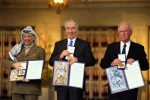
The Nobel Peace Prize laureates for 1994 in Oslo, from left to right: Palestinian Liberation Organization chairman Yasser Arafat, Israeli foreign minister Shimon Peres and Israeli prime minister Yitzhak Rabin. (photo by Saar Yaacov, GPO)

A towering figure, one among the founding generation of Israelis, Shimon Peres served as president, prime minister and in various key cabinet posts. He died Sept. 28 at the age of 93. Canadians joined in the international chorus of leaders mourning his death.

“Every so often, our lives are graced by the presence of truly remarkable individuals. They teach us invaluable lessons about compassion, fairness and generosity. They give us innumerable memories and a life of service that changes societies for the better,” said Gov. Gen. David Johnston.

“Shimon Peres meant so much to Israel, to Jewish people in Canada and around the world, and to the friendship between our nations. He called Canada an extraordinary friend during his state visit to our country in 2012, and I remember quite clearly the impression he left on me as a socially conscious man, driven by his love of Israel,” Johnston stated. “Though he is no longer with us, I hope that the legacy he left – as former president and prime minister of Israel and as a Nobel Peace Prize recipient – will let us strive for a better, more peaceful world. He will be missed and remembered by all those whose lives he has touched.”

Prime Minister Justin Trudeau issued a statement saying, “Shimon Peres was, above all, a man of peace and a man dedicated to the well-being of the Jewish people.

“Over the course of his long and distinguished life, Mr. Peres made enormous contributions to the founding and building of the state of Israel. He was devoted to promoting understanding between his country and its neighbors, and shared a Nobel Peace Prize for his efforts to create peace in the Middle East.

“Mr. Peres was an internationally respected statesman and a great friend to Canada. He visited our country often, and helped build relations that remain strong to this day.

“On behalf of all Canadians, Sophie and I offer our deepest condolences to the family and friends of Mr. Peres – and to the people of Israel. His legacy as a tireless advocate for peace will not be forgotten.”

Rona Ambrose, leader of the Official Opposition Conservative party, stated, “Few have accomplished more for the advancement of Israel and the Jewish people than Shimon Peres. His legacy spanned more than six decades in public service and as a political figure. He was a man who was the architect of Israel’s robust defence strategy, and someone who also won the Nobel Peace Prize in an attempt to find peace with the Palestinian people.

“Israel today is a steadfast ally to the West and all those who cherish democracy and pluralism. Israel’s strength is due in no small part to Shimon Peres and his foresight in advocating for peace while ensuring the nation he loved had the means to protect itself and its citizens in a turbulent world.

“Shimon Peres’ relationship with Canada was strong and lasting. In the 1950s, he visited Canada to secure assistance for the fledgling state. This soon cemented the special relationship between Canada and Israel, and he paid tribute to Canada on his 2012 visit when he said Canada is ‘an extraordinary friend’ and ‘never indifferent, never neutral.’”

Businessperson and former diplomat Arie Raif knew Peres well. He considered the Israeli leader his mentor and first met him as a teenager in the Israeli Knesset. Peres was a visionary, an elegant individual who never lost the common touch, who felt just as home with cooks and workers as with prime ministers and diplomats, he said.

Raif recalled an incident as a youth, when Peres visited the staff at the Knesset before Passover. He greeted them all with a warm embrace and wished them a happy holiday. Raif was able to meet the future prime minister, president and cabinet minister because his mother was the sous-chef in the Knesset at the time. Later, he would go on to work with Peres, and he opened the Canadian Peres Centre for Peace Foundation in Toronto.

Peres’ like will never be found again in Israel, Raif said. He possessed unique qualities that can’t be duplicated. As someone born in Europe, he brought something to Israel that the do-it-quick Israelis are lacking – a long-term vision for the country and the region.

Raif credited Peres with promoting peace and convincing his colleague, then-Israeli prime minister Yitzhak Rabin, to agree to the Oslo accords and shake Palestinian leader Yasser Arafat’s hand. That was something Rabin resisted for a long time.

Raif noted that, while a committed advocate for peace, in his earlier years, Peres played a key role in ensuring Israel possessed the means for its defence. In the 1950s, as director of the Ministry of Defence, “he made sure Israeli security forces got the best available weaponry and, according to the foreign press, he was the one who negotiated with the French for unconventional weapons” – Israel’s nuclear plant.

Canadian Jewish organizations also paid tribute to Peres.

“President Shimon Peres was a visionary, statesman, philanthropist and a giant of Israeli life whose private and professional accomplishments over seven decades read like the history of the modern state of Israel,” said David Cape, chair of the Centre for Israel and Jewish Affairs. “As a strong proponent of conflict resolution who earned a Nobel Prize for his efforts, Peres embodied the timeless aspiration of the Israeli people for a future in which their children will live in peace and security.”

“Shimon Peres was a vital force in shaping Israel,” said Julia Berger Reitman, chair of Jewish Federations of Canada-United Israel Appeal. “His contributions in the political and security fields are unparalleled. He was one of modern Israel’s defining figures.”

Friends of the Simon Wiesenthal Centre issued a statement offering its condolences and JSpaceCanada, a progressive Zionist organization, issued a statement saying it “mourns the passing of Shimon Peres, a source of optimism and inspiration for Israel and for the worldwide Jewish community…. He is mourned not only by Israel’s allies throughout the world but also by members in the Palestinian leadership who seek real peace.”

Meanwhile, Montreal MP Anthony Housefather addressed Parliament, noting that, “rarely does a man embody a country, but Shimon Peres was indeed such a man. He was a part of every bit of Israeli history, big or small, since before the nation was founded.

“Israel and the rest of the world lost an exceptional human being … a great statesman who dedicated his life to promoting peace and dialogue. He was a source of inspiration to many people all over the globe, myself included. Through his enduring commitment to the principles of justice and human dignity, he always worked in the best interest of his people.”

Also addressing Parliament, Toronto MP Michael Levitt said, “the international community has lost a giant.

“Shimon Peres was a peace builder, a public servant who embodied the boundless energy, optimism and desire of Israelis to seek peace in a region fraught with immense challenges.

“In his 66 years in public life, President Peres dedicated himself to fostering peace between Israelis and Palestinians, as exemplified in his leadership role in forging the Oslo accords.

“President Peres’ contributions extend far beyond peace and diplomacy. He was a driving force for innovation, inspiring Israelis to dream and think big. Unquestionably, his influence contributed in no small part to the rise of the ‘start-up nation.’… Israelis have lost a founding father, but his legacy will continue to shine.”

– A longer version of this article and more national Jewish news can be found at cjnews.com

Format ImagePosted on October 7, 2016October 5, 2016Author Paul Lungen CJNCategories Israel, NationalTags Canada, diplomacy, Israel, Peres
Helping build brighter future

Helping build brighter future

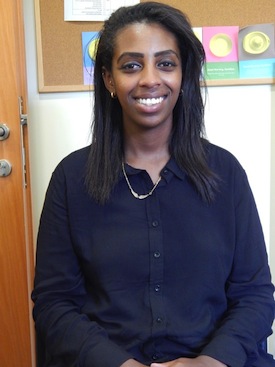
Jewish Federation of Greater Vancouver and the local Jewish community recently hosted Ethiopian-Israeli students Mazal Menashe and Ahuva Tsegaye. (photo by Cynthia Ramsay)

Every second year, the Jewish Federation of Greater Vancouver hosts two Ethiopian students from the Interdisciplinary Centre in Herzliya. This allows the students to come to Canada and intern in their chosen fields, giving them not only the educational experience but an advantage in finding work after graduation. The students also act as ambassadors for Israel while in the community and interacting with various local groups.

This year, Federation hosted Mazal Menashe and Ahuva Tsegaye. While in Vancouver for the month-long internship, the students stayed with host families Sam and Sandra Reich in Richmond and Ben and Nancy Goldberg in Vancouver; they spoke at synagogues, churches and schools.

photo - Mazal Menashe
Mazal Menashe (photo from JFGV)

In 1991, when Operation Solomon airlifted 14,325 Ethiopian Jews to Israel in 36 hours, Menashe and Tsegaye were babies. Tsegaye’s mother, who was a midwife, gave birth to her alone on the way to Addis Ababa for the airlift, on the outskirts of Gondar. Menashe, granddaughter of Qes (Ethiopian for rabbi) Menasse Zimru, was born in Addis Ababa while her mother and father awaited the Israelis.

Menashe and Tsegaye both grew up in Israel, overcoming poverty and occasional racism to become successful young women.

Upon arriving in Israel, Tsegaye’s family lived first in Jerusalem, then Haifa, then Kfar Hahoresh in the north and, finally, Migdal Haemek, where they still live today. Her mother is a homemaker, and her father, who works for the city as a street cleaner, is now semi-retired.

Menashe’s family first moved to an absorption centre in Mabu’im in the south, near Beersheva. They lived there for a year before moving to Netivot, where they stayed until Menashe was 6, and then to Ashdod, where they live today. Her mother is a caregiver for the elderly and her father works in a factory.

Both Menashe and Tsegaye served in the Israel Defence Forces.

Menashe was drafted to the IDF in 2010, and completed training in the Logistics Corps as an outstanding soldier. After serving in the Paratroopers Brigade for two months, she was asked to go into officers’ training, which she did, becoming responsible for a company of 150 soldiers. When she was released from the army after five years, it was with the rank of lieutenant.

Tsegaye served for six and a half years, the only member of her family to become an officer. She served in an air traffic control unit in the air force as an instructional officer, and completed her service with the rank of captain.

“Serving in the IDF was the most empowering experience of my life,” said Tsegaye. Menashe agreed.

photo - Ahuva Tsegaye
Ahuva Tsegaye (photo from JFGV)

Menashe and Tsegaye didn’t meet in the IDF, but rather at the Interdisciplinary Centre, where they are both enrolled. In August, Jewish Federation brought them to Vancouver to work as interns in their respective fields: Menashe in law and Tsegaye in organizational psychology.

“We feel so blessed, so appreciative for what the Jewish Federation has done for us,” said Tsegaye. “And we are very grateful to have the platform to be advocates for Israel abroad.”

Both Menashe and Tsegaye have faced many challenges to get where they are now. Ethiopians in Israel face racism, poverty and challenges related to cultural and linguistic integration. The two students were both present at the mass protests that took place in Tel Aviv and Jerusalem last year calling for an end to racism and police brutality against Ethiopian-Israelis.

Menashe and Tsegaye broadcast strength and optimism. “We cannot wait for other people to save us,” they agreed. “We are not waiting for a savior, we will work hard and make the change ourselves.”

The power to shape their own lives, and their optimism about their ability to make the lives they want, are recurring themes in Menashe and Tsegaye’s conversation. This is fitting for members of the generation that is changing the realities of Ethiopian-Israeli life in Israel. “Our generation is entering the professional classes,” noted Menashe. “We are making a new future for Ethiopian-Israelis.”

Tsegaye added that the younger generation of Ethiopian-Israelis gives her hope. She told of going to a kindergarten where a nephew is enrolled and seeing a black doll. “I had never seen a black doll before in my entire life,” she said. “The younger Ethiopian-Israelis are much more integrated. They see themselves as Israelis.”

For community members wanting to support Jewish Federation programs such as this one, the annual campaign runs to Nov. 30. For more information, visit jewishvancouver.com.

Matthew Gindin is a freelance journalist, writer and lecturer. He writes regularly for the Forward and All That Is Interesting, and has been published in Religion Dispatches, Situate Magazine, Tikkun and elsewhere. He can be found on Medium and Twitter.

Format ImagePosted on October 7, 2016October 5, 2016Author Matthew GindinCategories LocalTags annual campaign, Canada, community, Ethiopia, Federation, Israel
משטרת הגבולות ומריחואנה

משטרת הגבולות ומריחואנה

(צילום: gsa.gov)

תופעה שהולכת להחמיר: משטרת הגבולות האמריקנית מונעת כניסת קנדים לארה”ב אם עישנו מריחואנה

אין גבול לחוצפה כנראה אצל משטרת הגבולות האמריקנית (יו.אס קסטמס אנד בורדר פרוטקשן). מתברר שלאחרונה במספר מקרים שוטרי גבול אמריקניים שאלו אזרחים קנדיים שמבקשים לעבור את הגבול לארצות הברית, אם הם עישנו אי פעם בחייהם מריחואנה. אלה שעונים בתמימות וביושר כי אכן עישנו בעברם את הסם הקל – לא יוכלו להיכנס יותר לארה”ב. הדחייה היא לתמיד ומדובר בגזירה קשה ביותר. במקרים מסויימים (תוך כדי עזרה של עורך דין) יכולים הנדחים לבקש אישור זמני להיכנס לארה”ב. ורק לאחר שיעברו בדיקה רפואית, בדיקה משטרתית וכן ימסרו טביעות אצבעות, יתכן ויונפק האישור הזמני לתקופה של בין שנה, שנתיים ועד לחמש שנים. ולאחר מכן הם יאלצו לבקש לחדש את האישור שוב ושוב לכל החיים. הנפקת האישור הזמני אינה זולה והיא עולה אלף ומאתיים דולר, וכן יש לשלם בנפרד שכר טירחה לעורך הדין שטיפל בתיק. כל חידוש אישור כזה כרוך כמובן בתשלום נוסף.

image - U.S. Customs and Border Protection logoקנדי מאזור ונקובר מתיו הרווי (בן ה-39) שביקש לעבור את הגבול האמריקני כדי להגיע לקונצרט בסייאטל, נדחה על ידי משטרת הגבולות האמריקנית, לאחר שהודה כי כשהיה בן 18 עישן מריחואנה (ואז הוא נחקר במשך כשש שעות). הרווי מציע למי שנשאל פשוט לשקר ולא להודות כי עישנו את הסם בעבר, ואז הם יוכלו לעבור את הגבול בשקט.

משטרת הגבולות האמריקנית פועלת בהתאם לחוק הפדרלי ולא מעניין הסוכנות הפדרלית שכבר בשלוש מדינות בארה”ב, כולל וושינגטון הסמונה לפרובינציית בריטיש קולומביה, עישון מריחואנה הוא הליך חוקי. בוודאי ובוודאי שמשטרת הגבולות לא תתייחס כלל לעובדה, שבקרוב עישון מריחואנה יהפוך להליך חוקי גם בקנדה. אז גם צפוי שהתופעה של קנדיים שלא יוכלו להיכנס לארה”ב תלך ותגדל.

בממשלה הפדרלית של קנדה כועסים מאוד על משטרת הגבולות האמריקנית ומבטיחים לנסות ולפעול לשנות את הגזירה, נגד אזרחים מקומיים תמימים שמבקשים לעבור את הגבול לשכנה מדרום. השר לביטחון פנים, רלף גודל, מציין שמדיניות משטרת הגבולות היא מגוחחת ויש לטפל בנושא בדחיפות.

ולעניין החוק בקנדה: הארגון הרפואי של קנדה מבקש מהממשלה לקבוע בחוק החדש, שעישון מריחואנה יתאפשר רק לאלה שמלאו להם 21, ולהטיל מגבלות על כמות השימוש בסם לאלה שטרם מלאו להם 25.

מטריה לכל צרה שלא תבוא: קורס ללמוד להשתמש במטריה להגנה עצמית

מטריות נפוצות בוונקובר הנחשבת לאחת הערים הגשומות ביותר בעולם ולכן זכתה לכינוי “ריינקובר”. ולכן תמיד מומלץ להסתובב בכאן עם מטריה כי גשם שעלול לרדת בכל רגע. אך מתברר שלמטריות יש עוד שימושים ובאקדמיה לסייף שבעיר מעבירים סדנאות על מה אפשר לעשות עימן, חוץ מלהתגונן מהגשם או לרקוד בו.

לאור ריבוי האלימות ברחובות המשתתפים בסדנא בת השעתיים לומדים בחלקה הראשון, טכניקות שונות כיצד אפשר להיעזר מטריה פתוחה ככלי להגנה עצמית לחסום מכה או להסטית אותה. לחילופין ניתן להפוך את המטריה לכלי נשק מאולתר של ממש ולהשתמש בשתי הקצוות שלה (בידית או בחנית) בעת סכנה שאורבת.

החלק השני הוא קורס לנימוסים והליכות עם מטריות. למשל: להציע גם לאחרים להתחלק במטריה שלך, כשלא משתמשים במטריה יש לדאוג שההחנית שלה תכוון כלפי מטה, יש להנמיך את המטריה כשהולכים מול אנשים אחרים, יש לנער את המטריה לפני שנכנסים למקום סגור (מסעדה, משרד או בית). וכמובן שאין שלוח הודעות טקסט כשהולכים עם מטריה פתוחה – זו מתכונות לתאונות.

Format ImagePosted on September 14, 2016Author Roni RachmaniCategories עניין בחדשותTags border patrol, Canada, marijuana, rain, umbrella, United States, Vancouver, ארה"ב, גשם, וונקובר, מטריה, מריחואנה, משטרת הגבולות, קנדה

Those who came before us

I was recently in Australia, where I presented at Limmud Oz, a Jewish festival of learning. One thing – among many – that struck me about the community was that, on more than one occasion, Limmud sessions or other parlor meetings opened with a public acknowledgment of the elders of the Gadigal people (in Sydney) and the Boonwurrung people of the Kulin Nation (in Melbourne).

Similar acknowledgments are becoming more common in locales across Canada – references to the Métis Nation at events in Winnipeg; the Musqueam, Squamish and Tsleil-Waututh in Vancouver; the Wendat, Anishewabe and Massasagua in Toronto; the Algonquin in Ottawa. But I have only heard this done once in a Jewish context – at a Jewish Voices for Peace event in Ottawa.

Ittay Flescher, a Jewish educator at Mount Scopus Memorial College, a day school in Melbourne, has been one of many educators to call for his school assemblies to open with a similar acknowledgment, and feature signs on classroom walls “acknowledging country,” in Australian parlance. His shul, Shira Hadasha, a partnership minyan, also incorporates such a statement in its Prayer for Australia.

Flescher has gone deeper in raising awareness, having introduced a Grade 9 aboriginal studies course. These students were in kindergarten when the government issued its historic 2007 apology for the Stolen Generations policies, whereby aboriginal children were taken from their parents to be raised by whites – Australia’s version of Canada’s terrible Sixties Scoop.

Named Yorta Yorta Beyachad (beyachad means “together” in Hebrew), the course is anchored in a little-known event that bound Australia’s Jewish community in Shepparton to William Cooper of the Yorta Yorta tribe. Having been one of the first to launch an aboriginal civil rights movement, in 1938, Cooper – a person with no status, no voting rights and no formal citizenship, as was the case among aboriginals in Australia at the time – turned his sights to another oppressed people. Appalled by the events of Kristallnacht, Cooper marched to the German consulate in Melbourne to present a petition denouncing “the cruel persecution of the Jewish people by the Nazi government of Germany,” an act of protest that stayed virtually hidden until it was discovered by a Melbourne archivist in 2002.

Each year, Flescher takes his students to Yorta Yorta country in partnership with the Australian Jewish social justice organization Stand Up. For three days, they meet with elders, learn traditional dances, discuss issues around identity, and deepen their understanding of aboriginal history. They visit Cummergunja, one of the Catholic missions where aboriginals were forcibly placed in 1889. They even visited Cooper’s grave where they recited Kaddish for the victims of the Shoah. “It was an incredibly moving and humbling experience,” Flescher said.

The Canadian Jewish community is beginning to tackle the issue as well. The CJN reported in May on a Jewish teen cultural exchange to the Nipissing First Nation Reserve. And, in response to the Truth and Reconciliation Commission, several Jewish groups, including Ve’ahavta, the Toronto Board of Rabbis, the Canadian Council for Reform Judaism and CIJA, signed a “statement of solidarity and action.” Bernie Farber, former head of Canadian Jewish Congress and now head of Mosaic Institute, has been at the forefront of moves to advance deep and thoughtful discussion about the fate of the First Nations.

These are all encouraging. And, like the dancing of the hands before reciting the Shabbat candle blessing or the kissing of the mezuzah before entering a room, there is something powerful about a ritual-like statement at the beginning of a Jewish gathering to acknowledge who came before us and how we can help repair the wrongs inflicted – even if most of us, or our ancestors, were fleeing our own private horrors when we arrived at the shores of this great country.

Mira Sucharov is an associate professor of political science at Carleton University. She is a columnist for Canadian Jewish News and contributes to Haaretz and the Jewish Daily Forward, among other publications. This article was originally published in the CJN.

Posted on August 26, 2016August 25, 2016Author Mira SucharovCategories Op-EdTags Australia, Canada, First Nations, reconciliation

Posts pagination

Previous page Page 1 … Page 24 Page 25 Page 26 Next page
Proudly powered by WordPress