Skip to content
  • Home
  • Subscribe / donate
  • Events calendar
  • News
    • Local
    • National
    • Israel
    • World
    • עניין בחדשות
      A roundup of news in Canada and further afield, in Hebrew.
  • Opinion
    • From the JI
    • Op-Ed
  • Arts & Culture
    • Performing Arts
    • Music
    • Books
    • Visual Arts
    • TV & Film
  • Life
    • Celebrating the Holidays
    • Travel
    • The Daily Snooze
      Cartoons by Jacob Samuel
    • Mystery Photo
      Help the JI and JMABC fill in the gaps in our archives.
  • Community Links
    • Organizations, Etc.
    • Other News Sources & Blogs
    • Business Directory
  • FAQ
  • JI Chai Celebration
  • JI@88! video

Recent Posts

  • Story of Israel’s north
  • Sheltering in train stations
  • Teach critical thinking
  • Learning to bridge divides
  • Supporting Iranian community
  • Art dismantles systems
  • Beth Tikvah celebrates 50th
  • What is Jewish music?
  • Celebrate joy of music
  • Women share experiences 
  • Raising funds for Survivors
  • Call for digital literacy
  • The hidden hand of hate
  • Tarot as spiritual ritual
  • Students create fancy meal
  • Encouraging young voices
  • Rose’s Angels delivers
  • Living life to its fullest
  • Drawing on his roots
  • Panama City welcoming
  • Pesach cleaning
  • On the wings of griffon vultures
  • Vast recipe & story collection
  • A word, please …
  • מארק קרני לא ממתין לטראמפ
  • On war and antisemitism
  • Jews shine in Canucks colours
  • Moment of opportunity
  • Shooting response
  • BC budget fails seniors
  • Ritual is what makes life holy
  • Dogs help war veterans live again
  • Remain vital and outspoken
  • An urgent play to see
  • Pop-up exhibit popular
  • An invite to join JWest

Archives

Follow @JewishIndie
image - The CJN - Visit Us Banner - 300x600 - 101625

Category: News

High-tech, fashionable art

High-tech, fashionable art

Fashion designer Noa Raviv (photo by Ryan Duffin)

Avant-garde fashion designer Noa Raviv says her award-winning fashions were triggered by her interest in the power of mistakes.

Born in Tel Aviv in 1987, Raviv is currently developing her couture brand in New York City, after achieving global industry recognition for her Hard Copy garments combining hand-sewn, 3D-printed polymer synthetic tulle with laser-cut appliqués.

“Hard Copy was a really long process that came out of my thinking about the concept of originals and copies in our era,” she told Israel21c. “When I started working with 3D software and printing, I was intrigued by the mistakes I made. If you input a command that can’t be executed, you get unexpected results. It was kind of magical to me. I was fascinated by mistakes created by a perfect machine and started exploring how it could be my answer to designing something original – because a mistake is something you can’t replicate.”

Hard Copy features ribbed polymer shapes printed out on a Stratasys Objet Connex multi-material machine and stitched to voluminous pleated tulle, silk and organza.

Named Fashion Designer of the Year 2014 at the 3D Printshow in London, Raviv has exhibited in Carrousel du Louvre, Paris; Old Billingsgate, London; New York’s Metropolitan Museum of Art; and Boston’s Museum of Fine Arts, among other venues.

In November 2015, Raviv gave a keynote talk on The Power of Mistakes, at Futurescan 3, a conference organized by FTC (Association of Degree Courses in Fashion and Textile) at Glasgow School of Art in Scotland. She spoke on the same topic at the Museum of Design in Atlanta, Ga.

Raviv was one of four innovative Israeli women honoured at the 10th annual Israel Day at the New York Stock Exchange, Nov. 10, 2016.

Raviv, who appeared on Forbes Israel’s 2016 “30 Under 30” list, said she is “fascinated by the tension between harmony and chaos, tradition and innovation,” and wants to continue experimenting with technology.

Her current collection, Off-Line, was released in spring/summer 2016.
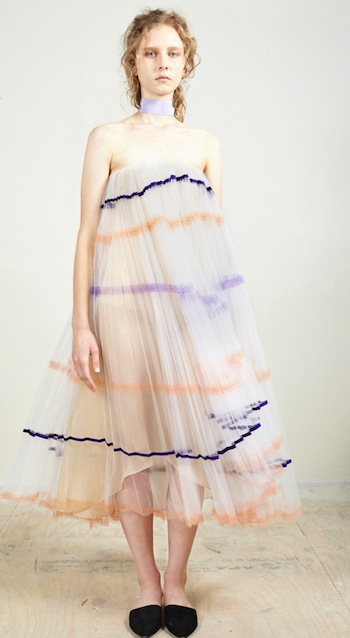
photo - Noa Raviv’s Off-Line collection was released in spring/summer 2016
Noa Raviv’s Off-Line collection was released in spring/summer 2016. (photo by Ryan Duffin)

Though it’s not 3D-printed, Off-Line combines elements of complex handwork and machine work, beginning with graphic design software and topped off with Swarovski crystals.

Raviv’s collaboration with Swarovski involves sending design files to Austria, where the company custom-makes molds from which millions of tiny crystals are applied onto a flexible transparent material and sent back to New York for finishing.

“Once every crystal is in the right place, they’re applied by heat to organza,” said Raviv, acknowledging that the more complicated pieces take a few weeks to complete.

“Hard Copy explored computers and digital errors. Off-Line explores the more intimate side of the creation process,” she said.

Most of the pieces in Off-Line are ready to wear and others can be made to order. Prices start at $1,800 US.

“My collections are not meant for the masses,” she admitted. “I’m still establishing my clientele – women who appreciate art, fashion and quality and care a lot about uniqueness.”

Neither is 3D fashion for the masses. In fact, Raviv doesn’t believe it will be available on the retail level anytime soon.

“Maybe in the very far future,” she said. “Fashion is far too complex to make in one machine, technique or material. There are so many nuances and the technology isn’t there yet to create what people want to wear. For now, it’s a romantic idea.”

A 3D dress made by another Israeli designer, Danit Peleg, was worn in a dance performance by U.S. snowboarder Amy Purdy at the opening ceremony of the recent Paralympics in Rio.

An intuitive choice

Always captivated by art and fashion, Raviv wavered between art school and fashion school after two years of army service and another 12-plus months pursuing other interests, including learning to speak Spanish – a very practical skill, as she is married to an Argentine-born startup entrepreneur.

“At the last minute, I intuitively went for fashion,” she said.

Raviv graduated in 2014 from Israel’s Shenkar College of Engineering and Design. Hard Copy was her senior project. Her designs also were included in 2013’s Here Comes the Bride exhibition, which opened at Beit Hatfutsot-Museum of the Jewish People in Tel Aviv and traveled to other countries.

Raviv moved to the New York City borough of Queens a little more than a year ago and is getting used to the more formal work culture in the United States.

“Israel is very small and the fashion scene is small, and it’s hard to manufacture in Israel,” she explained. “It’s important for me to be very close to the development and production of my designs.”

For more information, visit noaraviv.com.

Israel21c is a nonprofit educational foundation with a mission to focus media and public attention on the 21st-century Israel that exists beyond the conflict. For more, or to donate, visit israel21c.org.
Format ImagePosted on March 10, 2017March 8, 2017Author Abigail Klein Leichman ISRAEL21CCategories WorldTags 3D printing, fashion, Israel, New York, Noa Raviv, Swarovski, technology
תפסיקו ליילל ותתחילו להילחם

תפסיקו ליילל ותתחילו להילחם

ויויאן ברקוביצ’י (צילום: Foreign Affairs/Government of Canada via National Post)

שגרירת קנדה בישראל לשעבר ויויאן ברקוביצ’י: “השימוש בביקורת על ישראל כדי לבקר את היהודים הוא פשוט אובסביבי”

“קל לבקר את ישראל וקל לפעול נגדה. בכל המוסדות באו”ם רואים את הפעילות הזאת. השימוש בביקורת על ישראל כדי לבקר את היהודים הוא פשוט אובססיבי”. את הדברים אמרה שגרירת קנדה לישראל לשעבר, ויויאן ברקוביצ’י, במסגרת ראיון שערך עימה אתר אנרג’י. ברקוביצ’י מונתה לתפקיד על ידי ראש הממשלה הקודם של קנדה, סטיבן הרפר, והיא נאלצה לפרוש מתפקידה לאחר כשנתיים וחצי בלבד (ביולי אשתקד), לאור החלטת ראש הממשלה הנוכחי של קנדה, ג’סטין טרודו, להחליפה בדבורה ליינוס, שהייתה השגרירה באפגניסטן וקודם לכן עבדה בשגרירות קנדה בוושינגטון. ברקוביצ’י שהיא עורכת דין יהודיה מטורונטו היתה חסרה ניסיון דיפלומטי. היא אף גרה תקופתה מסויימת בישראל ופעלה בעבר בין היתר בתחום התקשורת הקנדית. ברקוביצ’י נחשבה מטבע הדברים לפרו-ישראלית בצורה מובהקת, יצאה נחרצות נגד החאמס, הרשות הפלסטינית והמשטר האיראני ויתכן ובממשל של טרודו לא אהבו זאת. בקהילה היהודית בקנדה לא קיבלו את החלפתה בהפתעה של ממש.

בנוגע לעליית הימין הקיצוני והתגברות הלאומיות במדיניות המערב אמרה ברקוביצ’י: “תמיד הייתה אנטישמיות בארה”ב ובקנדה, בדיוק כמו התנועות החברתיות שפעלו בשנות השישים לא העלימו את הגזענות. גם אני עת הייתי השגרירה של קנדה בישראל, הואשמתי בחוסר נאמנות לארצי בשל היותי יהודייה”.

ברקוביצ’י לא מקבלת את הטענות שהממשלה בקנדה מתעלמת מהאנטישמיות. לדבריה: “זה פשוט לא בסדר העדיפות שלהם מפני שזה לא משרת את האינטרסים הפולטיים שלהם”.

באשר לשאלה האם לא נכון לפעול משפטית נגד ההסתה נגד היהודים ברשתות החברתיות, אמרה השגרירה לשעבר: “גם הנוצרים טוענים כך. אנו לוחמים בזירה התקשורתית, והגישה התבוסתנית שזה לא צודק לא תעזור. יש להילחם בצורה מאורגנת תוך שימוש בצעירים מוכשרים למלחמה הזו. אני ממליצה שתפסיקו ליילל ותתחילו להילחם. אנו חייבים להגיב, לפעול עכשיו”.

הג’י.פי.אס אשם: כך טען נהג שרכבו נמצא במנהרה של הרכבת הקלה בטורונטו

נהג שרכבו נמצא תקוע על פסי הרכבת הקלה בטורונטו מאשים את מכשיר הג’י.פי.אס, שלדבריו כיוון אותו למקום. הרכב מסוג מיצ’ובישי כסוף שנתקע גרם לשיבושי תנועה חמורים של מערך הרכבת הקלה בעיר, בשעות הבוקר העמוסות שנמשכו כשש שעות תמימות.

אחד הנהגים של הרכבת הקלה שהסיע את הרכבת בסביבות חמש בבוקר נדהם לראות רכב תקוע על המסילה באחת המנהרות בדאון טאון. הוא הצליח לעצור את הרכבת מבלי לפגוע ברכב והזעיק את אנשי התחזוקה. מנוף מיוחד הובא למקום (כיוון שגרר של רכבים גם כן היה נתקע על המסילה) כדי להזיז את הרכב, ולאפשר לחדש את תנועת הרכבות הקלות בעיר.

מסתבר שבעל הרכב שנתקע בסביבות חצות ברח תחילה ממקום האירוע. למחרת בבוקר הוא הגיע למנהרה וכשראה את מפעיל הרכבת הקלה עומד במקום לידה, הוא התחיל לברוח שוב אך נתפס על ידו. לטענתו הוא נהג הישר לפסים שבמנהרת הרכבת הקלה, כיוון שכאמור הג’י.פי.אס ברכבו כיוון אותו לשם. דובר מערך התחבורה הציבורית של טורונטו, ברד רוס, לא מקבל את גירסת הנהג, כיוון שהרכב נסע על פסים קרוב לשמונה מאות מטר אל כיוון תחנת יוניון (שהיא התחנה המרכזית של התחבורה הציבורית בטורונטו), וזה דבר נדיר. לדברי רוס קרו בעבר מקרים בהם בעלי רכבים נתקעו על מסילות התחבורה הציבורית אך אף פעם הרכבים לא נמצאו עמוק בתוך המנהרות. הנהג קיבל דוח ובשלב זה לא ברור אם יפתחו נגדו הליכים פליליים.

Format ImagePosted on March 8, 2017March 7, 2017Author Roni RachmaniCategories עניין בחדשותTags antisemitism, driver ויויאן ברקוביצ'י, GPS, Israel, light rail, Toronto, Vivian Bercovici, אנטישמיות, ג'י.פי.אס, טורונטו, ישראל, נהג, רכבת הקלה

Teachings of the Land

On Feb. 12, at Shaughnessy Heights United Church, there was a dialogue featuring Rabbi Dr. Laura Duhan Kaplan, director of Inter-Religious Studies at Vancouver School of Theology, and Rev. Ray Aldred, director of VST’s Indigenous Studies Program. Held under the rubric of Shaughnessy Heights’ Reconciliation Matters initiative, The Teachings of the Land: Our Oldest Relative explored the spiritual relationships between people and land.

Aldred, who is from Treaty 8 territory in northern Alberta, said his understanding of the land has been formed by his Cree upbringing and his life study of indigenous wisdom. Asked about the title of the talk, he said, “For us, the land is part of the family.”

Kaplan spoke of the Jewish people’s connection to the land of their birth, Israel. A self-described “born urbanite,” she also spoke of her personal spiritual connections to the land – hiking in nature or learning from her husband how to grow food – and what she called the “eco-theology” of the Bible.

“The first chapter of Genesis takes us through the creation of an ecology, where everything is interconnected and blessed by the Divine,” she explained. “The first human is called ‘Adam’ in Hebrew, which is not just a random pleasing sound, but comes from adamah, red clay dirt, and means ‘the red clay dirt person,’ the ‘earthling.’ The Hebrew Bible is an indigenous text, which tells us ‘how to walk well on the land,’” she said, using a phrase of Aldred’s. “The Book of Leviticus, for instance, teaches us to consciously let the land rest – the commandment of Shmitah, where the land has rest from farming every seven years. The Hebrew Bible teaches that the ecosystem belongs to God, not to us. It is not ours to come in and displace peoples and animals and to take what we want.”

When Kaplan attended a course of Aldred’s in 2016, she said she realized she was a “rank beginner” in eco-spirituality. “Hunter-gatherers were specialists in sustainability,” she said. “They were not primitive; they are the next level.”

Kaplan also discussed the view of some that First Nations were one of the lost tribes of Israel, a view Aldred had also jokingly referred to earlier. Although lacking historical evidence to support it, commented Kaplan, “it works as a metaphor for a similar history of displacement.”

Aldred made another biblical allusion when speaking about how early Europeans were greeted by some Ojibwe as “Anishinaabe” (which literally means “people”) but they refused the title. “Reminds me of another story about some other people who didn’t want to be what they were created to be, but wanted to be God,” Aldred commented with a grin, referring to the story of Adam and Eve.

Aldred spoke a lot about the need for humility and the renunciation of certainty in order to find a relationship both to land and to other people. “Your perspective is always limited, it is always just ‘your perspective.’ You need other people, other creatures, to learn from. The Creator is giving us an opportunity to learn humility. If we miss that chance,” Aldred warned, alluding again to a biblical text (Leviticus 18:28), “the land will spit you out.”

Asked about practices of connecting to the land, Kaplan suggested learning about the local ecosystem, spending time exploring it and getting to know the unique creatures who inhabit it. She also spoke about connecting to members of one’s own tribe in order to cultivate a sense of home, and about getting to know the indigenous peoples of the area.

Aldred discussed the importance of really listening to the land so we can make better decisions as a community. Noting that Mary was Jesus’ mother, he asked who Adam’s mother was. “The earth was his mother, and the earth cared for him and cares for us.”

Aldred also said that indigenous people reverse Maslow’s hierarchy of human needs, which places basic needs like food and lodging on the bottom and spirituality and community at the top, as being less necessary. “Get your spirituality right,” said Aldred, “and everything else will be right. Take care of your relationship to the land, and take care of your neighbours.”

Asked about the ownership and economic use of land, Aldred said, “We belong to the land, it doesn’t belong to us.” He noted that treaties, in the indigenous understanding, were less about the division of land than about how it should be shared. “Of course, we should enjoy and make use of the gifts of the land,” he said, “but, in our decisions, we should think seven generations ahead – that’s 225 years into the future. That might take a little more time, but it’s worth it to our grandchildren.”

Matthew Gindin is a freelance journalist, writer and lecturer. He writes regularly for the Forward and All That Is Interesting, and has been published in Religion Dispatches, Situate Magazine, Tikkun and elsewhere. He can be found on Medium and Twitter.

Posted on March 3, 2017February 28, 2017Author Matthew GindinCategories LocalTags eco-theology, First Nations, Judaism, Torah
United against racism

United against racism

Artur Wilczynski, Canada’s ambassador to Norway, gave the keynote address at the Feb. 22 SUCCESS community forum. (photo from SUCCESS)

SUCCESS’s Safeguarding Our Communities, Upholding Our Shared Values: A Community Forum on Immigration and Racial Discrimination was a full-house event at University of British Columbia Robson Square on Feb. 22.

The keynote speaker, Artur Wilczynski, Canada’s ambassador to Norway, shared his family’s story about how they survived the Holocaust and came to Canada. “I am a Polish, a Jewish, a Quebecois. Most important, I am a Canadian,” he noted.

“Diplomacy doesn’t give you immunity from discrimination but gives you a platform to speak against it,” he said.

“It is important for Canadians to speak out against various forms of discrimination and xenophobia. As an immigrant to this country and the son of Holocaust survivors, I have been privileged to serve my country as an ambassador and senior official. It is why I feel it is my obligation to work towards a more inclusive and respectful Canada.”

He thanked SUCCESS for allowing him to share his story at the forum.

Wilczynski’s keynote address was preceded by two panel discussions. Panelists included, among others, Dr. Robert Krell, Vancouver Holocaust Education Centre founding president and outreach speaker; Dr. Gurdeep Parhar, University of British Columbia faculty of medicine; Chief Dr. Robert Joseph, Reconciliation Canada ambassador; and Sarah Al-Qaysi, program assistant, SUCCESS. SUCCESS chief executive officer Queenie Choo welcomed the audience to the forum. Among the sponsoring organizations of the event were the Jewish Independent, Jewish Federation of Greater Vancouver and the Centre for Israel and Jewish Affairs.

photo - Young audience members hoped to take what they learned at the forum about the immigrant experience and share it with those who could not attend the event
Young audience members hoped to take what they learned at the forum about the immigrant experience and share it with those who could not attend the event. (photo from SUCCESS)

At the facilitated discussion for Call for Actions, a group of young audience members raised questions on how they could share the knowledge they learned at the forum with those who were not able to attend.

SUCCESS will be launching a series of community roundtables across Metro Vancouver. These facilitated conversations will create a platform for community members to share and reflect on thoughts on diversity and inclusion, while engaging them in thought-provoking discussions regarding cultural integration in our community – to build safe, strong and enlightened neighbourhoods. Each session will be held at one of SUCCESS’s local offices or another accessible community location.

SUCCESS will also create a documentary video, featuring interviews with immigrants and community leaders, about the value and contributions of immigrants in Canada. The video will be distributed through multiple channels, including a special screening video launch, online and social media networks, and grassroots outreach through high schools and universities to help educate future generations about the stories of immigrants in Canada, who we are and where we are from.

Format ImagePosted on March 3, 2017February 28, 2017Author SUCCESSCategories LocalTags Artur Wilczynski, immigration, interfaith, racism
Guichon visit RJDS

Guichon visit RJDS

The Hon. Judith Guichon with Richmond Jewish Day School students. (photo by Lauren Kramer)

Students at Richmond Jewish Day School were thrilled to receive a visit from the Hon. Judith Guichon, lieutenant governor of British Columbia, on Feb. 22. Guichon addressed students on her role in Canada’s constitutional monarchy and shared her ideas about a healthy, sustainable future. To mark the 150th anniversary of Canada’s Confederation, the lieutenant governor is visiting 150 schools across the province.

Format ImagePosted on March 3, 2017February 28, 2017Author Lauren KramerCategories LocalTags Canada, Judith Guichon, RJDS
אפקט טראמפ

אפקט טראמפ

עשרות בורחים וארה”ב ועוברים את הגבול לקנדה בתקווה לזכות במקלט (צילום: Jimz47 via Wikimedia)

בחירתו של דונלד טראמפ לנשיאות ארצות הברית והכרזתו כי יאסור על כניסת מוסלמים ממספר מדינות וילחם במהגרים הלא חוקיים במדינה, הגדילה משמעותית את מספר אלה שעוברים לקנדה. לפי הערכה מראשית השנה מאות בני אדם עברו את הגבול לקנדה באמצעות נמלי האוור והיבשה, בתוך תקווה להינות ממעמד של פליטים ולזכות במקלט. המגיעים מארה”ב מתחלקים לשתי קבוצות עיקריות. אלה שנולדו במדינות ערב ויש להם מעמד חוקי בארה”ב, אך הם חוששים ממדיניות ההגירה החדשה של טראמפ. הם מגיעים לקנדה בעיקר בטיסות ומוכנים להליך קבלת מעמד של פליטים (הם מצויידים במסמכים ובכסף). על הקבוצה השנייה המסתננים – נמנים בעיקר מוסלמים מאפריקה שאין להם מעמד חוקי בארה”ב, וכצפוי גם הם חוששים לעתידם תחת שלטון טראמפ. הם חוצים את הגבול ושמחים להיתפס על ידי משטרה הפדרלית של קנדה שעוזרת להם. השוטרים בודקים את מצבם, מעניקים להם בגדים חמים ועוזרים להם לעלות את ילדיהם וחפציהם למכוניות המשטרה לאחר שקשרו את ידיהם. לאחר מכן הם מועברים לידי משטרת הגבולות של קנדה שעוזרת להם להתחיל בהליכי הבקשה לקבל מעמד של פליטים ולאחר מכן מקלט.

מרבית המסתננים מארה”ב חוצים את הגבול היבשתי לעבר מחוזות קוויבק ומניטובה (בעיקר לפנות בוקר), כיוון שאזורים אלה נחשבים לקלים “יחסית” למעבר רגלי. אך בגלל תנאי החורף הקשים ששוררים באזור המסתננים מסתכנים בחייהם, וחלקם אף מאבדים אצבעות לאחר צעידה של קילומטרים בקור העז. חלקם (בעיקר אלה שבאים עם בני משפחה וילדים) מצליחים למצוא מוניות, שיעזרו להם לחצות את הגבול, או שהם נעזרים במבריחים (ונאלצים לשלם אלפי דולרים). כל זאת עד לנקודות השיטור של המשטרה. כוחות הצלה קנדיים בהם אמבולנסים, פעילי הגירה ומתנדבים נמצאים באזורי הגבול, כדי לעזור למסתננים ולהעניק טיפול רפואי ראשוני לניזקקים.

לאור הגידול במספר המסתננים מארה”ב הוגדלו תקציבי הישובים הסמוכים לגבול המטפלים בהם. גם ראשי המחוזות נרתמים לעזור בתקציבים ואמצעים, וכן נעשתה פנייה לקבל עזרה מהממשלה הפדרלית. גם סוכנות האו”ם לפליטים החלה לבדוק את תופעת המסתננים לקנדה מקרוב. במשטרת הגבולות הקנדית מעריכים כי מאז נובמבר עת נבחר טראמפ לנשיא, מספר המבקשים לקבל מעמד של פליטים בקנדה עומד על כ-1,500 איש. ואילו בכל 2016 כשבעת אלפים איש עברו את הגבול היבשתי וביקשו מעמד של פליטים בקנדה. זהו גידול של כ-63 אחוזים לעומת שנת 2015. רק בינואר השנה כחמש מאות מסתננים הגיעו לקוויבק ולפחות כמאה וחמישים הגיעו למניטובה, וביקשו מעמד של פליטים בקנדה. לא ידוע על מספר המסתננים לקנדה שלא פונים לשלטונות והם פשוט נעלמים ברחבי המדינה הגדולה הזו.

להערכת גורמים מקצועיים עם השתפרות מזג האוויר ובוא האביב והגברת מדיניות ההגירה של טראמפ נגד פליטים וזרים, מספר המסתננים מארה”ב לקנדה יגדל משמעותית. לאור זאת מונטריאול הכריזה על עצמה בימים אלה כעיר מקלט לפליטים – שזה אומר להתחייב לעזור להם בהסדרת מעמדם החוקי ולא לגרש אותם. קדמו לה: טורונטו, המילטון ולונדון – כולן ממחוז אונטריו וונקובר שבבריטיש קולומביה. ערים נוספות בקנדה שוקלות להפוך לערי מקלט.

פליטים לא יכולים לעבור את הגבול מארה”ב לקנדה באופן חוקי כיוון, שלאור אמנה הבינלאומית בין שתי המדינות “הסכם המדינה השלישית הבטוחה”, עליהם לבקש מעמד של פליטים במדינה הראשונה אליה הגיעו (ארה”ב), לאחר שעזבו את מולדתם. אך אם הם מגיעים באופן לא חוקי הם כן יכולים לבקש מקלט.

Format ImagePosted on March 1, 2017February 26, 2017Author Roni RachmaniCategories עניין בחדשותTags Manitoba, Quebec, refugees, Trump, אפקט טראמפ, טראמפ, מניטובה, פליטים, קוויבק
Looking to Brier’s future

Looking to Brier’s future

Louis Brier Jewish Aged Foundation’s new executive director, Stephen Shapiro. (photo by Lauren Kramer)

It’s been awhile since Louis Brier Jewish Aged Foundation had an executive director, but the fundraising branch of the organization is in good hands since Stephen Shapiro took the position in January.

A Calgarian who moved to Vancouver in 2000, Shapiro comes with impressive credentials. He served as president and chief executive officer of St. Paul’s Hospital Foundation for five years, fundraised at the University of British Columbia with former university president Martha Piper for six years and was deeply involved in cultural affairs and youth direction at the Calgary Jewish Community Centre prior to that.

“I feel I’m at a point in my career when I’ve accomplished a lot in the non-Jewish community and I want to give back to my own community,” Shapiro told the Independent. “I really believe in the mission, philosophy and work this particular institution does. I think our Jewish seniors are a very important part of our community and, with the history they represent, they should be treated with dignity and respect in their later years.”

Shapiro intends to grow the foundation from its current annual fundraising target of between $1 million and $1.2 million. He hopes to at least double that target in the coming years and sees lots of potential opportunities to fundraise in the non-Jewish community.

“Much of Louis Brier is publicly funded,” he said. “There are 215 beds this side of the organization that are contracted through Vancouver Coastal Health Authority, and 40% of our population is non-Jewish. But 99% of the donors to this organization are Jewish. So, part of my mandate is to bring my knowledge of fundraising in the non-Jewish community to apply here.”

Louis Brier is at a crossroads, he added, with much of the building at the end of its lifecycle. Still, a complete redevelopment plan is a number of years away, which means two distinct fundraising efforts are required. “We’re raising money for what we need in the next five to seven years, as well as planning longer term down the road for a potentially new campus,” he said. “Right now, our job is to look after today’s needs and today’s current residents, until such a time that we can build a new facility.”

Immediate needs include improved lounges, better furniture, new freezers in the kitchen and updated security and computer systems, he said.

“The practice of care has changed and evolved and we have to change with that,” Shapiro explained. “Certain things are no longer acceptable – for example, parking people in a hallway to look out the window all day because there’s not enough lounge space. That kind of thing is not considered OK anymore. With some physical improvements and relatively minor renovations, we can do things that improve our lounges and public spaces.”

Because Louis Brier is the largest contracted facility within the Vancouver Coastal Health Authority, now is a crucial time to make these upgrades, he added. “Given the size and demographics of the Jewish community, there’s a whole generation of people who are going to need our services quite soon. If anything, given the aging of our population, I think the Jewish needs at Louis Brier will rise, not diminish.”

Shapiro hopes to motivate non-Jews who have family members at Louis Brier to give back to the institution by finding projects in research and best practices that might be of interest to them. “Whether it’s in partnership with UBC or other institutions, promoting excellence in research and clinical care is the way to go here,” he stated. “Everybody could potentially have an interest in that.”

Lauren Kramer, an award-winning writer and editor, lives in Richmond. To read her work online, visit laurenkramer.net.

Format ImagePosted on February 24, 2017February 21, 2017Author Lauren KramerCategories LocalTags fundraising, health care, Louis Brier, seniors
Garfinkel wins nomination

Garfinkel wins nomination

B.C. Liberal candidate Gabe Garfinkel. (photo by Larry Garfinkel)

Gabe Garfinkel was nominated Sunday afternoon, Feb. 19, by the B.C. Liberals in Vancouver-Fairview. The former aide to Premier Christy Clark defeated Elizabeth Ball, a Vancouver city councilor. He will be up against incumbent New Democrat George Heyman in the provincial election scheduled for May 9. Garfinkel credits support in the Jewish community for his nomination. “I come from four generations in Vancouver-Fairview,” he told the Independent after his victory. “My grandfather was the kosher butcher on 15th and Oak. My parents have lived here their whole lives and so have I. The community was instrumental in this nomination and I’m so thankful for all their support. I cannot wait to serve the Jewish community in Victoria.”

Garfinkel was profiled in the JI Dec. 2. The paper is inviting all Jewish candidates in the election to be profiled in advance of the election.

Format ImagePosted on February 24, 2017February 21, 2017Author The Editorial BoardCategories LocalTags British Columbia, Election, Garfinkel, Liberals, politics
MLA’s father hid past

MLA’s father hid past

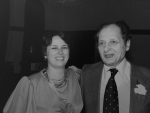
Judy Darcy with her father, Youli. (photo from Judy Darcy)

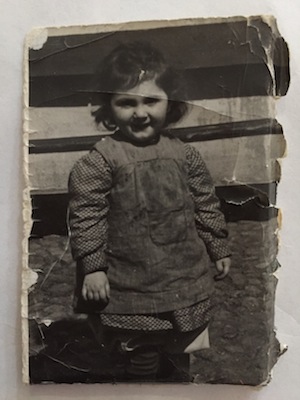
For years, Judy Darcy’s father carried in his wallet a photo of a little girl. It was one of very few mementoes of the man’s past – a murky history that Darcy and her siblings have only partially reconstructed.

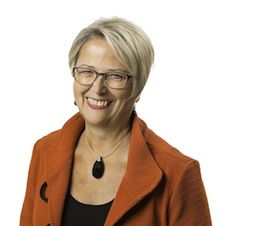
Darcy, the member of the Legislative Assembly for New Westminster, went public with her father’s story on International Holocaust Remembrance Day, tweeting: “… my heart is with my dad who lost family members & kept his Jewishness secret from us to keep us safe.”

The Darcy family had a lot of secrets. Her father had no living relatives and he never spoke of what had happened to them.

photo - MLA Judy Darcy
MLA Judy Darcy (photo from Judy Darcy)

“My father’s history was very murky,” she recently told the Independent. “Everything about his family and his relatives was murky and he explained it by saying that he fought in the war and there was a lot of bombing and that he suffered amnesia. I knew he had siblings; I didn’t know any details. I didn’t know how they died. I knew he’d lost track of them. And that he’d lost his memory. It was just grey and murky.”

When Darcy was an infant, the family moved from Europe to Sarnia, Ont., where her father worked in the petrochemical industry. With his wife, he raised a family and progressed in his career. Late in life, after he had retired and been widowed, he moved to Toronto, where his grown children had settled.

“And not long after he moved to Toronto,” Darcy said, “he went to Holy Blossom synagogue and met with Rabbi Gunter Plaut, because he wanted to atone for having abandoned his community.”

Darcy knows nothing of what the conversations between her father and the late, legendary rabbi involved, or whether there was one meeting or a series, but she believes her father took great strength and relief from whatever it was Plaut told him.

Her father began attending the Bernard Betel Centre for Creative Living, a Jewish seniors facility, and formed a companionship with a Jewish woman. But stories of the past came slowly, and not expansively.

“He didn’t sit us down,” Darcy recalled, “it just became part of what he talked about.”

Through snippets of their father’s recollections, shards of history they already knew and the discovery of a recording he made shortly before he died for Steven Spielberg’s Shoah Foundation, the siblings pieced together as complete a story of their family’s past as they are likely to assemble.

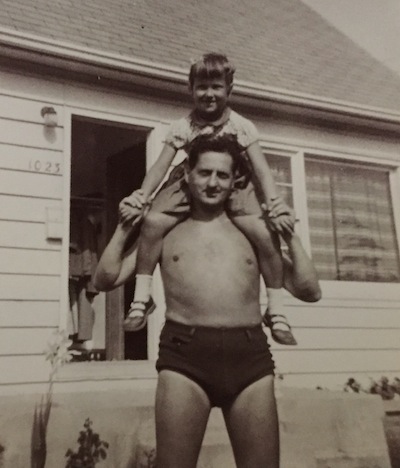
Jules (Youli) Simonovich Borunsky was born in 1904 in Lithuania to a Russian-Jewish family. He grew up mostly in Moscow but, in the early 1920s, the family moved to France.

“He always said it was because of the revolution,” Darcy said, “which was partly true, I’m sure, because they owned a factory.” She wonders whether antisemitism also propelled them.

Youli served in the French army, was taken prisoner during the Battle of Dunkirk, in the spring of 1940, and was imprisoned in northern Germany.

“He managed to stay alive in the prisoner-of-war camp because they didn’t find out that he was Jewish,” Darcy said. While a prisoner-of-war, Youli regularly received letters from his wife, Jeanne-Helene, a Catholic Parisienne he had wed before the war.

“She sent him letters every day loaded with Catholicisms,” said Darcy. “And sometimes with little Catholic medals, in order to try to pretend that he was Catholic, not Jewish. Again, I only find all of this out much, much later.”

Through some sort of arrangement facilitated by the International Red Cross (one of many aspects of the story still cloaked in mystery), he was released and made his way back, mostly on foot, to Paris. There, he was reunited with Jeanne-Helene, as well as with his widowed father, Simeon.

Paris was under Nazi occupation and Youli convinced his father that he would be safer going to live with Youli’s sister Rosa, his brother-in-law and their toddler daughter, in Kovno, Lithuania.

photo - Judy Darcy’s father, Youli, kept a photo of his sister Rosa’s daughter in his wallet. His niece and her parents were killed in the Holocaust
Judy Darcy’s father, Youli, kept a photo of his sister Rosa’s daughter in his wallet. His niece and her parents were killed in the Holocaust. (photo from Judy Darcy)

Simeon took Youli’s advice. The timing, though, was catastrophic. According to what her father told her, four days after Simeon arrived in Kovno, the Nazis invaded. Pro-Nazi Lithuanians launched pogroms that, later combined with Einsatzgruppen (mobile killing units), murdered almost all of Kovno’s substantial Jewish population. Youli assumed the victims included his father, sister, brother-in-law and the little girl whose photo he would carry in his wallet for years.

Youli had other siblings, Darcy discovered – a sister and brother-in-law who he believed had fled, or were relocated, to Siberia, and another sister about whose fate he had no inkling at all.

“He carried tremendous guilt,” Darcy said of her father. “The guilt of having survived when others died and the guilt of having sent his father to his death.”

Adding to his grief, Jeanne-Helene died of an illness sometime around the end of the war, leaving Youli to care for their son Pierre, Darcy’s half-brother.

After the war, Youli went to extraordinary lengths to hide his Jewish identity from everyone except his wife.

“None of my mother’s relatives knew that he was Jewish,” said Darcy. “Only my mother knew after the war.”

Youli found work as deputy director of a United Nations Refugee Agency displaced persons camp in Germany. There, he met Else Margrethe Rich, a veteran of the Danish resistance who was also working at the camp, and who would become his wife.

They had their children christened in the Russian Orthodox Church in Copenhagen. Their first daughter, Anne Helene, was followed by Judy before the family migrated to Ontario in 1951. Darcy was christened Ida Maria Judith Borunsky – “he threw in a Maria,” Darcy noted wryly – and her younger brother, who was born in Canada, was named George Christian Simeon Borunsky. The obviously Christian names were an active part of the father’s determination to erase his past.

There were the common struggles that immigrant families experience, as well as particular idiosyncrasies. The family home was filled with art and music and books. The family always had enough to eat, but costly red meat wasn’t on the table. Darcy recalled her father’s philosophy: “For the price of a few roast beefs, Judith, you can buy a good painting. For the price of a few steaks, Judith, you can buy a good book.”

photo - Judy Darcy with her father, Youli
Judy Darcy with her father, Youli. (photo from Judy Darcy)

When Darcy was 7, Youli took the family to the Lambton county courthouse and changed their surname to Darcy. He wanted something French-sounding, he told them.

What made her father finally open up – to an extent, at least – Darcy can’t be certain. But, in retrospect, there were a couple of hints that only made sense later. A family friend in New York City, who had known Youli in childhood, made a comment to Darcy and her sister during a visit that implied their father was Jewish, then quickly changed the subject when confronted with blank stares.

In Grade 11, when Darcy had an option of studying German or geography, she chose German because, like her parents, she has a facility with languages. Her father hit the ceiling, for reasons she didn’t fathom.

Despite christening his children and giving two of them ostentatiously Christian names, he husbanded a rage at organized religion.

“He would sometimes shake his fist at the sky and say in his heavy Russian accent, ‘If there were a God in heaven, he would not allow the things that happen on this earth,’” Darcy said.

When she moved to Toronto to attend York University, Darcy started hanging out with students who were Jewish.

“When I would go home and I would use some Jewish expressions, my father would completely freak out,” she said, although she knows this only because her mother conveyed the news.

Her father always said that he brought the family to Canada to be safe because there might be another war.

“But, in hindsight,” Darcy speculated, “he did it because he was Jewish and, even though my mother wasn’t Jewish, he wanted to protect us and that’s why he never told us.”

After Youli died in 1997, at age 93, his children found the Shoah Foundation video. The quality of the recording was poor and he was very shaky by then, his memories fading. It contained a few details they hadn’t yet known.

In addition to the video, Darcy and her siblings took notes and recorded parts of their father’s story, but he never shared it from beginning to end. Many pieces remain lost.

“It’s little glimmers of that entire history,” she said.

The photo that Youli carried in his wallet those many years is now framed and sits on Darcy’s shelf at home.

“I don’t know her name,” she says of the cousin she never met, “but her cheeks are like mine and she’s about 4 years old.”

Format ImagePosted on February 24, 2017February 21, 2017Author Pat JohnsonCategories LocalTags Holocaust, Judy Darcy, survivor
Curiosity, activism, Judaism

Curiosity, activism, Judaism

Rebecca Baron gave a TEDx talk last year, calling for more encouragement and more opportunities for women in the STEM fields. Her nine-minute talk can be viewed at tedxkidsbc.com/rebecca-baron. (screenshot)

Rebecca Baron, a teenager who does research on air quality and speaks out about the gender gap in the sciences, has won the inaugural Temple Sholom Teen Tikkun Olam Award.

Baron will be given the award on March 5 at Temple Sholom’s Dreamers and Builders Gala, honouring world-renowned landscape architect Cornelia Hahn Oberlander.

“We are incredibly proud to be able to offer this Temple Sholom Teen Tikkun Olam Award to Rebecca,” said Temple Sholom Rabbi Dan Moskovitz. “Even at a relatively young age, Rebecca had demonstrated a passionate commitment to using her intellect and Jewish values to repair brokenness in our world.”

Baron, 16, is currently a Grade 11 student at Prince of Wales Mini School but has already been recognized nationally for her experiments on air quality. She won top medals at the Canada-Wide Science Fair in 2015 for research on whether bacteria found in household plant roots filter formaldehyde from paint fumes. Last summer, she won an award for the best business plan at a national student program focused on STEM (science, technology, engineering and math).

Baron said in an interview that she became aware of a gender gap in the sciences as early as Grade 3. As an example, boys and girls were interested in dissecting a fish when she was in kindergarten – she was so excited about the project that she decided at that moment to become a scientist. But when her class did a similar experiment in Grade 3, many girls were no longer interested. In subsequent years, she noticed how stereotypes, social pressure and cultural biases pushed many young girls away from the sciences.

She felt the curriculum that she experienced was not geared to encouraging girls to pursue studies in STEM. For instance, women were seldom portrayed as scientists in textbooks.

On their own, the incidents may not seem like much, but small things add up and contribute to an overall negative effect, she said. Statistics Canada in 2014 reported that women account for only 22% of the STEM-related workforce. Baron gave a TEDx talk last year calling for more encouragement and more opportunities for women in the STEM fields.

Baron attributed her unflagging interest in math and science to encouragement from family and friends. “It may be harder for others who do not have as much support as I have,” she said. “I just pushed through it.”

As her fascination with science developed, Baron began to conduct experiments at home, working on the kitchen counter. After winning awards, she “cold-called” academic researchers to ask if she could use their labs. Eventually, she found someone who said yes.

She now conducts her experiments after school in a lab at the University of British Columbia’s Life Sciences Institute. She also takes part in Science World’s Future Science Leaders program.

She linked her intellectual curiosity and social activism to values instilled by her parents and inspired by Judaism. She sees Judaism as valuing the strength and wisdom of women.

“The Torah emphasizes the emotional and physical differences between men and women,” she said in her submission for the Tikkun Olam Award. “However, these defining characteristic are not seen as inferior or superior to one another, but instead are considered to have cause for equal celebration.”

Baron went to Vancouver Talmud Torah for kindergarten, and from grades 3 to 7. Her bat mitzvah was at Masada, the Israeli mountaintop that symbolizes the determination of the Jewish people to control their own fate. As she stood amid the archeological ruins and looked toward Jerusalem, she felt a strong connection with the Jewish people. “It was a really neat experience,” she said. “I definitely did not expect that.”

She intends to use the Tikkun Olam Award money to help develop a nonprofit organization to encourage young women to pursue STEM and familiarize them with job-related opportunities.

Moskovitz said the annual Temple Sholom award is for a Jewish teen who is “doing the sacred and important work of tikkun olam,” regardless of affiliation or religious congregation.

The award was made possible by Temple Sholom members Michelle and Neil Pollack, who initiated efforts to create a prize recognizing teens who make a difference. Their generosity enabled Temple Sholom to make the Dreamers and Builders Teen Tikkun Olam Award an annual celebration and recognition of one of many inspiring Jewish teens in Vancouver.

Robert Matas, a Vancouver-based writer, is a former journalist with the Globe and Mail.

Format ImagePosted on February 24, 2017February 21, 2017Author Robert MatasCategories LocalTags Baron, science, STEM, Temple Sholom, tikkun olam, women

Posts pagination

Previous page Page 1 … Page 227 Page 228 Page 229 … Page 322 Next page
Proudly powered by WordPress