Skip to content
  • Home
  • Subscribe / donate
  • Events calendar
  • News
    • Local
    • National
    • Israel
    • World
    • עניין בחדשות
      A roundup of news in Canada and further afield, in Hebrew.
  • Opinion
    • From the JI
    • Op-Ed
  • Arts & Culture
    • Performing Arts
    • Music
    • Books
    • Visual Arts
    • TV & Film
  • Life
    • Celebrating the Holidays
    • Travel
    • The Daily Snooze
      Cartoons by Jacob Samuel
    • Mystery Photo
      Help the JI and JMABC fill in the gaps in our archives.
  • Community Links
    • Organizations, Etc.
    • Other News Sources & Blogs
    • Business Directory
  • FAQ
  • JI Chai Celebration
  • JI@88! video

Recent Posts

  • Story of Israel’s north
  • Sheltering in train stations
  • Teach critical thinking
  • Learning to bridge divides
  • Supporting Iranian community
  • Art dismantles systems
  • Beth Tikvah celebrates 50th
  • What is Jewish music?
  • Celebrate joy of music
  • Women share experiences 
  • Raising funds for Survivors
  • Call for digital literacy
  • The hidden hand of hate
  • Tarot as spiritual ritual
  • Students create fancy meal
  • Encouraging young voices
  • Rose’s Angels delivers
  • Living life to its fullest
  • Drawing on his roots
  • Panama City welcoming
  • Pesach cleaning
  • On the wings of griffon vultures
  • Vast recipe & story collection
  • A word, please …
  • מארק קרני לא ממתין לטראמפ
  • On war and antisemitism
  • Jews shine in Canucks colours
  • Moment of opportunity
  • Shooting response
  • BC budget fails seniors
  • Ritual is what makes life holy
  • Dogs help war veterans live again
  • Remain vital and outspoken
  • An urgent play to see
  • Pop-up exhibit popular
  • An invite to join JWest

Archives

Follow @JewishIndie
image - The CJN - Visit Us Banner - 300x600 - 101625

Category: News

Balin wins Chopped

Balin wins Chopped

Justine Balin had to think quickly on her feet to win Chopped Teen Canada. (photo from Chopped Teen Canada)

Vancouver Grade 12 student Justine Balin recently walked off with the top prize at Chopped Teen Canada, leaving the reality television show with a $10,000 award for dishes she prepared at the studio kitchen last June. “I’ve watched the show forever, so to be on it was a dream come true, and winning was the cherry on top,” the King David High School student admitted.

Balin entered the competition last summer at the encouragement of Hilit Nurick, her food instructor at school, and had to pass a series of interviews before learning she’d be one of 16 teen contestants accepted on the Food Network program.

Balin and her mother, Jennifer Shecter-Balin, flew to Toronto for the taping of the show, which consisted of three rounds in which each contestant was given a mystery basket of ingredients and asked to prepare a dish of their own creation.

Balin’s first basket contained canned flaked ham, gorgonzola cheese, dried tart cherries and chocolate mint cookies. “The ham threw me off a bit!” the 17-year-old said. “I’ve never had that before. But I made a salad and used the ham, cookies, herbs and egg in a patty to go with it.”

That dish sent her to the second round, where her ingredient basket included clams, wasabi cocktail sauce, dehydrated vegetables and watermint. Her resulting concoction was a seafood soup with watermint pesto and grilled bread.

“They knew she was Jewish,” said Shecter-Balin, “and when they presented her with tinned ham and gorgonzola, I thought to myself, she’s lost it. But to see her think quickly on her feet and come up with a flaked ham fritter – I was beyond impressed!”

Balin’s dessert dish was cookies and cream ice cream with June plum compote and caramel brittle.

Cooking has been a passion since she was a child, Balin said. “Even at age 2, I was helping my mom, stirring the pots. At 5, I started cooking with my mom and grandma, Linda Shecter, and I never stopped. Even now, I’m always in the kitchen, often making dinner for the family if I come home earlier than my mom. And, every year, I host thanksgiving for 20 girls in my grade.”

In her application, Balin made it clear she was Jewish-Italian and communicated her pleasure in attending a small, independent Jewish day school that also offered a foods program.

“Being Jewish is a strong part of who she is and we weren’t going to gloss over it,” Shecter-Balin said. “But dietary restrictions mean nothing on this show – they spare no one. I’ve seen vegetarians being forced to work with protein and people of different cultures being forced to prepare foods they’d never usually prepare.”

Balin said she would recommend the show to any teens who can perform well under pressure, who love to cook and who feel confident in front of a camera. “It’s scary to be on national television cooking but it was such an incredible experience,” she said. “The best part was seeing how a show like that operates. They build a story and want you to stick to it. I found it really interesting to see how the show runs.”

Balin is saving her prize money to travel the world after she completes her university studies in public health.

Lauren Kramer, an award-winning writer and editor, lives in Richmond. To read her work online, visit laurenkramer.net. This article was originally published in CJN.

Format ImagePosted on February 24, 2017February 21, 2017Author Lauren KramerCategories LocalTags Balin, Chopped, cooking, reality TV
Trying to make a difference

Trying to make a difference

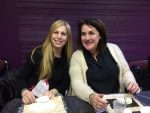
Lesley Morris, left, and Gayle Robyn Morris at the Bayit’s Ladies’ Sushi Night. (photo by Lauren Kramer)

In every community, and ours is no exception, there are folks who frequently capture the spotlight for their work while others quietly get things done behind the scenes, flying below the media radar. In our new Kibitz & Schmooze profile, we’ll try to highlight members of Greater Vancouver’s Jewish community who are doing outstanding, admirable and mention-worthy work out of view of the general public. If you know of profile subjects who fit this description, please email [email protected].

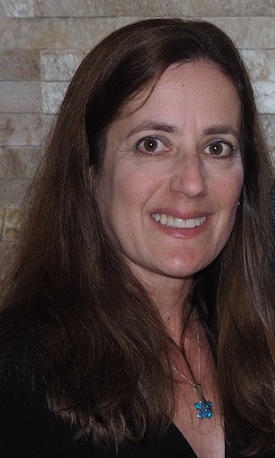
photo - Shari Linde is a specialist in communication disorders and founder of Advantage Speech-Language Pathology
Shari Linde is a specialist in communication disorders and founder of Advantage Speech-Language Pathology. (photo from Shari Linde)

As a specialist in communication disorders and founder of Advantage Speech-Language Pathology, Shari Linde’s days are filled with children and adults who need help for language or speech delays or disorders, stuttering, autism, voice problems, strokes, dementia and even accent reduction.

“I see adult immigrants whose accents affect how well they are understood. Sometimes their jobs depend on their ability to communicate in good English,” says the 48-year-old Edmonton native who moved to British Columbia in 1994.

“There are lots of tears in my office and the work requires a great deal of compassion,” she adds. “You have to be able to break difficult news to a family in this field. It’s good to know that you’re helping people and making a difference, but sometimes it’s very sad, too.”

Now residing in Richmond with her family, Linde’s Steveston-based firm of 10 therapists sees a constant stream of clients of all ages – not just because she and her team are great speech therapists, but also because there’s a dire shortage of speech-language professionals across the country. “There’s only 11 schools across Canada offering the two-year graduate program and UBC has only 36 graduates a year,” she explains.

A dynamic professional who thrives on challenge, Linde enjoys sharing her personal knowledge and experiences through regular guest lectures at the University of British Columbia and at conferences, rehabilitation agencies, schools and preschools.

She also supplements her private practice with medical-legal work as an expert witness in British Columbia and Alberta. Linde’s been called to testify in ICBC cases, medical malpractice suits and insurance claims, where she helps to determine the cost of future services and equipment for people whose communication deficits result from brain or other injuries. Some of it can be “pretty awful stuff,” she admits. “But I do it because it keeps me on my toes, it’s fascinating work and it gets me out of my normal routine of regular clients. It makes me think about what I’m doing, why I’m doing it and what impact my work has.”

The impact can be immense for Linde’s speech therapy patients. “There are days where the changes required from a child are easily made, or when I see adults whose speech impediments are quickly resolved. In cases like that, you walk out of the office feeling victorious, like you know exactly why you’re doing what you’re doing,” she says. “Other things I see make me sad and angry, such as the victims of accidents from drunk driving or abuse and kids with brain damage from strokes or serious medical conditions. Those are days when you go home extremely grateful for what you have.”

***

photo - Fifteen Richmond women attended the challah bake hosted by Chanie Baitelman of Chabad of Richmond at her home on Jan. 18, where they learned how to knead, braid and bake challah
Fifteen Richmond women attended the challah bake hosted by Chanie Baitelman of Chabad of Richmond at her home on Jan. 18, where they learned how to knead, braid and bake challah. (photo by Lauren Kramer)

***


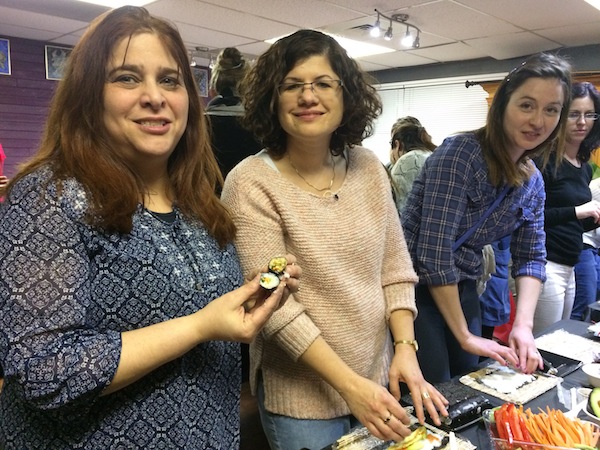
photo - It’s no secret Vancouverites love sushi but, after the Bayit’s Ladies’ Sushi Night, held on Jan. 12, there are at least 50 women who can now make their own! The event was organized by Rivky Varnai and Matti Feigelstock. Attendees learned how to make a variety of rolls before enjoying the fruits of their labour. Pictured here are sushi-makers, left to right, Liorah Johnson, Naama Shafran-Matis, Yelena Novikov and Ayana Honig
It’s no secret Vancouverites love sushi but, after the Bayit’s Ladies’ Sushi Night, held on Jan. 12, there are at least 50 women who can now make their own! The event was organized by Rivky Varnai and Matti Feigelstock. Attendees learned how to make a variety of rolls before enjoying the fruits of their labour. Pictured here are sushi-makers, left to right, Liorah Johnson, Naama Shafran-Matis, Yelena Novikov and Ayana Honig. (photo by Lauren Kramer)

Lauren Kramer, an award-winning writer and editor, lives in Richmond. To read her work online, visit laurenkramer.net.


Format ImagePosted on February 24, 2017February 21, 2017Author Lauren KramerCategories LocalTags challah bake, language, Richmond, Shari Linde, speech therapy, sushi

New LGBTQ+ council

Earlier this month, the Centre for Israel and Jewish Affairs (CIJA) announced the establishment of an LGBTQ Advisory Council. “Our LGBTQ+ family and friends are an integral part of the Jewish people and Canadian society as a whole,” said CIJA chair David J. Cape in a statement. “We are excited to launch this vital initiative, which brings together a talented and diverse group of leaders and young professionals for the goal of strengthening our ties with the LGBTQ+ community. We look forward to working with the LGBTQ+ Advisory Council, which will play a crucial role in providing CIJA with guidance on policies and issues, while expanding our capacity to connect with the broader LGBTQ+ community on matters of common cause.”

Tom Chervinsky, chair of CIJA’s LGBTQ+ Advisory Council, said, “As someone who is Jewish and gay, I am heartened to see both the support and importance that the organized Jewish community is placing on building strong bridges of friendship and cooperation with the LGBTQ+ community. Our Jewish and sexual/gender identities are fundamental to who we are. Being able to integrate our whole selves into the fabric of both these communities makes each community, and all of Canada, stronger. It is an honour to get to work with so many dedicated Canadian volunteers to help make that possible.”

The council consists of 14 members from seven provinces. It includes both Jewish and non-Jewish members with a diverse range of professional and political backgrounds, including experience in law, academia, business, politics, advocacy and Jewish community work. A full list of members, including biographies, may be found at cija.ca/lgbtq.

CIJA has been involved in various LGBTQ+ advocacy activities, even before the creation of the council. This involvement includes sponsoring outreach events at various Pride festivals across Canada and serving as one of several organizations on the executive of Trans Equality Canada, a coalition urging Parliament to pass Bill C-16 to strengthen human rights and hate crimes protections for the transgender community.

Posted on February 24, 2017February 21, 2017Author CIJACategories NationalTags equality, LGBTQ
Six weeks in Ottawa

Six weeks in Ottawa

This graphic designed by Andrea Schwartz represents Yiddish as growing and dynamic. It serves as the graphic for all of University of Ottawa’s Yiddish activities.

Yiddish is the language of a thousand years of European Jewish civilization and the shared language of most of the Jewish immigrants who settled in Canada. Over the last century, Yiddish has evolved a rich literature, musical tradition, theatre and cinema. Today, there are many innovative initiatives to explore Yiddish, including the digitization of all of Yiddish literature and new movies and television. As part of this Yiddish renaissance, the University of Ottawa is offering an opportunity to learn and engage with the language and culture in a Yiddish Summer Institute.

Running daily from May 1-June 13, this introductory course in Yiddish language and culture will allow diverse students to learn to speak, read, write, sing and explore Yiddish literature and culture in an intensive format that is unique in Canada. The program consists of daily Yiddish language classes in the mornings plus weekly cultural activities including theatre workshops, film screenings and performances. It concludes with a fieldtrip to Yiddish Montreal, including a visit to Yiddish-speaking Chassidic neighbourhoods and a live theatre performance.

Students who have successfully completed the course will receive six university credits and be able to hold a basic conversation like a native speaker; read a Yiddish newspaper or other text with the help of a dictionary; write about a variety of topics and in multiple formats (letters, poetry, short film scripts, etc.); and know at least 20 Yiddish songs. They will also be familiar with many aspects of Yiddish culture, from Eastern Europe through present-day Canada, including music, literature, theatre and film.

The course is open to all students – university students as well as mature students – and no previous background is required aside from a willingness to work hard in a rigorous university class. It will be of particular interest to students who require Yiddish language reading knowledge for their research; are interested in Yiddish performance of theatre or music; who want to learn more about Eastern European Jewish culture; who wish to be able to translate out of or into Yiddish; who seek to be creative in Yiddish; who enjoy learning new languages or for whom Yiddish is a family or heritage language. For students coming from outside of the Ottawa area, on-campus housing is available, as is funding to offset the cost of travel. As a bonus, the course takes place at the University of Ottawa’s downtown campus during the city’s Tulip Festival, as well as the country’s 150th birthday celebrations.

As a scholar and instructor of Yiddish with more than 20 years’ experience teaching Yiddish to children and adults in university and community settings including New York’s YIVO summer program and the Yiddish Book Centre in Amherst, Prof. Rebecca Margolis, Vered Jewish Canadian Studies Program, University of Ottawa, is excited to be able to offer this intensive course at her home university.

All information regarding the program, registration, financial support and housing is found at yiddishottawa.com. Registration opens at the end of March, first-come, first-served. For more information, contact Margolis, the coordinator and instructor of the course, at [email protected].

Format ImagePosted on February 24, 2017February 21, 2017Author University of OttawaCategories NationalTags education, Rebecca Margolis, Yiddish

“Lost Tribe” in Canada

While I was completing my doctoral work examining the creative expression abilities of seniors with dementia and the therapeutic environment they lived in, I continued working in the Creative Expression Activities Program I had developed. Early in 2000, a group of six Jewish couples who had immigrated to Canada in their later years, asked me to conduct a series of creative expression activities with them. The participants had come from Mexico, South Africa and England to join their adult children and families in Canada. The group named themselves the Lost Tribe, after the Lost Tribes of Israel – the two tribes out of the 12 original biblical tribes that disappeared. The couples lived on the North Shore, away from the main Jewish centres in Vancouver, and strived to build a strong new community based on traditional Jewish Orthodox customs.

The group formed friendships based on common faith, customs, and the challenges of getting older and adjusting to a new country. They faced the potential loss of independence they had worked so hard to attain and the ever-increasing fear of becoming a burden on their adult children. To be successful, they knew they would need to merge the old world with the new. The group met regularly to share their spirituality and serve their social and religious needs. The couples took turns hosting our sessions at their homes and enthusiastically agreed to be filmed and recorded.

The participants were advised that this program was initially developed for seniors living with early to moderate dementia and that it would be adjusted to meet their abilities. The group was curious about the differences I observed of seniors with dementia, and I was happy to share my observations.

The Lost Tribe was a breakaway group from the main synagogue on the North Shore, based on more traditional Jewish observance during services, which members conducted themselves at a private home, occasionally joined by a professional cantor. During the High Holidays, the congregation swelled to 60 worshippers. However, on Friday and Shabbat services, it would shrink back to a handful of people, hardly enough for a minyan, where 10 males need to be present at prayer.

Members of the Lost Tribe were Lilia, late 50s, and Hilario, 65, from Mexico; Jeffrey, 82, and Greta, 72, from England; Aryeh and Rachel, both in their 60s, from Johannesburg, South Africa; Abe and Jean, both in their 70s, from Cape Town, South Africa; Mair from Morocco and Helene, from northern Alberta, Canadian by birth; and Ralph, 70, born in Turkey, who lived half his life in England, half in Canada, and Gillian, 67, who is English but lived half her life in Canada.

Creative expression

The approach to creative expression is based on nursing, psychology, social work, adult education, the arts and architecture. It aims to enhance a sense of fulfilment, personal growth and accomplishment and contributes to the appreciation of the arts in the healing process and in enhancing an individual’s quality of life. The award-winning program includes the visual and performing arts: discussion, poetry, music and dance.

The topics for discussions and the process were discussed in advance. The sessions themselves were loosely guided by me and by the group’s dynamics. Each session lasted for two hours and ended with lunch. Participants took turns providing food and snacks. No cost was involved and my services were free.

I found it remarkable that they were Jews from various corners of the world and, yet, I understood what they were talking about, I could sympathize with them, cry at their sad stories and laugh at their jokes.

As the program progressed and trust grew stronger, I realized I was recording very personal stories that were rich in details, in Jewish philosophy, thoughts on the Jewish religion, on aging and what life is all about. I was taken by surprise by the level of connectedness I felt with these perfect strangers. I noted all the familiar mannerisms, food, songs, beliefs, humour, hand gestures, life stories of great lessons and how we shared the same ethnic identity. I found it remarkable that they were Jews from various corners of the world and, yet, I understood what they were talking about, I could sympathize with them, cry at their sad stories and laugh at their jokes.

The four topics were: philosophical approaches to life based on strength versus weakness; relationships with family members (are we a burden, or is this inevitable as we grow older?); the meaning of being an elderly Jew in Vancouver and in their country of origin, and the impacts of the Holocaust in Europe; and spiritual connection to Israel. Key thoughts were highlighted and categorized into themes to demonstrate that Jewish identity matters, and these values are imbedded in the more general issues of aging, cognitive abilities and family relationships. Here are some of the participants’ thoughts.

Strength and weakness

Ralph: Strength means two things: physical strength and mental strength that goes down as you get older. Physical strength you need to survive. Mental strength is adaptability, which is the greatest thing to me. The other thing is peace. It appears to me that inner peace comes with age….

Aryeh: Unfortunately, we live in a world that there is no place for weakness … and, as we get older, we need to get stronger.

Jeffery: Not everything is strength. I will give you an example. Israel is very strong and she cannot do anything with it. Absolutely nothing….

Rachel: I believe in strength. I [have] always been strong; I [have] always been a strong believer of my faith…. People in Canada are more placid. I became quite placid. You are nowhere unless you fight. That is what I do.

Lilia: Sometimes we need to be weak in order to be strong. Like a huge tree, we need to be flexible.

Gillian: I learned to be strong at a very early age. I was shipped off to a boarding school when I was 9. I was one of four Jewish girls in the whole school and we had to stick together. We were tortured, literally. It helps to get together with others who feel the same way. It was a good lesson. I was a fighter.

Abe: I think we were all born with strength and weaknesses. There are two things that determine strength and the weakness. One is life experiences; the other, the genes that we inherit…. When being passive, it could be a show of inner strength not to react or respond to everything…. It is a delicate balance.

Family relationships

Rachel: Most older people don’t want to be a burden on their children…. The last thing they want to do is to have to live with their children.… But what happens when you are really ill?

Greta: In a twinkle of an eye, my children would look after us, but I feel my children spent many years looking after their children. When they have the freedom to live their lives, I don’t want to be a burden to them…. I like my independence.

Jean: Living with your children does not mean living in their living room.… It can be a suite or a basement and have the best of both worlds.

Abe: We need to look at the following three aspects. The state of our health at any given time, how much assistance we require from different sources, and our state of our finances…. It depends on our relationship with our children and the interplay between the parent and the child.

Aryeh: We all remember most of the 10 commandments but I believe that our children forget more than we did one really important commandment, “honour your parents that your days may be longer on earth that God has given you.” I don’t expect anything from my children. We are living in different times…. One of the concepts in Judaism is that we should be happy with our lot, whatever it is. My mother looked after her parents. It was not a question of a burden; it was accepted in those days.

Gillian: About children – they were not asked to be born. They came, you loved them with all your heart because this is what you do for children, and then you released them to have their own life…. I don’t think they owe you a thing. But, if they want to give you something, you should take it as a bonus.

Ralph: I agree with Gillian. When your children are born, you nurture them. It is an animal thing to do…. The children don’t owe the parents and the parents don’t owe to the children. Those children that want to maintain a relationship … being financial or sheer love, they do it because they want to. I feel that my grandchildren need me as much as I need them.

Being an elderly Jew

Abe: We were fortunate. Our daughter wanted us to come here since she wanted to look after us. We live in their building and we are very happy. Being close to a Jewish community is very important to us…. I was very active in the Jewish community in South Africa, all the time…. It was Orthodox almost 100%. Coming here, I had to adjust to a different set of circumstances.

Gillian: We were delighted to find this group here. We lived in many places in Canada with hardly any Jews around. It is very comforting to have other Jews around. They know your background, they understand your sense of humour. We may have arguments with them, but this is friendship and not cultural differences.

As a young boy, I grew up in the East End of London … in a violently anti-Jewish neighbourhood. So, my religious side is sadly lacking but my right arm was very strong.

Ralph: I am a reformed Jew, not a Reform Jew. Big difference…. I am not a particularly religious Jew, I do not follow all the commandments, as many as I should, but I am a Jew by birth, by faith, and a Jew by outlook. I feel much more comfortable amongst a group of Jews than in a group of non-Jews. As a young boy, I grew up in the East End of London … in a violently anti-Jewish neighbourhood. So, my religious side is sadly lacking but my right arm was very strong.

Rachel: When I was younger, I was like all mothers, I dropped off my children at the synagogue and did not go in myself and, as I became older, I became more Jewish…. Unfortunately, when we came here, there is not much Jewishness here, living on the North Shore…. Coming here, I realized what I had there and I missed it.

Greta: When I grew up, we moved to another Jewish area, probably the biggest Jewish community in London. Everywhere you went it was Jewishness, if you wanted it or not. I did want it…. It is not enough Jewish here like it was back home in London. We imparted our Jewishness with my children and they with their children. Amen.

Connection to Israel

Jean: Israel makes me proud because Israel is a country that belongs to all Jews. We can all go there any time and it is our country and it makes [us] grateful and proud. Also, it is a great source of comfort to know that it is there and, because it is there, we have got a much better standing in the world: we are not again [a] homeless, wandering people. And this tiny, tiny, little country has accomplished the greatest things, great discoveries, experiments and scientific things, winning wars. Phenomenal what this country has done, and that is why I appreciate having it as my country.

Aryeh: Having Israel is certainly one of the miracles. Going through the Holocaust, [approximately 40%] of the Jews worldwide were being destroyed, and then getting a country is unbelievable, and having to fight for this country. Israel hands us dignity.… One of the things for the messianic era is that we all will be gathered back to Israel…. The fact that America is a great ally of Israel is another modern-day miracle. Imagine if they were not.

Jean: I don’t have any dramatic stories. For me, Israel means a spiritual reality that will always exist…. Israel is the very framework for our civilization.

Greta: When Israel became a state, we were thrilled we finally at last have a country. Jews could hold their heads up when, prior to that, only a certain number of Jews could go to universities, antisemitism was everywhere. It changed a lot of things. Jews started to blossom where they were not allowed to [before]…. What I don’t understand – why the world feels sorry for what the Palestinians are going through, totally ignoring what the Jews are going through. If, God forbid, Israel did not exist, it would be the biggest tragedy that happened to the Jews.

Gillian: Israel, for me, is a beacon of light in a very darkening world. Like Greta, I was born in England, a granddaughter to Russians Jews. I was raised to put the pennies in the blue box for Israel to buy land. As I got older, I was sent to a boarding school, where I encountered for the first time really bad antisemitism…. If things got bad in Canada, we know we would have a home there. We need to protect them and we know they will protect us…. There must be always an Israel and it is up to us to make sure it always exists.

Ralph: I come from a community that up to 1939 really did not experience antisemitism for hundreds of years. A state of Israel was more in the religious context than the emotional context…. Israel since then became part of my life and being in many, many ways. I regret we did not go to Israel, partially from fear of not knowing the language, ignorance. By then, I had a wife and two small children and we needed to eat and pay the rent…. I walk with my head up, held high, because there are kids with guns in Israel. In my early years, one of the antisemitic thorns was why don’t you go back to where you came from, bloody kike? There was no place. Where could I go? From one part of London to the other. Today, there is [Israel].

I am pleased to be over 70 years old for one important reason, so I was old enough to understand what was going on when Israel was established as a state in 1948.

Abe: To me, Israel is about the most unique country in the world…. It is the modern-day realization of biblical prophesy…. I am pleased to be over 70 years old for one important reason, so I was old enough to understand what was going on when Israel was established as a state in 1948. Many, many Jews today did not go through this experience…. This was the first wave of emotion that swept me away, I just could not believe it was happening. The second time the importance of Israel to me came to the front was one week before the 1967 war. We were all sitting and praying and fearing for the annihilation of the state of Israel. How can Israel exist as she was ready to be attacked by the armies of three Arab countries: Syria, Egypt and Jordan?… Then came the Six Day War. We won wonderfully, Jerusalem was reunited. I just broke down in absolute tears…. And the third time was in 1976, when Israel conducted a raid on Entebbe, when Israel went out of its way to save Jews…. It brought home to me how terribly important the existence of Israel and its continuity is in all of us.

The tribe disbands

Eventually, two couples and their families succumbed to the attraction of joining a stronger Orthodox Jewish community and moved to Vancouver. Their move was hastened by an earlier breakdown in the group, resulting from disagreements about approach – should it be more liberal and embrace the Conservative way, or stay with the Orthodox approach. Other issues crept in – health problems, for example – and the group fell apart.

The experience with the Lost Tribe was emotionally therapeutic for all of us. This group did not differ from seniors of other cultures: staying engaged with others, coping with changes, maintaining physical, mental and financial health and learning were crucial for successful aging. Opportunities to practise religion, faith and spirituality were specifically important in coping with difficult situations. Although the seniors felt the sessions were rewarding and looked forward to each activity, tensions stemming from philosophical differences in Jewish worship and group dynamics contributed to the group’s demise after one year.

Dalia Gottlieb-Tanaka, PhD, chair of the Society for the Arts in Dementia Care, earned her PhD (2006) and post-doctorate (2011) from the University of British Columbia, and is a graduate of the Bezalel Academy of Arts and Design, Jerusalem. She developed the Creative Expression Activities Program for seniors with dementia, which won an award from the American Society on Aging and the MetLife Foundation, and continues to give presentations in the United States, Canada, Israel and Europe.


Posted on February 24, 2017February 21, 2017Author Dalia Gottlieb-TanakaCategories LocalTags creative expression, Israel, Judaism, North Shore, seniors
Jewish life in the Okanagan

Jewish life in the Okanagan

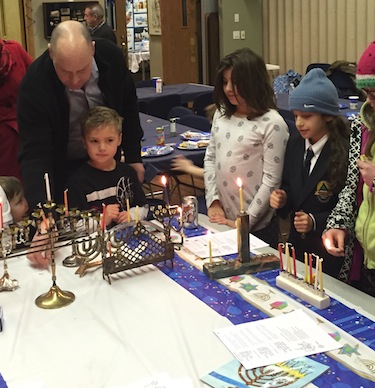
The Okanagan Jewish community’s Chanukah celebration Dec. 12. (photos from OJCA)

The Okanagan Jewish community has had an active last few months. Services were held Dec. 9 and 10, led by Rabbi Shaul Osadchey, as well as Jan. 20 and 21, led by Cantor Russell Jayne. Each of the morning services was followed by a potluck luncheon, giving community members an opportunity to socialize.

The OJC has been fortunate to have services throughout the year conducted by Osadchey and Jayne from Calgary and, in their absence, OJC members Evan Orloff and Steven Finkleman. This has brought members together and helped strengthen their faith and deepen community connections.

photo - The Okanagan Jewish community’s Chanukah celebration Dec. 12

A Chanukah celebration was held on Dec. 12, well before the holiday, because many families planned to be away during winter break. At the party, there were songs, dreidels and the lighting of menorot. Sufganiyot were served and there was Chanukah gelt for the children.

On Dec. 17, a Chanukah and holiday baking class was led by OJC member Barb Finkleman, and sufganiyot and latkes were made. These classes have become a regular event and another was held Feb. 4, with OJC member Philippe Richer LaFleche assisting Finkleman. In the February session, they made chocolate babka and vegetarian Indian food.

In other community news, mazal tov to the Finkleman family on the birth of Jeremy and Mahla’s new baby boy – Lev is a baby brother for “big sister” Shiri. The naming and bris took place in Vancouver.

Also, the community thanks Len and Faigel Shapiro for funding new tallitot and for a new custom-made tallit holder in memory of Sam Larry. The holder is now on wheels and can be easily moved to the entrance for services.

Thank you to Marv Segal, Riaz Mamdani and Steve Itzcovitch for, once again, sponsoring the brunch for this year’s OJC Golf Classic. Plans for this year’s tournament are well underway. Since it will be the event’s 20th anniversary, the OJC is trying to make it the biggest and best ever. As always, the entire B.C. Jewish community is invited to participate on July 23, which will be a fun-filled day of golf and socializing. To register, visit ojcc.ca. For more information or sponsorship opportunities, contact Mark Golbey (250-868-1782 or [email protected]) or David Spevakow (250-317-5283 or [email protected]).

Finally, this year’s OJC Passover seder will be held on April 10 at the Harvest Golf Club. For more information or to RSVP, contact Spevakow.

Format ImagePosted on February 24, 2017February 21, 2017Author OJCACategories LocalTags Chanukah, Judaism, OJC, Okanagan, Passover
Rose’s Angels package care

Rose’s Angels package care

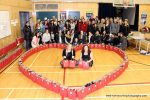
Rose’s Angels co-founders Courtney Cohen, left, and Lynne Fader, surrounded by some of the 60 volunteers who came out Feb. 12 to make 1,000 care packages for those less fortunate. (photos by Lianne Cohen Photography)

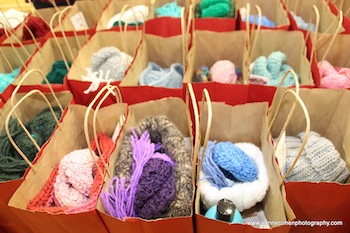
photo - Rose’s Angels made 1,000 care packages for those less fortunateOn Feb. 12, this year’s Rose’s Angels event drew 60 volunteers to Richmond Jewish Day School to create a total of 1,000 care packages. Each package was delivered to service organizations within Richmond, such as the Jewish Food Bank, Chimo Community Services, Richmond Family Place and Turning Point Recovery, among others.


Rose’s Angels was created four years ago by Richmond residents Courtney Cohen and Lynne Fader, with the idea to make care packages for those less fortunate, in memory of Cohen’s late grandmother, Rose Lewin. Lewin’s generosity and constant willingness to help those in need is the inspiration for this project.

With the event growing over the last two years, Rose’s Angels partnered this year with the Kehila Society of Richmond, a not-for-profit society that offers seniors programming and outreach.

Cohen has made it her goal this year to connect with new programs and service providers that may be interested in receiving these special packages for their clients. Each care package contains a new pair of gloves, a toque, socks, non-perishable foods and hygiene-care items, with other items selected with consideration of the organization it is going to.

Rose’s Angels gratefully accepts donations year round through the Kehila Society, 604-241-9270 or [email protected].

Format ImagePosted on February 24, 2017February 21, 2017Author Rose’s AngelsCategories LocalTags Courtney Cohen, Kehila Society, Lynne Fader, Richmond, Rose’s Angels, tikkun olam
Students share their views

Students share their views

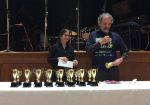
Public Speaking Contest founders Larry Barzelai and Rhona Gordon give out trophies for this year’s contest winners. (photo by Cynthia Ramsay)

On the evening of Feb. 1, the Jewish Community Centre of Greater Vancouver was buzzing with activity. Students, parents, volunteers and others gathered for this year’s Public Speaking Contest.

Participants came from Richmond Jewish Day School, Vancouver Hebrew Academy, Vancouver Talmud Torah, Crofton House, General Gordon Elementary, Madrona School, Temple Sholom Hebrew School / Sir James Douglas Elementary and home school / Chabad of Richmond.

Among the many topics suggested were Jewish values, holidays and mitzvot, what institution should be established first if creating a new Jewish community from scratch, whether Jerusalem or Tel Aviv is more reflective of modern Jewish identity, which prayer might be added to the synagogue services and what would be included in a YouTube video highlighting the Vancouver Jewish community. Participants could also write about a family member they admired, their favourite biblical character or a mensch they know; they could also pick their own topic.

At the Grade 4 level, there were two groups, in which Sivan Hendel and Noah Robibo placed first; Danielle Kimel and Maytal Bunim second; and Maayan Greif and Hannah Friedlander third. In the two Grade 5 sections, Rivka Feigelstock and Sophia Krische placed first; Chasya Berger and Shira Oirechman second; and Max Dodek and Eden Pretli third. In Grade 6, Aaron Guralnick and Rachel Marliss were first; Ruby Harris and Devorah Leah Yeshayahu second; and Tali Keil and Oliver Kraft third.

In the Grade 7 category, there was just one group, with Maya Mizrachi placing first, Noah Berger second and Alex Ritch third. In the Hebrew category, Yair Cohen placed first and Roi Gadassi second; there was no third-place award.


– Courtesy of 

Format ImagePosted on February 24, 2017February 21, 2017Author Jewish Federation of Greater VancouverCategories LocalTags Federation, public speaking, youth
מכוניות בנהיגה עצמית

מכוניות בנהיגה עצמית

בלקברי יורדת לכביש: תשקיע כמאה מיליון דולר בפרוייקט לפיתוח תוכנה למכוניות בנהיגה עצמית. (qnx.com)

יצרנית הסמארטפונס הקנדית המקרטעת בלקברי נכנסת לתחום פעילות חדש. החברה הודיעה לאחרונה כי היא תשקיע כמאה מיליון דולר קנדי (שהם כשבעים ושישה מיליון דולר אמריקני), בהקמת מרכז מחקר לפיתוח תוכנה להפעלת מכוניות בנהיגה עצמית, במחוז אונטריו. בפרוייקט שותפים מספר גורמים משמעותיים ובהם: אוניברסיטת ווטרלו, יצרנית המכוניות האמריקנית פורד וחברת השבבים היפנית רננס אלקטרוניקס. המרכז שימוקם בעיר הבירה אוטווה מתוכנן לייצר כשש מאות וחמישים מקומות עבודה חדשים, בשנים הקרובות. בלקברי תעשה שימוש במערכת ההפעלה המאובטחת שלה הקיו.אן.קס גם להפעלת המכוניות בנהיגה עצמית. הקיו.אן.קס מותכנת כיום בלמעלה משישים מיליון מכוניות בעולם. לאור הפרוייקט החדש הודיעה בלקברי לכשלוש מאות מעובדיה כי היא מספיקה להעסיק אותם, והם יעבדו מעתה במרכז החדש באוטווה עבור פורד. העובדים שטוענים כי בעקבות כך הם יפסידו את כל הזכויות שצברו בבלקברי במשך השנים, הגישו בימים אלה תביעה יצוגית נגד החברה בסכום של עשרים מיליון דולר.

בלקברי מצידה הגישה בחודש שעבר תביעה נגד יצרנית הטלפונים הפינית נוקיה על גניבת אחד עשר פטנטים.

בחודש ספטמבר אשתקד הודיעה בלקברי כי היא מפסיקה לייצר טלפונים ומעתה היא תתמקד רק בפיתוח תוכנה למכשירים הסלולריים. בשל מצבה העגום של החברה הקנדית כשנתח שלה בשוק הטלפונים העולמי מגיע כיום כמעט לאפס (כ-0.05 אחוז בלבד), מחיר המנייה שלה הוא פחות משמונה דולר. בשיאה של החברה (בשנת 2008) עת היא שלטה בשוק הסמארטפונס מחיר המנייה הגיע למאה ושישים וחמישה דולר.

אהבה יקרה: פנסיונרית נתנה מאה אלף דולר לבן זוג עתידי שנעלם

איש מבוגרת מהעיר ננאימו נפלה קורבן לנוכל שהוציא ממנה כמאה אלף דולר ונעלם. המשטרה המקומית חוקרת אך אין לה קצה חוט בנושא. הפנסיונרית (שמתקרבת לגיל שבעים) התאלמנה לאחרונה וביקשה לקראת סוף השנה למצוא בן זוג חדש, באמצעות אתר ההכרויות מאץ’.קום. בתגובה לפרופיל שלה יצר עימה קשר גבר שהציג עמו בשם ג’ונתן לוקרון, וטען שהוא מהנדס אזרחי העובד בסין. השניים החליפו הודעות, אימיילים ואף שוחחו בטלפון מספר פעמים. לאחר שרכש את אמונה סיפר לה לוקרון שהוא זקוק לכסף כדי שזה יעזור לו בפרוייקטים שונים. הוא הבטיח להחזיר לה את הכסף במלואו. האלמנה הסכימה והעבירה לו במספר תשלומים כמאה אלף דולר לחשבונות שונים ברחבי העולם. לוקרן הבטיח לפגוש את האישה בערב השנה האזרחית ובו במקום לבקש את ידה. לאחר שלא הגיע לפגישה ולא ענה עוד להודעות שלה, היא הבינה שלוקרון עבד עליה ופנתה מייד למשטרה. במשטרת ננאימו מציינים כי מבוגרים רבים חסרי נסיון באתרי היכרויות באינטרנט נופלים קורבן למעשים של נוכלים, שמצליחים להוציא מהם כסף וזה כמעט בלתי אפשרי למצוא אותם. רבים ברחבי העולם מתלוננים על כביכול “מהנדסים אזרחיים” שהוציאו מהם כסף במרמה. לכן מוצע להיזהר מאוד ולא להעביר כספים לאף אחד לפני שפוגשים אותו.

באר.סי.אם.פי מעריכים שבשנה שעברה נוכלים הוציאו כשבעה עשר מליון דולר מכשמונה מאות אזרחים תמימים, באמצעות היכרויות באינטרנט בהם גם פייסבוק וסקייפ. מרבית הקורבנות (גברים ונשים כאחד) הם בגילאי ארבעים, חמישים ומעלה. חלק מהם הפסיד את כל כספי החסכונות לנוכלים, שמנצלים עד תום את תמימות ליבם ולא מגלים שום רחמים כלפיהם. לאור זאת חלק מהקורבנות לא יכולים לממש את תוכניותיהם ולצאת לפנסיה והם נאלצים להמשיך ולעבוד. במשטרה הפדרלית מציינים כי רבים כלל לא מדווחים על מעשי הנוכלות בגלל בושה.

Format ImagePosted on February 22, 2017February 21, 2017Author Roni RachmaniCategories עניין בחדשותTags BlackBerry, fraud, online dating, self-driving cars, בלקברי, היכרויות באינטרנט, מכוניות בנהיגה עצמית, מרמה
Bagel Club travels to Israel

Bagel Club travels to Israel

The Bagel Club will volunteer at Shalva, the Israel Association for the Care and Inclusion of Persons with Disabilities, when they are in Israel. (photo from shalva.org)

The mission of the Jewish Community Centre of Greater Vancouver’s inclusion services is “to educate, engage, train and support members with diverse needs and their families in our community.” One of the ways in which they do this is with the Bagel Club, described as “a social club for adults with diverse needs” that promotes Jewish heritage and education. In just over a week, 11 club members will experience the ultimate Jewish heritage and educational experience – a trip to Israel.

As part of its overall mission to “enhance positive identification with Jewish life and Israel and to develop good citizenship and a sense of community and belonging through various partnerships with communities in Israel,” JCC inclusion services coordinator Leamore Cohen told the Independent that, over the last 15 years, “the JCC has arranged for various cohorts, including counselors-in-training, dance troupes and specialty interest groups to experience Israel, sometimes for the very first time. Unfortunately, many of the people with diverse needs, accessing programs through inclusion services at the JCC, had never been to Israel, and many of them are older adults.”

The idea of an inclusion trip – “to allow for this group to travel in a cohort of peers, semi-independently, for a first-time trip, much like young adults do with Birthright or Taglit” – had been percolating for awhile. “We knew we wanted it to happen. It was just a matter of timing,” said Cohen.

The group leaves on Feb. 26, and will be in Israel for 10 days.

“Visiting Israel, including sites that define Israel and the Jewish people, is such an important rite of passage for Jews living outside of Israel,” said Cohen. “The potential for self-discovery and Jewish cultural connection through a trip to Israel is immeasurable. Such trips are essential to our social, cultural and religious preservation and should be shared with all members of our community – that is why the JCC is so fully invested in this trip.”

The trip is being funded by a number of sources, she said, including “the participants, the JCC, the Jewish Federation of Greater Vancouver and Partnership2Gether – an initiative that pairs Diaspora communities with regions in Israel to strengthen ties between Canadians and Israelis – and incredibly generous community members.”

Accessibility was, of course, a main consideration in the trip’s planning. In addition to the programming, Cohen said the cost also needed to be accessible.

“The reality is that this population lives on fixed incomes and has limited income-earning capacity. We wanted to correct for that,” she said. “The trip is highly subsidized so that no one who wanted to come would be priced out of the opportunity. We wanted to do things differently and make this an inclusive trip in every sense of the word.”

What makes the Bagel Club’s 10-day trip unique, said Cohen, are “the opportunities we have developed for cross-border community-building, collaboration and disability advocacy. The programming is intended to create friendships across borders and to show an Israel that is inclusive of each individual and yet supportive of individual differences. Our intention is to empower travelers and support their agency through semi-independent travel, while at the same time emphasizing and strengthening community connections through learning collectively, exploring collectively and even volunteering collectively in the Jewish homeland.

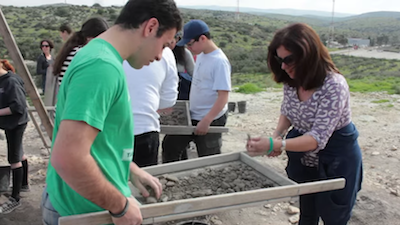
screenshot - “Every bucket could hold a treasure waiting to be discovered,” reads the caption in the brief video about Israel’s Beit Guvrin-Maresha National Park, where visitors can help with the excavations. As part of their trip to Israel, the Bagel Club will take part in the park’s Dig for a Day
“Every bucket could hold a treasure waiting to be discovered,” reads the caption in the brief video about Israel’s Beit Guvrin-Maresha National Park, where visitors can help with the excavations. As part of their trip to Israel, the Bagel Club will take part in the park’s Dig for a Day. (screenshot from mfa.gov.il)

“During our time in Israel,” she said, “we will volunteer at Shalva, the Israel Association for the Care and Inclusion of Persons with Disabilities; meet with the Access Israel disability advocacy organization; visit the Knesset, Israel’s parliament, and meet with Knesset members. We will join an established theatre group of adults with diverse needs for a drama workshop. We will visit Beit Guvrin-Maresha National Park for Dig for a Day and take part in an active dig. We will pray at the Wailing Wall and remember at Yad Vashem.

“We will also be spending part of our trip in the Galilee Panhandle, which is our partner region in Israel. During that time, we will participate in an arts and crafts workshop at [the] inclusion occupational centre Ma’arag, together will local residents. We will visit Beit Israel and meet with Krembo Wings youth group (a youth group that works with children with special needs). Also on our itinerary is a visit to the Bereshit apple factory to learn about agriculture and the production process.”

Cohen said she is “honoured to be able to experience Israel with this group.” The 11 participants are David Benbaruj, David Berger, Frederick Dexall, Marc Estrin, Mark Fugman, Julie Huber, Harriet Kositsky, Alisa Polsky, Clark Levykh, Evan Lipsky and Gail Rudin. Joining Cohen in the support-staff capacity are Kathleen Muir, assistant coordinator, inclusion services and youth services at the JCC; Shannon Gorski, managing director of the Betty Averbach Foundation and JCC board member; and Alex Krasniak, community support worker with 26 years in the field.

Cohen noted that February is Jewish Disability Awareness and Inclusion Month, “a unified effort amongst Jewish organizations worldwide to raise awareness and foster real and meaningful inclusion of people with disabilities and those who love them community-wide.”

She said the JCC is holding a traditional Birkat HaDerech (Blessing for the Way) ceremony for the Bagel Club travelers on Feb. 19, 11 a.m., at the JCC.

“The invitation is wide open,” she said. “We want to share this simchah with the whole community. It is going to be such a joyful sendoff. We’ll have the Orr Vancouver Israeli Dance troupe performing to commemorate the occasion. Can you imagine a better way to celebrate this month than helping these Jews exercise their birthright?”

Format ImagePosted on February 17, 2017February 15, 2017Author Cynthia RamsayCategories LocalTags Bagel Club, disabilities, inclusion, Israel, JCC, Leamore Cohen

Posts pagination

Previous page Page 1 … Page 228 Page 229 Page 230 … Page 322 Next page
Proudly powered by WordPress