Skip to content
  • Home
  • Subscribe / donate
  • Events calendar
  • Business Directory
  • FAQ
  • News
    • Local
    • National
    • Israel
    • World
    • עניין בחדשות
      A roundup of news in Canada and further afield, in Hebrew.
  • Opinion
    • From the JI
    • Op-Ed
  • Arts & Culture
    • Performing Arts
    • Music
    • Books
    • Visual Arts
    • TV & Film
  • Life
    • Celebrating the Holidays
    • Travel
    • The Daily Snooze
      Cartoons by Jacob Samuel
    • Mystery Photo
      Help the JI and JMABC fill in the gaps in our archives.
  • Community Links
    • Organizations, Etc.
    • Other News Sources & Blogs
  • JI Chai Celebration
  • JI@88! video

Recent Posts

  • Federation now across BC
  • Israel fighting for its existence
  • Deal strengthens Iran
  • Patriotic belonging diminishes
  • A campaign to engage
  • Upstanders’ first live event
  • Responding to Carney
  • Having your own home
  • Music a family tradition
  • Musical to warm heart
  • Community milestones … June 2026
  • Sharing her passion for Israel
  • Or Shalom reopens its doors
  • JFS from past to future
  • Need holistic approach
  • Sharing stories, advice
  • Journalist shares fears
  • Skills to live together
  • Road to independence
  • Cutting grass with scissors
  • Zionism as a solution
  • Deceit, desire & the divine
  • Reclaiming sacredness
  • Creative project ideas
  • Summer squares and cobbler
  • Thou shalt … summer commandments
  • Legal help for students
  • Revisiting myth of Lilith
  • Wrong person rebuked
  • Canada’s mixed messages
  • Questions for museum
  • Symposium on antizionism
  • Making soccer political
  • CJPAC lauds Pulver’s impact
  • City recognizes Vrba’s legacy  
  • Organ donation saves lives

Archives

Follow @JewishIndie
image - The CJN - Visit Us Banner - 300x600 - 101625

Tag: science

Stories to bring smiles

Stories to bring smiles

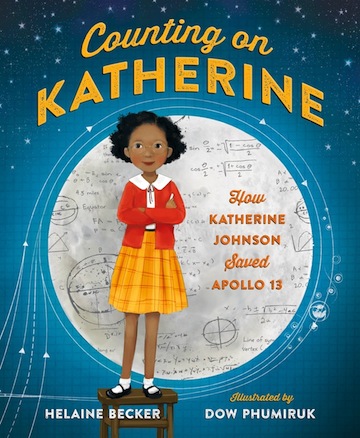
Delightful. That’s the first word that comes to my mind for two new hardcover children’s books by members of the Jewish community that will soon find their way to my youngest nieces’ bookshelves: Pip & Pup by Eugene Yelchin (Godwin Books) and Counting on Katherine: How Katherine Johnson Saved Apollo 13 by writer Helaine Becker and illustrator Dow Phumiruk (Christy Ottaviano Books).

Yelchin’s wordless book begins with a chick hatching. On a farm somewhere, having just come out of her shell, Pip sees the world for the first time. She spies a puppy sleeping under cover of a tractor. Fearless, she goes right up to Pup’s nose to say hello. When Pup awakens and barks in greeting, Pip is thrown into a panic, not quite prepared for the full size of her relatively large new friend.

When the rain starts, Pip literally climbs back into her shell, but just to stay dry. She is no longer afraid. In fact, when she sees Pup’s distress at getting wet and at the sound of the thunder and the force of the rain, she offers what help she can. The two start to play even before the sun comes out again. A broken eggshell dampens spirits momentarily, but then it’s Pup’s time to fix things, which she does.

Pip & Pup is a simple story that is evocatively illustrated using warm colours, texture and layers, combining pastels, coloured pencils and digital painting. There is a depth to the art and the story. Children and their adult readers will have fun asking each other questions as they go along. Do you think Pip is brave to say hello to Pup? Do you like the rain? How is Pup feeling right now? How would you feel if something of yours broke?

image - Counting on Katherine book coverMany questions will arise from reading Counting on Katherine, as well, though some of them will require a different kind of reflection, as the story touches upon racism, sexism and other such topics – in an age-appropriate way for readers 5 and up.

Becker interviewed Katherine Johnson, who turned 100 years old on Aug. 26, and Johnson’s family for this picture-book biography. Johnson was a mathematician at the National Aeronautics and Space Administration (NASA) and, among other things, her manual calculations were crucial in bringing the crew of Apollo 13 back to earth safely after it was damaged while in space.

In Counting on Katherine, we meet Johnson as a young girl: “Katherine loved to count. She counted the steps to the road. The steps up to church. The number of dishes and spoons she washed in the bright white sink. The only things she didn’t count were the stars in the sky. Only a fool, she thought, would try that!”

And Johnson was anything but a fool. She skipped three grades in elementary and was ready for high school at 10 years old. “But back then,” writes Becker, “America was legally segregated by race.” Johnson’s high school didn’t admit black students, so her father, by “working night and day, he earned enough money to move the family to a town with a black high school.”

Johnson’s next challenge was that, as a woman in that era, she was relegated to the teaching and nursing professions, so she became an elementary school teacher. However, in the late 1950s, the space race began, and NASA’s predecessor began hiring thousands of workers. “It even started hiring black women – as mathematicians.”

Johnson excelled at NASA and her work was integral to the United States’ space program, not just to the Apollo 13 mission, and Counting on Katherine has an epilogue that gives some additional information about Johnson. As well, Phumiruk’s imaginative digital artwork is also information-filled, clearly showing Katherine’s longing to learn, as she gazes from her bedroom window at the night sky; her joy with numbers, as she fills chalkboards with them; her anger at not being allowed to attend her town’s high school; her meticulousness, as she calculates a safe journey for Apollo 13. Counting on Katherine is a wonderful book.

Format ImagePosted on September 7, 2018September 6, 2018Author Cynthia RamsayCategories BooksTags art, children's books, Dow Phumiruk, Eugene Yelchin, Helaine Becker, Katherine Johnson, science, women
New views on heart disease

New views on heart disease

Dr. Ross Feldman is leading various teams as the principal investigator for women’s health at the Institute of Cardiovascular Sciences at the city’s St. Boniface Hospital. (photo from Dr. Ross Feldman)

Many of us are under the impression that heart disease mainly affects men. But researchers have been trying for the last few decades to change this skewed view. One such researcher, Dr. Ross Feldman, recently found his way to Winnipeg. Feldman is leading various teams as the principal investigator for women’s health at the Institute of Cardiovascular Sciences at the city’s St. Boniface Hospital.

According to Feldman, “Most of what we know in terms of risk and benefit and treatment of those factors that contribute to heart disease initially came from studies of younger people with more advanced risk factors – be it cholesterol, high blood pressure, [etc.] – and what the benefit was from the treatment of those problems, in terms of reducing risk of heart attacks or strokes. Women tended not to be included in those studies, because premenopausal heart disease risk is so much lower. So, in the earlier days, we developed guidelines that were mostly based on findings in younger men. It really wasn’t appreciated that women had accelerating risk after menopause.”

This new understanding about the connection between post-menopause and heightened risk of heart disease has only come to light in the past 10 to 15 years. The Heart and Stroke Foundation is only now, within the last year, opting to make the topic a priority.

“I think it’s taken even longer for it to register on the psyche of healthcare professionals … that women are at an increased risk post-menopause,” Feldman told the Independent. “They’re also much less likely to be diagnosed appropriately, less likely to get appropriate treatment, and they are more likely to have complications with trying to fix blood vessel problems. They’re less likely to be sent out following a cardiac event on all the right medications. And then, ultimately, a little more likely to die of heart disease.”

Feldman believes this lag time – for women to get the correct diagnostics and treatments – will not change anytime soon, unfortunately, as the training provided in medical schools is still based on past knowledge about women and heart disease. Medical students are still being taught that women are more likely to present with atypical chest pain, with no further explanation, said Feldman.

“If women are most likely to present that way, why are you calling it atypical chest pain?” he asked. “It gives you an idea of how male-centric our whole approach to heart disease has been. What we get out of it is, you often see a dichotomy, that sometimes you’ll see premenopausal women at risk of being over-treated.

“A woman, premenopause with hypertension, probably doesn’t need blood pressure-lowering therapy unless their blood pressure is greater than 160 over 100. Whereas, a post-menopausal woman with multiple smaller elevations in individual risk factors – a little bit higher blood pressure, a little bit higher cholesterol – will often get overlooked…. Yet, she is at a much greater risk than will be projected, based on consideration of any individual risk factor.

“There needs to be a sex-specific approach to management of the risk factors of heart disease and the presentation for heart disease,” he said. “The guidelines for that approach are still in flux.”

As medical practitioners are lagging behind the latest findings about women and heart disease, Feldman said that premenopausal women don’t need to be as concerned about risk factors that may be a little out of whack, such as LDL cholesterol or blood pressure. However, he said, post-menopausal women need to be advocates for more aggressive treatment for even seemingly marginal elevations in risk factors.

“The problem is that primary care professionals, a lot of them, will tend to underestimate the risks,” said Feldman. “There are reasonable calculators that will tell people, if you add up several small risks for a post-menopausal woman, that translates into an overall risk level that mandates more aggressive therapy. Generally, blood pressure and cholesterol are the most important factors to look at, but it’s the whole aggregate risk based on the calculation that tells you how aggressively you need to treat, regardless of the extent of the elevation.”

While researchers like Feldman are working on sex-specific therapies, women can help themselves by reducing their degree of risk via exercise, maintaining a healthy weight and a healthy diet, keeping hydrated and finding ways to keep stress and anxiety levels down.

“As women age, as with men, excessive salt intake increases blood pressure and often that excessive salt doesn’t primarily come from the salt shaker, but from processed foods,” said Feldman. “When shopping, shop the rim of grocery stores. Stay away from the aisles. Maybe shop in the frozen food sections, but probably not.

“To date, there is no real sex-specific preventative approach. That is, exercise, as far as I know, is as effective in blood pressure reduction and weight reduction for men as it is for women … maybe a little more effective in women, but likely marginal differences. I think it’s important for women to know that weight gain and a more sedentary lifestyle are bigger risks for them than for men. Men tolerate being couch potatoes a little better than women do.

“The slope of the line for weight gain in men is pretty linear,” he said. “In women, there’s an increase in slope of weight gain after menopause. Women’s systems are less tolerant of the kinds of changes that occur with age than men’s.

“We know there are ethnic differences in risk tolerance,” he added. “We know that Asians are less tolerant to weight gain than Caucasians. That is a genetic difference. We hadn’t appreciated that sex differences work the same way, although we should have, as, ultimately, a sex difference is a genetic difference.”

Rebeca Kuropatwa is a Winnipeg freelance writer.

Format ImagePosted on July 13, 2018July 11, 2018Author Rebeca KuropatwaCategories NationalTags heart disease, menopause, Ross Feldman, science, women

The pot talk we need

Last week, Prime Minister Justin Trudeau announced that marijuana would become legal in Canada on Oct. 17. He had intended that it should be legal this Sunday – Canada Day. But the Senate, rousing itself from obsolescence just long enough to throw a wrench in the plans, delayed passage of the pot legalization bill until this month, making implementation by Canada Day impossible.

This may not seem like a particularly relevant topic for a Jewish newspaper editorial, but substance use is just as relevant in our community as it is in any. A few years ago, a panel discussion took place at Schara Tzedeck Synagogue on the topic. Prof. Raphael Mechoulam, a chemist and expert on marijuana’s medicinal uses visiting from the Hebrew University of Jerusalem, and Dr. Kathryn Selby, a University of British Columbia clinical professor in pediatric developmental neurosciences, took opposing sides.

Mechoulam said that cannabidiol (CBD), a component in marijuana, may have medical uses “in almost all diseases affecting humans.” However, little scientific research has been done.

Cannabinoid receptors are abundant in several regions of the brain, including those where movement control, learning and memory, stress, cognitive function and links between cerebral hemispheres occur. CBD can also impact appetite, blood pressure, cerebral blood flow, the immune system and inflammation. It can, in some cases, reduce or eliminate seizures and cancerous tumours.

But Selby raised an issue that has gone almost entirely ignored throughout Canada’s national discussion about marijuana legalization.

Marijuana can have deeply deleterious effects on the brains of adolescents and young adults, altering the brain’s structure and function in lifelong ways. The development of the human brain continues into the 20s, Selby said, and the prefrontal cortex, where judgment and executive functions occur, is the last to develop – thus the most likely to be affected by intensive marijuana use.

Longer-term impacts of marijuana use by adolescents have been shown to correlate with schizophrenia later in life and a 50% to 200% increase in psychoses among heavy users. Daily marijuana use during high school has been correlated with a 600% increase in depression and anxiety in later life.

Selby recommended that marijuana use, if undertaken at all, should be “as late and as little as possible.”

During the national discussion around this issue, much concern was expressed about the ability of law enforcement officials to identify and measure marijuana impairment among drivers. Almost no discussion was devoted to the effects of marijuana on developing brains.

Part of the reason for delaying legalization until October was to allow provincial and municipal governments to prepare for the related distribution, legal and other public policy issues legalization raises. While criminal law is a federal issue – marijuana legalization is on Ottawa’s plate – it is the provinces that determine where, how and to what consumers the “product” may be marketed. In Alberta and Quebec, the age will be 18; in the other provinces, 19. (Most provinces have made the decision to create equal ages of majority for alcohol and marijuana purchase.)

Alcohol has its own harmful impacts on the bodies of young (and older) people, but marijuana may have particular harms on the development of adolescent and young adult brains.

Once the brain is fully developed, by the mid-20s, the dangers of permanent damage by marijuana use are significantly reduced. This scientific evidence – not the fairly random legal decision to permit consumption at age 18 or 19 – should perhaps have received more attention than it has. Given that it did not, it now falls to parents, grandparents, trusted adults and educators to share with young people the potential harm heavy marijuana use has for adolescents and young adults.

It is time Canada moved away from prohibition and towards a compassionate model that reduces and minimizes the harm that stems from fear and a lack of evidence-based policies. Fear-mongering is a waste of time – and marijuana’s positive impacts can’t be denied.

However, for those of us with young people in our lives, a good approach is to model the moderate use of all substances, to leave open lines of nonjudgmental communication (however hard that is) and to demonstrate for one another how to make wise and healthy choices. Sharing information in a rational way and asking young people to avoid heavy use or to delay if possible is the least we can do. It is our hope, too, that pot companies will temper their impulses to capitalize on every opportunity and avoid marketing edibles made to appeal to children and teens so that we’re not fighting an uphill battle. Healthy communities with resilient kids are a group effort.

Posted on June 29, 2018June 28, 2018Author The Editorial BoardCategories From the JITags Canada, children, health, legalization, marijuana, politics, science, teens

The miracle that is the mind

So, what’s going on inside your head? Pretty important stuff, actually, because that’s where all of us are happening.

The facts are almost unbelievable, 100 billion neurons, each connected to 10,000 other neurons, processing one trillion bits per second. There are 100 trillion synaptic connections. A synapse is just that, a connection. For comparative purposes, a home computer with a 4 GHz processor does only four billion clock cycles per second. Remember that a trillion is a million times a million.

We have almost unlimited storage space, but our short-term memory is much more limited, capable of holding only five to nine pieces of information at any one instant. We continue to learn, reshaping parts of our brains with new pathways, benefiting from the body’s redundancies. What we know is that practice does make (almost) perfect, and that our body parts can take on a life of their own. Those pathways fade if we don’t use them.

Fortunately for us, our brains have some ability to repair themselves, completely up to the age of 5 and, to a degree, during our lives, through the growth of new neurons that can take over some of the functions of damaged parts. As babies, we have the same number of neurons we do as adults, but the size of our brains triples in our first year. Brain development continues until about the age of 25.

Most of us don’t realize that our brains, making up about two percent of our weight, use 20% of our energy and are 73% water. Dehydration can affect function. Sweating for 60 minutes shrinks the brain as much as one year of aging, so be sure to drink up!

Our brains are where we find the human capacity for self-awareness (located in the prefrontal cortex), what it is that differentiates us from other animals. While chimps and dolphins also show signs of self-awareness, their brains are entirely different.

What about our feelings? There are all sorts of chemicals sloshing around inside our heads. From here on in, it gets incredibly complicated, and, so, this lecture is over. What’s really on my mind is what happens as a consequence: our exquisite sensitivity to colour, taste, smell, facial expression, emotion, music, beauty, and so much more. What is in our brains, what is on our minds, is the essence of being human.

For example, imagine what is going on in a composer’s head when writing a symphony, the harmonies to be worked out between 10, 12 or more different instruments. Can you imagine how the mind of a musician is working when their fingers are flying so fast you can hardly see them? How about the conductor, who has the whole score in their consciousness as the orchestra players are led through a piece?

Each of us has a brain box where incredible things are happening during the ordinary course of lives. Just running the machine we call our body is the product of eons of evolution and development. All of what we are is centred in our minds. We are only beginning to understand parts of it, but we have a long way to go. The explosive expansion of computing power we are witnessing is helping us roll back the mysteries behind our functioning. But the mind and its workings, repairing things when they go wrong, remain among our greatest challenges. What is marvelous is how many things go right most of the time.

Max Roytenberg is a Vancouver-based poet, writer and blogger. His book Hero in My Own Eyes: Tripping a Life Fantastic is available from Amazon and other online booksellers.

Posted on June 22, 2018June 19, 2018Author Max RoytenbergCategories Op-EdTags philosophy, science
Dementia panel covers range

Dementia panel covers range

Left to right: Laura Feldman, Dr. Deborah Toiber, Joanne Haramia, Dr. Janet Kushner Kow and Dr. Gloria Gutman. (photo from CABGU)

Alzheimer’s, Dementia and You, an event presented by Canadian Associates of Ben-Gurion University of the Negev on June 5 at the Rothstein Theatre, featured a panel of experts whose presentations and discussion provided insights to both those seeking information and those seeking support.

Keynote speaker Dr. Deborah Toiber of Ben-Gurion University’s department of life sciences, described her approach to neurodegenerative aging as the key factor in understanding diseases like Alzheimer’s. (See jewishindependent.ca/bgu-finds-key-protein.)

Moderated by Simon Fraser University professor emerita Dr. Gloria Gutman, the panel represented a wealth of experience. Dr. Janet Kushner Kow, a geriatrician associated with Providence Health Care and the University of British Columbia, answered questions from the medical perspective. Laura Feldman, with 10 years of grassroots experience at the Alzheimer Society of British Columbia, spoke about the need to seek knowledge and support. Joanne Haramia recounted how families she has cared for through Jewish Family Services have found it easier to cope when they have support from the community. People stayed after the event to mingle and talk to the panelists and ask more questions.

Prior to the event, there was a reception, catered by Nava Creative Kosher Cuisine, for sponsors and partners. Sponsors were InstaFund and Annie Du and Aeron Evans of National Bank Financial, Wealth Management; co-sponsors were the Jewish Community Centre of Greater Vancouver, Jewish Family Services, Louis Brier Home and Hospital, and Jewish Seniors Alliance, with community partners being the Alzheimer Society of B.C., SFU Gerontology Research Centre and the Jewish Independent as media partner.

– Courtesy of Canadian Associates of Ben-Gurion University of the Negev

Format ImagePosted on June 22, 2018June 19, 2018Author Canadian Associates of BGUCategories LocalTags Alzheimer's, Ben-Gurion University, CABGU, dementia, health, science
BGU finds key protein

BGU finds key protein

Ben-Gurion University’s Dr. Deborah Toiber will be part of a panel in Vancouver called Alzheimer’s, Dementia and You: Research, Risk Reduction and Resources. (photo from CABGU)

Alzheimer’s affects about six percent of people over the age 65 worldwide. For years, scientists have been searching for ways to treat it and to discover its roots, but without much success, until recently.

A group of Ben-Gurion University researchers, under the leadership of Dr. Deborah Toiber, is among those who have made breakthroughs. They have discovered that a certain protein, SIRT6, necessary for DNA repair, is largely missing from the brains of people with Alzheimeir’s. The absence of this protein and the gradual decline in its production by the human body as we age might be what triggers the disease.

On June 5, Toiber will be the keynote speaker at Alzheimer’s, Dementia and You: Research, Risk Reduction and Resources. She will be joined in a panel discussion by Laura Feldman from the Alzheimer Society of British Columbia and Joanne Haramia of Jewish Family Services; Simon Fraser University professor emeritus Dr. Gloria Gutman, one of the founders of SFU’s Gerontology Research Centre, will be the moderator. The event, which will be held at the Rothstein Theatre, is being presented by the Canadian Associates of Ben-Gurion University (CABGU) in partnership with the Jewish Independent, the Jewish Community Centre of Greater Vancouver’s Adults 55+ program, the Alzheimer Society of B.C., Louis Brier Home and Hospital, Jewish Family Services, Jewish Seniors Alliance, and L’Chaim Adult Day Care.

According to David Berson, executive director of CABGU, British Columbia and Alberta Region, “the purpose of the panel is to increase the awareness and understanding of Alzheimer’s disease, dementia and neurodegenerative diseases.”

“Deborah was coming to Canada to visit the community in Winnipeg for a similar event,” Berson told the Independent. “We had a wonderful opportunity to bring the young and dynamic researcher to Vancouver and we jumped at it…. Toiber’s research, as I understand it, is part of a race to discover, isolate and understand the characteristics, components and mechanisms of DNA that will allow us to identify and treat neurodegenerative diseases prior to onset.”

In her email interview with the Independent, Toiber talked about her work and her group’s discovery. She said that DNA deteriorate with age. “It is not something genetic or environmental,” she said. “We repair our DNA and continue going on, but the repairs are not perfect. Some DNA remain unrepaired. As we get older, unrepaired DNA accumulate, and their ability to produce proteins diminishes.”

She further explained: “If the DNA is damaged, and a cell feels it is too dangerous to continue with this damaged DNA, the cell may activate a self-destruct mechanism. If too many cells do this, the tissue with the dying cells will deteriorate, such as the brain.” Essentially, the deterioration of the DNA and the reduced production of SIRT6 protein mark “the beginning of the chain that ends in neurodegenerative diseases in seniors. In Alzheimer’s patients, SIRT6 is almost completely gone.”

Toiber said scientists should be focusing on how to maintain the production of SIRT6 and how to improve the repair capacity of the damaged DNA, because that is what causes Alzheimer’s and similar diseases. Unfortunately, it is impossible to introduce the needed protein directly into the brain. “There is a blood barrier that prevents things from passing into the brain,” she said. “But we are trying to find a way to increase the expression of the protein into the brain.”

Toiber has always been fascinated by the molecular biology of the human brain. “I chose this field because I wanted to understand in-depth how the brain works, to investigate what happens when things stop working,” she said. “I think that molecular biology is the answer to all those questions. It’s like being a detective on the molecular level.”

She realizes that a detective’s work is never easy or fast. “Results take years to build, as they are based on previous findings, ours and other scientists’. My current group, where I am the principal researcher, is about three years old. It is a new lab.”

The research is multifaceted and multidirectional. “We do basic science,” she said. “We use animal models and cells to understand what is happening as we age, what is the cause of disease and what can we learn from this to develop treatments or preventive actions. We also collaborate with medical professionals and other scientists to get a fuller picture of various aspects of aging and neurodegeneration, particularly Alzheimer’s disease.”

Toiber’s group doesn’t work on the pharmaceutical angle of how to introduce the protein into patients’ bodies. Instead, she explained, “We are interested in the molecular causes of aging, such as DNA damage accumulation, and how this leads to disease. We work in experimental biology. These experiments are expensive and difficult. It can take a long time to see and understand the results, but it is also rewarding. Molecular processes help us understand how our organisms work and what happens when things go wrong. We have to be optimistic and keep trying.”

Many scientists in related fields of study are interested in Toiber’s work. “I have talked about our research at the international neurochemistry meeting in Paris and at conferences in Crete and Israel,” she said.

To hear her speak in Vancouver, register at eventbrite.ca. There is no cost to attend.

Olga Livshin is a Vancouver freelance writer. She can be reached at [email protected].

Format ImagePosted on May 25, 2018May 23, 2018Author Olga LivshinCategories IsraelTags Alzheimer's, Ben-Gurion University, BGU, CABGU, Deborah Toiber, dementia, healthcare, science
The ethics of cloning

The ethics of cloning

Prof. Arthur Schafer, head of the Centre for Professional and Applied Ethics at the University of Manitoba. (photo from Arthur Schafer)

After a few Chinese researchers recently released a report about their successful cloning of monkeys, the ethics debate about both cloning and the use of monkeys for research reignited.

“It’s not the first time primates have been cloned,” University of Manitoba philosophy professor Arthur Schafer told the Independent, “but it is the first time it has been done by this method.”

A primate is a zoological classification for mammals such as humans, apes and monkeys that are distinguished by, among other things, higher intelligence than other animals.

“The method previously used for cloning primates was called ‘embryo splitting.’ That’s what happens when a mother has identical twins,” explained Schafer, who heads the Center for Professional and Applied Ethics at the U of M and lectures on the ethics of cloning. “The method they used [in China] is called ‘the Dolly Method,’ named after the famous cloning of Dolly the Sheep. Dolly the Sheep was cloned from the breast tissue of the animal being cloned. (Dolly was named after Dolly Parton.) They used an adult cell.”

An advantage of this method over the cell-splitting technique is that you have the potential of getting many more clones, said Schafer. With cell-splitting, you can only get two.

With respect to the ethics of cloning and of using monkeys for research, Schafer said, “The first point is that the success rate is very low – two out of 60. They produced a number of additional embryos that didn’t result in live births or healthy animals.

“With Dolly the Sheep, the success rate was even lower…. Well over 200 clones of Dolly were produced to get one successful live birth of a healthy Dolly clone.”

Another important question is whether or not this research will make human cloning more likely. At present, a major reason why creating a human clone would be unethical is because the chances of the baby being born severely impaired physically or mentally are very high. “No ethical physician would want to use this as reproductive technology or would participate in it, because the chances of getting a healthy baby would be small,” said Schafer.

He said, “The technology will get better and better and could, eventually, maybe in the not-too-distant future, be safe and effective. And, at that point, it might become a viable way for a couple to have a baby. So, if you think this reproductive technology is ethically objectionable for humans, then you’d be opposed to primate experimentation on those grounds.”

For those whose primary objection to human cloning “is that it’s ineffective and unsafe” and “that you have a lot of stillborn babies and that those born alive would have a high chance of being severely impaired,” improvements of the technology could be a reason for primate testing.

Schafer said that human reproductive cloning could become as effective as in vitro fertilization (IVF).

“People got very irate in 1978 when a baby was born by IVF,” he said. “They thought this was a method that was morally wrong – a crime against the baby, against society. But somehow, it is turning out to be not so unsafe, not significantly less safe than natural childbirth. And it can enable, maybe a couple million couples, to have babies who wouldn’t otherwise be able to.”

Schafer postulated that, just as IVF is no longer on the current ethics chopping block, so too cloning may someday reach the point of being considered safe enough to be an acceptable reproduction method.

“The whole debate is about if it is unethical and, if yes, why?” said Schafer. “I think everyone agrees that safety and effectiveness is critical. But, once we get beyond that, some feel it is a case of playing God.”

Currently, human cloning research will land you in prison. But, animal cloning research is allowed in some countries on the grounds that it is for the purpose of making higher-producing animals – a chicken that can lay more eggs, for example, or a cow that can produce more milk or is better at putting on meat. Cloning research for such purposes has been allowed and has been given large financial resources.

“So, where it’s permitted, the rationale is that this technology will enable us to do medical research and to advance scientific knowledge in a way that will improve the quality of lives,” said Schafer. “It’s a matter of weighing and balancing your hope for benefit against your fear of repercussions.

“In discussions I’ve had with Jewish authorities, who although are divided amongst themselves, the predominant strand stresses that one value trumps all others – that being human life. So, you could use that as the basis for an argument that any technology that would hold promise of saving human lives would be favoured by Judaism.”

There is still the concern about conducting research on monkeys.

“Many people, and not just animal rights advocates, regard primates as the last animals, eligible animals, for experimentation,” said Schafer. “They are the most intelligent, the most like us. They have highly developed brains and nervous systems. They are, in many ways, more intelligent than human beings who are impaired or adults who have dementia or are in a vegetative state. We don’t allow medical research on severely cognitively impaired human beings, so how could it be ethical to do research on these closest relatives in the animal world, primates?”

Schafer said there has been a drastic decline in the amount of research done on primates in general, and monkeys in particular.

“You can’t justify the risks of severe harm on primates,” said Schafer. “Either they shouldn’t be used at all or, a compromise position, they should only be used as a last recourse for medical research – only used when incredibly necessary and for a supremely important goal.”

It is on these lines that scientists justify some of the research being done on Alzheimer’s and Parkinson’s.

“They believe this technology will allow them to produce animal models that will facilitate research on diseases such as Alzheimer’s and Parkinson’s,” said Schafer. “So, do we need to do this research? Are there other better alternatives? Is the moral [price of] experimenting on primates too high to justify the medical benefits it hopes to achieve? These are all issues that are critical to the debate.”

Rebeca Kuropatwa is a Winnipeg freelance writer.

Format ImagePosted on May 18, 2018May 16, 2018Author Rebeca KuropatwaCategories NationalTags Arthur Schafer, cloning, Dolly the Sheep, ethics, Judaism, science
High-tech medicine

High-tech medicine

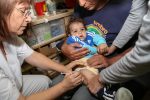
A 1-year-old boy being treated with a novel gene therapy drug. “Usually, this type of injury with a hemophiliac patient would involve hours in the emergency room, with repeated doses of intravenous coagulation factors,” said Prof. Gili Kenet, director of the National Hemophilia Centre at Sheba Medical Centre. (photo from IMP)

From wearables that allow cardiac specialists at a hospital in Ramat Gan to monitor a patient’s cardiac performance thousands of miles away from home, to giving gravely ill patients a new lease on life with groundbreaking new therapies, Israeli medical innovators are almost literally thumbing their noses at the Angel of Death and changing the way we live.

According to start-up “ecosystem” sources, there are at least 6,000 active start-up companies operating in Israel. Within the realm of digital health, the number of active start-up companies engaged in this field has grown from 65 companies in 2005 to more than 400 in 2018. A significant number of these start-ups are being financially supported by global corporations such as Philips, GE Healthcare, Merck and IBM. Some of these companies have opened up offices close to start-up hubs in Haifa (near the Technion) and Metro Tel Aviv, the recognized “capital” of Israeli business and high-tech.

photo - This digital watch developed by the Sheba medical team and Datos Health is equipped with an app that contains a care path specially designed for each patient
This digital watch developed by the Sheba medical team and Datos Health is equipped with an app that contains a care path specially designed for each patient. (photo from IMP)

“Israel serves as a global incubator of innovative ideas for a variety of reasons,” said Dr. Eyal Zimlichman, deputy director general, chief medical officer and chief innovation officer at Sheba Medical Centre, which is located in Ramat Gan and is the largest facility of its kind in the Middle East. “First of all, it’s in our genes. Secondly, there is the military aspect, where we are taught to improvise when necessary in the field. These things allow us to be naturally innovative. This has trickled down into the medical field, where we are offering the highest level of medical care. I also believe unique innovations in medicine, that will impact the world for the next 100 years, will be developed in Israel.”

Prime examples of Sheba Medical Centre’s innovative efforts revolve around combating potentially fatal diseases such as cancer with immunotherapy, oncology’s new medical “magic bullet”; targeting hemophilia with a novel gene therapy drug; and creating an app for a wearable device used by people with serious heart and diabetes issues.

Immunotherapy is a treatment that uses our body’s own immune system to invade and destroy cancer. CAR-T (chimeric antigen receptor) and TIL (tumour-infiltrating lymphocytes) are not universal cancer cures at this stage. However, there are ongoing clinical trials being conducted for major pharmaceutical companies and America’s National Institutes of Health at Sheba Medical Centre’s oncology unit, where end-stage cancer patients are being treated with CAR-T, which specifically targets leukemia and lymphoma, and TIL, which zeroes in on melanoma and ovarian cancer patients.

Seventeen people with cancer were treated at Sheba during an initial CAR-T trial, after all of these patients had displayed zero improvement in the wake of traditional chemotherapy treatments and bone marrow transplants. Of the 17, 75% had a complete response to the CAR-T. One of those patients, an 8-year-old girl from Bnei Brak, was the first child to achieve complete remission from childhood leukemia. A Sheba centre oncologist said, “When we came to give her the CAR-T cells, she was very, very sick. She couldn’t even get out of bed. When we came back to visit her three weeks later, she was going back and forth on her rollerblades.”

A few weeks ago, a 1-year-old boy became the youngest patient in the world suffering from both severe hemophilia A and an unusual allergy to be treated with a gene therapy drug that only recently was approved for use in the United States. The new drug, developed by an American biopharmaceutical company, contained a “bispecific antibody” that was injected into the child at Sheba Medical Centre. According to clinical trial results published in The New England Journal of Medicine, the drug has shown a 90% reduction in bleeding in children and a 70% reduction in adults.

photo - Prof. Gili Kenet
Prof. Gili Kenet (photo from IMP)

“This is a new, exciting era with many novel options for improved care and even complete cure of patients with hemophilia,” said Prof. Gili Kenet, director of the National Hemophilia Centre at Sheba. “The child’s mother is so happy with the new treatment. The child had experienced a head trauma, but required no further therapy at all. Usually, this type of injury with a hemophiliac patient would involve hours in the emergency room, with repeated doses of intravenous coagulation factors. However, there were no complications, as his hemostasis (blood factors) was completely normal.”

Within the realm of what is known as IoT (internet of things), Prof. Robert Klempfner is blazing a trail of what he has dubbed IoMT (internet of medical things), where heart patients are able to engage in cardiac care and rehabilitation using wearables (for example, a high-tech watch), without having to return to the hospital for treatment.

“Today, the challenge for both heart doctors and cardiac care patients is what happens after a coronary event (heart attack), intervention or heart surgery,” said Klempfner. “What kind of regimen can be created for someone who might have had surgery at Sheba but lives and works in faraway places such as the United States or other countries? Within the new world of telemedicine and digital health, we have the technology to create rehab programs that are a win-win experience for both the hospital and the patient.

“We give cardiac care patients a watch,” he explained, “that is equipped with an app developed by the Sheba medical team and Datos Health [an Israeli start-up company]. The app contains a care path specially designed for each patient, containing rehab regimens, education material and secure communication with our patients. The medical centre receives data from wherever he/she is located when they are walking, exercising, doing other physical activities. Our technicians then analyze the info and provide ongoing feedback, assisted by smart algorithms provided by the innovative system.

“The program is also primed,” he said, “for patients who suffer from hypertension and diabetes that are now able to transmit all their measurements automatically to our system. This not only saves the patient time, by not having him/her return to the hospital, it saves the hospital time and bed space, so we are able to treat more patients. This ushers in a new era in digital healthcare.”

For more information on Sheba Medical Centre’s oncology unit, visit shebaonline.org.

Format ImagePosted on April 20, 2018September 30, 2019Author Steve K. Walz IMP MEDIA LTD.Categories IsraelTags cancer, children, health, IoMT, IoT, science, Sheba Medical Centre, technology
Too much food wasted

Too much food wasted

Millions more could be fed by the same resources if our diets changed. (photo from wis-wander.weizmann.ac.il)

About a third of the food produced for human consumption is estimated to be lost or wasted globally. But the biggest waste, which is not even included in this estimate, may be through dietary choices that result in the squandering of environmental resources. In a study published in the Proceedings of the National Academy of Sciences of the United States of America, researchers at the Weizmann Institute of Science in Rehovot, Israel, and their colleagues have found a novel way to define and quantify this second type of wastage. The scientists have called it “opportunity food loss,” a term inspired by the “opportunity cost” concept in economics, which refers to the cost of choosing a particular alternative over better options.

Opportunity food loss stems from using agricultural land to produce animal-based food instead of nutritionally comparable plant-based alternatives. The researchers report that, in the United States alone, avoiding opportunity food loss – that is, replacing all animal-based items with edible crops for human consumption – would add enough food to feed 350 million additional people, or more than the total U.S. population, with the same land resources.

“Our analysis has shown that favouring a plant-based diet can potentially yield more food than eliminating all the conventionally defined causes of food loss,” said lead author Dr. Alon Shepon, who worked in the lab of Prof. Ron Milo in the plant and environmental sciences department. The Weizmann researchers collaborated with Prof. Gidon Eshel of Bard College and Dr. Elad Noor of ETZ Zürich.

The scientists compared the resources needed to produce five major categories of animal-based food – beef, pork, dairy, poultry and eggs – with the resources required to grow edible crops of similar nutritional value in terms of protein, calories and micronutrients. They found that plant-based replacements could produce two- to 20-fold more protein per acre.

The most dramatic results were obtained for beef. The researchers compared it with a mix of crops – soya, potatoes, cane sugar, peanuts and garlic – that deliver a similar nutritional profile when taken together in the right proportions. The land area that could produce 100 grams of protein from these crops would yield only four grams of edible protein from beef. In other words, using agricultural land for producing beef instead of replacement crops results in an opportunity food loss of 96 grams – that is, a loss of 96% – per unit of land. This means that the potential gain from diverting agricultural land from beef to plant-based foods for human consumption would be enormous.

The estimated losses from failing to replace other animal-based foods with nutritionally similar crops were also huge: 90% for pork, 75% for dairy, 50% for poultry and 40% for eggs – higher than all conventional food losses combined.

“Opportunity food loss must be taken into account if we want to make dietary choices enhancing global food security,” said Milo.

Milo’s research is supported by the Mary and Tom Beck Canadian Centre for Alternative Energy Research, which he heads; the Zuckerman STEM Leadership Program; Dana and Yossie Hollander; and the Larson Charitable Foundation. Milo is the incumbent of the Charles and Louise Gartner Professorial Chair.

For more on the research being conducted at the Weizmann Institute, visit wis-wander.weizmann.ac.il.

Format ImagePosted on April 13, 2018April 11, 2018Author Weizmann InstituteCategories IsraelTags Alon Shepon, food, Israel, science, Weizmann Institute
Climate change heats up Israel

Climate change heats up Israel

Israelis and tourists enjoy the beach in Tel Aviv on a hot summer day. (photo by Miriam Alster/FLASH90 via Israel21c)

A new study says that, by 2100, climate changes will extend the summer season in the eastern Mediterranean – an area that covers Israel, Egypt, Jordan, Syria, Lebanon and southern Turkey – by two full months. Winter, the rainy season, will shorten from four to two months.

The study, published in the International Journal of Climatology, was overseen by Prof. Pinhas Alpert and conducted by Assaf Hochman, Tzvi Harpaz and Prof. Hadas Saaroni, all of Tel Aviv University’s School of Geosciences.

“Pending no significant change in current human behaviour in the region, the summer is expected to extend by 25% by the middle of the century (2046-2065) and by 49% until its end (2081-2100),” Hochman said. “The combination of a shorter rainy season and a longer dry season may cause a major water problem in Israel and neighbouring countries.”

Other serious potential consequences include increased risk of brushfires, worsening pollution and altered timing and intensity of seasonal illnesses and health hazards.

“One of the main causes of these changes is the growing concentration of greenhouse gases emitted into the atmosphere as a result of human activity,” said Hochman.

The research team is currently exploring the possibility of establishing a multidisciplinary regional centre for climate adaptation.


Format ImagePosted on April 13, 2018April 11, 2018Author ISRAEL21CCategories IsraelTags climate change, environment, Israel, science

Posts pagination

Previous page Page 1 … Page 7 Page 8 Page 9 … Page 11 Next page
Proudly powered by WordPress