Skip to content
  • Home
  • Subscribe / donate
  • Events calendar
  • Business Directory
  • FAQ
  • News
    • Local
    • National
    • Israel
    • World
    • עניין בחדשות
      A roundup of news in Canada and further afield, in Hebrew.
  • Opinion
    • From the JI
    • Op-Ed
  • Arts & Culture
    • Performing Arts
    • Music
    • Books
    • Visual Arts
    • TV & Film
  • Life
    • Celebrating the Holidays
    • Travel
    • The Daily Snooze
      Cartoons by Jacob Samuel
    • Mystery Photo
      Help the JI and JMABC fill in the gaps in our archives.
  • Community Links
    • Organizations, Etc.
    • Other News Sources & Blogs
  • JI Chai Celebration
  • JI@88! video

Recent Posts

  • Federation now across BC
  • Israel fighting for its existence
  • Deal strengthens Iran
  • Patriotic belonging diminishes
  • A campaign to engage
  • Upstanders’ first live event
  • Responding to Carney
  • Having your own home
  • Music a family tradition
  • Musical to warm heart
  • Community milestones … June 2026
  • Sharing her passion for Israel
  • Or Shalom reopens its doors
  • JFS from past to future
  • Need holistic approach
  • Sharing stories, advice
  • Journalist shares fears
  • Skills to live together
  • Road to independence
  • Cutting grass with scissors
  • Zionism as a solution
  • Deceit, desire & the divine
  • Reclaiming sacredness
  • Creative project ideas
  • Summer squares and cobbler
  • Thou shalt … summer commandments
  • Legal help for students
  • Revisiting myth of Lilith
  • Wrong person rebuked
  • Canada’s mixed messages
  • Questions for museum
  • Symposium on antizionism
  • Making soccer political
  • CJPAC lauds Pulver’s impact
  • City recognizes Vrba’s legacy  
  • Organ donation saves lives

Archives

Follow @JewishIndie
image - CJN box ad Rockowers 2026

Tag: Israel

How hostages survive

How hostages survive

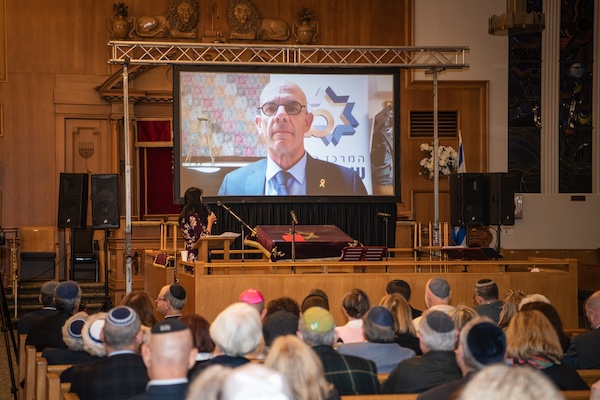
Dr. Ofer Merin, director general of Shaare Zedek Hospital, spoke at the event via video. He was expected to be in Vancouver in person but stayed in Jerusalem due to intelligence that Iran might strike Israel during the time he was scheduled to be away. (Adele Lewin Photography)

A top Mossad psychologist who has interviewed hostages released from captivity in Gaza explained to a Vancouver audience this month the traits that allow some people to survive and overcome unimaginable conditions.

Dr. Glenn Cohen, who made aliyah in 1982 after growing up in New York, served seven years in the Israeli Air Force as a pilot, then 25 years in the Mossad. His reserve duty has been in the hostage negotiation unit. He spoke at Schara Tzedeck Synagogue Nov. 10 as part of a national tour titled Voices of Resilience. The Vancouver event marked the inauguration of the Canadian Shaare Zedek Hospital Foundation Western region. The hospital’s director general, Dr. Ofer Merin, spoke via video from Jerusalem.

The first hostages to be released after Oct. 7 were vital to intelligence-gathering for Israel’s military, but Cohen quickly realized that the psychological well-being of the former hostages presented challenges to obtaining the information that could help locate and free others.

“We have two goals here,” said Cohen. “One is to get lifesaving, critical intelligence about the other hostages. But, at the same time, these people came out of captivity. We have to give them a soft landing and tender loving care.”

Cohen wrote a protocol to receive civilians from situations like these.

When more than 100 hostages were released through an agreement last November, Cohen and his team of 30 psychologists met each one and debriefed them. 

“The first thing we asked them was, who did you see?” Cohen said. “What condition physically, mentally? And,  with this information, we brought a sign of life for some people who had no idea if their loved one was alive or not.”

Some news was good, while other reports confirmed the worst fears of some families.

Cohen has trained soldiers for the potential of being held hostage and he was surprised that, without this sort of training, human instinct told some of the hostages how to respond.

A core trait among those who successfully survive such scenarios, he said, is hopeful certainty that they will be released. Too much optimism, though, can lead to crushing depression when hopes are not met. Those who are certain of imminent release or rescue may succumb to heartbreak and even give up on life as days and weeks tick by, he said.

It is necessary, Cohen said, to balance hope with realistic expectations.

A 16-year-old boy who was among the released hostages remembered the story of Gilad Shalit. The boy told himself: “How long was he in captivity? Five years. I’m in for five years. A day less is a bonus.”

“A 16-year-old kid,” said Cohen. “Wow. What type of resilience is that? He didn’t go through any POW training. He was just a 16-year-old Israeli boy and he’s got that in his DNA.”

Maintaining any sense of control or normalcy is a small victory. Some hostages counted the days and weeks by listening to the muezzin, the Muslim call to prayer, which is different on Fridays. A seven-year-old boy was given three dates to eat each day, and he kept the seeds to measure how many days he had been in captivity. Others made fun of their captors, secretly referring to them by disparaging names.

Generally speaking, Cohen explained, it is psychologically better for a hostage to be held with other captives, even if underground without natural light, than to be held above ground alone.

Also advantageous, Cohen said, is recognizing the captors as human beings.

“There is another person on the other side,” he said. “Even though we call Hamas animals or … monsters or whatever, the point is, they are human beings who can be influenced. When you realize that, that this is an interpersonal situation, that gives you power.”

Cohen shared one story of hostages who told their captors, “Put your gun down, you’re scaring the children,” and they did.

In another instance, a woman with a cardiac condition asked to get some exercise by walking down the tunnel she was held in. She came across two other hostages and asked why they couldn’t be brought together. They were.

“A lot of the hostages actually managed to bond with their captors and because of that bond they survived better,” said Cohen. 

News of such incidents has led to unfortunate events, he said.

“I heard not too long ago that hostages were cursed on the streets of Israel because they talked about their relationship with the hostages and didn’t call them animals,” Cohen said. “I feel like I have a mission now to educate people to realize that if people are speaking like that, as a hostage, it means it’s a healthy survival mechanism and God forbid we be critical of any of them.”

photo - Dr. Glenn Cohen speaks with an audience member at Schara Tzedeck Synagogue Nov. 10. He was in Vancouver as part of a national tour titled Voices of Resilience
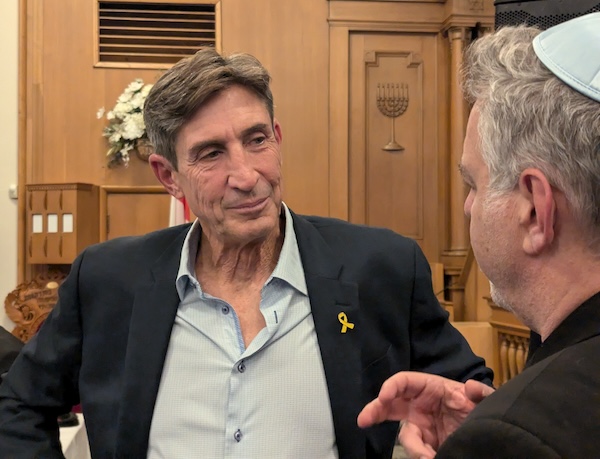
Dr. Glenn Cohen speaks with an audience member at Schara Tzedeck Synagogue Nov. 10. He was in Vancouver as part of a national tour titled Voices of Resilience. (photo by Pat Johnson)

Merin, the director general of Shaare Zedek Hospital, was expected to be present in Vancouver but remained in Jerusalem due to intelligence that Iran might strike Israel during the time he was scheduled to be away. Merin also serves as head of the medical intelligence committee involved with the current hostage situation in Gaza.

“The day after the war started, we opened a designated emergency room just to treat the many, many hundreds of patients who came in the first week in need of mental health support,” he said, estimating that tens of thousands of Israelis will be diagnosed with some form of post-traumatic stress disorder in the coming months.

Amid the extreme physical and mental health demands, the hospital has also faced human resources challenges, with hundreds of staff members called up for duty and 15 experiencing the deaths of immediate family members during the war. The anxiety of having family on the frontlines adds to the stress for everyone, said Merin. The multicultural nature of the staff, which roughly mirrors the demographic makeup of Jerusalem, is also a factor. 

“How do we preserve the cohesion between these people?” he asked. “This is a major daily challenge in times of normal emotions among staff people, how to keep this amazing cohesion of people who are working for years, for decades, shoulder to shoulder together. How to keep it during times of war is a major challenge.”

Hinda Silber, national president, and Rafi Yablonsky, national executive director, of the Canadian Shaare Zedek Hospital Foundation, traveled from Toronto for the event, which was co-chaired by Dr. Marla Gordon and Dr. Arthur Dodek. The evening was presented by Canadian Shaare Zedek Hospital Foundation Western region, in partnership with Congregation Schara Tzedeck. The Jewish Medical Association of BC was the educational sponsor, with King David High School and Hillel BC participating in the program. Schara Tzedeck’s Rabbi Andrew Rosenblatt welcomed the audience. 

“Since Oct. 7, the mental health landscape in Israel has been profoundly affected,” said Ilan Pilo, Western region director of the organization. “The nation is navigating an unprecedented surge in psychological distress as individuals and communities cope with the aftermath of trauma and uncertainty.”

Proceeds from the evening will support a new mental health facility. 

Format ImagePosted on November 29, 2024November 28, 2024Author Pat JohnsonCategories LocalTags Canadian Shaare Zedek Hospital Foundation, fundraising, Gaza, Glenn Cohen, hostages, Israel, Israel-Hamas war, mental health, Oct. 7, Ofer Merin, Schara Tzedeck, Shaare Zedek Hospital
Diversity in health care

Diversity in health care

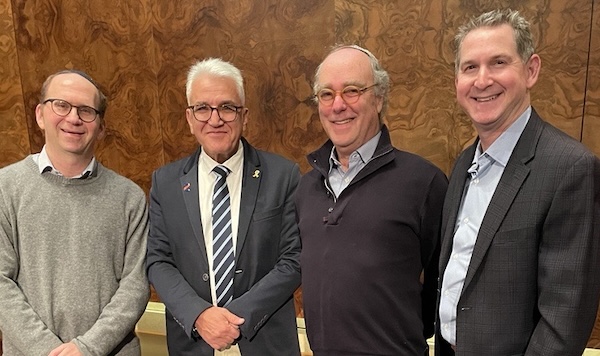
Left to right are Rabbi Jonathan Infeld, Dr. Salman Zarka, Dr. Tim Oberlander and Dr. Erik Swartz at Congregation Beth Israel, where Zarka gave a few talks Nov. 21-23. (photo from Beth Israel)

“Our professional ethics, as well as Israeli legislation, mandate that we provide life-saving medical care to anyone in need. We do so for all citizens in Israel without discrimination based on religion, origin, race or political beliefs. We provided this care for Syrians and previously treated Lebanese patients, until the border was closed in 2000,” Dr. Salman Zarka, director of Ziv Medical Centre, told the Independent.

Zarka was in Vancouver last week, speaking at Congregation Beth Israel on the ethics of triage, on treating Syrian patients in Israel, and about his community, the Druze.

“I am delighted to visit Canada and share with different audiences the amazing work we’ve been doing at Ziv Medical Centre this past year, dealing with both war and emergency situations,” Zarka told the Independent. “This visit is also a great chance to thank the supporters in Canada from the Jewish community, Beth Israel, the Federation and the Ronald S. Roadburg Foundation.

“The visit is a chance to share our ongoing efforts in treating the wounded, as well as past activities related to caring for Syrian casualties,” he said.

Caring for an “enemy”

“The humanitarian aid to Syrians lasted for around five years, from 2013 to 2018, until [Bashar al-]Assad took back control of southern Syria, closed the border, thereby stopping patients and wounded from Syria coming to Israel,” said Zarka, who led the establishment of the now-closed military field hospital that provided medical support to Syrians wounded in the country’s ongoing civil war. He and his colleagues at Ziv Medical Centre have also provided care to Syrians.

“It is indeed unusual and uncommon to extend a professional and human hand to your enemies during their time of need,” he said. “On the other hand, we have an ethical duty to treat every patient and every wounded person. This dilemma existed at the start of the process, when wounded Syrians arrived at the Israel-Syria border. We treated them and asked ourselves what we should do next. On one hand, the Syrians are one of our most severe enemies, yet our ethics and professional standards oblige us to save lives and provide aid to all in need. Moreover, Israel is known for its global humanitarian assistance. Ultimately, we chose to provide care, treating close to 4,600 Syrians, including children, women and men.”

Before he retired from the military, Zarka served in various capacities in the Israel Defence Forces, including many leadership roles, and is currently a colonel brigadier in the reserve force. He is an expert in public health and public health administration, as well as being a practising physician, among other things. He was Israel’s chief COVID officer during the pandemic. In 2014, he became the director at Ziv Medical Centre, in Tzfat, about 11 kilometres from Israel’s border with Lebanon.

“Ziv Medical Centre employs about 2,200 staff members who come from the unique multicultural background of the region,” said Zarka. “At Ziv, secular Jews work alongside ultra-Orthodox Jews, Muslims, Christians, Druze, Circassians and Bedouins,” he said. “The hospital atmosphere is familial, and everyone collaborates to achieve the noble goals of saving lives and bringing healing to those in need. Cultural differences influence how people perceive illness, and our multicultural staff enables us to offer culturally sensitive care for various health needs.”

After the Oct. 7, 2023, Hamas attacks on southern Israel, the northern part of the country faced increased threats from Hezbollah in Lebanon, leading to mass evacuations of the region.

“For over a year now, the north has faced a complex situation with rocket fire and evacuations,” said Zarka. “This state of conflict forces Ziv Medical Centre to operate from protected spaces and remain prepared for mass casualty incidents. The need for readiness and staying in protected areas limits our ability to treat patients comprehensively, but it is unethical to deny necessary medical treatment to our northern population, which depends on Ziv for their routine treatment.”

The challenges are numerous.

“Some of our patients left the area, preventing us from continuing their care, while others relocated nearby and continued their treatment,” Zarka said. “Both the evacuated population and those facing rocket fire, injury and loss require increased mental health support, leading to a rise in emergency room visits. Additionally, some of our staff had to evacuate from their homes, posing challenges for employees who continued to work at Ziv despite the distance.”

The security situation in the north requires the medical centre to reassess its reinforced spaces, while continuing to provide necessary medical care to patients, even during emergencies, said Zarka.

“The end of the war and the return of residents to their homes will pose significant mental health challenges for both adults and youth, as was seen following the COVID-19 pandemic,” he added. “Preparing to expand services in the region is essential. The north will require substantial investment not only for recovery but for growth, making it a beautiful and unique area, home to multicultural residents, many of whom are from lower socioeconomic backgrounds, who depend on Ziv Medical Centre for their health care.”

Israel’s Druze community

There are about 150,000 Israeli Druze. The Druze religion is monotheistic; it branched off from Shia Islam in the 11th century and has since incorporated elements of other religions. The Druze are ethnically and linguistically Arabic, mainly living in Syria, Lebanon, Jordan and Israel, notably, in northern Israel.

“The Druze community in Israel chose, even prior to the state’s establishment (back in the 1930s), to ally with the Jewish population, a minority at the time, possibly as a bond between minorities,” explained Zarka. “The Druze supported the Jews before the state was founded and fought in the War of Independence. Afterward, the Druze decided to enlist in the IDF as volunteers and requested mandatory enlistment for their men, which began in 1956. Druze men serve in the IDF like Jewish men, with high enlistment rates in combat units, continuing with a significant service, achieving senior ranks. I served in the IDF for over 25 years in key roles in the Medical Corps, commander of medical services in the Northern Command and head of medical services, retiring with the rank of colonel.”

A 2023 article in the National Post noted, “Aside from combat roles, the Druze have a presence in health care: in 2011, the Druze made up 16% of the IDF’s medics, despite making up only 1.6% of the force.”  The article gave Zarka as an example of a prominent Druze, having achieved success in both the military and in health care. 

There are challenges for the Druze community in Israel, however. 

“Much has been said about the ‘blood pact’ forged between the Druze and the Jews in Israel, which, unfortunately, translates into casualties in Israel’s various military conflicts,” Zarka told the Independent. “Alongside this connection, particularly strong in the IDF and security forces, there exists a civilian gap in the so-called ‘pact of life.’ The Nation-State Law [in 2018] did not address minorities in Israel, omitting the crucial term ‘equality,’ making the Druze feel relegated to a lesser status compared to their Jewish fellow citizens.

“Beyond the significance of this matter, which is not merely declarative, Druze towns (mainly villages) have long suffered from planning and land allocation issues, complicating construction and housing, even for discharged IDF soldiers. Addressing these two issues, namely equality and long-term planning, is central to the relationship between the Druze and the government.” 

Format ImagePosted on November 29, 2024December 2, 2024Author Cynthia RamsayCategories LocalTags Druze, health care, Hezbollah, Israel, medical ethics, medicine, Salman Zarka, Syria, war, Ziv Medical Centre

המשבר הגדול של מדינת נתניהו יגיע עוד יגיע

לאחרונה דיבר עם חבר מישראל דוד שטויר, כאשר בגילו המתקדם (שבעים פלוס) כבר חווה הכל במדינה. אני הכרתי את דוד בחודשים הראשונים שלי בתהליך התאקלמות בוונקובר, אליה עברתי בחודש פברואר 2005

דוד חזר וציין בפני שאני הייתי “נביא” שראה לאן פני ישראל מועדות והוא עד היום מצטער שלא עזב כמוני את המדינה בה גדלנו, למען עתיד טוב יותר לו ולילדיו. לאור המשבר הקשה בישראל ילדיו של דוד כבר הספיקו לעזוב את ישראל. ולכן שאלתי אותו מה עוד “מחזיק” אותו בישראל? הוא ענה לי כי בתו הצעירה שהשתחחרה לאחרונה ההצבא, נקראה לשירות מילואים דחוף בן מספר חודשים בחיל האוויר. לאחר שתשחרר הבת מהמילואים היא קרוב לוודאי תעבור ללמוד בחו”ל. אז גם הוא יעזוב סוף סוף את ישראל

דוד אומר כי כבר למעלה מחמישים אלף ישראלים עזבו לאחרונה את ישראל. לדבריו מספר העוזבים צפוי אף לגדול לאור המשבר הגדול שישראל נמצאת בו, והוא צפוי להחריף. תשמע רוני הוא אמר לי נחרצות: ישראל היום נשלטת על ידי משפחת פשע הלוא היא משפחת נתניהו. הם עושים מה שהם רוצים, ובעלי התפקידים לצדו של נתניהו הם נוכלים וחסרי כישורים. נתניהו יצר פילוג בעם שאי אפשר לתקנו כך שאי אפשר לגשר בין “הביסיסטים” למתנגדיו של נתניהו

כשאמרתי לדוד כי הכיצד יכול ראש ממשלת ישראל להחזיק בן כלומניק בפלורידה (יאיר נתניהו) שאפילו לא עובד, והמדינה מממנת את שירותי הביטחון שלו שעולים הון ובתקופת מלחמה? דוד קטע את דברי בחריפות: רוני זה כסף קטן לעומת מיליארדי השקלים שנשדדים מקופת המדינה על ידי נתניהו וחבורתו, בין היתר לטובת החרדים שאפילו לא משרתים בצבא.ווהוא (נתניהו) עוד טס מטוס מפואר שעלה מיליארד שקל

לאחר השיחה עם דוד ישבתי וחשבתי לעצמי על ישראל ועתידה ובמחשבותי הצטיירה תמונה עגומה מאוד. אלו שחושבים שבקרוב יפרוץ תהליך שלום חדש בין ישראל למדינות ערב ובעיקר עם סעודיה, חיים בחלום. סעודיה הודיעה כבר מפורשות! שכל תהליך שלום עימה חייבה לכלול פתרון גם לפלסטינים – והוא הקמה מדינה עצמאית עבורם. הימים שישראל תעשה הסכמי שלום בדמות הסכמי אברהם, ללא פתרון הבעייה הפלסטינית עברו מן העולם

יש בישראל כיום שמהללים את נתניהו כביכול על הצלחותיו מול החמאס והחיזבאללה, בזמן שהם שכחו את הכשלונותיו הרבים, שהביאו למחדלי השבעה באוטובר. וכן ויתור על החטופים כדי שיוכל להמשיך ולשבת על כיסא המלך. מבחינתי זה כמו להגיד שלגודלה מאיר היו הצלחות רבות במלחמת יום כיפור מול המצרים והסורים, תוך התעלמות מאחריותה למחדל הנוראי של התקפות הפתע של צבאות האויב על ישראל

בכל מדינה מתוקנת ראש ממשלה היה מתפטר מיד לאחר מחדלי השבעה באוקטובר, ונעלם מהציבור לעולמים, אך כמובן עומד למשפט העם במסגרת ועדה חקירה ממלכתית. אך את נתניהו הנוכל נורמות ויושר אינן תכונות המאפיינות אותו למרות שהוא דורש זאת מאחרים

נתניהו אחראי להעברת מיליארדי דולרים לחמאס מקטאר, והוא אחראי לפגיעה קשה ברשות הפלסטינית. נתניהו חיזק אפוא את הקיצונים בפלסטינים (חמאס) והחליש את המתונים יותר (הרשות). נתניהו אחראי גם על עיבוי והוספת ההתנחלויות בשטחים הכבושים שרק מרחיקים את ישראל מפתרון הסכסוך הממושך עם עולם הערבי והשגת שלום

בתקופת שלטונו הארוכה בת שבעה עשרה השנים של נתניהו, ישראל נחלשה מבפנים בצורה משמעותית. המדינה הפכה למושחתת, יותר דתית משיחית, יותר קפיטליסטית והרבה פחות הומנית

Posted on November 20, 2024October 22, 2024Author Roni RachmaniCategories עניין בחדשותTags Hamas, Israel, Netanyahu, Palestinians, peace, settlements, Vancouver, התנחלויות, וונקובר, חמאס, ישראל, נתניהו, שלום

?מדוע אינני חוזר לגור בישראל

אני גר בוונקובר כבר למעלה מתשעה עשרה וחצי שנים ואין לי שום תוכניות לחזור לישראל. הסיבות לכך רבות וברורות מבחינתי. ובעיקר: אינני מוכן לחזור אחורה למציאות כה מורכבת וקשה שכפי שליוותה אותי במרבית חיי בישראל

במלחמת ששת הימים הייתי בן שמונה ואני זוכר כיצד אימי הגיעה לבית הספר כדי לקחת   אותי למקלט של סבא הסמוך לביתנו במרכז ירושלים

מייד לאחר המלחמה הסביר הפרופסור ישעיהו ליבוביץ’ כי כיבוש השטחים בעקבות המלחמה יהיה אסון מבחינת ישראל, ישחית את המדינה ואף יסכן את עתידה. אז עדיין לא הבנתי על מה הוא מדבר. אך כשאשר התבגרתי קלטתי עד כמה דבריו של פרופסור ליבוביץ’ היו ונשארו נכונים עד עצם היום הזה

במלחמת יום כיפור עת הייתי בן ארבע עשרה ההורים היו כרגיל בנסיעה בחו”ל. אחי ואני נשארנו בבית כאשר נשמענו להוראות להפעיל האפלה בשעות הערב. לאחר מספר ימים ההורים הצליחו למצוא טיסה ולחזור מארה”ב לישראל

במלחמת לבנון הראשונה נקראתי לצאת למילואים בלבנון. הייתי בסך הכל פקיד בפלוגת הנדסה, איך כיוון שהם נאלצו לצאת לשטח בלבנון גם אני הצטרפתי אליהם. אנו שרתנו באזור ציר מזבושה תחת אחריותו של המגד בני ברבש. אחרי כחודש מילואים השתחררתי הביתה

לאחר המלחמה נסעתי לטיול מהנה באירופה ומאז ננטע אצלי לראשונה הרצון לעבור ולגור בחו”ל. פשוט לממש חלום ולגור באחת ממדינות המערב

בין לבין חיינו בישראל פיגועים רבים שלצערי הפכו לשגרת חיים. מי שחי בישראל מכיר מלחמות, פיגועים והרבה הרבה ימים לא שקטים. כך היה וכך יהיה

בראשית שנות השמונים התחלתי להבין סוף סוף שאחזקת השטחים הכבושים לא מאפשרת לפלסטינים להקים מדינה עצמאית משלהם. ובמקביל מסכנת את ביטחונה של ישראל. כבר אז ראיתי שישראל מחולקת לשני מחנות ברורים: תומכי השלום והחזרת השטחים ותומכי החלום של ארץ ישראל השלמה שהאמינו שזה דווקא יגביר את הביטחון במדינה. אני כאמור נימנתי על מחנה השלום שלאורך השנים הלך והתכווץ לצערי. לעומתו מחנה של המתנחלים ותומכיהם הלך וגדל. אז התחלתי להרגיש פחות ופחות שייך לישראל

במלחמת המפרץ הראשונה כבר גרתי בתל אביב. לא אשכח לעולם את הלילה הנורא ההוא ביום חמישי בסביבות שתיים לפנות בוקר. צפיתי אז בחדשות בטלוויזיה שתיארו את מהלכי ארה”ב בעיראק ואז נשמעה הסיסמה “נחש צפע” ולאחריה הופעלה אזעקה. אז הופיעה השקופית “בשל התקפת טילים על ישראל הופעלה אזעקת אמת”. ואכן נפל טיל מעיראק בשכונת התקווה, שבקו אווירי קרובה הייתה לביתי במרכז תל אביב. שמעתי היטב את הדי הפיצוץ ונכנסתי ממש לחרדה נוראית. אז אמרתי לעצמי כי הכתובת היא על הקיר ויום אחד יגיעו הטילים האמיתיים מאיראן שהכוונה לטילים אטומיים. הבנתי אז שעלי לעזוב את ישראל ולצערי רק לאחר ארבעה עשרה שנים עשיתי זאת

תוך מספר דקות יצאת את ביתי ונסעתי בטירוף לביתו של חבר כדי שלא להיות לבד. למחרת החבר עזב את תל אביב ונסע למשפחו באילת. ואז החלטתי לנסוע לבית הורי בירושלים, ששם שההיתי בכל תקופת המלחמה. בכל פעם שנשמעה “האזעקה” ממש נכנסתי לחרדה בחרדה ושהייתי עם הורי בחדר האטום

לאחר רצח ראש הממשלה יצחק רבין באמצע שנות התשעים הרגשתי עוד יותר כמה אני לא יכול להשתייך עוד לישראל. אז גם החל לככב בנימין נתניהו האחראי לגל ההסתה נגד רבין. הפכתי לזר בה ועדיף להיות זר בחו”ל. לאחר עשר שנים עזבתי לוונקובר

Posted on November 13, 2024October 22, 2024Author Roni RachmaniCategories עניין בחדשותTags Israel, Land of Israel, occupied territories, peace, Vancouver, war, Yeshayahu Leibowitz, ארץ ישראל, וונקוב, ישעיהו ליבוביץ, ישראל, כיבוש השטחים, מלחמה, שלום

UNRWA faces deadline

Last week, the Israeli government announced that it would ban the operation of the United Nations Relief and Works Agency from operating in Israel, including in East Jerusalem.

For Arab citizens in East Jerusalem, this would mean an end to civic services like garbage pickup, three UNRWA-operated schools, and some health care and social services.

The laws passed by the Knesset would not preclude UNRWA from operating in Palestinian territories, but they would impede their work substantially. And they would eliminate any privileges or assistance UNRWA staff receive from the Israeli government, including easy passage across borders and through checkpoints.

UNRWA is a problematic organization. Begun in 1949, it has been criticized for perpetuating the Palestinian refugee crisis it was ostensibly created to resolve. By preventing Palestinian refugees from being resettled in host countries, UNRWA ensures that the refugees stand as living testament to the presumed injustice of Israel’s founding – the original sin in the anti-Israel narrative.

Through permissions granted by a bloc of Arab, Muslim and nonaligned states at the United Nations, UNRWA has expanded seemingly beyond the control of its larger parent body.

In the most illuminating example of UNRWA exceptionalism, the organization changed the definition of “refugee,” so it applies to Palestinians in ways it applies to no other people on earth. Palestinian refugee status is a heritable right, meaning descendants of the original refugees – now down to the third and fourth generations – are designated refugees when they may never have set foot in their ancestral homeland and may be second- or third-generation, for example, Jordanian- or Lebanese-born non-citizen residents. The objective of this strategy is clear: make the problem grow. The approximately 700,000 refugees of the 1948 war have grown exponentially, to 5.9 million people.

Operating in Gaza, the West Bank, Jordan, Lebanon, and Syria, UNRWA operates more than 700 schools, teaching about 500,000 Palestinian students. UNRWA clinics provide primary health care, mental health support and referrals to specialized medical services. The agency provides food assistance, welfare and other forms of support. During times of war and other crises, UNRWA provides emergency food, shelter and medical services to affected populations. They respond to needs created by violence, displacement and natural disasters. UNRWA is responsible for the most fundamental services in the refugee camps where generations of Palestinians live, including sanitation, water supply and housing.

So why is Israel banning this agency that is so clearly a lifeline to the Palestinian people – especially in a time of catastrophic war?

Israel has provided to the United Nations evidence that some of UNRWA’s 30,000 employees were involved in the Oct. 7 terror attacks and have collaborated with the terrorists before and after that dark day.

There are also older, systemic complaints. For decades, Israelis and others, including the European Union, have complained that the UNRWA-operated Palestinian education system is as much about inculcating antisemitism and a radical political agenda as it is inculcating the three Rs. 

As a politicized arm of the United Nations, UNRWA is both a weapon in the decades-long global campaign against Israel and an agency that provides desperately needed services to Palestinian civilians, never more than in a war that is wreaking destruction and death on the people of Gaza. 

Israel’s move looks punitive and vindictive in a moment when the world sees the humanitarian tragedy in Gaza. This is a bad PR move on the part of a country with a bad PR history. But PR should be among the last concerns in situations where thousands are dying. Banning UNRWA could have disastrous consequences on some of the most vulnerable people.

The Knesset’s vote to ban the organization is set to take place in 90 days. That is not a long time, certainly, but it is a window during which UNRWA and the larger UN apparatus has an opportunity 

to demonstrate goodwill. To date, they have effectively ignored Israel’s decades-long protestations that UNRWA is, for whatever necessary social services it provides, also a provocative source of incitement that promotes dependency rather than initiative and fosters antisemitic and anti-Israel activism and even terrorism.

After years of Israeli complaints and warnings, the Knesset finally put a time-limited threat to their concerns. The UN, NGOs, commentators and much of the world are up in arms over the announcement. Instead, they could be diverting those substantial energies into cleaning up the mess at UNRWA.

Perhaps the Knesset vote is an empty threat. Or rather, it could be an empty threat, if it’s primarily intended to make the larger UN body and the world take seriously the systemic problems UNRWA has exhibited through its long and troubled history. 

If UNRWA demonstrates it is willing to take seriously the rot at the heart of its operation, we hope that Israel will not enact the ban. No one can clean up the panoramic mess in three months, but we hope that evidence of goodwill would be met with flexibility on Israel’s side.

If, in the worst case scenario, the UN does not do what it should have done long ago, Israel has an obligation – humanitarian, moral and legal – to ensure that the necessities of life are provided to the people in territories it occupies. In the absence of the UN behaving responsibly, Israel must. And Israel should absolutely be able to call upon a community of humanitarian nations to assist in that process. The world’s leaders have had a great deal to say about the well-being of Palestinian civilians in the past year. This would be a moment for them to put their money where their mouths are. 

Posted on November 8, 2024November 7, 2024Author The Editorial BoardCategories From the JITags humanitarian aid, Israel, politics, refugees, terrorism, United Nations, UNRWA, war
Go on offensive: Levy

Go on offensive: Levy

Pro-Israel activist Eylon Levy speaks with an audience member before his Oct. 30 talk at Schara Tzedeck, which was presented by StandWithUs Canada. (photo by Pat Johnson)

The terrorists who perpetrated the Oct. 7 attacks were products of schools paid for in part by the Canadian government, according to Eylon Levy, a former Israeli government spokesperson who addressed an audience at Schara Tzedeck Synagogue last week.

“The Oct. 7 terrorists all went to Canadian-funded schools,” he said. “That is outrageous. It’s disgusting. You need to hold [the Canadian government] accountable and say there are consequences.” 

Most schools in Gaza are run by the United Nations Relief and Works Agency (UNRWA), which is funded by UN member-states, including Canada.

Levy spoke here Oct. 30 as part of a cross-Canada tour sponsored by StandWithUs Canada, a pro-Israel educational organization focused on campuses.

Levy said Israel’s recent announcement that it was banning UNRWA from operating in Israel was the right move because the agency exists to perpetuate the Palestinian refugee problem, not resolve it, to keep the Israeli-Arab conflict alive, to indoctrinate Palestinian children and to provide the financial safety net terrorists need to engage in violent attacks like Oct. 7.

Israel has been widely condemned for the imminent ban, which came after Israel repeatedly informed the UN that UNRWA’s staff includes known terrorists, some of whose names were provided to the UN by Israel.

“They just don’t care,” Levy said of the UN’s response that terrorists are on their payroll. “Now they claim UNRWA is irreplaceable. Well, you should have thought about that when Israel gave you the evidence that it is riddled with terrorism and you chose to deny that it was a problem.”

According to Israeli authorities, 12 UNRWA staff members actively participated in the Oct. 7 attacks, with allegations that more than 30 additional UNRWA workers were involved in activities such as facilitating hostage-taking and looting. Israel’s Defence Minister Yoav Gallant has alleged that, of the 13,000 UNRWA employees in Gaza, at least 12% are affiliated with Hamas and Palestinian Islamic Jihad terror groups.

In conversation with Michael Sachs, Western regional director for Friends of the Simon Wiesenthal Centre, Levy said many people are inverting right and wrong when it comes to the Israel-Hamas war and they are trying to sway young people especially. 

“The world is trying to tell them that the cause of their generation, the great cause of this century, is the fight for Palestine, which means the destruction of the state of Israel,” Levy said.

Contesting these messages is tough, he said, especially when the agencies that represent the moral high-ground are on the wrong side.

Levy recalled a debate he had against broadcaster Mehdi Hasan.

“I knew he was going to come on the stage and say, ‘Well, the UN agrees with me, Oxfam agrees with me, Save the Children agrees with me, Red Cross agrees with me. How is it possible the whole world is wrong and you are right?’” Levy said. “That’s Jewish history: the courage to look around and say, ‘You’re all crazy. This isn’t right.’”

Levy noted that UN Secretary-General Antonio Guterres issued a statement on social media mourning the death of Muhammad Abu Atawi, who was killed by the Israel Defence Forces.

Atawi was an employee of UNRWA but, according to Israel, he was also a Hamas terrorist who led the attack on the bomb shelter near the Nova music festival, in which Hersh Goldberg-Polin and others were sheltering. 

“This is a leader I’m supposed to take seriously?” Levy asked. “The Red Cross that hasn’t lifted a finger to try to save the hostages is an organization that I am meant to take seriously? The NGOs that wouldn’t even shed crocodile tears on Oct. 7, that never tried to do any sort of campaign for the hostages, they are the ones I am meant to take seriously?”

Young people and other activists in the West who insist they are anti-Zionist and not antisemitic are deluding themselves, Levy suggested.

“You are expressing a hatred and a prejudice against the same people,” he said. “The fact that they believe that they hate the same people that their grandparents hated but it’s a complete coincidence shows a tragic lack of self-awareness.”

Getting the pro-Israel message out is especially challenging on social media, said Levy, but Jews and their allies can’t give up the battle.

Social media is problematic at the best of times – even when it is not a platform controlled by the Chinese regime, as TikTok is – because it maximizes engagement by provoking outrage and amplifies the most extreme viewpoints.

“We’re not going to win the social media battle,” he said. “But we can’t afford not to fight it.”

If the only thing that people see on social media are anti-Israel messages, what conclusion will people come to? he asked.

“But what if their friend, the person they know is a good, decent person, stands up and presents a contrary view?” said Levy. “Then at least you’ve made that person think this is complicated and there’s a case to be made on the other side. So, it requires all of us to be there, to fight the fight, to be as loud and vocal and produce as much stuff as possible.”

That battle of ideas also needs to be taken offline, he said.

It is further complicated, he added, because the Israeli government has effectively given up communicating to the world.

Levy, who was born in England to Israeli parents and made aliyah as a lone soldier, was effectively conscripted to serve as an English-language spokesperson at the beginning of the war. He was fired after a social media spat with Britain’s then-foreign secretary David Cameron. Levy cofounded the Israeli Citizen Spokespersons’ Office, which tries to fill the information gap he said the Israeli government has left.

Pro-Israel voices in the West need to change tack, according to Levy. Rather than being on the defensive and explaining Israel’s actions, Canadians and others should be calling out governments and NGOs.

“Other people owe us answers,” he said. “UNRWA owes us answers. The Red Cross owes us answers. The UN owes us answers. I think we have to go on the offensive and demand those answers from other people instead of constantly trying to defend ourselves and say, ‘I can explain.’”

Levy dismisses calls for a ceasefire. The war needs to end in the defeat of Hamas – and it’s all over but the surrender, he argued.

“Hamas has lost,” he said. “It’s game over.”

But Hamas needs the world to help it understand that fact. 

“The problem is, when international actors step in to demand a ceasefire, as opposed to Hamas’s surrender, they tell Hamas to keep fighting,” he said. With Hamas on its knees, “It’s outrageous that some countries are trying to get it back up on its feet.”

Hezbollah has also been largely eliminated, according to Levy. 

“All of its top leadership are dead,” he said. “The infrastructure along the border has been destroyed.”

Iran, of course, remains unbowed, even in the face of the damage Israel has inflicted on its proxies.

Levy said one outcome from the current crisis is that Jewish communities have come together. In Israel, individuals instantly mobilized on Oct. 7 to do whatever they could and, in the diaspora, Jews have united as they rarely have before.

“That sense of responsibility, that sense of solidarity, being there for each other and having each other’s backs, I find incredibly inspiring,” he said. “That awakening of responsibility and self-reliance and leadership in Jewish communities around the world has been an inspiration to people in Israel.”

Jesse Primerano, executive director of StandWithUs Canada, which brought Levy to Vancouver, said his group has 106 interns and fellows on campuses across Canada this year – an increase over past years and a happy surprise for Primerano. He was afraid for the organization’s programs this year, he said, concerned that they wouldn’t be able to recruit students to stand for Israel on campuses. The opposite happened.

“Numbers skyrocketed,” he said. “The truth is that they are not scared. They are empowered. They are emboldened … and they are so brave and ready to stand up.” 

SWU has also hired more staff across Canada, including a full-time position in Vancouver funded by the Diamond Foundation.

Three students from Vancouver-area campuses who are part of the SWU Emerson Fellowship program spoke to the audience, drawing ovations. 

Format ImagePosted on November 8, 2024November 7, 2024Author Pat JohnsonCategories Israel, LocalTags antisemitism, Eylon Levy, Friends of the Simon Wiesenthal Centre, Israel, Israel-Hamas war, social media, StandWithUs, terrorism, United Nations, UNRWA
The ethics of triage in war

The ethics of triage in war

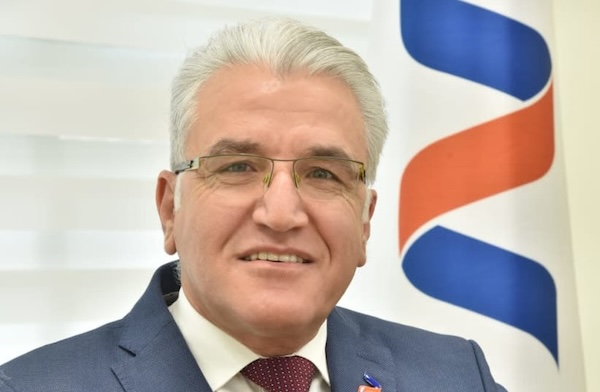
Dr. Salman Zarka (photo from Ziv Medical Centre)

Dr. Salman Zarka is general director of Ziv Medical Centre, in Safed, Israel, which is about 11 kilometres from the border with Lebanon. He visits Vancouver this month, speaking at Congregation Beth Israel on Nov. 21, 7:30 p.m., on the topic of Medicine Under Fire: The Ethics of Triage in War. He also speaks during Shabbat morning services on Nov. 23 about Who are the Druze? And How Does Diversity Help Medical Outcomes in Ziv Hospital?

Zarka is a member of the Druze community. He served in the Israel Defence Forces for 25 years, and is a colonel brigadier in the reserve force. An epidemiologist, he is an expert in public health and public health administration. He is also a practising physician, and lectures at University of Haifa’s School of Public Health. He was chief COVID-19 officer in Israel’s Ministry of Health from 2021 to 2023 and, prior to that, the medical assistant of the ministry’s general director.

To hear Zarka speak, register at bethisrael.ca.


Format ImagePosted on November 8, 2024November 7, 2024Author JI staffCategories LocalTags Beth Israel, Druze, ethics, Israel, medicine, Salman Zarka, speakers, war

When new is also ancient 

It turns out that a war and a worldwide increase in antisemitism may cause more Jewish people to return to Jewish spaces. Some Jewish atheists try out fasting for Yom Kippur. New faces appear at synagogue. Lectures and events that were sparsely attended in the past seem to have more takers. If you’re a regular in a Jewish community, you may have seen this already. There are many reasons, including a need to find community and avoid antisemitism, or to return to religious practice after dealing with so much death. For those who were already attending or even occasionally attending Jewish services or events, things have also changed.

My twins had their b’nai mitzvah in June. I’d long thought of how cool it would be if they could help fill out a minyan more often (a group of 10 needed for communal prayer). However, there have been obstacles. Our congregation’s building was under renovation. The temporary spot, while lovely and hospitable, required a car ride.

This fall, the congregation moved back to its building and we live in easy walking distance. My kids attend public school and didn’t have Sukkot off. Yet, when one kid asked to attend minyan on Hoshanah Rabbah, the last day of Sukkot, I immediately said yes. He would have “an appointment” that morning, according to the attendance sheet, and arrive a little late. We figured, no need to claim a religious holiday (antisemitism concerns, again), but that’s what it was, of course.

Hoshanah Rabbah was a new experience for us, though it’s an ancient ritual. It involves circling the pulpit (a stand-in for the Temple altar) seven times, with lulav and etrog in hand. Marking the end of the fall holidays, it’s a last chance to ask for forgiveness and a better year.

Traditions differ about what is said during this ritual, but our congregation read piyyut, which are traditional poems, a part of Jewish liturgy that often includes acrostics (poems that use the alphabet). Some of the piyyut are very old. I found myself praying that my fruit trees don’t get fungus or that my fields wouldn’t be cursed. It might seem funny to ask for some of these things, but my city backyard has young apple, apricot, plum and cherry trees. I don’t want fungus!  

It was especially poignant to pray – in the “Foundation Stone (“Even Shetiyah”) poem – about “the goodness of Lebanon, beautiful place, joy of the world.” This came straight out of the Siddur Ashkenaz (the Ashkenazi prayerbook), with specific quotes from Isaiah, Psalms and Lamentations. Our historic relationship with Lebanon is a rich one. Many of us, Israelis and diaspora Jews, would love to visit Beirut, the “Paris of the Middle East.” Some of us have ancestors who lived there, and we would like to see where they grew up or spent time. This urge isn’t new; our desire to have a good connection to Lebanon as a neighbour is ancient.

Then, we all were handed bundles of willows. We beat these on the lectern with force while saying, “Save your people and bless your heritage, care for them and carry them forever.” It was primal, cathartic, and very messy. There were willow leaves everywhere. 

My kid was only a little late to first period art class. I went home in wonder. Later, I joked with one of my professors from graduate school, Jack Sasson, who I respect deeply, about how, for me, this previously unknown Jewish ritual felt stirring and exotic. He suggested that paganism still has something to teach us. The beating of the willows is ancient indeed. It’s a namburbi ritual from Mesopotamia, he said. When I remarked that I could get into this paganism thing, his reply left me laughing. “Ishtar will welcome you.”

I was still reflecting on all this when watching some new friends with young kids dancing on the evening of Simchat Torah. To help everyone through the first yahrzeit of Oct. 7/Simchat Torah, our rabbi dedicated each hakkafah (circuit around the room with the Torahs) to a different group: first responders, those who had died in the past year, the unity of the People of Israel, etc. The next afternoon, the kids came over for snacks and to play. One of the parents asked me why there was so much reference to Israel stuff. I realized that here, too, was a confluence of old customs and new experience.

I explained that some of these prayers, for instance, the prayer for the hostages, weren’t new. The Talmud, codified in 500 CE, discusses the topic of hostages at length. The first instance of the prayer for the redemption of hostages that we use today was documented in the Mahzor Vitry, named for Simhah b. Samuel of Vitry, a French talmudist who died in 1105 CE.

I reminded them that many present at the synagogue were in mourning for people who had died. While celebrating old holidays, we need to acknowledge the current situation. These days, services usually include prayers for the state of Israel and the Israeli army, too. None of these are newly written prayers. 

Of course, Sukkot itself, a harvest festival that required Israelites to go to the Temple in Jerusalem – last destroyed in 70 CE – is also all about Israel.

I drew a few conclusions from these social encounters. First, for those who may feel jaded and aware of Jewish yearly events, there’s always something new to learn. For me, it was the primal connection to Mesopotamia, namburbi ritual and, yes, Ishtar, the goddess herself. For those who hadn’t been at synagogue for some time, there were many questions, new encounters and experiences, too. What unites it all is a realization that, while our individual learning curve might be new to us, the rituals, the prayers, and the historic connections to Israel are ancient.

For all of us, in a time when political rhetoric seeks to disconnect diaspora Jews from the land of Israel, Sukkot and Simchat Torah were a powerful – and timely – reminder of our past and our future, together. 

Joanne Seiff has written regularly for the Winnipeg Free Press and various Jewish publications. She is the author of three books, including From the Outside In: Jewish Post Columns 2015-2016, a collection of essays available for digital download or as a paperback from Amazon. Check her out on Instagram @yrnspinner or at joanneseiff.blogspot.com.

Posted on November 8, 2024November 7, 2024Author Joanne SeiffCategories Op-EdTags antisemitism, community, history, hostages, Israel, Judaism, lifestyle, prayer, Simchat Torah, Sukkot, war

לא רואים סוף למשבר

ישראלים רבים לאור אירועי השבעה באוקטובר הפכו להיות פסימים ובצדק. הם לא רואים שום תמונה אופטימית באופק ופתרונות לסיום המשבר הבלתי נגמר

האחראי הישיר למשבר בישראל הוא ראש הממשלה בנימין נתניהו, שעושה הכל כדי להמשיך בתפקידו ולא מעניין אותו המחיר הכבד לכך. נתניהו כיום הוא אחד המנהיגים השנואים בעולם, כולל במרבית מדינות המערב וכן בישראל. היום רבים מבינים מיהו האיש, כיצד הוא פועל ומה האינטרסים שלו. מצער שהשבעה באוקטובר האירו בצורה רבה עד כמה ישראל לא היתה מוכנה, ועד כמה נתניהו מסוכן ולא יקח אחריות על מעשיו ומחדליו הרבים

בישראל העדיפו להגן על ההתנחלויות בשטחים הכבושים ואף לעבות אותן במקום להגן על גבולות המדינה. העדיפות ניתנה למתנחלים על חשבון תושבי ישראל. זו הקונספציה שנתניהו הוביל וזה מחדל אדיר שהוא לא יוכל להימלט ממנו

יש לא מעט שנוטים להעריץ מנהיגים שזה מנהג לא בריא שיכול להפוך למסוכן, כאשר מדובר באישים כמו נתניהו ודונלד טראמפ. הערצה לנתניהו לאורך השנים הרבות שבה הוא מעורב בפוליטיקה הישראלית, הפכה את תומכיו לעיוורים ואת נתניהו לנוכל. אהוד אולמרט נכנס לכלא על עבירות פחותות בהרבה מאלה של נתניהו, שמתכחש להן כמובן. נתניהו המכהן בתפקידוכשבעה עשרה שנים צבר עבירות רבות בתחומים שונים. הוא הפך לאיש עשיר, הוא מחזיק במספר נכסים וחשבונות בנק מנופחים. נתניהו ומשפחתו חיים ברמת חיים גבוהה והחשבונות מוטלים על משלם המיסים הישראלי

לאור שנותיו בפוליטיקה הבויל נתניהו מהלכים מסוכנים ביותר. הוא הוביל את ההסתה הרבתי שהביאה לרצח של יצחק רבין, הוא הוביל תוכניות רבות להרחבת והוספת  ההתנחלויות בשטחים שפוגעות קשות בעתיד של ישראל והפלסטינים. הוא לחץ על טראמפ לבטל את הסכם הגרעין עם איראן – כאשר המומחים לנושאי ביטחון בישראל טוענים שמדובר במהלך שגוי ומסוכן לישראל. נתניהו גם איפשר העברת כסף רב מקטאר לחמאס, ששימש לחימושו בממדים אדירים. עדיין לא ברור האם לנתניהו היה גם רווח אישי מהעברות כספים אלה

נתניהו בימי שלטונו – דאג במדיניות ההפרד ומשול שלו כמו דיקטטורים – ליצור וללבות שנאת אחים בתוך ישראל. המצב היום בחברה הישראלית הוא כה חמור שכבר אי אפשר לגשר על הפערים בין תומכי נתניהו למתנגדיו. התעמולה השיקרית המופצת על ידיי נתניהו, בנו יאיר ומקורבים אחרים ומכונה “מכונת הרעל” רק מוסיפה שמן רותח לסכסוך הפנימי בישראל. הגיעו הדברים לידי אבסורד כאשר תומכי נתניהו מאשימים את משפחות החטופים כאילו הן שייכים לשמאל. לא מעט משפחות החטופים הוכו ואויימו על ידי תומכי נתניהו. ומה תומכיו אומרים לישראלים יוצאי אירופה: תחזרו לאירופה כדי שהיטלר יחסל אתכם. דוגמאות אלה מוכיחות שמאז שנתניהו השתלט על ישראל, המדינה החלה להתפרק והתהליך המדאיג הזה רק מתעצם

תומכי נתניהו מעריצים דמות בעייתית לא פחות והיא טראמפ. הם מאמינים כי רק טראמפ ידאג לישראל. לעומתו המועמדת השנייה לנשיאות בארה”ב, קמלה האריס, לא תדאג לישראל. הישראלים התומכים בטראמפ עיוורים למעשיו המסוכנים ורצונו להפוך לדיקטטור. כידוע הישראלים ונתניהו בראשם לא מסתכלים על התמונה הכוללת, אלה רק על היום ומחר. מבחינתם טראמפ יפתור את הבעיות של ישראל היום ומחר. הם לא קולטים עד כמה טראמפ מסוכן לארה”ב ולמערב, ולכן גם לישראל. אם טראמפ יחזור לשלטון יחליש הדבר את ארה”ב וזה בדיוק מה שרוצים ברוסיה ובסין. בישראל כיוון שלא חושבים על העתיד לא מבינים עד כמה ארה”ב חלשה תחליש גם את ישראל

Posted on October 30, 2024October 22, 2024Author Roni RachmaniCategories עניין בחדשותTags Hamas, hostages, Israel, Netanyahu, Oct. 7, politics, settlements, Trump, השבעה באוקטובר, התנחלויות, חטופים, חמאס, טראמפ, ישראל, נתניהו, פוליטיקה

Evening of resilience, hope

In Vancouver, on the evening of Nov. 10, the Canadian Shaare Zedek Hospital Foundation will present Voices of Resilience, featuring Prof. Ofer Merin, director general of Shaare Zedek Medical Centre, and Glenn Cohen, former Mossad psychologist and hostage negotiator. Part of a national tour, the event aims to shed light on the experiences and insights following the tragic events of Oct. 7, 2023.

photo - Prof. Ofer Merin, director general of Shaare Zedek Medical Centre
Prof. Ofer Merin, director general of Shaare Zedek Medical Centre. (photo from CSZHF)

Merin completed his fellowship in adult cardiac surgery at Sunnybrook Hospital in Toronto. Upon returning to Israel, he became a pivotal member of the Shaare Zedek team, where he now serves as director general. A colonel in the Israel Defence Forces, Merin has led numerous humanitarian efforts and, as of Oct. 7, 2023, has headed a medical intelligence committee that plays a role in assessing the hostage situation in Gaza.

photo - Glenn Cohen, former Mossad psychologist and hostage negotiator
Glenn Cohen, former Mossad psychologist and hostage negotiator. (photo from CSZHF)

Cohen has served as an air force pilot, Mossad officer, hostage negotiator and special forces psychologist for more than 30 years. Retiring with the rank of colonel and chief of psychology in Mossad, he now trains organizations worldwide using a methodology he developed. During the war that followed Oct. 7, Cohen has served more than 100 days to date in reserve duty, providing critical debriefing for the released hostages.

All proceeds from Voices of Resilience will go to the Healing Minds Campaign, which focuses on extending the mental health support available at Shaare Zedek Medical Centre. This initiative provides specialized training in therapy, post-traumatic stress disorder counseling, psychotherapy and other services for those affected by the Oct. 7 attacks. The centre hopes to increase their mental health team from 14 to 42 professionals to meet the overwhelming demand, an increase that would require $1.6 million Cdn for medical and para-medical training, as well as ongoing staffing costs.

To date, Shaare Zedek has treated more than 700 individuals, primarily IDF soldiers, with injuries ranging from minor to life-threatening. Nearly every patient presents signs of mental trauma, whether immediately or in the weeks following hospitalization. Many young patients have been exposed to traumatic battlefield conditions and the loss of life. Even those who initially report limited emotional impact often show symptoms later. To address this, Shaare Zedek has created a comprehensive emotional trauma care service. Every patient admitted for war-related injuries is evaluated by the psychiatry team, they are monitored throughout their stay and receive counseling prior to discharge, with follow-up care recommendations.

To attend Voices of Resilience in Vancouver on Nov. 10, 7 p.m., visit linktr.ee/voicesofresilience2024. Tickets are $18 ($72 for the VIP meet-and-greet). The location will be provided to registrants closer to the event date. 

– Courtesy Canadian Shaare Zedek Hospital Foundation

Posted on October 25, 2024October 24, 2024Author Canadian Shaare Zedek Hospital FoundationCategories LocalTags fundraiser, Glenn Cohen, Healing Minds Campaign, Israel, mental health, Oct. 7, Ofer Merin, resilience, Shaare Zedek Hospital

Posts pagination

Previous page Page 1 … Page 12 Page 13 Page 14 … Page 111 Next page
Proudly powered by WordPress