להאריך את הסגירה של הגבולות

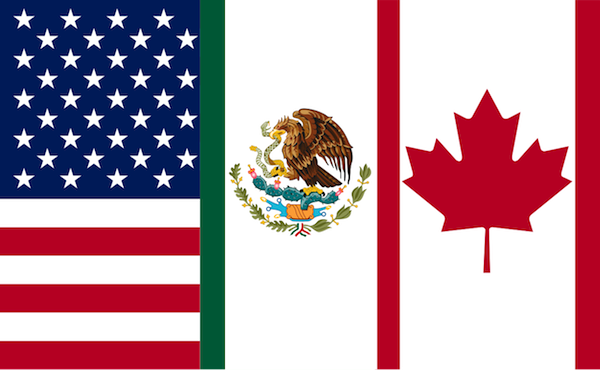
(Wikimedia Commons)

שלוש המדינות של צפון אמריקה שוב החליטו להאריך את סגירת הגבולות היבשתיים ביניהן. זאת, פרט לנסיעות חיוניות והעברת סחורות ממדינה למדינה. סגירת הגבולות בין ארצות הברית, קנדה ומקסיקו החלה כבר בחודש מרץ השנה. לאור התפרצות מגיפת הקורונה במדינות השונות ובמספרים גדולים, בעיקר בארה”ב ומקסיקו. ומקביל לאור התמיכה הגורפת בסגירת הגבולות מצד אזרחי קנדה, רבים מעריכים בצפון אמריקה שהשיגרה ופתיחת מעברי הגבול מחדש לא תחזור עד לראשית השנה הבאה, לכל המוקדם.

בראשית חודש אוגוסט החליטו הממשלות של ארה”ב, קנדה ומקסיקו להאריך בשלושים ימים נוספים את הסגירה המשותפת של הגבולות היבשתיים ביניהן. וזאת מתוך רצון לבלום את ההתפרצות המחודשת של נגיף הקורונה בשלוש מדינות אלה.

בשלב זה, מעברי הגבול בין ארה”ב ומקסיקו, ובמקביל בין ארה”ב וקנדה, יישארו סגורים עד העשרים ואחד בספטמבר, לכל הפחות. חשוב להבהיר כי הסגירה הממושכת לא משפיעה על הסחר הרב בין המדינות ושינוע של סחורות שונות (באמצעות משאיות). זאת, כמו גם על טיסות מסחריות שממשיכות להתקיים בין המדינות והעברת סחורות באמצעות מטוסים. רבים מבקרים את המדינות שלא מאפשרות להשתמש במעברי הגבול, אך מאפשרות לטוס ביניהן.

השר לביטחון המולדת בפועל של ארה”ב, צ’אד וולף, אישר את הדיווחים על המשך סגירת הגבולות בין המדינות. וולף אמר כי ארה”ב תמשיך לעבוד עם קנדה ומקסיקו כדי להאט את התפשטות מגיפת הקוביד. בהתאם לכך סוכם להאריך את המגבלה על תנועה שאינה חיונית, עד העשרים ואחד בספטמבר.

החל מהשמונה עשר במרץ השנה החליטו ארה”ב, קנדה ומקסיקו על סגירת מעברי הגבול. שלוש המדינות תיאמו זאת מראש והחליטו על המשך סגירת מעברי הגבולות ביניהן בחודש נוסף. זאת למעט נסיעות חיוניות ומעבר סחורות.

וולף ציין כי נשיא ארה”ב, דונלד טראמפ, אמר לפני מספר ימים כי הגבלת הנסיעות והגברת הפיקות על מעברי הגבולות בין המדינות, היא כלי נוסף במאבק בנגיף הקורונה.

שלוש הארכות נוספות בוצעו במאי ולאחר מכן ביוני ולאחרונה ביולי, עד העשרים ואחד בחודש זה. כך שההחלטה של שלוש המדינות של צפון אמריקה שהתקבלה לפני מספר ימים לא בדיוק הפתיעה רבים. סוכנות הידיעות רויטרס דיווחה כי בממשל טראמפ מבינים שיהיה צורך להאריך את סגירת הגבולות עד שסכנת הקורונה תחלוף, כאשר ההערכות מדברות על לפחות כמה חודשים נוספים שבהם הגבול יישאר סגור בין שלוש המדינות.

יש להזכיר כי לא מדובר במהלך חד צדדי. נראה שאזרחי מקסיקו וקנדה מגבים את החלטת הממשלות שלהם. לפי סקר שפורסם לאחרונה בקנדה מתברר כי שמונים וחמישה אחוז מהאזרחים תומכים בסגירת הגבול עם ארה”ב, עד סוף שנת אלפיים ועשרים.

על אף הקירבה הגיאוגרפית של שלוש המדינות, יש לזכור כי הן נמצאות במצבים שונים במאבקן כנגד נגיף הקורונה. בארה”ב שבה גרים כשלוש מאות ושלושים מיליון תושבים יש כבר למעלה מחמישה מיליון ומאתיים נשאים של המחלה, כאשר למעלה ממאה שישים ושבעה אלף איש מתו מהקורונה. בקנדה שבה מתגוררים כשלושים ושבעה מיליון איש יש כבר כמאה עשרים ואחד נשאים של המחלה, כאשר למעלה מתשעת אלפים מתו מהקורונה. ואילו במקסיקו שבה גרים כמאה ועשרים ושמונה מיליון איש יש כבר למעלה מכחצי מיליון נשאים של המחלה, כאשר למעלה מחמישים וחמישה אלף איש מתו מהקורונה. לפי הערכות קרוב לוודאי שלפחות במקסיקו מספר החולים והנפטרים מהמגיפה הקשה הרבה יותר גבוה.

Paul hopes to make history

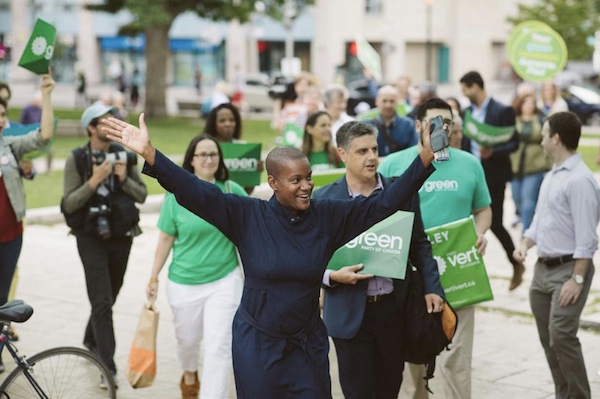
Annamie Paul is running to succeed Elizabeth May as leader of the Green Party of Canada. (photo from Annamie Paul)

Annamie Paul wants to be the first woman of colour and the first Jewish woman to lead a political party in Canada. But, in the process, the human rights lawyer and former diplomat who is running to succeed Elizabeth May as leader of the Green Party of Canada has been taken aback by the overt antisemitism thrown at her since it became widely known that she is Jewish.

“You almost can’t believe what you’re seeing,” said the Toronto native, who has worked extensively overseas. “There are very explicit comments questioning my loyalty to Canada because I am Jewish. There are those who have suggested that I am seeking to infiltrate the party on behalf of Zionist elements.”

Paul said what disappoints her most is the almost complete silence from others when antisemitic posts are made on social media, such as the Facebook group for Green party supporters.

“The comments were whispers at first, innuendo, and now they’ve become very explicit,” she said. “If people are allowed to make these comments unchecked, it really emboldens them and that’s definitely what I’ve noticed over the last week or two.”

Amid a litany of such comments – including items not directly targeting her but equating Israelis to Nazis on Green-oriented social media sites – only one single individual not on her campaign team has called out the offensive posts. At the urging of Paul’s campaign, moderators removed some of the most disturbing ones.

“It’s taken me aback,” she said. “It wasn’t something I was fully prepared for, to be honest.”

She differentiates between people who are deliberately provocative and those who are uninformed.

“I accept that there are a certain number of people who still need to be educated … and, while it’s perhaps not my responsibility to do that, I’m willing to do that because I think if I can create a little more understanding, then that’s important,” she said.

Paul spoke at a Zoom event organized by Congregation Beth Israel and moderated by Rabbi Jonathan Infeld on July 8. That conversation was primarily about Paul’s life, Jewish journey and career. In a subsequent interview with the Jewish Independent, she delved more deeply into policy and her experiences with antisemitism and racism.

Born in Toronto to a family from the Caribbean, she was among the first students in Toronto public schools’ French immersion program. Her mother, a teacher, and grandmother, a nurse and midwife, worked as domestics when they arrived in Canada. Her mother went on to get a master’s of education and taught in elementary schools for more than three decades; her grandmother became a nurse’s aide.

Paul credits her mother’s broad-mindedness and spiritual bent for the openness that led her to embrace Judaism in early adulthood. Paul was converted by the Hillel rabbi while completing a master’s of public affairs at Princeton University. She also has a law degree from the University of Ottawa. She chose Ottawa in part because its law faculty emphasizes law through an Indigenous lens. In addition to seeking at an early age to be an ally to Indigenous peoples – she started law school at 19 – she saw parallels between the Canadian situation and her own heritage as a member of the Black diaspora.

“We have been stripped of all of the things that Indigenous peoples are fighting for still in this country,” she said. “Through colonialism, we lost our identity, we lost our culture, our language, our religions. We really can’t tell you anything with any great degree of precision about our ancestors. When I saw other peoples fighting for those things, I understood intuitively how important it was.”

Paul has worked as a director for a conflict prevention nongovernmental organization in Brussels, as an advisor at the International Criminal Court in The Hague, and as a political officer in Canada’s mission to the European Union. She co-founded and co-directed an innovation hub for international NGOs working on global challenges and has served on the board and advised other international NGOs, including the Climate Infrastructure Partnership and Higher Education Alliance for Refugees. She is married to Mark Freeman, a prominent human rights lawyer and author. They have two sons, one in university in London, U.K., the other in high school in Toronto.

Returning to Canada after spending about 13 years abroad, Paul looked at Canadian politics with fresh eyes. While she had been courted to run provincially by the Ontario Liberal Party in the early 2000s, she opted to run federally for the Green party in 2019. She took about 7% of the vote in Toronto Centre, which was won by Finance Minister Bill Morneau. She is one of nine candidates running for Green leader.

She chose the Green party because, she said, “we don’t have time to fool around with the climate emergency.”

“I celebrate the compromise that is the spirit of Canadian politics,” Paul said. “This is the Canadian way. But there are some things that you simply have to do all the way or it really doesn’t work. One of those things is the climate emergency. If we don’t hit our targets, then we are setting ourselves up for disaster. The Liberals, the NDP, the Conservatives, they’re just not committed to that goal and so I wanted to make it clear that I was aligning myself with the party that was very, very committed to reaching those targets.”

COVID-19, for all the health and economic devastation it has wrought, also presents opportunities, said Paul. In Canada, federal and provincial governments came together and political parties set aside partisanship to an extent. Canadians who may have been skeptical that a massive challenge like climate change could be ameliorated see what concerted governmental action – and massive investments – can look like. “[Canadians] know that money can be found if it’s needed and they know that we can mobilize very quickly,” she said.

The billions of dollars being invested into the economic recovery should be directed toward projects that explicitly advance a green economy, she said, such as a cross-Canada energy grid that produces electricity from renewable sources to be shared throughout the country. This is just one of a range of opportunities that Paul sees emerging from this extraordinary economic challenge.

“For a country as wealthy and well-educated as Canada, if we want to be, we can really be first in line for all of this,” she said. “It’s exciting.”

The Green leader has limited constitutional authority in a party dedicated to grassroots policymaking, Paul said. If party members adopt a policy that challenges the leader’s core values, the leader may be required to walk away. Such a scenario emerged in 2016 after the party adopted a resolution to boycott Israel. Following a showdown, the resolution was rescinded and May carried the party into the subsequent election. As a result, Paul said, the party is on record supporting Israel’s right to exist and opposing the boycott, divestment and sanctions (BDS) movement.

Paul opposes the Netanyahu government’s Jordan Valley annexation plan because she believes it contravenes international law. But she also urged vigilance against those who might mask their antisemitism in anti-Zionism. And she stressed the unlikelihood of pleasing everyone on either side of the Israel and Palestine divide.

“I don’t feel that there’s anything these days that you can say in terms of that conflict where you’re not going to attract criticism that you were too soft or you were too hard,” she said. “It’s very difficult.”

But, while she doesn’t have the magic answer to resolve the longstanding conflict, her background in diplomacy and international law makes her confident in asserting that negotiated settlement is the route to any eventual solution.

“Dialogue always has to be the preferred option,” she said, adding that international law must be applied to all sides. “State actors, non-state actors, they are all subject to international law. Their obligation is to respect international law and to protect fundamental human rights. There are no exceptions to that.”

At a time when North Americans and others are facing our histories of racism and injustice, Paul finds herself at an opportune intersection.

“I’m very aware of what I represent as a candidate,” she said. “I’m a Black woman, I’m a Jewish woman.… I know people are very interested in my identities and I embrace that…. I would say, though, that [I hope] people will take the time to get to know me and not to create a one-dimensional image of me simply focused around those identities. I feel that I’m very prepared because of the work I’ve done, my academic studies, etc. I’m very well prepared to take on this role and all of the elements of this role.

“You’re not just an environmental advocate as the leader of the Green party, for instance, you also need to be able to talk about foreign policy, you need to be able to talk about economic theory, you need to be able to talk about rural revitalization and what are we going to do about long-term care and should we decriminalize illicit drugs. You need someone who is three-dimensional and I know that I’m three-dimensional and I hope people remember that.”

As a Jew of colour, Paul also has insights on antisemitism in the Black Lives Matters movements and racism in the Jewish community.

“The Black diaspora is not a monolith,” she said. “The Jewish community is not a monolith, either. Don’t ever take the actions of some members of the community as an indication of how the entire community feels.… I would just say don’t let that push you out of wanting to support the community in the way that you should. In terms of Black and Indigenous lives in this country, the statistics just take your breath away. Not just the criminal justice statistics but also health, education, life expectancy, they are really very troubling and those communities need as much help as they can get from people who really understand, who have suffered a great deal of persecution historically, as well, and have had to create opportunities and overcome barriers and still do.”

The leadership vote takes place Sept. 26 to Oct. 3. The deadline to join the Green party to vote in the election is Sept. 3.

Need for Courage increases

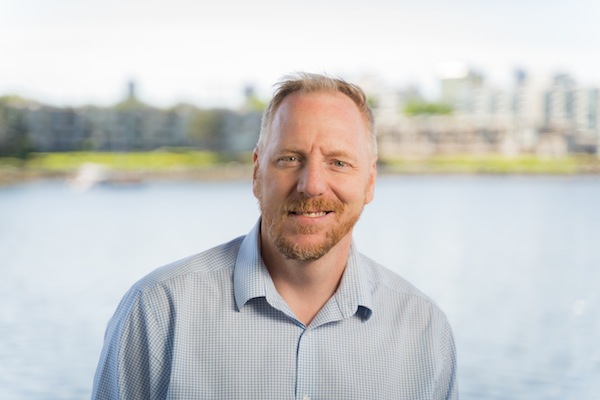
Corey Hirsch is among the honorees of this year’s Courage to Come Back Awards. (photo from Courage to Come Back)

“Believe me when I say that the stories we share are true journeys of bravery, resilience and strength in the face of adversity. They will leave you inspired and optimistic – a weekly dose of courage that I believe we need now, more than ever,” Lorne Segal, longtime chair of the Courage to Come Back Awards, told the Independent.

While the annual gala event had to be canceled because of COVID-19, every week this month, one of the five award recipients is being announced, and a video of their stories shared.

“We’re also sharing videos highlighting some of the incredible work of Coast Mental Health’s frontline workers during COVID-19,” said Segal. These can be viewed at couragetocomeback.ca.

“Every year,” said Segal, “the Courage to Come Back Awards raise critical funds that support over 40 of Coast Mental Health’s programs, which provide food security, mental health support for youth, peer support services and so much more. They are vital to the recovery of vulnerable people living with mental illness.

“In community mental health, the only way to meet this crisis is to increase capacity – that’s where Coast Mental Health comes in. Coast provides shelter, a roof overhead, a support system of caring individuals, and the dignity of a job and training through employment opportunities, all for individuals, young and old, dealing with mental health challenges.

“This life-saving work would simply not be possible without the generous support we receive during the Courage to Come Back Awards,” he stressed. “I invite people to watch, and share these incredible videos of courage. Then, if you can, I’m asking you to join me in supporting Coast Mental Health as they prepare for the second wave of this pandemic, a mental health crisis potentially as devastating as the first wave of COVID-19.”

At press time, three of the award recipients had been announced: Corey Hirsch in the mental health category, Amanda Staller in the addiction category and Rumana Monzur in the physical rehabilitation category; the youth and medical categories are still to come.

Hirsch was the first honoree announced. While not Jewish, he said, his surname is and, that “[t]here is very much the possibility that I have Jewish ancestry; it’s just never been investigated.”

A former NHL goaltender and goaltending coach, Hirsch is a commentator with Sportsnet, as well as being a public speaker and an advocate for mental health and wellness. Born and raised in Alberta, he was drafted by the New York Rangers in 1991 and was a member of the team when they won the 1994 Stanley Cup. Also in 1994, he won a silver medal with the Canadian men’s hockey team in the Olympics at Lillehammer. In 1995, he was traded to Vancouver, where he began losing his struggle with mental illness, but eventually reached out for help, and was diagnosed with obsessive-compulsive disorder.

Of the Courage to Come Back Award, he said, “It was very humbling to realize that I was in that category of people. And it was probably the first time it opened my eyes to realizing that what had happened – with coming out with my story in the Players Tribune [in 2017] – made a colossal impact on the world of mental health.

“There were people that came before me,” he acknowledged, pointing to Sheldon Kennedy, Theo Fleury and Clint Malarchuk. “Their stories helped me get my story out and made me feel safe,” he said.

Kennedy and Fleury were both abused by a coach when they were in junior hockey. Malarchuk, a fellow goalie and a friend, struggled with post-traumatic stress disorder after his jugular vein was accidentally severed by another player’s skate, as well as with obsessive-compulsive disorder, even attempting suicide.

Hirsch also mentioned sports journalist Michael Landsberg. “I met with Michael and Clint before my story came out because I was just terrified. Those two guys really helped me,” he said. (For coverage of talks by Landsberg in Vancouver, see jewishindependent.ca/lets-talk-mental-health and jewishindependent.ca/illness-not-weakness.)

“OCD, typically, doesn’t start from childhood trauma,” explained Hirsch, adding, “Most people I know can tell you the time, place, where they were at when their brains just kind of broke. There could be childhood trauma with people, but, for me, [there wasn’t any]. I was on my way to the NHL, I had athletic talent as a kid, lots of friends, no real signs of mental health [issues]. I had anxiety issues, [but] a lot of kids do.”

Hirsch grew up in Calgary, with parents he described as loving, and an older brother. Sports were encouraged. “Hockey was something that, you know, it’s a religion in Canada,” said Hirsch who, at age 16, moved to Kamloops to play the sport. “I had a really good junior career, won a national championship. From there, I went on to the Olympics. Things were looking like I was going to make millions playing in the NHL. I was on the road.”

Hirsch describes in detail the type of OCD with which he struggles in his article on the Players Tribune media platform.

“I think that what people thought OCD was, was the hand-washers, someone that’s organized and all that. There was a misconception, through stigma and other things, about OCD and people thought it was that,” he told the Independent. “So, how bad is that? You wash your hands too much. They didn’t take it very seriously … because that’s how OCD was portrayed.”

Hirsch is concerned about overall mental health, not only OCD. “I want to change the stigma to all of it,” he said.

As to why the stigma remains, he said, “Well, people don’t like to look inside, afraid of what they might find out. But, what you find out is that there’s a better life out there and you learn things…. Fear keeps people from getting help, stigma keeps people from getting help. It’s a great built-in excuse to say that you’re a man and men don’t get help; it’s a great built-in excuse if you don’t want to look internally. I get a lot of that.

“I got help, I live a great life. I’m not perfect – I’ll never say I am – but I still play hockey. I can still drink beer, I can still fix cars, I can still do all those things that are considered manly – I haven’t lost any of that. And the people around me are better for it. It’s tough to look inside and a lot of people don’t want to, but I know now it’s the best thing I’ve ever done.”

One of the reasons Hirsch decided to open up about his experiences is that, back when he was at his worst, in the mid-1990s, there was no readily available information on what he was experiencing.

“I scoured bookstores,” he said. “I did everything I could to try and find some hope, or even self-diagnose or [determine] that I wasn’t going to be like this the rest of my life. I felt so alone. I found nothing…. Part of it was because I didn’t even know what to look for, and I always said to myself, if I got better, that, one day, I would tell my story.

“I didn’t tell anybody anything, other than people close to me, for 20 years. I kept it in my chest. [But then] I met another NHL player who was active, in my retirement, and I met him, and he was in rehab for drugs. We got to talking, and I know now that mental health and addiction go hand in hand, so I spilled my story to him. And he looked at me and he said, that’s exactly what I’m going through.”

That was when Hirsch realized his story could help others who are suffering. “I need to let them know that they’re not alone,” he said.

Vancouver-based Hirsch is waiting out the pandemic in Toronto with his girlfriend. He is writing a memoir about his life with OCD, he plays golf, and spends time playing his guitar. “I’m terrible,” he said. “But I love it,” he said. “It’s been incredibly freeing. Music is so powerful and great for mental health. Any kind of art, it’s a great way to express, therapeutically, yourself.”

He is continuing his work in mental health and would like to see it become part of the curriculum in schools.

“If I could have known what I had when it happened to me and I could have gotten help the next day, I would have never ended up making an attempt on my life,” he said. “I don’t know what my NHL career would have looked like, but I would have never suffered and gone through what I went through for all those years, because early diagnosis is crucial with mental health.

“It’s not hard to teach our kids in high school, middle school, about anxiety, depression, OCD, bipolar, those things. They need that information. Why are we withholding it from them?”

Hirsch pointed to a U.S. Centre for Disease Control study finding that the suicide rate among people aged 10 to 24 increased 56% from 2007 to 2017 (see cdc.gov/nchs/ data/databriefs/db352-h.pdf).

“It’s like anything – teach our kids in school and then give them the tools and then hopefully we can put a dent in it,” he said, citing a need for a countrywide curriculum in health class. “That’s where we’re going to end the stigma … and suicide needs to stop being a taboo topic, it really does. It’s real and it’s happening and pretending it isn’t happening doesn’t make it go away.”

Stay home for the High Holidays

At its best, the Jewish community does amazing things in the spirit of pikuach nefesh, to save a life. At services, if someone faints, there’s silent networking. Within seconds, multiple medical professionals surge forward silently to attend those medical emergencies. I heard that one crack team included a gynecologist, a neurologist and a dermatologist – and a nurse who managed better than all the specialists together. In these situations, the Jewish priority is clear. It’s taking care of health and well-being first.

I was recently studying a page of Talmud, Shabbat 129a. It examines healthcare issues through a Jewish lens of 1,500-plus years ago. The rabbinic commentaries throughout the ages update medical practice as time passes.

There’s a section discussing when a woman in childbirth needs Shabbat to be desecrated. When a baby is born, it’s a potentially life-threatening situation. Therefore, halachah (Jewish law) is lenient. The people near a woman giving birth must do what she needs, even if it breaks the Sabbath. Depending on which rabbi you consult, this leniency can last awhile: from three to 30 days.

On the same page, the rabbis discuss bloodletting. We recognize today that this ancient medical treatment is almost never advisable. Bloodletting was seen then, though, as being both medically necessary and very dangerous. There’s acknowledgement in the Talmud that this is a difficult experience. Different scholars recommend how to recover best with food, wine, rest or being in the sun. It sounds awful. Over time, different commentators reflected their views on limiting this scary treatment. Maimonides advised against it in Mishneh Torah, aside from “when there is an extraordinary need for it.”

I thought about this as I read an online forum about High Holidays this year. It won’t be surprising to hear that, in many congregations, there will be services streamed online; brief, outdoor services; or some kind of limited, small group get-together. In the COVID-19 era, we know that social distancing, wearing masks and avoiding large gatherings are all important ways to avoid getting sick.

Jewish tradition emphasizes our need to gather as a community. For many, this is why we attend services. However, as I heard on this forum, congregations sought input from their communities, and some of the questions struck me as absurd.

What would you miss about High Holiday services? The list was long: hearing speeches from the synagogue board, receiving aliyot, seeing friends, saying Yizkor with the community, hearing the rabbi’s sermon, breaking fast together, doing Tashlich, and more. There were awkward questions: If only a small, socially distanced group (of 10, 25, 50, etc.) can gather, will you be upset if you aren’t included?

The questions, asked in various ways, were, “What will make this holiday meaningful for you? How can the congregation provide that?”

Everyone thinks something different is meaningful. If only one thing were meaningful, we could all do it and be done with services in 10 minutes. (Or whatever ritual event we’re considering.) For me? I would say “meaningful” is when your congregation doesn’t become a contagious hotspot for coronavirus.

For those who feel slighted about not being in synagogue, consider if only a small congregation is allowed. Think about what is more meaningful: experiencing the High Holidays differently, streaming services at home and knowing your congregation hasn’t endangered a single person’s health, or being there in person and risking everyone’s health by spreading the virus through the congregation?

To me, the most important thing we – as individuals and as a congregation – could do is to help everyone have a healthy, happy, meaningful year. If that means avoiding groups, we should pay for our customary tickets or synagogue dues and stay home.

If streaming doesn’t work because of your observance level or because you’re “Zoomed out,” you have options. Perhaps bake some honey cake, call up friends and family to catch up before the holiday, ask forgiveness, and wish them happy New Year. Then, pray alone or with your immediate family. Find some relevant books to read, take a hike in nature, etc. There are other ways to observe these holidays.

As a new mother, I explored this issue previously, when I had my twins and had no child care. Babies need what they need. They don’t care what day it is. I streamed some very good services and sermons while juggling twins through infancy, toddlerhood and preschool.

We’ve already observed a long series of holidays – many Shabbats, Passover and Shavuot – at home by now. Pre-pandemic, I found meaning in different ways: a summer Shabbat service, Shavuot ice cream, Simchat Torah dancing or sitting in my backyard sukkah.

Sometimes, just sitting still is the point. My twins are 9 now. They will “attend” services with us in our living room this year, just as we do on most Shabbats these days.

Watching my kids sing along at home as they set up Lego minyanim in preparation also has meaning. They debate where all their animals and robots should sit in their made-up congregation, directly in front of the iPad streaming services.

No one scenario has the market cornered on “meaning.” However, that Talmud page, Shabbat 129a, offers a window through which we can study how medical care changes and evolves. We no longer think bloodletting is a necessary procedure, but rather just a dangerous one. The underlying message about childbirth and health care is that the rabbis teach us to be lenient about any life-threatening situation.

We’ll learn more about this coronavirus as time passes. Meanwhile, while we need to acknowledge our feelings, we can’t let our personal upset be what’s important – that’s just selfish. I, too, miss being in the physical congregation space, but not enough to endanger a single immune-compromised or elderly person who might attend. Choosing a lenient position about how to fulfil our religious obligations in this dangerous time is key.

For some, it’s early to be dwelling on the fall holidays, but it’s not too soon to buy your “virtual services” ticket. Invest in your community’s future financial health and make a plan for how to make your observance special. Knowing we’ve prioritized pikuach nefesh first? That’s priceless.

Joanne Seiff has written regularly for CBC Manitoba and various Jewish publications. She is the author of three books, including From the Outside In: Jewish Post Columns 2015-2016, a collection of essays available for digital download or as a paperback from Amazon. Check her out on Instagram @yrnspinner or at joanneseiff.blogspot.com.

Community Recovery Task Force appointed

COVID-19 continues to impact our community. Jewish Federation of Greater Vancouver estimates that local needs may increase by 50% over the next year. Therefore, it has established the Community Recovery Task Force, chaired by Risa Levine.

The purpose of the task force is to examine the myriad operational and financial issues facing our community as a result of COVID-19, and to assist Jewish Federation in responding to these challenges and changes, both presently and in the long-term. Through consultation with Federation’s partner agencies, the task force will be assessing the consequences of the pandemic on vulnerable community members, as well as on the ability of community organizations to deliver their core programs and services. Task force members will be looking to new, innovative approaches to enhance community organizations’ capacity, and recommending solutions that will support a strong, resilient and financially stable recovery as well as future sustainability.

The task force members have all held leadership roles with a variety of community organizations, and collectively represent the diversity of our community in terms of geography and life stage. In addition to Levine, they are Andrew Altow, Jill Diamond, Michelle Gerber, Hodie Kahn, Candace Kwinter, Shawn Lewis, David Porte, Justin L. Segal and Isaac Thau.

The task force is an integral part of Federation’s response to COVID-19, as is its three-phase approach to recovery. In phase one, it released targeted emergency funds in the first few weeks of the pandemic to address immediate and urgent community needs. As a second phase, it is currently working closely with major donors to maintain their support through the next two annual campaigns and to consider making contributions above and beyond their campaign gifts to support community recovery. In the third phase, every community member will have an opportunity to make a difference in our community’s recovery through participating in the annual campaign, which officially launches in September.

To learn more about the task force, to read the latest annual report or to donate, visit jewishvancouver.com.

– excerpted from the weekly email message of Jewish Federation of Greater Vancouver chief executive officer Ezra Shanken

We need to act earlier

Drs. David Fisman, left, and Jacob Moran-Gilad discuss climate change and future pandemics. (screenshots)

The Jewish National Fund of Canada recently brought together Toronto-based epidemiologist Dr. David Fisman and Israeli clinical microbiologist Dr. Jacob Moran-Gilad to discuss the relationship between climate change and potential future pandemics.

“It is important to remember that there are a lot of linkages,” said Fisman, a professor of epidemiology at the University of Toronto’s Dalla Lana School of Public Health and a physician at Michael Garron Hospital. Both climate change and viruses like COVID-19 share similar drivers, such as human population growth, environmental degradation and the need for expanded food production, he explained.

Rising temperatures around the globe create a more fertile breeding ground for infectious diseases and accelerate their evolution, he said. Furthermore, climate change is exacerbated by the tearing down of natural environments, which then brings humans in closer proximity to animal habitats – increasing the chances of diseases being passed on to humans from other species.

“We do have a lot of mouths to feed on the planet. Intensive factory farming has been a driver of some really important challenges in infectious diseases,” said Fisman.

It is crucial to act early, Fisman argued. “With climate change, there are different time scales than with the pandemic. You want to shut down the carbon increase way early. If we wait until we are in the soup, it comes with great cost,” he cautioned.

Trade and travel have been around throughout history, he acknowledged. The difference now, he said, is “turning the dial up on temperature, which makes everything worse.”

Moran-Gilad, chair of Israel’s national advisory committee for microbiology and member of the country’s epidemic management team, went through some of the possible ways to prevent the next pandemic.

“We are now all experts in flattening curves – as compared to four months ago – which shows how effectively we can disseminate information,” Moran-Gilad observed.

While not discounting the severity of COVID-19, he said it has not been the pandemic that people who study infectious diseases have been preparing for, one known in the scientific community as Disease X, which would cause a mortality rate of 10 to 30%.

“COVID-19, in this sense, can be viewed cautiously as a drill to the real thing,” Moran-Gilad said, adding that a pandemic of much greater magnitude “could occur in one year, 10 years or 100 years from now.”

About COVID-19, he admitted, “The dynamics of the disease are still not clear. Without a vaccine, we are going to see coronavirus with us for a couple of years.”

Moran-Gilad advocated for investments in scientific research in the area of pathogen discovery, to understand the viruses in animal hosts better, which, he said, could help prevent the global economy from experiencing the losses encountered this year. He recommended, as well, that further studies could examine whether human exposure had taken place before the outbreak emerged.

He warned, though, of the propensity of academic research in high-quality journals to stop printing papers on diseases once they recede from public consciousness. He said this happened with SARS and Ebola, and expressed hope that the legacy of COVID-19 would be a continuation of studies on the virus “or we will find ourselves unprepared for the next pandemic.”

Returning to the proverbial pachyderm in the room – climate change – the doctors did offer a glimmer of hope: action on the environment would bring with it a health dividend. Riding a bike instead of driving a car, for example, has health benefits and reduces emissions.

Extreme weather events also have a deleterious impact on health, and thus we would be acting in our own self-interest to address climate change, the scientists said. They noted that, in the Canadian response to COVID-19, all governments had to do was ask people to maintain a two-metre distance from one another and wear a mask in public, and people mostly did as instructed. The desire, then, would be that similar policy guidelines could be used to ward off environmental disasters.

In his closing remarks, Fisman praised the Japanese approach to fighting the pandemic by avoiding closed and crowded spaces. He also called into question the opening of bars in certain regions of Canada before opening schools. And he stood for an aggressive testing approach.

“There are vaccine candidates that look amazingly promising,” said Fisman. “It’s very hard to fly and land an airplane while we are building it. A positive outcome of the current pandemic would be if vaccine development could be done proactively.

“Our ultimate challenge as scientists,” he concluded, “is to show people what an alternative universe looks like and why it is important to take early and immediate action.”

Sam Margolis has written for the Globe and Mail, the National Post, UPI and MSNBC.

טרודו שוב מסתבך

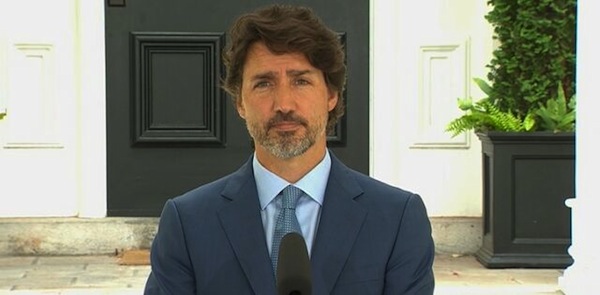
ראש ממשלת קנדה ג’סטין טרודו

ראש ממשלת קנדה, ג’סטין טרודו, שוב הסתבך בשערוריה גדולה שיכולה לאיים על עתידו הפוליטי. זאת דווקא כאשר מניותיו עלו לאחרונה בשל הטיפול הנאות של ממשלתו הליברלית במגפת הקורונה. רבים רבים בקנדה ומחוצה לה מוכירים לו הערכה רבה על מה שעשה עבור אזרחי קנדה בימים קשים אלה.

ממשלת טרודו העניקה תשעה מאות מיליון דולר לעומת הצדקה ווי שמטפלת בסטודנטים, במסגרת חוזה חדש בתקופת הקורונה. העמותה נותנת מענקים לסטודנטים שלא יכולים לעבוד בעת הזו עבור פעיליות התנדבויות שונות. בו בזמן מתברר בימים אלה שהעמותה שילמה כספים רבים למשפחת טרודו. אם כן זו השערוריה השלישית בה מעורב טרודו בשתי הקנדציות שלו בזמן שהוא מכהן ראש ממשלה. הפעם מדובר באירוע החמור ביותר שעדיין לא ברורים ממדיו הקשים. משרד האתיקה מתחיל לחקור את הפרשה המסובכת וזו בעצם כאמור זו הפעם השלישית שמעשי טרודו מגיעים לחקירות כאלה.

מפלגת האופוזיציה השמרנית דורשת מהמשטרה הפדרלית לפתוח בחקירה כדי לגלות אם מדובר בפעילות מושחתת של טרודו, עת העניקה ממשלתו חוזה ממשלתי נחשק בשווי של כתשעה מאות מיליון דולר לעומת הצדקה ווי, בזמן שהאחרונה שילמה לאורך השנים סכומי כסף גדולים לבני משפחתו של טרודו.

עומתת הצדקה ווי זכתה בחודש יוני בחוזה לניהול תוכנית פדרלית לחלק מענקים בגובה של עד חמשת אלפים דולר לסטודנטים, עבור התנדבות בארגונים שפועלים ללא מטרות רווח, במהלך משבר הקורונה. טרודו עצמו היה שותף למו”מ עם העמותה להעברת התקציב הגדול. לאור הביקורת הקשה עמותת ווי הודיעה כי לא תממש את החוזה ותוותר על התקציב הממשלתי.

עמות ווי שילמה בשנים האחרונות כמאתיים וחמישים אלף דולר לאמו של ראש הממשלה, מרגרט טרודו, עבור עשרים ושמונה נאומים שנשאה באירועים שונים. אחיו של ראש הממשלה, אלכסנדר טרודו, קיבל שלושים ושתיים אלף דולר עבור שמונה נאומים באירועים שונים. ואילו אשתו של ראש הממשלה, סופי טרודו, קיבלה אלף וחמש מאות דולר עבור נסיעה מטעם העמותה.

עוד מתברר שבתו של שר האוצר בממשלת טרודו, ביל מורנו, הועסקה בעמותת ווי. מורנו כמו טרודו השתתף בדיונים להעברת התקציב לעמותה.

משרד המבקר של קנדה כבר פתח כאמור בבדיקה בנוגע להתנהלות ראש הממשלה טרודו, בנושא העמותה. חבר הפרלמנט מטעם המפלגה השמרנית, מייקל בארט, טוען כי ידוע שמשפחתו של טרודו הפיקה תועלת כספית משמעותית מהארגון. ולכן ברור לגמרי שיש ראיות מספיקות כדי שהמשטרה תחקור את הפרשה. מפלגת בוק קוויבק קראה לטרודו לפנות את כיסאו עד לסיום החקירה, לטובת סגניתו, כריסטיה פרילנד. זאת בשל האפשרות שתיפתח גם חקירה פלילית.

משרד האתיקה של קנדה פרסם בשנים האחרונות שני דוחות שבהם קבע כי טרודו הפר תקנות הנוגעות לניגוד אינטרסים. הראשון מייד לאחר שטרודו מונה לראש הממשלה בקנדציה הראשונה שלו (באלפיים ושבע עשרה). טרודו יצא לחופשה באי הפרטי של הפילנטרופ וידיד המשפחה שלו אגא חאן, באיי בהאמה. זאת בזמן ששחאן ניהל משא ומתן על מימון פרויקטים ממשלתיים שונים. הדוח השני פורסם לפני כשנה לאחר שטרודו הואשם בניסיון להשפיע על ההליך המשפטי בעניין חברת התשתיות הגדולה מקוויבק אס.אן.סי לוולין. אז דובר כי טרודו ניסה להשפיע על התובעת הכללית ששימשה גם שרת המשפטים שלו, כדי שלא תעמיד לדין את החברה שהואשמה בתקופת ראש הממשלה הקודם, סטיבן הרפר, כי שיחדה בכירים בלוב כדי לזכות בחוזים ממשלתיים גדולים.

Providing comfort and hope

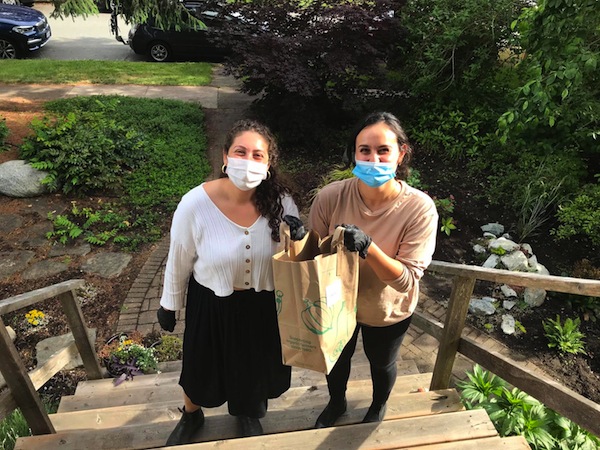
Shiva Delivers organizers Madison Slobin, left, and Becca Schwenk. (photo from Shiva Delivers)

When 25-year-old Vancouverite Becca Schwenk considered how she could make a small impact to reflect Jewish compassion, care and kindness for local Black families during the Black Lives Matter protests, the Jewish ritual of shivah came to mind. She knew the power of shivah meals to soothe people in times of grief, so she and her longtime friend Madison Slobin, 26, decided to coordinate Shiva Delivers, a collective effort whereby Jews would cook a dinner meal for a Black household in Vancouver.

“We hoped it would lighten their load and bring a bit of joy,” Schwenk said. In emails, Facebook and Instagram posts sent to members of the Jewish community, the pair noted that “this past week has been one of grieving for Black folks. Not only have Black lives been disproportionately impacted and lost due to COVID-19, but we have witnessed police officers murder Black people in broad daylight, as well as in their own homes. As Jews, we know what it feels like to experience a collective tragedy, especially in the past two years, as antisemitic violence has been on the rise. We also know how much it has meant to us when other communities have demonstrated their solidarity.”

They encouraged volunteers to “cook with your loved ones, and have critical conversations about unlearning anti-Blackness and racism. It’s a beautiful thing when we can hold one another accountable, free of judgment, and keep our hands busy in some challah dough,” they wrote.

Their message spread quickly through social media and, within 24 hours, they had volunteers signing up to cook meals. Ultimately, they received 90 meals that they were able to deliver to 48 Black families in the Lower Mainland, from Surrey to East Vancouver and the University of British Columbia.

“People made beautiful, multiple course dinners including salmon with dessert, brisket and matzah ball soup, roast chicken with vegetables and delicious cakes,” Schwenk said. “It was really clear that considerable effort went into each dish and we felt really proud to drop these meals off.”

Those preparing the meals represented the diversity of the Vancouver Jewish community and deliveries came from Orthodox Jews, mixed families, rabbis and people from all political spectrums.

“We didn’t explain much about our initiative when we sent out the notification, but people just got it,” Slobin said. “We were unified by the instinct to do tzedakah through our collective love language of delicious food. I found it beautiful that our community is so united about the idea that Black lives matter, and that they really wanted to provide comfort to Black families during this time.”

The two friends are both professionally involved in human rights work. Slobin works for Vancouver Aboriginal Child and Family Services, while Schwenk is a diversity and inclusion consultant for Cicely Blain Consulting. Even though they’re not planning to organize a second Shiva Delivers event immediately, they hope it will inspire members of the Jewish community to do more.

“This was a way for us as a community to say, ‘We know how valuable comfort and nourishment are in moments like these, and we’ve got your back,’” Slobin said. “I want to see how folks draw inspiration from this and tap into the potential for solidarity beyond the Jewish community.” She noted that other Shiva Delivers initiatives were held in other parts of Canada and in the United States.

Feedback from recipients of the meals was overwhelmingly positive and grateful. “Thank you so much for doing this,” one recipient wrote. “We are grieving such a tremendous loss of life in the middle of this pandemic, where we are isolated from our wider community and loved ones. This helps a lot.” Another recipient said the display of kindness and generosity towards the Black community at this time was especially meaningful: “It means so much to be seen in our grief, and held and cared for in this way. Such community-to-community support is so deeply valuable and I truly believe it is our way forward into a collectively liberated world. Thank you for looking out for us and sending us love in my personal favourite love language – good food!”

Reflecting on the power of their event, Schwenk and Slobin said it provided “a glimpse into a hopeful future of what solidarity can look like. It allowed us to imagine a world where traditions are not only respected, but provide cross-cultural comfort.”

Lauren Kramer, an award-winning writer and editor, lives in Richmond. To read her work online, visit laurenkramer.net.

Searching for a COVID cure

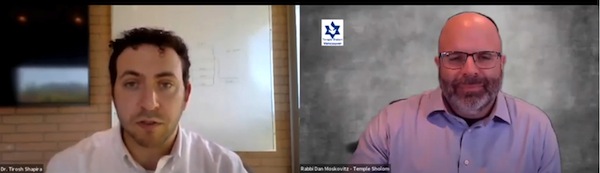
University of British Columbia’s Dr. Tirosh Shapira, left, spoke at a June 18 Temple Sholom-hosted webinar emceed by Rabbi Dan Moskovitz. (screenshot)

“COVID-19 or SARS-CoV-2 has a different type of genetic material than we have. It is an excellent saboteur … and can mutate easily. Thus, if we develop a drug against it, we will likely, over time, begin to see some resistance,” University of British Columbia microbiologist Tirosh Shapira told a Zoom audience in a June 18 webinar.

“In my research,” he said, “instead of looking for one drug, I am looking for four. I am trying to create a cocktail similar to what is applied with treating HIV. We are looking for drug combinations.”

There is an added level of complexity involved in seeking such combinations, he noted, as certain drugs can negate the effects of others.

Shapira is among a select group of Canadian scientists hunting for a cure to COVID-19. He earned his PhD from Australia’s University of Queensland, where he specialized in molecular toxicology for global food security. Before devoting his efforts to COVID-19, his research at UBC led to a novel treatment against tuberculosis and the development of methods to improve drug discovery.

To the web audience hosted by Temple Sholom, Shapira spoke on the topic of drug development in British Columbia, particularly as it pertains to the new coronavirus. He also provided an overview of modern drug discovery and a look at the advanced facility for virology research at UBC.

“Viruses are a large array of different agents,” explained Shapira, “each with unique characteristics, and depend on their hosts in order to replicate and create more copies of themselves … they vary greatly. However, some share similar properties.”

Knowing, for example, the similarities of the common cold and SARS, scientists can gain a better understanding of how the biology of COVID-19 might play out. This type of application led to the discovery of the effectiveness of the drug Remdesivir against the MERS virus, for instance.

Citing the history of combating viruses through treatments, Shapira showed a graph of the downward trend of infections from tuberculosis, starting in the late 19th century. He used this to elucidate the factors needed beyond drugs to control an epidemic, such as economics, sanitation and education.

“On a global scale, sanitation and containment are extremely important for an immediate response to an immediate threat,” he said. “Understanding SARS-CoV-2 is based on understanding similar viruses. The best way to defeat new viruses is through social adjustments.”

Shapira distinguished between the classical and modern approach to drug discovery. The classical approach, he said, is to look under a microscope and examine what is there, while the modern approach considers all possible compounds and is less concerned about the biology.

According to Shapira, the modern approach essentially throws everything at a problem. This, in turn, reduces the research bias on the part of the scientist, has fewer developmental pitfalls and is more “statistically robust,” thereby making it more likely for discoveries to pass clinical trials.

Biology, he hastened to add, is still important – the quality of the test model will determine the quality of the outcome. “Good, sound biology brings good, sound compounds that are good pharmaceuticals,” he said.

When considering how to target a virus, Shapira told the online group that a researcher will look at known antivirals, U.S. Food and Drug Administration-approved drugs, drugs in clinical trials and natural products, the source of most new antibiotics and antivirals.

Drug development is a complex, multi-stage process which has greatly advanced in the past 20 years, he said. In the United States, for example, it begins with pre-clinical trials in labs and with animal testing. Next come clinical trials focusing on safety and efficacy, before moving to randomized testing. Afterwards, there are FDA trials and ultimately production.

UBC’s FINDER (Facility for Infectious Diseases and Epidemic Research), where Shapira conducts his research, has an automated workstation and screening microscopes that handle the large workload of sorting through tens of thousands of compounds without introducing human error.

Due to restricted access to the highly infectious coronavirus, research in Canada can only be performed at a limited number of contamination-free facilities, which also include the University of Toronto and the National Microbiology Laboratory in Winnipeg.

In their studies, UBC’s researchers use lab-grown organs in a dish and a live virus, explained Shapira. FINDER has previous experience with this model from the outbreak of the Zika virus. At FINDER, the UBC team screens the thousands of compounds with collaborators around the world.

Shapira, the only microbiologist conducting research on the COVID-19 virus in British Columbia, estimated that there are 200 biologists and another 2,000 people working on various studies, including in economic areas, related to COVID-19 in Canada.

“SARS-CoV-2, despite being a present threat, will pass,” said Shapira. “But other infectious diseases will emerge in this age of easy travel. Preparedness is key. We will gradually reopen as we are better able to monitor the spread of the virus. We will find a treatment.”

Sam Margolis has written for the Globe and Mail, the National Post, UPI and MSNBC.

Helping people help

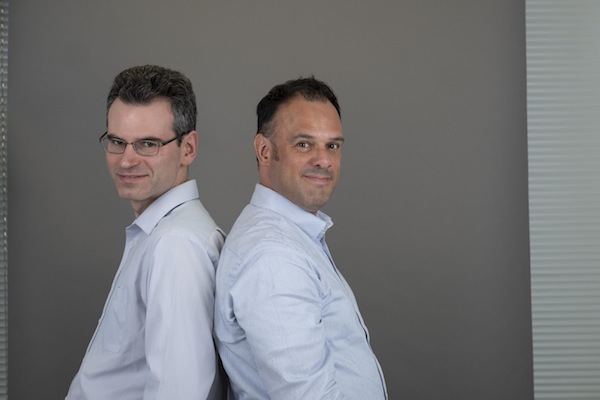
Help Each Other Today’s Ilya Goldman, left, and Carlos Taylhardat. (photo from Help Each Other Today)

Ilya Goldman and Carlos Taylhardat have created Help Each Other Today, a messaging platform that connects people who need help with those who want to help.

Goldman, a computer programmer and software engineer, was born in the former Soviet Union and made his way to Israel in 1990. He and his family moved to Vancouver in 1994.

“Eventually, I started my own marketing company (internet-exposure.com) in 2001,” said Goldman. “Recently, because of COVID-19, business did slow down, basically because not as many clients are working right now – a lot of my clients were local businesses.”

In light of the new situation, one of Goldman’s clients, Carlos Taylhardat of artofheadshots.com, started creating coronaSOS.com. While putting the site together, Taylhardat contacted Goldman and Goldman saw in it the potential to help many more people. So, together, they created helpeachothertoday.com.

“I wanted to move beyond just helping people during the coronavirus,” said Goldman. “I wanted to make it available for people when they need help, even after the pandemic is over. Also, I wanted to automate how people are being matched.”

People wanting help and people offering help first need to sign up for to the service, which they can do at no cost. Then, they can post an offer of or request for help that falls within the site’s categories of Delivery, Financial Support, Peer Emotional Support, or Any.

When posting, people need to submit a location, as the platform matches helpers and people needing help based on location, with people able to access posts in their area.

“Helpers will see help requests in their area and can decide if they want to help that particular person,” said Goldman. “Once they decide to help, they essentially offer this help, and they can chat on the website and arrange how.”

Taylhardat and Goldman have been volunteering their time and resources to help people during the pandemic. They considered incorporating ads into the platform, but decided not to, as they felt it would distract from the core concept of the website.

While no one monitors conversations, if ever an abuse of the system comes up, Goldman will step in and block users as needed. So far, no abuse has been reported.

Requests have ranged from a need for groceries or diapers to help with the cost of a wheelchair or in finding public housing.

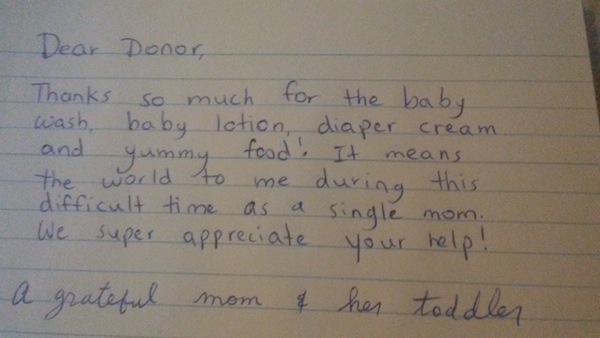
image - Note of thanks to Help Each Other Today
A note of thanks to Help Each Other Today.

“Unfortunately, not all help requests can be answered,” said Goldman. “And, unfortunately, not every place has helpers available to help with every request. That’s why we’re trying to get more attention to the website, so all people who need help can register there … and, also, so people who can help can be there for those in need.”

Right now, help and helper posts are only shared within a city, but Goldman is working on a system that will let users choose a post radius.

“Currently, I think we’re helping in 1,091 cities around the world,” he said. “As we move further, we probably will be doing it one country at a time – starting with the U.S. and Canada, and then expanding it further.”

A recent Help Each Other Today media release noted, “The COVID-19 pandemic has made huge changes in all our lives and, often, those who were most vulnerable at the onset were also disproportionally affected by the virus – both by the disease itself and by its huge economic impact. On the other hand, this crisis also shows the great willingness of people to help each other, as many people donate their time and money to help those in need.”

“Social distancing is not social indifference,” Goldman told the Independent. “So, spread the word, post it on your social media, and help more people help each other.”

For more information, visit helpeachothertoday.com.

Rebeca Kuropatwa is a Winnipeg freelance writer.