Skip to content
  • Home
  • Subscribe / donate
  • Events calendar
  • Business Directory
  • FAQ
  • News
    • Local
    • National
    • Israel
    • World
    • עניין בחדשות
      A roundup of news in Canada and further afield, in Hebrew.
  • Opinion
    • From the JI
    • Op-Ed
  • Arts & Culture
    • Performing Arts
    • Music
    • Books
    • Visual Arts
    • TV & Film
  • Life
    • Celebrating the Holidays
    • Travel
    • The Daily Snooze
      Cartoons by Jacob Samuel
    • Mystery Photo
      Help the JI and JMABC fill in the gaps in our archives.
  • Community Links
    • Organizations, Etc.
    • Other News Sources & Blogs
  • JI Chai Celebration
  • JI@88! video

Recent Posts

  • Federation now across BC
  • Israel fighting for its existence
  • Deal strengthens Iran
  • Patriotic belonging diminishes
  • A campaign to engage
  • Upstanders’ first live event
  • Responding to Carney
  • Having your own home
  • Music a family tradition
  • Musical to warm heart
  • Community milestones … June 2026
  • Sharing her passion for Israel
  • Or Shalom reopens its doors
  • JFS from past to future
  • Need holistic approach
  • Sharing stories, advice
  • Journalist shares fears
  • Skills to live together
  • Road to independence
  • Cutting grass with scissors
  • Zionism as a solution
  • Deceit, desire & the divine
  • Reclaiming sacredness
  • Creative project ideas
  • Summer squares and cobbler
  • Thou shalt … summer commandments
  • Legal help for students
  • Revisiting myth of Lilith
  • Wrong person rebuked
  • Canada’s mixed messages
  • Questions for museum
  • Symposium on antizionism
  • Making soccer political
  • CJPAC lauds Pulver’s impact
  • City recognizes Vrba’s legacy  
  • Organ donation saves lives

Archives

Follow @JewishIndie
image - CJN box ad Rockowers 2026

Tag: tikkun olam

More than a pageant

More than a pageant

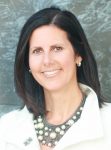
Vancouver Jewish community member Alicia Ohana is Miss Canada Petite 2016/17. (photo from misscanada.tv)

This August, self-described proud Jewish community member Alicia Ohana won the title of Miss Canada Petite 2016/17.

The mission of the national competition, which took place in Toronto, is to “help raise funds and bring public awareness to [competitors’] charitable causes; promote multiculturalism, special events and nonprofit fundraisers throughout Canada. Be a symbol of today’s modern woman!”

Born and raised in Vancouver, Ohana, 23, works at All Hair & Skin Care, a beauty salon owned and operated by her family. She had never competed in a pageant before, but was inspired to get involved because of the various opportunities this particular event provides.

“The Miss Canada Globe Pageant is a beauty pageant that offers girls all over Canada a chance to get involved in their community and represent a charity of their choice to help fundraise for improvements,” she told the Independent in an interview before the competition. “I was modeling jewelry for a company and met another girl that previously participated in the same pageant. She said it was a life-changing experience that opened many doors for her community-wise and has, overall, made her a well-rounded person with more unique experiences.”

Excited by the prospects of meeting new people, making a difference and traveling, Ohana began the lengthy application process.

“I went through multiple interviews by application, phone and essay submission,” she said. “They accept people who want to make a change, are looking for something new and exciting, and can handle pressure.”

And the pressure was intense, as Ohana realized once she was accepted into the contest, for which she was sponsored by Pharmasave (Oak and 41st), After Five and the Jewish Community Centre of Greater Vancouver.

“To prepare, I have been working out everyday (thank you, JCC!), researching charities, fundraising to help cover costs of the pageant, and trying to find appropriate gowns, clothes and attire,” she said. “I have been educating myself on foreign events, I have been writing many essays on how I plan on helping my charity and community, and I’ve also been designing and making my national costume.”

Ohana admitted that she was surprised by the time, work and commitment required.

“It’s taken me months to prepare and it’s honestly unbelievable,” she said. “I thought this was going to be about great hair, dresses and a trip to Toronto! But, it turns out, it’s a whole lot of research about my community and becoming involved to make it a better place.”

Ohana’s road to the pageant had its obstacles. In April, mere months before the competition, she made the difficult decision to withdraw due to her father’s battle with mental illness.

“My father unfortunately slipped into a huge depression, causing me to put more important things first,” she explained.

It was the time spent at her father’s side while he was in hospital that opened her eyes to the needs of that facet of her Vancouver community.

“I met other patients and saw how lovely and warm they were, and saw how grim the hospital was, and I realized I could help raise awareness about the conditions and actually make a change with the help of the pageant,” said Ohana. “The patients inspired me to make changes for their sake.”

Ohana jumped back into the competition in June with the hope of making those changes.

“It has actually set me back quite a bit,” she admitted. “I’ve returned donations, let go of sponsors, and didn’t have time to properly fundraise, which has caused me to work way harder, but I believe everything will work out fine!”

In light of her experiences, Ohana used the pageant platform to get involved with the VGH & UBC Hospital Foundation, specifically the fundraising unit for mental health care. But her commitment extends beyond the event.

“Because of what my father went through, the conditions at the hospital really struck a chord with me and this is more of a personal goal, to make things better, rather than just for the sake of the pageant,” she said.

Nonetheless, her participation in the pageant was essential for her to make the impact she wanted.

“This pageant is helping me get involved with charities that have helped my family personally and is giving me more of a voice,” she said. “Before I joined, I felt I could only help so much, but now it’s given me the power to join the foundation and raise awareness.”

Ultimately, Ohana wishes to help instil a sense of hope and community in the hospital’s mental health patients and their families.

“I hope to organize a group of people affected by mental illness directly or indirectly to help patients, once discharged, become more involved in the community so they do not feel so lost,” explained Ohana before the pageant. “I want to provide support for the patients in terms of visitation and outings, as many of them do not have supportive families or visitors and are faced with loneliness, boredom and a tough environment both inside and outside the hospital.”

During her father’s illness, Ohana saw firsthand the valuable difference being part of a strong, supportive community makes.

“As my family has experienced, a sense of community is everything,” she said. “Without this wonderful Jewish community, things would have been a lot harder and we would not have been able to handle it.”

Ohana – who won Miss Petite British Columbia and then took the national title – is following through on her pageant goals. Inspired by the 80 contestants of the event, she said, “I created OHANA support circles right after the pageant to help people who have gone through rape, abuse, mental illness, homophobia, molestation, eating disorders and many other forms of trauma; for victims to share their stories with other victims who do not have a support system. I’m hoping I can strengthen communities and destroy the fear that has been put in people. It has been lovingly received and I have had many men and women approach me to join. My pageant sisters across Canada are also taking on my challenge and starting circles in their communities.”

The group is accessible via facebook.com/ohanasupportcircles.

Ohana is also collecting donations in the form of toys, art supplies and books in support of fundraising for mental health care, which can be dropped off at All Hair & Skin Care on Oak Street.

“This year,” said Ohana, “I promised myself to try everything new that comes my way – and my life has definitely changed since I have.”

Brittni Jacobson is a freelance writer living in Toronto.
Format ImagePosted on September 9, 2016September 7, 2016Author Brittni JacobsonCategories LocalTags mental health, Miss Canada Petite, Ohana, pageant, tikkun olam, VGH
FEDtalks coming soon

FEDtalks coming soon

Alison Lebovitz (photo from Jewish Federation of Greater Vancouver)

The original meaning of tikkun olam, as seen in the Talmud, was to “decorate, beautify or refine” the world. The modern meaning of “repairing” the world came to be emphasized much later, in kabbalistic writings. Alison Lebovitz was taught the importance of this older sense of tikkun olam by her grandmother Mimi, though she had a different way of putting it: “Pretty is as pretty does.” In the Jewish ethical context in which she was raised, “beautiful actions” meant making the world a better place. To this day, that priority shapes Lebovitz’s life.

Lebovitz is among the speakers who will help launch the annual campaign of the Jewish Federation of Greater Vancouver on Sept. 22, with this year’s FEDtalks.

Growing up in Montgomery, Ala., Lebovitz was an active volunteer in the Jewish community. One summer, she worked with refuseniks, who had come to Birmingham as refugees. Seeing them clustered around a shelf offering several different kinds of toothpicks, paralyzed by the alien surfeit of choices, unable to select a brand, Lebovitz had a visceral confrontation with the way people lived outside of her middle-class American bubble, and how much our own over-abundance of resources should inspire us to be givers.

After moving to Chattanooga, Tenn., Lebovitz became involved with the documentary Paper Clips, working to have it shown in more schools. Paper Clips takes place in the rural Tennessee community of Whitwell, where a middle-school class attempts to understand the magnitude of the Holocaust by collecting paper clips, each of which represents a human life lost in the Nazis’ slaughter of six million Jews and millions of others.

For Lebovitz, this work naturally developed into her initiative One Clip at a Time, which is a program for taking kids from the message of Paper Clips further, into personal application and action. Students discover ways to make positive changes in their own classrooms and communities and are encouraged to continually look for ways to make a difference. “For me, growing up,” Lebovitz told the Independent, “the question my family always asked about any idea was, ‘So what?’ What does it mean in the real world? Next was, ‘Now what?’ How are you going to put that into action?”

In addition to her work with One Clip, Lebovitz has been involved in an impressive roster of other activities. For 20-plus years, she has written a column on the trials and tribulations of daily life and lessons learned called “Am I There Yet?”; columns of which were published as a book by the same name. She is host of the PBS talk show The A List with Alison Lebovitz, and is a regular public speaker, including for TED Talks.

Lebovitz views herself as a “curator of stories” and an entrepreneur with a passion for social justice. These two themes will coalesce in her FEDtalks presentation in Vancouver, where she plans to speak on “the power of story and the power of community.” She said the end game, for her, is to light the torch of the next generation and invite them to run along with us, but then to also pass on the flame to the generation that follows them.

FEDtalks takes place at Queen Elizabeth Theatre on Sept. 22, 7 p.m. For tickets and information about all the speakers, visit jewishvancouver.com/fedtalks2016.

Matthew Gindin is a Vancouver freelance writer and journalist. He blogs on spirituality and social justice at seeking her voice (hashkata.com) and has been published in the Forward, Tikkun, Elephant Journal and elsewhere.


Format ImagePosted on August 26, 2016August 25, 2016Author Matthew GindinCategories LocalTags annual campaign, education, Federation, FEDtalks, Holocaust, Lebovitz, One Clip, Paper Clips, tikkun olam
Potential to change kids’ lives

Potential to change kids’ lives

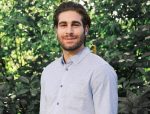
Potential Apparel co-founder Shane Golden. (photo from Shane Golden)

There’s one thing on the mind of Vancouverite Shane Golden, 24, and that’s tikkun olam. The Richmond native is co-founder of Potential Apparel, a sports clothing company that donates a portion of sales from each of its garments to the Make-A-Wish Foundation, and has contributed $20,000 to the charity over the last three years.

“Since my earliest days at Jewish elementary school, even when I was a toddler at Beth Tikvah preschool in Richmond, I was taught the ideology of repairing the world,” Golden told the Independent. “It was reinforced through my family’s actions in the Jewish community. From my earliest memories, I grew up knowing that every action I take has an opposite and equal reaction. I’ve always asked myself, how can I use these physics to help the world around me, to help repair the lives of individuals I’ve never met, and faces I’ll never see?”

Golden and David Dotan founded Potential Apparel three years ago, while Golden was studying engineering at Simon Fraser University. He switched to marketing management at B.C. Institute of Technology but left 18 months ago to work on Potential Apparel full-time. The concept behind the company was Dotan’s, he said. “David used to play professional hockey in the NHL, and we thought we could use his connections and network to start developing the brand.” Those connections include professional athletes Brendan Gallagher, Martin Jones and Ryan Johansen of the Nashville Predators.

photo in Jewish Independent - The concept behind Potential Apparel came from company co-founder David Dotan
The concept behind Potential Apparel came from company co-founder David Dotan. (photo from Shane Golden)

“We develop the shirts with them to create a product that they want to wear,” Golden explained. “Sure, they might have deals with Nike to wear clothes, but they’re wearing Potential Apparel when they want to be comfortable – and they’re definitely influencers.”

To date, Potential Apparel has sold more than 200,000 shirts, most of them in Canada. The clothing, which includes hats and hoodies, is made in Burnaby – which costs more, he conceded. “It’s interesting having to spend a bit more money to manufacture locally but we find people really appreciate locally made products,” he said. “Between local manufacturing and donating a portion of sales to charity, our business has been an interesting challenge, but we’ve figured it out, and we’re making money.”

One thing that’s helped is the charitable golf tournament the pair began last summer in Whistler (whistlerinvitational.com). They matched participants with NHL players for a round of golf and raised $16,000 for the Make-A-Wish Foundation. This summer, the tournament will be held Aug. 5-7 in Whistler, hosted by Johansen and fellow NHLer Brenden Dillon of the San Jose Sharks. “This year, we’re hoping to double last year’s donation,” Golden said.

Asked why he and Dotan selected Make-A-Wish as their charity of choice, Golden said, “At one time, I asked Ryan Johansen why he chose to spend so much of his free time working with charities. He told me that were it not for the privileged lifestyle in which he was raised, with parents who could drive him to the rink every morning and buy him new gear every couple of years, he wouldn’t be where he was today. Make-A-Wish grants terminally ill children the ability to achieve their dreams, and that ability to empower a child is what resonates with us. Whether we choose to stay with Make-A-Wish or, down the road, swap over to helping another charitable organization, it will always be to help kids.”

Golden’s hopes are that Potential Apparel will become a household name that makes a statement. “The statement is that you’ve chosen to reach your potential and help others achieve theirs as well,” he said. “Potential Apparel, since day one, has always been more than just clothing. We are a movement empowering people to take a leap of faith and inspire others while doing so.”

Golden said he’s always looked up to entrepreneurs and philanthropists Mark Cuban and Elon Musk, but that it’s his parents and grandparents who have shaped his character. “My grandmother Marie and late grandfather Sidney Doduck created a legacy called the Marsid Family Foundation, which actively contributes to the Jewish community and causes which they deem important,” he said. “I plan on following suit in a similar manner.”

Lauren Kramer, an award-winning writer and editor, lives in Richmond. To read her work online, visit laurenkramer.net.

Format ImagePosted on July 15, 2016July 13, 2016Author Lauren KramerCategories LocalTags charity, clothing, David Dotan, golf, Make-A-Wish, NHL, Potential Apparel, Shane Golden, tikkun olam, Whistler
Remembering Elie Wiesel …

Remembering Elie Wiesel …

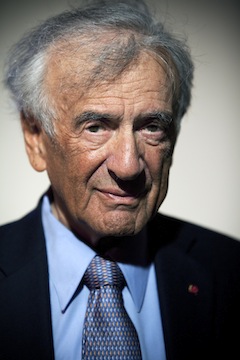
Dr. Robert Krell, left, listens to Prof. Elie Wiesel, as Wiesel addresses the capacity crowd that came to the Orpheum in 2012 to hear him speak (photo by Jennifer Houghton). Elie Wiesel passed away on July 2. May his memory be for a blessing.

The following article was originally published on Sept. 21, 2012, and initially reposted on July 2, 2016. The photographs were added with its republication in the newspaper and online July 15:

“The Jewish people is based on what is called in the Prophets, ‘Edim atem l’Hashem,’ ‘You are witnesses to God.’ Says the Talmud something horrible: the Talmud says God says, ‘If you are my witnesses, I am your God. If not, I am not your God.’… That is the importance of testimony.”

This was part of Nobel Peace Prize-winner Elie Wiesel’s response to a question about the role of March of the Living alumni. “You are now the witnesses,” he said. “Remember, to be a witness to the witness is as important as to be a witness.”

photo in Jewish Independent - Elie Wiesel with friend and fellow survivor Robbie Waisman
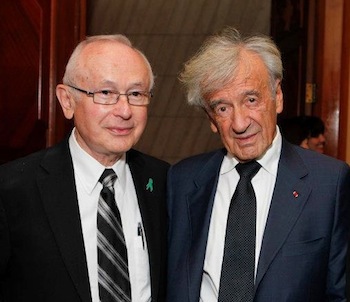
Elie Wiesel with friend and fellow survivor Robbie Waisman (photo by Jennifer Houghton)

Wiesel was in Vancouver to launch the Jewish Federation of Greater Vancouver’s annual campaign on Monday, Sept. 10. The event, which was held at the Orpheum, featured Wiesel in conversation with his friend, fellow survivor Dr. Robert Krell, as well as a presentation of another of Wiesel’s friends, Robbie Waisman, who accompanied this year’s March of the Living program to Poland and Israel. Participant Jenna Brewer read the account written by Monique de St. Croix of Waisman’s emotional return to his birthplace, after which Waisman himself addressed the nearly 2,700 people in attendance.

The campaign launch was the culmination of Wiesel’s day here, which included a proclamation from Vancouver Mayor Gregor Robertson declaring Sept. 10, 2012, Elie Wiesel Day.

Among Wiesel’s many activities was the receipt of an honorary degree from the University of British Columbia, where he spoke to university administrators, students and Holocaust survivors. A formal academic procession led Wiesel into the hall and a short panel discussion followed his remarks, involving the university’s president, Prof. Stephen Toope, Prof. Richard Menkis, a professor of modern Jewish history, and Barbara Schober, a graduate student. UBC Chancellor Sarah Morgan-Silvester presented Wiesel with the doctorate.

Also on Wiesel’s itinerary was a morning interview with the Jewish Independent; one of only two interviews he granted while here, the other being with the Vancouver Sun.

photo in Jewish Independent - Vancouver Mayor Gregor Robertson declares Sept. 10, 2012, Elie Wiesel Day
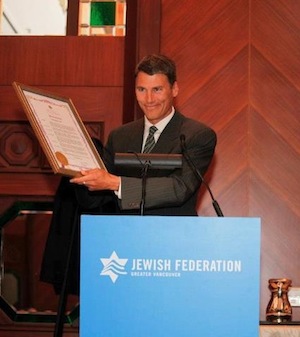
Vancouver Mayor Gregor Robertson declares Sept. 10, 2012, Elie Wiesel Day. (photo by Jennifer Houghton)

As editor Basya Laye and I introduced ourselves, Wiesel admitted his dependence on the New York Times, a copy of which he had not yet picked up that day. Once the “bible of journalism,” according to Wiesel, he lamented the Times’ decline in quality as the newspaper industry itself has declined. He wasn’t worried about the change to internet media, however.

“Our stories are not dominated by concern with the press, it’s person to person,” he said. “If you relied on the New York Times, the New York Times’ background, record in those years, is not the best, during the war.”

Wiesel recounted how, years ago, he complained to the Times about how little there was in the paper about the Holocaust while it was happening. Subsequently, he was invited to a luncheon, at which he gave them a piece of his mind. As a result, said Wiesel, in the paper’s offices, they have a plaque/letter saying, “We failed,” as a reminder to themselves.

Yet, admission of failure on the world level – that countries did not do enough to prevent the Holocaust – has not resulted in the prevention of other attempts at genocide.

“Can human nature change?” Wiesel said about that fact. “It’s society. Whatever the issue we have is, for instance, believe me that, I say, a sex story will have the front pages. Not what we try to say, but the sex story will have the front pages. It is our culture. We go with what is easy, what is cheap, and what is accepted as interesting by more people than before. And that goes everywhere, that’s in literature, that’s in the movies. I don’t know where we are heading.”

For his part, Wiesel has spent most of his life – as a witness, storyteller and teacher – trying to ensure that “never again” is a promise kept.

Born in Sighet, Romania (which was in Hungary during the war), Wiesel was 15 when he and his family were taken to Auschwitz. His mother and younger sister were killed there, his father died in Buchenwald, where Wiesel also was imprisoned when the war ended; his two older sisters survived. Wiesel’s book about his experiences in the camps, Night, was first published in 1956. It has since been translated into more than 30 languages, with millions of copies being sold.

A professor at Boston University since 1976, Wiesel was founding chair of the United States Holocaust Memorial Council, which created the U.S. Holocaust Memorial Museum, and, with his wife, Marion, he established the Elie Wiesel Foundation for Humanity soon after he received the Nobel. He has written more than 50 books, and his lengthy resumé continues.

When asked how he would categorize his body of work, Wiesel told the Independent, “Not enough.”

“What would you like to have been able to do?”

“More.”

“In terms of?”

“More,” he repeated. “Not enough. Look, look, on the surface, I’ve done a lot, published many books. Many books have been published about me, and so forth. I have approached presidents and kings, but all of that, somehow, it is not enough. Maybe, deep down, all of us who have survived have had a feeling, if we told the story, the world would change, and the world hasn’t changed. Does it mean that we did not tell the story? Or not well enough? Simply, we did not find the words to tell the story? Had we told the story well enough, maybe it would have changed the world? It hasn’t changed the world.”

“Do you feel like you have failed in some measure there?”

“Not failed,” Wiesel replied quickly. “I didn’t say fail. Failing, if I had not tried. Look, I know I tried. I still try.”

Complementing his activism for human rights, Wiesel is a dedicated student of Talmud and has a deep appreciation of Chassidic and biblical stories, which the Independent referred to as “old” in asking a question about such stories’ relevance today.

“They are not only old, they are immortal,” said Wiesel. As to specific lessons we could learn, he added, “It depends what area. If it’s the Bible, then the eternal truth, or at least the eternal quest for truth. The Talmud, it’s my passion – I grew up with the Talmud and, to this day, every day, I study – I love it. I love study.”

Wiesel explained, “There is so much beauty in all that. There is so much….” He paused. “Truth is a difficult word because my truth may be mine, but not yours, but learning, the quest for truth, is extraordinary. For me to teach those texts is so rewarding, so rewarding. And we take a theme, a talmudic theme or a biblical theme or a prophetic theme, and it can go on, it can last for us for hours and hours and hours in class.

“Come on, the beauty of an Isaiah, the tragic sense of a Jeremiah, and the immortal dimension of a Habakkuk. It is all these. They survived. The very fact that they survived, you know, how did they survive? These are texts conceived, written and spoken 3,000 years ago or so, 2,500, and they survived. What made them survive?”

The concept of truth came up again when the Independent asked Wiesel’s opinion – as a former journalist himself – about how much a newspaper should reflect extremes within the community it serves.

“I gave up journalism. Do you know why?” asked Wiesel. “I liked journalism at the beginning; I loved it. It was to be at the nerve centre of history, come on, I loved it. Then I realized, what, two things. Number one, I repeated myself – which means I changed the names, but the words remained the same.” He paused, then continued, “I am going to spend my life like that? Second, I realized the people that I loved and admired; occasionally, they had such an attitude of fear and respect for the journalist – I said, I don’t want that, I don’t want to inspire that. That’s when I moved to the academic. I gave up, for that reason.”

Hesitant to give advice, Wiesel eventually said, “Young lady, your truth is truth. Listen to it. It’s your truth that matters. Don’t accept somebody else’s truth. And, if you are a journalist, if you have the respect for your own words, that will be read by hundreds or thousands of people, who will read it and maybe be influenced by it – you, just you, don’t listen to [anyone,] not even to your editors. Don’t tell them, don’t even listen to that,” he said, looking at Basya as he made the comment, and laughing. “You decide. When you publish an article under your byline, it’s yours.”

Despite having wondered aloud as to the effectiveness of his efforts to change the world, Wiesel still gets up every morning to do just that. “What is the alternative?” he asked rhetorically. “What is the alternative? There is no alternative. True, I fought many battles and lost. So what? I’ll continue fighting. Look, my life is not a life of success or victory, much more of failures. I tried so many things and failed, you have no idea. Of course, so what? I’ll continue. The only area where I feel I must continue is, first of all, education. Whatever must be done in Jewish life, and in life in general – not only for Jews – education must be a priority. Not the only one, but the main priority, education. Let’s surely aim for that. And then, Israel, to me, of course is – the centrality of Israel in my life is here,” he said, putting his hand over his heart.

A few moments later in the conversation, Wiesel returned to the topic of journalism.

“You know, as a journalist, my love would be to interview, not for news, [but] to have the interview. And that’s really what I loved about it, to meet people, to have real conversations, I mean, real dialogues – not questions and answers, because I know now about you more than you think, simply by the questions that you ask. But that’s the journalist in me.”

“So, you obviously have faith in human nature … and you like to know more about people?”

“I do,” he said, with hesitation. “In spite of. It’s not because of, but in spite of.”


Format ImagePosted on July 15, 2016July 19, 2016Author Cynthia RamsayCategories LocalTags Elie Wiesel, Holocaust, Jewish Federation, tikkun olam
We must keep trying

We must keep trying

No reasonable people contend that the Holocaust did not occur. However, a great many assert that it has been considered enough, that it is time to put the past behind and effectively close the book on that era. Similarly, discussion today about the Holocaust is likely to elicit a sort of comparative or competitive response: “The Jews are not the only people who have suffered,” or something similar. While such assertions are almost tautological in their obviousness, they betray a different sort of exceptionalism around the Holocaust: the Jewish people are not the only group in history to have suffered, but they are the only ones today being told to buck up and shut up about it.

Somewhere between these two responses – outright denial and exasperated acknowledgement – is a large swath of indifference. A great many people in Canada and elsewhere are aware of the history of the Holocaust, express appropriate responses to it and may utter rote pieties about preventing history from repeating itself. As a civilization, though, all of these responses have so far led to an unsatisfactory status quo.

photo in Jewish Independent - Elie WieselElie Wiesel, who died Saturday, believed that understanding the Holocaust is key to the crucial need to understand human capabilities for evil and possibly to provide its antidote. If Wiesel’s formula is correct, the briefest glance at the headlines today is all the proof necessary to show we have thus far failed to consider and understand that terrible history.

For decades, Wiesel was not only a global voice for survivors, but a sort of moral compass for a world that has not learned the overarching lesson of the Shoah. Speaking out again and again on issues of contemporary injustice and genocide – though some advocates for Palestinians have contended that he wasn’t as vocal on that issue – Wiesel at the same time expressed regret that his interventions should be necessary.

In an interview with the Independent in 2012, Wiesel lamented that all his efforts and those of other survivors have failed to create the ideal world free of hatred and genocide.

“Maybe, deep down, all of us who have survived have had a feeling, if we told the story, the world would change, and the world hasn’t changed,” he said. “Does it mean that we did not tell the story? Or not well enough? Simply, we did not find the words to tell the story? Had we told the story well enough, maybe it would have changed the world? It hasn’t changed the world.”

The outpouring of grief over the passing of Wiesel is the appropriate response to the loss of a great individual. But it also reflects a larger lament; it is a reminder that the generation of eyewitnesses is diminishing. For many of us – and for the world – Wiesel was the face of the survivor, the voice of the Holocaust experience. His unflinching writing on the subject defined the discipline of the eyewitness Holocaust narrative. Not only was Wiesel able to articulate and validate the experiences of survivors who could not express themselves for various reasons, more importantly, as he himself acknowledged, he had an obligation to those who did not survive.

It is this same sense of obligation that motivates survivors to regularly make the emotionally exhausting effort to share their experiences with audiences, particularly young people. As Wiesel acknowledged, the world has not responded adequately. But, in the same interview, he said failure would have been to not try.

When Wiesel was recognized in 1986 with a Nobel Prize in literature, it was a recognition of his contribution, certainly, but it was also an affirmation for all survivors – indeed, for all of those whose identities attracted the Nazis’ genocidal hatred – that their experiences were valid, legitimate and incontestable.

When Wiesel’s book Night was published in English in 1960, it was at the start of a global conversation of the Holocaust and its meaning for humankind. Wiesel rightly hoped, but perhaps should not have expected, that a catastrophe of this magnitude would be adequately understood or its lessons assimilated in the comparatively short span of a human lifetime. He was correct that understanding the Holocaust is a key to humanity’s future. By their actions, Wiesel and all the survivors who share their lived experiences have helped to lay a foundation for a world in which the key to peace and a better future can emerge. As the eyewitness survivors pass that responsibility along to the rest of us, it is our ambitious mission to build on that foundation and to extend their calls of compassion, humanity and reflection to a world in great need of perfecting.

Format ImagePosted on July 8, 2016July 6, 2016Author The Editorial BoardCategories From the JITags Holocaust, survivors, tikkun olam, Wiesel
Perlman wins Genesis Prize

Perlman wins Genesis Prize

(photo from Ashernet)

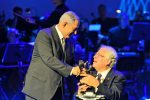
Prime Minister Binyamin Netanyahu awards this year’s Genesis Prize to violinist Itzhak Perlman at a June 23 ceremony in Jerusalem. The annual prize of $1 million is given to “an exceptional human being who has attained outstanding excellence and international renown in his or her chosen field, is a role model in the community and who can inspire the next generation of Jews worldwide.” Perlman said he plans to direct his prize money to philanthropic projects in the fields of music and support for individuals with disabilities.


Format ImagePosted on July 1, 2016June 29, 2016Author Edgar AsherCategories IsraelTags Genesis Prize, Israel, Netanyahu, Perlman, tikkun olam
Meet Next Einstein winner

Meet Next Einstein winner

Aaron Friedland’s Walking School Bus garnered the Canadian Friends of the Hebrew University of Jerusalem’s 2016 Next Einstein award. (photo from Aaron Friedland)

When Vancouverite Aaron Friedland, 23, heard his Walking School Bus digital reading program was the recipient of the Canadian Friends of the Hebrew University of Jerusalem’s 2016 Next Einstein competition, he was surprised to say the least. Studying for his master’s dissertation on applied economics at the University of British Columbia, he’d entered it into the contest without ever thinking his would be the $10,000 grand prize winner out of 1,400 submissions.

Friedland was born in South Africa and immigrated to Vancouver with his family in 1993, when he was a year old. In 2011, while he was attending King David High School, he and his family visited Uganda’s Abayudaya community on a “voluntourism” project that would change his life and inspire the Walking School Bus.

“Three things left an impression on me during that trip,” he reflected. “One was the distance Ugandan students were walking to school, with many traveling five to eight kilometres each way. They needed a school bus. Then, I noticed their daily nutrition of maize meal and wondered, what’s the point in bringing them to school when they haven’t eaten anything for breakfast? And when the curriculum at the school is almost nonexistent?”

Back in Vancouver, Friedland had two goals: to raise awareness of the plight of Uganda’s students by publishing a book, The Walking School Bus, and to use the money from book sales to buy a school bus. An Indiegogo campaign raised $12,000 and Friedland is negotiating publication of the book with a major publisher. “But I received so much interest in what I was doing that I realized the efforts should end with an organization, not a book.”

He learned the tools of creating such an organization at McGill, where he studied economics and economic development, and, later, as an analyst in a fellow position at United Nations Watch in Geneva. It was in Geneva that he became determined to form an organization around The Walking School Bus that might accomplish all three of his goals: not just the school bus, but agricultural training that would enable locals to grow more nutritious food and an enhanced school curriculum that would engage students better in learning.

The Walking School Bus was incorporated into a nonprofit foundation in 2015 and is presently in the throes of conducting economic research. “We’ve raised $25,000 to buy our first school bus, developed the models we need to ensure that bus can be sustained in the community and raised awareness in Vancouver, North America and parts of Australia about what it is to access education,” he said. He will soon lead a group of 18 economists, professors, educators and volunteers to Uganda to deliver the school bus.

In the Walking School Bus’ digital reading program, volunteers create audiobooks that are shared with partnering schools in Uganda, Canada and the United States – a total of 40 schools to date. Friedland has also created a Hebrew textbook, read by students at KDHS, that will help Ugandan Jewish students learn Hebrew. “We’re looking for students to help us create more books,” he said, and encouraged Canadian teachers to learn more about helping out with the reading program online at thewalkingschoolbus.com.

The prize money from the Next Einstein competition is being used to create a downloadable app that will allow people anywhere in the world to read books and poems from their cellphones. “They will be able to see text and even record themselves and send it in to our servers. Our team will engineer those recordings and send them on to empower literacy for students.”

Far from limiting his sights to Uganda, Friedland’s vision for the Walking School Bus is global. When he delivered a TEDx talk in India in recent months, he toured the Dharavi slum in Mumbai and noticed again the distance children were walking to school. He immediately assembled a team, comprised mostly of students from the Delhi Technological University, to investigate the possibility of building a suspension bridge. With a bridge across the river, students could walk 100 metres instead of the five-kilometre route around it. “We’re doing our due diligence right now, scoping out project locations and conducting cost-benefit analyses,” he said.

Friedland said his parents, Phillipa and Des, laid the foundations for his work by teaching their children “how everyone was equal, regardless of what the media said or what the social norms of the time were.”

He said, “My entire life I’ve watched my incredible parents do good things, whether it was my dad picking up earthworms so they wouldn’t be crushed by traffic, or my mom giving money to every single homeless person she saw. I saw how they were able to positively impact people, and how good it made them feel. That motivated me to apply those same principles as an adult.”

To read more on Friedland, visit jewishindependent.ca/better-access-to-education.

Lauren Kramer, an award-winning writer and editor, lives in Richmond. To read her work online, visit laurenkramer.net. A version of this article was originally published in the Canadian Jewish News.

Format ImagePosted on June 24, 2016June 22, 2016Author Lauren KramerCategories LocalTags Canadian Friends of the Hebrew University, CFHU, Next Einstein, tikkun olam, Uganda, Walking School Bus
Interfaith volunteering

Interfaith volunteering

Among her volunteer work, Heather Fenyes started Think Good, Do Good with her cousin. (photo from Heather Fenyes)

Heather Fenyes is a full-time volunteer. She is actively involved in Saskatoon’s Jewish community, as well as with a number of organizations on the national Jewish scene. In 2011, she and her then nearly retired cousin, Jan Gitlin, started the organization Think Good, Do Good to create opportunities for people to engage in acts to improve their community.

A teacher by education, Fenyes has spent many years volunteering at the local Hebrew school, at Agudas Israel Synagogue. “We’re a pretty small community and we punch way above our weight class,” she told the Independent.

“Even when I do things with respect to the Jewish community, while Think Good, Do Good is absolutely non-political, there is spill-over in both directions,” she continued. “Because things I care about aren’t compartmentalized, so the kinds of philosophies we work with, with respect to coexistence, apply to what I want for Israel and what I want in Think Good, Do Good, and in my own community.”

As Fenyes’ kids were growing older, she recognized they were probably going to leave Saskatoon once they finished high school. Unless she created something more tangible to keep herself busy, it would be a difficult time.

“My Judaism tells me that we’re not bound by thoughts, but compelled toward to action,” she said. “We have to do good things. I’ve always wanted to work with that philosophy. I’ve always been a passionate believer in social justice and collective responsibility and, frankly, good deeds.”

Fenyes decided a good place to begin was to pay a visit to Judge David Arnot, head of the Saskatchewan Human Rights Commission, explaining to him that she wanted to find a way to work with him as a volunteer.

That initial meeting has resulted in some annual activities that incorporate Muslim-Jewish outreach, Holocaust education and school events that often revolve around Raoul Wallenberg and the concept of “the power of one.”

“We have an annual Holocaust memorial event in which we reach out to 2,000 students over a period of time,” said Fenyes. “I’m married to a refugee whose family escaped Budapest in 1956 during the revolution, after having survived the Holocaust.”

Fenyes has been spending a lot of time in classrooms, leading various lessons on citizenship, reminding students that, with all of our rights come just as many, if not more, responsibilities.

“I do a lot of conversations in classrooms about the things we take for granted and the things we are responsible for,” she said. “Part of this is just for the lesson itself, and a part of it is with the hope that teachers get this new curriculum, for K to 12 classes, in the very near future.”

For the past three years, on March 21, which is International Day for the Elimination of Racial Discrimination, Gitlin and Fenyes have chosen 250 elementary students who they work with on citizenship and take them to the university campus – with their Think Good, Do Good buttons on – to speak with students in the halls. “They approach university students and ask if they have done something good today,” said Fenyes. “I learn infinitely more from these K to 12 students than I teach them.”

While teaching one of the classes, Fenyes met a young student who said he was from Gaza. Fenyes suggested they talk about hummus. “I have a lot of friends from the Middle East and we have an ongoing discussion about who makes the best hummus,” she said.

“This young man was enthralled and we had this adorable, non-substantial discussion about hummus … and the teacher was standing looking anxious in the corner…. She said to me about a week later, ‘You cannot believe what happened Heather. Not long before you’d been in the classroom, this young man had been telling me about his family’s discomfort with Jewish people and his strong negative feelings towards Israel. When you left the classroom, he had a change.’ She said if she hadn’t seen it herself, she wouldn’t have believed it.

“He approached the teacher and shared how moved he was by having met me and asked to write a paper … and, it was on coexistence or getting to know our neighbors … something completely opposite to the things he’d been saying before.

“You know how we say, ‘To save one life’? I’m not saying that at all, but, if I changed one young man’s way of thinking, that’s a world.”

Fenyes is very aware of the immigration statistics in Saskatchewan and the challenges they pose. “If we don’t create some infrastructure and have conversations like you and I are having right now, and set up educational opportunities, we are going to be another failed example,” she said. “It’s not just that we need to do it because it’s the right thing to do. We need to do it because, otherwise, we’re going to live in a different kind of community.”

This understanding really hit home when Fenyes’ son received a death threat while studying at Western University. Fenyes did not need that wake up call, but it did remind her of why she was in classrooms and making connections with people of all faiths.

Fenyes said they have learned from experience that, if the Jewish community alone puts on events such as the annual Raoul Wallenberg program – which this year took place on Feb. 5 – they do not have the same impact. Therefore, they have given the Catholic and public schools the mandate to organize the event. This year’s program featured a young man who was born in Congo and lived in Kenya before immigrating to Saskatoon as a refugee; he just graduated from high school last year.

“In a city where we have two separate systems, the Catholic and the public school systems work together,” said Fenyes. “The superintendents from each have been meeting, which is a great image and reality, to plan this event. One year, it’s in a Catholic high school. The next year, it’s in a public one.”

On another front, Fenyes is looking forward to finding ways to work with the Centre for Israel and Jewish Affairs.

“I think that what we are doing in Saskatoon as a city and community is really impressive,” she said. “I hope we can infect others with some great kind of ailment – Think Good, Do Good. My kids tease me that I live my life with rose-colored glasses. They might mean it as an insult, but I take it as a compliment.”

Rebeca Kuropatwa is a Winnipeg freelance writer.

Format ImagePosted on June 10, 2016June 8, 2016Author Rebeca KuropatwaCategories NationalTags Fenyes, interfaith, Saskatoon, tikkun olam, volunteerism
Sisterhood winds up its 50th

Sisterhood winds up its 50th

The current Sisterhood of Temple Sholom board at its installation in June 2015. (photo from the Sisterhood)

The Sisterhood of Temple Sholom obtained its charter from the National Federation of Temple Sisterhoods, now Women of Reform Judaism (WRJ), in 1966. Since its inception, the Sisterhood has provided vital funding and services not only to its congregation and the broader Jewish community, but well beyond. It has had much to celebrate in its 50th year.

The group has held several events, some marking the anniversary specifically, others part of the normal course of business. It began last October with Her Story, A Celebration of Women and Culture. Among the many events since then was Sisterhood’s annual Autumn Fling fundraiser in November and its Sisterhood Service in December. There was the Women’s Passover Seder in April and the recent Golden Anniversary Tea on June 5. The closing event takes place June 21 and the entire community is invited to the catered dinner, installation of the board and special guest Sarah Charney, WRJ vice-president of programming and education; Temple Sholom Rabbi Dan Moskovitz will also attend.

And these only touch upon what Sisterhood has done this year. The 200-plus-member group also held a Shabbaton weekend, co-sponsored scholar-in-residence Anat Hoffman of the Israel Religious Action Centre, and extensively researched Sisterhood’s history. Seven articles on the latter can be found via templesholom.ca/programs/sisterhood.

Donna Ornstein, a past Sisterhood president and current co-vice-president of marketing and communications, with Annette Kozicki, highlighted one major undertaking.

“To celebrate our 50th anniversary, our Sisterhood has just created a new fund called Sisterhood Open Door Accessibility Project, which is to be used to improve accessibility to the Temple building for the benefit of the Temple and the congregation,” she told the Independent in an email interview. “We have set aside $10,000 from our 2015-2016 budget and the intention is to add more funds each financial year as determined by our board to continue this project.

“This initial $10,000 is directed towards upgrading the Temple’s handicap washroom, and other washrooms as funds permit. Future projects will be determined by the Sisterhood board in consultation with the Temple. In 2014, Sisterhood completed paying the Temple $20,000 towards the cost of the construction of the accessibility ramp to the bimah.”

The Sisterhood’s mission statement is: “We, the Sisterhood of Temple Sholom, are an organization rooted in Reform Judaism. Journeying together, we aspire to engage in the pursuit of gemilut hasadim (acts of kindness), tikkun olam (healing the world, and tzedakah (righteousness).” In every measure, and then some, the group has met this aspiration.

“We have been fortunate in having many of the Sisterhood leaders over the decades reach out to the women in the Temple, encourage their participation and mentor their leadership training, not only in-house, but by encouraging new women to attend the WRJ Pacific District conventions,” explained Ornstein about the keys to the group’s success. “There was only a period of three years in the 50 years where we could not find a member to step up as president and, in that case, there was a group who rotated.

“Strong friendships have been created among our Sisterhood members, which have lasted for decades,” she continued. “We offer many different types of activities, and the women participate in what interests them: for example, book club, WRJ Lilith discussion group, women’s knitting group, Rosh Chodesh study group, Sisterhood Choir, walking group, mah jongg, games days.

“We form committees for larger projects and portfolios, bringing new women onto the committees and encouraging them to move up onto the board, such as fundraising, membership and social action.

“Sisterhood,” she added, “has enjoyed and appreciated the support of the Temple clergy and the office staff for our many events and projects over the 50 years.”

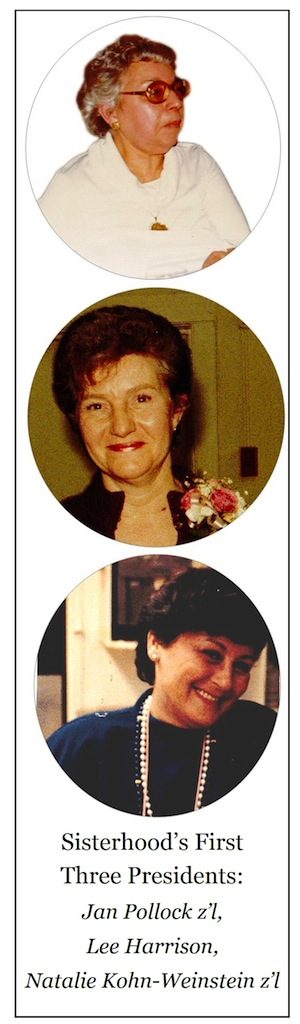
image - There have been almost 30 presidents of the Sisterhood, with the late Jan Pollack having been the founder and Reesa Devlin the current president.There have been almost 30 presidents of the Sisterhood, with the late Jan Pollack having been the founder and Reesa Devlin the current president.
“In the early years of Temple Sholom, Sisterhood’s social action adhered to charity begins at home, as it raised funds for items a new shul needs, such as libraries, kitchens, furnishings and office equipment,” write Sisterhood members Marie Henry and Joyce Cherry in their joint 50th-anniversary article. “As it became more established, Sisterhood helped those in the community around them and the world at large. In the late 1980s, Sisterhood contributed to the Armenian Earthquake Appeal and sponsored a Jewish camp for a youth group member. They participated in various community projects, such as the Jewish Food Bank and the Committee for Soviet Jewry.

“In the 1990s, Sisterhood sponsored a Russian family to come to Canada. A very special program saw a workshop on Understanding the Impact of AIDS in the Jewish Community that … led to the beginning of the Temple Sholom HIV AIDS committee. Funding also went to Emily Murphy Transition House, a vital resource for women fleeing violence in relationships. This involvement led to co-sponsoring Peace in the Home – Shalom Bayit – along with Jewish Women International, to address problem of domestic violence in the Jewish community.”

Sisterhood has sponsored teams in the annual Run for the Cure for Breast Cancer, has held sweater drives to collect winter clothing for those in need and has collected prescription glasses for developing countries.

“Another very important presentation program in 2009 brought addressing human trafficking in B.C. to everyone’s attention with the persistence of its originator, Marnie Besser,” note Henry and Cherry. “This program led to the spearheading of a successful lobby to the Canadian Senate for the passing of Bill C-268 regarding the minimum sentencing for the trafficking of minors.”

In the next decade, Sisterhood created “Bedtime Kits for Kids, filling backpacks with donated pyjamas, toiletries, underwear and some comfort items for children who arrive at a shelter with nothing but what they are wearing.” Sisterhood sponsors Tikun Olam Gogos, it collects clothing and toiletries for WISH (Women’s Information Safe Haven), a nonprofit operated by women to help women in Vancouver’s street-based sex trade, and also donates women’s business clothing and accessories to Dress for Success.

As well, it contributes to the World Union for Progressive Judaism and the ongoing WRJ initiative YES (Youth, Education and Special Projects) Fund, which, as one of the unbylined 50th-anniversary articles notes, “represents the collective financial efforts of individual donors and WRJ-affiliated Sisterhoods to strengthen the Reform Movement and ensure the future of Reform Judaism. YES Fund grants provide Reform Jewish institutions and individuals worldwide with the tools necessary for religious, social and educational growth, and enhance Jewish life by supporting clergy, cultivating women’s leadership, advocating for social justice, providing programming and offering support.”

In her 50th anniversary article, Bonnie Gertsman focuses on the history of the Sisterhood and food. “Preparing food has traditionally been the responsibility of women, to both nourish and nurture those they care about. And so it was at the beginning of Sisterhood 50 years ago,” she writes. “Although the group was small [at the beginning], the enthusiasm was keen. Refreshments for Oneg Shabbats were looked after by Sisterhood members, as was food for all special events.

“Over the years, the women’s skills increased and, when Bunny Rubens (rebbetzin of Rabbi Harold Rubens) became involved, Sisterhood took up catering. Regarded as a way to provide a service to members and at the same time raise money for the Temple, catering bar/bat mitzvahs and other events became a key component of Sisterhood life.”

Sisterhood started Temple Sholom’s first Second Seder, as well as the break fast following Yom Kippur. Rubens started the latter on her own, notes Gertsman, “and it morphed into a Sisterhood project, with members supplying the food. Sara Ciacci took it on many years ago, and continues to oversee it.”

In 1987, Sisterhood published Favorites from our Kitchen. “As the years passed,” writes Gertsman, “Sisterhood’s involvement with cooking for Temple has changed as the Temple grew and paid staff and caterers were hired for the kitchen and catering. Now, Sisterhood has Soup in the Kitchen and Soup Schvesters. These ‘soup sisters’ prepare soup to have on hand in the freezer, ready to be delivered to people in need of a helping hand.”

On the spiritual side, Sarah Richman writes in her 50th-anniversary essay on religious and educational programming that, as a member of WRJ, Temple Sholom Sisterhood “is committed to egalitarian participation, leadership and education.”

She notes, “The annual Sisterhood Service was one of the first and most enduring examples of this commitment. The first Sisterhood Service was conducted in the 1970s and was a Friday evening, erev Shabbat service that recognized the contributions of women to the congregation. The Sisterhood Service evolved over the years, affirming the right of women to participate and lead worship services. Over time, the service began including the Torah service … and also having a sisterhood member deliver the drash (sermon), demonstrating that women not only have the right to full participation in religious services, but also the knowledge and ability to do so.”

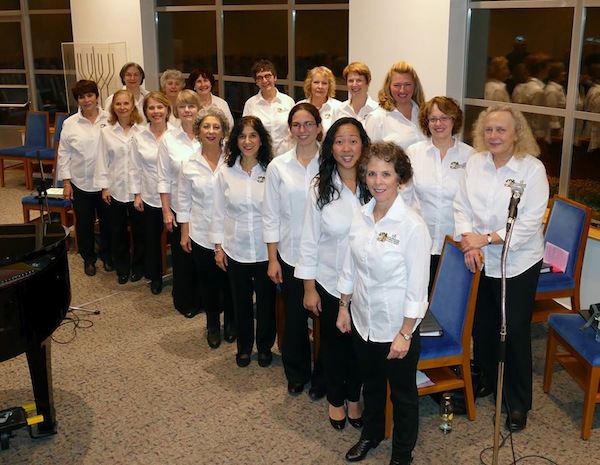
photo - Sisterhood of Temple Sholom Choir
Sisterhood of Temple Sholom Choir (photo from the Sisterhood)

Richman highlights the Sisterhood Choir, the Rosh Chodesh Renewal program that “encourages women to explore and study our ancient texts together” and the purchase by Sisterhood of 126 copies of The Torah, A Women’s Commentary for the congregation. She also discusses Sisterhood-hosted Shabbat education seminars, which began in 2007, “motivated by the Shabbat initiative of Rabbi [Eric] Yoffie,” then president of the Union for Reform Judaism, and Sisterhood’s contribution to Temple Sholom’s scholars-in-residence program.

“The Blessings Wall Project,” she adds, “is an example of a program that blended each individual woman’s Shabbat candlelighting process (the spent matches), together with fabric, paper, photos and/or artwork that represent her personality or character. Each woman’s matches, paper/fabric and photos/artwork became an individual panel on the wall.”

WRJ is the organizational umbrella for hundreds of sisterhoods, and the North American (“national”) affiliates are divided into eight districts, with WRJ Pacific District representing 57 sisterhoods in the western United States and Canada. The Blessings Wall Project, Camp Kalsman Campership Fund/Fashion Show Project and A Community Conversation about Death and Dying are but a few of the Sisterhood programs and initiatives that have received recognition at both the district and national levels. Temple Sholom Sisterhood members have served on the district board, and member Alexis Rothschild has also served on the WRJ board.

Ornstein told the Independent that, in November, “we will send as many of our Sisterhood members as possible (hopefully about 10) to the Women of Reform Judaism Pacific District convention in Las Vegas where we will meet women from over 50 sisterhoods and participate in workshops on leadership training, spirituality, programming. We come home from these biennial conventions energized with lots of new ideas.”

And so begins the next 50 years.

Format ImagePosted on June 3, 2016June 1, 2016Author Cynthia RamsayCategories LocalTags Ornstein, Reform Judaism, Sisterhood, Temple Sholom, tikkun olam, WRJ
Voices of Africa fundraiser

Voices of Africa fundraiser

Left to right are Anne Andrew, Marie Henry, Stephen Lewis, Joyce Cherry, Darcy Billinkoff and Dawn Alfieri at the African Grandmothers Tribunal, which was held in 2013 at the Chan Centre. (photo from Stephen Lewis Foundation)

The Grandmothers to Grandmothers Campaign, in conjunction with the Stephen Lewis Foundation, is supporting grandmothers of sub-Saharan countries in their efforts to raise their orphaned grandchildren, whose parents died of the AIDS epidemic in Africa. Tikun Olam Gogos, one of the local groups participating in the campaign, is hosting the Voices for Africa fundraiser on June 15 at Temple Sholom that will feature the City Soul Choir and a marketplace.

Marie Henry, volunteer administrator of Tikun Olam Gogos, talked to the Jewish Independent about the Stephen Lewis Foundation, the Grandmothers Campaign and Tikun Olam Gogos’ place in it.

“Stephen Lewis Foundation was created 10 years ago,” she explained. “Before that, Mr. Lewis was an NDP politician. After he retired from the Canadian political scene, the United Nations appointed him to look at the AIDS epidemic in Africa. What he saw there was shocking: 18 million children had been orphaned in Africa because of AIDS. Their grandmothers had to step in to raise the children. After he returned to Canada, he was determined to help them. That’s how the foundation started in 2006, and Lewis applied to Canadian grandmothers to support it. He knew they could do it. They had resources, experience, determination and time.”

According to Henry, there are now more than 240 groups across Canada associated with the Grandmothers to Grandmothers Campaign. They all include in their name the word gogos, which is Zulu for grandmothers. “The movement’s already spread to the U.S., England and Australia,” she said.

The funds the campaign gathers go to the Stephen Lewis Foundation, which in turn supports the grassroot initiatives of the grandmothers of AIDS orphans in sub-Saharan countries.

photo - Totes made by Tikun Olam Gogos, and other Gogos, will be on sale at the Voices for Africa fundraiser on June 15
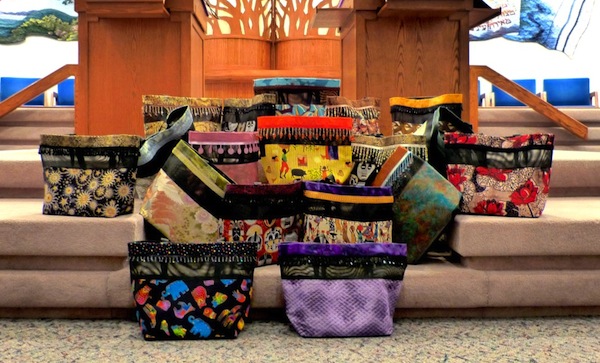
Totes made by Tikun Olam Gogos, and other Gogos, will be on sale at the Voices for Africa fundraiser on June 15. (photo from Tikun Olam Gogos)

Henry explained how it works. “The foundation can’t give enough money or food or shelter; the need is just too great,” she said. “Instead, the grandmothers have to come up with an initiative of their own that would improve their condition. It could be a small business that needs a startup loan. It could be a community garden to grow food for a number of families, and they need seeds. Or it could be an educational opportunity, to teach the children and their grandmothers how to prevent AIDS or how to access and administer medicines in case they are already infected. Many children are [infected]; they have been infected before they were born. Many grandmothers also need legal help and education to keep the roof over the children’s heads.”

The latter problem stems from the inheritance traditions in some countries where, after a husband dies, his widow doesn’t inherit property, the husband’s family does, explained Henry. Even if the law says otherwise, the husband’s family’s actions are not always lawful. Many of the grandmothers and their orphaned grandchildren live in small villages without access to legal or medical help, and could be kicked out of their homes by the deceased husband’s relatives. So, the grandmothers themselves have to come up with the programs, depending on what they need in their particular country, area or village. They then apply to the Stephen Lewis Foundation for funding.

“There are several regional directors in those countries, all local women,” Henry said. “They read the proposals, visit the people, assess the projects and decide if the money should go to this particular program. A year later, they would check if the program works, if it should be re-funded, or maybe not. The grassroot programs receive all the money – no government of any of the countries involved receives one dollar, no bureaucracy benefits. The foundation keeps its administrative cost to 10%, which is one of the lowest of all charities. The rest all goes to the people who need it.”

photo - The Tikun Olam Gogos in January 2016
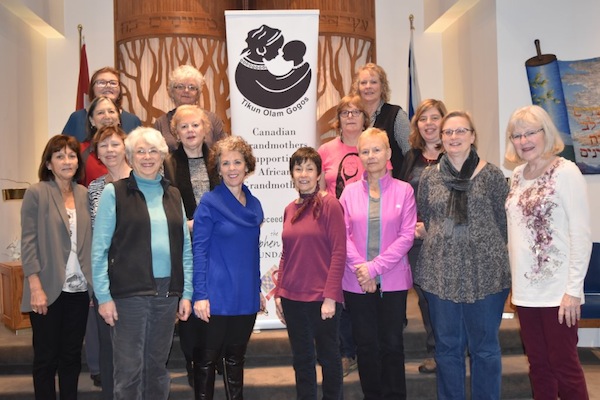
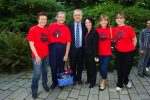
The Tikun Olam Gogos in January 2016. (photo by Susan Hyde)

Henry herself got involved with the campaign almost by accident. “I was visiting my family in Kelowna,” she recalled. “We went to a farmers market and I saw those beautiful totes. The woman who sold them was a member of one of the Gogos groups. They made and sold tote bags to raise money for the foundation. I loved the idea. I found a group in Vancouver and joined it, but there was a problem. I was the only Jew in the group and, often, their meetings fell on the Jewish holidays, when I couldn’t attend. I decided to create my own Jewish group and, of course, I started with my synagogue, Temple Sholom. Everyone was very supportive. Our group, Tikun Olam Gogos, first met five years ago, in May 2011.”

Currently, the group has 29 members, mostly retired women, some grandmothers themselves, others not. They meet once a month, discuss group business and create the kits for their totes. Several group members are experienced seamstresses who sew the totes of various sizes. Others apply their creativity to the trimmings and beads. Still others are good at sales. Everyone finds something to do that agrees with their personality and skill level.

The group’s tote bags are sold at craft fairs. To date, they have raised more than $120,000 for the Stephen Lewis Foundation. Many of their fundraisers include an entertainment program as well as a marketplace. The June 15 fundraiser is no different: it will feature the choir, under the direction of Brian Tate, and a marketplace of crafts by Tikun Olam Gogos, South Van Gogos, Welisa Gogos and Van Gogos, as well as a silent auction, wine bar and dessert. Tickets are available at eventbrite.ca.

Olga Livshin is a Vancouver freelance writer. She can be reached at [email protected].

Format ImagePosted on June 3, 2016June 1, 2016Author Olga LivshinCategories LocalTags Africa, AIDS, gogo, grandmothers, Stephen Lewis, Temple Sholom, tikkun olam, Tikun Olam Gogos

Posts pagination

Previous page Page 1 … Page 26 Page 27 Page 28 … Page 30 Next page
Proudly powered by WordPress