From poems to songs

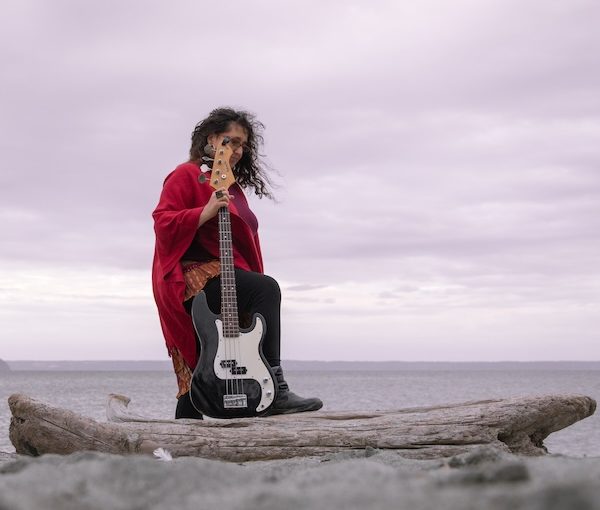
Loolwa Khazzoom (photo by Moriel O’Connor)

“Dear Hostages, as the world rallies to celebrate your desecration I will not forsake you,” begins the poem written by Seattle-based multimedia artist and educator Loolwa Khazzoom. Posted on her Facebook page, with a #BringThemHomeNow poster featuring photos of Israelis kidnapped on Oct. 7, it continues, “My instinct is to deprive myself of oxygen / Because you are underground / And I will not forget you // But I know that you would dance / In the sun / If given the chance / So I now rise up / And dance for you.”

Many of Khazzoom’s songs begin as poems. In this case, she told the Independent, “I felt as if I could not breathe and as if I did not even want to breathe, out of solidarity with the hostages and with all of Israel, in particular, all the victims of the Oct. 7 massacre. It’s like I wanted to physically feel their pain and suffering, as a way of physically demonstrating that I would not forsake them or forget them.”

In a traumatized mental state, Khazzoom returned to the “healing tools of poetry and music,” which was another way she could show her solidarity and do her part in keeping the issue of the hostages in front of people.

Similarly, Khazzoom and her band, Iraqis in Pajamas, recently released another poem-turned-song, “#MahsaAmini.” They did so this past Sept. 16, the first anniversary of the death of 22-year-old Mahsa Amini at the hands of Iranian “morality police.”

Finding out about Amini’s murder soon after it took place, from TikTok videos posted by Iranian women, Khazzoom “jumped into action.” She wrote to her political representatives, raised funds for United 4 Iran and reposted Iranian women’s videos on her feed constantly, to help boost the content’s views. “In addition,” she said, “a day after I found out about what happened, a poem with my feelings poured out of me, and I posted it on social media. Months later, I put that poem to a melody, and the band developed it into a full band song, which we released on the [anniversary of the] day of Amini’s murder.”

The death affected Khazzoom deeply for many reasons.

“First, the women in my family wore the abaya, the Iraqi equivalent of the hijab – Jewish women throughout the region were subject to Muslim dress codes, so it’s a Jewish issue, too,” she said. “Second, so many people assume that Islam is indigenous throughout the Middle East and North Africa, but it’s not. Arab Muslims rose up from the Arabian Peninsula and conquered the entire region, forcibly converting masses under the threat of death. So many indigenous ethnicities and religions predated the Muslim conquest, including Jews, Persians, Berbers and Kurds. The Iranian women protesting and burning their hijabs felt to me like challenging that Muslim conquest and awakening the ancient Persian warriors. Third, Persia is central to Jewish history and the origins of the Mizrahi community, dating back nearly three millennia ago…. And, lastly, the fire of these women, and the men who joined them, and their willingness to risk their lives for their dignity and freedom was just breathtaking and profoundly inspirational.”

Another of Iraqis in Pajamas’ releases this year was also intensely personal for Khazzoom.

“I wrote ‘The Convert’s Quest’ in response to some friends on social media sharing how hurt they were, coming under attack during the process of their conversion to Judaism. I had ample experience witnessing variations on this theme throughout my life – both first-person, seeing it happen to friends, and through my research as a Jewish multicultural educator. For decades, I felt very disturbed by this seemingly growing trend.

“I am the daughter of a Jew by choice, as my mother called herself, so the matter of conversion to Judaism is very personal for me,” she said. “I remember understanding very clearly as an Orthodox Jewish child that, according to halachah (Jewish law), once you convert, you are no longer to be called ‘a convert,’ but rather, a Jew, period. So, even from a religious Jewish perspective itself, I was very distraught by the ways that Jewish leaders and communities were rejecting or harassing converts, or even all-out forbidding people from converting. It all flies in the face of Jewish history, theology and practice.”

The band released “The Convert’s Quest” on May 24, on the harvest holiday of Shavuot, which celebrates the giving of the Torah to the Jewish people and on which the Book of Ruth is read. It tells the story of Ruth, a Moabite woman who converted to Judaism, whom Jewish tradition teaches will be the ancestor of the Messiah.

“To me, Jewish converts are the lifeblood of the Jewish people,” said Khazzoom. “I have a provocative line in my song, saying that converts are ‘the most Jewish Jews of all,’ because they are intentionally and consciously practising the foundational precepts of Judaism, which so many either take for granted or do rote, as is often the case in the Orthodox Jewish world where I was raised. In addition, amidst life-threatening levels of racism and violence against Jews, converts choose Judaism…. Why would we reject, in any way, from subtle to blatant, someone with such a heroic Jewish soul?”

Even when delivered in a playful manner, Khazzoom’s song are serious to the core. The campy “Kitchen Pirate,” for example, “emerged from my choice to reject the conventional option of surgery, in the wake of a cancer diagnosis in 2010,” she said. “Instead, I chose to radically alter my diet and lifestyle. Simply by overhauling my diet, I cold-stopped the growth of the nodules, which remained stable for the next five years – neither growing nor shrinking – until I returned to my lost-love of music, following which they began shrinking.”

Khazzoom said her songs “are always questioning, always challenging, always defiant. Sometimes, it’s more explicit, other times it’s embedded in silliness, which, parenthetically, I also see as defiant. I am and forever will be a curious, playful and awe-inspired child. I think that, if and when we ‘outgrow’ that, we die inside. And I refuse to capitulate to that norm of expected behaviour once we enter adulthood. By way of example, to this day, at age 54, when I am flying in a plane, if there is nobody sitting next to me, I will stretch out my arms and pretend I’m a bird, during takeoff.”

Not everyone has appreciated this aspect of her personality. “I have constantly gotten into trouble for it and have been at odds with my family, my community and society at large,” said Khazzoom. “I have endured terrible loneliness and often even self-doubt as a result. But I always come back to my core. And all of my songs emerge from that place – that raw, gut-wrenching place of being fiercely alive and allowing the clash with everything around me, and then writing about it.”

It is this enthusiasm that Victoria-based band member Mike Deeth enjoys about being in Iraqis in Pajamas, whose third member is Chris Belin.

“Loolwa and Chris are both easy-going, creative people. The energy is very positive, which makes collaborating with them fun and organic,” Deeth told the Independent. “Further, I appreciate the passion Loolwa has for the subject matter she writes about. One thing I always struggled with as a musician is ‘What do I have to say?’ At the end of the day, I’m a privileged guy who has never had to face oppression, hate, war or genocide. I have a lot of respect for artists who have experienced darker parts of humanity and have the courage to bring that perspective into their art.”

Born in Toronto, Deeth, who is not Jewish, spent most of his adolescence in Calgary, and moved to Vancouver Island when he was 18. He first picked up a guitar a few years earlier and has been playing ever since. “I was in my first band at 18 and played in bands throughout my 20s. For the past several years, I have been mainly focused on recording,” he said.
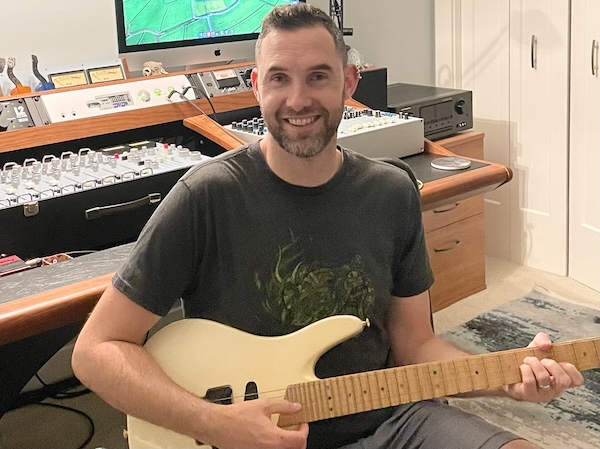
photo - Mike Deeth
Mike Deeth (photo from Mike Deeth)

Deeth got hooked on music production in his teens, getting his first digital recorder at age 16. “I still remember pulling all-nighters with friends trying to write songs and get ideas down on tape. Production was always fascinating to me, as I could layer parts together into something bigger than I could ever play on my own.”

Deeth and Khazzoom met a couple of years ago through a Craigslist posting. “She was looking for a guitarist to contribute to an early version of her track ‘The Convert’s Quest,’” he explained, complimenting Khazzoom on the fact that she “puts her full heart into her songs.”

“I recorded some initial guitar demos and, about a year later, we reconnected and worked up the current releases,” he said.

Deeth adds guitar to the songs and completes the mix and master of the songs when they are ready for those steps. Khazzoom sings, writes and plays bass, while Belin – who lives in Pennsylvania – composes the drum parts and performs them.

Among his other music ventures, Deeth has “played the guitar with Bryce Allan, a country musician here on the island, and recorded a few tracks with him. I also work closely with Jennie Tuttle, another musician from Victoria. We have been recording together for seven or eight years now.”

For Deeth, “recording is such an interesting combination of art and science. I get to be musically creative, but I also get to play with cool machines, solve problems and think about gain staging, compression ratios and other technical aspects. I thoroughly enjoy both the artistic and scientific parts of the process – they work my mind in different ways.

“I also love how each project starts as a blank canvas and ends with a new piece of music out in the world. There are an almost infinite number of possibilities when recording a track (all the possible settings on the equipment, the subtleties of different instruments) and it always fascinates me how each song takes shape during the process.”

“Mike has an exquisite sensitivity in his musical composition, performance and recording,” said Khazzoom. “He’s not only super-talented and -skilled, but he’s warm, upbeat, enthusiastic and professional. It’s a joy to create music with him. As is the case with our drummer Chris Belin, Mike has an uncanny ability to capture the essence of the songs I write, to the point that I feel he is playing back to me the sound of my soul. I have literally sat and cried after hearing the mixes.”

For more on Khazzoom, visit khazzoom.com. For more on Deeth’s production and sound services, visit glowingwires.com. 
Hebraization of names

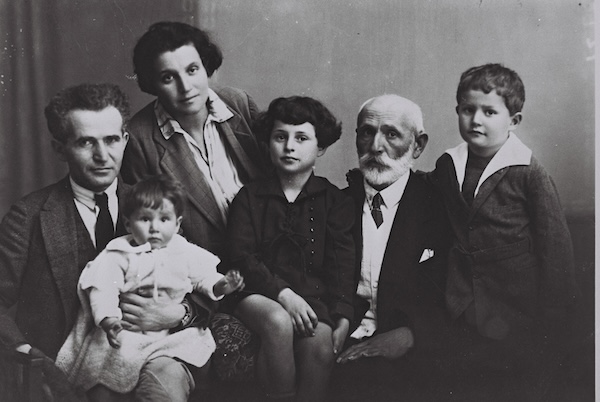
The Ben-Gurion family in their Tel Aviv home, 1929. From left: David and Paula with youngest daughter Renana on Ben-Gurion’s lap, daughter Geula, father Avigdor Grün and son Amos. (photo from National Photo Collection of Israel / Government Press Office)

David Ben-Gurion, who died 50 years ago, insisted Israelis needed Hebrew names. The process was controversial – but the outcome is clear.

The 50th anniversary of the death of David Ben-Gurion will be marked Dec. 1. The first prime minister of Israel is generally remembered in noble terms, though we live in an era when heroes are being toppled from their plinths. His actions in times of war and peace have been parsed by historians – fairly and unfairly, as seems inevitable – but Ben-Gurion’s legacy among Zionists appears generally secure. Those with ideological axes to grind will grind, but the esteem in which most Israelis and overseas Jews view “the Old Man” remains largely favourable. However, an aspect of his policy that affected people in a very personal way has come in for a reconsideration in the past couple of decades, though it is hardly the stuff that will make or break a reputation. It is the Hebraization of names.

Ben-Gurion was a fierce advocate of Israelis (or, before 1948, Palestinian Jews) adopting names that reflect their new reality and that, by extension, turn their backs on the past and the diaspora. Ben-Gurion himself was born David Grün (or Gruen), changing his name to the Hebrew Ben-Gurion (son a lion cub) in 1910. By 1920, at the latest, he had become an evangelist for Hebraizing names and, when he was in power, he insisted that leading military and political figures adopt Hebrew names.

Ben-Gurion did not start this trend – though he is perhaps most closely associated with it because he was in a position to make it the force of law and custom. He instituted an administrative order that senior military figures and diplomatic officials representing Israel abroad must have Hebrew names. Others, like Golda Meir, he browbeat into the change.

Of course, Jews – and others – have been changing their names since the dawn of migration. People have frequently altered their names when moving to a new society, in order to fit in. Iberian Jews migrating en masse to the Low Countries after the expulsions of the 1490s are an early, well-documented example. Jews arriving on North American shores routinely changed their names, but so did non-Jewish migrants. It was not necessarily (or only) antisemitism that name-changers sought to outrun, but differentness in general. There are stories of French newcomers changing from Boisvert to Greenwood. 

Dara Horn, in her book People Love Dead Jews, emphatically debunks the long-held belief passed down by generations that their family names had been changed at Ellis Island (or whatever entry point was appropriate to the story). No, she argues, that didn’t happen. The changing of names by Jewish new Canadians and Americans was, she contends, done by the migrants themselves and represents a sad realization that the Goldene Medina might not be the refuge from antisemitism they had hoped.

But changing one’s name to fit into a society already in progress, like America’s, was different than the situation of arriving in the pre-state Yishuv. This was not a matter of looking around for a local-sounding name and changing Moses to Murray or Lipschitz to Lipson. This required inventing a whole new lexicon of names. It was not the act of taking a common name in the new place, but of inventing entirely fresh first and last names.

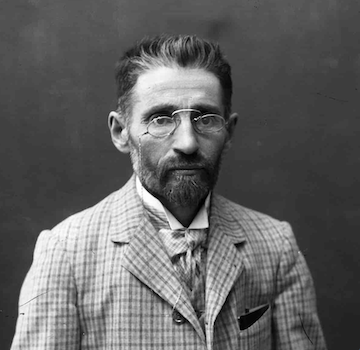
The process was a legacy, ultimately, of Eliezer Ben-Yehuda (né Perlman), who was the driving force behind the revival of Hebrew as a vernacular language. After making aliyah in 1881, he came to believe that the redemption of both the people and the land of Israel required a new language to replace Yiddish. This represented a rejection of the diaspora reality and mentality, and served to create a medium through which an eventual (hoped-for) ingathering of exiles from around the world, including places where Yiddish was not the Jewish lingua franca, could communicate. The revival of an ancient land would coincide with the revival of an ancient language, both modernized to meet the needs of a new type of Jew. Ben-Yehuda raised his son and daughter exclusively in Hebrew, which must have made for a somewhat lonely childhood, being effectively the only two people in the world to speak the language as a mother tongue.

photo - Eliezer Ben-Yehuda (né Perlman) was the driving force behind the revival of Hebrew as a vernacular language
Eliezer Ben-Yehuda (né Perlman) was the driving force behind the revival of Hebrew as a vernacular language. (photo by Av Yaacov Ben Dov / Widener Library, Cambridge)

As the language spread – in large part thanks to Ben-Yehuda’s continued perseverance in promoting it and inventing modern words where the ancient language lacked them – the application of the new tongue to family and given names likewise grew.

The repudiation of the diaspora took on an entirely new relevance after the Holocaust. Some who made aliyah resisted changing their names, being attached, as is understandable, to one’s family name. Even so, no Jewish surnames were particularly long-established in the first place, since the practice of Jews adopting inheritable family names was only a century old, or a little more, at that time. The Austro-Hungarian Empire required Jews to take surnames in 1789 and in the Russian Empire and the German principalities not until the following century. At that time, choosing a name followed predictable patterns for Jews and non-Jews: a variation on “son of,” (Aronoff, son of Aron; Mendelsohn, son of Mendel), a reference to a profession (Becker for a baker; Melamed for a teacher), or a connection to the town or region (Frankel, from Franconia; Warshavski, from Warsaw; Wiener, from Vienna).

The adoption of Hebraized names in Palestine and Israel took four primary approaches. 

The first was the traditional use of patronyms or matronyms, which is probably the oldest form of naming. Yiddish names, but also names that were German, Polish, Russian, English or French patronyms could be Hebraized: Davidson to Ben-David, Mendelson to Ben-Menachem, Simmons to Shimoni.

A second approach was to choose a Hebrew name that sounded like the original name. In some cases, the new name had a (sometimes remote) connotation with the original, as in the case of Lempel (little lamp) becoming Lapid (torch). Levi Shkolnik would become Israel’s third prime minister as Levi Eshkol. This was more than simply a near-homophone. It reflected another trend in the process, which was to adopt a name that spoke to the commitment of the chalutzim, the pioneers, whose Zionism was deeply informed by a back-to-the-land ethos. Eshkol means “cluster of fruit,” so it did double duty, sounding something like the original and also having a kinship with the blooming desert.

A third strategy was basic translation. Goldberg might become Har-Zahav (mountain of gold); Silver or Silverman might become Kaspi; Herbst, which in German and Yiddish means autumn, could be changed to a Hebrew equivalent, Stav or Stavi.

The fourth approach took the pioneer spirit and connection with the land to greater depths (with or without the homophonic advantage of Shkolnik/Eshkol). Flora, fauna and geography of the new homeland were attractive new names that situated the migrants linguistically and geographically. The writer Carrie-Anne Brownian cites such examples as Rotem (desert broom), Nitzan (flower bud), Yarden (Jordan), Alon (oak tree) and Tomer (palm tree). Simply adopting a place name gives us Hermoni, Eilat, Golani, Kineret and many others.

Those whose names already had a nature theme were at an advantage. The Haganah commander Moshe Klaynboym changed his family name, which meant “little tree” in Yiddish, to Sneh, Hebrew for “bush.”

Not necessarily related to nature, but to the idealization of the Zionist spirit, some took names like Amichai (my people live), Maor (light), Eyal (strength), Cherut (freedom) and Bat Or (daughter of light).

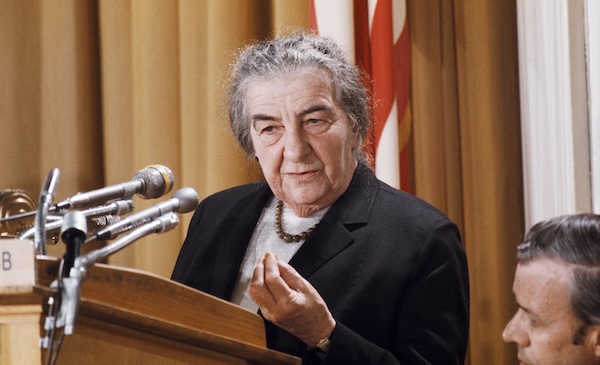
Golda Meyerson, after prodding from Ben-Gurion, became Golda Meir. Interestingly, her rather emphatically Yiddish given name she kept, presumably making Ben-Gurion half-satisfied.

photo - Golda Meyerson, with prodding from David Ben-Gurion, became Golda Meir
Golda Meyerson, with prodding from David Ben-Gurion, became Golda Meir. (photo from mosaicmagazine.com)

As refugees from the Middle East and North Africa began pouring into Israel in the 1950s and ’60s, the Hebraization of names came to be seen as Ashkenormative, the taking of one’s ancestral name being another indignity (alongside inadequate housing and social stigmatization, among other things) that different-looking newcomers faced in their presumed Promised Land.

It seems, for example, that teachers encountering “strange” Mizrachi and Sephardi given names took it upon themselves, in some cases, to assign kids new names based not on any Zionist ideological imperative but for the same reason Canadian teachers in the early to mid-20th century dubbed kids with “foreign” names new ones the teachers could more easily pronounce. In retrospect, some have complained that this phenomenon was an insidious part of a larger (conscious, unconscious or some of both) effort to force Mizrahim and Sephardim to comport to Ashkenazi expectations even in things as intimate as a given name.

Sami Shalom Chetrit, a professor at Queens College in New York, who is of Moroccan-Israeli origin, recalled in a Forward article by Naomi Zeveloff, feeling outraged when an Israeli elementary school teacher nonchalantly renamed him, along with other non-Hebrew-named kids.

“Alif, your name from now on will be Aliza,” Chetrit recalled the teacher declaring. “Jackie, your name is Jacob, and Michele, your name is Michal. She kept going alphabetically. Then she said, ‘Sami, your name will be Shmuel Shalom.’

“I went to my father, crying.… I really felt like something was stolen from me, something precious. I said: ‘They changed my name! They changed it!’”

Chetrit’s father taught the teacher something the next day, according to the story. In Arabic, “Sami” comes from the root “samar,” the father said, meaning “heavenly superior,” and that, the father declared, is “international.”

The tendency eventually faded out. When a million migrants from the former Soviet Union arrived in Israel, after 1991, almost none chose to, or were pressured to, change their names.

There are contemporary exceptions even to this, though. Anatoly Shcharansky, one of the most famous of the Soviet “refuseniks,” became Natan Sharansky on arrival in Israel in 1986. The American historian Michael Bornstein became the Israeli politician-cum-diplomat Michael Oren, having changed his name when he made aliyah in 1979.

Newcomers to Israel today are free to change their names – and free to keep their “galut” (“exile”) names. Israel, today, is an overwhelmingly Hebrew society, though. New arrivals do not present a risk of swamping the place with Yiddish, Arabic, German, Polish or English, as might have seemed a danger 75 years ago, creating a Babel where cultural unity was desperately needed.

In addition to the psychological impacts of adopting Hebrew names (and language) as a refutation of the diaspora that had so recently been the locus of calamity, there was the practical reality of finding commonality among wildly diverse new citizens. That has been achieved. Even sorbing a million Russian-speaking new Israelis after 1990 did not dilute the ascendency of the Hebrew language. For whatever criticisms the forced (or vigorously encouraged) adoption of Hebrew names might invite, there is no doubt the intended outcome has been realized. Ben-Gurion’s dream not only of a Jewish state, but a Hebrew one, is firmly in place. 

Gathering marked 30 days

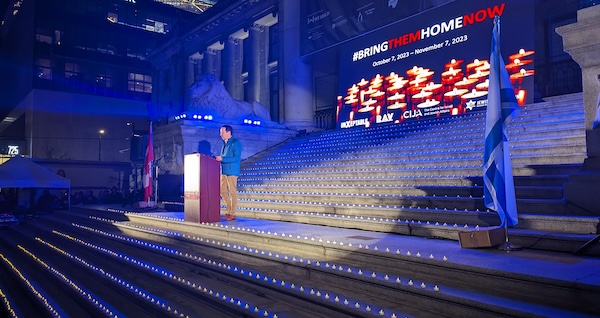
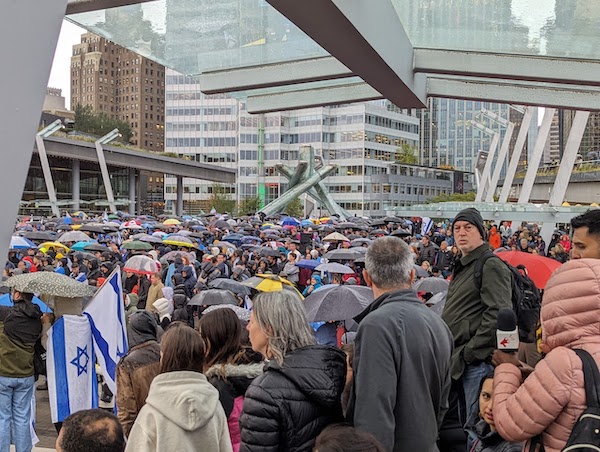
The steps of the Vancouver Art Gallery were illuminated by lights representing those murdered by Hamas on Oct. 7, as the community gathered Nov. 7 to mark shloshim, 30 days of mourning. Here, Ohad Arazi addresses the crowd. (photo by Pat Johnson)

The steps of the Vancouver Art Gallery were illuminated by hundreds of lights representing lost lives, as the community gathered Nov. 7 to mark shloshim, 30 days of mourning, after the unprecedented terror attacks in Israel.

Among the lives lost on that single day was Ben Mizrahi, a 22-year-old Vancouverite, for whom Rabbi Shlomo Gabay of Congregation Beth Hamidrash recited El Moleh Rachamim.

“The past 30 days have been some of the most difficult of our lives,” said Ohad Arazi, who spoke at the gathering. “They have been difficult for some of us as Jews, for others as Israelis. They have been difficult for all of us as humans.

“There are not two sides here. It is not about politics, history, land, religion or anything in between,” Arazi continued. “This is about one thing and one thing only. This is about humanity. Nothing, absolutely nothing, justifies the horrific crimes that were committed 30 days ago. I do not know what comes next from the region as Israel and its allies must now fight to end Hamas’s regime…. But one thing I do know is that we here in Vancouver, here in Canada and elsewhere, we have a voice. We have a voice to stand up for humanity and to cry out against the senseless massacres that were carried out a month ago.

“For now, we need you, all of you, to stand up for Israel. Speak up. Your voice matters. Call them terrorists, not militants, for crying out loud. Do not give up hope that we will bring home all 242 hostages. These are dark days for Israel, but it’s an even darker time for the world, as many choose to side with evil or to not take a stand unequivocally in support of humanity.”

Another speaker, Moti Kotik, is an Israeli who has lived in Vancouver for 20 years. His friend’s daughter, Agam Berger, was kidnapped to Gaza on Oct. 7.

“Tonight, I don’t want to talk about the barbaric atrocities committed by Hamas,” Kotik said. “Nor do I want to speak about those crimes against humanity that so many failed to condemn. Instead, I’d like to share some personal thoughts and realizations that I’ve had in the last 30 days about what it means to be an Israeli Jew in the diaspora.”

For Israelis abroad, he said, it’s challenging to witness events from afar. He cited the Yom Kippur War, which began 50 years to the day before the October pogrom, calling it “a war that changed the lives of our parents.”

“This is our Yom Kippur and it’s already changing us,” he said. “For the first time, I was able to look from the outside and imagine what life for Jews would have been if there was not the state of Israel.”

Kotik said there has traditionally been a division between Israelis and other Jews in the community.

“Many times, we don’t mix with the local community,” he said. “For me, that is done. There is no more duality. I realize that I cannot escape from what I am, from what we are, which is one people, Jewish people, one community that supports each other, that makes us stronger.”

Kotik said the soldiers defending Israel on the frontlines today carry a burden of history.

“They are not there for their families and friends or neighbours, they are not even there just for the people of Israel or even for all of us,” he said. “They are there right now, risking their lives, in the name of every Jew that ever lived. Every Jew throughout history who did not have someone to protect him, who did not have someone to defend him, for every Jew throughout history, they are risking their life and putting it on the line. But they feel us and they feel our warmth and our support and our unconditional trust and they know, while they are on the front, we have their back and it helps them carrying that weight.”

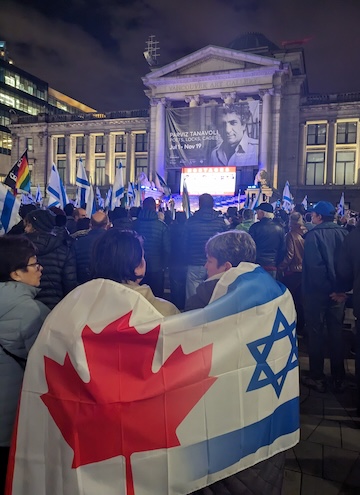
photo - The community gathered Nov. 7 to mark 30 days of mourning
The community gathered Nov. 7 to mark 30 days of mourning since Hamas’s terror attacks. (photo by Pat Johnson)

Ezra Shanken, chief executive officer of the Jewish Federation of Greater Vancouver, welcomed elected representatives and said he does not take for granted the presence and support of government officials and police.

Michael Lee, member of the Legislature for Vancouver-Langara, said he has been hearing from parents whose children in public schools and at universities are experiencing antisemitic taunts and bullying. He commended the City of Vancouver and the Government of Canada for adopting the International Holocaust Remembrance Alliance Working Definition of Antisemitism and said he has been advocating for years that the province of British Columbia likewise adopt it, so that Crown counsel and law enforcement have that tool to aid in prosecuting hate crimes.

John Rustad, leader of the B.C. Conservative party, said he was disgusted that Canada has allowed pro-Hamas rallies to take place.

“It should never, never happen in this country,” he said. “I will do everything I can to stand with you, to stand for peace and to make sure that people understand history.”

Lenny Zhou, a Vancouver councilor, brought greetings from city hall.

“This is not about Israel and Palestine,” Zhou said. “It is not about Jewish or Muslim. It is about Israel and Hamas. It is about civilization and terrorists.”

Rabbi Susan Tendler of Beth Tikvah Congregation read a prayer written for the shloshim and spoke of the anxieties felt by Jews worldwide.

Rev. Doug Longstaffe, a United Church minister and a founding member of the Multi-Faith Summit Council of BC, but speaking on his own behalf, said he believes it is a mistake that more non-Jews are not stepping up in solidarity.

“No group has had power used against them for so long, systemically and lethally, in such a variety of ways and places and it is staggering,” he said. “While I am not arguing that it is harder to be a Jew than to be Black or Brown or Asian – how would I know? I’m white – but it is different. I see that. And it is different mostly because of the history of antisemitism, which I have been privileged to learn about and horrified by.

“There are more hate crimes today against Jews in Canada each year than [against] any other group,” Longstaffe said. “I think our first responsibility as gentiles to Jews is to understand that, considering their unique history, the right of every group to protection under the law needs to be applied most rigorously to Jews.

“Second, considering this unique history of the Jewish people, we need to lose our naivety, so that we do not unconsciously jeopardize Jewish safety by thinking they should simply assume goodwill,” he said. “Third, we need to be especially understanding, as gentiles, of Israel’s need and right to self-defence when surrounded by terrorist groups who wish to destroy all Jewish citizens.”

Regular weekly rallies to free the hostages continued Sunday. That vigil, which emphasized the approximately 40 children held hostage – including an infant born in captivity last week – recognized United Nations World Children’s Day Nov. 20. Four Vancouverites whose cousin, 17-year-old Ofir Engel, is a hostage in Gaza, attended, with one giving a moving sketch of the youth, who was visiting his girlfriend at Kibbutz Be’eri when the attacks occurred. Attendees then marched down Robson Street to Denman, where they amassed outside the restaurant Ofra’s Kitchen, whose proprietor, Ofra Sixto, has been subjected to hateful anti-Israel harassment.

People helping one another

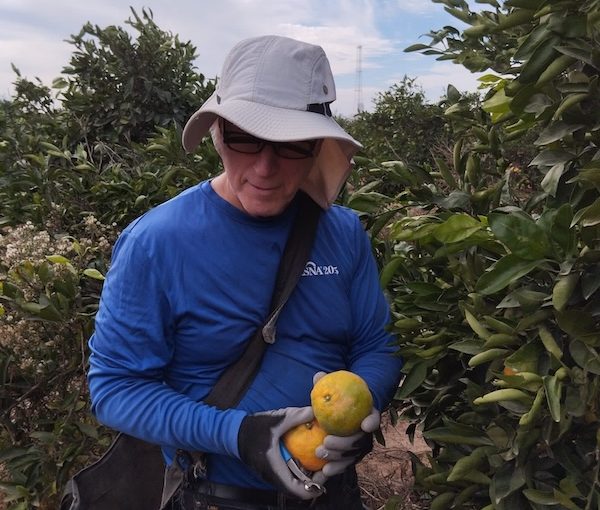
The author’s husband, Dr. Scott Fields, picking tangerines in southern Israel, on Kibbutz Nitzanim. (photo by Deborah Rubin Fields)

I have just returned from laundry brigade duty. Of course, your first question is, what is the laundry brigade? As you may or may not know, in my city of Jerusalem, as well as in other parts of Israel, the hotels are currently filled with people who, for safety’s sake, have left their homes in southern and northern Israel. These moves have created an unprecedented event in Israel’s history. As one friend from Adamit, a far northern kibbutz pointed out, “We are refugees in our own country.”

In my neighbourhood, as well as in other Jerusalem neighbourhoods, residents are volunteering to clean the clothes of those evacuated to hotels. This help is very organized, with a pool of volunteers listed on an Excel file. So, I just returned the laundered clothes of a young family from the northern town of Shlomi.

And, speaking of clothes, there have been clothing drives to help those who left their homes quickly. Books and games have also been donated so that displaced families have some positive way to occupy their time.

But there are so many other noteworthy acts of goodness. One of our sons and other staff from Kfar Saba’s Meir Hospital recently drove south to the Netivot area to help a farmer pick and box watermelon. The farmer’s usual Thai or Palestinian workers are gone. In their place, hundreds, if not thousands of ordinary citizens are in the fields picking – and this is happening all over the country.

One of our daughters spent a week at Jerusalem’s Bezalel Art School sewing uniforms and add-ons for protective ceramic vests, equipment the soldiers currently need. Sewing machines were even delivered to some kibbutzim so kibbutz members could also help with this task.

While there is enough food for soldiers, some people are still providing extra food. One Jerusalem restaurant owner prepared a meal for 70 soldiers (including his son) serving up north. The food was driven to the soldiers by someone else whose partner is serving with this platoon. In my area, one of my older religious neighbours gave his Pesach dishes to observant soldiers who are staying in a university dorm (camping “in” rather than “out” as it were).

There has been a big emphasis on checking people who live alone or who have mobility issues. Volunteers are helping with shopping, picking up medication, or just visiting these solitary individuals.

During this war period, Jerusalem’s branch of Magen David Adom has held more than one blood drive. Each turnout has been unbelievable, as potential donors stood in line for hours waiting their turn. Moreover, in addition to the sandwiches the MDA staff and volunteers regularly eat on their extended 12-hour shifts, volunteers have been cooking and delivering meals (including vegetarian portions) to the staff.

On the kibbutz where one of our sons lives with his family, each family is responsible for the needs of the 100 evacuees who are currently living on the kibbutz. Yad Sarah, the Israeli nonprofit that loans medical equipment, has offered to loan equipment that the evacuees were unable to take with them. In addition, volunteers have given their time to fix up these temporary living spaces while other locals have organized hazit habayit, drop-off sites where furniture and electronics are collected for those who have had to relocate. Another nonprofit, Tenufa Bakehila, is right now fixing up neglected bomb shelters and repairing homes damaged by rockets.

Other nonprofits have opened their doors to evacuees. The Society for the Protection of Nature in Israel has people lodging in its Eilat Field School. For the past month, it has likewise been providing meals.

All over the country, evacuated children have been enrolled in local schools. Even the National Library of Israel has become involved. It just moved into a beautiful new building, but its old building on Hebrew University’s Givat Ram campus has become a temporary school for children from Shlomi.

There is the story of a small family consisting of two sons and the father. When one son, Sgt. Maj. (Res) Gil Phishitz, was killed on Friday, Nov. 3, the word went out on social media. Thousands of people dropped what they were doing to attend the funeral in Hadera. Out of respect and to show support for the tremendous sacrifice of these fallen soldiers, people who don’t personally know the families have also been visiting during the shiva period.

Israeli farmers employ many Thai citizens. On Oct. 7, some of the Thai farm workers witnessed their co-workers being kidnapped. Some even saw their friends brutally murdered by Hamas. Our younger son, along with other volunteers, has been helping Thai workers find necessary food, lodging and medical care. Volunteers organized counselors and translators to help these people deal with what could easily turn into post-traumatic stress disorder, or PTSD. Volunteers advocated for these Thai workers with the Ministry of Agriculture and with local councils. At this point, many (estimates are 8,000 out of 30,000) Thai farm workers have left Israel.

In some places, acupuncturists and massage therapists are offering free sessions to people who have been evacuated. Several social workers and psychologists continue to give voluntary assistance to those put up in Dead Sea hotels.

Volunteerism is not just with people, it is also with animals. Volunteers have gone to the south to rescue pets and farm animals that were left behind. Veterinarians have provided medical care for injured animals. The rescued animals are now in shelters, awaiting foster homes.

Last, but certainly not least. In the big cities such as Tel Aviv and Jerusalem, many have been showing up at memorial services and vigils for the fallen and the kidnapped.

Why are people doing all these things? I think the best answer comes from Hillel in the Ethics of the Fathers (Pirkei Avot), 1:14: “If I am only for myself, who am I? If not now, when?”

Deborah Rubin Fields is an Israel-based features writer. She is also the author of Take a Peek Inside: A Child’s Guide to Radiology Exams, published in English, Hebrew and Arabic.

טרודו מבקר את ישראל ומפגינים תומכי פלסטינים יוצאים נגדו

ראש ממשלת קנדה, ג’סטין טרודו, מתח ביקורת קשה על פעילות צה”ל ברצועת עזה וטען כי הרג נשים, ילדים ותינוקות חייב להיפסק. טרודו קרא לממשלת ישראל לנהוג באיפוק מרבי. העולם צופה, בטלוויזיה וברשתות החברתיות. אנחנו שומעים עדויות של רופאים, בני משפחה, ניצולים, ילדים שאיבדו את הוריהם, הוסיף עוד אמר טרודו במסיבת עיתונאים שקיים לפני מספר ימים במחוז קולומביה הבריטית

מאז מתקפת הטרור בשבעה בחודש אוקטובר קנדה הבהירה כי לישראל יש את הזכות להגן על עצמה מפני חמאס. במסיבת עיתונאים טרודו אף הפציר בארגון הטרור להפסיק להשתמש באזרחים חפים מפשע בעזה כמגן אנושי, כלשונו. ובמקביל על חמאס לשחרר את החטופים המוחזקים בשבי החמאס זה חודשיים ימים. עם זאת, ראש ממשלת קנדה כאמור לא חסך ביקורת על התקיפות הקשות נמשכות של ישראל ברצועת עזה

העולם עד להרג הזה של נשים, של ילדים, של תינוקות. זה חייב להיפסק לדברי טרודו. הוא קרא לאחרונה לא פעם להפסקה הומניטרית משמעותית. וזאת כדי לאפשר את שחרור החטופים ולספק סיוע הומניטרי לאזרחים ברצועת עזה, כך שניתן לתת מענה לצרכים אזרחיים. ראש הממשלה, בנימין נתניהו מיהר לגנות את דבריו של טרודו, וצייץ ברשת החברתית טוויטר: לא ישראל תוקפת בכוונה אזרחים, אלא חמאס שערף ראשים, שרף וביצע טבח באזרחים, בזוועות הקשות ביותר שבוצעו נגד יהודים מאז השואה

לדברי נתניהו, בעוד ישראל עושה הכל כדי להרחיק אזרחים מאזורי התקיפות, חמאס עושה הכל כדי לשמור עליהם שם. ישראל מספקת לאזרחים בעזה מסדרונות הומניטריים ואזורים בטוחים, בעוד חמאס מונע מהם לעזוב באיומי אקדח. נתניהו סיכם את דבריו: החמאס, ולא ישראל, הוא שצריך להיות מואשם על ביצוע פשע מלחמה כפול והוא פגיעה באזרחים תוך הסתתרות מאחורי אזרחים. על כוחות הציוויליזציה לתמוך בישראל בהשמדת הברבריות של חמאס. טרודו ציין כי קרוב לארבע מאות אזרחים קנדיים ובני משפחותיהם פונו כבר מעזה

בדברי הביקורת שלו על ישראל מצטרף איפוא טרודו לנשיאה של צרפת, עמנואל מקרון, שאמר בראיון לרשת הטלוויזיה הבריטית הבי.בי.סי. כי על ישראל להפסיק להרוג נשים וילדים ברצועת עזה. ביקורתו של של מקרון עוררה סערה קשה וזכתה אף לגינויים פומביים רבים מחברי הממשלה בישראל בראשות נתניהו שהעיר, כי המדינה לא צריכה הטפות מוסר מאף אחד

חבר קבינט המלחמה של ממשלת ישראל השר בני גנץ שוחח עם טרודו לאור דבריו, עדכן אותו בהתפתחויות במלחמה והדגיש בפניו את המשך השימוש של חמאס בתושבי עזה כמגן אנושי. בשיחה ציין טרודו את תמיכתו ארוכת השנים בישראל, זכותה להגן על עצמה וכן את הצורך לפעול להשבת החטופים באופן מיידי. טרודו הוסיף כי המשך הסיוע ההומניטרי לתושבי הרצועה הוא בעל חשיבות לשמירה על אפשרות לעתיד טוב יותר לאזור כולו

בינתיים דווקא תומכי הפלסטינים יצאו נגד טרודו ומשטרת ונקובר נאלצה הגן עליו בפני המפגינים. טרודו הגיע למסעדה בוונקובר באחד הערבים האחרונים. קרוב לשלוש מאות מפגינים תומכי הפלסטינים ששמעו על כך הגיעו למקום וקיימו הפגנה מול המסעדה. משטרת ונקובר הגיעה למקום עם כמאה שוטרים. לדברי המשטרה שניים מהמוחים אף נעצרו, ואחד מהם חשוד שהיכה את אחד השוטרים שנזקק לטיפול רפואי. במשטרה מציינים עוד כי המפגינים התאספו ללא התראה מוקדמת ליד המסעדה, החזיקו דגלי פלסטין, וקראו שיש לבצע הפסקת אש מיידית ברצועת עזה. המפגינים צעקו לטרודו כי יש לו דם על הידיים

Tensions at university

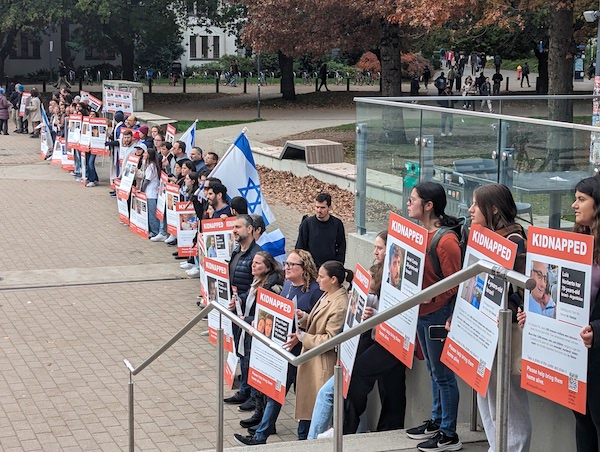
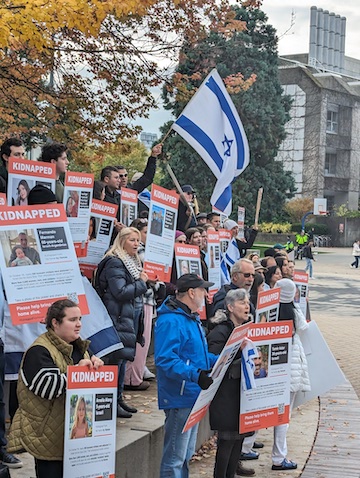
On Nov. 1, about 200 Jewish students and their supporters engaged in a low-key demonstration, with many holding posters of kidnapped Israelis. (photo by Pat Johnson)

When the new president of the University of British Columbia arrived for his first day on the job Nov. 1, he already had a full plate, including a 9 a.m. meeting with Jewish representatives and an urgent letter from community organizations expressing concerns about the safety of Jewish students on campus.

Dr. Benoit-Antoine Bacon starts his tenure at a contentious time, as Jewish, pro-Israel, anti-Israel and other students engage, sometimes constructively but often much less so, with events taking place in the Middle East.

Rob Philipp, executive director of Hillel BC, was joined by his assistant executive director, Ohad Gavrieli, and Nico Slobinsky, Pacific region vice-president for the Centre for Israel and Jewish Affairs, at the meeting with Bacon. Afterward, Philipp told the Independent the university has been on the right track but needs guidance.

“Generally speaking, I would say UBC has been very supportive of us, to the best of their ability,” he said, noting that Bacon’s welcoming of Jewish representatives is a good sign. “I had one of the very first meetings with him, so that speaks to how important this is on their radar.”

The university administration has been “somewhat consistent,” said Philipp.

“We are seeing support,” he said. “We don’t always see the right action, so that’s where we have to help and guide them.”

The larger issues, he said, are the serious affronts to civility on campus during the weeks since the start of the war between Israel and Hamas.

“There are so many red lines being crossed right now, it’s incredible,” said Philipp. “It seems OK now to kill civilians, to murder people for the ‘just’ cause and it keeps spilling over. People aren’t always understanding the details behind it all, so it’s as difficult a time as I have ever seen in this community – and it’s not just UBC, it’s all the university campuses all over North America.”

Hours after the meeting with the university president, about 200 Jewish students and their supporters engaged in a low-key demonstration, walking from Hillel House to the student union building, with many marchers holding posters of kidnapped Israelis. A student entered the building to deliver a letter to the president of the student government, the Alma Mater Society, expressing the group’s collective concerns. An emailed response to the letter from the AMS president was characterized by Hillel officials as positive.

photo - Jewish students and their supporters at the University of British Columbia on Nov. 1
Jewish students and their supporters at the University of British Columbia on Nov. 1. (photo by Pat Johnson)

A Jewish student leader from Simon Fraser University who asked that her name not be published said she came to the rally to protest the antisemitism in the world and, specifically, the lack of regard among student bodies to recognize what happened in Israel.

“It’s an extremely complex conflict that isn’t just black-and-white and I wish people would pay more attention or just seek a more nuanced view on the subject,” she said, adding that the climate at Simon Fraser does not seem as negative as at UBC, but that could change. In the last couple of years, the student government at SFU has demonstrated unbalanced, anti-Israel approaches, including adopting a motion on Israel and Palestine for which they consulted what the student called “tokenized [Jewish] fringe groups” while excluding Hillel and other mainstream Jewish voices.

Other participants at the rally said they felt the need to attend to be seen, and to register empathy with Israelis overseas and with Jewish students in Canada.

“We are here today so UBC acknowledges what’s going on in Israel – the kidnapped kids, elderly, children, women, Israelis – and what happened on Oct. 7,” said a 21-year-old Israeli-born woman who is not a student but came to support her brother, who is.

“I’m feeling very alone and feeling a lack of empathy and sympathy with what’s going on in Israel, feeling like people are too quick to comment sometimes,” she added.

Several non-Jewish students participated in the rally.

“I’m here because even though I’m not Jewish, I have a lot of Jewish friends and I believe the Hamas attacks against Israel are terrorism,” said fourth-year political science student Joe Latam. “The university’s attitude towards these literal terrorist organizations has been completely inadequate and they need to take better action.… The Jewish people have been systematically discriminated against for thousands of years and Israel is the one place where they can feel safe.”

Zara Nybo, who is also not Jewish, was motivated in part because her partner is Jewish and she sees the impact of events on him and his family.

“It’s important for me to stand up against terrorism and help spread the word that there are still innocent hostages who have been taken out of their home country,” she said. “We see a lot on the news that is politicized and very emotionally heartbreaking. I’m not here to say that Palestinian citizens have not died in this war, but I am here to say that death is death and we need to be able to recognize that heartbreak is heartbreak, so we are all here together.”

A first-year student who is Sikh called statements he has seen from peers and student leaders “frankly shameful.”

“I think there are many international students here that have been espousing hate, that have been espousing terrorist beliefs,” he said. “They have been saying they are pro-Hamas, they are saying [the Oct. 7 attacks were] a ‘beautiful act of resistance.’ I think we should double-check whether they deserve to be students at our wonderful university institutions.”

Bar Wolpert, an Israeli doing a one-semester landscape architecture exchange at UBC, said he was accosted by someone who tried to “shame” him as an Israeli.

“He just approached me out of the blue,” said Wolpert. “He was [aiming] his camera in front of my face.”

The person asked Wolpert if he supports “genocide.”

“I’m holding a [poster of a] kidnapped woman,” he said. “I am Israeli. I have a loss. So, please, first, respect my loss, respect my grief. And we are all standing here with many signs of kidnapped people and dead people, that is what is mattering for us right now, so before you are attacking me, respect my loss.”

Also at the rally were two brothers, Israeli high school students, whose parents sent them to stay with Canadian friends and family during the conflict.

A mother, walking with her young adult daughter, teared up when she realized that the poster she was carrying of a 21-year-old French-Israeli hostage could have been her own daughter.

“I can understand the pain,” said Evelyn Fichmann. “I think anybody can understand the pain.”

As he walked alongside scores of Jewish students and allies, a UBC student said the event gave him much-needed optimism.

“It really gave me some hope about unity,” he said.

A call for toughness

Rabbi Dr. Michael Berenbaum spoke at Congregation Schara Tzedeck on Nov. 5. He said: “We can’t raise a generation that is scared of being Jewish.” (photo from kolotmanagement.com)

The mood at Congregation Schara Tzedeck was solemn Sunday night, Nov. 5, when parents, grandparents and students from the Jewish community gathered to listen to Rabbi Dr. Michael Berenbaum, an American professor who is considered one of the world’s preeminent Holocaust scholars. Berenbaum came to discuss the importance of campus conversations, and specifically how to handle the critics of Israel who are voicing their support of Palestinians vociferously on college campuses throughout Canada and the United States.

Until the Oct. 7 terror attacks, Berenbaum said, our children had never known serious difficulty as Jews. “They’ve had the privilege of living in the greatest time to be Jewish, maybe in the history of the Jewish people,” he said. “Now, we’re asking our kids to toughen up, because they’re now going to face difficulty, pain, anguish and danger – physical or intellectual – for being Jews. This is our test of the hour, and it comes with the shattering of easily held assumptions about Jewish life.”

The Oct. 7 pogrom, he said, was worse than the 1906 Kishinev pogrom and worse than Kristallnacht in 1938 in terms of the number of Jews killed and the vehemence with which they were killed. “We believed Israel was founded to protect its people from these pogroms, and yet we were not safe.”

Berenbaum said it is crucial for Jewish students to be armed with accurate knowledge so they can counter the anti-Israel rhetoric they hear on campus. That means refuting claims that Israel is committing genocide. “Understand that this is war, and it has both direct and collateral consequences,” he said. “You cannot deal with war at this point without significant civilian casualties. While Israel is taking significant steps to avoid that, it’s unavoidable.” He noted that, since March 2011, the conflict in Syria has claimed the lives of 500,000 people – “and the rest of the world has heard nothing about this.”

On the claim that Israel is “occupying Gaza,” he clarified that Israel left Gaza in 2005, displacing 8,000 settlers so that Gazans would take control of their lives. “Israel is the only country in the world who has sacrificed land for normalization. We gave up Sinai for normalization with Egypt, and the reason the invasion happened now was because it appeared Saudi Arabia would establish a certain kind of peace with Israel,” he said. “Normalization represented a danger to the lateral forces in the region and that’s why this broke out now.”

On the claim that “Jews are colonizers,” he noted that Jews have never forsaken their connection to the land of Israel, and that there have been five cities with a permanent Jewish settlement in Israel. “When they came to Israel, they settled and worked the land, which is the opposite of colonization,” he said. “They didn’t take its resources and export it elsewhere.”

He noted that Palestinians were offered a state in 2000 and again in 2006, and they turned both opportunities down. “The Palestinians have never lost an opportunity to lose an opportunity, because their leadership is weak and corrupt,” he said.

There are a few things we can do now to ensure we are strong, he continued. One is to educate ourselves on the history of the state of Israel and Zionism. Another is to ensure we have solidarity by reaching out to one another.

 “These are not easy times and we need Jewish toughness and resilience,” said Berenbaum. “We can’t raise a generation that is scared of being Jewish. I want our Jewish students to be proud, tough and confident enough to accept the animus that will come their way, but to have the human capacity to respond to it.”

He ended his talk by calling Jews the “canary in the coalmine. You want to know if a society is healthy? See how it treats its Jews. We’re living in a world that’s fundamentally unhealthy, but it’s important to remember that we have many friends, we are not alone. We have to cultivate and respect those friendships, and not take them for granted.”

The events of Oct. 7 precipitated an earthquake, he added, “and the ground won’t settle for awhile. But earthquakes give the opportunity to build in a different way. We are in for a tough and difficult time, which will demand the best of us. But I fundamentally believe we have it in us to rise to the occasion.”

Lauren Kramer, an award-winning writer and editor, lives in Richmond.

We are not here, there

These past weeks have been nothing we diaspora Jews have known for generations. We feel pain, anguish and horror. If our hearts are not just broken, but shattered, how can we begin to imagine theirs, in Israel, when we are here and not there?

As citizens of the world, we fail to comprehend how human beings can be filled with a type of venom so potent to allow themselves to commit acts of such savagery. We want to turn our eyes away from the pictures that serve as testament to the Hamas terrorists’ brutality, but we are forced to look, we must look.

We try to capture in our minds snapshots of the land we love; the rich and wonderful places we have visited on times spent there and the vitality of the strong, diverse and beautiful people that crowd Israel’s usually bustling streets.

We WhatsApp, email and call family and friends to check on their safety. We are without words. We don’t have the vocabulary. It is hard to put together sentences or know what to ask. We type and erase, erase and then type again. Of course, they are not OK, we know they are not, but grasping the depth of their despair we cannot know for we are here: we are not there.

We turn to the media to tell us what they know, or what they think they know. We scroll at an accelerated pace through social media and, if brave enough, we post our thoughts and then we wait; we wait for response.

We try not to judge, but we do judge those people we thought could understand our anguish. Why haven’t they reached out? Why haven’t they written? Do they find it harder to find the words than we do?

We go to gatherings and rallies thinking how can we even begin to feel afraid? We are not in harm’s way, for we are here and not there, and, yet, we catch glimpses of the helicopter hovering above and the uniformed police and security guards stationed outside our community institutions. Some debate going to classes on university campuses, sending precious children to school and attending synagogue services. We measure the size of the protests that take place on the streets of our home.

As the days go by, we try to go back to some sort of normal, feeling guilty that we actually can, because we are here and not there. This time, however, something feels eerily different. Things are not the same. Until now, perhaps we lived under the illusion that we are safe, protected and fully accepted because we are here and not there. We have tricked ourselves into believing that double standards do not exist, that under-the-surface bias toward us cannot lurk. But we know better now that it can, and it does, and it is painful and lonely and real.

We must not be complacent, as we cannot fade into the masses. We must put on our own armour of pride, strength and morality and endure all that lies ahead. And, while we go on, we do so having to sit with the uncomfortable truth that, while we are not there, we are not really here either.

Danita Dubinsky Aziza is a member of the Winnipeg Jewish community and wrote a book about her experiences as a third-generation Canadian living in Israel from 2008 to 2012, Finding Home: A Journey of Life Lessons in the Land of Israel. This article was originally published in the Winnipeg Jewish Review.

המלחמה במזרח התיכון תשפיע לרעה על חיי יהודים וישראלים בכל רחבי העולם

בשלב זה ישראל מקבלת תמיכה ממרבית מדינות המערב. אך יש סיכוי שעם ההתקדמות של מבצע צבאי של צה”ל ברצועת עזה, התמיכה תלך ותרד עם עליית הנפגעים בצד הפלסטיני
(photo by Roni Rachmani)

המלחמה הקשה שמתנהלת בימים אלה בין ישראל לחאמס ויכולה להתפשט לחזיתות נוספות, צפוייה להשפיע לרעה על חיי יהודים וישראלים הגרים בקנדה, ארה”ב, אירופה ומקומות אחרים. הם צפויים לעמוד מול איומים שונים של פלסטינים ותומכיהם שמאשימים את ישראל גם במשבר הנוכחי. תומכי הפלסטינים קוראים להקמת מדינה לפלסטינים מהנהר ועד הים – שפירושה המעשי השמדת מדינת ישראל

העולם המערבי כולל צפון אמריקה מלא כיום מיליוני מוסלמים שהיגרו ממדינות ערב לאורך שנים רבות. חלק לא מבוטל מהם ממשיך לשמור נאמנות למוצאם ודתם בצורה פנאטית ורואה בישראל כמדינת אויב

עוד שגרתי בישראל טענתי שהסכסוך בינה ובין הפלסטינים וחלק ממדינות ערב יסכן גם את חיי היהודים והישראלים הגרים מחוץ למדינה. אמרתי אז שלישראל יש גם את האחריות לשמור על היהודים והישראלים, שבחרו לגור במקומות שונים בעולם ובעיקר במערב. ומוטל על ישראל לשקול בזהירות את צעדיה שכאמור יכולים להשפיע לרעה על היהודים והישראלים שגרים בחוץ לארץ

עובדה היא שאנטשימיות נגד יהודים וישראלים ברחבי העולם הולכת וגדלה, וכבר בסכסוך הקשה הנוכחי, נרשם גידול נוסף בשנה נגדם. וזו רק ההתחלה. אני צופה להרעה משמעותית עד סכנת חיים ליהודים והישראלים בצפון אמריקה, אירופה ומקומות אחרים. כבר עתה ידוע על הפגנות גדולות קשות נגד ישראל ותמיכה בפלסטינים. אלה עלולות להחמיר לעימותים פיזיים קשים עם יהודים וישראלים ואף יותר מכך. משטרות בערים רבות בעולם הדקו את ההגנה על מוסדות יהודים שונים ובהם בתי כנסת. נרשמו כבר לא מעט איומים נגד יהודים, ישראלים ומוסדות שונים בעולם ולכן השמירה מאוד חשובה במיוחד בימים טרופים אלה

בשלב זה ישראל מקבלת תמיכה ממרבית מדינות המערב. אך יש סיכוי שעם ההתקדמות של מבצע צבאי של צה”ל ברצועת עזה, התמיכה תלך ותרד עם עליית הנפגעים בצד הפלסטיני. במקביל צפויים היהודים והישראלים ברחבי העולם לסבול מגידול משמעותי באנטישמיות, התנכלויות, ואף מאיומים פיזיים

חברת אייר קנדה מהירה לפטר טייס מוסלמי שהתבטא נגד ישראל וכתב בחשבון הטוויטר שלו: “היטלר גאה בישראל”. מוסטפא איזו השתתף בהפגנה במונטריאול בעד הפלסטינים נגד ישראל והוא אף הצטלם עם צעיף בצבעי דגל פלסטין. זו לא הפעם הראשונה שאיזו מתבטא נגד ישראל ותומך בפלסטינים אך הפעם מתברר שהוא חצה את הגבול ובאייר קנדה מיהרו לפטרו

ראש ממשלת קנדה, ג’סטין טרודו, גינה את מתקפות הטרור נגד ישראל בהתייחסו להתקפה של חמאס על עשרות ישובי עוטף עזה בה נרצחו למעלה מאלף שלוש מאות ישראלים, נפצעו למעלה מארבעת אלפים ונלקחו בשבי קרוב לוודאי כמאה וחמישים אזרחים, חיילים, ועובדים זרים. בהודעה שפרסם בטוויטר אמר טרודו כי פעולות אלימות אלה בלתי מקובלות באופן מוחלט. אנו עומדים לימין ישראל ותומכים באופן מלא בזכות להגן על עצמה.  מחשבות שלנו תמיד עם כל אדם שנפגע. חייבים להגן על חיי אזרחים, חתם טרודו את הודעתו. מנהיג האופוזיציה והמפלגה הקונסרבטיבית, פייק פוליוויר, גינה באופן חד משמעי את הפלישה של טרוריסטים של חמאס לישראל ואת האלימות האכזרית שהם הפעילו נגד אזרחים חפים מפשע. לדבריו לישראל הזכות להגן על עצמה בפני התקפות אלה ולפעול נגד התוקפים. מנהיג מפלגת השמאל אן.די.פי ג’גמיט סינג כתב בחשבון הטוויטר כי הוא מגנה את ההתקפות הנוראיות שביצע החמאס בישראל. אסור לעולם לפגוע באזרחים וכל החטופים צריכים להיות מחשוררים באופן מיידי. לדברי סינג יש חשש מההתפתחויות עתה. טרור ואלימות לא יפתרו דבר

המלחמה של ישראל

המלחמה הנוכחית שנכפתה על ישראל מציגה שני מראות עיקריים: אסון וזוועה על מה שעשו מחבלי חמאס וכישלון גדול של הממשלה בראשות בנימין נתניהו, הצבא, מערך המודיעין, השב”כ ואולי גם המוסד

החמאס הוכיח שהוא ארגון טרור רצחני ולא אנושי תוך שהוא מותיר מאות הרוגים ופצועים. אחרים נלקחו בשבי. לא מדובר רק בחיילי צה”ל אלה בעיקר באזרחים, נשים וילדים, גברים וזקנים. חלקם נטבחו, חלקם עונו וחלקם כך סתם נרצחו. החלק האחר הוא אולי במצב הקשה ביותר: נלקח בשבי על מנהרות החמאס בעזה הצפופה. מאז קום המדינה לא היה אירוע כזה בו נהרגו ביום אחד מאות רבות של אזרחים וחיילים. הפוגרום הנורא ביותר בתולדות הישוב היהודי בארץ ישראל. התמונות בערוצי הטלוויזיה ואתרי החדשות באינטרנט על הנרצחים, הפצועים ואלו שנשבו, הם קשות מנשוא. חיות אדם בסגנון דאעש אחראים לדבר הנורא הזה

במקביל הכישלון של ישראל שנתפסה מופתעת לחלוטין מתקפת הפתע של חמאס, ולאחר מכן לקח זמן רב מדי לכוחות צה”ל ומערך הביטחון להגיע אל ישובי חבל עזה, ולהציל את אלה שהמחבלים לא הספיקו להרוג. נתניהו קיבל מידע ואזהרה מהמצרים ממה שחמאס עומד לעשות והתעלם מכך. היה לו הרבה יותר חשבו לעבות את השמירה הצבאית על ההתנחלויות בשטחים הכבושים, שנציגיהם יושבים בממשלתו. נתניהו הזחוח והשחצן ייזכר לדראון עולם כראש הממשלה הגרוע ביותר בתולדות ישראל. זאת, כיוון שהוא לא מנע את האסון הגדול ביותר שקרה למדינה ולאזרחיה. “שותפים מלאים” לכשלונו של נתניהו חברי ממשלתו שאין להם מושג איך לנהל מדינה והם דואגים רק לאינטרסים האישיים שלהם. גם לצבא הגנה לישראל יש חלק גדול בכישלון הנוראי שגב המחיר קשה מנשוא. מערכת ההגנה על יישובי חבל עזה עם כל הטכנולוגיה שלה קרסה תוך דקות על ידי עשרות מחבלי חמאס שנהרו אל הישובים החשופים. מערך המודיעין של צה”ל, השב”כ ואולי גם המוסד לא ידע כלל על הכנות של החמאס לביצוע המבצע לכניסה לשטחי ישראל. לקיום מבצע שזה דרושים חודשים ארוכים תוך תיאום עם גורמים באיראן ואחרים. כל אלה הצליחו להערים על המודיעין הישראלי בקלות בלתי נתפסת

לאחר שהמלחמה תסתיים צפוי שבכירים בצבא, במערך המודיעין והרמטכ”ל, בכירים בשב”כ ובמוסד והעומדים בראשם יתפטרו עוד לפני שוועדת החקירה הממלכתית תדון בסוגיית האחריות והכישלון שאפשר לחמאס לבצע את פשעיו. לעומתם נתניהו כרגיל לא יקח שום אחריות למעשיו. בכל הקריירה הפוליטית הארוכה שלו הוא תמיד ידע להאשים אחרים. אבל שום אחריות אישית. נתניהו יעשה הכל כבעבר להמשיך ולשבת על כיסא המלך כי נתניהו דואג רק לנתניהו

נתניהו מינה חברי ממשלה חסרי יכולת לטפל בתיקים עליהם הם אחראים. לא כישוריהם הביאו אותם לשולחן הממשלה, אלא הנאמנות למנהיג נתניהו. לכן לא מפתיע לגלות את חוסר יכולתם של שרי הממשלה הנוכחית לטפל במצוקות הרבות של ישראל בימי המלחמה הקשים האלה. נשמעה ביקורת נוקבת על שרי ממשלת נתניהו שלא ביקרו פצועים בבתי החולים ולא השתתפו בהלוויות הקורבנות הרבים

בתור אחד שגר בישראל ארבעים וחמש שנים לא האמנתי שהמדינה תגיע למצב שכזה. החברה מפוררת מבפנים בעיקר לתודות הרפורמה המשפטית של נתניהו. הצבא לא ערוך לאתגרים האינסופיים שלו ואת ההנהגה תפסו פוליטיקאים קטנים שנכשלו בתפקידם. ישראל משלמת היום מחיר כבוד מאוד לאור מחדלי ההנהגה שלה. אני לא צופה עתיד ורוד בהמשך הדרך. על נתניהו מוטל לעשות רק דבר אחד: ללכת הביתה