Skip to content
  • Home
  • Subscribe / donate
  • Events calendar
  • News
    • Local
    • National
    • Israel
    • World
    • עניין בחדשות
      A roundup of news in Canada and further afield, in Hebrew.
  • Opinion
    • From the JI
    • Op-Ed
  • Arts & Culture
    • Performing Arts
    • Music
    • Books
    • Visual Arts
    • TV & Film
  • Life
    • Celebrating the Holidays
    • Travel
    • The Daily Snooze
      Cartoons by Jacob Samuel
    • Mystery Photo
      Help the JI and JMABC fill in the gaps in our archives.
  • Community Links
    • Organizations, Etc.
    • Other News Sources & Blogs
    • Business Directory
  • FAQ
  • JI Chai Celebration
  • JI@88! video

Recent Posts

  • טראמפ עוזר דווקא לנושא הפלסטיני
  • New rabbi settles into post
  • A light for the nations
  • Killed for being Jewish 
  • The complexities of identity
  • Jews in time of trauma
  • What should governments do?
  • Annie will warm your heart
  • Best of the film fest online
  • Guitar Night at Massey
  • Partners in the telling of stories
  • Four Peretz pillars honoured
  • History as a foundation
  • Music can comfort us
  • New chapter for JFS
  • The value(s) of Jewish camp
  • Chance led to great decision
  • From the JI archives … camp
  • עשרים ואחת שנים להגעתי לונקובר
  • Eby touts government record
  • Keep lighting candles
  • Facing a complex situation
  • Unique interview show a hit
  • See Annie at Gateway
  • Explorations of light
  • Help with the legal aspects
  • Stories create impact
  • Different faiths gather
  • Advocating for girls’ rights
  • An oral song tradition
  • Genealogy tools and tips
  • Jew-hatred is centuries old
  • Aiding medical research
  • Connecting Jews to Judaism
  • Beacon of light in heart of city
  • Drag & Dreidel: A Queer Jewish Hanukkah Celebration

Archives

Follow @JewishIndie
image - The CJN - Visit Us Banner - 300x600 - 101625

Tag: Temple Sholom

Voices of Africa fundraiser

Voices of Africa fundraiser

Left to right are Anne Andrew, Marie Henry, Stephen Lewis, Joyce Cherry, Darcy Billinkoff and Dawn Alfieri at the African Grandmothers Tribunal, which was held in 2013 at the Chan Centre. (photo from Stephen Lewis Foundation)

The Grandmothers to Grandmothers Campaign, in conjunction with the Stephen Lewis Foundation, is supporting grandmothers of sub-Saharan countries in their efforts to raise their orphaned grandchildren, whose parents died of the AIDS epidemic in Africa. Tikun Olam Gogos, one of the local groups participating in the campaign, is hosting the Voices for Africa fundraiser on June 15 at Temple Sholom that will feature the City Soul Choir and a marketplace.

Marie Henry, volunteer administrator of Tikun Olam Gogos, talked to the Jewish Independent about the Stephen Lewis Foundation, the Grandmothers Campaign and Tikun Olam Gogos’ place in it.

“Stephen Lewis Foundation was created 10 years ago,” she explained. “Before that, Mr. Lewis was an NDP politician. After he retired from the Canadian political scene, the United Nations appointed him to look at the AIDS epidemic in Africa. What he saw there was shocking: 18 million children had been orphaned in Africa because of AIDS. Their grandmothers had to step in to raise the children. After he returned to Canada, he was determined to help them. That’s how the foundation started in 2006, and Lewis applied to Canadian grandmothers to support it. He knew they could do it. They had resources, experience, determination and time.”

According to Henry, there are now more than 240 groups across Canada associated with the Grandmothers to Grandmothers Campaign. They all include in their name the word gogos, which is Zulu for grandmothers. “The movement’s already spread to the U.S., England and Australia,” she said.

The funds the campaign gathers go to the Stephen Lewis Foundation, which in turn supports the grassroot initiatives of the grandmothers of AIDS orphans in sub-Saharan countries.

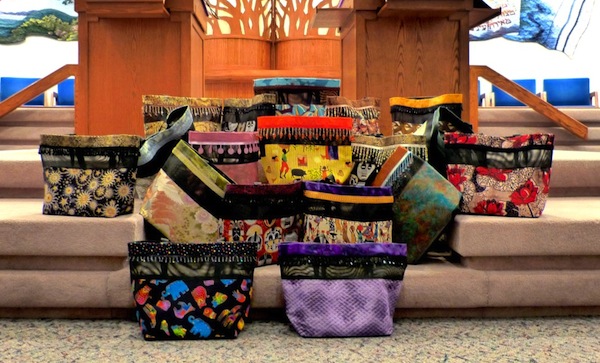
photo - Totes made by Tikun Olam Gogos, and other Gogos, will be on sale at the Voices for Africa fundraiser on June 15
Totes made by Tikun Olam Gogos, and other Gogos, will be on sale at the Voices for Africa fundraiser on June 15. (photo from Tikun Olam Gogos)

Henry explained how it works. “The foundation can’t give enough money or food or shelter; the need is just too great,” she said. “Instead, the grandmothers have to come up with an initiative of their own that would improve their condition. It could be a small business that needs a startup loan. It could be a community garden to grow food for a number of families, and they need seeds. Or it could be an educational opportunity, to teach the children and their grandmothers how to prevent AIDS or how to access and administer medicines in case they are already infected. Many children are [infected]; they have been infected before they were born. Many grandmothers also need legal help and education to keep the roof over the children’s heads.”

The latter problem stems from the inheritance traditions in some countries where, after a husband dies, his widow doesn’t inherit property, the husband’s family does, explained Henry. Even if the law says otherwise, the husband’s family’s actions are not always lawful. Many of the grandmothers and their orphaned grandchildren live in small villages without access to legal or medical help, and could be kicked out of their homes by the deceased husband’s relatives. So, the grandmothers themselves have to come up with the programs, depending on what they need in their particular country, area or village. They then apply to the Stephen Lewis Foundation for funding.

“There are several regional directors in those countries, all local women,” Henry said. “They read the proposals, visit the people, assess the projects and decide if the money should go to this particular program. A year later, they would check if the program works, if it should be re-funded, or maybe not. The grassroot programs receive all the money – no government of any of the countries involved receives one dollar, no bureaucracy benefits. The foundation keeps its administrative cost to 10%, which is one of the lowest of all charities. The rest all goes to the people who need it.”

photo - The Tikun Olam Gogos in January 2016
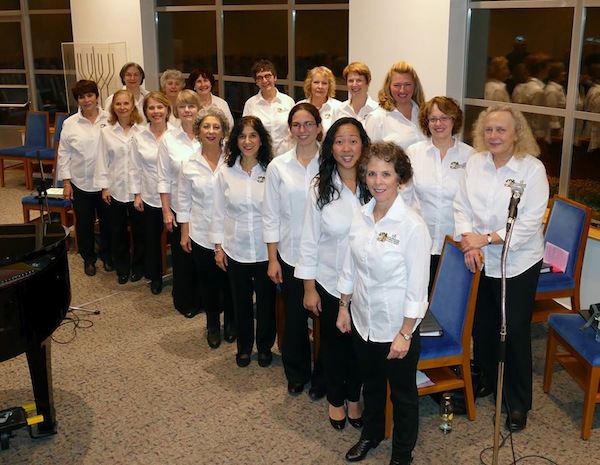
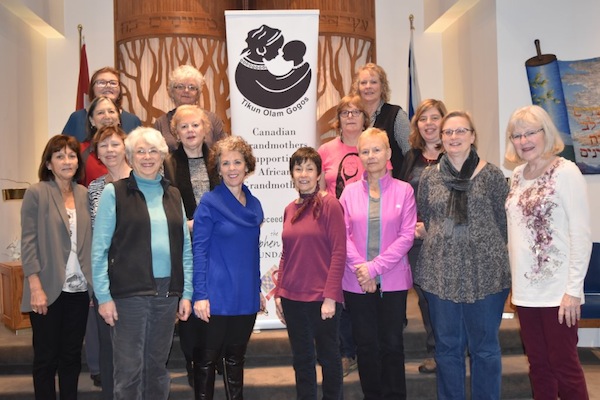
The Tikun Olam Gogos in January 2016. (photo by Susan Hyde)

Henry herself got involved with the campaign almost by accident. “I was visiting my family in Kelowna,” she recalled. “We went to a farmers market and I saw those beautiful totes. The woman who sold them was a member of one of the Gogos groups. They made and sold tote bags to raise money for the foundation. I loved the idea. I found a group in Vancouver and joined it, but there was a problem. I was the only Jew in the group and, often, their meetings fell on the Jewish holidays, when I couldn’t attend. I decided to create my own Jewish group and, of course, I started with my synagogue, Temple Sholom. Everyone was very supportive. Our group, Tikun Olam Gogos, first met five years ago, in May 2011.”

Currently, the group has 29 members, mostly retired women, some grandmothers themselves, others not. They meet once a month, discuss group business and create the kits for their totes. Several group members are experienced seamstresses who sew the totes of various sizes. Others apply their creativity to the trimmings and beads. Still others are good at sales. Everyone finds something to do that agrees with their personality and skill level.

The group’s tote bags are sold at craft fairs. To date, they have raised more than $120,000 for the Stephen Lewis Foundation. Many of their fundraisers include an entertainment program as well as a marketplace. The June 15 fundraiser is no different: it will feature the choir, under the direction of Brian Tate, and a marketplace of crafts by Tikun Olam Gogos, South Van Gogos, Welisa Gogos and Van Gogos, as well as a silent auction, wine bar and dessert. Tickets are available at eventbrite.ca.

Olga Livshin is a Vancouver freelance writer. She can be reached at [email protected].

Format ImagePosted on June 3, 2016June 1, 2016Author Olga LivshinCategories LocalTags Africa, AIDS, gogo, grandmothers, Stephen Lewis, Temple Sholom, tikkun olam, Tikun Olam Gogos
Jazz to benefit refugees

Jazz to benefit refugees

Maya Rae performs April 9. (photo by Robert Albanese)

Only 13 years old and already a veteran of the Vancouver International Jazz Festival. Only 13 and already dedicating her time and talents to helping others.

Maya Rae and her Rhythm Band perform an evening of jazz and soul at Temple Sholom on April 9.

“This show is a benefit concert for the settlement of two Syrian refugee families,” Rae told the Independent. “If my music can make a difference towards helping people and making the world a better place, I can’t think of anything else that I’d rather be doing. Tikkun olam is about the pursuit of social justice and I believe strongly that we need to help refugees of all parts of the world to find a safe place to settle.”

She added, “Right now, the Syrian refugee crisis is one that is very prominent, and of epic proportions. Millions of innocent people have been displaced with nowhere to go. I felt compelled to participate and to do something meaningful at a local level. Our rabbi at Temple Sholom, Dan Moskovitz, has urged the Temple Sholom congregation to take action, and this is my way of doing so.”

Scheduled to join her at Temple Sholom are Luis Giraldo (piano), Eli Bennett (saxophone), Ayla Tesler-Mabe (guitar), Ethan Honeywell (drums), Evan Gratham (double bass) and Benjamin Millman (piano and ukulele).

The Grade 8 student at York House started taking singing lessons when she was in Grade 3. “My first official performance was for the jazz festival in 2012. I remember singing the solo part of ‘Lean On Me’ by Bill Withers, with Cecile Larochelle’s Anysing Goes choir supporting me with the beautiful chorus line. It was an extremely memorable experience for me.”

Earlier this year, she was asked by the organizers of the jazz festival – Vancouver Coastal Jazz and Blues Society – to perform in the Women in Jazz series, which took place in March. “As part of that preparation,” said Rae, “I was introduced to some wonderful young musicians who I asked to support me for those two shows. As we were preparing for those performances, I was inspired to do a benefit concert in my synagogue with the same set and the same musicians…. I’ve since decided to add another set, and a few more musical friends and surprises to expand the show. I’m really happy with the results so far and can’t wait for April 9th.”

Rae said she chooses to cover “songs that deliver meaningful messages through their lyrics. I also like to pick songs that could have impact on the listeners, and also spark awareness about the significant issues we are facing in this generation.”

She has a YouTube channel on which there are a few videos, including for the song “I’m Still Waiting for Christmas,” which was released last year and is on sale on iTunes, as well.

“I have co-written a few songs with various artists/musicians that will be released in the near future,” she said, adding that she is hoping to have more time to write this year.

“My goal is to continue to enjoy playing and making music with others,” she said. “It would certainly be a dream come true to make a living through my music.”

This summer, she’ll be busking on Granville Island, and she invited everyone to “please stop by.”

More information about Rae’s upcoming events and recordings can be found at mayaraemusic.com. For now, though, her focus is on the April 9 concert, which starts at 8 p.m., at Temple Sholom. Tickets are $18 for adults, $14 for children/students, and the proceeds will aid two refugee families. RSVP to Temple Sholom at 604-266-7190 or register at templesholom.ca.

Format ImagePosted on April 1, 2016March 31, 2016Author Cynthia RamsayCategories MusicTags jazz, Maya Rae, refugees, Temple Sholom, tikkun olam
Ready to welcome refugees

Ready to welcome refugees

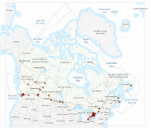
As of Nov. 24, the Government of Canada was processing 4,511 applications for privately sponsored Syrian refugees (not including Quebec, which has its own procedure). The map shows communities where private sponsors have submitted an application. (image from cic.gc.ca/english/refugees/welcome)

Vancouver’s Jewish community is mobilizing to welcome refugees from Syria. The federal government has announced that 25,000 Syrian refugees will come to Canada before the end of February. While most of those will be government-sponsored, groups of Canadians, including many in the Jewish community, are leaping at the opportunity to be a part of the resettlement project.

The Jewish Federation of Greater Vancouver has signed a memorandum of understanding with the Anglican church to streamline the process. The federal government has a number of sponsorship agreement holders, which are established, experienced groups that are engaged in aiding refugees on an ongoing basis. To expedite the process, the Jewish community is primarily working through the partnership with the Anglican Church of Canada so that synagogues and other Jewish groups that may want to sponsor can do so efficiently.

“The Anglican diocese, rather than setting up a separate relationship with each of the synagogues, proposed that there be one memorandum of understanding with the Jewish community,” said Shelley Rivkin, Federation’s vice-president for planning, allocations and community affairs. “We will be the holder of the memorandum of understanding so the synagogues will raise the funds and issue a tax receipt. The funds will then come to us and be in a restricted account and, as those funds are distributed, they will go directly through us so that the diocese is not having to deal with multiple parties.”

Or Shalom Synagogue has already raised two-thirds of the funds necessary to sponsor three families. Natalie Grunberg, a member of the Or Shalom Syrian Refugees Initiative, said they are expecting their sponsored refugees as early as January. The group has launched a series of events, including a concert of Syrian music, to raise awareness and money for the project. The federal government estimates the cost of sponsoring a refugee family for a year to be about $30,000, but Vancouverites involved in the process are working on an assumption of about $40,000, based on housing costs here.

Or Shalom is working through existing partnerships they have built over the years. Rather than going through the Anglican church, they are working with the United Church of Canada. Grunberg acknowledged that some in the Jewish community have differences with the United Church’s stand toward Israel, but the priority was to expedite the refugee sponsorship process and they believed working through existing relationships would be most effective.

Grunberg is noticeably proud of her congregation’s efforts so far.

“We’re a very small synagogue and we’re sponsoring three families,” she said.

Through existing relationships with the Syrian community here, Or Shalom will focus their sponsorship efforts on reunifying families that already have some members in Metro Vancouver and also on members of the LGBT community.

Temple Sholom is also rallying for refugees. Almost immediately after announcing the idea during the High Holidays, the synagogue raised enough money to sponsor one family.

“We’ve now decided to sponsor a second family,” said Rabbi Dan Moskovitz.

He acknowledges that there have been some anxieties among his congregation about bringing Syrian refugees here.

“I met with every person that voiced that concern to me,” he said. “I met with them personally. We talked about it. We talked about the people that we are bringing in – they were concerned about terrorists coming across – we talked about the difference between private sponsorship, as we are doing, and what we’ve been seeing in Europe with refugees flooding across borders … that we were sponsoring families with young children, that our sponsorships were family reunification, so they would have real roots here in B.C., particularly in Vancouver. We acknowledge the fears but at the same time we also recognize that this is a crisis and that the Jewish tradition teaches us quite clearly to love the stranger. Israel is doing things for refugees on the Syrian border right now with their hospitals and we had to do our part.”

Moskovitz cites Torah as the basis for his enthusiasm.

“Thirty-six times in the Torah, in the Bible, it says to love the stranger because you were once strangers in the land,” he said. “The Jews were once refugees ourselves and this goes all the way back to the land of Egypt and the slavery of the Israelites under Pharaoh, where we were running for our lives; in that case from the famine, according to the biblical story, and the Egyptian people welcomed the Jewish people, welcomed us in and gave us food and shelter and we lived there for 435 years, according to the Bible. From that and so many other times in the Bible, the most often-repeated commandment in all of Jewish tradition is to love the stranger, to love the immigrant; love the stranger, because that was you once.”

More modern Jewish history is also a factor, he added.

“We are largely still here even though throughout our history people have tried to destroy us because at critical times in our history some people took us in,” said Moskovitz. “We like to think we did it all by ourselves and there is no doubt that there is a tremendous resiliency of the Jewish people but, at the same time, we have been the beneficiary of others sheltering us at times of mortal danger.”

Congregation Beth Israel has created a task force to look into possibly sponsoring a Kurdish Syrian refugee family. Executive director Shannon Etkin said the group will analyze the resources available within the congregation community to provide for a family beyond the minimum requirements set out by the federal government.

Other synagogues, organizations and individuals who may not have the resources to directly sponsor a refugee or family are being encouraged to support on-the-ground efforts by the Joint Distribution Committee, which is aiding refugees in Turkey and Hungary. This support is being organized by the Jewish Federation of Greater Vancouver.

“They’re doing a lot of direct aid for women and children and also doing some work with frontline responders,” Rivkin said.

Format ImagePosted on December 11, 2015December 9, 2015Author Pat JohnsonCategories LocalTags Anglican Church, Beth Israel, Dan Moskovitz, Jewish Federation of Greater Vancouver, Natalie Grunberg, Or Shalom, refugees, Shannon Etkin, Shelley Rivkin, Syria, Temple Sholom, United Church of Canada

Comparing refugee response

While American political discourse around whether to accept Syrian refugees smolders under the embers of xenophobia, Canadians have been opening their hearts and their wallets to bring in Syrian refugees.

Canada is one of the only countries with a private sponsorship option, which means that groups of ordinary citizens can provide funds and demonstrate their intention to provide emotional and logistical support to refugee families for one year, thus enabling the absorption of refugees whom the government might not otherwise have been able to afford.

Like many faith and neighborhood communities, Jewish communities, especially through synagogues, are on the frontlines of this effort.

It’s not often that a rabbi’s sermon gets reprinted in the daily newspaper of a major city, but such was the case for Rabbi Lisa Grushcow of Montreal’s Temple Emanu-El-Beth Sholom. “For too long, we have thought of religion in passive terms, counting how many people are sitting in the pews or paying dues,” she wrote. “All this is necessary but not sufficient. I want us to count how many lives we change, how many people we help, how many hearts we touch.” Her synagogue is sponsoring at least one refugee family.

Meanwhile, a sermon delivered on Kol Nidre this year by Rabbi Dan Moskovitz of Temple Sholom in Vancouver helped capture the hearts and minds of his congregants. “Tonight, I want to ask you to do something great. I want to ask you to save a life, the life of a stranger – because we were once strangers in the land, because we are human beings and that is the only similarity that we really need.” It didn’t take long for the congregation to come up with the $40,000 necessary to sponsor a refugee family. They are now fundraising to bring a second. Other synagogues across the city – including the Jewish Renewal Or Shalom, which is sponsoring three families – have followed suit. (See story, page 1.)

In Toronto, Jewish Immigrant Aid Services, one of nearly 100 organizations across the country that enjoys sponsorship agreement holder rights, has been flooded with sponsoring requests.

I spoke to Ryan Friedman of Darchei Noam and to Pippa Feinstein of First Narayever Congregation, two Toronto-based synagogues that are sponsoring refugees. Feinstein in particular noted that, while wanting to “ensure a safe place for any refugee family who is looking to come to Canada,” her congregation is aiming to launch “parallel awareness-raising activities” around the plight of persecuted minorities in the region.

Among those minorities are the Yazidi people of Iraq, who are being faced with a genocide – in the words of the United Nations High Commissioner for Human Rights – at the hands of ISIS. In collaboration with other faith groups, Winnipeg’s Jewish community has spearheaded an effort to sponsor multiple Yazidi refugees. As Belle Jarniewski described it, “When I saw the article about the mass grave [of the Yazidis], I really responded to it viscerally. It reminded me that we keep talking every year “never again” and, as Jews, we talk about this all the time, how important it is … and what are we doing about it?”

In my own city of Ottawa, Lori Rosove and Dara Lithwick of Temple Israel launched a community-wide effort to sponsor a refugee family. As Rosove explained it, “It’s the human thing to do.”

I, too, have helped launch a cross-denominational grassroots sponsoring effort, working through both Jewish Family Services of Ottawa and the United Church of Canada. Since a handful of us gathered in a neighbor’s living room in early September, we now number 250 participants and have raised $150,000 so far, enabling us to sponsor six families. So as to provide the suggested “soft-landing” that settlement agencies advise, each family will live with a neighborhood host for the first couple of months.

And what of pushback from community members? Moskovitz explained that, while 95% of his congregants have been enthusiastic, a few were not. “I met with each individual or group who registered a concern,” explaining the “rigorous UN screening and the Canadian screening [process].”

For their part, American Jewish groups have been doing what they can. There was the statement of moral clarity issued by 10 Jewish organizations. And there is a rabbis’ letter drafted by HIAS, urging their elected officials to “welcome the stranger.” In addition to lobbying Congress to accept refugees and supporting local resettlement agencies in their efforts, the U.S.-based Religious Action Centre of Reform Judaism has taken the initiative to help American congregations partner with Canadian ones in order to support their neighbors’ efforts. As RAC head Rabbi Jonah Pesner told me: “To sit at our [Passover] seder tables every year and [tell] the story, [starting with] ‘my father was a wandering Aramean,’ and to live through 5,000 years as a community of refugees, not to model for the world what it means to welcome the stranger would be an abdication of our legacy.”

So, while the U.S. Congress wrings its hands over whether to accept a meagre 10,000 souls, Canada (one-tenth the population) has pledged to receive 25,000 Syrian refugees by February, of which 10,000 are expected to be sponsored privately. When private citizens are empowered to help people from across the globe, the bluster and rhetoric can be bypassed while the real work of saving lives and opening hearts can take place.

Mira Sucharov is an associate professor of political science at Carleton University. She blogs at Haaretz and the Jewish Daily Forward. A version of this article was originally published on haartez.com.

Posted on December 11, 2015December 9, 2015Author Mira SucharovCategories Op-EdTags Dan Moskovitz, Or Shalom, refugees, Syria, Temple Sholom
יהודים בקנדה עושים מעשים חיוביים

יהודים בקנדה עושים מעשים חיוביים

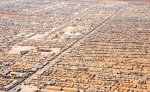
מחנה הפליטים הסורים זעתרי בירדן. (צילום: U.S. Department of State via commons.wikimedia.org)

יהודים בקנדה עושים מעשים חיוביים: עוזרים בשיפוץ מסגד שנשרף ומסייעים להביא פליטים מסוריה

בדרך כלל שוררים יחסים טובים בין קהילות היהודים והמוסלמים בקנדה בניגוד למקומות אחרים בעולם. לאור הימים הקשים, המאורעות במזרח התיכון ואירועי הטרור שמשפיעים גם על קנדה, נתרמים בהקהילה היהודית באזורים שונים ברחבי המדינה לעזור לאחרים, ובמקרה זה מדובר במוסלמים.

חברים בקהילה היהודית וראשי בית הכנסת ‘בית ישראל’ שבעיר פטרבורו במחוז אונטריו נרתמים בימים האחרונים לעזור קהילה המוסלמית המקומית, שהמסגד היחיד שלה נפגע בשריפה בשבוע שעבר. מדובר בפעילות פלילית שמוגדרת על ידי המשטרה כפשעי שנאה, לאור פעולות הטרור של דאע”ש בפריז. עלות השיפוץ של המסגד נאמדת בשמונים אלף דולר ובקהילה יהודית עוזרים בהשגת מימון לפרוייקט, שיימשך מספר שבועות. כן הוצע למוסלמים להשתמש במתקן בית הכנסת לקיום תפעילותיהם עד שהמסגד יהיה כשיר לפעילות מלאה.

במקביל וללא קשר מספר קהילות יהודיות בקנדה נערכות לעזור לקליטת פליטי המלחמה בסוריה. זאת לאור החלטת הממשלה הליברלית החדשה ברשות ראש הממשלה, ג’סטין טרודו, להביא לקנדה עשרים וחמישה אלף פליטים עד לסוף שנה זו. בימים הקרובים הממשלה תפרט את תוכנית העבודה לקליטת הפליטים שעלותה מוערכת בכמיליארד דולר. עלות הבאת וקליטת משפחה בת ארבע נפשות מוערכת בין שלושים עד ארבעים אלף דולר בשנה. ארגונים כמו הג’ואיש פמלי סרוויס משתפים פעולה עם הכנסיה המאוחדת של קנדה להקצאת משאבים ומתקנים לקליטת הפליטים. קהילת היהודים של קמפלוס ברשות הג’ואיש קומיונטי סנטר המקומי החלה במגבית לגיוס כספים לעזור לפליטים מסוריה, בשיתוף ארגונים מקומיים אחרים. ואילו בית הכנסת ‘טמפל שולום’ בוונקובר קיים מגבית לגיוס כספים לפליטים. במגבית גוייסו תוך מספר ימים כארבעים אלף דולר.

אבדה ונמצאה: טבעת אירוסים שנעלמה בחוף הושבה לבעליה

את טקס האירוסים שלהם דרין ריימר ואשתו לעתיד קתלין מקולי לא ישכחו. האירוע שהתחיל יפה וכמעט הסתיים בעוגמת נפש גדולה, נגמר בסוף טוב. רמייר (34) הזמין את בת זוגתו בחמש השנים האחרונות מקולי (27), לארוחת ערב חגיגית בעיר החוף טופינו שבוונקובר איילנד. אחרי הארוחה השניים ירדו לחוף הסמוך כשגשם ירד כמעט ללא הפסקה. הם החלו ללכת על החול הרטוב ופתאם ריימר נעצר, ירד על ברכיו, הוציא טבעת מכיסו ואמר למקולי: “הינשאי לי”. מקולי ששמחה מאוד אמרה “כן” ומייד הוסיפה: “אוי לא”. ומדוע, כי הטבעת שריימר ענדה על אצבעה הרטובה החליקה ונעלמה בחול כשבחוץ שלטה החשכה. לאחר שהתעשתו, השניים החלו לגשש בעזרת ידיהם על החול הרטוב בסמוך אליהם ולא מצאו דבר. הם המשיכו בחיפוש אחר הטבעת האבודה כמעט לאורך כל הלילה, עד שהתייאשו וחזרו לבית המלון, כשהם רטובים, עייפים ואצבעות ידיהם קפואות. למחרת בבוקר המשיכו השניים בחיפוש ולא מצאו את הטבעת. תושבי טופינו ואפילו השוטרים ששמעו על דבר הטבעת שנעלמה, פתחו במבצע חיפוש נרחב בחוף. לאחר מספר שעות הצליח אחד מהתושבים בעזרת מגלה מתכות למצוא את החפץ היקר. ריימר ומקולי הנרגשים שמחו עד דמעות. ריימר ניקה את את הטבעת מהחול ושוב ענד אותה על אצבעה של מקולי, אך הפעם בזהירות רבה, תוך שהוא בודק היטב שאין סיכוי שתיפול.

ריימר סירב להגיד מה עלות הטבעת שלא הייתה מבוטחת, אך ציין כי מדובר בטבעת הזהב לבן עשויה בהזמנה אישית, ועליה ציור של שושנה ולהבות מזהב צהוב, וכן מוטבעים מסביב מספר יהלומים. הוא הוסיף שסיפור הטבעת שאבדה חיזק את הקשר בין השניים, לאחר שהתמודדו בהצלחה עם מצב לחץ קשה.

Format ImagePosted on November 24, 2015November 23, 2015Author Roni RachmaniCategories עניין בחדשותTags Caitlin McAuley, Darrin Reimer, Kamloops Jewish community, mosque, Peterborough, refugees, Syria, Temple Sholom, terrorism, דרין ריימר, טמפל שולום, טרור, מסגד, סוריה, פטרבורו, פליטים, קהילת היהודים של קמפלוס, קתלין מקולי
Building relationships

Building relationships

East Side Jews observes Shabbat at Trout Lake. (photo from Carey Brown)

When Rabbi Carey Brown and her family moved to Vancouver in 2011, they made their home in East Vancouver.

“We settled down in East Van and really loved the neighborhood,” Brown told the Independent. “Slowly, as I became familiar with more people, I realized there was a growing need for additional places for people to meet and connect with their roots.”

photo - Rabbi Carey Brown
Rabbi Carey Brown (photo from Carey Brown)

This realization was the inspiration for East Side Jews, a group that Brown founded about a year ago, and which she co-directs with Lisa Pozin. Brown is associate rabbi at Temple Sholom, and Pozin is the synagogue’s program director.

“We started with Rosh Hashana on Main Street, we invited people to join us and taste honey cake and hear a story at Solly’s, learn about honey at the Honey Shoppe, and sing songs and hear the shofar at a local park. We didn’t know how to reach people, so we posted notes in coffee shops and community centres around the area. To our surprise, the turnout was amazing. We decided to create one event every month. We hosted a tikkun olam event at the PriceSmart food store [now a Save-On] on King Edward Avenue and Knight Street, we did a Havdala under the stars at Trout Lake, and shared Shabbat dinners in local community centres. People really liked our events, a group was formed. We were really happy and excited.”

Elaborating on the tikkun olam event, Brown said it was a “scavenger hunt we called Project Feed. We gave the families a list of specific food items that JFSA [Jewish Family Services Agency] told us were needed by the Jewish Food Bank and PriceSmart told us would be on sale. The families made a donation to participate and then used their lists to fill their carts. After finishing the shopping, we met at Or Shalom to sort the food and hear a short presentation from JFSA about the food bank. People learned a lot about the food bank and realities of hunger in our community. The kids were very into the experience and the parents really appreciated having a hands-on opportunity to engage with their kids in tikkun olam.”

Brown grew up in Minneapolis, went to Northwestern University, which is near Chicago, and then studied at Hebrew Union College in Jerusalem and in New York City. After her ordination, she was a rabbi at Temple Isaiah in Lexington, Mass., for six years. That community’s approach to community outreach influenced her and, when she and her husband – Dr. Gregg Gardiner, assistant professor and Diamond Chair in Jewish Law and Ethics at the University of British Columbia – brought their family (they now have two children) to Vancouver, she incorporated it into her own approach.

“The federation in Boston (CJP, Combined Jewish Philanthropy) invested a lot of time and effort in reaching out to interfaith couples. Every event, every meeting, every holiday, they always emphasize the fact that the invitation is open to interfaith couples, that they are welcome to join in, that it will be in a nonjudgmental atmosphere, that everyone will accept them and encourage them to connect to the Jewish community. I saw how meaningful that was to families and that it really impacted their participation in Jewish life. I wanted to make sure that families in Vancouver were hearing this supportive message as well.”

And it seems that the message is indeed being heard – and appreciated. East Side Jews now has some 200 names on its mailing list, it receives support from the Jewish Federation of Greater Vancouver and has recently been honored by the Union for Reform Judaism. The East Side Jews initiative garnered Temple Sholom one of URJ’s 2015 Belin Outreach and Membership Awards, which recognizes congregations from across North America “that have developed programs to actively welcome and integrate those new to Judaism, created relationship-based membership engagement models, or developed new, innovative ways to engage and retain members.”

“We really try to use the events to establish personal relationships with our new friends, to go for a coffee, to meet in smaller groups, to build a connection following the public events,” explained Brown about what makes East Side Jews unique. “We learned that there are many people out there who are eager to live a meaningful Jewish life, but they are having a hard time finding the right place for them. We create a Jewish experience that is very approachable, very friendly and accepting. There are many Jews who grow up here and they have a very small connection to the community. They would love to have more, but they don’t know where or when or how. We help these kinds of people get engaged and involved and find their own path to design their own Jewish life…. It’s working very well so far and our group is growing at a surprising pace.”

Next on East Side Jews’ calendar is a field trip to Fraser Common Farm/Glorious Organics in Aldergrove on the morning of Sept. 27 with Temple Sholom congregants, religious school kids and others. If you would like to catch the 9:10 a.m. bus from Temple Sholom, register at [email protected] or 604-266-7190. For more information, visit templesholom.ca/sukkot-on-the-farm.

For anyone wanting to know more about East Side Jews, visit eastsidejews.ca.

Shahar Ben Halevi is a writer and filmmaker living in Vancouver.

Format ImagePosted on September 18, 2015September 17, 2015Author Shahar Ben Halevi and Cynthia RamsayCategories LocalTags East Side Jews, Judaism, Rabbi Carey Brown, Temple Sholom
MPs reception guests

MPs reception guests

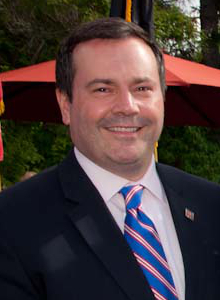
Left to right: The Hon. Alice Wong, Conservative MP; Erinn Broshko Conservative candidate, Vancouver Granville; Bonnie and Allan Belzberg; and the Hon. Jason Kenney, Conservative MP. (photo by L. Broshko)

Conservative Party of Canada MPs Jason Kenney and Alice Wong were special guests at a reception held on Aug. 9 at the home of Allan and Bonnie Belzberg. Erinn Broshko, the Conservative candidate in the Vancouver Granville riding, addressed the gathering and introduced Kenney, Canada’s minister of national defence and multiculturalism. Kenney spoke about the federal government’s support for Israel, foreign policy and other topics of interest to the group. His remarks were candid and well received by the approximately 35 people in attendance.

While Kenney was in Vancouver, he participated in the most recent Canada Decides 2015 townhall organized by Temple Sholom and the Centre for Israel and Jewish Affairs.


Format ImagePosted on August 21, 2015August 19, 2015Author Norman FranksCategories LocalTags Centre for Israel and Jewish Affairs, CIJA, Conservatives, federal election, Jason Kenney, Temple Sholom
Mystery photo … July 31/15

Mystery photo … July 31/15

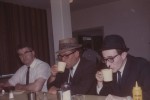
Three men eating at the Jewish Community Centre of Greater Vancouver, circa 1965. Rabbi Marvin Hier is sitting on right but the men on the left are unidentified. (photo from JWB fonds; JMABC L.11568)

If you know someone in these photos, please help the JI fill the gaps of its predecessor’s (the Jewish Western Bulletin’s) collection at the Jewish Museum and Archives of B.C. by contacting [email protected].

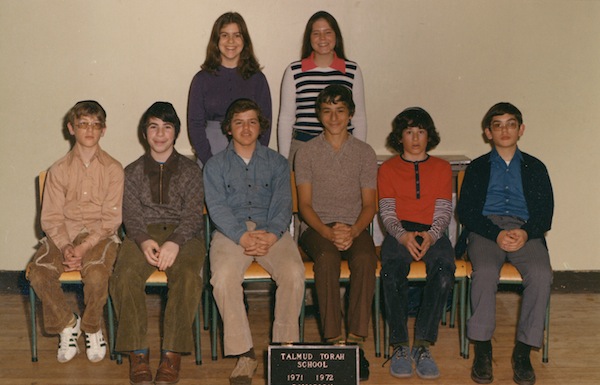
photo - Vancouver Talmud Torah Grade 9 class picture, 1971-1972 school year
Vancouver Talmud Torah Grade 9 class picture, 1971-1972 school year. (photo from JWB fonds; JMABC L.14845)
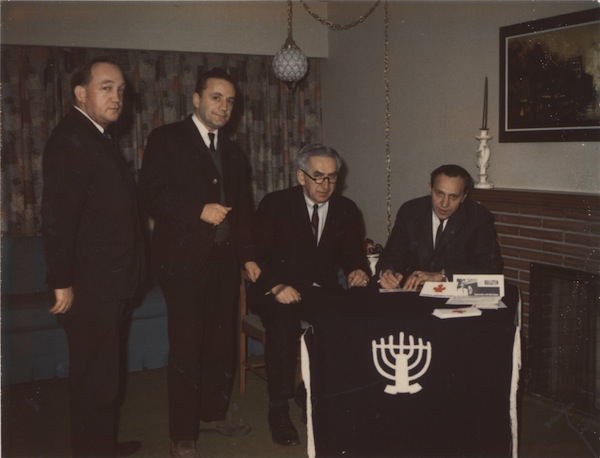
photo - Men at a B’nai B’rith event in someone’s home, circa 1980. The four men (including Sam Lemer on the left) are preparing to sign a document
Men at a B’nai B’rith event in someone’s home, circa 1980. The four men (including Sam Lemer on the left) are preparing to sign a document. (photo from JWB fonds; JMABC L.09565)
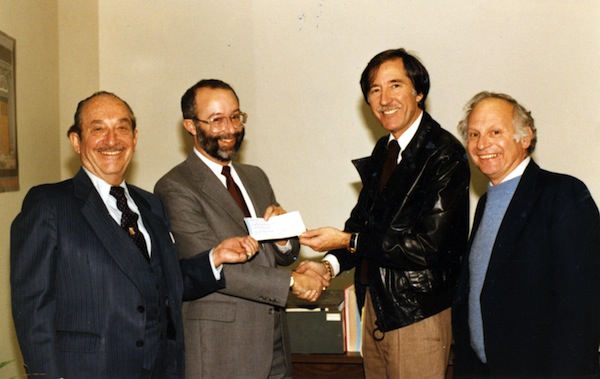
photo - Presentation of a cheque, B’nai B’rith, 1985. The four men include Sheldon Cole (second from left)B
Presentation of a cheque, B’nai B’rith, 1985. The four men include Sheldon Cole (second from left). (photo from JWB fonds; JMABC L.10228)
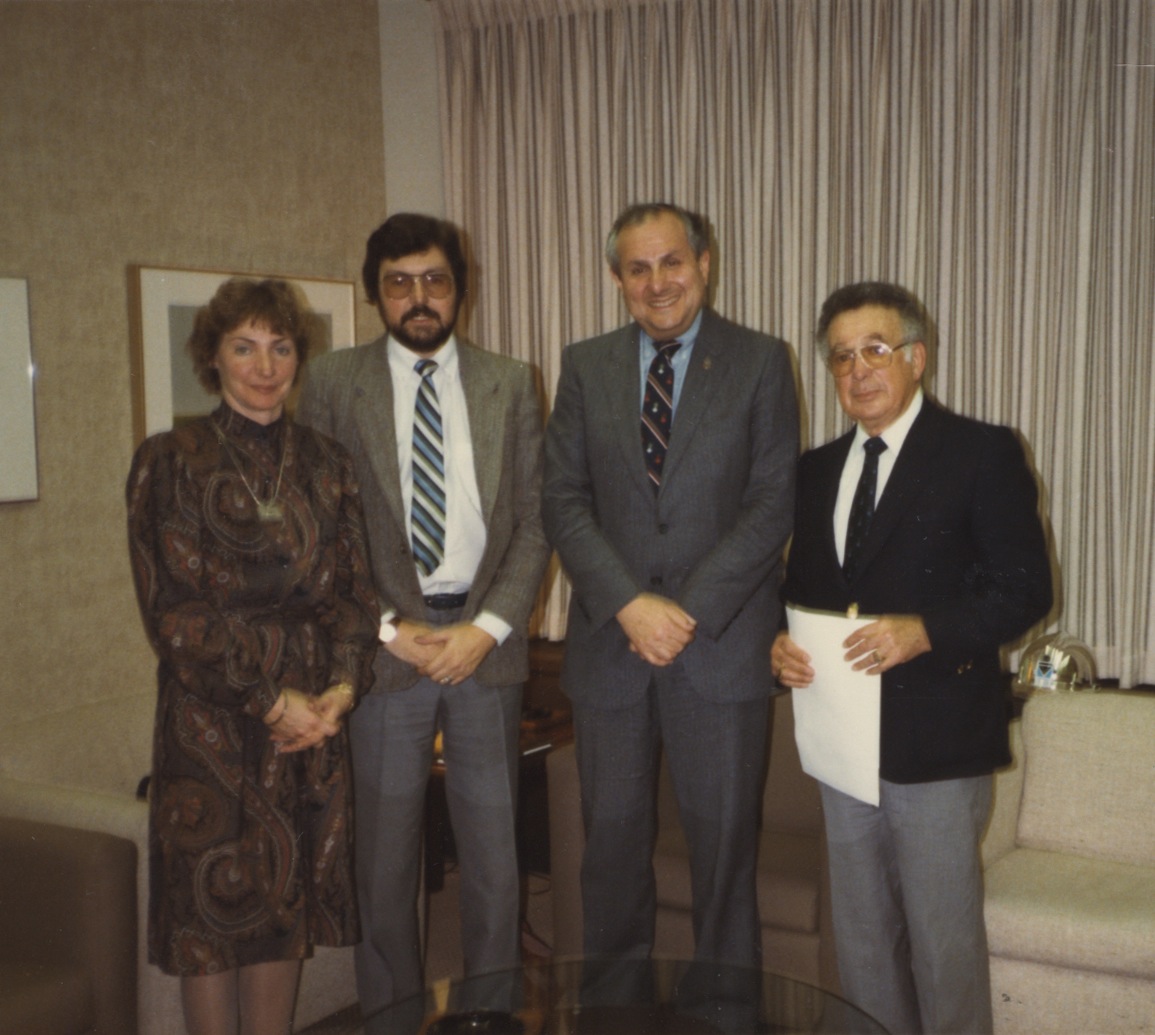
photo - Canadian Jewish Congress receives a grant, 1983. Unidentified people are with Senator Jack Austin (second from the right) and Sidney Zack (far right)
Canadian Jewish Congress receives a grant, 1983. Unidentified people are with Senator Jack Austin (second from the right) and Sidney Zack (far right). (photo from JWB fonds; JMABC L.10048)
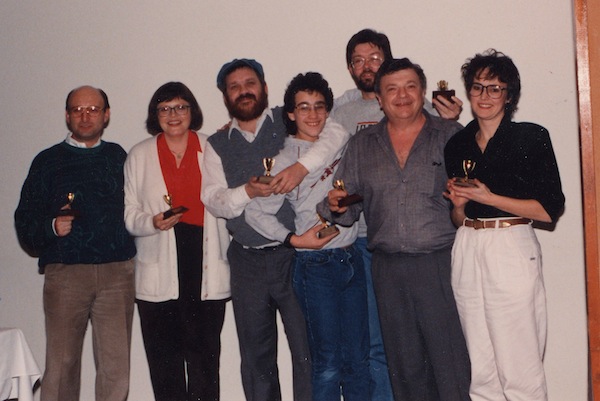
photo - First annual Temple Sholom Trivia night, “small trophies,” 1990
First annual Temple Sholom Trivia night, “small trophies,” 1990. (photo from JWB fonds; JMABC L.15060)
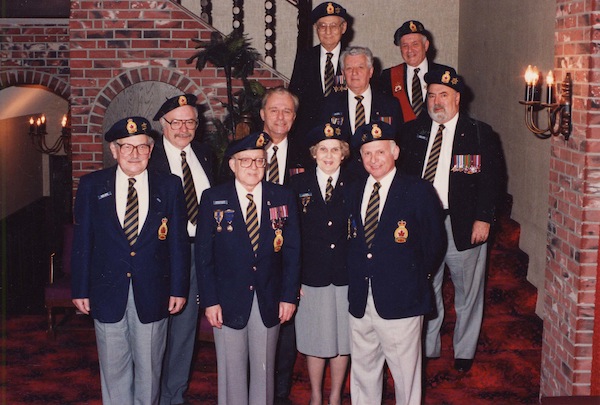
photo - New Royal Canadian Legion Shalom Branch executive, 1989
New Royal Canadian Legion Shalom Branch executive, 1989. (photo from JWB fonds; JMABC L.14258)
photo - Maimonides high school’s first Grade 8 students, 1986
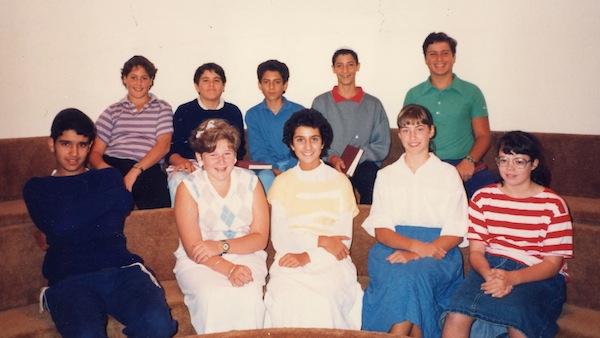
Maimonides high school’s first Grade 8 students, 1986. (photo from JWB fonds; JMABC L.14998)
Format ImagePosted on July 31, 2015July 28, 2015Author JI and JMABCCategories Mystery PhotoTags B'nai B'rith, Canadian Jewish Congress, CJC, JMABC, Maimonides, Royal Canadian Legion, Shalom Branch, Temple Sholom, Vancouver Talmud Torah

ג’ייסון קני מגיע לוונקובר

ידיד של ישראל: ג’ייסון קני מגיע לוונקובר באוגוסט לערב ראיונות של המרכז לענייני ישראל והיהודים בקנדה

שר ההגנה והשר לענייני הרב-תרבותיות בממשלת השמרנים של סטיבן הרפר, ג’ייסון קני, יגיע בחודש הבא לערב ראיונות מטעם המרכז לענייני ישראל והיהודים בקנדה. האירוע יתקיים ביום ראשון התשעה באוגוסט בבית הכנסת ‘טמפל שלום’, בשעה שבע בערב. זאת במסגרת ערבי ראיונות עם הראשים והמנהיגים של שלושת המפלגות הגדולות, לקראת הבחירות הפדרליות שיערכו ב-19 בחודש אוקטובר. קני ידבר בעיקר על החשיבות של קהילת היהודים באזור מטרו ונקובר והתמיכה הרחבה בישראל. לציבור הרחב תהיה אפשרות להעביר שאלות לשר קני, וניתן להזמין מקומות ישיבה לאירוע עד השישה באוגוסט.

photo - Secretary of Defence and Secretary of State for Multiculturalism Jason Kenney
שר ההגנה והשר לענייני הרב-תרבותיות ג’ייסון קני. (צילום: US Mission Canada Flickr)

השר קני נולד באוקוויל אונטריו ב-1968. הוא נכנס לחיים הפוליטיים ב-1997, ומכהן בתפקידי שר בשלושת הקנדציות האחרונות של הרפר.

כמו הרפר קני הוא ידיד קרוב מאוד לישראל והוא תומך במדינה לאורך כל הדרך. קני שנחשב למקורב של הרפר והוא גם שר בכיר בממשלתו, מועמד מוביל לתפקיד ראש מפלגת השמרנים ומועמדה לראשות הממשלה, לאחר פרישתו של הרפר. שר ההגנה ביקר בישראל מספר פעמים, והוא משתתף קבוע באירועים בקנדה של הקהילה היהודית והארגונים הישראלים. קני ביקר לאחרונה בישראל בראשית שנה שעברה, כחבר במשלחת של ממשלת קנדה בעת ביקורו הרשמי של הרפר. הוא ביקר אז במיזם של מיחזור מים אפורים שהוא פרוייקט של קק”ל, ואמר: “אנחנו גאים מאוד במה שקק”ל קנדה עושה. אין לכם מושג כמה זה מעודד לראות במו עייניי את המיזמים שאנחנו מקדמים עם קק”ל”.

בחודש יוני האחרון הגיע קני לביקור רשמי בפולין, אותו הוא פתח כנציג קנדה באירוע לזכר קורבנות גטו ורשה. השר ביקר גם במוזיאון להיסטוריה של היהודים בפולין.

נגמרה החגיגה: אחות שביזבזה שמונים ושישה אלף דולר שקיבלה בטעות הועמדה לדין

אחות מובטלת ממונטריאול שביזבזה אלפי דולרים שלא שלה, הועמדה לדין על גניבה ובית המשפט המקומי הרשיעה לאחרונה בדין. האחות בת הארבעים ושתיים ניגשה לסניף הבנק שלה במהלך שנת 2011, וביקשה מהטלר בסך הכל מאה דולר אמריקניים. בגלל טעות מביכה וחוסר עירנות מצד הפקיד בבנק קרדיט יוניון, הוא הפקיד בחשבונה לא פחות ממאה וחמישים אלף דולר.

האחות שקלטה מהר מאוד את דבר הטעות החליטה שלא לדיווח על כך לסניף בנק שלה. במקום זאת היא החלה לחגוג עם הכסף שלא שלה וביזבה בנדיבות שמונים ושישה אלף דולר. וזאת במהירות גדולה יחסית של תוך שלושים ושלושה ימים. היא הוציאה מחשבונה את הכסף בשטרות גדולים ובסכומים גבוהים, של בין מאתיים וחמישים דולר לאלפיים וחמש מאות דולר. וכל זאת עד קרידט יוניון שפתח בינתיים בחקירה ארוכה והבין שיש בעייה, החליט לקפיא את חשבונה. להלן רשימת ההוצאות החלקיות של האחות על חשבון הברון: טיול יוקרתי עם כל בני המשפחה בעלות של כששת אלפים דולר, שיפוצים נרחבים בדירה בעלות של כעשרים אלף דולר, תכשיטים ובגדים יקרים וארוחות שחיתות במסעדות.

אך מתברר של כל חגיגה יש סוף והבנק שכאמור פתח חקירה עלה על הטעות החמורה של הפקיד, ודרש בחזרה את מלוא הכסף. האחות סירבה להחזיר את הכסף והבנק הגיש תביעה נגדה לבית המשפט. לשאלת השופט העלתה הנתבעת טענה מגוחחת שקיבלה את הכסף כביכול מדוד שלא הכירה בספרד, לאחר שעורך דינו שלח לך מכתב בנושא. בית המשפט לא קנה את הגירסה הלא האמינה של האחות למקור הכסף שהגיע כביכול לידיה וכאמור הרשיעה.


Posted on July 21, 2015July 21, 2015Author Roni RachmaniCategories עניין בחדשותTags Centre for Israel and Jewish Affairs, CIJA, credit union, Jason Kenney, luxury, nurse, Temple Sholom, אחות, ג'ייסון קני, טיול יוקרתי, טמפל שלום, מרכז לענייני ישראל והיהודים בקנדה, קרדיט יוניון
IDF veterans visit Vancouver

IDF veterans visit Vancouver

The eight visiting Israel Defence Forces veterans at Stanley Park. (photo by David Schwartz)

Eight Israel Defence Forces war veterans, all of them part of the rehabilitation program at Beit Halochem, visited Vancouver earlier this month for eight days. They were guests of Temple Sholom and each of them was hosted by a family here.

Temple Sholom president David Schwartz was one of those hosts. “It’s the fifth visit we’ve had, ever since we joined the Beit Halochem program 10 years ago, and each visit brings us, as a community, to new heights of emotional inspiration,” he said. “Our congregation’s response to this program was amazing and we had some members on the waiting list for the next time. Unfortunately, our group included only eight veterans – if we had more, there would have been no problem to find them a suitable accommodation. It is such a great privilege to host these brave people who sacrificed … for the state of Israel. Each one of them has an amazing story of personal heroism; it is just feels so honorable to have them among us even for a short while.”

Infantry Col. Eitan Matmon, who was injured three times during his military career, the last time on Lebanese soil during the 2006 war, was the highest rank officer among the visitors. It was Matmon’s second visit to Canada, but the first to the West Coast, and the warm weather matched the community’s hospitality. “From the first moment we landed in Vancouver,” he said, “our hosts took care of us and greeted us with the biggest hearts and smiles we could wish for.

“Our guys are struggling every single day to recover, both physically and mentally, from the horrible effects of war,” he continued. “For them to come here and enjoy this amazing scenery, to meet the local Jewish community and to relax and enjoy such a visit is just priceless. We are so thankful to our hosts from Temple Sholom, King David High School, Rabbi [Philip] Bregman from Hillel and everybody else who contributed to this successful visit. We can’t wait to show our friends and family at home what kind of warm support we have found here, on the other side of the planet.”

The group landed in Vancouver on Tuesday, May 5, and visited King David on Thursday, Hillel at the University of British Columbia on Friday, then joined Temple Sholom for Shabbat dinner. They toured Stanley Park and Granville Island, went shopping at Pacific Centre, attended a Vancouver Whitecaps game and traveled to Whistler and Bowen Island before leaving on May 14 for Calgary for five days. Separately, Matmon was among a group of about 50 people who joined a Jewish Museum and Archives of British Columbia tour of historical Jewish sites in Strathcona and Gastown on Sunday, which was when he had a chance to talk with the Jewish Independent.

The first connection between Beit Halochem and Temple Sholom was made by Bregman 10 years ago. Since then, five delegations have visited Vancouver, and Bregman is still excited by the special event. “For us, as North American educators,” he said, “this connection provides such a great opportunity to show our young generation something they have never seen before: personal sacrifice. Our country doesn’t ask for anything from local high school grads, right? You went to school, you graduated, you say thank you and move on with your life. In Israel, they say, ‘No, now you’re going to give us back three years of your life.’ And the young people of Israel keep on doing their mandatory service in such a devotion that can only be admired by our local youth. I’m so glad and proud that this connection has turned into a tradition. The IDF veterans’ visit at the Hillel centre has left our students with a powerful and inspiring message of hope and courage that can only come from one place in the world: Israel.”

For more details on Beit Halochem in Canada, visit beithalochem.ca.

Shahar Ben Halevi is a writer and filmmaker living in Vancouver.

Format ImagePosted on May 22, 2015May 21, 2015Author Shahar Ben HaleviCategories LocalTags Beit Halochem, David Schwartz, Eitan Matmon, IDF, Israel Defence Forces, Philip Bregman, Temple Sholom

Posts pagination

Previous page Page 1 … Page 5 Page 6 Page 7 Next page
Proudly powered by WordPress