Skip to content
  • Home
  • Subscribe / donate
  • Events calendar
  • Business Directory
  • FAQ
  • News
    • Local
    • National
    • Israel
    • World
    • עניין בחדשות
      A roundup of news in Canada and further afield, in Hebrew.
  • Opinion
    • From the JI
    • Op-Ed
  • Arts & Culture
    • Performing Arts
    • Music
    • Books
    • Visual Arts
    • TV & Film
  • Life
    • Celebrating the Holidays
    • Travel
    • The Daily Snooze
      Cartoons by Jacob Samuel
    • Mystery Photo
      Help the JI and JMABC fill in the gaps in our archives.
  • Community Links
    • Organizations, Etc.
    • Other News Sources & Blogs
  • JI Chai Celebration
  • JI@88! video

Recent Posts

  • Or Shalom reopens its doors
  • JFS from past to future
  • Need holistic approach
  • Sharing stories, advice
  • Journalist shares fears
  • Skills to live together
  • Road to independence
  • Cutting grass with scissors
  • Zionism as a solution
  • Deceit, desire & the divine
  • Reclaiming sacredness
  • Creative project ideas
  • Summer squares and cobbler
  • Thou shalt … summer commandments
  • Legal help for students
  • Revisiting myth of Lilith
  • Wrong person rebuked
  • Canada’s mixed messages
  • Questions for museum
  • Symposium on antizionism
  • Making soccer political
  • CJPAC lauds Pulver’s impact
  • City recognizes Vrba’s legacy  
  • Organ donation saves lives
  • Theodore’s March premiere
  • A healing Shabbaton
  • Supplying healthy food
  • A chime of metal tags
  • Yellowknife seder a first
  • Ishai energizes, unifies
  • A Lag b’Omer to remember
  • Expanding the healing
  • Hannah Senesh – a unique hero
  • Community milestones … May 2026
  • Деньги до зарплаты на карту Займ до зп онлайн за 5 минут 2026
  • Микрокредит онлайн в Казахстане Микрозайм в Акшамат

Archives

Follow @JewishIndie
image - The CJN - Visit Us Banner - 300x600 - 101625

Tag: JSA

Libby Yu plays music for soul

Libby Yu plays music for soul

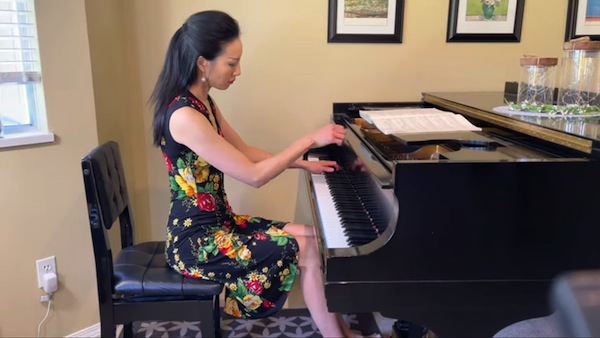
Libby Yu performed A Concert for the Soul on June 28, hosted by Jewish Seniors Alliance and the Kehila Society of Richmond. (screenshot)

On June 28, Jewish Seniors Alliance and the Kehila Society of Richmond presented classical pianist Libby Yu in performance via Zoom. A Concert for the Soul was the last session of the 2020-21 JSA Snider Foundation Empowerment Series.

Toby Rubin, coordinator of Kehila Society, welcomed everyone to the concert and introduced Yu, who was born and grew up in Richmond. An accomplished performer, collaborator, teacher and adjudicator, Yu has graced international stages and has appeared as soloist with major symphony orchestras. She brings her passion for music to audiences of all ages and venues. She is an artist for the Health Arts Society’s Concerts in Care, which allows her to share her music in residential care homes and hospitals. Rubin encouraged us all to watch Yu’s fingers as they moved on the keyboard.

Yu greeted everyone from her home, saying how much she enjoys performing for JSA and Kehila and that she looks forward to playing for us in person in the future. She told us that she would be playing Ludwig van Beethoven, Franz Schubert and Frédéric Chopin.

The first piece was Beethoven’s Moonlight in three movements. The first was slow, the second light and happy, while the third was dramatic with many runs and chords.

The next piece was Schubert’s Impromptu, 4th Opus in A Flat Major. This piece is full of cascades, arpeggios, with a beautiful melody. It is in the ABA format, where the third movement returns to the melody of the first.

This was followed by two of Chopin’s Etudes, the first in F minor and the second his well-known revolutionary étude that reflects his turmoil over the instability of his native Poland.

Yu ended her performance with a Chopin Ballade, in G minor. The main theme is a quiet, still melody that builds in virtuosity and then flourishes to huge dramatic chords. The coda is fast and exciting.

It is indeed a pleasure to watch Yu in her intensity and concentration. After her performance, she thanked us and said she hoped the music brought us all joy.

Gyda Chud, co-president of JSA, thanked Yu for the program. She reminded everyone that, in the past, events with Kehila have included lunch and, hopefully, we will all be able to enjoy both lunch and a performance in person soon.

Chud again thanked Yu, saying the concert was not only an inspiration for the soul, but also for the heart and mind.

The Empowerment Series will continue with the theme “Be Inspired” for the 2021-22 season.

Shanie Levin is program coordinator for Jewish Seniors Alliance and on the editorial board of Senior Line magazine.

Format ImagePosted on July 9, 2021July 7, 2021Author Shanie LevinCategories MusicTags Jewish Seniors Alliance, JSA, Kehila Society, Libby Yu, music, piano, seniors
The power of breath

The power of breath

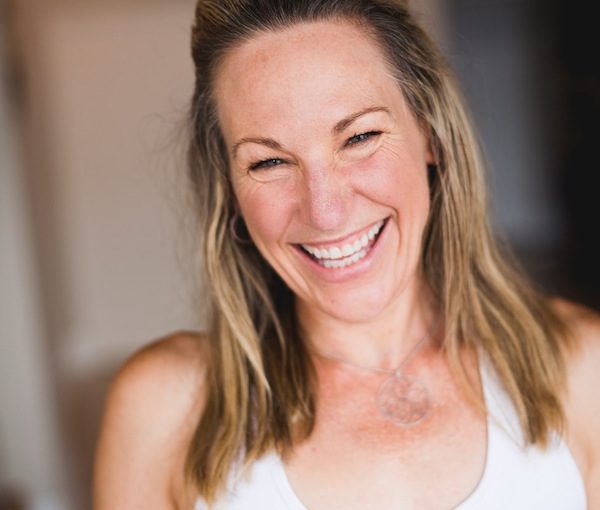
Yoga therapist and teacher Tianne Allan (photo from yogatianne.com)

Don’t hold your breath. Breath is life, and each breath we take optimizes our health. This is what I learned at Jewish Seniors Alliance’s third empowerment session – Discover the Power of Your Breath – which was held on May 4.

Gyda Chud, co-president of JSA, welcomed the 75 Zoom participants, explaining that the overarching theme for the empowerment series is “Be Inspired.”

Fran Goldberg introduced the speaker – yoga therapist and teacher Tianne Allan, who was involved for two decades in the world of aquatics and high-performance athletics. After a car accident, her yoga practice became her pathway to healing, both physically and emotionally. She now specializes in pain care and in the treatment of anxiety and insomnia.

Allan guided the group in movement – breathing while opening the arms and bringing them back to the chest. She explained that the foundation of our breath is comprised of three steps:

1. Sit up straight and breathe through your nose.
2. Low and slow, take a breath down into your belly.
3. Smooth and steady, inhale and exhale.

Other types of breathing are the relaxation breath, where you sit back, relax and exhale with a sound; and the humming breath, to relieve anxiety, where you inhale through the nose and exhale through a hum.

Correct breathing can also help ease pain, Allan explained. And it can help us sleep better. The sleep exercise involved imagining ourselves looking through the ceiling to the blue sky and letting the sun fill our bodies with warmth. This exercise actually lulled some of us to sleep.

Shanie Levin thanked Allan for getting us involved in using our bodies and minds, and reminded the audience of the JSA’s next Empowerment Series session, on June 28, featuring Libby Yu, a classical pianist.

For more information on Allan, see yogatianne.com.

Tamara Frankel is a member of the board of Jewish Seniors Alliance and of the editorial committee of Senior Line magazine. She is also a board member of the Jewish Community Centre of Greater Vancouver.

Format ImagePosted on May 28, 2021May 27, 2021Author Tamara FrankelCategories LocalTags breathing exercises, Empowerment Series, healthcare, Jewish Seniors Alliance, JSA, seniors, Tianne Allan, wellness, yoga

Peer service reinvented

To say that COVID-19 has wreaked havoc on British Columbians would be an understatement. The virus has disrupted anything that we would call the normal activities of daily life. Most of us have had to make major compromises: where we go, what we do and how we can avoid getting the terrible virus. These adjustments have had a major impact on Jewish Seniors Alliance clients, who are already compromised by loneliness and isolation.

How we serve our clients and how we support our volunteers has undergone major changes – let’s give it the label “reinventing peer services.” In order to better understand what has taken place, I interviewed Charles Leibovitch, JSA senior peer support services coordinator, and Grace Hann, JSA trainer of volunteers of senior support services.

In the beginning

By mid-March 2020, the first sign of COVID-19 began to show its ugly head. The lockdown left clients and volunteers absolutely unprepared. Persons who were already isolated and lonely found themselves even more isolated and lonelier. As time progressed, clients were cut off from family members who might have supported their relatives through personal contact and social events. This was especially devastating for persons without family.

In many situations, volunteers were their primary contact; their lifeline! Being alone undermines one’s mental health. Being alone exaggerates one’s fear of COVID-19. Most of the clients were cut off from community programs, like adult day care. Spouses who usually spent time with their spouse in a long-term care facility were also cut off. Simple activities like going for a walk and sitting on a bench were curtailed. Elders had depended on having that human connection – having that human touch makes us feel needed and whole.

Volunteers meet challenge

The changing scene called for quick action, initiated by Grace and Charles. Instead of personal visits, the telephone would become the prime instrument of contact between volunteers and their clients. It was necessary to contact the volunteers quickly. Support for the volunteers would be provided by Zoom. This necessitated a steep learning curve for volunteer and client. After all, making and keeping the connection was critical. The three services – peer support, friendly visits and friendly phone calls – had to be reassessed in terms of the neediest clients. Each of the three services’ volunteers had different levels of training by Grace.

In some situations, a certified peer support volunteer was assigned to a person who ordinarily would have had contact with a friendly visitor or a friendly phone caller. Moving from in-person contact to impersonal contact was a major transition – almost like reinventing how support was to be provided. The JSA volunteers made the transition like veterans, with the extraordinary help of Grace and Charles. There was an increase in the contacts between volunteers and clients and an increase in Zoom online meetings to support the very special work being carried out by the volunteers.

Supporting the volunteers

Grace and Charles organized many activities, including outdoor picnics, weekly webinar seminars, a Chanukah party with a singalong and group support meetings every three weeks. The spirit and esprit de corps by the volunteers has been amazing. Volunteers will send cards to their clients as an additional way to keep in contact. Who doesn’t like to receive mail?

Next steps

Challenging times require challenging solutions. Charles and Grace rose to the challenge and proved that, with dedication, imagination and determination, obstacles can be overcome. When the COVID-19 vaccine has been fully distributed, we will establish a “new normal.” This will present JSA, Grace, Charles and the volunteers with a new set of issues and situations. And, as the song goes, “we shall overcome” – they will face these challenges with creativity, empathy and caring.

Ken Levitt is a past president of Jewish Seniors Alliance, former chief executive officer of Louis Brier Home and Hospital, and a past chair of Camp Miriam. In 1985, he co-edited The Challenge of Child Welfare, the first textbook on child welfare in Canada. A version of this article originally appeared in the March 2021 issue of Senior Line.

Posted on May 7, 2021May 7, 2021Author Ken LevittCategories LocalTags Charles Leibovitch, coronavirus, COVID-19, Grace Hann, Jewish Seniors Alliance, JSA, peer support, Senior Line, seniors, volunteers
Evaluating info online

Evaluating info online

Dr. Noah Alexander was the keynote speaker at the Jewish Seniors Alliance Spring Forum on March 21. (photo from medicalmentorcommunity.com)

Can I Trust That? Evaluating Health Information Online was the topic of the Jewish Seniors Alliance Spring Forum, held virtually on Sunday, March 21.

Gyda Chud, co-president of JSA, welcomed about 100 people to the afternoon event. She reminded attendees of the four foundational elements of JSA: outreach, education, advocacy and peer support. She then turned the mic over to Tamara Frankel, a member of the program committee, to introduce the guest speaker, Dr. Noah Alexander.

Alexander is a practising emergency physician at Vancouver General Hospital. Although he usually works on the front line, he also works to empower patients. He does this through his role as the associate director of digital health literacy at the InterCultural Online Health Network. This organization helps members of many different communities understand and manage their chronic health conditions.

Alexander began his talk by stating that his goal was to provide a systemic approach to health education. He highlighted many elements, beginning with the question, How do you know who to trust in this information age?

When using a search engine (he likes to use Google Chrome), use key words or short sentences to find information. When looking at the search results, consider whose website it is, their credibility and the value of the content. Credibility and content are key to the whole process. For example, who wrote the article or blog, and are they known and respected? How old is the entry? Is it relevant to the question you’re asking? Is it peer-reviewed or is the writer or organization accredited? Check the site’s URL: for example, .com entities are usually commercial and profit-based, whereas URLs ending in .org, .gov and .edu are not-for-profit.

Check both the credentials of the authors and whether they are being paid and, if so, by whom. If the entry has advertisements, there is likely to be a bias involved, Alexander warned. He said people should not trust a Wikipedia entry for important information, as anyone can add their own comments to the post. Rather, use a credible health website such as the BC Centre for Disease Control, HealthLink BC, Vancouver Coastal Health, or any other government agency.

If an article’s page contains links to other websites, there could be a conflict in that they may be selling merchandise. Red flags should be raised when cures are being offered and sold online, said Alexander. Do not trust simple, non-medically proven solutions, or advice contained in group chats. Make sure that there is a privacy policy.

Alexander then presented an interactive quiz based on his presentation, after which Chud thanked him for clarifying the elements involved in seeking accurate health information online. She also summarized the questions attendees posted in the chat and Alexander answered a number of them.

The answer to the question posed about health information online – “Can I Trust That?” – is yes … if you follow Alexander’s suggestions.

Shanie Levin is program coordinator for Jewish Seniors Alliance and on the editorial board of Senior Line magazine.

Format ImagePosted on April 23, 2021April 22, 2021Author Shanie LevinCategories LocalTags health, internet, Jewish Seniors Alliance, JSA, medicine, technology

What’s up in gerontology?

At the second program of the season in the Jewish Seniors Alliance Snider Foundation Empowerment Series, a few Simon Fraser University graduate students shared their research interests with the 70-plus participants who tuned in via Zoom on Jan. 15.

Jointly sponsored by the JSA and Sholem Aleichem Seniors of the Peretz Centre for Secular Jewish Studies, the Gerontology Research Panel: Eager to Share our Interests and Help our Community – What’s Up With Seniors event featured master’s students Lindsay Grasso and Kishore Seetharaman, and PhD student in gerontology Eireann O’Dea.

Grasso became interested in exploring the impacts of separating couples in long-term care settings when her own family experienced it. She said this problem of separation will become more severe as more couples age together. Current long-term care settings separate couples, depending on each partner’s individual needs.

The effects of dementia on couples is profound and, often, one partner ends up as the caregiver for the other, she said. When the point is reached that institutional care is required, being together would alleviate a lot of the pain, believes Grasso, who has received a grant to look into the long-term effects of separating couples, as well as the effects on visiting spouses, when only one partner is in care. In both scenarios, there is the loss of a shared life, shared memories and the beginning of mourning. It is important to continue the relationship through visiting, sharing activities and eating together, she said. The healthier spouse would need to monitor care and advocate for their partner. For her research, Grasso will be conducting in-person interviews with couples, and will also meet with staff to review their understanding of the issues surrounding separation.

The second presenter, Seetharaman, has a background in architecture and is interested in planning and designing dementia-friendly neighbourhoods, especially in Metro Vancouver.

Worldwide, 70% of dementia-affected adults live at home, so dementia is more than an individual health issue, it is a community issue. Communities must be more inclusive, he said. He would like them to focus on eliminating stigma, raising awareness, social engagement, accessibility to services, improving planning and design of public spaces and support given to caregivers.

In terms of design, he said, familiarity and easy recognition are important. Signs should be clearly visible and easy to read. Distinctive landmarks are helpful for finding the way, he added. There is some work being done in Vancouver in this area but it is not clear as yet how it will be implemented. Seetharaman would like to create a body of knowledge for designers. He is hoping to interview both dementia patients and public servants.

O’Dea is looking into volunteerism and cultural generativity. She became interested in these topics as an undergraduate, when she was volunteering at the Jewish Community Centre of Greater Vancouver and its L’Chaim Adult Day Centre. There, she encountered seniors who were volunteering with other seniors, and she is looking into the benefits on health and sense of purpose in life, as they move away from former roles. The strengths and capabilities of these older adults motivated other seniors to become involved, she noted, adding that each person’s aging process is unique.

O’Dea already has interviewed a number of senior volunteers regarding their motivation. She said many spoke of being motivated by the values of tzedakah (charity) and tikkun olam (repairing the world), and the passing on of Jewish culture. These responses led her to the exploration of cultural generativity, i.e., the desire or need to keep cultural identity alive and pass it down to future generations. This is especially relevant to ethno-cultural minorities, she said, and O’Dea will be researching four minorities: Jewish, Chinese, South Asian and Iranian. She will be studying the effects on both the volunteers and the members of the communities.

During the Q&A session, there were queries about dementia villages; the design and cost of facilities for couples in long-term care; and retention and recruitment of volunteers. The City of Vancouver is apparently looking into an age-friendly action plan that could include persons with dementia.

JSA co-president Gyda Chud reminded everyone about the evaluation questionnaire, then Shanie Levin, program coordinator for JSA, thanked the presenters. The entire program, including the PowerPoint images, is available via the JSA website, jsalliance.org.

Shanie Levin is program coordinator for Jewish Seniors Alliance and on the editorial board of Senior Line magazine.

Posted on February 12, 2021February 11, 2021Author Shanie LevinCategories LocalTags culture, dementia, Eireann O’Dea, gerontology, health, Jewish Seniors Alliance, JSA, Kishore Seetharaman, Lindsay Grasso, minorities, science, seniors, Sholem Aleichem Seniors

Medical myths & facts

How Well Do Treatments Prevent COVID-19, Shingles, Heart Disease, Diabetes and Anything Else that Might Ail You? That was Dr. James McCormack’s topic at the Jewish Seniors Alliance fall symposium Nov. 22. And some 100 participants Zoomed in to hear his answers.

Gyda Chud, co-president of JSA, welcomed everyone and reviewed the organization’s foundational goals: outreach, advocacy and peer support. She thanked Jenn Propp, Liz Azeroual and Rita Propp for their hard work in facilitating the symposium, which emphasizes education and advocacy.

Marilyn Berger, past president of JSA, spoke a bit about McCormack’s background, noting how amazing his talk had been when he addressed the JSA a few years ago.

McCormack is a professor in the faculty of pharmaceutical sciences at the University of British Columbia, a podcast host and YouTube content creator. He began his remarks by mentioning his philosophical beliefs, which can be found in detail at therapeuticeducation.org. He emphasized that he receives no money from pharmaceutical companies and his only income is his salary from UBC. His medical podcast covers many topics, including nutrition (the Mediterranean diet is recommended) and anti-aging creams (they are all the same).

Regarding treatments and medications, McCormack recommends being skeptical and checking all information, as some are useful but many don’t work well. For example, many new drugs are not much better than those they are replacing, and many doses are too high. (See jewishindependent.ca/medical-myth-busting.)

The doctor shared a number of popular beliefs that are not supported by evidence and, indeed, which science indicates are not true. Examples included the following myths: it is not good to swim immediately after eating; sugar makes children hyperactive; you lose body heat through your head; eating carrots helps your eyesight; and spinach is strengthening.

Also, there is no evidence that you need to finish all medications, he said. For example, with antibiotics, if you are asymptomatic after 72 hours, you can stop taking them. Although we have some incredible medications, McCormack said the Golden Pill Award, given for breakthroughs in new medication, has not been awarded for the past eight years.

McCormack stated that “so-called diseases,” such as elevated blood pressure, bone density issues and high-glucose levels, should be identified as “risk factors,” rather than diseases. He also said many medications do not alter outcomes. It’s all about the numbers, what is the relative reduction of symptoms after taking certain medications. If the reduction is only two percent, is it worth taking a drug that has many side effects? he asked. He said, in the case of cardiovascular disease, following a Mediterranean diet and exercising may have more benefit than many drugs.

Regarding the serums for COVID-19, McCormack said the work has been outstanding and the oversight phenomenal. Vaccines for contagions are very important, he said.

McCormack concluded his talk by reminding us that tests and treatments can help and/or harm people. It is important to think for yourself, ask questions and have hope, he said, before responding to many audience questions.

Ken Levitt, past president of JSA, thanked McCormack for his presentation and for his emphasis on being alert about medications. The participant feedback was extremely positive.

Shanie Levin is an executive board member of Jewish Seniors Alliance and on the editorial board of Senior Line magazine.

Posted on December 4, 2020December 2, 2020Author Shanie LevinCategories LocalTags BS Medicine Podcast, healthcare, James McCormack, Jewish Seniors Alliance, JSA, medicine, seniors

Concert that inspires

The new Jewish Seniors Alliance Snider Foundation Empowerment Series season began on Oct. 19 with a concert. As usual, the program was co-sponsored by JSA and a community organization; in this case, the Kehila Society of Richmond. Because of the pandemic, the event took place on Zoom.

Last year’s Empowerment theme, “Be Inspired,” was carried forward for this year’s season. Fifty participants tuned in to Music in the Afternoon, which featured pianist Lester Soo and vocalist Maria Cristina Fantini. Soo is an accomplished musician who has taught, adjudicated, accompanied and performed in the world of music for many years, while Fantini – a dramatic soprano, at home in both classical and popular styles – teaches and has established her own vocal studio.

Toby Rubin, coordinator of Kehila Society, welcomed everyone and introduced Soo and Fantini.

JSA’s Gyda Chud spoke about the alliance and recalled that Soo and Fantini had performed in a joint program in the past. This time, the musicians performed from Soo’s home, where he was able to make use of his grand piano.

The audience was entertained by a number of old favourites, starting from the 1930s. Songs included “Unforgettable,” “When I Fall in Love” and “Besame Mucho.” These were followed by works by Cole Porter and Irving Berlin, k.d. lang’s version of Leonard Cohen’s “Hallelujah,” and “Tonight” from West Side Story. The duo then switched to the jazz genre, with “Misty.” Lester played a solo of “Over the Rainbow” and he and Fantini ended with an aria by Puccini, “O, My Beloved Father.”

It was a wonderful concert. The only problem was that the musicians couldn’t hear the applause because the audience was muted for the performance. However, Rubin thanked Soo and Fantini on everyone’s behalf.

For information on JSA and upcoming events, visit jsalliance.org.

Shanie Levin is an executive board member of Jewish Seniors Alliance and on the editorial board of Senior Line magazine.

Posted on November 27, 2020November 25, 2020Author Shanie LevinCategories MusicTags Empowerment Series, Jewish Seniors Alliance, JSA, Kehila Society, Lester Soo, Maria Cristina Fantini, piano, seniors, Snider Foundation, voice
Medical myth-busting

Medical myth-busting

Medical myth-buster Dr. James McCormack speaks Nov. 22 via Zoom. (photo from too-much-medicine.com)

Dr. James McCormack is a bit of an anomaly as a voice in today’s medical debates. In a politically driven climate where most people tend to stand as either “all in” or “all out” with regards to their belief in science and research, McCormack’s approach is more pragmatic.

McCormack, a tenured professor in the faculty of pharmaceutical sciences at the University of British Columbia, a podcast host and a YouTube content creator, is a strong believer in evidence-based medicine. Well-known as a medical myth-buster, he dispels misinformation that often prevents doctors and their patients from making the most informed decisions possible. He will present some of his many thoughts and findings at the Jewish Seniors Alliance Virtual Fall Symposium Nov. 22, 2 p.m., which will be held on Zoom.

McCormack’s presentation will highlight some of the more common myths around what medications are actually effective and how doctors and patients can better work together to make evidence-based decisions. In a phone interview with the Jewish Independent, the doctor said his ultimate objective is to find out what the best available existing evidence is in healthcare to help doctors and patients make shared decisions on treatment plans.

This process is often “tricky,” he said, because of the many false conclusions and deceptive statistics that surround the medical field. For example, there are hundreds of clinical trials showing that statins, one of the most popular drugs in the world, help patients with high cholesterol, reducing the risk of heart attacks among 50-to-60-year-old patients from five percent to four percent.

“If you take a statin you can reduce your chance of a heart attack by about one percent,” he explained. “But what you will hear is that this is a 20% reduction in heart attacks – 20% is not a lie, but it’s misleading.

“If I come to you and say, ‘You have high blood pressure. That’s a silent killer. Do you want it to be treated?’ That’s not shared decision-making,” he argued. “If I said, ‘Your blood pressure is this number and your chance of a heart attack is 10% over the next 10 years and we can reduce it from 10% down to eight percent, what do you think of that?’ If that two percent seems like something you might want to consider, then we can try the drug, start with a low dose, make sure we don’t blow you away with any side effects, and then go from there.”

McCormack hinted at the large amount of medical misunderstanding around the world by noting his belief that at least half of all medical prescriptions are either wrong, unnecessary or the incorrect dose – a problem he says is driven by the challenges pharmaceutical companies face in getting their products to market.

“When a new drug comes onto the market, almost for sure the recommended dose is too high,” he said. “[Pharmaceutical companies] have to show that the medicine works. To show that it works, they have to recommend a dose that everybody responds to because, if you choose lower doses, you might not show enough people responding.”

He likened this process to attempting to estimate how much alcohol any specific person would need to drink in order to get drunk – a question for which there would be almost as many answers as there are people.

“This is a fundamental flaw in how we get a drug onto the market,” he said.

McCormack also brought up the alarming lack of evidence-based research on some of the most popular ideas in modern medicine and nutrition. Some of these myths include what we think about vitamins, the lack of evidence showing the health benefits of green vegetables like broccoli, and even our daily water intake.

“You see the same things with nutrition, where there are so many recommendations that are BS – like the idea of [needing to drink] eight glasses of water a day,” he noted. “Almost everyone in the world knows that’s the number of glasses of water you’re supposed to have every day, but there is not a single study that’s ever looked at that. It’s a made-up number mentioned by someone maybe 50 years ago, but it becomes incredibly powerful when everyone assumes it to be true. The evidence is pretty clear when it comes to water – you drink when you’re thirsty.”

McCormack became a myth-buster when, earlier in his career, he discovered a lack of evidence backing up the so-called facts that many of his mentors presented to him.

“I went looking for the evidence and I wondered why they were telling me this if [there was a lack of] evidence. It didn’t make any sense,” he said. “If good, smart people who are trying to do a good thing are telling me unintentional BS, why is that? So, ever since then, I’ve been very inquisitive.”

While he does his best to provide as much myth-busting content as possible to the public, McCormack warned that there’s no simple solution to helping patients understand the great nuances surrounding medical options.

“It’s very tricky,” he said. “Patients don’t feel empowered to make a decision because that’s not part of the ethos of how we do medicine. There are people who would say to their doctor, ‘Just tell me what to do.’ And that’s totally fine as long as the doctor or the pharmacist knows the best available evidence.”

While McCormack will share some of his key discoveries at the symposium, fans of his work can also listen to any of the 460-plus episodes of his podcast, The Best Science Medicine Podcast, which he has nicknamed The BS Medicine Podcast.

“We take the BS out of the BS,” he laughed, before emphasizing that he and co-host Michael Allan approach their shows with a sense of humour.

McCormack also produces various music video parodies on his YouTube channel under his own name. The videos, he said, are a labour of love. “I do [them] because I’m a tenured professor and I can do whatever I want,” he said, tongue-in-cheek. “Which is kind of nice.”

JSA members/supporters will receive an email with the Zoom link to join the virtual symposium. For more information on and to register for the JSA symposium, contact the JSA office at [email protected] or 604-732-1555.

Kyle Berger is Jewish Community Centre of Greater Vancouver sports coordinator, and a freelance writer living in Richmond.

***

Editor’s note: This article has been amended from the print version to include more detailed information on how to access the event on Zoom.

Format ImagePosted on November 13, 2020November 12, 2020Author Kyle BergerCategories LocalTags BS Medicine Podcast, health, James McCormack, Jewish Seniors Alliance, JSA, medicine, science, seniors

We must plan for our death

While our ultimate death is a certainty, when and how we will die is unknowable. And though death is inevitable, it remains a taboo subject for most. None of us knows what the future will bring. It is better to be prepared, so that if you become unable to make medical care decisions, your designated family members and healthcare providers, if you have talked to them, will have the knowledge and confidence to make those decisions for you.

As long as you are capable of understanding and communicating effectively with your doctor, nurse or other healthcare provider, you will be asked to make your own healthcare treatment decisions. But a serious accident or illness can result in you being incapable of making your own healthcare decisions at the time care is needed. This is why thinking about your preferences and talking to your future decision-makers now is so important. Making an advance care plan is a choice that will help alleviate some of the stress your family and friends could face if they are required to make important decisions for you, including who, exactly, you want your doctor to approach to learn about your wishes.

Advance care planning begins by thinking about your beliefs, values and wishes regarding future healthcare treatment and talking about them with selected family members or friends, as well as your doctor. When people you trust know what is important to you, it will be easier for them to make treatment decisions on your behalf.

Healthcare providers will always offer medically appropriate healthcare based on clinical assessment. They will want to ensure that any symptoms like pain, dizziness, nausea, bleeding or infection are understood and addressed. As long as you can understand and communicate, your healthcare provider will explain the medically appropriate care best for you, including any risks, benefits or alternatives. They will also ask if you have any questions and if you wish to accept or refuse the proposed healthcare treatment.

Some of the hardest decisions deal with the use of life support and life-prolonging medical interventions. These can include a ventilator to help with breathing, tube feeding, kidney dialysis, or CPR to restart the heart and lungs. If you were to have a life-threatening illness or injury, would you want to accept or refuse CPR? All, some, or no life support or life-prolonging medical interventions? A trial period of life support and life-prolonging medical interventions, allowing a natural death to occur if your condition is not improving?

Your advance care plan should at a minimum include these three things:

  • Having conversations with selected family members, friends, your family doctor and, if applicable, your spiritual leader, about your beliefs, your values and your wishes.
  • Writing down your beliefs, values and wishes for future healthcare treatment.
  • Writing down the contact information for the people who qualify to be on your temporary substitute decision-maker list (see below), or, if you prefer, the contact information for the representative you have chosen and named in an enhanced representation agreement, which is the one that allows you to name a person to make personal-care decisions and some healthcare decisions, including decisions to accept or refuse life support or life-prolonging medical interventions for you. (If you choose to have a representative agreement, I recommend you seek legal advice).

Bear in mind that your health and personal circumstances will change over time. As long as you are capable, you may change or cancel your advance care plan at any time and for any reason. Be sure to notify your doctor and your family members/friends of all changes you make.

Palliative care

When thinking about what to cover in your advance care plan, you might want to expressly include your wish to receive palliative care if you are suffering from a serious illness or condition. Palliative care is specialized medical care that focuses on providing patients with relief from the symptoms, pain and stress of a serious illness, whatever the diagnosis. The goal of palliative care is not to prolong life, nor to shorten it. The goal is to improve quality of life for both the patient and the family, and can be provided in a variety of locations, including the patient’s home, in a hospice, in a residential care facility or in a hospital.

Palliative care is provided by a team of doctors, nurses and other specialists who work with a patient’s other doctors to provide an extra layer of support. While often associated with end-of-life situations, palliative care is appropriate at any age and at any stage in a serious illness and can be provided alongside other appropriate treatments.

Many people choose to stay at home right to the end of their lives while receiving in-home palliative care from specialized healthcare providers. But if you are in the last few months of your life and feel that you are no longer able to manage at home, a hospice may be a good option for you. Hospices are meant to feel more like a home than a hospital. They are designed and furnished to provide a peaceful, homelike environment for you and your family while you receive end-of-life palliative care.

For more information on the delivery of palliative care in each of these settings, search the B.C. Health Ministry website or contact your local health authority.

Medical assistance in dying

Medical assistance in dying (MAiD) was made legal in Canada in 2016. It provides eligible patients who are experiencing intolerable suffering due to a grievous and incurable medical condition the option to end their life with the assistance of a doctor or nurse practitioner.

If your beliefs and values allow you to consider MAiD in the face of intolerable suffering, you should start by speaking with your doctor or your local health authority. For a variety of reasons, not all doctors will provide MAiD, and no one is required by law to do so. For some, MAiD may conflict with their personal beliefs or professional ethics. However, a patient can expect to be provided with information on how to access this service. Healthcare providers must not discriminate against patients with beliefs or values different from their own, and must provide an effective transfer of care to another healthcare professional who does offer MAiD.

To be eligible for MAiD, a patient must meet all of the following criteria:

  • be registered under B.C. Medical Services Plan
  • be at least 18 years old and capable of making healthcare decisions
  • have made a voluntary request for medical assistance in dying that was not made under any external pressure. This request must be in writing and signed and dated in front of two independent witnesses
  • have given informed consent after having been informed of the other means that are available to relieve their suffering, including palliative care, and
  • on assessment by two independent doctors or nurse practitioners, are determined to have a grievous and incurable medical condition, which means they have a serious and incurable illness, disease or disability; they are in an advanced state of decline that cannot be reversed; the illness, disease, disability or state of decline causes enduring physical or psychological suffering that is intolerable and cannot be relieved under conditions that the patient considers acceptable; their natural death becomes reasonably foreseeable. (On Feb. 24, 2020, the Liberal government of Canada introduced a bill to further amend the Criminal Code to, among other things related to MAiD, allow eligible persons to pursue a medically assisted death whether their natural death is reasonably foreseeable or not.)

A patient who has requested MAiD must be given the opportunity to withdraw their request throughout the process, including immediately before the medical assistance is administered, and this withdrawal need not be in writing or in any other particular form. Just an indication of a change of mind will do. And be aware that only patients who are themselves capable of giving consent can request MAiD. A request by a substitute decision-maker or by way of an advance directive is not valid.

Start the discussion

There is much more information available on end-of-life options than touched on in this article, and many matters not covered herein, but there is enough here to allow you to begin a conversation with those in your life who you want to make decisions for you when you cannot.

This is a lot to cover in one conversation. You can have as many conversations as you need – just get started before unwelcome circumstances make it too late. You will be doing yourself and your loved ones a big favour.

Tony DuMoulin is a founder of the law firm of DuMoulin Boskovich, where he practised commercial and real estate law for 40 years. He has a long history of involvement in Jewish organizations and municipal projects. DuMoulin is on the executive board of Jewish Seniors Alliance, in whose magazine, Senior Line, this article originally appeared in July 2020, Vol. 27(2).

Format ImagePosted on November 13, 2020November 11, 2020Author Tony DuMoulinCategories LocalTags death, end-of-life, health, Jewish Seniors Alliance, JSA, medically assisted dying, palliative care, Senior Line

JSA adapts to the times

The Jewish Seniors Alliance of Greater Vancouver held its annual general meeting on Sept. 10 via Zoom. Because of the pandemic, we were unable to have our usual format – the AGM followed by a gala dinner and the honouring of three volunteers, nominated by the seniors organizations with whom they work. In spite of these obstacles, we succeeded in holding a meeting that dealt with our ongoing activities and resolutions for our future. More than 50 supporters attended online.

JSA’s co-president, Gyda Chud, focused her remarks on the hard work of the peer support program volunteers, who have been putting in extra time, contacting their clients by phone several times a week. She thanked Grace Hann and Charles Leibovitch for their support of the volunteers during these demanding times. And she also thanked the rest of the JSA staff: Liz Azeroual, executive administrator; Rita Propp, administrative assistant; Jenn Propp, graphic designer and webmaster; and Wendy Lo, bookkeeper. She mentioned two new staff members – Margot Beauchamp, quality assurance liaison, and Rochelle Garfinkel, donor relations and philanthropy – and asked for a minute of silence to remember the members and supporters who had passed away over the last year.

JSA co-president Larry Shapiro explained how the formal part of the meeting would be conducted, with the use of the chat line and voting via on-screen polling. The minutes from JSA’s 2019 AGM were approved as well as the agenda for the 2020 meeting.

JSA’s financial statements were presented by treasurer Alan Marchant, then Shapiro gave a short president’s report. In it, he commented on the harmony of working with Chud, and also with the board members of JSA. He emphasized the importance of the peer support program and its work with lonely and isolated seniors. He expressed the hope that JSA’s finances would enable us to continue training and supporting the volunteers, and he urged everyone to stay in touch and to read Senior Line magazine.

Tony DuMoulin, who is in charge of governance issues, presented a special resolution for a change to the constitution. This involved removing the word “Jewish” in the section saying that JSA works with Jewish seniors, since it interacts with all seniors. He emphasized that the name of the organization, Jewish Seniors Alliance, would remain the same, and, after some discussion, the resolution was approved with 82% support.

Next, DuMoulin proposed a special resolution to change a number of the bylaws – that all donors automatically become members; meetings may be held electronically; officers would be elected by the board not by the members; and an extended term for members. These changes were approved by 88%.

Shapiro thanked DuMoulin for all his work on the bylaws, while Ken Levitt, head of the nominations committee, thanked Larry Meyer and Pam Ottem, who are retiring from the board, for their years of work on behalf of JSA. He moved that the number of directors on the board be changed from 20 to 21 and this was passed by 97%. He read out the nominations for the upcoming board and these were passed by acclamation.

Various committee chairs reported next, and these reports are available on the JSA website. The highlights include the following:

Peer support services chair Rita Roling, who is taking over from Ottem, noted that they are presently handling 100 cases and would like to increase the service.

Lyle Pullan, membership, stated that JSA has 517 members and 102 life members. He believes that many of the new members came as a result of reading Senior Line. He said new members should be listed in the magazine as an incentive.

Serge Haber reported on fundraising, including the fact that JSA has a contract with Vancouver Coastal Health for $70,000 annually to stabilize the organization. And I reported for the program committee, which is planning a fall forum for November and an Empowerment Series event in October, to be held via Zoom.

Senior Line editor Dolores Luber thanked Jenn Propp for her graphic design and collaboration, as well as the members of the editorial committee. The July issue of the magazine was different, as there had been no public events and nothing to review, but it was full and informative.

DuMoulin spoke on behalf of the advocacy committee, which has established collaboration with COSCO and anti-poverty groups. They have approached the provincial government about making the enhanced flu shot free for seniors. They want the government to make improvements in long-term care homes, increase pensions and the number of free Lifeline pendants available for low-income seniors.

After a short video showing the work of the peer support program, Haber thanked an anonymous donor, who has been giving $25,000 annually for the past five years, for helping JSA in its mission of outreach, advocacy and peer support for seniors.

Shapiro adjourned the meeting.

Shanie Levin is an executive board member of Jewish Seniors Alliance and on the editorial board of Senior Line magazine.

Posted on September 25, 2020September 23, 2020Author Shanie LevinCategories LocalTags advocacy, AGM, coronavirus, COVID-19, Jewish Seniors Alliance, JSA, philanthropy, seniors

Posts pagination

Previous page Page 1 … Page 3 Page 4 Page 5 … Page 8 Next page
Proudly powered by WordPress