Skip to content
  • Home
  • Subscribe / donate
  • Events calendar
  • News
    • Local
    • National
    • Israel
    • World
    • עניין בחדשות
      A roundup of news in Canada and further afield, in Hebrew.
  • Opinion
    • From the JI
    • Op-Ed
  • Arts & Culture
    • Performing Arts
    • Music
    • Books
    • Visual Arts
    • TV & Film
  • Life
    • Celebrating the Holidays
    • Travel
    • The Daily Snooze
      Cartoons by Jacob Samuel
    • Mystery Photo
      Help the JI and JMABC fill in the gaps in our archives.
  • Community Links
    • Organizations, Etc.
    • Other News Sources & Blogs
    • Business Directory
  • FAQ
  • JI Chai Celebration
  • JI@88! video

Recent Posts

  • Eby touts government record
  • Keep lighting candles
  • Facing a complex situation
  • Unique interview show a hit
  • See Annie at Gateway
  • Explorations of light
  • Help with the legal aspects
  • Stories create impact
  • Different faiths gather
  • Advocating for girls’ rights
  • An oral song tradition
  • Genealogy tools and tips
  • Jew-hatred is centuries old
  • Aiding medical research
  • Connecting Jews to Judaism
  • Beacon of light in heart of city
  • Drag & Dreidel: A Queer Jewish Hanukkah Celebration
  • An emotional reunion
  • Post-tumble, lights still shine
  • Visit to cradle of Ashkenaz
  • Unique, memorable travels
  • Family memoir a work of art
  • A little holiday romance
  • The Maccabees, old and new
  • My Hanukkah miracle
  • After the rededication … a Hanukkah cartoon
  • Improving the holiday table
  • Vive la différence!
  • Fresh, healthy comfort foods
  • From the archives … Hanukkah
  • תגובתי לכתבה על ישראלים שרצו להגר לקנדה ולא קיבלו אותם עם שטיח אדום
  • Lessons in Mamdani’s win
  • West Van Story at the York
  • Words hold much power
  • Plenty of hopefulness
  • Lessons from past for today

Archives

Follow @JewishIndie
image - The CJN - Visit Us Banner - 300x600 - 101625

Category: Life

Don’t be alarmed, but  …

Don’t be alarmed, but …

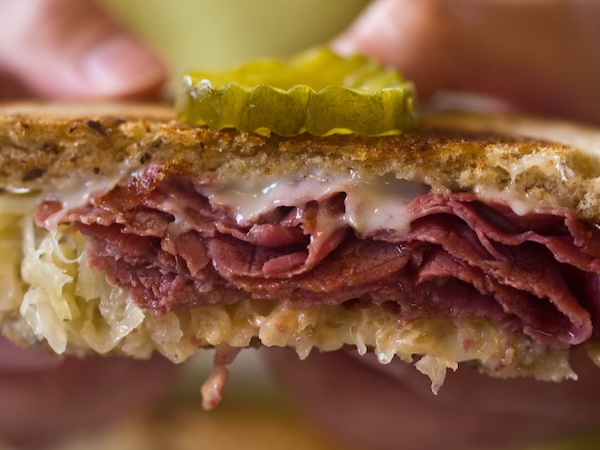
From the “Tribe of Reuben”: a culinary heart-attack-on-a-plate, never mind the trayf  factor. (photo by Alan C. / flickr.com)

On the last morning of our five-day trip to Victoria this summer, my husband Harvey woke me at 6:30 with the ominous words: “I don’t want to alarm you, but I’m having chest pain and I’m really clammy.”

Now, this is a man who has gone a few rounds with cardiac opponents like stents, a pacemaker/defibrillator, cardiac ablation and atrial fibrillation. He is no stranger to people poking around in his arteries and veins. And I am no stranger to health anxiety.

So, I leapt into action and tried to get an outside line through our hotel phone. Impossible. Harvey, cool as a cucumber (well actually, sweaty as a hairy guy in a shvitz), says, “Maybe just use your cellphone and call 911.” Within five minutes an ambulance and a fire truck arrived at our hotel room, and three paramedics started assessing him. Obviously, we all suspected a heart attack, G-d forbid, but they had to check everything anyway. Two puffs of nitroglycerine later and the pain subsided. 

Off we went to Royal Jubilee Hospital. Which sounds like a place of celebration and festivities – jubilee! It was not. Ten hours and countless doctors, residents, nurses and nurse practitioners later, they announced that it was not a heart attack, but “some sort of heart-related issue.” They suggested we stay in Victoria an extra day, gently informing us that the chances of having another such “event” was most likely within the next 48 hours.

Long story short, we stayed in Victoria for two more nights, then came home. That was a Wednesday. On Friday, at around 10:30 p.m., Harvey woke me up again to tell me: “I don’t want to alarm you, but I’m having chest pain again and my jaw feels tight.”

Like an anxiety-fueled robot, I dialed 911 and off we went to Vancouver General Hospital to spend a thoroughly horrendous two nights in the emergency department. Thanks to a nurse who advocated for us and a cardiologist who finally saw us after 19 hours of waiting, Harvey was promised an angiogram “within the next three days.” Seriously? I caught sight of incredulity in the rearview mirror.

I’m convinced that nonstop praying is what got Harvey an angiogram on the Sunday morning. And what did it show? He had a blockage in the smaller of the two “widow-makers” – a term cardiologists use to refer to the heart’s biggest artery, and the one that commonly causes fatal heart attacks. This is a term that no wife wants to hear. Ever. But, thank G-d, they caught it in time and put a cardiac stent in. To date, it’s still a mystery as to why a fairly recent cardiogram didn’t catch this blockage. Needless to say, this wife will be armed with an extensive list of questions for Harvey’s cardiologist. For the record, I’m not comforted when doctors opine that “sometimes we just don’t know.”

When I asked Harvey how I could possibly tie in his cardiac episodes with my Balabusta column, without missing a beat, he said: “Tribe of Reuben.” I immediately understood the reference to the two Reuben sandwiches he’d consumed that week. I have become very adept at extrapolating the gems that spew forth from my husband’s witty piehole. For those of you not familiar with this culinary heart-attack-on-a-plate, a Reuben consists of corned beef, Swiss cheese and sauerkraut slathered with Russian or Thousand Island dressing, grilled between slices of rye bread. My arteries clog just contemplating this. Never mind the trayf (non-kosher) factor.

Suffice it to say that, while I cannot be my husband’s keeper, I can be the gatekeeper for what we eat at home. And there sure as heck aren’t going to be any Reuben sandwiches darkening our doorway. They might try knocking, but nobody’s going to answer.

In the service of taking on a heart-healthy diet, Harvey will be eating nothing but salads, fruit and vegetables from now on – as if. Me, I’m a dyed-in-the-wool carnivore, so meat is a staple and I refuse to banish it. Given the state of things, I anticipate cooking separate meals for Harvey and me. Imagine my delight. Although I suppose certain proteins in regulated portions would be OK for him, I will have to explain to Harvey that corned beef and salami are not proteins, but rather heart attacks waiting to happen.

Alternative proteins like tofu and quinoa are out of the question for hubby, as you already know. So, my challenge will be to get creative and cleverly hide those loathed substances in appealing-looking dishes. A little quinoa thrown into a vegetable stew. Beyond Beef jumping into the understudy role for lasagna. Tofu masquerading as schnitzel. Not likely. Not ever. Harvey has the nose of a bloodhound and will sniff out these offending pseudo-proteins before you can say traitor.

What’s a wife to do? I could bribe his cardiologist to read Harvey the riot act. Or I could just throw my hands up in frustration and accept the fact that Harvey is a grown man with the capacity to make his own choices, good, bad and otherwise. I just hate giving in to sensible options, so I’m opting for Door #1. Wish me luck.

In the meantime, I’ll explore the big wide world of vegetables and figure out how I can disguise spaghetti squash and golden beets to make them look like Big Macs and Reuben sandwiches. Tonight, Harvey will be eating a salad composed of avocados, blueberries, mangoes, Persian cucumbers and fresh mint, with a healthy homemade dressing. And he’ll love it. The dressing is simple: lime juice. If I’m feeling magnanimous, I might even slip in a small portion of real protein on the side. Depends on whether or not he snuck in a Sabich for lunch while I was out. I’ll be sniffing his breath for signs of falafel and onion before dinner. 

Stay tuned for my end-of-summer Greek orzo salad that will satisfy your craving for a salty, sweet side salad that doubles as a main dish. It’ll usher your tastebuds from summer into fall in the blink of an eye. Next thing you know, you’ll be nesting and making sheet pan chicken. Honour the seasons, season your food and eat healthy. Btay’avon. 

Shelley Civkin, aka the Accidental Balabusta, is a happily retired librarian and communications officer. For 17 years, she wrote a weekly book review column for the Richmond Review. She’s currently a freelance writer and volunteer.
Format ImagePosted on September 12, 2025September 11, 2025Author Shelley CivkinCategories LifeTags Accidental Balabusta, cardiac care, healthcare

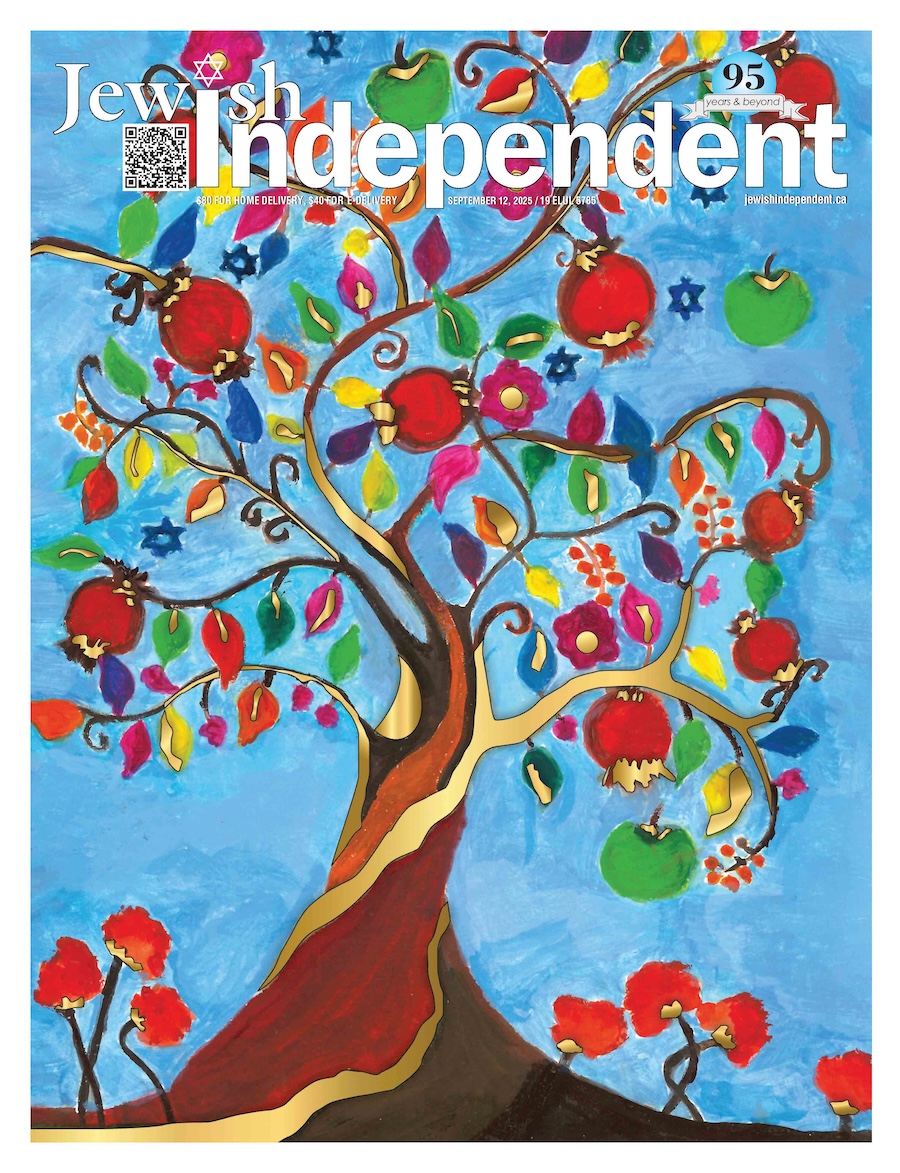
About the Rosh Hashana 5786 cover art

image - 2025 Jewish Independent Rosh Hashanah issue cover by Elaine ArensonThis year’s Rosh Hashanah cover art was created by Elaine Arenson in 2024 for Chai Cancer Care, the British Jewish community’s national cancer support organization. “This is my tree of Chai, my tree of light,” she wrote about the image. “Through the art group, we find creativity, renewal, community and exceptional care. We discover we are so much more than a cancer diagnosis.”

There is a story behind the centre’s annual card, which is selected from works created by Chai clients who attend art workshops. In 2013, a Chai client received a Rosh Hashanah card and told the centre: “It was so bright and cheerful. It lifted my spirits and gave me courage and strength when I needed it most.”

So, the brief to workshop participants is simple: create an image that reflects the warmth, light, joy and hope at this special time of year, and the tangible impact Chai support has on its clients. A quote from the artist always accompanies the image, explaining the sentiment and inspiration behind the design. 

The centre’s Rosh Hashanah cards not only deliver good wishes but are also a source of income for Chai. They are available to buy blank or with a printed message and as ecards. To purchase some, email [email protected]. For more information about Chai Cancer Care, visit chaicancercare.org.

Posted on September 12, 2025September 11, 2025Author Cynthia RamsayCategories Celebrating the HolidaysTags artwork, Chai Cancer Care, Elaine Arenson, greeting cards, Rosh Hashanah
Significance of the holiday table

Significance of the holiday table

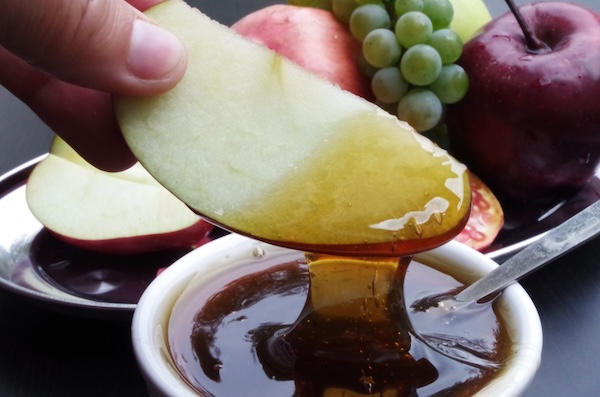
While the symbolism of dipping apples in honey for a sweet new year is well-known, many other foods have added meaning at this time of year, too. (photo from pxhere.com)

To prepare for the most holy days of the Jewish calendar, many people reflect on the past year and some contact those in their lives they may have wronged, asking for forgiveness. Another set of people may be planning what to wear to shul for the two regular annual appearances they make, and some are just doing their best to get back in to the swing of the school year. One of the only things we all do, every single one of us no matter how observant we are of Jewish laws and customs, is eat. 

This year, Congregation Beth Israel offered a cooking series for anyone interested in getting in touch with the food side of the holidays. I had the privilege of conducting this three-part series for members of the shul, touching on three distinct ways of looking at holiday cooking.

Jewish cuisine is incredibly diverse, so it was difficult to narrow the themes and recipe choices. I didn’t want to omit the important contributions that Ethiopian Jews or Jews from India have made to the range of recipes we call Jewish food, but, with only three classes, choices had to be made. Luckily, the classes were so popular, the cultures that were underrepresented this time will be explored in classes to come. Hopefully, there will be classes at many different synagogues around the Lower Mainland in the coming year.

The first class at BI focused on Sephardi-Mizrachi food. Sephardi cooking is specifically the cuisine of Jews who trace their heritage to Spain, those Jews who ended up in North Africa, the western parts of the Middle East, as well as some places in Europe, such as Greece. Mizrachi Jews are from farther east, those who may trace their lineage back to the expulsion of Jews from Israel after the destruction of the First Temple, the Babylonian exile. This ancient community spread to other parts of Asia and has a delicious set of foods as well.

A uniting factor for all the cuisines, if one keeps kosher, is the adherence to the laws of kashrut. Availability of ingredients is always a factor when preparing food and, as evidenced by the similarity of Jewish foods to the cuisine of our non-Jewish neighbours, Jewish food is, in essence, food of the world interpreted through a kosher or cultural lens. For example, Italian Jews have their own unique traditions, tracing back to their expulsion from Israel after the destruction of the Second Temple. One creative interpretation of a locally popular Italian food that would have been off limits to observant Jews is prosciutto. Innovative medieval Jews in northern Italy created goose prosciutto, making a trayf delicacy kosher. 

My second class in the series centred on Ashkenazi cooking for the High Holidays. Originating in Eastern and Central Europe, these foods are heavily influenced by Slavic and Germanic cuisines. The availability of spices was more limited in Europe back in the day, and the traditional recipes are relatively bland and, in many cases, simple compared to those of our coreligionists to the east. 

Unfortunately, the dearth of ingredients had no bearing on the eagerness of our Ashkenazi sages and scholars for limiting the foods to be eaten on various holidays. Many people know of the stringent restrictions on kitniyot for Passover, for example: the beans, lentils, corn and rice that Ashkenazi Jews are traditionally forbidden to eat during Pesach while other Jews happily eat pilafs and lentil soup. Rosh Hashanah is no different. 

While not forbidden, there is a strong recommendation to avoid eating nuts. Why? Two reasons. Nuts were understood by medieval scholars to create extra phlegm and would, therefore, cause nut-eaters to disturb the fervent prayer of fellow congregants. Second, and more universally applicable, the sages attributed mystical meaning to the words for many foods, counting the numerical value of their letters (known as gematria) and equating it with other words of significance. The Hebrew word for nut, egoz, has a value of 17, which is the same as the word for sin, or chet, in Hebrew. Therefore, it was concluded that Jews should avoid eating “sins” so close to the time of judgment.

Gematria is also infused into many of the foods we consider symbolic for our spiritual well-being. Gourds and pumpkins are thought to bring us victory over our enemies, beans multiply our merits, and leeks and cabbage are lucky. Round foods like peas, or foods made round, like the challahs this time of year, symbolize the continuing cycle of life. There are many more examples. So, eat up! We want to get as many of these good things in before the final judgment comes down at the end of Yom Kippur!

Pomegranate is also traditionally eaten for Rosh Hashanah. There are two reasons for this. It is one of the seven species listed in the Torah that will be found in the Land of Israel but, also, mystically, it has been said that there are 613 seeds in a pomegranate: the same number of mitzvot in the Torah. Therefore, eating this fruit at this time of year symbolically gives us a leg up on fulfilling as many of the commandments from the Torah in the coming year as possible. 

The final class in my series focused on embracing the local food scene and bringing locally available seasonal produce to the High Holiday table because the basis of this series was showcasing new recipes imbued with the kind of Jewish reasoning that has kept the Jewish people both rooted in tradition and relevant to our current time and place. Food is one of the things that unites and gives us a sense of belonging – to our culture, our family and potentially, our spirituality. 

Michelle Dodek attended culinary school before the pandemic. She is a long-time contributor to the Jewish Independent, an educator and a balabusta, to boot. Watch for her Jewish food classes.

* * *

photo - carrots
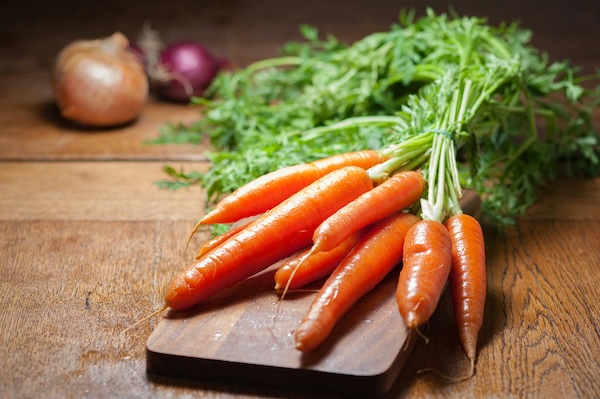
Carrots have lots of symbolism related to this time of year, including the resemblance of a round slice to a coin (prosperity) and, for Ashkenazi Jews, the similarity of the word for carrot (mern) to the word for increase/multiply (mehr), as in our good deeds should be multiplied in the coming year. (photo from pexels.com)

MOROCCAN CARROT SALAD
(Adapted from Adeena Sussman’s Shabbat: Recipes and Rituals from My Table to Yours, this recipe takes about 50 minutes to prepare and yields 4 cups.)

1 1/2 lbs carrots, peeled, if necessary
2 tsp honey or silan
1 large lemon or lime
1 clove garlic, grated (optional)
1 tsp cumin (or up to 1 1/2 tsp)
1-2 tsp harissa (to taste)
1/2 cup chopped fresh mint
1/4 cup olive oil
1/2 cup chopped fresh cilantro (optional)*
1 tsp kosher salt
4 Medjool dates pitted, sliced

Cook carrots in salted water until just fork-tender, about 10 minutes. Watch that you don’t overcook them, nobody wants mushy carrot salad. Drain and cool. Meanwhile, mince the herbs and zest then juice the lemon into a medium-sized bowl. Whisk in oil, salt, honey, cumin and garlic. Cut the carrots into coins and coat with dressing. Stir in remaining ingredients.

Serve immediately or hold in the fridge for up to five days. The flavours benefit from a day or two to mellow in the fridge, which is excellent when you need to prepare ahead for a large group.

*Some people intensely dislike cilantro. Make a few portions without it if you’re having a lot of people over for dinner and you don’t know their preferences, or omit it if you’re one of those people.

Format ImagePosted on September 12, 2025October 12, 2025Author Michelle DodekCategories Celebrating the HolidaysTags culture, Diaspora, food, history, Rosh Hashanah, symbolism
An exploration of the shofar

An exploration of the shofar

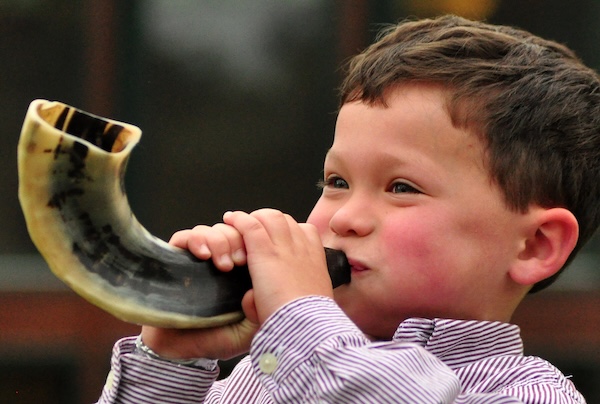
Most shofars are made from a ram’s horn, reminding us of Akeidat Yitzchak (the Binding of Isaac), which supposedly took place on Rosh Hashanah, since a ram was sacrificed in Yitzchak’s place. (photo by Len Radin / flickr)

Around the High Holidays, some young children receive colourful plastic shofars to blow. Are these shofars kosher? Could they be legitimately used during holiday prayers? 

While their colour might hold the attention of the children and worshippers, the answer to the above two questions is no. Shofars that can be used ritually come from animals, including rams, antelopes and goats. The long spiral shofar used by Yemenite Jews, for example, comes from the greater kudu, a striped antelope common to some parts of Africa. But most shofars are made from a ram’s horn. In fact, the shofar is sometimes referred to as a “ram’s horn.” This type of horn reminds us of Akeidat Yitzchak (the Binding of Isaac), which supposedly took place on Rosh Hashanah, since a ram was sacrificed in Yitzchak’s place.

A ram’s horn has a wide base surrounding a core bone, which connects to the animal’s head. Once the animal is dead, the horn is separated from the bone, resulting in a horn that is hollow in its wide part, but sealed at its narrow edge. Heat is applied to enable straightening part of the horn (though some rabbis think this should not be done), then it is polished on the outside and an air-passage hole is drilled in the narrow part, allowing it to produce a sound similar to a trumpet, a trombone or a didgeridoo.

According to Mahzor Lev Shalem, the shofar had a variety of uses in the Bible. It was used as a call to war (remember how it was used to miraculously tumble the walls of Jericho in Joshua, Chapter 6), as a call to assemble the community and, most significantly, to note G-d’s descent on Sinai. Later, it became associated with G-d’s call for Jews to repent.

From one specific shofar, a player can typically produce one sound, which depends on the horn’s length – the longer it is, the lower the sound produced by it, and players must use their lips to vibrate the air in the shofar exactly in the resonance frequency of the specific shofar. But Israeli trumpet player Amit Sofer takes the shofar beyond the tekiah, shevarim and teruah routines of the Jewish prayer book, and turns it into a musical instrument. Listen to Sofer’s trio presentation of Leonard Cohen’s “Hallelujah” (youtube.com/watch?v=lwaD92UcZME).

The shofar is well traveled. Its Greek cousin, the troumbeta or voukino, for instance, was once used all over Greece. Greek musicologist Fivos Anoyanakis, author of Greek Popular Musical Instruments, notes that this animal horn was used to announce field-wardens and postmen. It closely resembles the shofar. 

According to Yad Vashem, during the Shoah, Rabbi Yitzhak Finkler, the Radoszyce rabbi, was incarcerated at Skarzysko-Kamienna, a forced labour camp. Getting hold of a ram’s horn required him to bribe a Polish guard – but the guard brought him an ox horn. It took a second bribe to get the right kind of horn. Then, the rabbi asked camp inmate Moshe Winterter (later Hebraized to Ben Dov), who worked in the camp’s metal shop, to make a shofar. 

At first, Winterter refused. Preparing an item that was not an armament, or even carrying something considered contraband from the workshop to the barracks, carried with it a penalty of death. But he relented. So, in 1943, camp inmates heard the shofar blowing. The shofar traveled around wartorn Europe and the United States until Winterter made aliyah. In Israel, he donated the shofar to Yad Vashem.

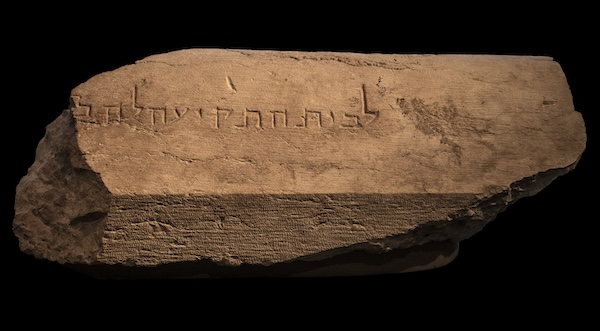
A year after the Six Day War ended, archeologist Benjamin Mazer discovered the Trumpeting Place inscription (which was written in Hebrew, of course). He discovered the 1st century CE stone in his early excavations of the southern wall of the Temple Mount. It shows just two complete words carved above a wide depression cut into its inner face. The first is translated as “to the place” and the second word “of trumpeting” or “of blasting” or “of blowing.” Today, the stone is on display at the Israel Museum in Jerusalem.

photo - The Trumpeting Place inscription
The Trumpeting Place inscription is a stone from the 1st century CE discovered in 1968 by Benjamin Mazar in his excavations of the southern wall of the Temple Mount. The first word translates as “to the place” and the second as “of trumpeting” or “of blasting” or “of blowing.” (Andrey Zeigarnik / wikipedia)

What exactly is the mitzvah of the shofar – the hearing of it being blown or the blowing of it? The written source (Numbers 29:1) of the mitzvah is relatively vague, so the issue was debated by scholars. The verse simply says, “a day of sounding shall be for you.” But, in his Shulchan Aruch, Rabbi Yosef Karo (1488-1575) rules that we make the blessing “to listen to the sound of the shofar” and not “on the blowing of the shofar,” so subsequent halachic (relating to Jewish law) authorities have followed this ruling. 

What does this mean for a person who has trouble hearing? In this age of hearing aids and cochlear implants, does one fulfil the mitzvah if one uses a hearing device? 

As with many other issues dealing with the interpretation of halachah in modern times, there is a difference of opinion regarding electronic hearing aids. Anyone who is not completely deaf is obligated to hear the shofar, according to all opinions. Rabbi Yehuda Finchas, a worldwide expert, lecturer and author of Medical Halacha, opines that anyone who wears electronic hearing aids should ideally stand near the person blowing shofar and remove the aids when the shofar is sounded. However, according to Hacham Ovadia, if one cannot hear the shofar without such a device, one should wear them and fulfil the mitzvah.

A common custom is to start blowing shofar daily at the time of the morning service in the Hebrew month of Elul, the month preceding Rosh Hashanah. On Rosh Hashanah, the shofar is blown at the time of the Torah reading service. Technically, this happens after the Torah and Haftorah have been read, but before the Torah is returned to the ark. On Yom Kippur, the shofar is blown after the final prayer service of Yom Kippur, Neilah.

Whether a person will hear the shofar being blown on Shabbat depends on the individual’s synagogue affiliation. In the Orthodox and Conservative movements, the shofar is not blown on Shabbat. It is blown, however, in Reform congregations. 

Originally, the sages worried that, if shofar blowing was permitted on Shabbat, people might be tempted to violate Shabbat law by carrying a shofar. Rather than risk such a situation, they prohibited any shofar blowing on Shabbat. But, even in Jerusalem, where the shofar would have been blown when the Temple stood, and which has an eruv (a symbolic enclosure within whose borders carrying is permitted) around it, the shofar is not blown in Orthodox and Conservative synagogues.

During the Rosh Hashanah musaf (additional) service, there are three additional sections read: Malchiyot (Kingship), Zichronot (Remembrance) and Shofarot. The Shofarot section provides readers with verses from Exodus and Numbers, Psalms and the Prophets, in which the shofar is mentioned. 

Have a meaningful holiday and a happy new year. 

Deborah Rubin Fields is an Israel-based features writer. She is also the author of Take a Peek Inside: A Child’s Guide to Radiology Exams, published in English, Hebrew and Arabic.

Format ImagePosted on September 12, 2025September 11, 2025Author Deborah Rubin FieldsCategories Celebrating the HolidaysTags Elul, High Holidays, history, Judaism, Rosh Hashanah, shofar
A new year, a new you?

A new year, a new you?

If we want to improve our character traits, we need look no further than the latest issue we have in relationships. Do we get angry easily? Or impatient? (photo of universe.roboflow.com)

The Jewish New Year, 5786, is upon us. How can we be better? Life is always giving us opportunities to learn and to grow, and I believe one of the secrets to life-long learning about how to improve ourselves is to “be aware.”

Self-awareness or being mindful is a habit that is nurtured and practised every day. However, it isn’t about sitting quietly when we meditate, although certainly that is one of the ways we train our mind to observe and to be aware. Self-awareness is a process where we listen to our inner voice as well as listening to messages (whether we like them or not) from friends and family.

Paying attention to our reactions when we see someone who is less fortunate is a good place to start to look at our behaviours and character traits. Are you called to be generous or judgmental? Do you react with humility or arrogance when someone cuts in front of you when you are in line at the grocery store? Are you proud of how you respond, or do you think you could do better? Feelings of being unsettled when we leave a conversation may be a hint there is work to do on our inner self.

Awareness starts by watching our day-to-day actions and decisions, especially those where we find ourselves out of sync with friends, family and/or our “Higher Self.” Even those of us who may not have a direct or active connection to a Higher Self are connected to something – we all have a soul. According to the Torah (Genesis 1:27), we are made in the “image of G-d,” and thus we have the capacity to create relationships, show kindness and make the world a better place through being charitable.

If we want to improve our character traits, where do we look? Alan Morinis, author of Everyday Holiness: The Jewish Spiritual Path of Mussar and the forthcoming book The Shabbat Effect, says we need look no further than the latest issue we have in relationships. Do we get angry easily? Or impatient? How is your generosity muscle working? These are character traits that, when out of balance, may be on the spiritual curriculum we have to work on in our lives.

Mussar teaches us to balance our character traits, not eliminate them. If patience (savlanut) is on your spiritual curriculum, the challenge is to watch for opportunities where you can practise “bearing the burden.” Once you identify a trait you want to work on, lo and behold, there are opportunities everywhere to do so.

A new year is an opportunity to take stock of how we are in this world, and how we can be better. It is also a time to be grateful for all our blessings. Sometimes our blessings may not be wrapped in a silver bow, the silver lining yet to be found. There is the concept of win/win – similarly, if one person loses, so too does the other person. 

Use this time of year to make a list of where you might improve your everyday interactions, remind yourself of what you are grateful for. Take a moment to journal how you want to improve. Being a kind and generous friend only makes the world a better place. G-d knows we could all use more kindness. 

Shelley Karrel is a registered clinical counselor in British Columbia and can be reached at [email protected].

Format ImagePosted on September 12, 2025September 11, 2025Author Shelley KarrelCategories Celebrating the HolidaysTags Alan Morinis, Judaism, lifestyle, mussar, Rosh Hashanah, self-improvement, self-reflection

Rosh Hashanah 5786 cartoon

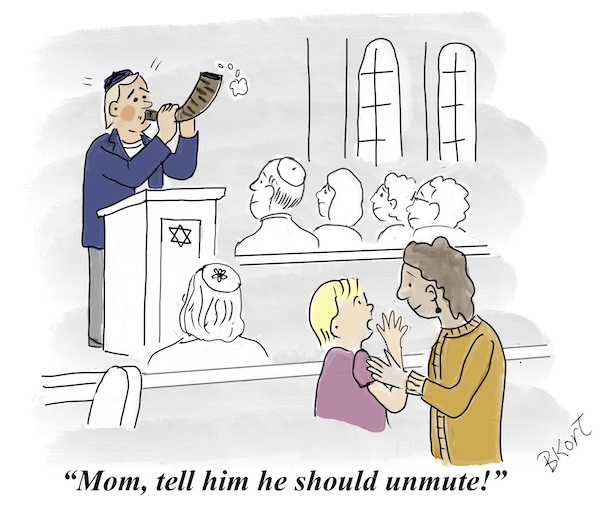
image - cartoon about shofar blowing in shul, by Beverley Kort

Posted on September 12, 2025September 11, 2025Author Beverley KortCategories Celebrating the HolidaysTags Rosh Hashanaha, shofar, synagogue
A complicated family legacy

A complicated family legacy

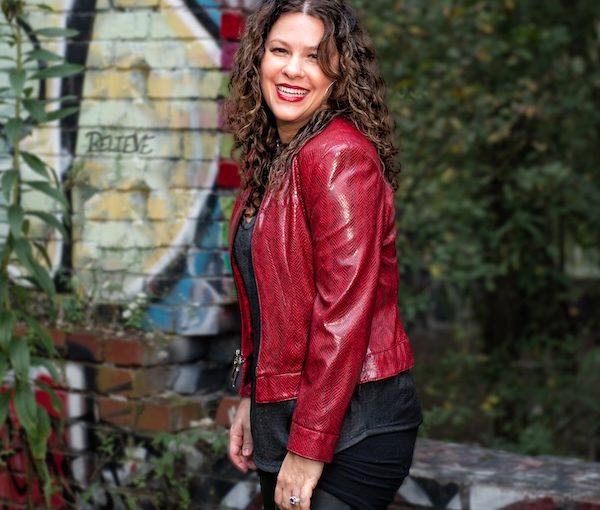
Neshama Carlebach comes to Vancouver for Selichot at Congregation Beth Israel on Sept. 13. (photo by Michael Albany)

After more than two decades, Neshama Carlebach returns to Vancouver. But not for a concert.

The award-winning singer-songwriter will lead, with her band, a musical service at Congregation Beth Israel for Selichot, the night of Sept. 13. The holiday – whose name translates as forgiveness, or pardon – marks the beginning of a period of penitential prayers that runs through Simchat Torah. In addition to participating in the service, Carlebach will speak with Rabbi Jonathan Infeld about her father, the late Rabbi Shlomo Carlebach, his spiritual and musical legacy, and also the pain caused by the sexual misconduct of which he was posthumously accused.

In January 2018, Carlebach wrote a blog on the Times of Israel that addressed the allegations against her father, who died in 1994. She also shared that she had been sexually abused as a child by one of her father’s friends. Writing that blog, she told the Jewish Independent, “was one of the most painful and soul-wrenching things I have ever done. I was standing at the edge of a precipice, holding the truth of my own pain, the pain of others, and the love I still carry for my father, who was no longer alive to respond. The world was shifting in the wake of the #MeToo movement, and I felt an overwhelming need to finally speak and honour the voices of those who had been hurt and silenced – including my own.

“Simultaneously, my career was, in many ways, canceled. Doors closed. Invitations disappeared. People I loved and trusted turned away from me in anger, some even accusing me of betraying my father and his legacy. Perhaps just as painful was watching my family’s music – music that has brought meaning to so many – be rejected and erased. 

“Acknowledging my father’s transgressions broke my heart,” said Carlebach, “but it was time for me to speak out – to stand with those who were hurt and to be a part of the possibility of healing, and for the belief that we must be honest to be whole. We must hold space for truth, even when it shatters the fabric of the life we once clung to.”

From the age of 5, Carlebach’s father invited her to share Chassidic stories for his audiences and, by age 15, she was performing alongside him. Since her first album in 1996, she has released 10 records and, worldwide, is one of the bestselling Jewish artists. She is also an advocate for religious pluralism and human rights, as well as being a community leader in other respects. Living in New York with husband Rabbi Menachem Creditor and their five children, she is in the midst of writing a memoir, as well as studying to become a rabbi at the Academy for Jewish Religion.

In 2026, a documentary about Carlebach’s family will be released, with the support of Jewish Story Partners. The blurb on JSP’s website reads: “Rabbi Shlomo Carlebach, ‘the Singing Rabbi,’ ignited the spiritual landscape for legions of Jews in a post-Holocaust world. Soon after his death, he is accused of sexual abuse. Thirty years later, with intimate access to his family, inner circle, and his victims, Carlebach Project Untitled grapples with a complicated legacy and how – or whether – to separate the art from the artist.”

“I was just 20 when my father died and, in many ways, I was still a child,” Carlebach told the Independent. “He wasn’t just my father; he was my rabbi and my closest friend. Losing him was like losing my grounding in the world. And when, years later, I began to fully confront the complexities of his life and the pain that others experienced because of him, the grief became more complicated. My career crumbled. I lost community. I lost friends. 

“I think what helped me to continue was the music and my connection to God. Even when I wasn’t able to sing professionally, within my own heart I sang and I prayed. 

“I still carry and honour my father because I am his daughter and because I believe that love and accountability are not opposites,” she said. “Music has a life of its own, it has always been bigger than the entity which creates it. The legacy I hope I’m building now with my sons is one rooted in truth, in justice, in faith and in love. I choose to believe these are the things he wanted for me, and for the world.”

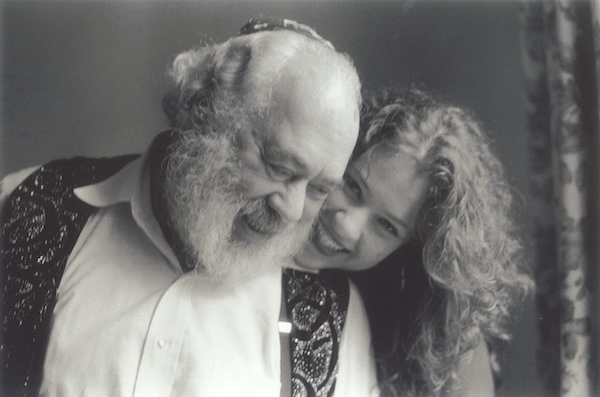
photo - On Selichot, Sept. 13, Neshama Carlebach will speak with Rabbi Jonathan Infeld about her father, the late Rabbi Shlomo Carlebach, his spiritual and musical legacy, and also the pain caused by the sexual misconduct of which he was posthumously accused
On Selichot, Sept. 13, Neshama Carlebach will speak with Rabbi Jonathan Infeld about her father, the late Rabbi Shlomo Carlebach, his spiritual and musical legacy, and also the pain caused by the sexual misconduct of which he was posthumously accused. (photo by Joan Roth)

It was after the Hamas terror attacks on Oct. 7, 2023, that Carlebach began creating music with her sons, Rafael and Micah.

“To share the sacred legacy of our family with them, and to witness their light, their depth and their gifts has been one of the greatest blessings of my lifetime,” she said. “My Rafael sadly can’t be with us in Vancouver, as he is starting college, but my Micah will be! We will also be joined by my longtime musical collaborators, pianist and musical director Seth Farber, bass player Brian Glassman and drummer Joe Nero.”

The video Carlebach created with her sons – Invincible Spirit (In Solidarity with Israel), an interpretation of the song “Am Yisrael Chai” – is on YouTube.

“Originally written in support of the Soviet Jewry Movement, ‘Am Yisrael Chai’ has been an anthem of the Jewish people for over 50 years,” Carlebach wrote in a Times of Israel blog last year. “The melody and words have brought energy, sustenance and unity whenever it’s been sung, often in response to hardships facing the Jewish world. In times of need, it is simultaneously a call to action and a prayer, a defiant cry and a message of reassurance. The words, translated as ‘The People of Israel Live,’ were set to music by my father in the 1960s and embraced as part of the Jewish canon. Today, since the horrors of Oct. 7, they have once again become a constant refrain in the Jewish community.”

In another blog, Carlebach, who was born on Simchat Torah, explains why she decided to become a rabbi. “After Oct. 7, Simchat Torah, my heart, my essence and my birthday changed forever,” she wrote. “My Jewish identity and desire to learn have never been stronger. I feel a greater sense of urgency to do my part and bring meaning and holiness to our communities, both in the diaspora and Israel.”

She shared with the Independent the importance of participating in the event at Beth Israel.

“Selichot is the beginning of the High Holy Day season, our holiest time of year,” she said. “It is when we begin to turn inward and ask ourselves the hardest questions: Who have I been? Where have I fallen short? What do I need to repair – in myself, in my relationships, in the world? It’s a time of vulnerability, of accountability and of profound possibility.

“I’ve always envisioned that, on Selichot, the Great Gates of Teshuvah – of Return – first begin to creak open, but slowly, almost in a whisper. Selichot is softer than Rosh Hashanah, more intimate than Yom Kippur. We gather, often late at night, to begin to open our hearts as a community – with prayer, with song, with tears. It’s a time for truth and tenderness.

“It will be incredibly meaningful to gather with the Vancouver community in prayer and in conversation this Selichot. This is the kind of gathering I love most!” she said, commending Rabbi Infeld and the Beth Israel community for being “open and brave enough to engage in this complicated topic.”

“Every year, we work hard to make sure that our Selichot service and program makes a difference in people’s lives,” said Infeld. “The topics are often not easy to discuss, but, every year, people leave the synagogue looking at a situation from a different perspective and as better human beings because they came. We love when people discuss the content of what they heard at the synagogue after Selichot. We believe that this year that will happen as well. Shlomo Carlebach is extremely well known, but the underbelly of the person and his personality are extremely important for us all to discuss – and there is no one better in this world to do that than his daughter, who is also extremely musically talented.”

To invite Carlebach was “a natural choice,” he said, given that the event will honour Harley Rothstein.

“Since we had decided to honour Harley for his many years of service this year, I decided I wanted to do something very special from a musical perspective,” said the rabbi. 

“Harley is one of the most humble and generous people I know. He is a constant supporter of our synagogue in many ways. We have been honoured to have him lead services over the years. He has a fabulous voice with great kavanah [intention/devotion],” explained Infeld. “He has a magical ability to engage people in congregational singing and to help engender a warm feeling among all the participants. Harley has gone above and beyond by helping to teach the next generation of service leaders. One of his most important aspects of leadership each year has been the Selichot service with our ba’alat tefillah [prayer leader], Debby Fenson.”

On Sept. 5, during the synagogue’s Shabbat with a Difference Kabbalat Shabbat service, the congregation will honour Fenson on her 20th anniversary with Beth Israel. On Sept. 13, she and Rothstein will lead Havdalah.

The Selichot event with Neshama Carlebach is open to the entire community. To attend, RSVP via bethisrael.ca. 

Format ImagePosted on August 22, 2025August 25, 2025Author Cynthia RamsayCategories Celebrating the HolidaysTags forgiveness, Jewish holidays, Jonathaon Infeld, music, Neshama Carlebach, Selichot, sexual assault, Shlomo Carlebach
A tofu dish worth the effort

A tofu dish worth the effort

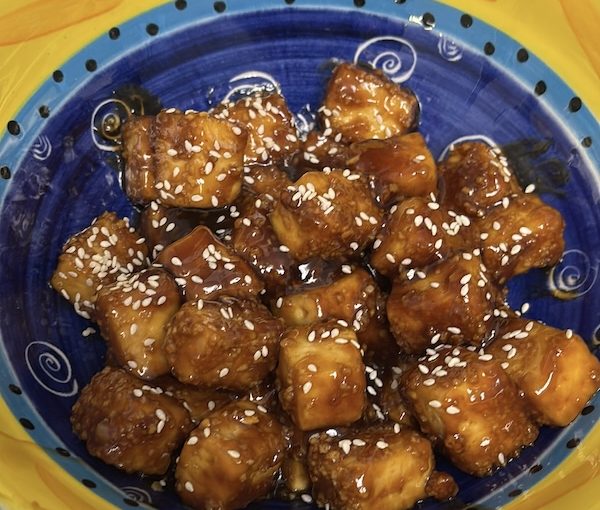
A tofu dish worth the effort. (photo by Shelley Civkin)

As far as my husband Harvey is concerned, tofu is a four-letter word. Spoken only in hushed tones. And for sure not in mixed company. If given a lie detector test and asked if he believed tofu was evil – as in, unforgivable and heinous – he would reply unconditionally in the affirmative. And he would pass the test. I, on the other hand, think quite highly of tofu. I have great respect for its versatility, inexpensiveness and health benefits. Granted, it’s undeniably bland when left to its own devices. But zhuzh it up with some seasoning, cover it in sauces and marinades, pair it with rice or noodles, and you’ve got yourself a very respectable, even snazzy, lunch, dinner or snack. Think of it as the tabula rasa of the food world. 

The other day, as I was contemplating what to make for lunch, Harvey was busy frying a couple of eggs on his little Proctor Silex one-burner cooktop. (He can’t go near our induction stove because of his pacemaker with defibrillator, so he was on his own.) It was the perfect time for me to indulge in a tofu-forward meal. 

Enter garlic sesame tofu from eatwithclarity.com. Sweet, salty and tangy, this recipe is delicious when freshly cooked and hot, and tastes even better cold the next day. The recipe calls for it to be served over rice with steamed broccoli, but I think it would be just as yummy over rice vermicelli noodles. It’s a bit labour intensive – not baked Alaska intensive, but do set aside about one to one-and-a-half hours to make this dish. It’s not a lunch you can throw together in 10 minutes like say, a PB&J sandwich. But, if you have the time, it’s totally worth the effort.

GARLIC SESAME TOFU

tofu
1 tbsp low-sodium tamari or soy sauce
1 16-ounce block of extra firm tofu
1 tbsp cornstarch
3 tbsp breadcrumbs

sauce
5 cloves garlic, minced (I used only 2)
1 tbsp oil
1/3 cup low-sodium tamari or soy sauce
2 tsp toasted sesame oil
2-3 tbsp honey or maple syrup
1 tbsp rice vinegar
1 tbsp cornstarch
4 tbsp water, divided

Preheat oven to 400˚F and line a cookie sheet with parchment paper.

Drain excess liquid from tofu by wrapping it in paper towel, placing it on a plate, covering it with another plate and pressing it down with a heavy object on top (I used a cast iron pan). Let it sit for about 30 minutes. Pressing the tofu makes it crispier.

Cut the pressed tofu into one-inch squares and put the squares in a large bowl. Toss with 1 tbsp tamari or soy sauce. Add 1 tbsp cornstarch, then 3 tbsp breadcrumbs (or Panko), until all pieces are evenly coated.

Put all the tofu squares on a baking sheet lined with parchment paper and bake for about 30 to 35 minutes or until golden brown.

During the final 10 minutes of baking, prepare the sauce.

Mince the garlic and sauté it with 1 tbsp oil in a large non-stick pan for 2 to 3 minutes or until lightly browned. Be careful not to over cook it or it will become bitter.

Add in 1/3 cup tamari or soy sauce, 2 to 3 tbsp honey or maple syrup, 1 tbsp rice vinegar, 2 tbsp water and 2 tsp sesame oil.

In a separate bowl, whisk together 1 tbsp cornstarch and the remaining 2 tbsp of water and then add this to the fry pan. 

Heat over low heat for 3 to 5 minutes or until the sauce starts to bubble and thicken.

When the tofu is done, toss it in with the sauce. Garnish with sesame seeds and serve over rice with steamed broccoli (or rice vermicelli noodles). Enjoy!

You could likely make this same recipe using slabs of tofu, instead of cubes, essentially turning it into a fake-steak, but you’d still have to cut it so it’s not too thick. Different presentation, similar result, I’m guessing. Don’t quote me on that.

I’m told you can substitute tofu for all kinds of other proteins in dishes like lasagna, spaghetti and meat sauce, chicken casseroles, etc. That is, unless you have a husband who’s like a police sniffer dog. I tried it once, and Harvey busted me from 10 paces away. Luckily, I got off with a mere warning that time.

Since we’re on the topic of health foods, if you haven’t already discovered hemp hearts (also called hemp seeds), you’ve got to give these a try. For me, they’re the equivalent of Frank’s Red Hot sauce – “I put that sh*t on everything.” These little gems are deliciously nutty tasting and packed full of protein, omegas 3 & 6, amino acids and important nutrients like iron, magnesium, fibre and zinc. Plus, they’re gluten-free, vegan, paleo- and keto-friendly. And, if that isn’t enough to convince you, they’re grown in Canada! Oh, and they’re kosher! Manitoba Harvest is a big producer of hemp hearts, and you can buy them practically anywhere.

These little nuggets of nuttiness are an equal opportunity food – you can put them on salads and on toasted bagels, in smoothies, sprinkle them on casseroles and cereal, and even eat them straight out of the bag by the spoonful. You can bake with them, cook with them and substitute them for breadcrumbs in some recipes. 

Manitoba Harvest has an extensive lineup of hemp heart recipes at manitobaharvest.ca/blogs/hemp-resource-hub and I’ll definitely be trying some of them soon. The point is, I used to sneak these tiny protein warriors into our dinners without my hubby knowing until, one day, he relented and agreed to try a “test” spoonful (for the first time, or so he thought). Alert the media: he was instantly and completely culinarily hooked!

Moral of the story is this: don’t try to sneak in a known verboten food unless your partner is even slightly flexible in his/her culinary adventurousness. And, know this: there is absolutely no way to disguise a Brussels sprout. You can purée it, hide it in soup, barbeque it and smother it in maple syrup and feta, but it’s still a Brussels sprout. Like Sarah Palin said: “You can put lipstick on a pig, but it’s still a pig.” I respectfully submit that this is true of that mini cabbage-like vegetable that Harvey wouldn’t eat if it were the last food left in an Israeli bomb shelter. In all fairness, I feel the same way about okra. I’m only human, after all. 

Shelley Civkin, aka the Accidental Balabusta, is a happily retired librarian and communications officer. For 17 years, she wrote a weekly book review column for the Richmond Review. She’s currently a freelance writer and volunteer.
Format ImagePosted on July 25, 2025July 24, 2025Author Shelley CivkinCategories LifeTags Accidental Balabusta, cooking, hemp hearts, hemp seeds, lifestyle, tofu
BC celebrates Shavuot

BC celebrates Shavuot

Among the many Shavuot celebrations that took place around British Columbia was PJ Library’s Cheesy Shavuot in collaboration with Congregation Har El. (photo from PJ Library)

The BC Jewish community observed Shavuot June 1-3 in a variety of ways. Here are but a few examples. 

photo - Shavuot at Har El
Shavuot at Har El. (photo from PJ Library)

On the North Shore, families gathered at Congregation Har El for a celebration hosted by PJ Library and the Jewish Federation of Greater Vancouver. They enjoyed cheesecake, fresh fruit and plenty of laughter while participating in story time with Katia Fermon, PJ Library’s manager. The festivities continued with an interactive musical session led by Monika, which was filled with singing and activities for the kids.

More than 80 community members gathered in Langley for a farm-to-table dairy experience. Families celebrated the holiday with hands-on activities, dairy treats and moments of connection. From feeding and milking cows to churning butter, everyone embraced festive family fun while deepening their connection to the agricultural roots of Shavuot. 

The Shavuot celebration also made its way to Whistler, where Rabbi Paul Plotkin led a night of Torah, topped off with ice cream, cheesecake and spirited discussion. 

On Salt Spring Island, a Shabbat on the Beach and Shavuot celebration captured the unique spirit of Jewish life in remote communities. 

– Courtesy Jewish Federation of Greater Vancouver

Format ImagePosted on July 11, 2025July 10, 2025Author Jewish Federation of Greater VancouverCategories Celebrating the HolidaysTags Congregation Har El, Jewish Federation of Greater Vancouver, PJ Library, Shavuot
“Royal” mango avocado salsa

“Royal” mango avocado salsa

Mango salsa on a fish taco. The Accidental Balabusta enjoyed her husband Harvey’s salsa with quesadillas, marinated salmon and broccoli. (photo from jamdownfoodie.com)

Forgive me. I am late to the party. The one that happens on May 5. While Cinco de Mayo is not exactly what you’d call a national holiday in Canada, it is cause for celebration for many people. Note: I am including my husband Harvey. He loves anything Mexican, especially the food. Tamales – excelente! Enchiladas – muy bien! Chile relleno – la mejor! But the food that garners the most points is salsa. Any and all types.

In the spirit of all things Mexican, Harvey decided to make his famous mango avocado salsa. He was swayed in his decision by the fact that we had four-and-a-half very ripe avocados languishing in our fridge, just waiting to be transformed into something fabulous. Who am I to say no to such a perky side dish?

So, off Harvey went to Whole Paycheque to shop for the other key ingredients, which should have included a few limes, cilantro, one jalapeño, a red onion (optional) and a few mangoes. A couple hundred dollars later, Harvey arrives home. He waltzes in, all proud of himself, with blue organic tortilla chips, tequila, all the makings for quesadillas and some MANGOES. I capitalize this fruit because they feature front and centre in this Mexican-Canadian drama. These were not just any old mangoes, bought in bulk with the odd imperfection, scrawny in stature from early picking and a long journey north. These were capital M mangoes. Probably flown in on a private jet.

My first tip-off that these were indeed fruit royalty was their house. Yes, each organic mango came in its own dwelling. Not a mansion, but a respectable-sized condo, made of slatted wood, so the mango could breathe on its journey, nestled among shredded paper (probably also organic). Not only that, but each mango was encased in Styrofoam-like padding.

I took one look at the MANGOES and asked Harvey the fatal question (central to this drama): “Harvey, how much did you pay for each mango?” 

Harvey: Silence.

Me: “Seriously, what did they cost?”

Harvey: “They’re worth it.”

Me: “Spill it. Now.”

Harvey: “Look at the bill.” (Harvey slinks off into the living room.)

I feared what I might see. (Note: self-fulfilling prophecy.) After a few minutes of silence, Harvey returns.

Harvey: “I went up to the cashier at Whole Foods and she scanned the first mango. Then, in a hushed voice, so as not to potentially embarrass me, she asked if I knew how much it cost. Proudly, with head held high, I said I did. Then she asked me if I still wanted to buy it.”

At this point, I realized that my husband’s dignity and masculinity were on the line. There was no way he was going to decline buying the mangoes, as though admitting that he couldn’t afford them. He was damn well going to buy those mangoes, even if it meant getting a bank loan or selling a kidney. In true macho fashion, he told the cashier – with mock enthusiasm for these extravagantly priced fruit – “Of course I want them!”

Once he escorted his royal fruit (and other plebian ingredients) home, he entered the house looking like a Golden Retriever who’d just eaten his owner’s socks. Very, very sheepish. Yet somehow triumphant. Once I heard his long, drawn-out confession and his assurance that this would be the greatest salsa ever (do I hear echoes of Trump – “Make mangoes great again!”), what could I do? I might have threatened divorce if he ever did this again.

Without further ado, he got to work. And I hate to admit it, but it was the best darn mango avocado salsa I have ever scarfed down. And I’ve scarfed a lot of salsa in my day. Thank you, Harvey.

MANGO AVOCADO SALSA 

2 ripe avocados, peeled and diced into 1/4- to 1/2-inch pieces
2 cups ripe mango, pitted, peeled and diced into 1/4- to 1/2-inch pieces
2 tbsp lime juice (or lots more, if you prefer)
2 tbsp cilantro chopped (or more, if you really like cilantro)
1/2 jalapeño, finely chopped
2 tbsp red onion, finely chopped (optional)
1/4 tsp kosher salt

Other recipes for mango avocado salsa call for diced red pepper and grated lime zest. Use your tastebuds as your guide.

The salsa was the star of our belated Cinco de Mayo dinner, which also included quesadillas, marinated salmon and broccoli, none of which came in its own house. A few shots of tequila later and we were all dancing the samba, la bamba, the rumba and the danza de acatlaxques (just kidding about this last one … I have no idea what it is, but it sounds festive). I no longer cared what the mangoes cost. My anger had subsided (as had their capitalization) and Harvey was no longer in danger of being divorced. Our guests were cheerful and well-lubricated, and a good time was had by all.

Will I ever let Harvey buy mangoes again? Hell, no. But I do let him loose in Costco once a month. I suppose I run the risk of him potentially coming home with a kayak. Or an $8,000 massage chair. Or a $20,000 golf simulator. But he knows in his heart that I’d rip his tonsils out through his ears if he did that. Using common sense (and his fondness for his tonsils) as his guide, the most exorbitant thing he ever purchases at Costco are ribeye steaks. And I’m not going to argue with that! Also, how can I get mad at a man who comes home with a 48-pack of two-bite brownies and chocolate truffles, just because? I realized later that I had no business berating him about those diva mangoes. After all, I wasn’t paying for them. And I did reap the benefit. 

The takeaway is this: when hubby overspends on something, let it slide. Unless he comes home minus a kidney. Then you can start worrying. In case you’re wondering, each mango was $13.50. Enough said. 

Shelley Civkin, aka the Accidental Balabusta, is a happily retired librarian and communications officer. For 17 years, she wrote a weekly book review column for the Richmond Review. She’s currently a freelance writer and volunteer.
Format ImagePosted on July 11, 2025July 10, 2025Author Shelley CivkinCategories LifeTags Accidental Balabusta, cooking, Jewish Mexican food, recipes, salsa

Posts pagination

Previous page Page 1 Page 2 Page 3 … Page 77 Next page
Proudly powered by WordPress