מדד המדינות המושחתות בעולם: קנדה במקום השמיני וישראל רק במקום השלושים ושתיים. (צילום: Cynthia Ramsay)
בימים האחרונים התפרסם מדד המדינות המושחתות בעולם לשנת 2017. המדד כולל מאה ושמונים מדינות שנסקרו, ומיקומן נקבע על פי השחיתות במגזר הציבורי, באמצעות שלושה עשר מקורות מידע משנים עשר מכוני מחקר עצמאיים ובלתי תלויים.
מהתוצאות עולה כי קנדה נמצאת במקום השמיני והגבוה בקרב המדינות הכי פחות מושחתות. ואילו ישראל איך לא לאור פרשות השחיתות הרבות שמאפיינות אותה, ובעיקר את ראש הממשלה, בנימין נתניהו, נמצאת מאחור במקום השלושים ושתיים.
להלן העשירייה הראשונה של המדינות הכי פחות מושחתות: ראשונה – ניו זילנד, שנייה – דנמרק, שלישית – פינלנד, רביעית – נורבגיה, חמישית – שוויץ, שישית – סינגפור, שביעית – שבדיה, שמינית – קנדה, תשיעית – לוקסמבורג ועשירית – הולנד.
העשירייה השנייה: אחד עשרה – בריטניה, שתיים עשרה – גרמניה, שלוש עשרה – אוסטרליה, ארבע עשרה – הונג קונג, חמש עשרה – איסלנד, שש עשרה – אוסטריה, שבעה עשרה – בלגיה, שמונה עשרה- ארצות הברית, תשעה עשרה – אירלנד ועשרים – יפן.
העשירייה השלישית: עשרים ואחד – אסטוניה, עשרים ושתיים – איחוד האמירויות הערביות, עשרים ושלושה – צרפת, עשרים וארבעה – אורגוואי, עשרים וחמשה – ברבדוס, עשרים וששה – בהוטן, עשרים ושבעה – צ’ילה, עשרים ושמונה – איי בהאמה, עשרים ותשעה – פורטוגל ושלושים – קטאר.
אחריהן במקום השלושים ואחד טיוואן, במקום השלושים ושתיים ישראל, במקום השלושים ושלושה ברוניי, במקום השלושים וארבעה בוטסואנה ובמקום השלושים וחמשה פולין.
ערים מתקדמות הופכות אשפה למשאב: ונקובר פועלת להיות העיר הירוקה בעולם
ערים רבות בעולם פועלות בשנים האחרונות לחסוך את העלות הגבוהה של סילוק פוסלת האשפה, הנוצרת בהן מדי יום בכמויות ענק. הן פועלות להפחית את כל צורות הפסולת שלהן, ולהשתמש בפסולת עד כמה שאפשר כמאשב, כך שהיא תהפוך לחומר גלם אחר. כך מדווח אתר הידען מישראל המפרסם מידע בתחום המדע והטכנולוגיה.
הערים בעולם הופכות למאוכלסות יותר וראשי הערים מחוייבים לשאת באחריות למצוא ולפתח פתרונות להרי הזבל שנוצרים בהן. הנוף העירוני הוא כיום הסביבה, שבה מתרכזים האתגרים הכרוכים בניהול חיים אנושיים מורכבים. בערים מתבזבות כמויות גדולות של אנרגיה, פחמן דו-חמצני, מזון, מים, מרחב וזמן. העירייות יכולות לפתור מספר בעיות בעת ובעונה אחת, ולהבטיח לתושבים, הפחתה משמעותית של חלק מהפסולת, תוך הפיכתה למשאב בעל יתרונות כלכליים.
כיום אין בהזרמת הפסולת למי הביוב פתרון סופי ויש להפחית מראש את הפסולת שנוצרת בערים, ולהשתמש בחלק גדול ממנה, לשימושים יעילים יותר. פעילות זו נקראת “כלכלה מעגלית”.
באתרי הטמנה האשפה של ונקובר לוכדים את גז המתאן הנפלט מהאשפה הרבה, ובחום שנוצר משריפתו משתמשים לחימום חממות בסמוך להם, בהן גדלות עגבניות. זו דוגמא טובה של יצור אררגיה חיובית מאשפה.
ונקובר שפועלת להיות העיר הירוקה ביותר בעולם, מחלקת לתושבים מיכלים נפרדים לאשפה רגילה, לפסולת אורגנית (כמו שאריות מזון, ענפים וגזם), לפסולת זכוכית, פסולת נייר, פסולת פלסתיק ועוד. עיריית ונקובר שמצפה מאזרחי העיר שיפעלו בהתאם עם הפסולת לסוגייה כמתבקש, שולחת מעת לעת פקחים לבדוק שזה אכן נעשה.
מן הפסולת האורגנית העירייה מפיקה את גז המתאן, וכן מוצרים מוצקים שיכולים לשמש לדישון הקרקע. לפתרונות אלה מספר יתרונות בעת ובעונה אחת: הם חוסכים לעיר הוצאות על אנרגיה, הם מפחתים משמעותית את הצורך בהטמנת פסולת באתרי האשפה וכן הם מועילים לענף החקלאות.
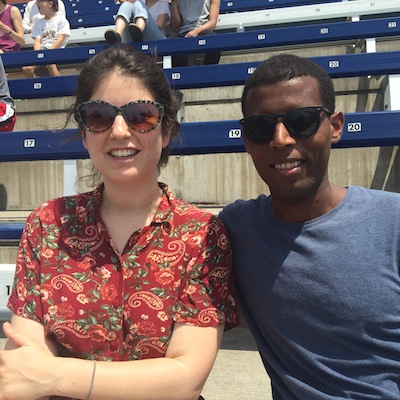
Samara Carroll, second from the left, with Dawit Demoz, right, and members of his host family – Sunita and her daughter Persia. (photo from Samara Carroll)
Soon after Samara Carroll returned from a yearlong program in Israel, she took action to help African asylum seekers in Israel come to Canada.
Carroll grew up in Winnipeg, went to Talmud Torah and then to Gray Academy. She was involved in many aspects of the Jewish community growing up, including with B’nai B’rith Youth Organization, leading trips to Israel, and attending Camp Massad for 17 years (for two of which she was the camp director).
In 2012, Carroll was accepted to be the first Canadian participant of the New Israel Fund Social Justice Fellowship. “This fellowship gives you the opportunity to choose an Israeli nonprofit and work there for a year,” Carroll told the Independent.
“I chose ASSAF – Aid Organization for Asylum Seekers and Refugees – located in south Tel Aviv. I worked as a community organizer, activist and counselor, supporting families who had fled, mostly from Eritrea and Sudan, and were dealing with the trauma related to their past experiences and the ongoing challenges of being in Israeli society.”
During her time at ASSAF, Carroll heard hundreds of gut-wrenching stories, but also learned many things from the asylum seekers with whom she worked.
“The Israeli government does not have a proper process to assess whether or not someone is an asylum seeker,” said Carroll. “So, instead of creating a system, they have created policies that make life extremely difficult for asylum seekers…. They do not have basic access to healthcare, proper housing, employment or education. And, they face significant racism, directly from the Israeli government. They have been referred to as a ‘cancer.’
“The Netanyahu government claims that the asylum seekers have come to Israel for employment opportunities, but you only have to hear one story from an asylum seeker about their experience facing genocide and dictatorship in their country of origin – leaving behind everything they knew, being smuggled, human trafficked and tortured by smugglers in Sinai and then arriving in a foreign country – to understand that they are fleeing desperate situations.
“When you ask many asylum seekers where they’d want to be, they say ‘back home,’ but they cannot go back home,” Carroll said, summing up her belief using a quote from writer Warsan Shire: “You have to understand no one puts their children in a boat unless the water is safer than the land.”
After her year in Israel, Carroll decided to pursue a master of social work degree at the University of Toronto. About six months after she had arrived in Toronto, she was approached by Dawit Demoz, an Eritrean asylum-seeking man who was an activist in Israel, about giving asylum seekers more rights in Israel.
“He approached me, asking if I would sponsor him to Canada,” explained Carroll. “He felt that, although he loved the community he had established in Israel – his Israeli friends, the food and the culture – the policies of the Israeli government were just getting worse and he knew he had to try to leave the country if he ever wanted freedom.
“I agreed to sponsor him and did so through a SAH (Sponsorship Agreement Holder). The sponsorship process is detailed, but is very manageable and I believe more people would be open to sponsoring asylum seekers if they understood this.”
Samara Carroll and Dawit Demoz. (photo from Samara Carroll)
Demoz arrived in Toronto in March 2016. “He says this is the first time in his life he has felt free,” said Carroll. “He studies psychology at York University, works as an interpreter for a refugee organization, led canoe trips through Algonquin Park as a counselor last summer, and worked as a counselor at the Heart to Heart Program through Camp Shomria. He also plays soccer on a team, hosts Eritrean dinners for his many Jewish friends, and enjoys life.
“Five of our friends have submitted a Group of Five sponsorship to bring his mother [who he hasn’t seen in 10 years] to join him in Toronto,” said Carroll.
Following her example, Carroll’s parents, Sharon Chisvin and Marshall Carroll, have sponsored an Eritrean couple with the support of a local church-based sponsorship agreement agency, Jewish Child and Family Service Winnipeg and donations from friends, family and community members. The couple – Tsege and Kidane – arrived in Winnipeg in May 2016.
“They are generous, wonderful people and have created a strong community for themselves in Winnipeg, and they also support other newly arrived asylum seekers,” said Carroll. “While it is clear that you can positively shape someone’s life who has never experienced freedom before, you do not know how much they will positively impact your life.”
According to Carroll, the situation for asylum seekers in Israel has worsened since 2016. Prime Minister Binyamin Netanyahu has signed an order to deport asylum seekers from Israel to third-party countries, such as Uganda and Rwanda, she said. “This is a human rights violation, as we do not know what is waiting for them in these new countries – countries they have no connection to. Men who have already been deported there have been given no status or rights.”
For her part, Chisvin has started working with Canadians Helping Asylum Seekers in Israel (CHAI), which she described as “a grassroots group formed in Toronto in response to Netanyahu’s deportation order. It is primarily made up of Toronto Jewish activists who feel deeply that Israel’s intent to deport 38,000 African asylum seekers to third countries – and to certain suffering – is a strict violation of Jewish values, history and memory. This sentiment has been shared by 20,000 Israelis who protested against the deportation in Tel Aviv [recently], myriad Israeli rabbis, teachers, psychiatrists, El Al pilots and authors, as well as Irwin Cotler, Alan Dershowitz, the ADL [Anti-Defamation League], HIAS [Hebrew Immigrant Aid Society] and many other individuals and agencies.”
In Toronto, there is growing group of support for CHAI, and Chisvin is working to create a similar group in Winnipeg and beyond. Its goals, she explained, include raising awareness within the Jewish community about the deportation; encouraging people to ask the Israeli government to rescind its deportation order and implement a humane strategy for refugees and asylum seekers; appealing to the Canadian government to pressure the Israeli government to rescind the deportation order and work together on a solution; and encouraging people to commit to private refugee sponsorships.
“I have been assisted in my efforts, helped by a handful of people here in Winnipeg, who are helping me raise awareness in the community about the issue – urging others to speak up and fundraise for the refugees I have, and am in the process of sponsoring,” said Chisvin.
Further to that, Chisvin is in the early stages of organizing a community event to raise awareness about the issue and to explain how and why Canadian Jews should be moved by the plight of African asylum seekers who are at risk of being deported or indefinitely detained, and how and why they should commit to help sponsor some of them to Canada as refugees.
“The best solution, of course, is for Israel to rescind its deportation order, properly process the refugee claims of the asylum seekers, grant them refugee status, and all the rights inherent in that status,” said Chisvin. “But, if Israel doesn’t rescind the order, it is incumbent on Canadian Jews to lobby their government to increase the number of African asylum seekers it brings to Canada and to commit to privately sponsor African asylum seekers to Canada.”
“Israel needs to deal with the asylum seeker situation in their country and not force out people who have already experienced unspeakable trauma to a third country that will again violate their human rights,” said Carroll. “Our message and the message of many Jewish communities now is, ‘Do not deport. Let us help.’”
האם קנדה עומדת לפני משבר כלכלי גדול לאור מה שמתרחש בענף הנדל”ן? (צילום: Cynthia Ramsay)
יש סיכוי סביר שקנדה תתמודד עם משבר כלכלי חריף בקרוב לאור מה שמתרחש בענף הנדל”ן המקומי. כך מעריכים אנליסטים שעוקבים מקרוב אחר מה שקורה בכלכלה הקנדית. הם מציינים כי לאור החוב הגדול של משקי הבית בקנדה, המדינה הצפונית בפתחו של משבר נדל”ן גדול. זאת לפני שאר קבוצת המדינות בעולם המפותח.
האנליסטים מסבירים כי מחירי הנדל”ן לא מפסיקים לעלות בשנים האחרונות, בעיקר באזורים החמים – שהם ונקובר וטורונטו. גם צינון המחירים שעובר לאחרונה על בתים בשתי הערים המובילות בקנדה, לא משנה את המגמה המסוכנת.
אך יש לזכור כי מחירי הנדל”ן בקנדה עלו בשיעור הרבה יותר גבוה מהעלייה בשכר העובדים, כך שהפער להשגת בתים ודירות הלך וגדל. במקביל לאור הריבית הנמוכה במשק מחירו של האשראי נמוך במיוחד, והיה קל להשיג משכנתאות נושאות ריביות נמוכות לרכישת נדל”ן. זאת ועוד: לא היה עד כה פיקוח על כסף זר המגיע לקנדה עבור רכישת נדל”ן. כך שתושבים זרים ומטבע הדברים ברובם סינים, רכשו נדל”ן בכמויות גדולות וכמעט בכל מחיר. הסינים מאמינים כי השקעה בנדל”ן בקנדה ובעיקר בוונקובר – היא המקום הבטוח “להחנות” בו את כספם, ועדיף לאין שיעור על ביצוע השקעות בסין. אין זה מפתיע לכן שוונקובר נחשבת לעיר השניה בעולם בחוסר האפשרות לרכוש נדל”ן בהשוואה לשכר העובדים. הראשונה איך לא היא הונג קונג.
אך כעת לאור עלייה ולו הקטנה במחירי האשראי במשק הקנדי (מאז חודש יולי אשתקד הריבית במשק עלתה ל-1.25%), מתחיל הלחץ על רוכשי המשכנתאות לעשות את שלו. והיקף האשראי הזמין במשק הולך וקטן. כבר ידוע כי בטורונטו נרשמה בחודשים האחרונים ירידה משמעותית במחירי הנדל”ן, ובביקושים לרכישת נדל”ן. למשל בחודש ינואר נרשמה ירידה של כ-22% במחירות, לעומת אשתקד. מדובר בירידה החדה ביותר מזה תשע שנים.
האנליסטים מציינים עוד כי משכנתאות רבות בקנדה אינן מבוטחות בחברות הביטוח, כך שהסיכון להתמוטטות ענף הנדל”ן ועימו הכלכלה המקומית, הולך וגדל. אם בשנת 2014 כ-60% מהמשכנתאות שבידי הציבור לא היו מבוטחות, אשתקד גדל היקפן כבר לכ-75%. בוונקובר עצמה אחוז המשכנתאות הלא מבוטחות אף גבוה יותר ועומד כיום על לא פחות מכ-90%!
מה שמדאיג במיוחד הוא שיותר ויותר נשמעים באוויר מושגים של מכירות משכנתאות לצד שלישי, ו”משכנתאות שקריות”, מושגים שהובילו את המשבר הנדל”ן הגדול של ארה”ב בשנת 2008. וזה גרר את כל העולם למשבר פיננסי החריף ביותר מאז שנת 1929.
עוד סממן למשבר אפשרי בקנדה הוא מצבה של חברת המשכנתאות בסאב-פריים ‘הום קפיטל’. החברה נקלעה למצב כספי קשה בקיץ אשתקד. רק המיליארדר האמריקני וורן באפט, נחלץ להצילה לאחר שהעביר לה מימון גבוה בהיקף 2.4 מיליארד דולר.
בראשית השנה הממשלה הקנדית החליטה על הנהגת חוק פדרלי חדש, שמקשיח שוב את התנאים לקבלת משכנתאות. מעתה על רוכשי המשכנתאות להוכיח כי הם יכולים לעמוד בתשלומים – גם עם הרבית במשק תמשיך לעלות. הפעם מדובר בתנאי שיקשה מאוד על רבים לזכות במשכנתאות. גם זה לא מבשר טובות ויתכן והביקושים לנדל”ן יחלשו ברחבי המדינה. לאור החוק החדש רבים ניסו לרכוש נדל”ן אשתקד עם משכנתאות זולות וללא מגבלות. לכן שנת 2017 הייתה השנייה החזקה ביותר מבחינת היקף מכירות הנדל”ן בקנדה, וגם המחירים לא הפסיקו לעלות. ודצמבר יצויין כי רמת המכירות הגיע לשיא. כך יש שרואים משבר בפתח ויש שטוענים לא יהיה.
Last year, the Students’ Society of McGill University, in Montreal, barred the reelection of three Jewish members of the board of directors. The issue, according to a report undertaken on behalf of the university, was not the students’ Jewishness, but their Zionism. It was, the report concluded, a political issue, not one of discrimination against Jews. There is a great deal to unpack in this story.
B’nai Brith Canada has launched a petition calling for a comprehensive investigation into antisemitism on the campus, noting that the SSMU incident was far from the only concerning episode in recent years.
Sometimes, antisemitism is unequivocal. Swastika graffiti and statements that overtly target Jews for condemnation or murder are uncontestable. But, in many cases, unwitting perpetrators are so unaware of the history of antisemitism and its associated symbols and tropes that they employ antisemitic concepts without consciously knowing it. For example, many images and much of the language of the anti-Zionist movement dovetails with traditional images of scheming Jews merely recast as scheming Zionists or Israelis. Note the term “Israel lobby,” which does not imply a legitimate political position but rather suspect coercion.
With the McGill situation, part of the problem is that “anti-Zionism is not antisemitism” is often stated as a self-evident truth. A more accurate statement would be “anti-Zionism is not necessarily antisemitism.” Because, sometimes it is. For example, the most casual perusal of online discussions about Israel turns up volumes of images evoking blood libels of the Middle Ages. And the equation of Zionism with Nazism, which can plausibly be denied as explicitly antisemitic, intentionally rubs salt in the most painful of Jewish historical memories. Label such comments as one will, they have the very deliberate effect of inflicting pain on Jews.
And this is the important point here. People can defend their positions by saying that their criticisms are of Israel, not of Jews; that their positions are political, not based on ethnicity or religion. But, as we have said in this space before, outcome matters as well as intent. Israel may be the intended target but Jews feel the effects.
It doesn’t matter that not all Jews are Zionists. It would not matter even if most Jews opposed Zionism. The fact is that opposition to the existence of a Jewish state – which is the definition of “anti-Zionism” – is arguably de facto antisemitic. There are all sorts of defences, of course. Some people claim to oppose all forms of nationalism, yet the practical application of their ideology is to start by boycotting the Jewish state rather than, say, the Mexican, Malaysian or Dutch nations. As well, opposing Zionism, while knowing the historical impacts of Jewish statelessness, including history that took place in the memory of living generations, could be viewed as such disregard for Jewish individual and collective security as to be antisemitic.
Others claim they support Israel’s right to exist, but then take positions that defy these words, such as denying Israel’s right to defend itself, which in effect is a denial of, if not statehood outright, the right of Israeli citizens to live free from terrorist murder and missiles. What name should we give that?
When Jews say they feel singled out because of their Jewish identity or because of their support for a Jewish state, they are met with responses ranging from outright denial of the legitimacy of their experiences to accusations that they are fabricating their concerns as a political weapon. The idea that anti-Zionism is not rife with antisemitism would be more believable if its purveyors acknowledged that such a thing does exist, and condemned it.
Andrew Scheer was two days old when Joe Clark was elected prime minister of Canada in 1979. In that election campaign, then-Progressive Conservative leader Clark promised to move the Canadian embassy in Israel to Jerusalem from Tel Aviv.
Cabinet documents recently released help explain why that promise was never fulfilled. There were diplomatic and, yes, commercial considerations though, at the time, the government claimed potential backlash from Arab states and businesses was not a factor.
Andrew Scheer is now leader of the Conservative party, facing a different Prime Minister Trudeau, and this week he promised to, well, you guessed it.
“Canada’s Conservatives led by Andrew Scheer will recognize Jerusalem as Israel’s capital when we form government in 2019,” declares a pledge on the party’s website. It describes the party as “a strong voice for Israel and the Canadian Jewish community.”
The Conservative government under Stephen Harper was indeed a strong voice for Israel – at times the only government in the world to be so – and for the Jewish community in Canada. There is no reason to believe that a Conservative government under Scheer would be any different, but the politics around this pledge are disappointing.
The statement came in the form of a petition-type pledge on the party’s website. That is, for those unschooled in the modern art of email harvesting, a strategy – legitimate and legal, certainly – of inviting people who agree with a topic to sign their name (and share their email address). The party can then target that voter, knowing they have a particular interest in the topic.
Again, there is nothing untoward about this, in general. But if a party that wants to form government chooses to issue a significant platform plank or promise dealing with one of the most contentious diplomatic issues in the world, perhaps a speech in Parliament or other suitable venue would be a more appropriate medium than a partisan webpage unabashedly accumulating names of voters for future political solicitations.
It is also so blatantly an imitation of the U.S. president’s shameless move on the issue. As we wrote here at the time, Donald Trump’s actions were not motivated by principle, but by sheer political calculation. Or, inasmuch as that president is not given to overthinking matters, more intended as a slap in the face to his political enemies.
We will leave aside here whether the embassy move is a good idea, a fair one, timely or otherwise merited or unmerited on substance. The point here is that the Conservatives are exploiting this issue for political purposes – and that is not good for Israel or for Jewish Canadians.
When Justin Trudeau became prime minister and effectively adopted the same policy approach vis-à-vis Israel as his predecessor, it was clear that a Canadian consensus was essentially in place. The New Democratic Party, in convention a few days ago, managed to put a lid on most of whatever dissent there was on this topic. Elizabeth May, the leader of the Green Party, put her leadership on the line in the summer of 2016 to let her members know she would not lead a party with an extremist agenda toward Israel.
This consensus is not a result of stifling free expression or of Zionist power or of anything other than a fair Canadian reading of important world events. In other words, for whatever else we disagree on, Canadians, by and large, accept Israel’s right to exist free from terrorist attacks.
Scheer’s move this week is cynical. It turns the legitimate consideration of the embassy’s location into a partisan one, when it should be entertained within the broader consensus we have developed. That is not the kind of voice Israel or Jewish Canadians want from our elected representatives.
חסן דיאב שנחשד כי ביצע את הפיגוע בבית הכנסת בפריז בשנת 1980, שוחרר ממעצר בסוף השבוע. כך החליטו שני שופטים חוקרים של בית המשפט העליון בצרפת, שדחו את האשמות נגדו. דיאב חזר לקנדה והתייחד מחדש עם אשתו וילדיו. הוא ציין כי לא יתבע את ממשלת קנדה וכי הוא מבקש לחזור לימיו הקודמים.
דיאב נחשד באחריות לפיגוע בבית הכנסת הרפורמי (ברחוב קופרניק) ברובע ה-16 של פריז, בשמחת תורה (ב-3 באוקטובר 1980), בו נהרגו עורכת הסרטים בטלוויזיה הישראלית עליזה שגריר וכן שלושה אזרחים צרפתים. בנוסף ארבעים ואחד איש נפצעו. הפיגוע שנחשב אז לגדול ביותר נגד מטרה יהודית מאז מלחמת העולם השנייה, בוצע באמצעות מטען חבלה במשקל 10 ק”ג שהונח בתוך תיק, שהוצמד לאופנוע שחנה בסמוך לבית הכנסת. המטען הופעל זמן קצר לפני תום התפילה. ב-2007 בסיוע של המודיעין הגרמני והישראלי, אותר החשוד בפיגוע חסן דיאב בקנדה (לאחר שקודם לכן התגורר במשך שנים בארה”ב). דיאב הגיע לקנדה ב-1993 לאחר שקיבל אזרחות מקומית.
שני השופטים קבעו שהראיות נגד דיאב חלשות ולכן אין מקום להעמידו למשפט. התביעה הצרפתית הגישה מייד ערעור לבית המשפט נגד ההחלטה, וצפוי שגם נציגים משפטים של קורבנות האירוע ילכו בעיקבותיה ויבקשו לקיים לדיאב משפט.
דיאב (64) הוא אזרח קנדי יליד לבנון (בירות). בקנדה הוא שימש פרופסור לסוציולוגיה באוניברסיטת אוטווה. דיאב נאבק במשך שנים בממשלה הקנדית שעצרה אותו ב-2008 בשל החשדות החמורים נגדו. לטענת הצרפתים הוא היה חבר פעיל בארגון החזית העממית לשחרור פלסטין. מאז היה נתון לפיקוח ע”י השלטונות הקנדים (צמיד אלקטרוני הוצמד לרגלו) עד שהוסגר לצרפת לפני כשלוש שנים (באוקטובר 2014). מאז שהגיע לצרפת הוא שהה בכלא שמור בפאתי פריס.
לטענת התביעה הצרפתית דרכונו של דיאב נמצא בידי חברי החזית העממית לשחרור פלסטין ששהו באיטליה, שלושה ימים אחרי הפיגוע. ממצא זה הביא למעצרו. דיאב טען להגנתו כל הזמן כי הוא חף מפשע וכי בעת הפיגוע הוא היה סטודנט באוניברסיטת בירות. הוא ציין כל העת כי שלטונות צרפת בילבלו בינו ובין מישהו אחר.
ארגון הגג של יהודי צרפת כינה את החלטת השופטים לשחררו “שערורייתית וחסרת אחריות, וכן עלבון לקורבנות הפיגוע ונבי משפחותיהם”. לדברי ראשי הארגן שחרורו של דיאב יתפרש על ידי רבים ככניעה למעשי הטרור.
לטענת ערוץ 7 דיאב אמור היה להישאר בצרפת כיוון ששוחר למעצר בית בלבד על ידי בית המשפט. דרכונו היה שמור בבית המשפט בפריז אך הוא הצליח להוציא דרכון זמני משגרירות קנדה והמריא מייד לאוטווה.
אונר”א: קנדה תמשיך לתמוך בסוכנות בניגוד לארה”ב
קנדה מתכוונת להמשיך ולתמוך כספית באונר”א (סוכנות הסעד והעבודה לפליטי פלסטין), בניגוד לארה”ב. זאת לאור החלטת הנשיא דונלד טראמפ. ארה”ב ציינה כי תקטין במחצית את התמיכה הכספית בסוכנות. בשלב ראשון ארה”ב תכננה השנה להקציב לארגון כמאה עשרים וחמישה מיליון דולר, אך בפועל יועברו רק כשישים מיליון דולר. עד כה ארה”ב נחשבה לתורמת הגדולה ביותר של אונר”א (מימנה כ-30 אחוז מהתקציב הכולל), והיא הייתה מעבירה לה מדי שנה כשלוש מאות מיליון דולר. ואילו קנדה העבירה לארגון כחמישים מיליון דולר בשנתיים האחרונות, וכאמור היא תמשיך לעשות זאת גם בעתיד.
אונר”א פתחה במבצע לגיוס לא פחות מחמש מאות מיליון דולר לשם הבטחת השירותים שהיא מספקת לפלסטינים בשטחים, בעזה, ירדן, לבנון וסוריה.
המכתבים נשלחו למוסדות היהודים בערים הבאות: טורונטו (ארבעה בתי כנסת), מונטריאול (שני בתי כנסת), אוטווה, המילטון, קינגסטון, קלגרי ואדמונטון (שני בתי כנסת).
מחלקת פשעי שנאה של משטרת קנדה פתחה בחקירה לבדוק את זהות שולחי מכתבי השנאה לבית כנסת ברחבי המדינה. עד כה ידוע כבר על לפחות עשרה בתי כנסת שקיבלו מכתבי שנאה אנונימיים בימים האחרונים. המכתבים נשלחו למוסדות היהודים בערים הבאות: טורונטו (ארבעה בתי כנסת), מונטריאול (שני בתי כנסת), אוטווה, המילטון, קינגסטון, קלגרי ואדמונטון (שני בתי כנסת).
המכתבים כוללים ציור של צלב קרס על מגן דוד צהוב עם דם נוטף, בצרוף הסלוגן “היהודים חייבים במיתה” גן כן עם דף נוטף. בשלב זה לא ברור האם קמפיין השנאה היה קשור לחג החנוכה שחל באותם ימים, או להכרזתו החד צדדית של נשיא ארה”ב דולנד טראמפ, כי ירושלים היא בירת ישראל, או שמדובר בפעילות אנטשימית “רגילה”.
ראש ממשלת קנדה, ג’סטין טרודו, אמר בתגובה לפרשה החמורה: “למעשי שנאה ואנטישמיות אלה אין מקום במדינתנו ואנו לא נסבול זאת”.
בבני ברית קנדה מציינים כי בשנת 2016 נרשמה עלייה משמעותית בהיקף של עשרים ושישה אחוז בפשעי שנאה נגד יהודים במדינה (1728 מקרים בסך הכל), לעומת השנה החולפת (2015). בבני ברית מוסיפים עוד כי 2016 הוותה שנת שיא בפעולות האנטישמיות, מתוך 35 השנים האחרונות, בהן הארגון מנהל רשום בנושא.
כלבים כלבים בואו הביתה: נהגי משאיות מחזירים הביתה כלבים שהלכו לאיבוד ברחבי קנדה
מי אמר שלנהגי משאיות לא איכפת משום דבר חוץ מעבודתם. מתברר שבשנים האחרונות נהגי משאיות שנוסעים ברחבי המדינה הגדולה הזו מחזירים לביתם הרבה כלבים שהלכו לאיבוד. האיחוד מחדש עם בעלי הכלבים מרגש ביותר. הנהגים עושים זאת ללא שום עלויות וכולם שמחים.
מרגרט פוסטר-הייד (ממחוז אונטריו) שהייתה בעברה בעצמה נהגת משאית כבדה, החליטה שיש מקום לנצל את ההזדמנות שנהגי משאיות נוסעים בכל רחבי קנדה, לשם החזרת כלבים אבודים הביתה. היא הקימה לפני כארבע שנים רשת באינטרנט בשם “גיבורי הכביש מעופפים נודדים”, שמקשרת בין בעלי כלבים שאבדו וקיבלו מידע שהם נמצאו במרחק גדול מביתם, לבין נהגים שעובדים בכל רחבי קנדה. בעלי הכלבים ממלאים את פרטי הכלבים שאבדו, היכן הם אבדו, היכן נמצאו והיכן הם גרים. המידע נמסר לנהגים בשטח שמקבלים מידע מפורט היכן לאסוף את הכלבים שנמצאו. הם מעלים אותם לתא הנהג במשאיות שלהם ומסיעים אותם לאחר כבוד לנקודת המפגש עם בעליהם.
כאמור הנהגים כמו גם פוסטר-הייד לא גובים שום כסף על השרות המבורך שהם מספקים. בעלי הכלבים שלא נדרשים לשלם על החזרת כלביהם הביתה, בדרך כלל מכבדים את הנהגים במתנות וכרטיסי שי לשימוש בבתי קפה ומסעדות.
לדברי פוסטר-הייד עד כה הרשת של נהגי המשאיות עזרו בהחזרת לא פחות מארבע מאות כלבים לבעליהם המודאגים. רק בימים האחרונים נהג בשם סקוט סטיבנס, החזיר ממחוז בריטיש קולומביה למחוז אלברטה כלב בשם פרנקי. הכלב הלך לאיבוד לפני כחמישה חודשים (במהלך קיץ האחרון), נמצא בריא ושלם מרחק של לא פחות מ-1,200 ק”מ מביתו. מדובר בכלב טיפולי מיוחד שברח מהבייביסיטר שלו לאחר שזה שיחרר אותו מהרצועה, בזמן שבעליו אשלי פאור (אם יחידה לילדה קטנה בת שלוש) שהתה בבית החולים. פרנקי יודע להריח את רמת הסוכר בדמה של פאור וכן הוא עוזר לה להירגע מהחרדות הרבות שלה. סטיבנס שמח מאוד להחזיר את פרנקי במשאית שלו לבית בעליו. פרנקי במפגש עם פאור ובתה קפץ משמחה ולקיק את שתיהן ממושכות. אכן הוא שמח לחזור הביתה.
Left to right are Jerry Nussbaum, president of the Janusz Korczak Association of Canada, Lillian Boraks-Nemetz, David Morley and Kit Krieger. (photo by Shula Klinger)
On Nov. 6, the Janusz Korczak Association of Canada welcomed David Morley, president and chief executive officer of UNICEF Canada, to the Ponderosa Ballroom at the University of British Columbia. In partnership with the university’s faculty of education, the event was part of an annual speaker series, created in Janusz Korczak’s name.
Korczak (1878-1942) was an educator, broadcaster, playwright, doctor and passionate advocate for children’s rights. His views on the importance of democratic education broke the mould in an era where rigid rules and harsh discipline were the norm. For Korczak, children were young citizens whose thoughts should be respected and heard.
Having spent years advocating and caring for orphans in wartorn Poland, Korczak refused all offers of sanctuary during the Second World War. Finally, he accompanied his charges as they were marched to the gas chambers of Treblinka extermination camp, where he also was murdered.
Sixty years after Korczak’s death, the Janusz Korczak Association of Canada was established in Vancouver, where it works to keep his ideas in the public eye, and in the minds of educators.
As an author and public speaker, Morley has taken a leading role in human rights advocacy for the past 30 years. His push for children’s rights has been central to his work in international development. He now leads a program of growth at UNICEF Canada on behalf of, and in partnership with, community stakeholders, to create safe, stimulating and healthy environments for children.
Morley’s topic was How We Can Make Canada a Great Country for Kids. It centred on data collected in 14 reports on the well-being of children and youth in prosperous countries. Spanning 17 years, these reports reveal vast differences in outcomes for young people in countries that appear – at least on the surface – to be equally wealthy. The reports’ scope encompasses a vast range of indicators of child and youth well-being, including literacy levels, teen pregnancy rates, the incidences of suicide and child murder, the level of poverty, the amount of bullying and how much awareness there is of environmental issues.
Morley delivered a blow to most people’s perception of Canada as a safe, peace-loving nation with a population of healthy kids. On the contrary, he showed that one in four Canadian children lives in poverty, with statistical evidence showing that Canadian children suffer from ill-health, violence and a poor sense of well-being to a surprising degree, in comparison with similarly affluent countries. He said Canada ranks 25th out of the world’s 41 richest nations, positioned roughly in the middle, with Norway in the top spot and Chile at the bottom.
Describing Korczak as “a giant in the realm of children’s rights,” Morley spoke of honouring Korczak’s legacy in Canada by “making sure that kids have a chance to reach their full potential.” He pointed to the “shocking” statistic that the graduation rate for children in care is a mere 51%, whereas the rate is 89% for kids who are not in care. Even worse, the graduation rate for Canada’s indigenous population is only 44%.
Morley explained the need to keep children involved in any program of change, seeking their participation in the planning and development of new initiatives. Themes of gender equality and sustainable development appeared throughout his call to action. His presentation concluded to applause and was followed by a lively question-and-answer period tackling a wide range of topics, including employment, education and the discrimination faced by First Nations children.
In addition to Morley’s presentation, the evening also saw the presentation of a scholarship to UBC student Assadullah Sadiq, from the JKAC. Awarded to a scholar of great promise in the field of education, Sadiq received the honour in absentia, via letter. He said, “the honour of being selected for this award is something I will always treasure. I will dedicate myself to children’s rights and education my whole life.”
The event was moderated by Kit Krieger of the UBC faculty of education, who is also an Honorary Life Fellow of the Vancouver Holocaust Education Centre. It featured a moving presentation by local author, JKAC board member and child survivor Lillian Boraks-Nemetz, who described Korczak as “my father’s hero.”
Shula Klingeris an author and journalist living in North Vancouver. Find out more at shulaklinger.com.
נציגיקהילתיהודיטורונטוביקרובשכונתאבןגבירולבעיררחובותשאותההםמאמצים. (צילום: Little Savage)
ראשי קהילת יהודי טורונטו קיימו בשבוע שעבר ביקור חגיגי בשכונת אבן גבירול בעיר רחובות שבמרכז הארץ (במישור החוף הדרומי), אותה הם מאמצים כבר שנים רבות. ביקור קודם של ראשי הקהילה היהודית באבן גבירול התקיים לפני שתיים עשרה שנים.
האימוץ כולל תרומות נרחבות לתמיכה בתושבי לאבן גבירול (ובשמה הקודם כבר גבירול) מכל הגילאים. הוא כולל: הקמת בית הספר בשכונה (בשנת 1988) על שם ראש הממשלה לשעבר מנחם בגין – שכולל חטיבה הצעירה וכן משמש את לתמידי המגזר החרדי, מתנ”ס, מרכז יחודי לגיל הרח, מרכז שכונתי לבני גיל הזהב וכן מלגות לסטודנטים מקומיים.
בביקור הפעם נכחה משלחת גדולה של ראשי קהילת יהודי טורונטו שמנתה שלוש מאות וחמישים איש. אותם קיבלו בברכה בין היתר ראש העיר רחובות רחמים מלול, סגניו עו”ד מתן דיל וזהר בלום, יו”ר ועדת שכונת אבן גבירול גבי גולן (המנהל קשר קבוע ומתמשך עם ראשי קהילת טורונטו) וכן חברי מועצת העיר תל אביב איטח רונן ואמיר רונן.
המשלחת מטורונטו השתתפה בטקס חגיגי לחנוכת הכיכר בצומת הרחובות יוני נתניהו ובן גוריון (במערב רחובות) על שם יהדות טורונטו. זאת כדי לבטא את הקשר החזק והעמוק בין תושבי שכונת אבן גבירול לבין קהילת יהודי טורונטו. לאחר הטקס התקיים אירוע ברחבה המרכזית של בית הספר על שם בגין, שכלל הפנינג גדול עם מאות מתושבי השכונה.
בתום האירועים אמר ראש העיר מלול: “אנו מוקירים את ראשי הקהילה היהודית בטורונטו על תרומתם הגדולה לשכונה ולעיר רחובות. הקשר הפורה הזה הביא ברכה גדולה בליבה של השכונה המתפתחת הזו. לשותפות זו בינם
לביננו יש משמעות ערכית, חינוכית ולאומית. אם בתפוצות ואם בישראל כולנו עם אחד”.
כפר גבירול וכיום שכונת אבן גבירול נקראת על שמו של הרב שלמה אבן גבירול, שהיה מגדולי המשוררים והפילוסופים היהודים בימי הביניים. לפני מלחמת העצמאות שכן במקום הכפר הערבי אל-קוביבה (בערבית הכוונה לכיפה קטנה או קציצה), שחלקו ננטש וחלקו פונה מידי תושביו (במסגרת מבצע ברק של חטיבת גבעתי במאי 1948). השכונה מורכבת מאוכלוסייה מגוונת של יהודים מהמזרח והמערב. תחילה היא אוכלסה ביהודים שעלו מבולגריה ולאחר מכן מיהודים שהגיעו מתימן. בשנות השישים הגיעו יהודים שעלו ממרוקו, בשנות השבעים יהודים שהגיעו מברית המועצות לשעבר, ולאחר מכן יהודים שעלו מאתיופיה. במשך השנים לאור עליית מחירי הנדל”ן באזור תל אביב עברו להתגורר בשכונה זוגות צעירים, בעיקר במגדלי הדיור החדשים של חברת הבנייה אביסרור.
השכונה ידעה שני פיגועים בשנת 1955: חולית מודיעין ממצריים רצחה בחודש פברואר תושב מקומי. לאחר מספר חודשים באוגוסט חוליית פדאיון רצחה אף היא תושב מקומי.
קצת היסטוריה: בני שבט היין התיישבו באזור קוביבה במאה השלושה עשר, על שרידים של כפר מתקופת הברונזה. השבט הגיע בנדודיו מחצי האי ערב. בהמשך ניצבה במקום העיר אלתקה (אחת מערי הלווים). בתקופת השלטון העותומאני רכשה קרן קיימת לישראל כששת אלפים ושלוש מאות דונם מאדמות הכפר קוביבה. האדמה חולקה לארבעה צרכים עיקריים: לגידולים חקלאיים, לגידולי מספוא, לגידולי שלחין (פרדסים וירקות) וכן לגידולי כרמים (אדמה זו התאימה אף לבנייה).
ברחובות שהוקמה בשנת 1890 מתגוררים כיום כמאה וארבעים אלף תושבים. היא נחשבת לעיר השניים עשר בגדולה בישראל. למעלה מעשרים אחוז מהתושבים הם עולים כאשר רובם (בדומה לשכונת אבן גבירול) הגיעו מברית המועצות לשעבר מתימן וכן מאתיופיה.
These are not easy days for print media, so it was with a bit of dark humour that your devoted scribes here at the Independent reacted to the latest tranche of Canadian census information released last week.
According to the census, the number of Jews in Canada fell to 143,665 in 2016 from 309,650 five years earlier – a precipitous decline of more than 50%. Looking on the bright side, we concluded that, by that measure, this newspaper’s circulation had just doubled based on the proportion of Canadian Jews who subscribe. Great news, right?
But the census figures are actually not a laughing matter. Governments at all levels rely on this information to make determinations about spending allocations, policy determinations and all manner of decisions. Likewise, nonprofit organizations, think tanks and academics base their research and outreach on the figures, providing Canadian society, decision-makers and legislators with evidence-based policy recommendations and solutions to tough problems.
The Jewish community in Canada faces a number of challenges, including assimilation, de-affiliation and low birth rates among most denominations. But a decline of 50% in five years does not reflect any or all of these issues. There is a larger structural concern. To have a population decline with such speed is clearly a sign of flawed science, an issue immediately identified by various experts when the numbers were released.
In 2011, during that census, Canadians were asked to identify their ethnicity and “Jewish” was among the 24 examples offered. More than 250 ethnic identities were reported, however, and the examples on the 2016 census form were determined based on the most prevalent responses from 2011. This did not include “Jewish.”
Without “Jewish” as a choice, some scholars and policy analysts suspect that many Jews selected “Canadian” as a response or may have entered their or their ancestors’ countries of origin, for example, “Russian” or “French.”
Calculating the number of Jews in North America has never been an exact science. A century ago, some jurisdictions estimated the number of Jews based on school absenteeism during the High Holidays.
But technology and systems for assembling and analyzing data have improved over time so that estimates of populations and identities should have become easier and more reliable. That said, we cannot expect to arrive at accurate answers if we do not ask the proper questions. No matter how advanced the systems, software or algorithms, bad data will result in bad analysis.
While it makes some sense that Statistics Canada failed to include “Jewish” as an example – given the reasonable explanation that the examples they chose were based on the most common responses from the previous census – the problem raises the issue of how much the prompts given, or the wording of the census questions in general, affect the results. It also raises concerns about the lack of understanding and consensus about Jewish identity. This confusion is not limited to government apparatchiks, but to many Jews ourselves.
Judaism is a religion. Jewish is an ethnic identity. There are Jews who are atheists and do not adhere to Judaism, but this does not negate their Jewish ethnicity. (This is additionally problematic, it should be noted, because identifying Jews – and using proscribed genealogical theorems to do so – has been a tool used to discriminate against us and in the service of genocide.) Even discussing ethnicity is a fraught topic today, with a hearty discussion taking place right now over the inclusion of Jews under the larger “white” umbrella.
If there is one thing we can perhaps agree on it is that ticking boxes on a form, by definition, literally forces people into figurative boxes. This may not raise difficulties if one identifies straightforwardly as, say, “French” and “Roman Catholic” or “Scottish” and “United Church.” It may be easy for an individual who is a religious Jew to identify themselves as Jewish both in religion and ethnicity. But those whose religious identity may not align precisely with their Jewish ethnicity can stare at a census form and choose an identity that does not entirely comport with their reality.
Even the foregoing statements, broad generalizations that they are, should raise some debate over the accuracy of self-definition and the meanings of the term “Jewish.” While we may not have captured everyone’s interpretation of what the term “Jewish” means to them, this is evidence of the larger case: that forcing people with complex identities to tick one box on a form is to force square pegs into round holes. It creates a challenge for Jewish Canadians. And, in a country that prides itself on encouraging self-expression and welcoming diversity, the census problem raises questions that go to the heart of multifaceted identities and Canada’s willingness to recognize them.
Before the next census, in 2021, Jewish Canadians should have a collective discussion that helps us clarify our own relationships with the terms “ethnicity” and “religion,” and then ensure that the government understands that counting populations accurately requires a recognition of the complexities.