Skip to content
  • Home
  • Subscribe / donate
  • Events calendar
  • News
    • Local
    • National
    • Israel
    • World
    • עניין בחדשות
      A roundup of news in Canada and further afield, in Hebrew.
  • Opinion
    • From the JI
    • Op-Ed
  • Arts & Culture
    • Performing Arts
    • Music
    • Books
    • Visual Arts
    • TV & Film
  • Life
    • Celebrating the Holidays
    • Travel
    • The Daily Snooze
      Cartoons by Jacob Samuel
    • Mystery Photo
      Help the JI and JMABC fill in the gaps in our archives.
  • Community Links
    • Organizations, Etc.
    • Other News Sources & Blogs
    • Business Directory
  • FAQ
  • JI Chai Celebration
  • JI@88! video

Recent Posts

  • Story of Israel’s north
  • Sheltering in train stations
  • Teach critical thinking
  • Learning to bridge divides
  • Supporting Iranian community
  • Art dismantles systems
  • Beth Tikvah celebrates 50th
  • What is Jewish music?
  • Celebrate joy of music
  • Women share experiences 
  • Raising funds for Survivors
  • Call for digital literacy
  • The hidden hand of hate
  • Tarot as spiritual ritual
  • Students create fancy meal
  • Encouraging young voices
  • Rose’s Angels delivers
  • Living life to its fullest
  • Drawing on his roots
  • Panama City welcoming
  • Pesach cleaning
  • On the wings of griffon vultures
  • Vast recipe & story collection
  • A word, please …
  • מארק קרני לא ממתין לטראמפ
  • On war and antisemitism
  • Jews shine in Canucks colours
  • Moment of opportunity
  • Shooting response
  • BC budget fails seniors
  • Ritual is what makes life holy
  • Dogs help war veterans live again
  • Remain vital and outspoken
  • An urgent play to see
  • Pop-up exhibit popular
  • An invite to join JWest

Archives

Follow @JewishIndie
image - The CJN - Visit Us Banner - 300x600 - 101625

Category: News

Praise for whistleblowers

Praise for whistleblowers

Alan Le Fevre, president of the Wallenberg-Sugihara Civil Courage Society, and Acting Mayor Raymond Louie, right, with the City of Vancouver’s proclamation of Raoul Wallenberg Day. (photo by Masumi Kikuchi)

“If we had a society that was free from embezzlement, free of theft, free of dishonesty, free of unethical conduct, we wouldn’t need whistleblowers. But, unfortunately, we are not a perfect society,” said Ujjal Dosanjh in his keynote address at the 13th annual Raoul Wallenberg Day event, which was held on Jan. 14 at the H.R. MacMillan Space Centre.

Dosanjh, a former federal cabinet minister, B.C. attorney general and the province’s 33rd premier, was, in 2015, the inaugural recipient of the Wallenberg-Sugihara Civil Courage Society’s Civil Courage Award. He was recognized for “his great courage in the face of escalating violence by extremists in the Indo-Canadian community that arose from conflicts that had erupted in India,” said WSCCS board member Ana Policzer in her remarks on Sunday.

The society hosts the annual Wallenberg Day event and, this year, they honoured Vancouver-based lawyer Alayne Fleischmann with the Civil Courage Award.

Fleischmann was born in Terrace, B.C. She got her bachelor’s degree in philosophy from the University of British Columbia, her master’s in international and comparative law from the Institute of International and Comparative Law, Cornell Law School and Université Paris (Sorbonne), and her juris doctor degree from Cornell. In 2006, she was working in quality control at JPMorgan Chase in New York. There, she discovered and tried to stop what she described as “massive criminal securities fraud” – mortgage operations similar to those of many other financial institutions, which led to the 2008 economic collapse. Her efforts resulted in a $9 billion fine being levied on JPMorgan Chase, but no one from the bank was ever prosecuted. She moved back to British Columbia in 2008.

In a 2014 Rolling Stone article, writer Matt Taibbi goes into great detail about Fleischmann’s experiences, the difficulties she faced in bringing the truth to light and the limited impact the truth played in whatever minor justice was carried out against all the banks guilty of mortgage-related wrongdoings. In effect, Taibbi argues, the U.S. department of justice “struck a series of historic settlement deals with Chase, Citigroup and Bank of America. The root bargain in these deals was cash for secrecy. The banks paid big fines, without trials or even judges – only secret negotiations that typically ended with the public shown nothing but vague, quasi-official papers called ‘statements of facts,’ which were conveniently devoid of anything like actual facts.”

The full Rolling Stone article can be accessed via wsccs.ca/wallenberg-days/2018. At the Wallenberg Day event, organizers screened a 2014 interview with Taibbi and Fleischmann by Democracy Now! WSCCS president Alan Le Fevre also spoke briefly about Fleischmann’s actions and why she was chosen to receive the Civil Courage Award. Unfortunately, Fleischmann could not accept the award in person because of the ongoing litigation.

In his remarks, Dosanjh saluted whistleblowers. “In Canada,” he said, “we don’t know too many of our own heroes…. But we have them. One that we have amongst us in Canada is the honouree tonight, Alayne Fleischmann.”

There are monetary costs to illegitimate or immoral actions, Dosanjh said, but such actions also “jeopardize the health, safety and well-being of the employees, the customers and the society of the institutions.”

Whistleblowers like Fleischmann set out to right a wrong, he said. They are morally compelled to the point where they take the “risk of losing their careers,” “being ostracized” and having rumours spread about them to “delegitimize the truth that they’re trying to tell.”

After such individuals come forward, he said, “life is never the same. You lose friends, you lose relationships, obviously you lose a job possibly, or you’re not promoted or you’re demoted…. And, sometimes, it can be dangerous physically. People have been known to be killed, at least across the border, for trying to expose the truth. Karen Silkwood comes to mind.”

Dosanjh warned that whistleblowers aren’t always correct, however, giving the example of eight B.C. health ministry workers who were found to have been wrongly dismissed in 2012, amid allegations of wrongdoing. “It’s a risky business,” he said. “You’re playing with your own life but you’re also playing with the lives of others you’re trying to expose.” So, you have to not only have the courage to speak up, he said, but the wisdom to know when to not do so, or when to investigate further before doing so.

Several audience members gave their take on corporate and government corruption in the question-and-answer period. Dosanjh said people need to get more vocal about these issues. “There is no silver bullet to deal with any particular issue,” he said. “It’s just a matter of becoming more active politically and raising your voices.”

To an audience member who decried greed as criminal, Dosanjh said, “If you say greed is the basic urge to make more money, that shouldn’t be a crime…. You want to make money, you want to work more … that’s what keeps the world going…. Illegal greed should be a crime – and it already is! The fact is we’re not prosecuting criminals, we’re not apprehending them, we’re not investigating them as much as we should, and we’re falling down in some respects.”

The afternoon event also included the reading by Acting Mayor Raymond Louie of the City of Vancouver proclamation of Jan. 14 as Raoul Wallenberg Day. He thanked event organizers and attendees for taking the time “to remember and to also recommit … with this ongoing effort to have a better world overall.”

The WSCCS is continually “seeking to identify people who, at significant personal risk, have helped to improve or save the lives of others by going against unjust laws or conventions.” For more information, visit wsccs.ca.

Format ImagePosted on January 19, 2018January 17, 2018Author Cynthia RamsayCategories LocalTags Alayne Fleischmann, Civil Courage Award, corruption, economics, finance, law, Ujjal Dosanjh, Wallenberg Day
NCJW pays tribute to Poliakoff

NCJW pays tribute to Poliakoff

Left to right: former National Council of Jewish Women Vancouver section president Shirley Hyman; Gloria Hendin, tribute committee chair; Barbara Heller, longtime supporter of council; Marion Poliakoff, the guest of honour; Bonnie Gertsman, former Vancouver section president; Anne Melul, former Vancouver section membership chair; and Debby Altow, past president, Vancouver section. (photo by Joanne Emerman)

National Council of Jewish Women hosted a tea at Temple Sholom on Jan. 9 to celebrate Marion Poliakoff, a true Renaissance woman. At 94 years young, she continues to be an inspiration to council members past and present.

Poliakoff’s career and her personal life demonstrate the principles of NCJW: fostering multiculturalism, alleviating poverty among women and children, supporting family counseling in Israel through ALUMA, and cherishing music and family. Her commitment to clear and convincing communication has been a boon to many newsletter writers – and she continues to edit us closely.

Gloria Hendin, who chaired the event committee, welcomed everyone. Shelagh Stoller bought the gift for Poliakoff, which Shirley Hyman presented. Barbara Heller managed all the banner decorations, Bonnie Gertsman and Anne Melul organized the food, and Judy Stern greeted guests as they arrived. The entertainment came courtesy of Poliakoff’s daughter, Amy Poliakoff, who brought her flute from Boston. I delivered the tribute speech, which I share below.

Vancouver section president Catherine Stoller set the tone for the annual general meeting that followed the celebration. “Looking backward, we recall our ancestry. Looking forward, we confront our destiny,” she said. The board of directors was installed by Shanie Levin with those words ringing in their ears!

In preparing my remarks, I read Melul’s biographical notes on Poliakoff, Carol Weinstock’s article on NCJW in the Jewish Museum and Archives of British Columbia’s journal, The Scribe, and the book More Than Just Mrs.: Jewish Women’s Organizations in B.C., as well as the council’s cookbook. Of course, I also spoke with many council members who worked with Poliakoff, and reflected on my own personal experiences with her. With some minor editing, to reflect their publication after the event, my remarks follow.

Marion was born in the United States. Holding a bachelor’s from Simmons College in Massachusetts and a master’s in journalism from New York’s Columbia University, she married Mel Poliakoff in 1949, adopting Mel’s son Merrill at the same time. Although at first they were unable to live in Tenafly, N.J., because, as Jews, they could not buy a house there, nevertheless they did move there a few years later. She became the first Jew elected to public office, serving on the board of education.

In 1972, she moved to West Vancouver with her husband and their daughters Amy and Nan. They loved tennis, skiing and sailing. Sadly, Merrill and Nan are gone, but many of Marion’s family were able to join the council’s tribute.

When Marion met Bess Narod – Bess is from Ottawa; I knew her family back home – they went to an NCJW meeting, and that was the start of Marion’s connection with council. The first big item she worked on, the hearing screening project in schools, demonstrated council’s mission: identify a need, pilot a response, make it a success and turn it over to government. The Vancouver health department now runs it.

Marion also met Rita Weintraub, who became a lifelong friend. Together, they have worked to support the Isaac Waldman Jewish Public Library at the Jewish Community Centre of Greater Vancouver.

Meanwhile, Marion got another master’s degree – from the University of British Columbia’s School of Social Work – and, through a field placement at Britannia Community Centre, became interested in multicultural issues. Always the consummate writer, she contributed the Multicultural Corner column to the monthly newsletter of the B.C. Association of Social Workers; another column went into the Britannia newsletter, which was translated into Italian and Chinese.

The City of Vancouver grabbed Marion and she ran parenting groups for mothers in three community centres – using translators for Farsi, Chinese and Italian participants. In 1981, she received the Social Worker of the Year Award from the B.C. Association of Social Workers for her multicultural work.

I met her when I was the director of communications for the Canadian Cancer Society and she was a social worker at the B.C. Cancer Agency. I was working on breast cancer issues, with multicultural projects for Chinese and South Asian women. We found we had much in common.

Marion was also the one who called me every year to pay my NCJW dues, even though I was not an active volunteer in those years. She recruited me after I retired to join the board and, 13 years later, I’m still on it in one capacity or another.

In 1991, HIPPY (Home Instruction for Parents of Preschool Youngsters) was brought to Canada from Israel as a council initiative by Carol Slater. Ever alert to new connections, Marion linked Britannia, along with Simon Fraser University, to council as our community partners to launch the HIPPY project. She was intimately involved in establishing its work with immigrant mothers and their families. While its name has changed to the Mothers Matter Centre, HIPPY remains one of council’s programs, and Wazi Kapenda, its Western director, was in attendance at the tribute.

Marion’s volunteering extended to driving people to services at Congregation Har El, eventually donating her beloved baby grand piano to the shul, fundraising for the synagogue, and cooking and serving food weekly to needy and homeless people at Harvest House.

Later, she joined the North Shore Osteoporosis Society, organizing monthly speakers. I spoke at one gathering and there were more than 100 people attending – a not uncommon number!

Her commitment to ALUMA (formerly the Israel Family Counseling Agency) was, and continues to be, an inspiration. She fought for support for ALUMA in council, because the organization was dedicated to supporting people in Israel who could not afford professional counseling but who desperately needed it. And Judy Stern could always count on Marion to canvass for Friends and Angels, council’s only annual fundraiser.

Marion’s was a home where music was loved and valued, even after the piano was gone. She supported the Vancouver Symphony, the Vancouver Chamber Music Society and Music in the Morning. Music continues to be a tree of life for many of her family members. Her close friend Shirley Lecker is part of that tradition.

Do you see a thread unspooling here – with HIPPY, with anti-poverty issues, with a commitment to Jewish values, with a passion for family, with a professional eye for communication, with an abiding love of music? When I said Renaissance woman, the label is legitimate.

It is such an honour to acknowledge Marion for her work with council – and with many of us personally. It is beyond words. To simply say thank you is really inadequate. But, from the bottom of my heart, and from all of us, thank you, Marion.

Format ImagePosted on January 19, 2018January 17, 2018Author Debby AltowCategories LocalTags health, HIPPY, Marion Poliakoff, NCJW, tikkun olam, volunteering, women
Hatikvah bursting at seams

Hatikvah bursting at seams

Land-based activities at Camp Hatikvah form a large part of the summer experience. (photo from camphatikvah.com)

Like most everything, camp enrolment goes in cycles. And, for the past few years, Camp Hatikvah has had a waiting list for its first session, a full second session and has closed off the summers with the highly popular Family Camp experience that sells out within hours of registration opening in October the year prior. With the largest-ever single age group of campers rising through the ranks, Hatikvah is looking to expand its facilities to accommodate these campers as they move toward the counselor-in-training program.

Camp Hatikvah has a formula that seems to be working well. In order to fill every bunk, current board president Joanna Wasel worked closely with camp director Liza Rozen-Delman to make some changes in programming. In addition, they have brought the concept of camper care front and centre, and the programming is more flexible than the camp experience of yesteryear. As but one example, Hatikvah has been bringing in specialist instructors for activities such as tennis or mountain biking to run weekly sessions, and such initiatives are drawing campers. Once their interest is piqued, the kids tend to come back year after year.

“Liza does an excellent job ensuring that the campers are well cared for, safe and happy,” said Wasel. “I believe her reputation of providing exceptional camper care is the primary reason we are seeing the success we are today.”

photo - Camp Hatikvah, 1972. Sailing was one of the writer’s favourite camp activities
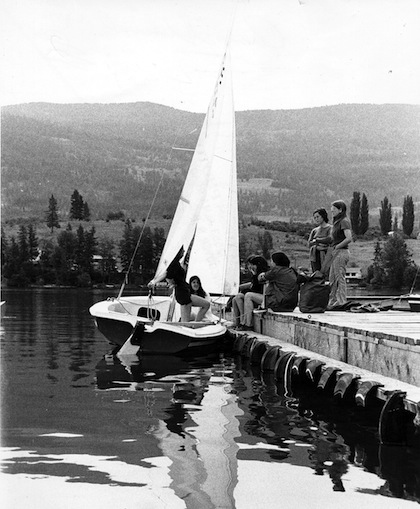
Camp Hatikvah, 1972. Sailing was one of the writer’s favourite camp activities. (photo from Jewish Western Bulletin fonds, Jewish Museum and Archives of BC L.09596)

While Camp Hatikvah has been known for years as a watersport camp, the land-based activities have been overhauled during Wasel’s tenure as president. “We are now able to offer expert instruction from professionals in a plethora of land activities including tennis, football, basketball, fitness, yoga, dance and more,” she told the Independent. “The change has been dramatic and campers are now equally engaged on land and water.”

Those who remember their own experiences of the “good old days” of camp continue the tradition, and send their children, according to Rozen-Delman. “Many of our campers are second- or third-generation participants,” she said. “Our camp is rich in traditions and many of the programs we offer our campers today are based on programs their grandparents participated in during the ’50s and ’60s and their parents did in the ’70s and ’80s. We are very proud of this dedication to our roots and traditions and believe this makes our camp experience even more meaningful.”

The list of former campers reads a bit like a who’s who of the local Jewish community, something that shows the link between camp attendance and Jewish community involvement. Many of the children from Camp Hatikvah are already well ensconced within the community; many are students at Vancouver Talmud Torah. Rozen-Delman noted that campers also come from Alberta, Ontario, Washington and California. Hatikvah has combined a number of initiatives to draw a diverse group of campers, some of whom have no other connection with the Jewish community.

The effort to diversify and attract unaffiliated Jews this year has been aided by the Laskin Outreach Fund. This initiative, created and entirely funded by Elliot and Megan Laskin, provides $1,800 (almost the full fee) to first-time campers from British Columbia with little or no Jewish communal engagement to try Camp Hatikvah in its second summer session.

Both Wasel and Rozen-Delman stress that the programming at Camp Hatikvah is oriented toward helping children develop as members of the community. As a pluralistic camp, children from all sorts of Jewish backgrounds are introduced to and experience the camp’s motto: “Leadership by example.”

Although the programming for younger campers is focused on fun and socializing, with some Zionist and Jewish learning, it is the staff-in-training (SIT) program that begins the leadership training in earnest.

“This program is designed specifically to enhance the leadership abilities and traits of our campers. Participants engage in almost daily hadracha (leadership) sessions or discussions where they learn the importance of leadership, citizenship and community,” said Rozen-Delman of SIT.

Both Wasel and Rozen-Delman are alumna of Camp Hatikvah, with Wasel starting as a camper in 1988 and Rozen-Delman in 1979. Both have worked and volunteered within the Jewish community, in addition to their work at Camp Hatikvah.

While local Jewish life is part of the formula, Hatikvah’s Zionist roots are as strong as ever. Last summer, there were 14 Israeli schlichim (emissaries) on staff.

This year’s camp sessions are both looking like they will be full, said Rozen-Delman. For more information on the camp, subsidies to attend or the Laskin Outreach initiative, call the camp office at 604-263-1200.

Michelle Dodek is a freelance writer who spent one summer at Camp Hatikvah a long time ago and loved the sailing program.

Format ImagePosted on January 19, 2018January 17, 2018Author Michelle DodekCategories LocalTags camp, education, Joanna Wasel, Judaism, Liza Rozen-Delman, youth
Be an angel in February

Be an angel in February

Rose’s Angels provides hygiene care packages, nonperishable food items and warmth bundles to 1,000 Richmond individuals in need. (photo by Lianne Cohen Photography)

The month of February is special because it’s both Heart Month and the birthday month of Rose Lewin, after whom Rose’s Angels is named.

“The Kehila Society’s Rose’s Angels program is celebrating its fifth year this coming February,” said organizer and co-founder Courtney Cohen. “As the need for care packages has increased every year since our inception, and after receiving feedback and input from service agency’s and their recipients, we’ve been able to extend our outreach efforts this year. This program continues to honour Rose Lewin and Babs Cohen in the truest form of tzedakah and love for our Richmond community.”

Rose’s Angels provides hygiene care packages, nonperishable food items and warmth bundles to 1,000 Richmond individuals in programs such as Richmond Family Place, Salvation Army, Jewish Food Bank, Richmond Food Bank, Kehila Meals on Wheels and other similar Richmond outreach initiatives.

For the care packages, Rose’s Angels are looking for the following items: packaged dried fruit or nuts (raisins, trail mix, etc.); canned foods, such as soup and tuna; boxed foods, like macaroni and cheese, rice and pasta; individually packaged baked goods (granola bars, energy bars, cookies, oatmeal, pudding, Jell-O, etc.) that are still sealed; peanut butter; juice boxes, hot chocolate and tea; individually wrapped chocolates; toiletry items such as toothbrushes, toothpaste, deodorant, floss, soap, mini shampoo/conditioner and tissues; feminine hygiene products; beauty care products (hair accessories, lotion, makeup); gloves or mittens, both children- and adult-size; toques; and thermal socks.

If you would like to come out on Feb. 11 to assist in packaging the bundles or would like to donate items and/or funds or help with package deliveries, call the Kehila Society office at 604-241-9270 or email [email protected].

Format ImagePosted on January 19, 2018January 22, 2018Author Rose’s AngelsCategories LocalTags Courtney Cohen, Kehila Society, tikkun olam

An education legacy

In October, our community lost one of its most devoted supporters, Leon Glassman, z”l. Leon will be remembered for generations to come for his commitment to Jewish education and its central role in Jewish identity and continuity. Through the Jewish Community Foundation, Leon created a legacy that reflects his lifelong passion in these areas. Together with his wife Rose Marie, they made an indelible impact on our community – an impact that will ensure his memory lives on.

Leon and Rose Marie’s commitment to Jewish education goes back decades to their life as young parents in Regina. Their move to Vancouver was motivated in part because here they would be able to provide their children with a Jewish education, which they saw as an integral aspect of helping them develop strong Jewish identities.

Leon and Rose Marie recognized that the high cost of living in the Lower Mainland today has reduced the ability of many families to enrol their children in Jewish day schools and Jewish educational programs. They wanted to find a way not just to help families and children, but to strengthen Jewish continuity for the community as a whole.

In April 2016, Leon and Rose Marie made a million-dollar gift to create the Leon Glassman Fund for Jewish Continuity through Education endowment fund. The response from community members who share their passion, as well as from the day school community that understands so clearly the impact this endowment will make, was tremendous, and it inspired Leon and Rose Marie to make a second million-dollar gift to the fund.

The fund will provide a steady source of support for tuition assistance, so more children can reap the benefits of a Jewish day school education. This endowment will support an area of need that was close to Leon’s heart, enriching our community in perpetuity.

According to executive director Marcie Flom, the Jewish Community Foundation was “privileged to work with the Glassmans to create Leon’s legacy for the Jewish community.” She said, “Leon’s philanthropy reflected his life’s passion and his commitment to Jewish education in a way that perpetuates his memory for his children and grandchildren.”

Like Leon and Rose Marie, there are many community members who support causes that reflect their interests and their values. If you are among them, then you, too, can create a legacy at the Jewish Community Foundation that reflects your passions. To make a contribution to the Glassman Fund or for more information on how to create a legacy, visit jewishcommunityfoundation.com.

Posted on January 19, 2018January 17, 2018Author Jewish Community FoundationCategories LocalTags education, Glassman, JCF, Judaism, Marcie Flom
אתגרי הביטחון

אתגרי הביטחון

לאור אתגרי הביטחון השונים הג’ואיש פדריישן של אזור מטרו ונקובר מינתה לאחרונה את דניאל היידנריך, לתפקיד מנהל הביטחון של הארגון. (צילום: jewishvancouver.com)

אנטישמיות בקנדה: גם בית כנסת בוויקטוריה קיבל מכתב שנאה

לרשימת בתי הכנסת ברחבי קנדה שקיבלו מכתבי שנאה מצטרף גם בית הכנסת קהילת עמנואל בוויקטוריה. לפי הערכה למעלה מאחד עשר בתי כנסת ברחבי קנדה קיבלו עד כה את מכתבי השנאה האנונימיים המדוברים. מחלקות פשעי שנאה של משטרות קנדה בערים השונות, פתחו בחקירה לבדוק את זהות שולחי מכתבי השנאה לבית כנסת ברחבי המדינה בחודש האחרון. עד כה ידוע שהמכתבים נשלחו למוסדות היהודים בערים הבאות: טורונטו (ארבעה בתי כנסת), מונטריאול (שני בתי כנסת), אוטווה, המילטון, קינגסטון, קלגרי, אדמונטון (שני בתי כנסת) וכן כאמור ויקטוריה.

המכתבים כוללים ציור של צלב קרס על מגן דוד צהוב עם דם נוטף, בצרוף הסלוגן “היהודים חייבים במיתה” גן כן עם דף נוטף. בשלב זה לא ברור האם קמפיין השנאה היה קשור לחג החנוכה שחל באותם ימים, או להכרזתו החד צדדית של נשיא ארה”ב דונלד טראמפ, כי ירושלים היא בירת ישראל, או שמדובר בפעילות אנטשימית “רגילה”.

ראש ממשלת קנדה, ג’סטין טרודו, אמר בתגובה לפרשה החמורה: “למעשי שנאה ואנטישמיות אלה אין מקום במדינתנו ואנו לא נסבול זאת”. לפי נתוני הלשכה המרכזית לסטטיסטיקה מכלל פשעי השנאה ברחבי קנדה כשלושה עשר אחוז מתבצעים כנגד הקהילה היהודית המקומית.

בבני ברית קנדה מציינים כי בשנת 2016 נרשמה עלייה משמעותית בהיקף של עשרים ושישה אחוז בפשעי שנאה נגד יהודים במדינה (1728 מקרים בסך הכל), לעומת השנה החולפת (2015). בבני ברית מוסיפים עוד כי 2016 הוותה שנת שיא בפעולות האנטישמיות מתוך 35 השנים האחרונות, שבהן הארגון מנהל רשום בנושא.

מכחישת שואה קנדית נעצרה בגרמניה

משטרת גרמניה עצרה לפני מספר ימים את מוניקה שייפר, מכחישת השואה שגרה בעיירה גא’ספר שבאלברטה. המשטרה המקומית חוקרת את שייפר לאור טענותיה שהשואה לא התקיימה – דבר הנחשב לעבירה פלילית בגרמניה. שייפר הגיעה למינכן כדי לתמוך במכחישת שואה אחרת סילביה סטולץ, שמשפטה מתנהל בימים אלה. סטולץ שימשה בעברה עורכת דין הורשעה כבר על הכחשת השואה. לטענת שייפר (שהיא בת להורים מגרמניה) השואה היא השקר העיקש ביותר בתולדות העולם. היא מציינת כי לא נהרגו בשואה שישה מיליון יהודים והיא אומרת בפשטות כי זהו שקר השישה מיליון.

לראשונה: מנהל ביטחון בפרדציה היהודית של ונקובר

לאור אתגרי הביטחון השונים הג’ואיש פדריישן של אזור מטרו ונקובר מינתה לאחרונה את דניאל היידנריך, לתפקיד מנהל הביטחון של הארגון. בתוכנית של עדיפויות אסטרטגיות ל-2020 נקבע כי יש צורך למנות מנהל מיוחד לעניניי ביטחון.

היידנריך שמכהן בתפקיד מאז חודש אוקטובר האחרון, הספיק להיפגש עם ראשי למעלה מעשרים ארגונים שונים שפועלים בקהילה, כדי לעמוד מקרוב על צרכי הביטחון שלהם, שיבואו לידי ביטוי בבקשותיהם לקבלת תקציבים כספיים מהממשלה הפדרלית. במקביל נעשה מאמץ לחזק את הקשר בין הארגונים לבין כוחות הביטחון המקומיים.

בתפקידו בפדרציה היידנריך מתמקד בשלושה תחומים עיקריים: אבטחה שוטפת של הקהילה היהודית והמוסדות השונים המסונפים אליה, קיום סדנאות מקצועיות כדי לסייע ולהדריך את הארגונים היהודים בנושא רמת הביטחון הנדרשת לאבטחתם, הפעלת רשת מתנדבי ביטחון לסייע למערך הביטחון של הארגונים השוינם ובעיקר באירועים.

היידנריך שירת במשך כעשרים שנה בצבא הבריטי. לאחר מכן שימש במשך כשלוש עשרה שנים יועץ לענייני ביטחון בארגונים שונים בעולם (בהם בעיראק ואפגניסטן, קפריסין ודרום אפריקה). בוונקובר הוא שימש בין היתר ראש האבטחה של קניון אוקרידג’ ולאחר מכן מנהל הביטחון של מלון הדירות טראמפ ונקובר.

Format ImagePosted on January 17, 2018January 17, 2018Author Roni RachmaniCategories עניין בחדשותTags antisemitism, Congregation Emanu-El, Daniel Heydenrych, hate mail, Holocaust, Jewish Federation, Monika Schaefer, security, אנטישמיות, ביטחון, ג'ואיש פדריישן, דניאל היידנריך, מוניקה שייפר, מכתבי שנאה, קהילת עמנואל, שואה
Beit Ruth supports at-risk girls

Beit Ruth supports at-risk girls

Beit Ruth Village (photo by Poole)

When boys are hurting, are at-risk or are vulnerable and abused, they act out. They join gangs, skip school and get into fights,” Danielle Burenstein, executive director of Beit Ruth, told the Independent. “But, when girls are hurt or abused, they disappear and become transparent; they hurt themselves. When the system identifies a girl who is at risk, it’s normally because she has disappeared from the school system, is living on the streets or tries to commit suicide.”

Beit Ruth, in the northern part of Israel, was founded by Susan and Michael Ashner, a philanthropic couple from New York who, in 2003, were in Israel to visit a project they were supporting – a program that was educating vulnerable boys. During this visit, Burenstein said, “Susan asked something that would change both of their lives forever: ‘What happens to their [the boys’] sisters? Where are the programs for the sisters?’ The answer, pretty much, was there is really no need for those programs for the girls, because we don’t have those issues with the girls.”

Nevertheless, said Burenstein, Susan Ashner researched more about the status of at-risk and vulnerable girls in Israel, and determined “that there was a need for programs and services in Israel for those girls.” Beit Ruth began as a hostel in Rishon LeZion in 2006, which housed 13 at-risk girls between the ages of 13 and 18. By 2014, a new location had started operating on the outskirts of Afula, in a gated village setting. Today, Beit Ruth Village in Afula houses 45 girls in three houses.

Recently, a new school building was completed. Next on the list of capital projects are two more homes that will allow the village to take in 30 more girls. Following this, the plan is to add five more homes, giving the village and school the capacity to help 150 girls.

“Beit Ruth is a long-term residential village for at-risk and vulnerable girls,” said Burenstein. “It is a learning, healing and caring community that embraces the whole child, emotionally, socially and academically. It gives girls who have been removed from their homes by the Ministry of Welfare – due to incidents of severe neglect or abuse … and, when I say abuse, I mean emotional, physical or sexual; in many cases, it is incest – it gives these girls a chance…. Most, for the first time in their lives, have the chance to receive therapy for this abuse.”

Beit Ruth also “gives them the chance to get a high school education and life skills, so they can be prepared for life outside the village.”

Walking into the village, she said, is “like walking into a gated community in Vancouver. There are homes, with between 12 to 15 girls living in each home. They are not dormitories. They are decorated like homes.”

photo - Lunchtime in one of the residential houses at Beit Ruth Village
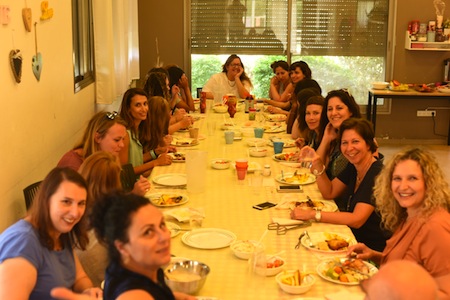
Lunchtime in one of the residential houses at Beit Ruth Village. (photo by Meir Azoulay)

Each house has a kitchen with a dining room, where the girls cook together, eat together, and have chores and responsibilities, and a living room. They have a bedroom they share with three other girls, and they can decorate it however they wish.

“We’re recreating that security and foundation that any child needs to have in order to be a successful human being,” said Burenstein. “I mean, to be able to have trust and respect, communication skills and a desire to learn, like most kids have.

“When our girls come to us in the village, I can tell you that, if you were to visit as an outsider, you’d probably be able to point out which girls have just come to us … because they are a shell of what a child should look like at that age – withdrawn, many sitting in a corner. You can tell that they are scared. They won’t make eye contact with you. They speak in a low voice.

“In a matter of weeks or few short months, you’ll see them start to smile, hang out with the other girls, talk with staff, engage, listen … some will laugh out loud.”

The girls who come to Beit Ruth have to choose to do so themselves, and they can choose to leave at any time. The purpose of the village gate is to keep out unwanted visitors, not to lock the girls in.

“The girls need to commit to the hard work it takes to overcome their trauma, to face their trauma through therapy, to listen to the values we instil in the village, which are all about teamwork, respect and trust,” said Burenstein.

Something that makes Beit Ruth unique are its guiding principles, one of which is creating the atmosphere of a home life – the kind of support a family should give a young child. Another guiding principle is therapy, which helps each girl face her own personal trauma, with the goal of overcoming it.

There are also enrichment programs, such as therapeutic art or music, sports and physical activities, all of which are mindfully selected and designed to help a young girl find her voice, passions and skills, to forge communication skills, trust and respect.

Many girls come to Beit Ruth with big gaps in their education. Some don’t know how to read or write at 13 or 15 years of age.

“When you’re hungry, when you’re scared, or when you’re in an abusive situation, school is not what you’re focusing on,” said Burenstein. “So, our girls are given the opportunity to have a high school education and we help instil a love of learning and curiosity that most kids have.”

Once at the village, each girl gets the support she uniquely needs. Beit Ruth does not go with one-size-fits-all programs, as each child comes with her own trauma, past and capabilities.

Beit Ruth’s educational programs, which were developed for the village, are trickling down into use by Israel’s Ministry of Education, to other schools around the country, and into hospitals.

“Each girl has her own journey to take,” said Burenstein. “It’s really hands-on for each one of the girls. They know it’s a place they can call home. They know this is a place where they are safe. They know this is a place that, no matter what … and, trust me, they try to test us … they know that we’re here for them and that we’re not giving up on them. That comes across loud and clear.”

Rebeca Kuropatwa is a Winnipeg freelance writer.

Format ImagePosted on January 12, 2018January 10, 2018Author Rebeca KuropatwaCategories IsraelTags Beit Ruth, Danielle Burenstein, health, Israel
תוכניות לקהילה הישראלית

תוכניות לקהילה הישראלית

שנה חדשה: תוכניות בעברית בג’ואיש קומיוניטי סנטר לקהילה הישראלית

הג’ואיש קומיוניטי סנטר של אזור מטרו ונקובר מפרסם בימים אלה מספר תוכניות בשפה העברית לשנת 2018, במסגרת אירועי תרבות יהודית וישראלית, שמיועדים לקהילה הישראלית. את האירועים מארגנת רכזת התרבות של הג’ואיש קומיוניטי סנטר איילת כהן.

להלן מספר תוכניות:

מועדון ארוחת בוקר לנשים ישראליות מדי יום ראשון בשעה 11 בבוקר. האירוע מיועד לישראליות חדשות וותיקות והן ידונו במה שמשותף להן, תוך נסיון ליצור קשרים ביניהן ובן הקהילה.

“דלת הקסמים” – מחזמר לילדים המבוסס על מיטב שיריה של המוסיקאית נורית הירש. ההצגה (שמיועדת לילדים בגילאי 2 עד 8) תתקיים ביום ראשון ה-28 בחודש, בשעה 11 בבוקר.סיפור המחזמר: הילדה מיכל מנסה להשיג מתנה מקורית ומיוחדת ליום ההולדת של אמה. היא יוצאת למסע לממלכת הצלילים בעזרת חבריה, שהם דמויות משיריה של הירש, אותם היא פוגשת בדרך. בין השירים שבמחזמר: מקהלה עליזה, בוקר של זהב, ברבאבא, הבית של פיסטוק, דלת הקסמים, מחרוזת פים פם פה ומחרוזת דיג דיג דוג.

ערב שירה בציבור “שירים שאימצנו” ביום ראשון ה-28 בחודש, בשעה 7 בערב. באירוע משתתפים מרים בני בליווי משה דנבורג ויונה בר סבר. אירוע השירה הבא יתקיים ביום ראשון ה-29 באפריל גם כן ב-7 בערב.

קורסים של עברית לילדים מדי יום רביעי אחר הצהריים, החל מיום רביעי השבוע (ה-10 בחודש) עד ה-14 במרץ. השיעורים לתלמידי הגן וכיתה א’ יועברו בין השעות 4.30-5.30. ואילו השיעורים לתלמידי כיתות ב’-ד’ יועברו בין השעות 5.30-6.30. הקורסים כוללים שיפור העברית בקריאה, כתיבה, דיבור והבנה. כן יועבר חומר על חגי ישראל, המורשת יהודית-ישראלית, בשילוב פעילויות משפחתיות.

לא מומלץ לנסות: רקון אומץ על ידי משפחה והפך לבן בית

רקונים (דביבונים בעברית) הם בעלי חיים ממשפחת היונקים שמקומם בטבע. למרות יופיים בשל הפרווה היפה שמכסה אותם, רבים מעדיפים להתרחק ככל הניתן מהרקונים שרק עושים צרות בצרורות. בחיפושים אחר אוכל בעיקר בפחי אשפה כטורפי לילה – הרקונים הופכים למאוד ארגרסיבים. הם מסוגלים לטרוף אף חתולים או כלבים קטנים. ידוע על מקרים בהם רקונים נשכו גם בני אדם ובעיקר ילדים קטנים. ולכן מי שמבחין בהם בדרך כלל שומר מרחק.

למרות זאת משפחת הולמן שמחזיקה בחווה של בעלי חיים במזרח יוניאק שבמחוז נובה סקוטיה, החליטה לאמץ רקון והעניקה לו את השם ראמבו. הרקון נמצא כתינוק בודד ורעב כמעט למוות על ידי חבורה של ילדים. הם העבירו אותו לטיפולה של משפחת הולמן בשל ניסיונם הרב בטיפול בבעלי חיים כולל רקונים. הביבי רקון הסתגל מהר מאוד לחיי המשפחה והפך לחלק ממנה. ראמבו ישן בלילות בחווה והוא חופשי ללכת לאן שירצה אך למרות זאת הוא מעדיף להישאר עם ההולמנים ומסרב לחזור לטבע. בלית ברירה הוא אומץ על ידם והפך לחיית מחמד. בזמן שראמבו מטייל עם בני המשפחה מחוץ לבית הוא קשור לרצועה ממש כמו כלב. למרות זאת לא מעט מאלה שמבחינים בו מעקמים את הפרצוף, בשל המוניטין הרע שיש לרקונים שכאמור נחשבים לבעלי חיים מסוכנים מאוד.

מומחית לחיות טוענת שלמרות שראמבו הסתגל לחיי בית יש לשחרר אותו בחזרה לטבע ובהקדם, כיוון שרקונים כאשר הם בני שנה הופכים לאגרסיבים ומסוכנים ביותר. ההולמנים מרגישים כי זה כבר מאוחר מדי לשחרר את ראמבו בחזרה לטבע והוחלט שישאר עימם. הם מתכננים בקרוב לסרס את הרקון שלהם ואז לבקש רשיון מהמועצה המקומית להחזיק בו כחוק.

Format ImagePosted on January 10, 2018Author Roni RachmaniCategories עניין בחדשותTags Ayelet Cohen, Hebrew, Holman family, Jewish Community Centre, Jewish-Israeli heritage, Nova Scotia, racoon, איילת כהן, ג'ואיש קומיוניטי סנטר, מורשת יהודית-ישראלית, משפחת הולמן, נובה סקוטיה, עברית, רקון
אנטישמיות בקנדה

אנטישמיות בקנדה

המכתבים נשלחו למוסדות היהודים בערים הבאות: טורונטו (ארבעה בתי כנסת), מונטריאול (שני בתי כנסת), אוטווה, המילטון, קינגסטון, קלגרי ואדמונטון (שני בתי כנסת).

מחלקת פשעי שנאה של משטרת קנדה פתחה בחקירה לבדוק את זהות שולחי מכתבי השנאה לבית כנסת ברחבי המדינה. עד כה ידוע כבר על לפחות עשרה בתי כנסת שקיבלו מכתבי שנאה אנונימיים בימים האחרונים. המכתבים נשלחו למוסדות היהודים בערים הבאות: טורונטו (ארבעה בתי כנסת), מונטריאול (שני בתי כנסת), אוטווה, המילטון, קינגסטון, קלגרי ואדמונטון (שני בתי כנסת).

המכתבים כוללים ציור של צלב קרס על מגן דוד צהוב עם דם נוטף, בצרוף הסלוגן “היהודים חייבים במיתה” גן כן עם דף נוטף. בשלב זה לא ברור האם קמפיין השנאה היה קשור לחג החנוכה שחל באותם ימים, או להכרזתו החד צדדית של נשיא ארה”ב דולנד טראמפ, כי ירושלים היא בירת ישראל, או שמדובר בפעילות אנטשימית “רגילה”.

ראש ממשלת קנדה, ג’סטין טרודו, אמר בתגובה לפרשה החמורה: “למעשי שנאה ואנטישמיות אלה אין מקום במדינתנו ואנו לא נסבול זאת”.

בבני ברית קנדה מציינים כי בשנת 2016 נרשמה עלייה משמעותית בהיקף של עשרים ושישה אחוז בפשעי שנאה נגד יהודים במדינה (1728 מקרים בסך הכל), לעומת השנה החולפת (2015). בבני ברית מוסיפים עוד כי 2016 הוותה שנת שיא בפעולות האנטישמיות, מתוך 35 השנים האחרונות, בהן הארגון מנהל רשום בנושא.

כלבים כלבים בואו הביתה: נהגי משאיות מחזירים הביתה כלבים שהלכו לאיבוד ברחבי קנדה

מי אמר שלנהגי משאיות לא איכפת משום דבר חוץ מעבודתם. מתברר שבשנים האחרונות נהגי משאיות שנוסעים ברחבי המדינה הגדולה הזו מחזירים לביתם הרבה כלבים שהלכו לאיבוד. האיחוד מחדש עם בעלי הכלבים מרגש ביותר. הנהגים עושים זאת ללא שום עלויות וכולם שמחים.

מרגרט פוסטר-הייד (ממחוז אונטריו) שהייתה בעברה בעצמה נהגת משאית כבדה, החליטה שיש מקום לנצל את ההזדמנות שנהגי משאיות נוסעים בכל רחבי קנדה, לשם החזרת כלבים אבודים הביתה. היא הקימה לפני כארבע שנים רשת באינטרנט בשם “גיבורי הכביש מעופפים נודדים”, שמקשרת בין בעלי כלבים שאבדו וקיבלו מידע שהם נמצאו במרחק גדול מביתם, לבין נהגים שעובדים בכל רחבי קנדה. בעלי הכלבים ממלאים את פרטי הכלבים שאבדו, היכן הם אבדו, היכן נמצאו והיכן הם גרים. המידע נמסר לנהגים בשטח שמקבלים מידע מפורט היכן לאסוף את הכלבים שנמצאו. הם מעלים אותם לתא הנהג במשאיות שלהם ומסיעים אותם לאחר כבוד לנקודת המפגש עם בעליהם.

כאמור הנהגים כמו גם פוסטר-הייד לא גובים שום כסף על השרות המבורך שהם מספקים. בעלי הכלבים שלא נדרשים לשלם על החזרת כלביהם הביתה, בדרך כלל מכבדים את הנהגים במתנות וכרטיסי שי לשימוש בבתי קפה ומסעדות.

לדברי פוסטר-הייד עד כה הרשת של נהגי המשאיות עזרו בהחזרת לא פחות מארבע מאות כלבים לבעליהם המודאגים. רק בימים האחרונים נהג בשם סקוט סטיבנס, החזיר ממחוז בריטיש קולומביה למחוז אלברטה כלב בשם פרנקי. הכלב הלך לאיבוד לפני כחמישה חודשים (במהלך קיץ האחרון), נמצא בריא ושלם מרחק של לא פחות מ-1,200 ק”מ מביתו. מדובר בכלב טיפולי מיוחד שברח מהבייביסיטר שלו לאחר שזה שיחרר אותו מהרצועה, בזמן שבעליו אשלי פאור (אם יחידה לילדה קטנה בת שלוש) שהתה בבית החולים. פרנקי יודע להריח את רמת הסוכר בדמה של פאור וכן הוא עוזר לה להירגע מהחרדות הרבות שלה. סטיבנס שמח מאוד להחזיר את פרנקי במשאית שלו לבית בעליו. פרנקי במפגש עם פאור ובתה קפץ משמחה ולקיק את שתיהן ממושכות. אכן הוא שמח לחזור הביתה.

Format ImagePosted on January 3, 2018January 1, 2018Author Roni RachmaniCategories עניין בחדשותTags antisemitism, B’nai Brith Canada, Canada, dogs, hate crimes, truck drivers, אנטישמיות, בבני ברית קנדה, לבים, נהגי משאיות, פשעי שנאה, קנדה
קשה להאמין חלק שני

קשה להאמין חלק שני

קשה להאמין שאדית ומייקל סימס בעלי הקפה המיתולגי צ’יזקייק הלכו לעולמם. (צילום: רוני רחמני)

בעת התיישבו בוונקובר לפני כארבעים שנים תחילה מייקל התפרנס מהופעות בבתים של אנשים באירועים כמו ימי הולדת, ובכל אירוע בו יכל לנגן ולשיר. ואילו אדית הכניסה כסף הביתה ממכירות של חפצים משומשים. יום אחד הם מצאו חנות להשכרה ברחוב גראנוויל, הקרובה מאוד לגשר גראנוויל שמקשר בין הדאון טאון לחלקה המערבי של ונקובר. הבעלים הקודם של המסעדה ששכנה במקום נאלץ לסגור את העסק, כיוון שבעותה עת פרצה שביתה במערכת עיתון הוונקובר סאן שהייתה ממוקמת ממול, כך שלא היו קליינטים. אדית ומייקל סימס קפצו על המציאה והשקיעו את כל הכסף שהיה להם (כ-14 אלף דולר) – וכך נפתח קפה צ’יזקייק אצטרה. מייקל אמר לי בשעתו כי הוא בסך הכל חיפש מקום לנגן, וללא שום תוכנית עסקית התגלגל הרעיון לפתוח את הקפה ולמכור בו עוגות גבינה איכותיות לפי מתכון שהוא מצא. השניים נהגו בחוכמה כאשר החליטו לפתוח את הקפה בשעות הערב החל משבע, בזמן ששאר בתי הקפה נסגרים. המקום פעל עד אחת אחר חצות. כך שהיום היה פנוי עבורם לכל מה שרצו וחפצו לעשות. למיקום הספיציפי של הקפה (מחוץ לדאון טאון) היה יתרון משמעותי כיוון שתמיד אפשר היה למצוא חנייה לידו.

photo - Cheesecake Etc. closedבשבועות הראשונים הקפה היה ריק אך לאחר מכן לאט לאט המקום החל להתמלא. צעירים ומבוגרים כאחד באו לשמוע את מייקל מנגן ושר עם אשתו, ונהנו לאכול עוגת גבינה ברוטב תות שדה או שוקולד. תוך תקופה קצרה צ’יזקייק הפך לשם דבר והמקום משמש לעלייה לרגל עד היום. קרוב לארבעים שנה בית הקפה מלא מדי ערב. הוא פתוח בכל ימות השנה ורק בערב חג המולד הוא סגור לבקשת עובדים שרוצים לשהות עם בני משפחותיהם.

במהלך השנים חלו מספר שינויים והתאמות בקפה אך בעקרון רוח המקום נשמרה עד היום. צ’יזקייק היה ממקומות הבילוי הראשונים בוונקובר שבו נאסר על הלקוחות לעשן.

לפני מספר שנים הזוג סימס רכשו את הבניין של הקפה וצרפו לצ’יזקייק את שתי החנויות שמצדדיו, כך שבימים עמוסים המקום מכיל עוד מקומות ישיבה לאורחים. במקביל הבן דן לקח את מושכות הניהול לידו ואדית ומייקל היו יותר חופשיים לטייל ולנוח.

אני הייתי נוהג לפגוש את הזוג מעת לעת. בדרך כלל היינו נפגשים בערבים בקפה ונהנים משיחות נפש וכן מנהלים דיונים עמוקים בנושאים פוליטיים ואחרים. לפעמים היינו נפגשים בסטודיו מאחורי הקפה בו אדית ומייקל נהגו לשהות לעיתים. או שנפגשנו בדירה היפה שלהם בקול הארבור. לעתים היינו נפגשים לפני הצהריים לברנץ’ בצ’יזקייק שהיה סגור באותן שעות, או בבית קפה בולגרי בווסט אנד שהיה חביב על בני הזוג.

תמיד היה לנו על מה לדבר, בין אם בנושאים משפחתיים, נושאי היום יום או כאמור בנושאים פוליטיים. בשנים האחרונות לחייה אדית גילתה רגישות גדולה יותר לנושא היהודי והיא החלה לחשוש יותר לגורלם. אני ניסיתי להרגיע אותה שהכל בסדר וישאר בסדר, אך כנראה שהגיל עשה את שלו והיא הייתה מאוד מודאגת. מייקל לעומתה תמיד נשאר אופטימי ונראה לא ממש מודאג ממה שקורה בעולם. הוא תמיד האמין בפתרונות חיוביים לכל בעייה וסכסוך.

אני מתקשה להאמין שאדית ומייקל סימס שייכים לנחתל העבר ולא אראה אותם עוד. ממש בלתי נתפס בעיני. מכל מקום הם ישארו בזכרוני ובמחשבותי ואזכור עד כמה היו נחמדים, שמחים וטובים לכל. יהיה זכרם ברוך.

Format ImagePosted on December 20, 2017December 13, 2017Author Roni RachmaniCategories עניין בחדשותTags Cheesecake Etc., Edith Sims, Mike Sims, אדית סימס, מייקל סימס, צ'יזקייק

Posts pagination

Previous page Page 1 … Page 196 Page 197 Page 198 … Page 322 Next page
Proudly powered by WordPress