Skip to content
  • Home
  • Subscribe / donate
  • Events calendar
  • News
    • Local
    • National
    • Israel
    • World
    • עניין בחדשות
      A roundup of news in Canada and further afield, in Hebrew.
  • Opinion
    • From the JI
    • Op-Ed
  • Arts & Culture
    • Performing Arts
    • Music
    • Books
    • Visual Arts
    • TV & Film
  • Life
    • Celebrating the Holidays
    • Travel
    • The Daily Snooze
      Cartoons by Jacob Samuel
    • Mystery Photo
      Help the JI and JMABC fill in the gaps in our archives.
  • Community Links
    • Organizations, Etc.
    • Other News Sources & Blogs
    • Business Directory
  • FAQ
  • JI Chai Celebration
  • JI@88! video

Recent Posts

  • Story of Israel’s north
  • Sheltering in train stations
  • Teach critical thinking
  • Learning to bridge divides
  • Supporting Iranian community
  • Art dismantles systems
  • Beth Tikvah celebrates 50th
  • What is Jewish music?
  • Celebrate joy of music
  • Women share experiences 
  • Raising funds for Survivors
  • Call for digital literacy
  • The hidden hand of hate
  • Tarot as spiritual ritual
  • Students create fancy meal
  • Encouraging young voices
  • Rose’s Angels delivers
  • Living life to its fullest
  • Drawing on his roots
  • Panama City welcoming
  • Pesach cleaning
  • On the wings of griffon vultures
  • Vast recipe & story collection
  • A word, please …
  • מארק קרני לא ממתין לטראמפ
  • On war and antisemitism
  • Jews shine in Canucks colours
  • Moment of opportunity
  • Shooting response
  • BC budget fails seniors
  • Ritual is what makes life holy
  • Dogs help war veterans live again
  • Remain vital and outspoken
  • An urgent play to see
  • Pop-up exhibit popular
  • An invite to join JWest

Archives

Follow @JewishIndie
image - The CJN - Visit Us Banner - 300x600 - 101625

Category: News

Bride-to-be Markle’s got style

Bride-to-be Markle’s got style

Prince Harry with Meghan Markle wearing Tuxe’s Boss bodysuit. (photo from Beretta/Sims/REX/Shutterstock via Israel21c)

Since announcing her engagement to Prince Harry last November, all eyes have been on Meghan Markle’s style. Coats, shoes, dresses and other fashion items worn by the bride-to-be have sold out in minutes. It’s no surprise that after she wore a bodysuit by Israeli designer Tuxe for an evening out with her betrothed, the style is now backordered until May.

The couple, set to marry in May, went to London’s Goldsmiths’ Hall for the Endeavour Fund Awards, which recognize injured servicemen and women. Known for her dressed-down-meets-royal style, the former actress layered Tuxe’s silk Boss bodysuit underneath a tailored black Alexander McQueen suit. On her feet, she wore Manolo Blahnik pumps.

“We’ve been royally approved!” the brand posted on Instagram after Markle was photographed wearing the bodysuit. “We absolutely love Meghan for all she has done for women’s rights and are honoured to be worn by someone who encapsulates what we stand for as a brand. She uses her spotlight to be an inspiration and she definitely is to us!”

Tuxe founder Tamar Daniel was born in Jerusalem, raised in London and is a graduate of Shenkar College of Engineering and Design in Ramat Gan. She founded her Philadelphia-based bodywear line in 2015, focusing on transforming the bodysuit, once a 1990s staple, into a chic, modern garment.

Her collection includes a range of bodysuits and has become particularly popular with professionals and religious communities, Daniel told Vogue in an interview. Prices range from about $80 for a simple sleeveless bodysuit to $463 for a cashmere turtleneck version.

Tuxe may not be the first Israeli designer that Markle has had her eye on. In December, news broke that Israeli designer Inbal Dror had been approached by the royal family to provide a sketch of a potential dress for Markle’s upcoming wedding to Prince Harry.

* * *

photo - Selections from the 2017 Inbal Dror catalogue. The Royal family is rumoured to have approached Dror for a sketch of a potential wedding dress for Meghan Markle
Selections from the 2017 Inbal Dror catalogue. The Royal family is rumoured to have approached Dror for a sketch of a potential wedding dress for Meghan Markle. (photo from Inbal Dror via Israel21c)

On Dec. 18, 2017, Israel21c posted the story, “Is Meghan Markle going Israeli for her wedding dress?”:

It’s rumour, it’s conjecture, and it’s probably an awful lot of wishful thinking, too, but that’s not stopping Israelis from getting excited at the thought that Meghan Markle may choose an Israeli wedding designer for her dress on the big day.

All the kerfuffle began when news broke that Israeli designer Inbal Dror had been approached by the Royal family to provide a sketch of a potential dress for Markle’s wedding to Prince Harry in May.

Dror, who began making wedding dresses in 2014, favours sensual red-carpet glamour, with plunging necklines and figure-hugging hand-woven dresses. It’s quite a step away from traditional royal wedding gowns that usually err on the side of caution.

This isn’t the first time that Dror has been approached by celebrities for designer dresses. In 2016, pop diva Beyoncé wore a sheer high-necked white lace Inbal Dror bridal gown to the Grammy Awards.

“Beyoncé casually wore a wedding dress to the Grammys,” read the headline of Elle magazine afterwards, adding as a sub-head: “The queen can do as she pleases.”

“It was an amazing moment to see one of my favourite stars wearing one of my designs,” Dror told Brides after seeing Beyoncé in her dress. “I can’t even begin to explain the feeling. I am so excited for what is yet to come!”

Dror, a graduate of Shenkar College of Engineering and Design, sells her dresses for between £6,000 and £9,000 (about $10,500 to $16,000 Cdn) at the Morgan-Davies Bridal boutique in London – with fittings by appointment only. All of her outfits are individually made, and are based on 30 different measurements.

In an interview with Bridal magazine in 2015, Dror said, “A wedding is such a significant event in a woman’s life, and it’s how she feels wearing the dress that emphasizes her features, [which] can make her feel like the queen of the night.”

Israel21c is a nonprofit educational foundation with a mission to focus media and public attention on the 21st-century Israel that exists beyond the conflict. For more, or to donate, visit israel21c.org.

Format ImagePosted on February 23, 2018February 21, 2018Author Rebecca Stadlen Amir ISRAEL21CCategories WorldTags fashion, Inbal Dror, Israel, Meghan Markle, royal family, Tuxe, weddings
למשפט מקארתור

למשפט מקארתור

ברוס מקארתור חשוד ברצח שישה גברים והמשטרה מעריכה שיש קורבנות נוספים. (צילום: Bruce McArthur/Facebook via cbc.ca)

קנדה חווה בימים אלה את אחת פרשיות מקרי הרצח הסדרתיים המזעזעות והקשות ביותר בתולדותיה. ברוס מקארתור (בן השישים ושש) נעצר על ידי משטרת טורונטו ב-18 בינואר בחשד לרצח שישה מתושבי העיר, שנמנים על קהילת הג’ייז המקומית. בשבוע שעבר השתתף הנאשם בדיון ראשון בית המשפט בטורונטו, באמצעות שידור ווידאו מבית הכלא בו הוא שוהה. הוא נדרש לאשר את פרטיו בפני השופט בשלב זה. השופט הוציא צו האוסר לפרסם פרטים רבים מפרשיות הרצח באמצעי התקשורת השונים. את מקארתור מייצג עורך הדין קלווין רוזמונד, המומחה ביייצוג נאשמים במקרי רצח מדרגה ראשונה. רוזמונד מאמין שכל אחד זכאי למשפט צודק.

דיון שני בעניינו יתקיים ביום האחרון של החודש (יום רביעי ה-28 בפברואר), כאשר הנאשם ישתתף בו שוב באמצעות שידור ווידאו מבית כלאו.

לדברי חוקרי המשטרת טורונטו זהו רק קצה הקרחון והם מצפים למצוא חלקי גופות של גברים נוספים שנרצחו לאחר שעונו, על ידי הרוצח הסדרתי האימתני. לאור גילו המתקדם צפוי שמקארתור ביצע את זממו בקורבנות נוספים, ואולי גם ברחבי העולם.

בימים אלה רבים מאוד מחוקרי המשטרה פושטים מדי יום על עשרות אתרים (למעלה משלושים), גנים, מטעים, אדניות וחצרות באזור טורונטו, בעזרת כלבים מגששים ופתולוגים, בהם עבד מקארתור כגנן. זאת בצפייה למצוא חלקי גופות של קורבנות נוספים שקבר, בנוסף לשישה שכבר זוהו. המשטרה קוראת לכל מי שהעסיק את מקארתור כגנן להתקשר אליהם בדחיפות. יתכן וגם בגינות שלהם קבר חלקי גופות שונים.

במקביל צוותים אחרים של משטרת טורונטו בעזרת כוחות משטרה מרחבי קנדה, עוברים על מאות מקרי רצח לא מפוענחים במדינה, בניסיון למצוא רמזים שיכולים לקשור חלק מהם לרוצח הסידרתי החדש. משטרת טורונטו יוצרת קשר עם משטרות ברחבי העולם, במקומות בהם מקארתור אולי ביקר, או עבד בהם בעבר (כאיש מכירות נייד). יתכן והוא השאיר את חותמו המזעזע גם שם עת חיסל קורבנות נוספים.

לפי ההגדרה היבשה מי שרצח שלושה בני אדם מוגדר כרוצח סדרתי. כתב האישום נגד מקארתור כולל כאמור כבר שישה סעיפי אישום של רצח מדרגה ראשונה. החוקרים של משטרת טורונטו לא יכולים להעריך בשלב זה כאמור עד כמה רחוק הלך מקארתור, וכמה אנשים הוא הספיק לרצוח בשנות חייו הארוכות.

לפי הערכה הוא החל במעשיו המזעזים כבר בסוף שנות התשעים, לאחר שעזב את אשתו ושני ילדיו, כיוון שהחליט “לצאת מן הארון”. לאחר מכן הוא עבר לעיר הגדולה – טורונטו ששם יש חיים פעילים יותר לג’ייז. באותה תקופה מקארתור פשט את הרגל פעמים. ואילו בשנת 2001 הוא הואשם בתקיפת גבר בצינור ברזל.

כבר ידוע שבחלק מהמקרים הגנן קיים יחסים אינטימיים ואחרים עם חלק מקורבנותיו. לכן החוקרים בודקים בקפדנות את כל אמצעי התקשורת האלקטרונים בהם השתמש. זאת כולל מחשבים, מכשירי סלולר, אתרי היכרויות ואתרים אחרים בהם פייסבוק – בהם גלש.

עד היום הרוצח הסידרתי הקטלני ביותר של קנדה הוא רוברט פיקטון, מאזור ונקובר. פקטון כזכור הואשם ברצח לא פחות מעשרים ושש נשים שעסקו בזנות. חלקי גופותיהן נמצאו בחווה שהחזיק. פיקטון אף התרברב שרצח עשרים ושלוש נשים נוספות. (הוא התכוון לרצוח חמישים נשים במספר). במשטרת טורונטו שמודים כי הם מתמודדים עם המקרה הקשה ביותר שפקד את העיר, מתפללים עתה שמקארתור לא יגיע אפילו קרוב לפיקטון.

Format ImagePosted on February 21, 2018February 21, 2018Author Roni RachmaniCategories עניין בחדשותTags Bruce McArthur, Toronto, trial, ברוס מקארתור, טורונטו, למשפט
Israel’s Olympic alpine skier

Israel’s Olympic alpine skier

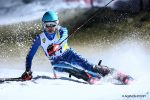
Israel’s lone Olympic alpine skier, 19-year-old Itamar Biran. (photo from @the_itamar)

This year’s Winter Olympics, currently underway in Pyeongchang, South Korea, feature Israel’s largest-ever representation, with 10 athletes competing – in figure skating, skeleton and alpine ski racing. In the alpine skiing events, there is only one Israeli competitor – Itamar Biran – and the Independent spoke with him prior to the Games.

Born in London, England, Biran, 19, lives in Verbier, Switzerland, but grew up in Israel. As Israel’s second-ever Olympic skier, he follows in the footsteps of Mykhaylo Renzhyn, who competed for Israel in the 2006 and 2010 Winter Games. Renzhyn was Israel’s highest-ranked skier in those years, and made his Olympic debut at 27. Virgile Vandeput was 19 when he qualified in 2014, but wasn’t able to compete due to an injury sustained weeks before the Games. Though Biran is not the first Israeli skier, he has posted better results than all of his predecessors.

Biran said the 2018 Games are different than any other past Winter Olympics for Israel.

“The Israeli Olympic Committee is supporting us a lot more, and they are starting to recognize our winter sports are as important as summer,” he said in a phone interview from France, before heading to Pyeongchang. He went on to point out how the increase in support and funding has allowed more Israeli athletes to get the top of their respective sports. For example, Israel now has figure skaters in the world’s top 10 and Biran is in the top 15 for his age.

“In Israel, the only thing people know about skiing is Club Med in Europe,” said Biran, not excluding himself. It wasn’t until age 4 that his father, Doron Biran, took him from Israel to France, where he learned to ski and instantly fell in love with the sport.

After a number of years going to Club Med in France, Biran’s dad bought a house in Verbier in 2006. It was there where Biran really started to excel at the sport. At first, he and his father would travel to Switzerland over school holidays. Soon, the holidays turned into a full season living in Switzerland, and Biran started to race.

European ski racers usually begin racing at 8 years old, but Biran started late, at 12. As a dual citizen of Israel and the United Kingdom, he had the option of racing for Britain. He joined the British Ski Academy at 13, and was with them for a year, splitting his time between London and Verbier. He chose to race for Israel because he wanted to reconnect with where he had spent most of his childhood, and with his family in Tel Aviv.

Not only is Biran the best Israeli ski racer, he would also be one of the highest ranked British technical skiers if he had continued in their program. However, after he chose to represent Israel, at age 14, he dropped out of the British Ski Academy and joined a private training group of athletes from small nations. The group S-Team is based in Gerardmer, France, and includes athletes from Spain, as well as other nations that don’t have large alpine programs.

The 2018 Winter Olympics will not be Biran’s first test against the best. He made his debut in the top level in 2015 at the FIS (Fédération Internationale de Ski) Alpine World Championships in Beaver Creek, Colo., where he was the youngest competitor out of all male events, finishing 62nd in the Giant Slalom (GS). He competed at that level in the GS again in 2017 at St. Moritz, Switzerland.

Biran also represented Israel at the Youth Olympic Games in Lillehammer, Norway, in 2016, where he finished 38th in the Super-G. The Super-G is the second-fastest skiing event, behind the downhill, and is one of the two speed events. It is not an event he will be competing in at Pyeongchang, since he has focused on the more technical disciplines in slalom and GS since the Lillehammer event.

“You have to treat the Olympics as just another race,” said Biran, for whom rubbing shoulders with the best is nothing new. “I have no idols because I want to be their rival,” he explained about the racers on the FIS Alpine World Cup series.

In the weeks leading up to the Games in Pyeongchang, Biran competed in the World Junior Championships in Davos, Switzerland, and made his Europa Cup debut in Chamonix, France.

The young Israeli is among the first generation of athletes to have the opportunity to both go to school as well as continue racing on a European or World Cup level. Germany’s David Ketterer currently attends the University of Colorado and races for their college team, and Biran has similar plans – he has applied to Bocconi University in Milan, Italy, and Dartmouth College in New Hampshire, two schools that will accommodate his high level of sport. He is not in school at the moment, having graduated high school last year, but will begin his post-secondary education in the fall.

In Pyeongchang, Biran is set to compete in the GS on Feb. 17 at 5:15 p.m. Pacific time, as well as the slalom on Feb. 21, with the same start time. For the full Winter Olympics schedule, visit pyeongchang2018.com.

Ben Steiner is a Grade 11 student at St. George’s school. He is a freelance journalist as well as being a teaching assistant at Temple Sholom Religious School. Check out more of Steiner’s coverage at his website, vancitysport.com.

Format ImagePosted on February 16, 2018February 16, 2018Author Ben SteinerCategories WorldTags alpine skiing, Israel, Itamar Biran, Olympics, Pyeongchang, sports

BCSC fines, bans Nickford

A British Columbia Securities Commission (BCSC) panel has fined and permanently banned Lynne Rae Nickford (aka Lynne Rae Zlotnik) from British Columbia’s capital markets for fraud. In August 2017, the panel found that Nickford convinced 13 investors to loan money to or invest in her company Lynne Zlotnik Wealth Management (LZWM) in 2009 and 2010, and told the investors their funds would be used for LZWM’s business operations and growth. The panel found that Nickford spent more than $318,000 of the investors’ money on personal expenses unrelated to her business.

In its decision, the panel stated, “Nickford represents a significant risk to investors and to the integrity of our capital markets. Broad permanent market prohibitions against Nickford are necessary and appropriate to protect our capital markets and the investing public.”

For her misconduct, Nickford has been ordered to resign any position she holds as a director or officer of an issuer or registrant. She has been ordered to pay an administrative penalty of $300,000 and a disgorgement order of $318,141.

The panel also ordered that Nickford be permanently prohibited from trading in or purchasing any securities or exchange contracts, becoming or acting as a director or officer of any issuer or registrant, becoming or acting as a registrant or promoter, acting in a management or consultative capacity in connection with activities in the securities market, and engaging in investor relations activities. The panel also permanently cease-traded securities of LZWM.

Posted on February 16, 2018February 14, 2018Author B.C. Securities CommissionCategories LocalTags fraud, Lynne Rae Nickford, Lynne Zlotnik Wealth Management, LZWM
Jumping gene research

Jumping gene research

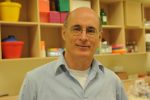
Dr. Gideon Rechavi, who founded Sheba Cancer Research Centre, was in Vancouver in January for an international conference at which he presented new findings on “jumping genes.” (photo from Sheba Cancer Research Centre)

Dr. Gideon Rechavi, who founded Sheba Cancer Research Centre, in Ramat Gan, Israel, was in Vancouver in January for an international conference on DNA and RNA methylation.*

“I described a new work we just published, regarding ‘jumping genes,’” he told the Independent about his presentation at the conference. “Forty-five percent of our genome, part of what people used to call ‘junk DNA,’ is composed of genes that can jump from one place to another.”

As far as what this means for the functioning of a body, he explained, “When they jump, they can activate genes and they can also inactivate genes, and it’s a random process. Actually, when I was PhD student in ’82 at the Weizmann Institute, I found the first example of such an event in mammals.” And, he added, “We were also the first to show the role of such events in cancer.”

Rechavi explained, “In cancer, there is a set of genes called oncogenes, genes that usually are normal genes in our genome but, when they are over-activated or activated in the wrong cell or at the wrong time, they can push the cell to proliferate and can cause cancer.”

Now, he said, many years later, using advanced technologies based on whole genome sequencing, they have found that, “in a variety of neurodevelopmental disorders, such as autism and Rett syndrome and similar diseases, there is a basic gene defect in the family or in the affected child. However, the clinical presentation can differ even between identical twins. Nobody understands why the same genome and the same genetic background will result in such a difference, one patient will be affected by epilepsy, the other one by autism or mental retardation.

“The mechanism that we show is that, in the brain, there is, normally, a constant level of jumping of such genes and, probably, it’s essential for diversity of neurons and brain plasticity and activity.”

This is happening all the time in neuronal stem cells, he said. “During the differentiation of neuronal stem cells … there is a very precise time window of 48 hours when such transposition events can take place. And, probably, it’s essential, because you find it in mice, in monkeys and in humans. However, in all the diseases that we are studying, there is over-activation of the mechanism, so you have many more jumping events.”

We have neuronal stem cells dividing in the brain our whole life, said Rechavi. “In the past, we used to think that all of the neurons are created during pregnancy or soon after, but now, in the last 20 years or so, we know there are also adult neuronal stem cells. When you do gymnastics or when you take Prozac, there are more neuronal stem cells. And, in these neuronal stem cells, these transposable elements – jumping genes – are jumping and probably contribute to brain function.”

The process seems to be quite regulated, he said. “The mechanism we suggest, we call it the ‘lightning rod’ mechanism or hypothesis.”

He explained, “The majority of jumping events occur in sequences in the genome where integration will not cause harm. So, in a normal level of jumping, we expect it will be beneficial, and the chance for damage is low. Although, if, in a variety of diseases, there is uncontrolled activation of this mechanism, so there are many more jumps, then it can saturate the lightning rod safeguard mechanism and then affect genes that are relevant to neuronal diseases, and we have a lot of examples where such things happened.”

To study this, said Rechavi, they sequenced the genomes of 100 samples, which included normal, diseased and control brain samples. “We were able to show that there is a particular normal level of transposition … and, then, over-activation, with many more transposition events, in the brains of disease-affected children.”

From these results, he said, we know that “the genes affected by such insertions from these transpositions, you see that many of them are relevant to neuronal functioning, neural development and a variety of neuronal disorders, such as autism and schizophrenia.”

By understanding the biochemical mechanism in these patients, what activates the jumping, “then you can intervene,” said Rechavi. For example, perhaps a drug could be developed that would decrease the level of transposition.

“This is the next step,” he said. “Now, we have several patients where we know the gene defect involved in the syndrome and, therefore, is involved in the enhanced transposition, so now we have to find a way to shut it off, to lower the activity.”

Rechavi said his lab is researching these jumping genes and their effects in both cancer and neuronal disorders, and that they are currently looking for funding to study the involvement of such genes in Alzheimer’s and in aging.

The purpose of the jumping genes is not certain. “What people suggest,” said Rechavi, “is that it has to do with diversity.” Recalling that it is a random process, he explained, “So, instead of having all the neurons in a particular part of the brain being identical, now you have diversity and probably the diversity increases the efficiency of the brain circuits, etc. It can also be relevant to plasticity. We know that specific brain regions can take over following damage or following a kind of environmental influence and change the activity and perform new activities. So, maybe the ability to create diversity in the brain is an advantage.

“A similar model has to do with the immune system,” he added. “With the immune system, we know that there are genetic mechanisms that increase diversity and, then, the cells of the immune system of an individual can respond to any virus and any bacteria.”

The main focus of his lab at Sheba Medical Centre, he said, is to find new genetic and epigenetic mechanisms, “and then to ask, what is their relevance to normal physiology and what’s their relevance to diseases. That’s how this story that started with cancer research turned out to be very relevant to neuronal disorders and psychiatric disorders.”

Rechavi said the phenomenon of jumping genes, or transposable elements, was first identified by American scientist Barbara McClintock (1902-1992) in experiments with maize. (She won the Nobel Prize in 1983 for this and other contributions to the study of genetics.) “She found it in maize,” he said. “We found it in mammals.”

Conferences like the one Rechavi was attending in Vancouver when he spoke to the Independent by phone Jan. 23 from his room at the Fairmont Hotel Vancouver, where the conference was being held, are useful for several reasons.

“Some people, after my talk, came and they wanted to collaborate, they want to learn the methodologies. Some people suggested samples we could analyze…. This is the basis for scientific collaboration, the main reason to do scientific meetings. You can read everything on the internet,” he said, “but when you discuss with people the findings and you drink coffee together and discuss the details, you can get new information, new non-published information, and also collaborations and friendships.”

Sheba Medical Centre doesn’t have many partnerships with Canadian institutions, said Rechavi. The centre’s main collaboration in Canada, he said, is with Toronto’s Hospital for Sick Children, especially in the field of brain tumours, because one of Rechavi’s former trainees, Dr. Uri Tabori, went to SickKids to study such tumours and stayed there.

Before obtaining his PhD at the Weizmann Institute of Science, in Rehovot, Rechavi earned his doctor of medicine at Tel Aviv University’s Sackler School of Medicine. He is a professor of hematology at Sackler School and heads the Cancer Research Centre at Sheba Medical Centre, the largest hospital in Israel, which serves as a university teaching hospital (affiliated with Sackler) and as a tertiary referral centre. He has published more than 450 scientific papers.

In addition to treating some 1.5 million patients annually, Sheba Medical Centre has 75 laboratories and more than 2,000 ongoing clinical trials; 30% of Israeli medical research is performed at Sheba, which files, on average, 15 biomedical patent applications per year.

In October 2017, Sheba Medical Centre inaugurated the Wohl Institute for Translational Medicine. The idea, said Rechavi, is to take the “findings emerging from basic research and try to translate it into taking care of patients; to better diagnose, to [develop] better treatments.”

* Methylation, explained Dr. Gideon Rechavi, “is the addition of a chemical group known as methyl on the four basic letters of the genetic material (DNA and RNA) to generate a new expanded ‘alphabet.’”


Format ImagePosted on February 16, 2018February 14, 2018Author Cynthia RamsayCategories IsraelTags aging, Alzheimer's, cancer, DNA, Gideon Rechavi, health, jumping genes, medicine, methylation, neurodevelopmental disorders, science, Sheba Medical Centre
טקס יום הזיכרון ואירוע יום העצמאות

טקס יום הזיכרון ואירוע יום העצמאות

טקס יום הזיכרון ואירוע יום העצמאות המרכזי בוונקובר יערכו בג’ואיש קומיונטי סנטר ובמרכז צ’אן סנטר

טקס יום הזיכרון לחללי מערכות ישראל ולנפגעי פעולות האיבה 2018 יערך כרגיל מדי שנה בג’ואיש קומיונטי סנטר של אזור מטרו ונקובר, בשיתוף פעולה עם הג’ואיש פדרשיין של מטרו ונקובר. האירוע יתקיים ביום שלישי ה-17 באפריל החל מ-7.30 בערב והכניסה חופשית. בכך יפתח יום הזכרון בוונקובר ולמחרת יחול יום העצמאות השבעים להולדתה של ישראל. הג’ואיש פדריישן תקיים את האירוע המרכזי ליום העצמאות של ונקובר, במרכז צ’אן לאומניות הבמה בקמפוס של אוניברסיטה של בריטיש קולומביה. זאת, למחרת יום רביעי ה-18 באפריל, גם כן בשעה 7.30 בערב. באירוע החגיגי לאחר הנאומים, יתקיימו הופעות של האמנים הזמרת נינט טייב והזמר שלומי שבן.

טייב (בת ה-34) היא זוכת העונה הראשונה של תוכנית הטלוויזיה ‘כוכב נולד’. מלבד שירה היא גם משחקת ואף שימשה שדרנית ברדיו. ביולי 2016 טיבי ובעלה (יוסי מזרחי) ובתם עזבו את ישראל ועברו לגור בלוס אנג’לס.

שבן (בן ה-41) הוא זמר יוצר וגם פסנתרן ואף זכה ברפס אקו”ם. הוא נשוי לשחקנית יובל שרף ולזוג שני ילדים.

עלות מחירי הכרטיסים (רבים מהם כבר נמכרו): 18 דולר, 36 דולר או 70 דולר.

פשע בקנדה: תמונת הסלפי הסגירה את הרוצחת שחגרה חגורה בה רצחה את חברתה הטובה

מי היה מאמין שתמונת סלפי תמימה של שתי חברות טובות שהועלתה בפייסבוק, תביא להרשעתה בדין של אחת החברות שרצחה שעה קלה לאחר מכן את חברתה. סיפור הרצח המזעזע כאילו לקוח מאחד הפרקים של הבלש המיתולוגי הבריטי שרלוק הולמס.

לפנכי כשבועיים בית המשפט המחוזי בסיסקצ’ואן גזר על שיין אנטואן (בת ה-21), מהעיר ססקטון, שבע שנות מאסר על רצח חברתה הטובה בריטני גרגול (שהייתה בת 18 במותה), בחודש מרץ לפני כשלוש שנים. לפי חקירת המשטרה מתברר כי שתי הצעירות יצאו לבילוי משותף וביקרו במספר פבים ושתו הרבה וכנראה גם עישנו סמים. לאחר מכן התגלע וויכוח מר ביניהן, ובמהלכו אנטואן חנקה את גרגול והשליכה את גופתה בסמוך לאחד הכבישים בססקטון. ליד הגופה החוקרים מצאו חגורה שחורה גדולה.

במסגרת חקירה מאומצת חוקרי המשטרה בדקו את דף הפייסבוק של אנטואן ומצאו תמונה משותפת שלה עם גרגור, שצולמה זמן קצר לפני הרצח. אנטואן כדי להסתיר את העובדה כי היא הרוצחת הוסיפה לתמונה את הכיתוב: “לאן נעלמת חברתי הטובה?” החוקרים בדקו שוב ושוב את התמונה מקרוב, ולבסוף הבחינו גם בכלי הרצח: אנטואן חגרה את אותה חגורה שחורה גדולה שנמצאה ליד גופת חברתה שרצחה.

גזר הדין “הקל” באופן יחסי נקבע לאחר שאנטואן הודתה באחריות לרצח, אם כי היא ציינה שהיא אינה זוכרת שחנקה למוות את גרגול. היא אף לא יכלה להסביר לבית המשפט את המניעים שלה להרוג את חברתה הטובה, שכאמור שעה קודם השתיים בילו ונהנו ביחד. התביעה וההגנה הגיעו להסכם (עיסקת טיעון) על תקופת מאסר בת שבע השנים שהשופט כאמור אישר אותה. ההגנה ציינה כי אנטואן גדלה בבית הורים מאמצים וסבלה מהתעללויות במשך שנים רבות, דבר שהביא אותה לצרוך סמים ולשתות אלכוהול בדחיפות רבה. עורך דינה של אנטואן קרא בבית המשפט את הצהרתה בה נאמר בין היתר: “אני לעולם לא אסלח לעצמי על מה שעשיתי ושום דבר לא יחזיר לחיים את חברתי הטובה. אני מאוד מאוד מצטערת ודבר כזה בשום פנים ואופן לא היה צריך לקרות”. חרטה מאוחרת.

Format ImagePosted on February 14, 2018Author Roni RachmaniCategories עניין בחדשותTags Brittney Gargol, Cheyenne Antoine, murder, Ninet Tayeb, Saskatoon, Shlomi Shaban, Vancouver, Yom Ha'atzmaut, Yom Hazikaron, בריטני גרגול, וונקובר, יום הזיכרון, יום העצמאות, נינט טייב, ססקטון, רצח, שיין אנטואן, שלומי שבן
Growing pains at KDHS

Growing pains at KDHS

King David High School has a wait pool for its Grade 8 program. (photo from facebook.com/kdhsvancouver)

King David High School has more applicants for Grade 8 this fall than they have spaces available, and some parents are upset with the way the school is handling the matter.

On Jan. 28, parents of 52 potential Grade 8 students received a message that their children had been accepted – and that $1,000 was required by Jan. 31 to confirm acceptance.

“The normal course is that King David and the independent and mini schools all release about the same time their acceptance letters,” said a parent whose child was accepted. “They’ll send out the first acceptance letters and then parents will either accept or not and then they’ll send out the second set a day or two later. That way they don’t really have a wait list and the process is relatively painless and takes place over a few days.”

The parent requested anonymity for fear that speaking out could affect their child’s future at the school and the Independent agreed to withhold the name.

“What King David has done suddenly is say we’re moving our process up about a month and to hold that spot now you need another thousand dollars, nonrefundable,” the parent said. The $1,000 deposit is on top of a $500 application fee, which increased this year from $100. Many families apply to more than one school, some of them independent and some of them Vancouver School Board specialty schools, such as mini schools, international baccalaureate or outdoor education programs. Those schools mostly send out acceptance letters in February.

“If they want to fundraise, that’s one thing,” said the parent. “But this seems to be a negative option fundraising scheme. They didn’t tell the families that they were going to do this when they applied originally and gave their deposit of $500. They didn’t tell them they were going to change the rules.”

But Russ Klein, King David’s head of school, said the intention was to alleviate stress for the families with children who are not among the 52 who received acceptance letters. He contests the idea that the $1,000 is to “hold the position.”

“We are not thinking of it as holding,” he said. “We’re thinking of it as accepting.”

He recognizes that many families hedge their bets by applying to several schools.

“They are frustrated, which I can understand, because they’re going to need to pay a deposit. That’s where they’re using the language ‘hold the spot.’ But we have families out there who are on our wait pool who are desperate to get into King David because they are not applying anywhere else. They are very frustrated at some of their peers who are holding spots that they don’t want,” said Klein. “We’re not their first choice. They’d rather get into another school and we don’t judge that. We’d just like the students who would like to be here to get the opportunity to be here.”

The school is using the term “wait pool” as opposed to “wait list” because it does not reflect an order.

“What schools are really trying to do is pick the best cohort for their group,” he said. “If, for example, a male student leaves and you’re trying to balance by gender, then we would try to get another male student in.” A wait pool implies that learning needs, particular talents and other factors that applicants bring to the cohort are weighed, rather than ranking applicants numerically.

Klein acknowledged that the process is new and has been difficult, because the school has never had so many applicants, a factor due simply to the coincidence of a population bubble in the community. Looking at this year’s Grade 6 classes at Jewish elementary schools and in the community, he said, King David expects far fewer Grade 8 applications next year. This year’s Grade 8 cohort has just 35 students.

“This is our first time through this type of challenge and we are learning a lot,” he said. The school has 26 regular Grade 8 positions and 26 accelerated positions, in which Grade 8 students complete Math 8, Science 8, Math 9 and Science 9 in a single year.

The school isn’t releasing exact numbers of how many students are in the wait pool, saying only that it is “more than 10.”

In all, the school now has well over 200 students, said Klein, and, while that presents growing pains, he hopes the demand indicates to the community that the school is successful, and said KDHS may seek to expand in the future.

Format ImagePosted on February 9, 2018February 7, 2018Author Pat JohnsonCategories LocalTags education, KDHS, King David High School, Russ Klein
Dealing with asylum seekers

Dealing with asylum seekers

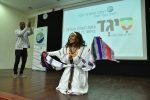
A celebration of Sigd at Ruppin College. (photo from Ruppin College)

From 1967 until the First Intifada, Palestinians filled a similar role in Israel to that of foreign labourers in many Western countries, often working in construction, agriculture and other occupations in which Israeli citizens weren’t interested. But, once the Intifada began in the late 1980s and Israel started restricting the passage of Palestinians to and from Israel, there were acute labour shortages.

According to Prof. Galia Sabar, president of Israel’s Ruppin Academic Centre (or Ruppin College), a few other factors contributed to this situation. Specifically, there was the migration of Jews from the former Soviet Union, she said. “So, you have these two mega historical events – the closure of the entrance of Palestinian workers … at the time, there were about 120,000 Palestinian workers coming in and out every day to Israel…. And, on the other side, you had about a million Jews coming within a period of less than two years.

“The Israeli government had several options. One was to have Israeli citizens work in these fields. Another was to have the new migrants [do the] work. The third one was to bring back the Palestinians. And, the fourth option was to bring in international migrant workers to do the job.”

The Israeli government chose the fourth option. However, said Sabar, “The Israeli government opted to ignore the experience in other Western countries. Now, we’re not talking about the 1960s; this is the 1990s. If the Israeli government or decision-makers would have just looked west to Germany and France, they would have noticed what the long-term consequences would be. But, you don’t bring them for a short period of time and, when the work is done, kick them out. It just doesn’t work. That is exactly what happened in Israel.

“With the Palestinians, they came to work in the morning and went back to their homes in the West Bank and Gaza at night. Israelis benefited from cheap labour and didn’t pay the price that most countries did with conventional migrant workers. Once you bring in international migrant workers, they establish families and demand rights.

“Once the borders were open and visas were issued for international migrant workers – and the price Israelis paid for their labour was much lower than paying for Israelis – then all hell broke loose. By 1996, there were already 180,000 visas issued to international migrant workers.

“Once the Israeli economy and borders were open to international labour migrants from specific countries with work visas, others without working visas started coming, too – from Latin America and the African continent. They came in on tourist or pilgrim visas and overstayed their visas … becoming illegal or undocumented migrant workers.”

photo - Galia Sabar
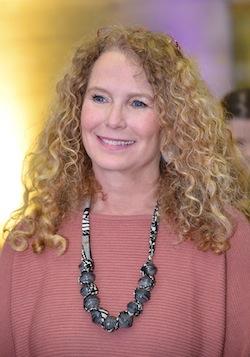
Galia Sabar (photo from Ruppin College)

Sabar started her research in the mid-1990s on communities of Guineans, Nigerians, and Kenyans. She recalled, “We had, at one point, representatives from about 25 different African countries in Tel Aviv alone – my first research was on African churches in Tel Aviv. The Jewish, predominantly white, city had about 55 to 60 different independent African churches just near the central bus station in southern Tel Aviv.

“A Guinean man or woman came and brought other relatives. Kids were born and whole new ecosystems of foreign migrant communities developed in Israel … around construction sites and agricultural places, and in and around the big city where people found work.

“I think most Israelis, until the early 2000s, preferred to ignore what was going on and enjoyed the cheap labour. If, before, a normal family had to take care of an elder person or sick person, they had to pay thousands and thousands of dollars to get 24/7 care. But, here you’d bring a Thai or Philippine caregiver and pay her $800 to $900 … so why worry about the long-term consequences?”

Eventually, in early 2000, the government began deporting undocumented migrant workers. Within a very short period of time, about half of the 250,000 undocumented workers were deported.

“I followed them after they were deported back to Africa, mainly West African countries,” said Sabar. “Since the beginning of the 2000s, I’ve been studying African asylum seekers, mainly Sudanese, who came via the border between Israel and Egypt, to Israel. I followed them after they returned to South Sudan in 2012. “Some who were in Israel for 10 or 12 years had savings and gained new skills, ideas, and resettled back home successfully. The other group was not as well off when they went back home. Their savings were slowly eaten away by their families. They were really wandering around. There were some who were devastated and had no future back home.”

Sabar’s focus now is on what she calls “the second wave,” with which Israel has been grappling since late 2006 – asylum seekers, mostly from Darfur and South Sudan, who came to Israel via Egypt claiming asylum. By 2012, the total number of asylum seekers had reached 60,000.

“Israel never had an office that deals with asylum requests, because we didn’t have asylum seekers coming in or refugees,” said Sabar. “It was only one or two, here or there. We’d get a boat with several dozen Vietnamese … but that was nothing. Then, suddenly, from 2006 on, we have thousands of people coming into Israel seeking asylum.

“In the beginning, it was Darfurians who were considered to be genocide survivors, and South Sudanese, which Israel has special relation with. So, Israel came up with this new idea, like an umbrella protection visa, [and] between 2006 and 2017, the 60,000 Sudanese and Eritreans built their lives in Israel. They worked, earned salaries, rented rooms, had kids, created families, lived full lives. Most of them lived in and around big cities where they could find work.”

Some Israeli ministers and other politicians started calling African asylum seekers a cancer in the heart of the Jewish nation and a “hygienic danger,” said Sabar – statements that, not so long ago, were directed at European Jews.

“I think that, owing to our own history and supposedly Jewish values, we can’t adopt this attitude,” she said. “A few thousand African asylum seekers are not a threat to the state of Israel, to the Jewish character. They are not. There have been no more asylum seekers coming into Israel since the erection of the border (between Israel and Egypt).

“We have now, in 2018, 37,000 African asylum seekers. Now, the state of Israel either puts them in jail or forces them to go to Uganda and Rwanda. But, they don’t come from there…. Where did they get this idea? Why? Because they’re both from Africa? They’re black, so that’s why we can deport them? The idea that the Israeli government is going to take thousands of Sudanese – some of them survivors of genocide – and throw them into Rwanda is terrible.”

Sabar went to Rwanda and Uganda on research missions in 2012, 2013 and 2014. She interviewed asylum seekers who were pushed out of Israel, back into refugee life, but in countries with far less than Israel’s gross domestic product and economic growth. Sabar said Israel should share the burden with the rest of the world and give asylum seekers a temporary home.

Although her efforts have mostly fallen upon deaf ears, the Dalai Lama has taken notice and has bestowed upon her the Unsung Heroes of Compassion award. “I thought it was one of these online scams, but then I communicated with them and realized it was real,” said Sabar. “I feel truly honoured, excited, and very, very surprised that the Dalai Lama acknowledges the fact that academics who do research can bring about real change. That is truly inspiring and gives me, up until today, energy to continue training my students to be critical thinkers and develop empathy for others while doing their research.

“All our students at Ruppin are encouraged to do some kind of activism as part of their academic training. A very high percentage of our students are socially engaged and active.”

While Sabar acknowledged that all sovereign states have the right and the duty to protect, first and foremost, their own citizens and territory, she is adamant that countries “should all have big doors, windows and avenues for those less fortunate seeking asylum, letting them in for temporary shelter and protection.”

Rebeca Kuropatwa is a Winnipeg freelance writer.

Format ImagePosted on February 9, 2018February 7, 2018Author Rebeca KuropatwaCategories IsraelTags Galia Sabar, immigration, migrants, Ruppin College
Okanagan celebrates 25th

Okanagan celebrates 25th

Steven Finkleman, vice-president of the Okanagan Jewish Community, takes a moment to enjoy some Israeli dancing. (photo by Misty Challmie)

When the founders of Kelowna’s fledgling Jewish community decided to open a building, they couldn’t call it a synagogue.

The B.C. government of the day would contribute a third of the construction costs toward a community centre but nothing if it were a church or synagogue. So, a small group of dedicated volunteers named it the Okanagan Jewish Community Centre and got the funding.

The building – also known as Beth Shalom Synagogue – features a sanctuary alongside a large kitchen, library and daycare. Twenty-five years after its dedication in the heart of British Columbia’s Okanagan Valley, a dozen original members and 50 supporters celebrated the milestone with Israeli dancing, humour and heartwarming stories.

Steven Finkleman, who led the event, reminisced about how a few retired couples kept the Jewish religion “alive in these boonies” by getting together at various houses. Members gathered regularly for services at a church after they formalized their community at an inaugural meeting in 1983.

“We met at St. Michael’s Anglican Church. For us, it was St. Moishe’s,” said Finkleman, who grew up in Winnipeg. “The question wasn’t, ‘Do we need a building?’ It was, ‘If someone dies, where do we put them?’ So a cemetery was most important.”

As more Jews moved into the Okanagan, momentum grew. Then-newcomer Mel Kotler, a businessman from Montreal who ran the Western division of Fabric-land, helped launch the community’s first cemetery drive. The committee bought pews, bimah artifacts and an ark from a synagogue that closed in Moose Jaw, Sask. Members contracted Emil Klein, a retired rabbi living in nearby Winfield, to lead services in houses and at St. Moishe’s.

Soon, they picked out a burial site overlooking a lake north of Kelowna, making it the only Jewish cemetery between Metro Vancouver and Calgary. After shifting the focus to establishing a centre, lawyer Robert Levin met with developers of a new subdivision in Kelowna’s North Glenmore area to negotiate a location. They agreed the Jewish community would put in a daycare to serve the neighbourhood as part of the deal.

Plans were drawn up for a $400,000 building, and a successful fundraising dinner followed. Once built, two former members of the Moose Jaw synagogue helped carry in two Torahs for the dedication in October 1992. More than 300 people attended the ceremony, which included a six-foot challah. Among the dignitaries were British Columbia’s former premier, Dave Barrett, member of the Legislative Assembly Cliff Serwa and B.C. Liberal leader Gordon Wilson.

Today, about 60 families – with Orthodox, Conservative and Reform backgrounds – support the centre. Visiting rabbis and cantors lead services, and children learn about Judaism at Hebrew school. Rabbi Shaul Osadchey and Cantor Russ Jayne of Calgary’s Beth Tzedec Congregation currently travel to Kelowna four times a year for Jewish holidays.

“They have the skill set we don’t have,” said Okanagan Jewish Community president Mondy Challmie. “When people have questions of a religious nature that we’re unable to answer, we encourage them to email or call Rabbi Osadchey.”

To celebrate the 25th anniversary, Cantor Russ sang a Hebrew-English version of Leonard Cohen’s “Hallelujah.” Israeli dancers – who have practised every week for 14 years at the centre – performed. Member of Parliament Stephen Fuhr and Kelowna Councilor Mohini Singh gave speeches. And everyone shared a nosh, a slideshow and plenty of laughs.

As the party wound down and people folded up the chairs, Finkleman reflected on the biggest challenge for this tight-knit but tiny congregation.

“Generating interest, support and commitment in a small community – distant from a major Jewish centre – was difficult. It still is a challenge, but, when the building opened, it served as a focal point for recent arrivals in the Okanagan. We were very honoured to have some of the original members present. We miss those who are no longer with us.”

For more information, visit ojcc.ca.

Don Plant is a retired journalist and member of the Okanagan Jewish Community in Kelowna. He’s now studying archeology and helped excavate an Early Bronze Age site in Israel last summer.

Format ImagePosted on February 9, 2018February 7, 2018Author Don PlantCategories LocalTags Beth Shalom, Jewish life, Judaism, OJC, Okanagan, Steven Finkleman
RJDS students help Variety

RJDS students help Variety

The goal of the Richmond Jewish Day School student council committee this year was to help purchase a Sunshine Coach for Variety Club. From left to right are Rachel Marliss, Shai Rubin, teacher Reesa Pawer and Nate Brown. (photo from RJDS)

The Richmond Jewish Day School student council started three years ago. While there used to be elections, as of this year, any Grade 6 or 7 student can join, and we’re now called the student council committee. From its very beginning, the committee has done fundraisers for charities, such as the Richmond Animal Protection Society, the Jewish Food Bank and Variety – The Children’s Charity.

photo - Among other initiatives, RJDS students sold flowers to raise money for Variety. Pictured here are, left to right, Jonathan Estok, Noa Ben-David and Hannah Karasently-Saltoun with teacher Dara Nelson (in the back)
Among other initiatives, RJDS students sold flowers to raise money for Variety. Pictured here are, left to right, Jonathan Estok, Noa Ben-David and Hannah Karasently-Saltoun with teacher Dara Nelson (in the back). (photo from RJDS)

Many of the students at RJDS agree that giving and helping means the world to us, and a lot of students at our school, including members of our committee, have given to various causes.

In past years, we have done bake sales, non-uniform days and flower sales in support of charities. Most recently, we did a highly successful flower sale in front of our school – we sold every single bouquet, and we were interviewed by Global TV. Our goal was to raise $1,049 in support of Variety to help purchase a Sunshine Coach, and the goal was surpassed fairly quickly.

We wanted to raise money for Variety because of what they do for children who are less fortunate and need medical attention. Our fundraising will hopefully make a difference to these kids, and put smiles on the faces of some of those in need.

Shai Rubin is a Grade 7 student at Richmond Jewish Day School. Because of their efforts, RJDS students will appear on the Variety telethon Feb. 11, between 1:30 and 2:30 p.m. The telethon is a daylong broadcast on Global BC.

Format ImagePosted on February 9, 2018February 7, 2018Author Shai RubinCategories LocalTags charity, education, Richmond Jewish Day School, RJDS, telethon, tikkun olam, Variety

Posts pagination

Previous page Page 1 … Page 193 Page 194 Page 195 … Page 322 Next page
Proudly powered by WordPress