Skip to content
  • Home
  • Subscribe / donate
  • Events calendar
  • News
    • Local
    • National
    • Israel
    • World
    • עניין בחדשות
      A roundup of news in Canada and further afield, in Hebrew.
  • Opinion
    • From the JI
    • Op-Ed
  • Arts & Culture
    • Performing Arts
    • Music
    • Books
    • Visual Arts
    • TV & Film
  • Life
    • Celebrating the Holidays
    • Travel
    • The Daily Snooze
      Cartoons by Jacob Samuel
    • Mystery Photo
      Help the JI and JMABC fill in the gaps in our archives.
  • Community Links
    • Organizations, Etc.
    • Other News Sources & Blogs
    • Business Directory
  • FAQ
  • JI Chai Celebration
  • JI@88! video

Recent Posts

  • Zionism wins big in Vegas
  • Different but connected
  • Survival not passive
  • Musical celebration of Israel
  • Shoppe celebrates 25 years
  • Human “book” event
  • Reclaiming Jewish stories
  • Bema presents Perseverance
  • CSS honours Bellas z”l
  • Sheba Promise here May 7
  • Reflections from Be’eri
  • New law a desecration
  • Resilient joy in tough times
  • Rescue dog brings joy
  • Art chosen for new museum
  • Reminder of hope, resilience
  • The national food of Israel?
  • Story of Israel’s north
  • Sheltering in train stations
  • Teach critical thinking
  • Learning to bridge divides
  • Supporting Iranian community
  • Art dismantles systems
  • Beth Tikvah celebrates 50th
  • What is Jewish music?
  • Celebrate joy of music
  • Women share experiences 
  • Raising funds for Survivors
  • Call for digital literacy
  • The hidden hand of hate
  • Tarot as spiritual ritual
  • Students create fancy meal
  • Encouraging young voices
  • Rose’s Angels delivers
  • Living life to its fullest
  • Drawing on his roots

Archives

Follow @JewishIndie
image - The CJN - Visit Us Banner - 300x600 - 101625

Feeding the body and mind

Feeding the body and mind

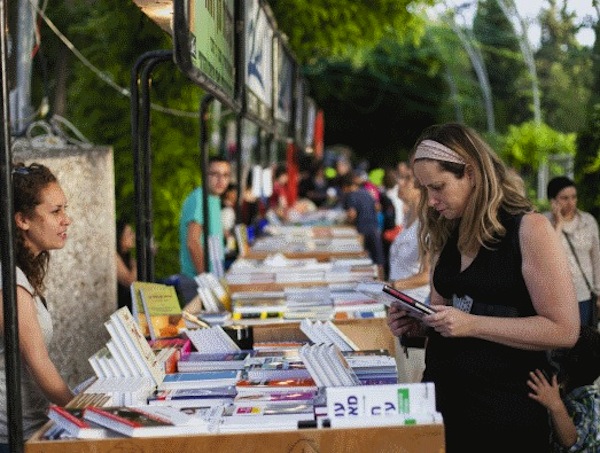
National Hebrew Book Week has taken place every year in June. Its fate for this year, in light of the COVID-19 pandemic, is unclear. (photo from gojerusalem.com)

In Israel, you know Shavuot is approaching when you see the grocery stores setting up displays of pasta and spaghetti sauce. The pandemic shouldn’t change that.

Israelis are obsessed with the thought of eating non-meat meals on Shavuot. I suspect that at the heart of this obsession is the feeling that, even today, many people still consider eating a non-meat meal equivalent to eating less than a full meal. Hence, the worry that there really will be a satisfying meal to appropriately celebrate the holiday.

While there are many lovely explanations about why we eat dairy on Shavuot, they seem to be secondary to some practical considerations. As Rabbi Prof. David Golinkin points out, in the late spring, young calves, lambs and kids are weaned. Thus, historically at this time in Europe, there was an abundance of milk. Bear in mind that refrigeration is a fairly new process and that, prior to refrigeration, farmers needed to move fast with perishable milk. They made cheese and butter, which, likewise, needed to be consumed relatively fast. This dairy excess may have motivated some Jews to eat dairy on Shavuot. (See the article “Why do Jews Eat Milk and Dairy Products on Shavuot?” on the Schechter Institutes’ website, schechter.edu.)

But, eating a non-meat meal on Shavuot is not restricted to the customs of European Jewry. As Jewish food expert Claudia Roden notes in The Book of Jewish Food: An Odyssey from Samarkand to New York, Sephardi Jews in Syria made cheese pies called sambousak bi jibn, Tunisian Jews had a special dairy couscous recipe and, in places like Turkey and the Balkans, Jews prepared a milk pudding called sutlage for Shavuot. (If you don’t want to eat animal-based foods, you don’t need to feel left out. The United Kingdom’s Jewish Vegetarian Society helps you enjoy a variety of traditional, but vegan, cheesecake recipes.)

So from where did all this dairy focus originate? One appealing explanation reminds us of what was supposed to have happened on Shavuot, namely that the Jewish people received the Torah. In Gematria, the Hebrew word for milk (chalav) adds up to 40, the number of days on which Moses stayed on Mount Sinai in order to receive the Torah.

Significantly, studying the Torah and other Jewish texts on Shavuot eve has become a major trend in Israel, as well as in the Diaspora. The big Israeli cities offer any number of options for participating in a tikkun leil Shavuot. These free learning sessions welcome the participation of all of Israeli society, from the religious to the secular, and everyone in between. Those living in smaller towns and on kibbutzim and moshavim likewise hold study sessions on the night of the holiday.

The idea of all-night studying originates with the kabbalists. The earliest members of this group apparently studied with Rabbi Shimon bar Yochai, the author of the Zohar, who lived in the second-century CE. It was this scholar (also known by his initials, as Rashbi) who stated: “G-d forbid that the Torah shall ever be forgotten!” (See the Babylonian Talmud Tractate Shabbat 138b.) By the Middle Ages, the kabbalistic all-night Shavuot study had really picked up steam in places such as Safed.
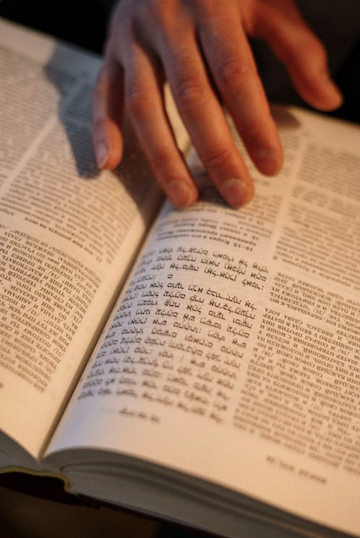
photo - Studying the Torah and other Jewish texts on Shavuot eve has become a major trend in Israel, as well as in the Diaspora
Studying the Torah and other Jewish texts on Shavuot eve has become a major trend in Israel, as well as in the Diaspora. (photo from pexels.com)

Some claim the reason for studying during the night is found in the midrash stating that it was a way to correct for the Children of Israel’s mistake of oversleeping on the morning they were meant to receive the Torah. Others claim, however, that the Hebrew word tikkun should not be translated as correction, but rather as adorning or decorating the bride. The bride in this instance is the people of Israel and the groom is either G-d and/or the Torah.

According to a late 17th-century Libyan tradition, Shavuot symbolizes the wedding day between the people of Israel and the Torah. According to this tradition, the Torah is the bride, which explains the title of the Libyan Shavuot text entitled Tikkun Kallah. Accordingly, those who read this tikkun are likened to bridal attendants.

The importance of studying on Shavuot is bolstered by the fact that Israel’s Hebrew Book Week (or, in some places, Book Month) begins right after Shavuot. I do not believe this occurrence is coincidental, but rather links us to the idea that we are still the People of the Book and a people of books.

The Israeli book fair has been running for many years. This year, 2020, would mark the 59th annual celebration of Hebrew Book Week and the fair’s age is all the more impressive when you recall how shaky was the Israeli state’s start as an independent entity. Recent years’ events have included Israeli authors appearing in coffee houses, story hours and plays for children, guided walks in Israel’s National Library, the more traditional book signings and, of course, the possibility of thumbing through thousands of Hebrew books.

In brief, our spring holiday offers opportunities for both spiritual and physical nourishment.

Deborah Rubin Fields is an Israel-based features writer. She is also the author of Take a Peek Inside: A Child’s Guide to Radiology Exams, published in English, Hebrew and Arabic.


Format ImagePosted on May 15, 2020May 14, 2020Author Deborah Rubin FieldsCategories Celebrating the HolidaysTags books, education, history, Israel, Judaism, kabbalah, Shavuot, Torah
Jewish papercutting art

Jewish papercutting art

The paper cut “Jerusalem Mizrah” by Yehudit Shadur (1928-2011). (photo from shadurarts.com)

Papercuts are created by taking a folded sheet of paper and drawing a design on one side. The folded sheet is then fastened to a wooden board and the design is cut out with a sharp knife. When the paper is unfolded, a symmetrical work of art appears.

Papercutting dates back to the fourth-century CE in China. It appeared in Western Asia by about the eighth century; in Europe by the 13th century and in Turkey, Switzerland and Germany by the 16th century. Papercutting has been a common Jewish folk art since the Middle Ages and, by the 17th century, it was popular for Shavuot.

Shevuoslekh (little Shavuots) and roysele (rosettes or flowers) were used to decorate windows on Shavuot. They were made of white paper, usually, and frequently displayed the phrase, “Chag haShavuot hazeh” – “this holiday of Shavuot.”

According to an article by Sara Horowitz in the recently defunct Canadian Jewish News a couple of years ago, “for Ashkenazi Jews, there was a particular link between papercutting and Shavuot, which stems from an old practice of decorating homes and synagogues with flowers, branches, boughs and trees. In shtetl culture, cut flowers were a luxury – pricey and perishable. And Jewish culture was deeply literate, so paper, especially used paper – was always around and available for artistic repurposing. Some sources cite the objection of 18th-scholar Vilna Gaon to the Shavuot greening as another reason for the development of a Shavuot papercutting tradition. Because church décor involved cut flowers and pagan practices involved trees, the Vilna Gaon viewed such customs as inherently non-Jewish.”

An acquaintance of mine from many years ago, Yehudit Shadur (1928-2011), and her husband, Joseph, wrote a history of the last three centuries of Jewish papercutting, called Traditional Jewish Papercuts: An Inner World of Art and Symbol. The book won a 1994 National Jewish Book Council Award.

Yehudit Shadur was considered to be the one who pioneered the contemporary revival of the Jewish papercutting tradition. Her works are represented in major museum collections. She also had museum exhibits in Israel, England and the United States.

Shadur’s website offers many quotes from the artist, including one from a 1996 exhibit catalogue, in which she states, “What at first seemed a simple craft proved to be an artistic medium of endless possibilities and variations – not only in the arrangement of time-honoured Jewish symbols imbued with deep and often complex significance, but also in the challenges of colour, composition and texture. Eventually, the subject matter of my papercuts went beyond traditional forms and content to express my personal vision as a contemporary artist….”

Some typical symbols in Shadur’s Jewish papercuts – and in those of others – are menorot, crowns (keter Torah, the crown of Torah), columns representing the Temple in Jerusalem, plants or trees (the Tree of Life, the Torah), and grapevines, lions and gazelles (all representing the people of Israel).

For an in-depth article on the history of Jewish papercutting, visit myjewishlearning.com/article/jewish-papercutting.

If you’re looking for an activity to do with your children, PJ Library (pjlibrary.org) offers the book The Art Lesson: A Shavuot Story written by Allison and Wayne Marks and illustrated by Annie Wilkinson, in which “Grandma Jacobs teaches Shoshana how to make traditional papercuts,” and readers also learn to make a papercut. For anyone interested, there are various websites that have papercutting tutorials for kids and adults alike.

Chag sameach!

Sybil Kaplan is a journalist, lecturer, book reviewer and food writer in Jerusalem. She created and leads the weekly English-language Shuk Walks in Machane Yehuda, she has compiled and edited nine kosher cookbooks, and is the author of Witness to History: Ten Years as a Woman Journalist in Israel.

Format ImagePosted on May 15, 2020May 14, 2020Author Sybil KaplanCategories Celebrating the HolidaysTags arts and crafts, history, Judaism, kids, papercutting, parenting, Shavuot, Yehudit Shadur

Thank you to all who contributed to the May 15/20 issue!!!

image - Thank you to all who contributed to the May 15/20 issue!!!

Posted on May 15, 2020May 28, 2020Author The Editorial BoardCategories From the JITags JI, journalism, philanthropy
נאסר באופן על קניית ומכירת רובי סער ברחבי קנדה

נאסר באופן על קניית ומכירת רובי סער ברחבי קנדה

לאור מסע הירי הקטלני בתולדות קנדה: ממשלת טרודו החליטה לאסור מיידית את שימוש ברובי סער.
(uk.news.yahoo.com)

ראש מממשלת קנדה, ג’סטין טרודו הודיע שממשלתו החליטה לאסור מיידית קנייה, מכירה, שינוע, ייבוא או שימוש של כאלף וחמש מאות דגמים של כלי נשק צבאיים. ההחלטה שניכנסה כבר לתוקף כבר לפני חמישה ימים (בראשון במאי) נובעת בעיקר לאור רצח עשרים ושניים אזרחים (בהם שוטרת) על ידי גבריאל וורטמן, שנחשב למסע הירי הקטלני ביותר בתולדותיה של קנדה. האירוע הנוראי החל בישוב כפרי קטן ומרוחק פורטפיק, במפרץ קובקוויד, שבמרחק כמאה ק”מ מהליפקס – עיר הבירה של מחוז נובה סקוטיה. וורטמן ובת זוגתו שהו במסיבה אצל השכנים. במהלך האירוע נתגלע סכסוך בין וורטמן לבת הזוג שהלך והסלים. השניים עזבו את המסיבה והוא היכה את זוגתו וקשר אותה. לאחר מכן עזב את המקום ויצא למסע הרצח. בת הזוג שהצליחה להימלט הסתתרה ביער. יש לציין שראש ממשלת קנדה הבטיח להקשיח את חוקי הנשק עוד בקמפיין הבחירות שלו לפני כחמש שנים.

לפי החלטת ממשלת טרודו, נאסר באופן גורף על קניית ומכירת רובי סער ברחבי קנדה כולה. “כלי הנשק האלה יוצרו למטרה אחת בלבד: להרוג כמה שיותר בני אדם ובזמן המהיר ביותר. החל מרגע זה אסור לרכוש, למכור, להעביר, לייבא או להשתמש בכל נשק צבאיים במדינה זו”. החלטה של טרודו שנכנסה לתוקף באופן מיידי, מונעת החזקת כאלף וחמש מאות כלי נשק מסוגים שונים. טרודו הבטיח בקמפיין הבחירות השני שלו למנוע את מכירת כלי הנשק האלה, אך הנושא נדחה לאור משבר הקורונה.

הרוצח מנובה סקוטיה, וורטמן, לפי הערכתה של המשטרה הפדרלית מהמחוז, השתמש בשני רובים חצי-אוטומטיים ומספר אקדחים במסע המטורף שלו. את כלי הנשק השיג בצורה לא חוקית כנראה מארה”ב. כך עולה מחקירת האירוע המסובך על ידי המשטרה, שכולל שש עשרה זירות רצח שונות, לאורח של יותר ממאה ק”מ (בהן חמישה בתים שרופים ושתי מכוניות). קרוב לוודאי שהאיסור על שימוש ברובי סער של ממשלת טרודו, לא היה מונע מוורטמן להשיג את הנשק ולהרוג עשרים ושניים איש.

ראש הממשלה הקנדית הודיע עוד כי ממשלתו תעניק “תקופת חנינה” בת שנתיים, החל מהראשון במאי, שבה בעלי כלי נשק השונים יוכלו לערוך את ההתאמות הנדרשות על מנת לעמוד בדרישות החוק החדש.

בקנדה יש כשלושים וחמישה כלי נשק למאה בני אדם ומדובר בשיעור מהגבוהים בעולם. עם זאת, היא עדיין ניצבת רחוק מאחורי שכנתה מדרום ארה”ב – שבה יש מאה ועשרים כלי נשק למאה בני אדם.

כאמור בקמפיין הבחירות הראשון שלו לפני כחמש שנים, הבטיח ג’סטין טרודו להקשיח את הפיקוח על נשק. הדבר לא יצא אל הפועל ובקמפיין הבחירות השני שלו בחודש ספטמבר, הוא הודיע שיקדם חוק שיאסור באופן גורף על מכירת על רובי סער. זאת כמובן אם שוב ייבחר לתפקיד ראש הממשלה. טרודו אמר בקמפיין הבחירות האחרון: “כל עוד אזרחי קנדה מאבדים את קרובי משפחתם בגלל כלי נשק, יש עוד מה לעשות בנושא הזה”.

כצפוי נציגי האופוזיציה מטעם המפלגה השמרנית יצאו נגד החלטת ממשלת טרודו. מנהיג המפלגה השמרנית המתפטר, אנדרו שיר, אמר: “ג’סטין טרודו משתמש במגפת הקורונה ובמתקפה המזעזעת בנובה סקוטיה כדי לקדם את האידיאולוגיה הליברלית שלו ולשנות את חוקי הנשק. לקחת כלי נשק מידיהם של אזרחים שומרי חוק לא עושה כלום כדי להתמודד עם הבעיה האמיתית: אנשים מסוכנים שמשיגים נשק באופן בלתי חוקי”.

Format ImagePosted on May 6, 2020June 30, 2020Author Roni RachmaniCategories UncategorizedTags assault rifle ban, Gabriel Wortman, mass murder, Nova Scotia, Trudeau, גבריאל וורטמן, טרודו, לאסור שימוש ברובי סער, נובה סקוטיה, רצח המוני
מקרי הרצח המוני הקשה ביותר בקנדה

מקרי הרצח המוני הקשה ביותר בקנדה

השוטרים איתרו לפנות בוקר (ראשון) את בת הזוג שדיווחה להם, שוורטמן לבש מדי שוטר ונהג בניידת שניראתה כמו ניידת משטרה לאחר שעזב אותה.
(RCMP)

מקרה הרצח ההמוני הקשה ביותר בתולדות קנדה התרחש בלילה שבית שבת לראשון לפני כשבועיים, עת טכנאי שיניים הרג עשרים ושניים תושבים בהן שתי אחיות של בית חולים ובית אבות, זוג סוהרים ושוטרת וותיקה בשם היידי סטיבנסון (נשואה ואם לשני ילדים). שוטר נוסף שנפצע והועבר לטיפול בבית החולים שוחרר כבר הביתה. במשטרה הפדרלית של קנדה קבעו שלא היה מדובר באירוע טרור, אלא שהרוצח סבל כנראה מבעיות נפשיות. מדובר בחקירה מסובכת שכוללת שש עשרה זירות רצח, בהן חמישה בתים שרופים ושתי מכוניות שרופות.

גבריאל וורטמן (בן חמישים ואחד) יצא למסע הרצח הנוראי בישוב כפרי קטן ומרוחק שנקרא פורטפיק, במפרץ קובקוויד, שבמרחק כמאה ק”מ מהליפקס – עיר הבירה של מחוז נובה סקוטיה במזרח המדינה. שכנים ציינו כי היה לו בית כפרי בישוב ולעיתים לן בו. בשבת בערב בילו וורטמן ובת זוגתו במסיבה אצל השכנים, למרות שהדבר נאסר לאור תקנות החירום. במהלך המסיבה נתגלע סכסוך בין וורטמן לבת הזוג שהלך והסלים. השניים עזבו את המסיבה וורטמן היכה את זוגתו וקשר אותה. לאחר מכן עזב את המקום ויצא למסע הרצח. בת הזוג הצליחה להימלט והסתתרה ביער.

בשלב ראשון הרוצח חזר לבית בו נערכה המסיבה והרג את כל חבריו. לאחר מכן המשיך לרצוח כל מי שנקרא בדרכו – כאמור בסך הכול עשרים ושניים איש. למשטרה ברור כי וורטמן נערך מראש למבצע הרציחות בשל הבגדים שלבש, הרכב בו נהג וכלי הנשק הלא חוקיים בהם החזיק. הרוצח נמלט מבית החברים ההרוגים בטרם הגיעו השוטרים שתיארו את זירת הפשע “ככאוטית”. השוטרים איתרו לפנות בוקר (ראשון) את בת הזוג שדיווחה להם, שוורטמן לבש מדי שוטר ונהג בניידת שניראתה כמו ניידת משטרה לאחר שעזב אותה. היא אף סיפקה להם תמונה שלו (שפורסמה לאחר מכן באמצעי התקשורת להזהיר את האזרחים באזור). בדרך בריחתו המשיך וורטמן להרוג חפים מפשע שבמקרה נקרו בדרכו. הפעם עשה זאת בצורה ספונטית ללא תכנון מראש, כולל שריפת בתים על יושביהם. בסך הכל מסע בריחתו הרצחני התפרש על פני כמאה ק”מ. לאחר מרדף של יותר משתיים עשרה שעות נתפס וורטמן ע”י השוטרים ליד תחנת דלק בראשון בצהריים. המשטרה מסרה תחילה שהחשוד בידיה ולאחר מכן התברר שהוא נהרג על ידי השוטרים.

לוורטמן לא היה עבר פלילי אך הוא היה מוכר למשטרה לאור תלונה על תקיפת מישהו בעבר (המשטרה לא מסרה פרטים של האירוע). הוא החזיק בשתי קליניקות ובת זוגתו עבדה עימו. כן היו ברשותו ארבעה בתי מגורים כשאחד כאמור בפורטפיק. אלה שהכירו אותו בהם לקוחותיו נדהמו ממעשיו והם אינם מבינים את הסיבה לכך. כתלמיד תיכון וורטמן חלם לעבוד במשטרה הפדרלית. אחד מחבריו לכיתה סיפר שוורטמן “הוקסם” מכלי נשק והשניים לעיתים נהגו לירות באקדח בסמוך לביתו. סטודנטית שלמדה עימו באוניברסיטה מציינת שהוא נחשב לבודד ורוב חבריה לא אהבו אותו. היא הוסיפה: “לא חשבתי שהוא מרגיש נוח בעור שלו אבל האמנתי שיתבגר הוא יסתדר. היה בו משהו עצוב אך אני בשוק מכך שפגע באנשים אחרים”. אחד מלקוחותיו מציין כי וורטמן סיפר לו שרכש שתי ניידות משטרה ישנות במכירה פומבית, ולאחר מכן תיקן אותן. מתברר שלרוצח הייתה אובססיה לציוד משטרתי. שכנה שלו מסרה כי הוא התנהג בצורה מוזרה לגבי בת הזוג שלו והיה מאוד קנאי.

Format ImagePosted on April 29, 2020June 30, 2020Author Roni RachmaniCategories UncategorizedTags Gabriel Wortman, mass murder, Nova Scotia, גבריאל וורטמן, נובה סקוטיה, רצח המוני
Global Yom Ha’atzmaut

Global Yom Ha’atzmaut

Pam Wolfman and Ezra Shanken talk with the JI about how Jewish Federation and our community are facing the challenges of COVID-19. (photos from JFGV)

This year’s Yom Ha’atzmaut community celebration will feature international singers, actors, chefs and politicians. And the audience will also be from around the world.

On April 29, 11 a.m. PST, the Jewish Federations of North America (JFNA) is hosting a one-hour virtual celebration for Israel’s 72nd birthday, which will be followed by other programming. With the theme of “What Israel Means to Me. What Israel Means to Us,” the hour-long event will include Matisyahu singing a medley of “One Day” with representatives from the

Jewish Agency for Israel’s Partnership2Gether communities and other Jewish leaders sharing messages of hope and celebration; actor Joshua Malina talking about Israel’s battle against COVID-19; singing brothers Ben, Henry and Jonah Platt; chefs debating the merits of falafel and cookbook author Adeena Sussman teaching how to make it; Isaac Herzog sharing a story about Israel’s War of Independence and paying tribute to former Israeli president David Ben-Gurion; footage of Israel’s official Independence Day Ceremony on Mt. Herzl and a message from Israeli President Reuven Rivlin; and the singing of Hatikvah.

Normally, of course, our community would be marking the occasion locally, but COVID-19 changed all of that.

“The Yom Ha’atzmaut event is complex to organize, from the standpoint of searching for the artists who will perform, fundraising and marketing, and other logistics. We usually start planning the event almost as soon as the day after the prior year’s celebration, so there was a lot of work to un-do,” Pam Wolfman, chair of the local Yom Ha’atzmaut committee, told the Independent. “Everyone involved in our event planning has been extremely supportive, and we were able to cancel our event without any significant financial penalty.

“If there is a silver lining to be found, it is the opportunity to be able to join together with JFNA and Jewish communities from all over the world to celebrate ‘with’ Israel. It’s definitely something to look forward to!”

Thanking If’at Eilon-Heiber, Jewish Federation’s director of overseas and Israel affairs, and the whole Federation team, Wolfman said, “I also want to express my gratitude to our Yom Ha’atzmaut sponsors, donors, community partners and those who purchased tickets before the event was changed for all their support.”

For Wolfman, the annual event is important for several reasons.

“I’ve always felt so grateful to live in Vancouver, in large part because we have such a vibrant and diverse Jewish community,” she said. “Jewish Federation’s annual Yom Ha’atzmaut event allows everyone in our community to come together to celebrate and unite around Israel – the beautiful country, her people, the wonderful music and culture – and to simply have an evening of fun!

“When it became clear that we would have to cancel our original plans due to COVID-19, it was very disappointing for all of us on the Yom Ha’atzmaut committee and Jewish Federation staff. And we all felt strongly that it was vital to continue this cherished tradition for our community. Joining Jewish Federation of North America’s online event was a great solution.”

“Our community is experiencing tremendous upheaval and, at the same time, we have seen signs that we are more resilient and connected than ever,” Ezra Shanken, chief executive officer of the Jewish Federation of Greater Vancouver, told the Independent about the current situation.

“Our community organizations have been hit very hard – the challenges they are experiencing are unprecedented. Nearly all of them were forced to close their physical doors, and they remain closed for the foreseeable future,” he said. “Many of them have lost their sources of revenue, be it rental or programming income, or from having to cancel scheduled fundraising events. And, many of the people they serve have increased needs during this crisis and are turning to the Jewish Family Services Community Care Hotline for assistance.

“It is heartening to see how swiftly and effectively many of our community organizations have pivoted,” he said. “The day schools have transitioned quickly to online learning, while the JCC, synagogues and other organizations have introduced a wide variety of online programs and services. Young adults have stepped up to volunteer to help seniors.

“Our advocacy agent, the Centre for Israel and Jewish Affairs, is working with all levels of government to secure support for nonprofit organizations, and has played a major role in achieving success on that front – not just for the nonprofits in our community, but for nonprofits across Canada.”

Jewish Federation is monitoring the community’s health and the impacts of COVID-19, said Shanken. “We are in constant contact with our partner agencies, and responded quickly to address urgent increased community needs by releasing more than $500,000 in targeted emergency funding to see them through the first 30 days of impact. We know that this is but a first step, and that more vital financial, operational and emotional support will be needed. We’ll continue to work closely with our community agencies and organizations to assess their needs, identify opportunities for collaboration, and determine where best to focus our short- and long-term support for the greatest impact.

“I see the strength of our community every day,” he added. “While there are many challenges to overcome, if we continue to stick together and care for each other, I believe we will emerge from this crisis stronger than ever. Ultimately, it’s up to all of us to define where our community will be.”

Shanken has joined various efforts on the ground, helping deliver seder meals with Lubavitch BC, for example.

“Anytime we are able to bring warmth and connection into people’s lives is extremely valuable, especially at times like these,” he said. “Delivering food and medicines, calling people to see how they are holding up – these points of connection can make an incredible difference in someone’s life.

“The COVID crisis, while extremely challenging in so many ways, has prompted many of us to pause to check in with loved ones, friends, colleagues or someone we might know in the community, to get back to basics and remember what is truly important. The tremendous outpouring of support that I have witnessed on so many levels has been inspiring, and a shining example of klal Israel.”

Jewish Federation has a COVID-19 resources page on its website, jewishvancouver.com, which will “help community members easily find information about the many programs and services that are available through community organizations and government agencies,” said Shanken. “We’ll continue to provide the community leadership, planning and crucial planning assistance that our community relies on, as we navigate this pandemic together. It’s what we’re here for.”

He stressed, “Even though we are all physically apart, it is easier and more important than ever to connect.”

As for our local annual Yom Ha’atzmaut celebration, Shanken said it “has always been a special opportunity to bring our community together and show our support for Israel. We are reminded daily that Israel is also in a time of crisis. This year, with our participation in JFNA’s virtual celebration, it will be even easier for people to take part in the event. Every year, we think about other Jewish communities that are also celebrating Israel’s independence. This year, we can literally celebrate with them, in real time. It will be a great show of solidarity at a time when we especially value connection.”

In addition to the Yom Ha’atzmaut celebration, this year’s commemoration of Yom Hazikaron will also take place online. “As bereaved families live with their loss daily, we gather once a year to recognize their grief and pain, and to give them a communal hug,” said Geoffrey Druker, chair of Jewish Federation’s Yom Hazikaron committee, in a release.

From April 26 to 28, community members will be able to light virtual candles for fallen soldiers and victims of terrorism, and there will be a remembrance ceremony on Zoom on April 27, 7:30 p.m., which will include poems, readings, songs and a moment of silence. To be a part of the gathering, register at jewishvancouver.com/yhk2020.

To register for the April 29 Yom Ha’atzmaut celebration, visit jfeds.org/yomhaatzmaut; you can also sign up for alerts leading up to the live global event at jewishtogether.org/yomhaatzmaut. For more information on the ways in which our Jewish Federation is helping the B.C. Jewish community, visit jewishvancouver.com/news/community-support-2020.


Format ImagePosted on April 24, 2020April 24, 2020Author Cynthia RamsayCategories LocalTags Ezra Shanken, Jewish Federation, Jewish Federations of North America, JFNA, Pam Wolfman, Yom Ha'atzmaut, Yom Hazikaron
Security, magic in gardening

Security, magic in gardening

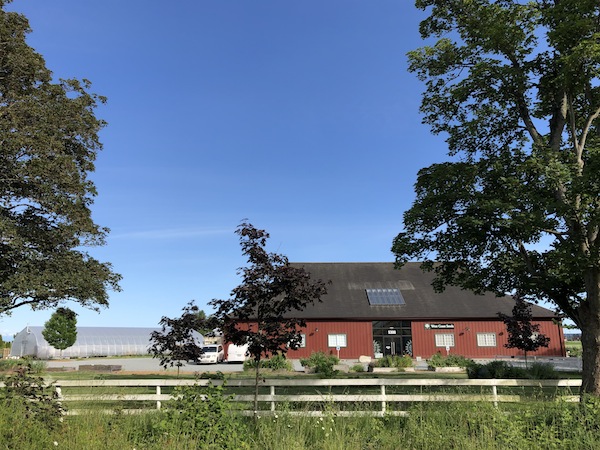
While temporarily closed to the public, West Coast Seeds is still getting seeds to gardeners via garden centres, grocery stores and the mail. (photo from West Coast Seeds)

The pandemic and its associated social and economic impacts have focused attention on food security, as well as the therapeutic benefits of gardening in times of turmoil.

This is part of the message from a local company specializing in organic seeds. West Coast Seeds, a Delta-based company that was founded in 1983 and bought by Craig Diamond a half-dozen years ago, has a mission to “encourage sustainable, organic growing practices through knowledge and support … eating locally produced food whenever possible, sharing garden wisdom, and teaching people how to grow from seed.”

photo - Aaron Saks is West Coast Seeds’ director of finance
Aaron Saks is West Coast Seeds’ director of finance. (photo from West Coast Seeds)

Aaron Saks, the company’s director of finance and son-in-law of Diamond, said getting back to basics, like growing your own food, seems to be one of the responses to the social isolation associated with the COVID-19 pandemic.

“We’ve seen a big push toward food security,” said Saks. “Both ensuring that you know where your food is coming from and getting healthy produce when it might not be readily available other places.”

While so many things are off limits – public parks, basketball courts, beaches – those with backyards can still get in the soil and be in touch with Mother Nature, said Saks.

West Coast Seeds is a pioneer in organic and non-genetically-modified agriculture. Since the Diamond family took over the company, they have refurbished a heritage barn in a rural part of Ladner to be their headquarters, where they have their warehouse and a retail operation, which is temporarily closed to the public. The products are also distributed wholesale to garden centres and grocery stores and they do a large mail order business, which has been ideally suited to adapting to the new reality of the pandemic.

The Diamonds are a fourth-generation British Columbia-based family, notes the West Coast Seeds website: “Since Craig’s grandfather, Jack Diamond, came to Canada in 1927 as a young man and purchased his first business in 1940, the Diamonds have been engaged as leaders in business. They continue to follow the principles of community and philanthropy set by Jack, and further exemplified by his son, Charles. The values of West Coast Seeds resonate deeply with the Diamond family and they are committed to uphold this tradition.”

The values of repairing the world that underpin the Diamond family ethos and the West Coast Seeds mission, Saks said, are being demonstrated globally right now as individuals step up to help their neighbours in this challenging period.

“I think everybody has seen the propensity of society to want to give back at this time,” he said. “One of the pillars of our company is actually tikkun olam.”

The company donates seeds for class projects, school gardens, community education and nonprofit organizations.

The company is balancing the safety of warehouse employees with the need to get seeds to the public, said Saks, expressing gratitude to the staff team for distancing, while still getting product to customers.

“We’re thrilled that they’re able to get seeds, that they’re able to grow, that they can support their local garden centre, support growing their own food and be able to get healthier foods, live healthier lifestyles, as a result of gardening. That’s what we’re trying to do. We’re trying to give back wherever we can and create joyful moments,” he said.

When times are tough, said Saks, something comparatively simple like putting a seed in the ground can help people through.

“That mystical thing about gardening,” he said. “Every time it germinates, it’s just a crazy thing, like magic.”

For more information, visit westcoastseeds.com.

Format ImagePosted on April 24, 2020April 24, 2020Author Pat JohnsonCategories LocalTags Aaron Saks, Craig Diamond, food security, gardening, health, West Coast Seeds

Yom Hashoah online

Like everything else in this time of pandemic, Yom Hashoah, which took place this week, was not normal.

On Monday, at 10 a.m. Pacific time, viewers worldwide, including here in British Columbia, tuned in online to watch the state ceremony marking the start of Holocaust Martyrs’ and Heroes’ Remembrance Day, taking place in Israel at Yad Vashem. Later that day, a cross-Canada commemoration took place, presented by a number of national bodies and with the Vancouver Holocaust Education Centre as a contributing organization.

The eerily vacant hall at Yad Vashem was interspersed with video recordings of remarks from Israel’s president, prime minister and chief rabbis, as well as six survivors, who shared their stories of loss and survival. The Canadian commemoration a few hours later was similarly moving, with video interspersed with thoughtful reflections from a member of the third generation who served as host and a message from the prime minister, stories of survivors, and candlelighting by families across the country. (See coverage next issue.)

No doubt the organizers of these events would have preferred to hold them in person. The proximity of family, friends and community strengthens survivors and the successive generations. Being in proximity provides crucial emotional, psychological and intellectual means of conveying the historical importance of that time and its lessons for social justice and human rights today.

The use of digital technology to mark Yom Hashoah was perhaps a little less startlingly odd, given that Jewish people worldwide recently experienced an unprecedented Passover, engaging in “zeders” – virtual seders on Zoom or other videoconferencing platforms – to get together with family over the holidays. The contortions some of our family members went through to make these celebrations happen was cause for some laughs, as well as some tsuris, and Passover 5780 will not be soon forgotten.

This was hardly an ideal way of celebrating – and many in the Orthodox community couldn’t even do this much – but it was necessary given the social isolation required of us during this pandemic.

Yet, while it is important to come together for happy occasions, this time is particularly difficult for those experiencing grief and loss. Having to up-end the ancient Jewish rituals that serve to sustain and strengthen mourners, those who have lost loved ones are left with minimal funeral attendees and shivahs conducted by telephone and computer; hugs only from those who share a household, none of the important reinforcement – and comfort – that comes from the physical proximity of a broader community. Even this sad situation fulfils a mitzvah, though. As painful as it is to be remote from our loved ones in times of grief, it is pikuach nefesh, an act of saving a life, the highest Jewish value and one that overrides almost every other law. During a pandemic, we remain apart from our loved ones because we love them.

Yom Hashoah commemorations often take a sombre tone and include some of the rituals we perform at a funeral, which made viewing the events in seclusion especially isolating. Yet, conversely, there was something uniquely appropriate about this alternative form of marking Yom Hashoah.

While we were fortunate to have survivors participate via video in these and other online commemorations of the day, the undeniable reality is that this was among the last such commemorative days where successive generations will be able to hear firsthand from the mouths of survivors their stories of loss, resistance and survival. Finding ways beyond first-person witness testimonies is the unavoidable way forward for Holocaust education and remembrance. Organizations dedicated to this mission have recognized this reality and have been developing impactful ways to augment and, eventually, replace in-person survivor testimony.

Remembering and, using that memory as motivation, ensuring that the promise of “Never again” is taken up by the next generations is also a Jewish value. It took an admirable mobilization of our local, national and international communal organizations to ensure that the pandemic did not cause us to ignore Yom Hashoah this year. It was precisely the sort of flexible, responsive action that will be required to meet the demands of Holocaust remembrance and education in the decades to come.

Necessity is the mother of invention and the unusual yet deeply moving commemorations this week should encourage us that, whatever challenges and changes the future holds, we remain determined to memorialize and educate about the Holocaust in ways appropriate to the times in which we live.


Posted on April 24, 2020April 24, 2020Author The Editorial BoardCategories From the JITags commemoration, Holocaust, memorial, Yom Hashoah

Open letter to the community from the JI

Dear Reader,

I hope this letter finds you well, and that you are finding ways to cope with the new reality that COVID-19 has brought on all of us so suddenly. I’ll admit to moments of struggle in maintaining a positive outlook but, mostly, I am determined that, together, we will get through this crisis and return to some variation of normalcy.

For more than 20 years, I have owned and published the Jewish Independent, which started its life as the Jewish Western Bulletin in 1930. For nine decades, the paper has recorded our community’s stories, as well as news and commentary about the wider world. We have reported on the ordinary and the extraordinary, fleeting trends and paradigm shifts. We have covered happy and sad occasions, and promoted the work and activities of countless individuals and organizations. Past issues of the paper comprise a distinctive archive of our community in this place over time.

I am determined to continue this vital calling. Ensuring continuity and the thriving of Jewish life here in Canada and worldwide is no less urgent or relevant than it was in 1930. These are difficult times for many people, organizations and businesses and, among the many closures in recent days, the Canadian Jewish News ceased publication and Winnipeg’s Jewish Post & News suspended its print version indefinitely.

I firmly believe that the Jewish Independent is one of our community’s invaluable resources and that we have an important role to play during the pandemic, both in keeping the community up to date on one another’s events, initiatives and well-being, as well as offering some respite from the at-times overwhelming bad news.

For years, this publication has been a labour of love for me and a dedicated staff of a few employees and a cadre of freelance writers. As we face the coming weeks or months of increasingly dismal advertising revenues, I am making an unprecedented appeal for support from you, our readers.

I am proud to produce independent Jewish journalism that has been recognized internationally by scores of awards and accolades. I am proud that, on a very modest budget, we have managed to produce a regular publication that informs, inspires, engages, exasperates, amuses, entertains, provokes and reflects in ways that unite Jewish British Columbians across all religious, cultural, political and social divides.

You subscribe to this paper or pick it up for free at a local depot, I hope, because you see the value in this, which is why I am asking for your help through this deeply challenging time. Please consider supporting the paper through one or more of the following actions:

  1. Renew your subscription – or start subscribing. When you receive your annual subscription notice, please renew as quickly as you are able, as the fewer reminder notices I have to mail, the less expensive the process. If you pick up the JI at one of our many depots, please seriously think about subscribing or donating to help fund the creation, printing and distribution of the paper you now hold in your hands.
  2. Consider an esubscription instead of a traditional subscription. You’ll still receive the full contents of the paper, just in digital form. It saves you money and it’s more economical for us, too. (However, if you still like to hold the paper in your hands and pass it around the house, please continue to get the print edition!)
  3. Give a gift subscription. For generations, B.C. families have stayed connected to one another and our community through the pages of our newspaper. Keep the tradition alive with gift subscriptions to younger family members.
  4. Advertise with us. We know that your business or organization needs support, too. The most effective, affordable way to reach our community is through these pages, as it has been for 90 years.
  5. Send a greeting. You can send a message in any issue of the paper. Birthday, bar/bat mitzvah, wedding, anniversary, graduation greetings – any time is a good time to celebrate our loved ones. But now it is especially welcome. Something as affordable as a business card-size insertion is a fun way to mark a special occasion – and it sends a double message: you support thriving, independent Jewish journalism.
  6. Make a donation. This is the easiest and most immediate way you can help. It’s true, we’re not a charity. I can’t give you a tax receipt. But, as I’ve said, this has been a labour of love for a small group of dedicated individuals. We need you now more than ever.

You can subscribe or contribute online at jewishindependent.ca/support-the-ji via PayPal, by making an etransfer to [email protected] or by calling the office at 604-689-1520.

On behalf of the staff and freelancers of the Jewish Independent, thank you to everyone who has reached out and helped the JI over the years, including recent weeks, and to all of you for taking the time to consider these words. Please stay safe and healthy.

Sincerely,

Cynthia Ramsay, Owner/Publisher
[email protected]
PO Box 47100 RPO City Square, Vancouver, B.C. V5Z 4L6
604-689-1520 • jewishindependent.ca

Format ImagePosted on April 24, 2020April 24, 2020Author Cynthia RamsayCategories From the JITags COVID-19, economy, Jewish Independent, journalism, newspapers, philanthropy

Choose to be and to do good

As Jews, we’re acutely aware of our core Jewish values: help others, perform mitzvot, respect human dignity and life, love your neighbour as yourself, act morally, save lives, repair the world. But do we actually do those things? As we’ve heard before, it’s the duty of every single person to leave the world better than he or she found it.

During this unprecedented time, when the world is reeling from the COVID-19 pandemic, now, more than ever we need to remind ourselves of Jewish morals and ethics. And be better Jews.

Exceptional times typically bring out both the worst and the best in people. I’m choosing to focus on the best, though. For instance, folks around the world going outside at a set time every day to make noise and show their gratitude for frontline workers – and not just the doctors, nurses and caregivers, but also grocery store cashiers, letter carriers, pharmacists, delivery people, tradespeople, chefs and taxi drivers. Anyone and everyone who puts themselves in harm’s way each day, to keep us safe, fed and healthy.

If we don’t, as a society, learn the value of showing gratitude and generosity in desperate times, we become a society without a soul. If we think only of ourselves, we become lacking in conscience and void of morality.

What I know for certain is this: if a Jew needs something, another Jew should always step up and help out. It’s what we are supposed do. It’s what we’ve always done, most of the time. It might even be embedded in our DNA. In fact, we’re commanded to do it. Here are some tips for being a better Jew during COVID-19 (and always):

  • Take care of yourself so that you can take care of others. This may sound trite and over-used, but it’s true: your health is everything. I have suffered a long and serious illness and it’s shown me that nothing is more important than having your health. Unless it’s faith.
  • Be an active participant in life – this is not just a long lunch break. There is more to life than Netflix and reading (says the retired librarian). There are meaningful things you can be doing with all your spare time now. Think about where you can be of service, and whom you can help.
  • Practise random acts of kindness, compassion and loving care for your fellow human being – remember the Golden Rule. It can be something as simple as thanking a healthcare worker or letter carrier you see walking on the street. It doesn’t take much to show someone that they’re needed and appreciated.
  • Practise generosity – share, don’t hoard. Surprise a family member or friend with a meal or small gift that might just make their day. It can be something as simple as an extra few rolls of toilet paper or a container of disinfectant wipes (COVID-19 gold). Something that lets them know you’re willing and happy to share. Just remember physical distancing! A friend of mine recently brought me some extra face masks she had on hand (again, coronavirus gold).
  • Offer to do errands (grocery shopping, picking up a prescription, walking a dog, etc.) for family, friends or acquaintances in need. Be someone’s hero. People won’t always be comfortable asking for help, so be proactive and offer, if you can.
  • Cultivate faith (emunah) and trust (bitachon) in G-d, that everything will be OK. Life is easier when you have a higher power on your side and understand that there are many things you can’t control.
  • Check in regularly with single friends and seniors, in particular. Isolation can be devastating, especially when it’s ongoing. Even if you can just wave to a friend or family member through a window, that might just be their only human connection all day (or all week). It costs nothing and it’s priceless. Small gestures can have big impacts. Help people feel part of their community.
  • Show gratitude every day, because there is always something for which to be grateful. Whether it’s big (your good health) or small (cherry blossoms on the trees), appreciate the abundance in your life. It’s everywhere you look. Just keep your eyes open. And get out there at 7 p.m. every day and clap your hands or bang your pots and pans, to show your thanks to all the frontline workers who turn up for us every single day to make our lives easier. We are one big family – show the love!
  • Keep in mind the social and economic impacts the COVID-19 pandemic is having on everyone. Be sensitive to the situations of those less fortunate than yours. If you can, offer financial help, food or any other kind of assistance when you see the need.
  • Volunteer your time delivering food or supplies to others if you’re healthy and able. Contact and get involved with your local synagogue, Jewish Family Services, the Kehila Society or any other organization, Jewish or non-Jewish, working to alleviate the many needs right now.
  • Stay positive – for yourself and others. Positivity is the best medicine during this stressful time.
  • Be your best self. Let your innate goodness shine through. Remember we each have a tiny piece of divine soul within us.
  • Do mitzvot – tip the scales for good.
  • Give tzedakah. You don’t have to be a millionaire to make a difference in someone’s life. Every little bit helps.
  • Study a bit of Torah or other spiritual texts, if you’re so inclined.
  • Recite Psalms, if you’re so inclined. (I have a copy that includes English commentary, and this makes it so much more meaningful when I read them. It started out slowly for me, but now I find huge comfort in reading Psalms. Why not give it a try?)
  • Participate in some online classes or listen to speakers via Zoom video presentations. There’s a lot of inspiration and new perspectives to be gleaned, and goodness knows we could all use some of that right now.
  • Keep busy by finding purpose in your life. This is so important, especially right now, when there is so little to distract us from the devastation of COVID-19. Try to look for the good in every situation – it will serve you well. I’ve been on both sides of that wall and believe me when I say that staying positive will make your life much easier.

Here are some simple rules to live by (unknown source): help others without being asked; help people who cannot help you; help without the expectation of return; help many people; do the right thing the right way.

Remember that, every second of every day, we make choices. Choose to be good and do good. You can’t go wrong with that.

Shelley Civkin is a happily retired librarian and communications officer. For 17 years, she wrote a weekly book review column for the Richmond Review. She’s currently a freelance writer and volunteer.


Posted on April 24, 2020April 24, 2020Author Shelley CivkinCategories Op-EdTags coronavirus, COVID-19, health, Judaism, lifestyle

Posts pagination

Previous page Page 1 … Page 264 Page 265 Page 266 … Page 664 Next page
Proudly powered by WordPress