Skip to content
  • Home
  • Subscribe / donate
  • Events calendar
  • News
    • Local
    • National
    • Israel
    • World
    • עניין בחדשות
      A roundup of news in Canada and further afield, in Hebrew.
  • Opinion
    • From the JI
    • Op-Ed
  • Arts & Culture
    • Performing Arts
    • Music
    • Books
    • Visual Arts
    • TV & Film
  • Life
    • Celebrating the Holidays
    • Travel
    • The Daily Snooze
      Cartoons by Jacob Samuel
    • Mystery Photo
      Help the JI and JMABC fill in the gaps in our archives.
  • Community Links
    • Organizations, Etc.
    • Other News Sources & Blogs
    • Business Directory
  • FAQ
  • JI Chai Celebration
  • JI@88! video

Recent Posts

  • Sharing her testimony
  • Fall fight takes leap forward
  • The balancing of rights
  • Multiple Tony n’ Tina roles
  • Stories of trauma, resilience
  • Celebrate our culture
  • A responsibility to help
  • What wellness means at JCC
  • Together in mourning
  • Downhill after Trump?
  • Birth control even easier now
  • Eco-Sisters mentorship
  • Unexpected discoveries
  • Study’s results hopeful
  • Bad behaviour affects us all
  • Thankful for the police
  • UBC needs a wake-up call
  • Recalling a shining star
  • Sleep well …
  • BGU fosters startup culture
  • Photography and glass
  • Is it the end of an era?
  • Taking life a step at a time
  • Nakba exhibit biased
  • Film festival starts next week
  • Musical with heart and soul
  • Rabbi marks 13 years
  • Keeper of VTT’s history
  • Gala fêtes Infeld’s 20th
  • Building JWest together
  • Challah Mom comes to Vancouver
  • What to do about media bias
  • Education offers hope
  • Remembrance – a moral act
  • What makes us human
  • המלחמות של נתניהו וטראמפ

Archives

Follow @JewishIndie
image - The CJN - Visit Us Banner - 300x600 - 101625

Author: Matthew Gindin

End-time visions

Are we living in the “end times”? Many would agree that, some days, it feels like it. Vancouver School of Theology’s Inter-Religious Studies program will host an apocalyptically themed conference this month called Visions of the End Times. Presenters will invite attendees to explore their fears and hopes for the future.

As part of the conference, which runs May 23-25, the keynote speaker, psychologist Dr. Lionel Corbett, will give a free public lecture. In the May 23 talk, Corbett will discuss the psychology of apocalyptic thinking and religious violence.

On the mornings of May 24 and 25, more than a dozen regional scholars will speak about concepts of the “end times” found in sacred texts, film, popular music and contemporary culture. Afternoon activities will include a multifaith panel of local religious leaders and a creative writing workshop.

The conference had its genesis about three months before the U.S. election in a conversation between Rabbi Laura Duhan Kaplan, the director of Inter-Religious Studies at VST, and Harry Maier, professor of New Testament and early Christianity studies. The two professors contemplated why zombies are such a popular motif in contemporary culture. Are they a metaphor for soul-less humanity, for consumer culture consuming itself or a political world that has no awareness or conscience? This led to a discussion of the possibility of an academic conference on zombies in popular culture.

“Then,” Duhan Kaplan explained to the Jewish Independent, “we remembered we’re faculty at a theology school, and that zombies sort of appear in the Bible, in Ezekiel’s prophecy about the resurrection of the dead. So, we broadened the topic to Visions of the End Times and made the conference a VST project.”

Duhan Kaplan said she expects the conference will yield lively discussion. “My prediction for the thread that runs through the conference [is that] we will debate whether the world is getting worse or better, or heading in any direction at all.”

She said speakers will address topics such as extremism and religious violence, visions of the end times articulated by religious traditions, the meaning of end-times themes in music and film, the nature of utopian thinking, and a deeper look at end-times teachings in Jewish, Christian and Muslim scriptures. There will also be an open mic Tuesday evening featuring music and poetry of the end times, which Kaplan hopes will be “whimsical and fun.”

“I do believe that eschatological concepts [ideas resulting from the study of the end times] are helpful metaphors,” she said. “They place even terrible events into a hopeful vision. When something bad happens, they say, ‘Don’t worry, it’s just a blip on the way to a good end.’ For example, when something bad happens, many Jews say, ‘These are the footsteps of Mashiach.’ Personally, I take great comfort in Isaiah’s vision that ‘the lion will lie down with the lamb.’

“I don’t think human beings will ever make a [peace] treaty that holds indefinitely,” she continued. “But, while peace holds, people do experience a bit of ‘the World to Come,’ as we sometimes call the end times in Jewish thought.”

Corbett’s public talk is at 7 p.m. on May 23 at Chapel of the Epiphany on the University of British Columbia campus. For more information, visit vst.edu/event/vision-of-the-end-times-an-inter-religious-conference.

Matthew Gindin is a freelance journalist, writer and lecturer. He writes regularly for the Forward and All That Is Interesting, and has been published in Religion Dispatches, Situate Magazine, Tikkun and elsewhere. He can be found on Medium and Twitter.


Posted on May 12, 2017May 9, 2017Author Matthew GindinCategories LocalTags apocalypse, end times, religion, VST
Preschool at the JCC

Preschool at the JCC

In the JCCGV’s program for 2-year-olds, there are only a few spots left for September 2017. (photo from Jewish Community Centre of Greater Vancouver)

Hidden at the end of the hall on the garden level of the Jewish Community Centre of Greater Vancouver there is a preschool program for 2-year-olds with just a few spots left for September 2017.

Shalom Aleph and Shabbat Shalom are small classes especially designed to be a child’s first introduction to school, a chance to learn through play with other children in an environment rich with materials to spark creativity and critical thinking skills.

Children are welcomed by early childhood educators and invited to choose what learning centres they want to spend time in. There is a place to glue things together, paint and play with play dough. There are blocks for constructing, a toy house for imaginative play, books to look at and enjoy, as well as sand and water for sensory exploration. Songs, stories and conversation fill the room, as children begin to learn how to be together in a group, how to take turns and how to negotiate and share, with kindness and compassion.

This preschool program and all the licensed early childhood programs at the JCCGV’s Simkin Family Child Development Centre are inspired by research from the preschools in Reggio Emilia, Italy, and guided by the B.C. Early Learning Framework from the Ministry of Education. The Child Development Centre is a Sheva cornerstone community and a designated lab school community – Sheva is the Jewish early learning framework of the Jewish Community Centre Association of North America, which celebrates children as competent, capable and curious.

Director Susan Hoppenfeld would be delighted to take interested parents on a tour and share more details about the preschool program. She can be reached at 604-257-5162.

Format ImagePosted on May 12, 2017May 9, 2017Author Jewish Community Centre of Greater VancouverCategories LocalTags education, JCCGV, preschool, Susan Hoppenfeld
Caesarea’s treasures

Caesarea’s treasures

An aerial view of part of the Caesarea excavations. (photo by Griffin Aerial, via IAA and Ashernet)

On April 27, the Edmond de Rothschild Foundation, Caesarea Development Corporation, Israel Antiquities Authority (IAA) and Israel Nature and Parks Authority announced cooperation on an unprecedented scale in conserving and making accessible the public buildings of ancient Caesarea in Caesarea National Park, as well as developing and making the settlement’s beaches more accessible. The more than $28 million project will hopefully help attract three million tourists to Caesarea by 2030.

photo - A Roman figurine of Asciepius, god of medicine
A Roman figurine of Asciepius, god of medicine. (photo by Clara Amit, IAA, via Ashernet)
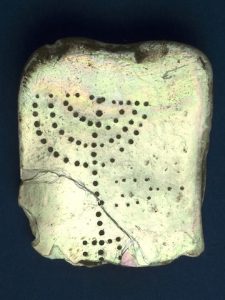
photo - A mother-of-pearl tablet engraved with a seven-branched candelabrum
A mother-of-pearl tablet engraved with a seven-branched candelabrum. (photo by Clara Amit, IAA, via Ashernet)

Caesarea has been a vibrant port city since its establishment about 2,030 years ago and throughout the various ensuing periods. The archeological excavations have revealed many remains that range from the time of Herod to the Crusader period. According to IAA director Israel Hasson, “To date, only about six percent of Caesarea’s treasures have been discovered, and magnificent finds on a global scale are buried beneath its sand dunes.”

Format ImagePosted on May 12, 2017May 9, 2017Author Edgar AsherCategories IsraelTags archeology, Caesarea, Israel
This week’s cartoon … May 12/17

This week’s cartoon … May 12/17

Format ImagePosted on May 12, 2017May 9, 2017Author Jacob SamuelCategories The Daily SnoozeTags love, ostriches, thedailysnooze.com
פסח מפואר

פסח מפואר

איוונקה טראמפ ומשפחתה השתתפו בפסח מפואר בוויסטלר: הוצאות ביטחון כבדות על חשבון משלם המיסים. (צילום: Philippe Giabbanelli)

בתו של נשיא ארה”ב, דונלד טראמפ, איוונקה טראמפ ומשפחתה בילו את חופשת פסח בעיירת הסקי וויסטלר. טראמפ, בעלה ג’ארד קושניר, שמשמש יועץ בכיר לנשיא ושלושת ילדיהם הקטנים התארחו במלון ארבע עונות המפואר (חמישה כוכבים) שבוויסטלר. שם במשך ארבעת ימי החג הראשונים הם אכלו כשר ועשו את ליל הסדר. עלות אירוח של ארבעת ימי הפסח (כולל ליל סדר) ליחיד במלון מוערכת בכ-4,000 דולר אמריקני (כ-5,500 דולר קנדי), כך שהמשפחה שילמה בסך הכל כ-20 אלף דולר אמריקני (כ-27 אלף דולר קנדי). הביקור המלכותי התקיים הרחק מהתקשורת וברובו המשפחה הייתה מבודדת משאר אורחי המלון. לאחר שהסתיים התגלה לתקשורת האמריקנית כמה נאלץ משלם המיסים האמריקאי לשלם, עבור הוצאות אירוח של צוות אנשי הביטחון של השירות החשאי האמריקני, שלא משו מטראמפ הבת, קושניר והילדים.

אם כן מתברר שעלות שהיית צוות הביטחון במלון המפואר של וויסטלר במשך ארבעה ימים נאמדת ב-60 אלף דולר אמריקני (כ-82 אלף דולר קנדי). בנוסף השירות החשאי קיבל אישורי כניסה לאתר הסקי של וויסטלר למספר ימים שעלותם כ-7,000 דולר אמריקני (כ-10,000 דולר קנדי). לא פורסם בשלב זה מה עלויות הטסת צוות הביטחון של השירות החשאי מארה”ב לקנדה.

מטבע הדברים ביקור של רמי דרג מהשורה הראשונה כרוך גם באבטחה מהצד הקנדי. ועד עתה לא ברור מה העלויות הכרוכות בפעילותם במקום של שוטרי המשטרה הפדרלית (האר.סי.אם.פי). מומחים לנושא הביטחון מציינים כי ביקור של טראמפ ומשפחתה בקנדה מחייב תאום מראש עם שלטונות הביטחון של קנדה, במסגרת פרוטוקול של אירועים מהסוג הזה, כדי לאפשר היערכות ראויה.

איוונקה טראמפ כתבה בחשבון הטוויטר שלה (ב-10 באפריל) על האירוח בפסח בוויסטלר: “במהלך פסח אנו משקפים את המשמעות של יציאת מצריים וחוגגים את השחרור מעבדות, שממנו אנו נהנים היום. חג שמח”. אגב לעומת הבת הנשיא טראמפ לא השתתף השנה באירועי סדר הפסח, מטעמים שהיה עסוק מאוד בהתייעצויות בנושאים בטחוניים חשובים.

האתר החרדי כיכר השבת הפליג בתיאורים בנוגע לסדר במלון ארבע עונות של וויסטלר, ואירוח משפחתה של איוונקה טראמפ. האתר מציין כי המשפחה חגגה את ליל הסדר “בנופש יוקרתי כשר למהדרין במלון ארבע עונות. זאת לצד ארבע מאות משפחות הנמנות על האליטה היהודית בארה”ב. בהם אנשי עסקים וראשי חברות מובילים. הזוג קושניר התנהג בצניעות ובפשטות. בני הזוג וילדיהם ישבו בחדר נפרד בליל הסדר, אותו ערכו על פי כל כללי המסורת היהודית. הילדים שאלו מה נשתנה ואכלו אפיקומן. מלון ארבע עונות בוויסטלר הוא המקום היחידי בצפון אמריקה שיש בו סקי אקסלוסיבי. ובפסח בדרך כלל בתקופה הזו כבר אין שלג בכל המקומות אלא רק בעיירה הזאת. משפחת קושניר השתתפתה בתפילות במהלך החג, ולאחר ארוחת הבוקר בימי חול המועד יצאה לסקי בהרים באזור. בנופש עצמו שולבו דרשות תורניות, כאשר הנואם המרכזי היה מנהל הזרוע החינוכית של חב”ד, הרב אפרים מינץ. עוד נאמו המרצה האמריקני הרב שלמה סיינפלד, הפרשן היהודי של פוקס ניוז עמי הורוביץ, השפית דיני קליין ומדריך הטיולים דניאל הלף”.

יצויין כי ב-28 בפברואר עם פתיחתו של מלון הדירות טראמפ אינטרנשיונשל ונקובר, הגיעו לאירוע שלושת בניו הנוספים של נשיא ארה”ב. אז נאלצה משטרת ונקובר לתגבר את האזור עם כוחות רבים לאור המפגינים שהגיעו למקום. עלות המבצע הזה עלתה למשלם המיסים הקנדי כ-100 אלף דולר קנדי.

Format ImagePosted on May 10, 2017May 9, 2017Author Roni RachmaniCategories עניין בחדשותTags Ivanka Trump, Passover, Whistler, איוונקה טראמפ, וויסטלר, פסח
Celebrate 150 with laughter

Celebrate 150 with laughter

Canadian-born, U.K.-based Tanyalee Davis will make a special appearance in Comedy on Wheels, which features many contributors. (photo from Comedy on Wheels)

Realwheels celebrates Canada’s 150th birthday with laughter. Their new show, Comedy on Wheels, will play for only three days but, hopefully, the levity will stay with audiences much longer. The show will present members of the Vancouver disability community in performances that capitalize on people’s greatest common asset: the ability to use humour to cope with life’s trials and tribulations.

“What better way to celebrate Canada’s 150th than with laughter?” said Jewish community member Rena Cohen, the director of the show, in a press release. “A shared laugh strengthens our bonds and dissolves barriers. Whether you self-identify as able-bodied or as having a disability, come giggle and be entertained. And be prepared for a challenge to any and all preconceptions.”

Cohen joined Realwheels as managing artistic director in 2009. Before her, the company, which was founded in the late 1990s, had produced one show, Skydive, in 2007. Featuring Realwheels founder James Sanders, a professionally trained actor with quadriplegia, the play was regarded as an important and innovative contribution to changing perceptions of disability.

“I joined Realwheels after meeting its brilliant founder, James Sanders,” Cohen told the Independent. “I transitioned into arts management six years earlier and, when James invited me to discuss the company’s next steps, I was curious to learn about the lived experience of disability. I was also well aware of the company’s enormous success with their Skydive project. I saw an opportunity to bridge Realwheels’ early success into a more stable future. The mandate of the company – to create and produce performances that deepen people’s understanding of disability – quickly internalized and became a passion of mine.”

Since Cohen became part of the company, Realwheels has been producing new shows steadily every year, sometimes more than once a year. “We produced Creeps this past winter at the Cultch and we’re currently creating Comedy on Wheels. That’s two productions this season, plus another show in development, and two side projects that are centred on increasing people with disabilities’ inclusion in the arts…. In total, we’ve mounted five professional productions and six community shows to date,” she said. (For more on Creeps and Realwheels, see jewishindependent.ca/creeps-is-a-canadian-classic.)

Realwheels’ ultimate goal is to fully integrate creative people with disabilities into the performing arts.

“A trained actor with a disability can play many roles,” said Cohen. “Absolutely, an actor with a disability can perform in classical plays. Why not?… Every actor brings their own range of experience; every actor accesses their emotional life a little differently.”

About directing, she said, “Our professional shows are typically integrated, a combination of professional actors with and without disabilities. I’m always trying to bring out the truth, looking to the script for what’s called for in the role. Working with different casts and talents is one of the joys of this work.”

In addition to professional shows, Realwheels also produces community shows. “For our community shows,” said Cohen, “we invite anyone who self-identifies as having a disability to participate. We offer training, coaching, a meaningful and considerable theatre experience.”

Comedy on Wheels falls into the community show category.

“We have great stand-up acts, and these are augmented with scenes, live music and projections, making it far more theatrical than an average nightclub or comedy club,” said Cohen. “We touch on the theme of Canada’s 150th birthday, but, more than anything, that’s an excuse to get together, talk about what we think is hilarious, learn about the structure of comedy and celebrate the amazing talents of the people who live with disabilities.”

According to Cohen, the idea for this show – like the ideas for many Realwheels shows – came out of an ongoing dialogue with the community.

“Last season, we explored sexuality from a disability perspective in a large burlesque show. That was in response to the demand to break down the stigmas surrounding sexuality and disability in playful and dazzlingly unexpected ways,” she said. “There was tremendous humour in that show and there appeared to be a growing desire to further explore comedy. One of our regular community cast members is an emerging comic star. I threw the idea over to him, and we came up with Comedy on Wheels.”

To make the show punchier, Cohen invited Canadian-born comic star Tanyalee Davis, who is now based in the United Kingdom, to appear.

“Tanyalee will be integrating her comedy with our show and emceeing it. Very exciting!” said Cohen.

As is customary for stand-up comedy, the cast members have written their own jokes. “Our only ground rule was nothing sexist, racist or homophobic,” Cohen explained. “The only filter being applied is whether it’s funny or not. Of course, comedy is subjective, but we have a pretty good idea when something works or not.”

Another person has been instrumental in bringing Comedy on Wheels to life – fellow Jewish community member David Granirer.

Granirer is a counselor, stand-up comic, writer and speaker on mental-health issues. He teaches comedy classes at Langara College and founded Stand Up for Mental Health, which, according to his website, is “a program that teaches stand-up comedy to people with mental illness or mental-health issues, as a way of building confidence and fighting public stigma.”

“The cast members have created this work with the support and guidance of David Granirer,” said Cohen. “David has an elegant system for creating comedy, the system he’s honed over the years. He breaks the process into very clear and workable steps.”

“Rena Cohen brought me in – she’d heard about me from one of the participants who had taken my Langara Stand-Up Comedy Clinic course,” said Granirer.

For him, it was a small step from his students to the actors. “All of the performers in Comedy on Wheels are disabled in some way,” he said. “Their ages range from 20 to 60. Some have theatrical training and others don’t, but my job was similar. It’s about helping everyone find their comic voices. Most, but not all, of their jokes concern disability. Some of the jokes are also about Canada, but all of the jokes stand on their own (pardon the pun) as good comedy. Everyone will appreciate them.”

Comedy on Wheels is at Performance Works May 18-20. Audio description is provided by VocalEye and all performances are also accessible through American Sign Language. For more information, visit realwheels.ca. For tickets, go to comedy-on-wheels.bpt.me.

Olga Livshin is a Vancouver freelance writer. She can be reached at [email protected].

Format ImagePosted on May 5, 2017May 3, 2017Author Olga LivshinCategories Performing ArtsTags comedy, David Granirer, disability, Realwheels, Rena Cohen
Prairie study results in

Prairie study results in

Andrea Silverstone, coordinator of Shalom Bayit at Jewish Family Service Calgary. (photo from Andrea Silverstone)

A study of domestic violence in Jewish communities in the Prairie provinces was recently completed.

“The study has been a desire of mine probably since the day we started,” said Andrea Silverstone, Shalom Bayit coordinator at Jewish Family Service Calgary, “because a lot of what we know about domestic violence in the Jewish community is based on anecdotal information, suppositions, copying what is in the non-Jewish community or research from other jurisdictions outside our own.

“We were doing a good job of addressing the needs of the clients who walked in the door, some of the prevention programs we had in the schools and the community … [but] it wasn’t research-based in the sense of understanding the scope of the issue across the Jewish communities in the Prairie provinces.”

Silverstone would have loved to do a Canada-wide study, but her supporter, Resolve, which is a tri-party research body conducting community-based action, has a set research mandate of focusing exclusively on the Prairie provinces: Saskatchewan, Manitoba and Alberta.

Over the years, Silverstone has done a lot of work with Resolve and has an extensive background in dealing with domestic violence in her capacity at Shalom Bayit, which addresses everything from bullying and harassment to child abuse, elder abuse and spousal abuse.

“There was a research study done in 2004 by Jewish Women International that was fairly comprehensive,” said Silverstone. “So, we reached out to them, asking to borrow the methodology of their study, which they allowed. We also thought it would be a good comparison.”

Silverstone and the Resolve team, led by Dr. Nicole Letourneau of the University of Calgary, then approached Jewish Child and Family Service in Winnipeg, Jewish Family Services in Edmonton and various Jewish community organizations in Saskatchewan, asking them to be involved.

Silverstone found that getting people to work on this topic was easy – both the academics and community groups – as domestic violence has touched most people in one form or other.

“Everyone wanted to better understand the scope and needs around domestic violence in the Jewish community,” said Silverstone. “I don’t think anyone needed to be convinced [that there was an issue worth studying]…. It was just a matter of figuring how to best do this, so we that we weren’t taxing already taxed resources.”

The study involved two parts in terms of gathering data. The first part had participants take 20 to 25 minutes to fill out a survey based on the JWI survey. About 280 people filled this out.

Once the surveys were collected, the researchers asked two questions: Was there anything surprising? And, what did they understand from it?

“Those were the two data question points that helped us build the results of the study,” explained Silverstone. “We knew we’d have data to compare to mainstream populations. In terms of rates of people reporting that they are survivors of domestic violence, it is about the same as the general population. Twenty percent of the people who answered our study said they were victims of domestic violence. And, in the general population, those numbers are anywhere from 25 to 40%.”

The other aspect, she added, is “of those who experience domestic violence, their experience of it, in terms of physical and financial toll, is about the same, except for in our reported rates in the study of domestic violence in the form of emotional abuse – that is higher than the general population. They report about half to 60% of the domestic violence they experience is verbal [in the general population] and, in our survey, it was 82%.”

Silverstone said this divergence may be because Jews are very verbal people. Another possibility is that people tend to perceive verbal abuse as a more acceptable kind of domestic violence – they refrain from physically hitting their partner, but they won’t stop themselves from yelling or name-calling. “This is probably an area we should be researching further,” said Silverstone.

For Silverstone, there were some surprises when it came to the survey results, such as the low number of people who would consult with their rabbi about their situation – only three percent of those surveyed.

“Something that struck me,” she added, “which was also a finding of the JWI study, is that the top three sources victims utilize in domestic violence situations are friends, family and private therapists. Friends and family are, by far, the highest. It made me realize that we need to be focused on teaching friends and family in the Jewish community how to recognize domestic violence, to respond appropriately and then to refer people.”

Currently, Silverstone is in the process of determining which kinds of programs should be implemented and what kind of awareness-raising campaigns the community should be taking on, based on the survey results.

The first step is to educate friends and family about how to be good supports, she said. “There is all sorts of other research out there about what are called ‘informal supports.’… If the informal supporter has a healthy response, the person is going to go get help. If they don’t, that person is going to shut down and not seek help again for a long time. I think it’s important that we get that straight.”

Silverstone feels strongly that there is a need to dig deeper and find out why people are not using rabbis. “Is this because we’re not doing a good enough job of helping rabbis be effective supporters? Are they not talking about the issue enough? Do people not feel safe? Because they are a great resource if we can tap into them.”

Another big issue that came to light through the survey is that of safe housing for victims and that victims are not finding shelters to be helpful. Silverstone wants to examine this further.

If you or someone you know is experiencing domestic violence, contact the Jewish Family Service Agency at 604-257-5151, the bc211 help line at 211 if you live in Metro Vancouver, the Fraser Valley, Squamish-Lillooet or Sunshine Coast, or VictimLinkBC at 1-800-563-0808.

Rebeca Kuropatwa is a Winnipeg freelance writer.

Format ImagePosted on May 5, 2017May 3, 2017Author Rebeca KuropatwaCategories NationalTags Andrea Silverstone, domestic violence, JWI, Prairies, women

The future we seek

A different approach to Yom Hazikaron took place Sunday in Tel Aviv. An alternative form of marking Israel’s remembrance day for fallen soldiers – bringing together Israelis and Palestinians who have lost family members to decades of conflict – was the 12th annual such gathering.

About 4,000 participants crowded into an arena for the ceremony convened by Combatants for Peace and Parents Circle-Families Forum, a grassroots organization of bereaved Palestinians and Israelis with the slogan, “It won’t stop until we talk.” Regardless of one’s politics, their website – theparentscircle.com – is a testament to the ability of families who have suffered the worst imaginable tragedy to get beyond anger and try to find or create something constructive in the aftermath.

On the other hand, whatever one’s politics, one should condemn the behaviour of a few dozen apparently far-right thugs who protested outside and disrupted the proceedings. Screaming “traitor,” “enemies” and “Nazis,” the protesters threw sand and spat at attendees, including a member of the Knesset. According to a report in the Jerusalem Post, one individual shouted at those entering the arena: “I hate Hitler – not for what he did but for not finishing the job and killing you.”

Across whatever divides exist among Jews, there should be a clear consensus that language and behaviour like this has no justification.

Yet, while 50 or so individuals with no sense of decency made the experience shockingly unpleasant, remember that 4,000 people came together across lines of race, religion and experience based on two things they share in common: grief and the certainty that something has to change if our respective peoples are to ever know lasting peace.

We can argue whether what the participants did helps advance that ideal future, but we can’t argue that everything done before has achieved it, because it has not.

After hundreds of community members filed out of the Chan Centre at the University of British Columbia Monday night following an uplifting and uncontroversial celebration of Yom Ha’atzmaut, anyone tuned to CBC Radio One heard an interview with David Grossman, re-broadcast from 2010. Grossman, considered one of Israel’s preeminent authors as well as a leading voice for peace, spoke about losing his son Uri, in the 2006 war in Lebanon against Hezbollah, about the necessity of Israeli military strength and about the efforts by then-U.S. president Barack Obama to broker some sort of peace in the region.

The interview was, sadly, timeless. There has not been a U.S. president who has not tried and failed to find peace between Israelis and Palestinians. There is not an Israeli parent who has not feared for their child in the Israel Defence Forces or when a terror attack strikes. One does not need to be a victim who has lost a family member, Grossman said, to be victimized by the circumstance where that kind of anxiety hovers over every day.

There is no doubt it is controversial for the parents, children or other loved ones of dead Israeli soldiers and the parents, children and other loved ones of Palestinians who have died in the conflict to come together. There is a whole range of reasons why many people would find this idea threatening, profane or wrong. But those who came together for the event should be granted by everyone the most minimal acknowledgement: it’s worth a try.

It might not work. But everything else has failed.

It is arrogant in the extreme to assume that we have the only answer. It is equally arrogant to assume there is no solution just because we ourselves can’t conceive of one.

If the current generation – of Israeli leaders, of U.S. presidents, of Diaspora leaders, commentators, activists, diplomats and anyone else – does not have solutions to this conflict, there is one encouraging light. There are young Israelis, Palestinians, Canadians and others who are trying new things. These ideas, too, might not work. But we have to keep trying.

At the local Yom Ha’atzmaut celebration Monday, children – some even toddlers – participated in songs of peace. Children of all ages danced and, even when they weren’t on stage as part of the performance, they filled the aisles with exuberant moves. The main musical attraction, the young Israelis who form the uplifting musical group Jane Bordeaux, chose to spend Yom Ha’atzmaut in Vancouver – their first concert outside Israel.

Will these young people hasten the future we seek?

Posted on May 5, 2017May 3, 2017Author The Editorial BoardCategories From the JITags Israel, Israeli-Palestinian conflict, Jane Bordeaux, peace, Yom Ha'atzmaut, Yom Hazikaron

Celebrating the mundane

Why is it so bad to talk about the ordinaries of life? People often say the mundane is so boring, let’s talk about something exotic. Let’s gossip about somebody’s perversion. Isn’t there a scandal that’s just been discovered? Have you heard about the latest murder? Are the terrorists going to kill us all? Will they take over our world so that we will have to hide and practise our rituals in secret? Will our grandchildren ever get a paying job again? What’s the point of voting, they all tell us lies?

Turn down the TV, step away from the computer. Better still, turn them off! Don’t we wish it was that simple, but if we stop listening and are not active, isn’t what happens partly our fault?

I think I’d rather talk about how wonderful it is that the sun came out today. And this after many too many days of driving rain. If I organize my time correctly I will be able to sit on my balcony in the evening with a small glass of my favourite beverage, sending out smoke signals. We have had a late spring this year and the trees have been slow to leaf. I have a clear view of the water out by English Bay. It is too early in the season to see any sailboats. I have been rushing the season by stuffing the baskets around my balcony edge with colourful plants; red, yellow, blue, mauve and in-betweens. The dozens of tulips I planted last fall have let me down; lots of greenery, but only a handful of flowered heads.

It is not too early in the season for my blue plastic dragonfly to flutter with excitement as the sun pours over the balcony railing. I can feel the gentle blush of warmth on my skin if the breezes are not too vigorous. Sometimes I have to wear a leather jacket and a scarf to advance my challenge to the recalcitrant spring. I have cast off the rigours of a stuffy nose and a dry throat to insist on being in the pink of good health. We have even had a walk on the beach and ventured into Stanley Park to feed the ducks. We have abandoned the heat of the foreign and the exotic to embrace our ordinary life.

We are back to regular exercise at the community centre. Wasn’t it nice that people noticed we have been away and say they are happy to see us back? We are enjoying our regular shopping trips to the places we are used to. And dropping in on the new restaurants that have sprouted in our neighbourhood to vary our regular dietary habits. It was comforting to visit our doctors, dentists and pharmacists just to check in. And it was great to touch base with friends and family, finding occasions to meet and greet. In spite of technology that spans time and distance so effectively, even with those further away, somehow, people seem closer when we communicate with them from home. The ties that bind are so much stronger when we can see each other face-to-face.

For the next while, we will have gatherings bringing together family members and friends into our own locale, the ones not often in the same place at the same time. I look forward to these encounters. Life can be so fragile and we have had recent reminders of that reality. Sharing each other’s company in the flesh can be one of the rare pleasures we can enjoy in the peripatetic world we inhabit. I treasure each and every one of these opportunities. An appreciation of the passage of racing time gives these occasions added significance.

We ourselves will be traveling long distances soon to acknowledge important events in the lives of those near and dear. Travel is not what it once was, and is more of a challenge for us than it has been in the past. But the act of presence is important. Too often, for us, these days, it is about departing souls, so it is delicious when the trip is about new beginnings. And I will actually get to have all my children around me in one place. Wow!

I just had a birthday. I am too often careless about these times; I have had so many. It was heartening to have others make a fuss. And I got to have contact, and actually talk to, people it is often really difficult to reach in the ordinary course of life. I got to talk to some of my favourite people; that’s always a special pleasure. Appreciating how much of a treat it was for me makes me resolve to pay a lot more attention to this item in the lives of my friends and dear ones.

So here it is. We have spent all this time and space nattering on about so many mundane things. None of the topics has been about earth-shaking events. It does help soothe us, particularly when we have to go through some rough spots. You will have to judge whether it has been worthwhile. I think it has been.

I am looking forward to a sunny tomorrow.

Max Roytenberg is a Vancouver-based poet, writer and blogger. His recently published Hero in My Own Eyes: Tripping a Life Fantastic is available from Amazon and other online booksellers.

Posted on May 5, 2017May 3, 2017Author Max RoytenbergCategories Op-EdTags aging, life

Resolution on full inclusion

The Reconstructionist Rabbinical Association, during its annual meeting, on March 28, overwhelmingly approved an expansive resolution affirming the full inclusion, equality and welcoming of all transgender, non-binary and gender non-conforming individuals.

The resolution commits the RRA to work for “full inclusion, acceptance, appreciation, celebration and welcome of people of all gender identities in Jewish life and in society at large.” The document also “strongly advocates for the full equality of transgender, non-binary and gender non-confirming people and for equal protections for people of all gender identities under the law, at all levels of government, in North America and Israel.”

In keeping with the ethos of Reconstructionist Judaism, the resolution’s passage followed a democratic and deliberative process. Over the past year, representatives from Reconstructionist congregations, as well as the board of governors of the Reconstructionist Rabbinical College, approved similar resolutions. All of the central organizational bodies representing Reconstructionists have now raised their collective moral voice.

The RRA vote comes about a year and a half after the Union for Reform Judaism passed its Resolution on the Rights of Transgender and Gender Non-Conforming People. The RRA is pleased to join the ranks of a growing number of Jewish religious and cultural institutions formally affirming transgender inclusion and establishing new policy guidelines.

The resolution aims to be a blueprint for action. Already, the Reconstructionist Rabbinical College has graduated rabbis who identify as transgender, non-binary or gender non-conforming. Individually, congregations have been taking steps toward the full inclusion of people of all gender identities. Congregation Bet Haverim in Atlanta, for example, is in the process of creating a fully inclusive chevra kadisha (burial society) that will ensure that Jews of all genders will have access to respectful and traditional rites throughout their entire lifecycle. Other congregations have been experimenting with methods of calling people up to Torah using non-binary and gender-neutral language.

Under the March resolution, efforts will be made to aggregate and share these innovations among the approximately 100 congregations and 350 rabbis of the Reconstructionist movement. In addition, the movement’s website for ritual resources, ritualwell.org, will be expanding its existing resources giving expression to all-gender-inclusive values.

The full resolution can be found at jewishrecon.org.

Posted on May 5, 2017May 3, 2017Author Reconstructionist Rabbinical AssociationCategories WorldTags equality, inclusion, Judaism, Reconstructionist, transgender

Posts pagination

Previous page Page 1 … Page 444 Page 445 Page 446 … Page 667 Next page
Proudly powered by WordPress