Skip to content
  • Home
  • Subscribe / donate
  • Events calendar
  • News
    • Local
    • National
    • Israel
    • World
    • עניין בחדשות
      A roundup of news in Canada and further afield, in Hebrew.
  • Opinion
    • From the JI
    • Op-Ed
  • Arts & Culture
    • Performing Arts
    • Music
    • Books
    • Visual Arts
    • TV & Film
  • Life
    • Celebrating the Holidays
    • Travel
    • The Daily Snooze
      Cartoons by Jacob Samuel
    • Mystery Photo
      Help the JI and JMABC fill in the gaps in our archives.
  • Community Links
    • Organizations, Etc.
    • Other News Sources & Blogs
    • Business Directory
  • FAQ
  • JI Chai Celebration
  • JI@88! video

Recent Posts

  • Eby touts government record
  • Keep lighting candles
  • Facing a complex situation
  • Unique interview show a hit
  • See Annie at Gateway
  • Explorations of light
  • Help with the legal aspects
  • Stories create impact
  • Different faiths gather
  • Advocating for girls’ rights
  • An oral song tradition
  • Genealogy tools and tips
  • Jew-hatred is centuries old
  • Aiding medical research
  • Connecting Jews to Judaism
  • Beacon of light in heart of city
  • Drag & Dreidel: A Queer Jewish Hanukkah Celebration
  • An emotional reunion
  • Post-tumble, lights still shine
  • Visit to cradle of Ashkenaz
  • Unique, memorable travels
  • Family memoir a work of art
  • A little holiday romance
  • The Maccabees, old and new
  • My Hanukkah miracle
  • After the rededication … a Hanukkah cartoon
  • Improving the holiday table
  • Vive la différence!
  • Fresh, healthy comfort foods
  • From the archives … Hanukkah
  • תגובתי לכתבה על ישראלים שרצו להגר לקנדה ולא קיבלו אותם עם שטיח אדום
  • Lessons in Mamdani’s win
  • West Van Story at the York
  • Words hold much power
  • Plenty of hopefulness
  • Lessons from past for today

Archives

Follow @JewishIndie
image - The CJN - Visit Us Banner - 300x600 - 101625

Tag: Torah

Finding the goddess in the Torah

Finding the goddess in the Torah

(photo by Yochi Rappeport)

Rabbi Gila Caine of Edmonton’s Temple Beth Ora was the lead-off speaker in November for Kolot Mayim’s six-part 2021/22 series Building Bridges: Celebrating Diversity in Jewish Life. Her talk, Toratah / Her Torah: Women Rabbis Revealing the Goddess in Torah, looked at the Tanakh (Hebrew Bible) from a less patriarchal perspective.

“It’s not new to have women involved in Jewish life. Women have always been involved in Jewish life in the home and in the family,” Caine began. “The new thing about recent generations is that women are publicly active. That’s a big difference.”

For the last few decades, she said, scholars have gone back into the text and started digging to find hints and remains of ancient goddesses. By goddess, Caine means the “sacred feminine.” The scholars search the texts to see if they can unveil clues, much like archeology, which will allow them to tell different stories than the ones that have already been told.

“It’s not that the researchers find the old stories useless; rather, they see it as just one part of the whole. To expand the story, the researchers pose questions, such as what did women believe in, how did they worship, and what were their lives like and what did God look like to them at that time?” Caine explained. The text is reinterpreted, and turned into commentaries and midrashim. As an example, she introduced the audience to two recent books: Dabri Torah: Israeli Women Interpret the Torah (published this year, in Hebrew) and Torah: A Women’s Commentary (WRJ Press, 2008).

Throughout her talk, Caine wove connections of Asherah, the mother goddess in ancient Semitic religions, to the heroines of the Torah, such as Sarah and Eve (Chava). Asherah is perceived as hiding within the texts. (Asherah, too, was connected to the Tree of Life, which, in images shown during Caine’s presentation, resembled a menorah.)

One midrash highlighted in the talk related to the Binding of Isaac. In it, Sarah goes and spends the night with King Abimelech. She does not sleep with him but still comes back pregnant, leaving Abraham furious. He hears voices telling him he must kill his son. As he raises his hand to slaughter Isaac, suddenly he sees a deer in the bushes.

This is interpreted as the moment of transition into patriarchy. The deer represents the mother goddess who wants to save her son. “As Sarah dies right after the Akedah, she perhaps does so to save her son,” Caine said.

On the subject of Eve, Caine quoted Rabbi Rachel Adler: “the world of patriarchy cries out for mending. A mending world would commit itself to equality and power sharing, to working collectively to fulfil needs and solve problems. Reunited again with the rest of Creation, men and women could learn again to be loving friends as the traditional rabbinic wedding blessing portrays them.”

Caine pointed out that Adler – through her rereading of the text and reinterpreting what a Jewish relationship is about – restructured the Jewish wedding ceremony. She took the Jewish language of covenant into the ceremony and not kinyan, which implies taking ownership, and created a brit avuhim, or lovers’ covenant. (See ritualwell.org/ritual/brit-ahuvim-lovers-covenant.)

Lastly, Caine spoke about a project, led by Israeli-American artist Yael Kanarek, to rewrite and regender the Torah, i.e., a male in the traditional text is now referred to as female and vice versa. Though the story remains the same, there would now be, for example, a female Jacob with 12 daughters and four husbands. “Suddenly, we have a mirror image of Torah,” said Caine. “It’s very interesting to read it and the immense midrash that it creates for Torah, as well as for our own understanding of who is telling the story and who is part of the story.”

When looked at this way, Caine said, new things come up and are discovered in Torah. By finding the sacred feminine in the texts, she said she is able to understand how she relates and could be part of the process of studying Torah.

“It’s part of a larger question of how do we heal our tradition and take a Judaism that seems at times very disconnected from the earth. By being able to access the language of goddess, it has enabled me to reimagine and to rethink how I do ritual and Judaism, and how I do everyday life – that aims not at the goddess at all – and create a Judaism that speaks to us now in our lives today.”

Born and raised in Jerusalem, Caine graduated the Hebrew University with a master’s in contemporary Judaism and received her rabbinic ordination at the Hebrew Union College-Jewish Institute of Religion’s Israeli program in 2011. Her rabbinic thesis explored liturgical, spiritual and ceremonial aspects of birth in Jewish tradition and contemporary practice. Stemming from that, as well as her years as volunteer at a rape crisis centre, she is one of the founders of the Israeli rabbinic women’s group B’not Dinah, creating a female and feminist rabbinic tradition of healing after sexual trauma.

For more information about Beit Toratah visit beittoratah.org. To register for the next Building Bridges lecture, go to kolotmayimreformtemple.com.

Sam Margolis has written for the Globe and Mail, the National Post, UPI and MSNBC.

Format ImagePosted on December 10, 2021December 8, 2021Author Sam MargolisCategories LocalTags Beit Toratah, Gila Caine, healing, Judaism, Kolot Mayim, Rachel Adler, Torah, tradition, women
Diverse learning series

Diverse learning series

Rabbi Gila Caine (photo from Kolot Mayim)

Kolot Mayim Reform Temple in Victoria welcomes back Rabbi Gila Caine, spiritual leader of Temple Beth Ora in Edmonton, to speak on the topic Toratah/Her Torah: Women Rabbis Revealing the Goddess in Torah.

The Nov. 7, 11 a.m., lecture on Zoom kicks off a six-part series of talks called Building Bridges: Celebrating Diversity in Jewish Life. The community is invited to listen and learn from Indigenous, Black, Asian, feminist and differently-gendered and differently-abled advocates who are working to make our world a better place.

As a people who have experienced the devastating impact of antisemitism and hatred, Judaism commits us to the responsibility of tikkun olam (repairing our world). In that spirit, Kolot Mayim’s series of speakers will lead attendees on a journey to deepen their understanding of these contemporary issues and how they can support those who do not feel included.

Kolot Mayim’s Rabbi Lynn Greenough describes the series as “an opportunity to build bridges – bridges that enable us to link to what is and what can be, to step beyond our own particular experiences.” The Hebrew word for bridge is gesher, she explained, pointing to the song, “Kol Ha’Olam Kulo,” “the whole world is a very narrow bridge; the important thing is not to be afraid.”

In the series opener, Caine will explore how, throughout the millennia, rabbinic tradition, and especially written tradition, was composed from within a man-focused and -experienced perspective. Now, after around half a century of ordaining women, there is a growing corpus of documented writing flowing from within woman’s experiences and interpretations of Torah and life. In her talk, Caine will read a few Torah commentaries written by (women) rabbis from North America and Israel, as examples of weaving together rabbinic and women’s experience into something new.

Born and raised in Jerusalem, Caine graduated Hebrew University with a master’s in contemporary Judaism and received her rabbinic ordination at the Hebrew Union College-Jewish Institute of Religion’s Israeli program in 2011. Her rabbinic thesis explored liturgical, spiritual and ceremonial aspects of birth in Jewish tradition and contemporary practice.

Stemming from that, as well as her years as a volunteer at a rape crisis centre, Caine is one of the founders of the Israeli rabbinic women’s group B’not Dinah, creating a female and feminist rabbinic tradition of healing after sexual trauma. She now serves as rabbi at Temple Beth Ora and her Building Bridges talk is co-sponsored with her shul.

Other speakers in the 2021/22 series are:

  • Carmel Tanaka, founder and executive director of JQT Vancouver (Jewish Queer and Trans Vancouver) on A Day in the Life of a Queer, Neurodivergent, Jewpanese Millennial (Dec. 5);
  • Rivka Campbell, executive director of Jews of Colour Canada, on Harmony in a Divided Identity: A Minority Within a Minority (Jan. 9);
  • Joy Ladin, poet, author and first openly transgender professor at a Jewish institution, on Jonah, God and Other Strangers: Reading the Torah from a Trans Perspective (Feb. 6);
  • Reverend Hazan Daniel Benlolo, director of the Shira Choir, Spanish & Portuguese Synagogue, Montreal, on The Power of Music: In Honour of Jewish Disability Awareness and Inclusion Month (Feb. 13); and
  • Patricia June Vickers, Indigenous artist and independent consultant, and Rabbi Adam Cutler, senior rabbi of Adath Israel Congregation in Toronto, on An Indigenous and Jewish Dialogue on Truth and Reconciliation (March 20).

Kolot Mayim has been active for 20 years and this is the fourth year that the synagogue is offering this speaker series. Talks are free and held on the scheduled Sundays from 11 a.m. to 12:15 p.m. PST. To register, visit kolotmayimreformtemple.com.

– Courtesy Kolot Mayim

Format ImagePosted on November 5, 2021November 4, 2021Author Kolot MayimCategories LocalTags Building Bridges, diversity, education, inclusion, Jews of colour, Judaism, Kolot Mayim, LGBTQ+, speakers, Torah, women

A time for diversity training

We’re in the month of Heshvan on the Jewish calendar. Some people call it Mar-Heshvan or Marcheshvan. (Since this is transliteration, it can be spelled either “ch” or “h.”)  It’s called mar, or bitter, because, aside from Shabbat, there are no Jewish holidays during this month.

Of course, as Canadians, we had Thanksgiving in there. However, after a long stretch of Jewish holidays, many Jewish people, myself included, quite like the idea of a month off from them. Finally, I have time to start another big project. A relatively quiet Jewish month leaves more time to do “regular” work, learning and making changes.

As a kid, I was very active in my Reform congregation. I learned to lead services and read Torah and Haftarah, and did it without hesitation after becoming a bat mitzvah. Unfortunately, though, at that time, we didn’t chant in my parents’ congregation, so I never learned how to do it. I married into a family with slightly more traditional practice among some of its members and, therefore, have been attending services with chanting now for more than 20 years.

Yet, learning to chant is a tricky business as an adult. On one occasion, I asked a rabbi if I might learn and he said of course, the congregation ran a special group class for adult b’not mitzvah. (Mostly it was women who never were able to participate in a bat mitzvah service as a child.) I said no, I’d been there and done that – complete with leading the service, a reception with custom-made omelettes, and a special dress. I just wanted to learn to chant. He had no space in his imagination for someone who just wanted to learn this skill without the lifecycle event.

I also learned that there are different kinds of trope. Chanting comes along with symbols in the text of the Torah, Haftarah, Eicha and Megillat Esther. The symbols were introduced by the rabbis as a way to mark and understand the text better. It’s like punctuation. However, as an oral tradition, chanting melodies differ according to where one lives and one’s background. There are actually many different styles of chanting trope, including smaller regional differences, as well.

The trope I’ve begun learning is an Ashkenazi one, which is perhaps appropriate to my family background. (I haven’t done a DNA test, though, so I’m going by family lore.) However, parts of my family are Western European and others have been in the United States for a long time. It’s even possible that I’m learning the “wrong” trope for my background. I’ve found that several Sephardi and Mizrahi chanting styles sound clearer and make more sense to me, perhaps because I’ve learned Modern Hebrew and I lived in Israel as a teenager. It’s actually not as simple as “Learn trope!” “Chant Torah!” although it seems this way if you’ve only lived in one specific Jewish ethnic community with unified customs and traditions.

The more you know, the more complicated things seem. The best metaphor I’ve come up with springs from an odd social media interaction I had. Someone I know only online described her harvest supper menu as including “Jewish-style brisket.”  I jokingly responded, “WHAT?! There’s only one kind? What about the many varieties I’ve had over the years? Could it be that I’ve never eaten the only ‘official’ Jewish brisket recipe?”

I said maybe this was an Eastern European/Ashkenazi recipe, or her family recipe. After all, brisket is a relatively cheap cut of meat, cooked low and slow, which is perfect to make on Shabbat, when some families do not adjust oven temperatures or turn the oven on or off.

The person insisted that this was indeed the Jewish-style brisket her family made, mostly, and that, if you Google it, this exact recipe pops up. (Hint, lots of things pop up online that don’t hold up under scrutiny.) Eventually, I suggested that perhaps this was best called a family recipe or a specific geographic recipe, and wished her bon appétit.

Geography matters in cooking meat – for instance, in a Southern barbeque recipe. That is, brisket in Texas doesn’t taste like brisket made in eastern Carolina. Nothing could be more different! The same is true for Jewish trope or chanting. They don’t sound the same because, although Jews originated, long ago, in what is now called Israel, we’re now a diverse people, from all over the world. Just as Jews don’t all look the same, we all don’t eat the same foods on holidays, or sing the same melodies for Lecha Dodi, Adon Olam or myriad other prayers.

So, I begin, with baby steps, to learn one chanting/trope tradition while acknowledging there are many others out there. Like the many brisket recipes and holiday traditions out there, knowing about diversity and traveling deepens our appreciation for what we know and enjoy, and for learning more.

In the meanwhile, I joked with a non-Jewish friend I know in “real life” that, if there is really only one Jewish-style brisket recipe, we might be in trouble. “Oh no!” she replied. “I have to figure out ‘the’ Christian brisket recipe! How have I missed it after all this time?!” We snorted together with laughter. Next, I might call a Muslim friend to ask if there just one Muslim meatball – after all, the kibbe and kofte I’ve shared over many years might not be the official kind?

The best learning for Heshvan? There might not be a single “official” version of anything. That, in itself, is a lesson in diversity that might be worth learning like trope … over and over.

Joanne Seiff has written regularly for CBC Manitoba and various Jewish publications. She is the author of three books, including From the Outside In: Jewish Post Columns 2015-2016, a collection of essays available for digital download or as a paperback from Amazon. Check her out on Instagram @yrnspinner or at joanneseiff.blogspot.com.
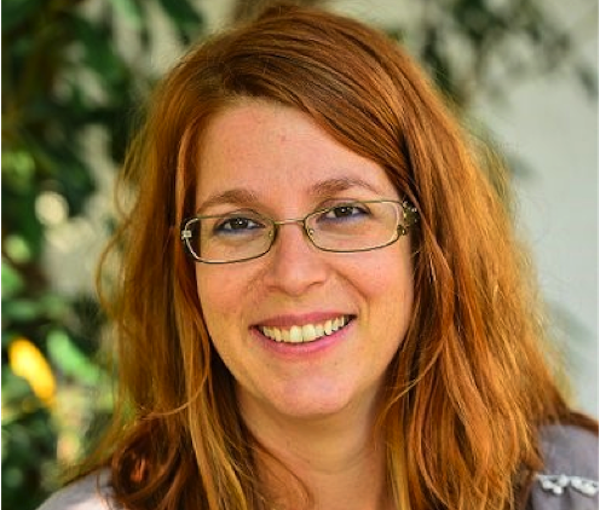
 

Posted on October 22, 2021October 21, 2021Author Joanne SeiffCategories Op-EdTags brisket, cooking, diversity, education, Judaism, lifestyle, Torah

Learning from Noah

This week, Jewish Addiction Community Services of Vancouver (JACS) is speaking across the community at various synagogues to help spread the word of how we can help those struggling with a substance use disorder. The talk centres around the weekly Torah portion, Noah, and what we can learn from it.

Who doesn’t know the story of Noah and the ark? Animals two by two, Noah saves the world.

The parashah (Torah portion) opens with: “Noah was a righteous man. He was perfect in his generation. Noah walked with God.” No wonder, then, that when God saw all the evil and sin and decided to “reboot” the system, He chose Noah as his agent on the ground.

But, there is a darker side to Noah’s personal story. The man we find at the end of the parashah is not the “perfect” man introduced to us at the outset.

The parashah tells us that, after the waters recede, the very first thing Noah does upon leaving the ark is plant a vineyard. And immediately thereafter: “He drank the wine and became drunk, and he uncovered himself in his tent.”

A casual read might lend itself to a wisecrack: after being cooped up with animals and no shower for so long, who wouldn’t crave a drink? We might chalk it up to a one-time overindulgence. But the rabbis tell us otherwise, that this digression from the central plot line is no accident. The parashah is drawing our attention to Noah’s misplaced priorities: instead of turning his energy to rebuilding and repopulating the world, his first priority was getting drunk. Thus, the rabbis consider Noah one of the first Jewish alcoholics.

And the story gets more distressing. Ham, Noah’s son, discovers his father passed out, and brings his two brothers into the mix as well, to cover their father’s naked body. The brothers are embarrassed, if not ashamed, to find their father in such a state. And, when Noah wakes up from his drunken stupor and pieces it all together, he is mortified. But instead of engaging in a moment of self-reflection, Noah channels his feelings into a rage and curses Ham and his descendants. In short, family chaos reigns, and shalom bayit (peace of the home) couldn’t be further from the truth.

This, then, is one of the earliest stories that gives rise to the saying that “addiction is a family disease” – it wreaks havoc on everyone. Through this lens, we might be tempted to judge Noah harshly for this significant failing. “How could he do such a thing?” “Did he not think of the consequences?” And, perhaps worst of all, “instead of taking responsibility for his actions he lashes out at his family? This is not OK!” At the extreme, in today’s world of uber political correctness, where cancel culture reigns, some might even be tempted to write off Noah altogether.

That said, yielding to the temptation to judge Noah would be missing the central point of the story. To be sure, Noah does not deserve a “free pass” on his behaviour, but questioning “how did this happen?” or “to what extent should we hold Noah accountable?” is of secondary importance. Far more important than “why did he do it” is “why are we surprised that he did?”

Noah was tasked by God with the responsibility for saving all species during the flood, and then repopulating the world thereafter. Is it any wonder he felt intense pressure? Let alone the significant possibility that, mixed with immense relief at being alive, Noah may have also suffered from a significant dose of survivor’s guilt.

We know that different people handle stress differently, and some end up resorting to coping mechanisms that are hugely self-destructive. Noah was in that camp. To be sure, he made some choices that ultimately led to his alcohol dependency, but, unfortunate as that may be, he was probably not the first to do so, and most certainly not the last.

At a Friday night service at Temple Sholom, Rabbi Dan Moskovitz, as part of his sermon, asked for a show of hands: how many in the sanctuary have been touched (self or a loved one) by substance abuse? The majority of hands went up. In short, our Jewish community is no different from any other subset of our world: far too many are afflicted by a substance use disorder.

This fact led to the formation a few years ago of JACS Vancouver. JACS’s mission is twofold.

First and foremost, JACS’s professional team helps individuals and their loved ones find a path to sustained recovery from substance abuse. If you or a loved one is struggling with substance abuse, JACS is here for you – no judgment, just support and a helping hand to navigate the system and get the resources you need to get better.

Second, JACS is dedicated to community awareness and education, striving to reframe the conversation around substance abuse disorders from judgment to compassion and support. To be clear, substance abuse disorder is a disease, not a choice: nobody sets out with intention to become drug- or alcohol-dependent. Yes, the individual’s path to acquiring a substance use disorder probably included some bad personal choices along the way, but how is that any different from a heart attack victim whose daily commute included hitting the Tim Hortons drive-through? Why do we judge the former, but organize meals and visits for the latter? And, of course, fear of being judged is a huge deterrent to reaching out for help.

Returning to Noah, the parashah is providing fair warning that none of us, not even the “a righteous man who walked with God” is guaranteed a smooth sailing through life (pun intended).

The Talmud teaches that “whoever saves one life saves the world entire.” What the parashah tells us is that Noah saved the world. What it teaches us is that it is our job by reaching out with compassion and understanding to help people save themselves.

For more information, visit jacsvancouver.com.

– Courtesy JACS Vancouver

Posted on October 8, 2021October 6, 2021Author JACS VancouverCategories Op-EdTags addiction, JACS Vancouver, Judaism, Noah, Torah
Local kids join in the Chidon

Local kids join in the Chidon

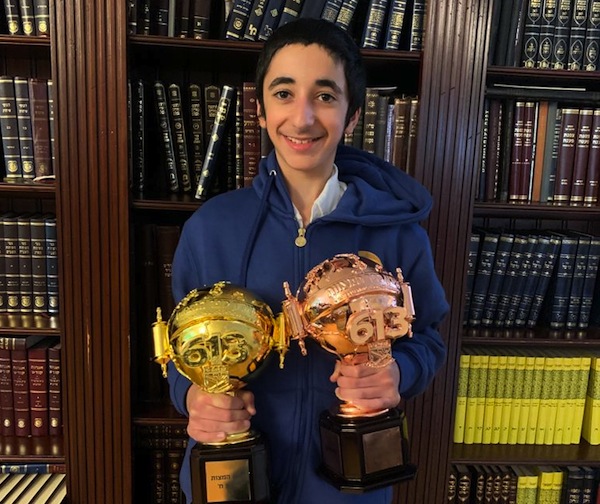
Levi Bitton (photo from Vancouver Tzivos Hashem)

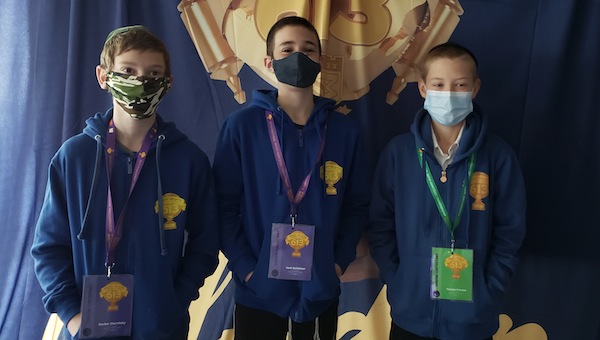
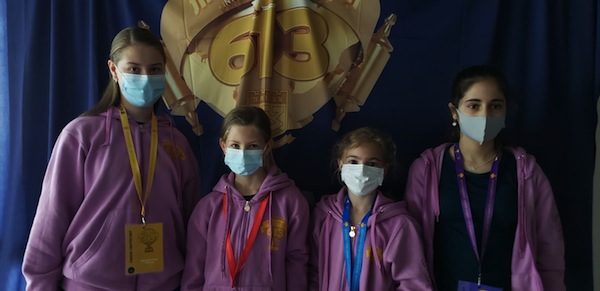
The International Chidon boasts 5,000 participants from around the world and, this year, there were eight participants from Vancouver: Levi Bitton (Grade 8); Liba Baitelman (Grade 4); Yanki Baitelman (Grade 6); Menucha Prinsloo (Grade 8); Shoshana Prinsloo (Grade 5); Yonatan Prinsloo (Grade 7); Miriam Ora Yeshayahu (Grade 6); and Dovber Zhornitsky (Grade 6).

Tzivos Hashem is an international educational program for Jewish children ages 3-13, founded in 1980 by the Lubavitcher Rebbe, Menachem Mendel Schneerson. It focuses on teaching kids about kindness, good deeds and refining their character to become better people and more effective influencers in our community. The program’s goal is to increase Jewish identity and provide children with inspiring and immersive Chassidic Jewish learning through fun, informal activities.

The Vancouver chapter of Tzivos Hashem was established in 2017 as part of Lubavitch BC’s outreach activities and now has approximately 45 children registered in the Sunday morning program. The biggest event of the year and the most highly anticipated part of the program is the Chidon, usually held during a Shabbaton in New York, but virtual this year because of COVID. This event highlights the advanced knowledge and understanding of all 613 mitzvot (commandments) of the Torah, as codified by Maimonides. Kids from around the world compete, and this year’s Chidon took place on May 23. Each of the Metro Vancouver students won a plaque (indicating a grade of more than 80% on the final test) and Levi had the distinction of winning a gold trophy for his grade. He was tested on the fifth book of the Torah, and had the highest mark internationally.

photo - Left to right: Menucha Prinsloo, Shoshana Prinsloo, Liba Baitelman and Miriam Ora Yeshayahu
Left to right: Menucha Prinsloo, Shoshana Prinsloo, Liba Baitelman and Miriam Ora Yeshayahu. (photo from Vancouver Tzivos Hashem)

Riki Oirechman, principal of Tzivos Hashem Vancouver and the local Chidon coordinator, said: “The most important thing is that the kids gain a lot of knowledge. By learning the 613 mitzvot in depth, they gain a deep appreciation and understanding of all the mitzvot, resulting in an increased excitement for, and commitment to, fulfilling them. They work super hard and really commit themselves to fulfilling the Rebbe’s direction and vision.”

Oirechman explained that all the kids in the program study and complete the five books of Torah and master the 613 mitzvot over five years. The Tzivos Hashem program uses the Yahadus curriculum created by the Living Lessons Foundation in memory of Sarah Rohr. It’s a series of textbooks explaining each mitzvah, its source in the Torah and its details.

To participate in the Chidon, students must pass multiple tests. If a child gets a 70% average, they are eligible to join the Chidon Shabbaton. The child with the highest mark in their class gets to represent their class and school at the Chidon competition. On the weekend of the Chidon, the international participants take the final test, which includes everything they learned during the year. Winners receive certificates, plaques, medals and trophies.

photo - Left to right: Dovber Zhornitsky, Yanki Baitelman and Yonatan Prinsloo
Left to right: Dovber Zhornitsky, Yanki Baitelman and Yonatan Prinsloo. (photo from Vancouver Tzivos Hashem)

“The Chidon includes not only the incredible game show competition, but also an exciting award ceremony. This year, over 100,000 people watched from around the world,” said Oirechman. The Chidon started in 2014 with 54 finalists and eight staff and has grown to 2,414 finalists and 375 staff this year.

Local supporters of the program include founders of the Vancouver Tzivos Hashem chapter, Rabbi Shmulik Yeshayahu of the Kollel and Rabbi Dovid Rosenfeld of Chabad Lubavitch of BC, as well as a grant from the Jewish Federation of Greater Vancouver and local community donors.

For more information about the Vancouver Tzivos Hashem program, email [email protected] or visit lubavitchbc.com/tzivoshashem.

Shelley Civkin is a happily retired librarian and communications officer. For 17 years, she wrote a weekly book review column for the Richmond Review. She’s currently a freelance writer and volunteer, including with Chabad Richmond.

Format ImagePosted on June 25, 2021June 25, 2021Author Shelley CivkinCategories LocalTags awards, Chidon, Dovber Zhornitsky, education, Levi Bitton, Liba Baitelman, Menucha Prinsloo, Miriam Ora Yeshayahu, Shoshana Prinsloo, Torah, Tzivos Hashem, Yanki Baitelman, Yonatan Prinsloo
The Kitchen food hub opens

The Kitchen food hub opens

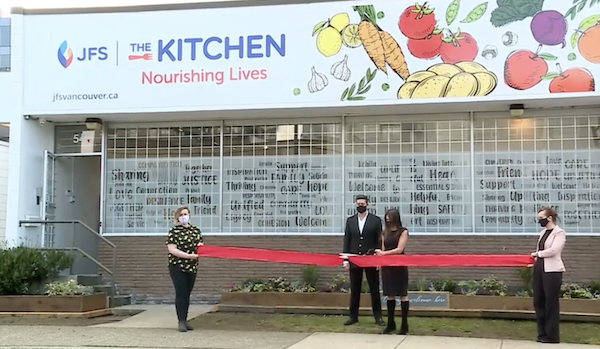
Jody and Harvey Dales cut the ribbon at the Kitchen’s opening on April 18. On their left is Tanja Demajo, JFS chief executive officer; on their right is Janelle Zwarych, JFS director of food security. (screenshot)

Along-in-the-works food hub was launched by Jewish Family Services in a virtual grand opening April 18. Dubbed the Kitchen, the facility will be home to a range of JFS programs that target food insecurity.

“We believe that nourishing and good food has the power to connect people, to build a healthy community and to inspire us to engage in conversations about social justice,” said Tanja Demajo, chief executive officer of JFS. “The Kitchen is not a place but a destination, a destination in which community involvement breaks down the wall between the givers and receivers. We strive to empower people to make personal choices, to advocate for themselves and have access to the basic resources needed for healthy lives.”

The opening of the Kitchen, located on East Third Avenue between Quebec and Ontario streets, is the culmination of more than two years of work, during which JFS and the Jewish Federation of Greater Vancouver have implemented recommendations from their joint Food Security Task Force report, which was released in 2018. Initiatives already undertaken include an expansion of the JFS food program to hub models that recognize and accommodate the 50% of clients now living outside Vancouver city limits. They have also developed new programs, such as Breakfast Club for kids and meals for seniors. Healthy cooking classes have been delivered and, at the start of COVID, food programs were shifted to delivery-only. With the support of RBC, JFS purchased a food van to facilitate movement of goods between suppliers, warehouses and hubs.

Demajo especially thanked Jody and Harvey Dales, who ceremonially cut the ribbon at the new facility.

“Their belief in dignified access to food, in JFS and this community’s ability to undertake this project is what made this dream a reality,” she said.

Bill Kaplan, JFS board chair, put the landmark event in context.

“JFS has been serving our community since 1936,” he said. “Although the context of our times change, our mission has not. We continue to serve our community as an extension of our family and, today, we are here to mark a special occasion in that service…. The name, the Kitchen, captures everything we hope this space to become – a warm, inviting place for members of our community to be welcomed, nourished and cared for. There will be healthy food, cooking classes, counselors to talk to, space for workshops, all provided here at this new location. It’s how we can meet the real needs of our community in an environment that is both dignifying and empowering.

“The tagline that we chose is ‘Nourishing Lives,’ which captures not only the physical nourishment that we receive through food, but a more holistic purpose as well. It’s within community that the act of giving and receiving nourishment takes place. This connection is the context for relationships – for someone to check in with you, to ask you how you’re doing, give a listening ear, give a helping hand. In these times especially, we need human connection for the nourishment of our souls. That is something we aspire to with the space and, as a community, we invite you to join us in that purpose.”

Stan Shaw and Simone Kallner, co-chairs of the JFS Food Security Committee, celebrated the launch and thanked those who made the project possible.

“Our new food hub facility is a wonderful example of what the Jewish community is doing to provide inclusive and dignified and respectful and reliably secure access to food to the most vulnerable among us,” said Shaw. “It’s a dream that’s come true. I am inspired to have been a part of such a wonderful team, including the staff and incredible volunteers at Jewish Family Services that have made this possible.”

Kallner added: “This new space will give people somewhere to go for support, connection, social gatherings … where everyone feels the comfort, warmth and inclusivity that our community can offer. It has been a true honour and privilege to be part of this amazing project alongside an incredibly talented, dedicated and heartfelt committee.”

She thanked Ezra Shanken, chief executive officer of the Jewish Federation of Greater Vancouver, and Marcie Flom, executive director of the Jewish Community Foundation, for invaluable support.

Rabbi Dan Moskovitz of Temple Sholom affixed the mezuzah and spoke of how hunger, by definition, is a problem that is largely out of sight and, as a result, too often out of mind.

“But this building, these people, this sign on the door, this address, this community program – they change everything as of this moment,” he said. “Hunger in the Jewish community is no longer invisible…. With this building and our community’s public and intentional dedication to supporting it, staffing it and promoting its many services, hunger in our community can no longer be overlooked, it can no longer be ignored. The very real pain of an empty stomach, that too many in our community experience on a regular basis, it cries out to us, it cries out for immediate attention, immediate action. This building, and what takes place here, they are the shofar blasts that must wake us up to the most solvable problem in our community. We can end hunger in the Jewish community. We can fix this.”

Torah, he added, commands farmers to leave the edges of their fields unharvested so that the hungry can obtain food.

“When we go shopping, our modern equivalent of harvesting our fields, we must buy extra food for the food bank every single time, and we can bring it here,” he said. “Open your hand to those in need, we read in Torah. It’s through our tzedakah and that of our Jewish community, through food drives and bar/bat mitzvah projects, donations made in honour and memory of our loved ones, all the ways Jews have given throughout time and all the ways that we give of our resources, all of those things will sustain this place and will fulfil the commandment to extend our hand to those in need.”

Janelle Zwarych, director of food security at JFS, led the virtual tour through the facility.

“The Kitchen means so much more than just food,” she said. “At any good party, it’s where everyone comes together, it’s a place of warmth, a place of creativity and a place of fun. Our place, the Kitchen, means all of those things rolled into one.”

In addition to being a place for the storage, sorting and delivery of food to clients, there is space for group cooking and classes, as well as community meals, when health protocols permit. There are offices where clients can meet with caseworkers to access government supports or borrow equipment from the Red Cross while picking up groceries. There is a small library, a kids’ zone with toys and books and working space for volunteers.

More information is online at jfskitchen.ca.

Format ImagePosted on May 7, 2021May 6, 2021Author Pat JohnsonCategories LocalTags Bill Kaplan, Dan Moskovitz, food security, Janelle Zwarych, JFS, Tanja Demajo, Torah
Torah class marks 10 years

Torah class marks 10 years

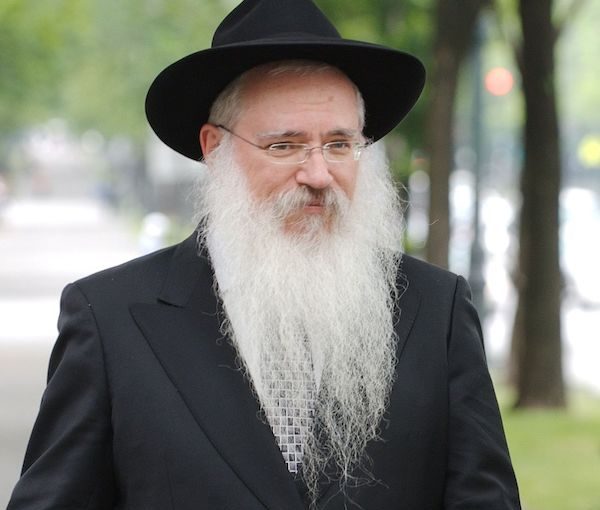
Rabbi Manis Friedman is the keynote speaker at Chabad Richmond’s celebration on June 1. (photo from Wikipedia)

On June 1, Chabad Richmond will mark 10 years of the weekly Torah studies class. A special event celebrating the past and launching the future will feature guest speaker Rabbi Manis Friedman, a renowned lecturer, counselor and author of several books and many articles. The topic is The Top 10 Reasons to Study Torah.

Starting in 2011 as a small group that met with Rabbi Yechiel Baitelman to discuss the weekly parashah (Torah portion), this assembly of retirees has grown to more than 20 people weekly.

“While not exclusively the domain of the retired, these weekly morning Torah classes mainly attract seniors,” said Baitelman. “Not only are local Richmond and Vancouver folks attending, but participants from Alberta and Quebec are joining virtually as well. During the pandemic, with more people working from home, we have some younger participants, too. Everyone is welcome.”

When the pandemic struck last year, Baitelman recognized the need for the continuity of Torah studies and immediately started offering classes via Zoom. These weekly classes have provided learning, but, more importantly, inspiration.

Richmond resident and longtime Chabad attendee Grace Jampolsky approached Baitelman back in 2011 and asked if he would offer a weekly Torah class. She gathered a few friends, and so began the 10-year tradition that is now a foundational part of the participants’ lives. The weekly class is a program of the Rohr Jewish Learning Institute of Richmond.

Acknowledging Chabad Richmond’s accomplishments to date, Baitelman said, “It’s all about celebrating our past learning and looking forward to growth and continued learning for the future. The continuity of weekly Torah study over 10 years is a real milestone. It represents thousands of hours spent studying the Torah portion of the week together, interactively, as a community of learners.”

As the participants attest, the classes have had a positive impact on expanding their Jewishness.

“If you were to ask me what the goals of the Torah classes are, I’d say it’s two-pronged goal – to increase class attendance and to share a love of Torah with our community,” said Baitelman.

Speaking with a few of the initial attendees, it became apparent that it’s not just the content of the classes that resonates with people, it’s Baitelman’s approach to teaching.

Ralph and Gina Blasbalg are two of the original members and, when asked how the classes have impacted their lives, Ralph Blasbalg said: “It’s always something to look forward to, especially when we’re cocooning during the pandemic. We don’t go out very much because we’re very vulnerable. The Torah lessons, the talks, the spirited wisdom of our rabbi – we are so lucky to have this rabbi in our community. Rabbi Baitelman is such a mensch, he’s just a wonderful human being.”

When asked how it’s enriched their lives, he added: “First of all, the knowledge that we are gaining, the knowledge about Torah, the knowledge about our community and the responsibilities that each one of us has to share and pay forward to the community. And the benefit that it gives to us, meaning that we have a sense of belonging, and we realize how our ancestors lived and how faith supported them through even worse times. We just have a pandemic – they had pogroms and illness and suppression and oppression … and, still, this faith, this Yiddishkeit, the manner of living by the Torah rules – the manual of life – is so important to us, for me, it’s definitely giving me that.”

Former participant Stevie Steiner said: “I was one of the first people in the group … and I attended for several years. I loved that class. It gave my life more meaning and purpose. If I went to the class tired, by the time it was over, I found myself so uplifted, or thoughtful. It made me look at things very differently, and very positively. Rabbi Baitelman always saw the glass half full, rather than half empty. It made quite a difference in my life actually. Rabbi Baitelman is a wonderful man and excellent teacher. He’s got a talent for getting the lesson across. The material was always very relevant. The rabbi was a very positive influence.”

Regular participant Maria Hughes said: “The weekly Torah classes have had a big effect on me. I’m from Russia, where there were no Torah classes, no nothing. I just knew I was Jewish because it was in my past, but I was discriminated against everywhere there. I went to live in Israel, but didn’t go to synagogue because I felt like an outsider and we didn’t know Hebrew. When I came to live in Richmond and started attending Chabad Richmond, I really started learning about Judaism and started feeling more and more proud of being Jewish…. It was like the puzzle came together. I started studying more and loving it. So I started talking to my daughter (who lives in Israel) about it a lot and we had different discussions. She was not religious at all … but, slowly, my daughter started keeping Shabbat and I think my influence was a big part of it. My talking about Judaism had a big effect on her. It affected not just me, but also my daughter and grandchildren. It affected a whole generation.”

Ezra Shanken, chief executive officer of the Jewish Federation of Greater Vancouver; Rabbi Efraim Mintz, executive director of the Rohr Jewish Learning Institute; and Sheldon Kuchinsky, board member of Chabad Richmond, will be present to offer greetings at the celebration of the class’s 10 years.

Guest speaker Friedman is the dean of Bais Chana Institute of Jewish Studies, the world’s first yeshiva exclusively for women. He hosts his own cable TV series, Torah Forum with Manis Friedman, which is syndicated throughout North America.

The event takes place at 7 p.m. on June 1 via Zoom at chabadrichmond.com/celebrate. Register online using the link, or call 604-277-6427. Everyone is welcome.

Shelley Civkin is a happily retired librarian and communications officer. For 17 years, she wrote a weekly book review column for the Richmond Review. She’s currently a freelance writer and volunteer, including at Chabad Richmond.

Format ImagePosted on May 7, 2021May 7, 2021Author Shelley CivkinCategories LocalTags Chabad Richmond, education, Grace Jampolsky, Manis Friedman, Maria Hughes, milestone, Ralph Blasbalg, Stevie Steiner, Torah, Yechiel Baitelman

Holy jab a moving experience

We’re celebrating at our house. I’ve gotten my first AstraZeneca vaccination “jab.” I’ve got a sore arm and felt droopy afterwards, but I’m thrilled to have finally gotten access.

As a pragmatic, 40-something Gen X-er, I had to wait my turn. Then I rushed to get an appointment. In the Manitoba social media world, we heard others complain that the system was difficult to navigate. The deadpan reply from our cohort was something like, “Guess you’ve never had to get up early to try to register your kids for swim lessons.” In a place where resources like, say, vaccination or indoor pool swim lesson spots, are very limited, we’ve learned to negotiate systems that were not designed for our needs or to be welcoming.

This big event for 40-somethings in several Canadian provinces happened to coincide with the Torah portion of Acharei Mot-Kedoshim, Leviticus 16:1-20:27. This big double parashah (portion) covers a lot, including what it means to be holy. In some cases, it might mean “to be prepared.”

It’s also the portion that encourages us to “Love your neighbour as yourself” and Leviticus 19:34 reads, “The stranger who resides with you shall be to you as one of your citizens; you shall love him as yourself, for you were strangers in the land of Egypt: I the Lord am your God.”

The Torah is, sort of, a holiness how-to guide of its time, and some of the issues may no longer be everyday things for many. However, the pandemic forces us to be prepared for simple things like wearing a mask during a shopping outing. Add in more complex things, like obtaining access to that coveted vaccination, too. It’s interesting that the weekly parashah topics like preparation, holiness, loving neighbours and caring for strangers all came up at once.

The nurse who gave me my jab had worked in the COVID wards. She exuded calm as she went through her vaccine script. She made the moment feel monumental and holy while preparing me. When I thanked her, she said how great it was to be part of this effort to keep so many others healthy and safe after experiencing the suffering in the hospitals.

As I sat in the doctor’s waiting room for my 15 minutes after the jab, I thought about this. Masking up, getting vaccinated and social distancing are all ways that we show love for one another right now. Those actions are so powerful that I’m affronted and sad whenever someone demonstrates as an anti-masker, doesn’t wear a mask or even spits in public. Indeed, that means he doesn’t love his neighbour enough.

While I waited, it was a quiet. Yo-Yo Ma wasn’t serenading others on his cello in the clinic or anything like that. Instead, I turned and congratulated a stranger, a man who had also just gotten his shot. It was an oddly affirming moment. He had a spouse with an immune condition. Like me, he had kids learning at home. At first glance, I might have felt apprehensive chatting – he was heavily inked with tattoos and intimidating. Still, the love we both felt towards the universe for this opportunity and to those who also cared so much that we’d rushed to get vaccinated, was tender and transformative.

While I’d been able to get my shot, alas, Manitoba, and other parts of Canada seem to be quickly losing their battle to outrun the third wave. Vaccines can’t get into arms fast enough. Yet, as I read the news, there are also multiple reports of moments where people are taking care of strangers. In North Dakota, there’s now a pop-up Moderna vaccination site at a rest stop. They managed to vaccinate 62 truck drivers from Manitoba the first day. This was such a gift to our province, which hasn’t chosen to prioritize these essential workers.

In Montana, the Blackfeet Nation has invited Albertans to cross the border (with permission) to get vaccinated on their reservation. They were able to use up expiring vaccines on both strangers and Indigenous relatives who lived across the international border.

Many Jewish people have reported on social media that they recited the Shehecheyanu or the slightly more complicated “bathroom prayer,” which thanks G-d for the miraculous workings of our bodies. I uttered a silent prayer of my own, too.

It was also a chance to appreciate the kindness of strangers who looked after me. The doctor stuck his head in to ask if I had any questions. The nurse and I had a deep conversation – about illness, death, birth and our struggles as parents – in our few minutes together before and after the vaccine. Like so many who’ve been mostly social distancing and staying at home, these nurturing interactions have been few and far between this year.

I must admit, when we stream services on Shabbat at home, I’m not standing up much. I’m not on my tiptoes as we would in synagogue when we sing the Kedusha – the part where we say, “Holy, Holy,” and try to ease ourselves up closer to heaven and to the angels. Preparing oneself and trying to be holy is, for all of us, a process, but I felt just a little more prepared after what I experienced this week.

If you’re anxious about needles, don’t worry. My kids looked at my arm and I don’t have a “hole” there!

I feel like my vaccination experience captured a snapshot of how we can all strive to be more prepared. It’s an opportunity to love our neighbours, care for the stranger and, maybe, in the process, become a bit closer to heaven and more holy.

Joanne Seiff has written regularly for CBC Manitoba and various Jewish publications. She is the author of three books, including From the Outside In: Jewish Post Columns 2015-2016, a collection of essays available for digital download or as a paperback from Amazon. Check her out on Instagram @yrnspinner or at joanneseiff.blogspot.com.
Posted on May 7, 2021May 7, 2021Author Joanne SeiffCategories Op-EdTags Acharei Mot-Kedoshim, coronavirus, COVID-19, ethics, Leviticus, Torah, vaccination

Inclusion matters – always

I was talking to my mother on the phone when she told me about one of her committee projects. At her congregation in Virginia, there’s an outdoor space, in the woods. It’s used as a learning environment and sanctuary, with play space, too.

While it may be a charming and rustic foray into nature, it’s also something else. It’s inaccessible to those with disabilities. My mom described how a group home brought some of its residents to an outdoor service, only to discover that, in fact, the residents couldn’t attend, because they use wheelchairs. The trails, filled with rocks and tree roots, are too difficult for those wheelchairs to navigate.

My mom is on the “inclusion committee” at her synagogue. In part, she joined because she cares about everybody at her congregation. She wants to practise “audacious hospitality” and “radical inclusion.” The other part is more personal. My nephew uses a wheelchair. Of course, she wants to help him have a full and meaningful Jewish experience.

These bumpy trails are a physical barrier to inclusion. Our Jewish communities are full of physical barriers. These can be things like having only one staircase as an access point into a building – and no ramp. It can mean having no accessible bathroom, or no place for a mom to breastfeed. It could be lacking a way to invite a person in a wheelchair onto the pulpit, because there’s no ramp, or even no handrail for those who might not be stable on their feet.

Physical barriers aren’t just stairs, of course. What about large-print prayer books or documents that work with text-to-speech software for those who have visual impairments? What about an amplification system, sign-language interpreter or closed captioning for those with an audio disability?

Even beyond this, there are those whose differing abilities aren’t visible. Is there a quiet room available and unlocked for those who have sensory challenges? Many might need a break from loud music at a bar mitzvah or during a raucous Simchat Torah celebration. Is there a way that those who have mental health challenges or intellectual disabilities can be offered support if they need it while at a synagogue event?

February is Jewish Disability Awareness and Inclusion Month, or JDAIM. If this were a committee meeting, this is when, inevitably, someone would speak out. “Whoa,” this person might say. “We’re just a small congregation with limited funds. We simply can’t do all this. We can’t be all things for all people.”

This is the second barrier to break down. It’s an attitudinal barrier. When someone’s attitude gets in the way of helping practise radical inclusion, it stops us from meeting every Jewish person’s needs in the community. This attitude adjustment is necessary when, for example:

  • a baby starts to fuss and a parent works to quiet the baby and feed him,
  • a nonverbal person makes noises during services,
  • a person needs to stand or sit during services because of pain or disability when everyone else is doing the opposite,
  • a person who cannot hear turns to her spouse to ask, “What page are we on?” in that loud voice.

The list could be a mile long. I’ve seen somebody cast a fish-eye at every one of these people. Given how many of us struggle with disabilities, well, let’s just say it’s high time for a change in attitude.

To the person who says, “We’re a small congregation, we can’t do all this,” be ready to stand up and say, “Did you ever wonder why it’s such a small shul? This is why. This attitude. This inability to try and include everybody and to work to meet their needs.”

It doesn’t cost a lot to build a portable ramp for the bima (pulpit). Sometimes, funds can be raised in creative ways to fix physical barriers. What’s harder? Working to change our conscious and unconscious attitudes about disability and inclusion.

Disability will affect all of us or our loved ones at some point in our lives. Please, don’t wait until you break your leg to acknowledge this. It’s really important to bring JDAIM up, but it shouldn’t be a once-a-year discussion.

In the portion Yitro, which we read in synagogues at the beginning of February this year, G-d speaks to Moses and to all the people at once. They all hear the Ten Commandments together in Exodus 20:1-14. Rabbi Ana Bonnheim’s commentary on this portion uses the phrase “radical inclusion.” Moses prepares the people to hear from the Almighty, and they all receive this revelation together – each in his or her own way. Rabbi Bonnheim reminds us that inclusivity, this frequent repetition of “ha-am”, “the people,” is essential to Jewish tradition.

On Shavuot, when we gather again to hear the Ten Commandments, everyone is supposed to be there. If we want a Jewish gathering where everyone physically can be there, it’s time to start an inclusion committee, if your community doesn’t have one. If you already have that committee, remember the public relations campaign that must accompany any initiatives, so that attitudinal barriers change as well as physical ones. The truth is that, even if everyone can physically be present, if your community projects a bad attitude, those with disabilities won’t want to be there.

As for me, I received a “save the date” card for my nephew’s bar mitzvah recently. I cannot wait to see him, using his assistive speaking device, leading the service. Of course, there’s a closed border and a pandemic in the way, too, but their congregation works so hard to include everyone that I know that, in the worst-case scenario, I’ll be there virtually, through livestreaming. Jewish celebrations, like every other kind of Jewish gathering, are for all of us. That’s why inclusion matters.

Joanne Seiff has written regularly for CBC Manitoba and various Jewish publications. She is the author of three books, including From the Outside In: Jewish Post Columns 2015-2016, a collection of essays available for digital download or as a paperback from Amazon. Check her out on Instagram @yrnspinner or at joanneseiff.blogspot.com.
 

Posted on February 26, 2021February 24, 2021Author Joanne SeiffCategories Op-EdTags disability awareness, inclusion, JDAIM, Judaism, mental health, Torah

Explore Torah’s secrets

“People tend to read biblical stories like they do mythology,” said Chabad Richmond’s Rabbi Yechiel Baitelman, one of the local Rohr Jewish Learning Institute (JLI) instructors. “Our course invites participants to look deeper and discover the underlying themes and relevant life lessons these stories were designed to convey.”

Baitelman is talking about a new six-session JLI course called Secrets of the Bible: Iconic Stories, Mystical Meanings and Their Lessons for Life, which starts Nov. 4, 7:30 p.m. The course will be offered both in-person, to a limited audience, at 4775 Blundell Rd., in Richmond (following COVID-19 restrictions), and online via Zoom. All classes – which are one-and-a-half hours long – will be recorded on Zoom and accessible online for six days after each class. For Vancouver Islanders, the course will be presented by Chabad of Nanaimo, 5450 Oceanview Terrace, in Nanaimo, starting Nov. 3, 7 p.m.

The course presents a unique way of reading the stories of Adam and Eve and the Tree of Knowledge, Noah and the great flood, the lifelong feud between Jacob and Esau, Joseph’s multicoloured coat, the golden calf, and Korah’s rebellion. For each of these stories, three questions will be answered: What is the deeper meaning behind the story? How does it shape the Jewish worldview? What wisdom does it hold for us today?

Throughout the six sessions, Secrets of the Bible explores major life themes, including human subjectivity and bias; the underpinnings of relationships; negotiating spiritual growth with practical impact; why inspiration is fleeting and how to make it last; understanding equality and privilege; and navigating parallel spiritual and material life paths.

Secrets of the Bible is designed to appeal to people at all levels of knowledge, including those without any prior experience or background in Jewish learning. This course is open to the public, and attendees don’t need to be affiliated with a particular synagogue, or other house of worship.

“These biblical stories come alive as their deeper meanings and insights are revealed. They hold the key to life lessons for us all,” said Baitelman. “I encourage you to sign up for this thought-provoking course that’s sure to deepen your understanding of Judaism and enrich your life. You are welcome to try the first class for free with no obligation.”

To register and for more information about the Chabad Richmond course ($95/person or $160/couple), call 604-277-6427 or visit chabadrichmond.com/jli. For the Nanaimo course ($95/person or $152/couple), call 250-797-7877 or visit jewishnanaimo.com/secrets.html.

Posted on October 30, 2020October 29, 2020Author Chabad RichmondCategories LocalTags Chabad of Nanaimo, Chabad Richmond, education, JLI, Judaism, Rohr Jewish Learning Institute, Torah, Yechiel Baitelman

Posts pagination

Previous page Page 1 Page 2 Page 3 … Page 6 Next page
Proudly powered by WordPress