Skip to content
  • Home
  • Subscribe / donate
  • Events calendar
  • News
    • Local
    • National
    • Israel
    • World
    • עניין בחדשות
      A roundup of news in Canada and further afield, in Hebrew.
  • Opinion
    • From the JI
    • Op-Ed
  • Arts & Culture
    • Performing Arts
    • Music
    • Books
    • Visual Arts
    • TV & Film
  • Life
    • Celebrating the Holidays
    • Travel
    • The Daily Snooze
      Cartoons by Jacob Samuel
    • Mystery Photo
      Help the JI and JMABC fill in the gaps in our archives.
  • Community Links
    • Organizations, Etc.
    • Other News Sources & Blogs
    • Business Directory
  • FAQ
  • JI Chai Celebration
  • JI@88! video

Recent Posts

  • BGU fosters startup culture
  • Photography and glass
  • Is it the end of an era?
  • Taking life a step at a time
  • Nakba exhibit biased
  • Film festival starts next week
  • Musical with heart and soul
  • Rabbi marks 13 years
  • Keeper of VTT’s history
  • Gala fêtes Infeld’s 20th
  • Building JWest together
  • Challah Mom comes to Vancouver
  • What to do about media bias
  • Education offers hope
  • Remembrance – a moral act
  • What makes us human
  • המלחמות של נתניהו וטראמפ
  • Zionism wins big in Vegas
  • Different but connected
  • Survival not passive
  • Musical celebration of Israel
  • Shoppe celebrates 25 years
  • Human “book” event
  • Reclaiming Jewish stories
  • Bema presents Perseverance
  • CSS honours Bellas z”l
  • Sheba Promise here May 7
  • Reflections from Be’eri
  • New law a desecration
  • Resilient joy in tough times
  • Rescue dog brings joy
  • Art chosen for new museum
  • Reminder of hope, resilience
  • The national food of Israel?
  • Story of Israel’s north
  • Sheltering in train stations

Archives

Follow @JewishIndie
image - The CJN - Visit Us Banner - 300x600 - 101625

Tag: security

Israel has some allies

Israel has some allies

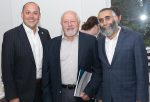
Left to right: Stephen J. Adler, Dr. Asher Susser, and Rabbi Shmulik Yeshayahu. (photo © 2017 Alan Katowitz)

In a wide-ranging lecture addressing Israel’s place in a rapidly changing Middle East, Prof. Asher Susser claimed that, without a continued focus on cutting-edge technology and modernization, Israel will not survive in the long run.

Susser, who is a professor emeritus at Tel Aviv University, spoke at the Ohel Ya’akov Community Kollel in Vancouver on Aug. 9. The event was presented by the Kollel, Canadian Friends of Tel Aviv University, Congregation Schara Tzedeck and Vancouver Hebrew Academy.

The professor believes that the key to Israel’s survival is its universities, which he described as the “powerhouses of Israel’s future.”

“Without that basic education, we will not have the wherewithal to withstand the absurdity of the neighbourhood,” he said.

In opening the evening, Kollel director Rabbi Shmulik Yeshayahu noted the “tough neighbourhood” in which Israel lived.

Stephen J. Adler, executive director of the Canadian Friends of Tel Aviv University’s Ontario and Western Canadian division, said that TAU is not only the largest educational institution in Israel, with more than 33,000 students, but that it also houses the largest research centre in the country. He highlighted the university’s affiliations with the Kellogg School of Management at Northwestern University in Evanston, Ill., and also with the Sackler School of Medicine in New York. Adler said TAU alumni have created, among other things, technological innovations like the Iron Dome and the navigation app Waze. Adler invited members of the Vancouver Jewish community to come visit the TAU campus, then introduced Susser, “one of our treasures.”

Susser has taught at TAU for more than 35 years and was director of the Moshe Dayan Centre for Middle Eastern and African Studies for 12 years. In addition to various visiting professorships in the United States over the years, he teaches an online course on the Middle East that has been taken by more than 85,000 students in more than 160 countries, including attendees of the Vancouver event. He is the author of several books, including Israel, Jordan and Palestine: The Two-State Imperative, On Both Banks of the Jordan: A Political Biography of Wasfi al-Tall and The Rise of Hamas in Palestine and the Crisis of Secularism in the Arab World.

Susser discussed the root causes of some of Israel’s past successes – including its ability to modernize and the Arabs’ failure to do so – and remaining challenges. One of those challenges, he noted, is the conflicting narrative regarding the establishment of the state of Israel.

“These narratives are not just slightly different between Israel and the Palestinians, but they are completely contradictory and have virtually nothing in common,” he said. “I would say that this is one of the major reasons why Israel and the Palestinians have such great difficulty coming to terms with each other and the difficulties remain.

“Our narrative,” he continued, “is a heroic story of the self-defence of the Jewish people,” which represents “literally rising from the ashes of Auschwitz to sovereignty and independence from 1945 to 1948, in three very short years.” This was viewed, he said, as “a miraculous redemption and justice for the Jewish people” but is viewed by Palestinians as “the epitome of injustice.”

Susser also noted that the establishment of Israel, wherein “the few against the many” prevailed, is, ultimately, “a monument to Arab failure.” He said, “For the Arabs, when they look at us every day for the last 70 years, it is to look at the monument [of] their failure to modernize successfully.”

He pointed to the Six Day War as a turning point that “proved that Arabism is an empty vessel.” And he listed three reasons why Arab states have failed to advance: a lack of political freedom, a lack of first world education systems and a lack of economic equality and inclusion of women in the workforce.

These weaknesses in Arab civil society, he said, have led to “a human disaster” that has “prevented Arab countries from advancing,” and is worsened by the sectarian divisions that exist in Arab countries. The one exception, he said, is Jordan, which is a stable state in large part due to the fact that its Jordanian and Palestinian citizens are Sunni Muslims.

“Israel’s major challenges now come not from the strength of the Arab states but the weakness of the Arab states,” said Susser. Unlike the period between 1948 and 1967, when Israel was threatened by Arab states like Egypt, Israel is now threatened by non-Arab states like Iran and non-state actors like Hezbollah, Hamas and ISIS. The problem, according to Susser, is that, “You can’t destroy Hamas or Hezbollah in six days.”

“Fighting the non-state actors is a much more difficult prospect,” he said. “These non-state actors are less of a threat to Israel but ending the conflict with them is a lot more difficult.”

The threat from Iran – which he considers to be one of the three principal non-Arab Middle Eastern powers (along with Turkey and Israel) – is “not necessarily that the Iranians will drop a bomb on Israel,” he said. The main problem is “the constraints that a nuclear Iran will pose to Israeli conventional use of military force.”

“If Israel is attacked by Hamas from Gaza or by Hezbollah from Lebanon, or by both of them together, and Israel wishes to retaliate by conventional means against these two Iranian proxies with a nuclear umbrella provided by Iran, will Israel have the freedom of operation to do it?” he asked.

One other challenge Israel faces, said Susser, is demography. He noted there are six million Israeli Jews and an equivalent number of Arabs residing in the area between the Mediterranean and the Jordan River, including the West Bank and the Palestinian citizens of Israel. “Can Israel remain a Jewish democracy with these demographic realities?” he wondered.

Susser concluded on a somewhat optimistic note. The conflict between the Shiites and Sunnis, he said, has allowed Israel to forge alliances with Sunni Arab nations like Egypt, Jordan, Saudi Arabia and other Gulf states, all of which, he said, “have common cause with Israel to block Iranian regional hegemonic design.” In addition, he noted, “We have cooperation with Jordan against ISIS and its allies, so the idea that Israel is against everyone in the Middle East is not the reality.”

David J. Litvak is a prairie refugee from the North End of Winnipeg who is a freelance writer, former Voice of Peace and Co-op Radio broadcaster and an “accidental publicist.” His articles have been published in the Forward, Globe and Mail and Seattle Post-Intelligencer. His website is cascadiapublicity.com.

Format ImagePosted on September 15, 2017September 14, 2017Author David J. LitvakCategories LocalTags Asher Susser, Israel, Kollel, Middle East, Schara Tzedeck, security, Tel Aviv University, Vancouver Hebrew Academy
IDF colonel visits Vancouver

IDF colonel visits Vancouver

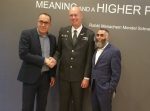
Left to right: Ilan Pilo, Jewish National Fund, Pacific Region; Col. Adam Susman, Israel Defence Forces defence attaché to Canada; and Rabbi Shmulik Yeshayahu of the Ohel Yaakov Community Kollel. (photo from Community Kollel)

While acknowledging that the situation in the Middle East is constantly changing, Col. Adam Susman told those gathered at the Ohel Yaakov Community Kollel on July 18 that the biggest threat to Israel is Iran, “as it has been for years.”

Susman, who is the Ottawa-based Israel Defence Forces (IDF) defence attaché to Canada, was in Vancouver at the invitation of the Jewish National Fund of Canada, Pacific Region.

Born in the United Kingdom, Susman moved to Moshav Sde Nitzan in southern Israel at the age of 3, according to JNF’s website. He joined the IDF’s Givati Brigade in 1987 and became a battalion commander after serving as head of the anti-ballistic and training branches. In 2005, he was appointed commander of Hanegev infantry brigade and chief of staff of the Sinai division, protecting Israel’s southern border. In 2009, he became commander of the Dan district in Home Front Command, working to ensure the safety of civilians in the metro Tel Aviv area. Prior to his appointment as the defence attaché to Canada in 2014, Susman was head of the International Military Cooperation Department of the IDF General Staff.

Rabbi Shmulik Yeshayahu of the Community Kollel was the emcee of the Vancouver event. “It is fitting to have this meeting during the weekly Torah portion of Matot-Masei,” he said in his opening comments. “In this parashah, a portion of the Jewish people stays behind on the way to the Holy Land, preferring to farm on the other side of the Jordan River rather than go in and fight for the land. They stayed there while the rest of the tribes fought and, later, they joined them. In Judaism, we have great respect for those who risk their lives to protect other people, and especially our homeland.”

Before introducing Susman to those gathered, Ilan Pilo, executive director and Jerusalem emissary of JNF Canada, Pacific Region, presented a brief video about JNF’s activities throughout Israeli history. He then invited the president of Royal Canadian Legion’s Shalom Branch, Ralph Jackson, to speak. Jackson, who introduced himself as “the only Jew in the Scots Guards during World War Two,” presented a donation of $5,000 to Susman for Beit Halochem, a nonprofit that cares for disabled Israeli veterans.

Leonard Shapiro, Shalom Branch vice-president, noted how the branch was formed during a time of great prejudice, when Jews needed their own veterans organization. “It has been a long time now since we’ve gone to war, however, thank God. We don’t get many new members. If anyone here would like to join and support our organization and activities, you don’t have to have been in the army, you just need to be over 18 and not have committed any horrible crimes. Little ones, OK,” he joked.

Susman shared a bit about himself and his experience in the Givati Brigade, which was the most highly decorated brigade in the 2014 conflict, a fact no doubt known to the many IDF veterans in the audience.

Susman is one of 16 Israeli attachés around the world – a small number that, he said, was due to Israel never having been part of a military coalition with another country. He outlined the ties between the Israeli and Canadian militaries, the chief threats to Israel today and the IDF’s response.

“There is cooperation between the IDF and the Canadian military strategically and practically,” he said. “The relations between the IDF and the Canadian military are good.”

Asked if the change of Canada’s federal government to the Liberals from the Conservatives had had any effect on that relationship, Susman said it had not.

Turning to the situation in Israel’s own region, he emphasized the lack of stability.

“The Middle East is an interesting neighbourhood, always changing – what I tell you today may not be true tomorrow,” he said.

“The biggest threat is Iran, as it has been for years,” he continued. “[Mahmoud] Ahmadinejad took every opportunity to say that Israel should disappear from the map of the world. The main threat they’ve posed has been building Hezbollah – without Iran, it would be a small organization. In recent years, Hezbollah has been fighting in Syria and they’ve lost a lot of people, but they’ve also gained a lot of operational experience. They have also steadily increased in rocket capabilities and can now reach Eilat.”

Susman said that Syria had previously been a big threat to Israel, but that’s no longer the case, due to its civil war and ISIS, as well as the reduction of the country’s chemical weapons by Western countries.

Hamas in Gaza is the next biggest threat, he said, noting that it is also supported by Iran. “They only exist to fight,” he said. “They are not building up Gazans as they claim. A good example is the tunnel found during 2014 Protective Edge, kilometres of resources that could [have been used] for clinics and schools. Gaza is a piece of cheese, there is 80 metres between the top and the water table, dotted with tunnels. That’s a major challenge.

“The Sinai is also a security problem,” he added. “Nobody controls it, and so everybody is in there. There was no Egyptian military following the peace agreement, so that’s the result. The MFO (Multinational Force and Observers) was created to survey the Sinai and, by the way, there are many Canadians in it.

“Some people say the IDF is a military that has a country,” quipped Susman. “We are strong, and we are good at finding solutions.”

Susman cited Iron Dome as an example. The IDF initially divided Israel into 157 zones with two missile interceptors for each missile. That was successful, he said, but each missile cost $70,000 so that intercepting one fired missile cost $140,000. Therefore, the IDF sought improvements. Israel was divided into 254 zones, he said, and each one had only one missile interceptor per fired missile. This system has a 90% success rate stopping missiles, which is still not good enough in Susman’s view. “We will improve yet further,” he said.

During the question-and-answer period, an audience member commented, “You said Iran is the biggest threat against Israel but you didn’t say what Israel is doing against Iran.”

“That’s right,” replied Susman without further explanation, eliciting laughter from the crowd.

The evening ended with the singing of “Am Yisrael Chai,” led by Yeshayahu.

Matthew Gindin is a freelance journalist, writer and lecturer. He writes regularly for the Forward and All That Is Interesting, and has been published in Religion Dispatches, Situate Magazine, Tikkun and elsewhere. He can be found on Medium and Twitter.

Format ImagePosted on August 18, 2017August 16, 2017Author Matthew GindinCategories LocalTags Community Kollel, Hamas, IDF, Iran, Israel, Jewish National Fund, JNF, security, Shalom Branch, veterans

A healthy relationship

An interesting exchange occurred last week between four members of Israel’s Knesset and a Diaspora Jew who warned them that Israel risks losing the support of people like her.

In a forum in Boston, an audience member said Israel had responded disproportionately during the 2014 Operation Protective Edge.

“You are losing me and you are losing many, many, many people in the Jewish community,” the audience member warned. “I want to know what you are doing to make peace with the Palestinians.”

Amir Ohana, a Likud MK, made clear where he stood. “War is horrible. I lost friends, I lost family,” but the audience member was ignoring the thousands of rockets sent from Gaza to Israel, he said. “Each and every one of them [was] targeted to kill us. And if I will have to choose between losing more lives of Israelis, whether they are civilians or soldiers, or losing you, I will sadly, sorrily, rather lose you.”

Rachel Azaria, an MK belonging to the Kulanu party, was similarly critical of the American’s approach. “One of the challenges is that when you’re thousands of miles away, it looks simple,” she said. “To think that we enjoy living in terror and living with our rifles, we hate it. We all hate it. But we can’t seem to find a solution that will keep us strong and sheltered.… If it would be easy, we would be there … I wish reality would be easier, God knows I wish, unfortunately it’s not. And that’s something we need to live with every day of our lives in Israel.”

So, who is right? The alienated Diaspora Jew, or the members of Israel’s parliament? Unsatisfyingly, but perhaps appropriate Jewishly, they all are.

Israel has to make decisions based on the security of Israel, not on the emotional well-being or political ease of Diaspora Jews. Likewise, Jews everywhere have an obligation to stand up when they perceive injustice.

These two positions may seem antithetical, but they are not necessarily. Israelis and Diaspora Jews have always had a deep connection. Both in the state of Israel and in the Diaspora, political ideologies span the gamut. But particular issues and events, like the 2014 war, can exacerbate conflicts in the relationship. Ultimately, though, if we consider Israel and the Diaspora not as two entities but as Klal Yisrael, these disagreements are part of a dynamic discourse that is not only unavoidable, but necessary.

Diaspora Jews frequently criticize Israel and sometimes Israelis act as though these voices are not welcome. Yet the Diaspora provides financial and political support to Israel and, more importantly, the Law of Return means that every Diaspora Jew is a potential citizen. This means something.

And, while Azaria is correct that sometimes things can look overly simple from a distance of tens of thousands of kilometres, it is conversely true that distance can give perspective. Israelis and Diaspora Jews should listen to one another, not reject alternative voices.

Still, as at least one MK noted, it is not the children of Diaspora Jews who are conscripted into the Israel Defence Forces. It must certainly confound some Israeli parents to hear their North American or European cousins complaining about this or that Israeli policy while their own children are on the frontlines of the latest conflagration with Hamas, or are patrolling dangerous neighbourhoods in the West Bank.

Just as politics in Israel is combative and engaging, so it is – and it should be – in the Diaspora. We do not need to agree on everything, but some syntheses should develop that allow for dialogue and progress.

While we fret about the state of Israel-Diaspora relations, though, we should perhaps be more concerned about a different development. We may be heading for a schism that makes our past differences pale.

A new generation of Jews coming up in the Diaspora is much more critical of Israel and tends to be more dovish than their parents or grandparents. There are exceptions, of course, but the young Jews who blockaded the AIPAC conference recently represented a growing cohort, not a diminishing one. Some of their critics say these young people have been taken in by the anti-Israel propaganda on campuses and lack the courage to stand up to it. This may be true in some cases but, by and large, this is a dismissive and insulting suggestion. The different perspectives of young Jews are a real phenomenon and something that leaders – in Israel and around the world – need to respect and respond to.

Above all, we should not fear dissenting voices, but welcome them as part of the Zionist discourse. It is heartening to remember that the degree of passion expressed on all sides of this debate is a symptom of intense engagement. Disinterest would be a far greater threat to Jewish and Israeli life.

Posted on April 7, 2017April 4, 2017Author The Editorial BoardCategories From the JITags Diaspora, Israel, politics, security
הגבוה ביותר עד כה

הגבוה ביותר עד כה

הפדרציה היהודית של אזור מטרו ונקובר ממשיכה להגדיל את היקף התרומות לקמפיין השנתי שלה, שהוא מקור ההכנסה המרכזי של הארגון ו-35 ארגונים היהודים הקשורים בה. בקמפיין של 2016 היקף התרומות עמד על 8.5 מיליון דולר. אשתקד הפדרציה היהודית גייסה תרומות בהיקף 8.3 מיליון דולר לקמפיין השנתי ואילו בשנת 2014 היקף התרומות עמד על 8 מיליון דולר.

כפי שכבר פורסם מתוך ה-8.5 מיליון דולר 300 אלף דולר יוקצו לטובת אמצעי ביטחון לשמירה על מוסדות ואירועים של הקהילה היהודית באזור ונקובר. זאת כולל השכרת מאבטחים לאירועים מיוחדים וקיום הערכות בטיחוניות בעת הצורך. לאור הגברת האנטישמיות ברחבי העולם והגידול באיומי הטרור, היה סביר להניח שהפדרציה תקצה משאבים אף גדולים יותר לטובת תחום הביטחון. בנושא האבטחה אומר יו”ר הקמפיין השנתי, אלכס קריסטל: “הקשבנו לחששות בנוגע לביטחון הקהילה, כפי שהובאו על ידי הארגונים היהודים השותפים שלנו, התורמים וחברי הקהילה. הפכנו את הביטחון בקהילה לנושא המרכזי של הקמפיין ופיתחנו תוכנית מיוחדת לתורמים נדיבים בתחום זה”.

כספי התרומות מהקמפיין השנתי מיועדים מדי שנה לתמיכה בארגונים היהודים המקומיים, בפעילויות ושירותים שהם מעניקים בתחומים חברה, החינוך, התרבות והאמנות. וכן עזרה לקהלי יעד חלשים יתר בעיקרם קשישים ונוער. חלק מהכספים יוקצו כרגיל ליטפול בפרוייקטים מיוחדים בישראל, במסגרת מתן החסות הקבועה של הפדרציה, שכוללת הענקת משאבים לשירותים חברתיים לאוכלוסיית נוער בסיכון בצפון הארץ.

קריסטל מוסיף כי היקף הכספים שגוייסו הפעם הוא הגבוה ביותר עד כה. יו”ר הקמפיין: “הכספים מבטיחים כי נמשיך לתמוך בארגונים השותפים שלנו שיוכלו להמשיך ולספק מגוון של שירותים ותוכניות שכל כך חיוניים לקהילה היהודית המקומית. ואילו יו”ר מועצת המנהלים של הפדרציה היהודית, סטיבן גרבר אומר: “יש לנו מספר אתגרים כקהילה כולל הנושאים הכפולים של אפשרויות ונגישות, מעורבות צעירים ובני משפחות צעירות, מענה לצרכים של אוכלוסיית הקשישים הגדלה שלנו, ופיתוח תוכניות עבור כמעט ממחצית מהקהילה שלנו אשר חייה כיום באזורים רחוקים בפריפרייה, שלא מטופלים על ידי שום ארגון. התוצאה של הקמפיין תאפשר לפדרציה היהודית ולארגונים השותפים שלנו להתמודד עם אתגרים אלה לטובת הקהילה”.

ללשכת הסטטיסטקה הקנדית אין נתונים מעודכנים לגבי פשעי השינאה במדינה. העידכון האחרון מתייחס לשנת 2014. אז המשטרה קיבלה מידע על 429 מקרים של פשעי שינאה בכול קנדה, בהם 213 הקשורים בקהילה היהודית. בוונקובר התרחשו בסך הכל באותה שנה 47 מקרים של פשעי שינאה.

ריו דה ז’ניירו וונקובר זכו באולימפיאדת ההכנסות ממיסחור

אולימפיאדת הקיץ ה-31 שנערכה בריזו זה ז’ניירו אשתקד ואולימפיאדת החורף ה-21 שנערכה בוונקובר בשנת 2010 הן המכניסות ביותר, מבחינת מכירת מוצרים ממוסחרים. כך עולה מנתוני דוח השיווק של הוועד האולימפי הבינלאומי שפורסמו בימים האחרונים.

על פי דוח השיווק של הוועד ההכנסות של האולימפיאדה בריו זה ז’ניירו ממוצרים ממוסחרים שברו את כל השיאים, והגיעו לכשלוש מאות ועשרים מיליון דולר. תקציב האולימפיאדה בריו זה ז’ניירו נאמד ב-11.9 מיליארד דולר. אולימפיאדת הקיץ בבייג’נג שנערכה בשנת 2008 הכניסה “רק” מאה ושישים מיליון דולר ממסחור. ואילו שאר אולימפיאדות הקיץ נמצאות הרחק מאחור.

האולמפיאדה של ונקובר הכניסה יותר מכל אולימפיאדת חורף בתחום מכירת המוצרים הממוסחרים, ופועל מדובר על סכום של חמישים ואחד מיליון דולר. תקציב האולימפיאדה בוונקובר נאמד בעשרה מיליארד דולר. הרחק מאחוריה אולימפיאדת החורף של סוצ’י שנערכה בשנת 2014 והכניסה שלושים וחמישה מיליון דולר ממוצרי מיסחור.

Format ImagePosted on April 5, 2017April 2, 2017Author Roni RachmaniCategories עניין בחדשותTags annual campaign, Jewish Federation, Olympics, security, אולימפיאדת, ביטחון, הפדרציה היהודית, קמפיין השנתי
B.C. NDP leader talks with JI

B.C. NDP leader talks with JI

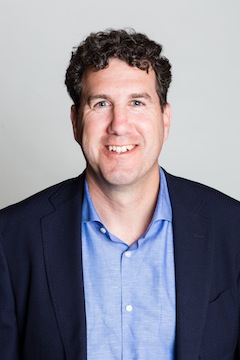
B.C. NDP leader John Horgan (photo from B.C. NDP)

Horgan says he likes how British Columbians have come together across racial and religious differences during recent times of strife. In a wide-ranging interview with the Independent, the New Democratic party leader also promised to restore the B.C. Human Rights Commission, said he would like to see religious studies in the school curriculum, expressed opposition to boycotts against Israel and said ethnocultural groups play an important role in the delivery of social services.

Horgan, the provincial opposition leader who hopes to be premier of British Columbia after the May 9 election, said that public reactions to antisemitic and anti-Muslim incidents recently have been encouraging.

“What I’ve been seeing … is an unprecedented coming together of diverse groups – ethnic and people of faith – to support each other, whether it be [after] the horrific shootings in Quebec City or the threats of bombings here in the Lower Mainland,” he said. “I’ve seen people crossing traditional faith boundaries to embrace one another and that gives me great hope and optimism for the future here in B.C. When I look south of the border to the rise of hatred, antisemitism, Islamophobia – and without it being brought into check by the leadership, at least the executive branch of the United States – I’m absolutely concerned about that. But I think the advantage for us here in Canada and in B.C. is it gives us an opportunity to reaffirm our tolerance. I’ve been quite moved by it.”

Leaders, he said, have a role not only in legislating but in expressing attitudes that should exemplify the values of the community they serve. “The broader public often criticize politicians for participating in ethnic celebrations or ceremonies,” he said. But he believes it sends a crucial message about respect for multicultural and faith communities, so he attends Chanukah menorah lightings at the legislature and Kristallnacht commemorations, as well as events of many other communities.

Horgan said there must be a means for people who believe their human rights have been violated to seek redress and a body to spearhead education about human rights. An NDP government, he said, would re-establish the Human Rights Commission that the B.C. Liberals dismantled in 2002.

“Every other jurisdiction in the country has a commission for educational purposes, for bringing forward examples of human rights abuses, and I don’t know why British Columbia wouldn’t have that opportunity,” he said.

Also on the education front, Horgan said he would like to discuss with stakeholders the potential for adding religious studies to the B.C. school curriculum.

“I’m a student of history, I have a master’s degree in history and I look back as much as I look forward in terms of shaping my personal views,” he said. “I would see some benefit to having part of the curriculum have a religious studies component in the middle school or high school curriculum.” It might not be a mandatory course and he would seek consultation with school boards, teachers, parent advisory committees and others, but, he said, the idea has come up repeatedly in conversations with members of different religious communities.

Governments partner with community agencies to ensure culturally sensitive and appropriate delivery of services such as addiction, settlement and immigration and seniors’ programs, and this is something Horgan strongly favours.

“It’s not just ethnocultural and faith-based organizations,” he said, “it’s community organizations. In my world, the role of government is to try to unite and bring people together whenever possible and foster understanding and tolerance. You don’t do that by not having discussions or relationships with various organizations, you do that by stimulating that participation.”

Providing culturally appropriate foods for patients in the medical system is a small example of accommodation, Horgan said, but one that has been made more difficult by the outsourcing of food services in the health-care system.

On the security front, Horgan supports the $100,000 the province recently announced in funding for Jewish community security, though he would have done it differently had he been premier, he said.

“Anytime we can improve security for any community, I would support that,” he said. “I don’t want to take shots of the government in this interview but, for me, I would have reached across the floor and said to my counterparts, were I in the premier’s office, this is something that we’re going to do, can we have a resolution of the legislature to make this cross partisan lines, rather than making it a statement of, ‘the Liberals are doing this and the NDP or Greens or Conservatives are not.’ But, beyond that, I support it, absolutely.”

Horgan said he personally opposes the anti-Israel boycott, divestment and sanctions (BDS) movement, but he’ll let party members have their own opinions.

“On these issues, as a provincial leader, what I try to do is allow people to have their point of view. I don’t necessarily have to agree with them,” he said, adding that foreign affairs is a federal matter. “I hold fast to the hope that our federal government, which has diplomatic responsibility for these issues, will show leadership that divestment and sanctions are not a solution.”

He added: “I believe in a two-state solution to the challenges in the Middle East and that’s a personal view and I’ll share that with anyone who asks me. But I try in my interactions with various community members to focus on how do we provide unity here in British Columbia. I look at, just as an example, the sanctions on Cuba. They’re not comparable, I appreciate that, but it is an attempt to have a state outcome in another jurisdiction based on economic pressure, and all that’s happened as a result of that is increased poverty and a lack of understanding. I think we want to reduce poverty wherever possible and increase understanding and, by cutting ties, severing relationships, you’re never going to achieve that. My approach, personally, is always to engage rather than disengage, so I think the BDS movement is not something I support, but people have their own personal will. They can choose to invest their resources wherever they want to.… My own personal view … is that reducing interactions never leads to a better understanding, it leads to less understanding.”

Horgan noted he has met with several organizations in the Jewish community on issues around economic cooperation and trade with Israel.

“I’m excited about the prospects of increasing our ability in British Columbia to take advantage of the cultural linkages we have to grow stronger economic linkages,” he said.

As British Columbians ponder their electoral choices, Horgan said he wants Jewish voters to know that “what they want for themselves and their community I want for them as well.”

“That’s a tenet of social democracy,” he said, paraphrasing J.S. Woodsworth, an early leader of the Canadian left, who said, “What we desire for ourselves, we wish for all.”

“That is a tenet of the Jewish faith and that is something that I think those who have not looked to the NDP in the past may want to do so in the coming election campaign,” he said. “I want growth and prosperity for our communities, I want tolerance and peace and understanding – and those are the issues that I think most British Columbians want, regardless of their faith. I believe that if we focus on the mainstream values that unite us, rather than the issues that divide us, we’ll all be better off here.… My answer is to lead by example and to highlight always tolerance and welcoming and cooperation over intolerance, hate and division.”

The Jewish Independent’s provincial election coverage continues with interviews with other candidates in future issues.

Note: This article has been edited to reflect that the B.C. government allocated $100,000 for security measures in the Jewish community.

Format ImagePosted on March 31, 2017April 4, 2017Author Pat JohnsonCategories LocalTags BC NDP, education, Election, Israel, John Horgan, multiculturalism, politics, security

What now, with arrest?

A teenager was arrested last week in relation to the scores of bomb threats against Jewish institutions throughout North America and elsewhere. There was widespread relief over the arrest, on the assumption that most, if not all, of the threats had emanated from this one individual.

There was also astonishment and heartbreak, though, when the alleged perpetrator was identified as a Jew with dual American and Israeli citizenship. Very little is known beyond the basic facts of the arrest and that the young man, who lives in Ashdod, in southern Israel, has a brain tumour that affects his cognitive abilities.

The bomb and other threats, the graffiti, hate materials and cemetery desecrations experienced in various parts of the world recently have combined to create a sense of unease unprecedented in the memory of most North American Jews. If a young Jewish man was indeed the cause of much of this anxiety for so many, how are we supposed to respond to this news? Would we prefer it were a Ku Klux Klanner who did these deeds? Does it make a difference?

Certainly it makes a difference.

Rational or not, there is more of a sense of shame, betrayal and even fear. And, as a commentator wrote in the Forward, there is the question, “Will people take seriously future antisemitic threats, or will our concerns be dismissed if it’s another Jew who is responsible for them?” This idea – that future threats to our community could be dismissed because these repeated incidents emanated from a Jew – is threatening in itself.

The arrest brought confusion for many. How to respond? If these deeds were the doings of a Jew, is it antisemitism, or something else? The Anti-Defamation League was unequivocal.

“These were acts of antisemitism,” said Jonathan A. Greenblatt, chief executive officer of the ADL. “These threats targeted Jewish institutions, were calculated to sow fear and anxiety, and put the entire Jewish community on high alert.”

While it remains to be seen what personal, ideological or other motivations may have inspired these (and other) threats, their impacts are clear. The arrest does not erase the experiences of parents rushing their children out of swimming pools or seniors hurrying to evacuate buildings.

Beyond this, though, the sad circumstance is part of a larger narrative. Not only have current events given people with antisemitic ideas apparent permission to express these, we see the president of the United States hesitating and equivocating in condemning antisemitism and, worse, openly engaging in discriminatory statements and actions against Muslims and Mexicans.

Neither is the social disease of discrimination absent in Canada, as demonstrated by anti-Muslim comments and threats over – ironically – a parliamentary motion against Islamophobia, as well as the anti-Jewish remarks of some Muslim clerics in Ontario and Quebec.

But, Canadians can be proud of at least one thing. As British Columbia’s NDP leader John Horgan said in an interview with the Independent (see jewishindependent.ca/b-c-ndp-leader-talks-with-ji), these incidents have encouraged our elected leaders and ordinary citizens to stand together to reiterate our commitment to diversity and tolerance.

The best antidote to the bad things we see in the world is all of us standing up to do more of these good things.

Posted on March 31, 2017March 31, 2017Author The Editorial BoardCategories From the JITags antisemitism, bomb threats, security
מאה אלף דולר להגברת הביטחון

מאה אלף דולר להגברת הביטחון

איומים על הג’י.סי.סי של ונקובר: ממשלת המחוז תעניק מאה אלף דולר להגברת הביטחון. (צילום: Cynthia Ramsay)

הג’י.סי.סי של ונקובר מצטרף לרשימה ארוכה של למעלה מ-140 מרכזים ומוסדות יהודיים בצפון אמריקה, הנתונים לגל אנטישמיות חדש בחודשים האחרונים, ומקבלים איומים שונים בהם הטמנת מטעני חבלה. בקנדה הושמעו איומים דומים בשבועות האחרונים שעבר כלפי מספר מוסדות היהודים בהם בטורונטו ובלונדון.

הג’י.סי.סי פונה ביום שלישי שעבר ב-9 בערב עת התקיימה בו הופעה של הזמרת הישראלית, מאיה אברהם ולהקתה (בסגרת פסטיבל ‘חופצה’), לאור איומים של הטמנת מטען חבלה. האולם בו התקיימה ההופעה היה ברובו מלא אך חוקרי המשטרה לא מצאו שום מטען חבלה. לאחר זמן קצר המשטרה הכריזה שאין סכנה נשקפת לציבור והבניין חזר לפעילות רגילה. ביום ראשון ב-11 בבוקר הג’י.סי.סי פונה שוב בגלל איומים על הטמנת מטען חבלה. הפעם הבניין לא היה עמוס במיוחד והפינוי היה מהיר. גם הפעם למרבה המזל היה מדובר באיומי שוא.

לאור האירועים הוחלט בג’י.סי.סי להגביר את האבטחה במרכז והארגון ביחד עם הפדרציה של מטרו ונקובר, משתפים פעולה עם משטרת ונקובר. בהקשר זה אומרים בפדרציה כי הוקצו למעלה מארבע מאות אלף דולר לאבטחת 29 מוסדות של הקהילה היהודית באזור ונקובר. גם ממשלת מחוז בריטיש קולומביה החליטה לעזור והעניקה מאה אלף דולר לפדרציה, לצורך הגברת אמצעי הביטחון בארגונים היהודים באזור.

סקס אנד זה סקוז’י

זוג שקיים סקס סוער בג’קוזי בעיר קולונה וכיכב בסרט הוידאו של מצלמת אבטחה, נתפס על ידי המשטרה המקומית. בית המשפט הטיל עונשים על השניים כולל מאסר על תנאי לשנה, באם יחזרו על אותו מעשה.

נוח מקדונלד בן ה-18 מקולונה ובת זוגתו המבוגרת שרה אן קלמנטי בת ה-45 מהעיר סרי, מצאו ג’קוזי פנוי בגינה של בית רצועת החוף של אגם אוקנגן. השניים בדקו דרך החלונות שאין אף אחד בבית ואז התפשטו, עישנו סמים ושתו אלכוהול, ולאחר מכן ביצעו סקס בתוך המים החמים. בסיום האקט ולאחר שנחו קצת, מקדונלד וקלמנטי חשבו אף לפרוץ לבית אך ברגע האחרון חזרו בהם. הם עזבו את המקום לאחר הערב המהנה אך לא תיארו לעצמם שמישהו עקב אחריהם. בעצם מדובר במצלמת האבטחה המותקנת בגינת הבית, שצילמה את כל הערב הסוער של הזוג בג’קוזי. בעל הבית, דבון סמיט, שהגיע למחרת בבוקר ראה שהכיסוי של הג’קוזי הוסר. אז הוא החליט לצפות בסרט הוידאו של המצלמה, ונדהם לראות מה מקדונלד וקלמנטי עשו בג’קוזי שלו. סמיט הזעיק מייד את המשטרה שלקחה את סרט הווידאו, ובמהירות הצליחה לעצור את מקדונלד וקלמנטי. השניים הובאו בפני שופט של בית המשפט בקולונה. הוא הטיל על מקדונלד קנס בגובה מאה דולר פיצויים לבעל הג’קוזי, וכן מאסר על תנאי למשך שנה באם יחזור על אותה עבירה. על קלמנטי שהביאה את הסמים לג’קוזי השופט הטיל שישה ימי מאסר, קנס בגובה חמש מאות דולר לטובת סמיט, עשרים שעות של עבודות שירות וכן מאסר על תנאי למשך שנה באם היא תחזור על אותה עבירה. במשטרה מבקשים לציין שאין איסור על זוג לבצע סקס בג’קוזי, אך במקרה של מקדונלד וקלמנטי, הם השיגו גבול ונכנסו לג’קוזי פרטי.

יצרנית הג’קוזי שראתה את הסרטון החם באמצעי המדיה החברתית החליטה להעניק לסמיט מנעול לנעילת הכיסוי לג’קוזי, ללא תשלום.

דיירים שגרים מסביב לאגם אוקנגן מציינים כי לאחרונה קרו מספר מקרים בהם צעירים התגנבו לגינות שלהם ונכנסו לג’קוזי. המשטרה הגבירה לכן את השמירה סביב הבתים שליד האגם.

Format ImagePosted on March 15, 2017March 17, 2017Author Roni RachmaniCategories עניין בחדשותTags antisemitism, bombings, hot tub, JCC, Kelowna, security, threats, איומים, אנטישמיות, ביטחון, ג'י.סי.סי, ג'קוזי, הטמנת מטעני חבלה, קולונה

Campaign continues

“Let’s make it easy, not just to be Jewish, but to feel part of the community. We have to make it easy and we have to find ways of connecting,” Alex Cristall told the Jewish Independent in a recent phone interview.

Cristall is general chair of the Jewish Federation of Greater Vancouver’s annual campaign this year. The fundraising effort has so far “been really, really good,” he said, noting “it looks like our numbers are ahead of where they were last year.”

photo - Alex Cristall, general chair of Jewish Federation of Greater Vancouver annual campaign
Alex Cristall, general chair of Jewish Federation of Greater Vancouver annual campaign. (photo from Jewish Federation)

At the centre of the current campaign is the community’s 2020 Strategic Priorities. “We have some key areas that over the next few years we are trying to focus on,” explained Cristall, such as “affordability, accessibility, seniors, engagement and connectivity, and security. And, this year specifically, we have set up a matching program,” so that every new donation and every donation increase is matched, with the funds being allocated to security initiatives, to “set up a good, long-term security plan for the community.”

Bernard Pinsky is the chair of the community security advisory committee, said Cristall, and “they’ve laid out a whole framework of things to get us up to date and to get us more centralized and focused, and to continue on with things we’ve done over the years and improve on them. So, this year we have set up a match[ing program] and I think we are almost at $300,000.”

In addition to the 2020 priorities and the focus on security, donations to the campaign fund social services performed by 40 partner organization, including seniors programs, Jewish education, arts and culture, community building, and youth and young adult services.

“Federation has access to so many different things that are going on in the community and, to help those institutions every year, it takes a lot of [fundraising] pressure off them,” said Cristall. “The major selling point is the reach the Federation has … your dollar touches so many different aspects” of the Jewish community.

“In terms of the number of people who benefit, it is in the thousands,” said Becky Saegert, Federation’s director of marketing and communications, in an email interview.

“We want to make being part of our community easy for our constituents and our community members,” reiterated Cristall.

The community has valuable capital infrastructure in the Oak Street area, he said, “but engagement and accessibility … for underserved areas – that is a huge part of our future. And that has to grow more and more. We have to be very creative.”

This outreach is part of the 2020 plans, he said, “for example, supporting White Rock JCC, supporting Burquest JCC.”

“With regard to the regional communities,” added Saegert, “the campaign currently provides funding to five different regional community organizations. Our Regional Communities Task Force, which is currently exploring ways to enhance Jewish community life outside of Vancouver, will be presenting their recommendations to our board in February 2017. We anticipate that the recommendations will increase funding for a number of initiatives in the regional communities. This past year, with the increase in our overall campaign result, we were able to increase our funding to all of our regional community organizations and fund some new initiatives, including a very exciting partnership between Richmond Jewish Day School and Congregation Beth Tikvah.”

While this year’s campaign is well underway, Cristall said, “We cannot have enough canvassers.… We are probably the easiest organization to get involved in. If someone wants to come on and be a canvasser, we’ll give them training. I hosted a meeting at my house to train people and to welcome people…. It’s a very welcoming environment and we welcome all comers to join.”

To participate in or contribute to the campaign, call the Federation office at 604-257-5100 or go to jewishvancouver.com. For more about Federation’s 2020 priorities, visit ourcommunity2020.jewishvancouver.com.

Zach Sagorin is a Vancouver freelance writer.

Posted on November 11, 2016November 11, 2016Author Zach SagorinCategories LocalTags campaign, Jewish Federation, security, tikkun olam

More funds for security

Jewish Federation of Greater Vancouver has launched this year’s annual campaign under the leadership of Alex Cristall, general chair. The campaign is the Greater Vancouver Jewish community’s central fundraising initiative and closed last year with a record $8.3 million result. The campaign is one of the primary fundraising opportunities through which Federation will grow the financial resources required to meet the goals outlined in its 2020 Strategic Priorities. These priorities will guide the organization’s work on behalf of the community through the year 2020 and beyond.

“We are very excited that Alex Cristall has taken on the role of chair of this year’s campaign,” said Ezra S. Shanken, Jewish Federation’s chief executive officer. “Alex has a passion for making our community stronger, and he is an extraordinary leader in terms of addressing the goals outlined in our 2020 Strategic Priorities.”

The priorities address five key areas of opportunity:

  • Affordability: helping community members struggling with the high cost of living in the Lower Mainland.
  • Accessibility: reaching the nearly half of community members who live in underserved areas.
  • Seniors: planning for the needs of our growing seniors population.
  • Engagement: connecting young adults and young families to ensure community continuity.
  • Security: continuing to address evolving community security needs proactively.

While the campaign benefits all areas of need in the Jewish community, the particular focus of this year’s campaign is security. Jewish Federation is leading the development of a comprehensive, long-term approach to keep the Lower Mainland’s Jewish community ahead of the curve. In recognition of the need for a community-wide strategy, Federation established the community security advisory committee. The committee’s mandate is to provide a leadership role in assessing the risks facing community institutions and to propose and evaluate specific strategies to mitigate these areas of concern.

Growing security needs requires increased financial resources to address them. Federation has worked with a group of donors to create a matching gifts program to jumpstart the funding and create awareness among donors.

“I am very pleased to announce that every new or increased gift will be matched, with the matching amount allocated to local community security initiatives that will benefit every Jewish organization in our community,” said Cristall. “Community security is an issue that affects every single one of us every time we set foot in a Jewish institution, take part in a Jewish program or attend a community event. Through the Federation annual campaign, it is an issue we can all play our part in addressing.”

The annual campaign runs to Nov. 30. For more information on the campaign or the 2020 priorities, visit jewishvancouver.com/2020.

Posted on September 30, 2016September 28, 2016Author Jewish Federation of Greater VancouverCategories LocalTags annual campaign, Federation, fundraising, security, Vision 2020
קמפיין חדש

קמפיין חדש

המרכז לענייני ישראל והיהודים בקנדה יוצא בקמפיין חדש לבקש מהממשלה הפדרלית להגדיל את תקציב הביטחון להגנה על הקהילה היהודית

המרכז לענייני ישראל והיהודים בקנדה יוצא בימים אלה בקמפיין חדש וחשוב, בניסיון להגדיל את תקציב הביטחון להגנה על הקהילה היהודית ברחבי קנדה. הקמפיין מיועד לממשלה הפדרלית שמחזיקה בתקציב במיוחד למימון הביטחון של קהילות שונות בקנדה (שנקרא אס.איי.פי). התקציב המיוחד מאפשר בין היתר לבנות גדרות ביטחון להגנה על מתקנים ומבנים שונים בקהילות, הצבת תאורה חזקה וכן מצלמות מחוץ למבנים.

הקמפיין כולל בין היתר שליחת אימיילים לשר לביטחון הציבור בממשלה הליברלית, ראלף גודייל, ולחברי הפרלמנט האזוריים, כדי לתמוך בהגדלת תקציב הביטחון של הקהילות השונות, כדי להגביר את האבטחה במוסדות היהודיים באמצעות כלים מודרניים. “זו תמיד העדיפות העליונה של נבחרי הציבור בקנדה”.

מנכ”ל המרכז לענייני ישראל והיהודים בקנדה, שמעון פוגל, מציין ביתר כי לפי ‘סטטיסטיק קנדה’, בכל יום מתרחשים בממוצע שלושה פשעי שנאה ברחבי קנדה. מרבית פשעי השנאה מכוונים נגד חברי הקהילה היהודית. פשעים אלה גורמים לנטל תקציבי גדול מאוד על הקהילה היהודית וקהילות אחרות, שמפעילות בין היתר מרכזי דת ופולחן, בתי ספר דתיים יחודיים ומרכזים קהילתיים. הקהילות השונות נאלצות לשאת בעלויות הגבוהות של אבטחת חבריהן.

המרכז מזכיר לחברי הקהילה היהודית להצטרף, לתמוך ולעקוב אחר בפעילויותיו הרבות והמגוונות באמצעי המדיה השונים, בהם פייסבוק, טוויטר ואיסנטגרם.

מצטערים טעינו: תושב ונקובר שישב עשרים ושבע שנים בכלא שלא בצדק יקבל שמונה מיליון דולר מבריטיש קולומביה

טעות משפטית קשה עלתה לתושב ונקובר כעשרים ושבע שנים מחייו אותם בילה בכלא הסגור. בית המשפט העליון של מחוז בריטיש קולומביה הורה לממשלת המחוז לשלם לו שמונה מיליון דולר על העוול הגדול שנגרם לו.

איוון הנרי (69) נעצר על ידי משטרת ונקובר והורשע בעשרה סעיפים של תקיפות מיניות, אותן ביצע כביכול בנשים בחלק המזרחי של דאון טאון ונקובר, בין השנים 1980-1982. ב-1983 נגזר דינו בבית המשפט המקומי והוא נכלא מאחורי סורג ובריח כאמור לשנים רבות. הנרי טען לחפותו בכל אותן שנים והוא עירער בכל פעם שהתאפשר לו על האשמות כנגדו. המשטרה המקומית והפרקליטות של בריטיש קולומביה המשיכו לחקור במשך שנים רבות, את מעשי התקיפות המיניות באותה עת באזור המזרחי של הדאון הטאון. האחראים על אכיפת החוק הגיעו לבסוף למסקנה היוצאת דופן, שקרוב לוודאי שהנרי לא קשור למעשי התקיפה ואכן ונגרם לו עוול משפטי. לאור זאת הפרקליטות והמשטרה הודיעו לבית המשפט לעירעורים, כי לא יתנגדו עוד לערעור מחודש של הנרי על פסק דינו. על כן בית המשפט לעירעורים של המחוז קבע לפני מספר שנים, שהפרקליטות ביצעה טעות משפטית חמורה והאשימה את האיש הלא נכון (הנרי), בביצוע התקיפות המיניות בראשית שנות השמונים בוונקובר. בפועל התברר לאור המשך החקירות, שחשוד אחר באותה פרשה בשם דונלד מקרי, הוא היה אחראי לתקיפות המיניות נגד הנשים. מקרי נפטר בינתיים והנרי המשיך לשבת בכלא שנים על שנים.

לאחר קבלת עירעורו ושיחרורו מהכלא בשנת 2010, הגיש הנרי תביעה אזרחית נגד ממשלת המחוז ומשטרת ונקובר, בטענה שהפרקליטות סירבה לחלוק את האינפורמציה והמידע שבידה עם ההגנה בזמן משפטו, דבר שיכל להביא לזיכויו המוחלט. בית המשפט העליון לערעורים של בריטיש קולומביה פסק לו בימים אלה פיצויים בגובה של שמונה מיליון דולר. האם היה שווה להנרי לשבת בכלא עשרים ושבע שנים, לצאת לחופשי ולהפוך עתה למיליונר – לא בטוח בכלל.

Format ImagePosted on June 22, 2016Author Roni RachmaniCategories עניין בחדשותTags Centre for Israel and Jewish Affairs, CIJA, Fogel, Goodale, Ivan Henry, security, SIP, wrongful imprisonment, איוון הנרי, אס.איי.פי, ביטחון, גודייל, מרכז לענייני ישראל והיהודים, פוגל, תביעה אזרחית נגד ממשלת

Posts pagination

Previous page Page 1 Page 2 Page 3 Page 4 Next page
Proudly powered by WordPress