Skip to content
  • Home
  • Subscribe / donate
  • Events calendar
  • Business Directory
  • FAQ
  • News
    • Local
    • National
    • Israel
    • World
    • עניין בחדשות
      A roundup of news in Canada and further afield, in Hebrew.
  • Opinion
    • From the JI
    • Op-Ed
  • Arts & Culture
    • Performing Arts
    • Music
    • Books
    • Visual Arts
    • TV & Film
  • Life
    • Celebrating the Holidays
    • Travel
    • The Daily Snooze
      Cartoons by Jacob Samuel
    • Mystery Photo
      Help the JI and JMABC fill in the gaps in our archives.
  • Community Links
    • Organizations, Etc.
    • Other News Sources & Blogs
  • JI Chai Celebration
  • JI@88! video

Recent Posts

  • Federation now across BC
  • Israel fighting for its existence
  • Deal strengthens Iran
  • Patriotic belonging diminishes
  • A campaign to engage
  • Upstanders’ first live event
  • Responding to Carney
  • Having your own home
  • Music a family tradition
  • Musical to warm heart
  • Community milestones … June 2026
  • Sharing her passion for Israel
  • Or Shalom reopens its doors
  • JFS from past to future
  • Need holistic approach
  • Sharing stories, advice
  • Journalist shares fears
  • Skills to live together
  • Road to independence
  • Cutting grass with scissors
  • Zionism as a solution
  • Deceit, desire & the divine
  • Reclaiming sacredness
  • Creative project ideas
  • Summer squares and cobbler
  • Thou shalt … summer commandments
  • Legal help for students
  • Revisiting myth of Lilith
  • Wrong person rebuked
  • Canada’s mixed messages
  • Questions for museum
  • Symposium on antizionism
  • Making soccer political
  • CJPAC lauds Pulver’s impact
  • City recognizes Vrba’s legacy  
  • Organ donation saves lives

Archives

Follow @JewishIndie
image - CJN box ad Rockowers 2026

Tag: Israel

Get $5 off Ahed’s Knee admission at VIFF

Get $5 off Ahed’s Knee admission at VIFF

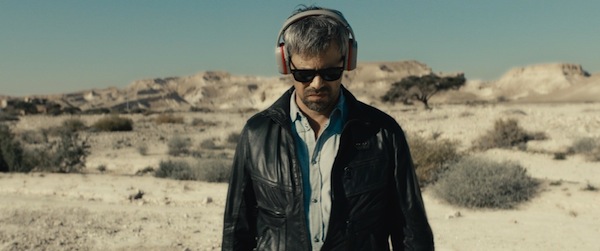
A still from Ahed’s Knee, which screens at Vancity Theatre March 25, 26 and 28. The movie – which won the Jury Prize at last year’s Cannes Film Festival – is about a celebrated Israeli filmmaker named Y, who arrives in a remote desert village to present one of his films at a local library. Struggling to cope with the recent news of his mother’s terminal illness, he is pushed into a spiral of rage when the host of the screening, a government employee, asks him to sign a form placing restrictions on what he can say at the film’s Q&A. Told over the course of one day, the film depicts Y as he battles against the loss of freedom in his country and the fear of losing his mother.

For $5 off the ticket price, use the promotional code VIFFKNEE22 at goviff.org/aheds-knee.

– Courtesy Vancouver International Film Festival

Format ImagePosted on March 25, 2022March 24, 2022Author VIFFCategories TV & FilmTags Ahed's Knee, Israel, movies, politics, Vancouver International Film Festival

קוביד, ההורים נפטרו, מזג אוויר משוגע ומלחמה באוקראינה

בשנתיים האחרונות חוויתי אירועים קשים שכמעטו ולא היו כדוגמתם לאורך כשנות חיי, בישראלועתה בקנדה. כשאני חושב על מה שעבר עלי מאז חודש מרץ לפני שנתיים בדיוק, זה נראה לי הזוי- ממש מדע בדיוני

קודם כל החלה אז במרץ אלפיים ועשרים מגפת הקורונה לצבור תאוצה בכל העולם. תחילה שמענועל כך בסין ולא חשבנו כי המגפה יכולה להתפשט גם למערב ובעצם לכל העולם. אני זוכר היטב אתהנסיעה שלי לישראל לבקר את הורי בתל אביב, בסוף מרץ לפני שנתיים. מצד אחד הם רצו לראותאותי מצד שני חששו שמה אדביק אותם בקוביד, כיוון שטסתי מונקובר, עצרתי למספר ימים בברליןוהמשכתי משם לתל אביב

מאוד שמחתי שהצלחתי לראות את ההורים וכרגיל לשון אצלם בבית. לא שיערתי אז שזו שתהיהבעצם, הפעם האחרונה שאראה אותם פיזית. אבי כבר דעך מכל הבחינות, התקשה ללכת ואףהזיכרון שלו כבר לא היה טוב. לאחר זמן מה הבנו שהוא לקה בדמנציה

באותו שבוע קצר בתל אביב נפגשתי עם מספר חברים טובים עמם אני שומר על קשר שנים רבות, למרות שאני גר בוונקובר כבר שנים רבות. כן הספקתי באותם ימים בתל אביב אף להצביע בבחירותהכלליות בישראל, תוך תקווה להחליף את ראש הממשלה הנצחי של ישראל, בנימין נתניהו. זה לאקרה אז אלא רק לאחר כשנה

הביקור בישראל ישאר בזכרוני לזמן ארוך כי כאמור זו הפעם האחרונה שבה ראיתי את הורי

אני חזרתי לוונקובר בדיוק שבוע לפני שהשמיים נסגרו והופסקו הטיסות למספר חודשים. המגפההחריפה והחיים שלנו השתנו מקצה אל קצה. מי היה מאמין שתופעה מוזרה ולא מוכרת זו תימשךשנתיים תמימות. כל שגרת החיים השתנתה, הפסקנו לצאת למקומות ולצרוך תרבות, נצמדנולטלוויזיה, רכשנו מסכות, חומרי חיטוי לידיים ועוד מוצרים התקפים לעיתות של מגפות

עסקים רבים נפגעו קשות מהמגפה בהם מקום העבודה שלי – חברה המספקת הלוואות למי שלאיכול להשיג אותן באחד הבנקים המסחריים, בשל קרדיט גרוע. בזמן החופשי שנותר בידי והוא היהבשפע התחלתי לצעוד מדי יום שעות ארוכות ברחבי העיר ונקובר והסביבה. מכוני הכושר היוסגורים ולכן החלטתי שאני חייב להיות פעיל כדי לשמור על כושר סביר, וההליכות עשו את שלהן

בתחילה ראיתי איך ונקובר הפכה לעיר מתה, ולאט לאט לקראת הקיץ היא החלה קצת להתעורר, אם כי לא באופן שאני רגילים לו. למזלנו מחוץ בריטיש קולומביה נפגע פחות מהמגפה לעומתאזורים אחרים בקנדה, כך שהצלחנו לשמור על חיים שפויים פחות או יותר

בגלל המצב הקשה של החברה באני אני עובד נאלצנו לפנות לבית המשפט לקראת סוף שנתאלפיים, ולבקש הגנה מפני נושים. אני נרתמתי לעזור להנהלת החברה ושוחחתי ארוכות עם בעליאגרות החוב שלנו, כדי לעודד אותם לחתום על הסכם חדש, שיאפשר את המשך קיום החברה. אכןזה קרה ויצאנו לדרך חדשה, באישור בית המשפט, חברה רזה יותר, עם הרחבה פחות חובותועובדים, ועתיד שנראה טוב יותר

במקביל לקראת סוף אלפיים ועשרים מצבו הבריאותי של אבי הידרדר מיום ליום וחששנו ממהשעתיד לקרות. הוא נפל כל הזמן, הפסיק לקחת כדורים, זכרונו בגד בו, ומצבו החמיר. במהלךחודש בפרואר אלפיים עשרים ואחד הוא נאלץ להתאשפז בבית החולים איכילוב הסמך לביתו. שדםלצערנו נדבק גם בקוביד וידענו שהסיום מתקרב. הוא החזיק מעמד כשבועיים עד שנכנע למגפההקשה הזו. בגיל תשעים וארבעה חודשים הוא נפטר

אני לא הצלחתי להגיע להלוויה בגלל מגבלות הקוביד וראיתי את האירוע הקשה הזה באמצעות זום. לא היה זה פשוט לראות איך קוברים את אבא שלי כל כך מרחוק, באמצעות מסך המחשב

הורי היו נשואים שבעים ואחת שנים והיה מאוד קשה לאמא להתרגל לכך שאבא כבר לא איתנו. למרות החשש הכבד של אחי ושלי, אמא לאט לאט חזרה לעצמה ופיתחה לעצמה שגרת חייםחדשה ללא אבא. כנראה שהרצון האדיר שלה לחיות הוא שהוביל אותה. אמא למרות שמלאו להתשעים ושתיים המשיכה להיות מאוד פעילה מבחינה ספורטיבית, חברתית ותרבותית. האופיהאופטימי שלה עזר לה רבות, להמשיך ולחיות לבד. היא הצליחה לקבל עובדת זרה פיליפיניתשתעזור לה בעבודות הבית, וכדי שלא תרגיש בודדת בלילות. ניהלתי לא מעט שיחות טלפון עםאמא ושמחתי שהיא חוזרת לעצמה, צוחקת, נפגשת עם החברות שלה ועם בני המשפחה השונים. היא בחרה בחיים והחיים והכל נראה מתנהל כשורה

כאן בוונקובר עברנו אשתקד את הקיץ החם ביותר בתולדות בריטיש קולומביה ובעצם בקנדה. החוםהיה בלתי נסבל ולצערנו מאות קשישים וחולים נפטרו. אני לשמחתי יש לי מזגן בבית כך שיכולתילהמשיך בשגרת החיים הרגילה ולעבוד כרגיל. רק בערבים הייתי מוציא את האף החוצה

במהלך חודש נובמבר אשתקד חטפנו כאן מכה נוספת ממזג האוויר: כמות אדירה של שטפונותשגרמו נזק אדיר למחוז, הנאמד בכארבעה מיליארד דולר. כבישים, גשרים, בתים ותשתיות רבותנעקרו ממקום כמו אבנים של דומינו שנופלות אחת אחרי השנייה

אני נערכתי לנסיעה לישראל לבקר את אמי בסוף חודש נובמבר. בגלל תקנות הקוביד הקשות בכלמדינה, הכנתי מסמכים רבים, הצלחתי לקבל את החיסון השלישי של פייזר לפני הזמן ונרשמתילבצע בדיקות קוביד בוונקובר ובתל אביב. שבוע לפני הנסיעה נדהמתי לדעת שווריאנט חדש שלהקוביד – אומיקרון משתלט על העולם. אמי התקשרה אלי בבהלה והציעה לי לבטל את הנסיעה. ואכן זה מה עשיתי כי ידעתי שאחרת אאלץ לשהות בבידוד בחלק גדול של הנסיעה. זה היה מאודמעציב שאינני יכול לטוס ולבקר את אמא שהתאלמנה כתשעה חודשים קודם לכן

בינתיים החורף הגיע גם הגיע לוונקובר ולשם שינוי גם הוא היה קשה ביותר. לא זכור לי כבר הרבהשנים קור נוראי כזה ושלג ללא הפסקה

ואז נחתה עלי מכה נוראית נוספת: בראשית חודש פברואר אחי התקשר אלי בדחיפות והודיע לי כיאמא אושפזה בבית החולים ומצבה חמור ביותר. היא נחנקה מחתיחת תפוח בסלט שאותו היאאכלה. במשך עשרים דקות שהתהה ללא חמצן, כך שהבנו שנגרם למוחה נזק אדיר שאין לא תקנה

יצאתי בטיסת חירום לישראל והספקתי לראות את אמא מחוברת לכל הצינורות שבעולם באיכילוב. למחרת הגעתי לבית החולים מוקדם בבוקר ונתבשר לי שהיא נפטרה. אני זה שנאלצי לבשר לאחילשאר בני המשפחה על מותה של אמא. היה קשה להשתתף בהלוויה ולאחר מכן לשבת שבעהולקבל ניחומים, מבני משפחה, חברים וידידים רבים

אמא ואבא נקברו באותו יום בדיוק הפרש של שנה. בקיצור: איבדתי את הורי בתוך שנה תמימהאחד

לא הספקתי להתאושש ממותה של אמא ואז נחתה על כולנו מכה קשה חדשה: ולדימיר פוטיןהחליט שהוא רוצה לעצמו את אוקראינה ופתח במלחמה נוראית ומיותרת

אני מקווה שאחרי שנתיים הזויות אלה אוכל קצת לזכות בשקט ובשלווה וללא שום אירועים חריגים. זה כבר הספיק לי

Posted on March 16, 2022March 14, 2022Author Roni RachmaniCategories עניין בחדשותTags business, COVID, death, environment, health, Israel, parents, Ukraine, war, אוקראינה, בריאות, הורים, ישראל, מוות, מלחמה, סביבה, עסק, קוביד
Peace hopes still alive

Peace hopes still alive

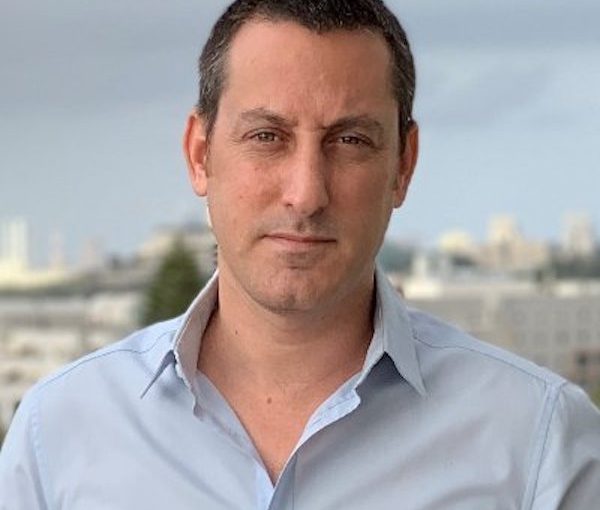
Barak Ravid (photo from Twitter)

An end to the Israeli-Palestinian conflict may be nowhere in sight, but the Israeli-Arab conflict may be coming to an end, says a leading Israeli diplomatic journalist.

Barak Ravid spoke virtually Feb. 20 in a presentation organized by the Jewish National Fund of Canada. Ravid, who reports for Axios from Israel, was formerly with Ha’aretz, where he worked for a decade as diplomatic correspondent and columnist, and is also a familiar face on Israeli TV. He was interviewed by Cynthia Ramsay, publisher and editor of the Jewish Independent.

Ravid spoke about his new book, Trump’s Peace: The Abraham Accords and the Reshaping of the Middle East, which is currently available only in Hebrew but should be out in English this summer.

Ravid acknowledges that Trump is a controversial figure and that the book’s title has received some pushback. “Peace is not the first thing that comes to mind when you say the word Trump,” he said. “I chose that name because it happens to be true.”

The author maintains that the Abraham Accords and the expanding normalization between Israel and Arab states would not have occurred under any other president.

“At the end of the day, Trump’s policies in the region closed down the trust gap that was open between the U.S. and the Israeli government … a gap that was opened during Obama’s term in office,” he said. “Whether it was warranted or not doesn’t matter. The gap was there. Trump’s policies in the region, mainly on Iran, closed down the gap and brought Israel and the Arab countries closer together.”

Trump’s decision to appoint his son-in-law, Jared Kushner, to deal with peace in the Middle East was key, according to Ravid. In interviews with Israelis and Arabs for his book, Ravid found that both sides viewed the appointment as proof of how central this issue was for Trump and served as an assurance that, when they spoke to Kushner, they were speaking to the president.

The ultimate reason the Abraham Accords were cinched, said Ravid, is that Trump did what he always claimed as his strength – he made deals. In return for normalizing relations with Israel, each party to the accords got something they wanted.

“For the United Arab Emirates, it was the arms sales, the sales of the F-35 fighter jets,” he said. “For Bahrain, it was an upgraded trade deal [with the United States]. For Sudan, it was removing them from the [U.S.] state department’s terrorism list. For Morocco, it was the U.S. recognition of Moroccan sovereignty over the Western Sahara…. Without those tangibles, those countries would not necessarily agree to take those steps.”

Ravid contends that Trump is not the only leader who deserves credit – Binyamin Netanyahu, who was Israeli prime minister at the time, was pivotal to the success. Ironically, he noted, the decision by most Arab politicians in Israel to reject the accords led Mansour Abbas to break away from the Joint (Arab) List and form a new party, Ra’am, whose participation in the new coalition government ultimately brought Netanyahu’s reign to an end.

“For the first time in history, an Arab party is a part of the coalition in Israel,” Ravid said. “In a strange way, the Abraham Accords enabled this change in Israel where Jews in Israel feel more comfortable towards Arabs and Arabs feel more comfortable joining the coalition and, therefore, Netanyahu’s biggest foreign policy achievement created the political conditions to get him out of office.”

It has long been an assumption that peace between Israel and Arab states would come only after a resolution of the Palestinian issue. When Netanyahu earlier tried to bypass the Palestinians and make friends in the neighbourhood, he was publicly shunned, said Ravid. But he kept plugging away behind the scenes, building relations in the region.

“It’s hard to go from zero to 100 in one step,” said Ravid. “You need to get to a situation where you narrow this gap and Netanyahu managed to take Israel and the Arab world from zero to, let’s say, 70. So, when the decision for the Abraham Accords came, the Arab countries didn’t have to go zero to 100, they needed to go 70 to 100.”

A third crucial contributor – who Ravid said deserves perhaps the most credit and who wants the least recognition – is the Crown Prince of Abu Dhabi, Sheikh Mohamed bin Zayed, the de facto leader of the United Arab Emirates. Bin Zayed has been trying to modernize his nation and he saw normalization with Israel as advantageous to his project. At the time, Netanyahu was threatening to annex about 30% of the West Bank into Israel. According to Ravid, bin Zayed saw a way to manoeuvre.

“He decided to be the most vocal opponent of annexation,” Ravid said. Bin Zayed told the Trump White House that, if Netanyahu dropped the annexation initiative, he would be ready to sign a peace deal with Israel.

For the White House, the annexation issue was a huge headache, said Ravid, and bin Zayed’s offer solved that problem while delivering a generational diplomatic breakthrough at the same time.

The big question is, what’s next? What about Saudi Arabia?

“That’s the crown jewel,” Ravid said. U.S. President Joe Biden sent his national security adviser, Jake Sullivan, to Riyadh and received a list of demands from Crown Prince Mohammed bin Salman Al Saud. All the demands were on the United States, not Israel, including that the Saudi monarch be invited to the White House.

Bin Salman has been an international pariah since the Washington Post commentator and Saudi dissident Jamal Khashoggi was murdered and dismembered in the Saudi consulate in Istanbul in 2017. The U.S. Central Intelligence Agency concluded that bin Salman ordered Khashoggi’s killing.

“Biden will have to take a very hard decision if he wants to move ahead with the Abraham Accords,” said Ravid, walking the fine line between rewarding a foreign leader who American intelligence has dubbed a murderer of a journalist and seeking to advance peace in the Middle East. But, if it works, the dominos will almost certainly fall into place, said Ravid.

“If Saudi comes in, then Indonesia comes in, then Kuwait comes in, then Oman comes in, then Muslim countries in Africa join, Pakistan,” he said. “It’s literally the end of the Arab-Israeli conflict – while the Israeli-Palestinian conflict will continue, obviously.”

In this regard, Ravid said, “The Palestinians decided to boycott the Trump administration in December 2017 after Trump announced he is recognizing Jerusalem as the capital of Israel and moving the embassy there. While I can understand Palestinian frustration and anger, and it makes complete sense to protest, the decision to boycott Trump until his last day in office, I think, was counterproductive to their goals, and didn’t get them anything in the end.”

On the flip side, Ravid argued, Netanyahu’s annexation of a big chunk of the West Bank would have put another nail in the coffin of the two-state solution.

“I think the Abraham Accords, even though the Palestinians won’t admit it, saved the two-state solution, at least for now,” said Ravid. “Some people think it’s gone already, but if you think the two-state solution is still alive, the reason it’s still alive is that the UAE normalized relations with Israel and stopped Netanyahu from annexing the West Bank.”

Bernice Carmeli, president of JNF Canada Pacific Region, opened the event, and Michael Sachs, executive director of JNF Pacific Region, closed it. Lance Davis, chief executive officer of JNF Canada thanked Ravid.

Format ImagePosted on March 11, 2022March 10, 2022Author Pat JohnsonCategories BooksTags Abraham Accords, Barak Ravid, Israel, Israeli-Arab conflict, Israeli-Palestinian conflict, Jewish National Fund of Canada, JNF Pacific Region, Middle East, politics, Trump's Peace, two-state solution

נסיעה מקנדה לישראל בתקופת הקוביד

בימים אלה חזרתי לקנדה מנסיעה לישראל עייף ומותש. הוראות הקוביד במדינות השונות הפכו את הנסיעה לדבר מסובך, מורכב ובעיקר מעייף. כמובן שזה גם הרבה יותר יקר לטוס בימים אלה. יש לקוות שתקנות הקוביד יבוטלו ונחזור לשגרת חיים רגילה. לדעתי הגיע הזמן להתייחס לקוביד כמו אל כל זן חדש של שפעת. אי אפשר להמשיך במגבלות השונות שנה שלישית ברציפות. 

הצטרכתי לטוס מוונקובר לתל אביב בשל אשפוזה של אמי בבית החולים. לאחר מספר ימים שם היא נפטרה ואז נשארתי למסע הלוויה ופרק הניחומים. 

רכשתי כרטיס טיסה בקיי.אל.אם מהרגע להרגע והתענוג עלה לי לא פחות מאלפיים ארבע מאות דולר. יצאתי מיד לבצע בדיקת קוביד לפי דרישות מדינת ישראל והתשלום הוא גבוה במיוחד: מאתיים דולר. נדמה לי שקנדה היא המדינה היקרה ביותר במערב בכל הנוגע לבדיקות קוביד עבור אלה שטסים. כיוון שהתוצאות של הבדיקה הובטחו לי בתוך עשרים וארבע שעות לא יכולתי לצאת לכיוון ישראל בעשות הבוקר ולכן נשארה לי רק האופציה של החברה התעופה ההולנדית. 

בגלל הביקור החפוז החלטתי שלא לעשות צ’ק אין למזוודה ולקחתי עמי תיק מסמכים ומזוודה קטנה למטוס. למרות זאת נאלצתי לעבור בדלפק של קיי.אל.אם בשדה התעופה שלוונקובר, כדי שיאשרו את כל מסמכי הקוביד: תוצאה שלילית של הבדיקה, הטפסים עבור הכניסה לישראל ואישור שחוסנתי בקנדה כבר שלוש פעמים. 

לאחר הטיסה הארוכה שנמשכה למעלה מתשע שעות נחתנו באמסטרדם לעצירת ביניים. בדרך כלל אני יוצא מהשדה אל העיר לאור כך שיש לי כעשר שעות של המתנה עד לטיסה שיוצאת לתל אביב, אך הפעם החלטתי שלא לנהוג כך, כדי שלא אאלץ שוב לאשר את מסמכי הקוביד. 

הסתובבתי שעות בשדה, אכלתי לא מעט, שתיתי יין, התקלחתי ואף שכרתי חדר במלון שבטרמינל למספר שעות. למרות זאת נשארתי מאוד עייף, נמנמתי קלות בטיסה לתל אביב שיצאה בסביבות תשע בלילה. 

נחתנו בתל אביב בסביבות שתיים לפנות בוקר ולשמחתי שדה התעופה היה כמעט ריק בלילה שבין שישי לשבת. רצתי מייד לבצע בדיקת קוביד שנייה עבור ישראל, שעברה מהר יחסית והייתה הרבה יותר זולה מזו שעשיתי בוונקובר. 

יומיים לפני הטיסה בחזרה לוונקובר ביצעתי בתל אביב בדיקת קוביד נוספת, הפעם עבור הממשלה הקנדית. גם היא הייתה הרבה יותר זולה מאשר זו שעשיתי כאן. מילאתי את כל הטפסים הדרושים בעידן הקוביד: טופס יציאה מישראל וטופס כניסה לקנדה. עדכנתי גם את האתר של קיי.אל.אם בכל המסמכים הדרושים ובכן בתוצאת הבדיקה. 

עם זאת כשהגעתי לשדה התעופה בתל אביב נדרשתי שוב לאשרר את כל המסמכים. קיוויתי שזה הסוף לטירטורים בעידן הקוביד אך טעיתי בגדול. 

עם הנחיתה באמסטרדם נאלצתי שוב לאשרר את כל מסמכי הקוביד עבור קנדה. המתנתי בתור ארוך והפקיד רשם משהו על כרטיס עליה למטוס שלי. כשהגעתי לשער העלייה למטוס התברר שהפקיד לא הוסיף מדבקה המאשרת את המסמכים וצוות הקרקע סירב לאפשר לי להיכנס למטוס. נאלצתי שוב לחפש את אותו פקיד כאשר תור גדול של אנשים עמד לפניו. למזלי אשת צוות קרקע עזרה לי והעבירה לו מיד את כרטיס עלייה למטוס והוא הוסיף את המדבקה המיוחלת. רציתי במהירות לשער העלייה למטוס כי פחדתי שהטיסה תצא אל הדרך. 

עם הנחיתה בוונקובר נחתה עלי מכה נוספת: נתבקשתי באופן אקראי לעשות בדיקת קוביד נוספת, רביעית במספר בטיול זה. חוקי הקוביד עייפו אותי עד מאוד בנסיעת חירום זו. 

Posted on March 2, 2022March 10, 2022Author Roni RachmaniCategories עניין בחדשותTags COVID, family, flights, Israel, travel, vaccine, חיסון, טיסות, ישראל, לִנְסוֹעַ, משפחה, קוביד
UN not hopeless, says Danon

UN not hopeless, says Danon

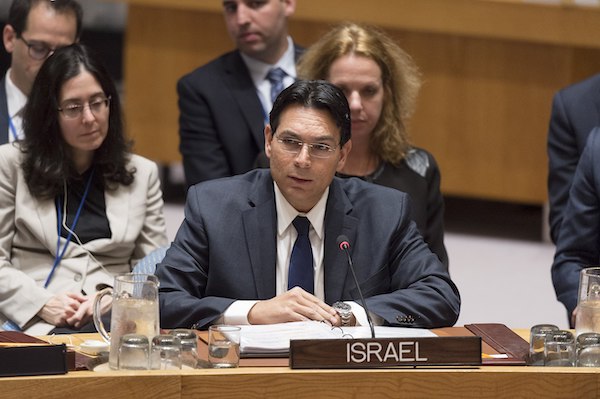
Danny Danon addresses a United Nations Security Council meeting in 2017, when he was Israel’s ambassador to the UN. (UN photo/Rick Bajornas via Wikimedia Commons)

Many Israelis and their overseas allies may see the United Nations as an assembly of antagonists, but a former top diplomat who spent five years there sees plenty of reason for optimism.

Danny Danon, who served as Israel’s ambassador to the UN from 2015 to 2020, spoke candidly during a livestreamed conversation Feb. 8 with Jonas Prince, chair and co-founder of Honest Reporting Canada, which hosted the event.

Danon was a Likud party member of the Knesset from 2009 to 2015 and served as minister of science, technology and space, as well as deputy minister of defence and deputy speaker. He is also an author and world chairman of the Likud party.

“I’m optimistic because we are starting to see change,” Danon said. “We are starting to convince countries to read the resolutions before they talk about them and we are able to see a few victories at the UN, including in the General Assembly.”

He cited two examples of victories during his time at the international body. Working with then-U.S. ambassador Nikki Haley, Danon proposed a resolution condemning the terrorist group Hamas. To pass, it required a two-thirds majority, which was not attained, but a plurality of the member-states supported the motion.

“For us, it was a victory,” he said. “People speak about disappointments but we have to also speak about achievements.”

One unequivocal achievement was when Danon was elected chairman of the legal committee of the UN.

“We got the support of 109 member-states who voted for me and only 44 voted against me,” said Danon. “I became the first Israeli ever to chair a UN committee.”

How did it happen? Secret ballots, he said. On resolutions where the votes of each country are publicly counted, Israel routinely experiences massively lopsided defeats. In secret ballots, the outcomes can be quite different. For example, there are 57 members of the Organization of Islamic Cooperation, which officially opposed Danon’s candidacy. Yet only 44 countries voted against him, he noted.

In his time at the UN, Danon also learned that ambassadors from the smallest countries are often the most persuadable. They do not have large foreign affairs apparatuses in their capitals and so they do not have bureaucrats overseeing their behaviour at the UN, giving them more freedom to vote as they wish.

One regret he has is that Israel did not run for a seat on the Security Council.

“I convinced the prime minister we should run because it’s a secret ballot,” he said. “Unfortunately, the diplomats in the ministry in Jerusalem convinced the prime minister that we don’t have the budget and the energy to run a successful campaign and we had to drop out at the early stage of the campaign, which for me was a big disappointment and I think it was a grave mistake.”

Over time, somewhere between 75% and 80% of country-specific condemnations at the UN have been directed at Israel.

“I call it diplomatic terrorism,” he said. “It has no connection to the reality. When you speak about human rights resolutions, you cannot ignore what’s happening in Syria, in Libya, in Yemen and blame Israel.”

Danon said the situation goes back to the very earliest era of the UN, when the Arab world rejected the Partition Resolution to create a Jewish and Arab state in the area of Palestine. To justify that rejection, and the rejection of every olive branch since, the Arab bloc has had to initiate resolutions against Israel, he said. This took off in earnest in the 1970s, with the infamous (since rescinded) “Zionism equals racism” resolution of 1975, he noted.

The UN General Assembly also engages in a sort of Groundhog Day every year, in which the same series of condemnatory resolutions against Israel is brought out and passed, year after year.

“I come from the Knesset, from the parliament,” he said. “Like every parliament in the world, once you pass a bill or a piece of legislation, you move on. That’s not the case at the UN. Every General Assembly takes the same resolutions you adopted last year and brings them back to the table.”

For all the energies expended against Israel at the UN, Danon argues little of it helps actual Palestinians.

“When you look at the outcome of those resolutions, we can agree that they are not helping the Palestinian cause,” he said. “On the contrary, it gives them empty victories so maybe they get a few headlines for a day or two and then what?… I call them feel-good resolutions, so maybe the Palestinians feel good for a day, but the Palestinian people don’t get anything.”

Danon said he also tried to raise awareness of Palestinian incitement to violence among his UN colleagues.

“Nelson Mandela once wrote that you are not born with hate, someone is teaching you to hate,” Danon said. “I focused on the Palestinian incitement, what they are teaching the kids in school, what they are showing them on Palestinian television, and I proved my case. I said, we can argue about a lot of things, but we cannot allow the Palestinians to continue with the education of hate propaganda against Jews. I showed them the textbooks of the Palestinians [and] what you can find on the internet telling Palestinian children how to stab a Jew, which knife to use and how to be effective.”

The former ambassador insisted he has nothing against humanitarian aid to Palestinians.

“On the contrary,” he said. “But make sure that the funds you are giving are not being used for terrorism and for incitement. Ask tough questions about … the results…. Instead of teaching the Palestinians and giving them the proper education, they did exactly the opposite.”

UN member-states should demand to see results from the billions of dollars poured into UNRWA, the United Nations Relief and Works Agency for Palestine Refugees in the Near East, which is a unique entity that acts as a quasi-governmental body for Palestinians. Rather than resolving the issue of refugees or other challenges facing Palestinians, Danon argues that UNRWA perpetuates the problems in order to justify and prolong its own existence.

The Palestinian refugee issue gets a great deal of international attention, he said, while the parallel number of Jewish exiles from that same era he calls “the forgotten Jewish refugees.”

“When my father’s family fled Alexandria, Egypt, in 1950, they left everything behind,” said Danon. “Nobody is coming and asking the Egyptian government to pay compensation, but at least it should be recognized and I think it’s a claim we shouldn’t abandon. We have to speak about it and make sure it will be brought up in future discussions as well.”

The Palestinian Authority’s President Mahmoud Abbas is 87 years old and Danon hesitates to predict whether the next leader will be a genuine partner for peace.

“I hope that, in the days after President Abbas, a leader will emerge that will care more about education, infrastructure, rather than coming to the UN and speaking against Israel,” he said.

Israel’s defensive actions, like those during the war with Hamas less than a year ago, can make the country unpopular, Danon admitted. While it would be nice to be liked by the world, Danon said some things are more important.

“I prefer the situation where we are today, where we are strong, independent and we have borders, we can protect our people rather than being a place where we beg for mercy from the international community,” he said.

Format ImagePosted on February 25, 2022February 23, 2022Author Pat JohnsonCategories IsraelTags Danny Danon, Honest Reporting, Israel, politics, UN, United Nations
Passionate about JNF

Passionate about JNF

Michael Sachs, executive director of the Jewish National Fund of Canada Pacific Region. (photo from JNFPR)

It is full steam ahead for Michael Sachs as he enters the home stretch of his first year as executive director of the Jewish National Fund of Canada’s Pacific Region.

“This has been the job of a lifetime. I really feel like this is something I have always wanted to do and had a passion for, and now, to actually be able to do it, it doesn’t feel like working,” said Sachs, who started at JNF on April 5, 2021.

Like anyone taking the helm of an organization, particularly during a pandemic, Sachs has had to confront some challenges and JNF has had to adapt and be nimble. For example, events such as the Negev Dinner, the black-tie fundraising gala that is ordinarily a premier item on the organization’s calendar, was one that might not play well in the virtual world. So, JNF switched course and focused on other ways to attain its goals. It collaborated with ALUT, the Israeli Society for Autistic Children, to help restore Jerusalem’s Aviv House, a half-century-old building in need of maintenance, accessibility and safety renovations. The facility allows its residents, all individuals with autism, to live semi-independently.

“It was, for JNF, a project to take on wholeheartedly. We can say it was a very successful campaign and we raised more money than we set out to,” said Sachs, who praised the efforts of honorary Negev Project co-chairs Penny Sprackman and David Goldman.

For Sachs, who arrived at JNF from the private sector, achieving such an outcome in his first year was gratifying. Prior to joining JNF, Sachs was vice-president of sales and operations for ERL Diamonds.

“I wanted to bring that business approach – that we are coming in and we are taking on a project and we are going to get it done in a good time frame and on budget. These are things that are really important to donors. They really appreciate that and it resonates very well,” he said.

Sachs, too, is constantly striving to connect the community with JNF. Much like a peacock, he said, the organization wants to show its feathers, as its range of projects has expanded considerably over the years. He sees JNF Pacific Region as educating the community on the range of issues with which JNF is involved, from the climate change solutions campaign it is running this year, to reinforcing shelters in Israel that are targeted by rockets – at the same time as supporting an organization for autism.

“The days of our grandparents’ JNF, of the blue tzedakah box, are not gone,” said Sachs. “But JNF has evolved and become so much more. We invest in water desalinization and social infrastructure, and this will create an opportunity for donors to see we are more than just planting trees. We want to do events with our community that allow the community to see JNF for who we are and allow us the opportunity to be in front of our community.”

A recent example Sachs highlighted is the Kids Got Talent project last Hanukkah, in which grade school students presented videos for a chance to win gift cards from Amazon. This initiative provided the opportunity for JNF to engage with a generation of younger parents, as well as their children.

Sachs is pulling out all the stops to reach every demographic. Active on social media, he may well be the only executive director of a Jewish organization on TikTok. “If we don’t engage younger people, there’s not going to be a future here for our community,” he said. “This group may not come to us, we have to go find them.”

On Feb. 28, JNF Pacific Region, along with PJ Library, Jewish Federation of Greater Vancouver, the Jewish Community Centre of Greater Vancouver and JCC inclusion services, are hosting Let’s Talk Neurodiversity, a panel discussion with teachers and mental health professionals. On March 31, together with Rise of the Comics, JNF will provide a means for the community “to laugh again” with an evening of stand-up they are dubbing “Jewish National Funny.” These are all vehicles, Sachs said, for JNF to showcase what it does in Israel.

Sachs is no stranger to community organizations. He has been president of the Bayit in Richmond and has volunteered with Jewish Federation, the Centre for Israel and Jewish Affairs, Tikva Housing Society and Kehila Society of Richmond, among others. In 2017, he was recognized with the Jewish Federation’s Young Leadership Award, as well as the Jewish Independent’s 18 under 36.

Sachs said the switch to heading a nonprofit has been immensely enjoyable. As he moves into his second year of steering JNF Pacific Region, his enthusiasm has not waned one iota.

For more information on what JNF Pacific Region is doing, visit jnf.ca/vancouver.

Sam Margolis has written for the Globe and Mail, the National Post, UPI and MSNBC.

Format ImagePosted on February 25, 2022February 23, 2022Author Sam MargolisCategories LocalTags Israel, Jewish National Fund, JNF Pacific Region, Michael Sachs
Stepping back from abyss

Stepping back from abyss

Daniel Sokatch, New Israel Fund chief, urges openness to narratives of both peoples. (photo from JCC Jewish Book Festival)

The experiences of Jews and Arabs in the area between the Jordan and the Mediterranean are complex and both peoples deserve to have their stories understood, according to a leading voice of progressive Zionism.

Daniel Sokatch was the keynote speaker at the closing event of the 2022 Cherie Smith JCC Jewish Book Festival Feb. 10. Sokatch is chief executive officer of the New Israel Fund, a U.S.-based nonprofit funding Israeli civil and human rights organizations and initiatives, which also engages in reconciliation and conflict resolution efforts between Israelis and Palestinians. He shared reflections from his new book Can We Talk About Israel? A Guide for the Curious, Confused and Conflicted, which was illustrated by Christopher Noxon.

“Over my years of service at NIF as the chief executive officer – I’ve been there for over 13 years now – I witnessed personally the discourse about Israel become more heated, more vituperative, more emotional and less fact-based,” Sokatch said. He wrote the book to give average people “a GPS to the conflict that would help them negotiate their own relationship to this complex issue.”

Israel was at the edge of an abyss before the new eight-party coalition government was sworn in last year, Sokatch said.

“This government is a Frankenstein’s monster made up of parties of the right, centre, left and Arab community that shouldn’t work but does work because enough people from all parties, except for the hard right-wing parties, knew that Benjamin Netanyahu was leading Israel over a cliff,” he said. “That was my editorial opinion but it is also the rationale for this government.”

A chunk of the Israeli public realized that Netanyahu was moving Israel toward neo-authoritarianism and a “democracy recession,” said Sokatch. This was exemplified, in part, by moves to abrogate the country’s balance between its Jewish and its democratic identities, he said.

image - Can We Talk About Israel? book cover“Israel passed a series of laws – most of them, I think it’s important to note, passed only barely – that really reduce the standing of Arab citizens of Israel to something that looked a lot more like second-class citizenry,” said Sokatch. “The worst of these laws was something called the Nation-State Law.… The Nation-State Law essentially said to Arab-Israeli citizens, you may have the right to vote but only Jewish citizens of the state have the right to what the law says is ‘self-determination.’… It stripped Arabic of its official language status…. The only reason you do things like that is if you want to throw red meat to your base and make a statement to the minority about where they stand. Anyone who has been to Israel recently – and by recently I mean at any point during its entire existence as a state – knows that the Jewish character of Israel is under no threat. In that sense, the alarm raised by Netanyahu and that Nation-State Law was like [former U.S. president Donald] Trump’s Muslim ban. It was a draconian solution for a problem that doesn’t actually exist.”

Reuven Rivlin, who was president of Israel at the time, acknowledged that he was obligated to sign the bill into law, but promised to sign in Arabic, which he did as a symbol of protest.

Sokatch addressed the recent Amnesty International report that accuses Israel of operating an apartheid system. He said that any honest and fair-minded left-wing observer who traveled the length and breadth of Israel would recognize that the apartheid label does not fit. But, he added, any honest and fair-minded right-wing observer who traveled the length and breadth of the West Bank would see things that could legitimately justify the terminology.

“I happen to think that the Amnesty report is deeply flawed,” he said. But, on the flip side: “To dismiss it all as antisemitism is to, like an ostrich, stick your head in the ground and ignore the reality of the problem.”

If Jews worldwide are held responsible for Israel’s actions, that is antisemitic, he said. Likewise, if Israel is depicted as a tentacled monster controlling the world, or if Jews are depicted as clannish, disloyal and the embodiment of “cosmic evil,” these are examples of antisemitism. The hostage-taking at a Texas synagogue in January is another example.

“Why did the guy go to a synagogue, instead of a church or McDonald’s or wherever?” Sokatch asked. “He went to the synagogue because he thought the Jews could get him what he wanted. He thought that we were so powerful in the United States that we could pick up the phone and tell Joe Biden to let the person he wanted let out of jail let out of jail. When criticism of Israel engages in those tropes, you can bet your life it’s antisemitism.”

But these examples of bias should not blind people to the legitimate criticisms being leveled against Israel, he warned. He hopes his book will open up more dialogue.

“Too often, I think, we are afraid to talk about the hard things,” he said. “What is the role of Israel’s Arab citizenry? What is the relationship between the U.S. and Israeli Jewish communities, the two largest Jewish communities in the history of the world? What is the deal with the settlements? Is Israel an apartheid state? What is the boycott, divestment and sanctions movement? I didn’t want to shy away from those things. But I also felt strongly that, in order to have an intelligent conversation about them, or to hold informed opinions about them, you have to know what you’re talking about.”

The first half of his book is mostly straightforward history, he said, with his analysis in the second half. He encourages a more fluent understanding of the narratives of both peoples.

“These are two peoples, Israelis and Palestinians, Jews and Arabs, who have been victims of the world, of each other and of themselves,” said Sokatch. “I felt that it was important to hold both of their stories with compassion and curiosity and concern, and to acknowledge that both parties have legitimate claims to this little place between the Mediterranean Sea and the Jordan River. Both of these peoples have real histories of trauma and persecution and both of them have stories that help them understand who they are and where they are in the world and their connection to this place, and I wanted to tell those stories rather than just one of the stories.”

Sokatch appeared virtually in conversation with Dana Camil Hewitt, director of the book festival. Rikki Jacobson, chair of the festival committee, welcomed the audience and thanked the speaker.

Format ImagePosted on February 25, 2022February 23, 2022Author Pat JohnsonCategories BooksTags Amnesty International, Daniel Sokatch, democracy, Israel, JCC Jewish Book Festival, New Israel Fund, NIF, Palestine

פרידה מאמא

לפני שנה נפרדתי מאבא (בן התשעים ואחת) שהיה חולה מאוד ונדבק בבית החולים בקורונה ונפטר לאחר מספר ימים. לא האמנתי זה יכול לקרות שוב בתוך שנה אאבד הפעם את אמא. היא הייתה בת תשעים ושתיים ובחודש הבא היינו אמורים לחגוג את יום ההולדת התשעים ושלושה שלה. 

בראשית החודש (רביעי) אחי הודיע לי כי אמא נחנקה מאוכל והובהלה לבית החולים איכילוב שליד ביתה בתל אביב. התקשיתי להאמין לדבריו כיוון שאמא בת התשעים ושתיים הייתה בריאה וללא שום מחלות רקע. מספר ימים לפני שטילפן אלי דיברתי עמה והיא הייתה במצב רוח טוב. אני זוכר היטב כי בערב ראש השנה האזרחית היא הזמינה את השכנים לשתות שמפנייה כיאה לה.

רכשתי מייד כרטיס טיסה לישראל והודעתי לסמנכ”ל הכספים בחברה, שהוא המנהל האישי שלי, כי אני יוצא בטיסה דחופה לישראל, לאור מצבה הקשה של אמא. ביצעתי בדחיפות באותו יום את בדיקת הקוביד שעולה כאן מאתיים דולר, ולמחרת (חמישי) יצאתי בטיסה לישראל. לאחר עצירת ביניים ארוכה באמסטרדם, נחתי בתל אביב ביום שבת לפנות בוקר. אחריה מצאת מונית שהביאה אותי לבית אמי. אני מחזיק במפתחות ביתה מזה שנים רבות אך הפעם לא הצלחתי לפתוח את הדלת. הסתבר לי לאחר מכן שהיא החליפה את המנעול בדלת ושכחה לעדכן אותי. לא נותרה לי ברירה ובשעה ארבע לפנות בוקר חיפשתי מלון סמוך לביתה. במלון ויטל היה חדר ויצאתי בכיוונו מהר לאור השעה המאוחרת. המלון נמצא בצמוד לבית החולים איכילוב כך שאני אמצא קרוב לאמא, אמרתי לעצמי.

אחרי שינה חטופה של מספר שעות יצאתי לביקור ראשון בבית החולים בשבת אחר הצהריים. מצאתי את אמא מורדמת, מונשמת ומחוברת להרבה צינורות. מראה לא קל. הרופא התורן (בשם ניר) סיפר לי על מצבה הקשה ועל כך שחמצן לא הגיע לראשה במשך כעשרים דקות, ולכן הנזק שנגרם לה הוא אדיר ובעצם בלתי הפיך. הרופא העריך שמערכות גופה יתמוטטו והיא לא תחזור לחיים. לדבריו כל אפשרות אחרת תהיה גרועה הרבה יותר. וכך אכן קרה למחרת. ביום ראשון בשעה שבע וחצי בבוקר התייצבתי שוב בבית החולים. נכנסתי לחדר של אמא וכשאמרתי לאחות כי אני הבן שלה, פניה החווירו והסגירו הכול. אמא נפטרה כחצי שעה לפני שהגעתי לבקרה. נכנסתי כמעט להלם והתקשיתי להאמין לדברי האחות. אך כשראיתי שכל הווילונות סביבה סגורים הבנתי שזו המציאות. ביקשתי מהאחות לראות את פניה של אמא בפעם האחרונה. היא ביקשה מכל הנוכחים לעזוב את החדר למספר דקות. לאחר מכן הזיזה את הווילונות, ופתחה את השק בו אמא נמצאה. היה זה מחזה קשה ביותר שילווה אותי לאורך כל שארית חיי. ראיתי את פניה של אמא שלווים ורגועים ממש כמו מלאכית קטנה. אחרי מספר דקות עזבתי את מיטתה ויצאתי החוצה להתקשר לאחי ולבשר לו את בשורת האיוב: אמא שלנו נפטרה. הספקתי עוד לעדכן את בני המשפחה האחרים וביקשתי לעצמי מספר דקות של מנוחה.

ביום שני בצהרים נערכה הלוויה בבית הקברות האזרחי בקיבוץ מעלה החמישה. בני משפחה וחברים קרובים הגיעו וכיבדו את אמא שנקברה בסמוך לאבא. טקס הלוויה בניהולו של אחי לא היה קל ולכולנו עלו הזיכרונות מהאישה היפה ואלגנטית הזו, שרצתה כל אך להמשיך ולחיות, להנות מכל רגע, להמשיך לפגוש בני משפחה וחברים, לעשות ספורט, לצאת לארוחות, לקרוא ספר טוב. אמא הלכה עזבה אותנו בפתאומיות ולפחות כמעט ולא סבלה.

Posted on February 23, 2022February 25, 2022Author Roni RachmaniCategories עניין בחדשותTags death, family, Israel, ישראל, מוות, משפחה
Festival opener wows

Festival opener wows

A still of one of the humorous (and relatable) moments in Image of Victory, which is part of this year’s Vancouver Jewish Film Festival.

The Vancouver Jewish Film Festival opening night film is the epic Image of Victory, directed by Avi Nesher. It’s not with grandiosity that the movie leaves its mark, though there is some of that, but rather with the quiet moments of humanity it so movingly depicts.

Sombre piano music over which one can hear missiles flying, bombs exploding, wind blowing are heard as the initial credits are shown, modest white lettering on a black background, nothing showy. “There are moments when you try to make sense of your life,” begins the narrator, as black-and-white footage of a shot-out building appears, then a jeep, soldiers with rifles pointed, tanks. “You wonder if you made good use of the time God gave you on this earth. You seek someone to compare yourself to. Someone you think truly lived.”

For Egyptian journalist and filmmaker Mohamed Hassanein Heikal, that person is Mira Ben-Ari, though he doesn’t know her name or anything about her at the time. It is the image of her from decades ago that he cannot forget – battle-worn, staring down the Egyptian forces, she smiles, she takes out a gun and shoots. Cut to an older Hassanein, in his study, depressed and angry, watching the TV news about Israel and Egypt’s peace agreement, after decades of war. Was all the fighting and all the death it caused in vain? He blames himself for not having the courage to expose Egypt’s president as a traitor for making the peace deal. He idealizes Mira’s bravery and purpose, thinks back to when he was 24, and fearless – when he was assigned to document Egypt’s military operations against the soon-to-be-reestablished Jewish homeland.

Inspired by the Battle of Nitzanim in June 1948, in which the kibbutz was destroyed by Egypt, Image of Victory imagines what it might have been like on both sides of that conflict. Both Mira and Hassanein are based on real people, as are other characters in the film, and this movie is about a near-mythological event. The voiceover, the black-and-white footage, the fancy costumes of New Year’s Eve revellers in Cairo, idealistic kibbutzniks, zealous army commanders. Any one of these elements could have slipped into a larger-than-life portrayal, but director Avi Nesher shows restraint – and a valiant attempt at balance that has an air of realism, though the kibbutzniks are admittedly more developed entities.

The majority of the film takes place in chronological order, six months out from the battle. When we first see the kibbutzniks working the dusty land, they are doing so under occasional fire from the Egyptian farmers who were displaced after their landlord sold said land to the Jews. The rules of engagement are fascinating. After one altercation, the Egyptians yell to the kibbutzniks that they are all done on their side, and the Jews cease their fire so that both sides can safely collect their wounded and dead.

In the midst of the tension, life goes on in the kibbutz – there are broken hearts and newly starting relationships, there is joyous singing, dancing and piano playing, there is hard labour, there is frolicking on the beach. But underlying all the apparent normality is the hyper-reality of mortality, both because many of the residents and their recently arrived Haganah protectors are Holocaust survivors, as well as the threat of Egyptian attack. As one young soldier tells Mira, “You’d think it’s paradise if being here wasn’t risking death.”

After a brutal attack on a truck carrying supplies to the kibbutz, the Egyptian commander doesn’t want Hassanein to film the emptying of the truck of its supplies because it looks like they’re stealing. Perception is Hassanein’s constant battle – what he is being told to film and what he really wants to film. For example, during a lull in the fighting, he makes a film about two Arab villagers falling in love, which is trashed by the producer who hired him. People don’t want to watch that, yells the producer, they want war.

After the Egyptian forces are repelled by the newly declared state of Israel, Hassanein is ordered to film an Egyptian victory, so that King Farouk can save face. The enormity of the Egyptian army descends on Nitzanim, which Israel’s leaders – for ideological reasons encapsulated by the character of (real-life) commander Abba Kovner – have abandoned.

While the kibbutz’s children (including Mira’s young son) and some of the adults were evacuated or assigned to other defence tasks, the rest of the residents and soldiers were left to fend for themselves, vastly outnumbered. The real-life outcome is known: more than 30 kibbutz members and soldiers were killed, more than 100 taken prisoner. What Nesher’s film offers is an idea of the ambitions, the loves, the fears, and more, of some of those who were at the ground level, caught in a situation not entirely of their making.

The acting is phenomenal – adeptly showing the interplay of diverse characters, with their own senses of humour, their own past traumas, their own desires, their own measures of victory. The characters are more than stereotypes and the stories more nuanced than the ones we most often hear. Nesher wants us to be skeptical of national mythologies and of the media that help propel these misleading views, yet respectful of one another’s narratives, as complicated as they may be and no matter how divergent they may be from our own. It’s perhaps an impossible ask, but some ideals are worth dying for – or are they?

Image of Victory director Avi Nesher and producer Ehud Bleiberg participate in a live Q&A on March 6, 11 a.m. The Vancouver Jewish Film Festival runs March 3-13. For tickets: vjff.org.

Format ImagePosted on February 11, 2022February 10, 2022Author Cynthia RamsayCategories TV & FilmTags Avi Nesher, Egypt, film, history, Image of Victory, Israel, Mira Ben-Ari, Mohamed Hassanein Heikal, Nitzanim, politics, Vancouver Jewish Film Festival, VJFF

Turning tragedy to hope

The year 2016 was a milestone for Kalman and Malki Samuels. It marked the inauguration of a dream years in the making – the opening of the Shalva National Centre, one of the largest centres of disability care and inclusion in the world. Built not far from the entrance to Jerusalem, the 12-storey world-class complex features an auditorium, a gymnasium, hydrotherapy and semi-Olympic pools, a virtual reality therapy suite, a research and study institute, a café, some of whose workers have developmental disabilities, and accommodations for 100 respite sleepovers per night.

How was it that Kalman and Malki Samuels came to create this extraordinary organization that assists 2,000 children with disabilities each week, while empowering families and promoting social inclusion? The answer lies in the subtitle of Vancouver native Kalman Samuels’ Dreams Never Dreamed: A Mother’s Promise That Transformed Her Son’s Breakthrough into a Beacon of Hope (Toby Press, 2020) – it was a mother’s promise.

In 1977, the couple’s healthy, lively baby boy, two weeks short of his first birthday, was checked by a doctor at a Jerusalem clinic before receiving his second DTP inoculation; and all his developmental milestones were fine, so the nurse gave him the shot.

But Malki knew the same day that something was wrong. “I took Yossi home and followed the instructions they’d given me at the clinic…. I bathed him, gave him baby paracetamol and let him sleep. The moment he woke, I knew my baby was gone. He looked up at me with shiny eyes as if to say: ‘What have you done to me?’”

Only later did the couple discover that, on that October afternoon, “Israel’s health authorities had already known for almost five months that the vaccine batch they were using … was dangerously flawed.” The defective pertussis (whooping cough) component was from the Connaught Laboratories of Canada. The diphtheria and tetanus components were from the Israeli company Rafa, which had combined the three.

Thus began a saga of almost 40 years of anguish, faith, research, perseverance, legal battles and, ultimately, the realization of dreams, not only for the injured Yossi, but for thousands of other children with disabilities.

image - Dreams Never Dreamed book coverDreams Never Dreamed is written chronologically, beginning with Kalman’s personal story of visiting Israel as a college student in the 1960s, eventually becoming Orthodox, making aliyah and marrying his life partner. He writes his family’s spellbinding story with an honesty and openness that opens and pierces our hearts as well.

Yossi was ultimately diagnosed as legally blind – though he loved to wear glasses because it helped him feel more competent – and legally deaf. He is also severely hyperactive.

The Samuels left their home in Israel for New York, following every medical lead in search of help for their son. While her son was attending the Lighthouse – a famous specialized school for the visually impaired – Malki made a pact with God: “… I promise You this. If You ever decide to help my Yossi, I will dedicate my life helping so many other mothers of children with disabilities whom I know are crying with me for their children.”

Some challenges were especially painful, like when children teased Yossi, or when an important Jerusalem rebbetzin, visiting New York, said to Malki, “It’s not fair to yourselves or your healthy children…. You should consider moving this child out of the house, so you can get on with your lives.” Malki answered her: “You have no faith in God.” She invited the rebbetzin to wait 20 minutes, till Yossi came home from school. She saw a child nicely dressed, with glasses and hearing aids, carefully navigating the steps and hugging and kissing his mother, happy to see her. The rebbetzin cried and asked forgiveness.

A few years later, the couple learned that a lawsuit could only be filed in Israel, since that was where the vaccination had been administered. They found an excellent Israeli lawyer and doctors willing to testify, and the family returned home. Samuels describes the legal battles in excruciating detail. In October 1983, five years after the vaccination and after exhaustive paperwork and research, the couple filed suit against the Canadian Connaught Laboratories, the Israeli Rafa pharmaceutical company, the city of Jerusalem and the State of Israel. (The lawsuit ended in a settlement that, even according to the judge, was less than they deserved, but would save them more years of expensive and aggravating legal action.)

At the age of 8, Yossi experienced a “Helen Keller” moment, when Shoshana Weinstock, a warm and loving teacher who was deaf herself taught him his first word – shulchan (table) – using finger spelling. “All of a sudden, he lit up and he got it,” Kalman is quoted as telling the Jerusalem Post. “She taught him the 22 letters of the Hebrew alphabet. Another speech therapist taught him how to speak Hebrew and, slowly, he began to talk.” After that, Yossi was unstoppable. He learned to type on a Braille typewriter, to pray and to speak to those who were able to understand him.

Spurred on by their son’s breakthrough, in 1988, the couple wrote the first proposal for an outreach program that would help other families with children with disabilities. In 1990, that proposal became Shalva, the Israel Association for the Care and Inclusion of Persons with Disabilities, which began as an afterschool program for six children in the Samuels’ Har Nof apartment. The name Shalva is derived from Psalm 127 and means serenity, but, like any new enterprise, the road to success was challenging. The book is filled with anecdotes about how chance meetings on airplanes, or through conversations with a friend or a neighbour, Kalman reached donors who kept Shalva going and led to its development and expansion.

In addition to giving her life and creativity to making sure the professional programs would be the best they can be, Malki, the powerhouse engine behind Shalva, was involved in every aspect of the design and building of the Shalva National Centre, right down to the tiles. She was determined that it feel like a home, not an institution. Renowned Israeli artist David Gerstein, deeply moved by the Shalva story and appreciating Malki’s vision, created a magnificent 20-foot-high mobile of metallic butterflies that hangs in the Shalva atrium.

Around 2005, a gifted young musician, Shai Ben-Shushan, offered his services to Shalva. He had been a member of the Duvdevan special forces unit in the Israel Defence Forces and suffered severe injuries from a grenade attack while pursuing terrorists. He told Kalman, “Like a baby, I had to learn again to eat and to talk. My life was destroyed … I learned what it was like to be helpless and dependent on others  … and I began to think about going back to music and sharing it with others who have similar challenges.”

By the end of a year, Shai had created the now world-renowned Shalva Band, signaling to all that having disabilities does not mean one cannot reach for the stars and make dreams come true.

In 2020, Shalva graduated its first program of young men who entered the IDF as soldiers in the Home Front Command unit. Israel’s Ministry of Foreign Affairs brings heads of state and diplomats to Shalva, just as they take them to Yad Vashem: World Holocaust Centre and to Mount Herzl, the burial place of soldiers who died defending the state of Israel.

Dreams Never Dreamed is alternately inspiriting, infuriating, funny and enlightening, but, for me, Malki’s voice and her photograph are missing. If you want to “meet” her, you can watch a mesmerizing Shalva-produced film on YouTube, About Yossi – A Film About Yossi Samuels.

The Yossi of today is smart, learned, eloquent and brave, with a sharp sense of humour. He can type, read, and daven in Braille, and particularly enjoys high-level Torah literature and magazines. He has traveled the world, met with celebrities and presidents (in Israel and America), is a horseback rider and a certified wine connoisseur. Kalman writes, “[Yossi’s] close friends number in the hundreds and acquaintances in the thousands.”

As his walking ability and balance worsened, Yossi eventually required a wheelchair. “Our blind and deaf son said, ‘For the first time in my life, I feel handicapped,’” writes Kalman. “Yossi had never referred to himself as blind or deaf, but rather ‘low vision’ and ‘hard of hearing.’”

Kalman recalls in the book how his daughter, Nechama, told him that he was like Forrest Gump: “Mommy had her dream and told you, ‘Run, Kalman, run!’ You’ve never stopped; it has coloured your life and all of ours.”

And the lives of thousands more.

Toby Klein Greenwald is an award-winning journalist, the artistic director of Raise Your Spirits Theatre, a poet, a teacher and the editor of wholefamily.com. This review first appeared in the Fall 2021 issue of Jewish Action.

Posted on February 11, 2022February 10, 2022Author Toby Klein GreenwaldCategories BooksTags aliyah, health, inclusion, Israel, Kalman Samuels, Malki Samuels, memoir, Shalva Centre, Yossi Samuels

Posts pagination

Previous page Page 1 … Page 33 Page 34 Page 35 … Page 111 Next page
Proudly powered by WordPress